Investing in a tea hay packing machine is a significant decision for any tea producer or packaging business. Understanding the cost structure is crucial for budgeting and ensuring a strong return on investment. Prices are not one-size-fits-all; they vary dramatically based on technical specifications, production capacity, and the level of automation required for your specific tea products, whether it’s loose leaf, herbal blends, or fine powder.
Key Factors Influencing Tea Packing Machine Prices
The final price tag of your equipment is determined by a combination of critical components and capabilities. Here are the primary drivers:
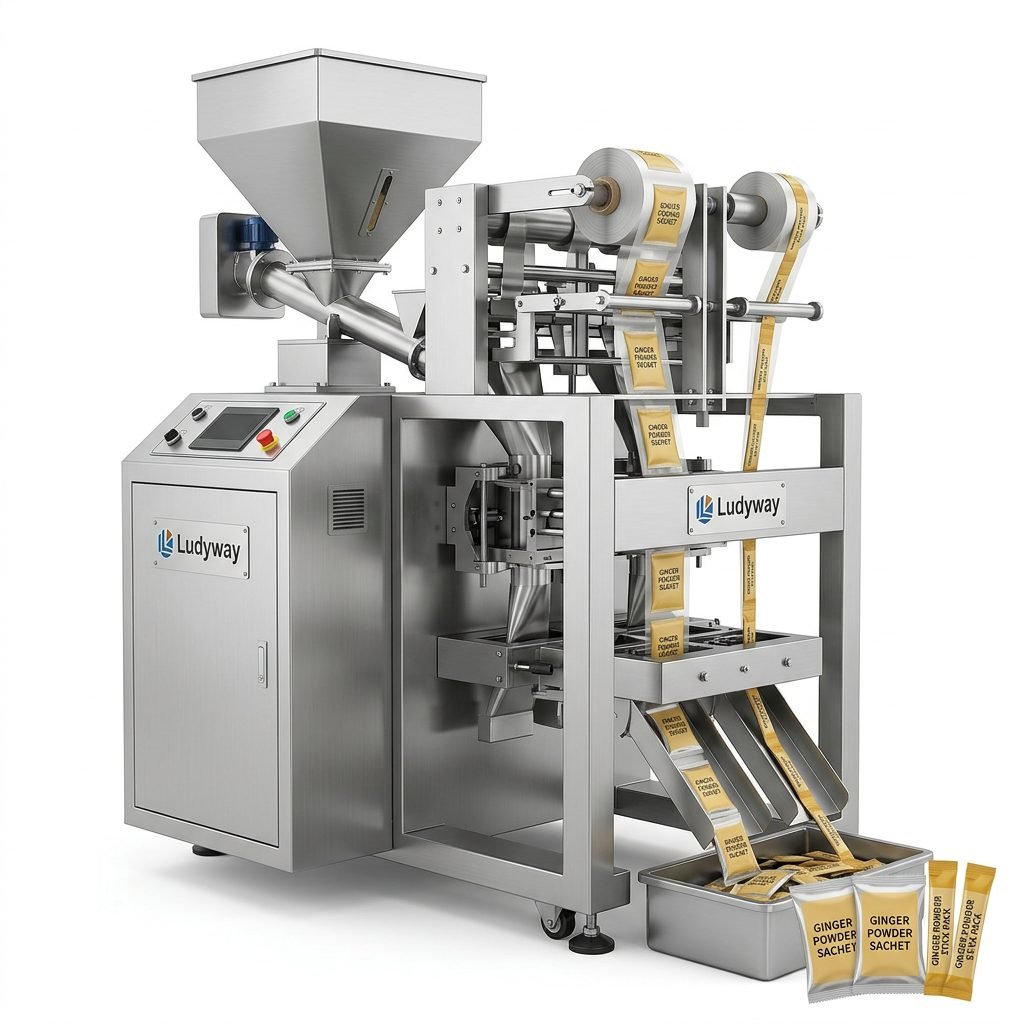
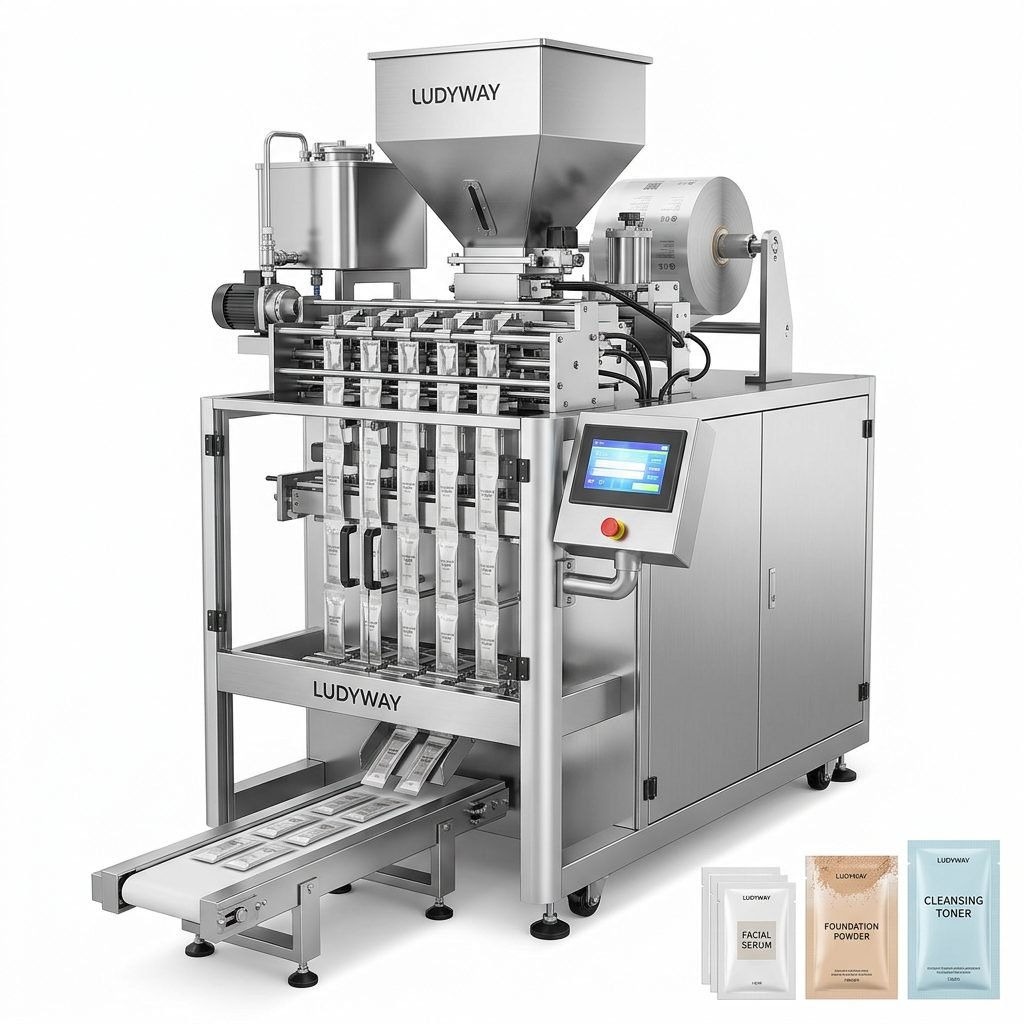
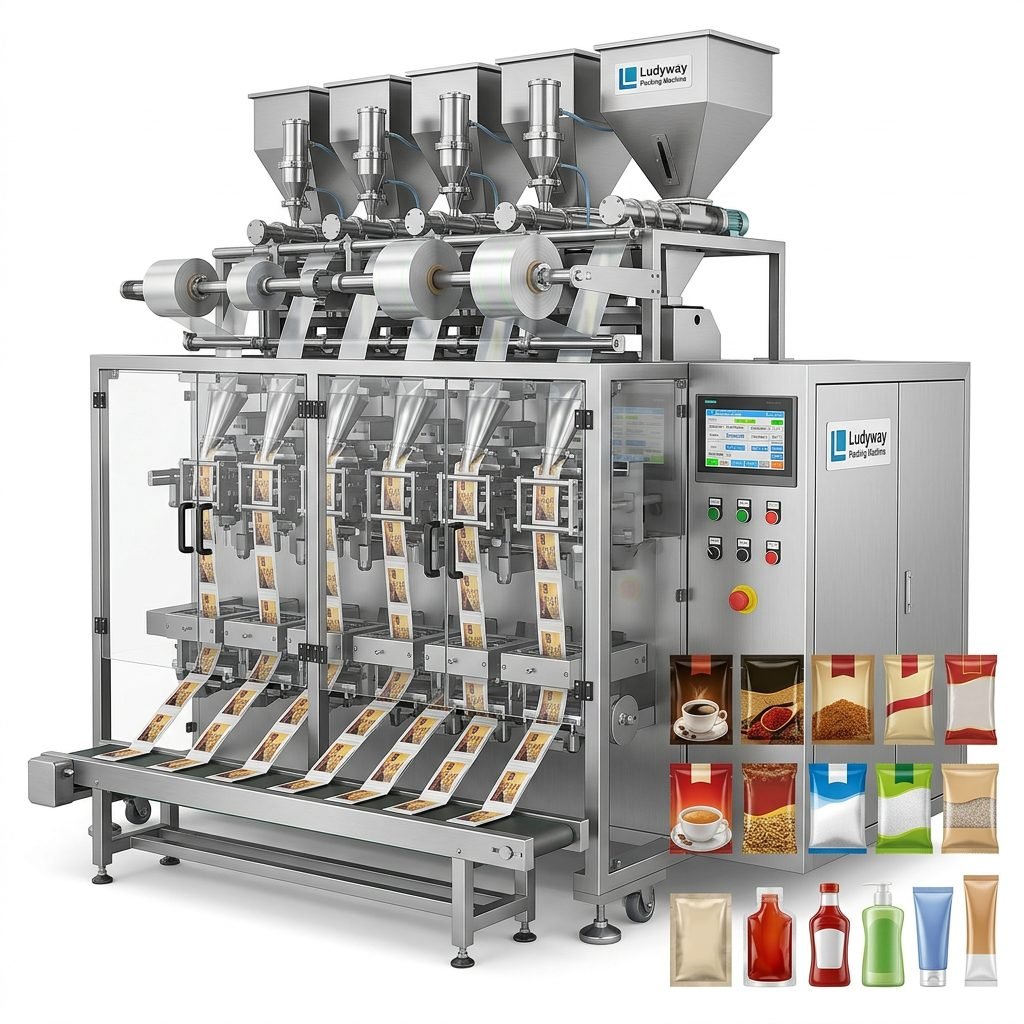
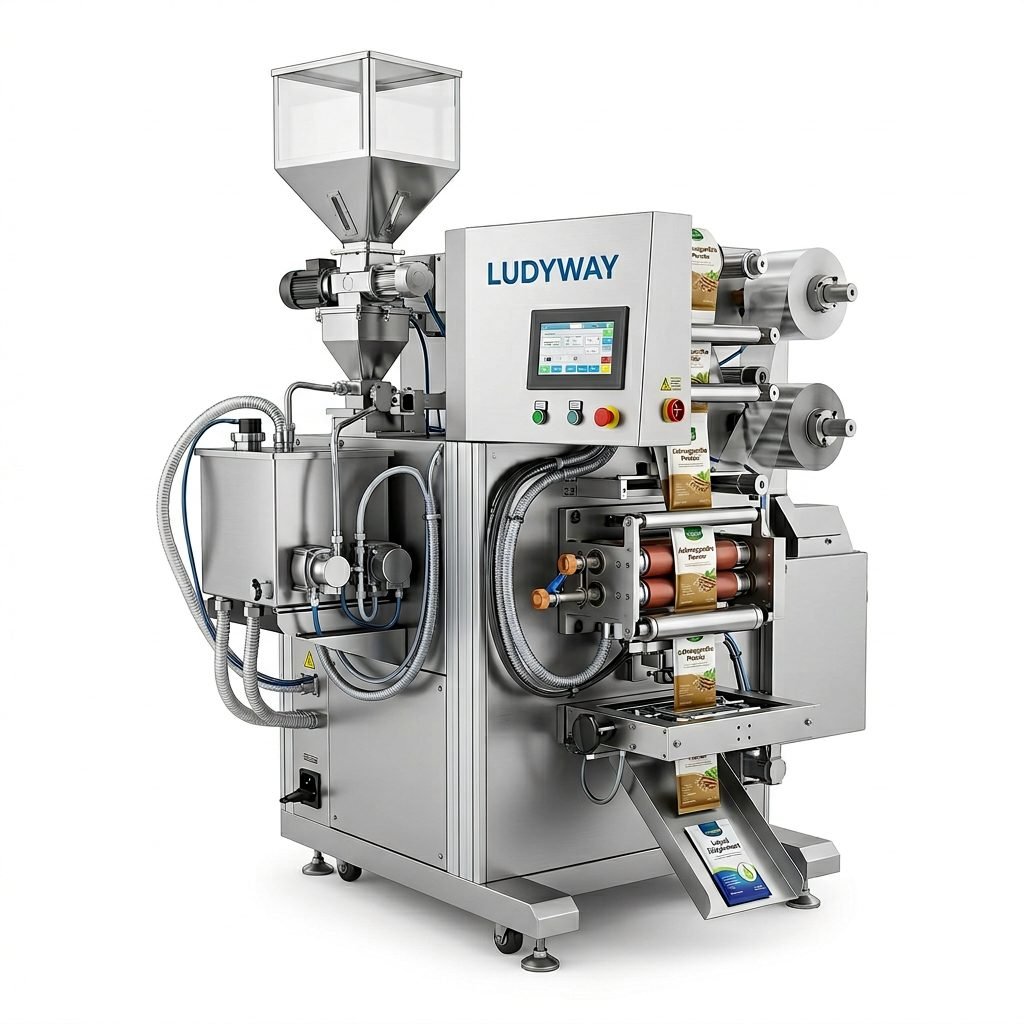
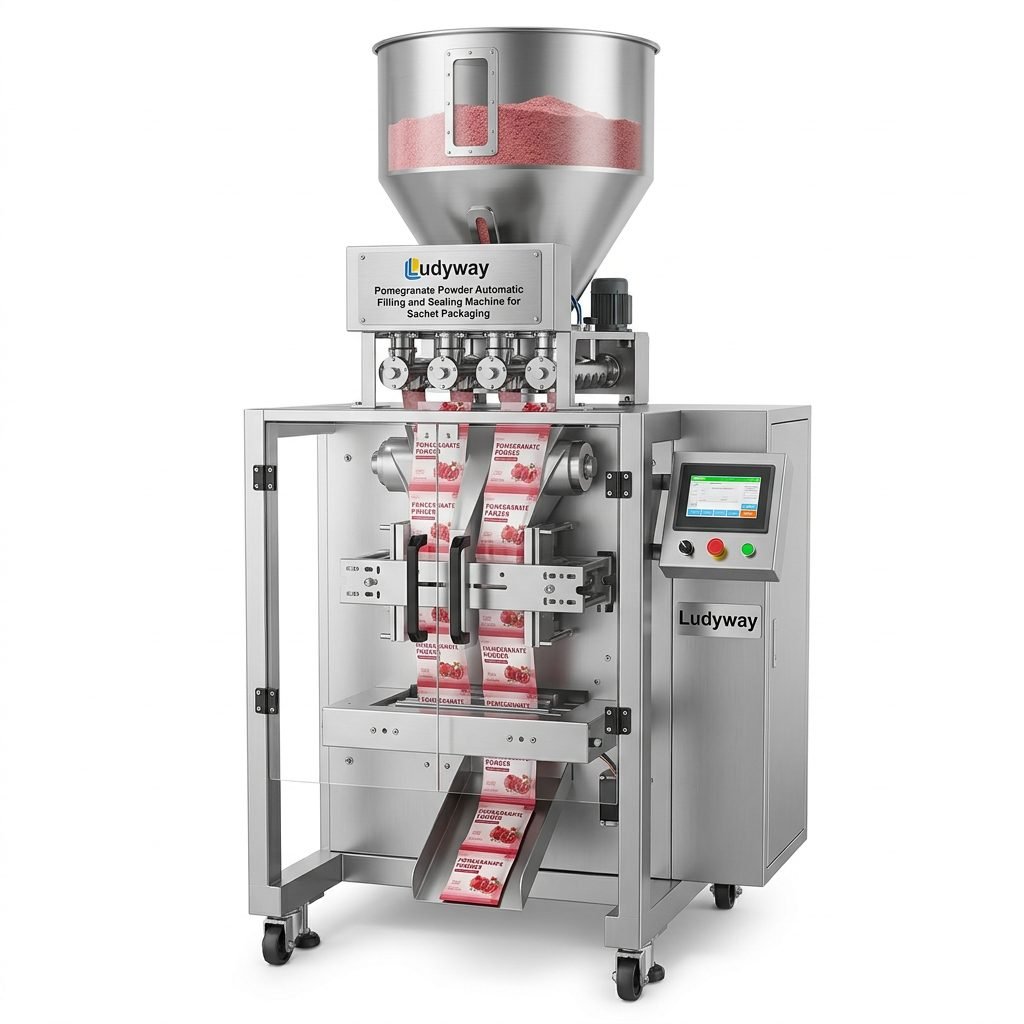
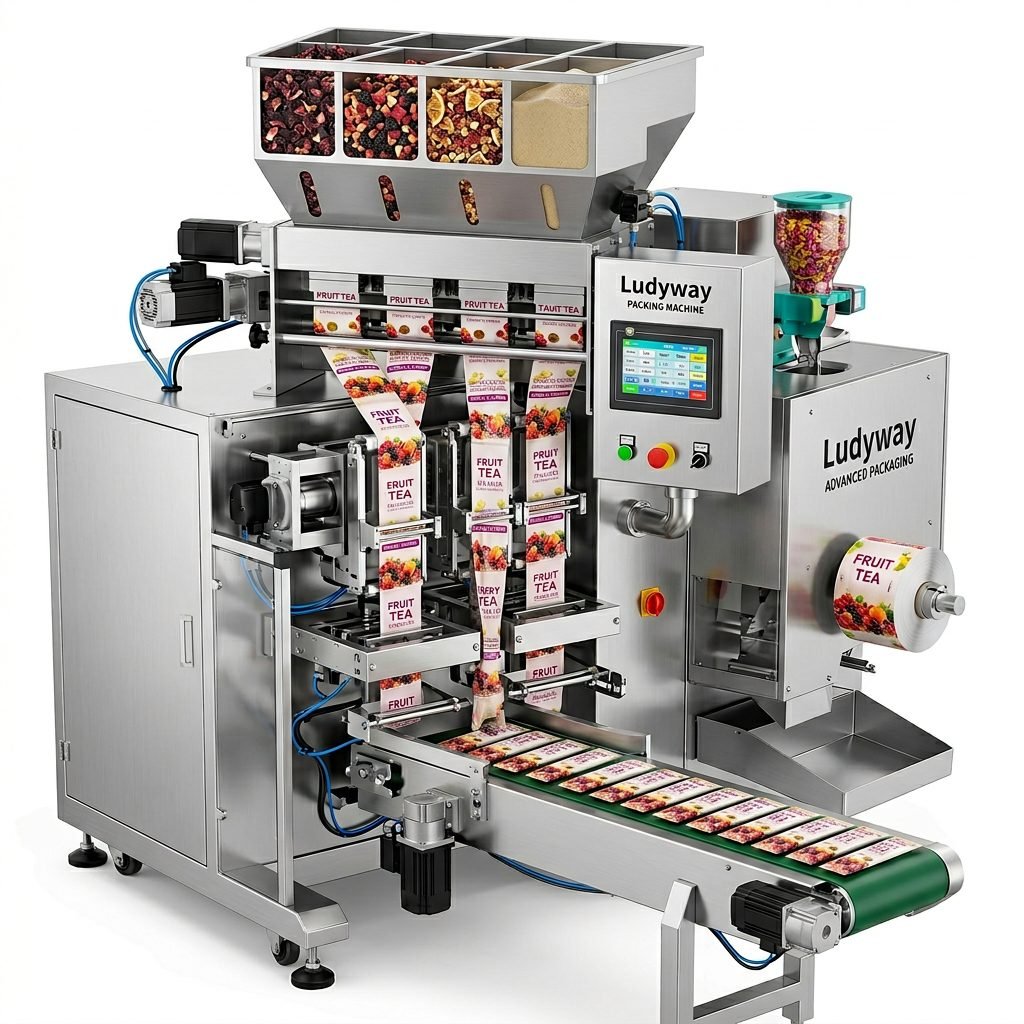
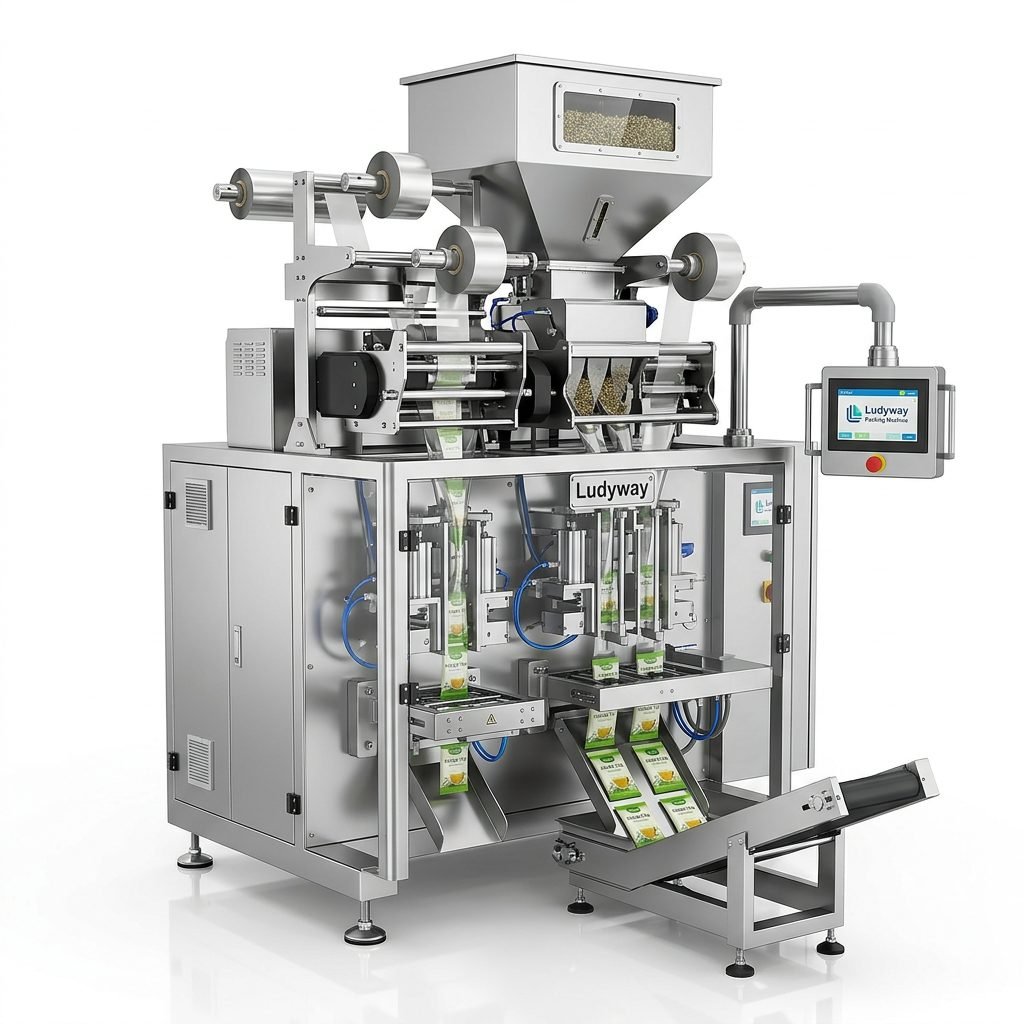
- Machine Type and Configuration: A simple single-lane sachet machine costs significantly less than a high-speed multi-lane stick pack machine. Multi-lane models, such as 4-lane, 8-lane, or even 16-lane systems, exponentially increase output but also increase the initial investment.
- Level of Automation: Fully automatic lines that integrate feeding, weighing, filling, sealing, and cartoning are priced at a premium. Semi-automatic machines require more manual labor and have a lower upfront cost but may incur higher long-term operational expenses.
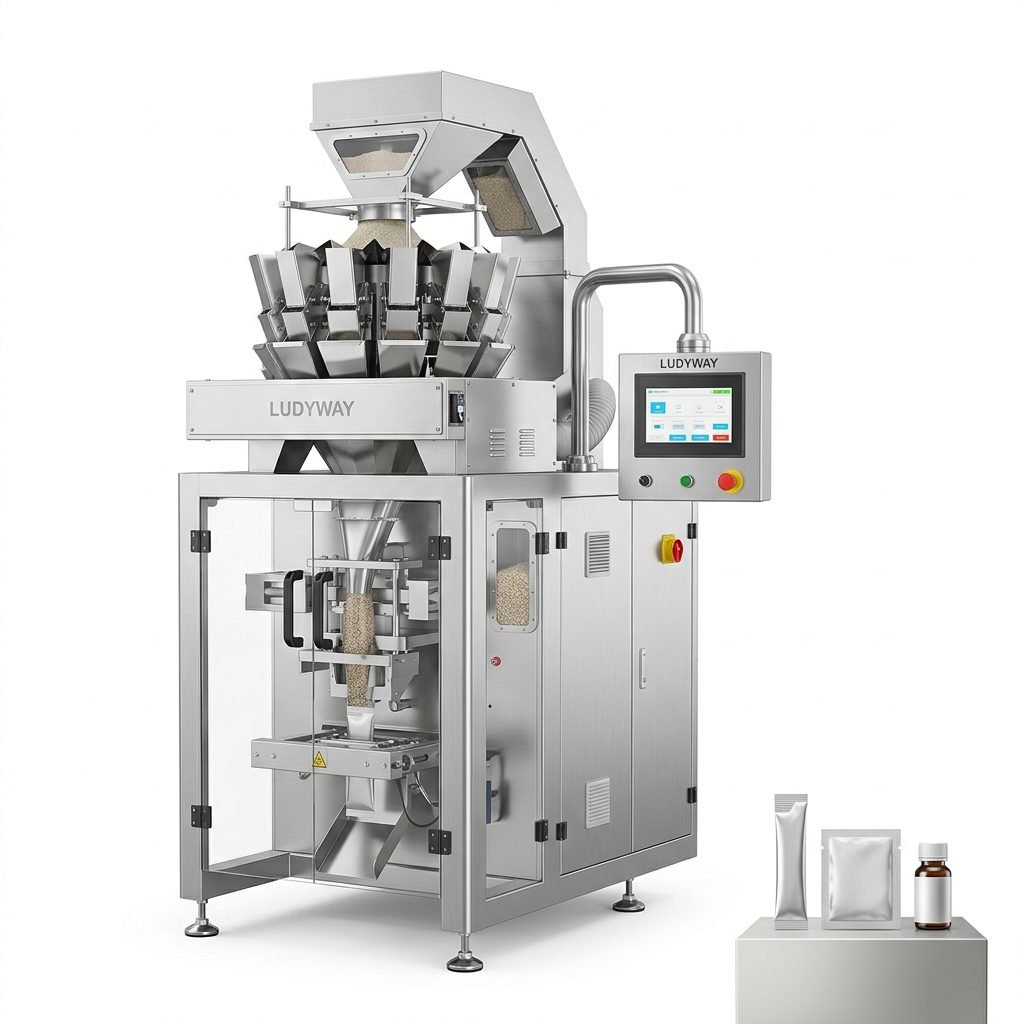
- Filling and Weighing Systems: The precision of the dosing mechanism is paramount, especially for valuable teas. Auger fillers, volumetric cup fillers, and multi-head weighers are key options. A high-precision multi-head weigher for a powder packaging machine will increase the overall cost compared to a basic volumetric system.
- Additional Features and Auxiliary Equipment: Optional add-ons like nitrogen flushing systems for extended shelf life, date coding machines, checkweighers for quality control, and automated cartoning or palletizing systems will add to the total capital expenditure.
- Construction Material and Build Quality: Machines built with food-grade stainless steel (SS304 or SS316) and certified components like CE, UL, or GMP-compliant designs are more expensive but are essential for hygiene and durability, particularly for herbal supplement packaging.

General Price Ranges for Tea Hay Packing Machines
While every project is unique, understanding the market tiers can help you set realistic expectations. The following table provides a general overview of costs based on common machine configurations for tea-like granular and leafy materials.
| Machine Configuration | Typical Output Range | Estimated Price Range (USD) | Best For |
|---|---|---|---|
| Single-Lane Sachet/Stick Pack | 30-60 packs/min | $5,000 – $15,000 | Small businesses, startups, sample production |
| 4 to 8 Lane Multi-Lane Machine | 150-400 packs/min | $35,000 – $85,000 | Medium-scale commercial production |
| 10 to 16 Lane High-Speed System | 500-1000+ packs/min | $90,000 – $200,000+ | Large-scale industrial, global brands |
| Complete Turnkey Packaging Line | Fully Customizable | $150,000 – $500,000+ | End-to-end automatic production facilities |
Note: Prices are estimates for reference and vary based on customization and supplier location. Contacting a reputable packaging machine manufacturer for a detailed quote is essential.
Cost Breakdown by Core Component
To better understand the investment, it helps to see where your money goes.
- Main Machine Chassis & Conveying System: This forms the structural backbone, 30-40% of the cost. Quality materials here ensure longevity.
- Filling and Weighing Module: The “heart” of the machine, accounting for 25-35% of the total. Precision here dictates product giveaway and profit margins.
- Sealing and Cutting Mechanism: Critical for pack integrity. High-quality sealing components can be 10-15% of the price.
- Control System & HMI: The “brain” of the operation, usually 10-20%. A user-friendly, PLC-driven color touchscreen is standard for modern machines.
- Optional Auxiliary Equipment: Items like a case packing line or a high-precision checkweigher are separate investments that can add 20-50% to the core machine cost.

Smart Buying Tips for Your Packaging Machine
Making the right purchase requires due diligence. Here are critical tips to ensure you invest wisely in a solution that scales with your business.
1. Define Your Product and Packaging Specifications
Start with a detailed analysis of your product. Is it a fine, dusty herbal powder, a granular loose-leaf blend, or a more fragile, long-leaf hay? The flow characteristics and density of your tea will dictate the type of filler you need. Also, define your desired pack style—stick packs, sachets, or flat pouches—and the required film materials. A machine ideal for a granule packaging machine may not handle long-leaf tea optimally without modifications.
2. Verify Production Capacity and Efficiency
Don’t just look at the theoretical speed. Investigate the actual, sustained operating speed and overall equipment effectiveness (OEE). A machine rated at 400 packs per minute might only reliably run at 320. Calculate your current and projected volume needs to ensure the machine will not be a bottleneck within two years. For larger operations, investing in multi-lane stick pack production lines is a strategic move for high-volume output.
3. Prioritize After-Sales Service and Support
A machine’s lifespan and your production uptime depend heavily on technical support. Investigate the manufacturer’s local service network, spare parts availability, and warranty terms. A slightly cheaper machine can become a massive liability if it takes weeks to get a technician or a replacement part. Ask about remote diagnostic capabilities and the availability of online technical support.
4. Request a Sample Run
This is a non-negotiable step. Always have the manufacturer run a sample using your actual tea product and packaging film. This validates the machine’s capability, seal integrity, fill accuracy, and overall pack aesthetics. It’s the single best way to mitigate risk before signing a purchase agreement.
5. Understand the Total Cost of Ownership (TCO)
Look beyond the purchase price. TCO includes energy consumption, spare parts costs, expected service life of wear items (like sealing jaws and cutting blades), and operator training expenses. A machine with a higher upfront cost but lower energy usage and more durable components can be far more economical over a 10-year period.
About the Manufacturer
Ludyway is one of the largest packaging machine manufacturers in China, specializing in advanced packaging equipment and turnkey production solutions for the food, pharmaceutical, and health industries. With over 30 years of industry expertise, we provide reliable and efficient packaging solutions for granule, powder, liquid, and pouch packaging applications. Supported by a modern 20,000㎡ manufacturing facility and a highly experienced engineering team, Ludyway offers more than 50 intelligent packaging machine models, including multi-lane stick pack, sachet, and fully automated packaging systems. Serving customers in over 100 countries and regions, we are committed to delivering innovative, high-performance, and cost-effective packaging solutions that help businesses improve productivity, product quality, and operational efficiency.
Global Quality Standards and Compliance
Ensuring your packaging machine meets international regulations is vital for market access. Resources from authorities like the FDA on food contact substances and ISO packaging standards provide essential guidance. For industry-specific trends, reports from the PMMI Business Intelligence Library and the Flexible Packaging Association are invaluable.
Acquiring a tea packaging machine is a strategic partnership. By focusing on your specific needs, understanding the nuanced pricing factors, and choosing a partner with a proven track record, you secure not just a machine, but a pathway to scalable, efficient production and long-term business growth.