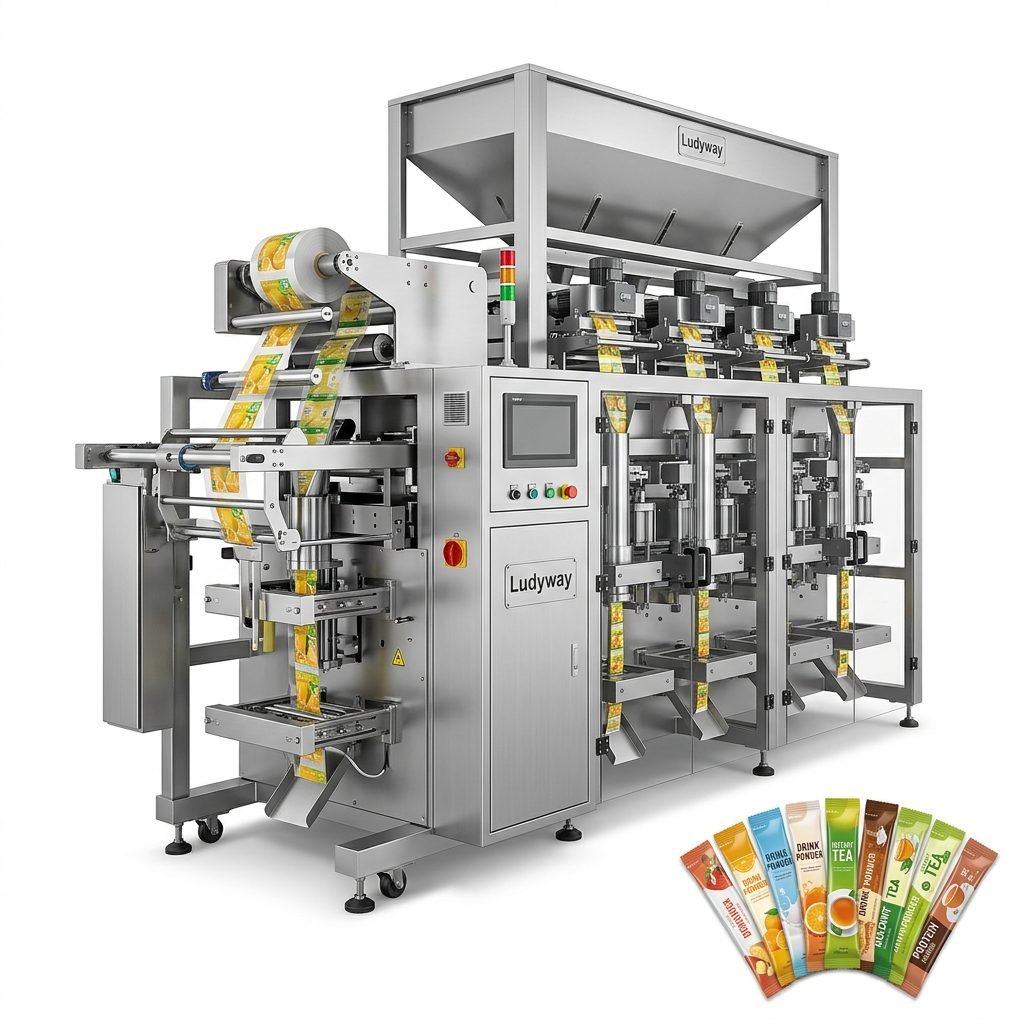
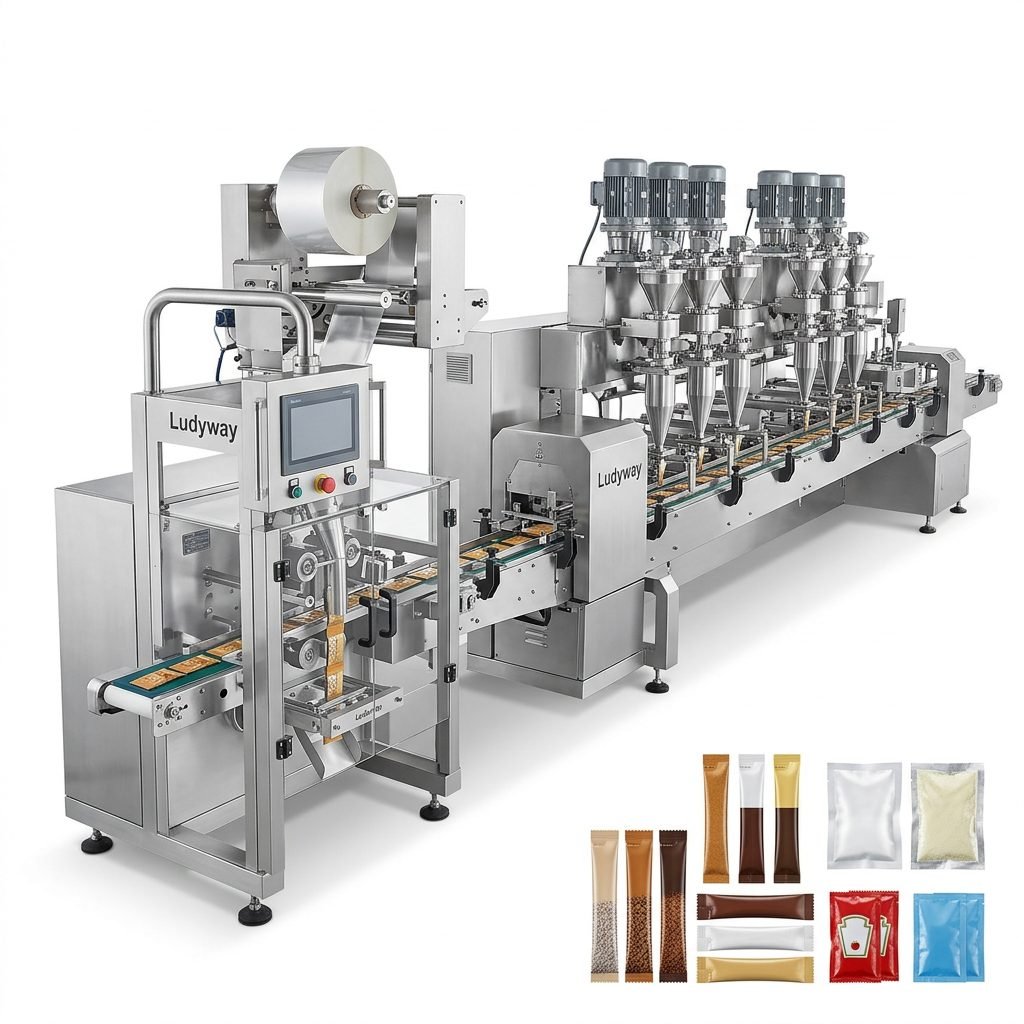
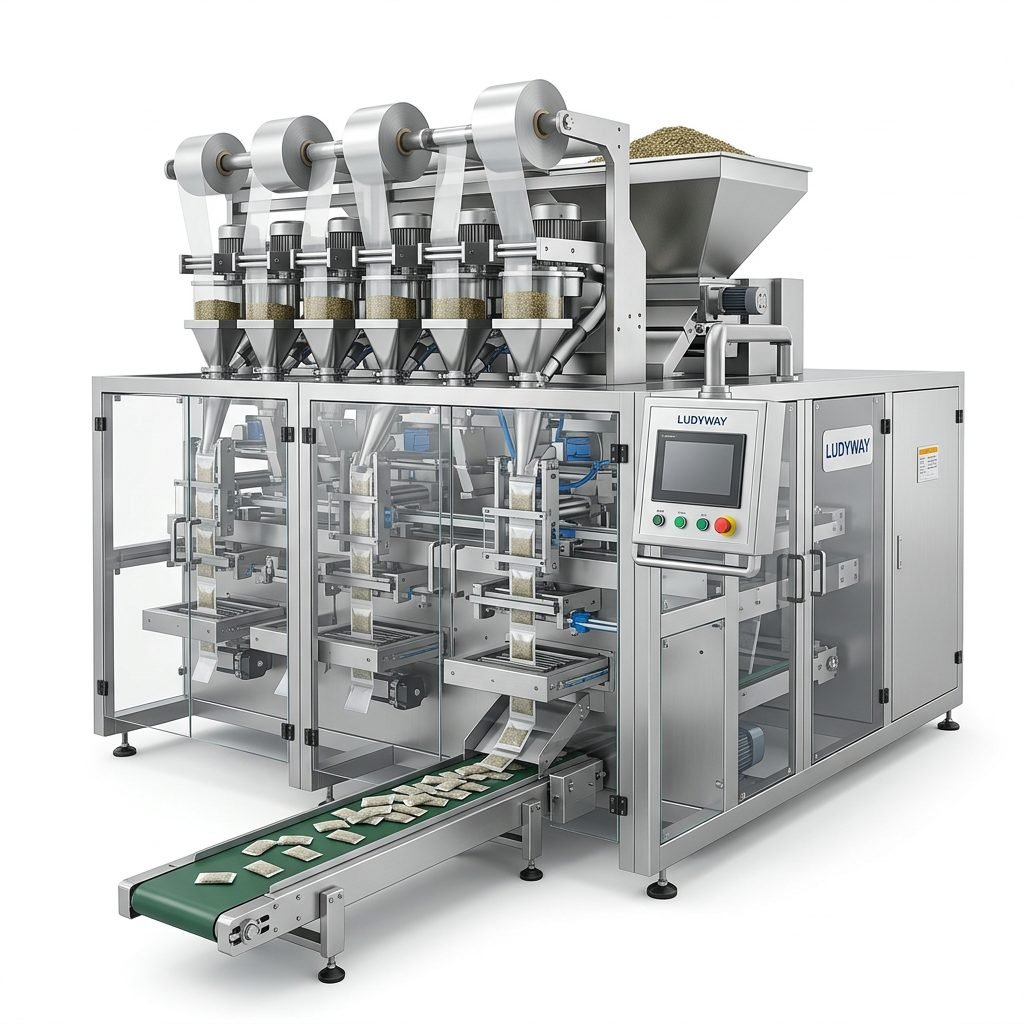
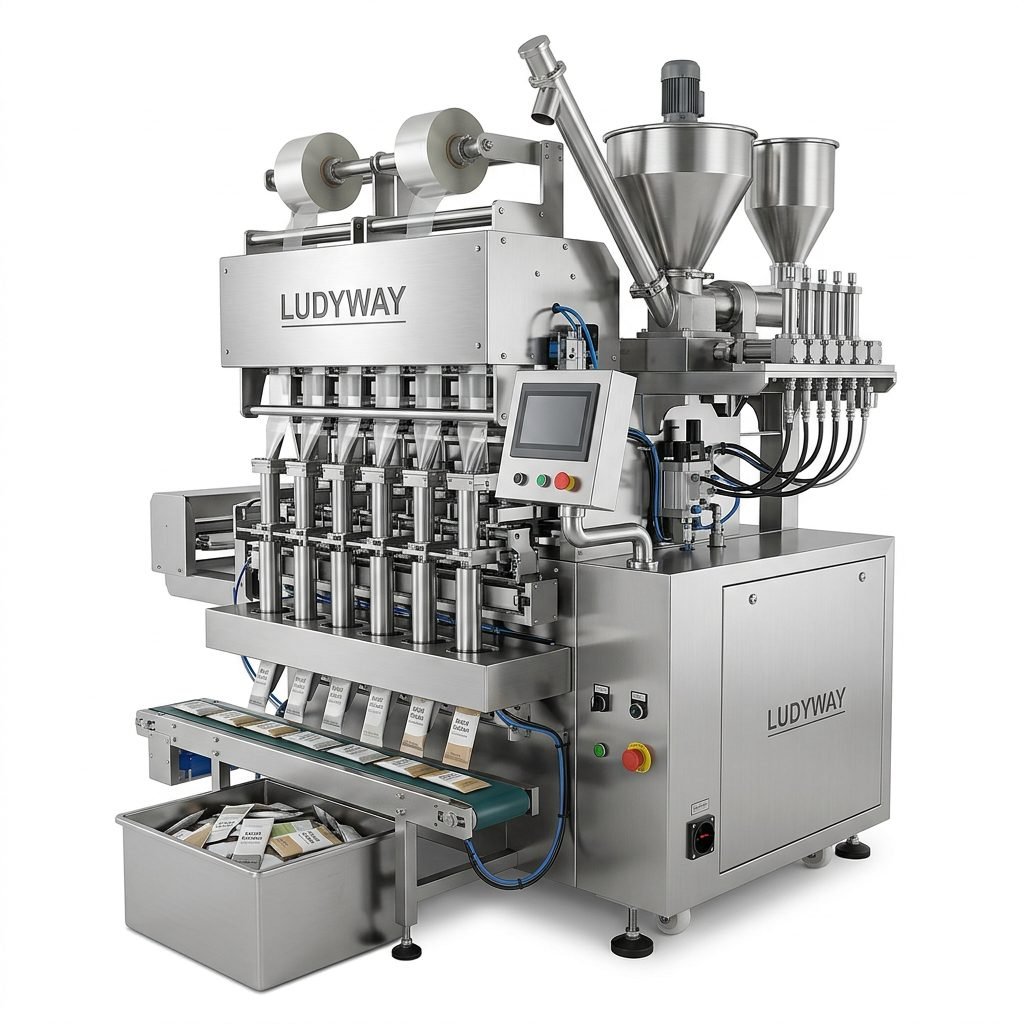
Proper maintenance of a manual biscuit packing machine is essential to ensure consistent performance, extend equipment lifespan, and maintain product quality. Whether you operate a small bakery or a mid-sized food production facility, a well-maintained biscuit packaging machine reduces downtime and prevents costly repairs. This guide outlines the essential cleaning and maintenance practices every operator should follow.
Daily Cleaning Routine: The Foundation of Machine Care
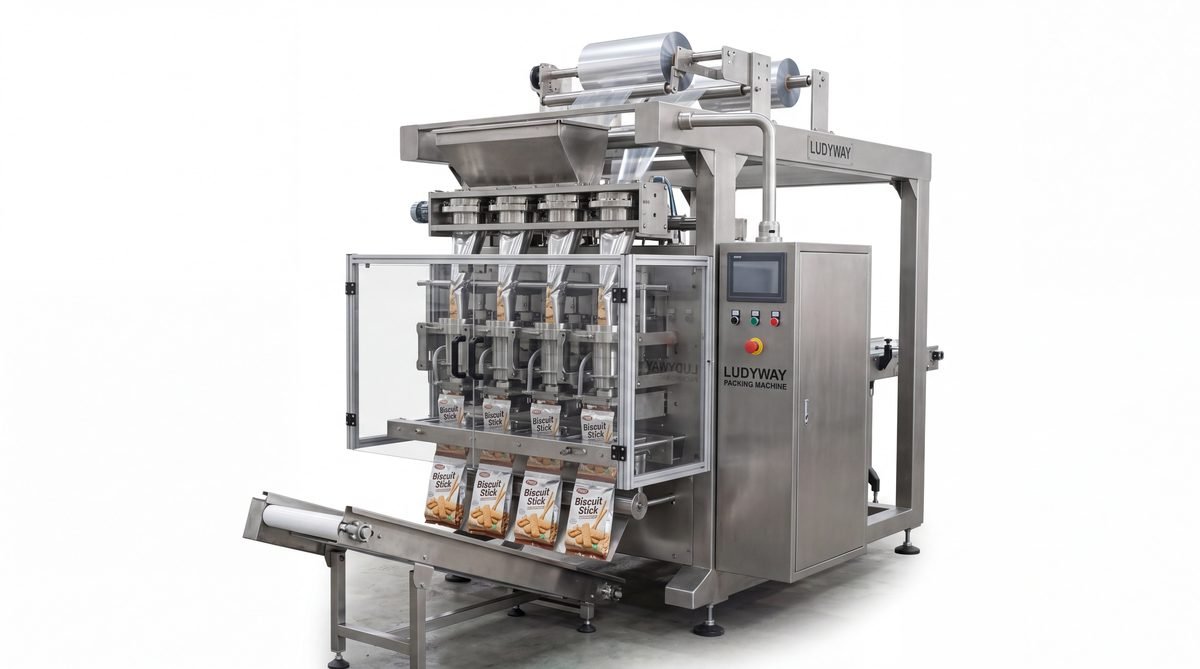
A consistent daily cleaning schedule is the most effective way to prevent residue buildup and mechanical issues. Biscuit crumbs, sugar dust, and oil residues can accumulate quickly during operation, affecting both hygiene and machine functionality.
- Power down and disconnect the machine completely before any cleaning procedure. This is a non-negotiable safety step.
- Use a dry, soft-bristled brush or compressed air to remove loose crumbs and dust from the sealing jaws, conveyor belts, and feeding mechanisms.
- Wipe all food-contact surfaces with a food-grade sanitizing solution and allow them to air dry thoroughly.
- Inspect the sealing area for any stuck packaging material or biscuit fragments that could compromise seal integrity.
- Check and empty the crumb tray if your machine is equipped with one.
Skipping daily cleaning can lead to cross-contamination and accelerated wear on critical components. Operators should document each cleaning session to maintain consistent records for quality control audits.
Weekly Maintenance Checks: Catch Problems Early
While daily cleaning addresses surface-level hygiene, weekly inspections help identify emerging mechanical issues before they escalate into major failures. Dedicate at least 30 minutes each week to these checks.
Mechanical Component Inspection
- Examine all belts and chains for signs of stretching, fraying, or misalignment. Replace worn belts promptly.
- Check screws, bolts, and fasteners throughout the machine frame. Vibration during operation can loosen connections over time.
- Inspect sealing jaws and heating elements for uneven wear patterns or residue buildup that may affect seal quality.
- Test the manual lever and handle mechanisms for smooth operation without sticking or unusual resistance.
Lubrication Points
Proper lubrication reduces friction and prevents premature wear. Apply food-grade lubricant to all designated points as specified in the manufacturer’s manual. Pay special attention to:
- Bearing housings and shaft connections
- Chain drives and sprocket assemblies
- Guide rails and sliding surfaces
- Cam followers and pivot points on the sealing mechanism
Over-lubrication can attract dust and debris, so apply sparingly and wipe away any excess. For more details on proper lubrication techniques, refer to resources from PMMI packaging industry resources.
Monthly Deep Maintenance Tasks
Monthly maintenance goes beyond routine checks to address long-term reliability. These tasks may require partial disassembly of certain machine sections.
| Maintenance Task | Frequency | Key Indicators |
|---|---|---|
| Sealing jaw alignment check | Monthly | Uneven seals, wrinkled packaging |
| Heating element temperature calibration | Monthly | Inconsistent seal strength, burn marks |
| Belt tension adjustment | Monthly | Slipping belts, uneven feeding |
| Electrical connection inspection | Monthly | Intermittent power, flickering indicators |
| Deep cleaning of internal components | Monthly | Visible dust accumulation in hard-to-reach areas |
| Cutting blade sharpness evaluation | Monthly | Jagged cuts, incomplete separation |
Common Issues and Troubleshooting Guide
Even with diligent maintenance, occasional issues can arise. Understanding common problems helps operators respond quickly and minimize production delays.
| Problem | Possible Cause | Recommended Solution |
|---|---|---|
| Weak or inconsistent seals | Incorrect temperature setting or dirty sealing jaws | Clean jaws thoroughly and recalibrate temperature |
| Packaging film jamming | Misaligned film guides or worn rollers | Realign guides and inspect rollers for damage |
| Irregular product feeding | Worn conveyor belt or obstructed feeding channel | Adjust belt tension and clear any blockages |
| Excessive noise during operation | Lack of lubrication or loose components | Lubricate all points and tighten fasteners |
| Biscuit breakage inside package | Excessive handling pressure or misaligned guides | Adjust guide rails and reduce grip pressure |

Safety Protocols During Maintenance
Operator safety must always be the top priority during any cleaning or maintenance activity. Follow these essential safety guidelines without exception.
- Lockout/Tagout (LOTO): Always disconnect the machine from its power source and use a lockout device to prevent accidental startup.
- Wear appropriate personal protective equipment (PPE), including cut-resistant gloves and safety glasses when handling blades or tensioned components.
- Allow heating elements to cool completely before touching the sealing area. Burns are among the most common injuries during packaging machine maintenance.
- Keep the maintenance area clean and well-lit to avoid trips, slips, and overlooked details.
- Never bypass safety interlocks or guards during operation or testing.
Seasonal and Long-Term Maintenance Planning
Beyond routine cleaning and inspections, plan for seasonal deep maintenance sessions. These are ideal opportunities to replace wear parts proactively and perform comprehensive machine assessments. Refer to packaging industry business intelligence reports for best practices on equipment lifecycle management.
Key long-term considerations include:
- Replacing sealing belts and heating cartridges annually or as recommended by the manufacturer
- Checking electrical wiring integrity for signs of heat damage or insulation breakdown
- Evaluating overall machine alignment using precision measurement tools
- Updating maintenance logs and identifying recurring issues for engineering review
The Role of Operator Training in Machine Longevity
Even the best maintenance program cannot compensate for improper machine operation. Investing in thorough operator training yields significant returns through reduced wear and fewer emergency repairs. Well-trained operators can identify subtle changes in machine behavior that signal developing problems. For additional guidance on packaging machinery standards, consult ISO packaging standards.
Ludyway is one of the largest packaging machine manufacturers in China, offering a wide range of manual and automated packaging solutions with comprehensive after-sales support and maintenance guidance for customers worldwide.
By following these cleaning and maintenance tips consistently, you can maximize the performance and lifespan of your manual biscuit packing machine, ensuring reliable operation and high-quality packaging output for years to come. For further reading on packaging machinery trends and maintenance best practices, visit the Flexible Packaging Association industry resources.