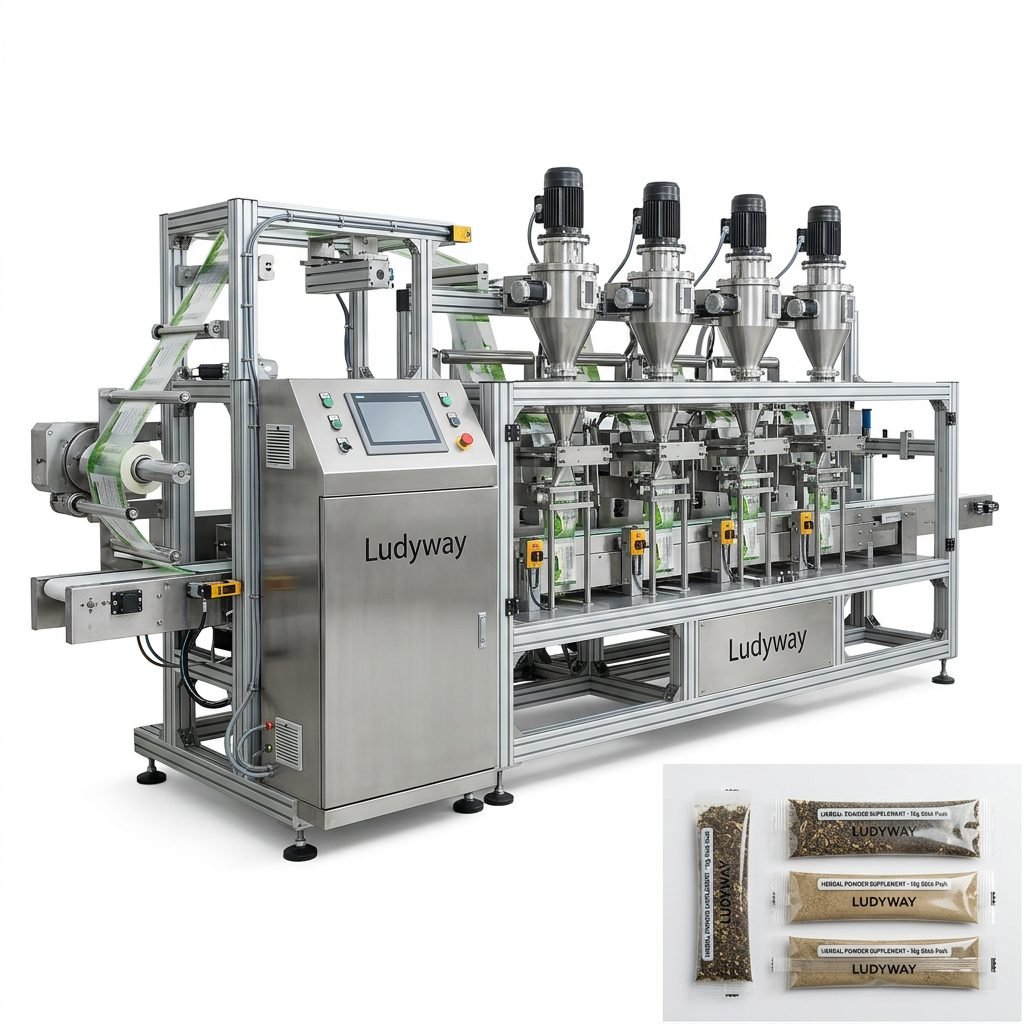
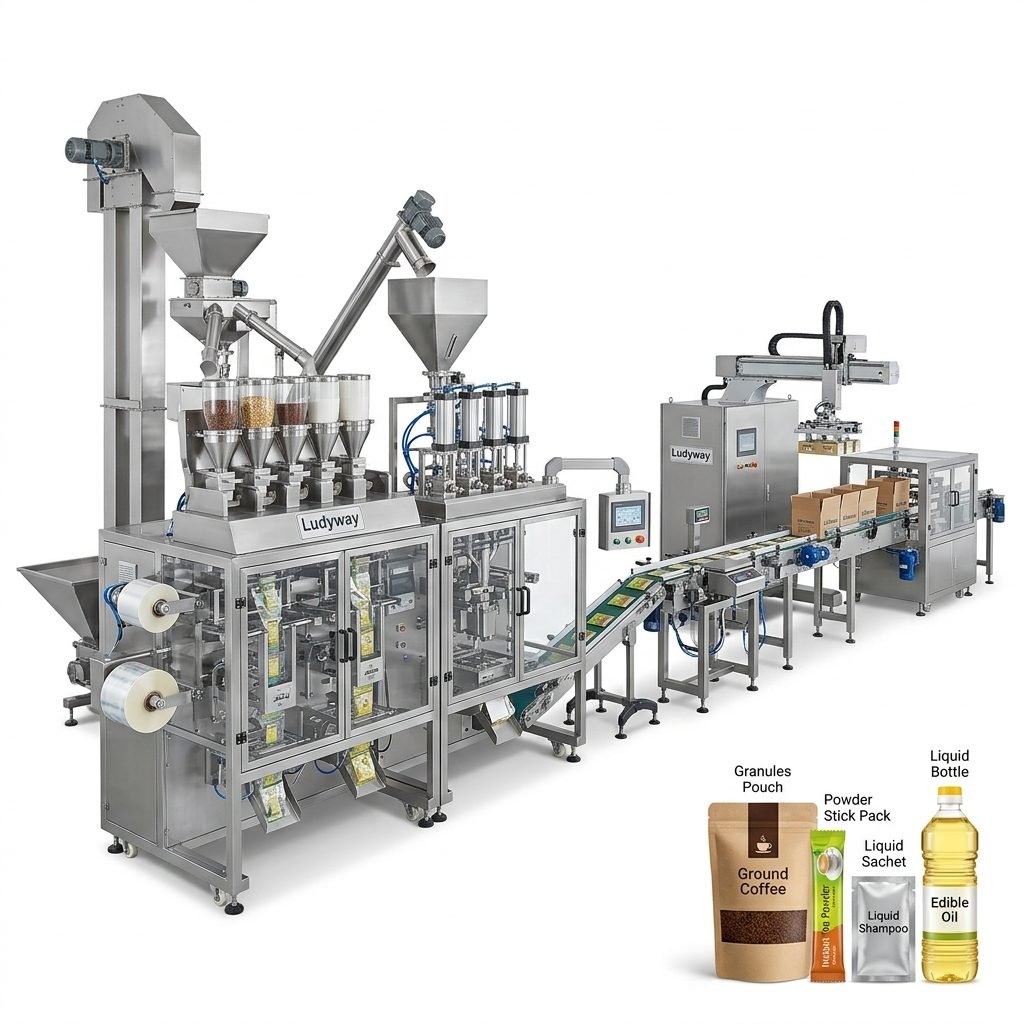
Choosing the right auto packing machine is not just about buying faster equipment. It is about finding a packaging solution that matches your product type, output target, packaging format, factory space, labor situation, compliance needs, and future growth plan. The right system can improve consistency, reduce waste, lower labor dependency, and help your business scale with confidence.
Whether you pack powders, granules, liquids, pastes, pouches, sachets, stick packs, bottles, or bulk bags, this guide will help you evaluate automated packaging equipment more strategically.
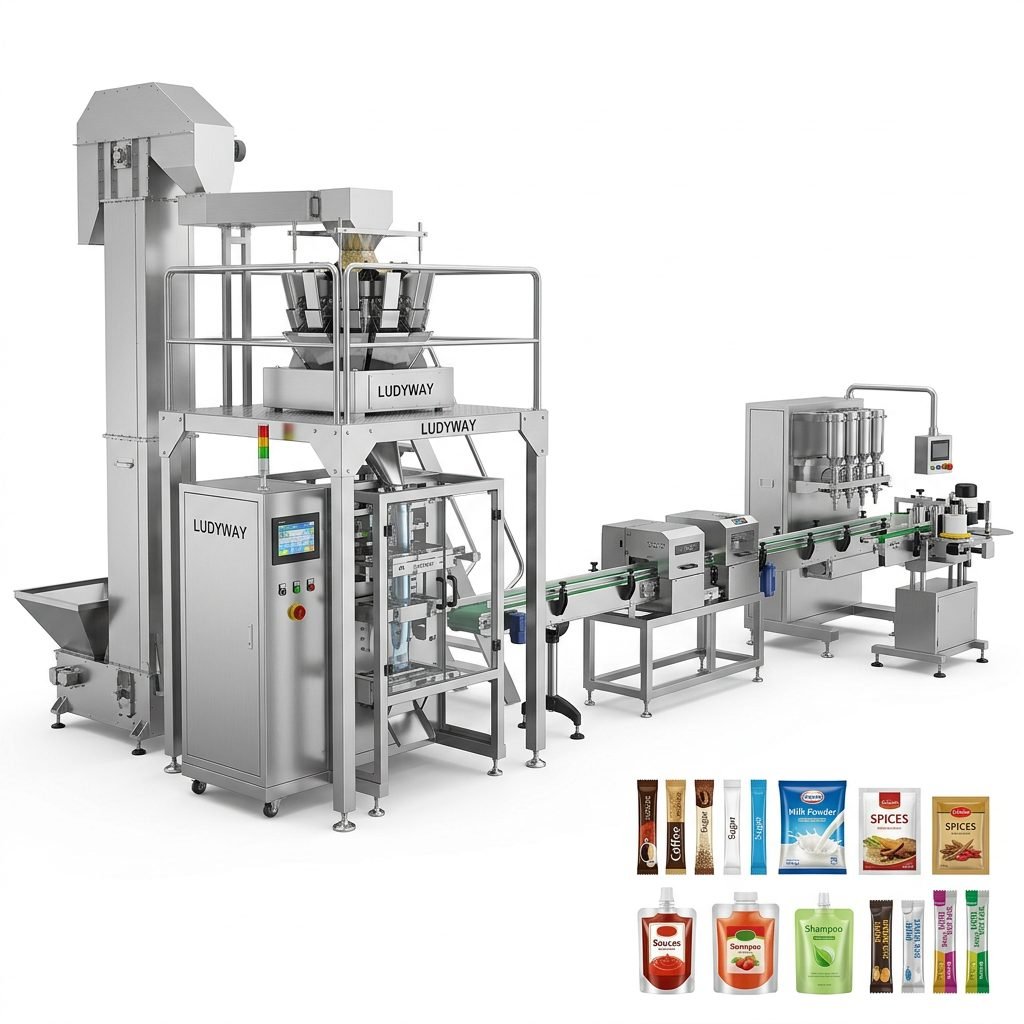
What Is an Auto Packing Machine?
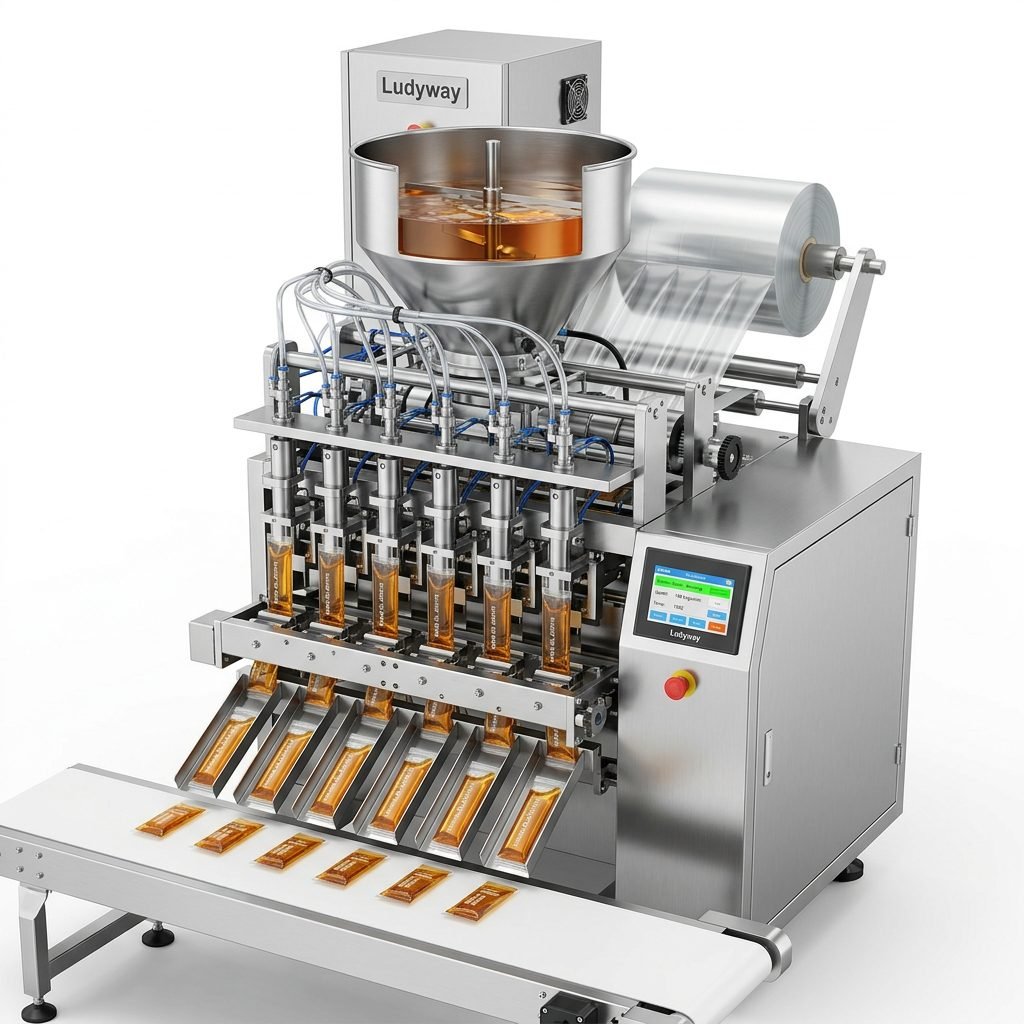
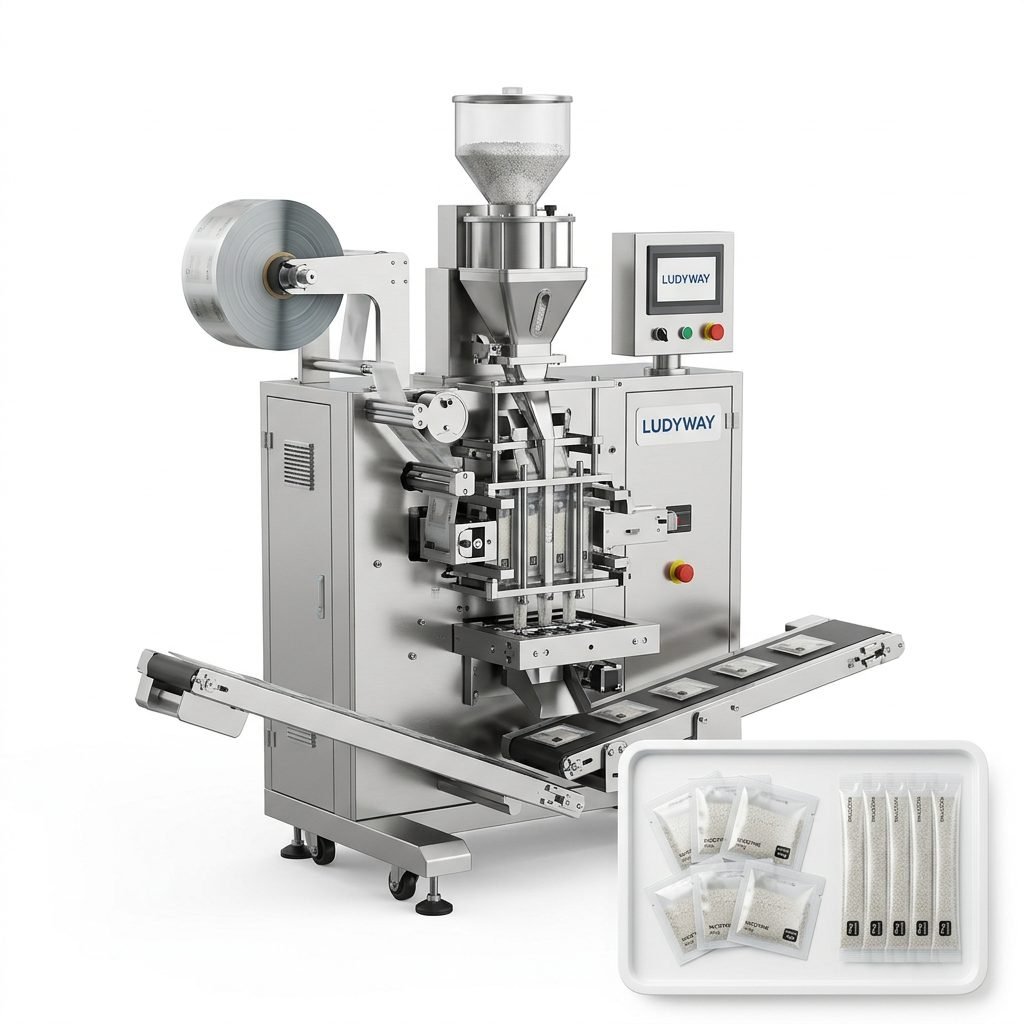
An auto packing machine is automated equipment designed to measure, fill, form, seal, label, code, inspect, and sometimes carton or palletize products with minimal manual intervention. Depending on the application, it may be a single standalone machine or part of a fully integrated packaging line.
Common examples include:
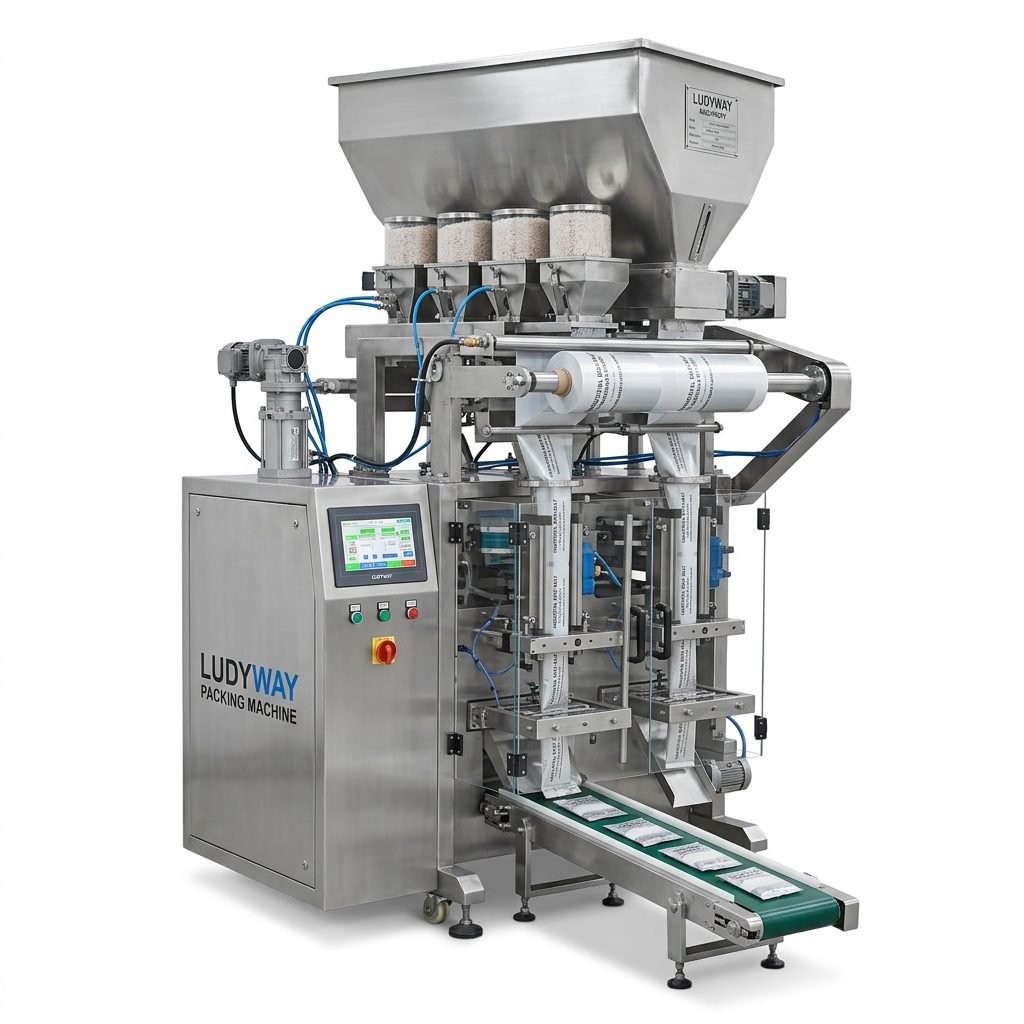
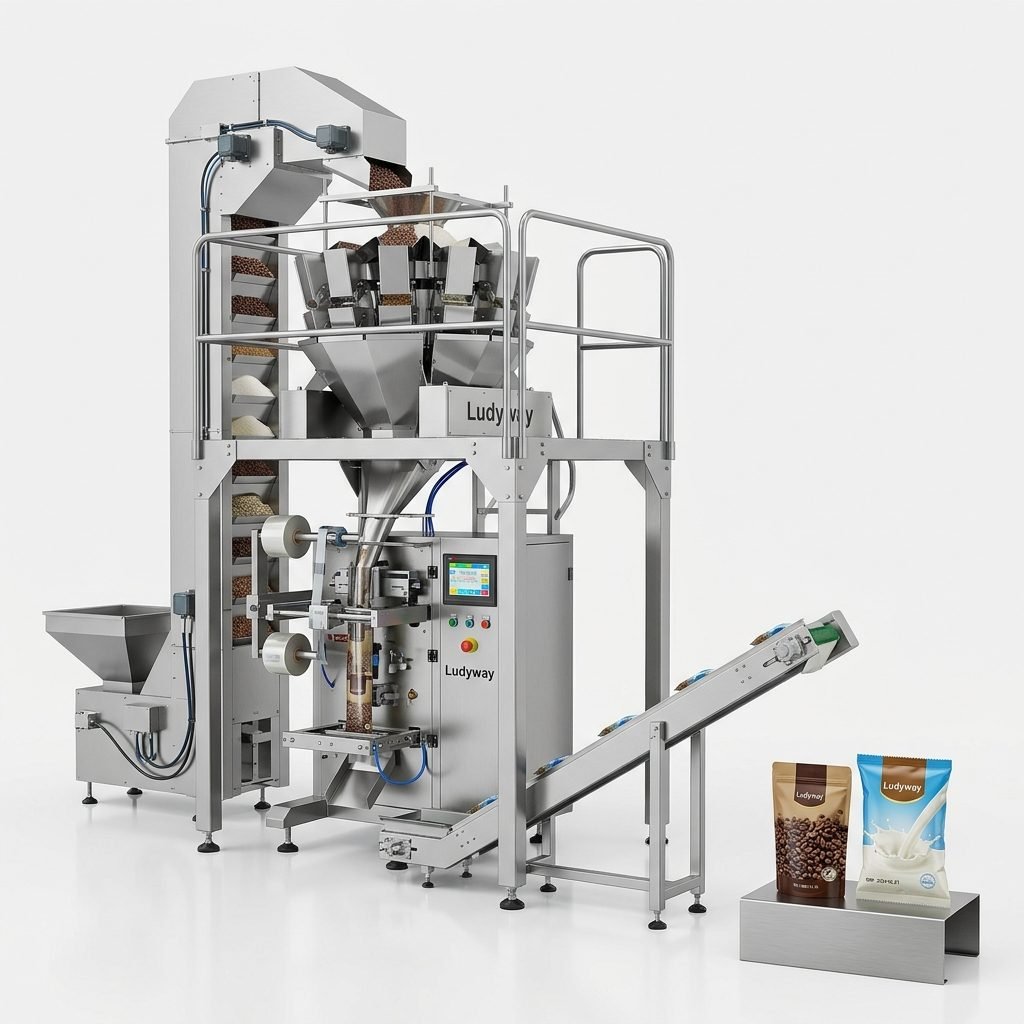
- Vertical form fill seal machines for powders and granules
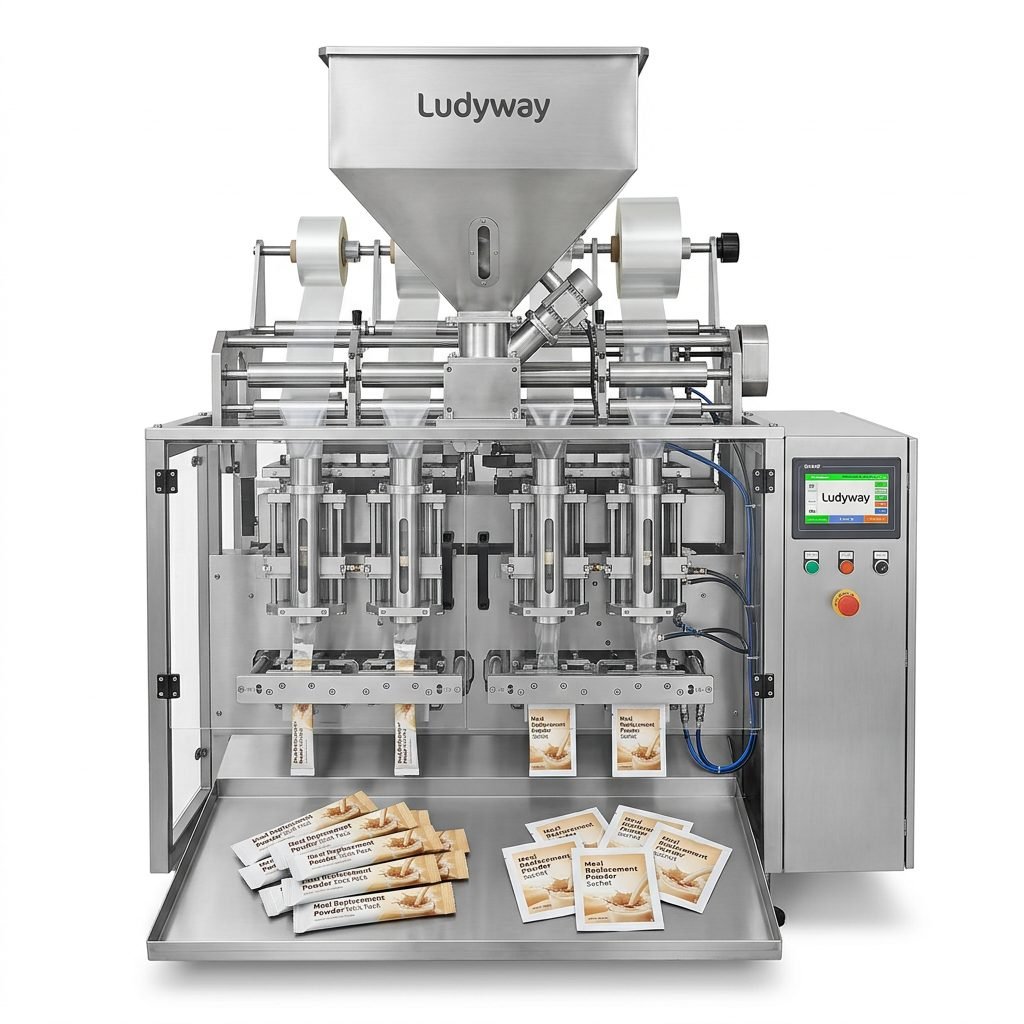
- Sachet and stick pack machines for single-dose products
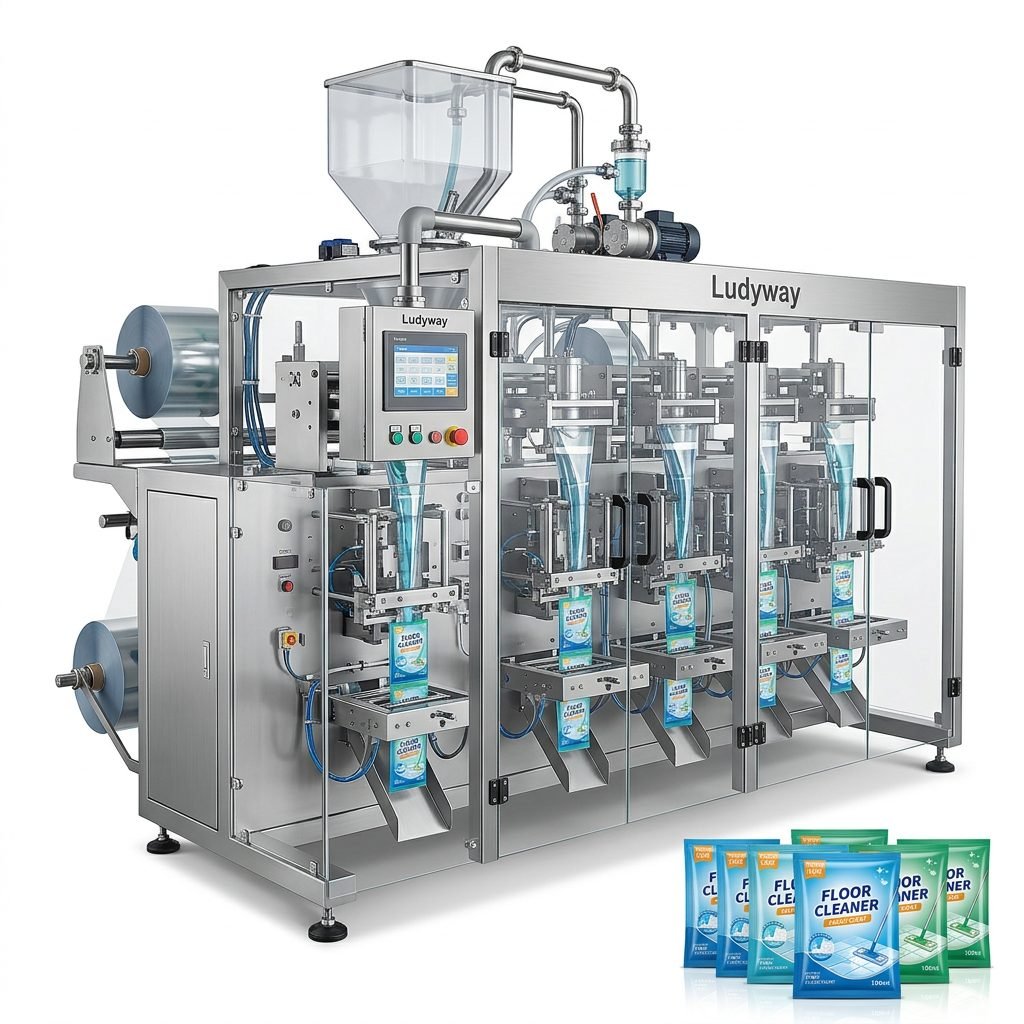
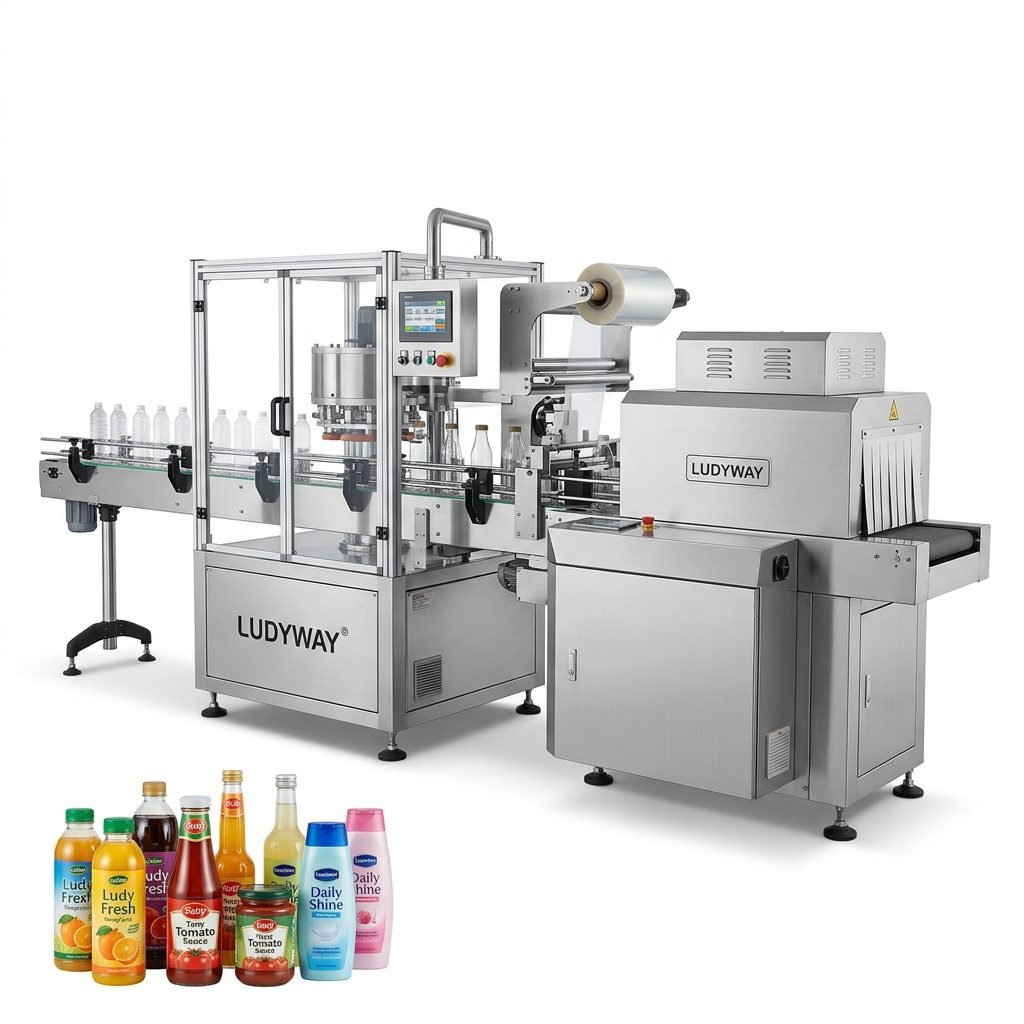
- Liquid filling and sealing systems for sauces, oils, gels, and cosmetics
- Premade pouch filling machines
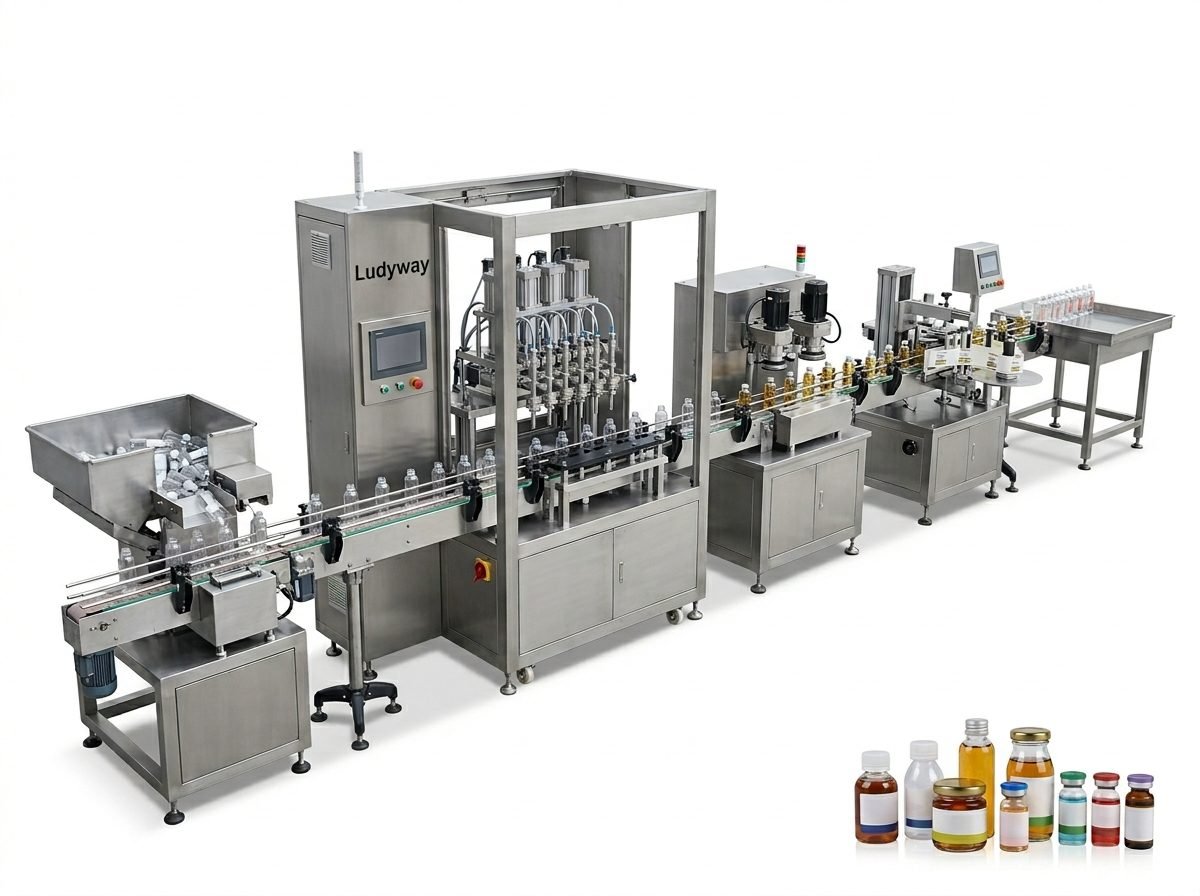
- Bottle filling, capping, labeling, and cartoning lines
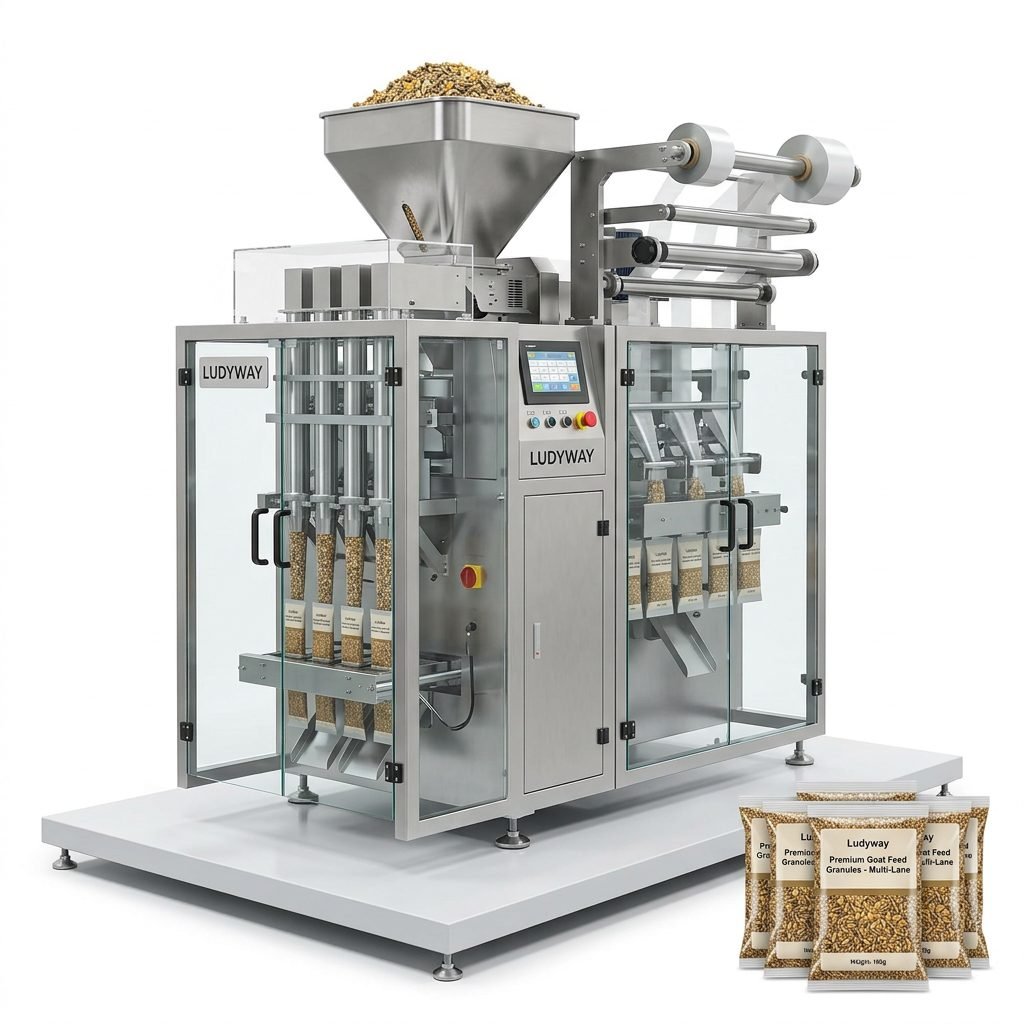
- Bulk bagging systems for feed, chemicals, and fertilizers
Why More Businesses Are Moving to Automated Packaging
Manual packaging can work for very small volumes, but as demand grows, it often creates bottlenecks. Automation helps businesses stay competitive by improving line stability and reducing human variability.
| Business Need | How Automation Helps |
|---|---|
| Higher production volume | Increases throughput and supports continuous operation |
| Labor shortages | Reduces dependence on manual packing teams |
| Inconsistent pack quality | Improves sealing, filling accuracy, and product uniformity |
| Rising material waste | Optimizes dosing and film usage |
| Regulatory and traceability pressure | Supports coding, inspection, and standardized production records |
Start With Your Product Characteristics
The first step in selecting an automated packaging solution is understanding the physical behavior of your product. A machine that works perfectly for coffee powder may not work well for oil, tablets, detergent, or irregular granules.
Key product questions to answer
- Is the product a powder, granule, liquid, paste, tablet, capsule, or solid piece?
- Does it flow freely or bridge easily?
- Is it dusty, sticky, foamy, corrosive, or fragile?
- Does it require sanitary or pharmaceutical-grade handling?
- Is nitrogen flushing, vacuum packaging, or moisture protection needed?
- What fill accuracy is required?
For example, free-flowing granules may use multi-head weighers or cup fillers, while fine powders often require auger filling. Liquids and pastes typically need piston pumps, peristaltic pumps, or servo-driven filling systems.
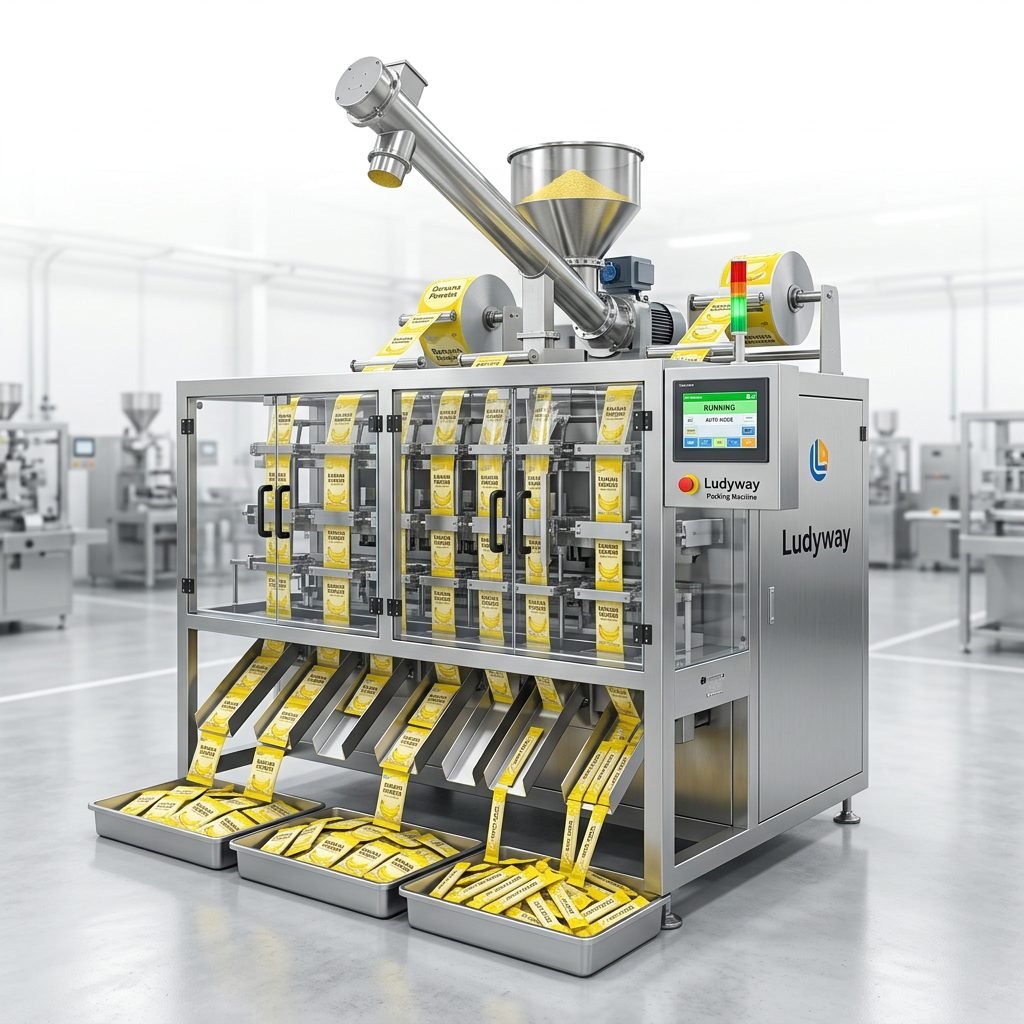
Choose the Right Packaging Format
Your packaging format directly affects machine structure, speed, film type, filling system, and downstream equipment.
Popular formats and their typical uses
| Packaging Format | Best For | Typical Machine Type |
|---|---|---|
| Sachets | Powders, gels, creams, liquids, condiments | Multi-lane sachet packing machine |
| Stick packs | Drink powders, supplements, sugar, coffee | Multi-lane stick pack machine |
| Pouches | Snacks, pet food, powders, liquids | VFFS or premade pouch machine |
| Bottles / jars | Pharma, cosmetics, liquids, tablets | Filling, capping, labeling line |
| Bulk bags | Feed, fertilizer, chemicals | Bagging and weighing system |
If your business offers multiple SKUs, think about whether one machine can handle different sizes and pack styles. Flexibility matters as much as speed when product portfolios change frequently.
Match the Machine to Your Production Capacity
One of the most common buying mistakes is choosing a machine based only on current output. A system that meets today’s volume may become a limitation in 12 to 24 months.
Consider these capacity factors
- Current hourly and daily production target
- Expected growth over the next 3 to 5 years
- Single-shift or multi-shift operation
- Peak season demand fluctuations
- Downtime tolerance and maintenance windows
A good rule is to avoid buying a machine that runs at its maximum limit every day. Sustainable production usually comes from a line with enough spare capacity to absorb growth, maintenance schedules, and order spikes.
Evaluate the Level of Automation You Really Need
Not every business needs a fully integrated turnkey line from day one. Some operations benefit from a modular approach, starting with a core packaging machine and later adding feeding, coding, inspection, cartoning, and palletizing systems.
Typical automation levels
- Standalone machine: suitable for growing businesses with limited budget or floor space.
- Semi-integrated line: includes feeding, filling, sealing, and coding with some manual transfer.
- Fully automatic line: combines primary packaging, inspection, secondary packaging, and end-of-line automation.
The right answer depends on your labor costs, process complexity, and return-on-investment timeline.
Focus on Filling Accuracy and Packaging Quality
For many industries, packaging quality is not just about appearance. It affects cost control, shelf life, compliance, and brand reputation.
Important quality checkpoints
- Fill weight accuracy
- Seal integrity and leak prevention
- Consistent pouch or sachet dimensions
- Print registration and coding clarity
- Low reject rate during continuous operation
- Clean discharge with minimal product residue
If you work in food, pharmaceutical, nutraceutical, or cosmetic sectors, packaging precision can directly impact customer trust and regulatory compliance. Ask suppliers for sample testing with your actual material instead of relying only on standard machine demonstrations.
Check Material Compatibility and Packaging Film Requirements
A machine may perform well mechanically, but poor compatibility with your packaging material can lead to sealing issues, wrinkles, scrap, and downtime.
Before making a decision, confirm:
- Film structure and thickness range
- Heat sealing requirements
- Barrier properties needed for shelf life
- Support for recyclable or mono-material films if sustainability matters
- Changeover speed between different packaging materials
Think About Industry Compliance Early
Different industries have very different requirements for machine design. Food lines may need hygienic stainless-steel construction, while pharmaceutical applications often require higher standards for cleaning, validation, traceability, and controlled operation.
| Industry | Key Considerations |
|---|---|
| Food | Sanitation, washdown design, contamination control, shelf-life support |
| Pharmaceutical | Validation, precision dosing, GMP-oriented design, traceability |
| Cosmetics | Clean filling, attractive pack appearance, product viscosity handling |
| Chemicals | Corrosion resistance, dust control, safety protection, chemical compatibility |
| Animal feed | Bulk handling, durable construction, high-volume throughput |
Do Not Ignore Factory Space and Layout
A machine that looks ideal on paper may not fit your facility efficiently. Packaging performance depends not only on the main machine, but also on upstream feeding, operator access, maintenance clearance, and downstream product flow.
Layout questions to ask
- How much floor space is available now?
- Is there enough room for maintenance access?
- Can raw materials and finished goods move smoothly?
- Will the line integrate with existing conveyors, mixers, or filling systems?
- Does the machine fit electrical and utility conditions on site?
A compact machine can be attractive, but serviceability and operator safety should never be sacrificed.
Assess Ease of Operation and Changeover
If your business handles multiple SKUs, frequent size changes, or short production runs, easy changeover becomes a major productivity factor.
Look for features such as:
- Intuitive HMI touchscreen controls
- Recipe storage for repeat products
- Tool-free or low-tool changeover
- Quick adjustment for filling volume and bag length
- Clear alarm system and fault diagnostics
A machine with slightly lower top speed but much faster changeover may deliver better real-world output over time.
Calculate Total Cost of Ownership, Not Just Purchase Price
The cheapest machine is not always the most economical. Long-term value depends on reliability, spare parts, film efficiency, maintenance frequency, labor savings, and energy consumption.
Include these cost elements in your evaluation
- Machine purchase price
- Installation and commissioning
- Training costs
- Tooling and format parts
- Spare parts and after-sales support
- Downtime risk
- Material waste rate
- Labor reduction potential
A reliable machine with stable output often produces a better ROI than a low-cost machine with frequent stoppages.
Look Closely at the Supplier, Not Only the Machine
Selecting the right packaging solution also means choosing the right manufacturing partner. Engineering experience, export capability, customization strength, and after-sales responsiveness can all affect project success.
When evaluating suppliers, consider:
- Years of industry experience
- Application knowledge in your sector
- Range of machine configurations
- Ability to customize for your product and packaging format
- Testing, installation, and training support
- Availability of spare parts and technical assistance
For businesses looking for scalable solutions, Ludyway auto packing machine solutions are often considered by buyers in food, pharmaceutical, cosmetic, chemical, and feed sectors because of the company’s broad product range, turnkey line capability, and more than 30 years of manufacturing experience.
Questions to Ask Before You Buy
- Can the machine run my actual product at my required speed?
- What packaging formats and sizes can it support?
- How accurate is the filling system?
- How long does changeover take?
- What are the wear parts and maintenance intervals?
- Can the line be expanded later?
- What training and after-sales service are included?
- Can the supplier provide sample testing and customer references?
Best Auto Packing Machine Types by Application
| Application | Recommended Solution |
|---|---|
| Drink powder, coffee, supplements | Multi-lane stick pack or sachet machine |
| Sauce, oil, gel, shampoo | Liquid filling and sealing machine |
| Snacks, grains, pet food | VFFS machine with weighing system |
| Creams, serums, cosmetic samples | Cosmetic sachet or tube filling packaging system |
| Pharmaceutical powders and granules | Precision multi-lane pharmaceutical packaging line |
| Feed, fertilizer, chemical bulk products | Automatic weighing and bagging line |
Common Mistakes to Avoid
- Buying based only on price
- Ignoring future expansion needs
- Choosing a machine without real product testing
- Overlooking film compatibility and sealing quality
- Failing to verify after-sales support
- Underestimating changeover frequency
- Not considering full line integration
Final Buying Perspective
The best auto packing machine is the one that fits your product, packaging format, compliance requirements, and growth strategy. It should not only meet today’s output, but also support tomorrow’s expansion with stable quality and manageable operating costs.
If you compare options carefully across product compatibility, speed, flexibility, automation level, supplier strength, and total cost of ownership, you will make a more profitable long-term decision for your business.