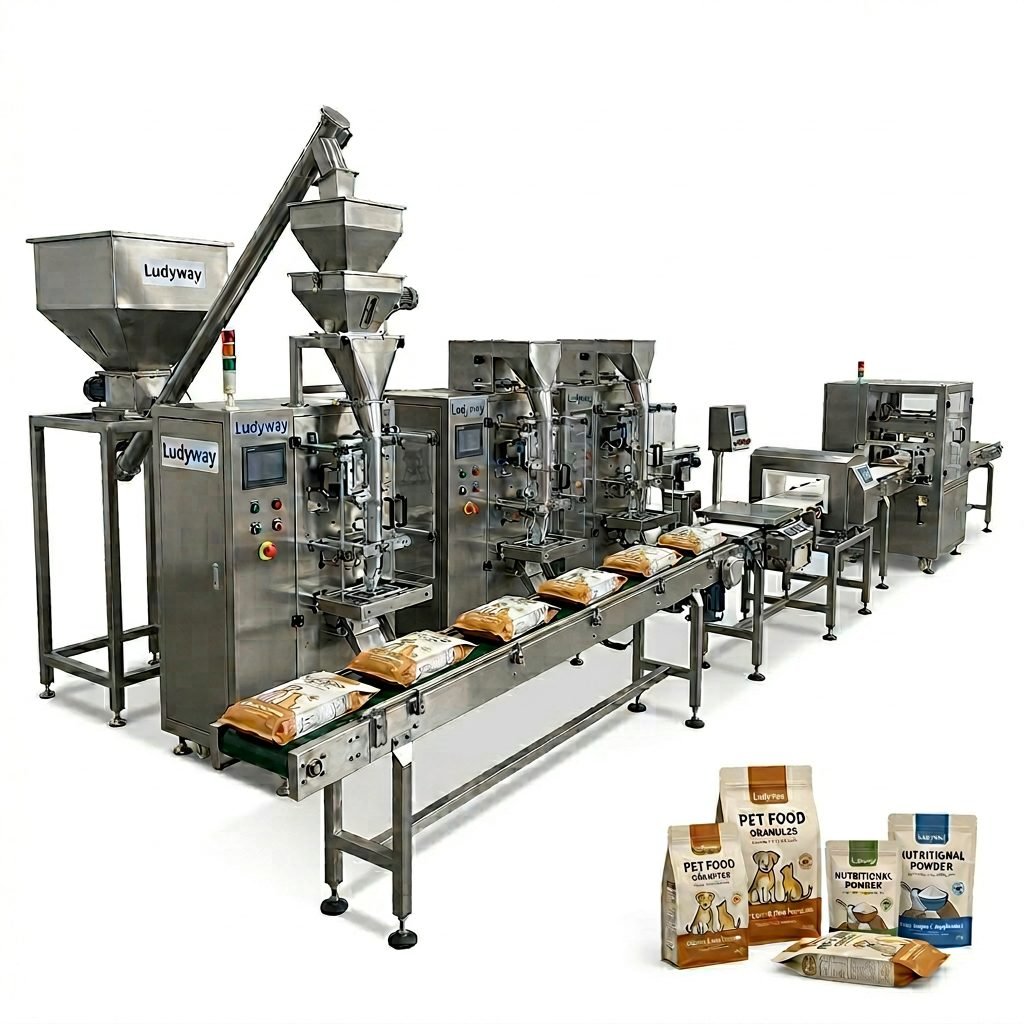
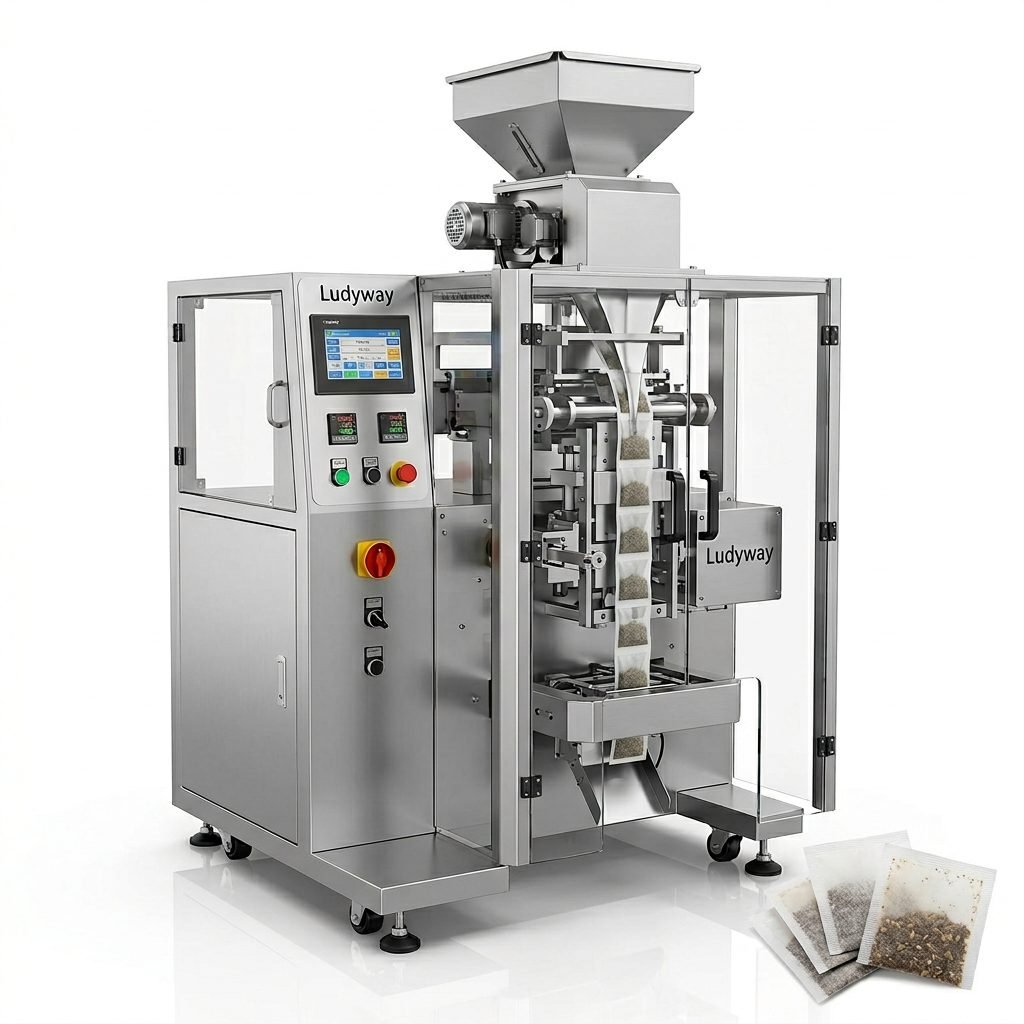
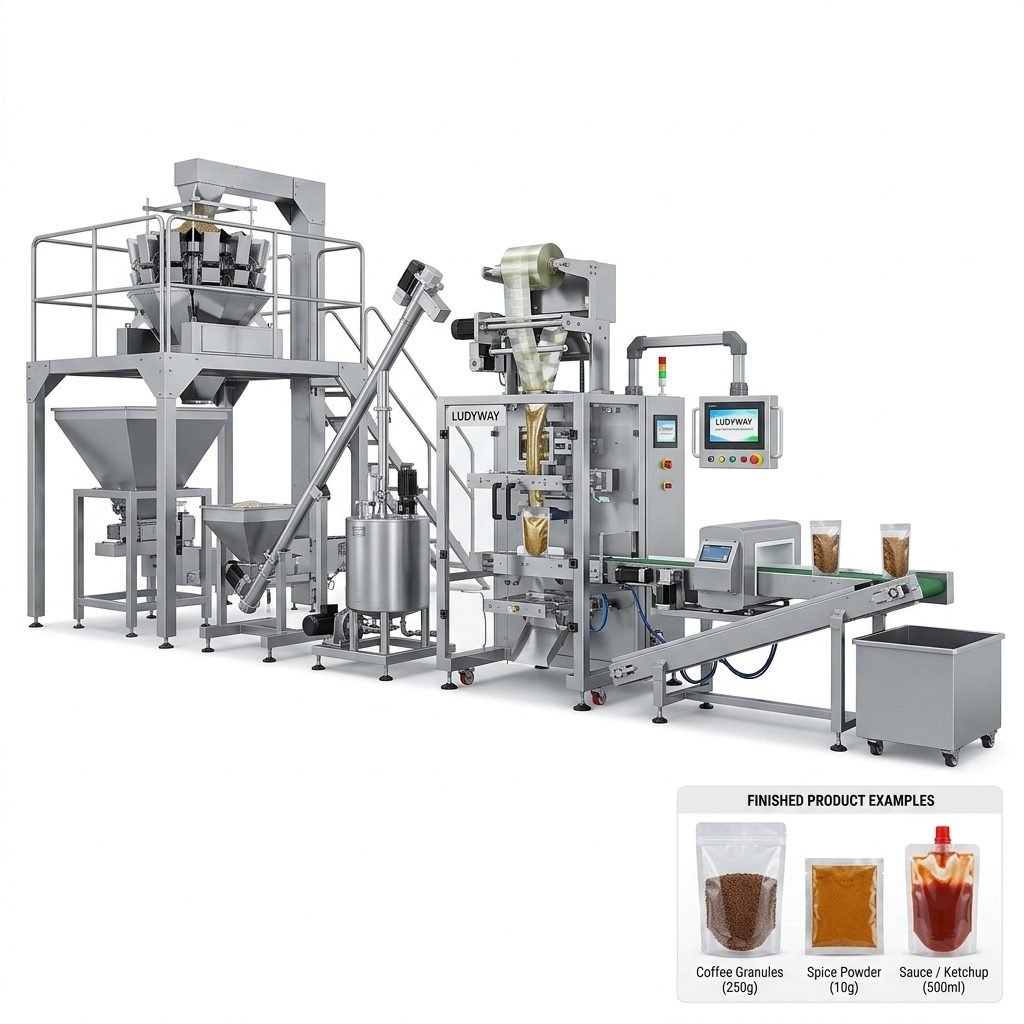
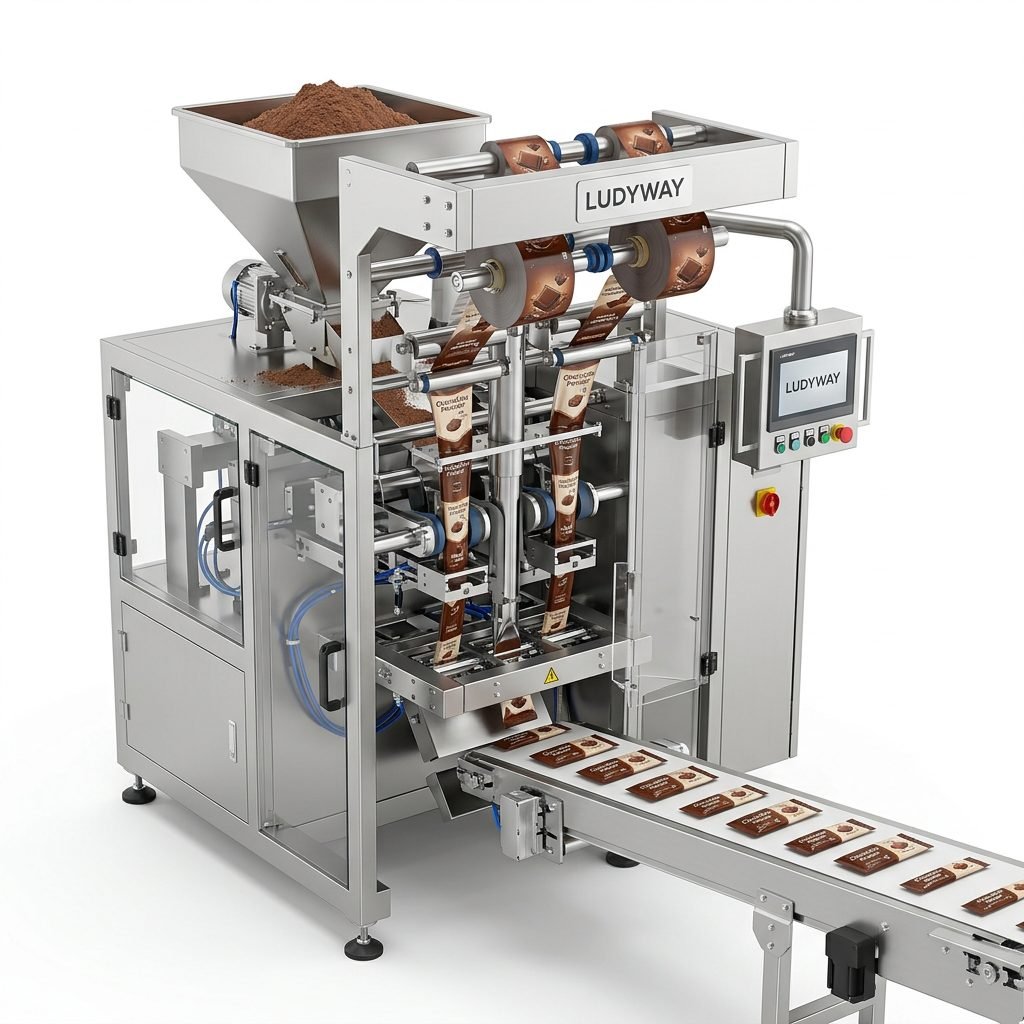
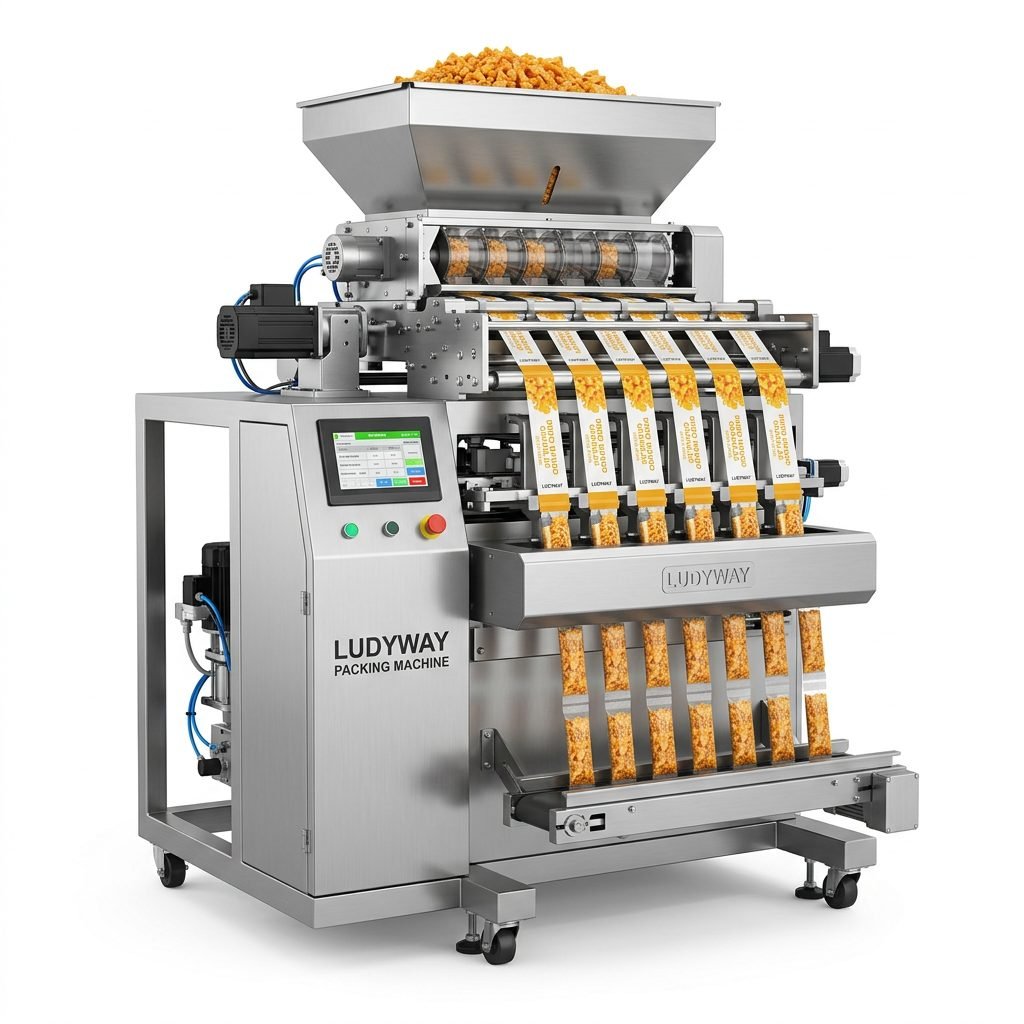
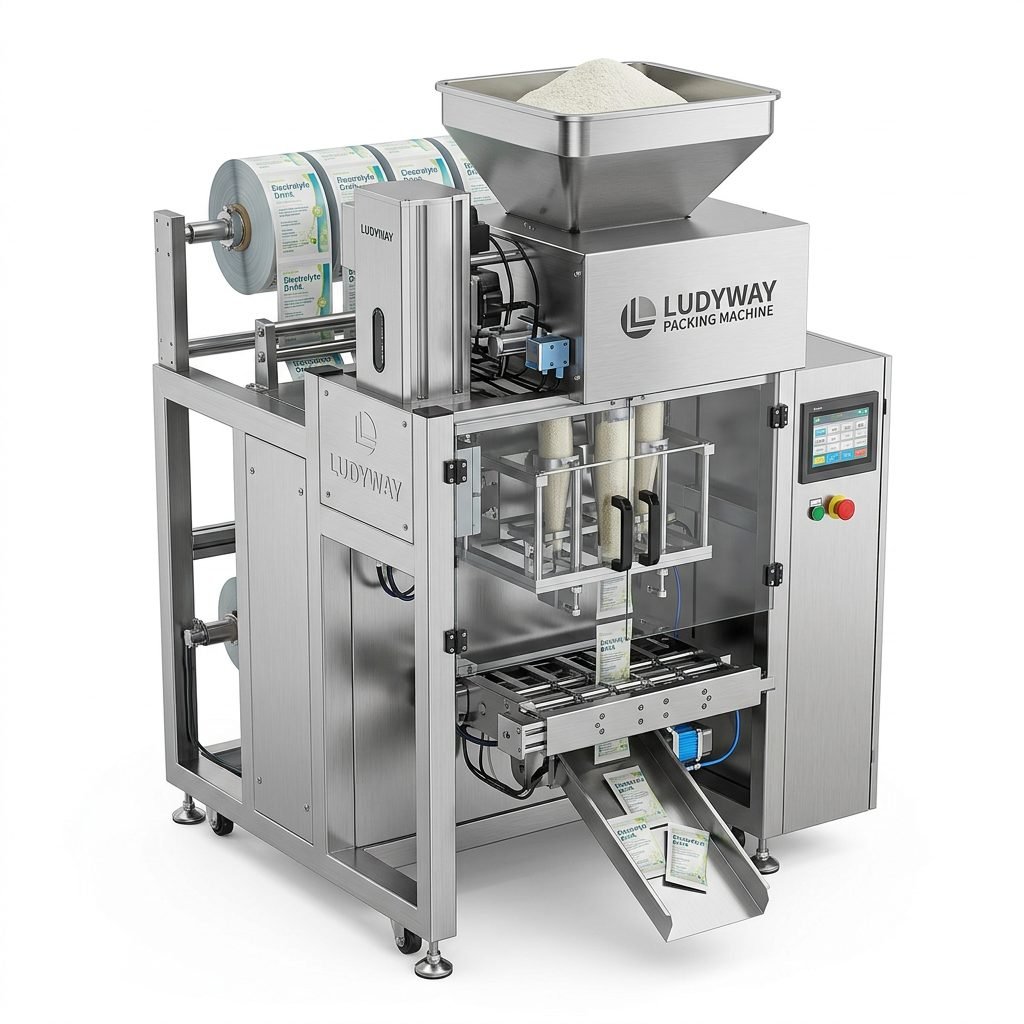
Investing in a tea heat packing machine is a significant decision for any tea producer, co-packer, or brand looking to scale operations. Whether you are packaging loose-leaf tea, herbal blends, or instant tea powder, the cost of the equipment varies widely based on automation level, speed, packaging format, and additional features. Understanding the complete price landscape helps you budget accurately and avoid unexpected expenses down the line.
Tea Heat Packing Machine Price Overview
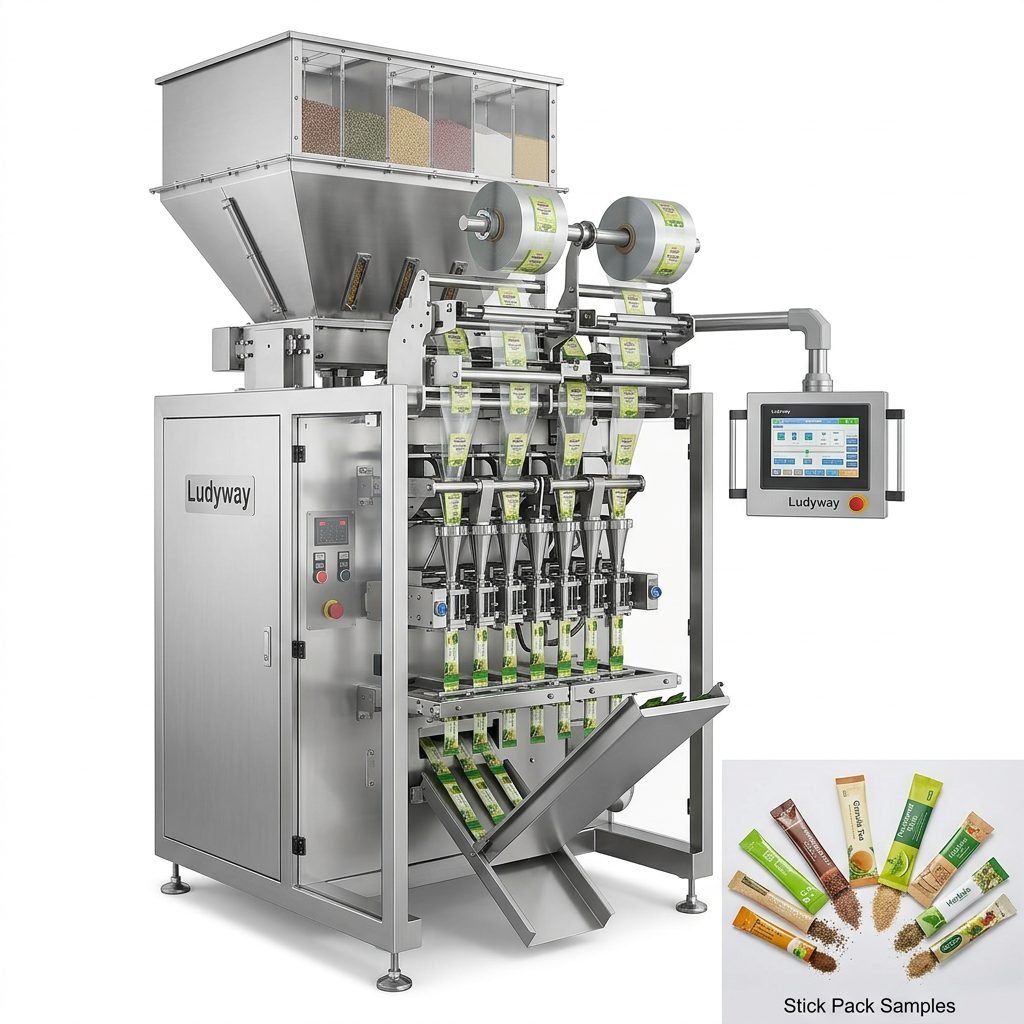
The market for tea packaging machinery spans a broad price spectrum. Entry-level semi-automatic machines start at approximately $5,000 to $15,000, while mid-range automated systems typically fall between $20,000 and $80,000. High-speed, fully integrated multi-lane packaging lines can exceed $150,000, especially when configured with advanced filling, sealing, and quality control modules. The table below provides a quick reference for common machine categories and their estimated price ranges.
| Machine Type | Automation Level | Estimated Price Range (USD) |
|---|---|---|
| Semi-Automatic Single-Lane | Manual loading, basic sealing | $5,000 – $15,000 |
| Automatic Single-Lane Stick Pack | Fully automatic fill and seal | $18,000 – $45,000 |
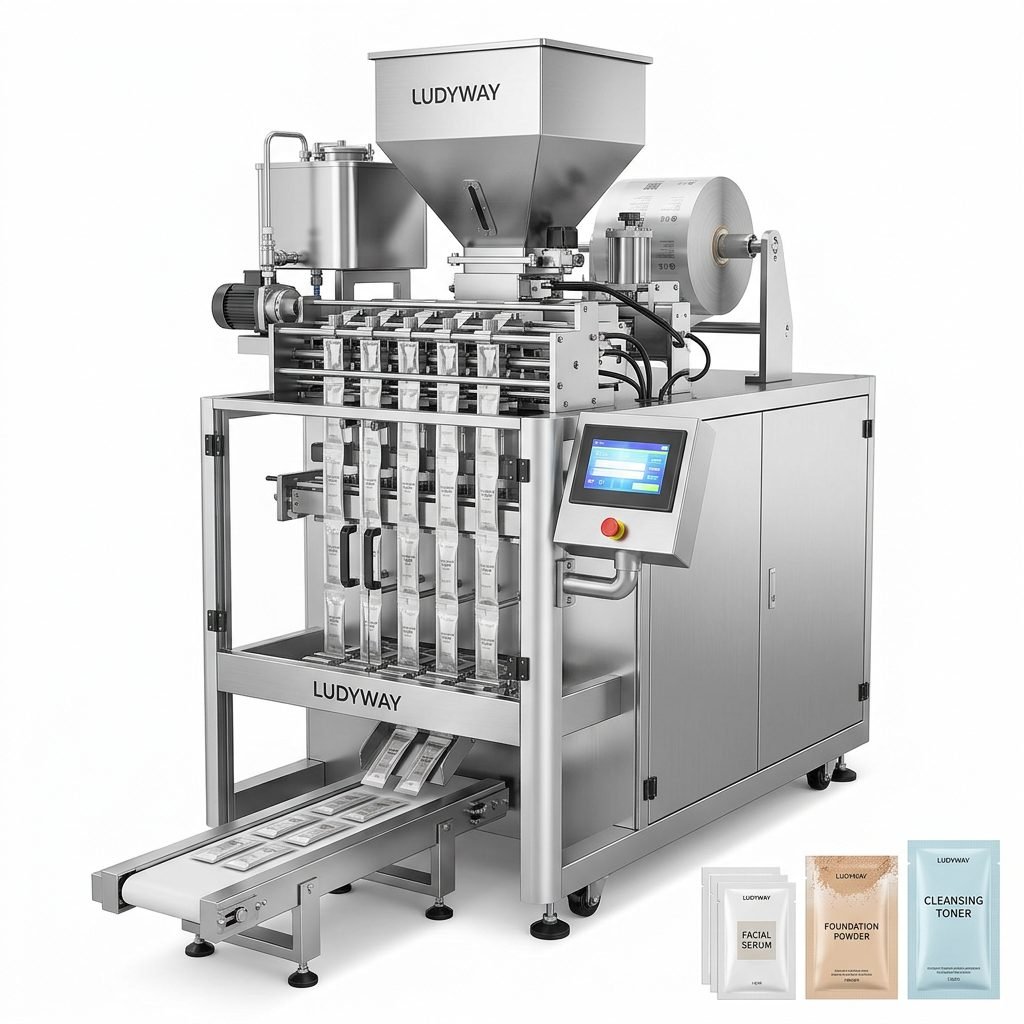
| Multi-Lane Stick Pack (4–8 Lanes) | High-speed automated | $55,000 – $120,000 |
| Multi-Lane Sachet System (10+ Lanes) | Fully integrated with weighing | $100,000 – $200,000+ |
| Complete Turnkey Packaging Line | End-to-end automated solution | $180,000 – $500,000+ |
Key Factors That Influence Tea Packaging Machine Costs
Several technical and operational variables directly impact the final price of a tea heat packing machine. Understanding these factors helps you negotiate better and select equipment that matches your production goals without overspending on unnecessary features.
1. Number of Packaging Lanes
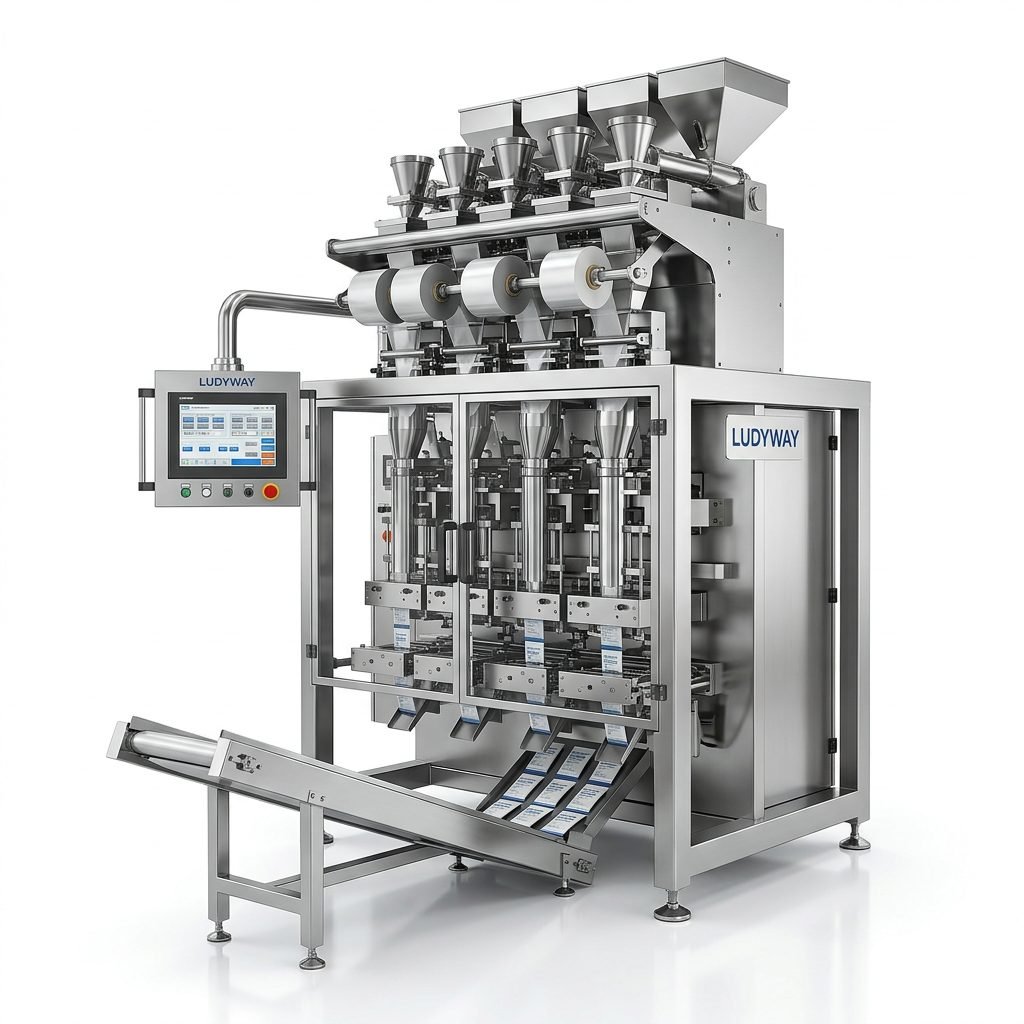
Single-lane machines are the most affordable, suitable for startups and small-batch production. Multi-lane configurations—ranging from 4 to 16 lanes—significantly increase throughput but also drive up costs. Each additional lane requires independent filling stations, sealing jaws, and control systems, adding $8,000 to $15,000 per lane on average.
2. Filling Technology and Precision
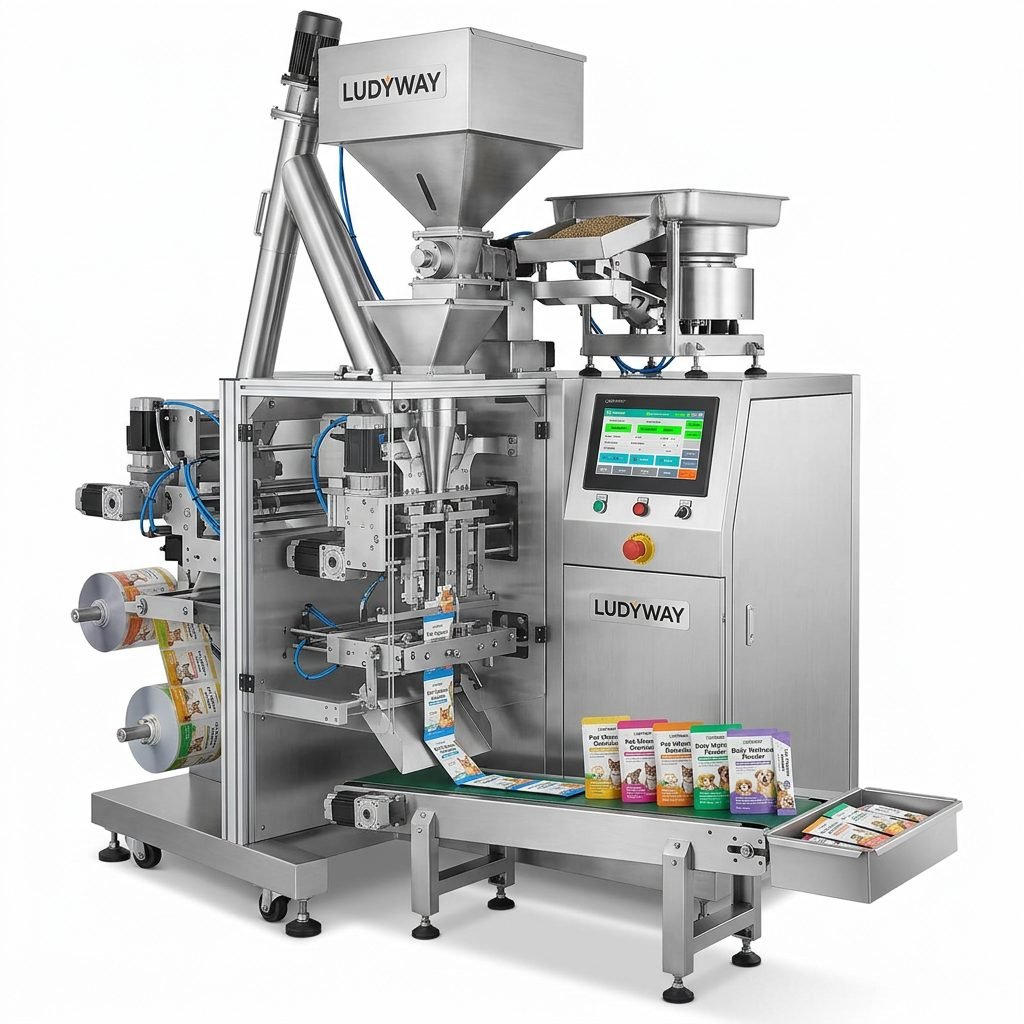
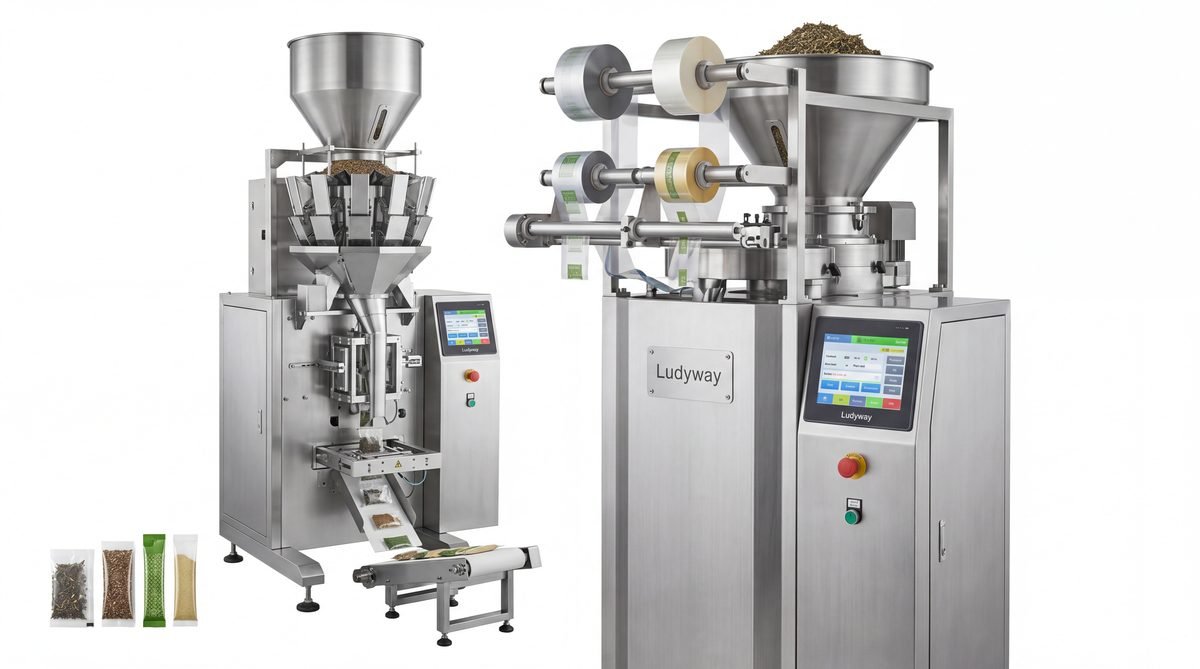
Volumetric cup fillers are economical and work well for consistent particle sizes. Auger fillers offer higher precision for fine powders like matcha or instant tea, adding $3,000 to $10,000 to the base price. Multi-head weighers provide the highest accuracy for premium tea blends and can increase total machine cost by $15,000 to $40,000.
3. Packaging Material and Format
The type of packaging film and pouch format affects machine design and cost. Machines designed for heat-sealable laminated films are standard, but equipment capable of handling biodegradable or specialty barrier films may require modified sealing systems. Stick pack, sachet, and pyramid tea bag formats each demand specific tooling, with pyramid bag machines generally commanding a premium due to their complex folding mechanisms.
4. Automation and Control Systems
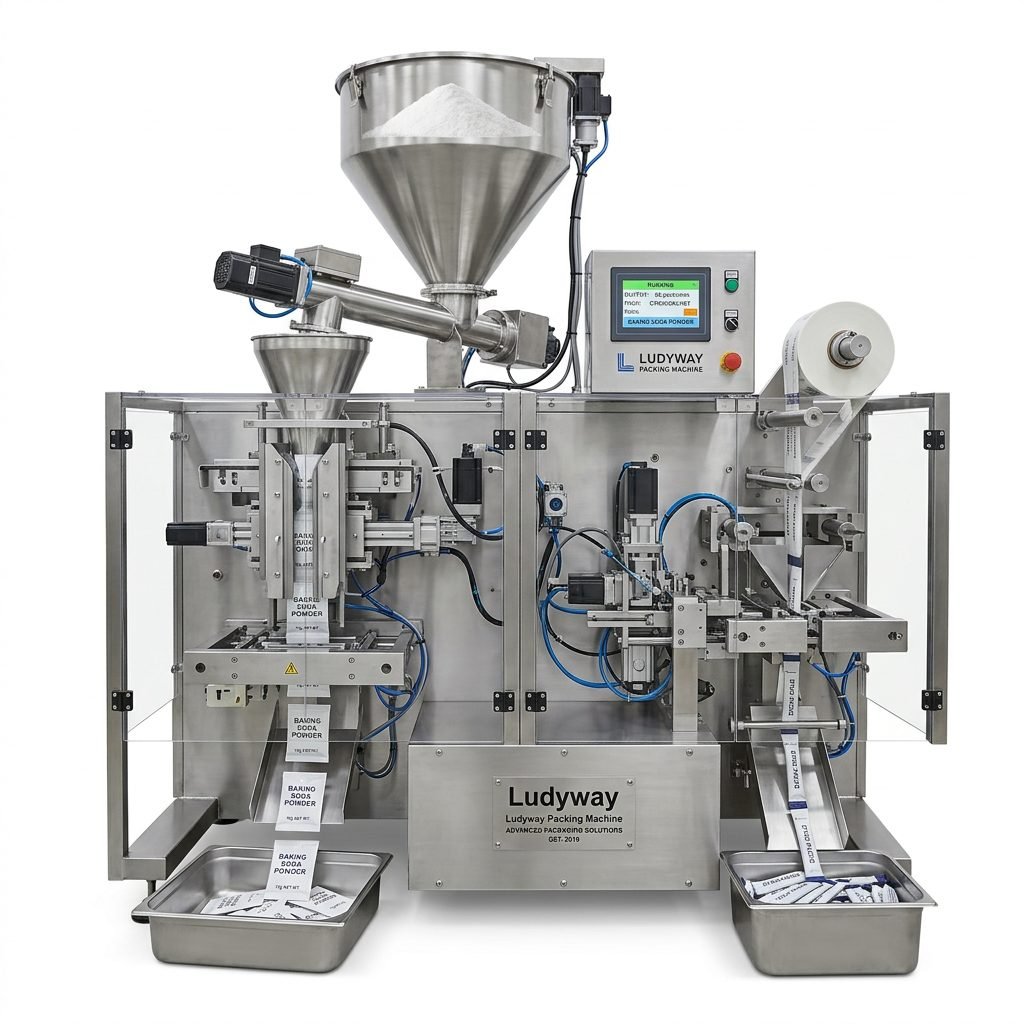
PLC-controlled systems with HMI touchscreens, servo-driven motors, and automated film tracking increase both reliability and cost. Basic relay-controlled machines are cheaper but less flexible. Advanced systems with remote diagnostics, recipe storage, and IoT connectivity can add $10,000 to $30,000 to the total investment.
Additional Costs Beyond the Machine Price
When budgeting for a tea packaging solution, consider these ancillary expenses that can significantly impact your total investment:
- Installation and Commissioning: $2,000 – $8,000 depending on complexity and location.
- Operator Training: Typically $1,000 – $3,000 for comprehensive on-site training programs.
- Shipping and Logistics: International freight for heavy machinery can range from $3,000 to $15,000.
- Spare Parts Kit: Recommended initial inventory of critical components: $1,500 – $5,000.
- Annual Maintenance: Budget approximately 3% – 5% of the machine cost per year.
- Facility Modifications: Electrical upgrades, compressed air lines, and dust extraction systems may be necessary.
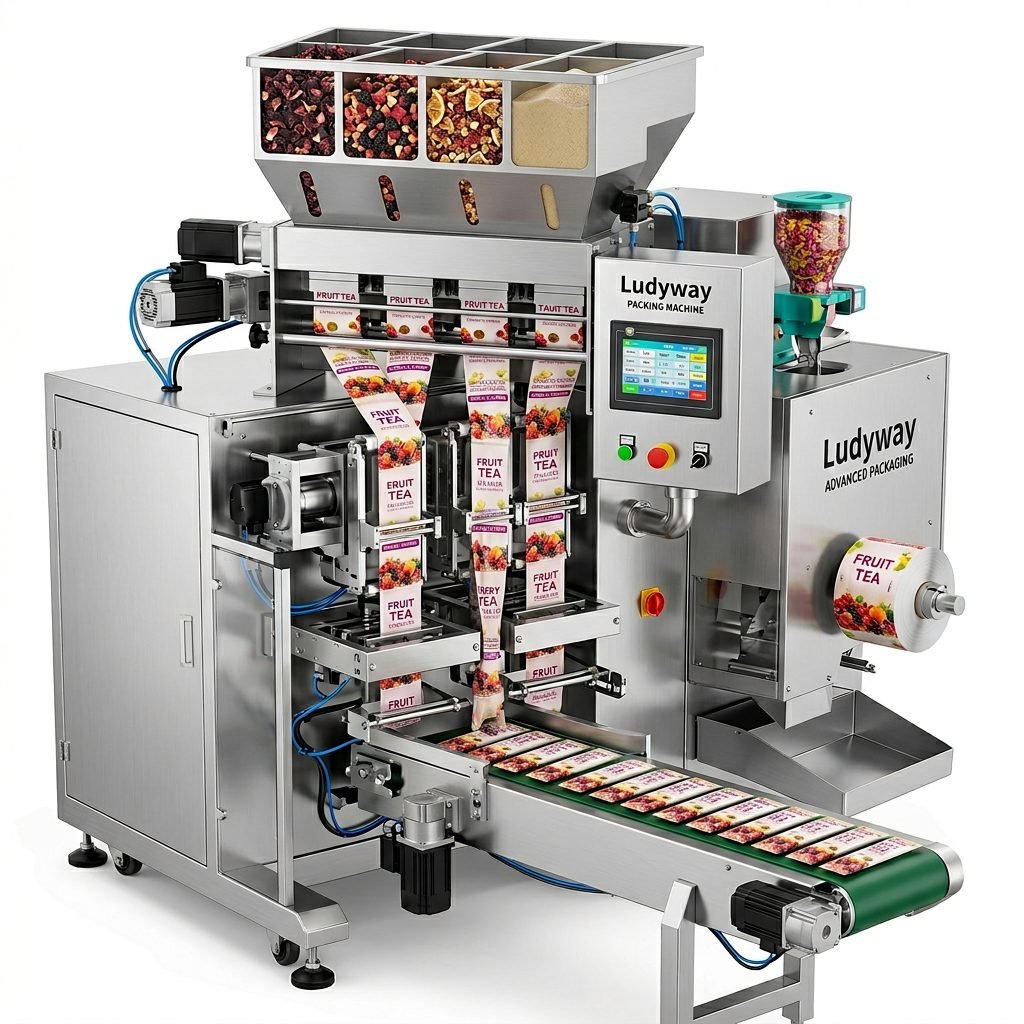
Price Comparison by Production Capacity
Your required output volume is one of the strongest determinants of machine cost. Below is a breakdown aligned with typical production scales:
| Production Level | Output (Packs/Minute) | Recommended Machine Type | Price Range (USD) |
|---|---|---|---|
| Startup / Small Batch | 30 – 60 | Semi-automatic single-lane | $5,000 – $15,000 |
| Medium Enterprise | 80 – 200 | Automatic 4-lane stick pack | $45,000 – $80,000 |
| Large-Scale Commercial | 300 – 600 | 8–12 lane high-speed system | $100,000 – $180,000 |
| Industrial / Contract Packer | 600+ | Fully automated turnkey line | $180,000 – $500,000+ |
Regional Price Variations and Sourcing Considerations
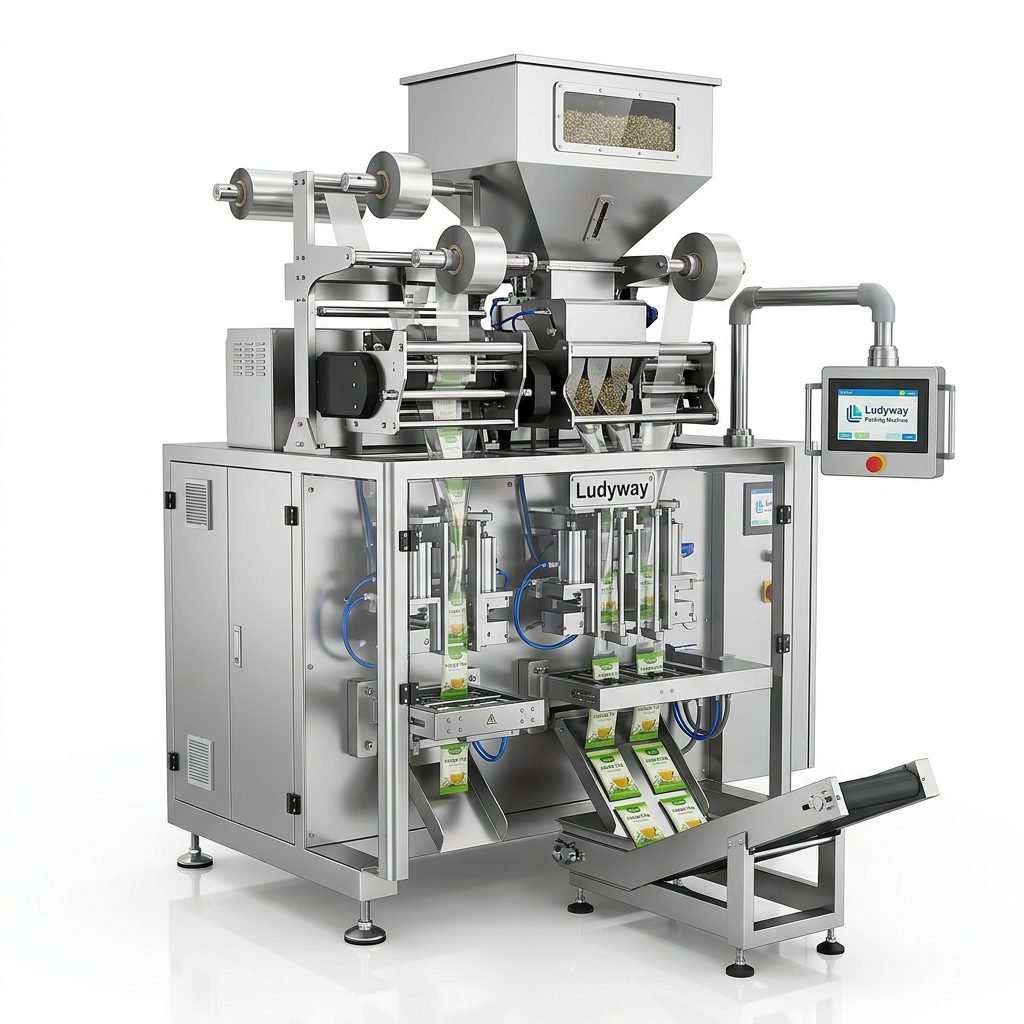
Where you purchase your tea heat packing machine has a substantial impact on cost. Equipment manufactured in China typically costs 30% – 50% less than comparable European or North American machinery. However, factors such as build quality, after-sales support, spare parts availability, and compliance with local safety standards must be weighed carefully. A mid-range multi-lane machine from a reputable Chinese manufacturer like Ludyway may cost $55,000 to $90,000, while a similar specification from a European brand could exceed $120,000.
Key Sourcing Tips
- Request detailed quotations from at least three suppliers to benchmark pricing.
- Verify CE, UL, or equivalent certifications if importing into regulated markets.
- Ask for video demonstrations of the exact machine model running tea products.
- Inquire about local service partners or remote support capabilities.
- Consider total cost of ownership, not just the upfront equipment price.
Used vs. New Tea Packaging Equipment
Purchasing a used or refurbished tea packaging machine can reduce upfront costs by 40% – 60%. However, this approach carries risks including limited warranty coverage, outdated control systems, and difficulty sourcing replacement parts. Used multi-lane stick pack machines typically range from $15,000 to $50,000, but thorough inspection and testing are essential. For businesses with long-term production plans, new equipment with comprehensive warranty and support often delivers better value.
Financing and Leasing Options
Many equipment manufacturers and third-party financial institutions offer leasing or installment plans that reduce the initial capital outlay. Typical terms include:
- Equipment Leasing: Monthly payments over 24–60 months, with options to purchase at term end.
- Manufacturer Financing: Some suppliers offer deferred payment terms or milestone-based payment schedules.
- Export Credit Agencies: For international buyers, government-backed financing may be available to support capital equipment imports.
Return on Investment Considerations
A well-chosen tea heat packing machine can deliver rapid ROI through increased throughput, reduced labor costs, and improved packaging consistency. A mid-range automatic 6-lane system producing 150 packs per minute can replace 4–6 manual workers, with labor savings alone often recovering the equipment cost within 12 to 24 months. Additionally, automated systems reduce product giveaway through precise filling, minimize film waste, and enable 24/7 production capability.
ROI Calculation Example
| Parameter | Manual Operation | Automated System |
|---|---|---|
| Labor per Shift | 6 workers | 1 operator |
| Annual Labor Cost (est.) | $180,000 | $30,000 |
| Output Consistency | Variable | Highly consistent |
| Film Waste | 8–12% | 2–4% |
Industry Standards and Regulatory Compliance
Tea packaging equipment must comply with food safety regulations in your target market. Key standards include FDA food contact material requirements for the U.S. market, EU regulations on materials intended for food contact, and GMP guidelines for processing equipment design. Machines built with stainless steel contact parts, validated sealing parameters, and clean-in-place capability may carry a cost premium but are essential for compliance in regulated markets.
For additional industry data, the PMMI Business Intelligence library offers comprehensive market research on packaging machinery trends, while the Flexible Packaging Association provides valuable resources on packaging materials and sustainability.
Making the Right Investment Decision
Selecting the optimal tea heat packing machine requires balancing current needs with future growth. Consider these final recommendations:
- Start with a clear production target: Define your required packs-per-minute output and expected growth over 3–5 years.
- Prioritize flexibility: Machines with quick-change tooling allow you to switch between stick pack, sachet, and other formats as market demands evolve.
- Evaluate total cost of ownership: Factor in energy consumption, maintenance contracts, spare parts availability, and operator training.
- Request product trials: Send your tea samples to manufacturers for test runs to verify fill accuracy, seal integrity, and overall performance.
- Plan for scalability: Modular systems that allow adding lanes or upgrading components can protect your initial investment.
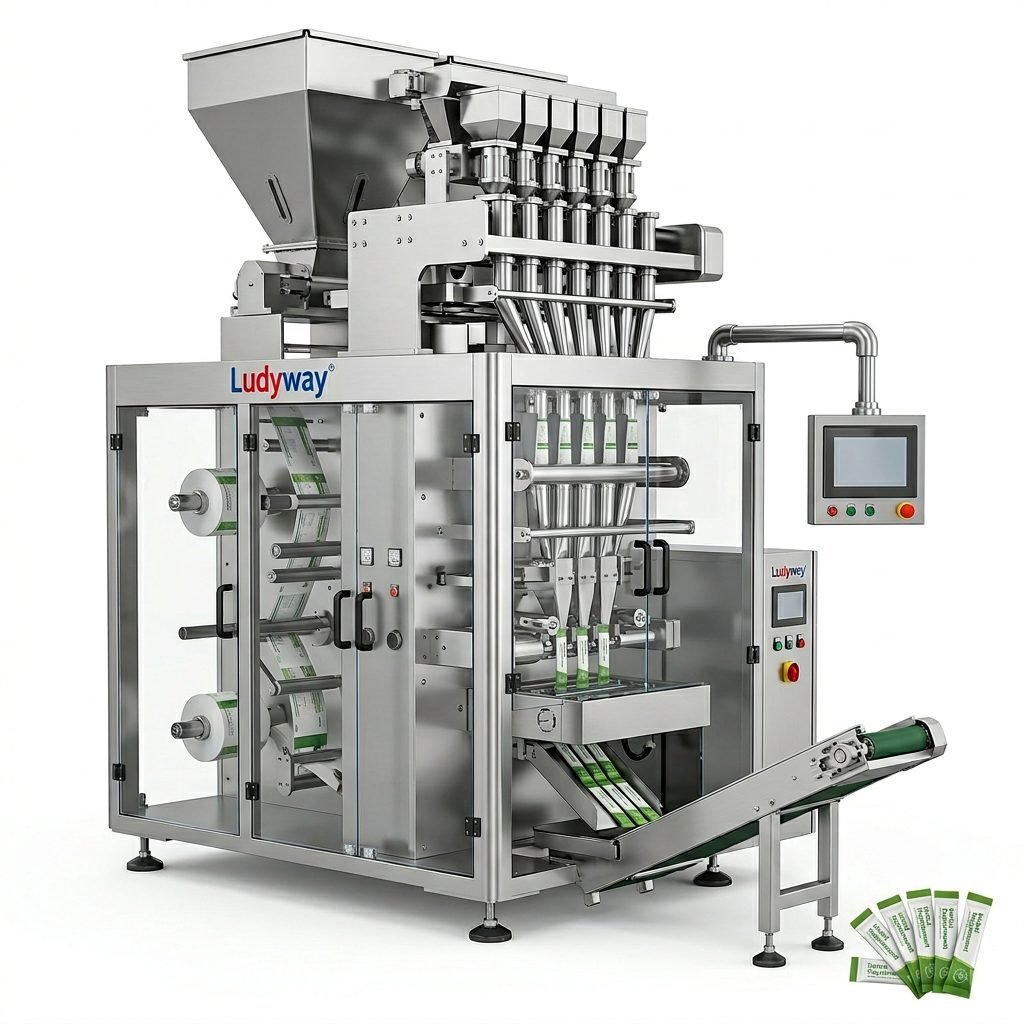
Whether you are launching a new tea brand or expanding an established production facility, investing in the right packaging equipment is a strategic decision that impacts product quality, operational efficiency, and long-term profitability. By understanding the cost drivers and evaluating your specific requirements, you can select a tea heat packing machine that delivers exceptional value and supports your business growth for years to come.