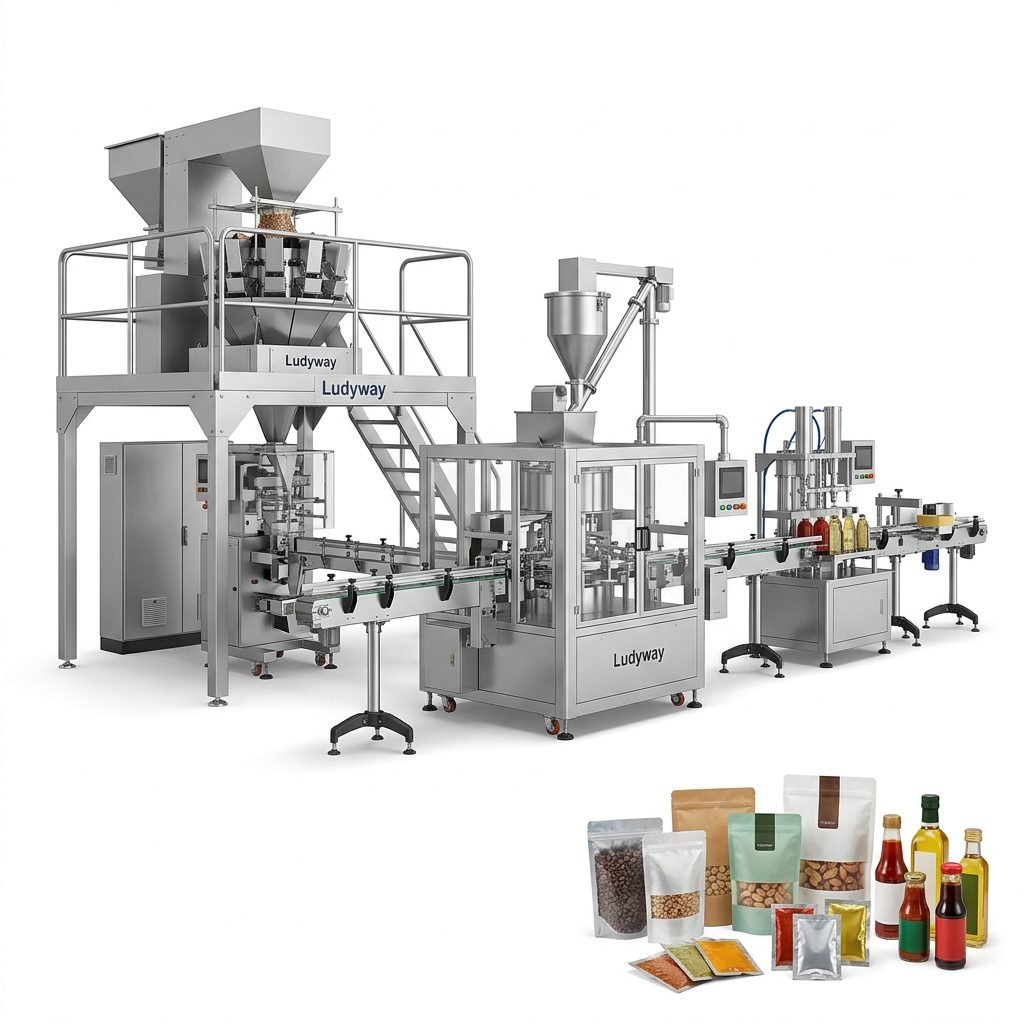
Investing in a charcoal packing machine is a significant decision for any manufacturer. Whether you produce lump charcoal, charcoal briquettes, or activated carbon powder, the right equipment directly impacts production efficiency, packaging quality, and long-term operational costs. With so many machine types, configurations, and technical specifications available, making an informed choice requires a clear understanding of your product characteristics and production goals. This guide walks you through the essential factors to evaluate before purchasing a charcoal packing machine.
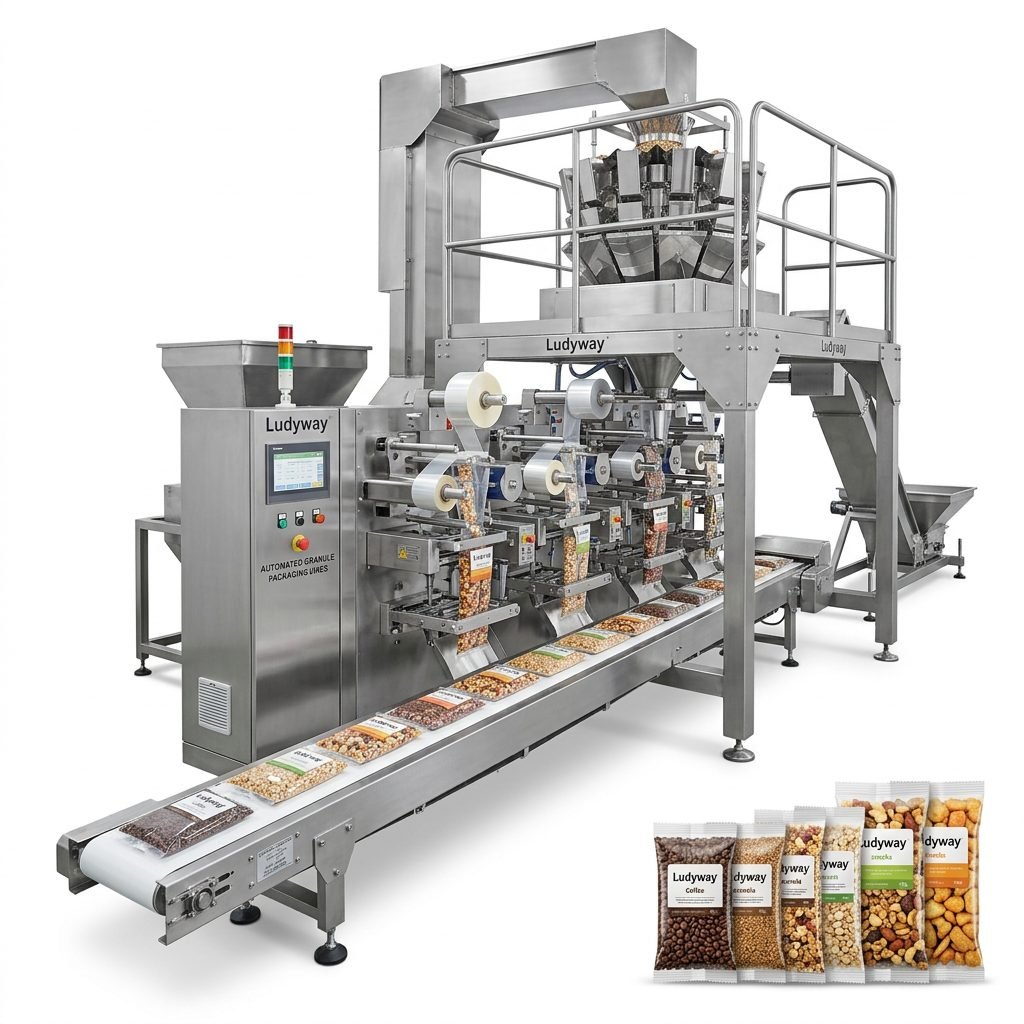
Understand Your Charcoal Product Characteristics
Not all charcoal products behave the same way during packaging. Lump charcoal consists of irregularly shaped pieces that require gentle handling and specialized feeding systems to prevent breakage. Charcoal briquettes are more uniform but generate significant dust during conveying. Activated carbon and charcoal powder present their own challenges, including dust control, flowability issues, and precise weight dosing requirements.
Before selecting equipment, define the following:
- Particle size and shape — irregular lumps, uniform briquettes, or fine powder
- Bulk density and flow characteristics — affects feeding and filling accuracy
- Dust generation level — determines whether dust collection systems are needed
- Moisture content and abrasiveness — influences material contact parts selection
- Target bag format and size — small sachets, stand-up pouches, or bulk bags
Compare Charcoal Packaging Machine Types
The type of packaging machine you choose depends largely on your target bag format and production speed. The table below compares the most common configurations used in charcoal packaging applications:
| Machine Type | Best For | Bag Formats | Typical Speed Range |
|---|---|---|---|
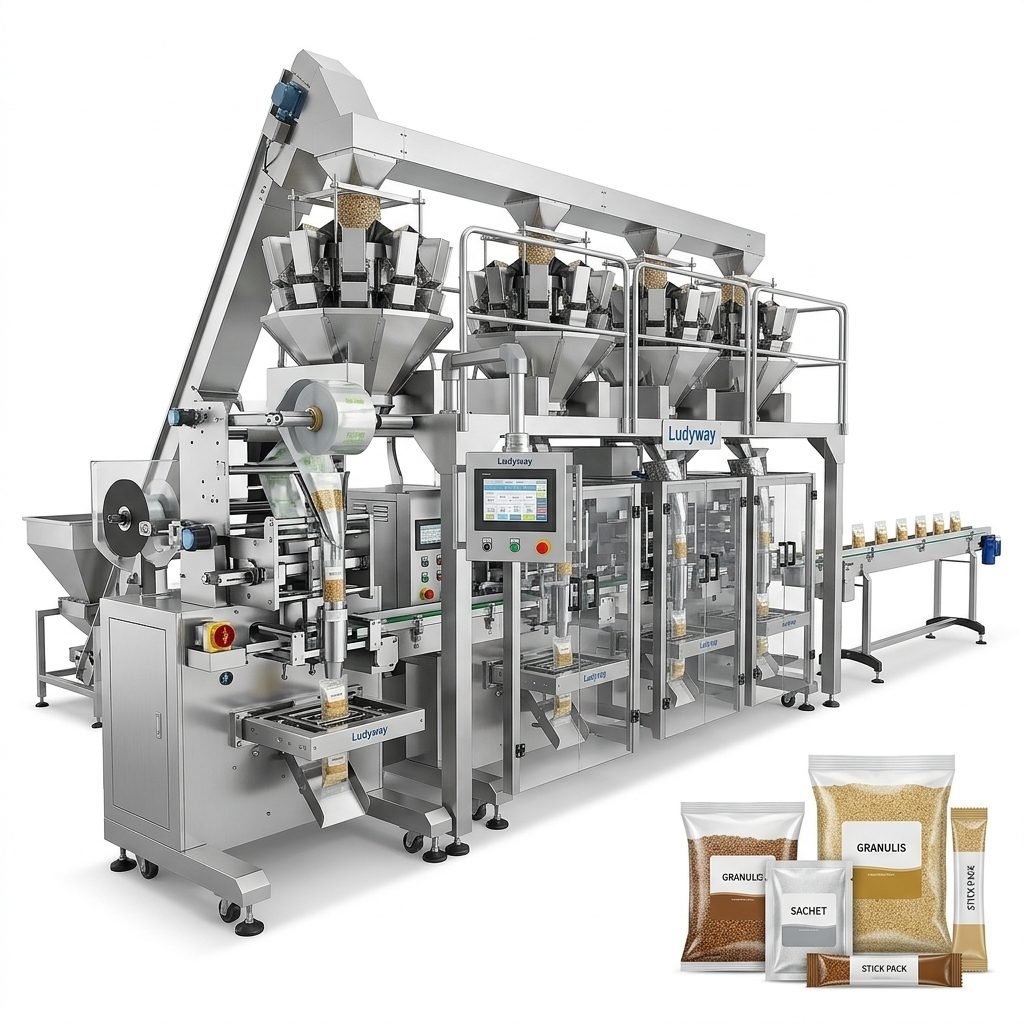
| Vertical Form Fill Seal (VFFS) | Briquettes, granules, small lump charcoal | Pillow bags, gusseted bags | 30–120 bags/min |
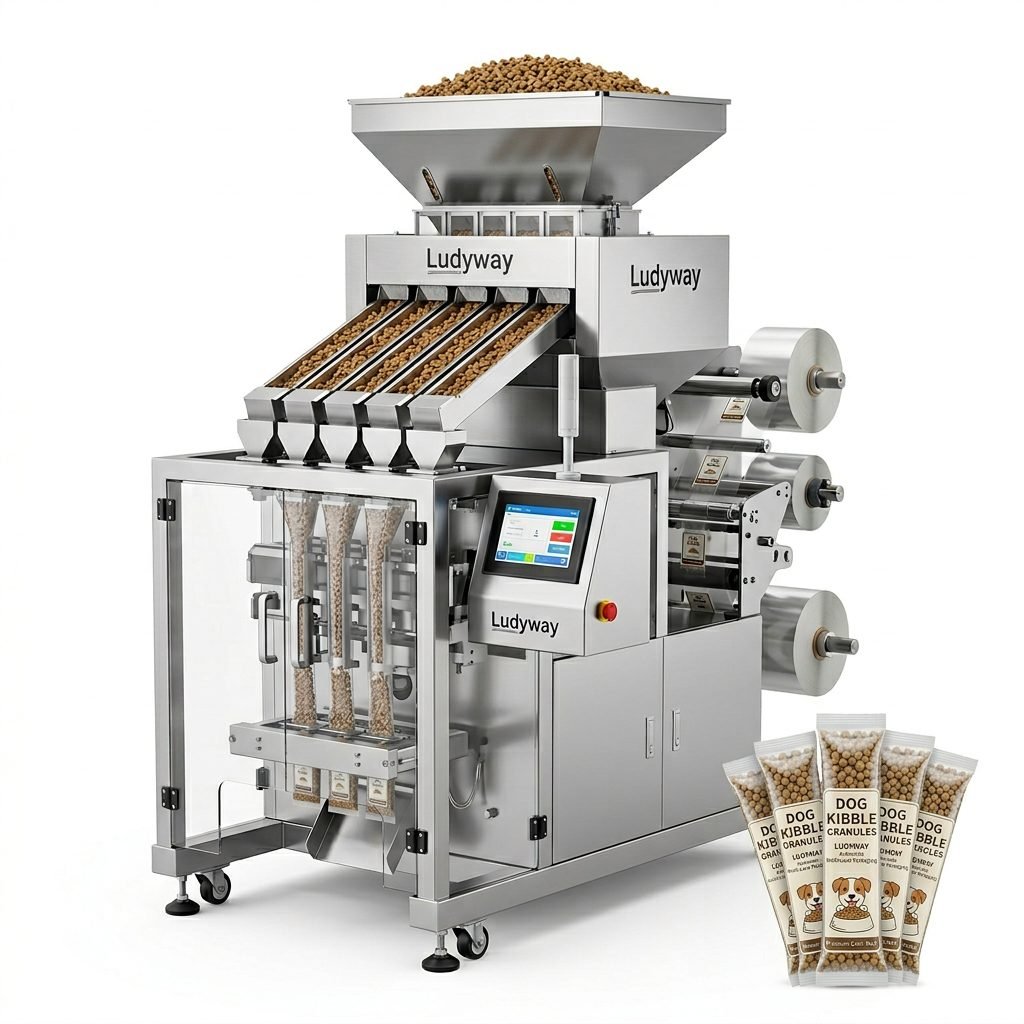
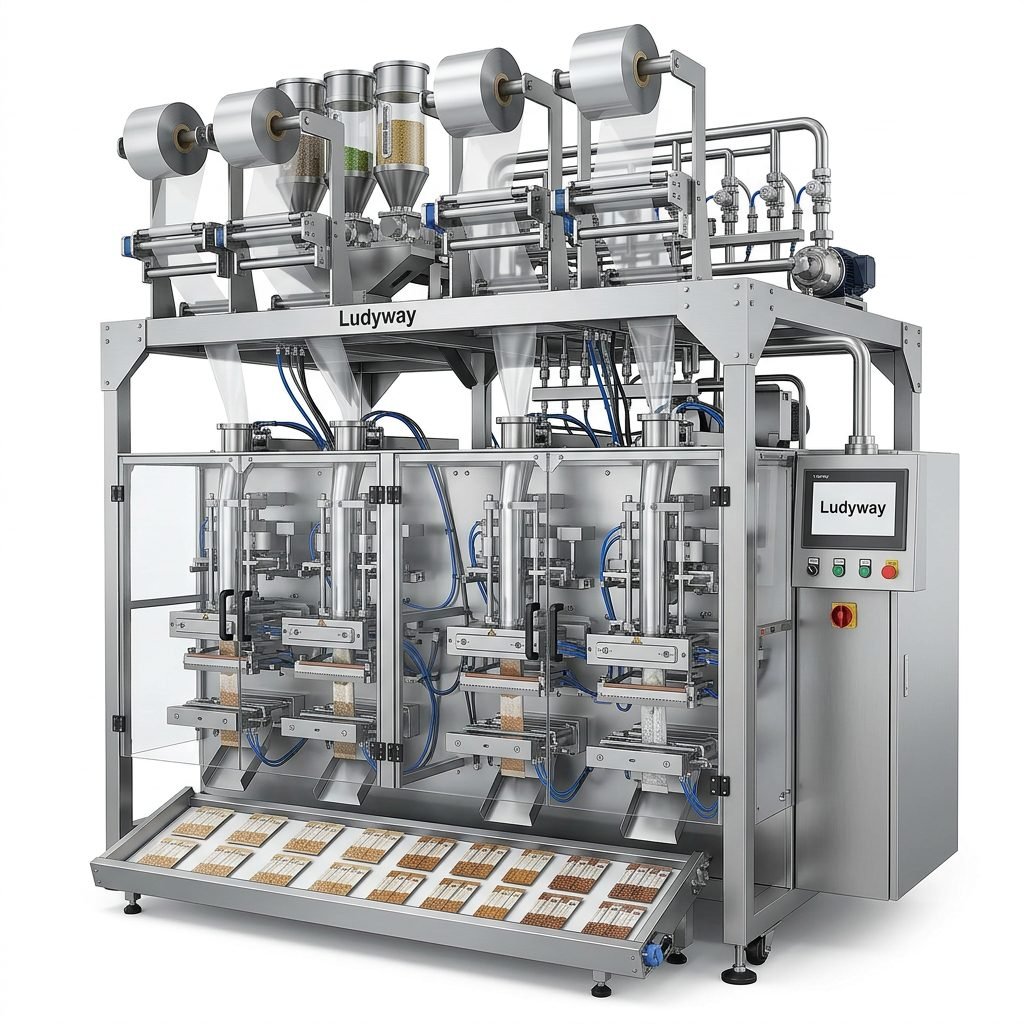
| Multi-Lane Stick Pack / Sachet Machine | Charcoal powder, small-dose activated carbon | Stick packs, sachets (4–12 lanes) | 200–800 packs/min combined |
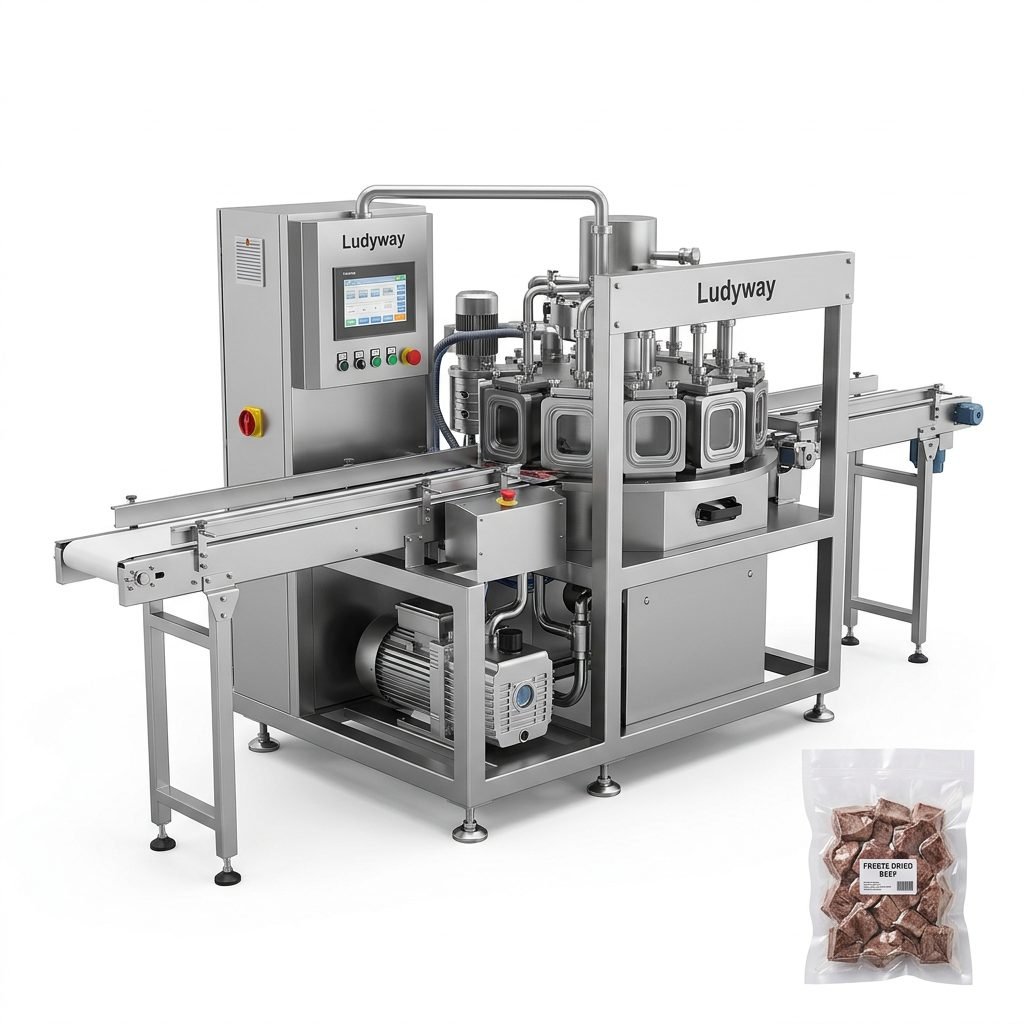
| Premade Pouch Packaging Machine | Premium retail charcoal, specialty products | Stand-up pouches, zipper bags | 20–60 pouches/min |
| Bulk Bag / Big Bag Filling System | Industrial bulk charcoal, wholesale distribution | Jumbo bags (500–1500 kg) | 5–20 bags/hour |
| Open-Mouth Bagging Machine | Medium-weight bags of lump or briquette charcoal | 5–50 kg bags | 6–20 bags/min |
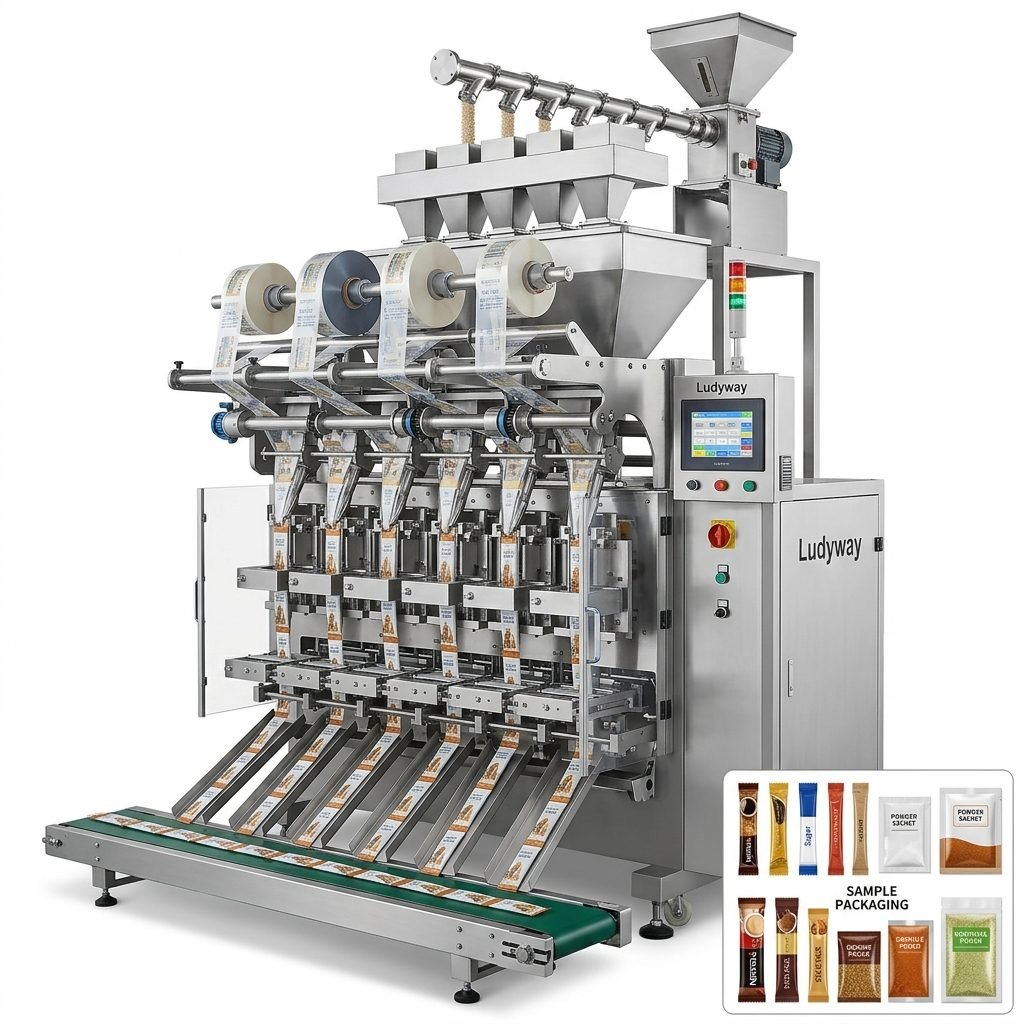
Evaluate Key Performance and Technical Specifications
Beyond machine type, several technical factors determine whether a charcoal packing machine will perform reliably in your production environment:
- Weighing accuracy: For premium retail charcoal products, precise weight control minimizes product giveaway and protects margins. Multi-head weighers or auger fillers should be selected based on product flow characteristics.
- Dust management: Charcoal processing generates fine dust that can damage machine components and create safety hazards. Look for sealed filling zones, dust extraction ports, and washdown-compatible designs where applicable.
- Material contact parts: Abrasive charcoal can wear down standard steel components. Stainless steel or hard-coated contact surfaces extend equipment life.
- Sealing integrity: Charcoal products often require strong, airtight seals to prevent leakage and maintain product quality during transport. Verify seal strength and integrity testing capabilities.
Assess Automation Level and Production Capacity
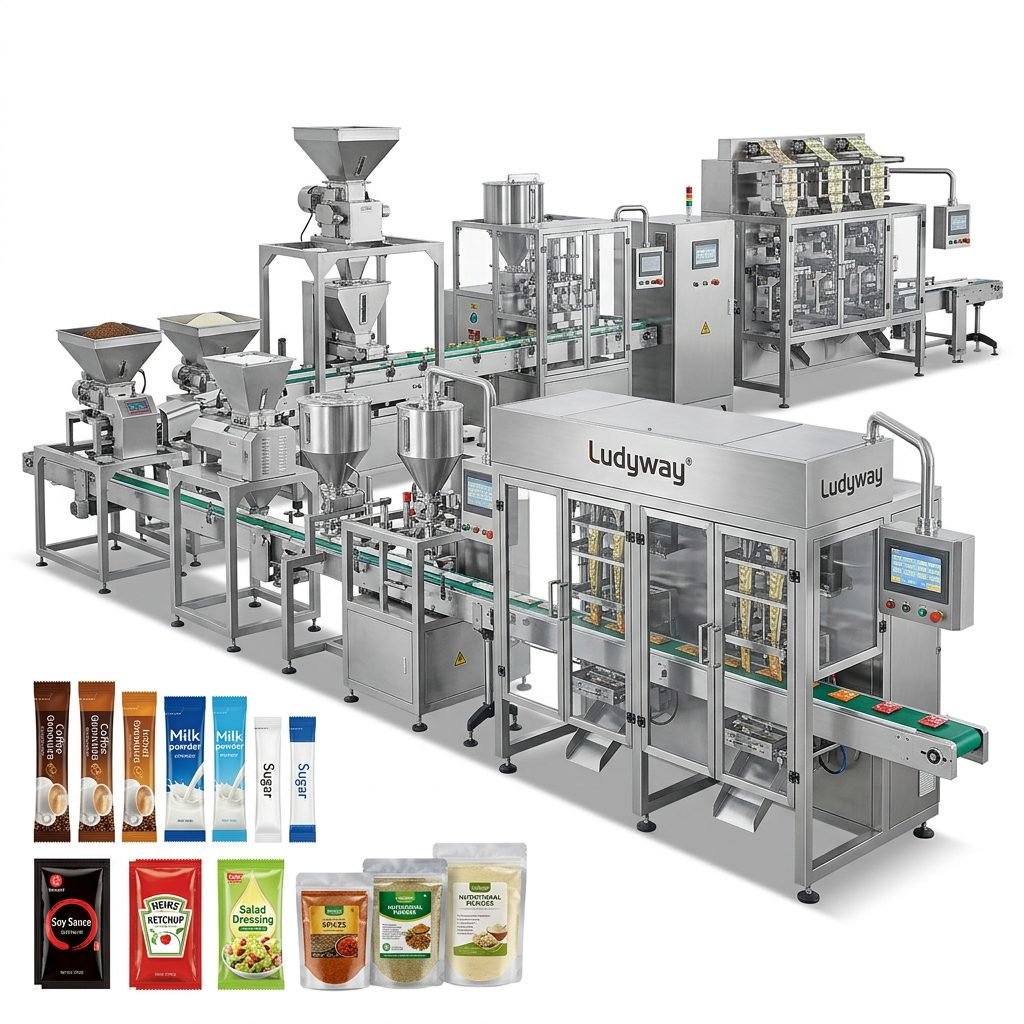
The degree of automation you need depends on your current and projected production volumes. A semi-automatic charcoal packing machine may suffice for small operations producing a few tons per day, while large-scale manufacturers benefit from fully automated packaging lines that integrate feeding, weighing, filling, sealing, coding, inspection, and palletizing into a single continuous workflow.
Consider whether you need:
- Automatic feeding systems — bucket elevators, belt conveyors, or vacuum feeders designed for charcoal
- Inline checkweighing and metal detection — critical for quality assurance and regulatory compliance
- Automated bag making and loading — reduces manual handling and increases throughput consistency
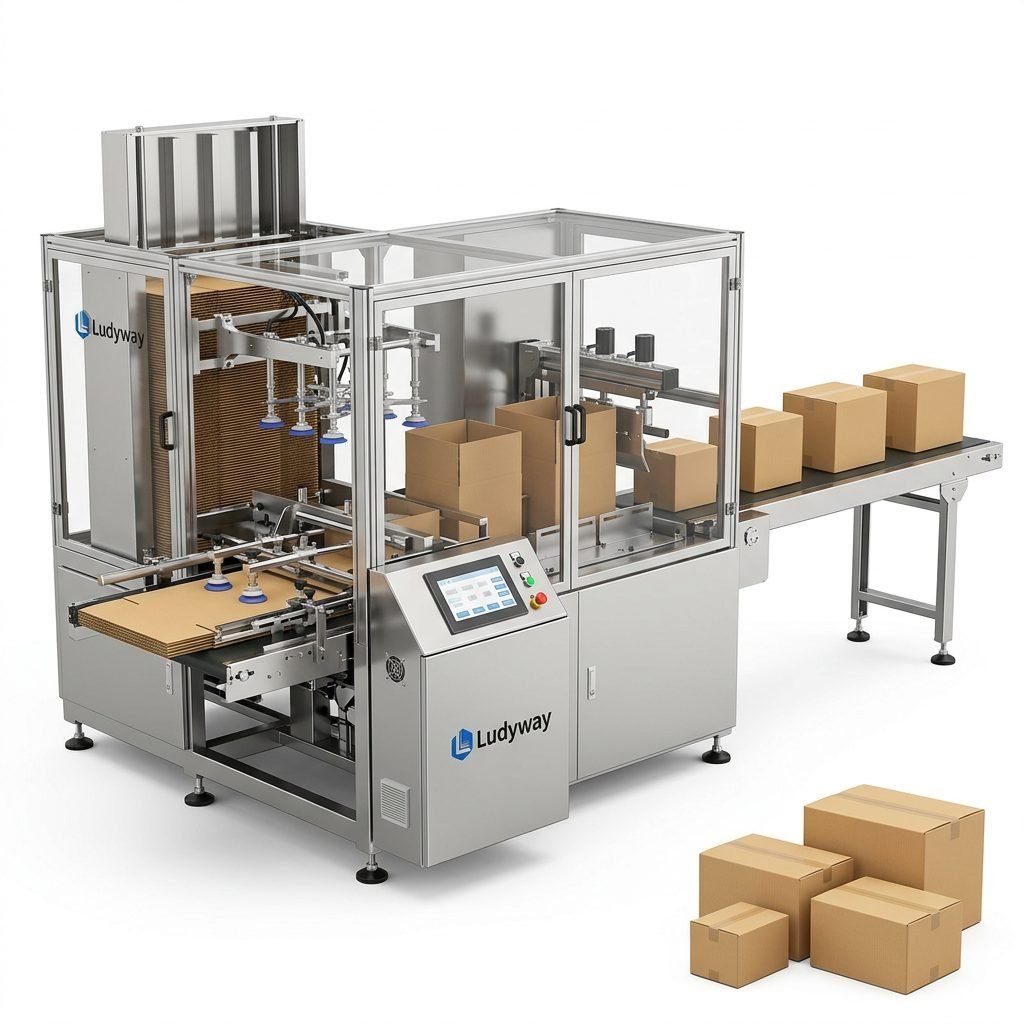
- End-of-line automation — cartoning, case packing, and palletizing systems
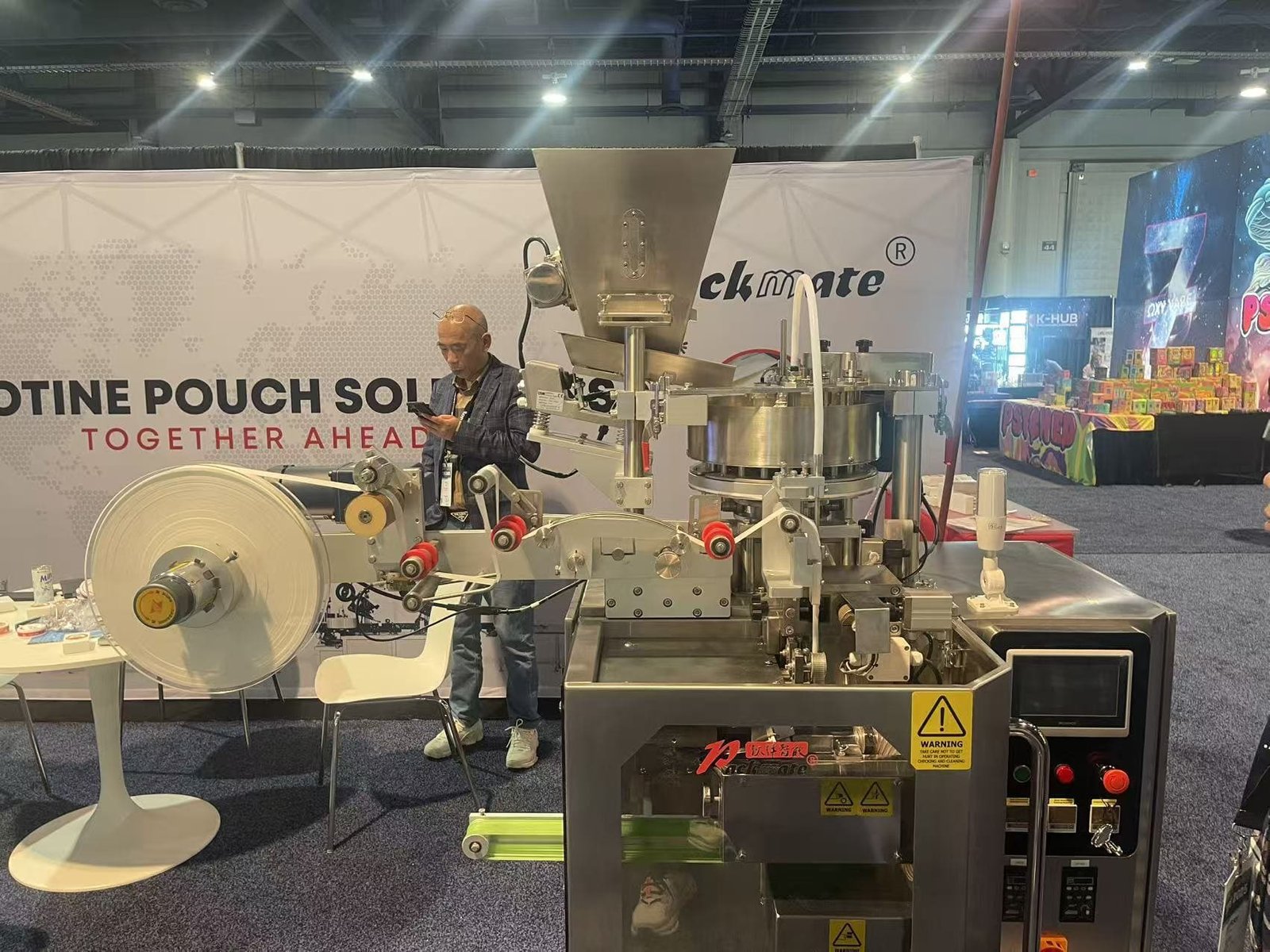
Packaging Material Compatibility and Sustainability
Your choice of packaging material directly influences machine configuration. Charcoal is commonly packaged in flexible packaging formats including laminated films, woven polypropylene bags, paper-plastic composites, and multi-layer barrier films. Ensure the machine you select can handle the film thickness, heat-sealing temperature range, and bag format your product requires. With increasing regulatory focus on sustainable packaging, also verify compatibility with recyclable or biodegradable film options if these align with your brand strategy.
Budget, ROI, and Total Cost of Ownership
The purchase price of a charcoal packing machine is only part of the financial picture. A thorough cost analysis should include installation, operator training, spare parts availability, energy consumption, maintenance intervals, and expected service life. While entry-level machines offer lower upfront investment, they often incur higher long-term costs through reduced efficiency, more frequent downtime, and limited scalability. Reference industry benchmarks from organizations like PMMI’s business intelligence reports can help you evaluate typical ROI timelines for packaging machinery investments.
Supplier Evaluation and After-Sales Support
Choosing the right equipment supplier is as important as choosing the right machine. A reliable manufacturer should offer comprehensive technical support, readily available spare parts, and responsive after-sales service. Evaluate potential suppliers on their industry experience, manufacturing capabilities, and track record in charcoal or similar granular product applications. Companies like Ludyway Machinery, with over 30 years of experience and a 20,000-square-meter manufacturing facility, demonstrate the depth of engineering capability required for customized packaging solutions. Always request references, verify ISO packaging standards compliance where applicable, and confirm that the supplier can support your equipment throughout its operational life.

Making the Final Decision
Selecting the right charcoal packing machine requires balancing product compatibility, production capacity, automation level, packaging format flexibility, and total cost of ownership. Start by clearly defining your current requirements and future growth plans. Then, work with experienced packaging equipment manufacturers who can recommend configurations tailored to your specific charcoal product and production environment. A well-chosen machine not only improves packaging efficiency but also enhances product quality, reduces waste, and strengthens your competitive position in the charcoal market.