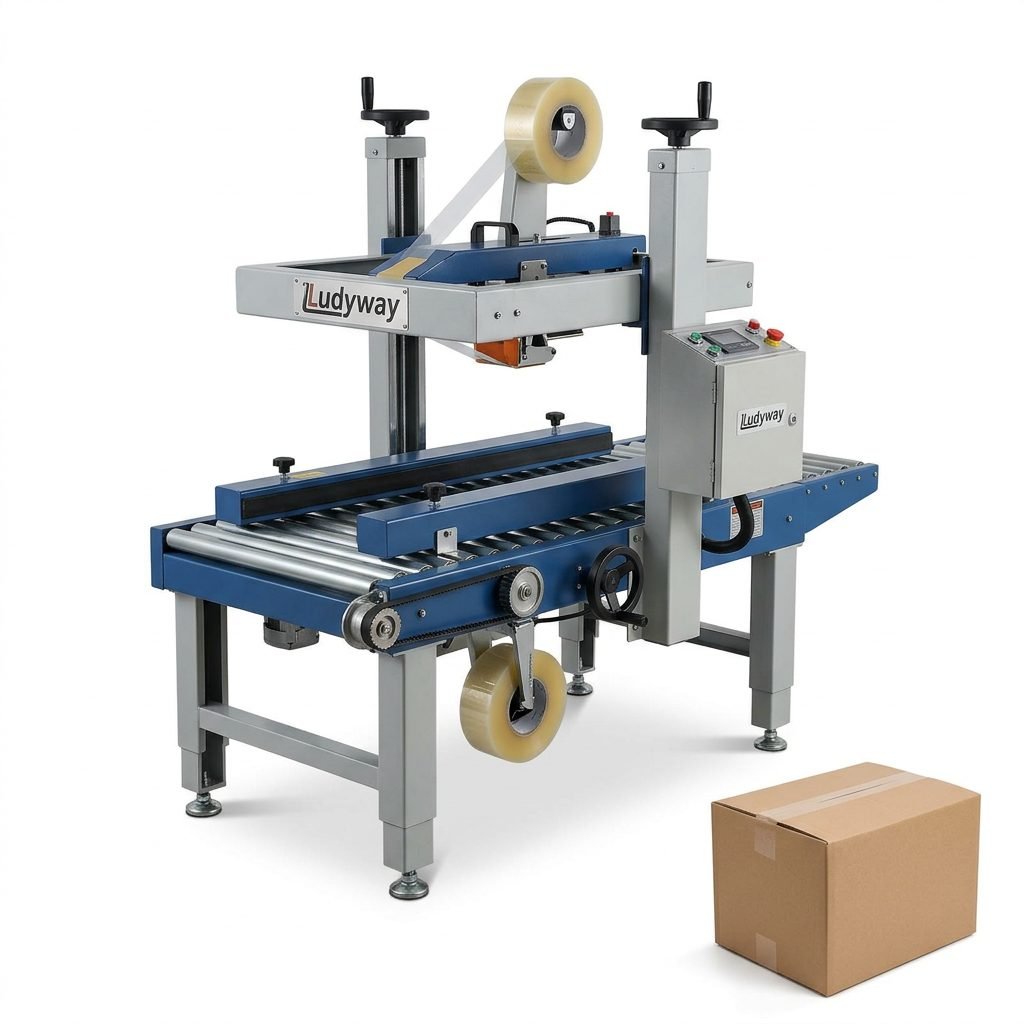
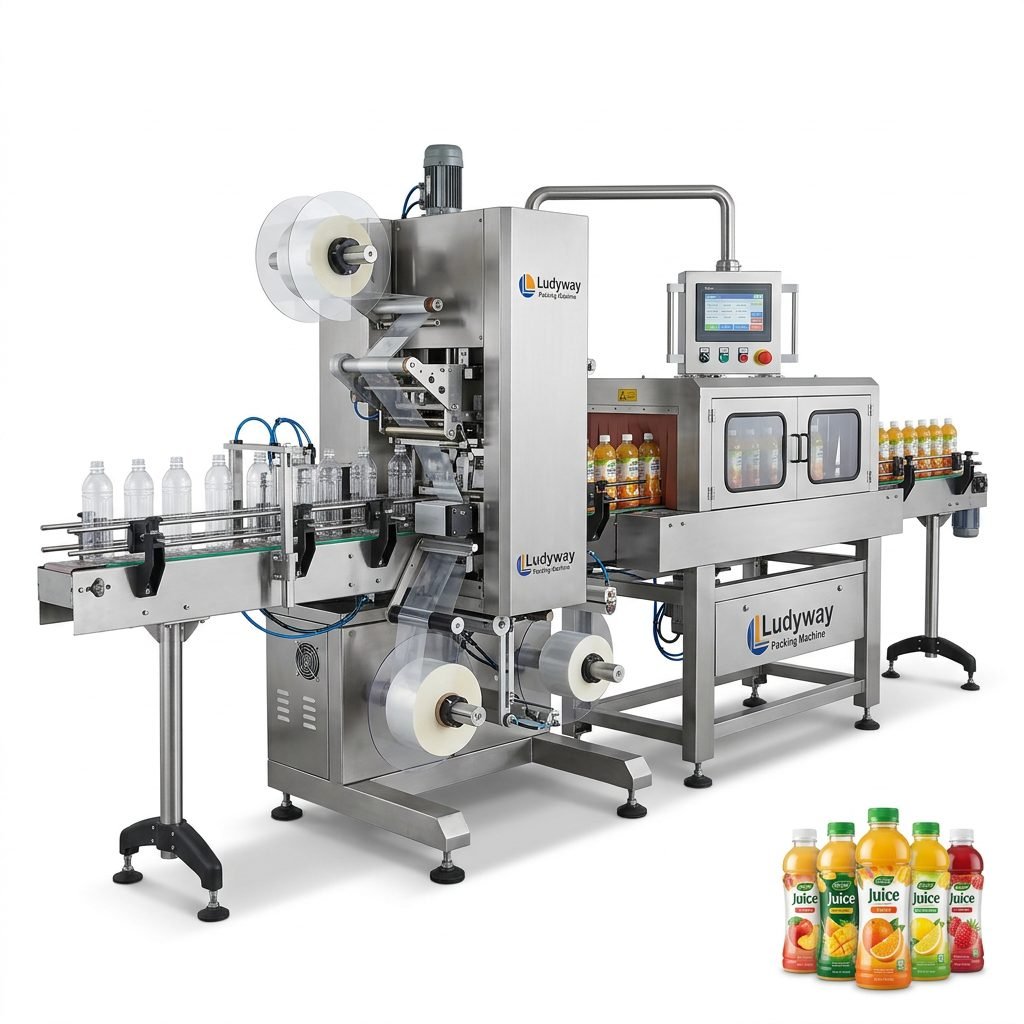
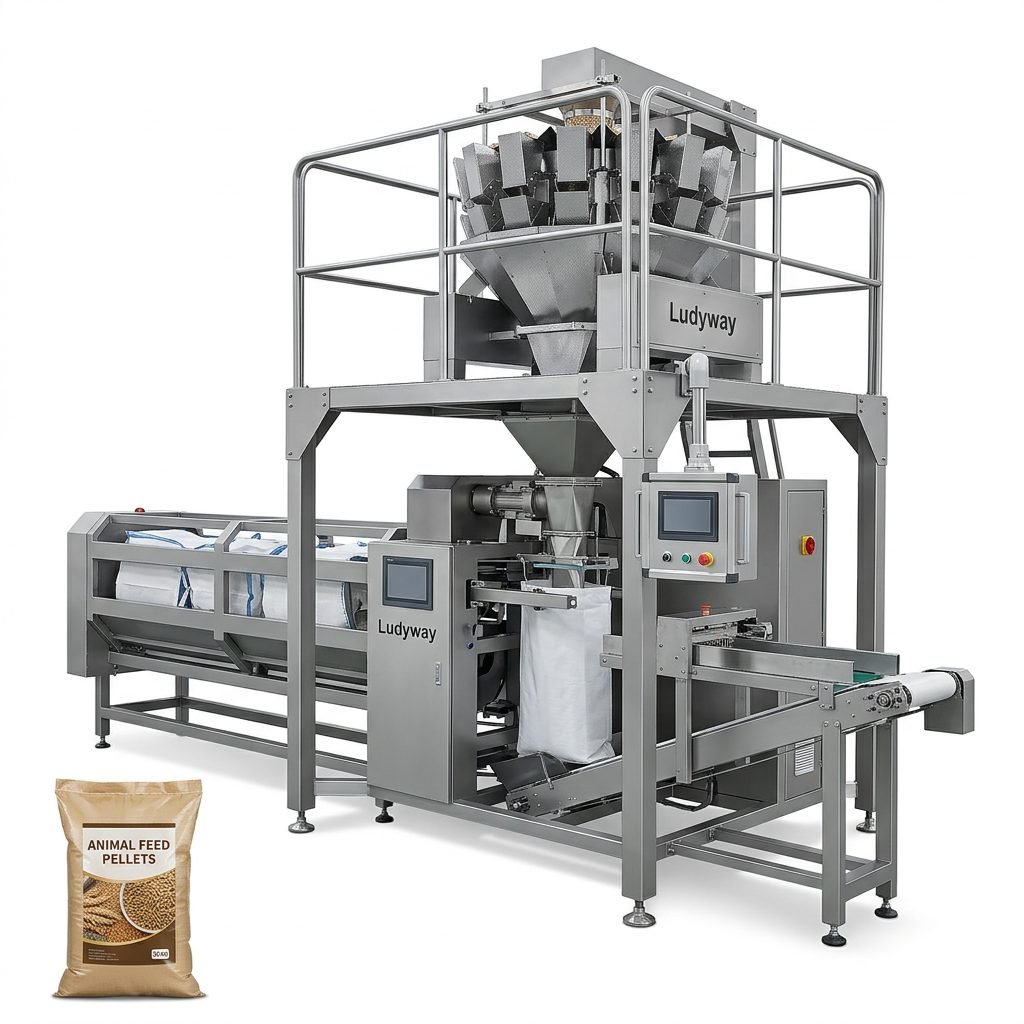
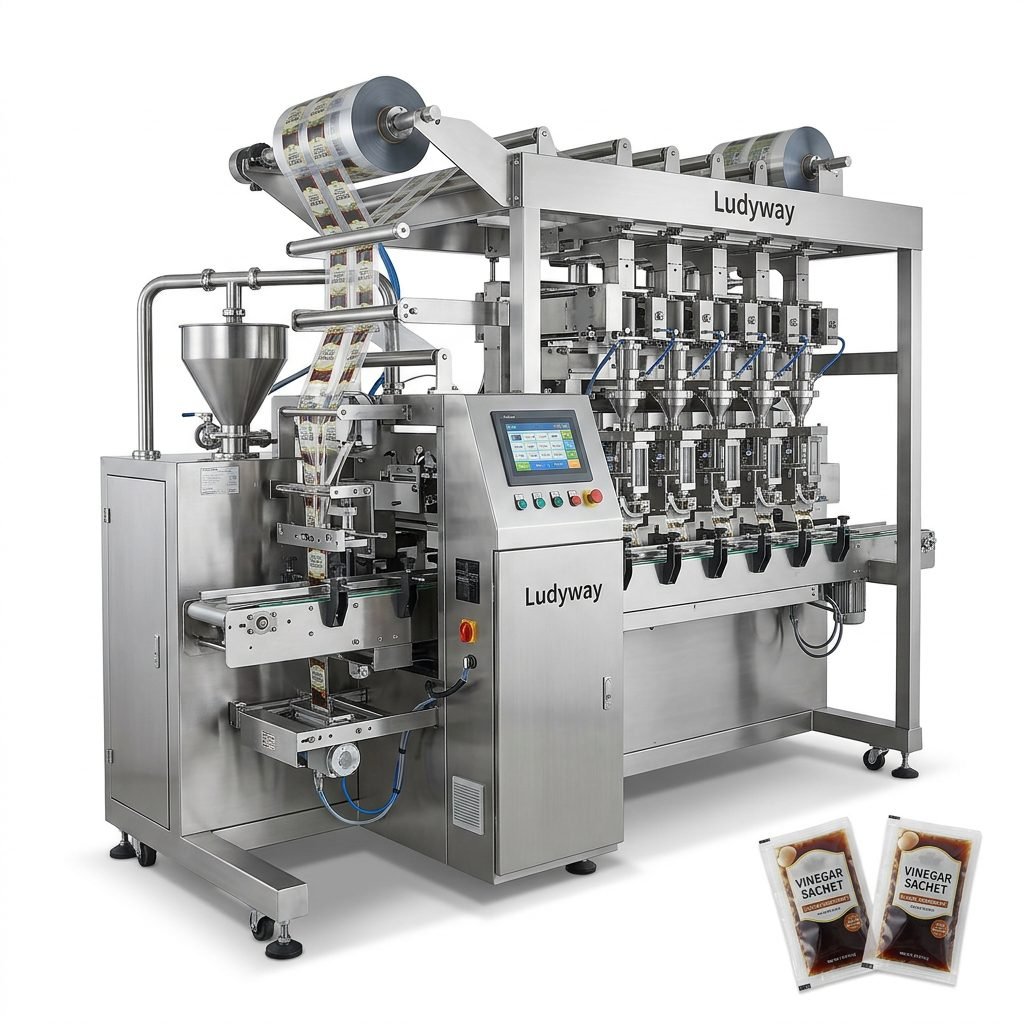
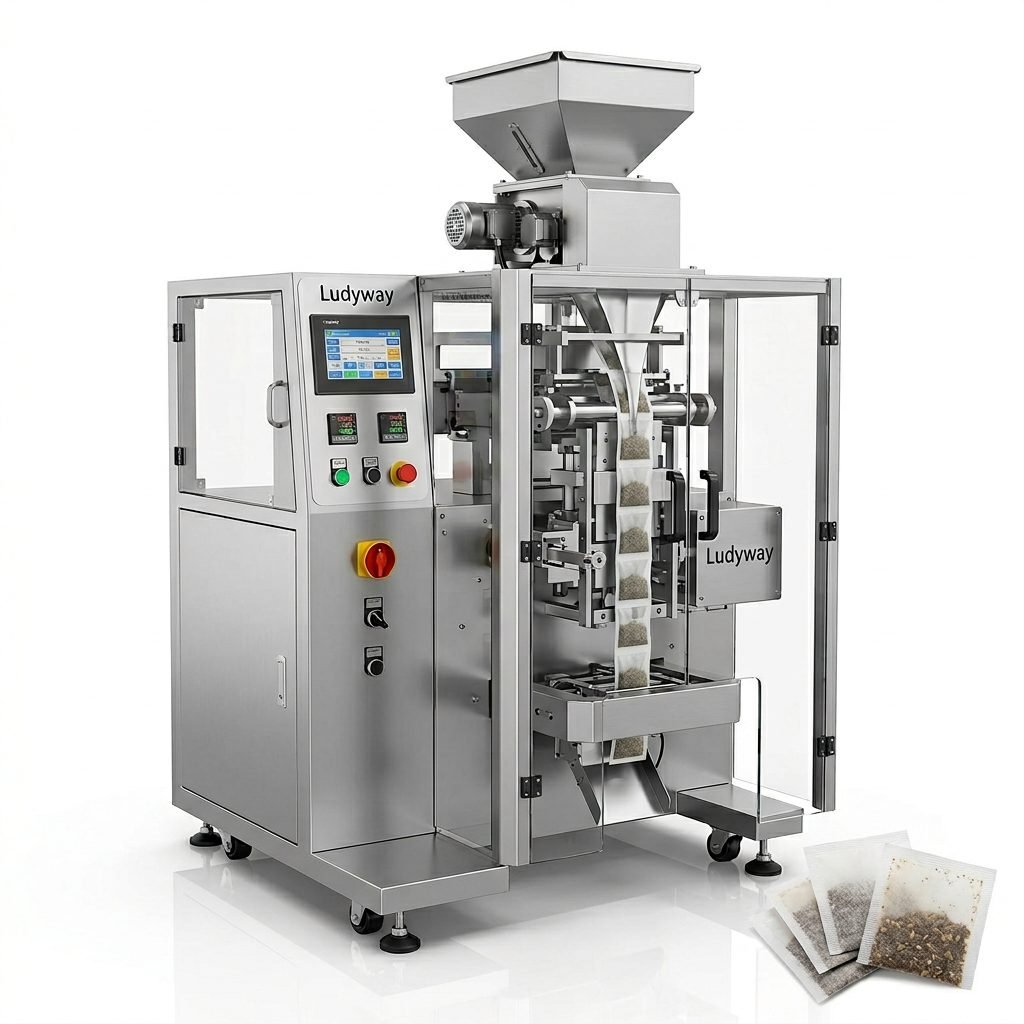
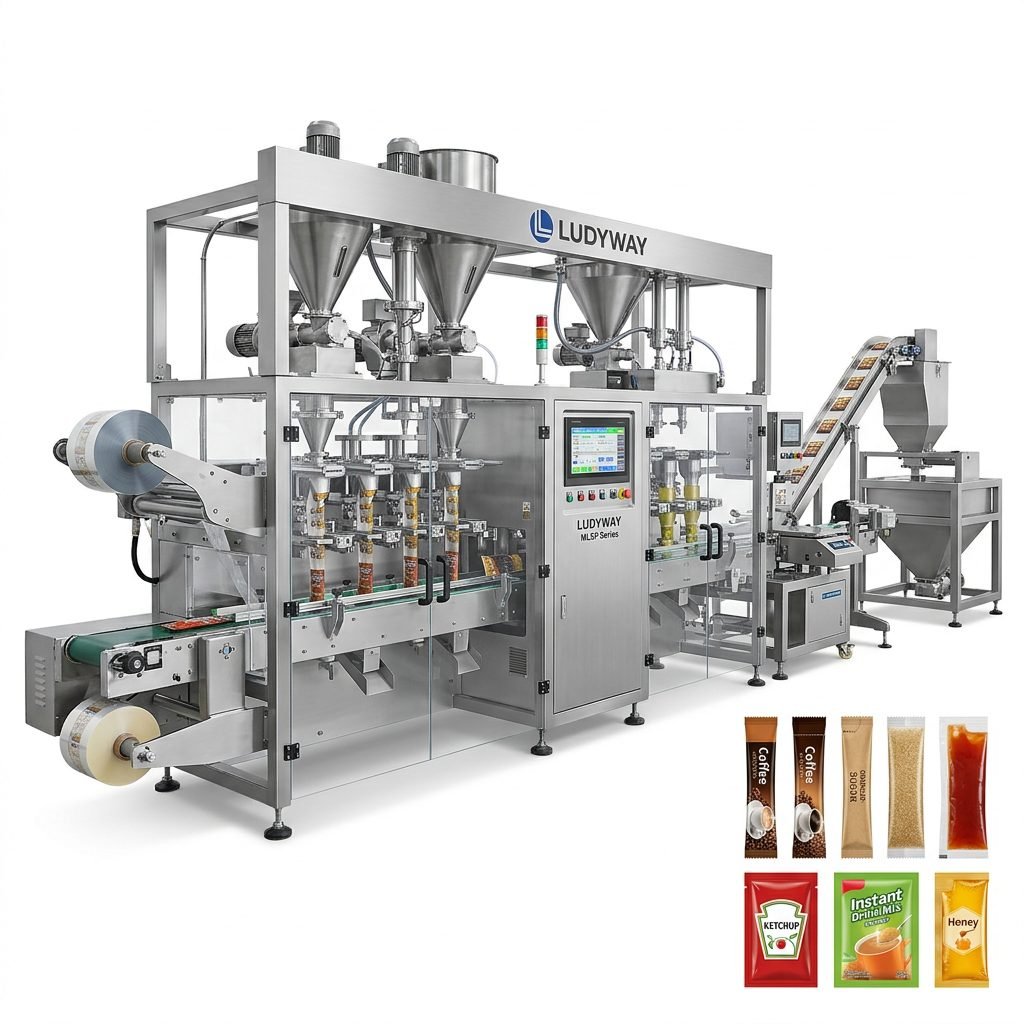
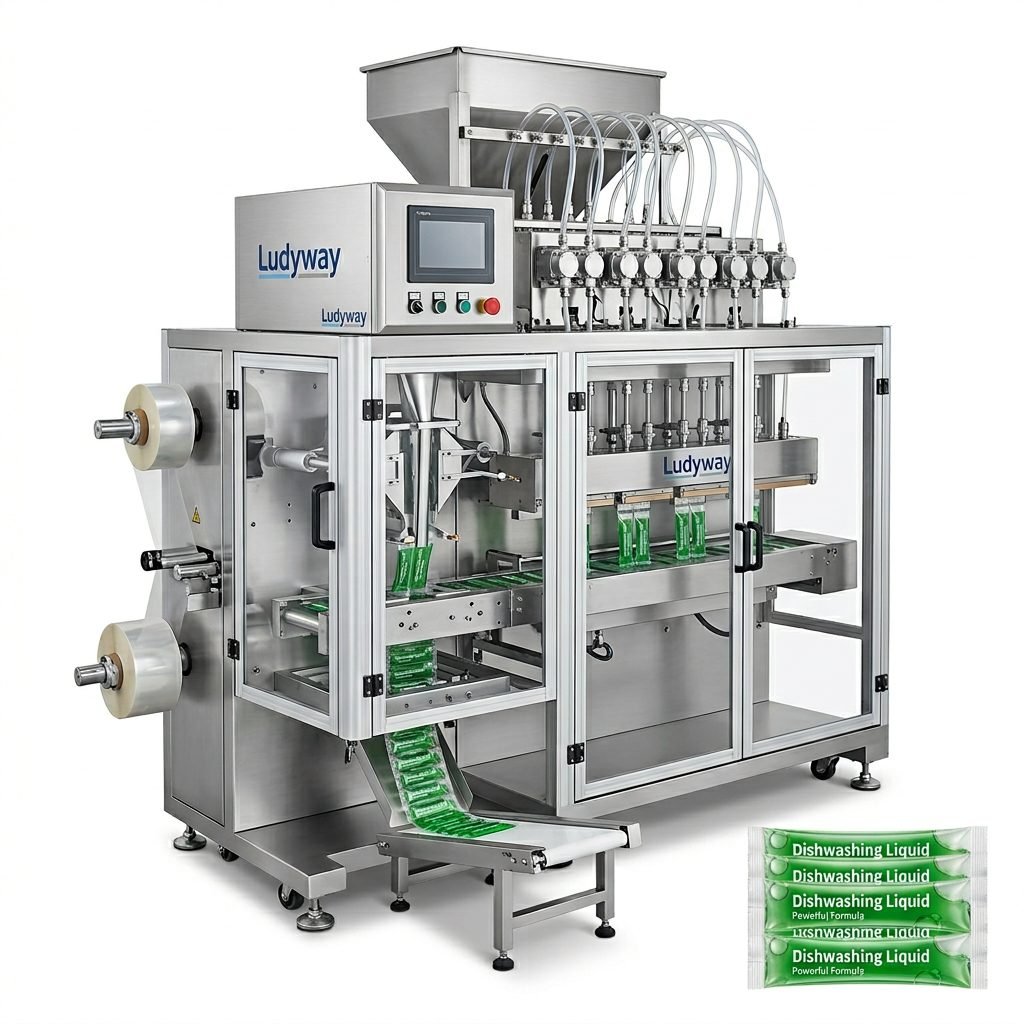
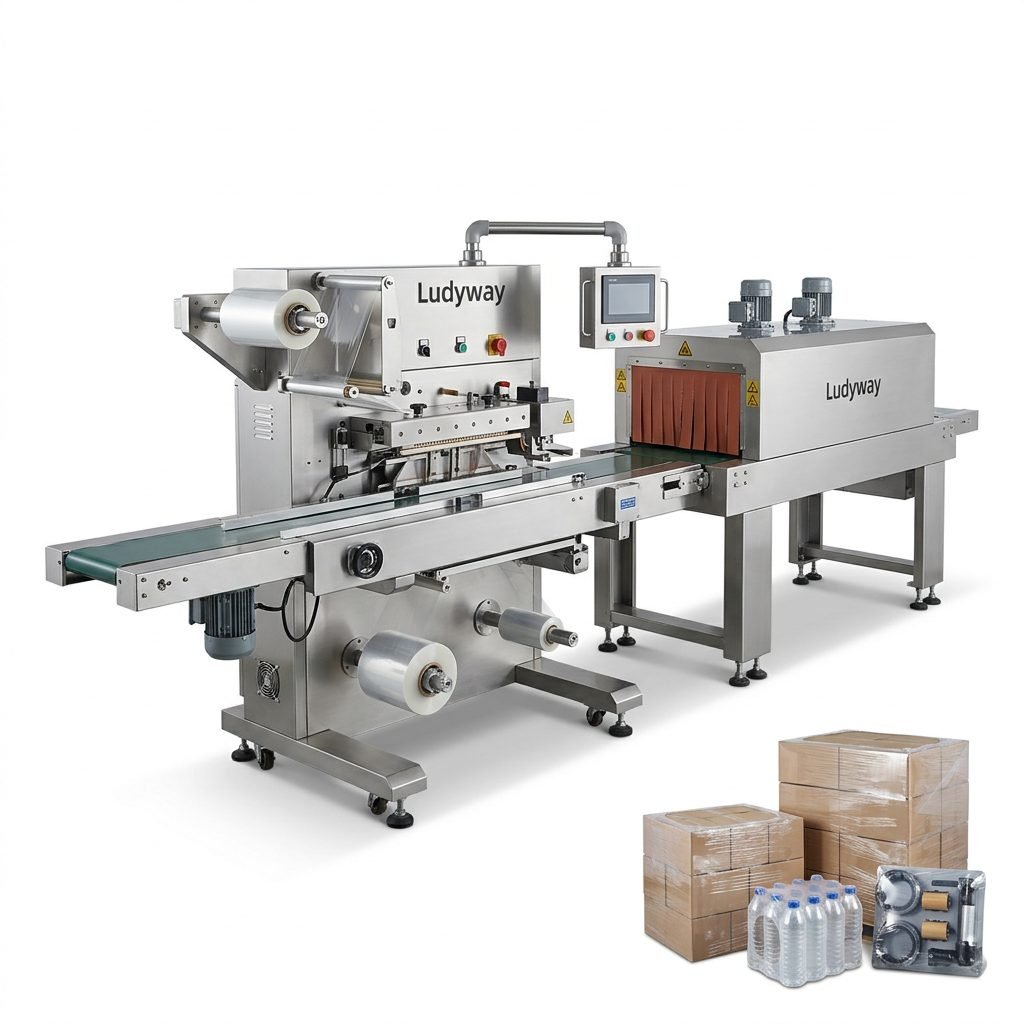
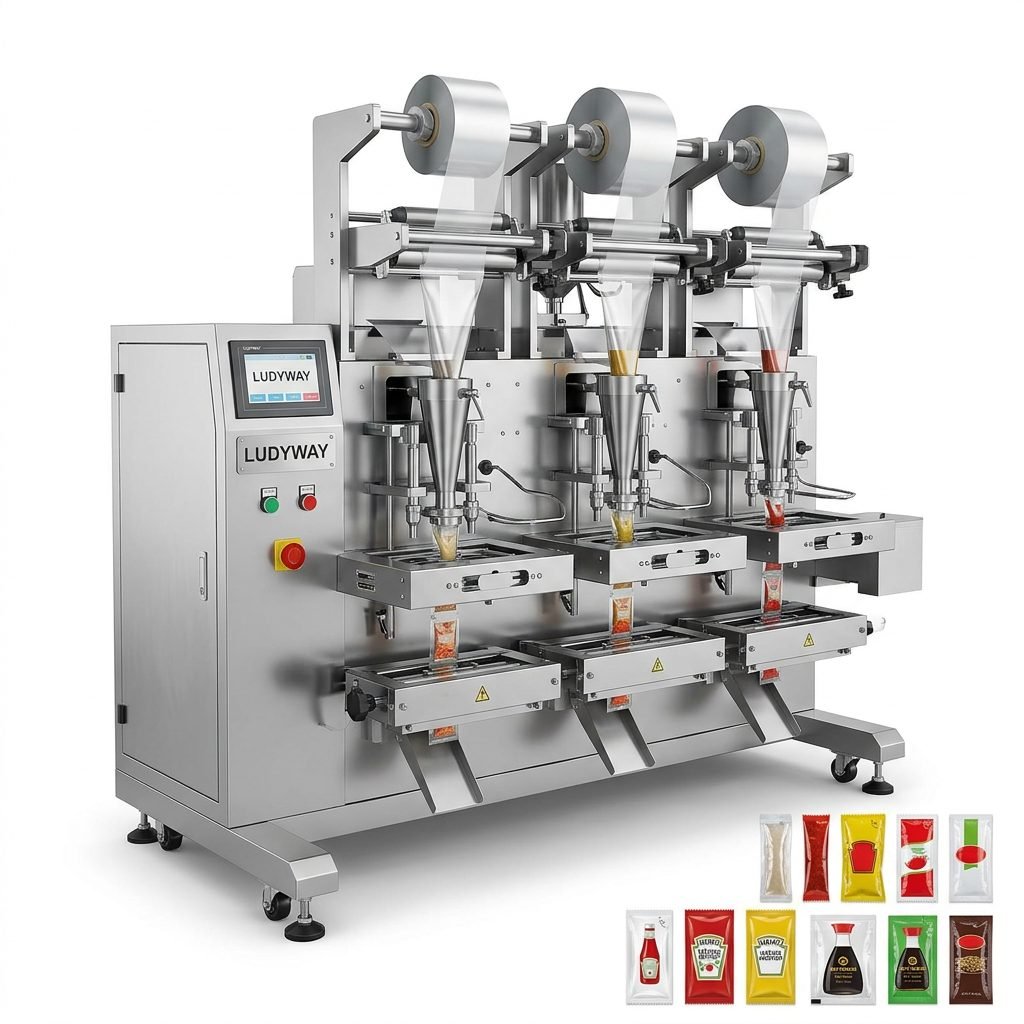
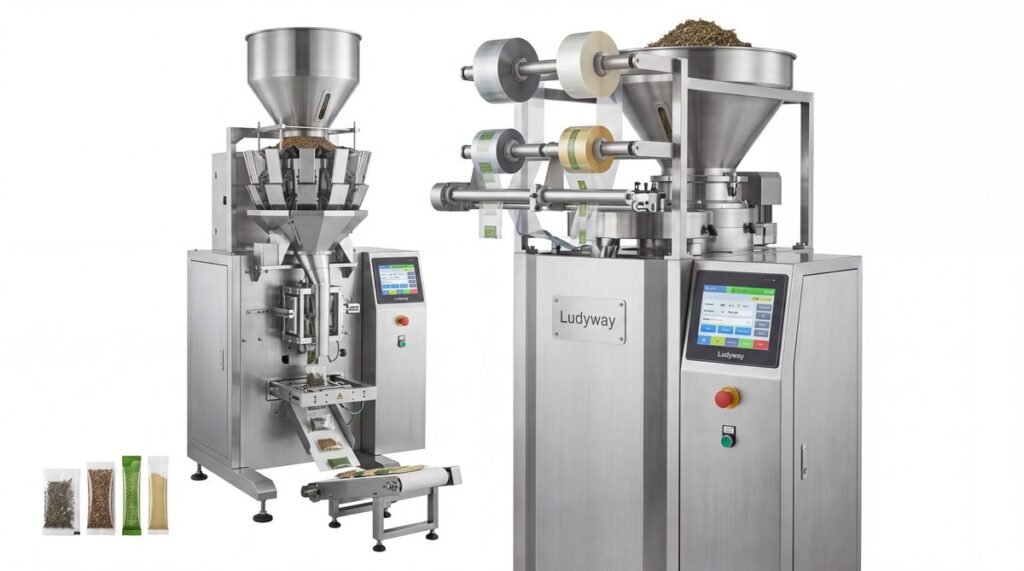
Maintaining your Pakona packaging machine is the most effective way to ensure consistent output, reduce unplanned downtime, and extend the service life of your equipment. Whether you are running high-volume stick pack lines or multi-lane sachet systems, a structured preventive maintenance program directly impacts your bottom line. The following guide covers essential daily, weekly, and monthly tasks that operators and maintenance teams should follow to keep packaging machinery performing at peak efficiency.
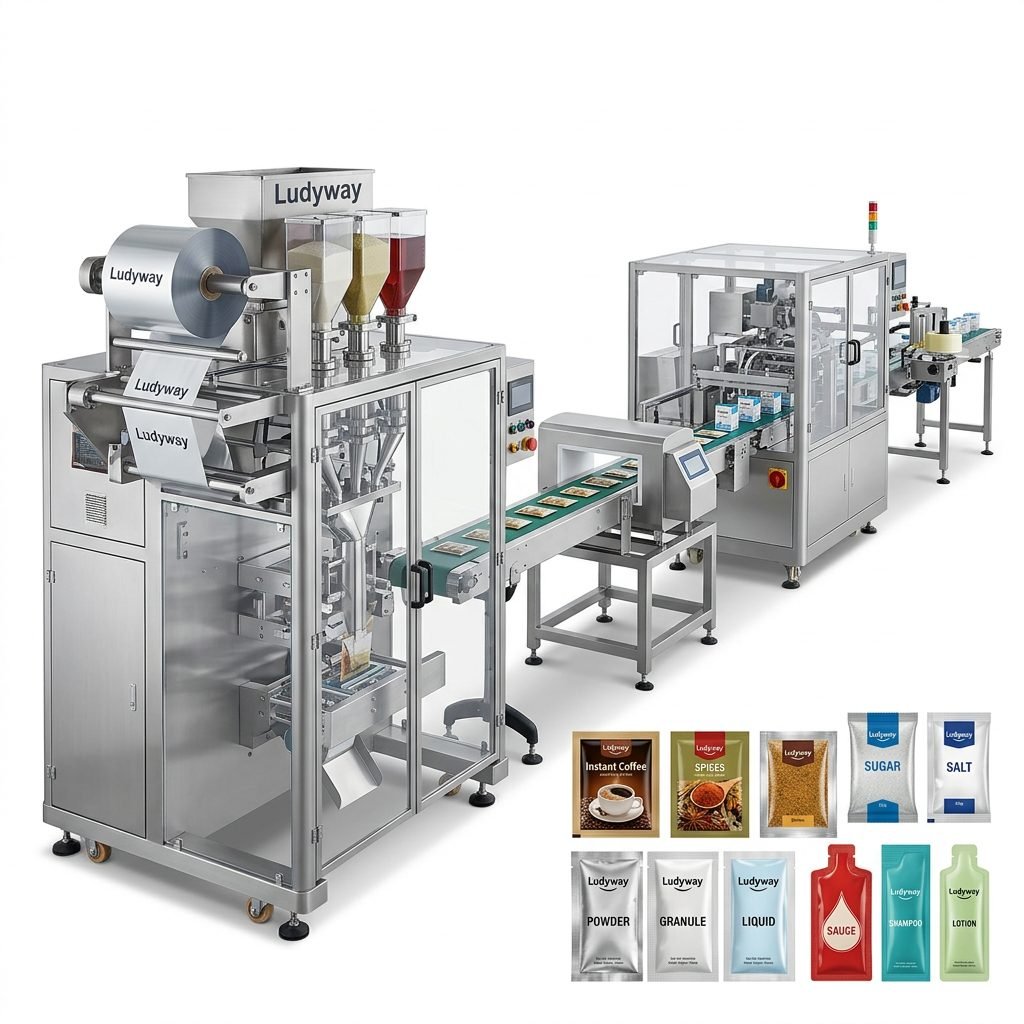
Daily Pre-Operation Inspection Routine
A thorough daily inspection is your first line of defense against unexpected failures. Before starting production, operators should walk through a standardized checklist that covers critical mechanical and electrical components. This only takes 10 to 15 minutes but can prevent hours of lost production time.
- Check sealing jaw temperature: Verify that heating elements are reaching the correct setpoint and that temperature controllers are functioning properly. Inconsistent sealing is often the first sign of a failing thermocouple or heater cartridge.
- Inspect film registration sensors: Clean the sensor lenses with a lint-free cloth and confirm that the machine is detecting registration marks accurately. Dust buildup on packaging equipment sensors is a common cause of misaligned cuts.
- Verify air pressure levels: Pneumatic systems should operate at the manufacturer’s specified pressure range. Low air pressure can cause sluggish cylinder movement and inconsistent pouch forming.
- Examine safety interlocks: Test all emergency stops and guard door switches. Never bypass safety features to speed up production — this creates serious operator risk and violates workplace safety standards.
- Listen for abnormal sounds: Unusual grinding, squealing, or knocking noises often indicate bearing wear, belt misalignment, or lubrication issues that require immediate attention.
Weekly Cleaning and Sanitation Protocols
Product residue, dust, and debris accumulate quickly in high-speed packaging environments. A dedicated weekly cleaning session prevents contamination and keeps precision components operating within tolerance. This is especially critical for machines handling food, pharmaceutical, and health products where hygiene standards are paramount.
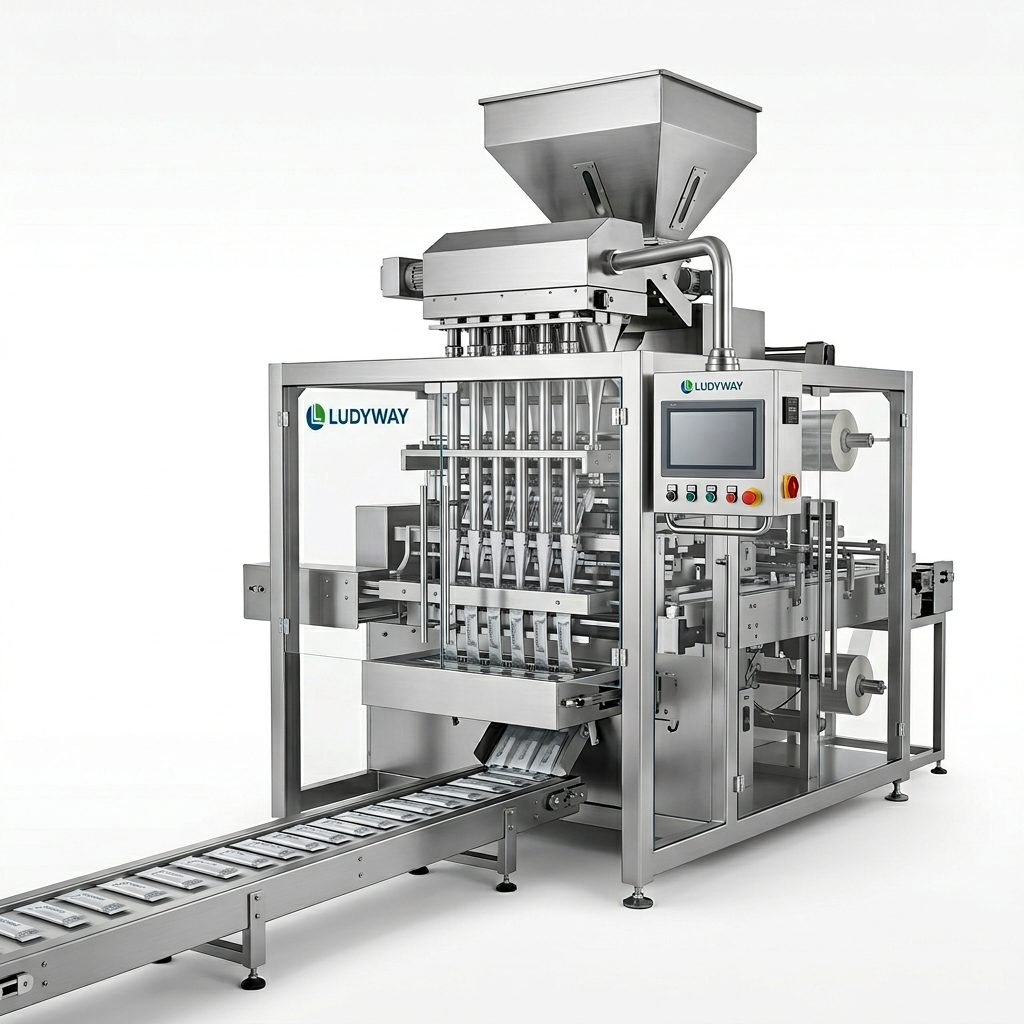
- Remove all film remnants and product spillage from the forming tube, sealing area, and cutting station using approved cleaning agents.
- Clean photoelectric sensors with appropriate optical-grade cleaners — never use abrasive materials that can scratch sensor lenses.
- Wipe down electrical cabinets externally and check that ventilation fans are unobstructed to prevent overheating of drives and controllers.
- Vacuum dust from bulk feeders and hoppers to maintain accurate dosing and prevent cross-contamination between product batches.
- Drain moisture traps in the pneumatic system to prevent water from entering solenoid valves and cylinders, which can cause corrosion and sticking.
Monthly Lubrication and Mechanical Checks
Proper lubrication management is one of the most overlooked aspects of packaging machine maintenance. Both over-lubrication and under-lubrication can cause problems, so following the equipment manual exactly is essential. Use only the specified grease or oil grades for each application point.
| Component | Maintenance Task | Frequency |
|---|---|---|
| Linear bearings and guide rails | Clean and apply grease per manufacturer specification | Every 160 operating hours |
| Sealing jaw pivot points | Apply high-temperature food-grade lubricant | Monthly |
| Timing belts and pulleys | Check tension and inspect for wear or cracking | Every 320 operating hours |
| Gearboxes and drive chains | Check oil level and inspect sprocket teeth | Monthly |
| Cutting knives and blades | Sharpen or replace as needed; check alignment | Monthly or as wear indicates |
Electrical System Inspection and Calibration
Modern packaging machines rely heavily on PLC controllers, servo drives, and precision sensors. Electrical maintenance should be performed by qualified technicians who understand the specific control architecture of your equipment. A well-maintained electrical system prevents erratic machine behavior and ensures accurate filling, sealing, and cutting operations.
- Torque-check all terminal connections in control panels — thermal cycling can loosen connections over time, leading to intermittent faults.
- Verify encoder feedback signals on servo-driven axes to ensure positional accuracy is maintained throughout production runs.
- Calibrate load cells and weighing systems monthly to maintain fill weight accuracy, which is critical for regulatory compliance in food and pharmaceutical applications.
- Backup PLC programs and parameter settings after any changes are made, and store copies in a secure location off the production floor.
- Inspect cable carriers and flex cables for signs of fatigue or damage — replace any cables showing cracked insulation or exposed conductors immediately.
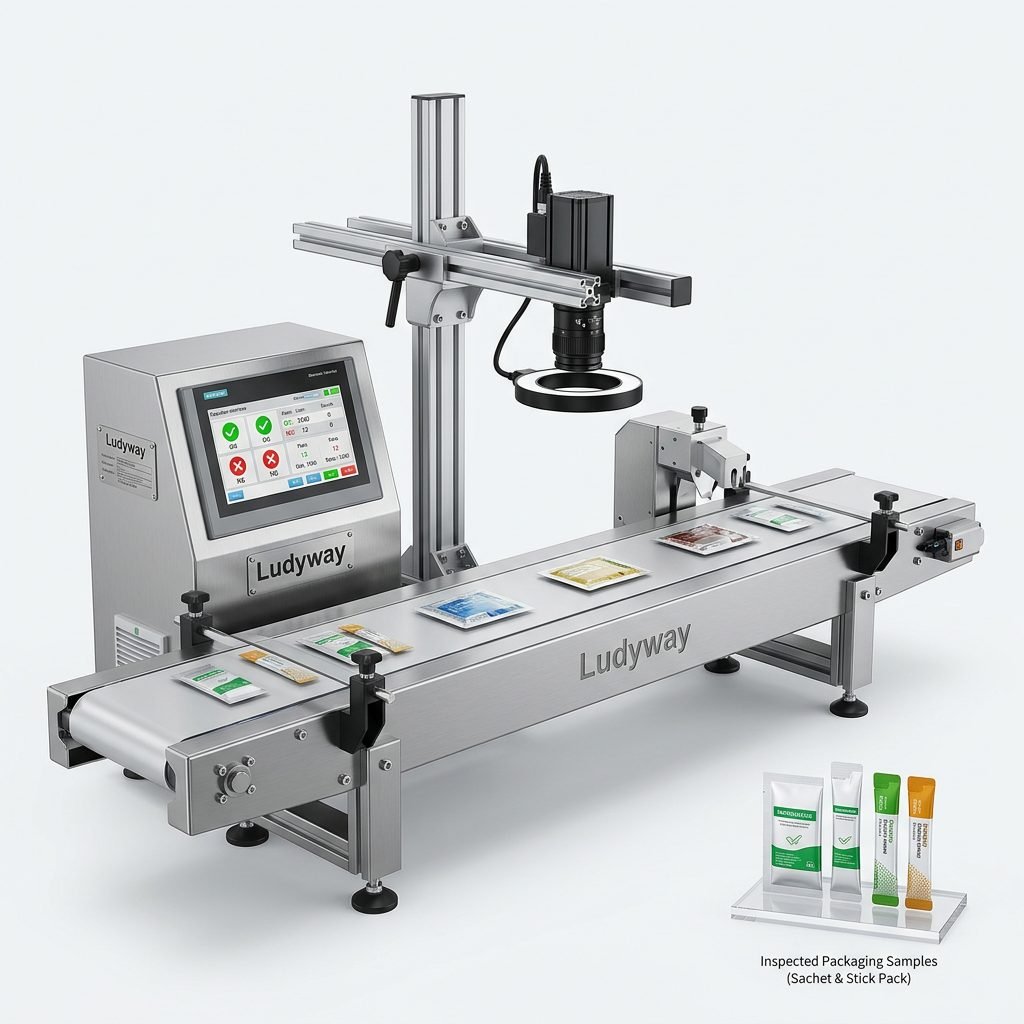
Common Troubleshooting Scenarios and Solutions
Even with diligent maintenance, packaging machines will occasionally experience issues. Understanding the most common failure modes and their root causes helps your team resolve problems faster and minimize production interruptions. Here are several frequently encountered scenarios:
Problem: Inconsistent Seal Quality or Leaking Pouches
This is often caused by temperature fluctuations, worn sealing jaws, or contaminated sealing surfaces. Check the thermocouple calibration first, then inspect the jaw surfaces for product buildup or physical damage. Verify that the sealing pressure is within the recommended range and that the dwell time settings match the film specifications.
Problem: Film Tracking Issues and Misaligned Cuts
Poor film tracking usually stems from incorrect film tension, dirty rollers, or worn rubber nip rolls. Clean all film path rollers thoroughly and check that the unwind tension is set correctly for the film width and material type. Inspect the registration sensor position and ensure it is aligned properly with the printed eye mark on the packaging film.
Problem: Inaccurate Fill Weights or Dosing Consistency
For granular and powder products, auger wear, bridging in hoppers, or incorrect agitator speed are common culprits. For liquid filling applications, check for air in the product lines, worn pump seals, or partially clogged filling nozzles. Regular calibration of weighing systems against certified test weights is essential for maintaining accuracy.
Problem: Machine Stops Intermittently Without Clear Alarm
Intermittent stoppages are often electrical in nature. Check for loose sensor connections, intermittent short circuits in cable carriers, or failing power supply units. Vibration can cause connections to momentarily break contact, triggering a stop signal without leaving a clear fault log entry.
Preventive Maintenance Scheduling and Documentation
An effective maintenance program requires structured scheduling and detailed record-keeping. Every maintenance action should be documented, including the date, technician name, tasks performed, parts replaced, and any observations about component condition. This historical data becomes invaluable for predicting future failures and optimizing spare parts inventory.
| Maintenance Interval | Key Activities | Responsible Team |
|---|---|---|
| Daily | Visual inspection, sensor cleaning, temperature verification | Machine Operators |
| Weekly | Deep cleaning, filter replacement, chain tension checks | Maintenance Technicians |
| Monthly | Lubrication, calibration, belt inspection, electrical checks | Maintenance Technicians |
| Quarterly | Gearbox oil analysis, drive system inspection, safety system testing | Maintenance Engineers |
| Annual | Complete machine overhaul, major component replacement, control system upgrade evaluation | Maintenance Engineers & OEM Support |
Spare Parts Inventory Management
Maintaining an appropriate critical spare parts inventory is essential for minimizing downtime. The most commonly needed spare parts for packaging machines include sealing elements, cutting blades, sensors, belts, bearings, and pneumatic components. Work with your equipment supplier to identify the parts most susceptible to wear and establish recommended stocking levels based on your production volume and machine age.
- Keep at least one complete set of sealing jaws on hand to allow for quick changeovers when jaws wear or become damaged.
- Stock replacement sensors for all critical measurement points — photoelectric, proximity, thermocouple, and pressure sensors.
- Maintain an inventory of drive belts in all sizes used across your packaging lines, as these are wear items that can fail without warning.
- Store pneumatic components such as cylinders, solenoid valves, and fittings that match the specifications of your machinery.
Operator Training and Standard Operating Procedures
Well-trained operators are your best asset for equipment reliability. Operators who understand how their packaging machines function can identify early warning signs of problems before they escalate into major failures. Invest in comprehensive training programs that cover proper startup and shutdown procedures, routine maintenance tasks, and troubleshooting fundamentals.
Develop clear Standard Operating Procedures (SOPs) for all routine maintenance activities and ensure they are readily accessible on the production floor. SOPs should include step-by-step instructions, safety precautions, required tools, and acceptance criteria for each task. Regular refresher training helps maintain consistency and incorporates lessons learned from past equipment issues.
When to Seek Professional Technical Support
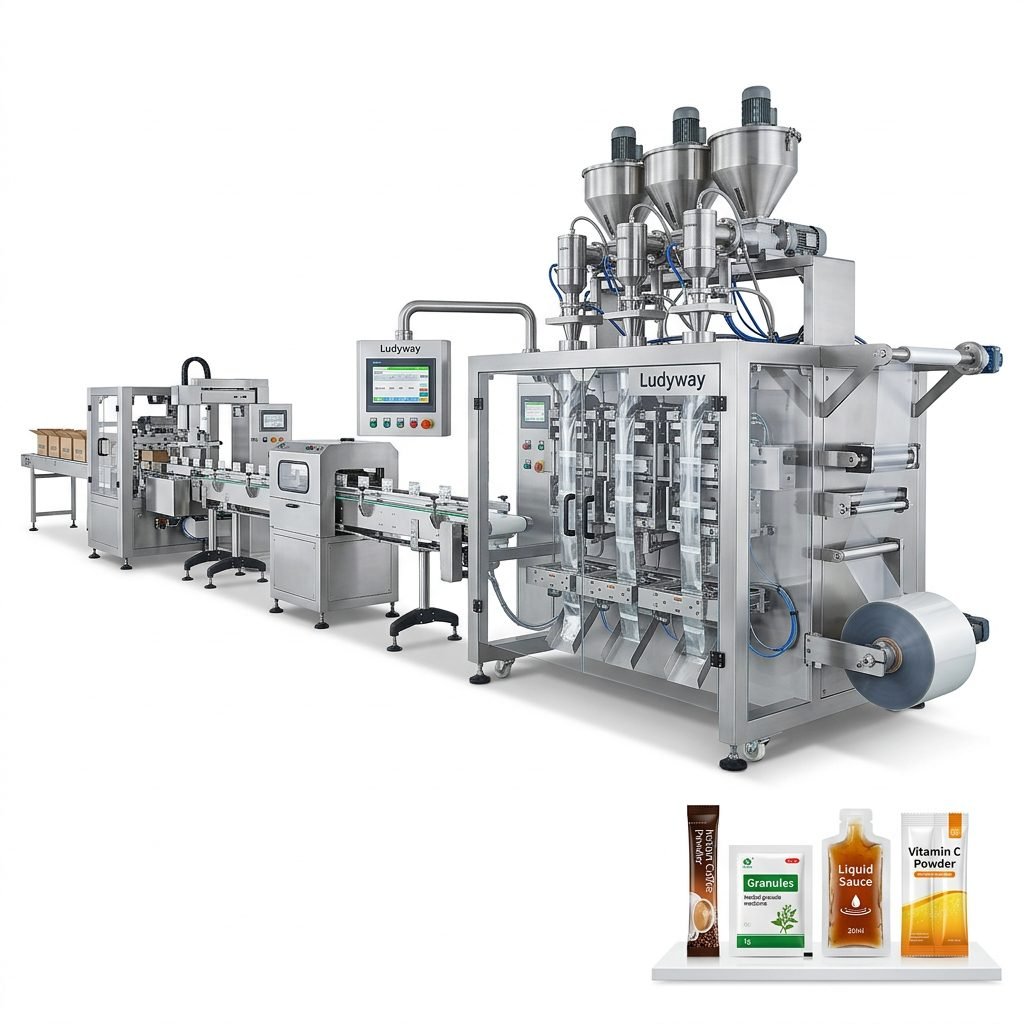
While many maintenance tasks can be handled by in-house teams, certain situations call for professional intervention. Complex electrical faults, major mechanical rebuilds, and control system upgrades typically require specialized expertise. For companies operating in regulated industries such as pharmaceuticals, validation and compliance considerations may also necessitate external support from qualified technicians. Leading packaging machine manufacturer companies like Ludyway offer comprehensive after-sales support and technical service programs to assist with advanced maintenance, repair, and optimization projects.
Leveraging Technology for Predictive Maintenance
Modern packaging lines increasingly incorporate predictive maintenance technologies that move beyond traditional time-based schedules. Vibration analysis sensors, thermal imaging cameras, and current monitoring systems can detect degrading components before they cause unplanned downtime. Integrating these technologies with your maintenance management system allows for condition-based maintenance scheduling that optimizes both equipment reliability and maintenance resource allocation.
Key benefits of implementing predictive maintenance on packaging equipment include reduced unexpected breakdowns, extended component life, optimized spare parts inventory, and lower overall maintenance costs. When evaluating new packaging machinery or upgrades to existing lines, consider equipment that includes built-in diagnostic capabilities and supports integration with plant-wide condition monitoring systems.
Consistent adherence to these maintenance practices will help ensure that your packaging operations remain productive, efficient, and profitable. The time and resources invested in proper equipment care consistently deliver returns through higher machine availability, better product quality, and longer asset life. For more detailed guidance on maintaining specific packaging machine models or to access industry best practices, consult resources from organizations such as PMMI – The Association for Packaging and Processing Technologies and the Flexible Packaging Association.