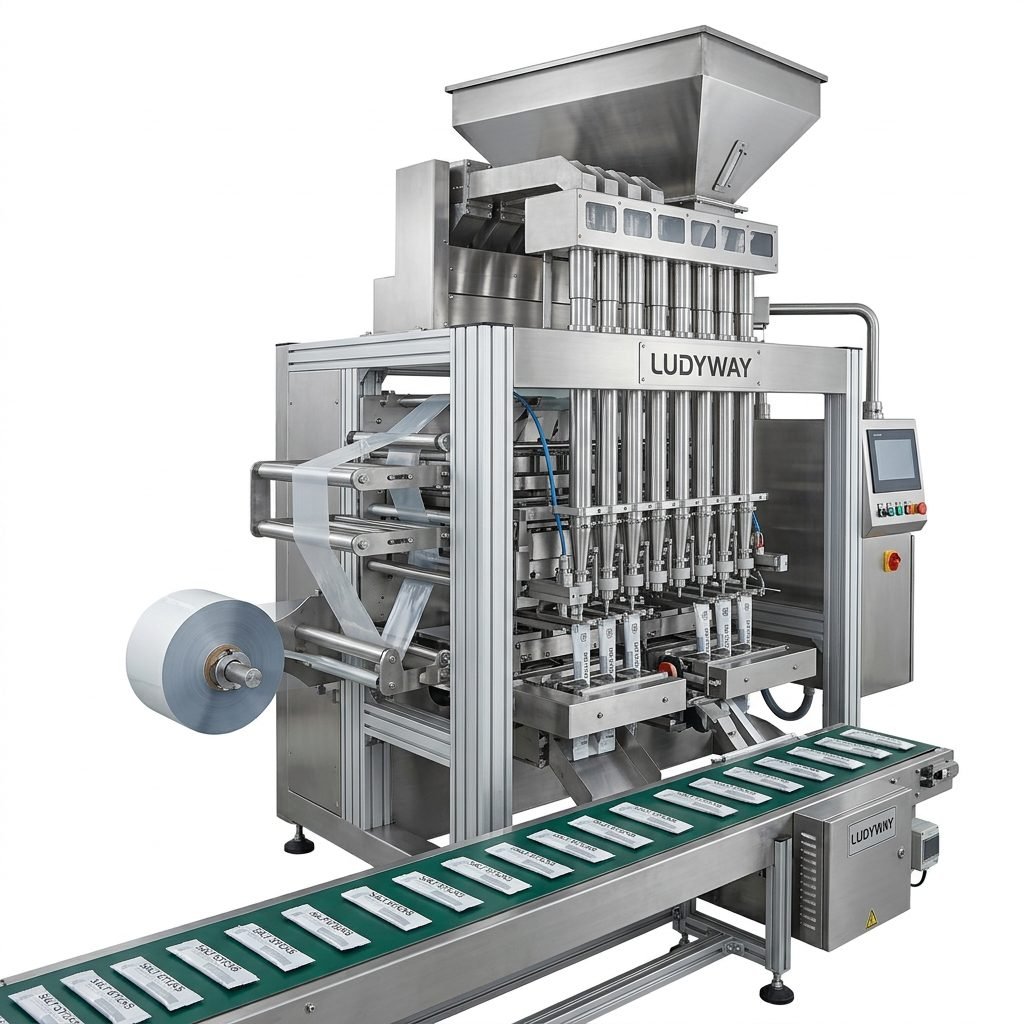
Setting up a food packaging machine production line in North America requires careful planning, compliance with strict regulatory standards, and the selection of reliable, high-performance equipment. Whether you are expanding an existing facility or building a new one from the ground up, understanding each phase of the process is critical to achieving operational efficiency and product quality. This guide walks you through the essential steps, from initial assessment to full-scale production.
Phase 1: Planning and Feasibility Assessment
Before investing in machinery, you need a comprehensive understanding of your production goals. Start by defining your target output, packaging formats, and product characteristics. The planning stage should involve a cross-functional team including operations, quality assurance, and engineering.
Key factors to evaluate include:
- Product Type: Is your food product a granule, powder, liquid, or solid? Each requires different filling and sealing technologies.
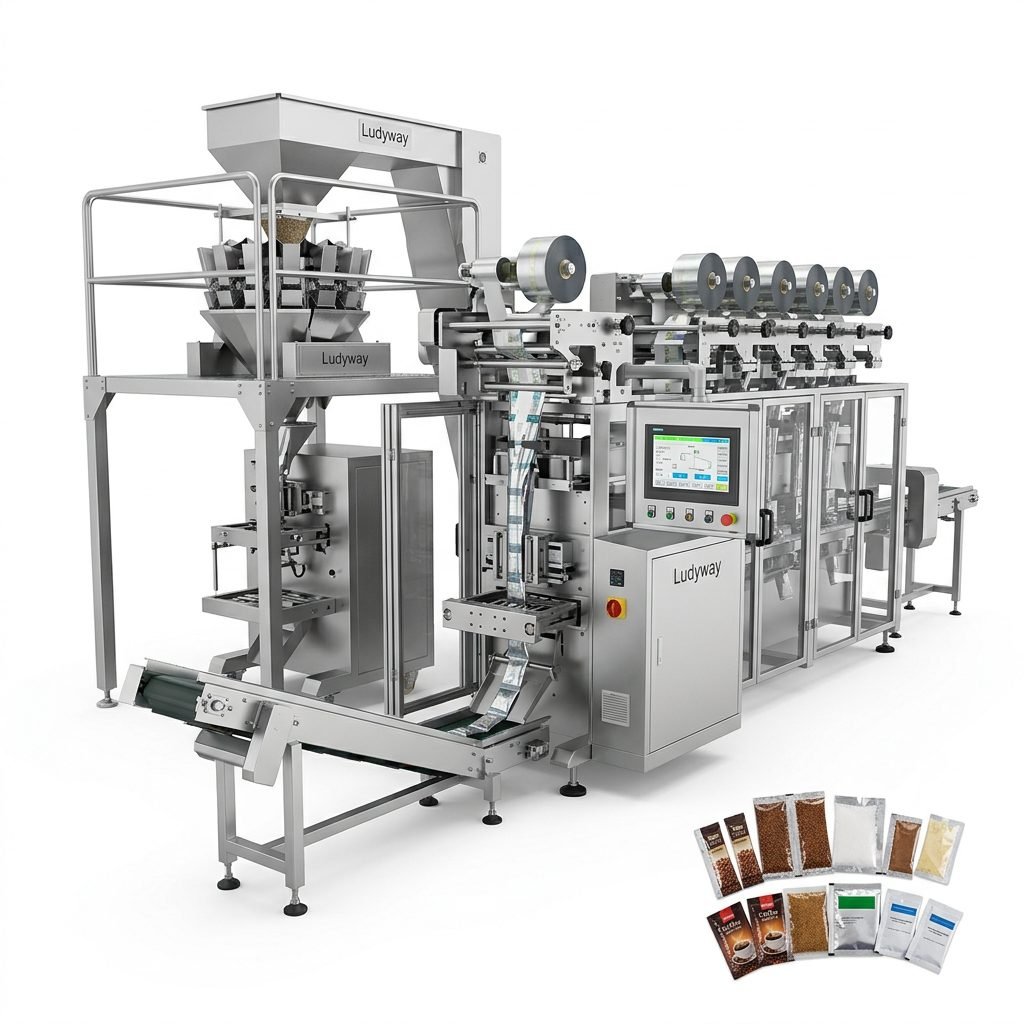
- Packaging Format: Will you use sachets, stick packs, pouches, or bottles? The trend toward convenient, single-serve formats is growing rapidly across North America.
- Production Volume: Your hourly or daily throughput targets will determine whether you need a multi-lane high-speed system or a more compact solution.
- Facility Constraints: Assess floor space, ceiling height, utility requirements, and cleanroom classifications if necessary.
- Budget and ROI: Factor in not just the equipment cost, but also installation, training, maintenance, and potential downtime.
Phase 2: Understanding North American Regulatory Compliance
Food packaging machinery in the United States and Canada must comply with stringent safety and sanitation standards. This is non-negotiable and should be addressed at the very beginning of your project.
| Regulatory Body | Standard / Requirement | Key Focus Area |
|---|---|---|
| FDA | Food Contact Substances (FCS) regulations | Materials that contact food must be safe and suitable |
| USDA | Sanitation performance standards | Equipment design for cleanability in meat and poultry |
| CFIA | Canadian Food Inspection Agency guidelines | Packaging integrity and labeling compliance |
| 3-A Sanitary Standards | Hygienic equipment design | Prevention of microbial contamination |
For detailed information, refer to the official FDA food packaging guidelines. Ensuring your equipment meets these requirements from the start avoids costly retrofits later. You should also consult the PMMI packaging industry resources for comprehensive insights into machinery safety protocols.

Phase 3: Selecting the Right Packaging Equipment
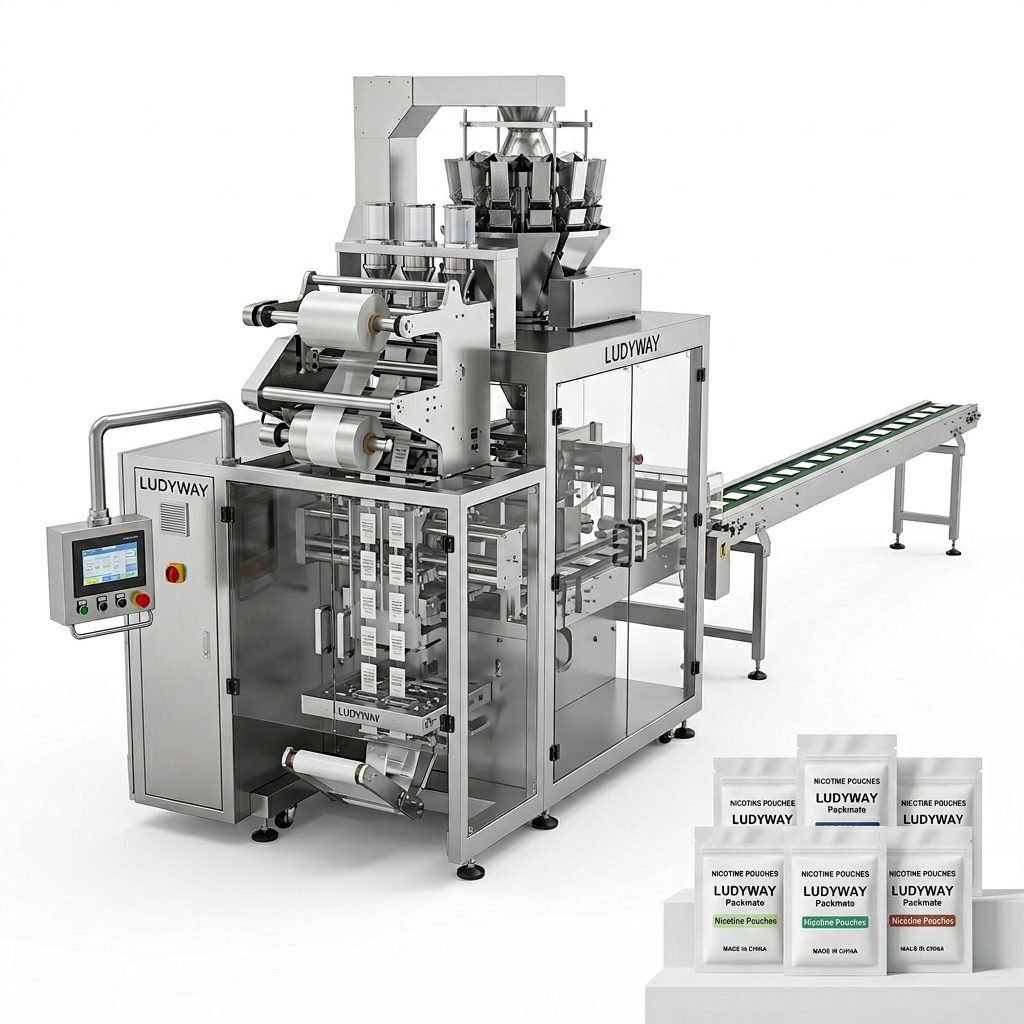
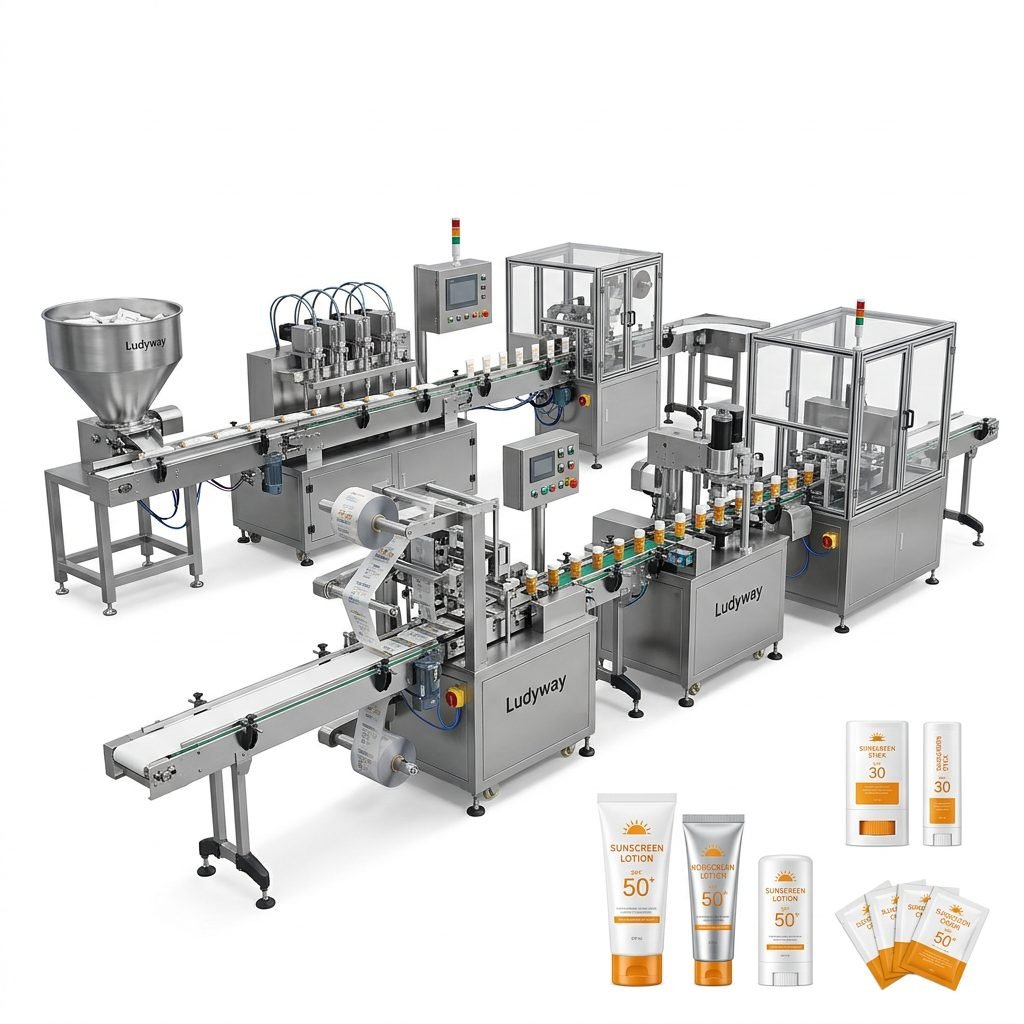
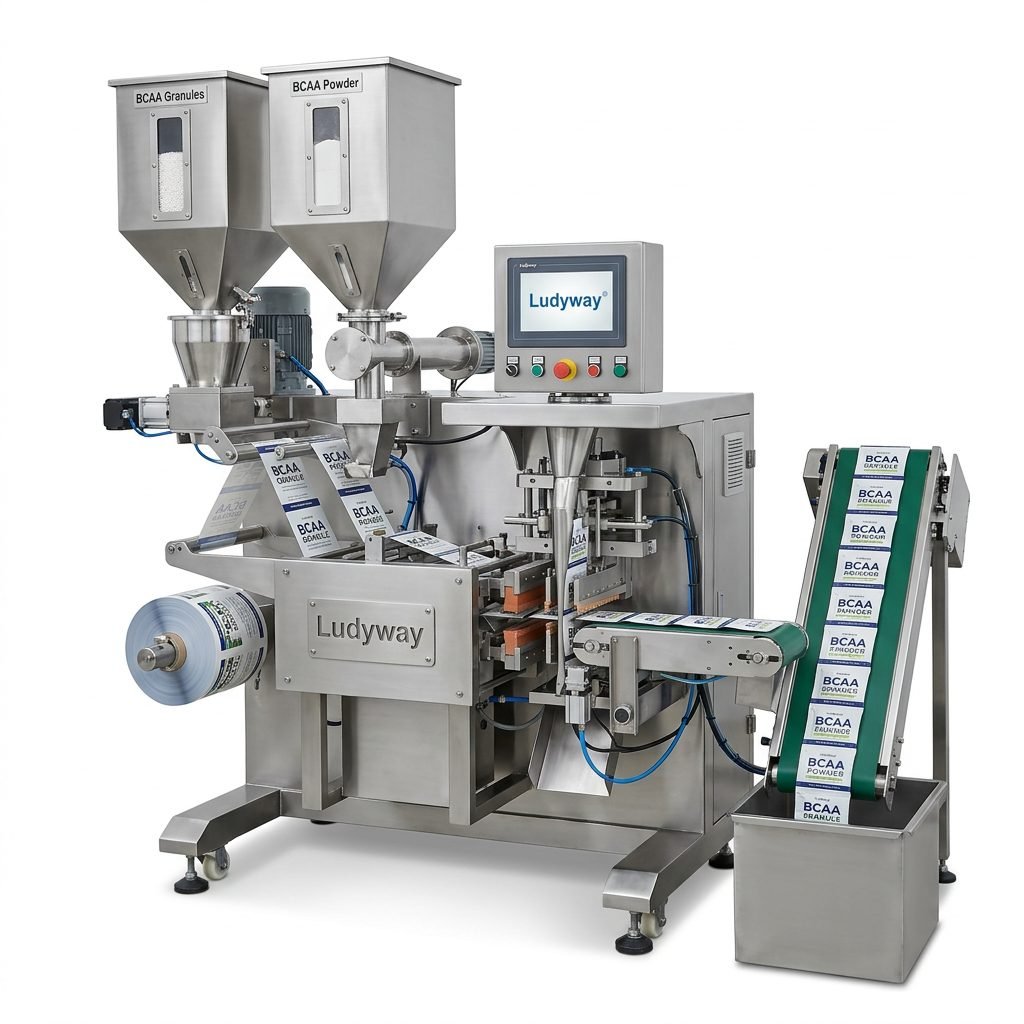
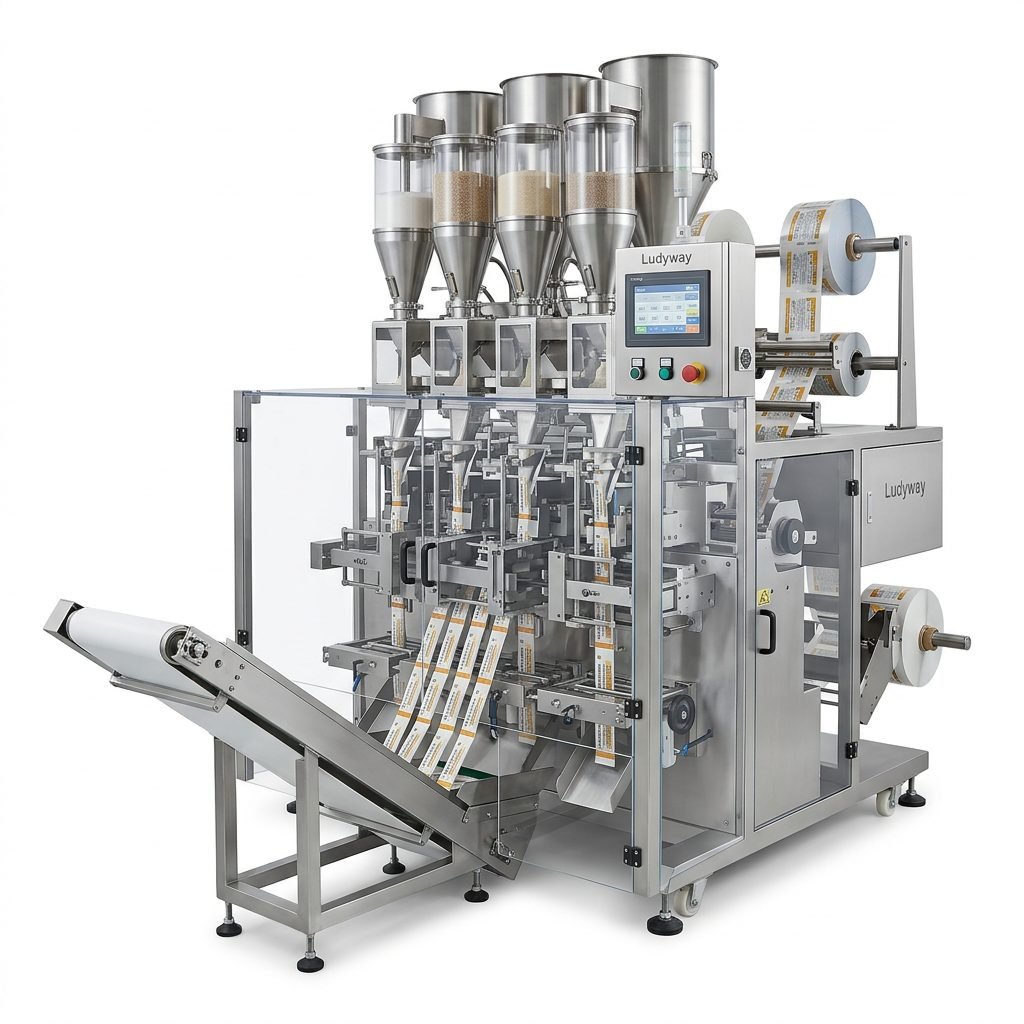
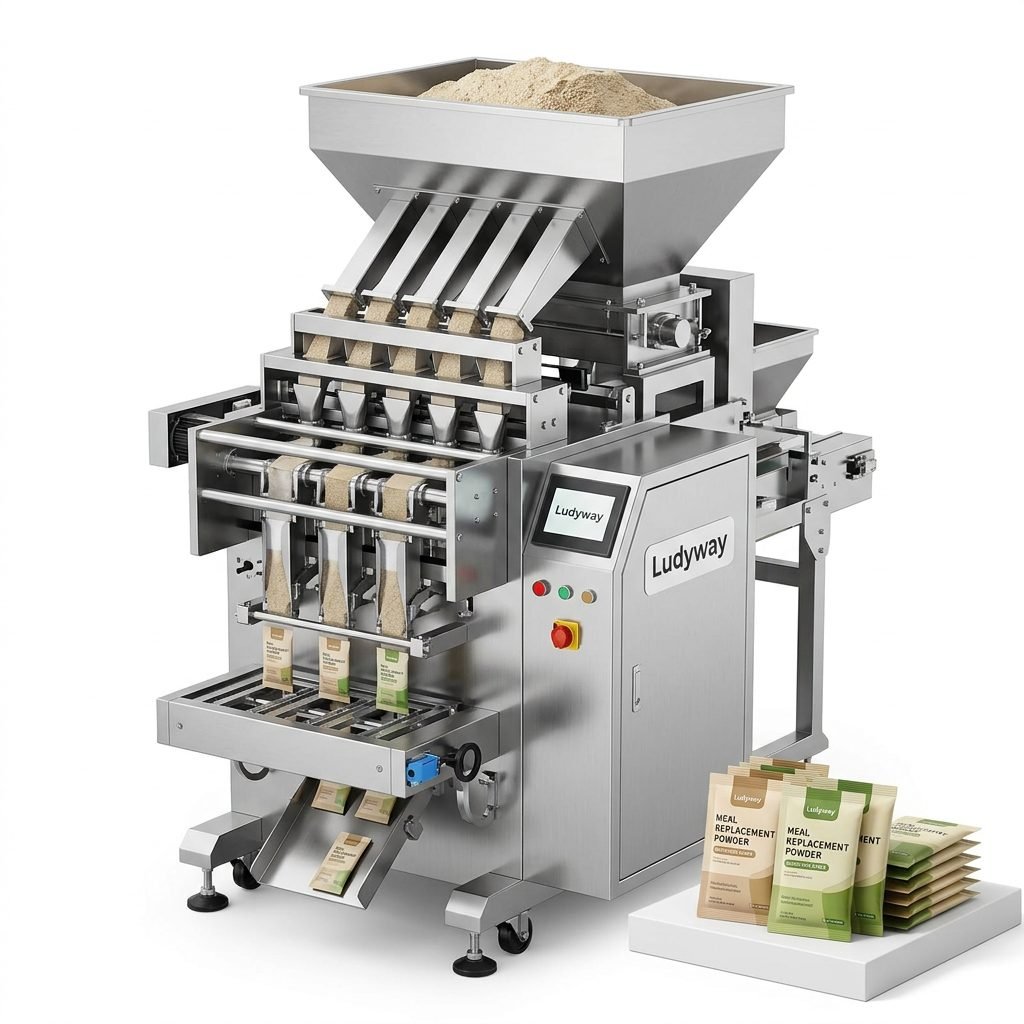
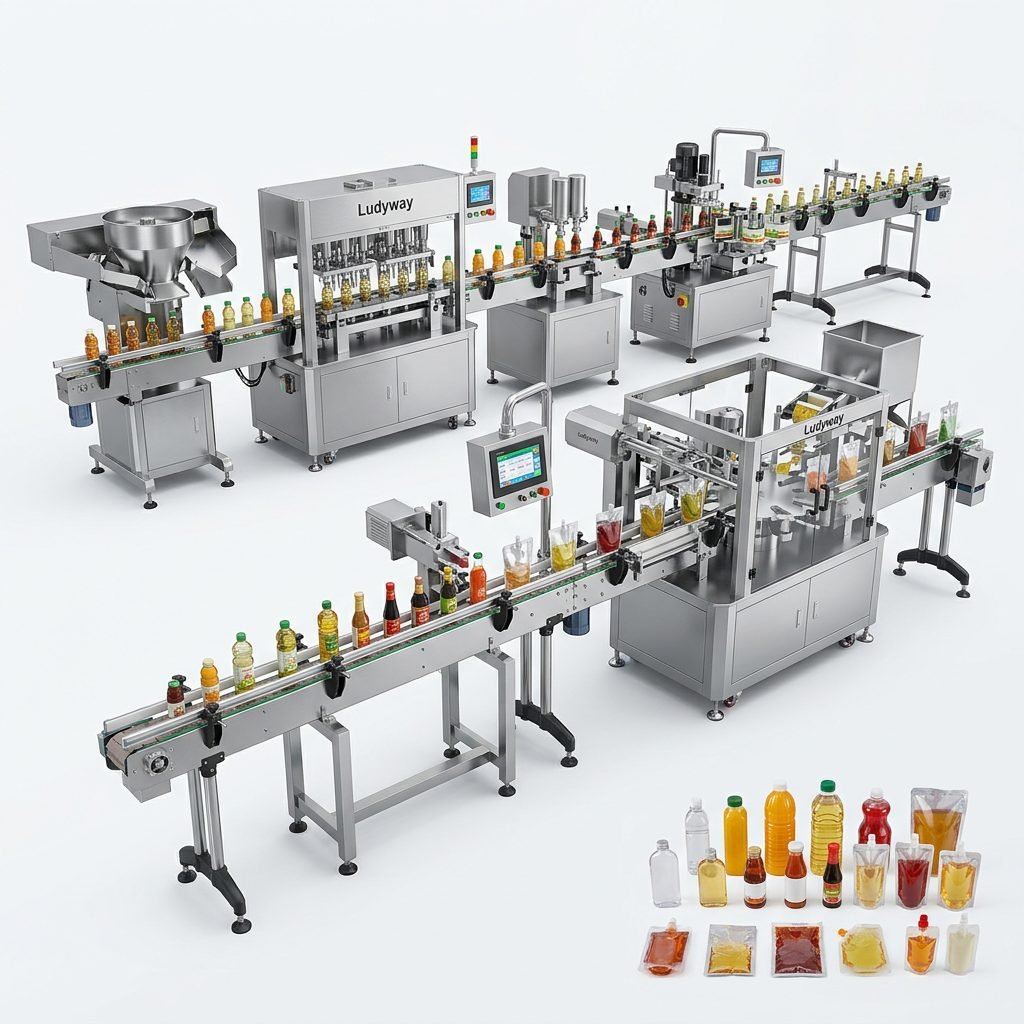
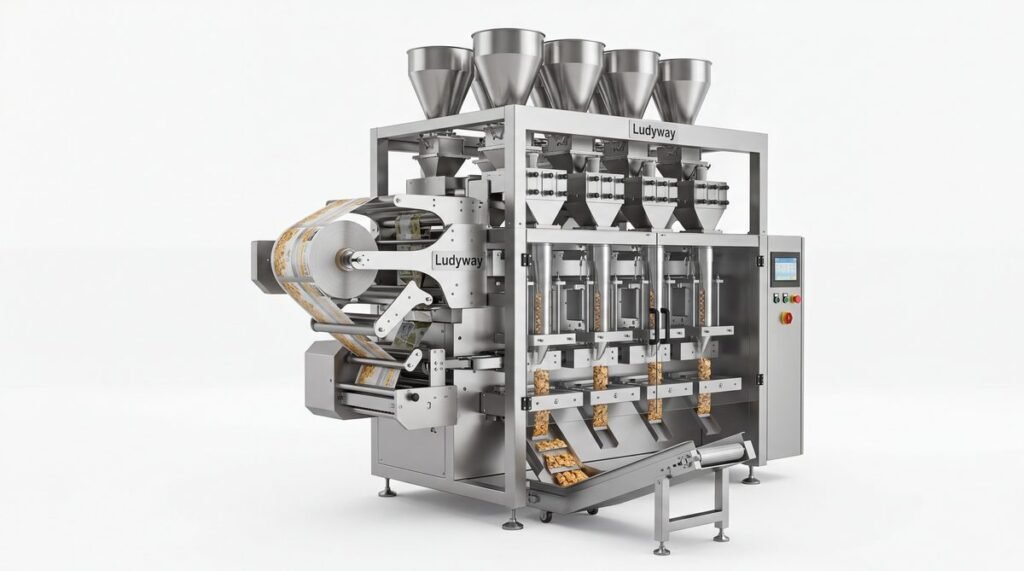
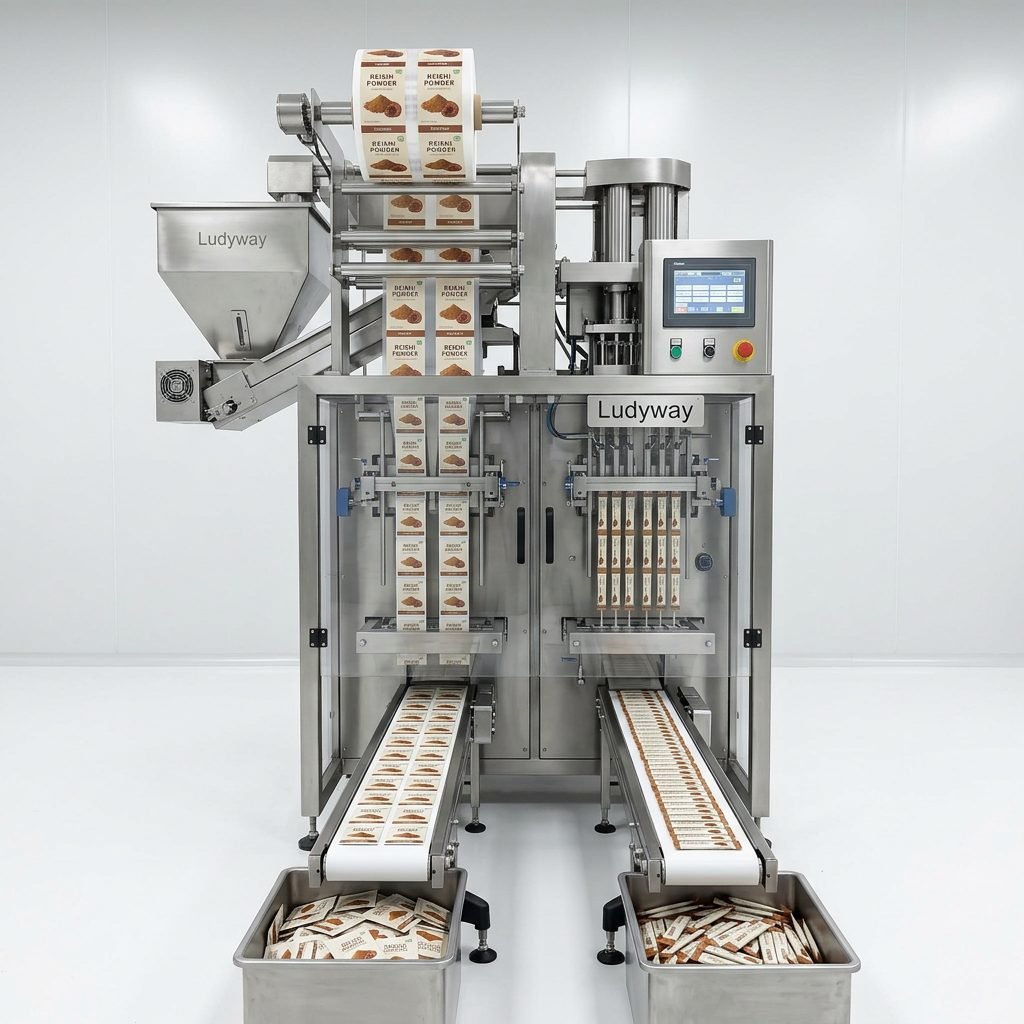
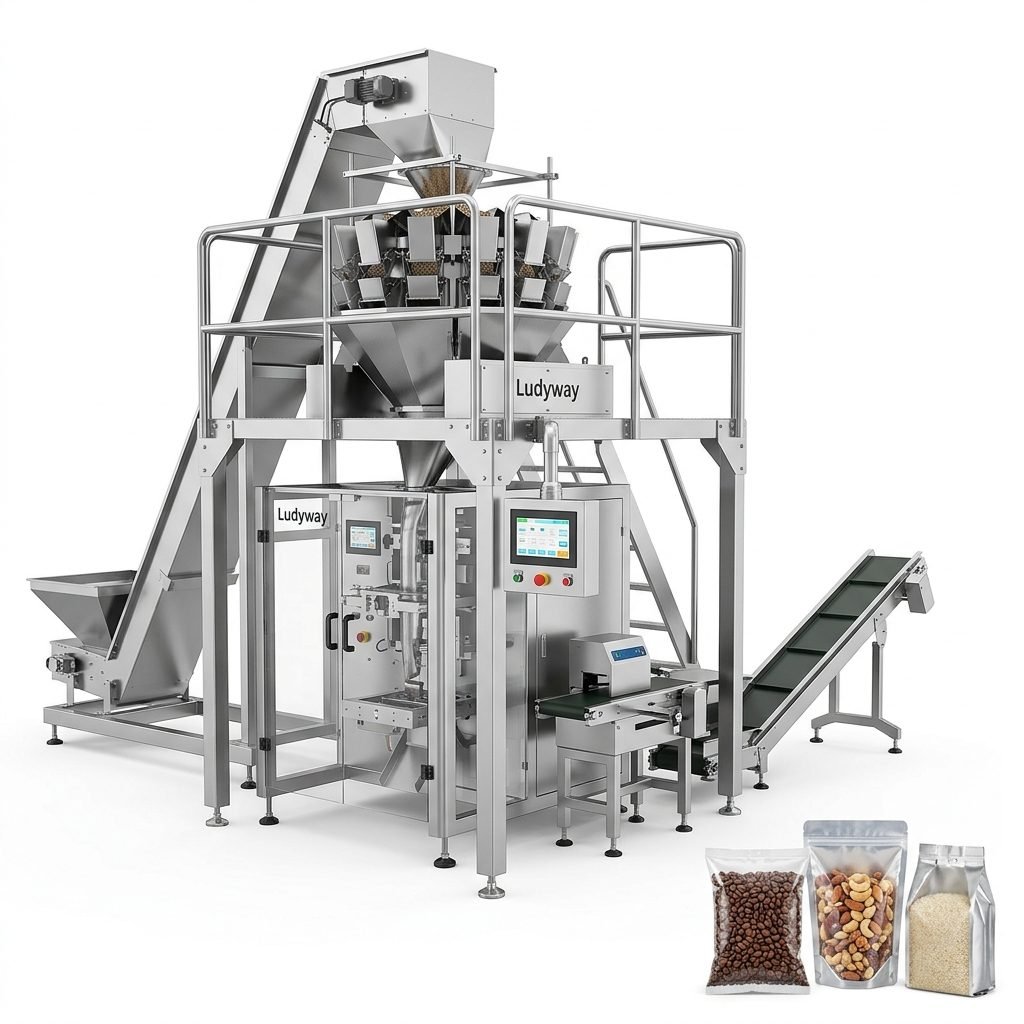
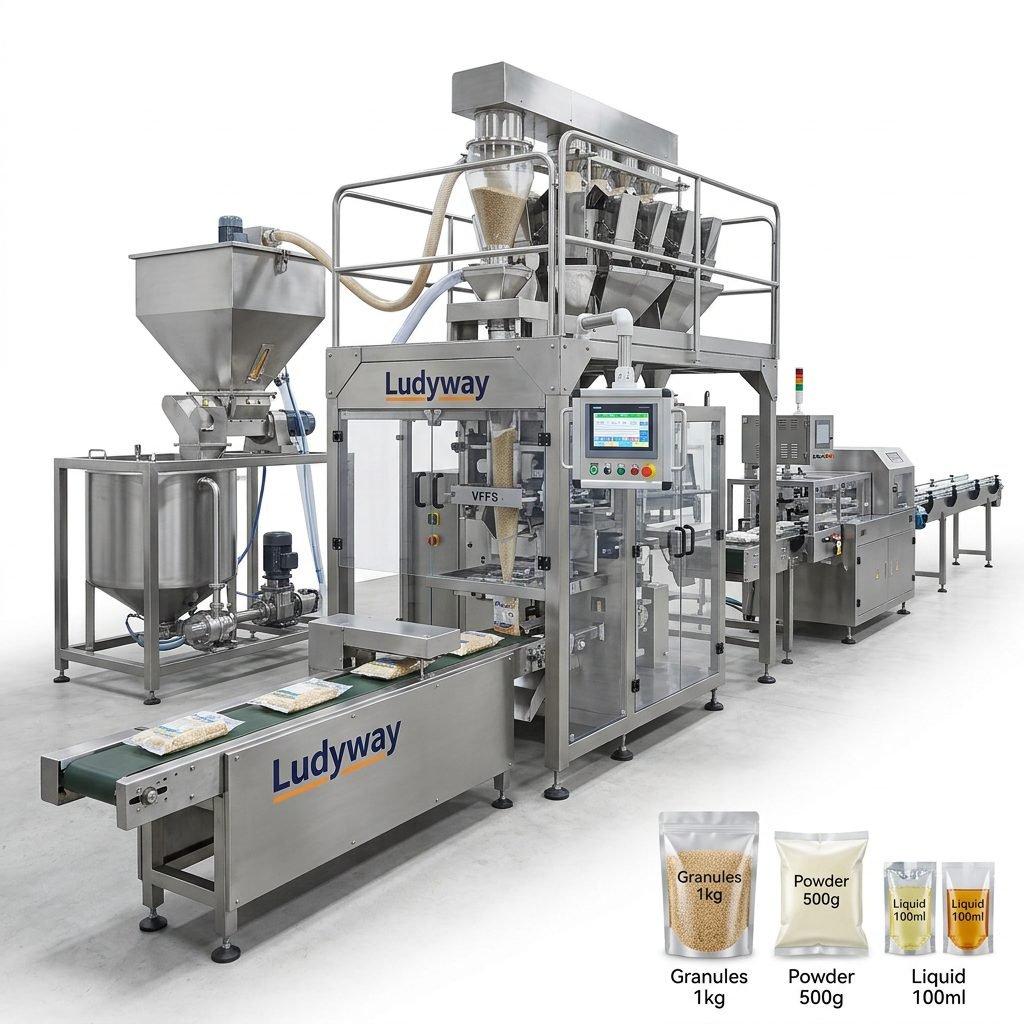
Choosing the right machinery is the cornerstone of your production line. The configuration will depend on your specific product and packaging type. Common systems include vertical form-fill-seal (VFFS) machines, multi-lane stick pack machines, rotary fillers, and complete turnkey lines.
Matching Machine to Product
It is essential to test your product on the intended equipment. For example, free-flowing granules behave very differently than cohesive powders. A machine that works perfectly for instant coffee may not be suitable for sticky seasoning blends. Look for suppliers who offer factory acceptance testing (FAT) with your actual material.
Automation and Integration
Modern food production lines increasingly rely on automation. This includes automatic feeding systems, checkweighers, and high-speed cartoning solutions. Integrating these components with a central control system provides real-time data on performance and efficiency. A well-integrated line reduces manual handling, minimizes waste, and improves consistency.
Manufacturers like Ludyway, one of the largest packaging machine manufacturers in China with over 30 years of industry experience, offer complete turnkey solutions that are engineered for reliability. Ludyway provides robust equipment designed to meet the demands of North American facilities, from high-speed multi-lane sachet packaging to fully automated liquid filling and sealing systems.
Phase 4: Installation and Commissioning
Installation is more than just unloading crates and plugging in machines. It requires precise execution to ensure safety and performance.
- Site Preparation: Confirm that all electrical, pneumatic, and water connections match the manufacturer’s specifications before the equipment arrives.
- Mechanical Assembly: Follow the engineering drawings meticulously. Even minor misalignments can cause film tracking issues or dosing inaccuracies.
- Calibration: Tuning the equipment for your specific product and film is critical. This includes setting optimal temperatures for sealing jaws and calibrating weigh cells or volumetric fillers.
- Commissioning Runs: Gradually ramp up speed while monitoring for consistency. The commissioning phase identifies bottlenecks and allows for fine-tuning under real production conditions.
Phase 5: Workforce Training and Safety
Your team’s ability to operate and maintain the machinery directly impacts productivity and safety. Comprehensive training should cover:
- Standard Operating Procedures: Detailed, step-by-step instructions for startup, operation, cleaning, and shutdown.
- Safety Protocols: Lockout/tagout procedures, guarding, and emergency stops. All equipment must comply with OSHA requirements.
- Troubleshooting: Operators should be trained to identify common issues like seal contamination or drift in fill weight, enabling quick fixes without calling for service.
- Sanitation: In food production, thorough cleaning is paramount. Operators need to understand how to disassemble and sanitize product contact surfaces effectively.
Phase 6: Quality Control and Optimization
Once your line is running, the focus shifts to maintaining quality and driving continuous improvement.
| Quality Parameter | Testing Method | Frequency |
|---|---|---|
| Seal Integrity | Vacuum leak testing, dye penetration | Every 30 minutes during production |
| Fill Accuracy | Statistical checkweighing | Continuous, with automatic rejection |
| Metal Contamination | Metal detector challenge test | Start of shift and every hour |
| Label Placement | Visual inspection | Continuous sampling |
Implementing a robust Statistical Process Control (SPC) program helps identify trends before they become defects. The goal is to move from detecting failures to preventing them. For further regulatory insights, the Flexible Packaging Association offers valuable data on packaging performance and industry benchmarks.
Phase 7: Maintenance and Long-Term Support
Proactive maintenance is essential to protect your investment and maximize uptime. This includes both preventive and predictive maintenance strategies.
- Preventive Maintenance (PM): Regularly scheduled tasks such as lubrication, belt inspections, and sensor cleaning. A detailed PM schedule from your equipment supplier is invaluable.
- Spare Parts Inventory: Maintaining a stock of critical wear parts (sealing jaws, Teflon tape, belts) reduces downtime when failures occur.
- Supplier Partnership: Choose a manufacturer that offers responsive after-sales support. The convenience of having technical experts assist via remote diagnostics or on-site visits cannot be overstated.
By following these steps and leveraging expert partnerships, setting up a food packaging machine production line in North America can be a structured, successful undertaking. The key is meticulous preparation, a commitment to quality, and the selection of technology that grows with your business.