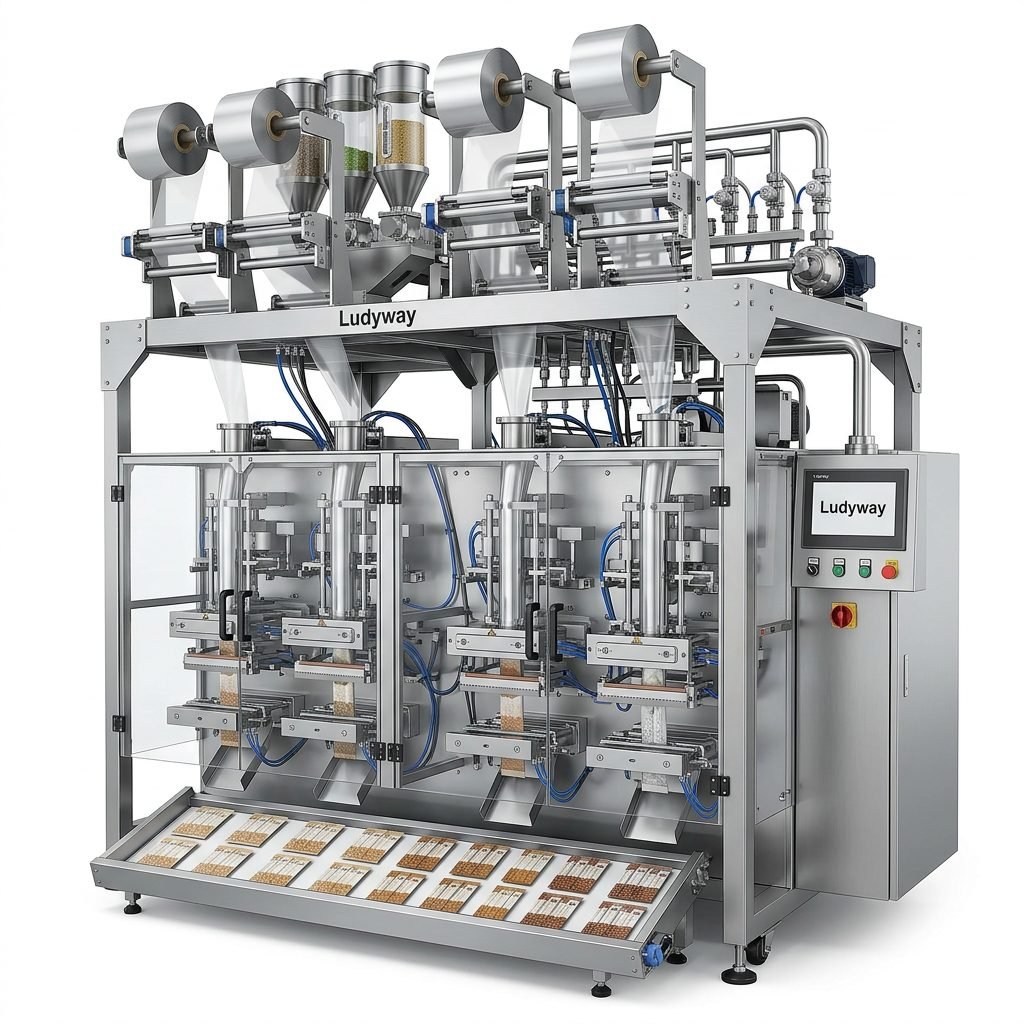
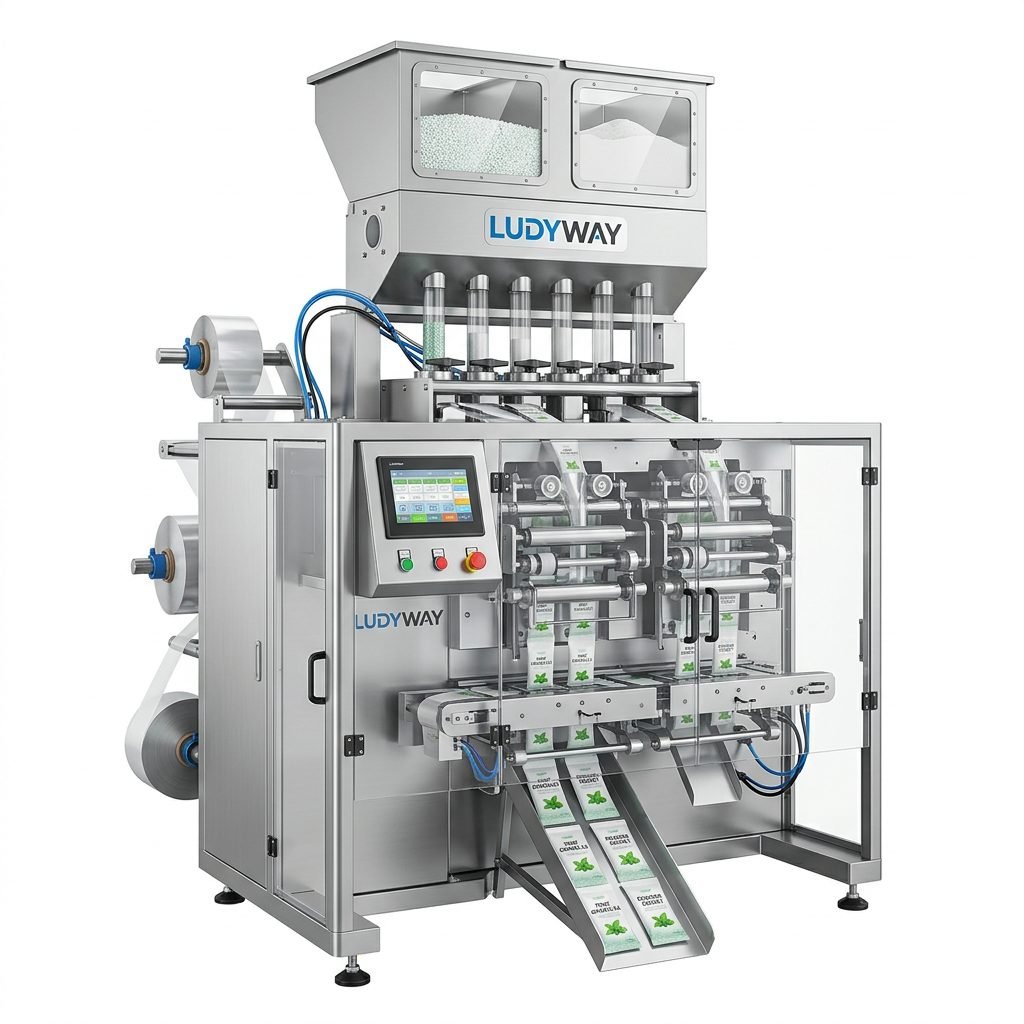
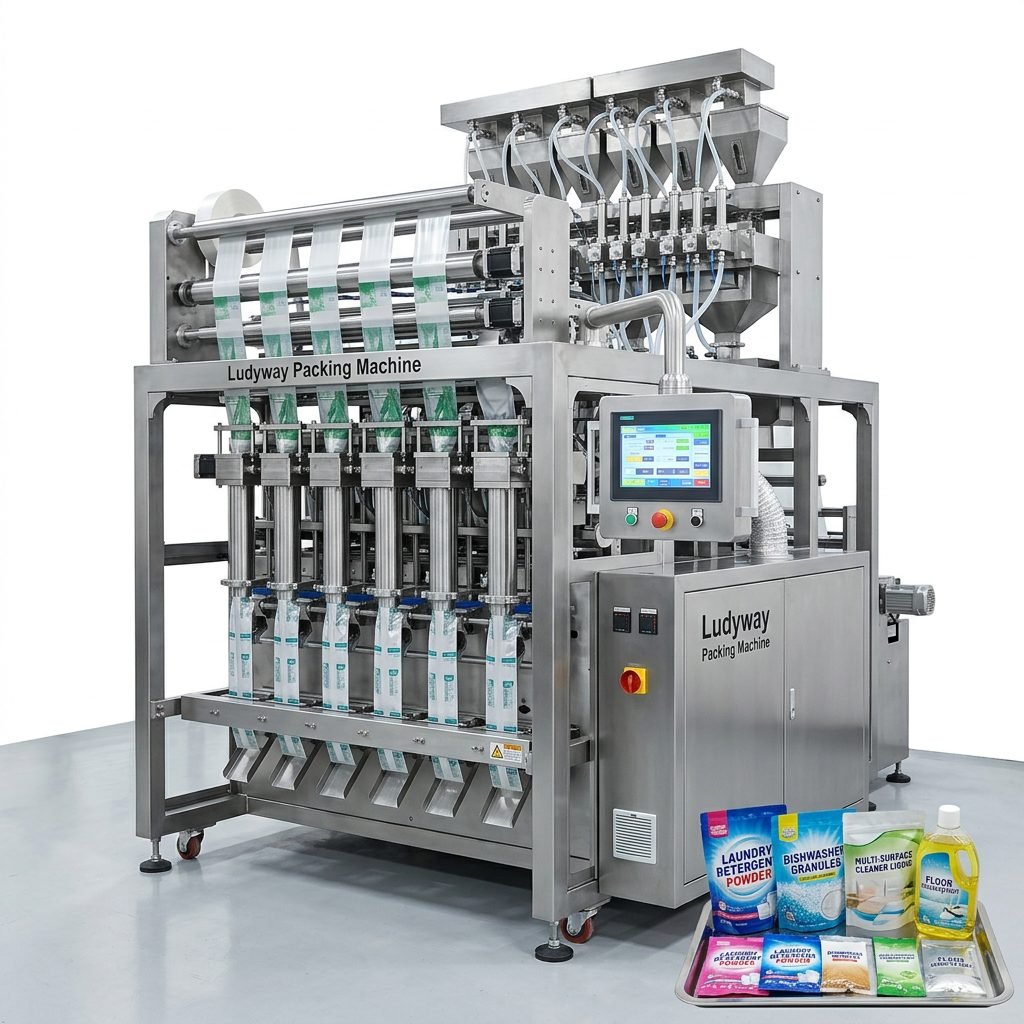
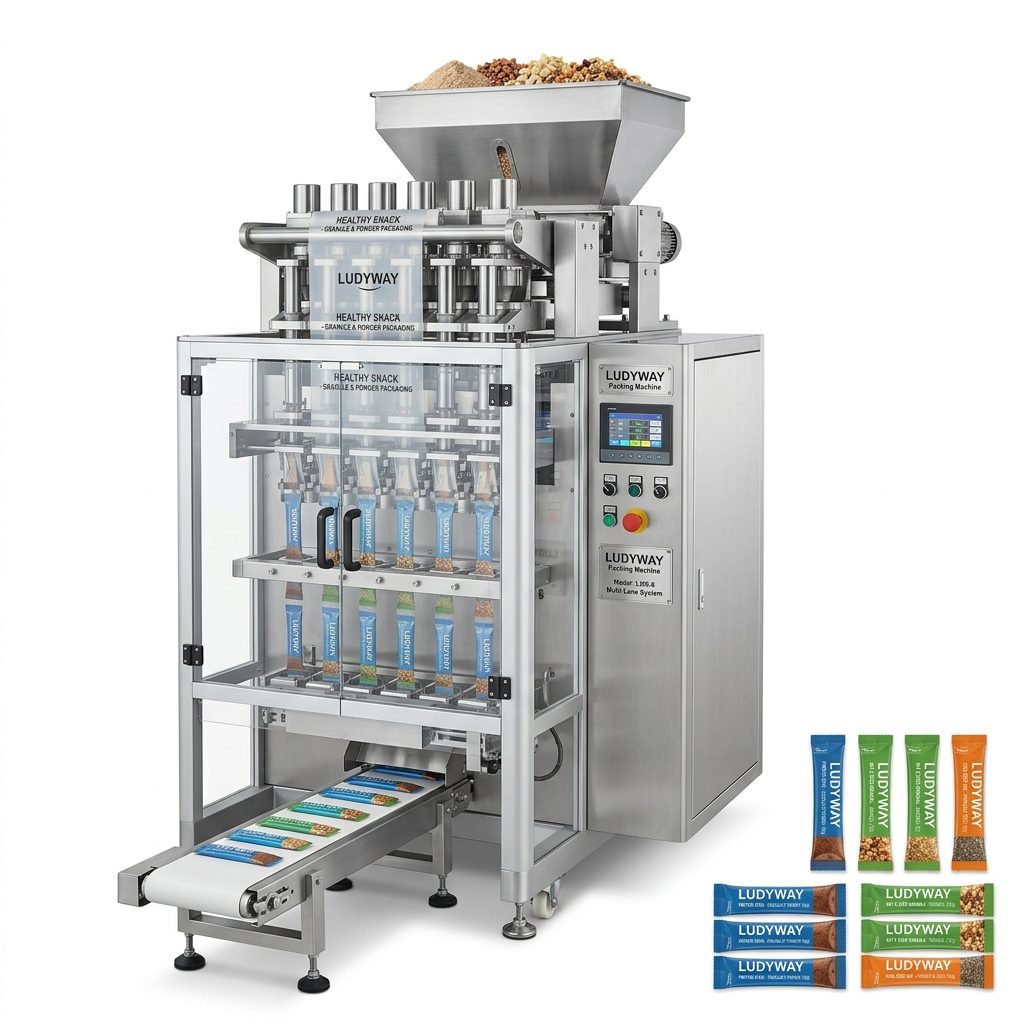
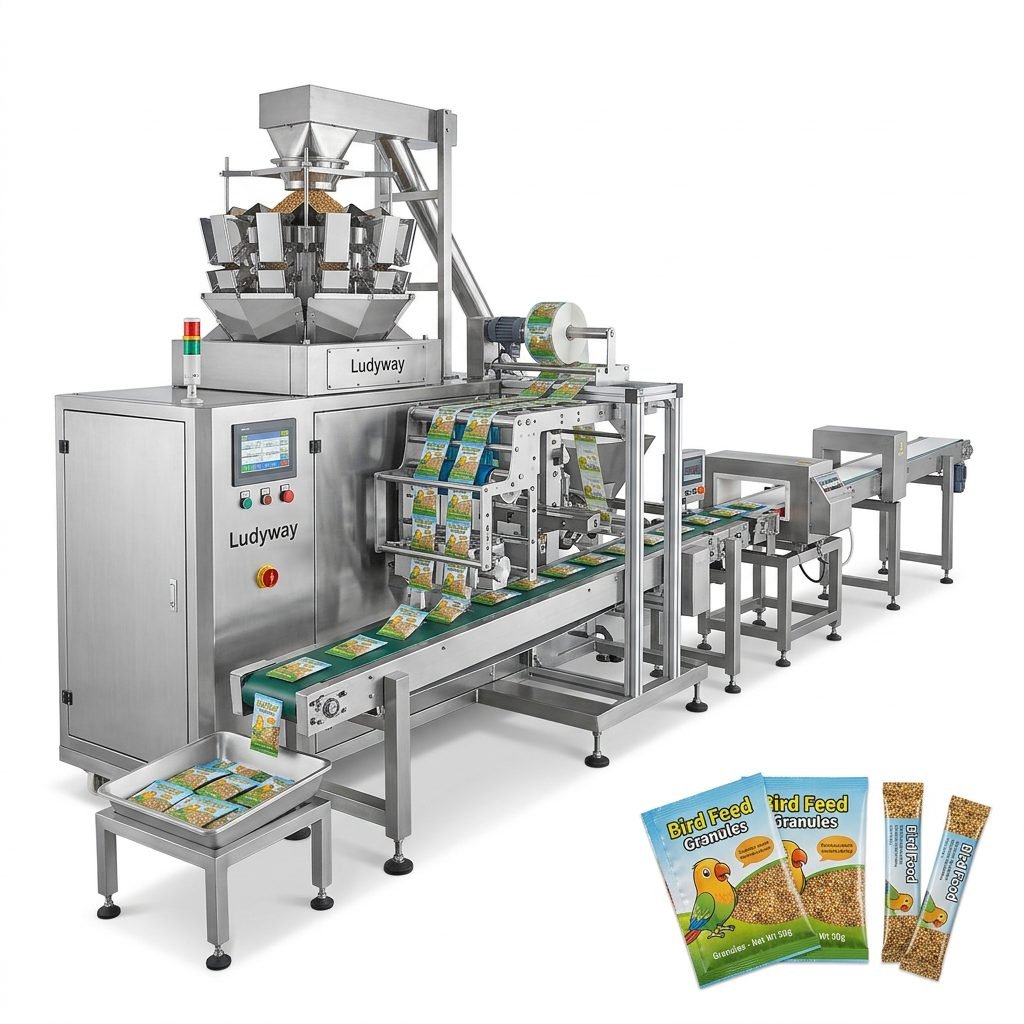
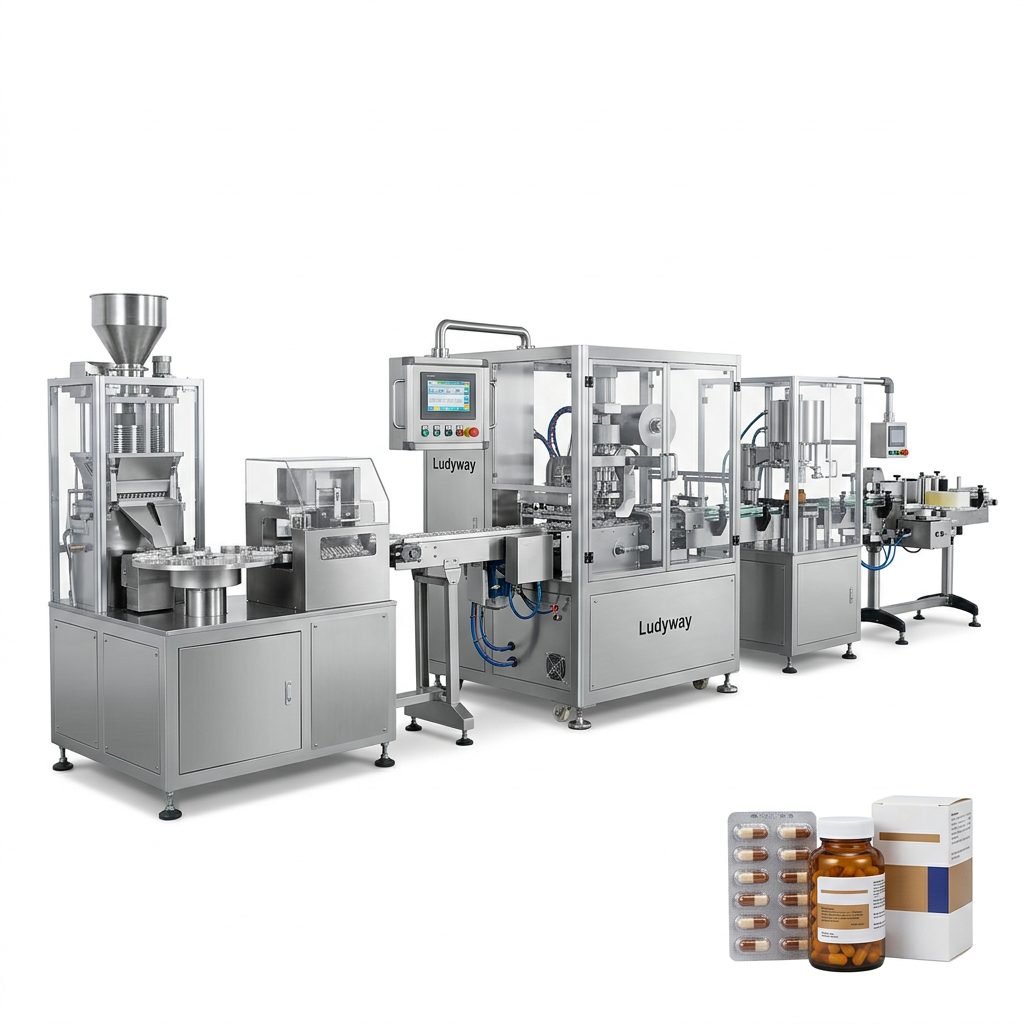
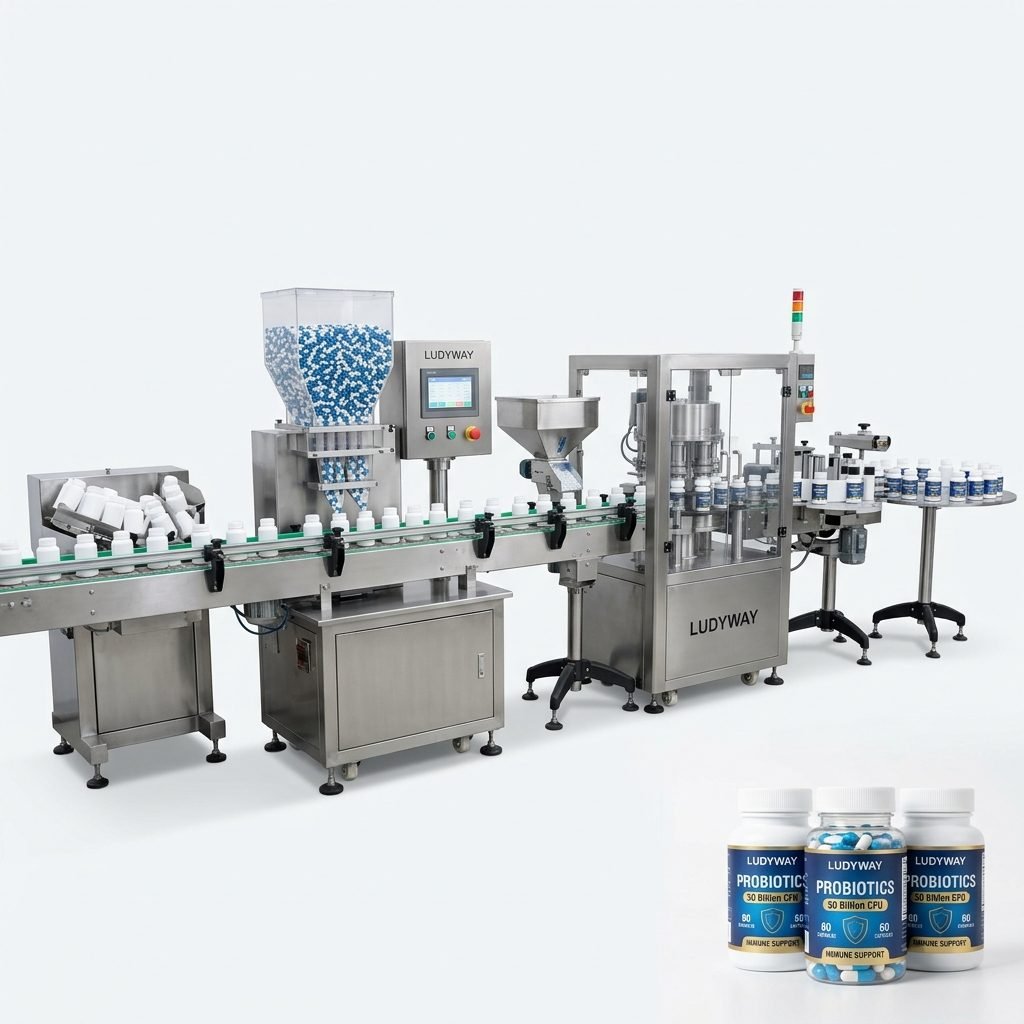
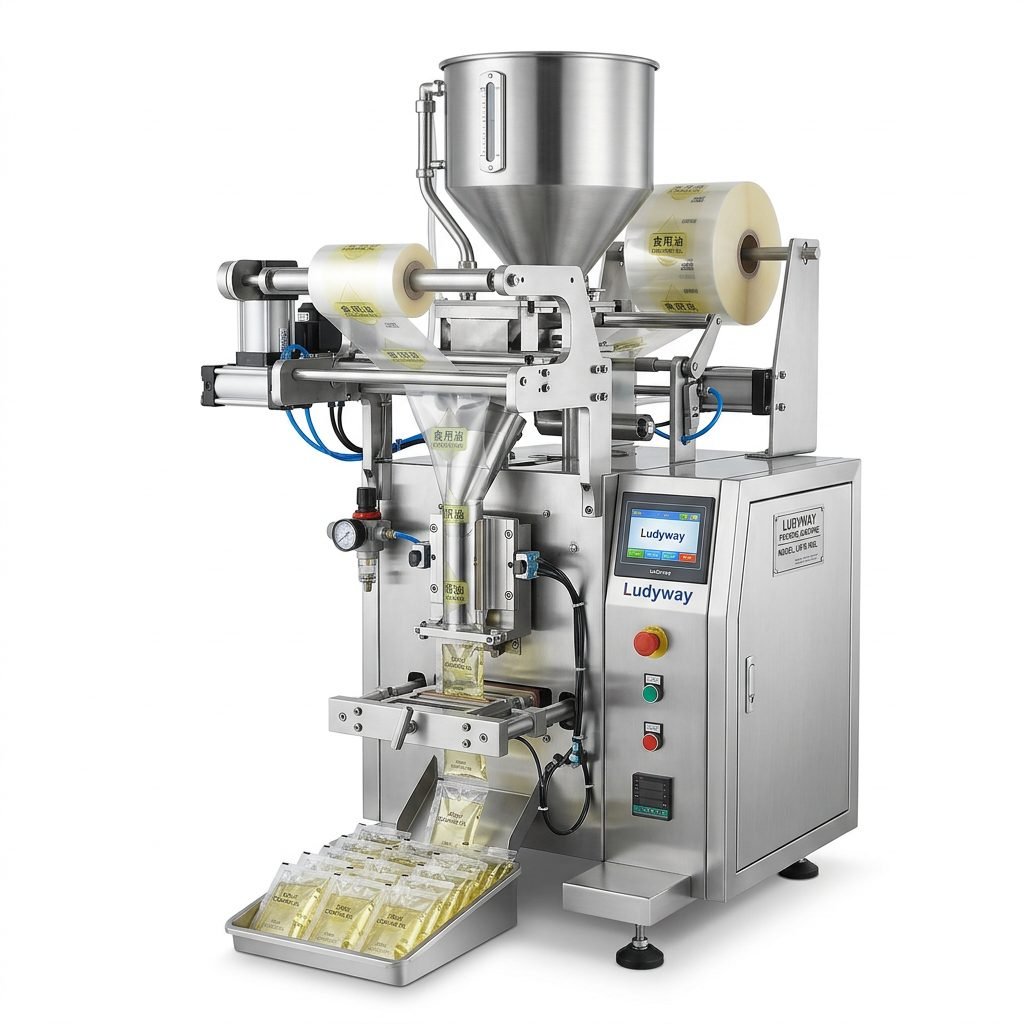
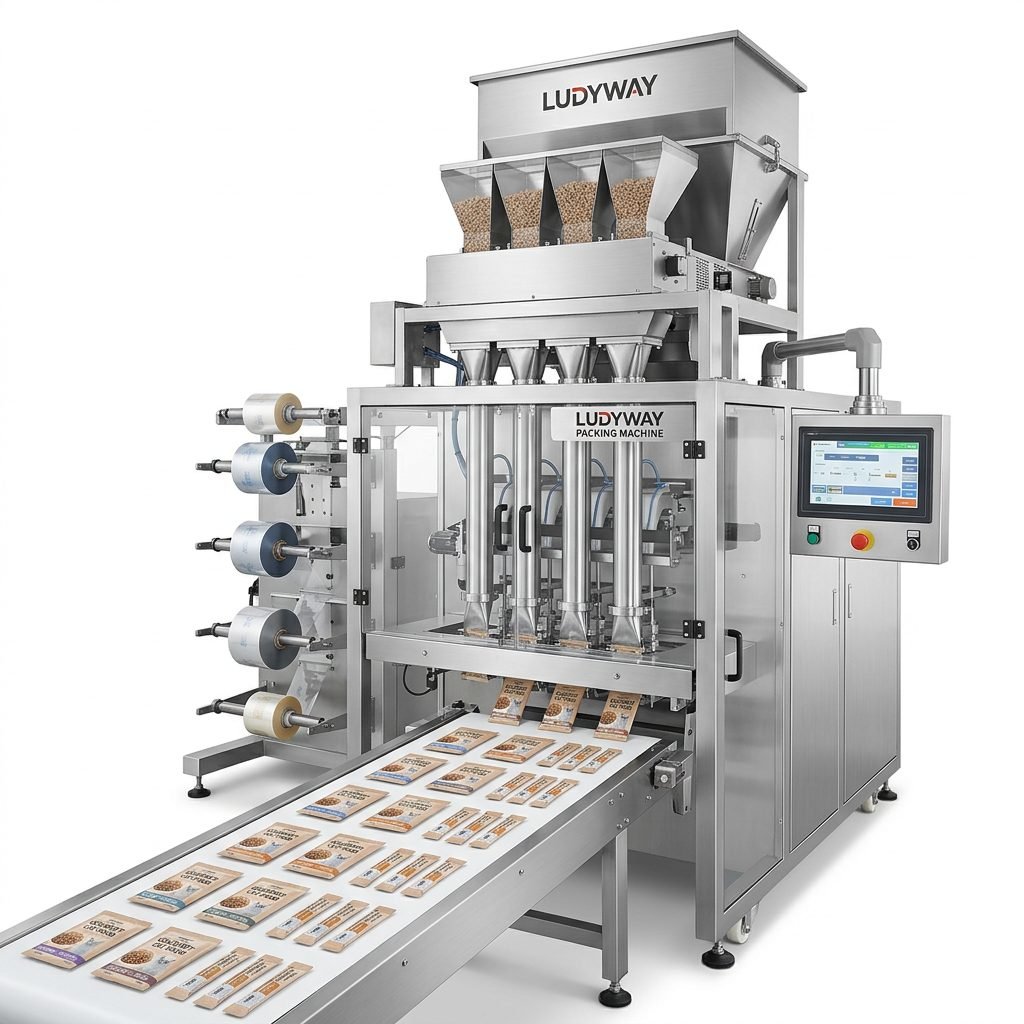
Investing in a tea MAP packaging machine is a significant decision for any tea producer looking to scale operations, extend shelf life, and maintain premium product quality. Modified Atmosphere Packaging (MAP) technology has become the gold standard in the tea industry, preserving aroma, flavor, and freshness by replacing oxygen with inert gases like nitrogen. But how much should you expect to pay? The answer depends on a wide range of factors, from machine type and automation level to production capacity and customization needs.
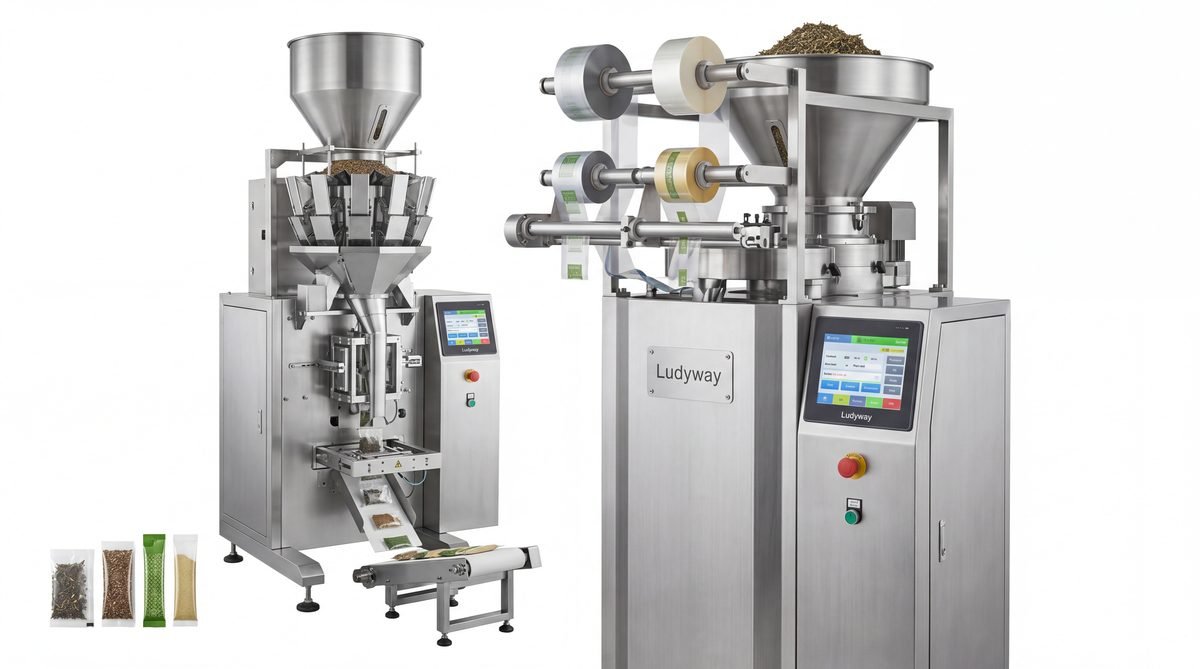
Understanding MAP Technology for Tea Packaging
Modified Atmosphere Packaging involves flushing the package interior with an inert gas—typically nitrogen—to displace oxygen before sealing. For tea products, this process is critical because oxygen exposure degrades delicate polyphenols and essential oils that give tea its character. A quality tea MAP packaging machine integrates gas flushing systems, precision sealing, and often vacuum capabilities to ensure residual oxygen levels remain below 1%.
MAP packaging is used across multiple tea formats including loose leaf tea, tea bags, matcha powder, herbal blends, and ready-to-drink tea concentrates. Each format requires different machine configurations, which directly influences the overall investment. Before diving into pricing, it is essential to understand which machine category best fits your production requirements.
Tea MAP Packaging Machine Price Ranges by Type
The following table provides a general overview of price ranges based on machine type and production scale. Actual prices vary depending on configuration, brand, and regional supplier differences.
| Machine Type | Production Capacity | Estimated Price Range (USD) | Best For |
|---|---|---|---|
| Single-Lane Sachet MAP Machine | 30–60 packs/min | $8,000 – $25,000 | Small to medium tea brands, startups |
| Multi-Lane Stick Pack MAP Machine | 200–600 packs/min | $30,000 – $80,000 | Mid-size producers, co-packers |
| Fully Automated MAP Packaging Line | 400–1,200 packs/min | $100,000 – $350,000+ | Large-scale tea manufacturers |
| Vacuum + MAP Combo Sealing Machine | 20–80 packs/min | $15,000 – $55,000 | Premium loose leaf tea, specialty products |
| Rotary Premade Pouch MAP System | 40–120 packs/min | $45,000 – $150,000 | Stand-up pouches, gusseted bags |
Key Factors That Influence Tea MAP Packaging Machine Costs
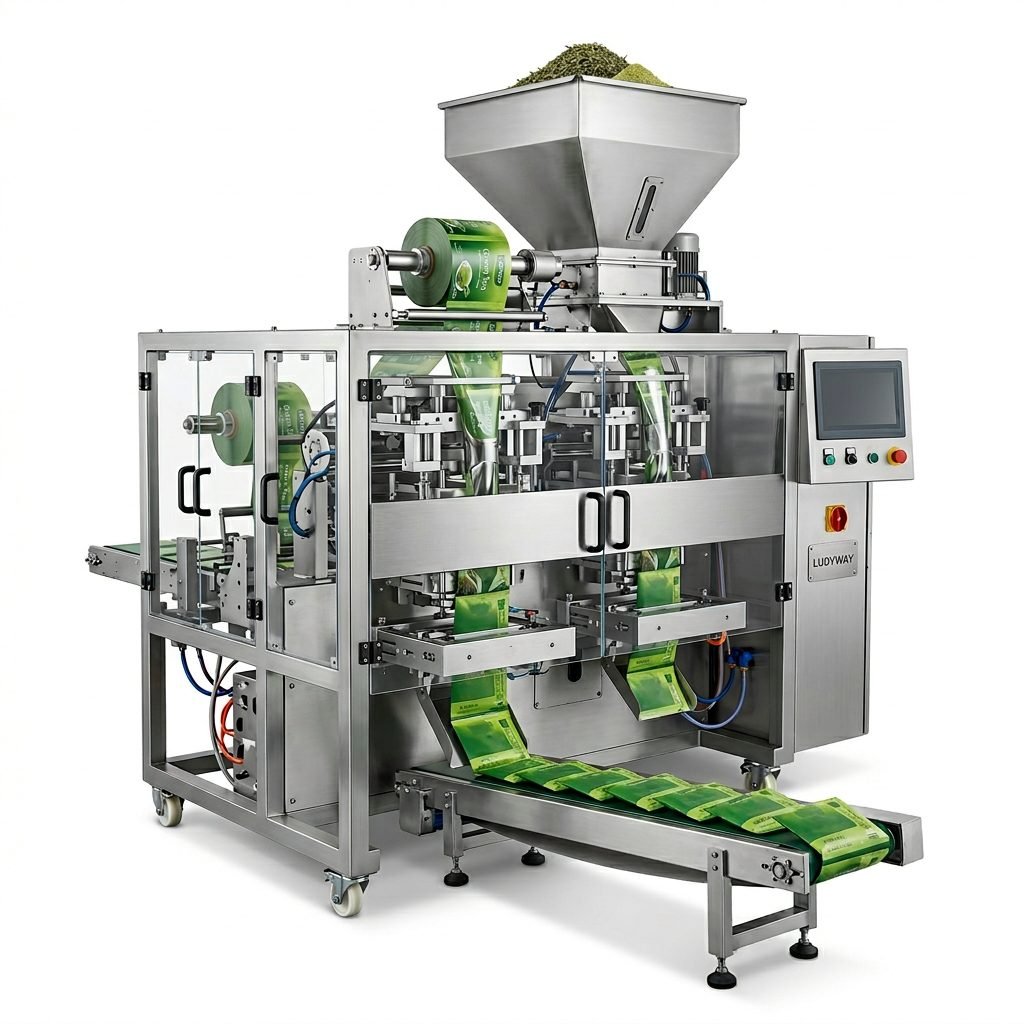
The final price of a tea MAP packaging machine is shaped by multiple variables. Understanding these factors helps buyers make informed decisions and avoid unexpected expenses during procurement.
Automation Level and Labor Reduction
Manual and semi-automatic machines cost less upfront—typically $5,000 to $20,000—but require more operator involvement for material feeding, monitoring, and product handling. Fully automatic systems, while priced significantly higher, reduce labor costs by up to 70% over time. For a medium-sized tea company processing 50,000 units daily, the labor savings alone can justify a higher initial investment within 18 to 24 months. Machines equipped with servo-driven controls, automatic gas flushing adjustment, and integrated checkweighing command premium prices but deliver measurable operational benefits.
Gas Flushing Precision and Residual Oxygen Control
The sophistication of the gas flushing system is one of the most critical cost factors. Basic machines use a simple nitrogen flush that achieves residual oxygen levels of 2–5%, which may be adequate for short-shelf-life products. High-end MAP systems employ multi-stage gas flushing with precision oxygen sensors to maintain residual oxygen below 0.5%. These advanced systems add $10,000 to $40,000 to the machine price but are essential for premium teas requiring shelf lives of 18 months or longer. The flexible packaging industry has established rigorous standards for MAP gas composition that reputable machine manufacturers adhere to.
Production Speed and Lane Configuration
Speed requirements directly correlate with price. A single-lane machine producing 40 packs per minute may suffice for a boutique tea brand. In contrast, a 10-lane high-speed stick pack system capable of 600 packs per minute requires significantly more engineering, high-precision filling stations, and advanced sealing mechanisms. Each additional lane adds complexity to the packaging machinery design, increasing costs by approximately 15–25% per lane for multi-lane configurations.
Material Compatibility and Changeover Flexibility
Tea packaging uses various film materials including aluminum foil laminates, metallized PET, EVOH barrier films, and biodegradable options. Machines designed to handle multiple material types with quick changeover capabilities cost more than single-material systems. A machine with tool-less changeover and recipe memory for different tea products can add $8,000 to $25,000 to the base price. However, this flexibility pays dividends for co-packers and brands with diverse product portfolios. The FDA food packaging regulations also influence material choices and machine design requirements.
Additional Features and Integrated Systems
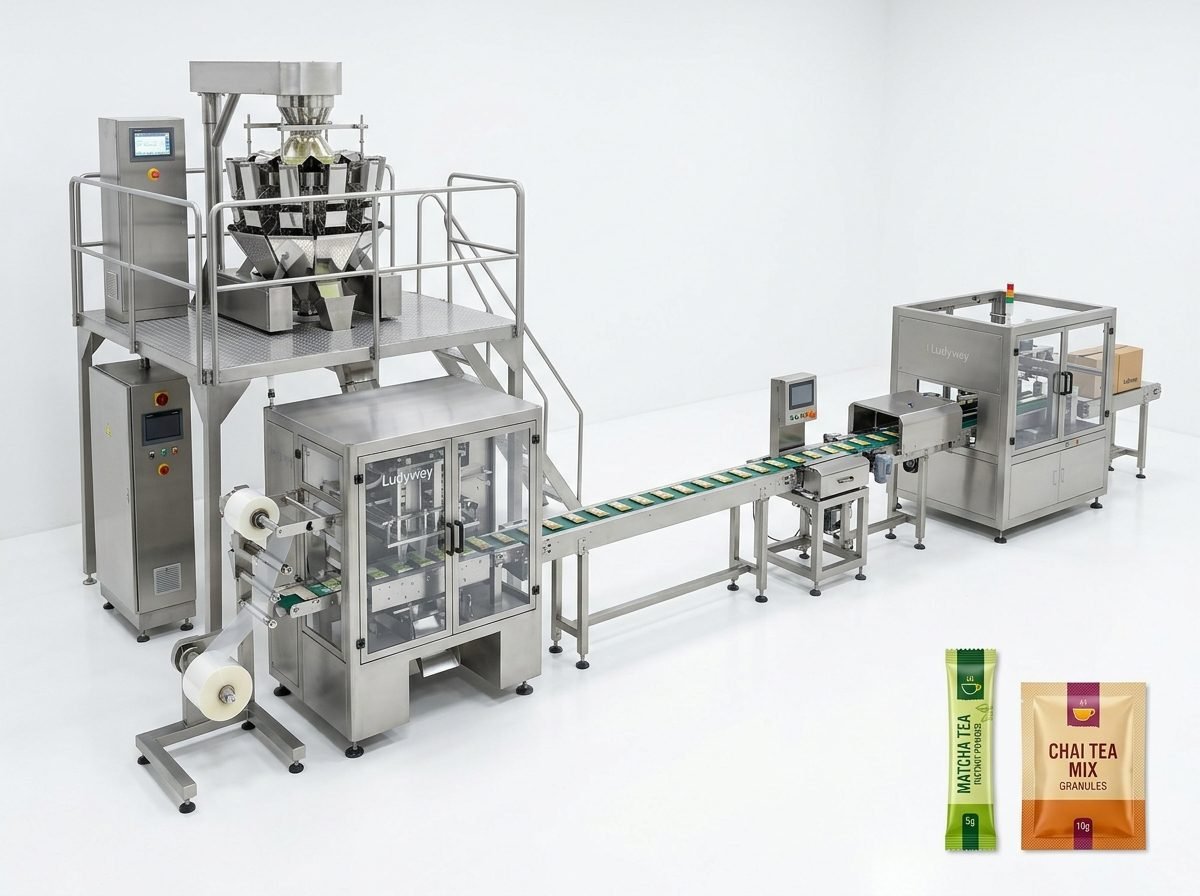
Several optional features can substantially increase the total investment in a tea MAP packaging solution:
- Integrated nitrogen generators — eliminate recurring gas cylinder costs; add $5,000–$20,000 depending on capacity
- In-line oxygen analyzers — provide real-time quality assurance; add $3,000–$10,000
- Automatic cartoning and case packing — complete end-of-line automation; add $30,000–$100,000+
- Vision inspection systems — detect seal defects and foreign objects; add $8,000–$25,000
- IoT connectivity and data logging — enable predictive maintenance and compliance reporting; add $2,000–$8,000
Entry-Level vs. Industrial Tea MAP Machines: What Is the Real Difference?
Many first-time buyers are tempted by low-cost machines priced under $10,000. While these units can perform basic MAP operations, they often lack the precision, durability, and after-sales support required for consistent commercial production. Industrial-grade machines from established manufacturers feature stainless steel construction, servo-driven motors, PLC control systems, and validated gas flushing performance. These machines typically carry compliance certifications aligned with ISO packaging standards, which is particularly important for tea exporters targeting regulated markets in Europe and North America.
Total Cost of Ownership Considerations
The purchase price represents only a portion of the total investment. Smart buyers evaluate the following long-term costs:
- Nitrogen or gas mixture consumption — high-precision machines minimize gas waste, saving $3,000–$8,000 annually compared to basic systems
- Maintenance and spare parts — industrial machines typically require 2–5% of purchase price annually for preventive maintenance
- Energy consumption — servo-driven systems consume 30–50% less electricity than pneumatic alternatives
- Film waste reduction — precision sealing and registration reduce material waste by 3–8%
- Operator training and labor — automated systems reduce staffing needs from 3–4 operators to a single skilled technician
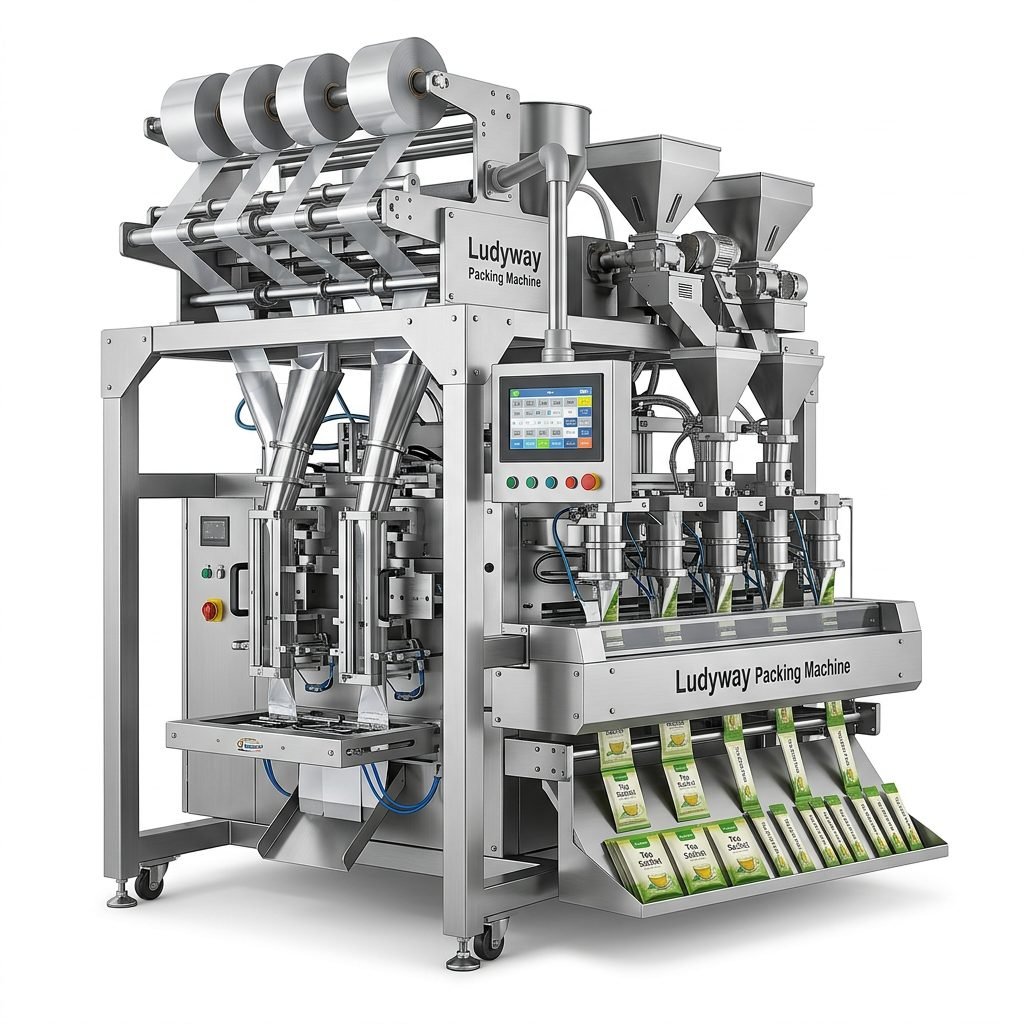
Tips for Getting the Best Value on a Tea MAP Packaging Machine
Whether you are a startup tea brand or an established manufacturer expanding capacity, these strategies help optimize your packaging equipment investment:
Define Your Requirements Clearly
Document your target production volume, pack formats, film materials, gas mixture specifications, and shelf-life requirements before contacting suppliers. This preparation enables manufacturers to recommend appropriately sized equipment rather than overselling capacity you do not need. Companies like Ludyway, with over 30 years of industry experience and a 20,000㎡ manufacturing facility, offer more than 50 intelligent packaging machine models and can provide customized turnkey solutions tailored to specific tea packaging applications.
Request Detailed Quotes with Breakdowns
A comprehensive quote should itemize machine cost, gas system configuration, tooling, installation, training, warranty terms, and shipping. Vague quotes often hide missing components that become additional charges later. The packaging industry resources from PMMI provide useful benchmarks for evaluating supplier proposals.
Consider Pre-Owned or Refurbished Options
Certified refurbished MAP machines from reputable dealers can offer savings of 30–50% compared to new equipment. Ensure the refurbishment includes new seals, updated controls, fresh gas system calibration, and a warranty of at least 6 months. This path suits companies with limited capital budgets or those testing new product lines before committing to full-scale production.
Evaluate After-Sales Support Infrastructure
A machine priced $5,000 lower than a competitor’s offering can cost far more in the long run if spare parts are unavailable or technical support is unresponsive. Verify that the manufacturer maintains regional service centers, remote diagnostic capabilities, and adequate spare parts inventory. Reference visits to existing customers provide invaluable insights into real-world machine performance and supplier reliability.
Frequently Asked Questions About Tea MAP Packaging Machine Costs
What is the cheapest tea MAP packaging machine available?
Basic single-lane sachet machines with nitrogen flushing capability start around $5,000 to $8,000. However, these entry-level units typically lack precision gas control, automated temperature regulation, and durable construction. They are best suited for low-volume artisanal producers who prioritize initial affordability over long-term reliability.
How much does a high-speed multi-lane tea stick pack MAP machine cost?
High-speed multi-lane systems designed for 400 to 800 packs per minute generally fall within the $60,000 to $200,000 range, depending on lane count, automation features, and integrated quality control systems. These machines are the standard choice for large tea brands and international co-packers.
Is nitrogen generation equipment included in the machine price?
In most cases, nitrogen generation is quoted separately. Integrated nitrogen generators add $5,000 to $25,000 depending on purity and flow rate requirements. Some turnkey suppliers bundle the generator with the packaging machine for a packaged price.
What is the typical ROI period for a tea MAP packaging machine?
Most tea producers achieve a return on investment within 18 to 36 months. ROI drivers include reduced product spoilage, extended shelf life enabling broader distribution, labor savings from automation, and the ability to command premium pricing for MAP-packaged products. Companies producing 100,000+ units per month typically see the fastest payback periods.
Do I need a separate machine for different tea formats?
Some machines offer quick-change tooling that accommodates multiple pack formats—sachets, stick packs, and flat pouches—on a single platform. These versatile machines cost 20–35% more than single-format machines but eliminate the need for multiple separate lines, reducing floor space requirements and total capital expenditure.
How do shipping and installation affect the total cost?
International shipping for a mid-size tea MAP packaging machine typically adds $3,000 to $12,000 depending on origin, destination, and freight method. Installation and commissioning services, including technician travel, generally cost $2,000 to $8,000. Some manufacturers include installation support in the machine price for certain regions.
Final Thoughts on Budgeting for a Tea MAP Packaging Machine
Budgeting for a tea MAP packaging machine requires balancing upfront capital expenditure with long-term operational value. While a $10,000 machine may appear attractive on a spreadsheet, a $50,000 industrial system often delivers lower total cost of ownership through reduced waste, higher uptime, better gas efficiency, and consistent seal integrity. Tea brands that prioritize quality and scalability should evaluate machines based on residual oxygen performance, build quality, automation level, and supplier reputation rather than price alone. For expert guidance on selecting the right MAP packaging solution for your tea products, consulting with established manufacturers who specialize in packaging machinery innovation ensures your investment aligns with both current needs and future growth ambitions.
Explore PACK EXPO International |
Flexible Packaging Association |
PMMI Packaging Association