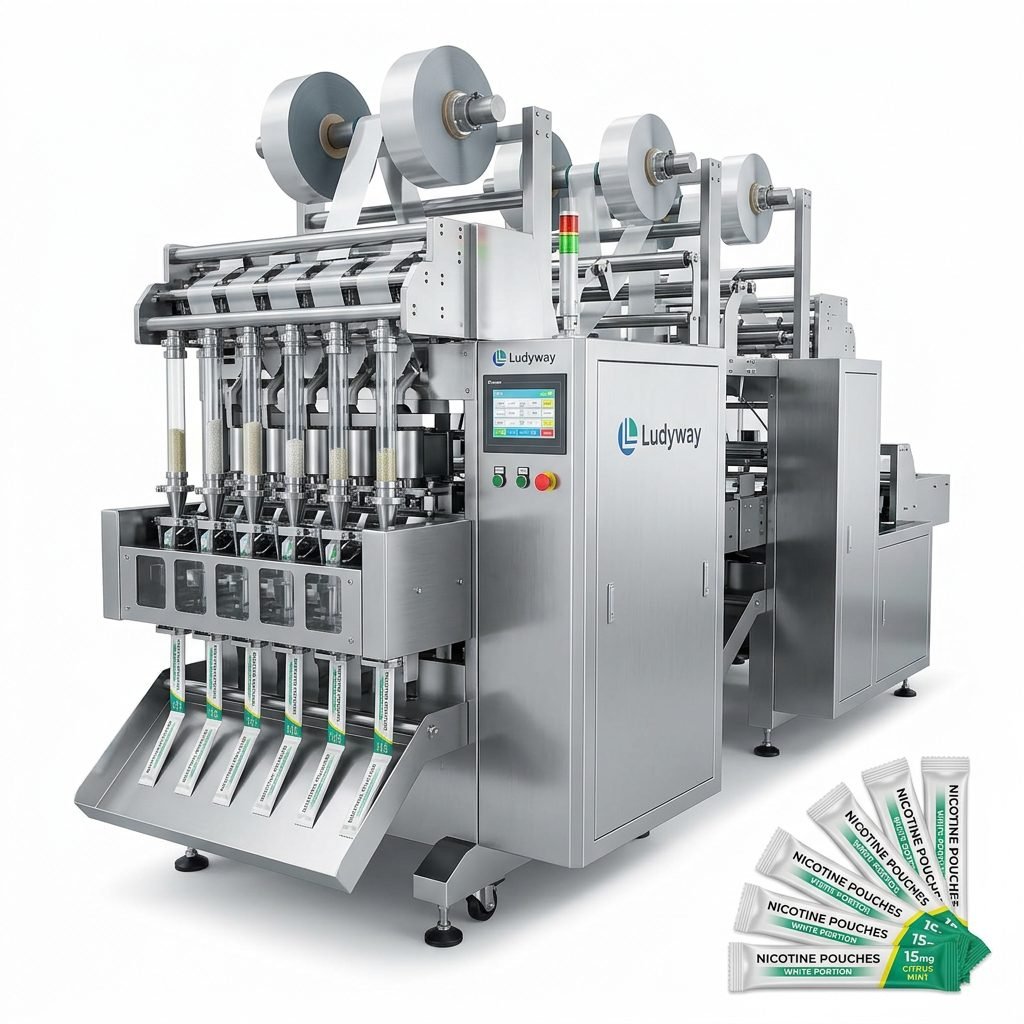
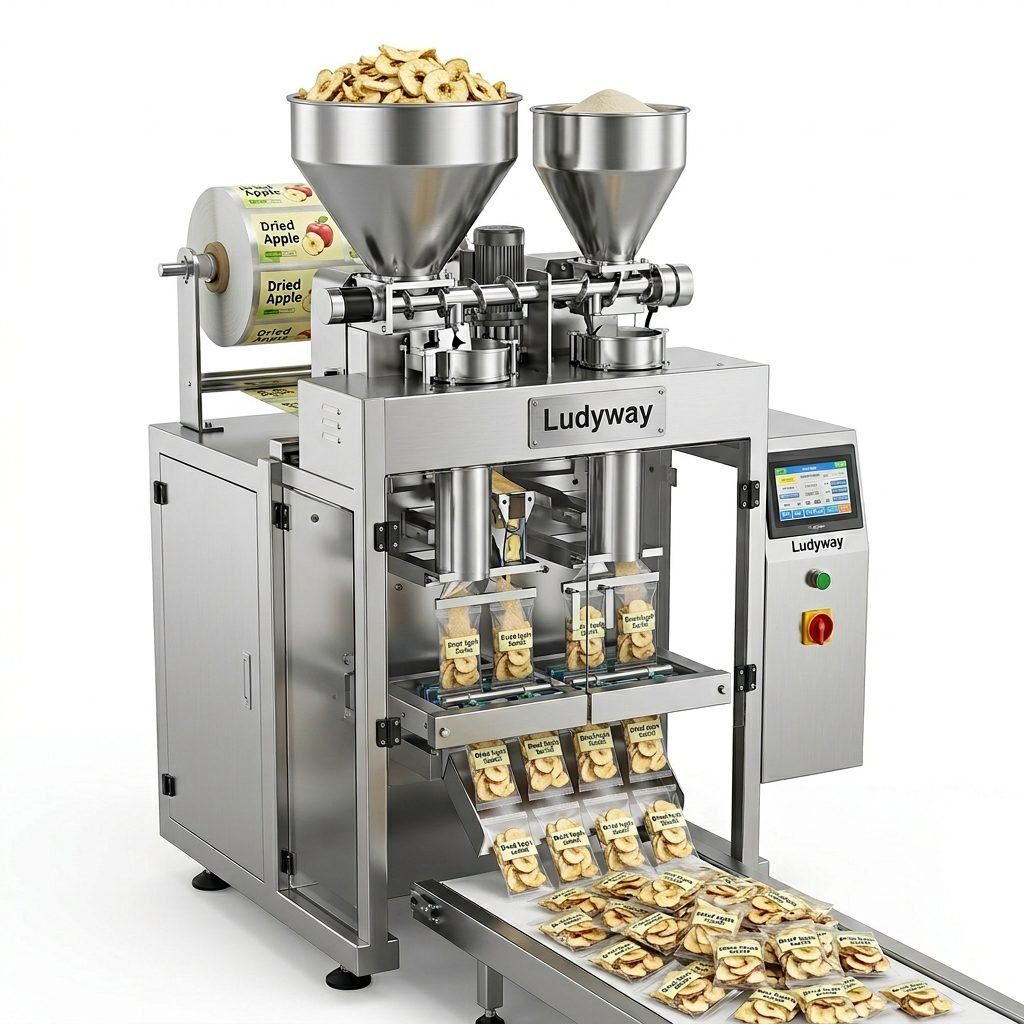
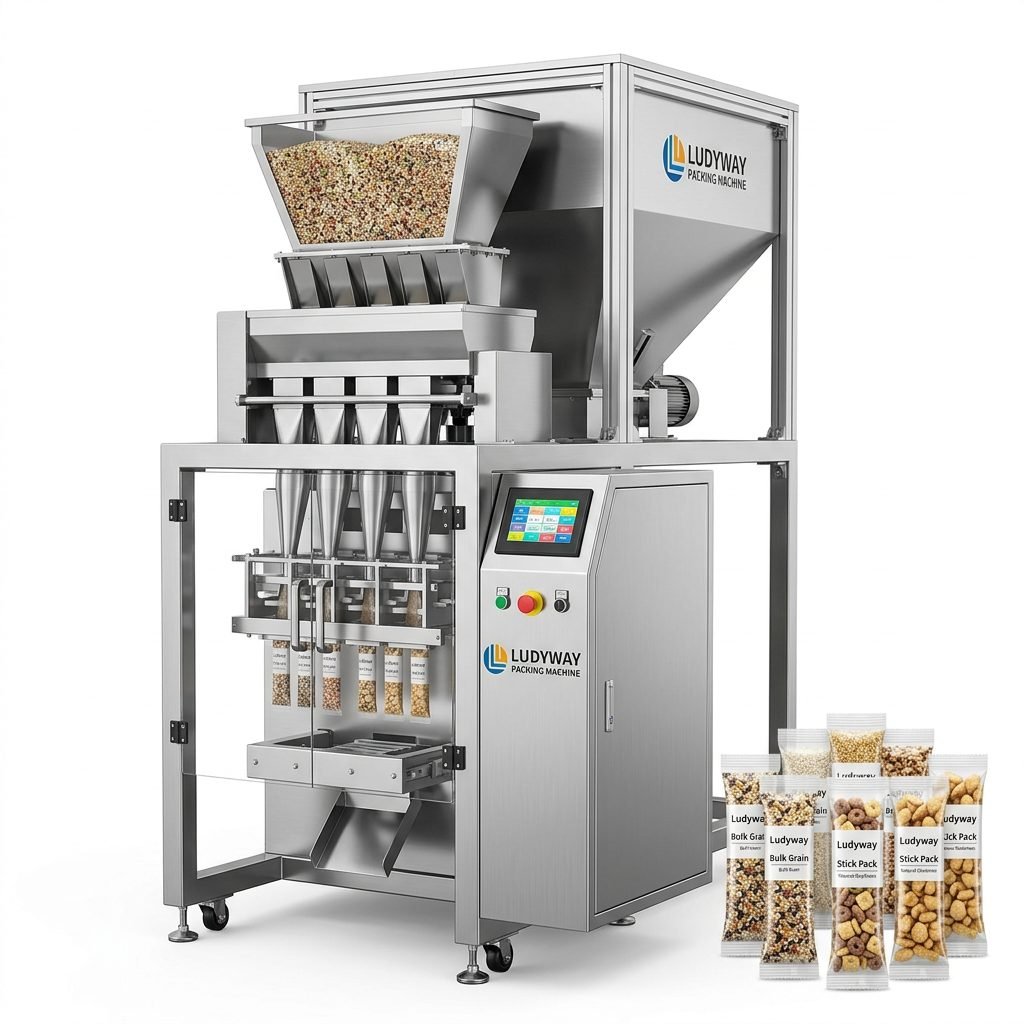
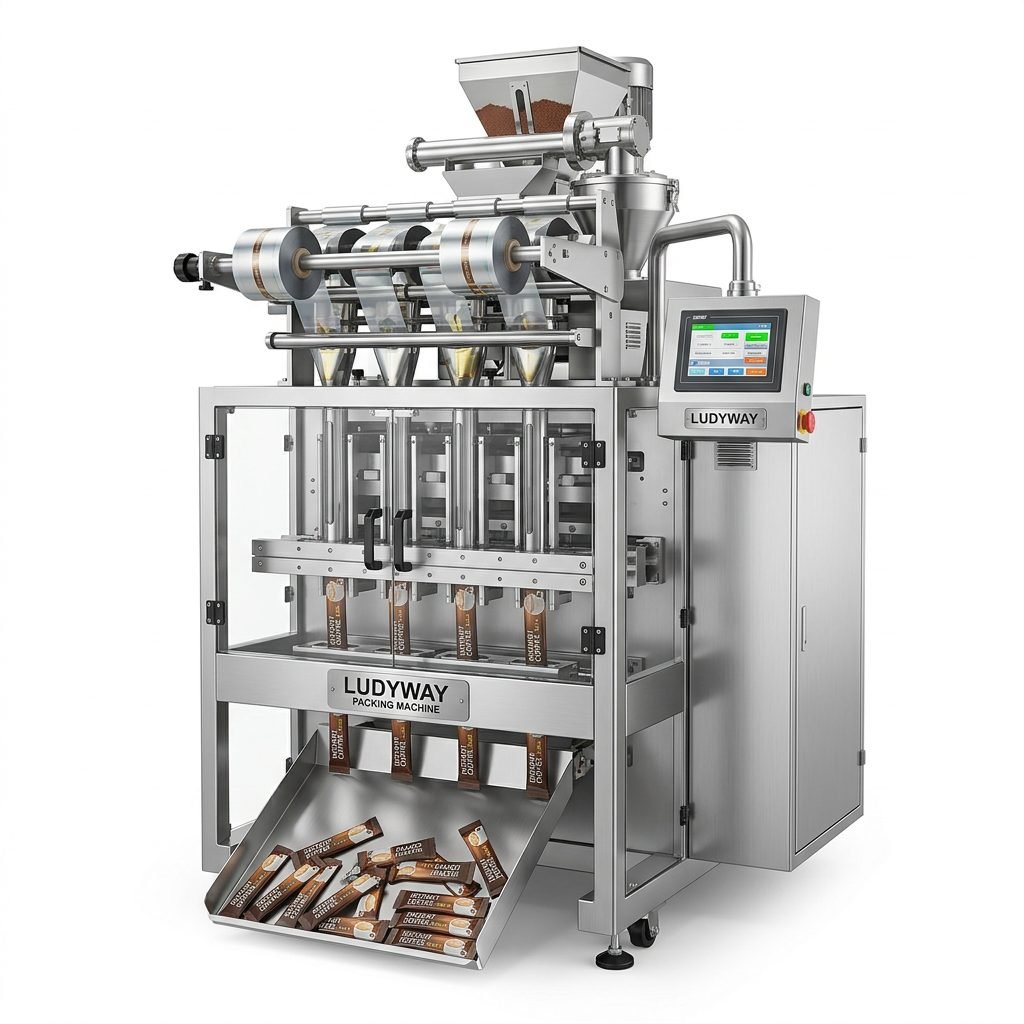
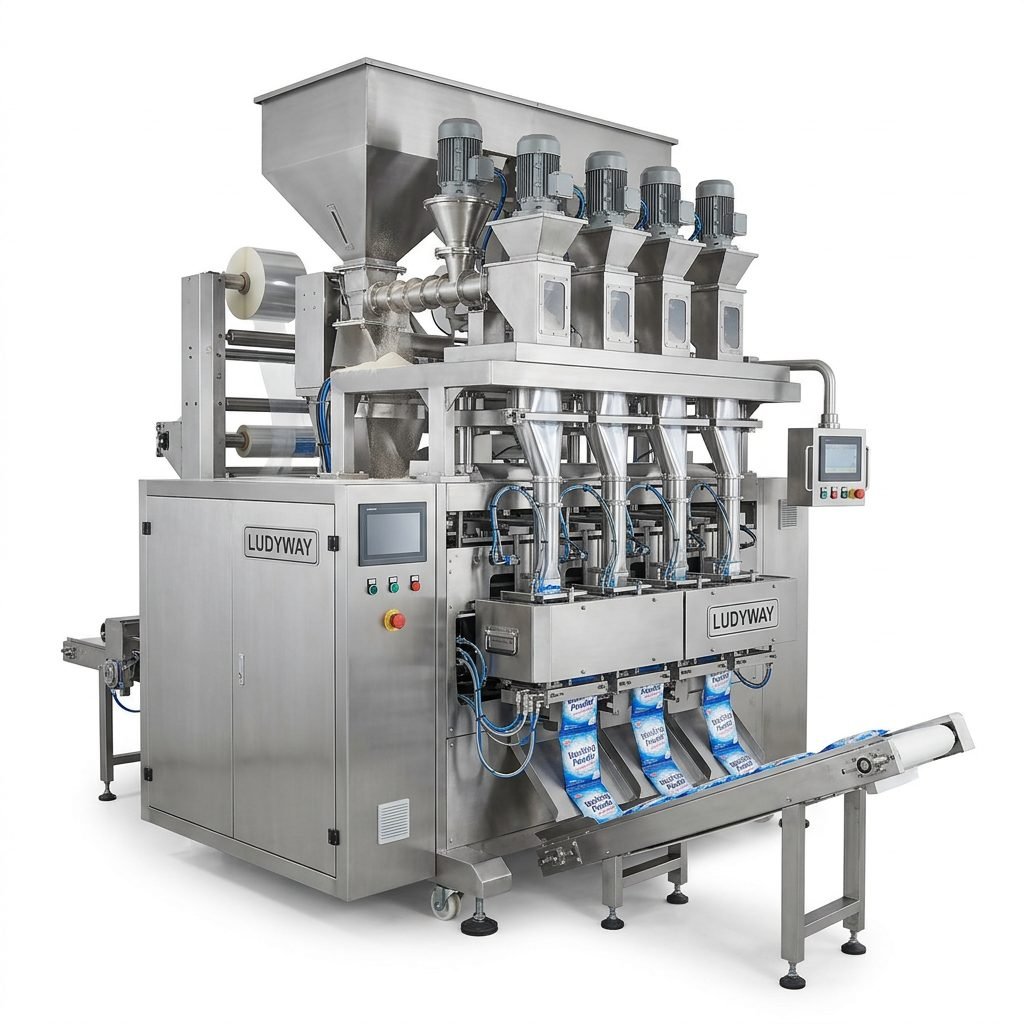
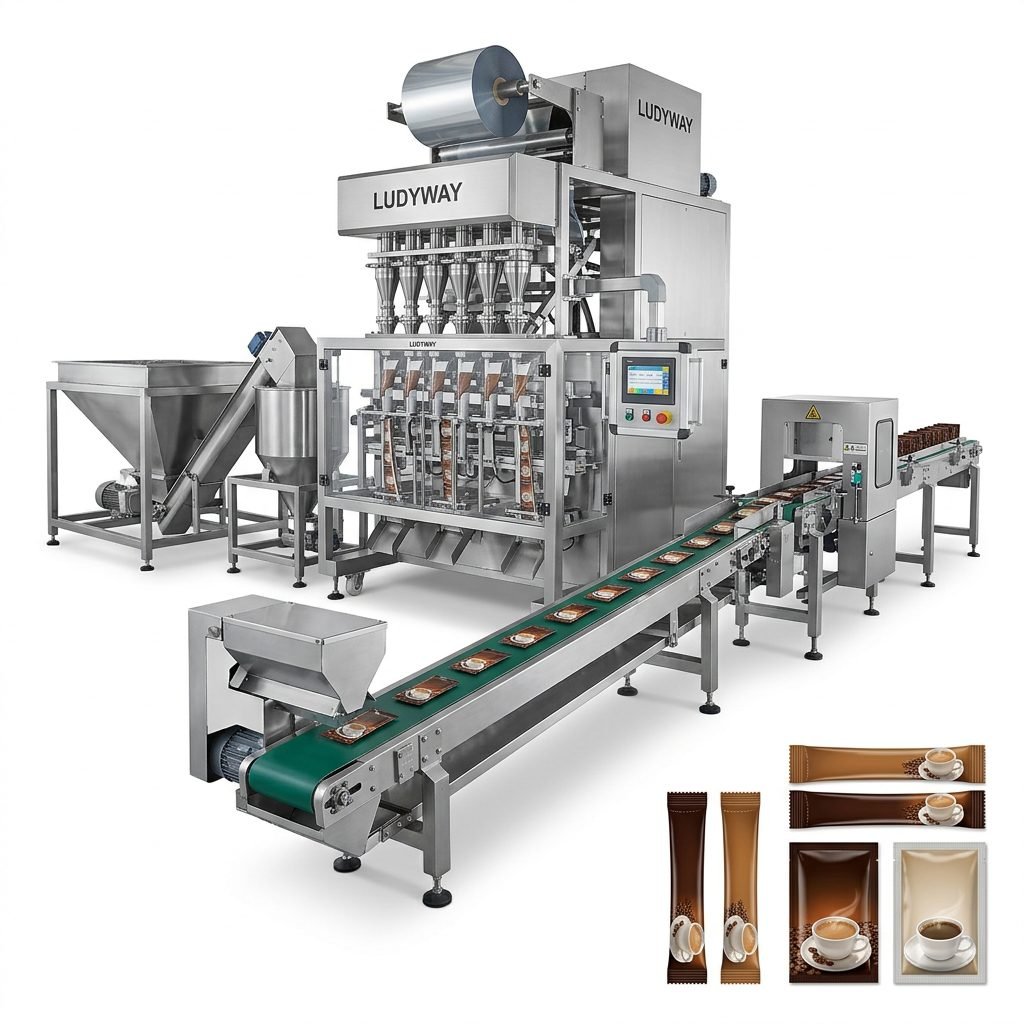
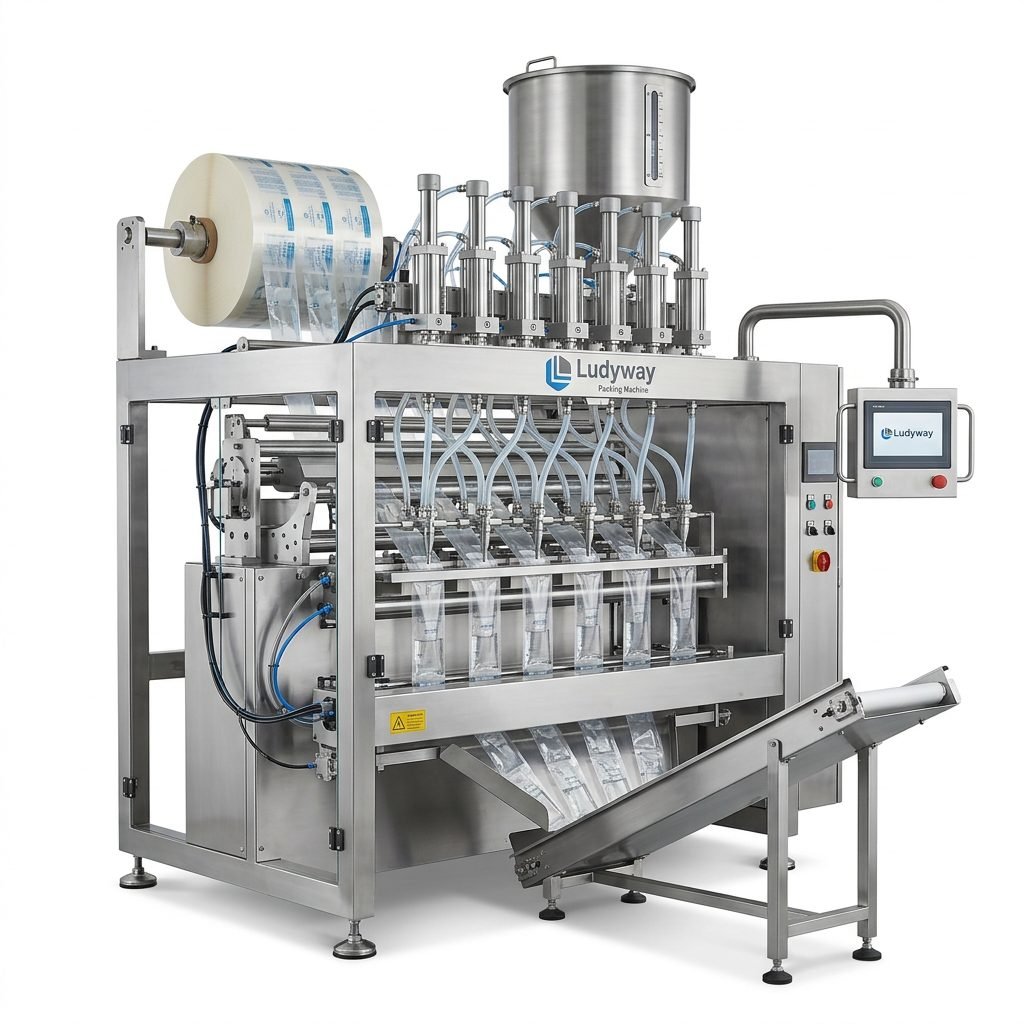
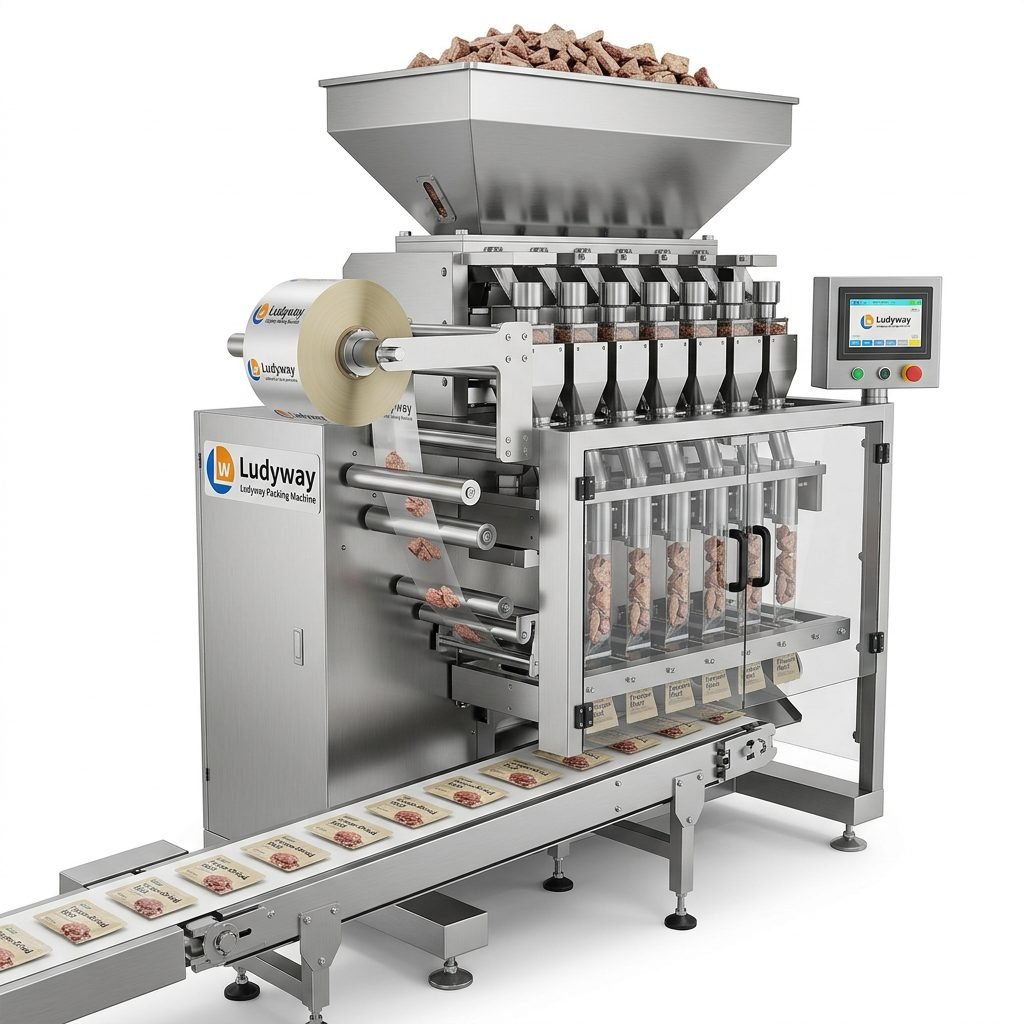
Regular maintenance of a tea bag making machine is essential to ensure consistent performance, extend equipment lifespan, and avoid costly downtime. Whether you operate a single-lane unit or a high-speed multi-lane tea packaging system, implementing a structured cleaning and maintenance routine will directly impact your production efficiency and product quality. Neglecting routine care can lead to sealing defects, inaccurate filling, and premature wear of critical components.
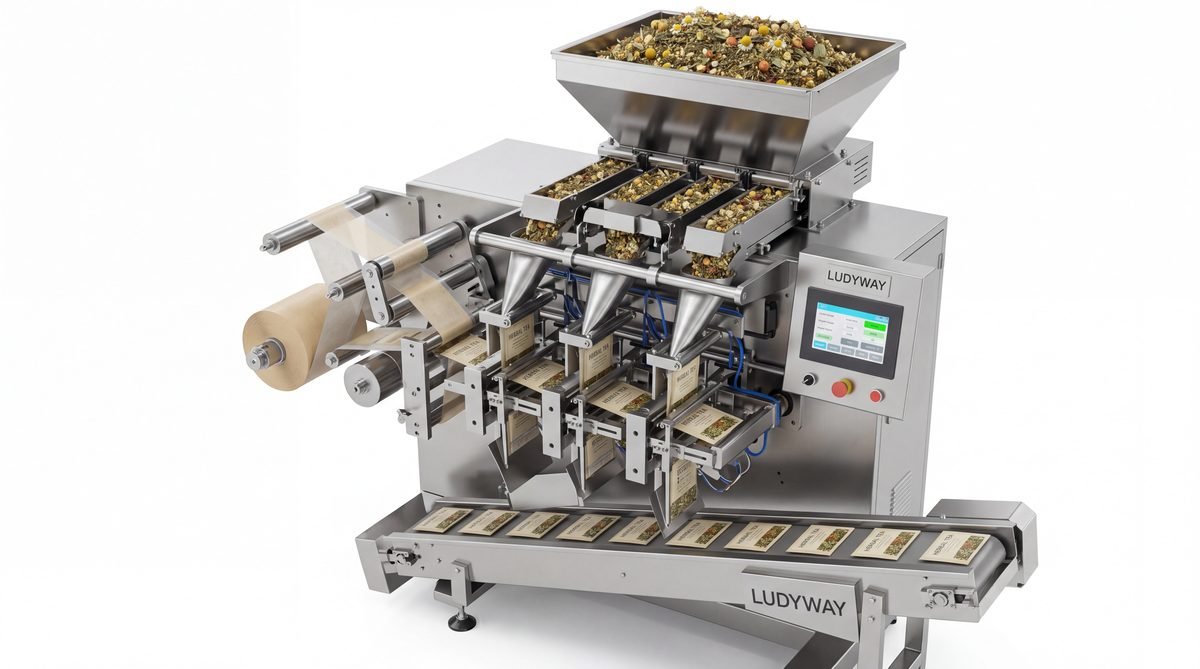
Why Routine Maintenance Matters
Tea bag packaging equipment handles delicate materials such as herbal blends, granule tea, and fine powders. Without proper maintenance, residue buildup can contaminate products, dull cutting blades can cause uneven pouch edges, and worn sealing elements can lead to leaking or improperly sealed tea bags. A proactive maintenance approach minimizes these risks and keeps your production line running smoothly.
Daily Cleaning Routine
Daily cleaning is the most fundamental aspect of tea packaging machine maintenance. After each production shift, follow these steps to prevent material accumulation and cross-contamination:
- Empty and clean all hoppers — Remove residual tea leaves, granules, or powder from feeding hoppers to prevent clogging and flavor transfer between batches.
- Wipe down sealing jaws — Use a soft, lint-free cloth with a food-grade cleaner to remove any residue from the heating elements and sealing surfaces.
- Clean the cutting mechanism — Inspect and gently clean blades to remove dust and tea particles that can cause dulling over time.
- Vacuum dust from sensors and control panels — Use compressed air or a vacuum to clear dust from photoelectric sensors and electronic components.
- Check and empty waste trays — Ensure all collection trays are emptied to prevent overflow and pest attraction.
Critical Component Maintenance
Sealing Mechanism Care
The sealing system is the heart of any tea bag packaging machine. Overheated or contaminated sealing jaws can produce weak seals that compromise product freshness. Inspect sealing surfaces weekly for carbonized residue, and calibrate the temperature settings according to the packaging film specifications. Replace worn sealing elements promptly to maintain consistent seal integrity.

Cutting Blade Maintenance
Sharp cutting blades are crucial for clean, precise pouch separation. Dull blades can tear packaging material and create jagged edges that affect shelf presentation. Sharpen or replace cutting blades based on usage frequency, and always verify blade alignment after replacement to prevent uneven cuts.
Hopper and Feeding System
For machines handling granule and powder tea products, the feeding system requires particular attention. Inspect augers, vibratory feeders, and dosing mechanisms for wear. Clean contact surfaces thoroughly between product changeovers to avoid cross-contamination and ensure accurate fill weights.
Lubrication Best Practices
Proper lubrication reduces friction and extends the life of moving parts. However, over-lubrication can attract dust and contaminate packaging materials. Follow the manufacturer’s guidelines for lubrication intervals and recommended grease types. Key lubrication points include:
- Cam followers and bearings — Apply food-grade lubricant sparingly at specified intervals.
- Chain drives and gears — Check tension regularly and lubricate to prevent metal-on-metal wear.
- Linear guide rails — Keep rails clean and lightly lubricated for smooth carriage movement.
- Pneumatic cylinders — Use proper air-line lubrication to maintain seal life and consistent operation.
Common Issues and Troubleshooting
Understanding common problems helps operators diagnose issues quickly and reduce downtime. The table below outlines frequent challenges encountered with tea sachet and stick pack machines:
| Problem | Possible Cause | Recommended Action |
|---|---|---|
| Weak or incomplete seals | Incorrect temperature setting or dirty sealing jaws | Clean jaws and recalibrate temperature; replace worn heating elements |
| Uneven fill weights | Clogged dosing mechanism or inconsistent product flow | Clean auger or vibratory feeder; check for material bridging in hopper |
| Jagged or misaligned cuts | Dull cutting blades or misalignment | Sharpen or replace blades; realign cutting assembly |
| Film tracking issues | Misaligned rollers or tension problems | Adjust film tension and verify roller alignment |
| Machine jams frequently | Product buildup or worn guides | Thoroughly clean all product pathways; inspect guides for wear |
Scheduled Maintenance Timeline
A structured maintenance schedule ensures that no critical task is overlooked. The following table outlines recommended maintenance activities based on frequency:
| Frequency | Maintenance Tasks |
|---|---|
| Daily | Clean hoppers, wipe sealing jaws, inspect cutting blades, empty waste trays, check sensor cleanliness |
| Weekly | Inspect sealing elements for wear, clean and lubricate guide rails, check chain tension, verify temperature calibration |
| Monthly | Sharpen or replace cutting blades, inspect bearings and bushings, deep clean product contact surfaces, check pneumatic fittings |
| Quarterly | Replace worn belts and chains, calibrate sensors and temperature controllers, inspect electrical connections, review overall machine alignment |
| Annually | Comprehensive overhaul — replace all wear parts, full calibration, professional inspection of major components, software updates if applicable |
Professional Maintenance and Support
While daily and weekly maintenance can be handled by trained operators, comprehensive servicing should be performed by qualified technicians. Professional maintenance includes advanced diagnostics, precision calibration, and replacement of internal components that require specialized tools and expertise. Regular professional servicing helps identify potential issues before they become costly problems.
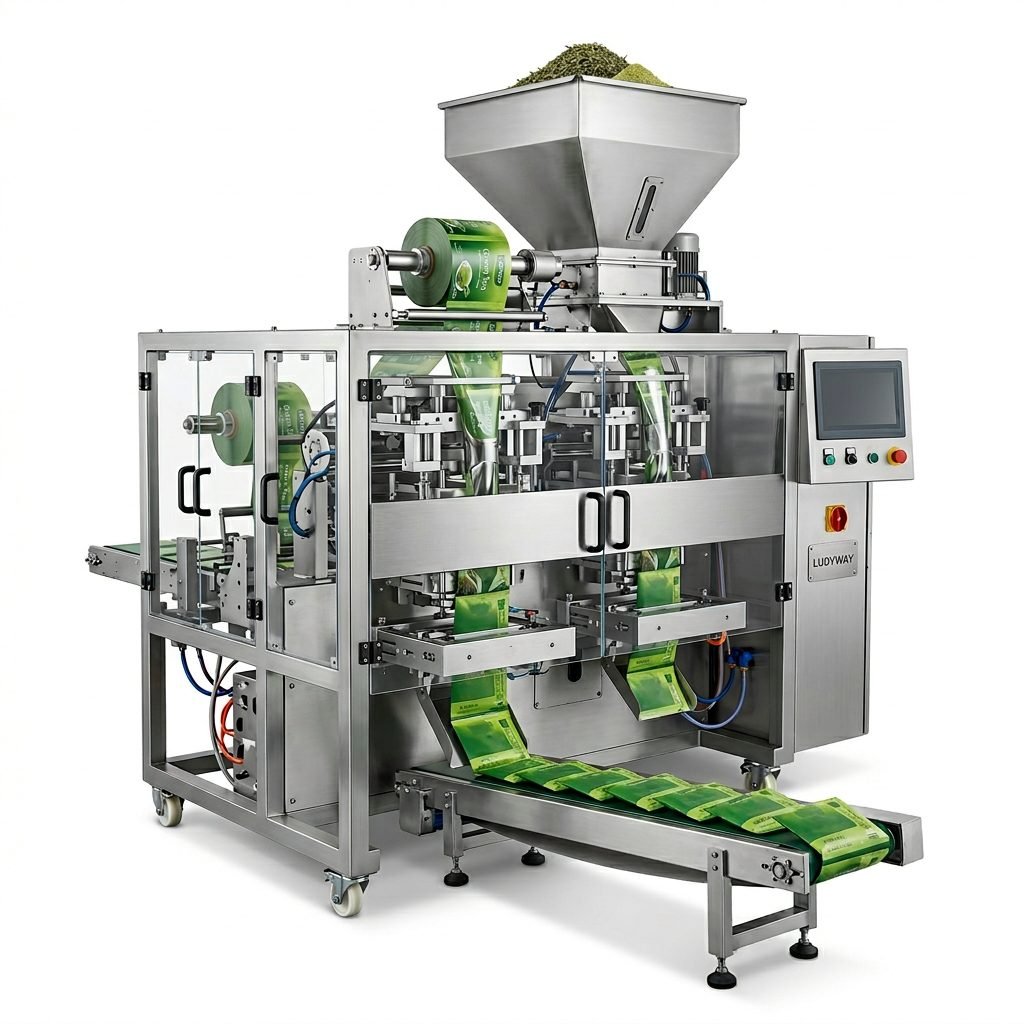
For businesses seeking reliable tea packaging equipment and after-sales support, Ludyway offers a comprehensive range of tea bag and sachet packaging machines backed by experienced engineering teams. With over 30 years of industry expertise and a modern 20,000㎡ manufacturing facility, Ludyway provides reliable packaging solutions for granule, powder, and liquid tea products across more than 100 countries.
Key Takeaways for Optimal Machine Longevity
- Establish a documented maintenance log — Track all cleaning, lubrication, and part replacements to identify patterns and predict wear.
- Train operators thoroughly — Ensure all machine operators understand daily cleaning procedures and can recognize early warning signs of component failure.
- Use genuine spare parts — Aftermarket components may not meet original specifications and can accelerate wear on adjacent parts.
- Keep the work environment clean — A dust-free production area reduces contamination risks and extends the life of sensors and electronics.
- Partner with a reliable manufacturer — Choose equipment from reputable suppliers who offer ongoing technical support and readily available spare parts.
For additional industry resources on packaging machinery standards and best practices, visit the PMMI – Association for Packaging and Processing Technologies or explore the PMMI Business Intelligence Library for state-of-the-industry reports and packaging machinery market research. These resources provide valuable insights into packaging trends and equipment optimization strategies.