Key Factors Influencing Tea Packaging Machine Pricing
When evaluating the cost of an automatic tea filling and packing machine, it is crucial to understand that this is not a one-size-fits-all investment. Prices can range significantly based on several core technical and operational parameters. The level of automation, for instance, is a primary driver. A semi-automatic machine requiring manual intervention for pouch loading or product feeding will cost considerably less than a fully automated packaging line that integrates automatic feeding, dosing, filling, sealing, coding, and cartoning systems.
Machine Configuration and Capacity
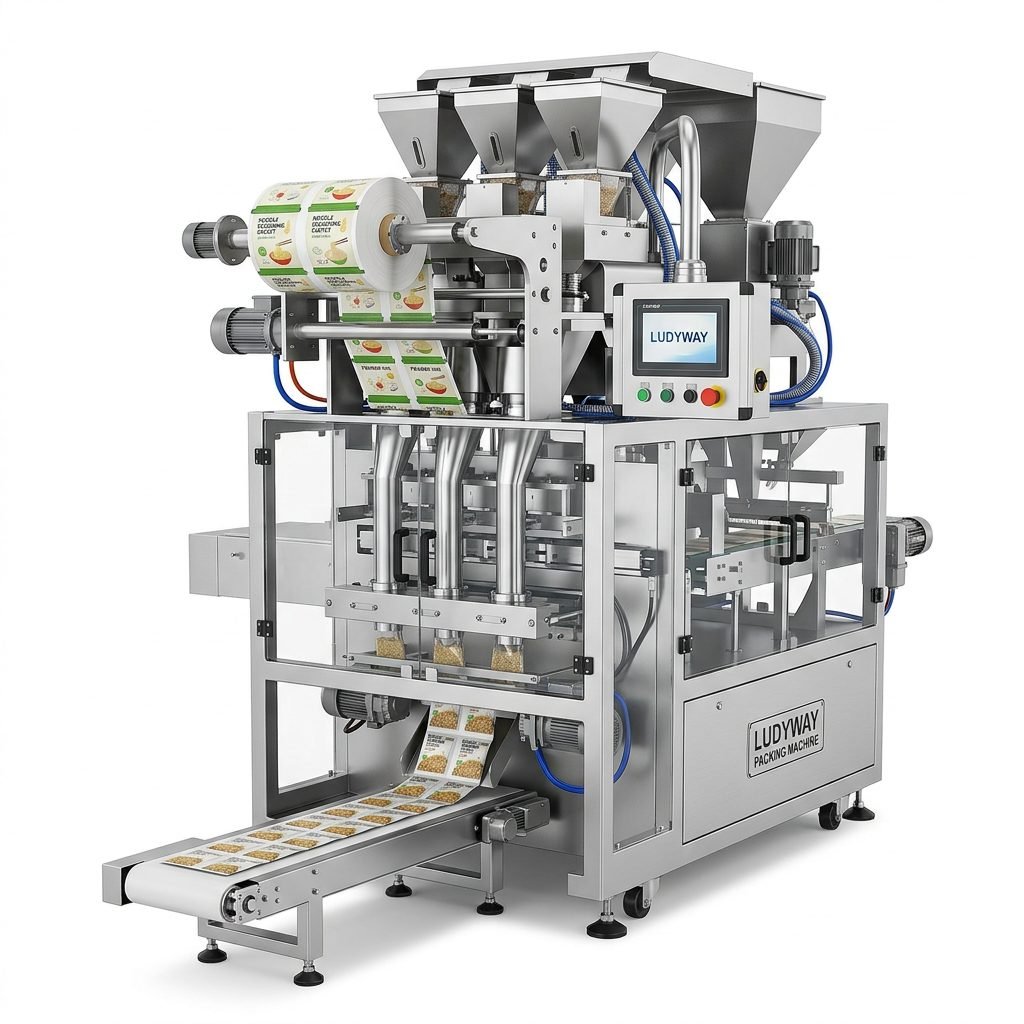
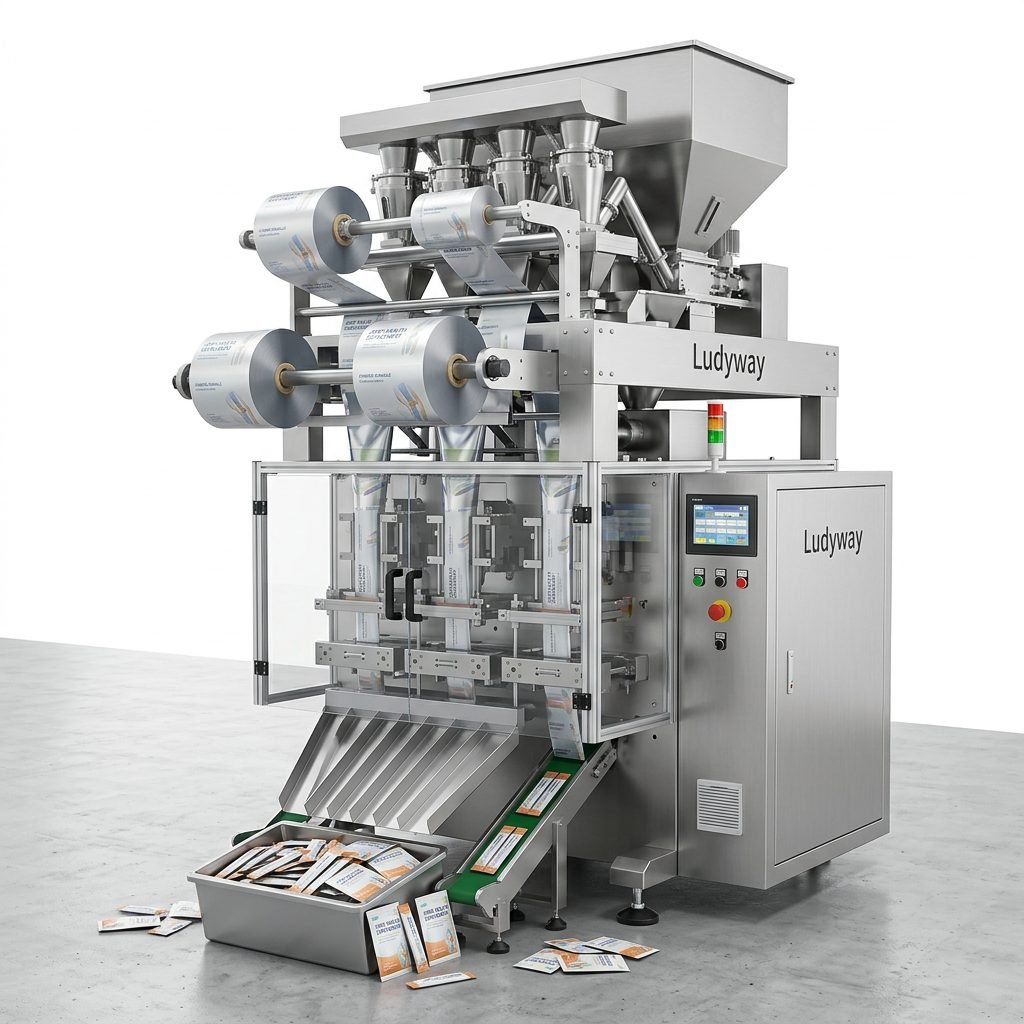
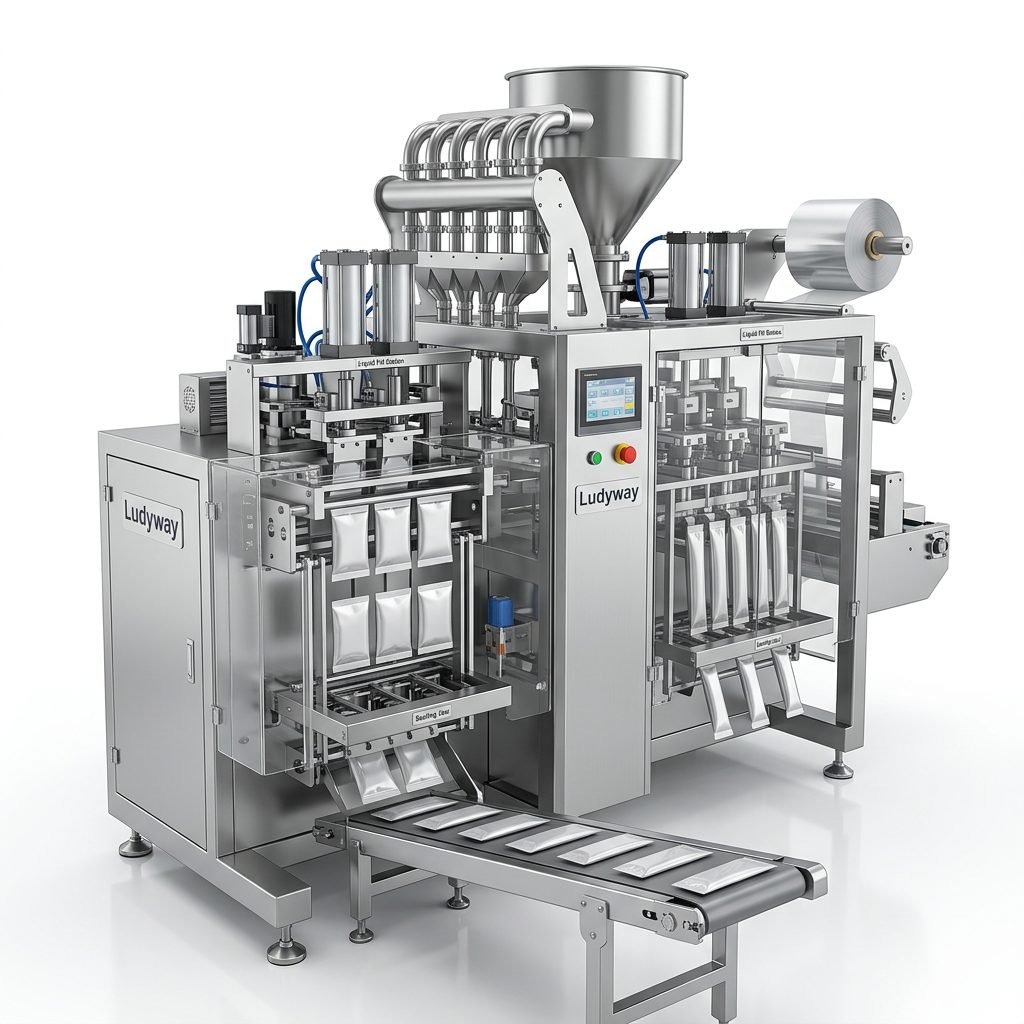
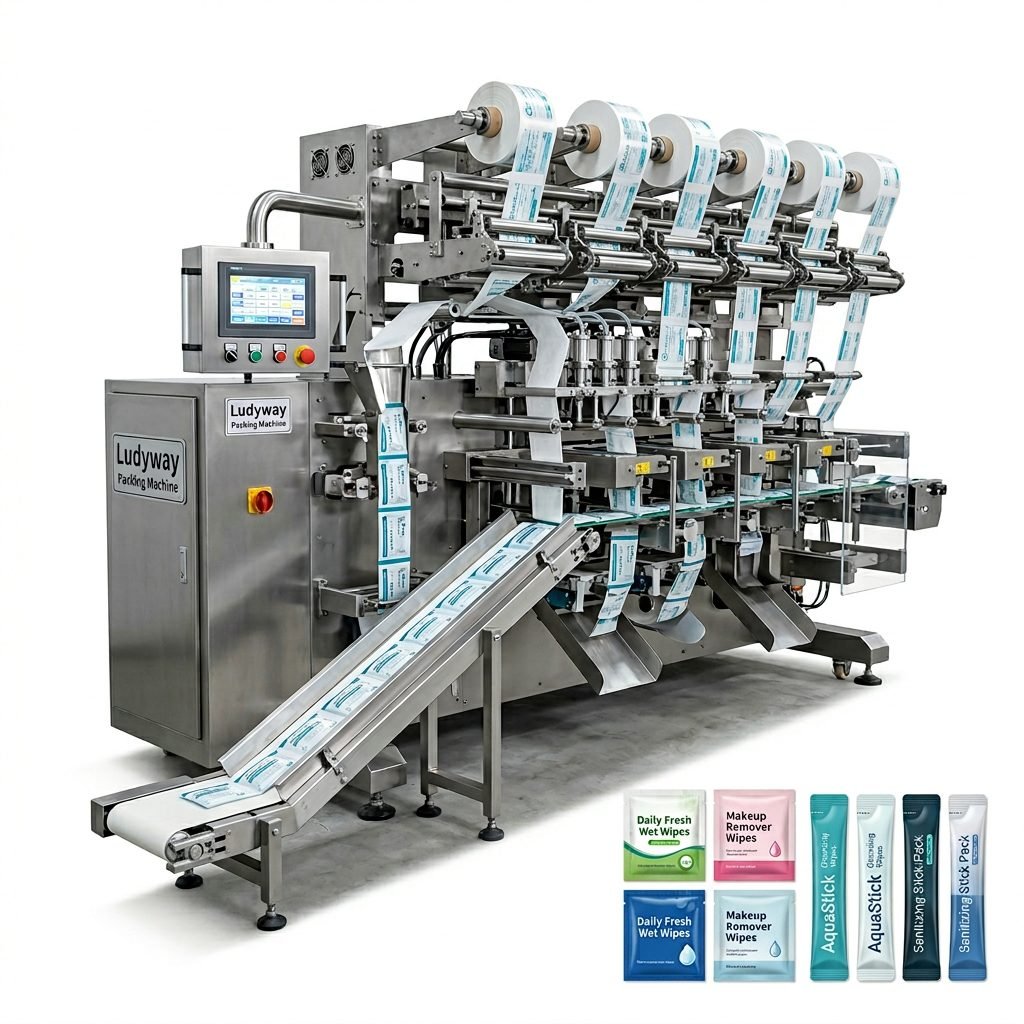
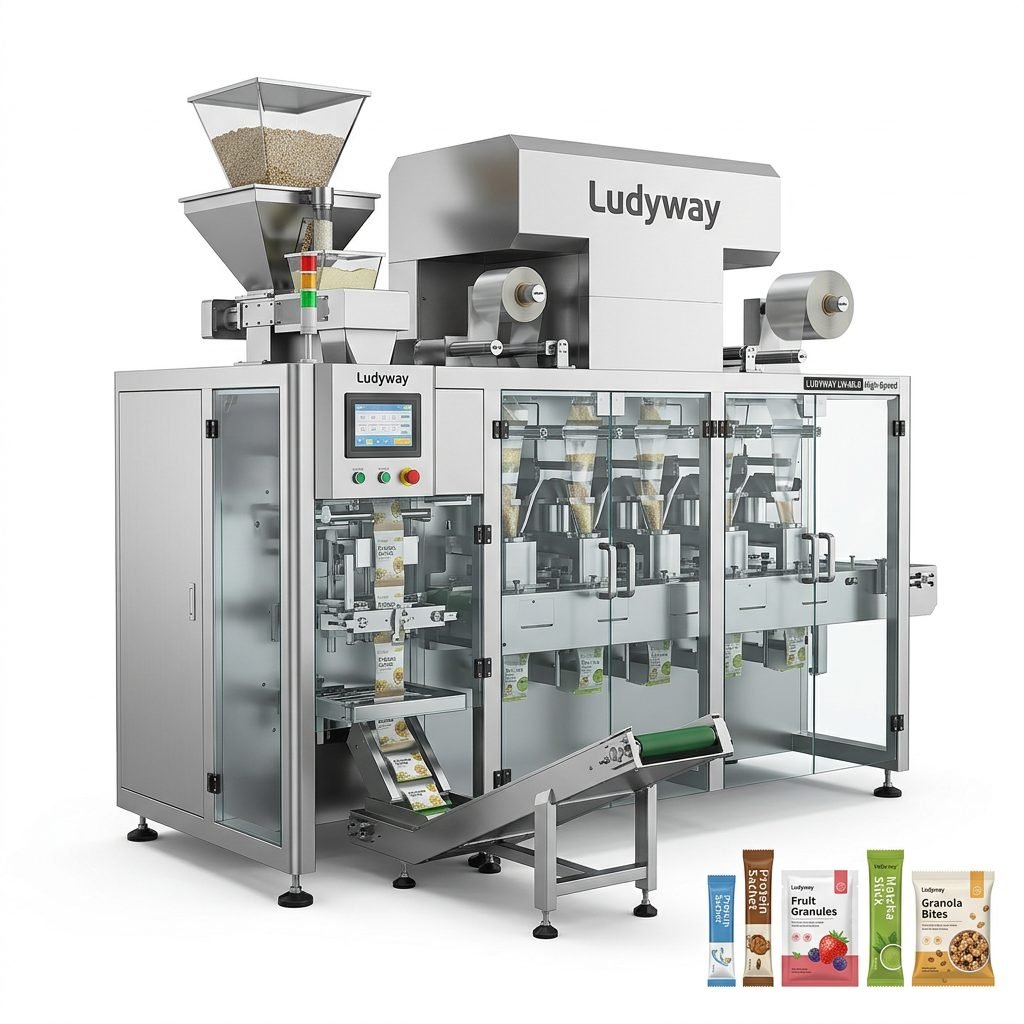
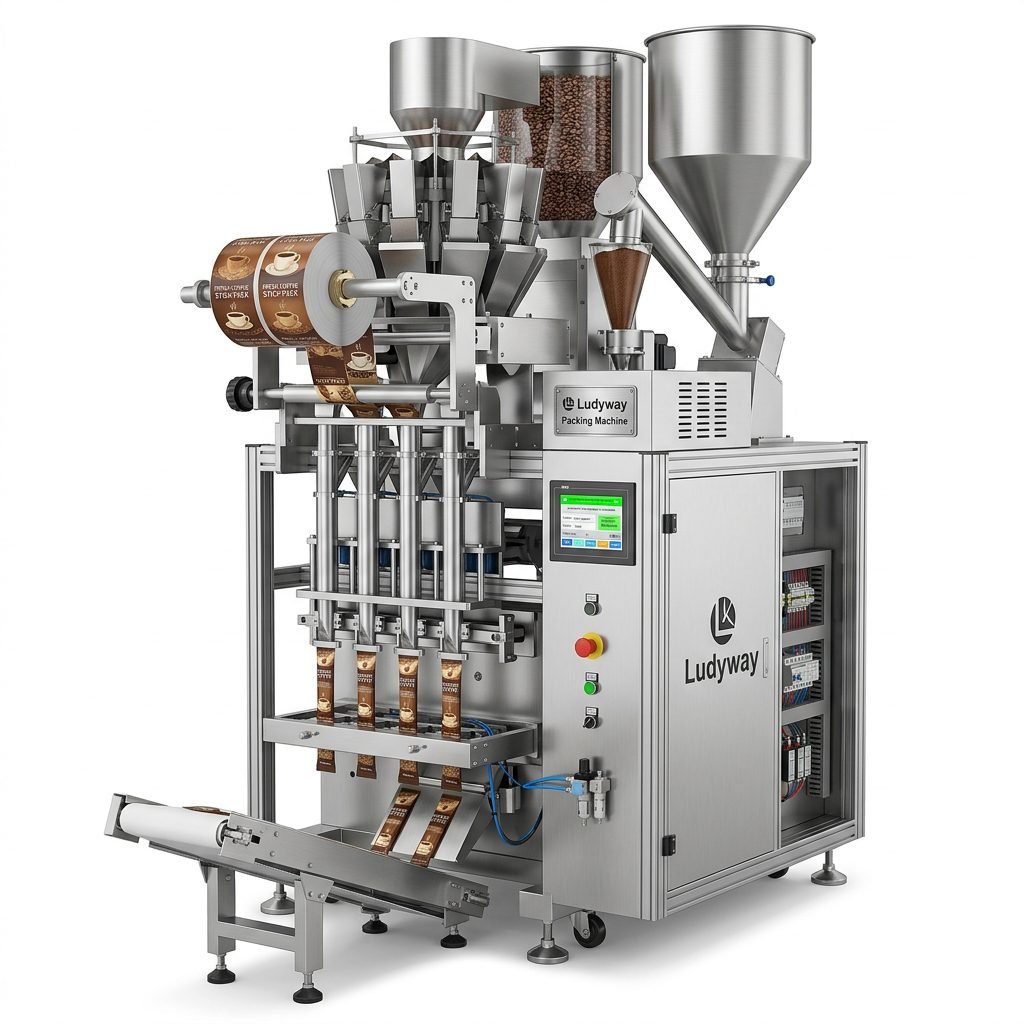
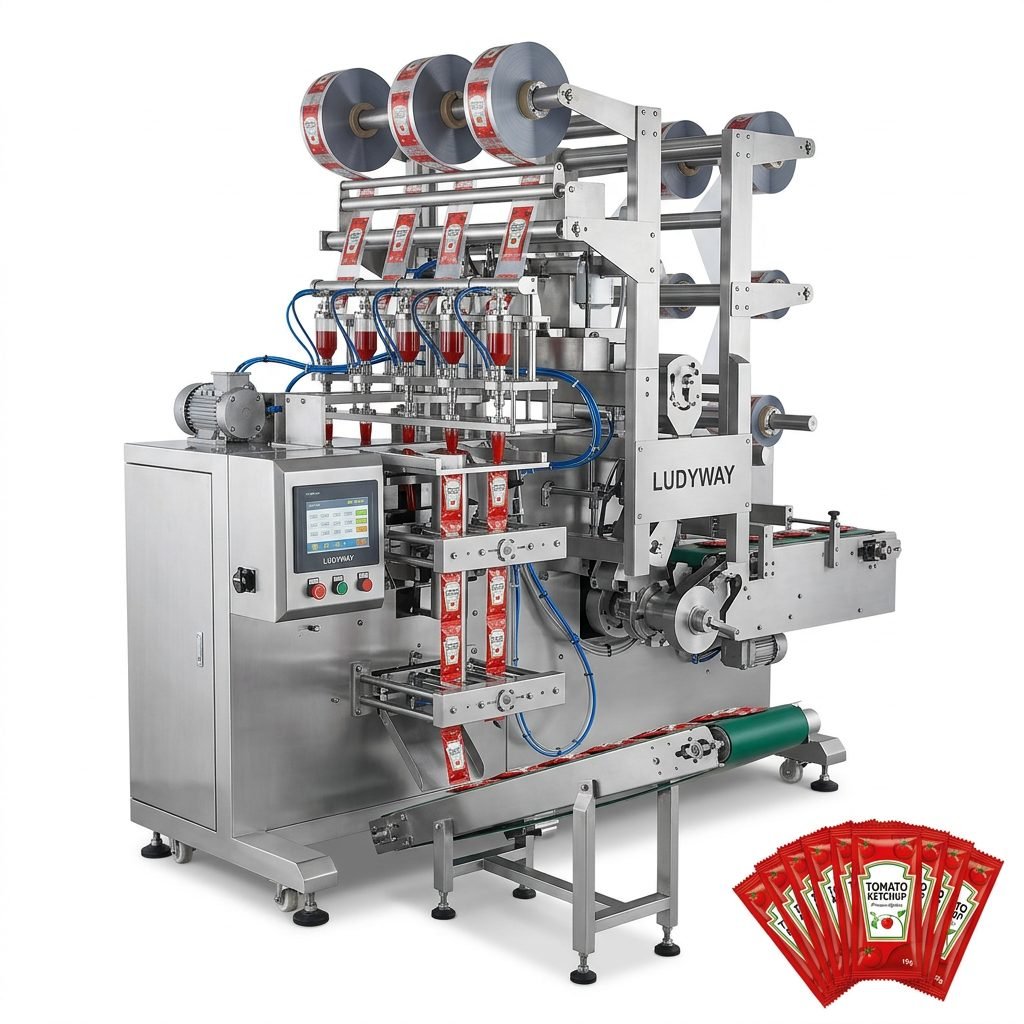
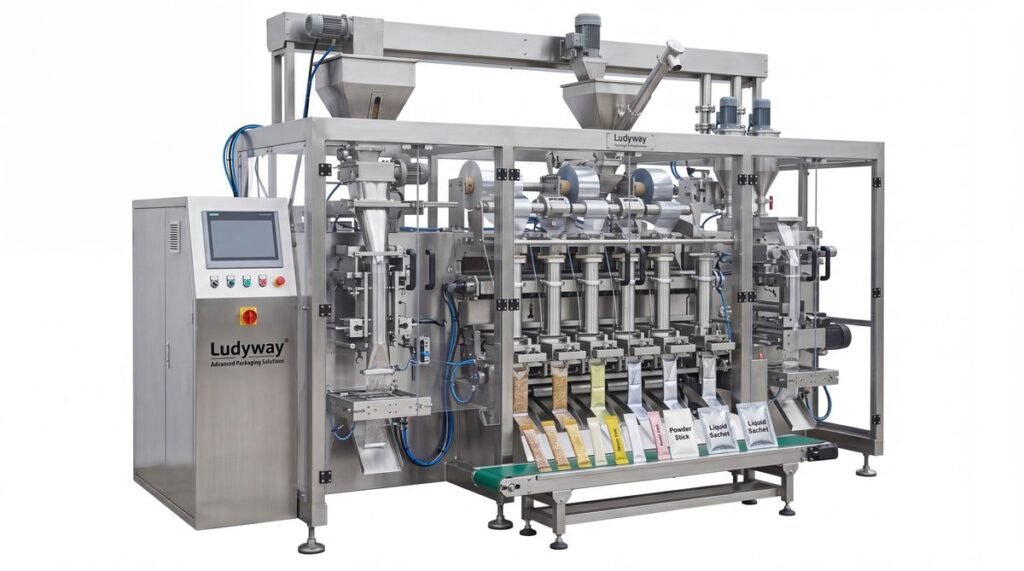
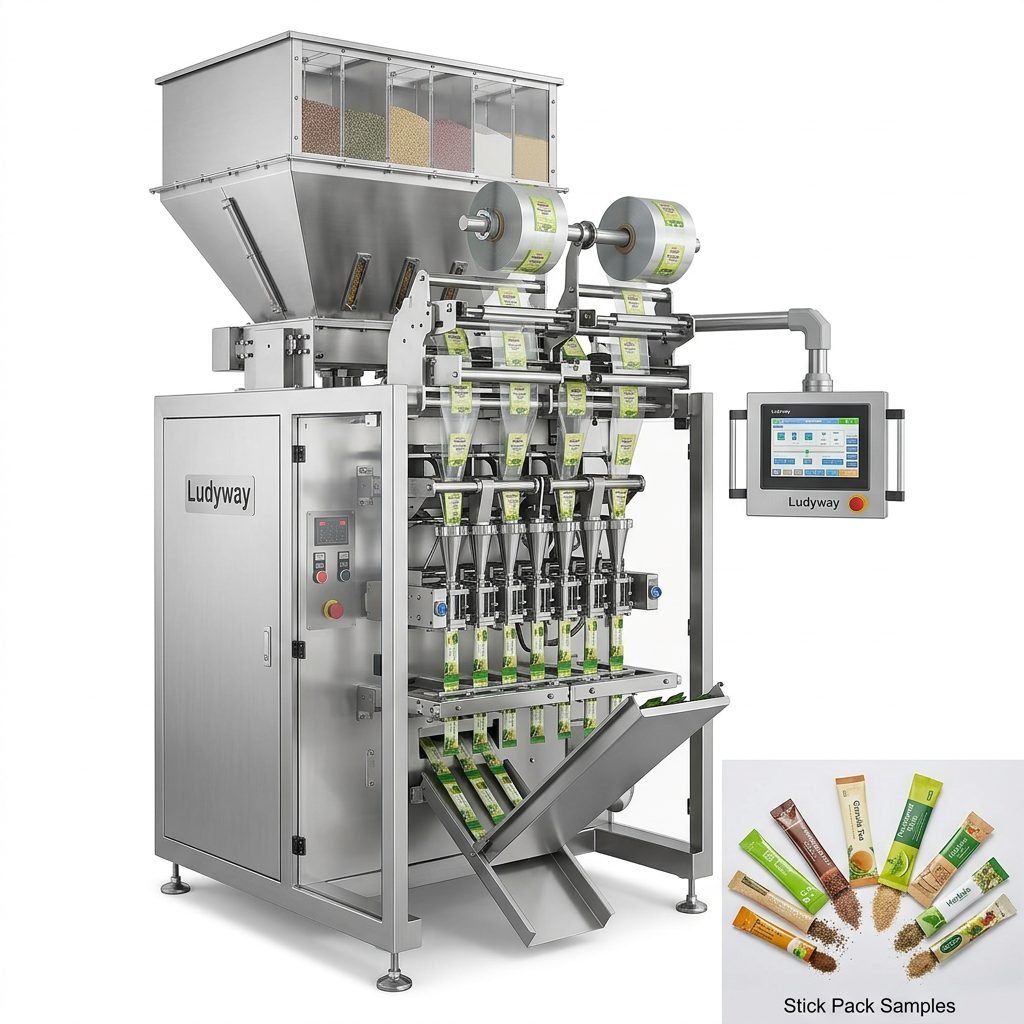
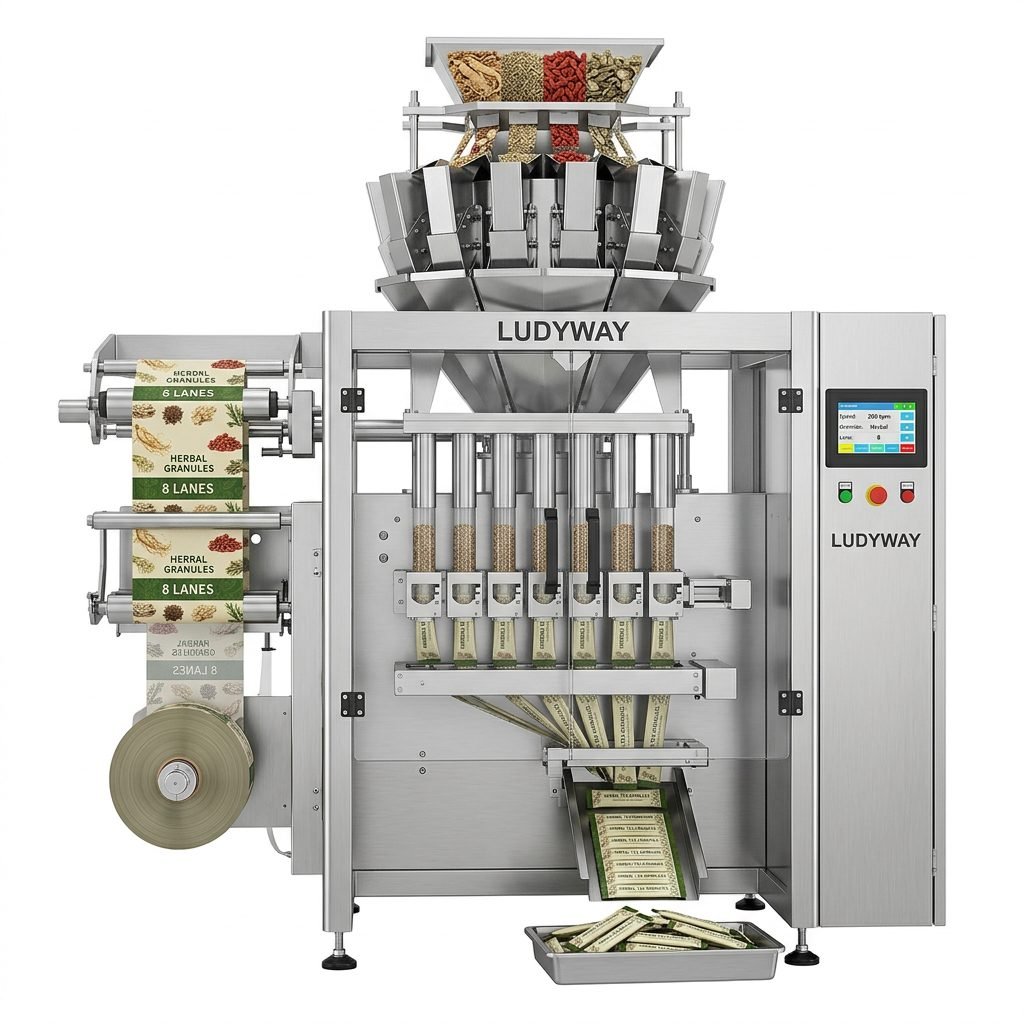
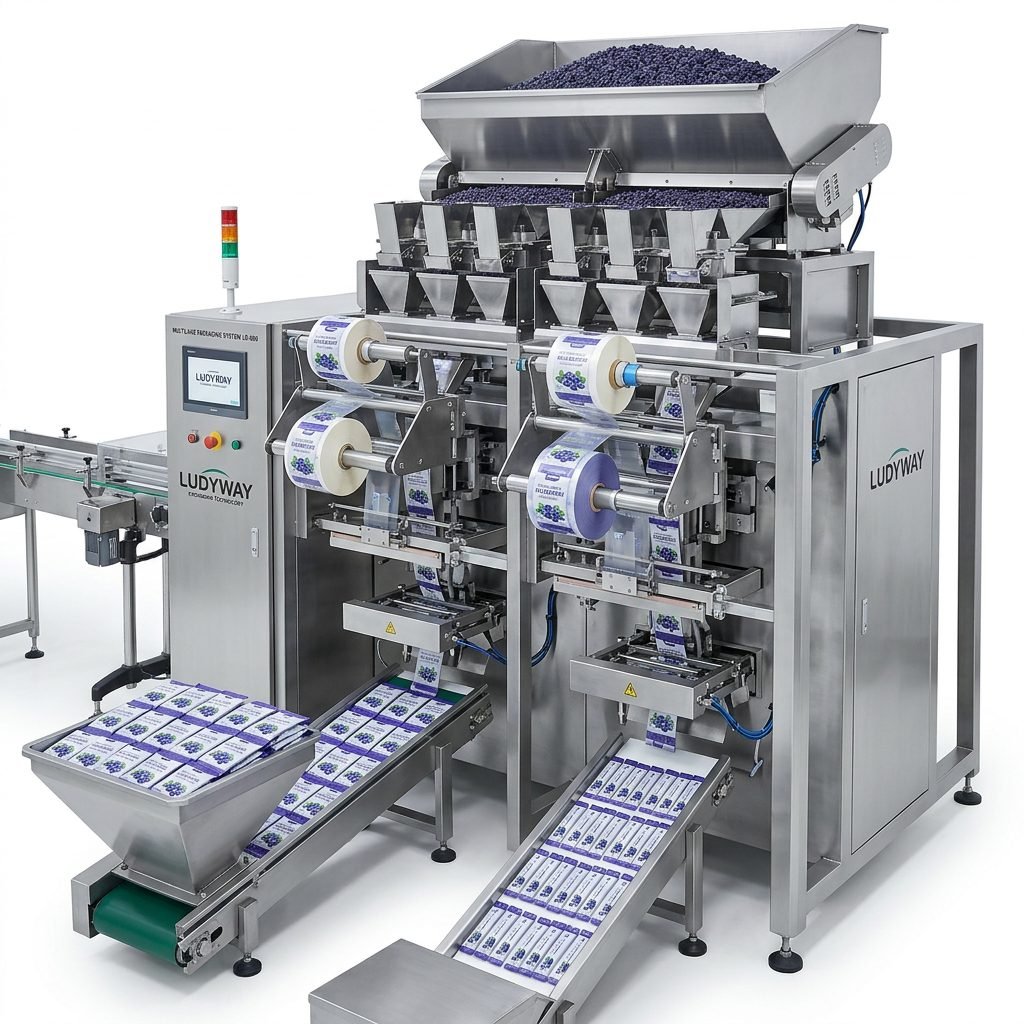
The physical configuration dramatically impacts the final price tag. A basic single-lane automatic pouch filler suitable for small-scale production has a different cost structure compared to a high-speed multi-lane stick pack machine. Machines with a higher number of lanes — for example, a 4-lane, 8-lane, or 12-lane system — multiply throughput but also increase complexity and cost. The filling system type is another critical variable; auger fillers for fine tea powders or dust are engineered differently than volumetric cup fillers for larger leaf tea granules, impacting both precision and price.
Price Breakdown by Machine Type
- Single-Lane Automatic Stick Pack Machine: Entry-level solution, ideal for startups.
- Multi-Lane Sachet Packaging Machine: Mid-range, balancing high output with moderate investment.
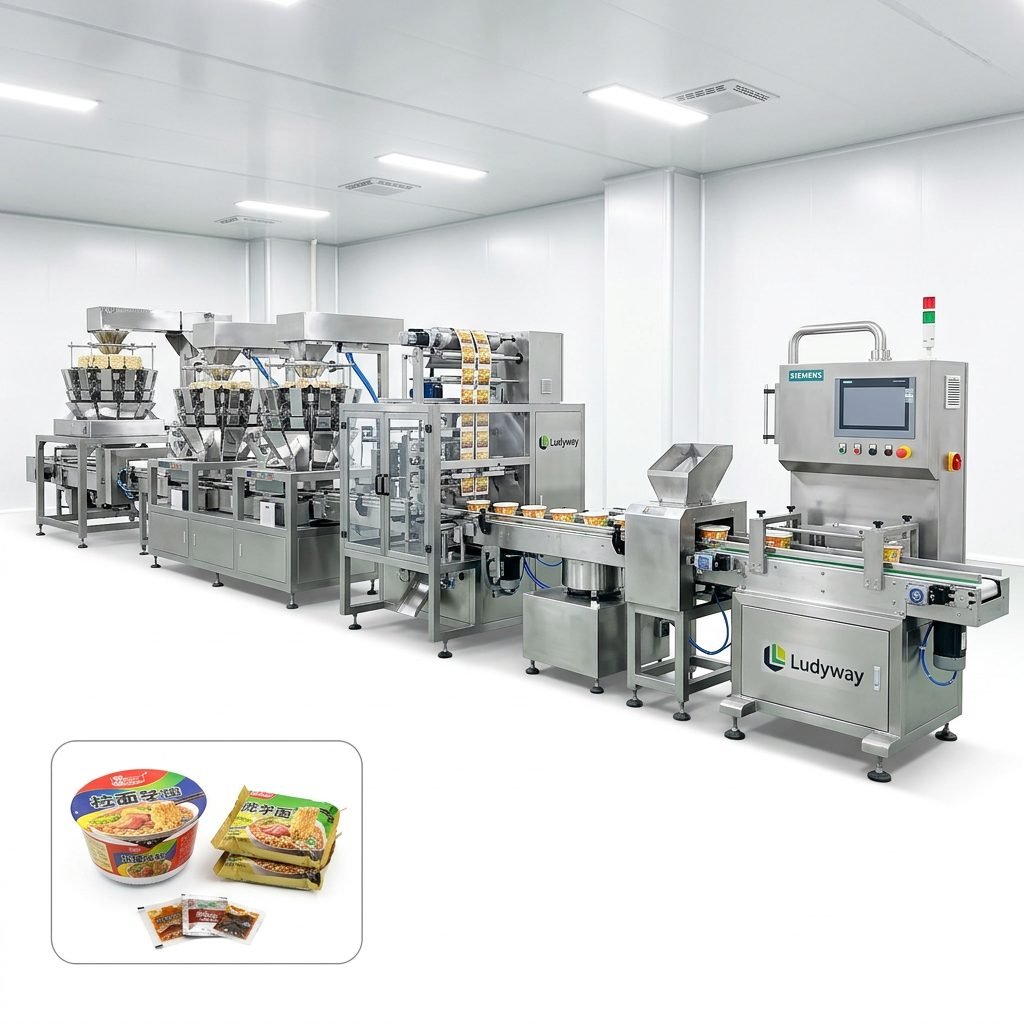
- Full Rotary Tea Bag Packing System: Premium segment, designed for large-scale industrial operations with integrated string and tag attachment.
Comparing Estimated Cost Ranges
The following table provides a general overview of how the machine type and complexity align with the investment level required for a tea packaging machine. Note that these ranges can shift based on build materials like 304 or 316 stainless steel and compliance certifications such as CE and GMP.
| Machine Configuration | Key Feature | Estimated Price Range (USD) |
|---|---|---|
| Entry-Level Sachet Machine | Semi-automatic, single lane | $8,000 – $25,000 |
| Automatic 4-Lane Stick Pack Line | Servo-driven, auger filler | $35,000 – $75,000 |
| High-Speed Multi-Lane System | 8-12 lanes, full digital control | $80,000 – $150,000+ |
| Turnkey Packaging System | Includes cartoner and checkweigher | $150,000 – $300,000+ |
How Automation and Auxiliary Equipment Affect Total Cost
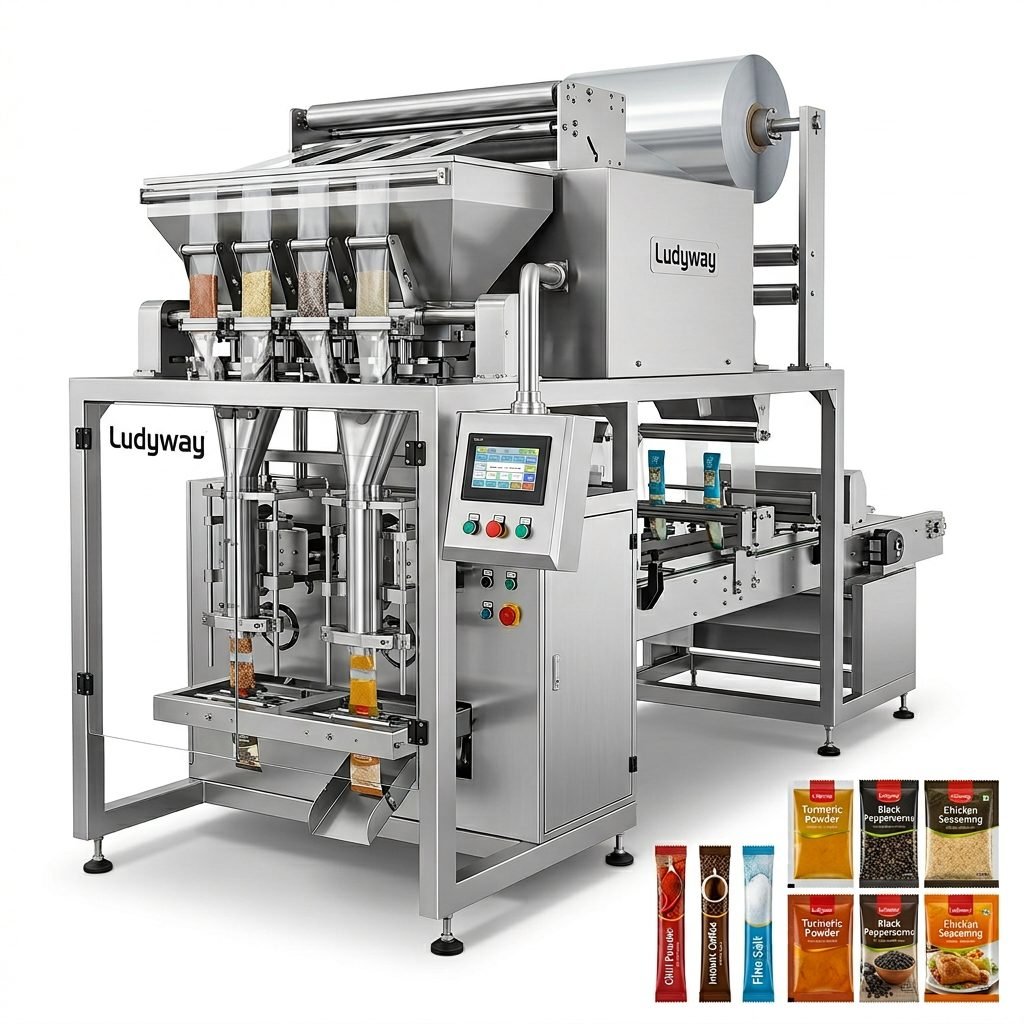
Integrating auxiliary equipment is often necessary to meet modern production standards and can add to the upfront cost but significantly enhances efficiency. A standard vertical form fill seal (VFFS) tea packer might start at a base price, but adding a high-precision dynamic checkweigher ensures consistent gram weight, preventing product giveaway. Similarly, integrating an industrial inkjet coding system for batch numbers and dates, or a nitrogen flushing system for extended product freshness, will modify the final engineering invoice. For larger operations, a high-speed automatic case packer or robotic palletizing arm further automates the end-of-line process.
Hidden Costs and Long-Term Return on Investment
Beyond the initial purchase order, buyers should budget for shipping, on-site training, and a robust spare parts strategy for wear-and-tear items in high-speed environments. However, a high-quality automatic machine offers a swift return on investment. By reducing manual labor costs, minimizing material waste through precise filling, and maximizing production uptime, the cost per sachet drops substantially. When you compare manual packing costs against an automated system running at 200-400 packs per minute per lane, the long-term financial benefit often outweighs the initial capex within a 12-24 month period.
The Role of Build Quality and Material in Pricing
The quality of materials used in manufacturing profoundly dictates cost and durability. Machines built with SUS304 or SUS316L stainless steel frames and contact parts are non-negotiable for hygienic tea processing but add to the material bill. Pneumatic components from internationally recognized brands, high-precision mechanical tooling, and IP65-rated electrical enclosures ensure longevity and reliability in dusty tea powder environments but come at a premium. Choosing a machine designed for 24/7 continuous operation requires a higher initial budget but avoids costly downtime and retrofit expenses later.
Finding the Right Supplier for Your Budget
Securing the best price-performance ratio often involves working with an experienced manufacturer that offers custom engineering rather than a generic catalog solution. A supplier with over 30 years of industry expertise, such as Ludyway, typically provides comprehensive line audit consultation to match the exact machine configuration to your product characteristics, whether you are packing delicate tea leaves, granular blends, or fine instant tea powder. With a modern 20,000㎡ manufacturing facility and a team of over 130 technical experts, they bridge the gap between European-grade quality and competitive direct-factory cost structures, serving customers in more than 100 countries and regions.
Quick Comparison: Semi-Automatic vs. Fully Automatic Costs
| Feature | Semi-Automatic System | Fully Automatic Turnkey Line |
|---|---|---|
| Budget Range | $8,000 – $25,000 | $80,000 – $300,000 |
| Labor Requirement | 3-5 operators | 1 supervisor |
| Output Consistency | Variable | High precision, consistent |
| Waste Rate | 1.5% – 3% | Less than 0.5% |
Cost Justification Through Technology
Modern tea packing equipment incorporates digital servo drives and real-time monitoring sensors that justify the cost difference. Rather than relying on mechanical adjustments, these systems allow operators to recall recipes instantly, switching from a 2-gram green tea bag to a 20-gram chai latte mix without mechanical change parts. The integration of a sachet counting and packaging line with automatic horizontal cartoning directly at the end of the filling machine reduces work-in-progress inventory and accelerates order fulfillment. This level of technological integration commands a higher initial price but provides an unparalleled total cost of ownership.
Regulatory Compliance and Its Financial Implications
For pharmaceutical-grade or organic certified teas, the cost of the packaging machine increases if it must comply with specific regulatory standards. Designs that facilitate Clean-in-Place (CIP) protocols, feature tool-less disassembly for sanitation, and utilize validated sealing integrity systems adhere to GMP and FDA food packaging guidelines. While this adds engineering expense, it de-risks your operation from costly regulatory fines and product recalls. Investing in a machine that meets these strict standards upfront ensures market access to premium international retailers.
Financing and After-Sales Service Contracts
Total cost assessment must include the service lifecycle. The sticker price of a machine varies significantly between suppliers offering ex-works pricing versus those offering comprehensive global service agreements. Shipping a 1,500kg machine internationally, handling port clearance, and commissioning on site are logistical costs that can represent 10-15% of the machine price. A reliable packaging machinery manufacturer will typically include remote diagnostic support and detailed installation drawings to mitigate unforeseen installation expenses. A strategic partnership that includes preventative maintenance minimizes unexpected repair costs over the machine’s 15-20 year lifespan.
Conclusion: Budgeting for Scalable Growth
Allocating the correct budget for an automatic tea bag and sachet machine requires a forward-looking approach. Starting with a modular machine architecture allows for future scalability; you might initially invest in a 4-lane machine with space reserved for additional lanes or a cartoner interface. Whether you require a simple grain tea packer or a fully integrated high-speed stick pack line, the correlation between mechanical precision, control intelligence, and cost remains constant. For the most accurate quote aligned with your project specifications, you can reach Ludyway via email at info@ludyway.com or on WhatsApp at +8613129592456 from their headquarters in Guangdong, China. Additionally, you can explore global industry insights and market trends through PMMI’s State of the Industry reports.