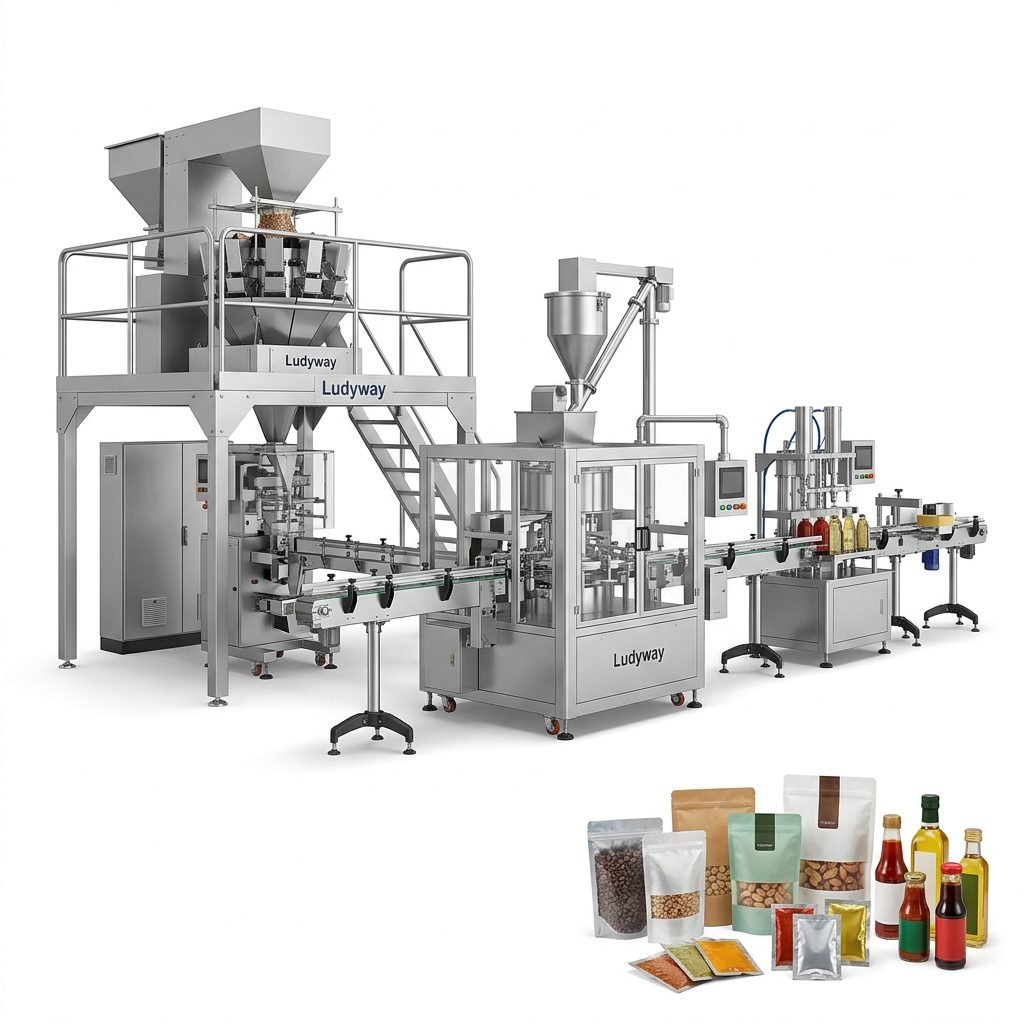
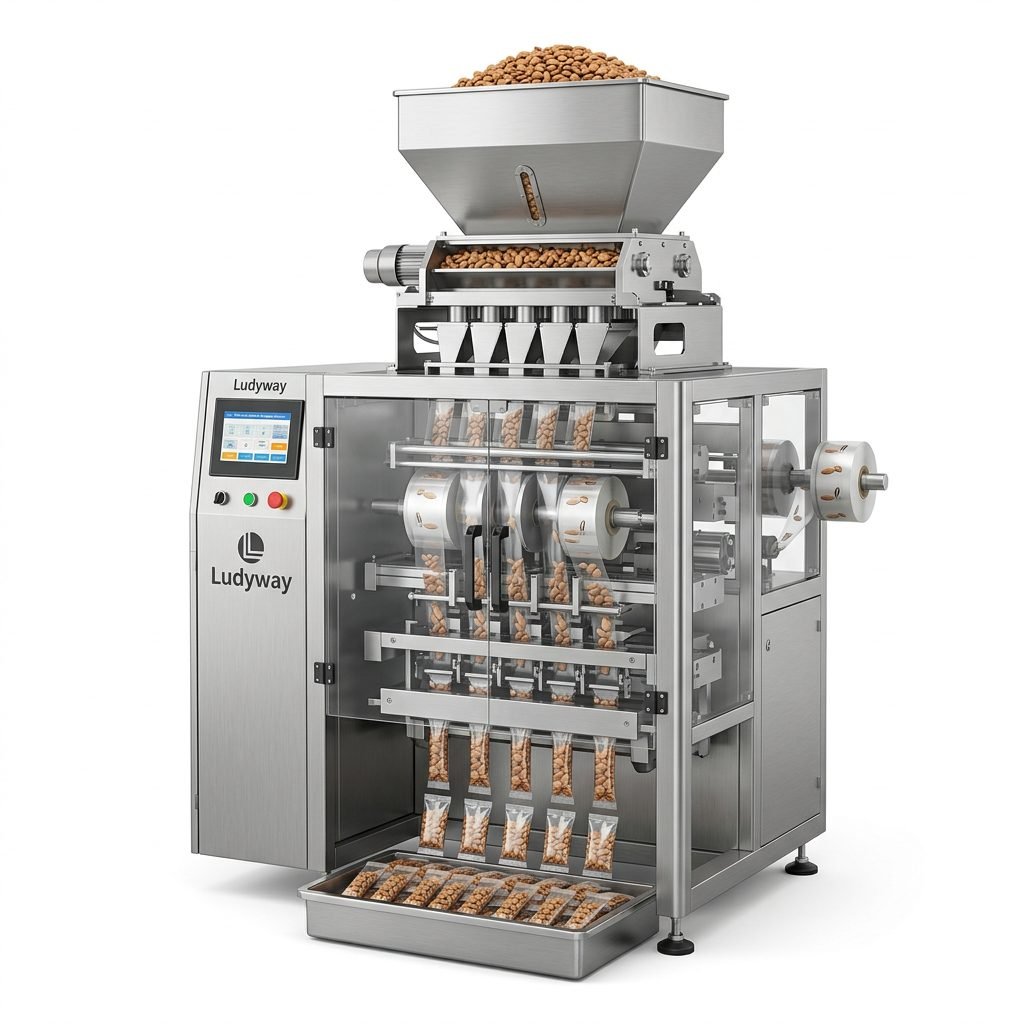
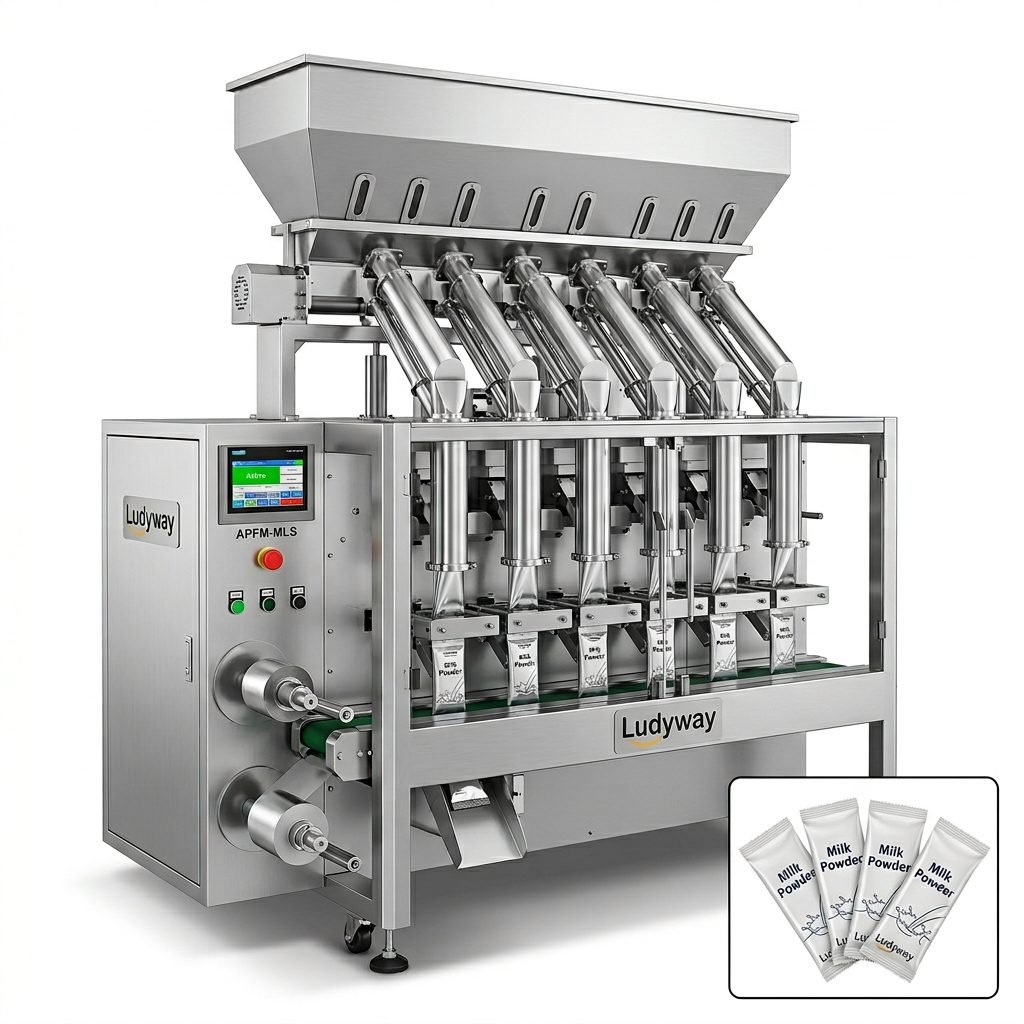
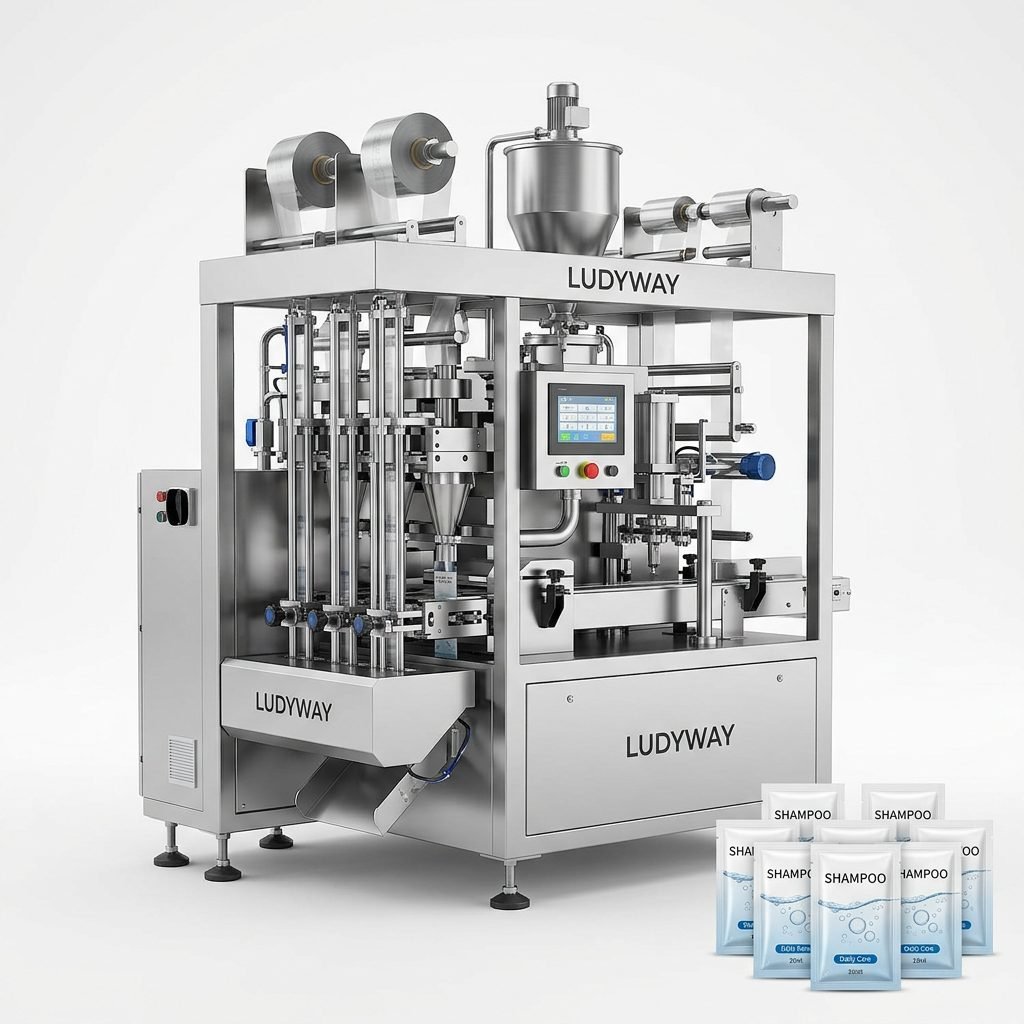
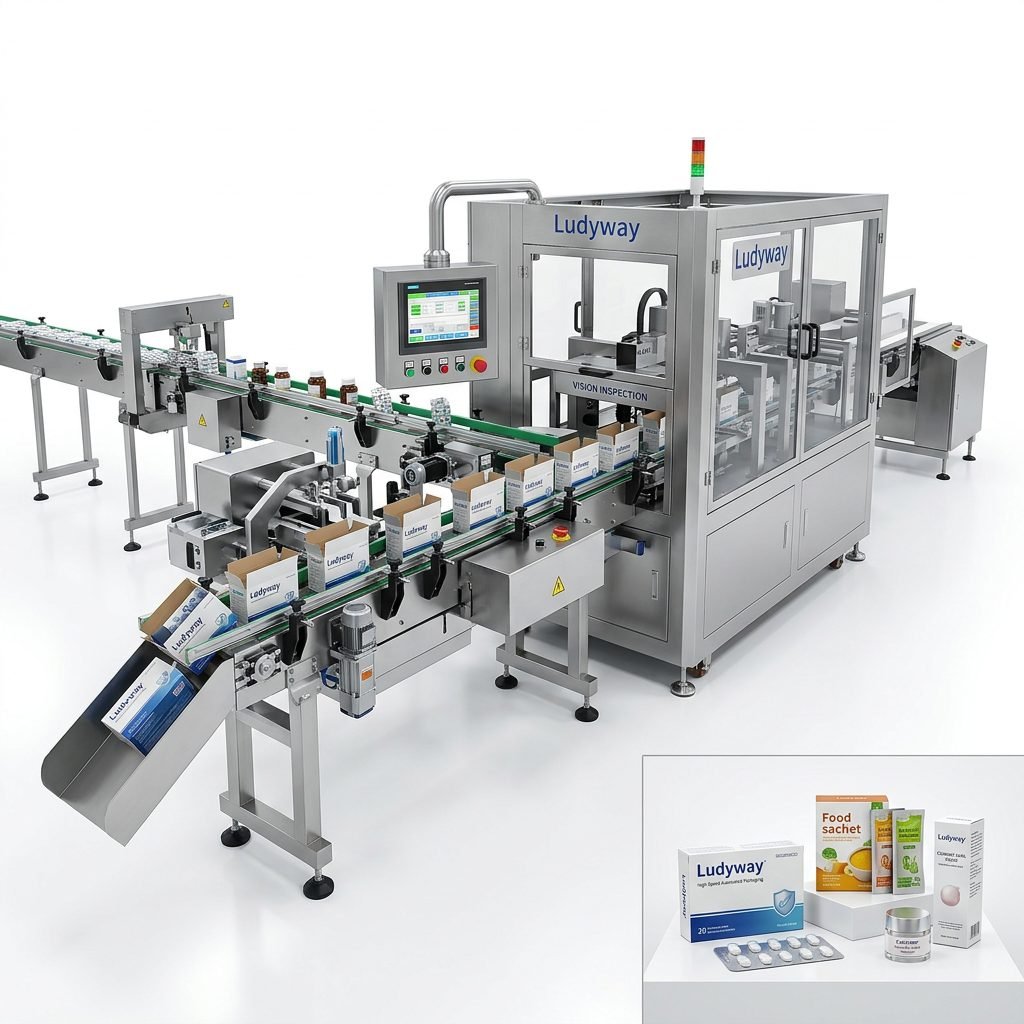
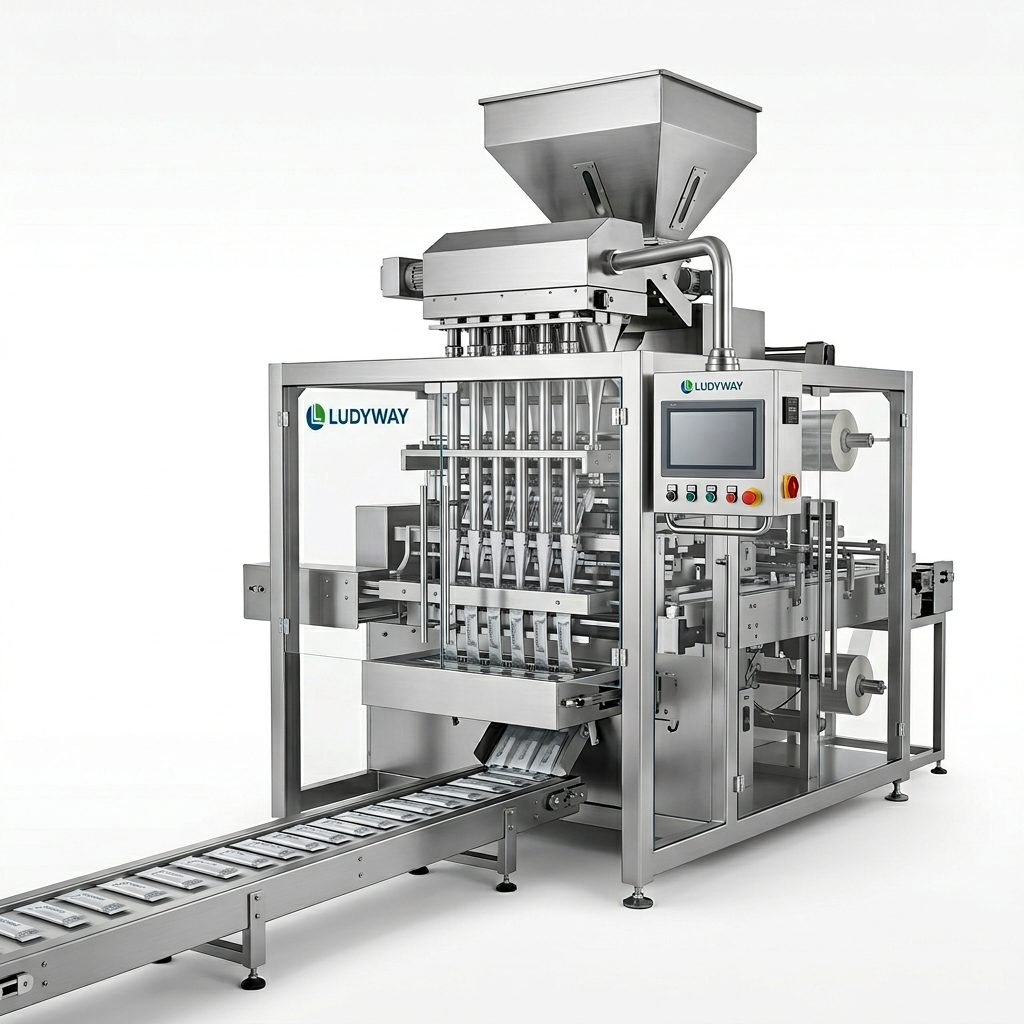
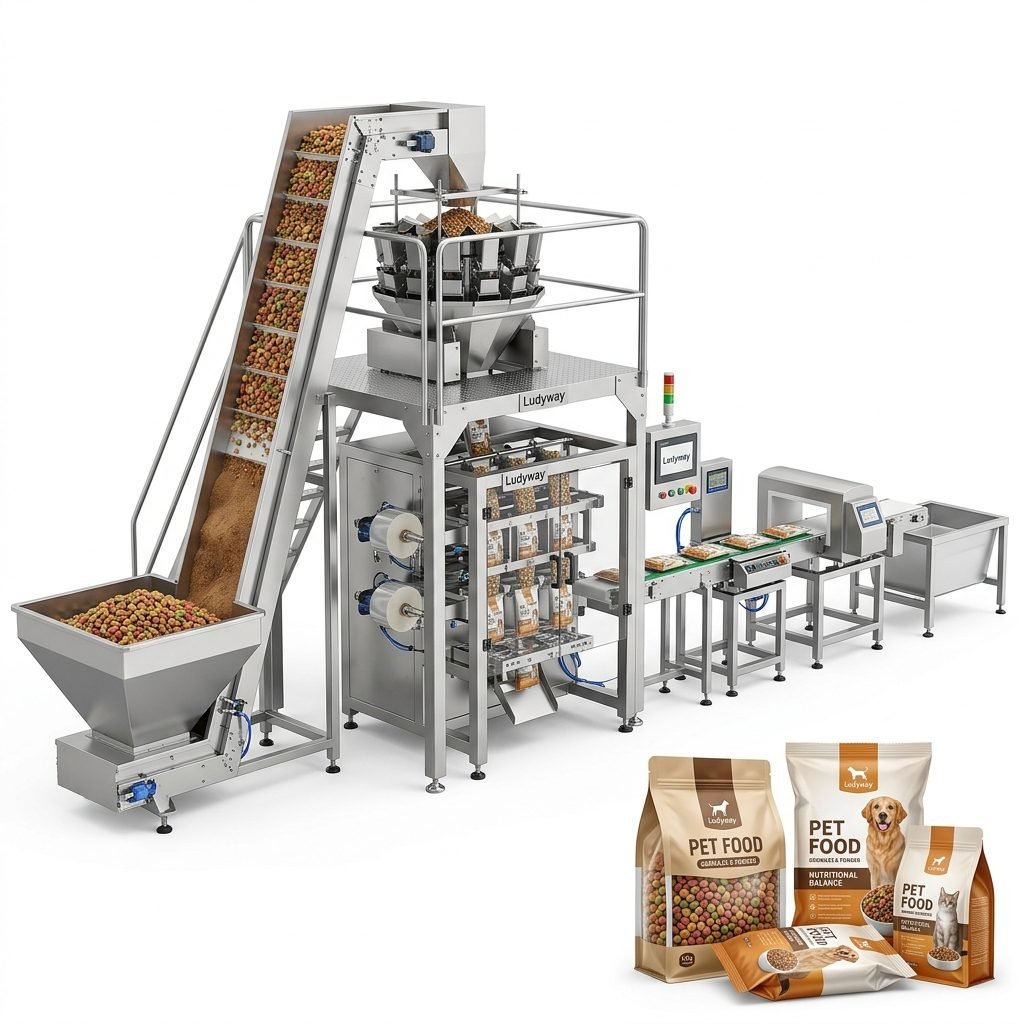
Setting up a chicken packaging machine production line in Oceania requires careful planning to meet both regulatory standards and market demands. Whether you are operating in Australia, New Zealand, or the Pacific Islands, the right equipment and layout can significantly improve efficiency, product shelf life, and compliance with food safety regulations.
Understanding Oceania’s Poultry Packaging Requirements
The chicken processing industry in Oceania is governed by strict standards, including FSANZ (Food Standards Australia New Zealand) regulations. Your packaging line must ensure contamination prevention, accurate weight control, and tamper-evident sealing. Key considerations include cold chain integrity, modified atmosphere packaging (MAP) capabilities, and automated labeling for traceability.
Key Production Steps in a Chicken Packaging Line
- Portioning and Weighing: Automated multi-head weighers ensure precise weight distribution for trays or pouches.
- Tray Forming and Filling: Machines like tray denesters and fillers streamline the process for fresh chicken cuts.
- MAP Sealing: Vacuum or gas-flush sealing extends shelf life by controlling oxygen and carbon dioxide levels.
- Labeling and Coding: High-resolution inkjet or laser systems apply batch codes, dates, and barcodes compliant with local regulations.
- Metal Detection and Checkweighing: Critical control points to ensure food safety and weight consistency before cartoning.
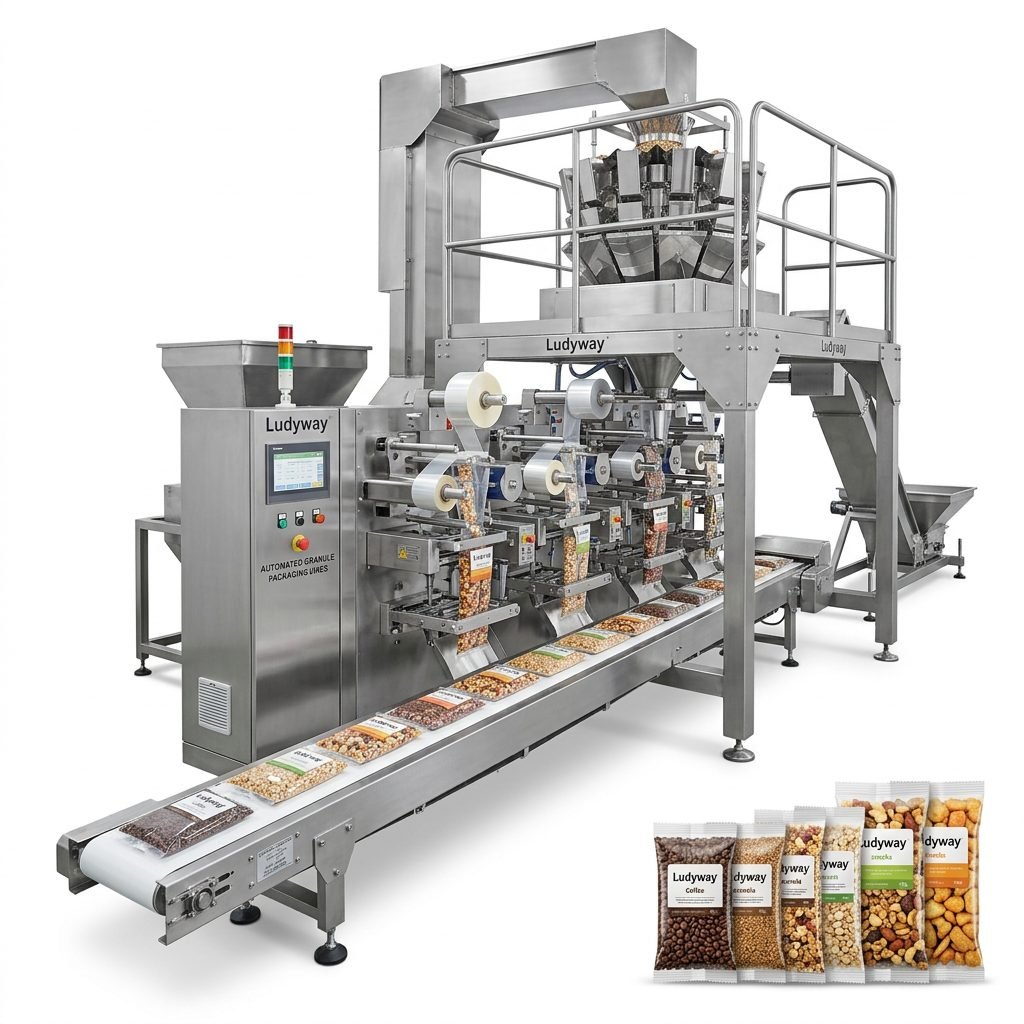
Choosing the Right Equipment for Different Chicken Products
The type of chicken packaging machine production line you need depends on your product format. Below is a comparison of common chicken product packaging solutions available for Oceania producers.
| Chicken Product Type | Recommended Packaging Machine | Packaging Format |
|---|---|---|
| Fresh Chicken Cuts (Breast, Thigh) | Tray Sealing Machine with MAP | Rigid Trays with Barrier Film |
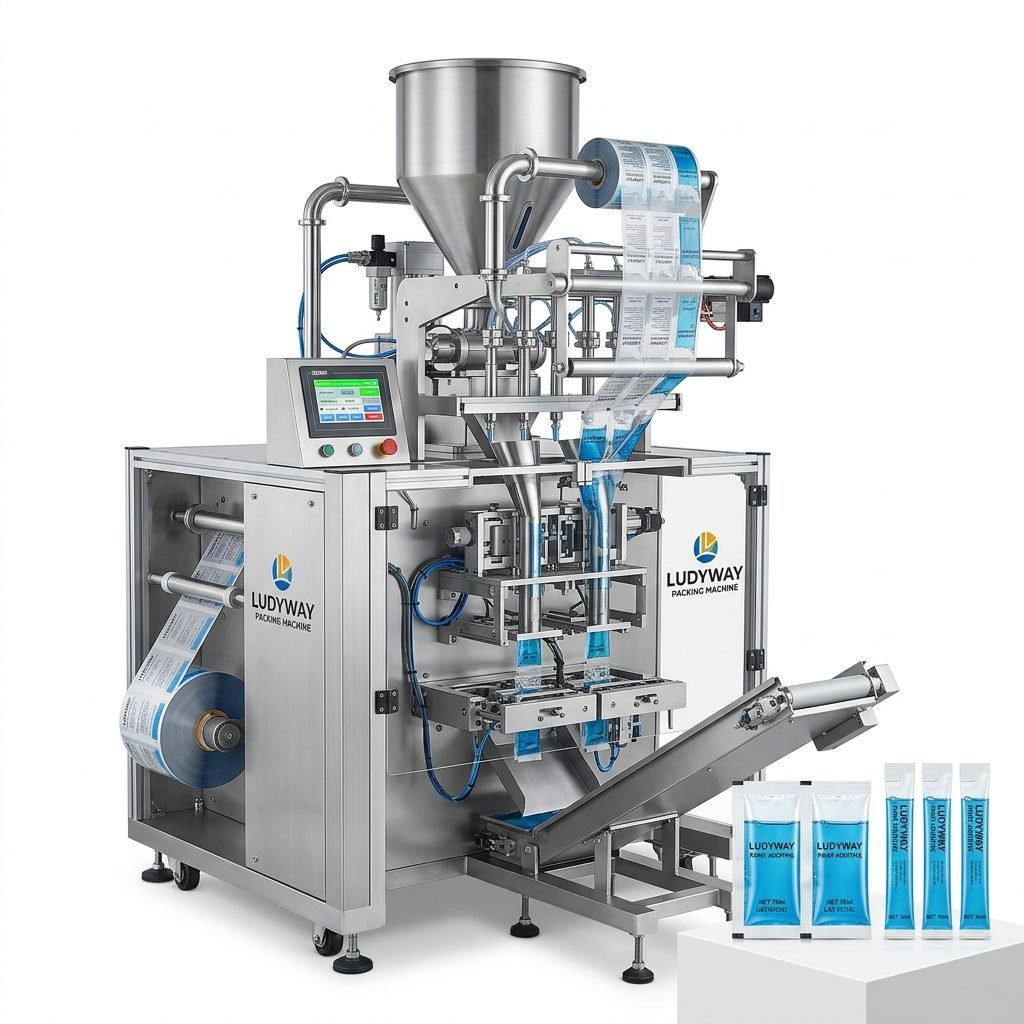
| Frozen Chicken Portions | Vertical Form Fill Seal (VFFS) Machine | Pillow Bags or Gusseted Pouches |
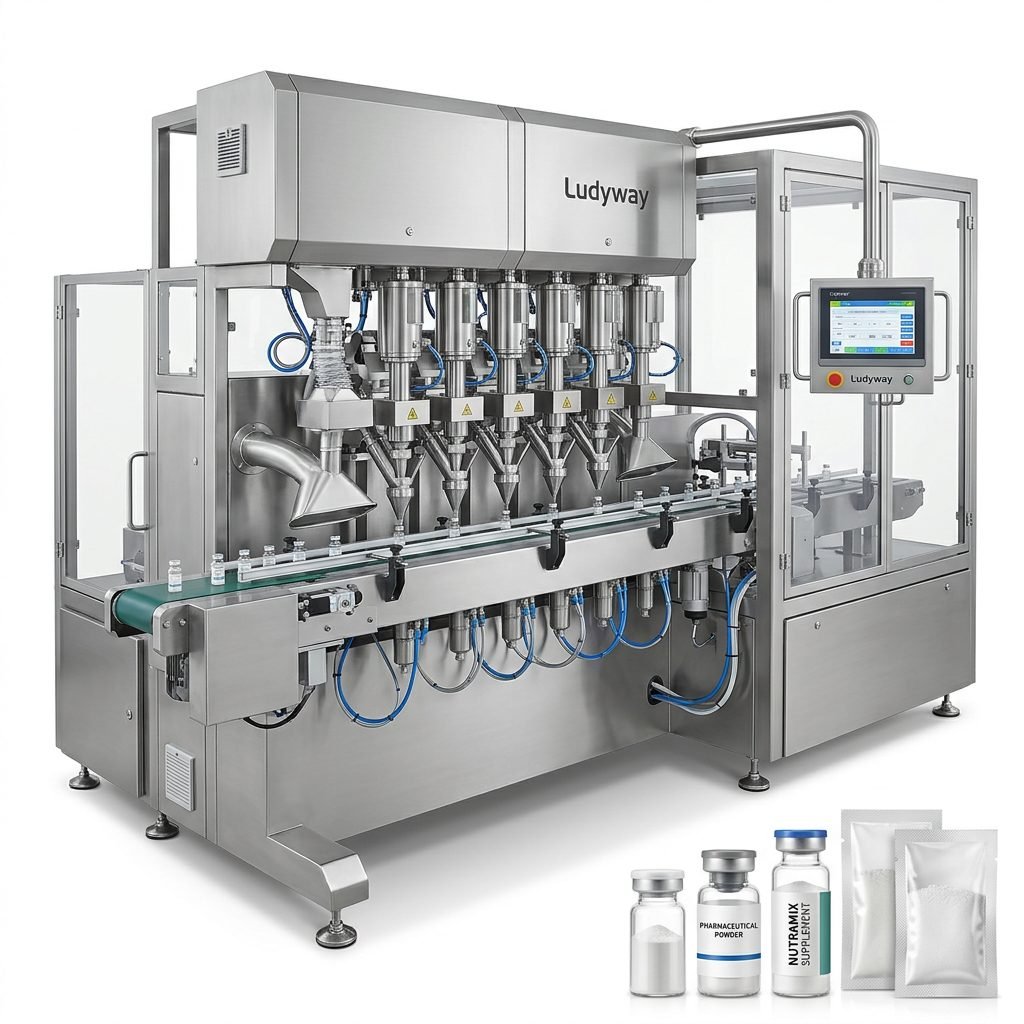
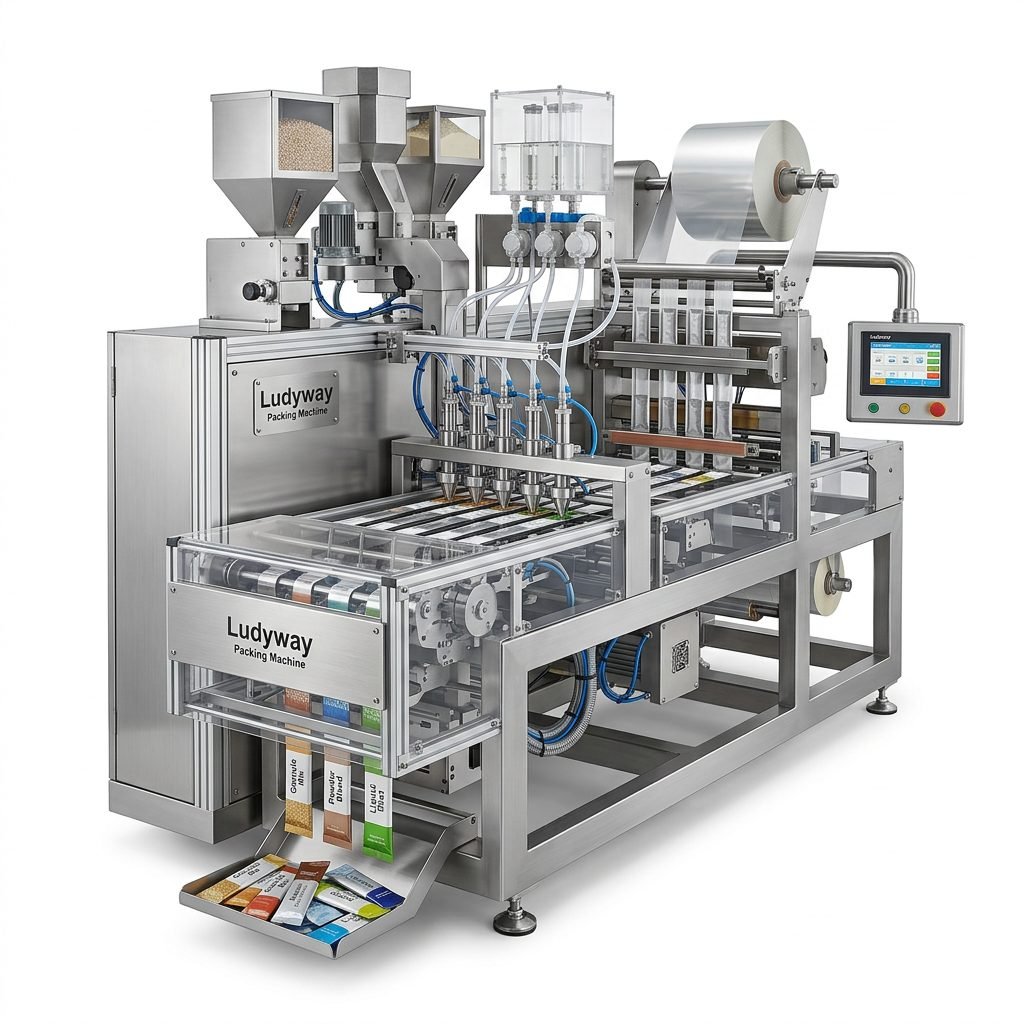
| Marinated Chicken Strips | Multi-Lane Stick Pack Machine | Sachets with Nitrogen Flushing |
| Chicken Pet Food (Frozen) | Premade Pouch Filling and Sealing Machine | Stand-up Pouches, Vacuum Bags |
| Chicken Powder / Bouillon | High-Speed Multi-Lane Sachet Machine | Stick Packs, 3-Side Seal Sachets |
Benefits of Automated Turnkey Lines
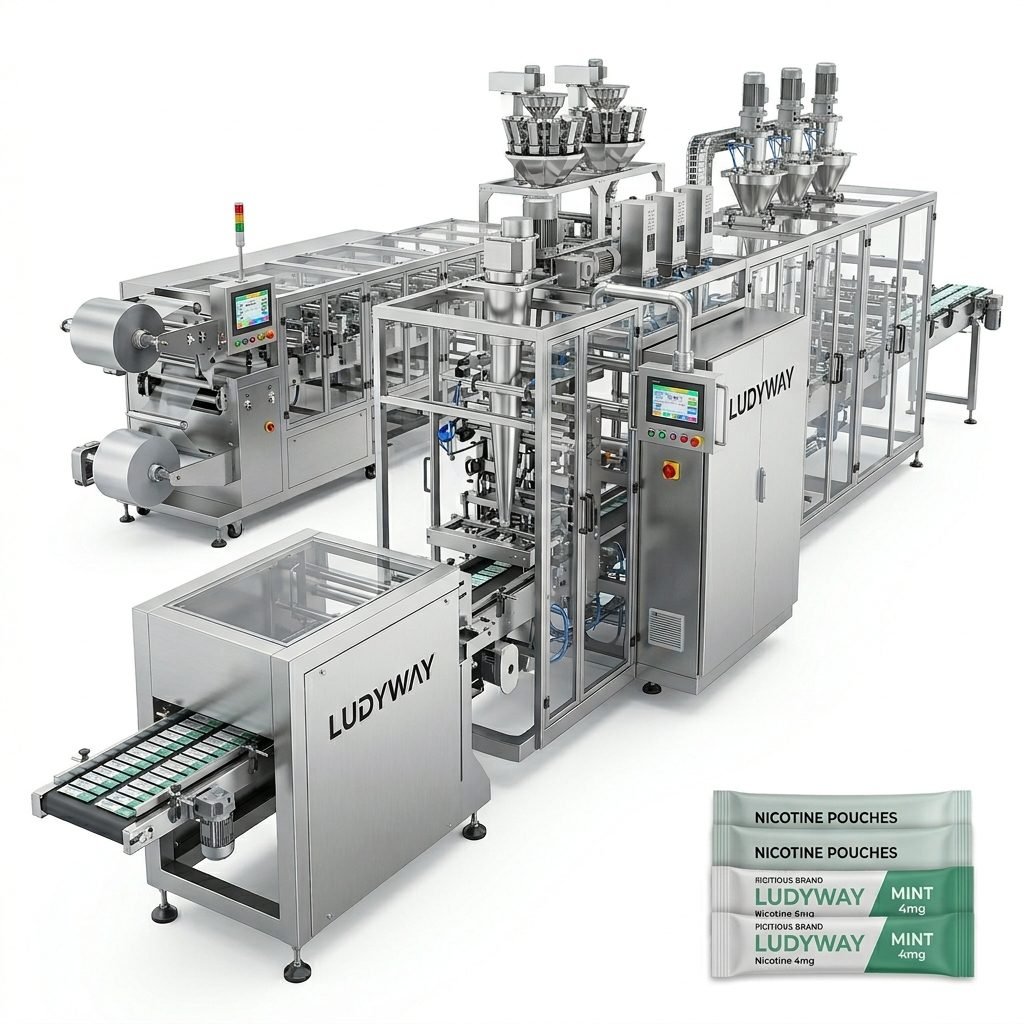
Integrating a turnkey chicken packaging production line reduces manual handling, minimizes contamination risks, and improves overall equipment effectiveness (OEE). For high-volume poultry processors in Oceania, automation can achieve outputs exceeding 80 packs per minute.

Installation and Facility Planning Essentials
Before installing a chicken packaging line, your facility must meet the HACCP (Hazard Analysis Critical Control Point) requirements commonly enforced in Australia and New Zealand. The following layout principles are crucial for optimal workflow:
- Linear Workflow: Design a straight-line flow from raw product receiving to finished cold storage to prevent cross-contamination.
- Temperature Zones: Maintain processing areas at or below 10°C to inhibit bacterial growth.
- Washdown Compatibility: Choose machines with IP65 or IP69K ratings if they will be exposed to high-pressure cleaning systems.
- Utility Access: Ensure the production line has dedicated connections for compressed air, nitrogen supply, and data networks for traceability software.
Compliance with Oceania Food Safety Standards
All chicken packaging machine production line components must comply with material safety standards for direct food contact. Stainless steel construction, typically SS304 or SS316L, is mandatory for surfaces that contact chicken products. Additionally, your packaging line should support the FSANZ Standard 1.2.1 labeling requirements, which mandate clear country-of-origin labeling and applicable health star ratings.
Maintenance and Spare Parts Strategy in Oceania
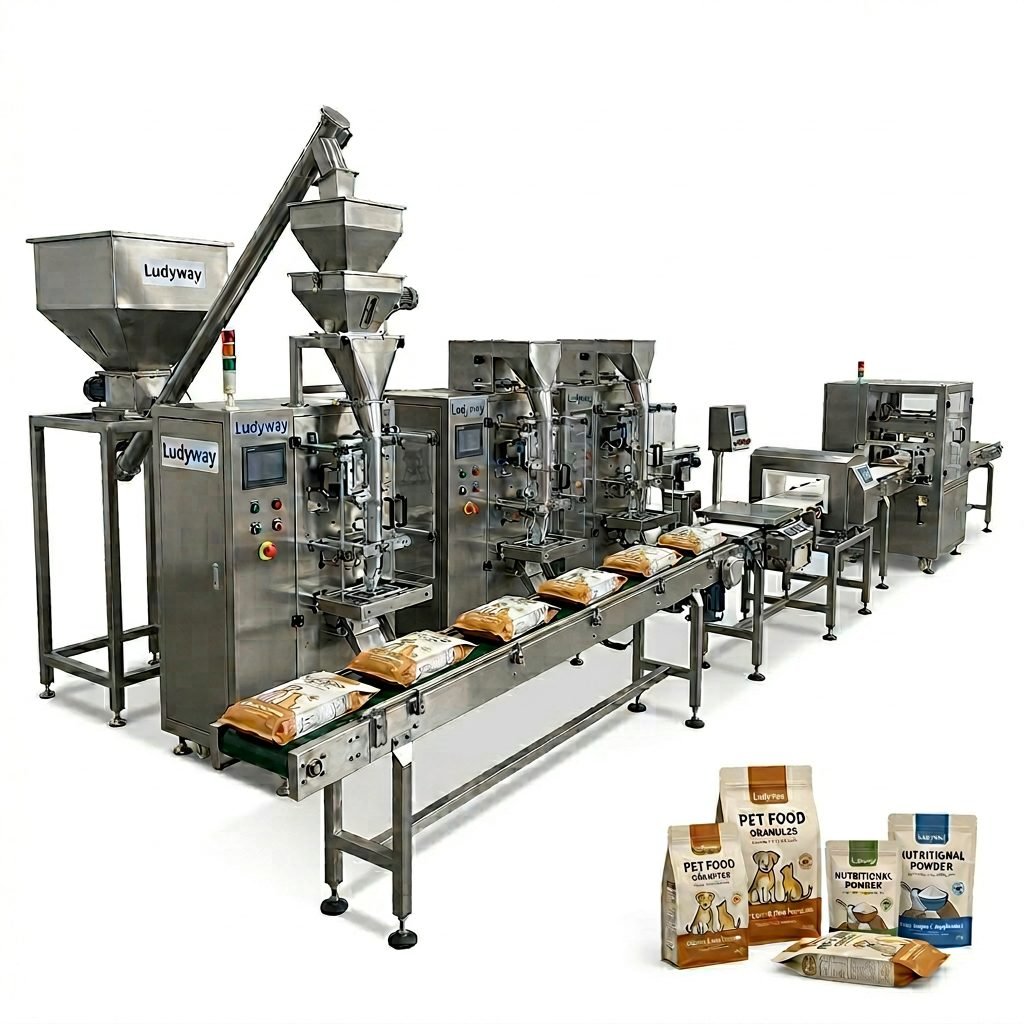
Given the remote locations often found in the Pacific region, a robust spare parts inventory is critical for minimizing downtime during poultry processing peaks. It is recommended to keep essential wear parts on site, such as sealing jaws, cutting blades, and conveyor belts. Partnering with an experienced packaging equipment manufacturer like Ludyway ensures access to technical support and customized turnkey production line solutions tailored to the Oceanian market.
Common Challenges and Solutions
| Challenge | Potential Solution |
|---|---|
| Leaking liquid in MAP trays | Install absorbent pads and optimize film sealing temperature |
| Inconsistent weight distribution | Calibrate multi-head weighers regularly with certified test weights |
| Label misalignment | Use automatic label sensors and adjust guide rails for precise tray positioning |
| Moisture affecting machine electronics | Select IP-rated washdown models and ensure proper enclosure sealing |
Frequently Asked Questions
What is the best packaging format for fresh chicken in Australia?
Rigid trays with MAP (Modified Atmosphere Packaging) are the standard for fresh chicken in Australian supermarkets, as they extend shelf life and maintain visual appeal.
How do I ensure my packaging line meets halal or organic certification in Oceania?
Ensure full segregation and cleaning protocols between production runs. The packaging line must be completely purged of previous materials, and you should maintain detailed logbooks for audits by bodies like JAKIM or ACO.
Can I package both fresh and frozen chicken on the same line?
While technically possible, it is not recommended due to cross-contamination risks and different sealing requirements. Dedicated lines or strict changeover procedures with validated cleaning are essential.
What are the key utility requirements for a high-speed chicken packaging line?
A stable electricity supply (often 400V 3-phase), a clean dry compressed air supply at 6-8 bar, and a food-grade nitrogen source for MAP applications are the primary utilities needed.
For more detailed specifications on machinery suitable for the Oceania region, consult with specialist manufacturers who can provide customized configurations for your specific production volume and product range. Investing in a high-quality, automated line is a strategic move to meet the growing demand for convenient, safe, and well-packaged chicken products across the Pacific.
Industry Resources for Oceania Packaging Standards
- PMMI – The Association for Packaging and Processing Technologies
- FDA – Food Packaging and Food Contact Substances
- ISO – Packaging Standards
- European Commission – Packaging and Packaging Waste