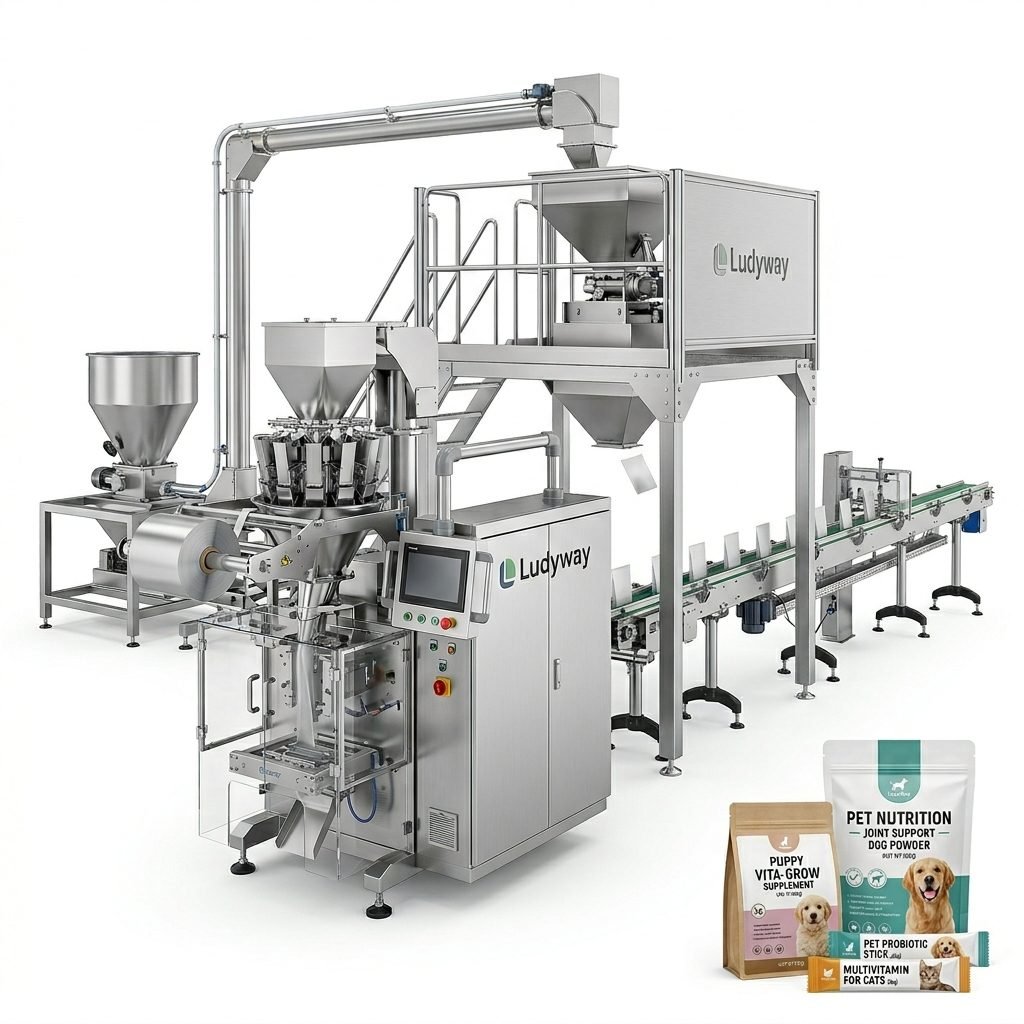
Investing in an HLP cigarette packing machine represents a significant decision for tobacco manufacturers, contract packagers, and businesses scaling their production lines. Whether you are upgrading outdated equipment or launching a new product format, understanding the cost structure is essential for budgeting, ROI calculation, and long‑term operational planning. This guide breaks down the key price determinants, provides realistic budget ranges, and offers actionable buying tips to help you secure a reliable solution without overspending.

What Is an HLP Cigarette Packing Machine?
HLP (High‑Level Performance) cigarette packing machines are high‑speed automated systems engineered to wrap cigarette packs in various configurations — soft packs, hard packs, hinge‑lid boxes, and specialty cartons. These machines handle precise film feeding, sealing, tear‑tape application, and cellophane overwrapping at production speeds that can exceed 400 packs per minute. Modern HLP lines integrate with packaging industry resources and comply with strict regulatory frameworks, making them the backbone of mid‑to‑large tobacco operations.
Key Factors That Determine HLP Packing Machine Pricing
No single price fits every requirement. The final cost of an HLP cigarette packing machine depends on a combination of technical specifications, optional modules, and regional supplier dynamics. Below are the primary variables that influence the quotation you receive.
1. Production Speed and Output Capacity
Entry‑level models operating at 150–250 packs per minute typically sit in a lower price bracket. Mid‑range machines delivering 300–500 packs per minute require more robust servo‑driven mechanisms, precision gearing, and advanced control systems, which increase the investment substantially. Ultra‑high‑speed lines exceeding 600 packs per minute command premium pricing due to specialized vibration damping, high‑grade alloys, and redundant safety features.
2. Pack Format and Changeover Flexibility
A machine dedicated to a single pack style costs less than a multi‑format system capable of switching between soft cups, round corner hinge‑lid boxes, and slide‑and‑shell packs. Rapid changeover mechanisms, servo‑adjustable folding tracks, and recipe‑based software add to the upfront cost but dramatically improve operational versatility.
3. Material Compatibility and Sealing Technology
Machines designed for standard BOPP film are more affordable. If your production requires biodegradable films, metallic laminates, or tear‑resistant materials, the sealing jaws, temperature control algorithms, and tensioning systems must be upgraded. Ultrasonic sealing options, required by some FDA packaging and food contact substance guidelines, further affect the cost baseline.
4. Automation Level and Ancillary Integration
A standalone overwrapper costs significantly less than a fully integrated line that includes automatic cartoning, case packing, palletizing, and vision inspection systems. Integration with upstream makers, downstream conveyors, and factory‑wide data acquisition platforms adds engineering complexity and increases the total project expenditure.
5. Compliance and Certification Requirements
Machines built to meet CE, UL, or ATEX certifications involve additional design validation, component sourcing, and third‑party testing fees. Tobacco manufacturers exporting to regulated markets often require documentation aligned with ISO packaging standards, which suppliers factor into the commercial proposal.
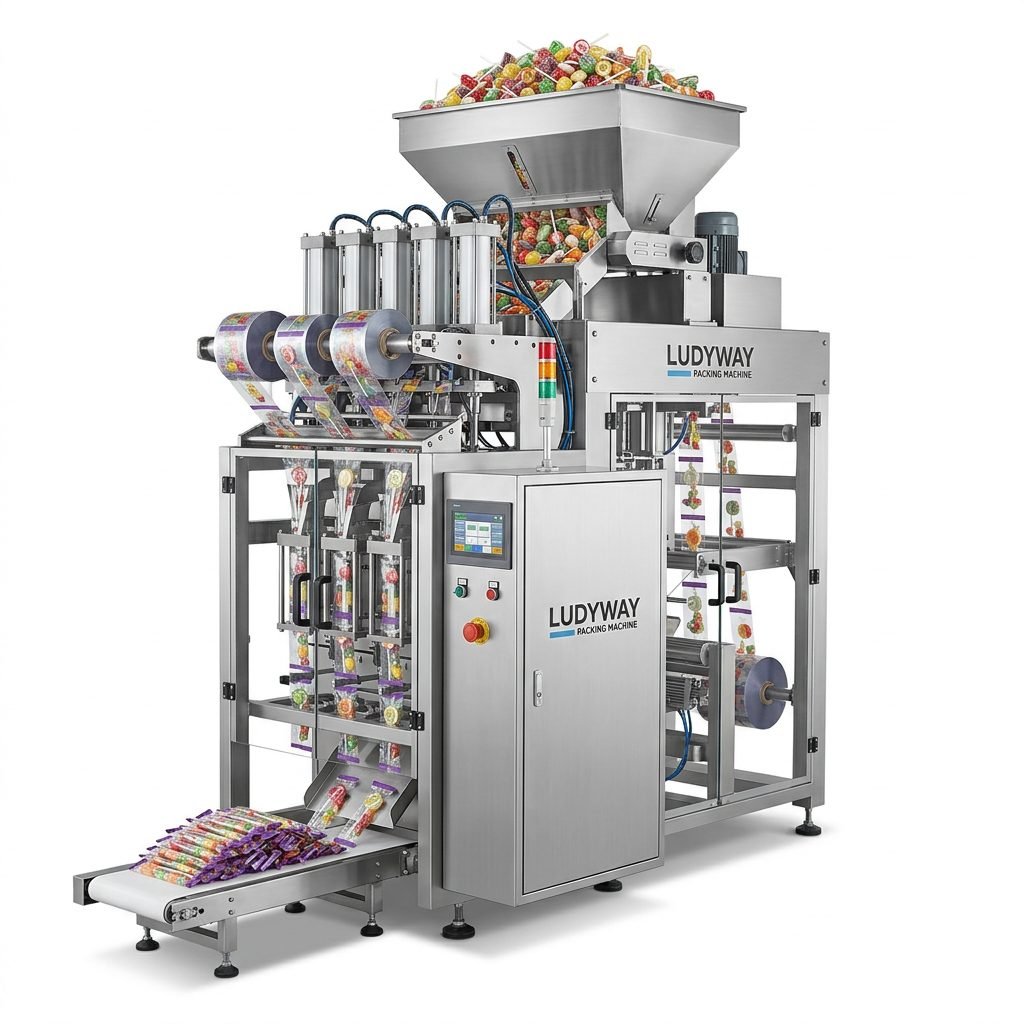
HLP Cigarette Packing Machine Price Ranges (2025–2026 Market)
The table below summarizes typical budget brackets based on machine configuration, speed class, and regional sourcing. Actual quotations vary depending on customization, freight, and installation scope.
| Machine Tier | Speed Range (packs/min) | Estimated Price (USD) | Typical Configuration |
|---|---|---|---|
| Entry‑Level | 150 – 250 | $80,000 – $150,000 | Standalone overwrapper, basic PLC, single format |
| Mid‑Range | 300 – 500 | $180,000 – $350,000 | Servo‑driven, multi‑format capability, integrated inspection |
| High‑Speed | 550 – 700+ | $400,000 – $700,000+ | Full line with cartoning, case packing, track‑and‑trace |
| Custom Turnkey | Fully tailored | $750,000 – $2,000,000+ | Complete factory integration, smart factory MES, robotics |
Hidden Costs That Impact Your Total Investment
Beyond the equipment invoice, several ancillary expenses can significantly affect the total cost of ownership. Budgeting for these items upfront prevents cash‑flow surprises and production delays.
- Shipping and Logistics: Ocean freight, insurance, and customs duties for heavy machinery can add 5–12% to the purchase price.
- Installation and Commissioning: Factory acceptance testing (FAT), site preparation, and technician travel typically range from $8,000 to $30,000.
- Training and Documentation: Operator training programs and technical manuals in local languages may incur additional fees.
- Spare Parts Inventory: A recommended critical spares kit often costs 3–5% of the machine value.
- Regulatory Validation: IQ/OQ/PQ documentation packages for ISO 11607 compliance carry separate engineering charges.
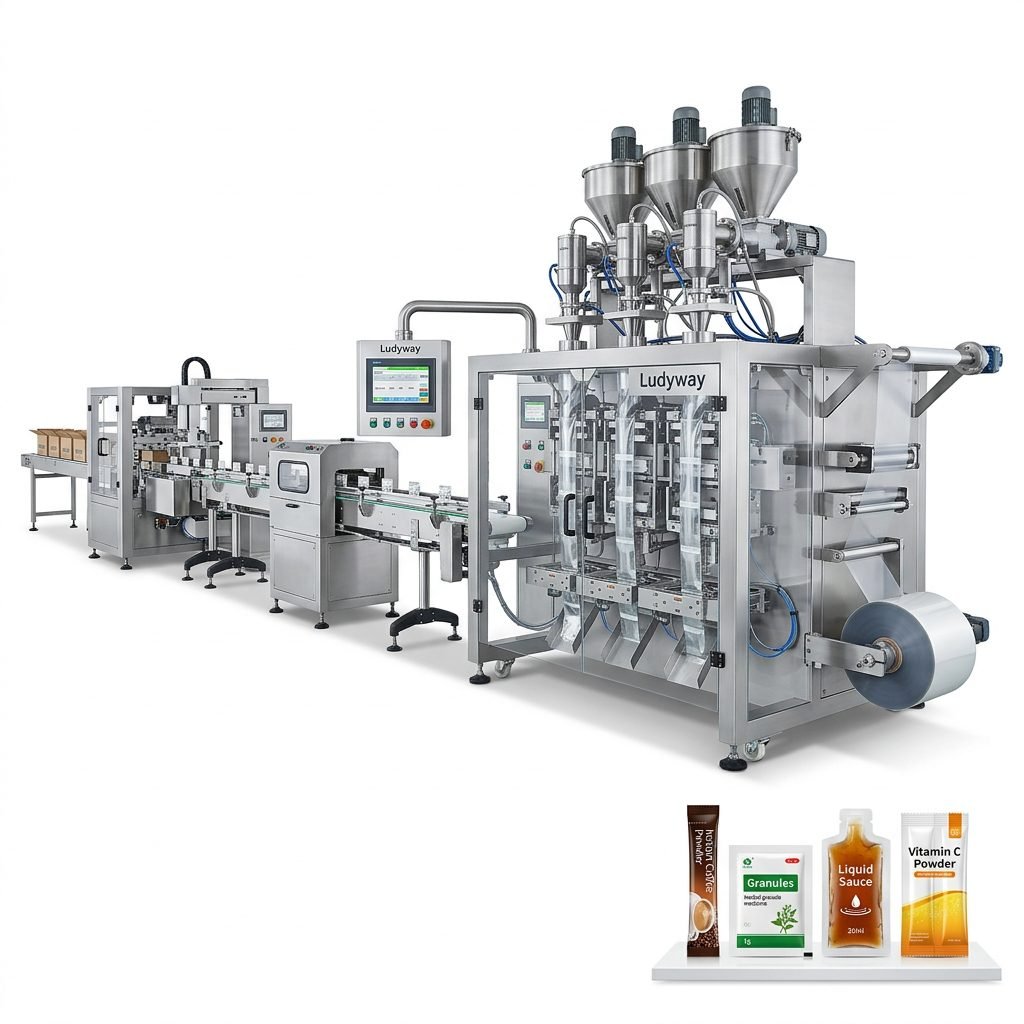
Buying Tips: How to Get the Best Value on an HLP Machine
Securing a competitive price is not just about negotiating — it is about preparing the right specifications and evaluating suppliers on total value rather than upfront cost. Apply these strategies to make an informed purchase.
Define Your Production Metrics Precisely
Suppliers can only quote accurately when you provide clear data: required pack output per shift, pack format dimensions, film type and thickness, and expected future volume growth. Ambiguous RFQs lead to inflated safety margins or under‑specced proposals.
Evaluate Mechanical Build Quality Over Brand Name
Inspect the frame rigidity, sealing jaw material, bearing brands, and electrical component sourcing. A machine built with international standard components often delivers equivalent performance to legacy European brands at 40–60% of the price. Request a factory visit or video audit before committing.
Prioritize After‑Sales Support and Local Service
A lower purchase price means little if technical support is unavailable during breakdowns. Confirm response time guarantees, remote diagnostic capabilities, and availability of field service engineers in your region. Review the supplier’s standing within the industry and request client references.
Negotiate a Comprehensive Warranty and Training Package
Standard warranties of 12 months are typical. Push for extended coverage on critical parts, free firmware upgrades, and on‑site operator training as part of the commercial agreement. A well‑trained team prevents costly operational errors and maximizes throughput.
Why Choose a Manufacturer with Proven Global Experience?
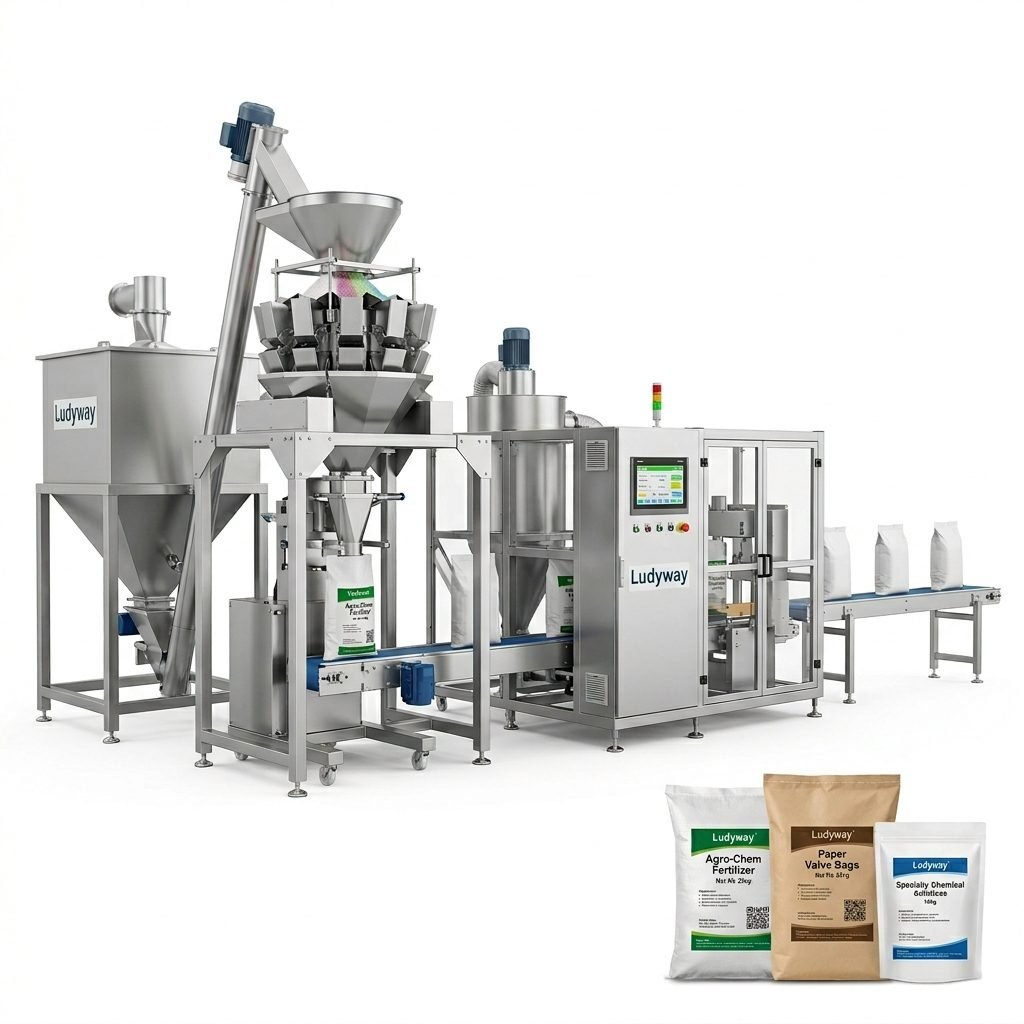
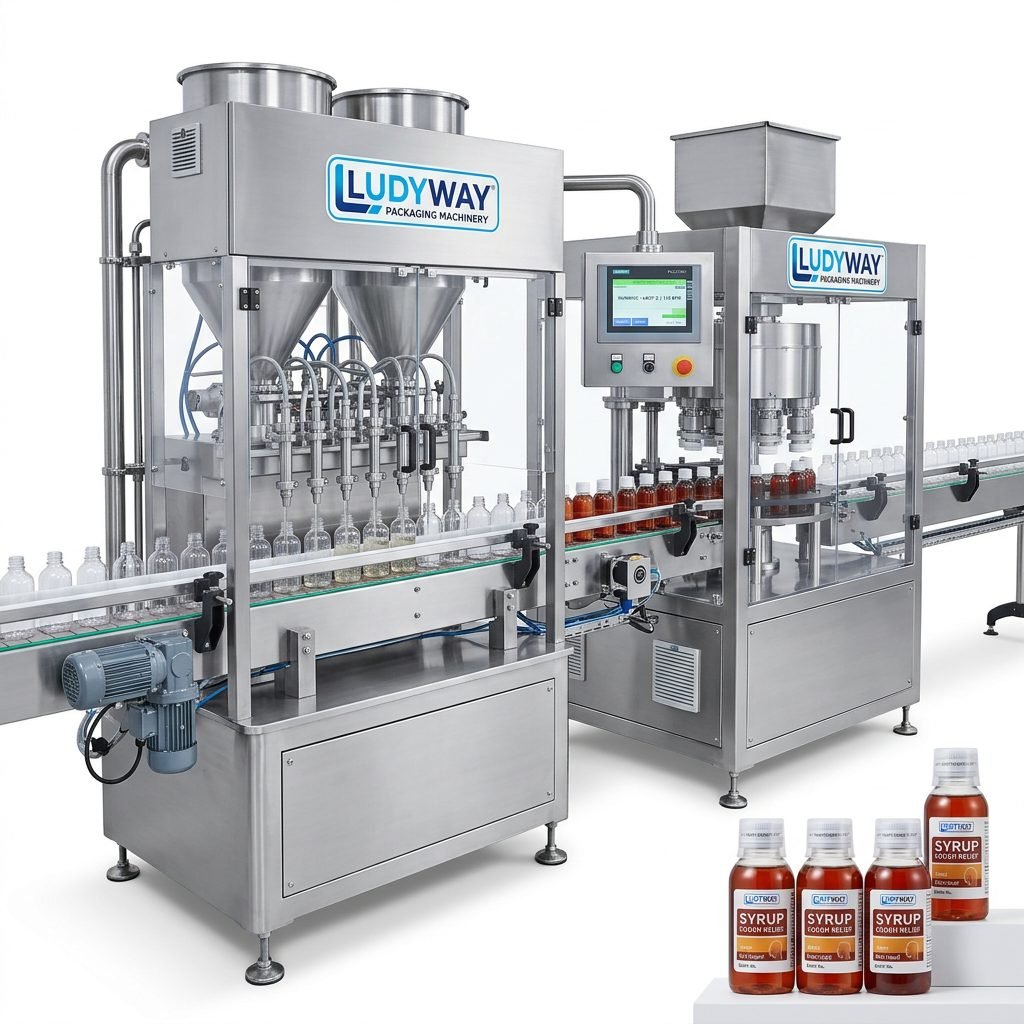
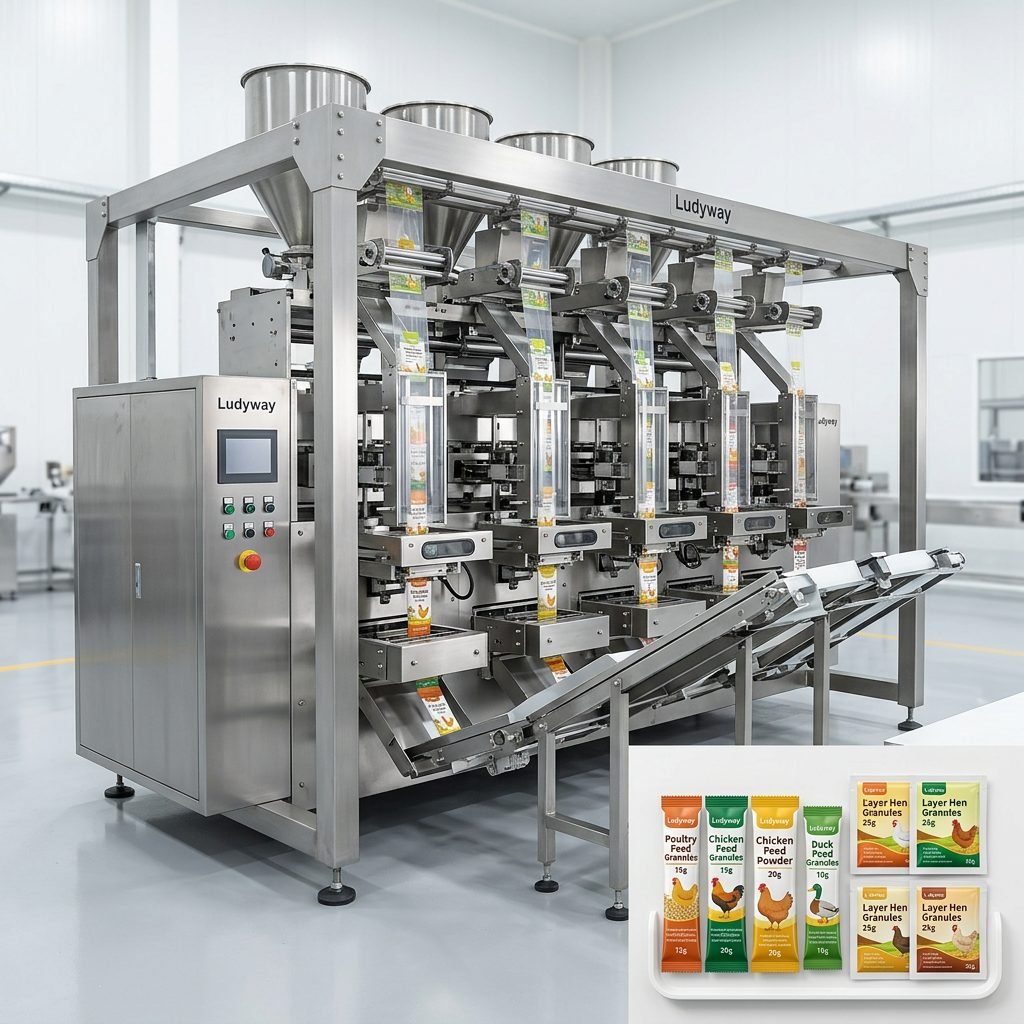
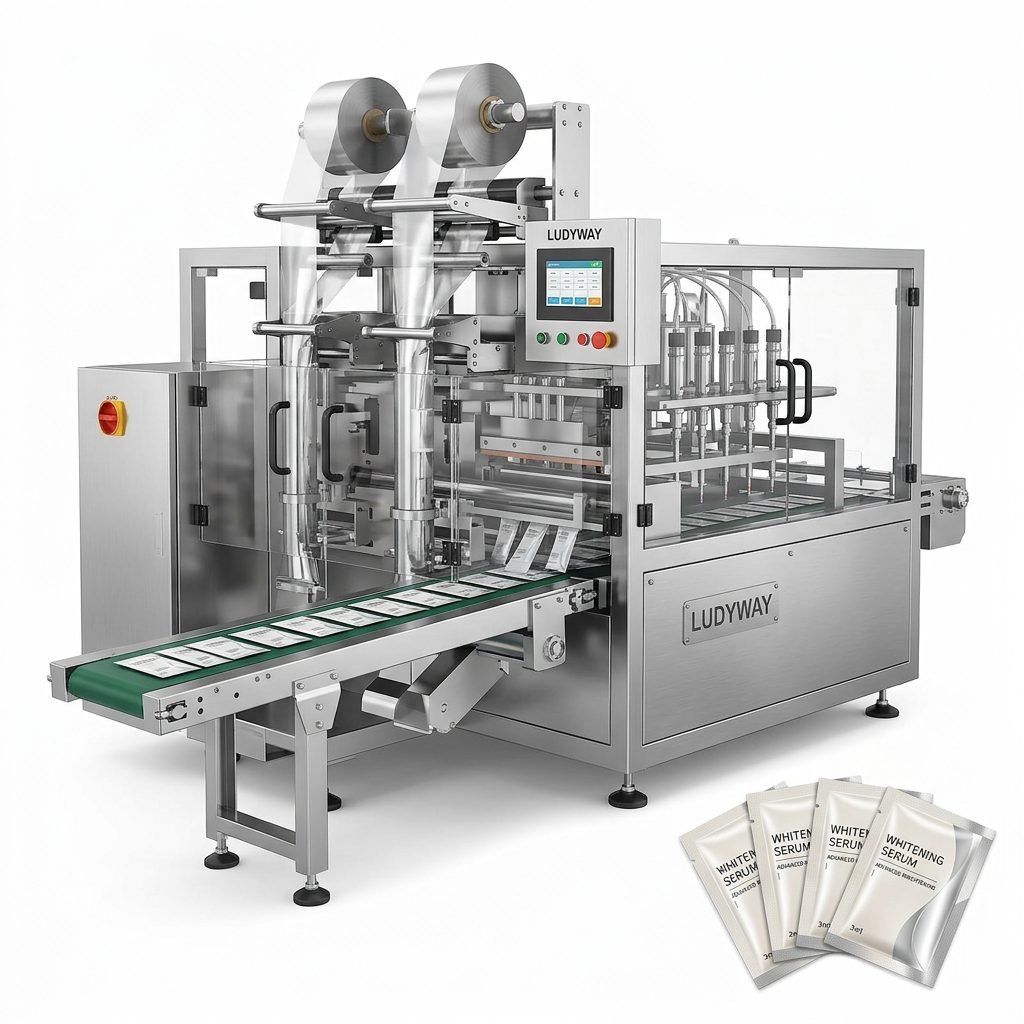
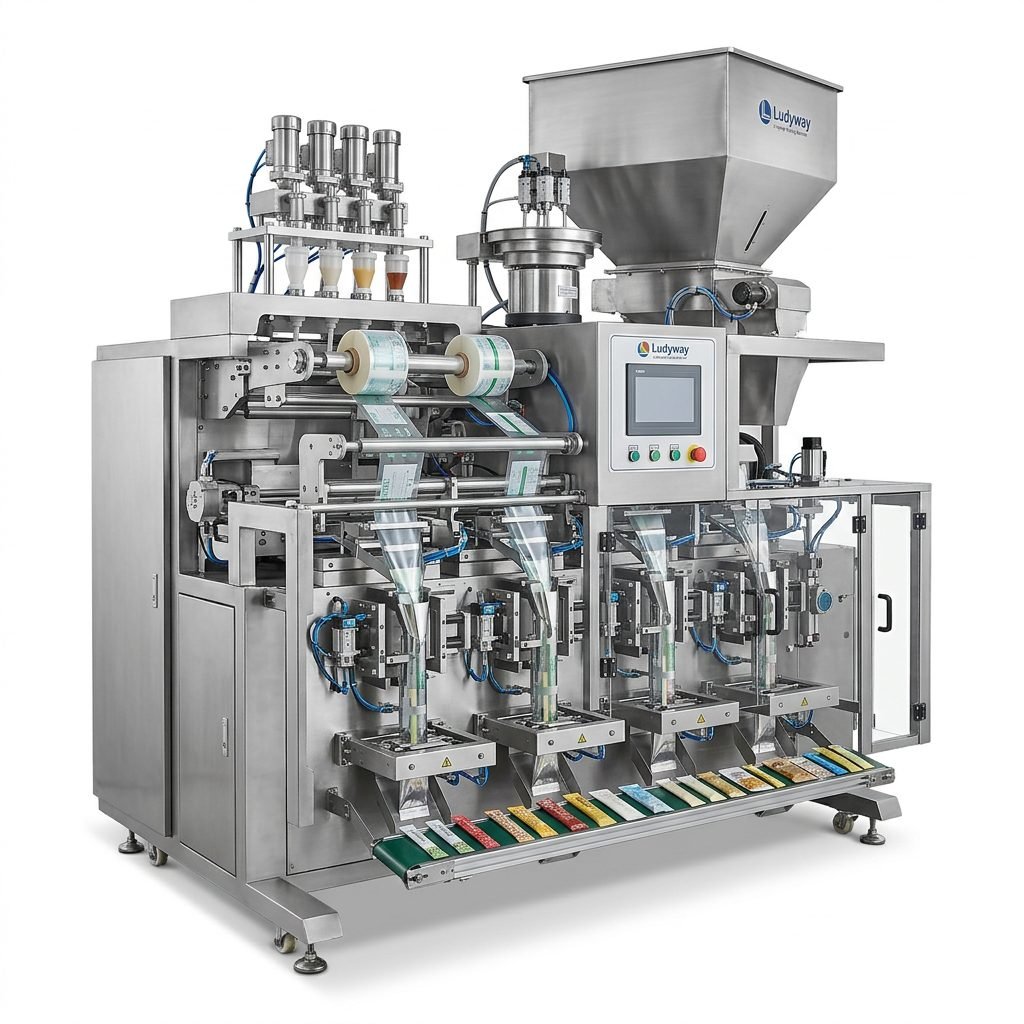
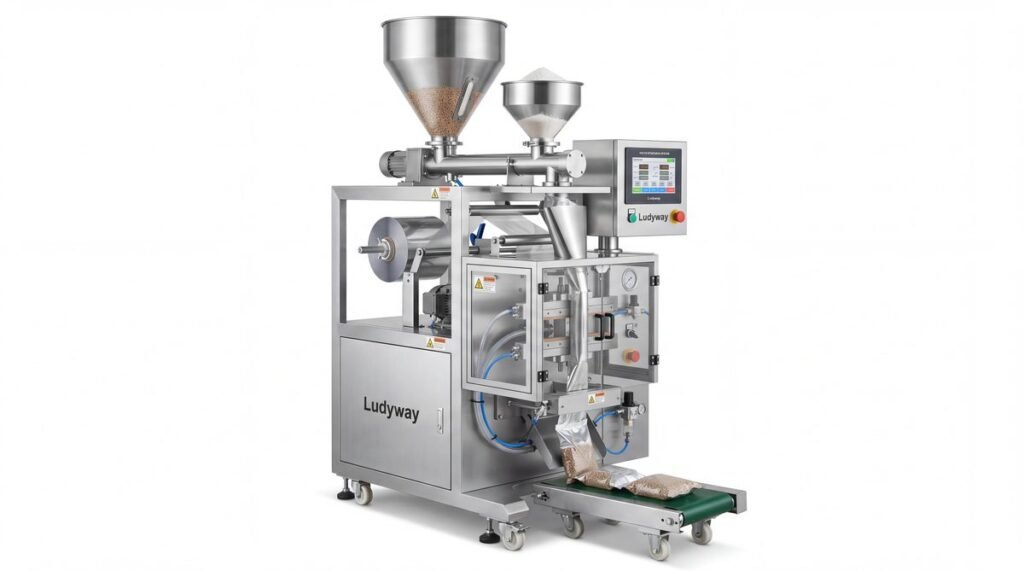
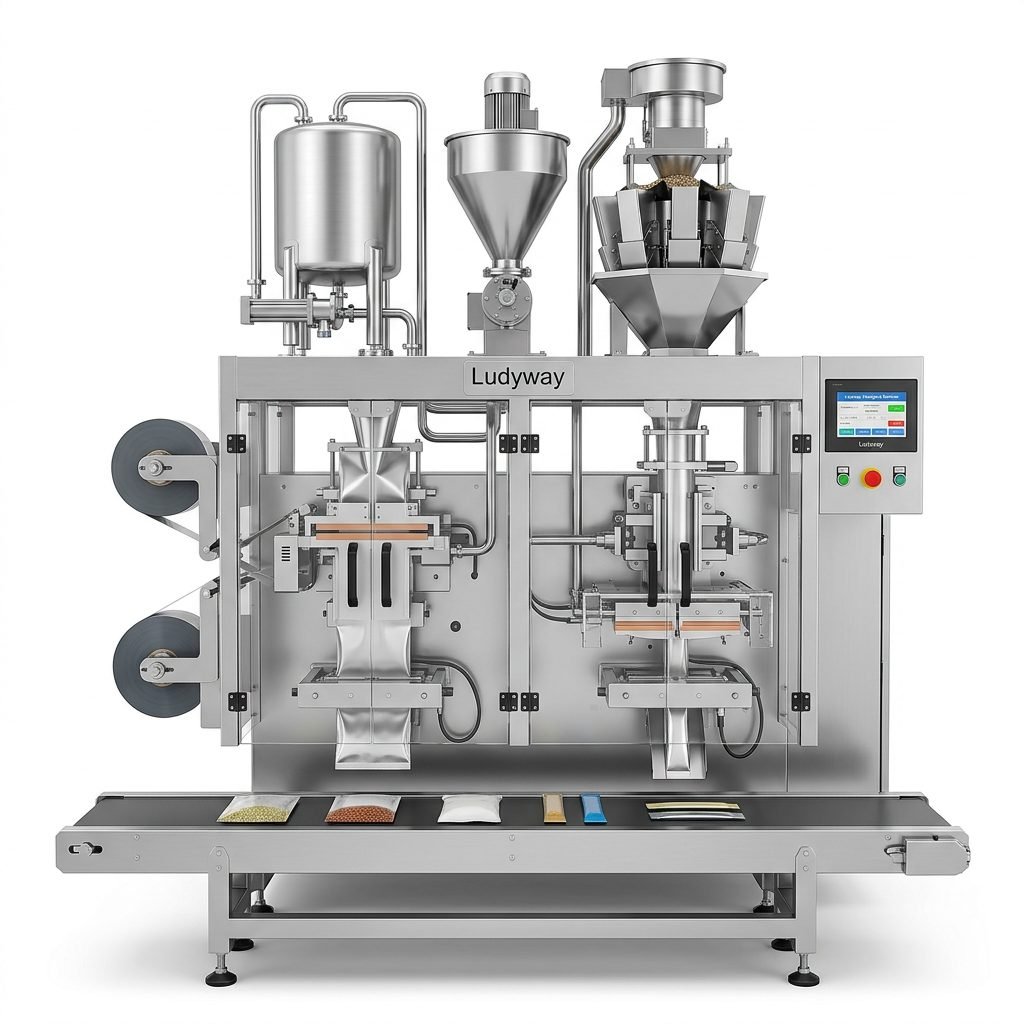
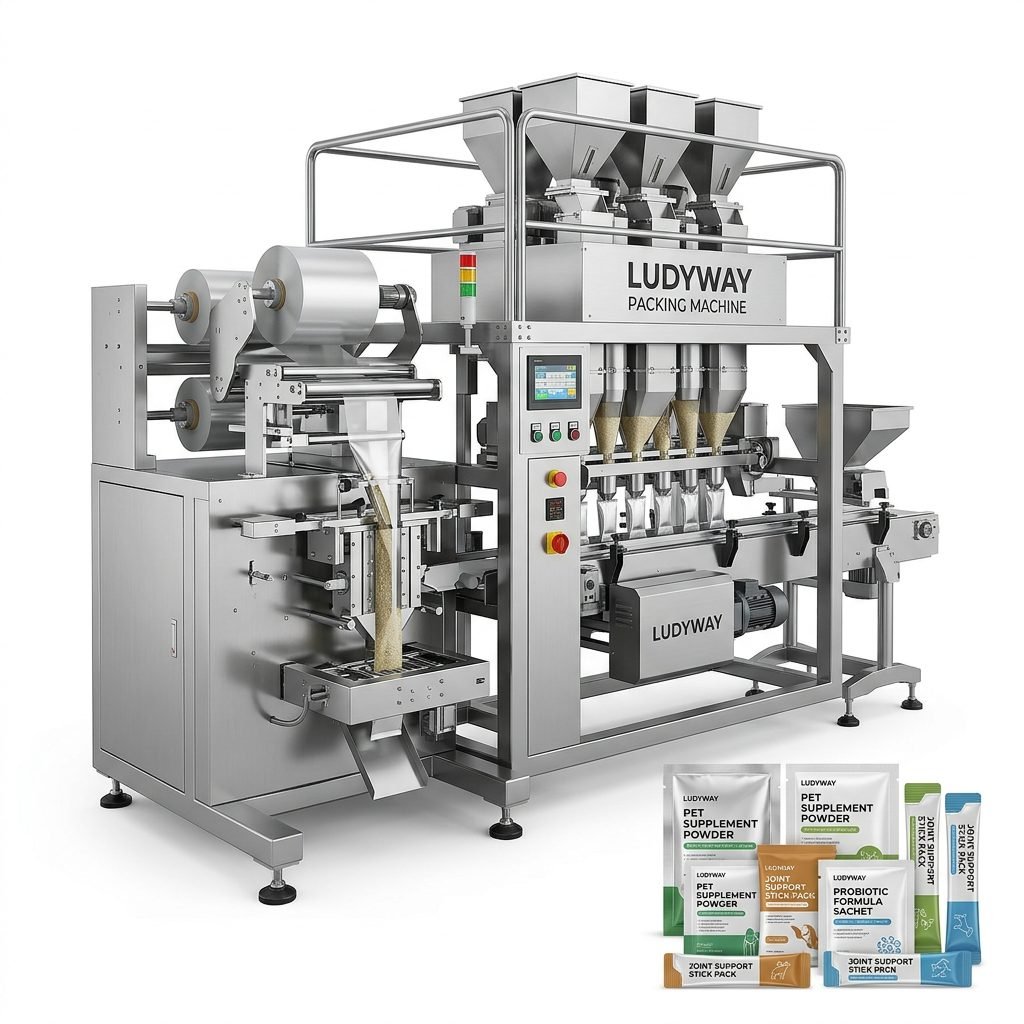
Selecting the right manufacturing partner directly impacts machine reliability, spare parts availability, and long‑term production stability. Ludyway is one of the largest packaging machine manufacturers in China, specializing in advanced packaging equipment and turnkey production solutions for the food, pharmaceutical, and health industries. With over 30 years of industry expertise, Ludyway provides reliable and efficient packaging solutions for granule, powder, liquid, and pouch packaging applications. Supported by a modern 20,000㎡ manufacturing facility and a highly experienced engineering team, the company offers more than 50 intelligent packaging machine models, including multi‑lane stick pack, sachet, and fully automated packaging systems. Serving customers in over 100 countries and regions, Ludyway is committed to delivering innovative, high‑performance, and cost‑effective packaging solutions that help businesses improve productivity, product quality, and operational efficiency.
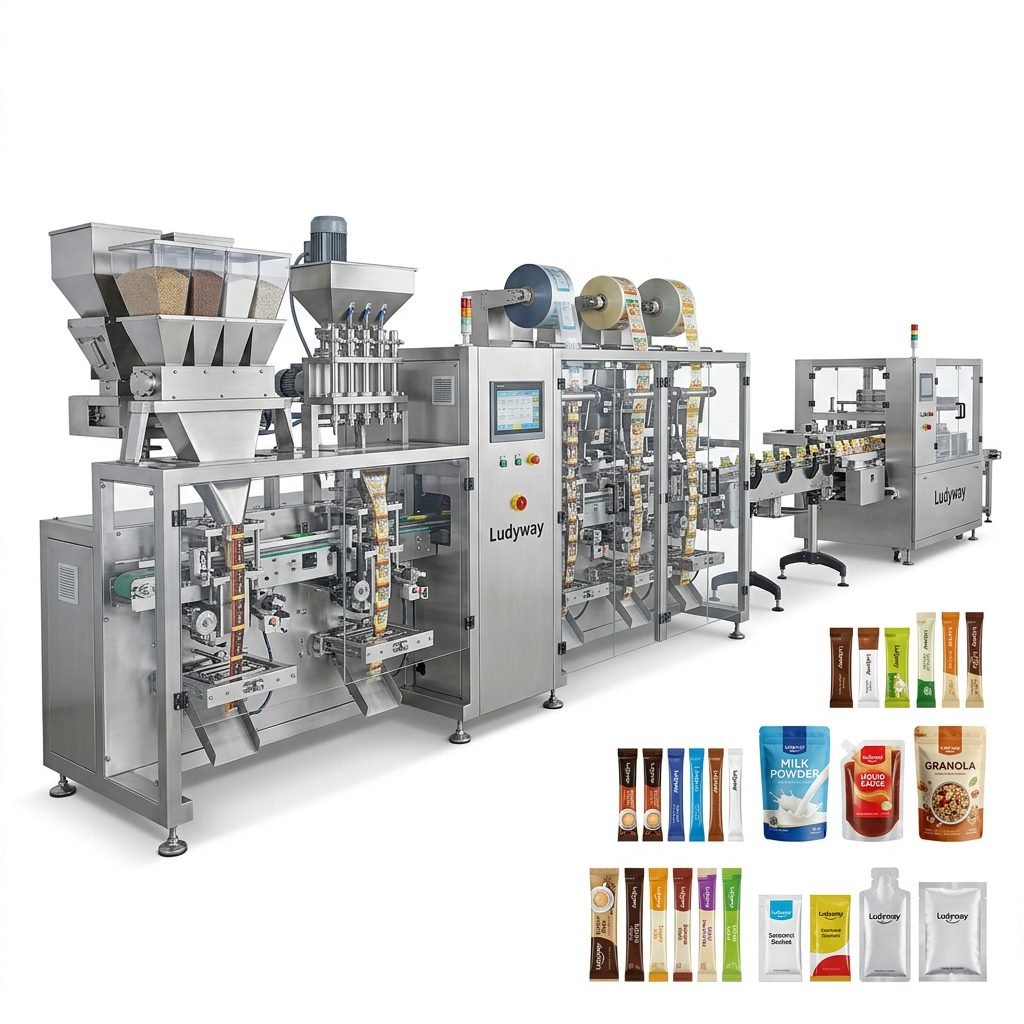
Quick Reference: Steps to Request an Accurate Quotation
- Compile a detailed user requirement specification (URS) including pack dimensions, speed, and material samples.
- Request a technical proposal with a mechanical layout drawing and component brand list.
- Conduct a virtual or on‑site factory audit to assess manufacturing quality and testing procedures.
- Negotiate inclusive terms covering installation, training, and a critical spares kit.
- Validate documentation for FDA recognized consensus standards if exporting to regulated markets.
Frequently Asked Questions About HLP Cigarette Packing Machine Costs
How long does delivery take after ordering an HLP machine?
Standard lead times range from 60 to 120 days depending on customization complexity and current production queue. Custom turnkey lines may require 150–180 days.
Can I retrofit an existing HLP machine instead of buying new?
Yes, many manufacturers offer retrofit kits for control system upgrades, format change parts, and sealing jaw replacements. Retrofitting typically costs 20–35% of a new equivalent machine.
What is the typical ROI period for an HLP packing machine?
Most operations achieve full return on investment within 18–36 months through labor reduction, increased throughput, and lower material waste when switching from semi‑automatic to fully automatic systems.
Making a well‑informed decision on an HLP cigarette packing machine requires balancing technical specifications, total lifecycle costs, and supplier reliability. By focusing on verified build quality, comprehensive after‑sales support, and transparent commercial terms, you secure equipment that drives productivity and profitability for years to come.