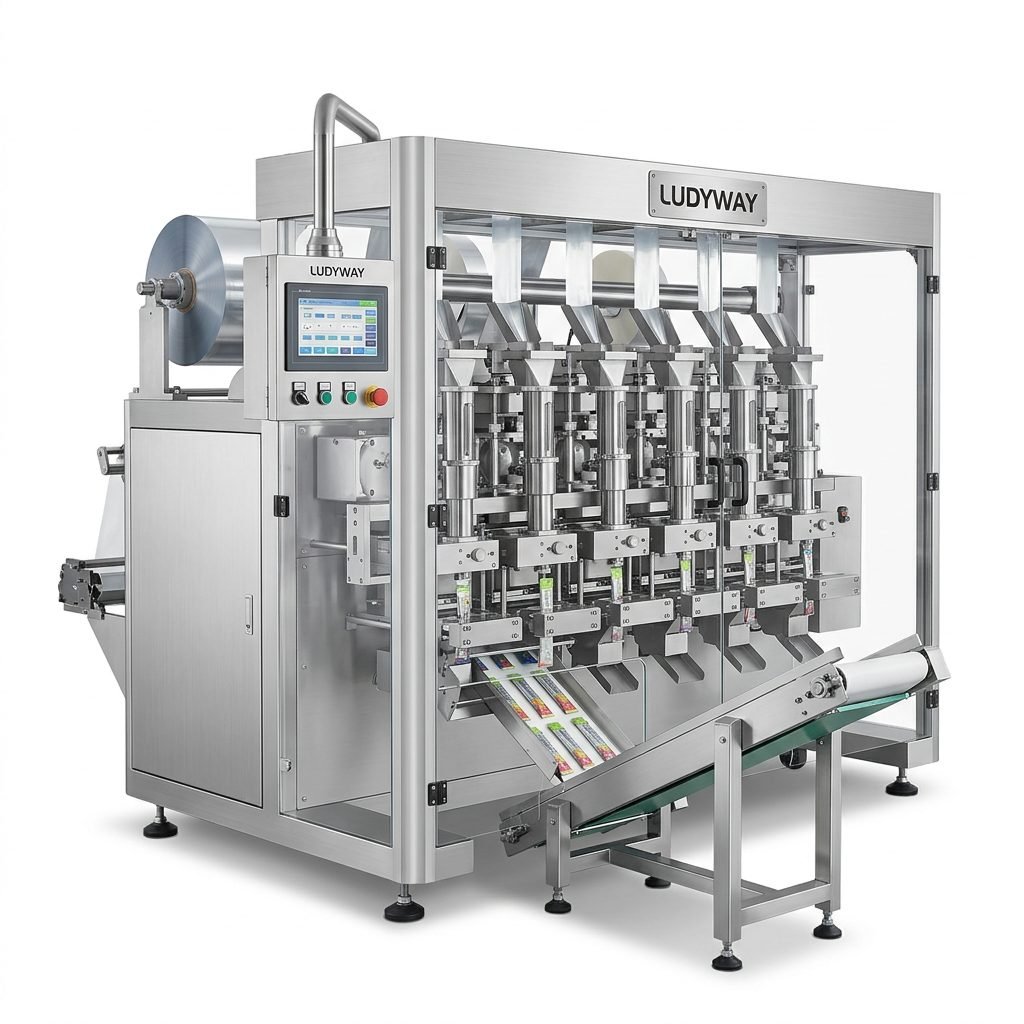
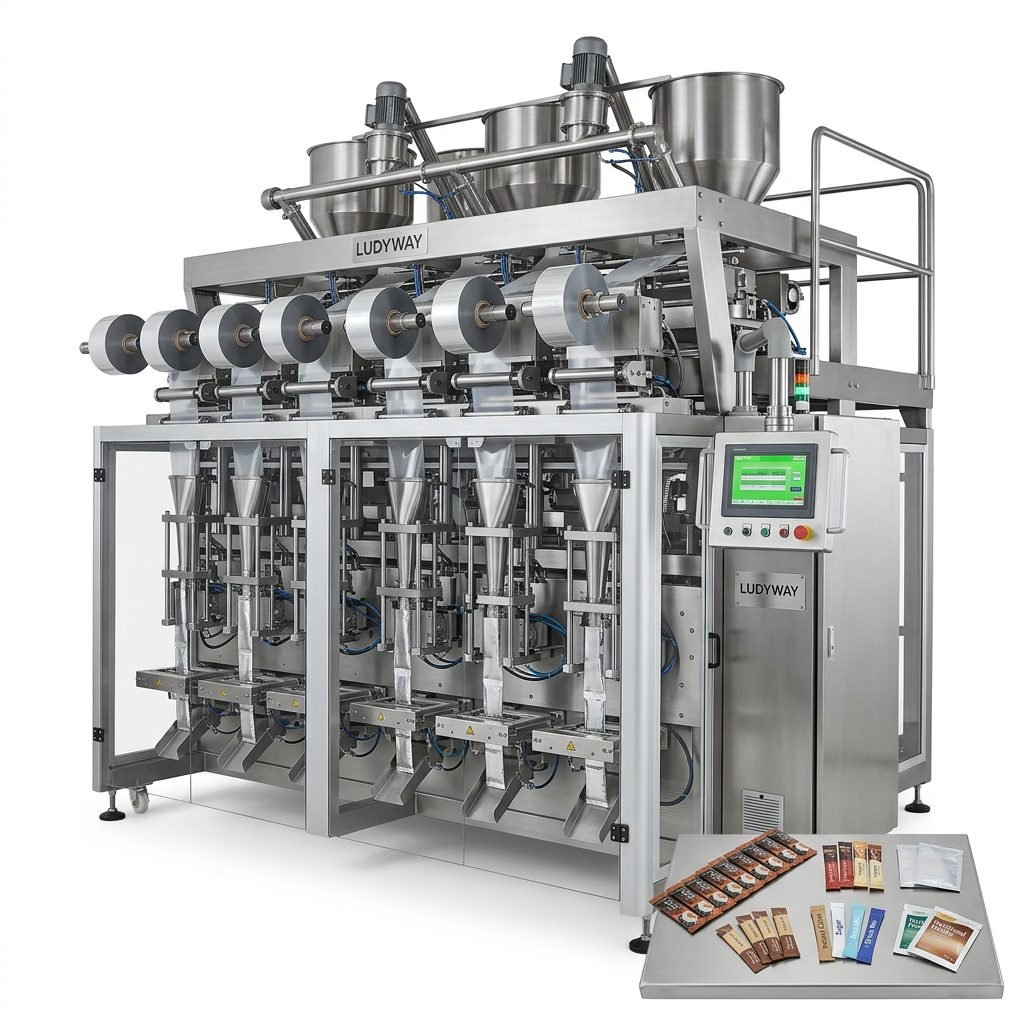
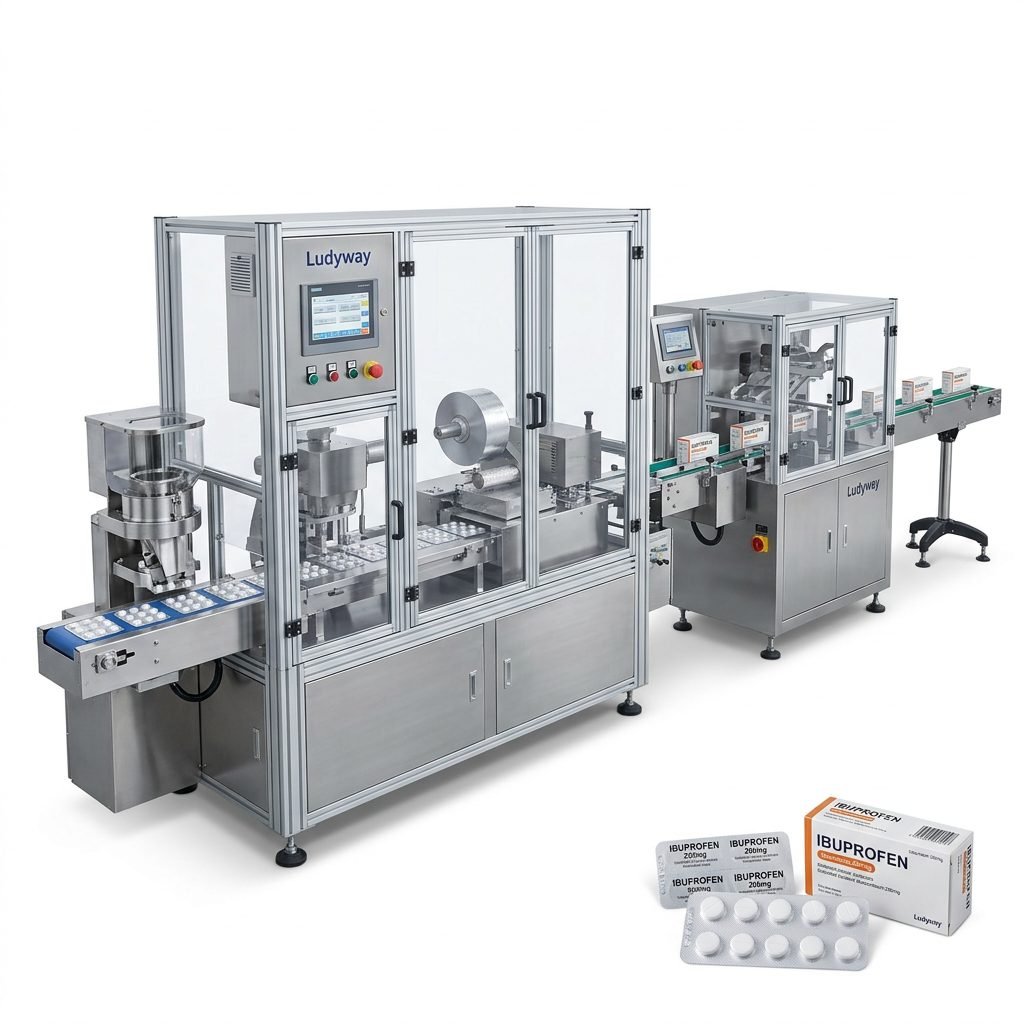
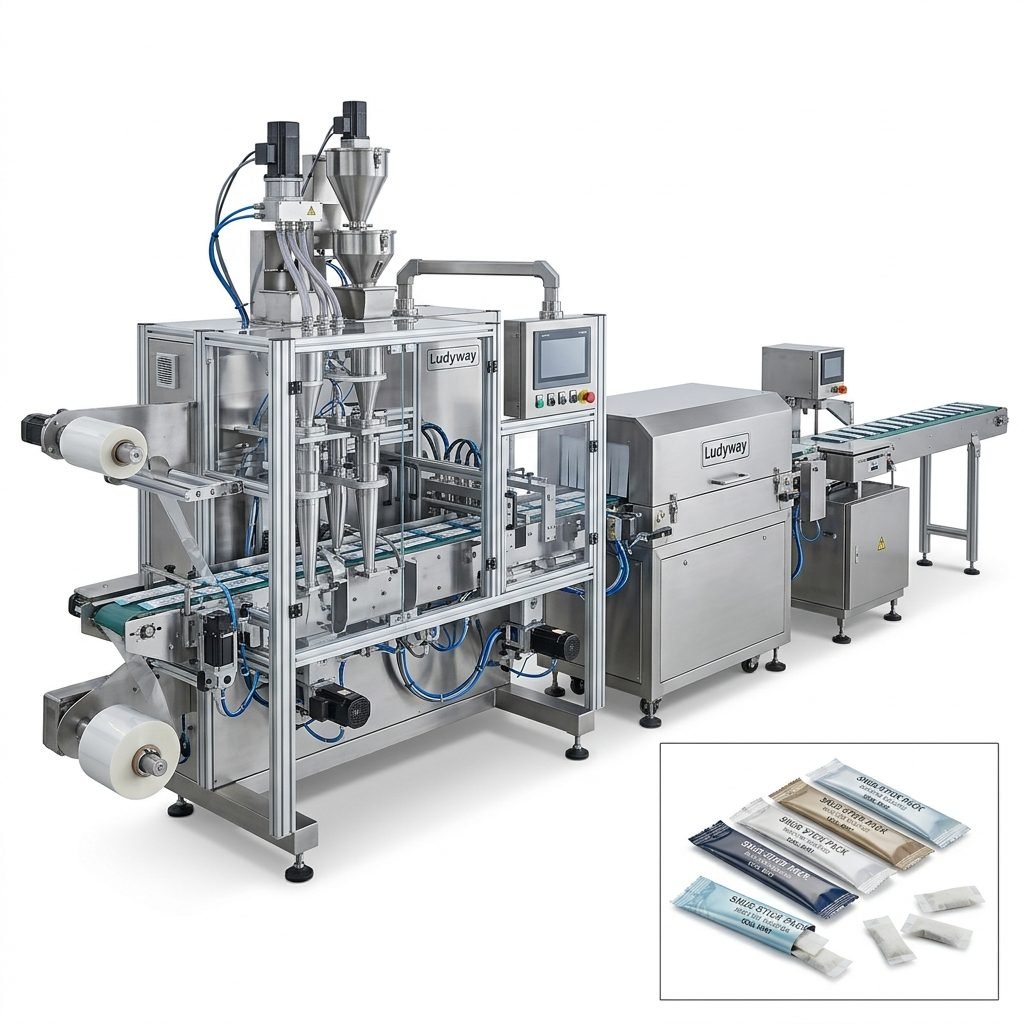
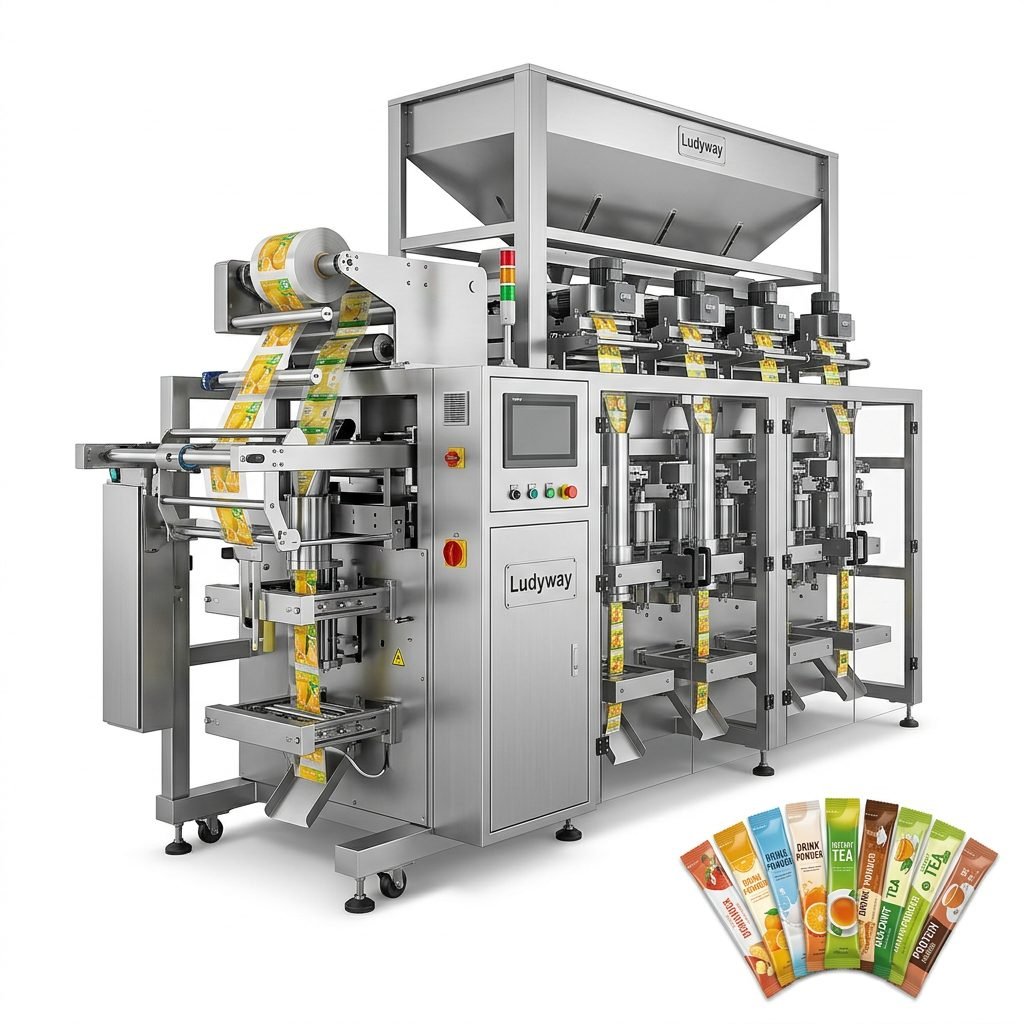
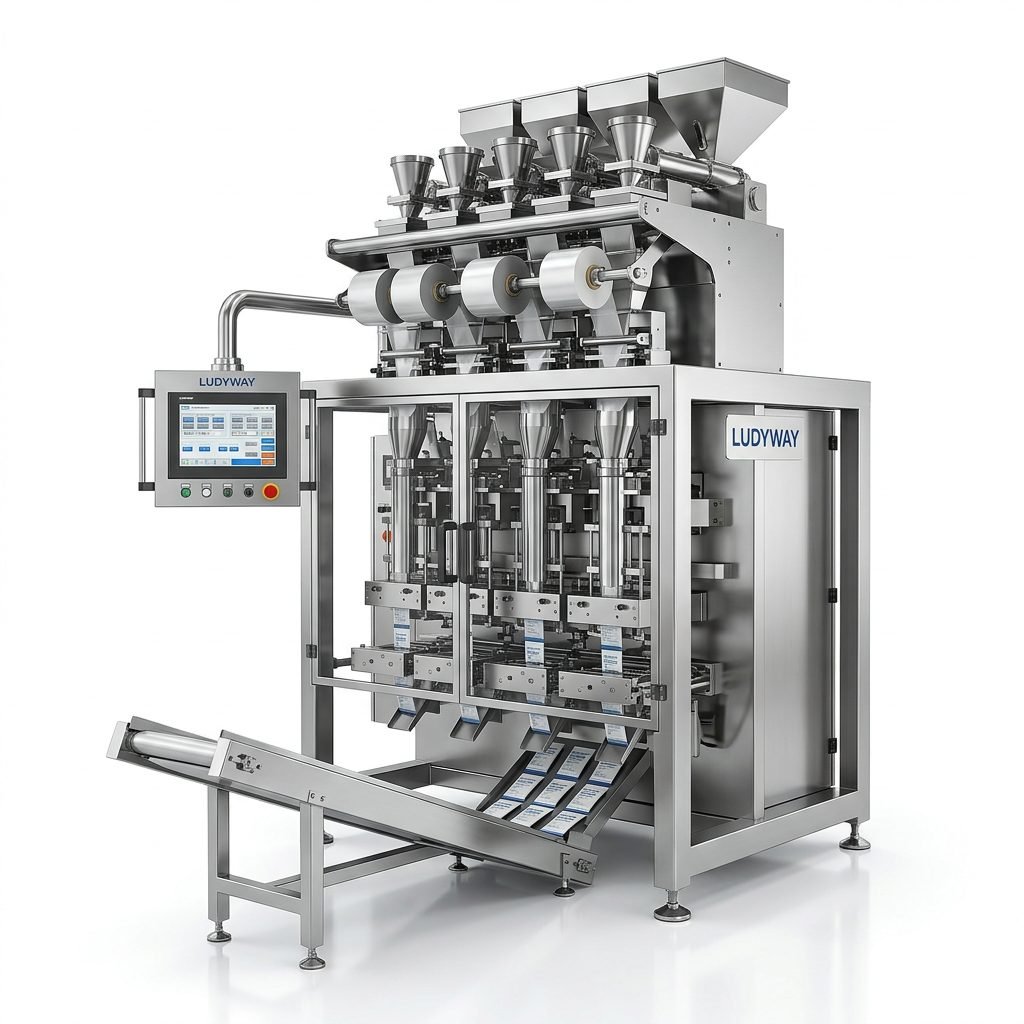
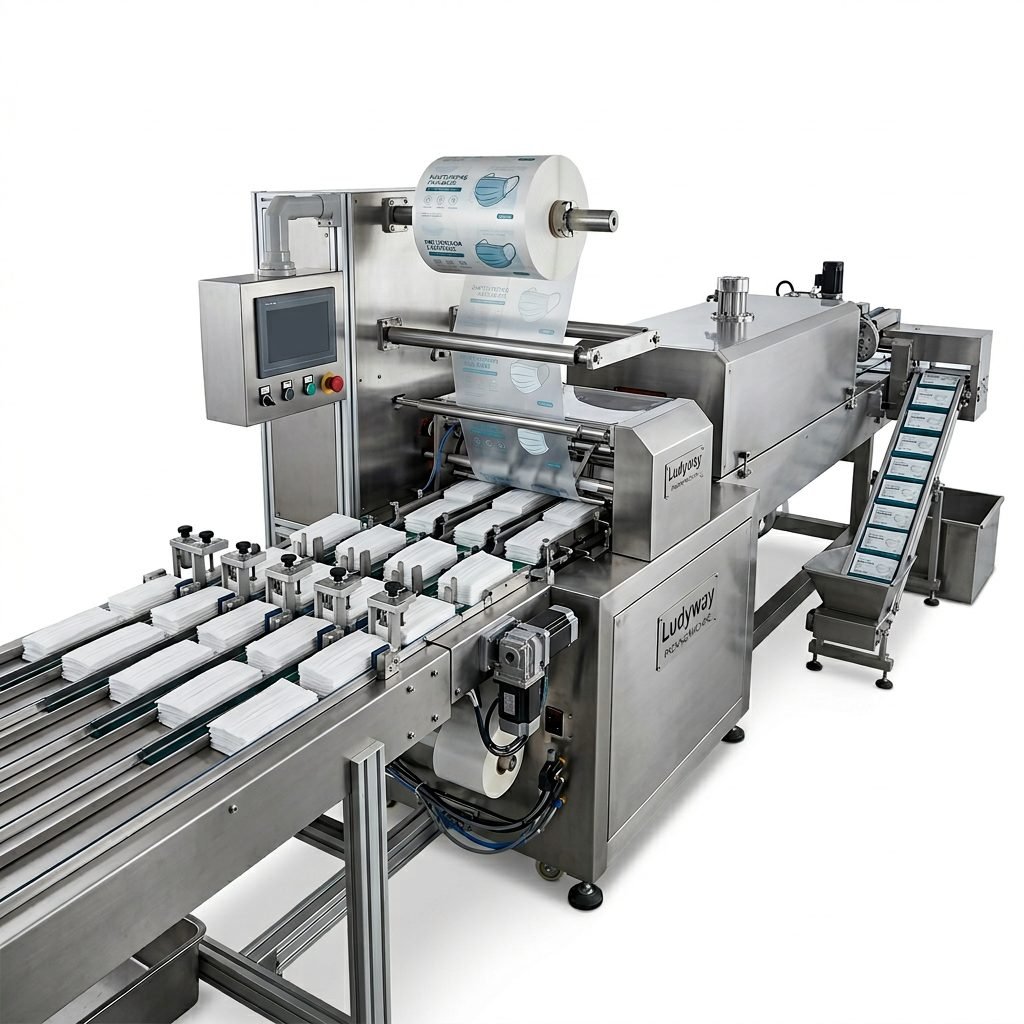
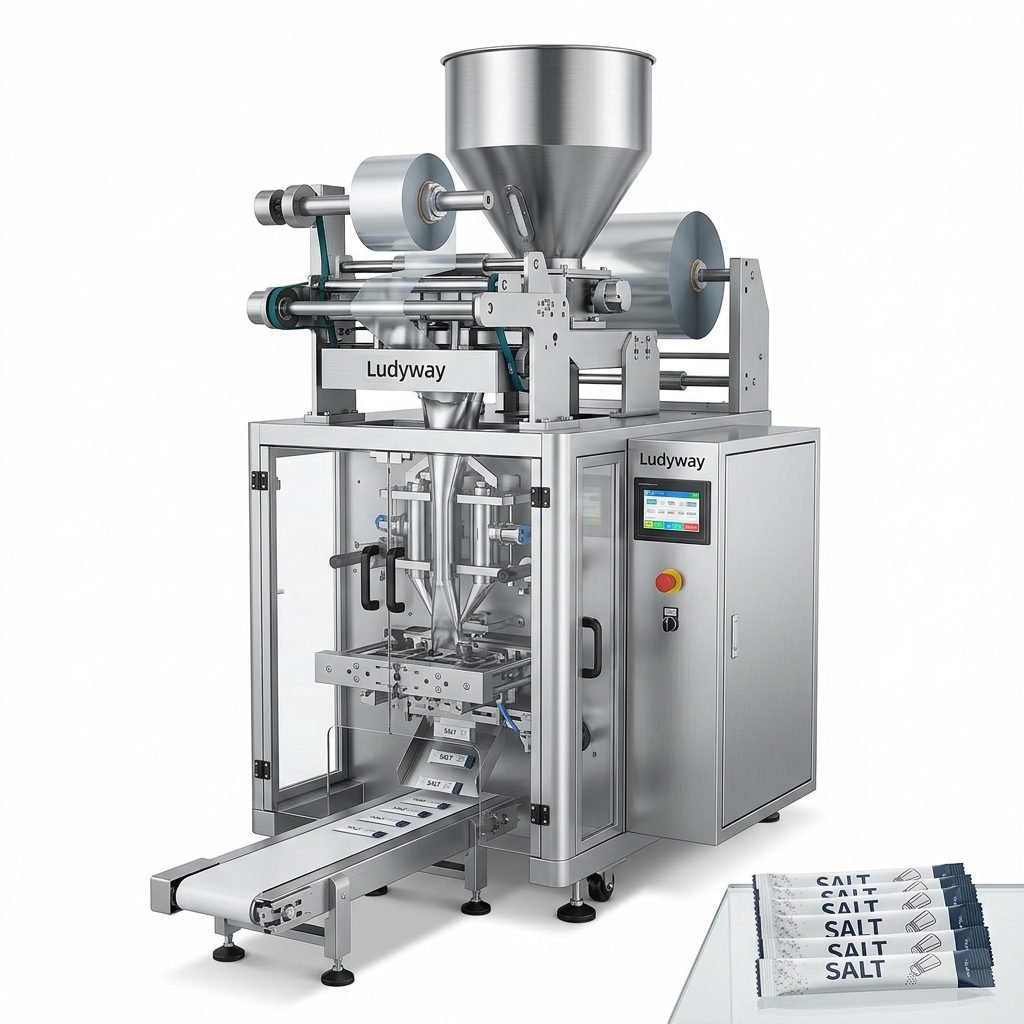
Investing in a panni packing machine is a significant decision for any manufacturer dealing with flexible packaging. Whether you are packaging powders, granules, liquids, or pastes, the efficiency, accuracy, and reliability of your chosen equipment will directly impact your bottom line. With a vast array of technologies, configurations, and suppliers on the market, the selection process can be overwhelming. This comprehensive guide will walk you through the critical factors to consider, ensuring you make an informed investment tailored to your specific production needs.
Understanding Your Product and Packaging Requirements
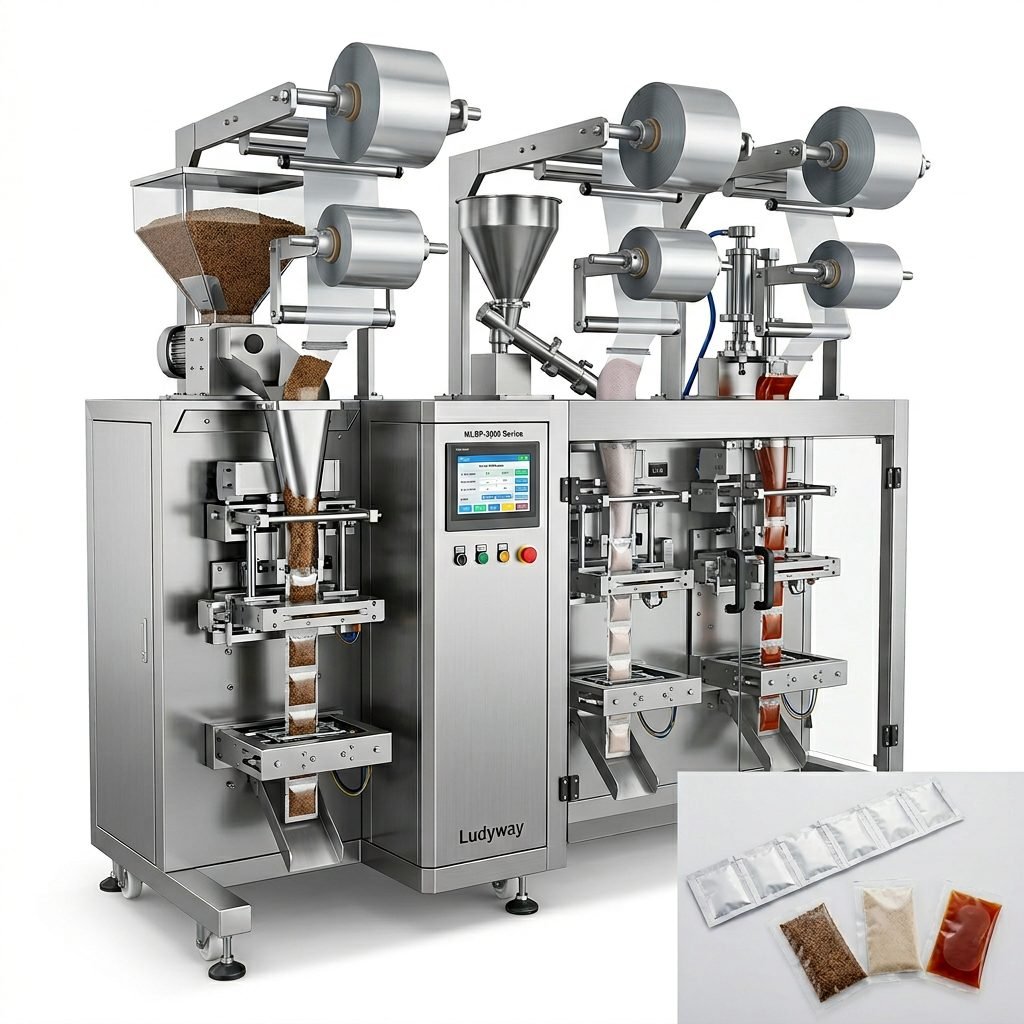
Before comparing machine specifications, you must conduct a thorough internal audit of your product and packaging goals. The physical characteristics of your product are the most critical variables. A machine designed for free-flowing granules will not perform well with sticky powders or liquid products.
- Product State: Is your product a powder, granule, liquid, paste, or solid piece? This determines the feeding and dosing mechanism.
- Flow Characteristics: Is the product free-flowing (like sugar) or non-free-flowing (like milk powder)? Bridging and clogging are common issues with poor-flowing powders, requiring specialized auger fillers or agitation systems.
- Hygroscopic Nature: Does the product absorb moisture easily? If so, you may need a machine with a nitrogen flushing capability or a dehumidified sealing environment.
- Target Bag Format: Are you producing stick packs, sachets, flat pouches, stand-up pouches, or gusseted bags? The machine’s formers and sealing jaws must match the format.
Key Technical Specifications to Evaluate
Once you have mapped out your product profile, you need to align it with the technical capabilities of the panni packing machine. Overlooking these specifications can lead to bottlenecks and costly retrofits. According to the PMMI Business Intelligence, speed and changeover flexibility are the top drivers for new equipment purchases in the current market.
| Specification | Why It Matters | Example Consideration |
|---|---|---|
| Production Speed (PPM) | Directly correlates with output capacity and ROI. | Multi-lane machines can multiply output without increasing floor space. |
| Filling Range | The minimum and maximum dose the machine can handle accurately. | Ranges can vary from a few grams for sachets to several kilograms for bulk bags. |
| Filling Accuracy | Minimizes product giveaway and ensures regulatory compliance. | Look for ±0.5% to ±1% accuracy, especially in pharmaceutical applications. |
| Bag Dimensions | The maximum and minimum width and length the machine can seal. | Ensure the former size matches your marketing requirements for label visibility. |
Dosing Systems: Getting the Right Fill
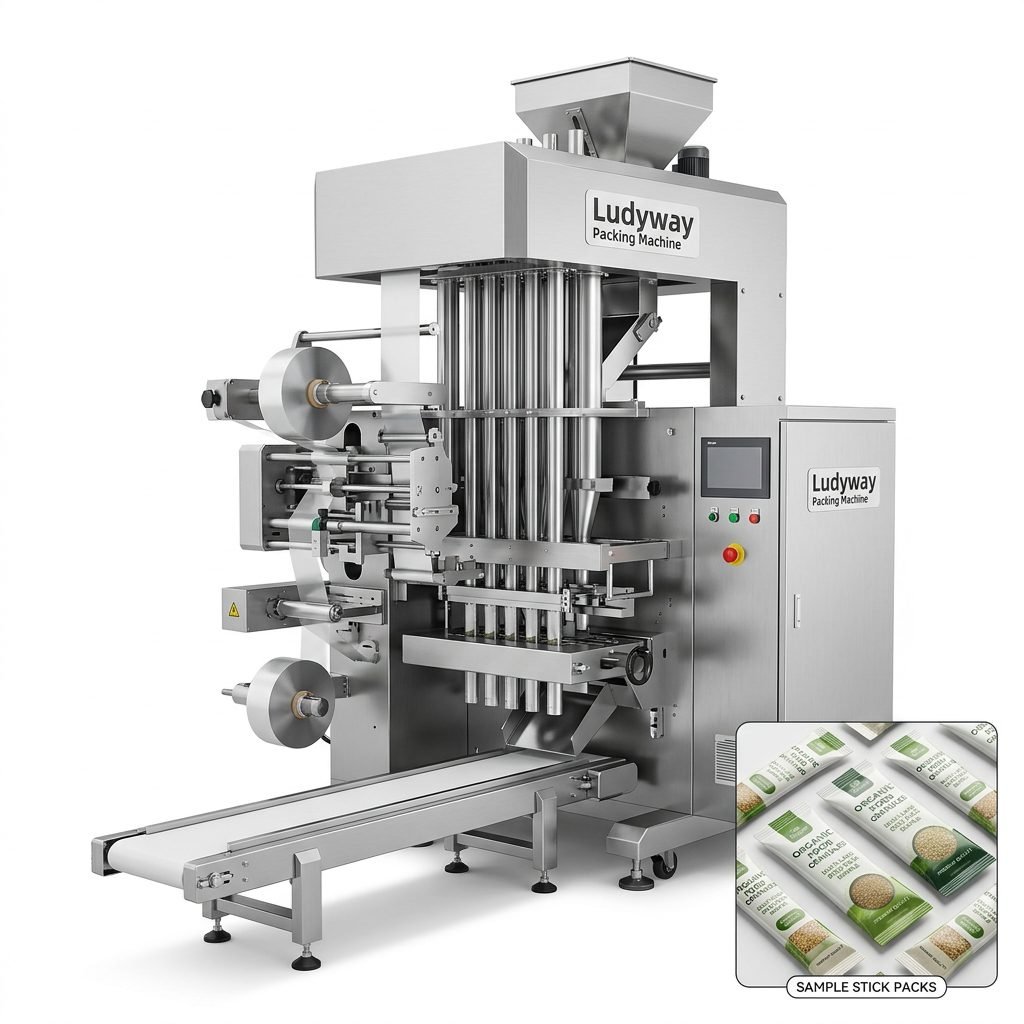
The dosing mechanism is the heart of the panni packing machine. Selecting the wrong system leads to downtime and waste. Volumetric cup fillers are cost-effective for uniform, free-flowing granules, while auger fillers are essential for fine powders and non-free-flowing substances. For high-value liquid products or strict pharmaceutical regulations, piston fillers or mass flow meters offer superior accuracy. Hybrid systems, like a combination of a scale and an auger, are becoming increasingly popular for difficult products.
Material Handling and Integration
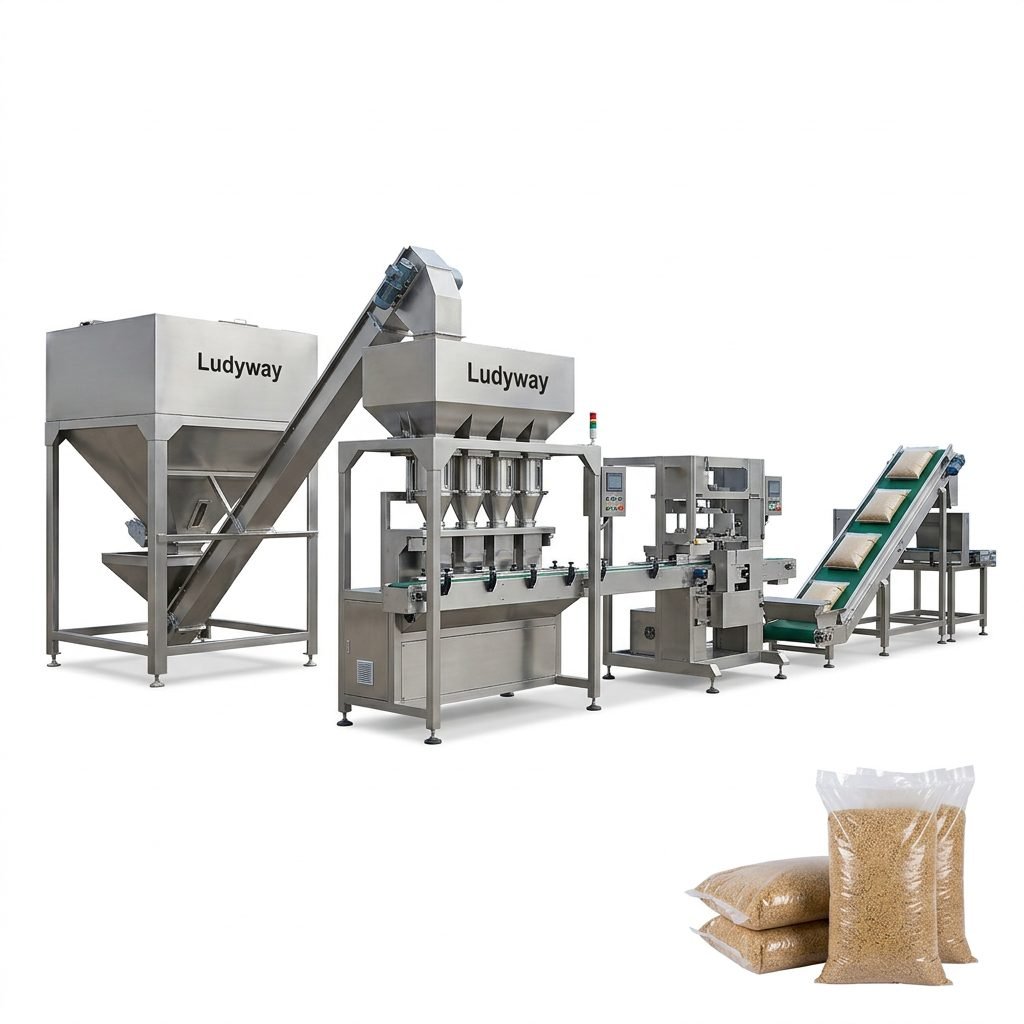
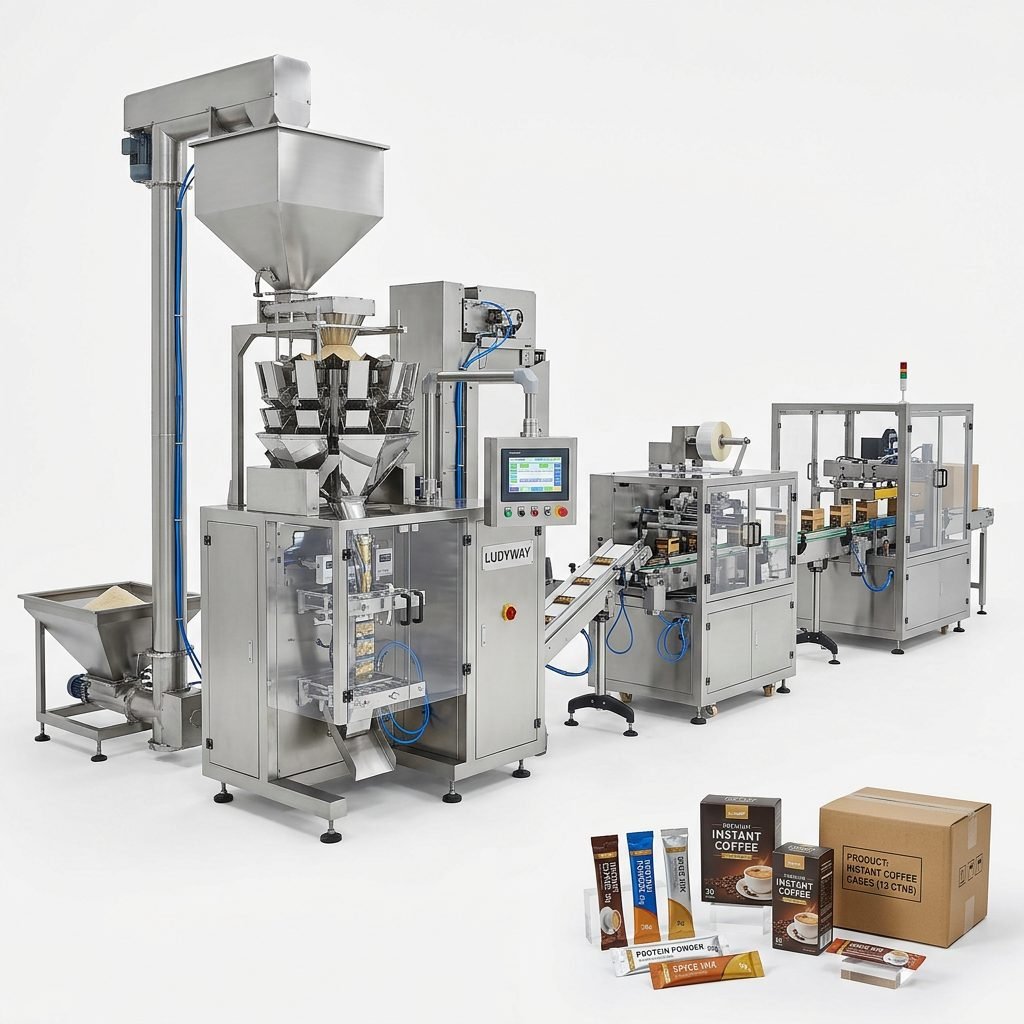
A standalone machine is rarely enough. Consider how the packaging machine fits into your existing flexible packaging line. You may require upstream equipment like bucket elevators, screw conveyors, or vacuum feeders to transport product from bulk storage to the machine hopper. Downstream, you might need checkweighers, metal detectors, x-ray inspection systems, or cartoning machines. A seamless integration between these components is vital for a continuous automated workflow.
Construction Quality and Hygienic Design
The build materials and construction standards of the machine dictate its longevity and cleanability. For food and pharmaceutical sectors, hygiene is non-negotiable. You should look for machinery primarily constructed from 304 or 316 stainless steel. The frame should be robust, and the contact parts must be resistant to corrosion, especially if you are packaging acidic or saline products.
- IP Rating: A high Ingress Protection rating (e.g., IP65 or IP66) for electrical cabinets and motors indicates resistance to dust and washdown procedures, a must for sanitary environments.
- Tool-less Changeover: Machines that require minimal tools for changing formers or dosing units reduce downtime significantly between product batches.
- No Painted Surfaces: Chipped paint can contaminate products. Ensure the frame is fully polished stainless steel if contamination risk is high.
The Importance of Automation and Controls
The era of purely mechanical packaging is fading. A modern panni packing machine should offer a high degree of automation through a Programmable Logic Controller (PLC) and a Human-Machine Interface (HMI). A user-friendly touchscreen interface simplifies recipe management, allowing operators to switch between different bag sizes and fill weights with a single button press. Beyond basic sealing, look for automated features like servo-driven motors for precise film tension control, automatic registration for printed film, and IoT capabilities for remote troubleshooting and performance monitoring.

Compliance with International Standards
If you plan to export your packaged goods, your machinery must comply with specific safety and quality regulations. The machine itself should be equipped with safety guards, emergency stops, and interlocks that align with CE standards or local equivalent certifications. For pharmaceutical products, compliance with GMP is mandatory, while food contact materials must meet FDA or EU food packaging regulations. Documentation such as IQ/OQ (Installation Qualification/Operational Qualification) is an absolute requirement for validated environments.
Evaluating the Total Cost of Ownership (TCO)
The purchase price of a machine is just the tip of the iceberg. A wise buyer evaluates the Total Cost of Ownership. A cheaper machine might consume more film, generate higher waste, break down frequently, and consume more energy. A premium machine from a reputable packaging machinery manufacturer like Ludyway Machinery often delivers better long-term value through lower maintenance costs and higher operational efficiency.
| Cost Factor | Impact on Budget |
|---|---|
| Film Material Consumption | Poor sealing or film tracking can waste up to 5% of packaging material annually. |
| Spare Parts Availability | Immediate access to genuine spares prevents weeks of downtime waiting for international shipments. |
| Energy Efficiency | Servo-driven motors consume significantly less power than pneumatic systems over time. |
| Operator Skill Level | Intuitive HMIs reduce training time and the risk of operational errors. |
Film Compatibility and Sealing Technology
Not all films are created equal, and your machine must be calibrated for the specific flexible packaging material you intend to use. Whether it’s a straightforward polyethylene (PE) laminate, a high-barrier aluminum foil structure, or a biodegradable film, the machine needs to achieve consistent seal integrity. The sealing jaws must provide uniform temperature and pressure. Over-sealing leads to burn-through and weakness, while under-sealing results in leaks. Advanced machines offer precise digital temperature control and dwell time adjustments to handle delicate films without compromising speed.
Space, Layout, and Future Scalability
Factory floor space is a precious commodity. While a single-lane panni packing machine might fit easily, a high-output multi-lane system requires careful layout planning. Always check the machine’s footprint and the necessary clearance for maintenance and operation. Perhaps most importantly, consider your business growth trajectory. Can the machine be upgraded from 4 lanes to 8 lanes? Can you add a cartoner and a palletizer later? Choosing a supplier that offers a turnkey packaging solution ensures you can scale modularly rather than replacing entire lines later.
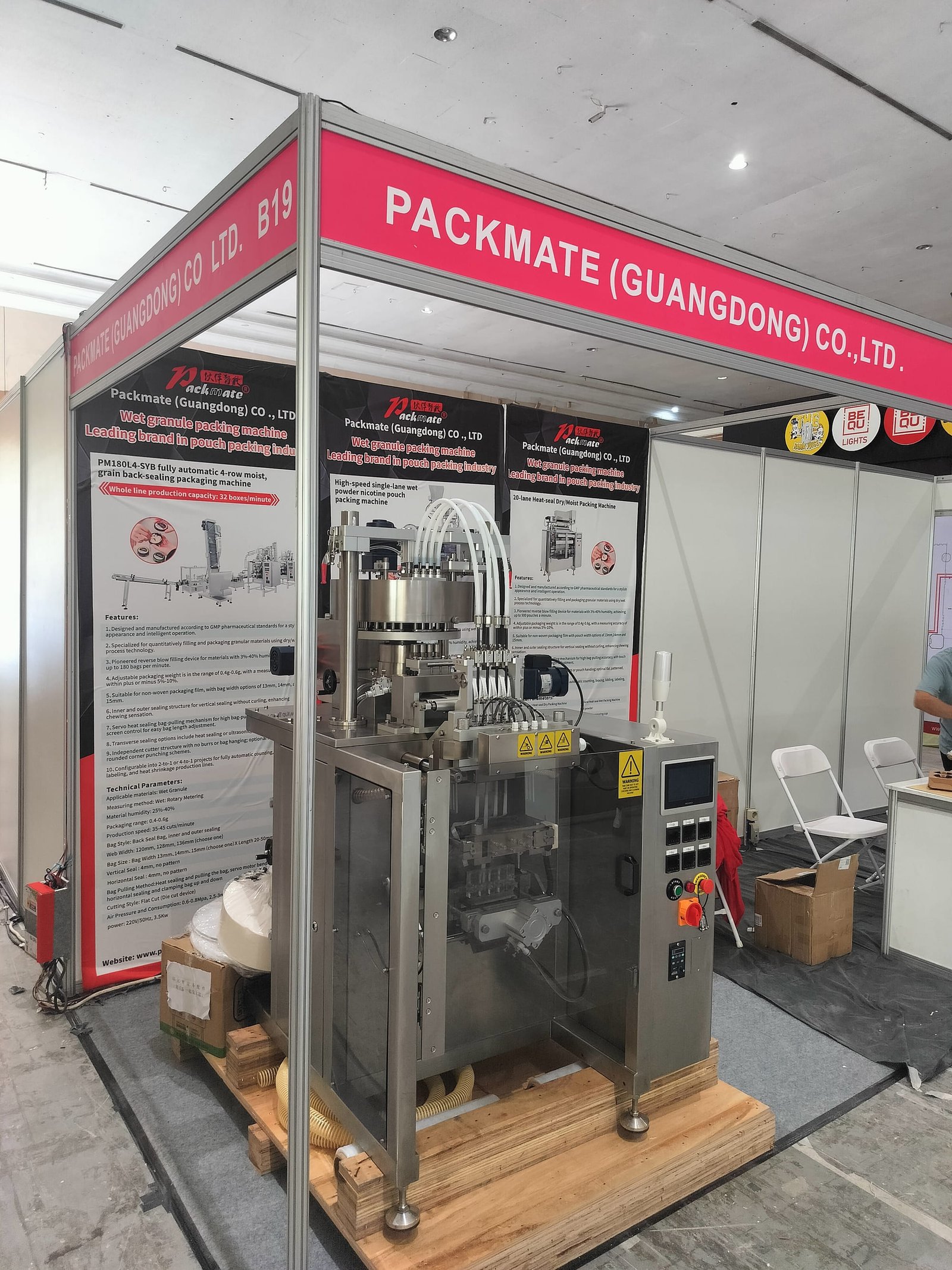
The Manufacturer’s Track Record
The technical specs on paper mean nothing if the supplier cannot deliver on them. Investigate the manufacturer’s history and reputation. Refer to industry associations like PMMI (The Association for Packaging and Processing Technologies) or the Flexible Packaging Association for market insights. A trustworthy partner will offer a factory acceptance test (FAT) before shipping and provide comprehensive after-sales support, installation, and training.
Final Selection Checklist
Before making your final decision, run through this checklist to ensure you haven’t missed any critical elements:
- Product Testing: Has the manufacturer tested your exact product on their machine and provided a video?
- Service Response: What is their guaranteed response time for remote support?
- Changeover Time: How long does a format changeover realistically take without a technician?
- Warranty Scope: Does the warranty cover electrical components and labor, or just structural parts?
- Export Documentation: Are you provided with a full set of technical drawings, manuals, and compliance certifications?
Choosing the right panni packing machine is a strategic partnership. By focusing on your product’s unique demands and the machine’s long-term reliability, you secure a production asset that boosts efficiency for years to come.