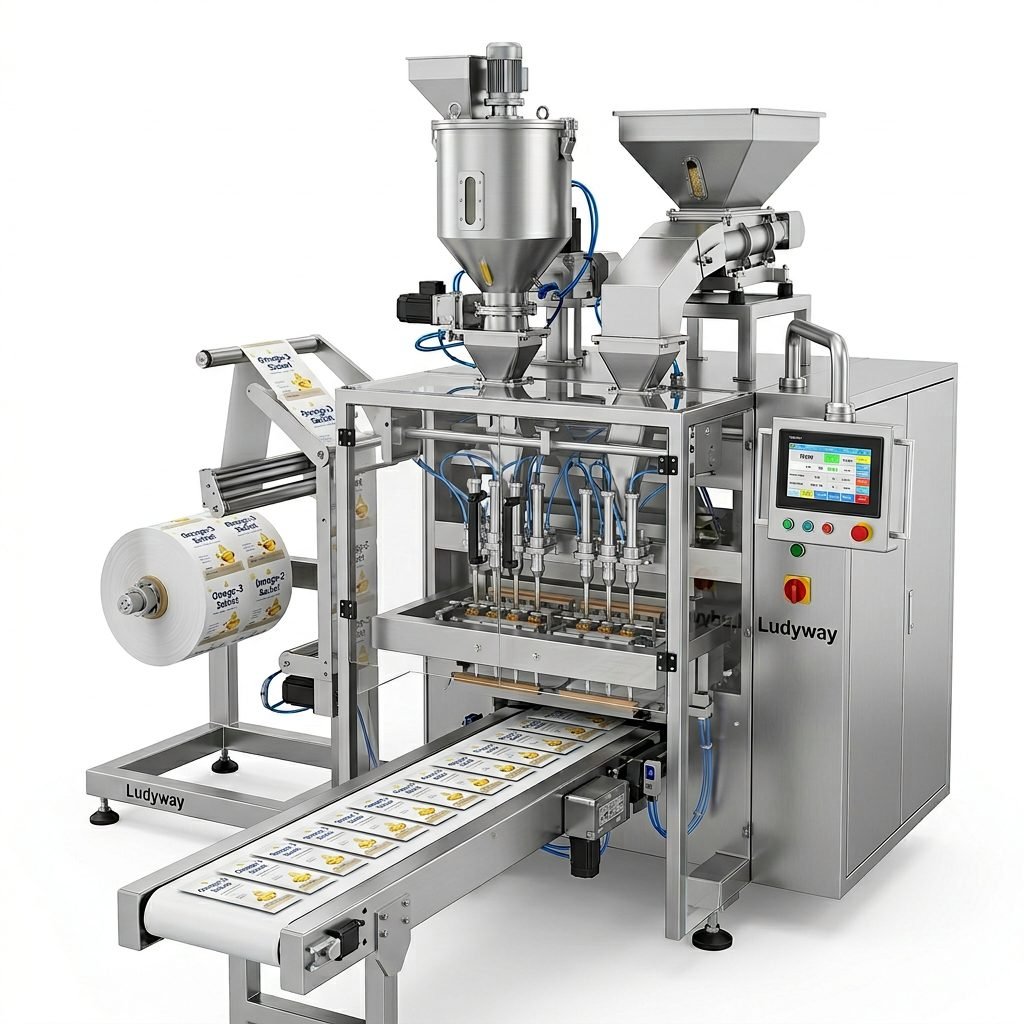
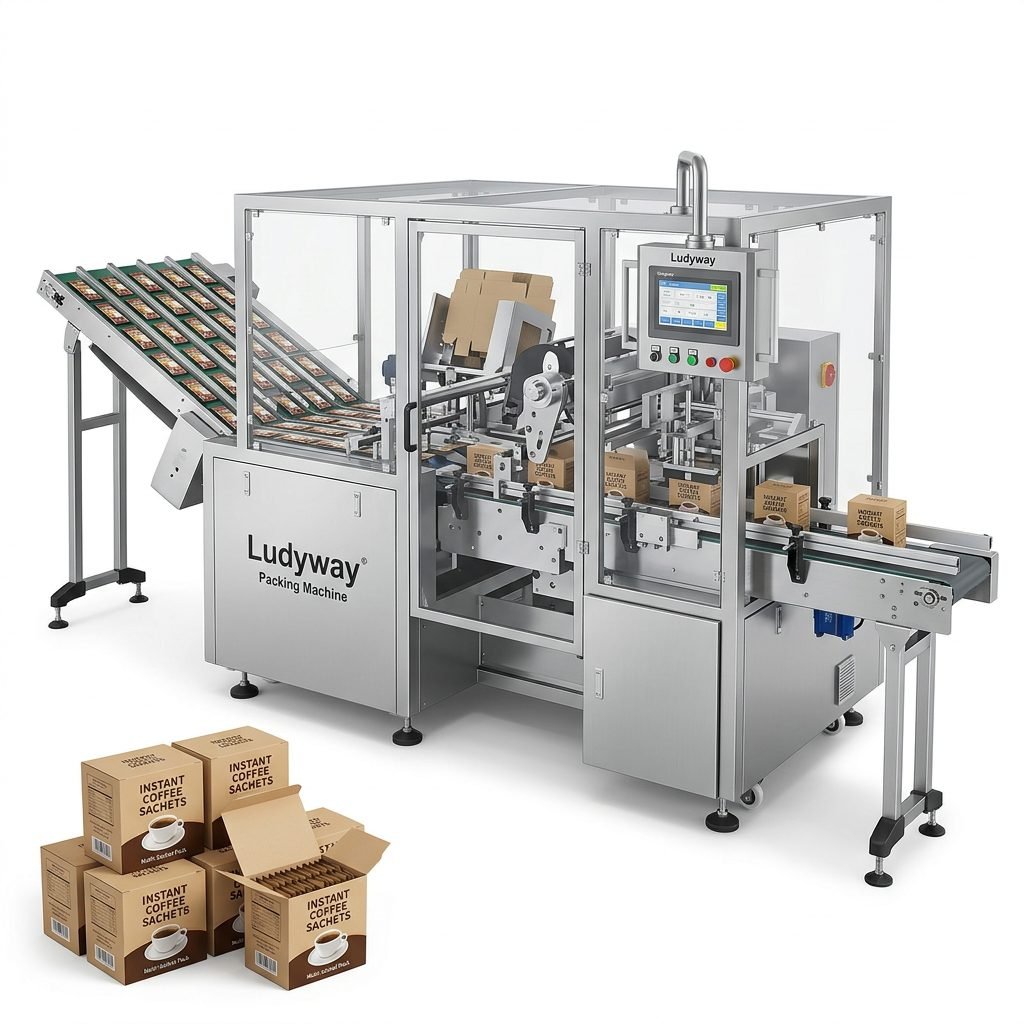
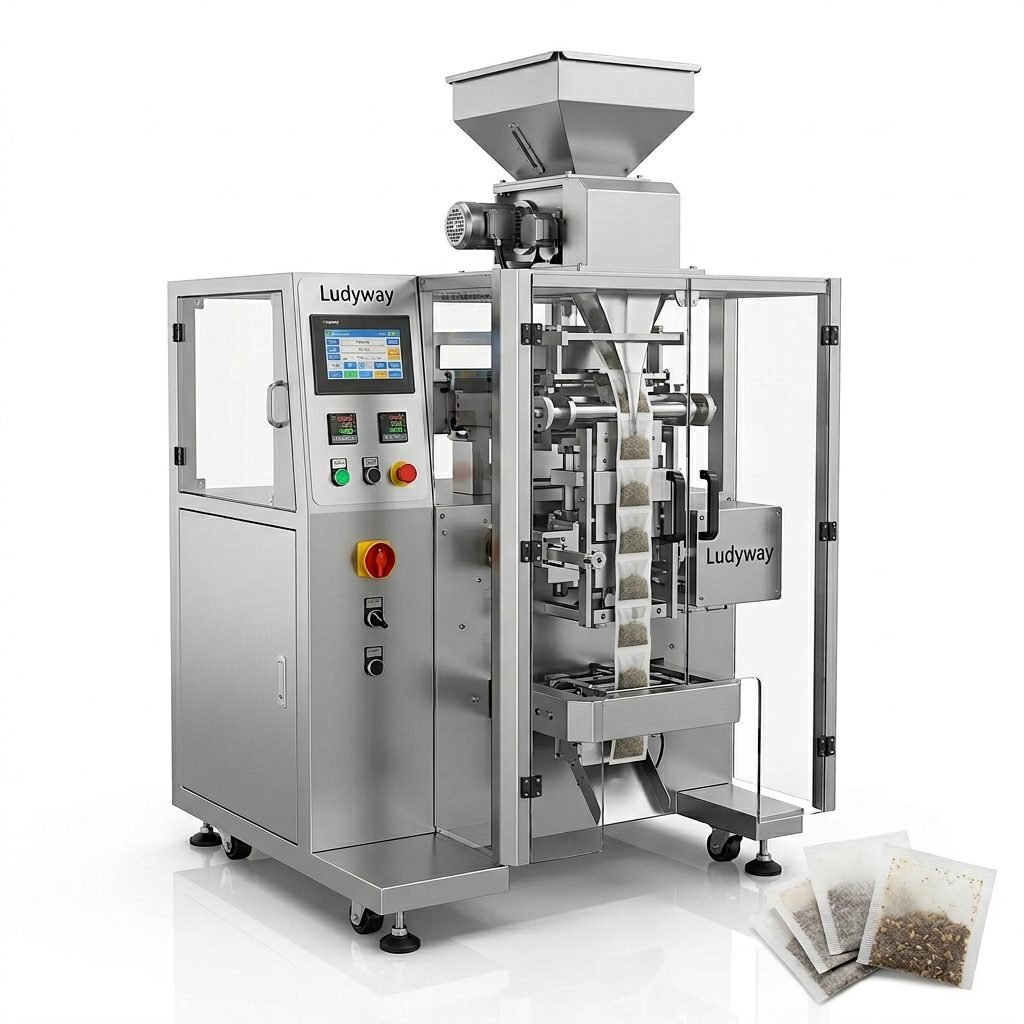
Investing in an inpack tea packaging machine represents a critical step for any tea producer looking to scale operations, enhance brand image, and optimize production efficiency. Whether you are transitioning from manual weighing or upgrading to a faster automated line, understanding the cost breakdown is essential. The price of an inpack tea packaging machine—which typically refers to the inner primary packaging such as stick packs, sachets, or pouches—varies significantly based on production speed, automation levels, and customization needs. For a standard automatic granule stick pack machine, costs can range from $15,000 to over $150,000 depending on the technical specifications.
Before finalizing a budget, it is crucial to look beyond the initial sticker price. Factors such as equipment longevity, energy consumption, and spare parts availability directly influence the long-term total cost of ownership. Furthermore, aligning your purchase with current packaging machinery industry standards ensures that your investment remains compliant and future-proof as your market grows.
Key Factors Influencing Inpack Tea Packaging Machine Costs
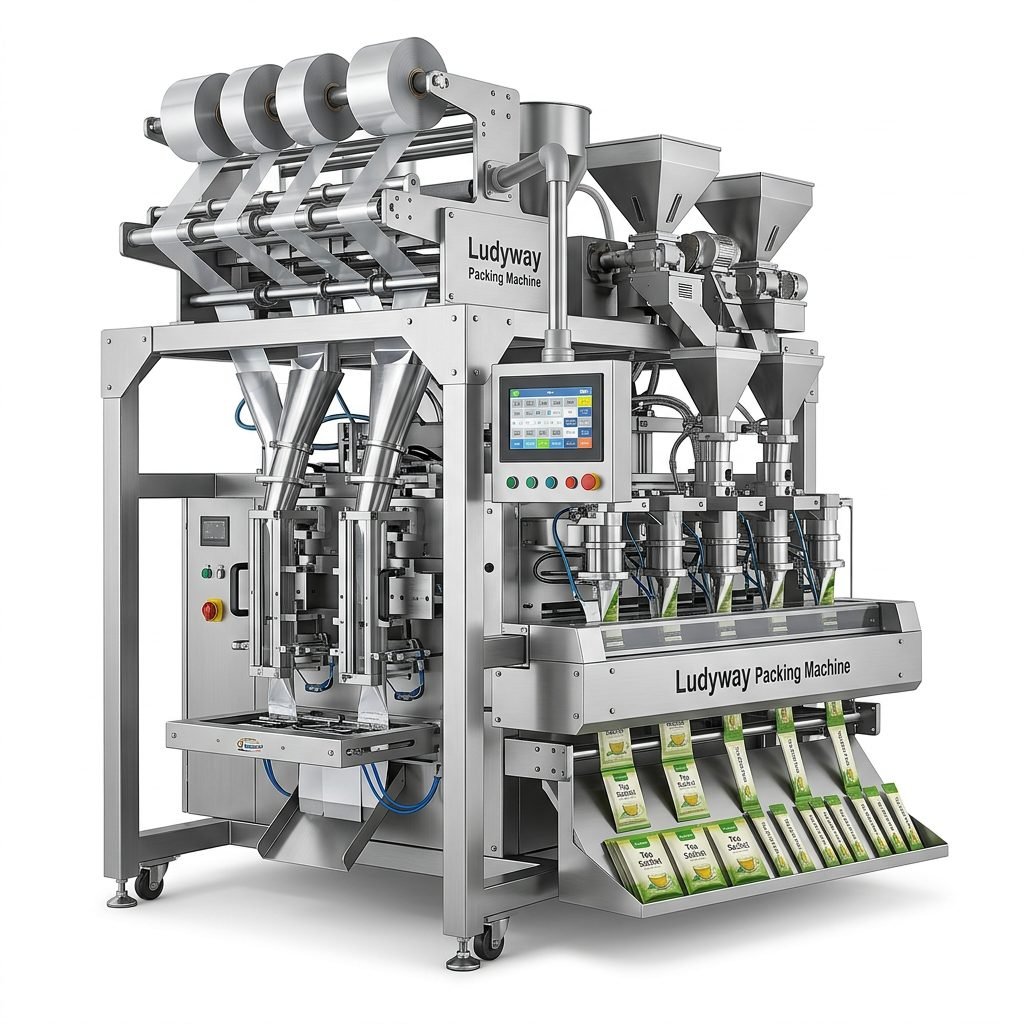
Not all tea packaging machines are built equally. The variance in costs stems from specific engineering requirements designed to handle the fragile and hygroscopic nature of tea leaves, powders, and granules. Below are the primary elements that will affect your final invoice:
- Level of Automation: Entry-level semi-automatic systems require more manual labor for feeding and cartoning, while fully automatic turnkey lines integrate filling, sealing, counting, and boxing with minimal human intervention. Fully integrated lines command a higher price premium.
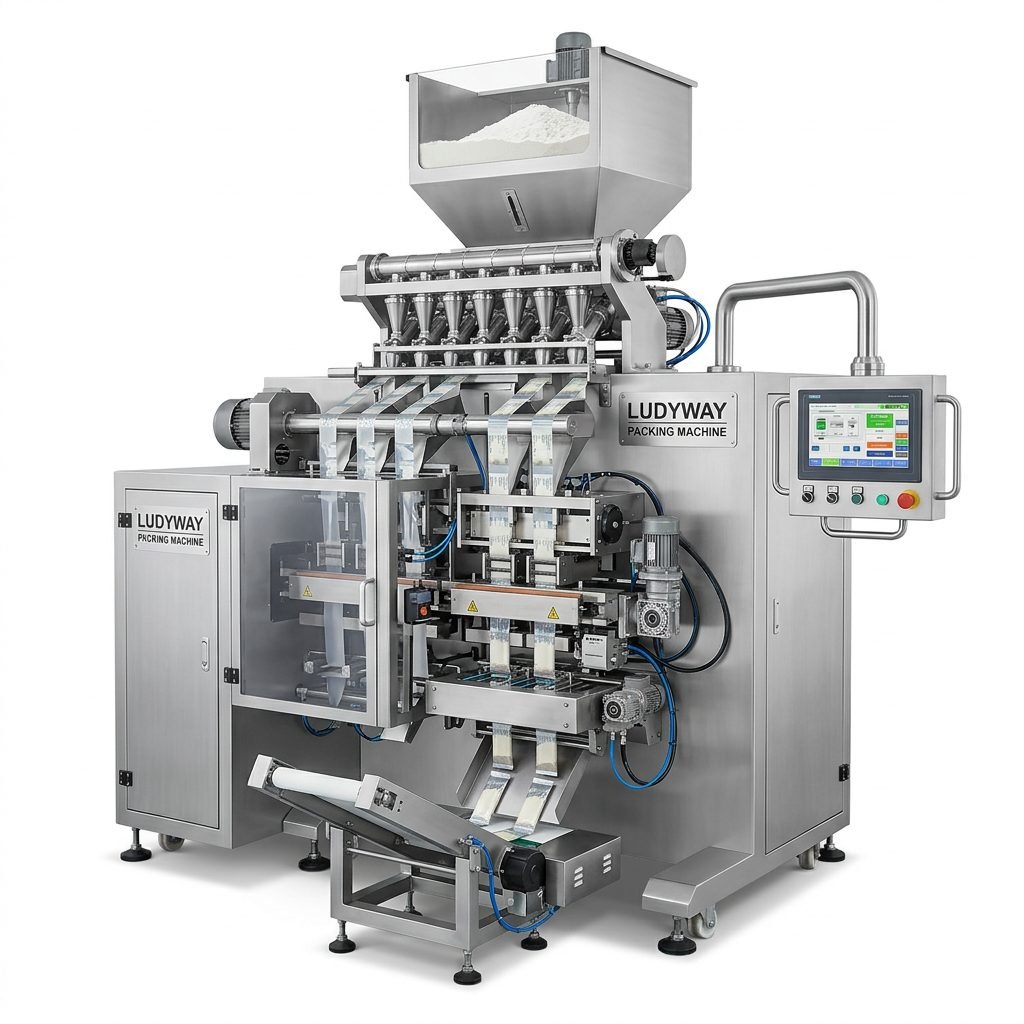
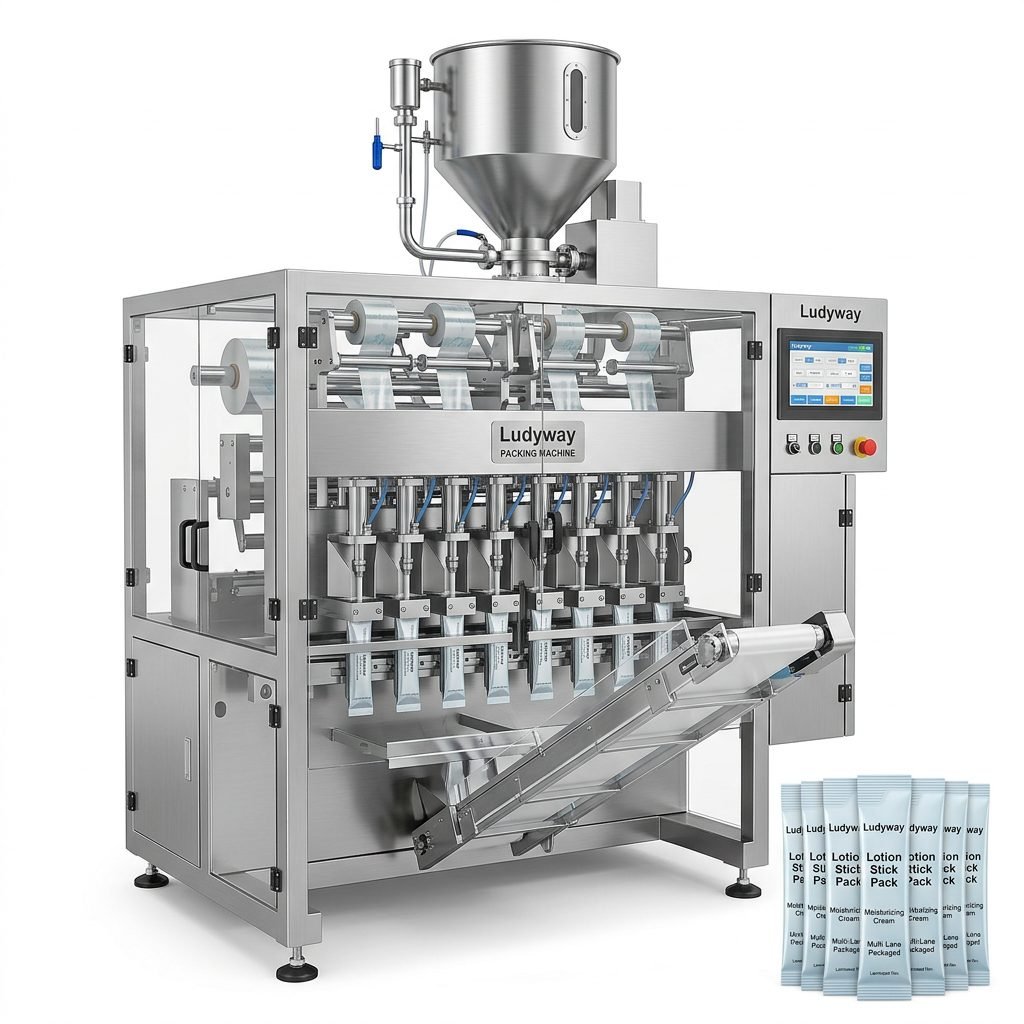
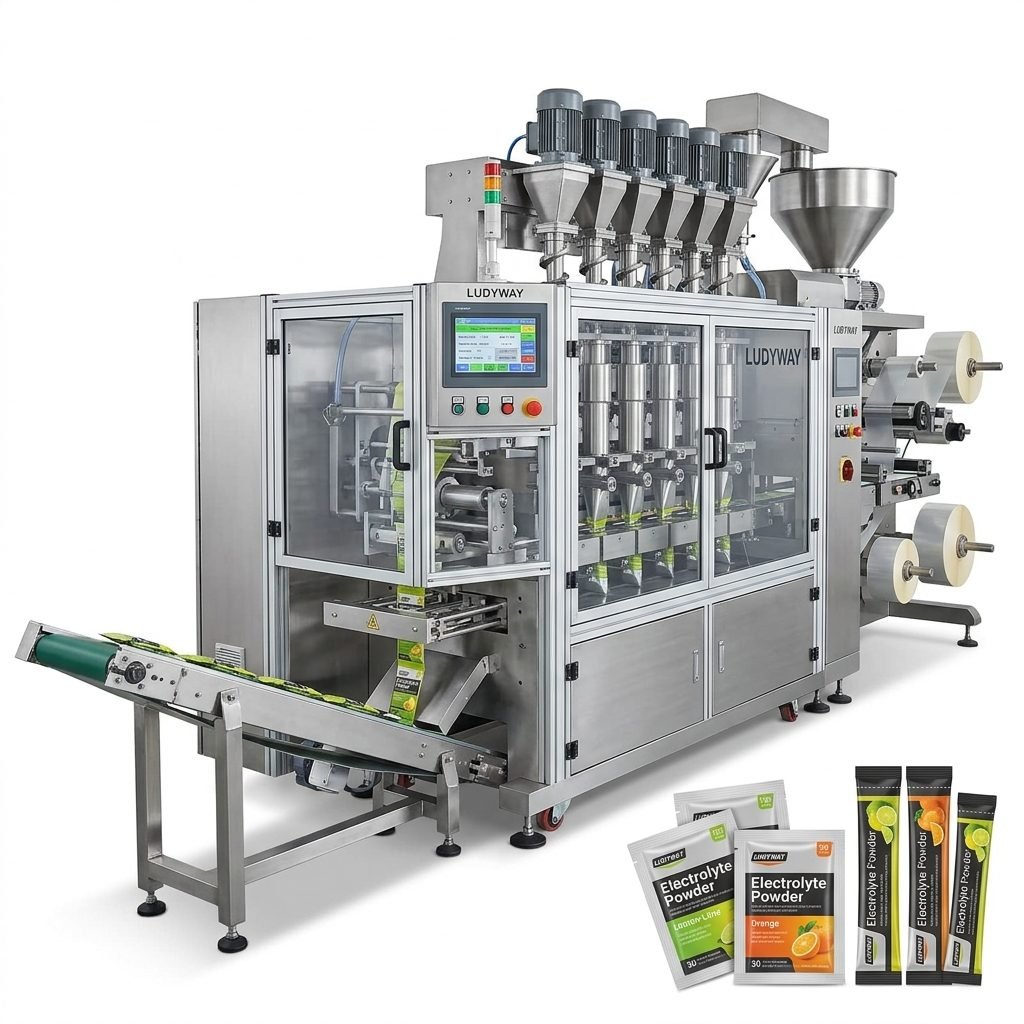
- Production Speed and Lane Configuration: A single-lane sachet machine typically caps at 60-80 packs per minute, whereas a high-speed multi-lane stick pack machine featuring 4 to 10 lanes can easily exceed 400 packs per minute. The price scales exponentially with speed and lane count.
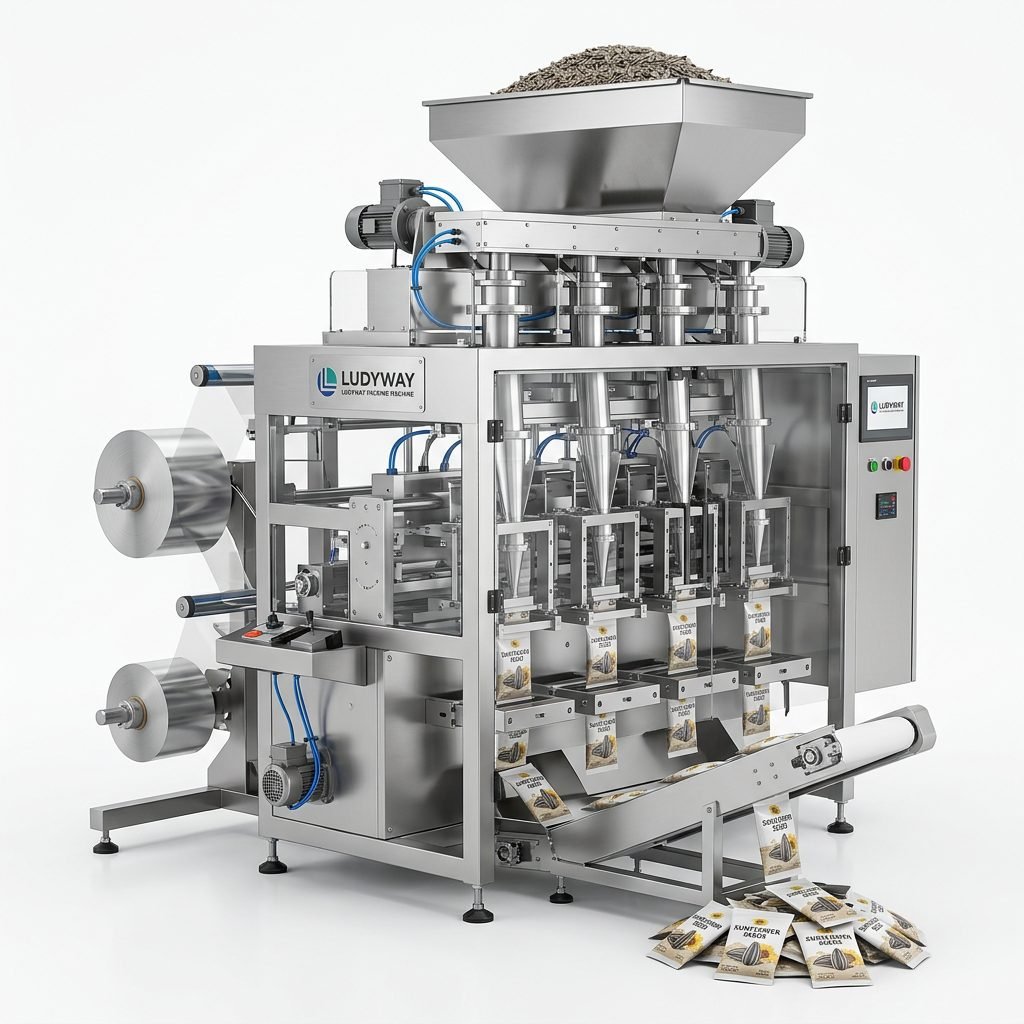
- Weighing and Filling Precision: Tea products demand exact dosing. Cost-effective volumetric cups work for consistent granules, but premium multi-head electronic weighers or auger fillers are necessary for fine powders (like matcha or instant tea) and mixed particulates, significantly increasing the equipment cost.
- Material Compatibility and Construction: Machines constructed with food-grade 304 or 316 stainless steel to meet FDA food contact substance regulations are generally more expensive than basic steel options but are mandatory for export-quality tea packaging.
Price Breakdown by Machine Type (2025 Market Insights)
To give you a clearer picture of where your budget fits, here is a comparative table outlining the typical price ranges for different inpack tea packaging configurations prevalent in the food industry today:
| Machine Type | Estimated Price Range (USD) | Best Suited Application |
|---|---|---|
| Single-Lane Granule Stick Pack Machine | $15,000 – $35,000 | Startups, small-scale tea businesses, and narrow product lines with moderate output demands. |
| Multi-Lane (4-10 Lane) High-Speed System | $55,000 – $120,000 | Medium to large manufacturers requiring high-volume output for domestic or international markets. |
| Automatic Nitrogen-Flush Sealing System | $25,000 – $50,000 (as add-on or standalone) | Premium loose-leaf tea or matcha producers who prioritize extended shelf life and freshness. |
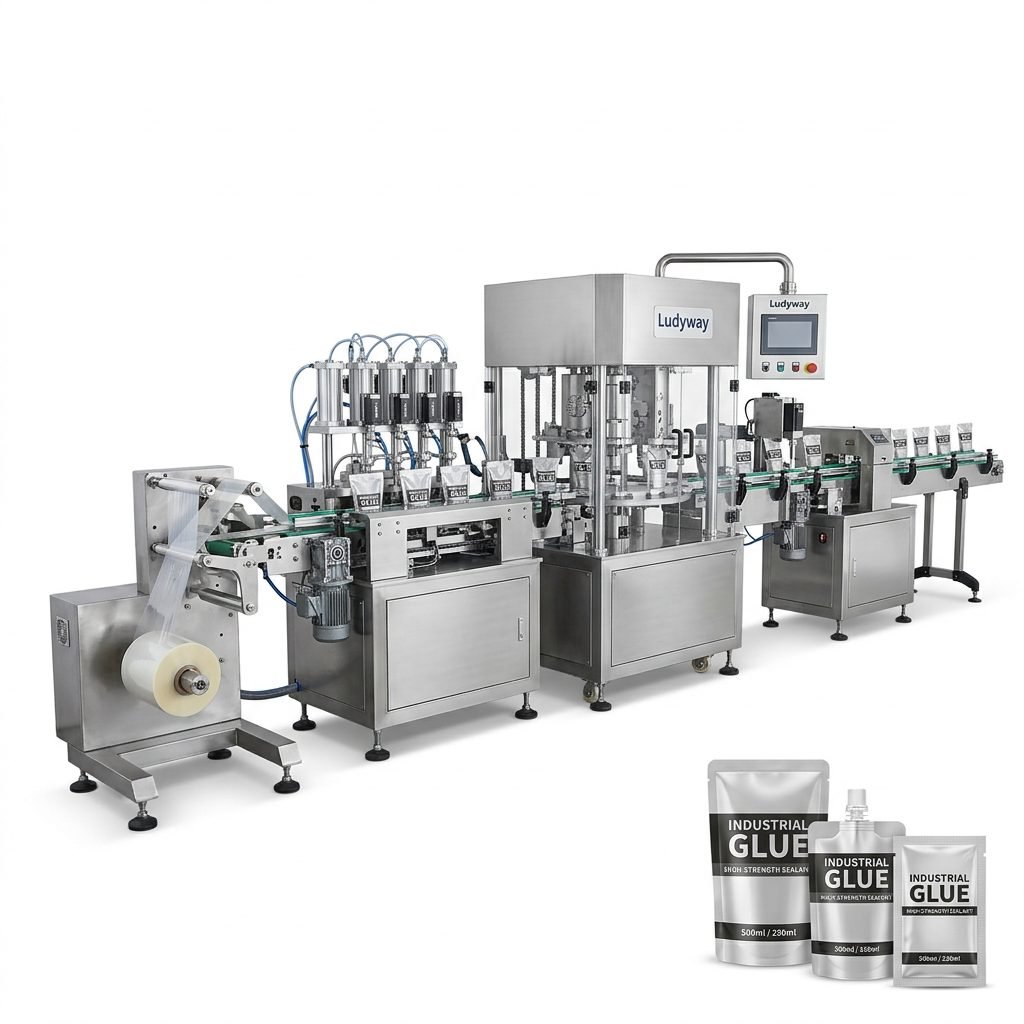
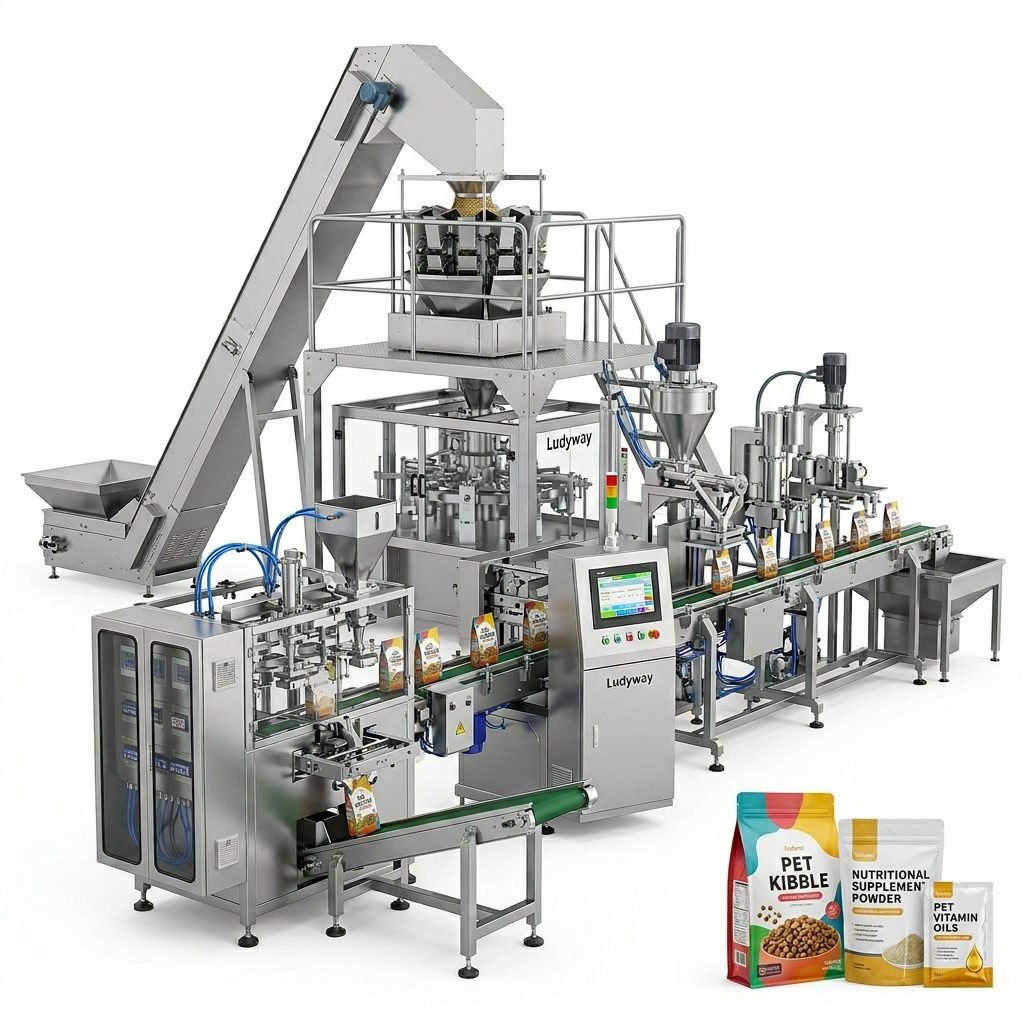
| Fully Automated Turnkey Line (Weighing, Packing, Cartoning, Palletizing) |
$200,000 – $500,000+ | Large-scale industrial operations and contract packers looking for end-to-end automation solutions. |
The Return on Investment (ROI) Calculation
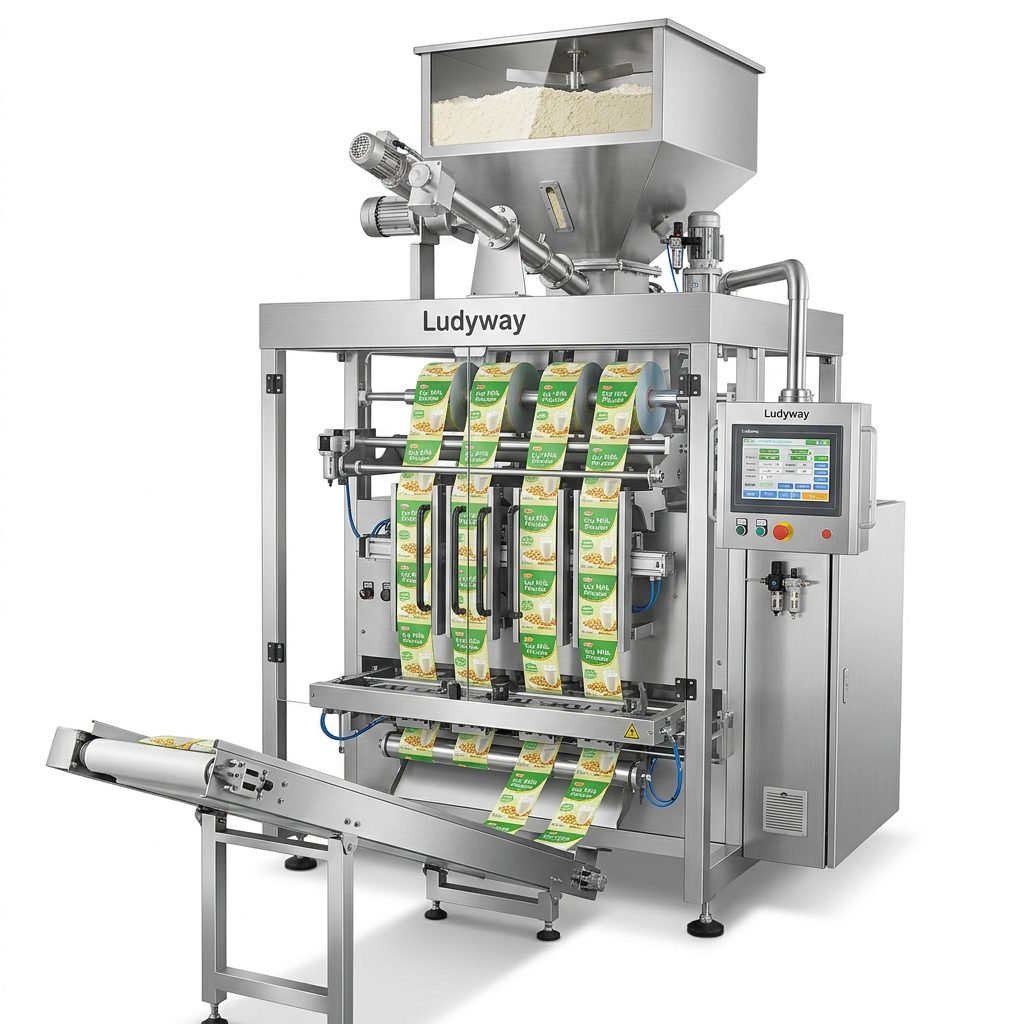
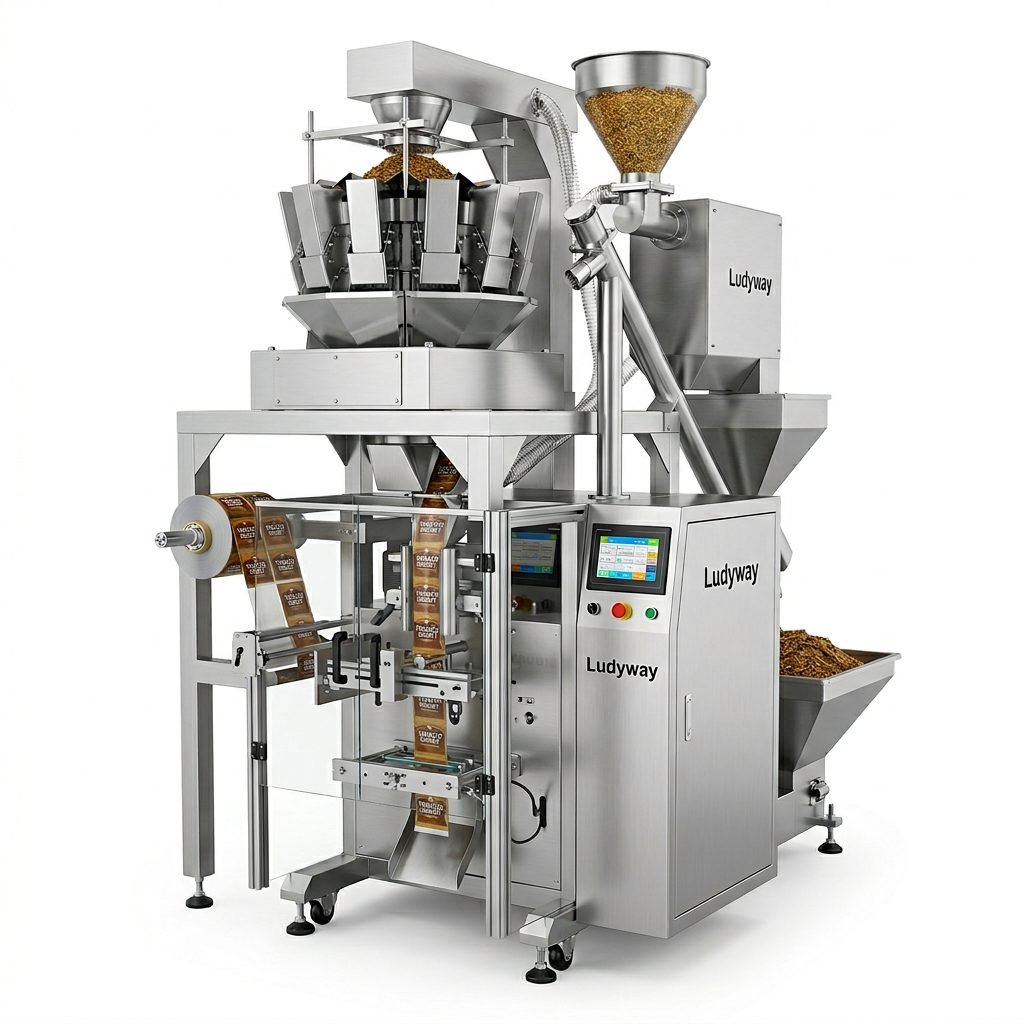
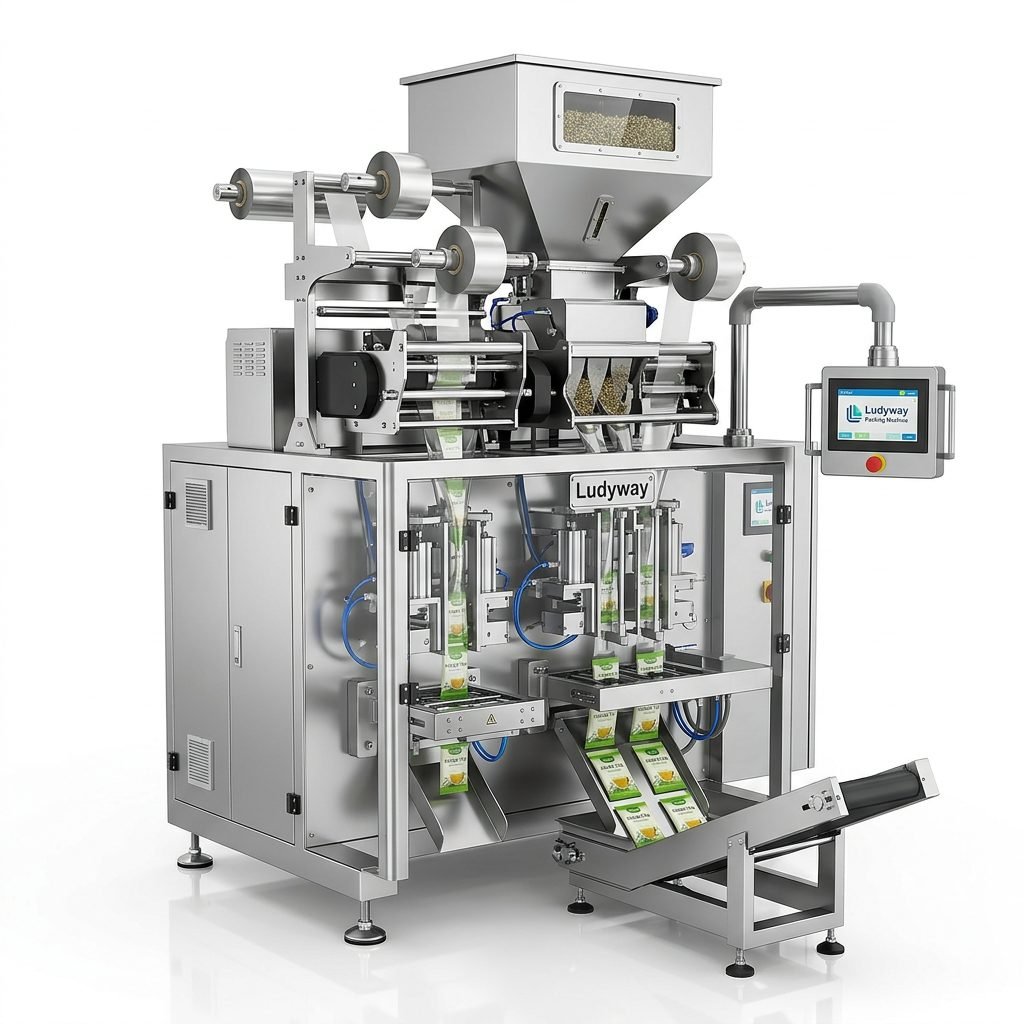
While the upfront cost of a sophisticated vertical form fill seal (VFFS) machine for tea might seem steep, the long-term operational cost savings often justify the expense within the first 12 to 24 months. Advanced machinery drastically reduces product giveaway, where small fractions of a gram are overfilled per bag, resulting in thousands of dollars in lost revenue annually.
Furthermore, adopting modern flexible packaging solutions with vertical inpack machinery enhances sustainability by reducing film waste compared to older reel-stock systems. Companies shifting from manual packing to automated multi-lane stick packs typically report a 3x increase in output per worker, allowing brands to quickly scale their tea product offerings in competitive markets.

Choosing the Right Supplier and Avoiding Hidden Fees
When evaluating machinery costs, always verify what is included in the quotation. Some manufacturers quote a base machine price to appear competitive, but then charge separately for essential items like the hopper, conveyor, printer, or even the installation and commissioning. Transparent, high-quality manufacturers—like Ludyway, which operates a massive 20,000㎡ facility and serves over 100 countries—provide clear turnkey solutions that include stringent factory acceptance testing (FAT) and on-site training to guarantee performance without unexpected hidden fees.
You must also account for technical support and lead times. The total cost of ownership can balloon if you purchase a cheaper machine that lacks local after-sales support or if you struggle to source replacement parts. Always request the mean time between failures (MTBF) data and ensure the supplier has a robust global after-sales service record.
Final Thoughts on Your Packaging Investment
Ultimately, the cost of an inpack tea packaging machine is directly proportional to the value it brings to your production floor. A strategic investment in a multi-lane stick pack system or a nitrogen-flushed sealing line can elevate your brand from a regional tea supplier to an internationally recognized competitor. Focus less on the entry-level purchase price and more on the machine’s speed, precision, film waste rate, and compliance with international food safety standards.
By prioritizing reliability and output efficiency over the cheapest upfront bid, you secure a packaging asset that drives profitability for decades. Whether you are packaging pure green tea, herbal blends, or specialized instant powders, the right technology will pay for itself through enhanced productivity and unmatched packaging quality.