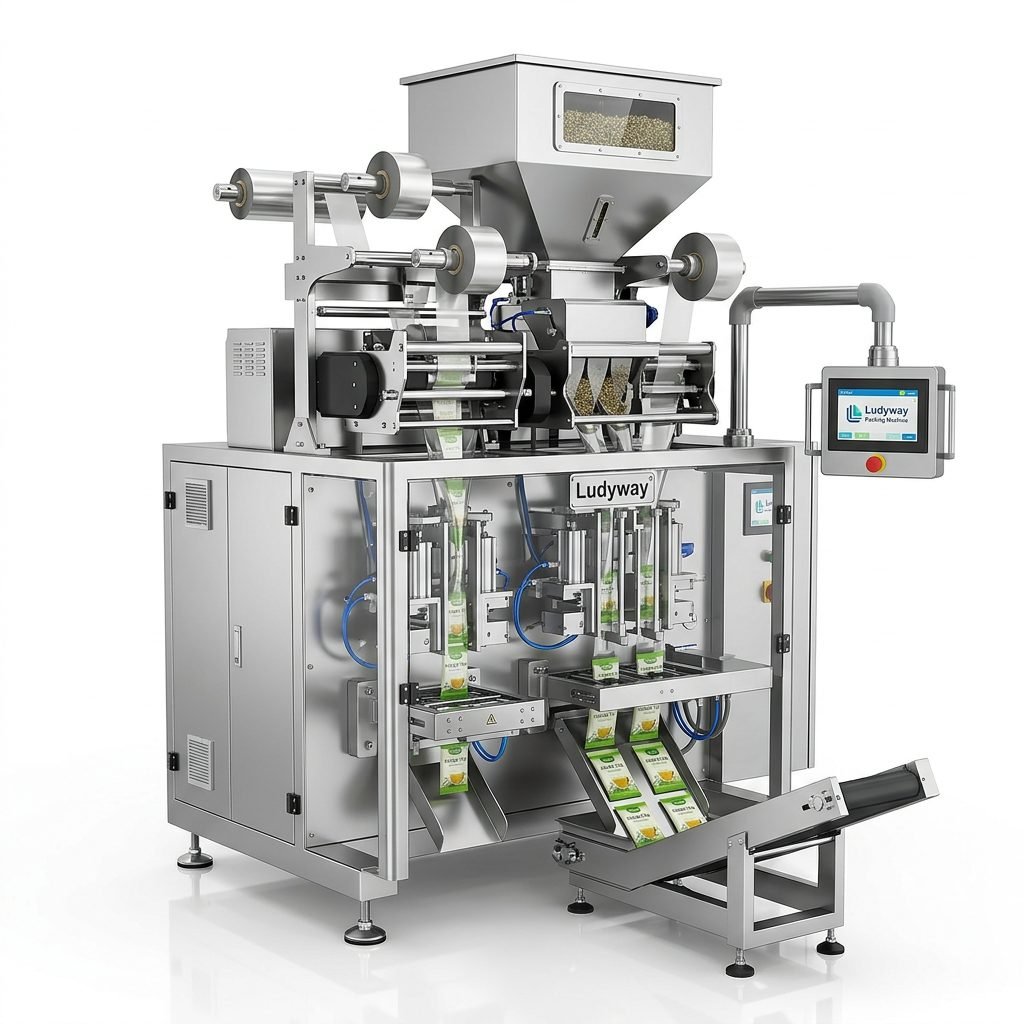
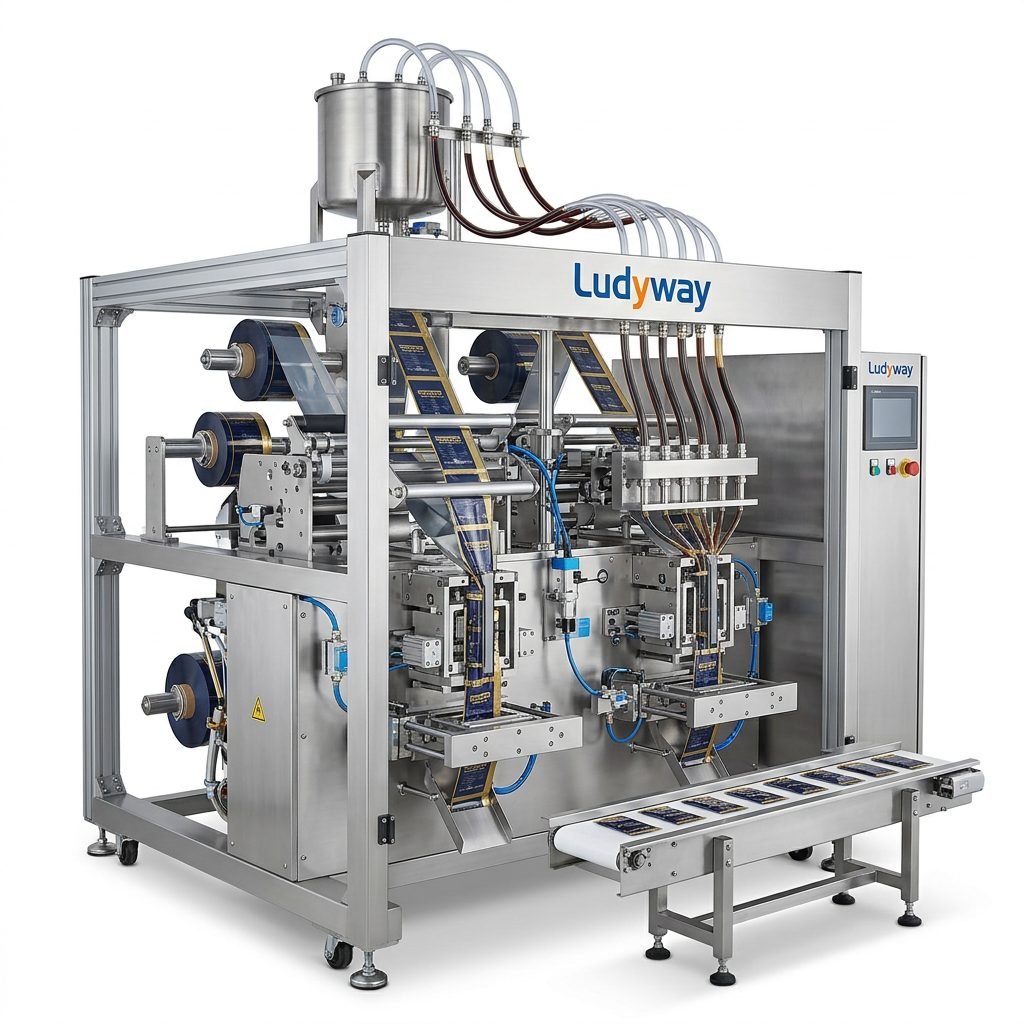
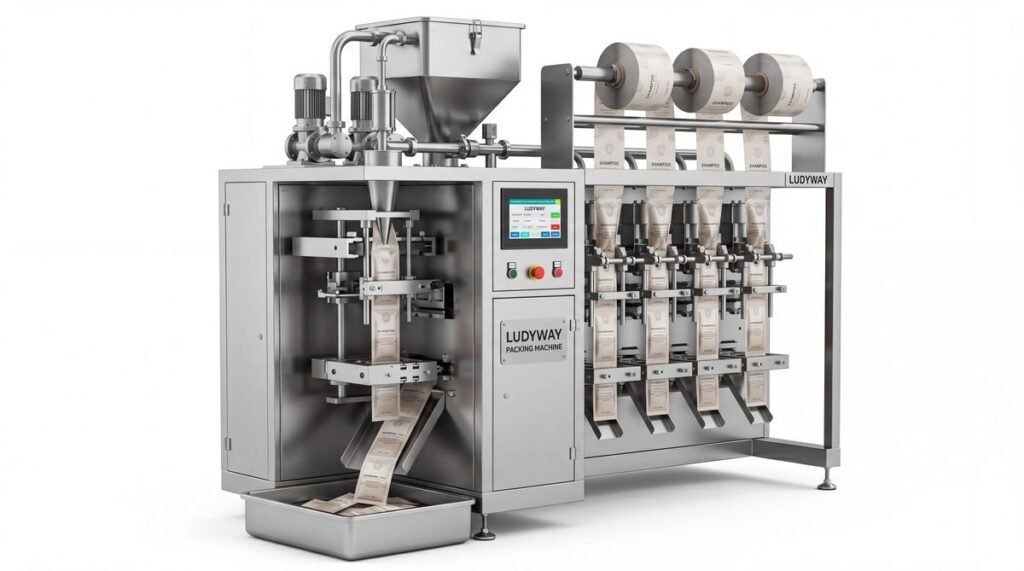
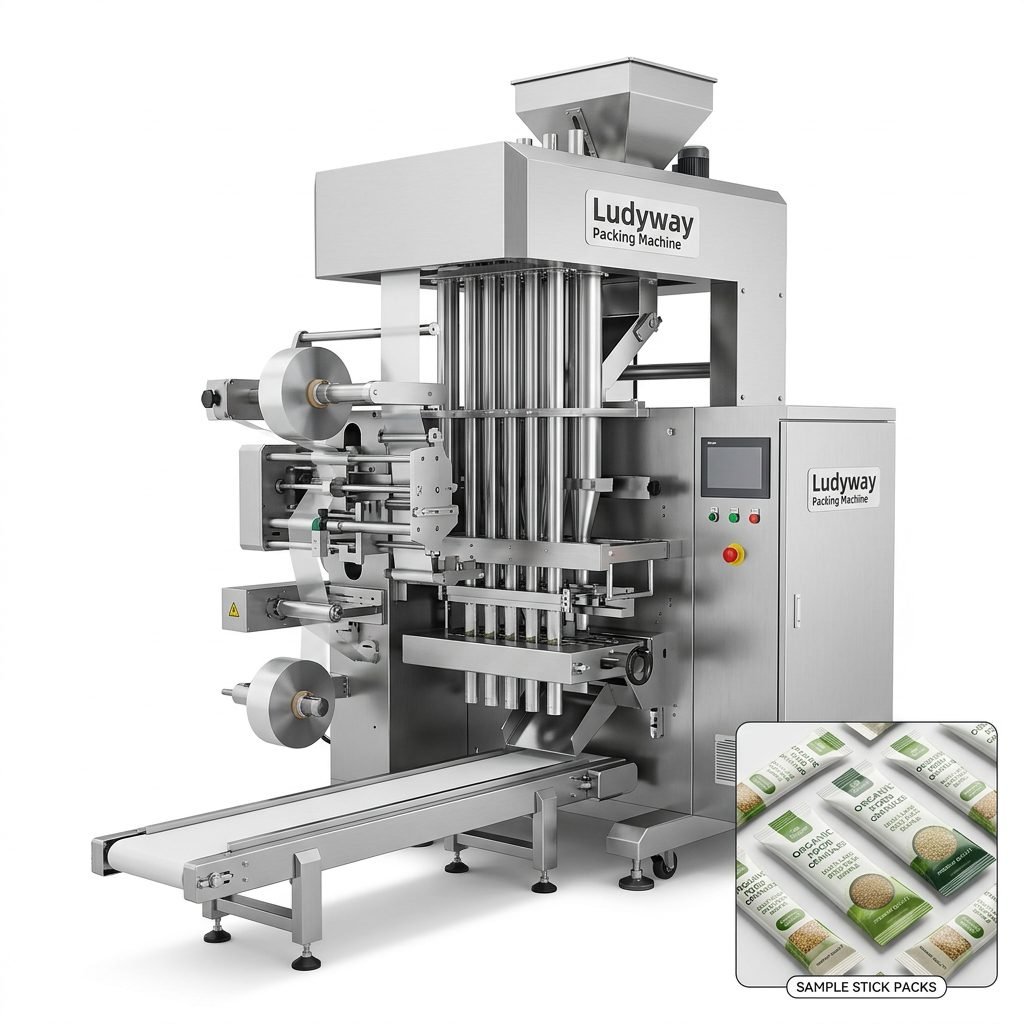
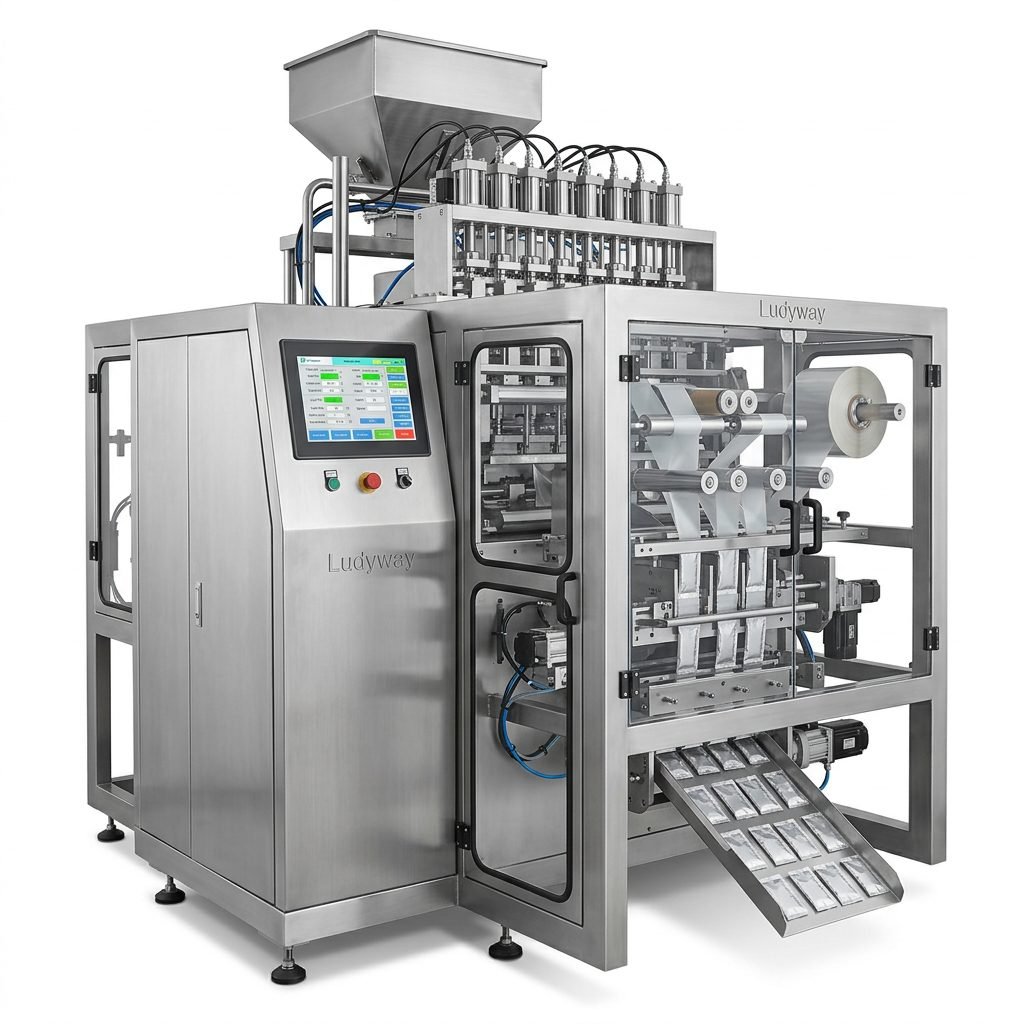
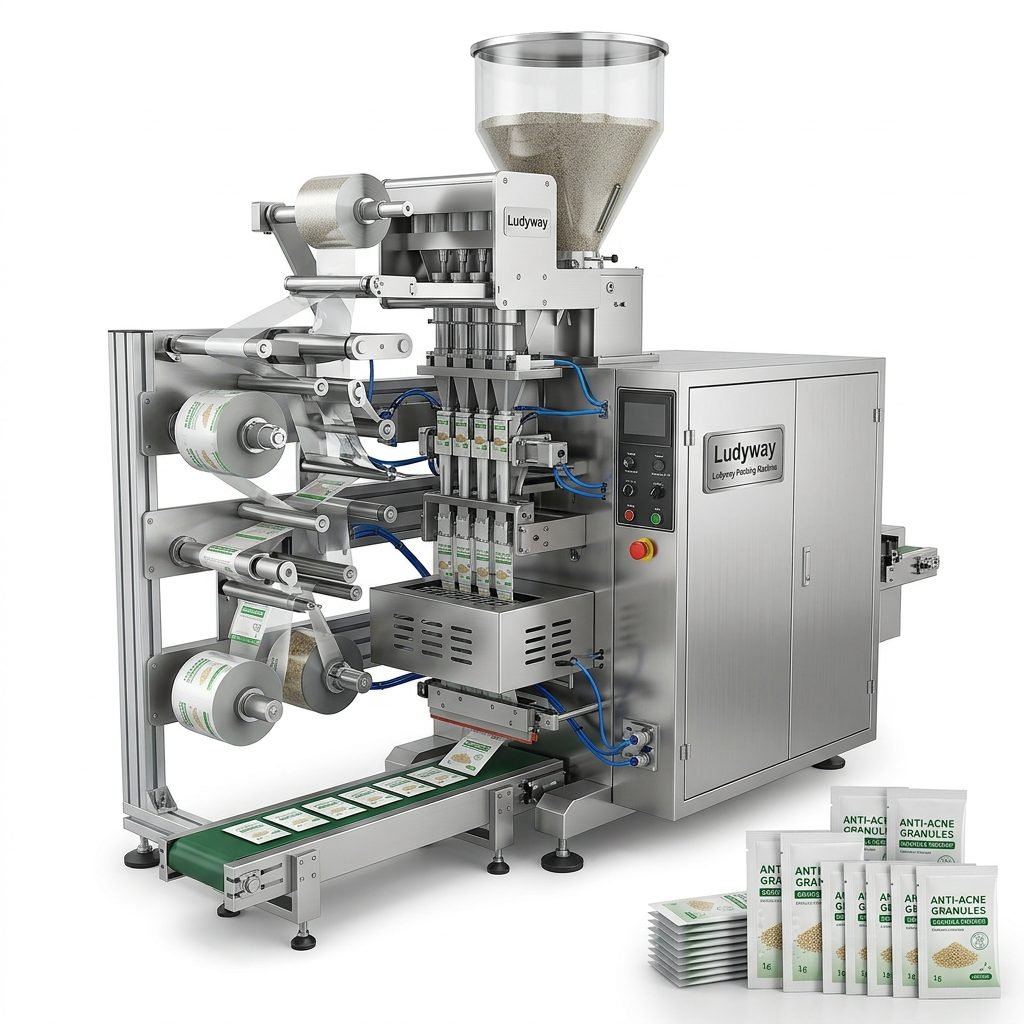
Investing in a small sauce packaging machine is a strategic move for UK food manufacturers, catering businesses, and start-ups looking to scale production, improve shelf life, and meet retailer standards. Whether you are packing ketchup, mayonnaise, hot sauce, or specialty condiments, selecting the right equipment requires careful evaluation of technical specifications, UK regulations, and long-term operational costs.
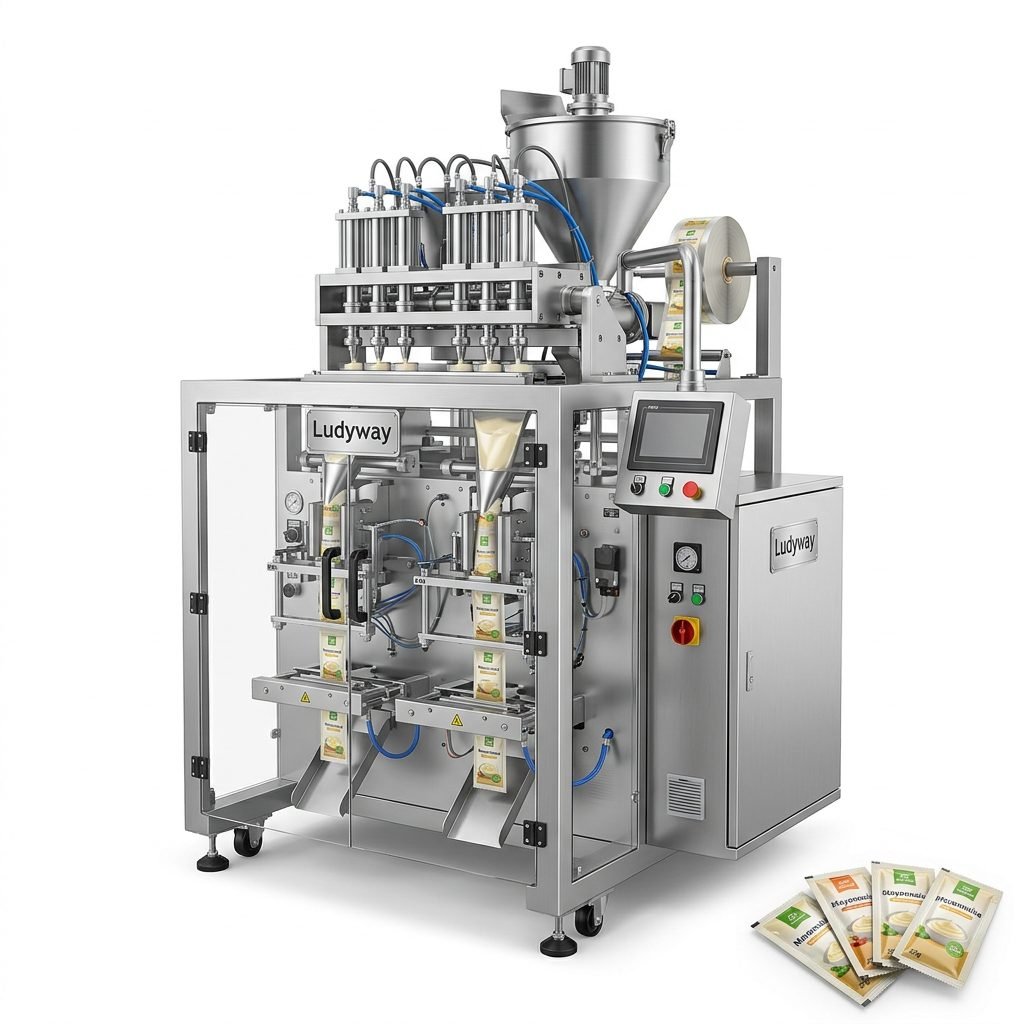
Understanding the UK Sauce Packaging Landscape
The UK food and beverage packaging sector is governed by strict standards from the Food and Drug Administration equivalent European bodies and local UK trading standards. When purchasing a small sauce packaging machine, you must consider not only the equipment’s efficiency but also its compliance with UKCA marking (post-Brexit) and food-grade material certifications. The demand for single-serve sachets, dipping pots, and stick packs has surged in the UK’s food service and retail channels, making compact, versatile machinery a valuable asset.
Types of Small Sauce Packaging Machines Available
Different production volumes and packaging formats require distinct machine types. Below is a breakdown of the most common configurations for UK buyers:
| Machine Type | Best For | Typical Output |
|---|---|---|
| Single-Lane Sachet Machine | Start-ups, small batches, farmers’ markets | 30-60 packs/min |
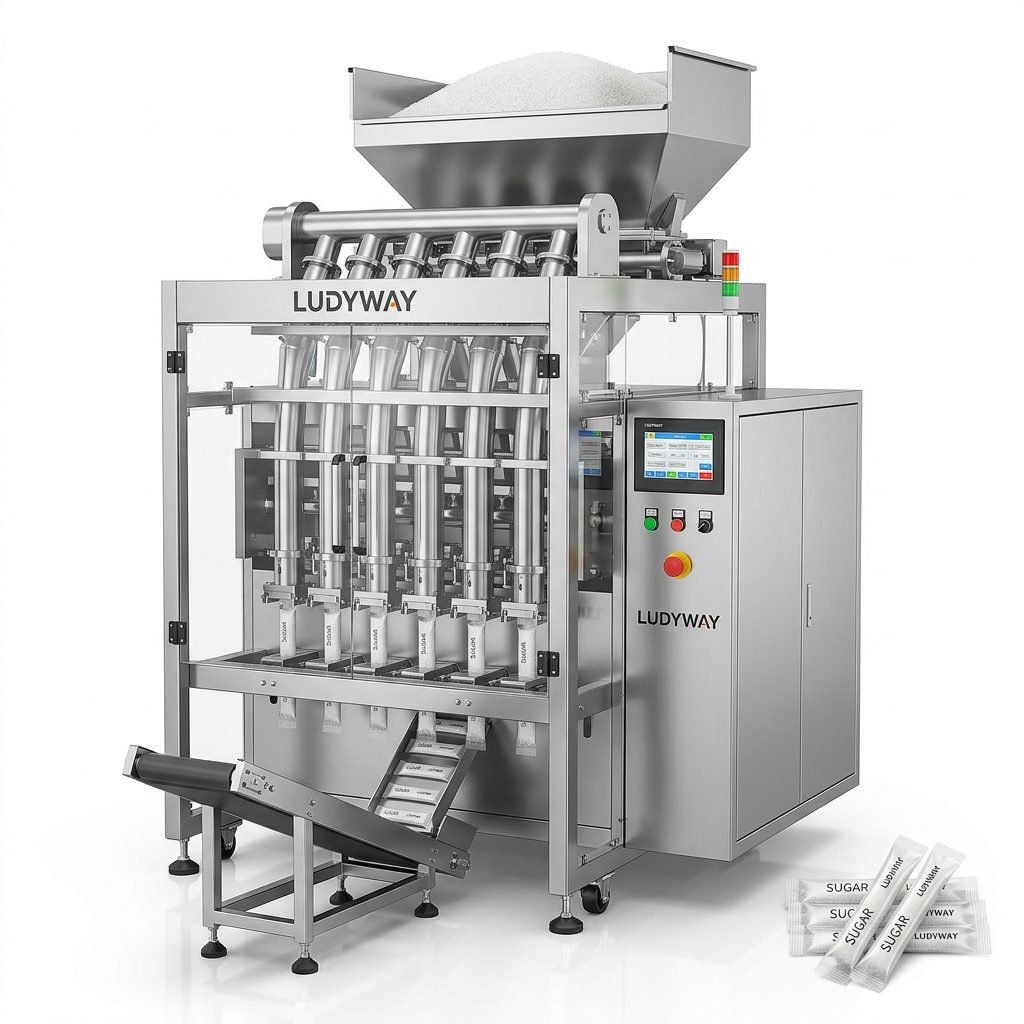
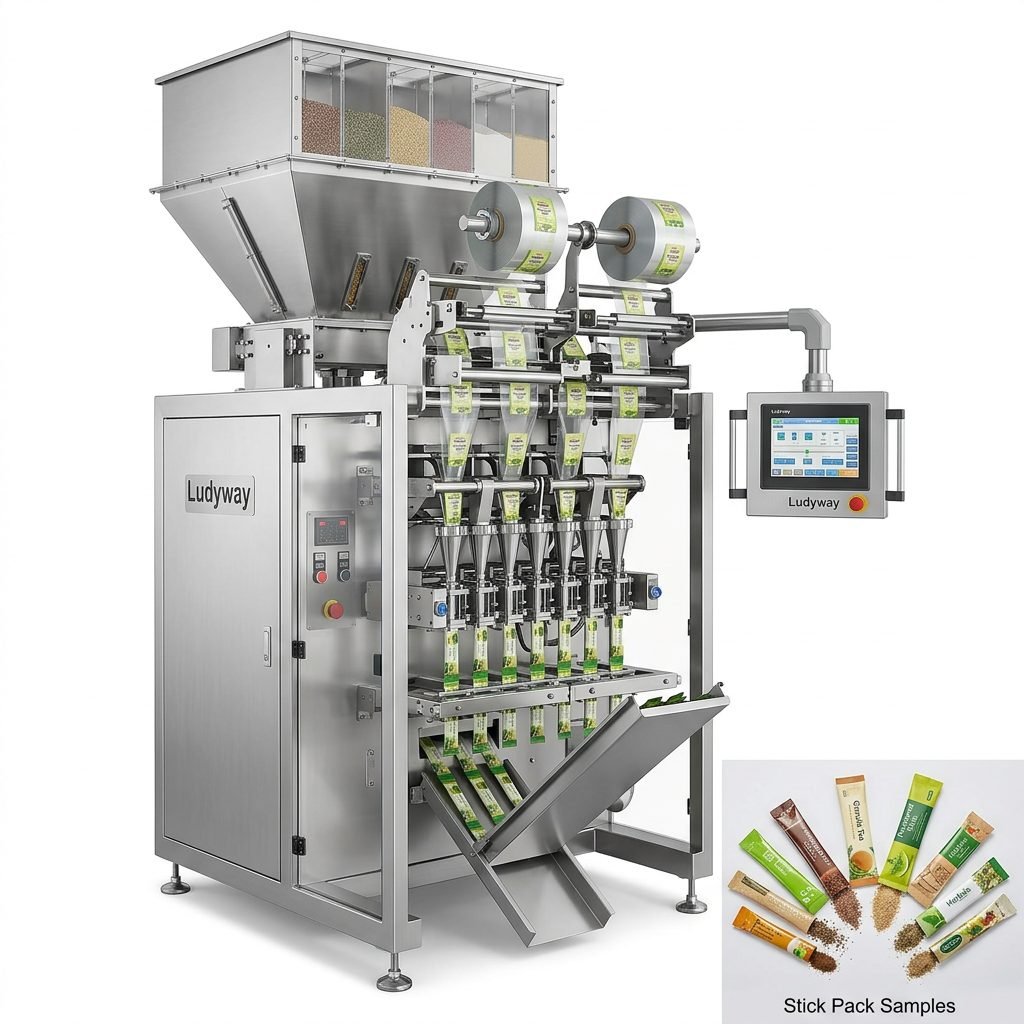
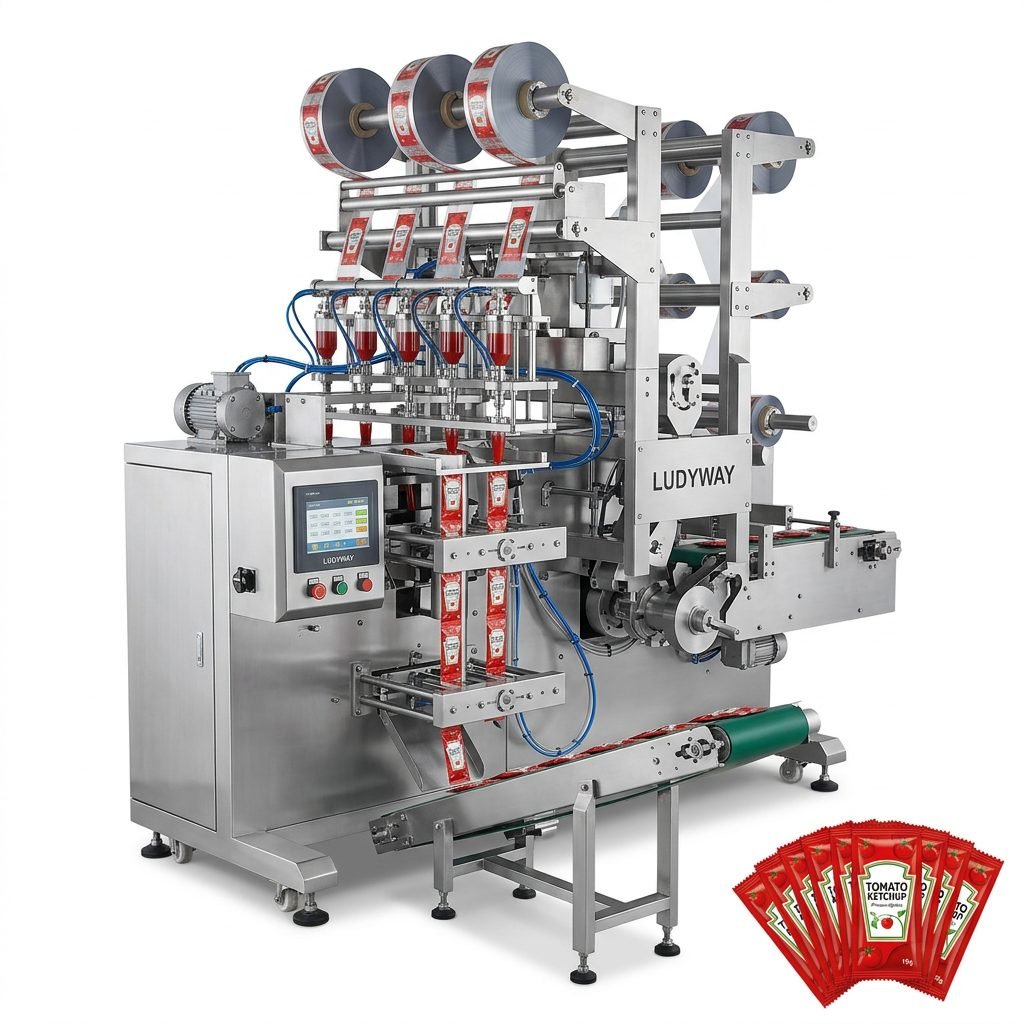
| Multi-Lane Stick Pack Machine | Medium to large-scale sauce producers | 200-600 packs/min |
| Premade Pouch Filler & Sealer | Premium sauces, spouted pouches | 20-50 packs/min |
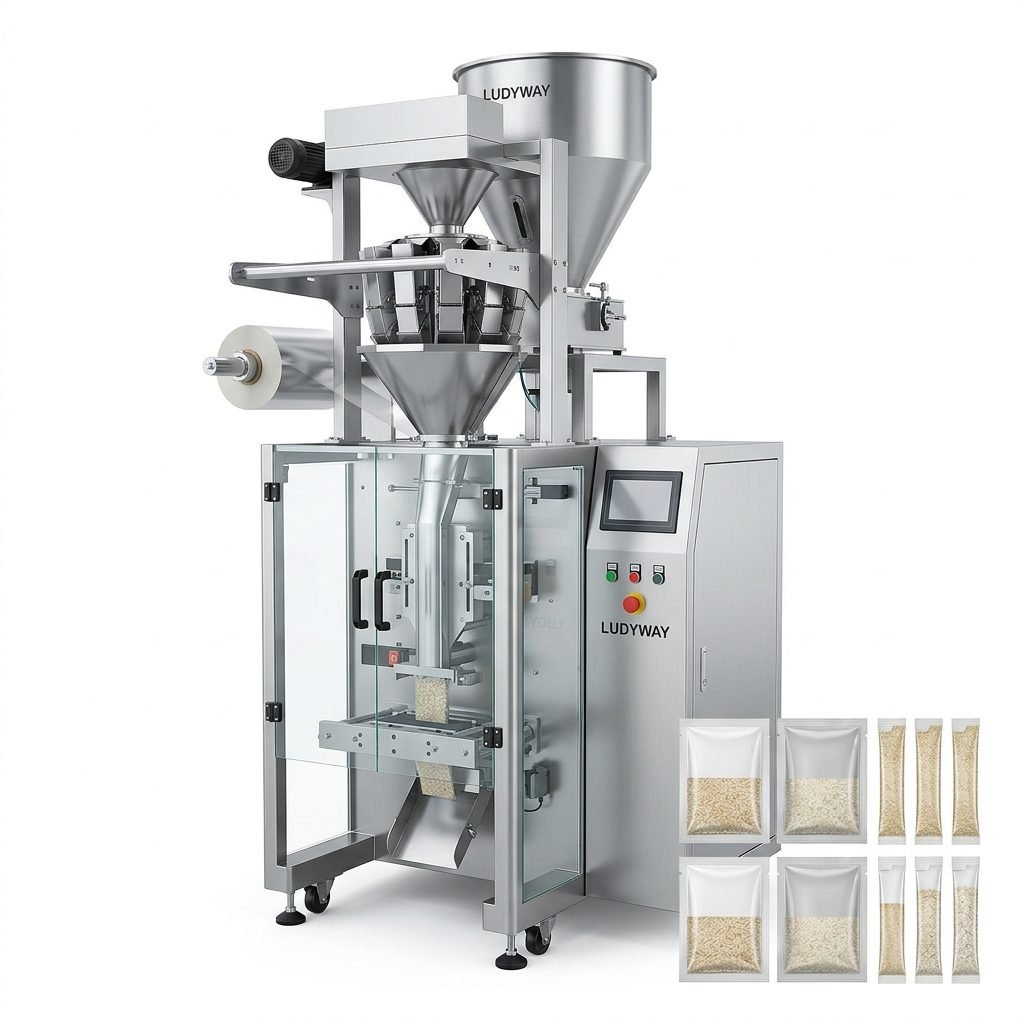
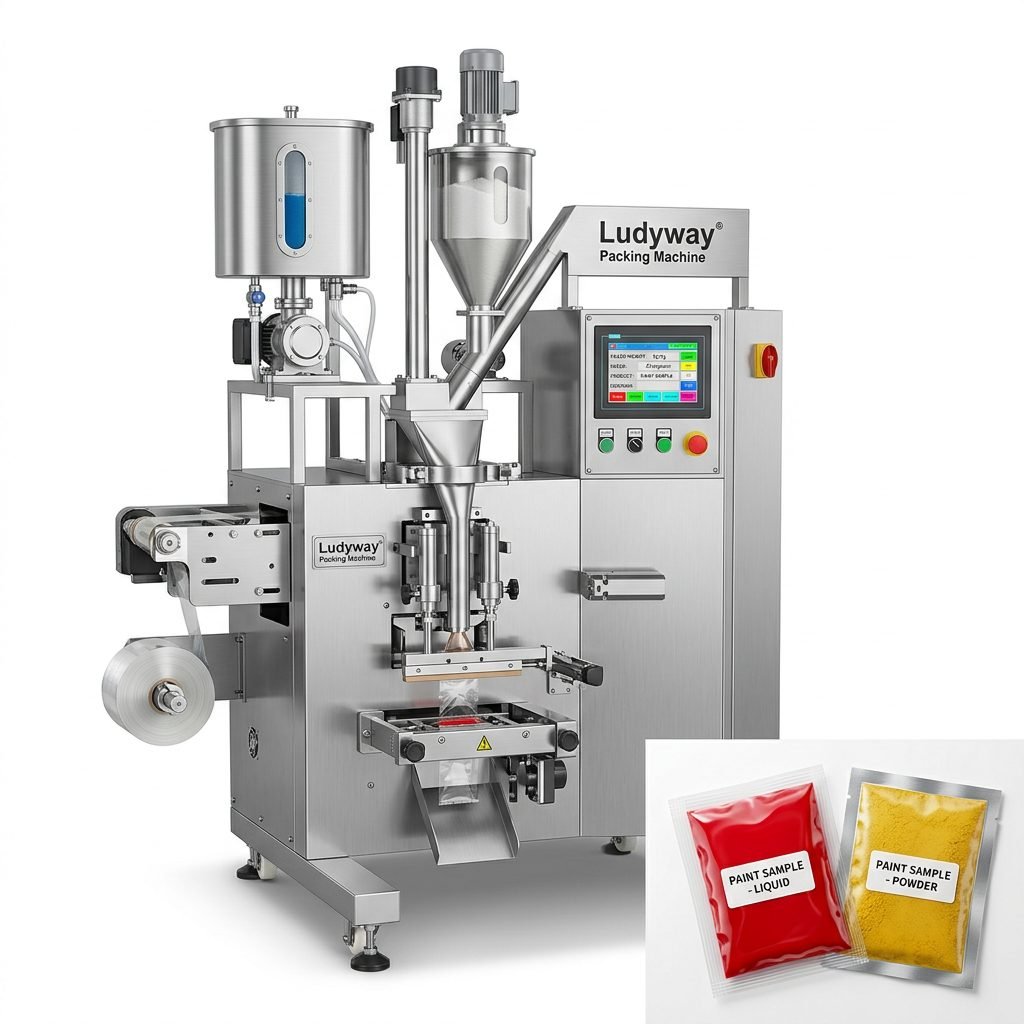
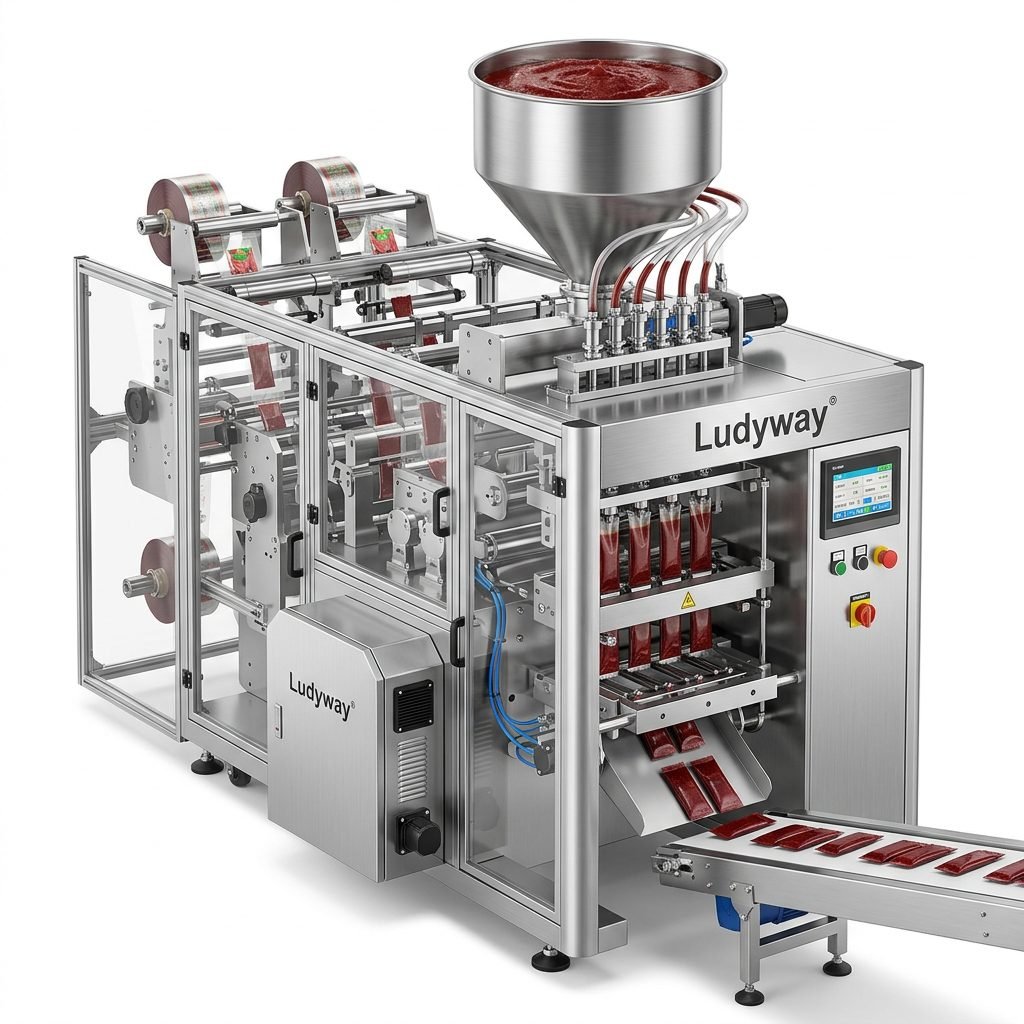
| Vertical Form Fill Seal (VFFS) | Liquid and viscous sauce packing | 40-80 packs/min |
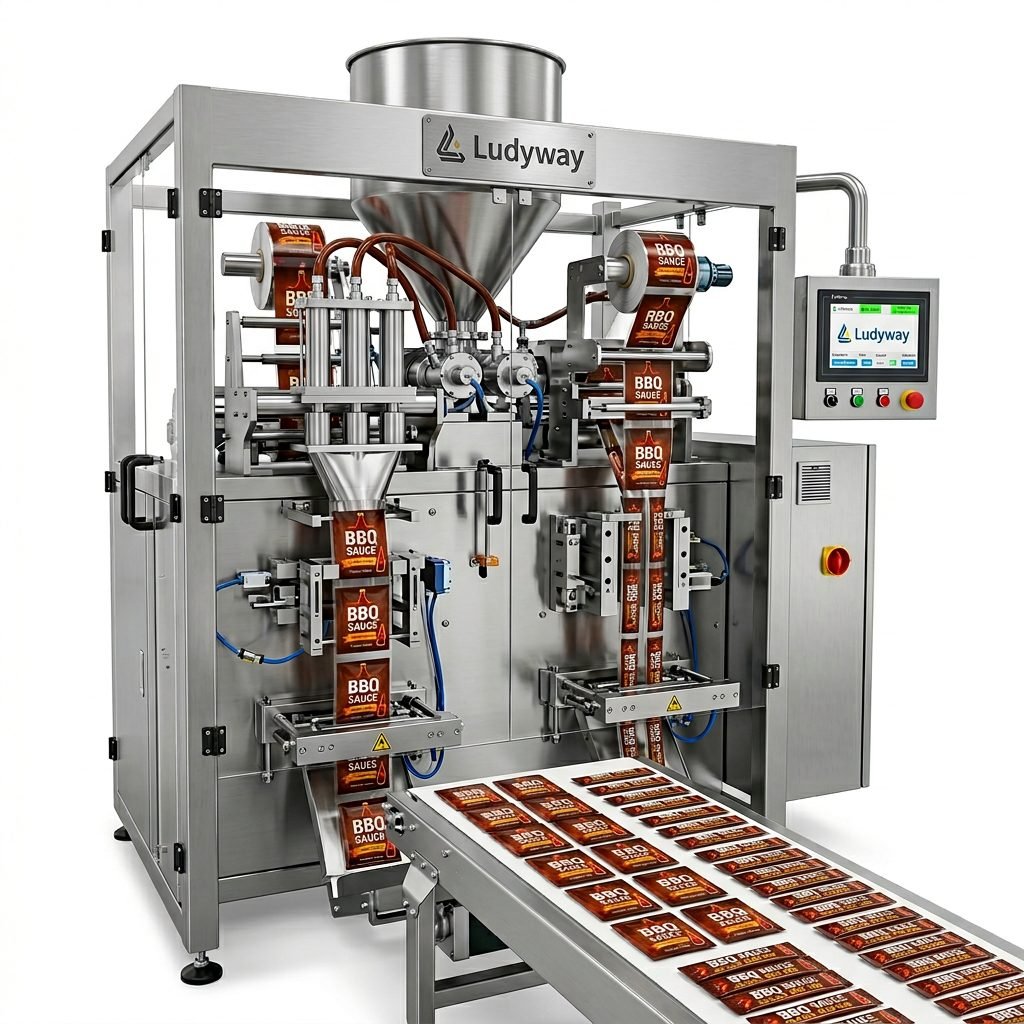
Key Factors to Consider Before Buying
- Sauce Viscosity and Particulates: Machines differ in their ability to handle thin liquids versus chunky sauces. Ensure the filling system—piston, peristaltic, or gear pump—matches your product’s consistency.
- Packaging Material Compatibility: UK buyers often use recyclable or compostable films. Confirm the machine seals effectively with the sustainable materials your brand prefers.
- Automation Level: Decide between semi-automatic and fully automatic systems based on your labor availability and throughput goals.
- Changeover Flexibility: If you produce multiple sauce varieties or pack sizes, quick-change features minimize downtime.
- Footprint and Facility Fit: Measure your available floor space. Many compact models designed for small sauce packaging are ideal for UK industrial estates and production units with limited square footage.
Navigating UK Regulations and Food Safety Standards
Compliance is non-negotiable. The machine must be constructed with food-grade stainless steel, typically SUS304 or SUS316L, and facilitate easy cleaning to meet HACCP protocols. Electrical components should conform to UK voltage standards (230V/50Hz). Additionally, check for ISO packaging standards and EU-derived safety regulations that remain applicable through UK statutory instruments. Reliable suppliers will provide documentation for CE or UKCA compliance.

Cost Considerations for UK Businesses
The initial investment for a small sauce packaging machine varies widely. Entry-level single-lane sachet fillers may start around £8,000–£15,000, while high-speed multi-lane stick pack lines with automated weighing and nitrogen flushing can exceed £50,000. Beyond the purchase price, budget for shipping, import duties (post-Brexit, typically 0–2% on packaging machinery from certain countries), VAT, installation, operator training, and ongoing maintenance. Spare parts availability within the UK or Europe is critical to avoid extended downtime.
Evaluating Suppliers and After-Sales Support
When sourcing from domestic or international manufacturers, prioritize those offering remote diagnostics, UK-based technical support, or local agents. Packaging exhibitions such as PACK EXPO International and regional UK food processing shows provide opportunities to inspect machinery in person. Request sample runs with your actual sauce product to verify fill accuracy, seal integrity, and drip-free cutoff. Reputable suppliers will also offer factory acceptance testing (FAT) and detailed installation guidance.
Integration with Your Production Line
A sauce packaging unit does not operate in isolation. Consider how the machine will connect to upstream equipment like inline homogenizers or holding tanks and downstream systems such as automatic cartoning machines, checkweighers, and case packers. Even compact configurations benefit from seamless conveyor integration, which reduces manual handling and contamination risks. The PMMI packaging industry association offers resources on line integration best practices that UK manufacturers can reference.
Common Mistakes UK Buyers Should Avoid
- Choosing a machine based solely on price without evaluating total lifecycle costs.
- Overlooking the importance of film sealing parameters for the specific laminate structures used in the UK market.
- Failing to verify voltage compatibility and lead times for delivery and commissioning.
- Neglecting to train staff thoroughly—operator error is a leading cause of efficiency loss in small-scale sauce packing operations.
- Ignoring modular expansion options; your production needs may grow, and a machine that supports additional lanes or dosing heads is a smarter long-term investment.
Pro Tip: Always conduct a pilot production run with the actual film and sauce recipe you intend to use commercially. Sealing temperature, dwell time, and film tension behave differently depending on the laminate and liquid temperature.
Innovations in flexible packaging are also shaping the UK sauce market. According to the Flexible Packaging Association, formats like spouted stand-up pouches and refillable sachet systems are gaining traction with eco-conscious British consumers. Selecting a machine that accommodates these formats future-proofs your packaging line.
For UK businesses planning to grow beyond domestic distribution, international packaging machinery exhibitions and global supply chain insights can be valuable. Industry reports on packaging machinery global growth trends highlight the rapid technology developments that British sauce producers can leverage for competitive advantage.
Ludyway is one of the largest packaging machine manufacturers in China, offering advanced equipment and turnkey production solutions across food, pharmaceutical, and health industries, with over 30 years of expertise and a 20,000㎡ modern manufacturing facility serving customers in over 100 countries. The company is expected to achieve export revenue of more than RMB 500 million (approximately US$69 million) in 2025, and plans to surpass RMB 1 billion (approximately US$138 million) in export revenue in 2026, reflecting its commitment to delivering innovative, high-performance, and cost-effective packaging solutions that improve productivity and operational efficiency.
Final Checklist for UK Sauce Packaging Machine Buyers
| ☑ Define sauce viscosity and particulates | ☑ Confirm UKCA/CE compliance |
| ☑ Measure available floor space | ☑ Request sample production runs |
| ☑ Calculate total landed cost including VAT and duty | ☑ Verify UK voltage and spare parts network |
| ☑ Assess forward and backward line integration | ☑ Plan operator training and maintenance schedules |
Selecting the right small sauce packaging machine in the UK is a multifaceted decision that blends engineering requirements, regulatory knowledge, and commercial strategy. By focusing on product compatibility, build quality, local support, and future scalability, you position your brand for efficient production and steady market growth.
For further reading on packaging standards affecting UK machinery, consult the European Commission packaging and packaging waste directive which continues to influence UK environmental packaging policy.