In the highly regulated and quality-critical pharmaceutical industry, packaging is far more than just a final step in production—it is a vital component that ensures product safety, integrity, compliance, and patient trust. Selecting the right packaging equipment is paramount for maintaining sterility, extending shelf life, providing accurate dosing, and meeting stringent global standards like GMP (Good Manufacturing Practice). This guide explores the essential types of packaging machinery used in pharmaceutical operations, their specific applications, and key considerations for making an informed investment.
Essential Types of Pharmaceutical Packaging Equipment
The pharmaceutical packaging process is typically segmented into primary, secondary, and tertiary stages, each requiring specialized machinery. Primary packaging involves direct contact with the product, making it the most critical for patient safety.
Primary Packaging Machinery
This equipment handles the direct containment of the pharmaceutical product. Common types include:
Blister Packaging Machines: These are ubiquitous for solid dosage forms like tablets and capsules. They use thermoformed plastic (PVC, PVDC, or Aclar) and aluminum foil to create individual, unit-dose cavities. This packaging offers excellent barrier properties, tamper evidence, and patient compliance through clear visibility of the product.
Bottle Filling and Capping Lines: Used for liquids (syrups, suspensions), powders, and capsules/tablets in bulk. These automated lines integrate filling (volumetric, auger, or liquid pumps), cottoning, capping (screw capping, snap-on, or child-resistant), and induction sealing for an airtight closure.
Ampoule, Vial, and Syringe Fillers: Critical for sterile injectable products. These machines operate in cleanroom environments (ISO 5/Class 100) and perform washing, sterilization, filling, and sealing under aseptic conditions. They are highly precise to ensure accurate filling volumes.
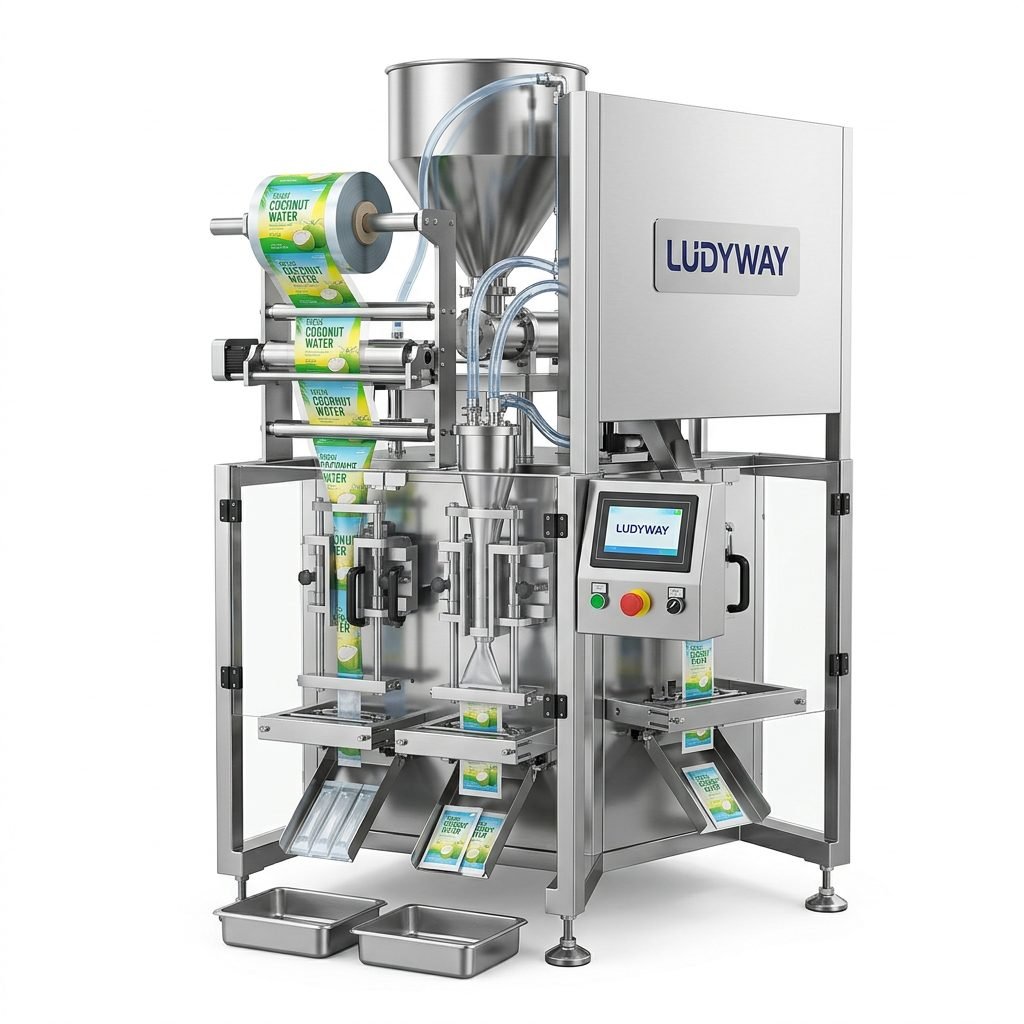
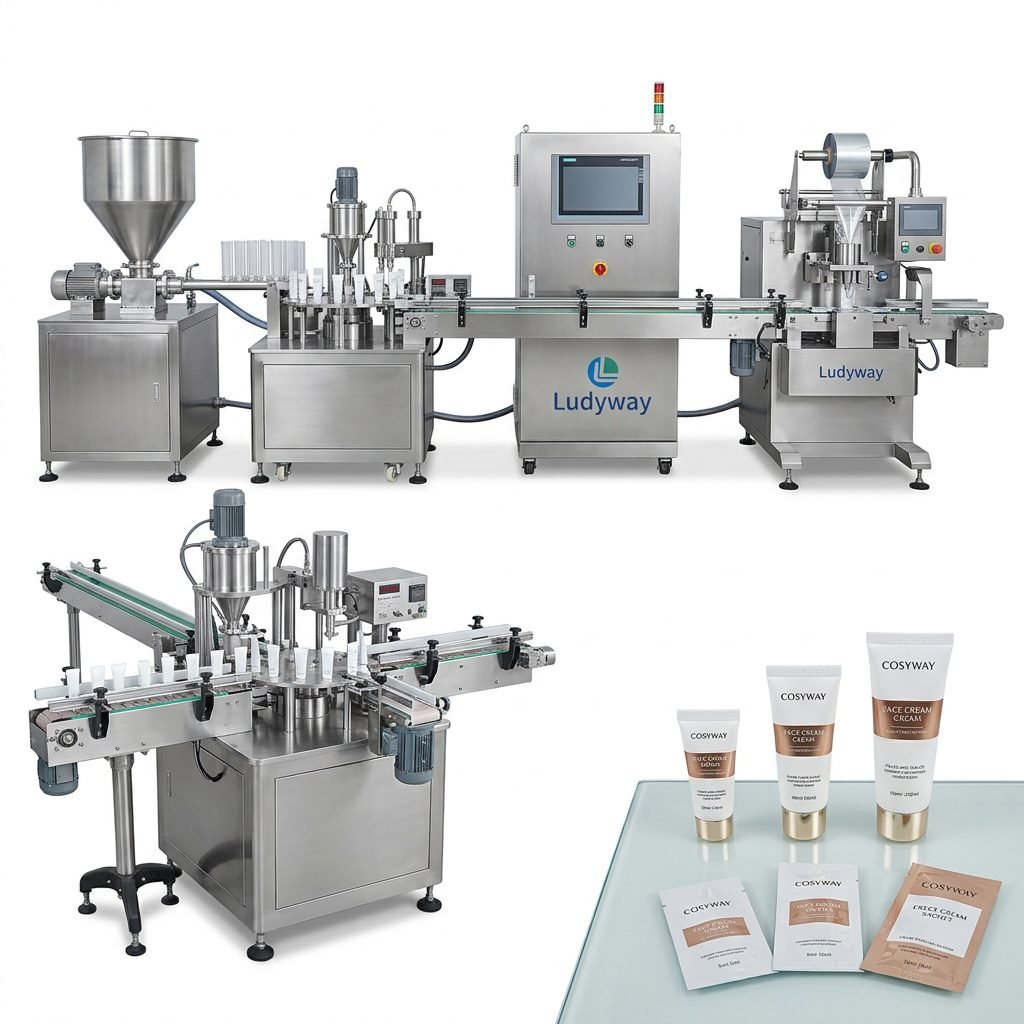
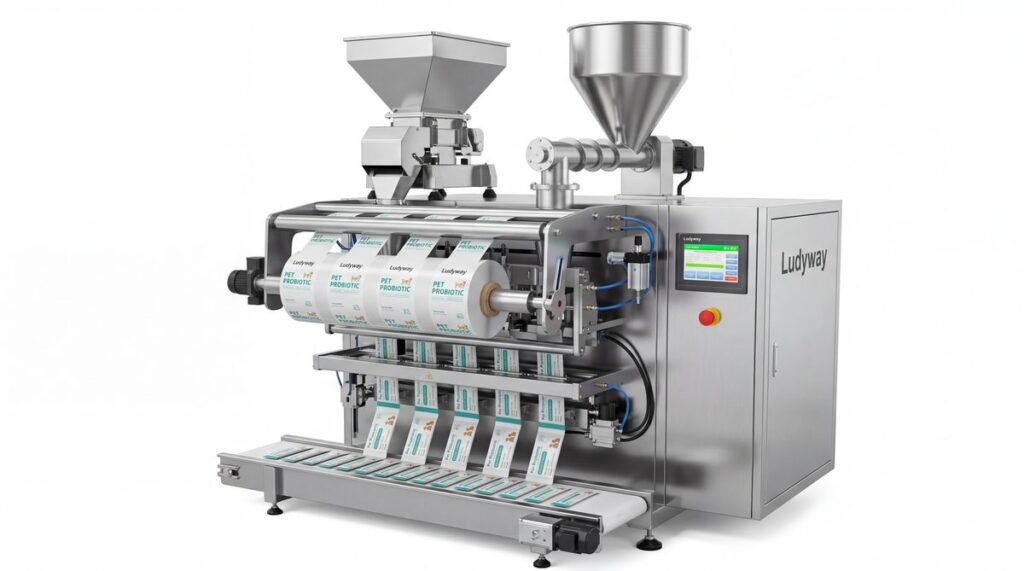
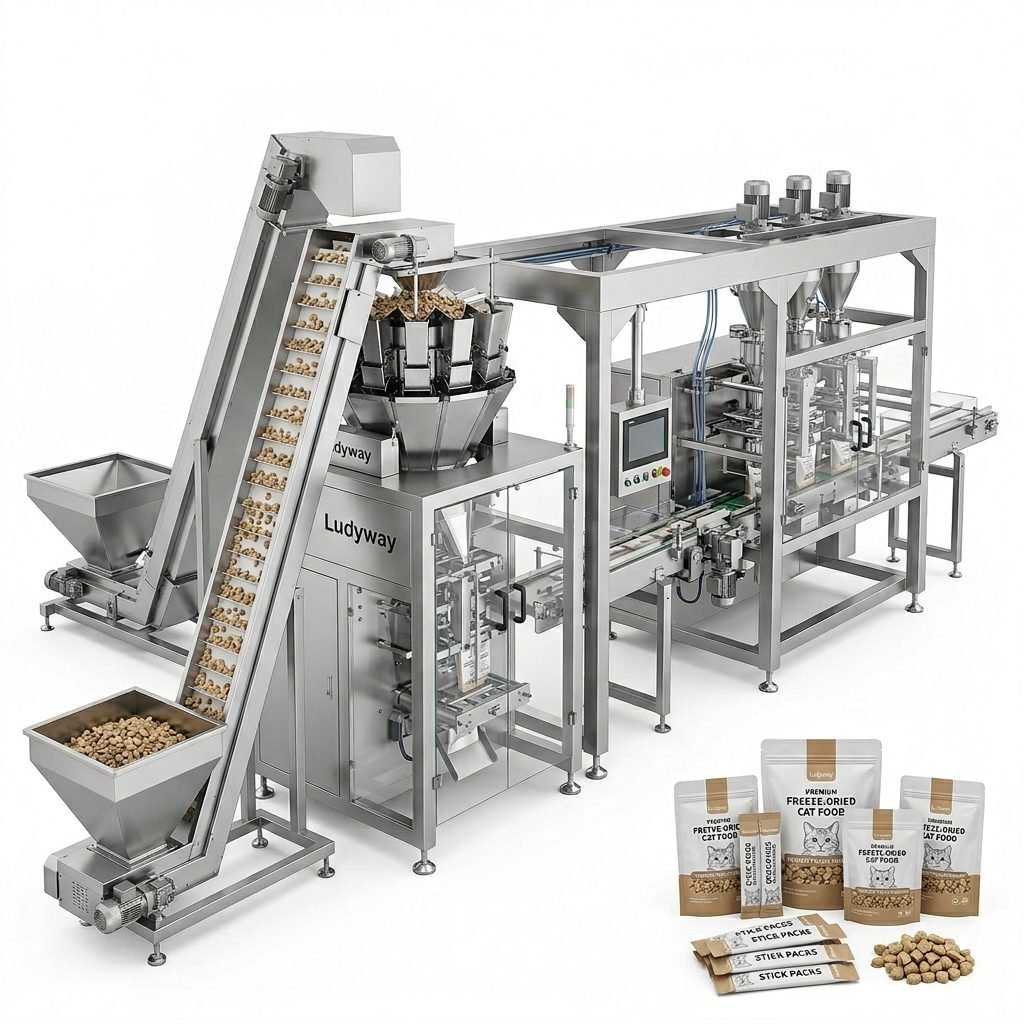
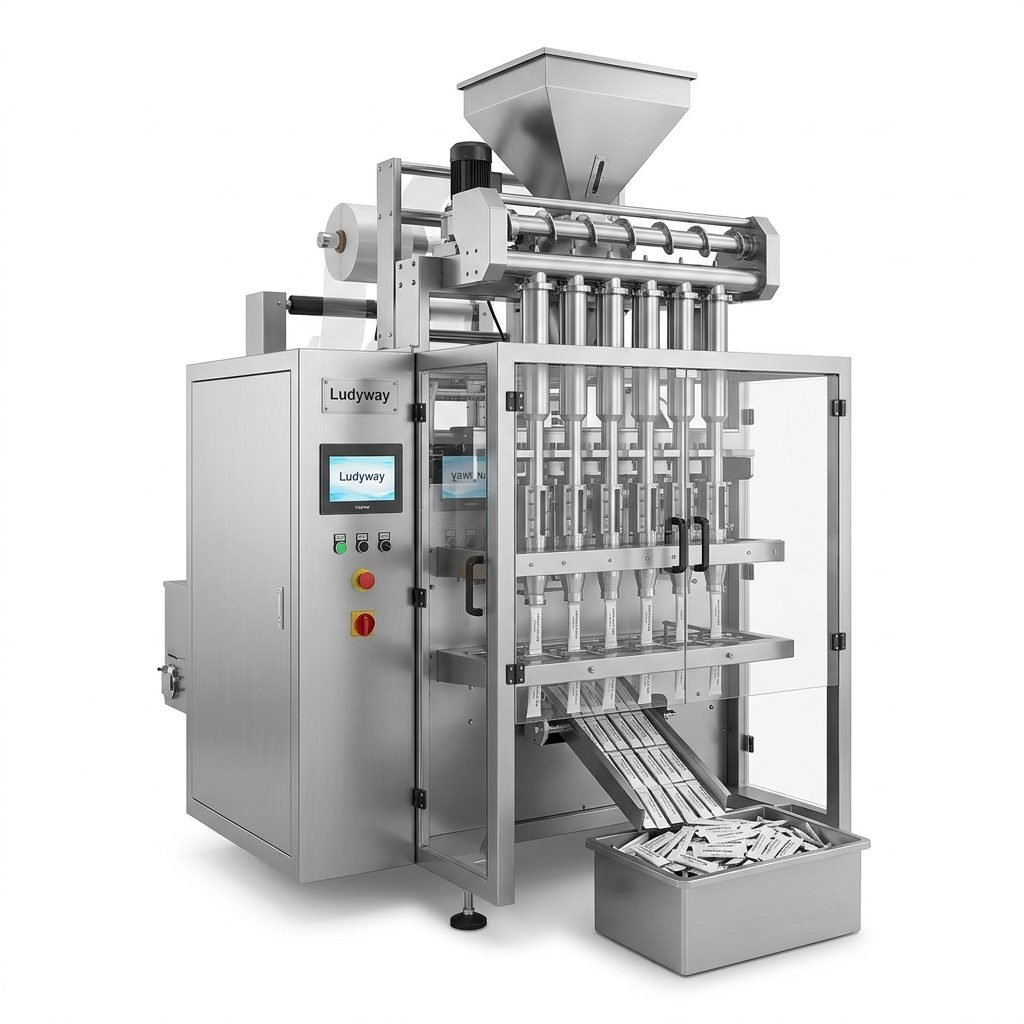
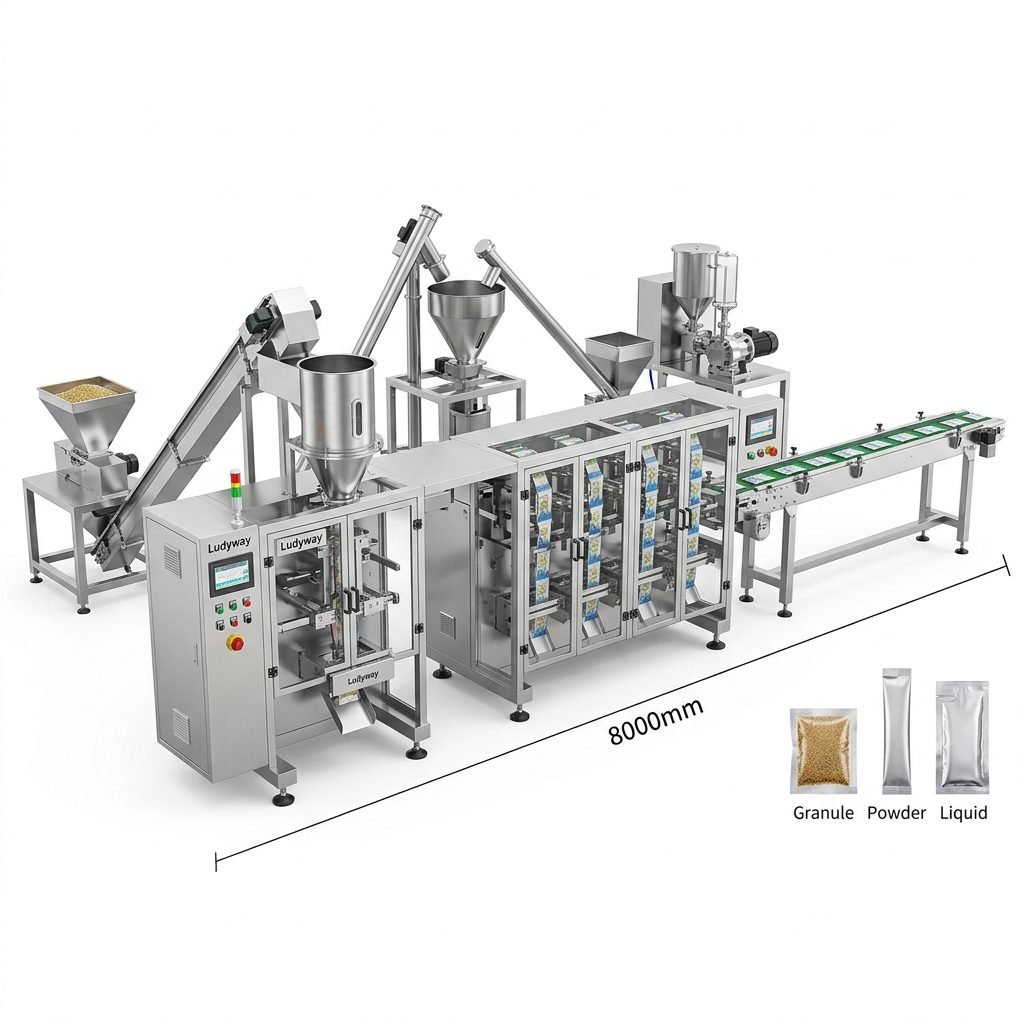
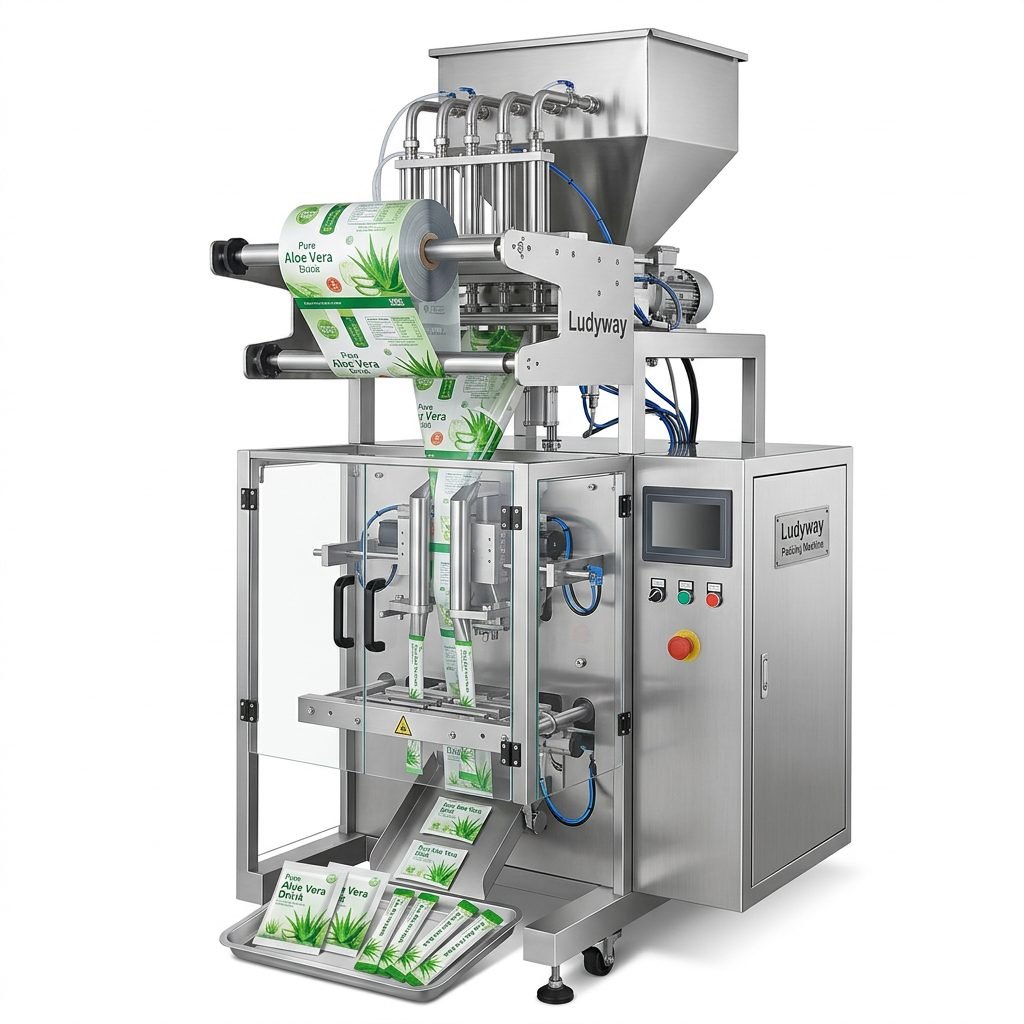
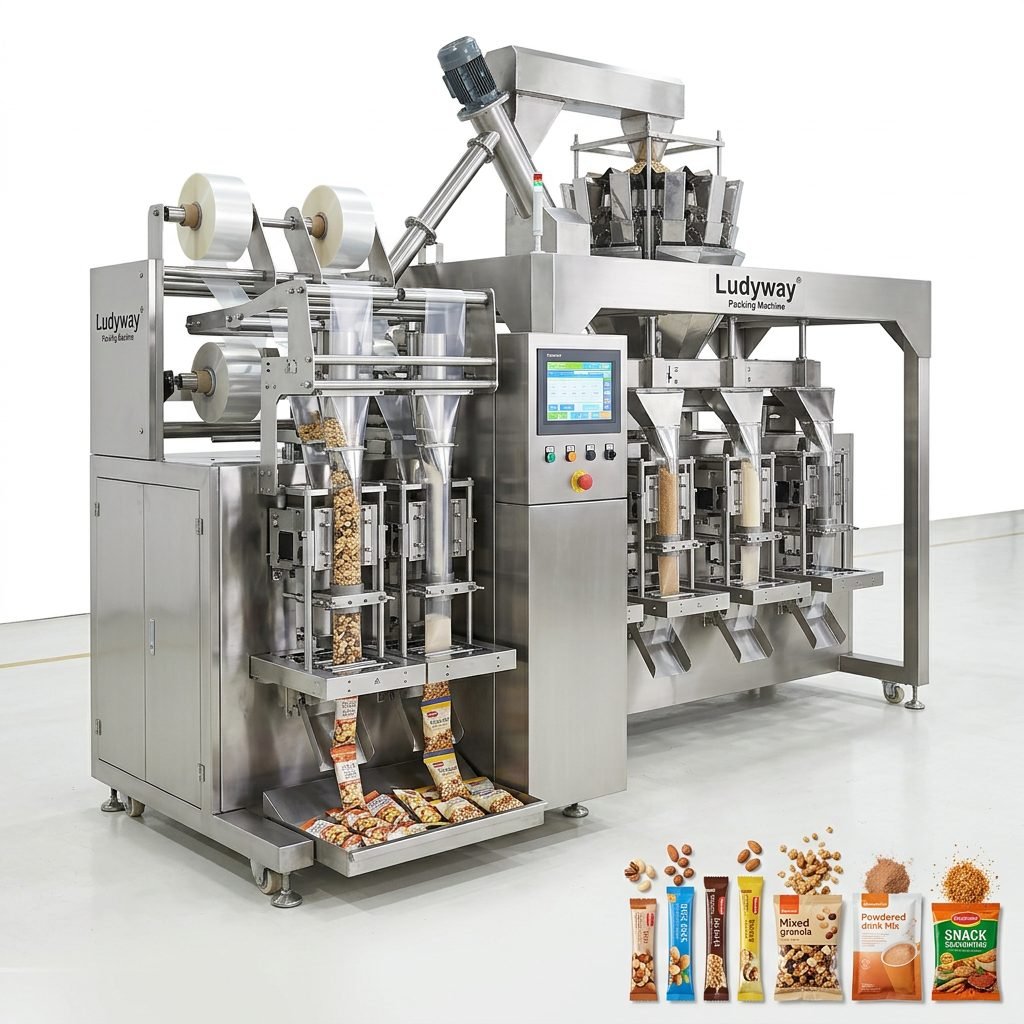
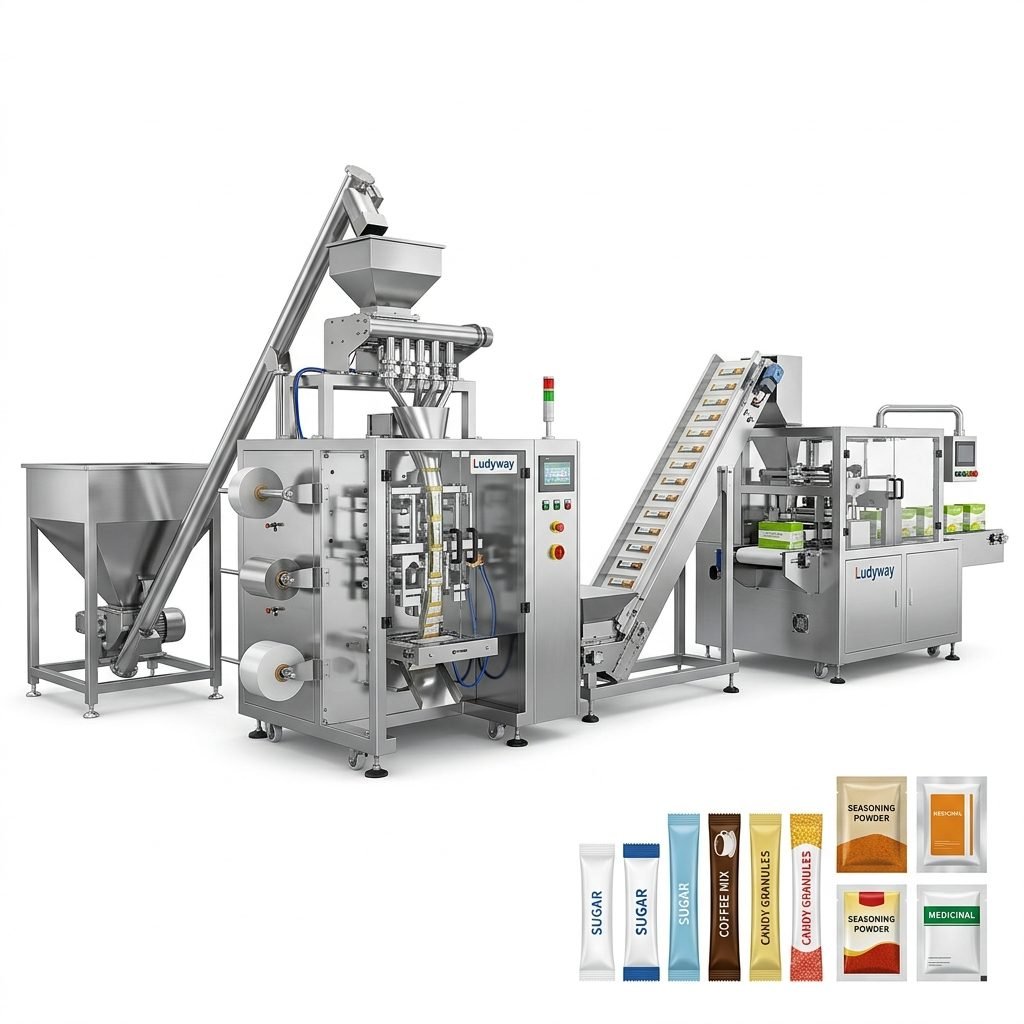
Sachet and Stick Pack Machines: Ideal for unit-dose powders, granules, or liquids (e.g., oral rehydration salts, effervescent powders). Machines from suppliers like Ludyway Packing Machine offer multi-lane, high-speed production of hermetically sealed packets, ensuring precise dosing and portability for patients.
Secondary and Tertiary Packaging Machinery
After primary packaging, products move to secondary and tertiary stages for grouping, protection, and shipment.
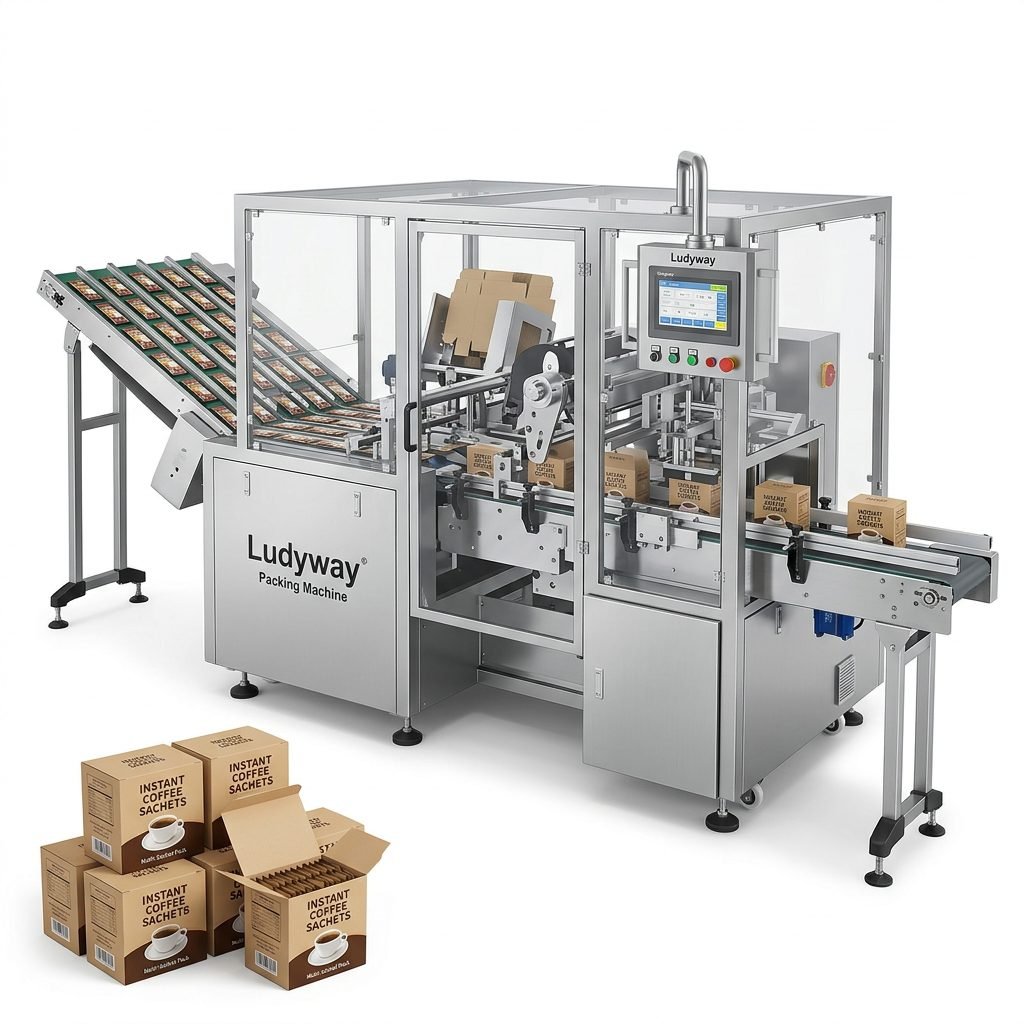
Cartoning Machines: Automatically erect cartons, insert product leaflets, and load primary packages (blisters, bottles) into cartons. They often include features for lot and expiry date coding.
Labeling Systems: Apply vital information labels to primary or secondary packages. This includes pressure-sensitive labelers, sleeve labelers, and systems that ensure 100% accuracy in label placement and data (barcodes, serialization codes).
Bundling and Case Packing Equipment: Groups multiple cartons into bundles or loads them into shipping cases. This equipment is designed to handle various pack patterns efficiently.
Serialization and Aggregation Equipment: Not strictly packaging, but integrated into the line. These systems print unique serial numbers (as per DSCSA, EU FMD) on each saleable unit and aggregate data to case and pallet levels for track-and-trace compliance.
Key Uses and Applications in Pharma Operations
Each piece of equipment serves a distinct purpose in the value chain, impacting efficiency, compliance, and patient safety.
Ensuring Product Integrity and Stability
Primary packaging machines are engineered to create a robust barrier against moisture, oxygen, light, and microbial contamination. This is non-negotiable for maintaining the drug’s potency and shelf life throughout its distribution lifecycle.
Enhancing Patient Safety and Compliance
Unit-dose packaging (blisters, sachets) improves patient adherence by providing clear, single-use portions. Features like child-resistant closures (CRCs) and tamper-evident seals, applied by capping and labeling machines, are critical safety measures.
Meeting Regulatory and Serialization Mandates
Modern packaging lines must integrate seamlessly with serialization software and hardware. Equipment must reliably print, verify, and record unique identifiers on every pack, making pharmaceutical packaging solutions that support this functionality essential for market access.
Optimizing Production Efficiency and Flexibility
High-speed, automated lines allow for large-scale production with minimal manual intervention. Quick changeover capabilities are increasingly important for contract manufacturers who need to switch between different product formats and batch sizes rapidly.
Comprehensive Buying Guide: Key Factors to Consider
Investing in pharmaceutical packaging machinery is a significant decision. Here are the critical factors to evaluate.
1. Compliance and Validation Support
The machine must be designed and constructed to meet GMP guidelines. This includes using appropriate materials (e.g., 316L stainless steel for contact parts), easy cleanability (CIP/SIP options), and minimal particle generation. The supplier should provide comprehensive documentation (DQ, IQ, OQ, PQ protocols) to support your validation process.
2. Technology, Speed, and Flexibility
Assess the machine’s output (packs per minute) against your current and future volume needs. Consider flexibility: can it handle multiple package sizes and formats with quick changeovers? Look for modern controls (PLC/HMI with recipe management) and integration capabilities with MES and serialization systems.
3. Supplier Expertise and After-Sales Service
The manufacturer’s reputation and experience in the pharmaceutical sector are crucial. A supplier with deep industry knowledge, like a team with 30+ years of experience, will understand regulatory nuances. Evaluate their service network, availability of spare parts, and technical support response times. A strong track record in providing turnkey production solutions is a significant advantage.
4. Total Cost of Ownership (TCO)
Look beyond the initial purchase price. Calculate TCO by factoring in energy consumption, required consumables (e.g., sealing jaws, filters), maintenance costs, downtime, and the cost of validation. A slightly higher initial investment in a more reliable and efficient machine often yields a lower TCO.
5. Hygiene and Cleanroom Compatibility
For sterile or potent product lines, the equipment design is paramount. It should have a smooth, crevice-free exterior, sealed motors, and be compatible with cleanroom protocols. The ability to integrate into isolator or RABS (Restricted Access Barrier System) environments may be necessary.
Frequently Asked Questions (FAQs)
Q1: What is the most critical factor when choosing a blister packaging machine for pharmaceuticals?
A: Beyond speed, the most critical factors are seal integrity and consistency. The machine must produce a perfect, leak-proof seal between the forming film and lidding foil on every single blister pocket to ensure product stability and sterility. Look for machines with advanced, digitally controlled sealing stations and 100% inline inspection systems.
Q2: How important is supplier after-sales support for pharmaceutical packaging equipment?
A: It is absolutely vital. Pharmaceutical production schedules are tight, and unexpected downtime can be extremely costly and disrupt the supply chain. A supplier with a global service network, readily available spare parts, and fast-response technicians is essential for maintaining operational continuity and ensuring long-term equipment reliability.
Q3: Can a single packaging line handle both over-the-counter (OTC) and prescription drug packaging?
A: Yes, but it requires careful planning and a highly flexible machine design. The line must accommodate different package sizes and formats. Most importantly, it must have robust changeover procedures and cleaning protocols to prevent cross-contamination, which is a core GMP requirement. Software for managing different product recipes is also key.
Q4: What are the key trends driving innovation in pharmaceutical packaging machinery?
A: Major trends include the integration of Industry 4.0 technologies (IoT sensors for predictive maintenance, data analytics), increased demand for flexibility to handle smaller batch sizes, and the continuous evolution of serialization and aggregation requirements worldwide. Sustainability is also growing, driving demand for machines that can handle recyclable or mono-material packaging structures.
Q5: Why is validation documentation so important when purchasing this equipment?
A: In the pharmaceutical industry, you must prove that your equipment consistently performs as intended under real operating conditions. The Factory Acceptance Test (FAT), Site Acceptance Test (SAT), and the detailed Installation, Operational, and Performance Qualification (IQ/OQ/PQ) documentation provided by the supplier form the foundational evidence for regulatory audits. This documentation is non-negotiable for getting your production line approved.