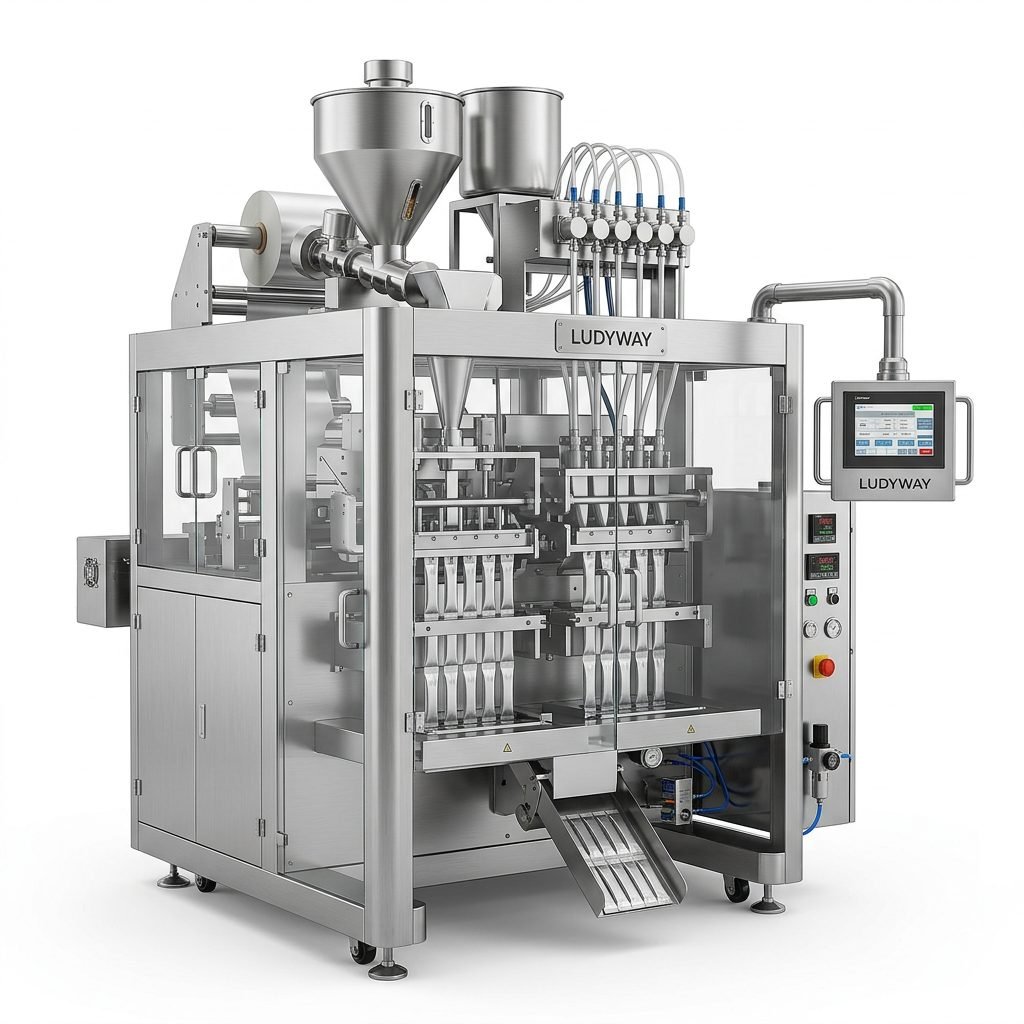
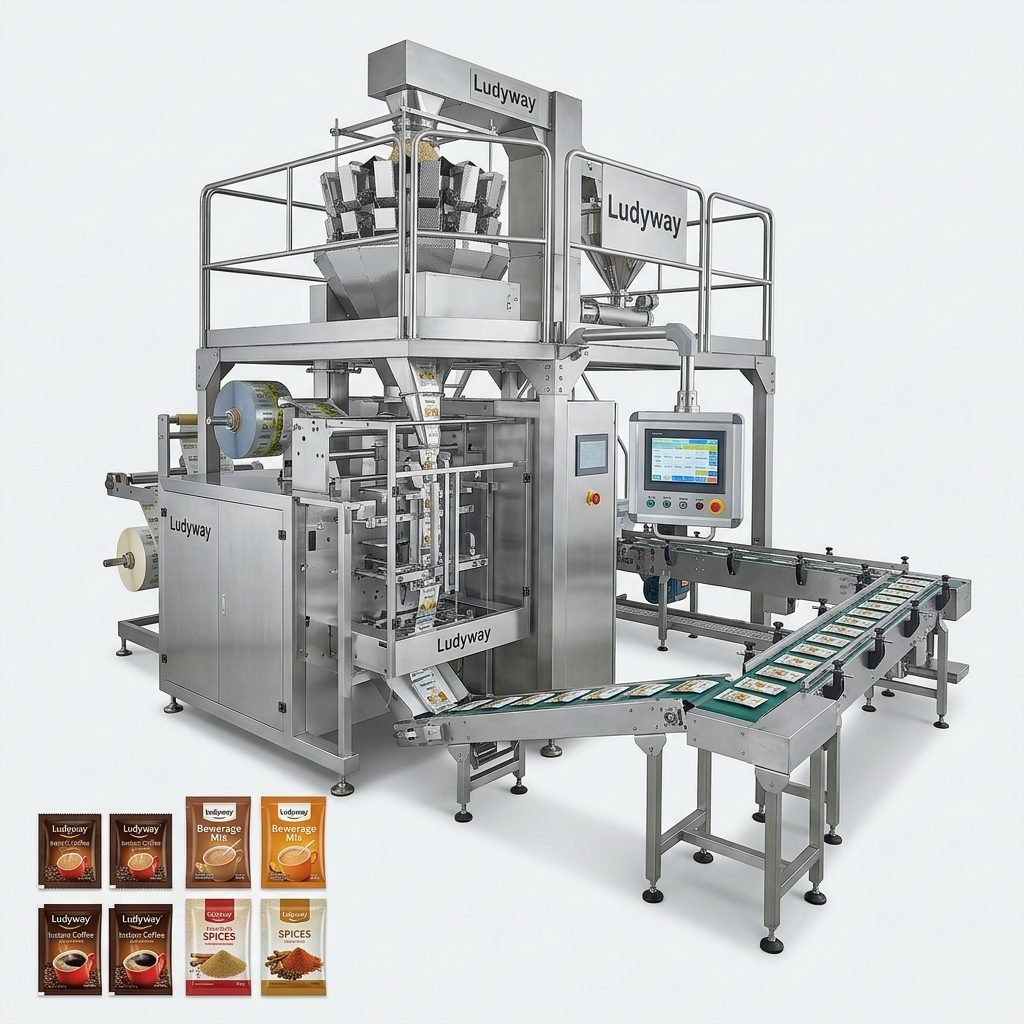
Selecting the right sambar packing machine is a critical decision that directly affects your production efficiency, product quality, and long-term operational costs. Whether you are packaging sambar powder, paste, or ready-to-eat mixes, the equipment must handle specific product characteristics such as moisture content, oil presence, particle size, and filling volume. This guide walks you through every factor you should evaluate before investing in a sambar packaging solution.
Understand Your Sambar Product Characteristics First
Before comparing machine models, you must clearly define the physical properties of your sambar product. Is it a free-flowing powder, a granule blend with coarse particles, or a viscous paste? Each form requires a different filling and dosing mechanism. Powdered sambar mix with multiple spice ingredients often has variable bulk density, which affects filling accuracy. Oil-rich sambar pastes may require heated hoppers or specialized sealing jaws to prevent leaks and ensure shelf stability. Identifying these parameters early prevents costly mismatches between product and machine.
Packaging Format: Stick Pack, Sachet, or Pouch?
The packaging format determines the machine type and configuration. Common formats for sambar products include:
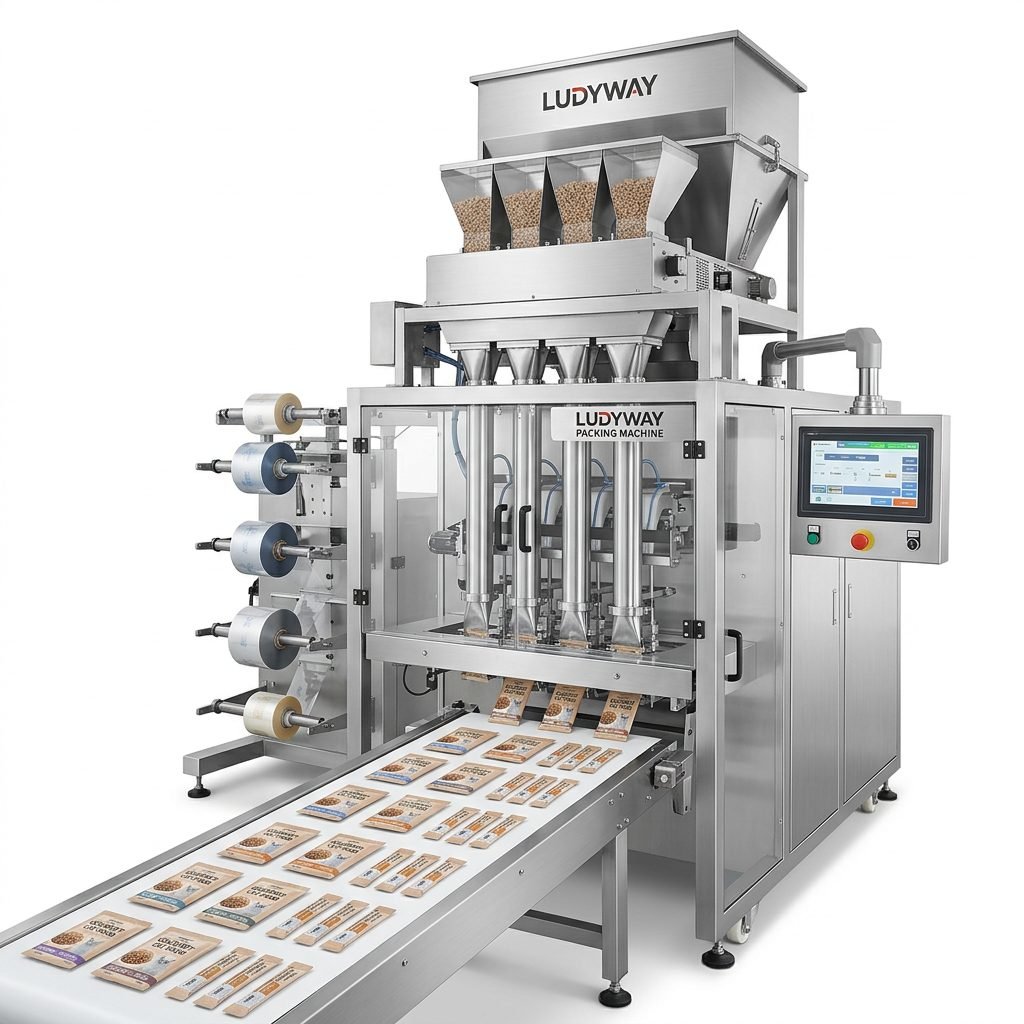
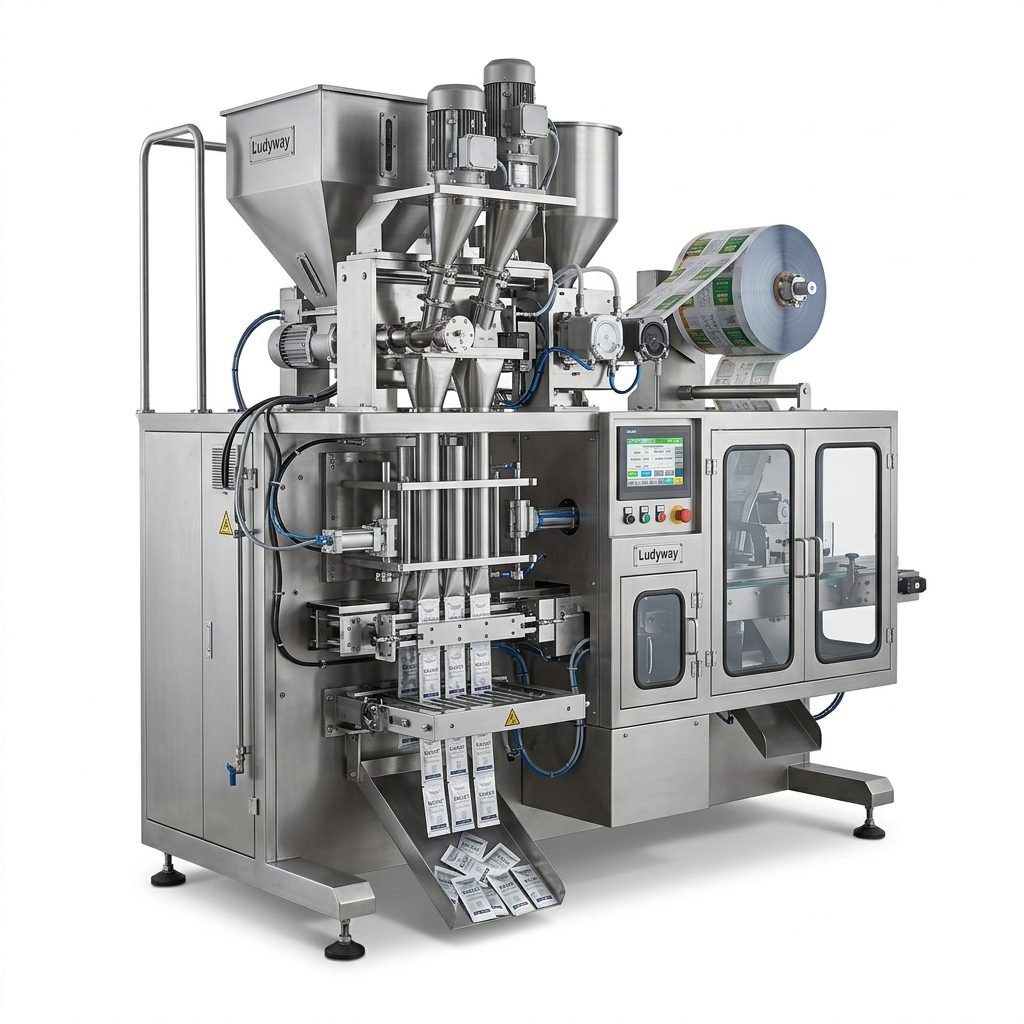
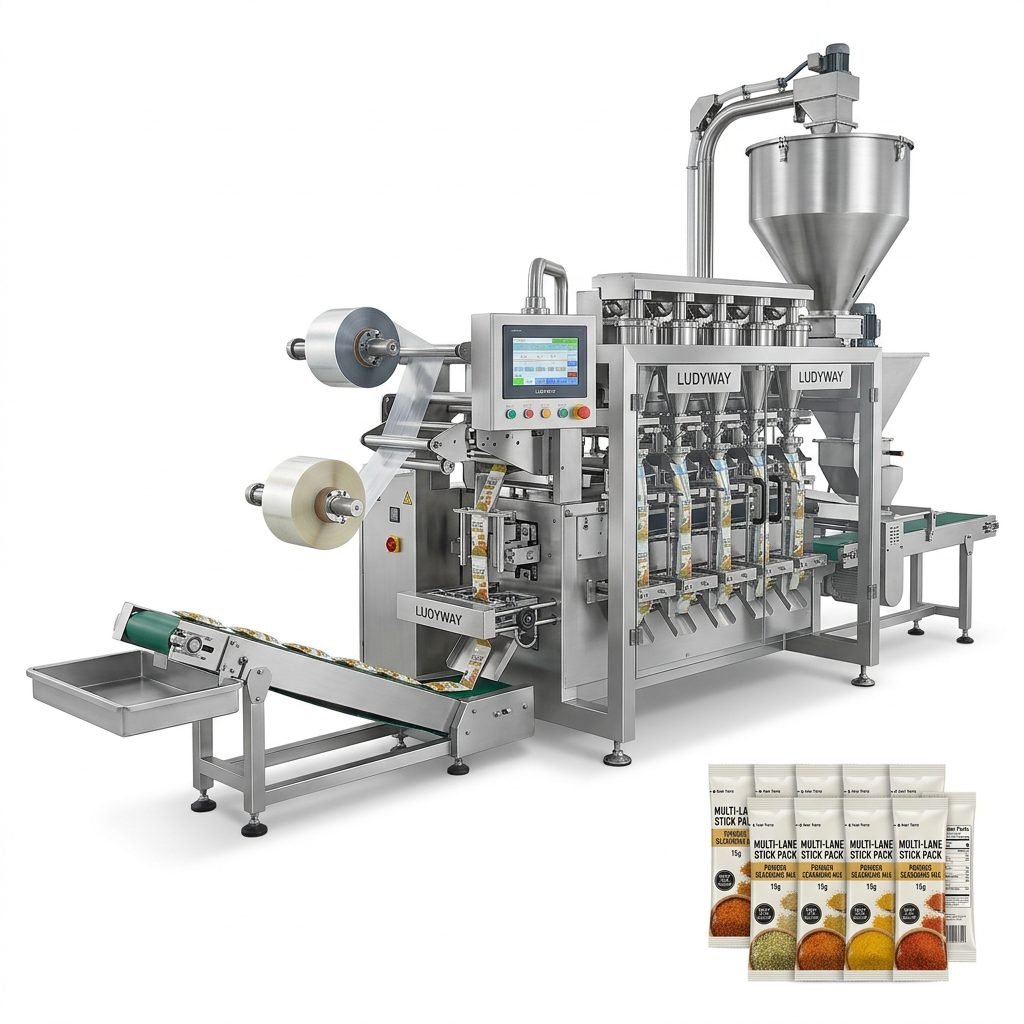
- Stick packs – ideal for single-serve sambar powder portions (5-20 grams), popular in food service and travel segments
- Multi-lane sachets – high-output solution for small-format retail packs, typically 4-12 lanes running simultaneously
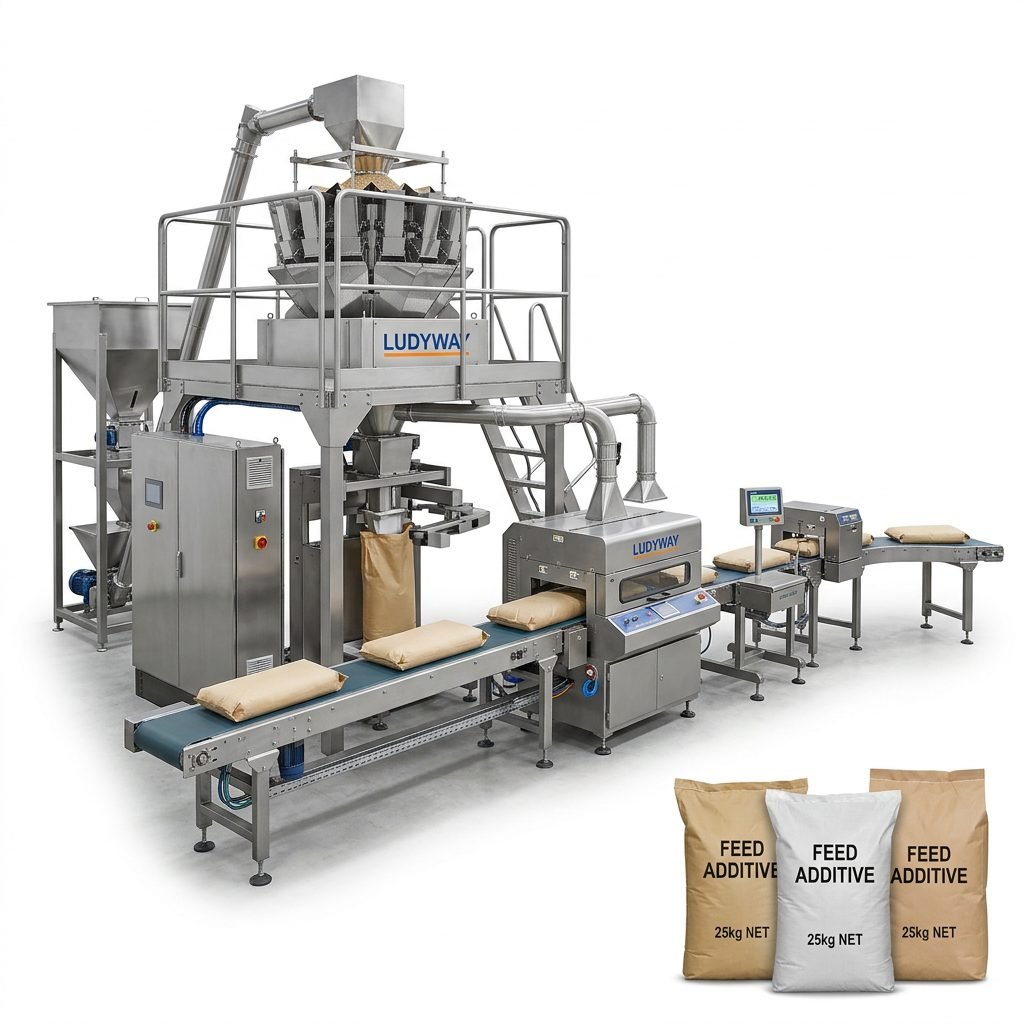
- Pillow pouches – suitable for family-size sambar powder packs (100g to 1kg), offering good shelf presence
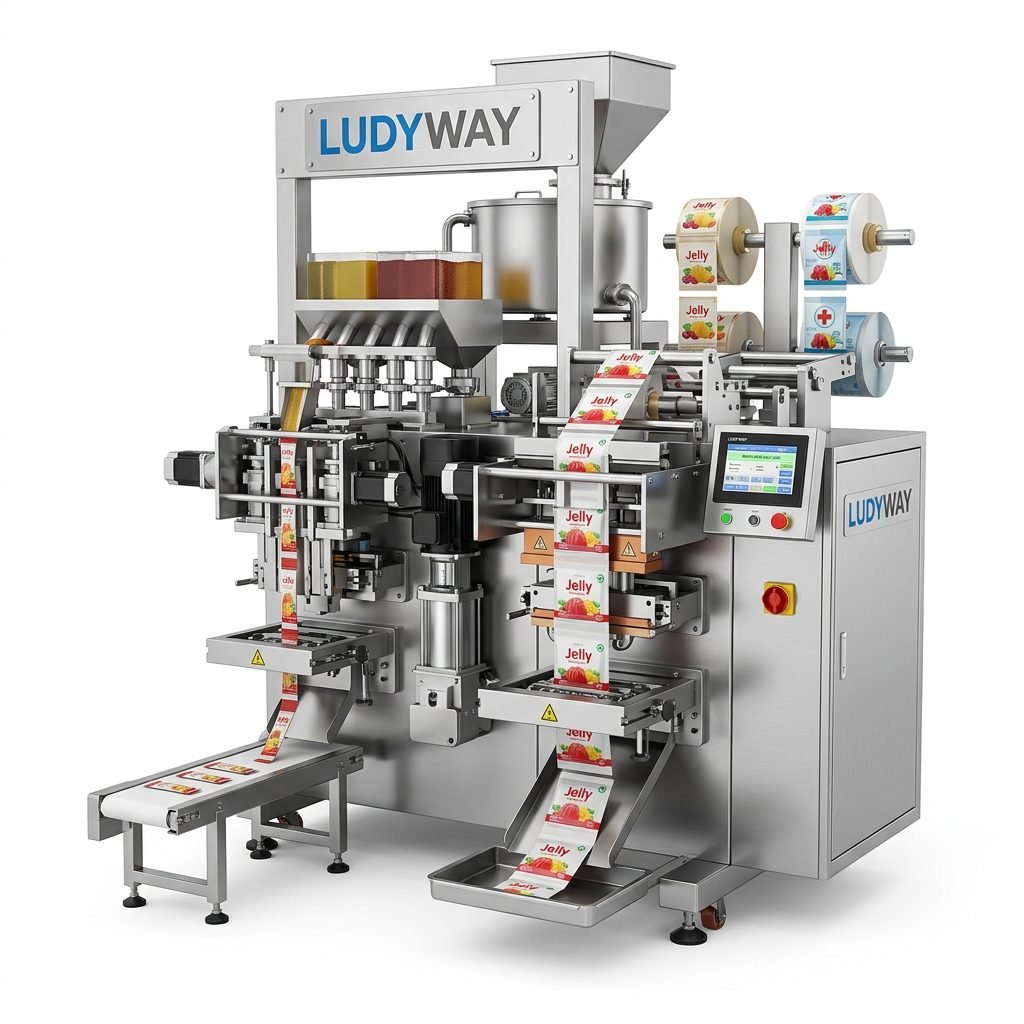
- Stand-up pouches – increasingly used for premium sambar pastes or concentrated mixes, often with zipper closures
Each format requires different forming, filling, and sealing mechanisms. Selecting the wrong format for your market can limit your distribution channels and consumer appeal.
Production Speed and Capacity Requirements
Your current and projected production volumes should guide machine speed selection. A small-scale producer packaging 500 kg of sambar powder per day may find a single-lane intermittent machine sufficient. A large manufacturer targeting 5 tonnes daily will need a multi-lane continuous packaging system capable of 60-120 packs per lane per minute. When calculating required speed, factor in changeover time, planned maintenance stops, and seasonal demand fluctuations. Overestimating slightly is safer than underestimating capacity, which can create bottlenecks as your brand grows.

Key Technical Specifications to Evaluate
When comparing sambar packing machines, several technical parameters deserve close attention. The table below summarizes the most critical specifications and their impact on your operation:
| Specification | Why It Matters for Sambar | Recommended Range |
|---|---|---|
| Filling accuracy | Spice blends have irregular particle distribution; precise dosing prevents underweight penalties and product give-away | ±0.5% to ±1% for powders |
| Sealing integrity | Oily sambar products can contaminate seal areas; reliable sealing prevents leakage and extends shelf life | Triple-seal or serrated jaw options |
| Material compatibility | Sambar requires moisture and oxygen barrier films; machine must handle laminated structures without wrinkling | PET/Alu/PE, BOPP/CPP, or similar laminates |
| Nitrogen flushing | Optional gas flushing extends freshness of spice-heavy sambar powders; critical for export markets | Residual oxygen below 1% |
| Bag size range | Manufacturers often produce multiple SKUs; wide size adjustability reduces the need for multiple machines | Width: 30-200mm, Length: 50-300mm |
Material Contact Parts and Food Safety Compliance
Food-grade construction is non-negotiable for sambar packaging equipment. All product-contact surfaces should be manufactured from 304 or 316 stainless steel, with smooth welds and no crevices that could trap spice residues. Machines intended for export to regulated markets such as the EU or North America should meet applicable standards such as FDA, EU food contact material regulations, or ISO packaging standards. Verify whether the manufacturer can provide material certificates and compliance documentation before purchase. Easy disassembly for cleaning between production runs of different spice blends is also essential to prevent cross-contamination.
Automation Level: Semi-Automatic vs. Fully Integrated Lines
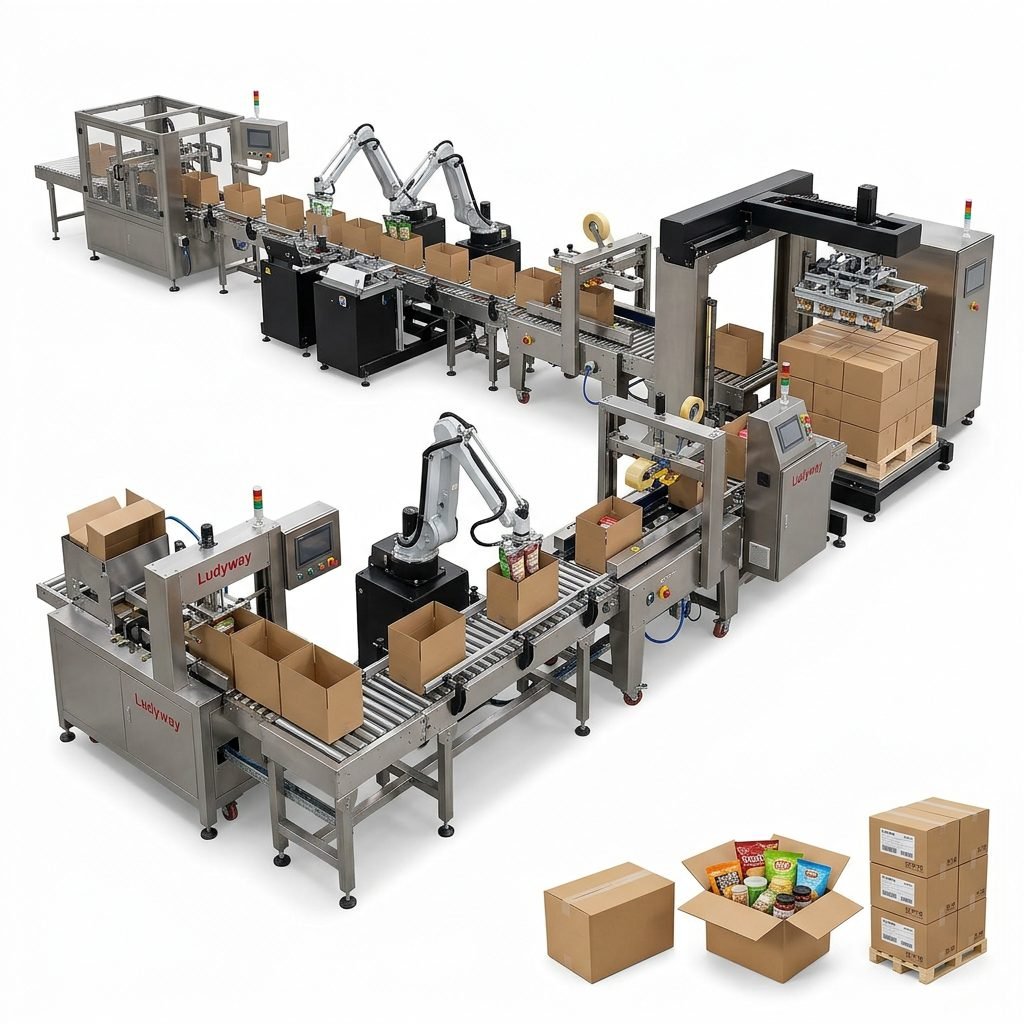
The level of automation directly impacts your labour requirements and throughput consistency. A basic semi-automatic sambar packing machine may require manual feeding, film loading, and collection, suitable for small batches. A fully automated packaging line integrates automatic feeding systems, multi-head weighers, servo-driven filling, nitrogen flushing, date coding, checkweighing, and automated cartoning. While the upfront investment is higher, integrated lines reduce human error, improve speed, and often pay back through labour savings within 12-24 months. Evaluate your current workforce costs and availability when deciding on automation intensity.

Manufacturing Facility and Supplier Capability
Behind every reliable sambar packing machine is a manufacturer with proven engineering capability and quality control systems. It is advisable to evaluate the supplier’s manufacturing infrastructure, team size, machine portfolio, and international track record. For example, Ludyway Machinery operates a 20,000-square-meter manufacturing facility with more than 130 professionals and over 50 packaging machine models. The company has served customers in over 100 countries and regions, with export revenue expected to exceed RMB 500 million (approximately US$69 million) in 2025 and projected to surpass RMB 1 billion (approximately US$138 million) in 2026. Such indicators reflect the ability to provide long-term support, spare parts availability, and technical assistance throughout the machine lifecycle.
After-Sales Support and Spare Parts Availability
Packaging machinery is a long-term investment. Before committing, clarify the following support elements:
- Installation and commissioning support – whether the supplier provides on-site or remote assistance
- Operator training – comprehensive training reduces startup delays and operational errors
- Spare parts inventory – verify critical spare parts availability and typical lead times
- Remote troubleshooting – modern machines often support remote diagnostics via industrial IoT platforms
- Warranty terms – understand coverage duration, exclusions, and claim procedures
A machine is only as good as the support that keeps it running. Neglecting to evaluate after-sales capability can lead to extended downtime during peak production seasons.
Customization Options for Unique Sambar Formulations
Not all sambar products are identical. Some manufacturers produce dry roasted powder blends with coarse dal and spice particles, while others offer wet pastes with high oil content, and still others package ready-to-cook kits with multiple components. A standardized machine may not handle all variations effectively. Look for suppliers offering customized engineering in areas such as filling system configuration, hopper agitation for sticky products, sealing jaw design, and multi-format changeover capability. According to resources from the PMMI business intelligence library, customization is a growing trend across the packaging machinery sector, driven by product diversity and shorter production runs.
Energy Efficiency and Operating Costs
Operating costs accumulate significantly over a machine’s 10-15 year lifespan. Compare the power consumption of different models, as servo-driven machines generally consume less electricity than pneumatic systems for continuous motion. Evaluate film waste during startup and changeover, as material losses directly impact per-pack cost. Ask about recommended spare parts replacement intervals and estimated annual maintenance costs. A machine with a slightly lower purchase price may have substantially higher total cost of ownership if it wastes packaging film or requires frequent parts replacement.
Industry Standards and Certifications
Depending on your target markets, packaging machinery may need to comply with various international standards. Common references include:
- CE marking – required for machines sold in the European Economic Area
- FDA compliance – relevant for food contact materials in the U.S. market
- ISO 9001 – quality management system certification indicating consistent manufacturing processes
- ISO 11607 – relevant if sambar products require sterile packaging for specific applications
Request relevant certificates and verify their validity with issuing bodies if your market access depends on specific compliance documentation. The FDA’s food packaging guidelines and European packaging regulations provide further regulatory context.
Budgeting: Beyond the Purchase Price
When calculating the investment for a sambar packing machine, consider the complete cost picture:
- Machine purchase price – including optional features and customization charges
- Shipping and logistics – sea freight, customs duties, and inland transportation
- Installation and commissioning – technician travel costs, if applicable
- Initial spare parts package – recommended critical spares for first-year operation
- Packaging material trials – testing different film structures to optimize performance
- Training costs – dedicated operator and maintenance training sessions
A comprehensive budget that accounts for all these factors provides a realistic total acquisition cost and helps compare offers on an equal basis.
Evaluating Turnkey Solutions vs. Standalone Machines
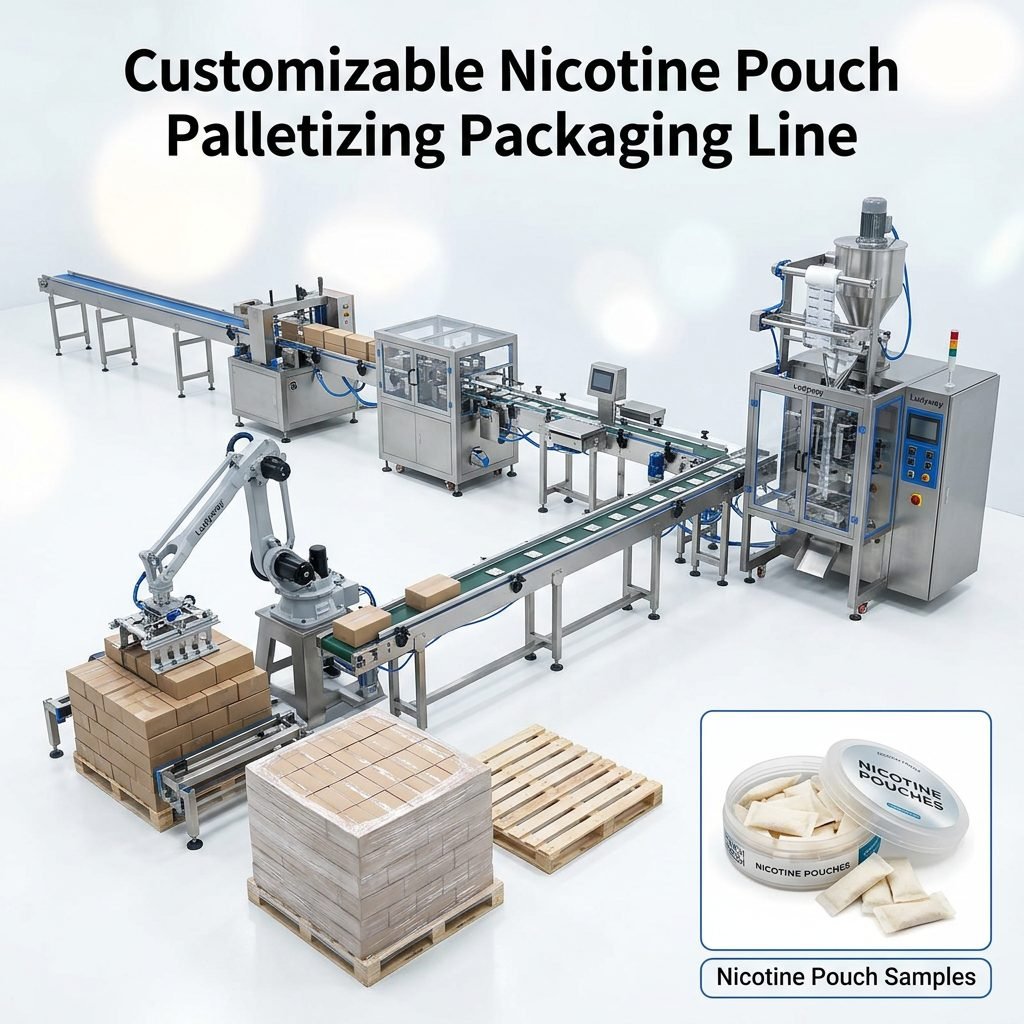
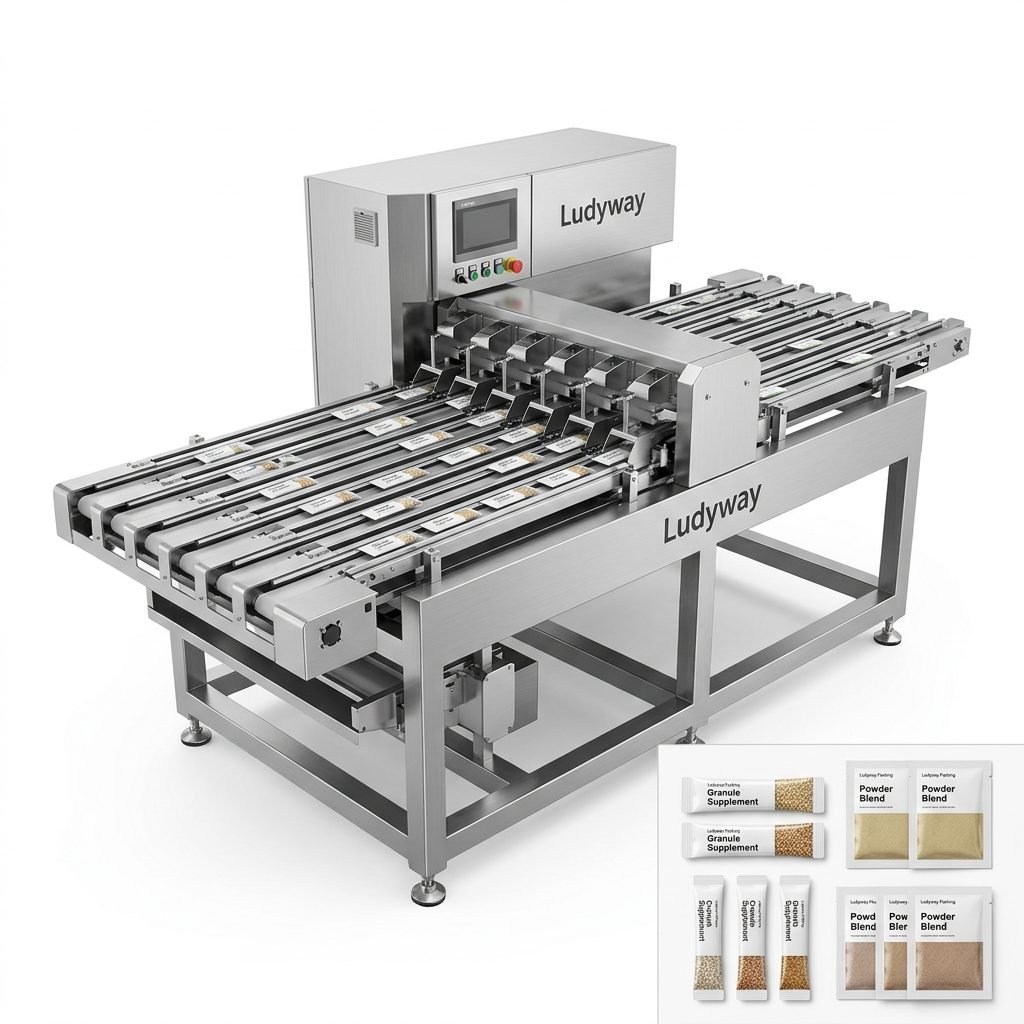
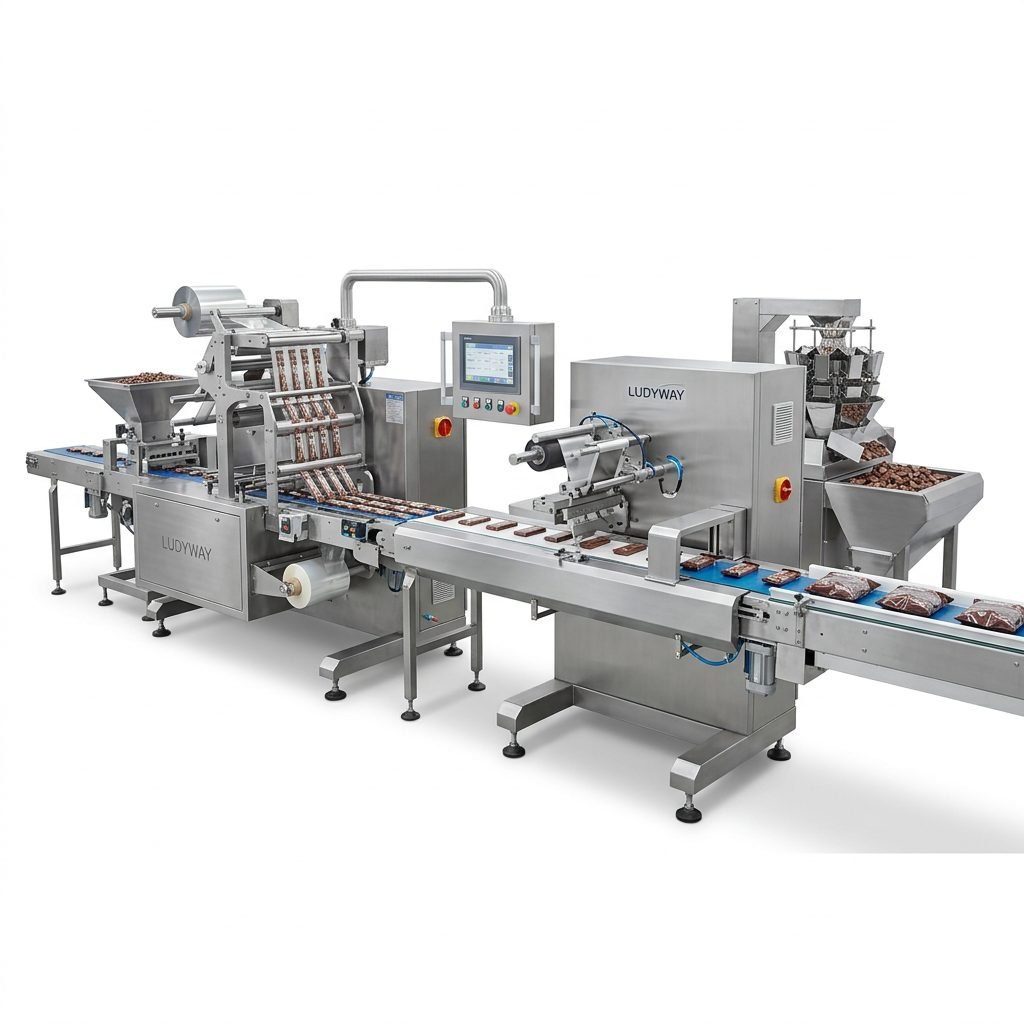
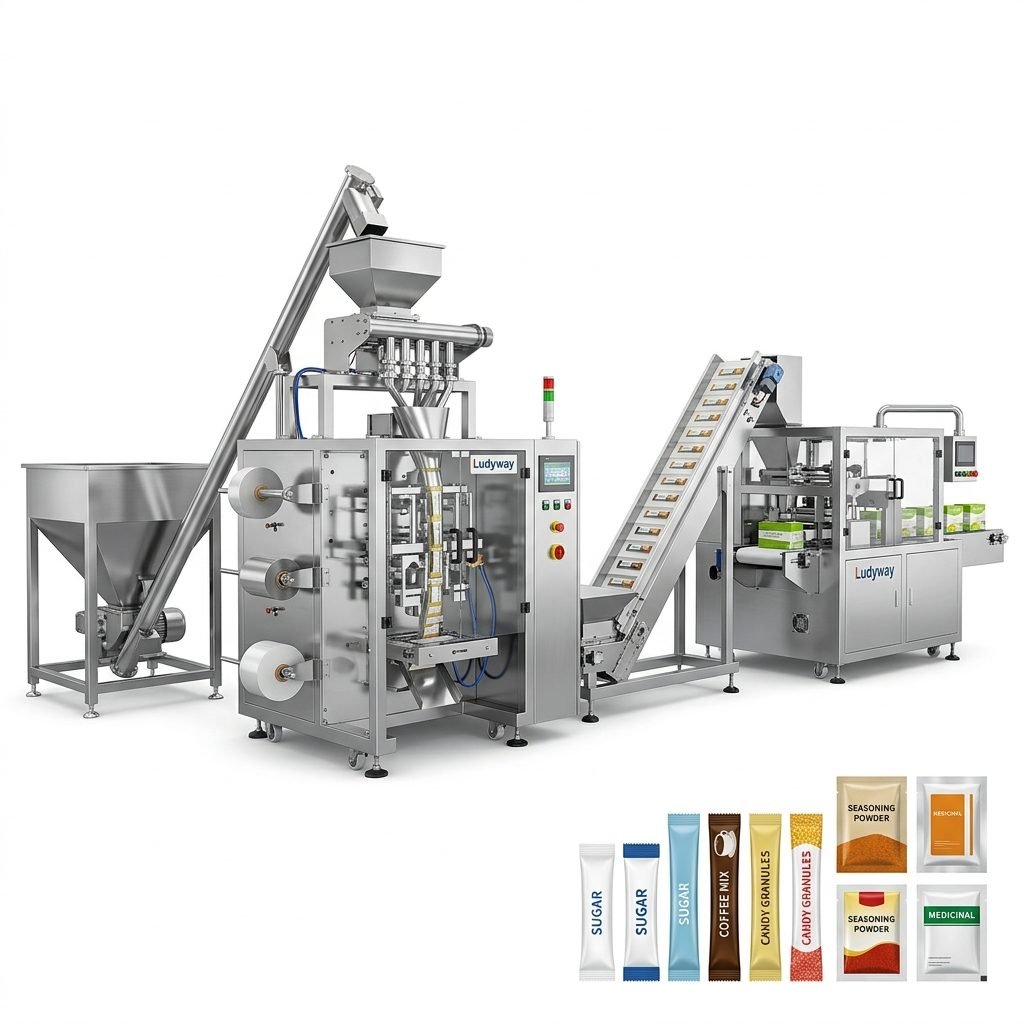
For new production facilities or major capacity expansions, a turnkey sambar packaging line may offer advantages over purchasing individual machines from different suppliers. A turnkey approach provides single-source responsibility for system integration, automation coordination, and after-sales service. Equipment such as automatic feeding conveyors, multi-head weighers, sachet or stick pack machines, checkweighers, metal detectors, and cartoners can be integrated into one synchronized line. This approach simplifies project management and often results in faster installation and commissioning. Resources from Flexible Packaging Association highlight that integrated packaging lines are increasingly preferred by food manufacturers seeking operational consistency.
Key Questions to Ask Before Making a Decision
Summarize your evaluation by answering these questions for each shortlisted sambar packing machine:
- Can it handle the specific physical properties of your sambar product without modification?
- Does the packaging format match your market requirements and brand positioning?
- Is the production speed sufficient for both current needs and near-term growth?
- Are material-contact parts food-grade stainless steel with relevant certifications?
- What is the supplier’s track record in your region, including active installations and client references?
- What does the total cost of ownership look like over a 5-year period?
- Is remote and on-site support available during your planned production hours?
Choosing the right sambar packing machine is an investment that affects product quality, brand reputation, and operational profitability for years. By systematically evaluating product characteristics, packaging formats, technical specifications, supplier capabilities, and total cost of ownership, you position your production line for reliable performance and scalable growth. Prioritize manufacturers with demonstrated experience, global service infrastructure, and the ability to customize solutions to your specific sambar product requirements.