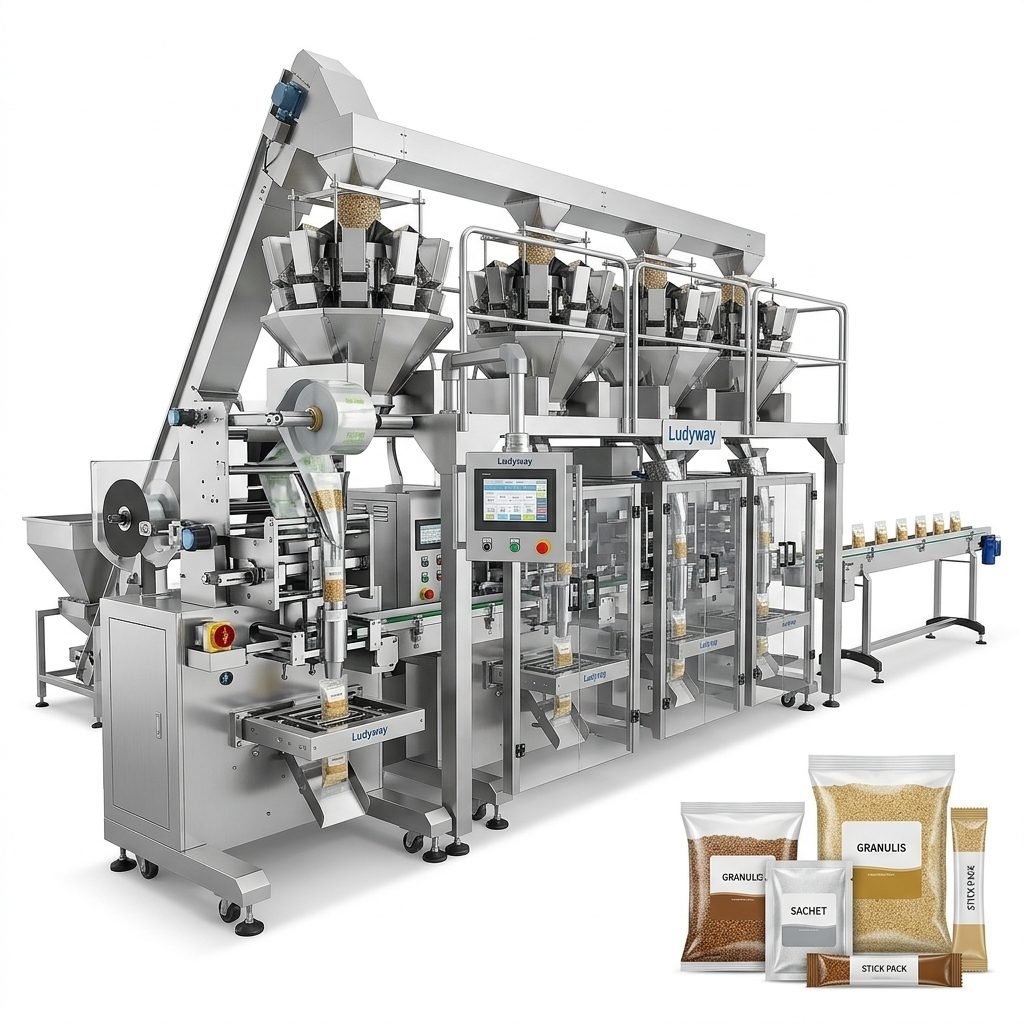
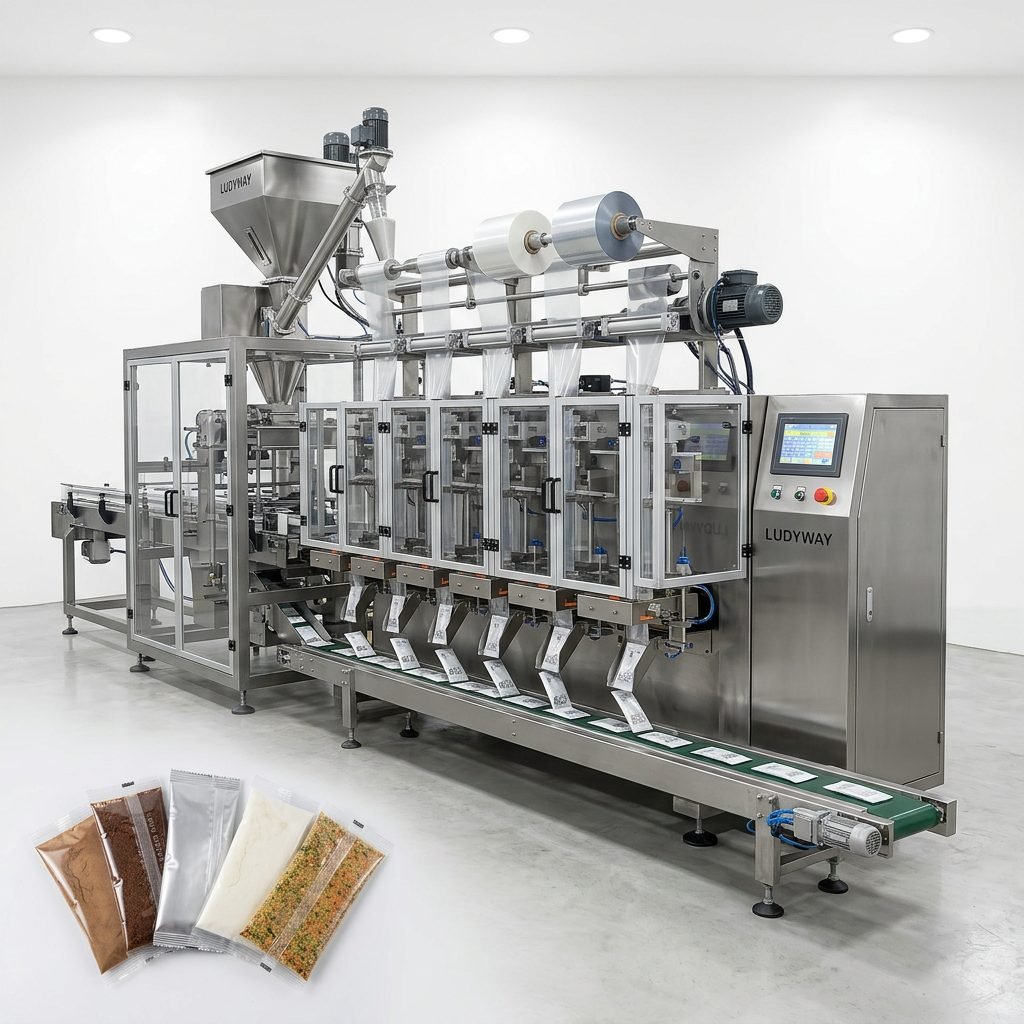
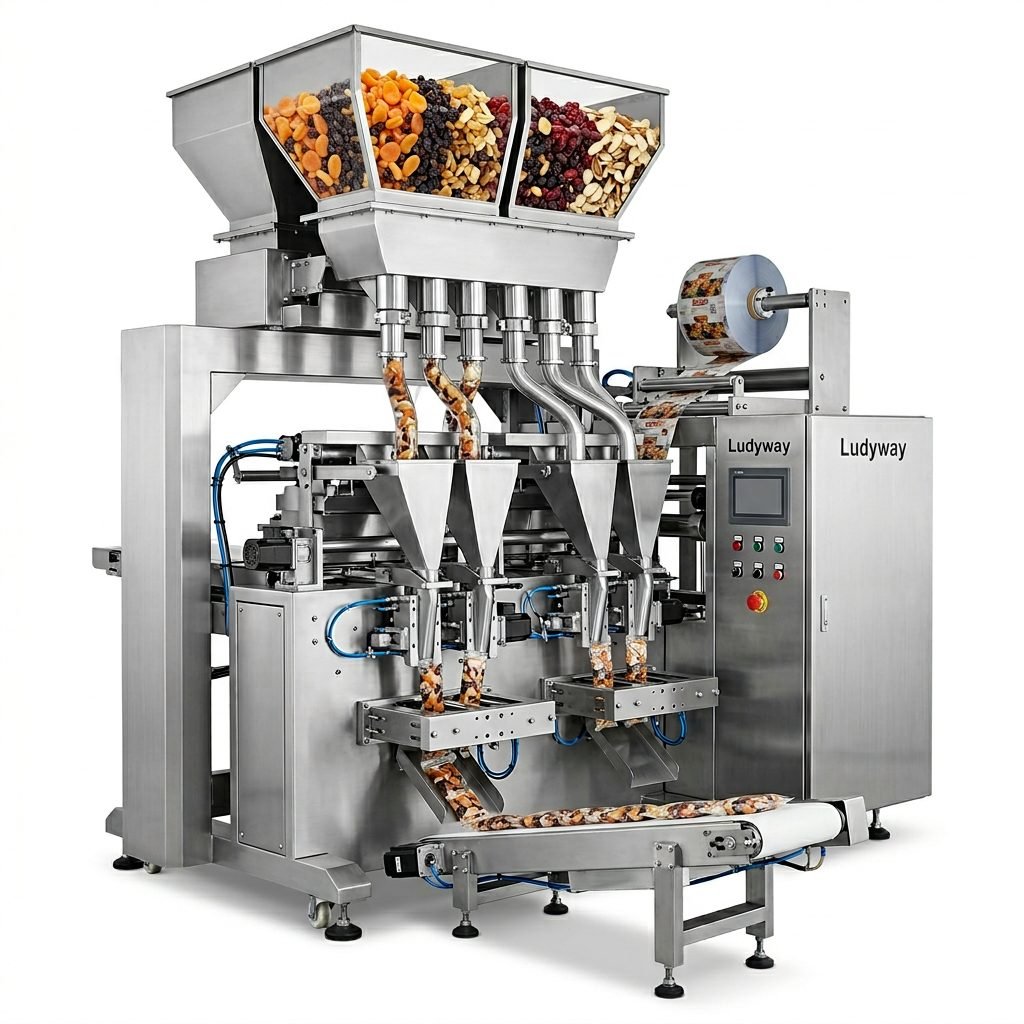
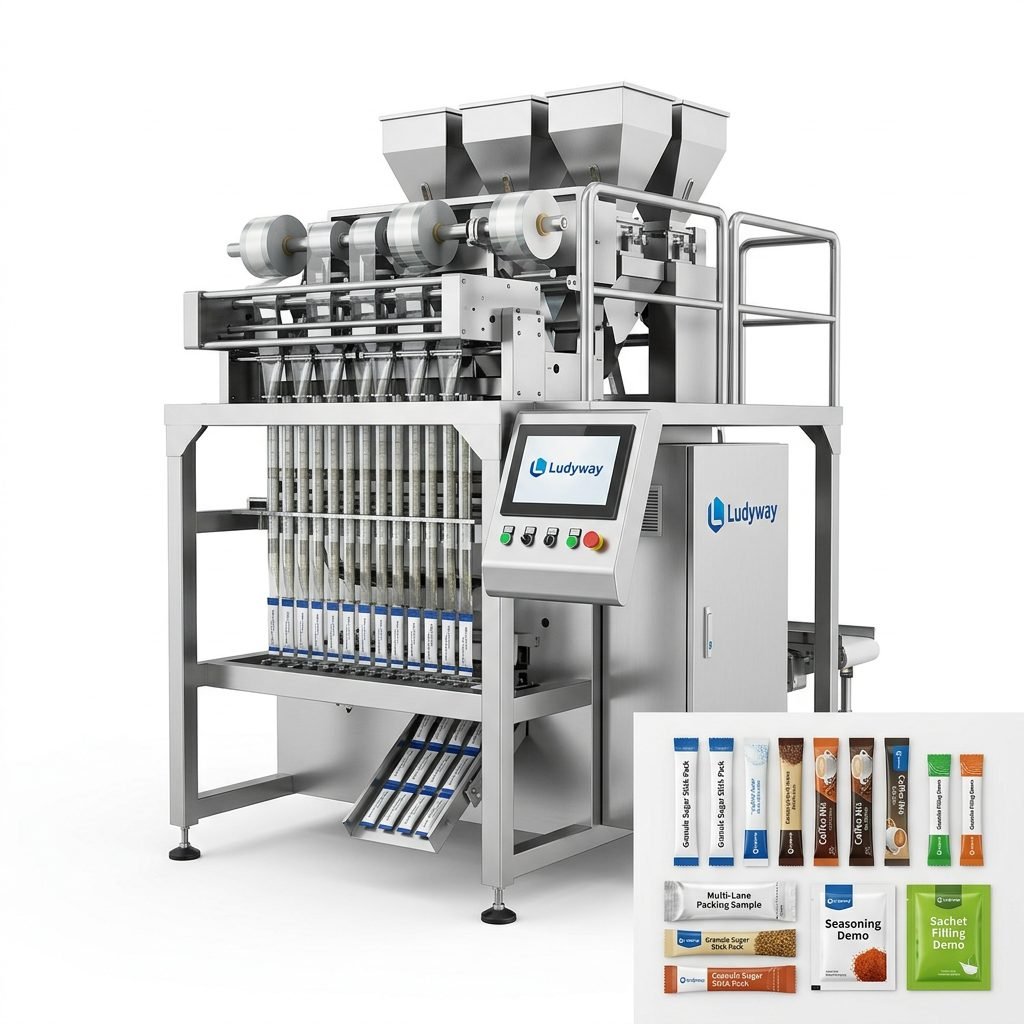
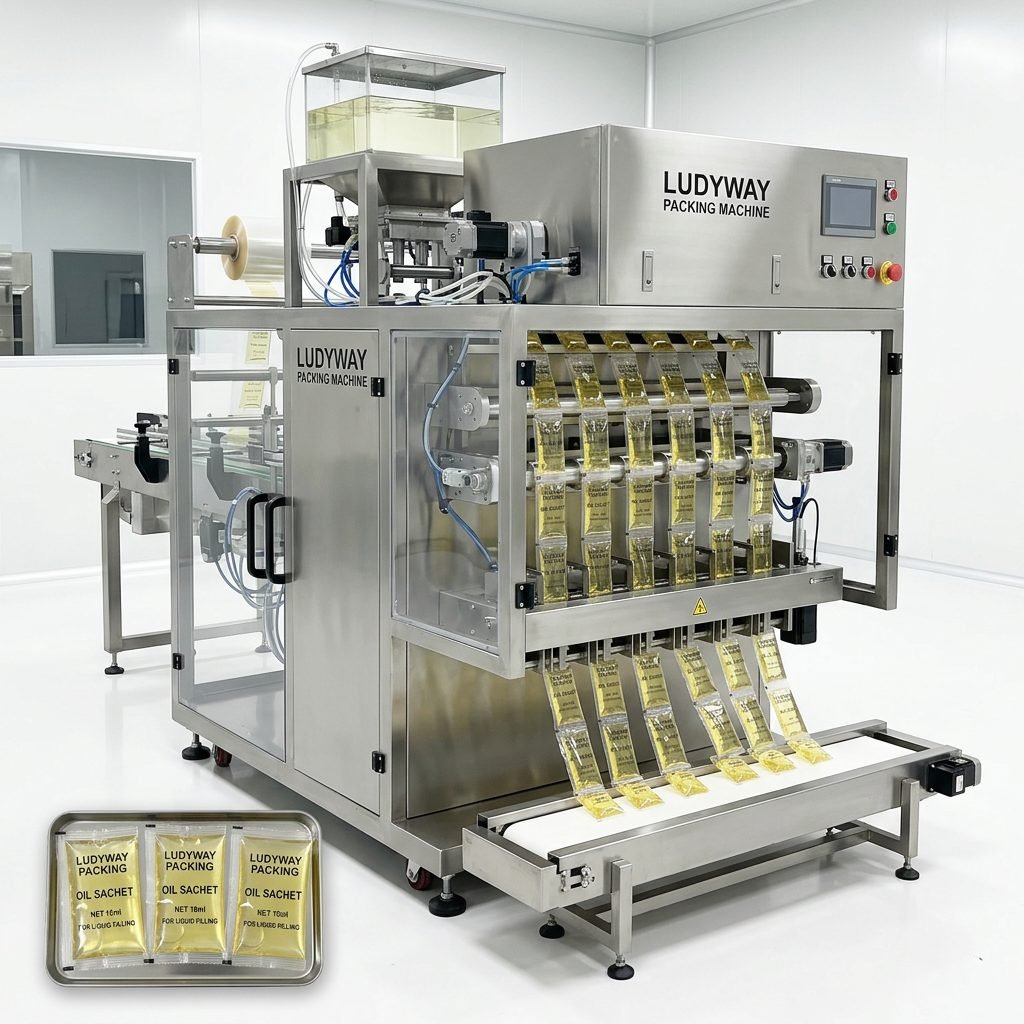
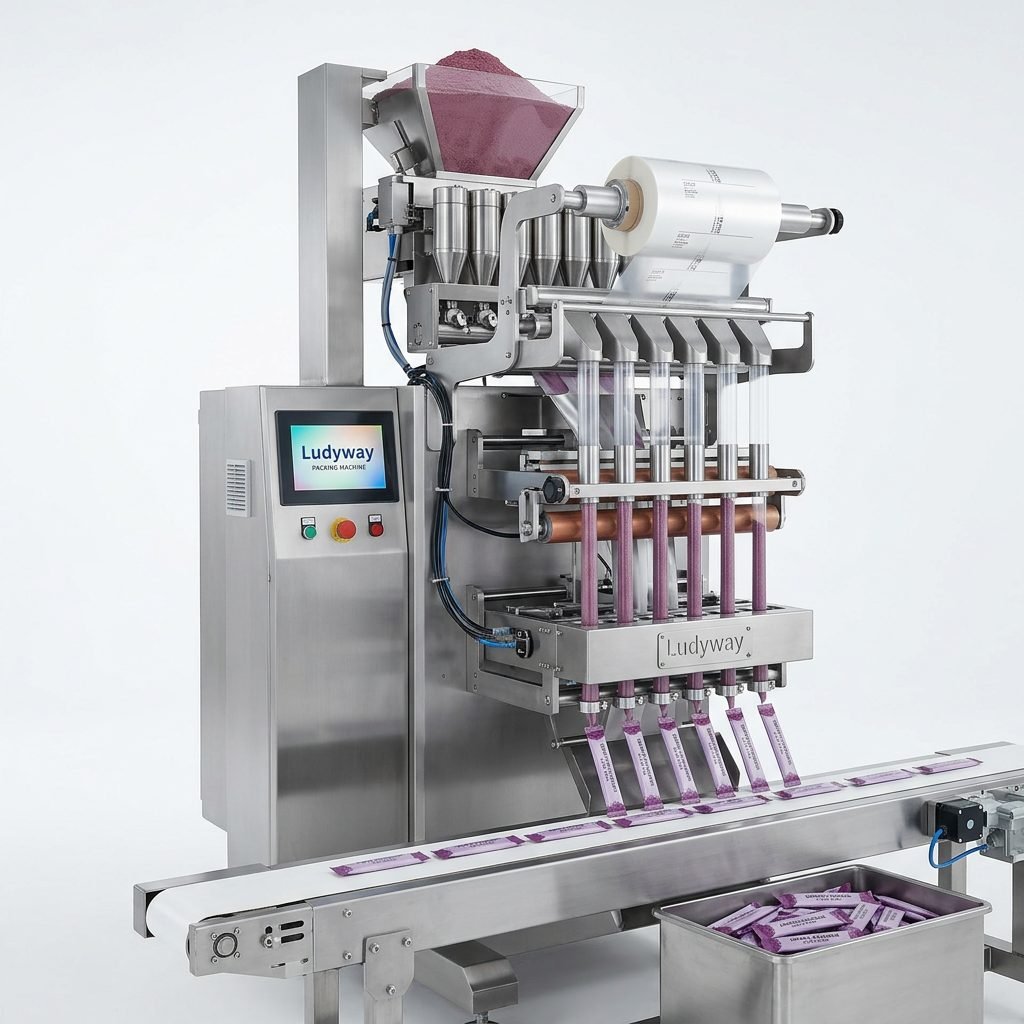
In the competitive world of food manufacturing, selecting the right packaging machinery is a critical decision that impacts production efficiency, product quality, and overall profitability. The market is filled with numerous suppliers, each promising cutting-edge technology and reliable service. This guide will explore the landscape of top food packaging machinery companies and provide a detailed framework to help you choose the best supplier for your production line.
Understanding the Food Packaging Machinery Market
The global demand for packaged food continues to rise, driven by consumer trends and supply chain needs. This growth fuels innovation in packaging technology, with companies specializing in everything from high-speed form-fill-seal machines to specialized equipment for granules, powders, and liquids. Leading suppliers often distinguish themselves through engineering expertise, after-sales support, and the ability to provide complete, turnkey production solutions.
Key Market Segments:
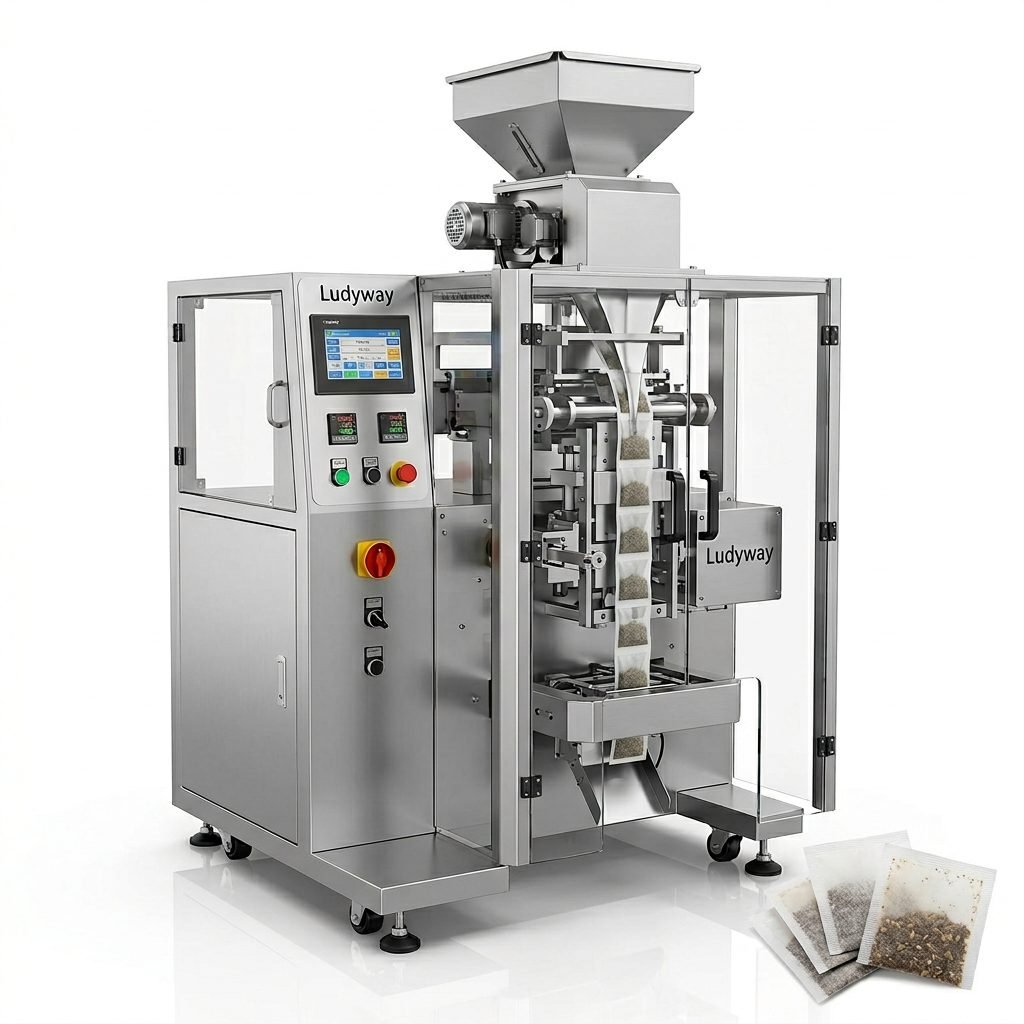
Vertical Form-Fill-Seal (VFFS): Dominant for bagging dry products like snacks, grains, and powders.
Horizontal Form-Fill-Seal (HFFS): Ideal for bar-shaped items, biscuits, and single-serve portions.
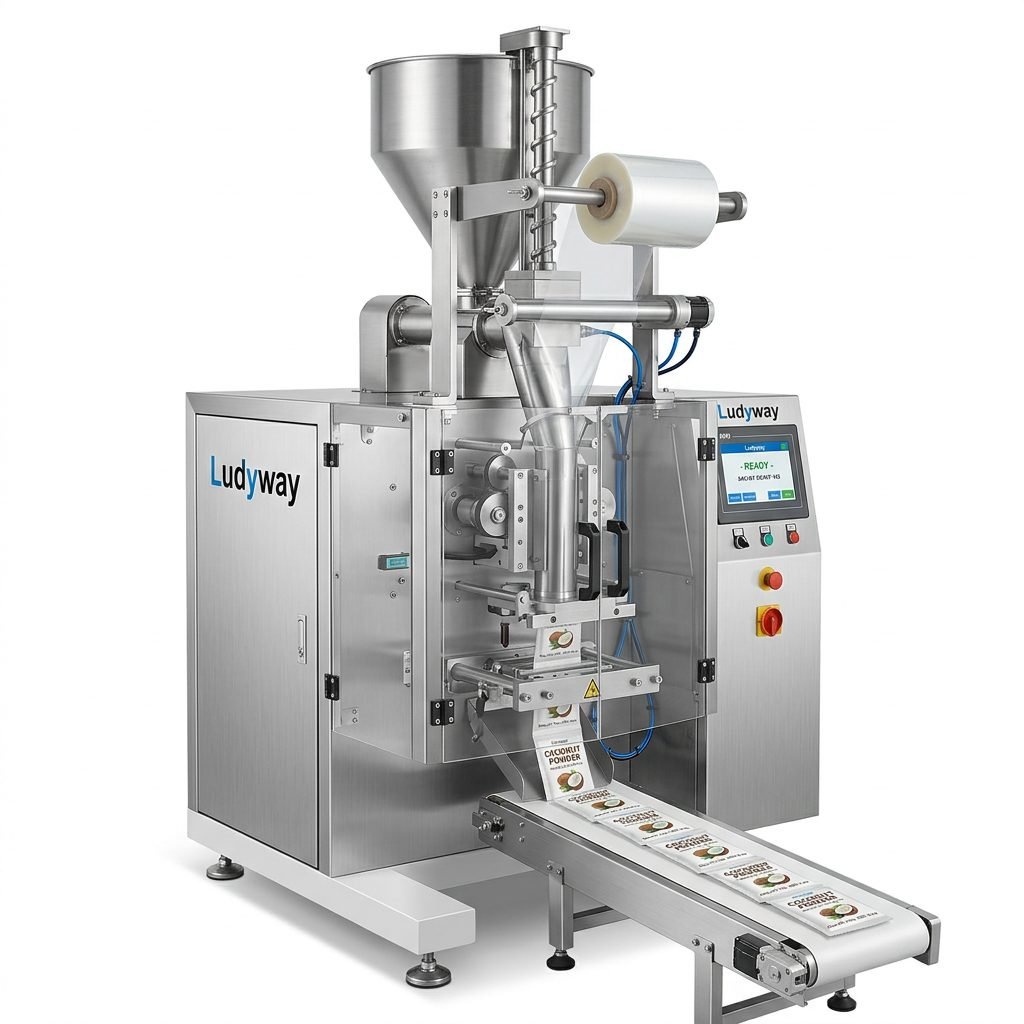
Sachet & Stick Pack Machines: Essential for single-dose packaging of sauces, condiments, supplements, and instant beverages.
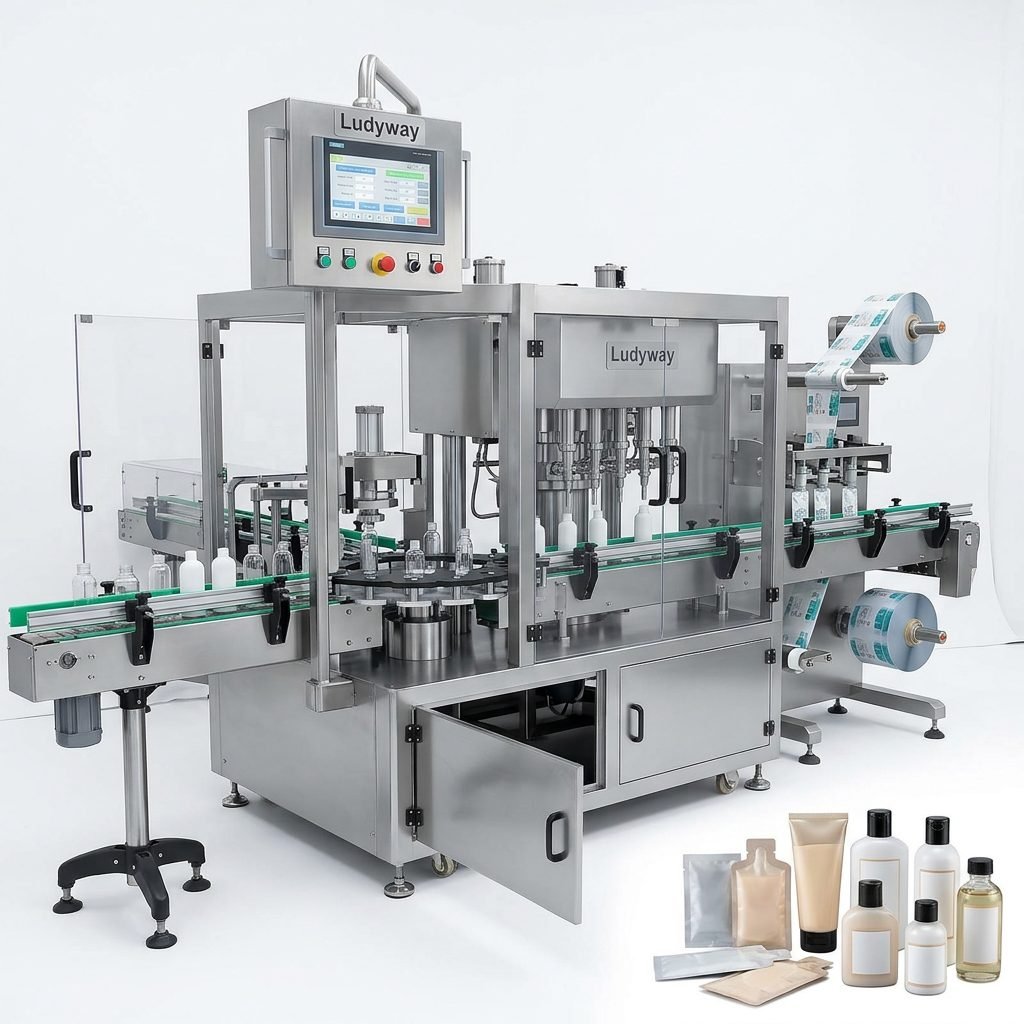
Liquid & Pouch Filling Lines: Used for beverages, oils, sauces, and dairy products.
Criteria for Evaluating Top Packaging Machinery Companies
Not all machinery suppliers are created equal. A thorough evaluation based on the following criteria will ensure you partner with a company that aligns with your long-term operational goals.
1. Technical Expertise and Innovation
A top-tier company invests heavily in R&D. Look for suppliers that offer intelligent, automated systems with features like touch-screen PLC controls, precision weighing systems, and easy changeover capabilities. Innovation should focus on improving speed, accuracy, and sustainability.
2. Manufacturing Capability and Quality Control
The scale and modernity of a supplier’s production facility are direct indicators of reliability. Companies operating from large, modern facilities (e.g., 20,000㎡ plants) typically have robust quality control processes, ensuring each machine is built to last and perform consistently under high-volume production.
3. Industry Experience and Specialization
Experience matters. A company with 30+ years in the industry has likely navigated various market shifts and technical challenges. Specialization in your specific sector—be it snacks, pharmaceuticals, or liquids—means they understand your unique hygiene, material, and regulatory requirements.
4. Range of Solutions and Customization
The best suppliers offer more than just a machine; they offer a solution. This includes a wide product portfolio (50+ models) and the engineering capability to customize equipment. Whether you need a multi-lane stick pack machine or a complete powder filling line, they should provide a tailored turnkey project.
5. Global Support and Service Network
Your relationship with the supplier begins after the machine is installed. Evaluate their after-sales service, availability of spare parts, technical training, and response time for troubleshooting. A global service footprint is crucial for international operations.
How to Choose the Best Supplier for Your Line
Choosing a supplier is a strategic process. Follow these steps to make an informed decision.
Step-by-Step Selection Process
Step 1: Define Your Requirements. Clearly outline your product type, required output (bags/minute), packaging materials, factory space, and budget.
Step 2: Research and Shortlist. Use industry directories, trade shows (like interpack), and peer recommendations to create a list of 3-5 potential suppliers.
Step 3: Evaluate Technical Proposals. Request detailed proposals. Compare machine specifications, automation levels, energy consumption, and proposed layouts.
Step 4: Assess Company Credentials. Scrutinize their company history, client portfolio, and certifications (ISO, CE). Request customer references and, if possible, visit their manufacturing facility.
Step 5: Analyze Total Cost of Ownership (TCO). Look beyond the initial price. Factor in maintenance costs, spare part pricing, expected downtime, and energy efficiency over the machine’s lifespan.
Step 6: Verify Support Structure. Discuss warranty terms, service contracts, training programs, and the process for obtaining technical support.
By following this process, you move from a simple price comparison to a value-based partnership assessment. A supplier like Ludyway Machinery, which emphasizes long-term cooperation and provides comprehensive support from project inception to ongoing maintenance, often represents a more valuable partnership than a low-cost, low-support vendor.
The Role of a Reliable Partner in Your Success
A machinery supplier should be viewed as a strategic partner. Their reliability directly affects your production uptime, product quality, and ability to scale. A partner with a strong company story built on gradual expansion through innovation and practical experience is often more invested in your success. They provide not just equipment, but also insights into industry best practices and future-proofing your packaging line.
Frequently Asked Questions (FAQs)
1. What is the most important factor when choosing a packaging machine supplier?
While price is a consideration, the most critical factor is the total value proposition. This includes machine reliability, after-sales service, technical support, and the supplier’s ability to understand and solve your specific production challenges. A reliable partner minimizes costly downtime.
2. How can I verify the quality of a supplier’s machinery before purchasing?
Always request live video tests or factory visits to see the machine running with a material similar to yours. Ask for contact details of existing clients in your region and speak to them about their experience with machine performance and supplier service.
3. What does a “turnkey solution” typically include?
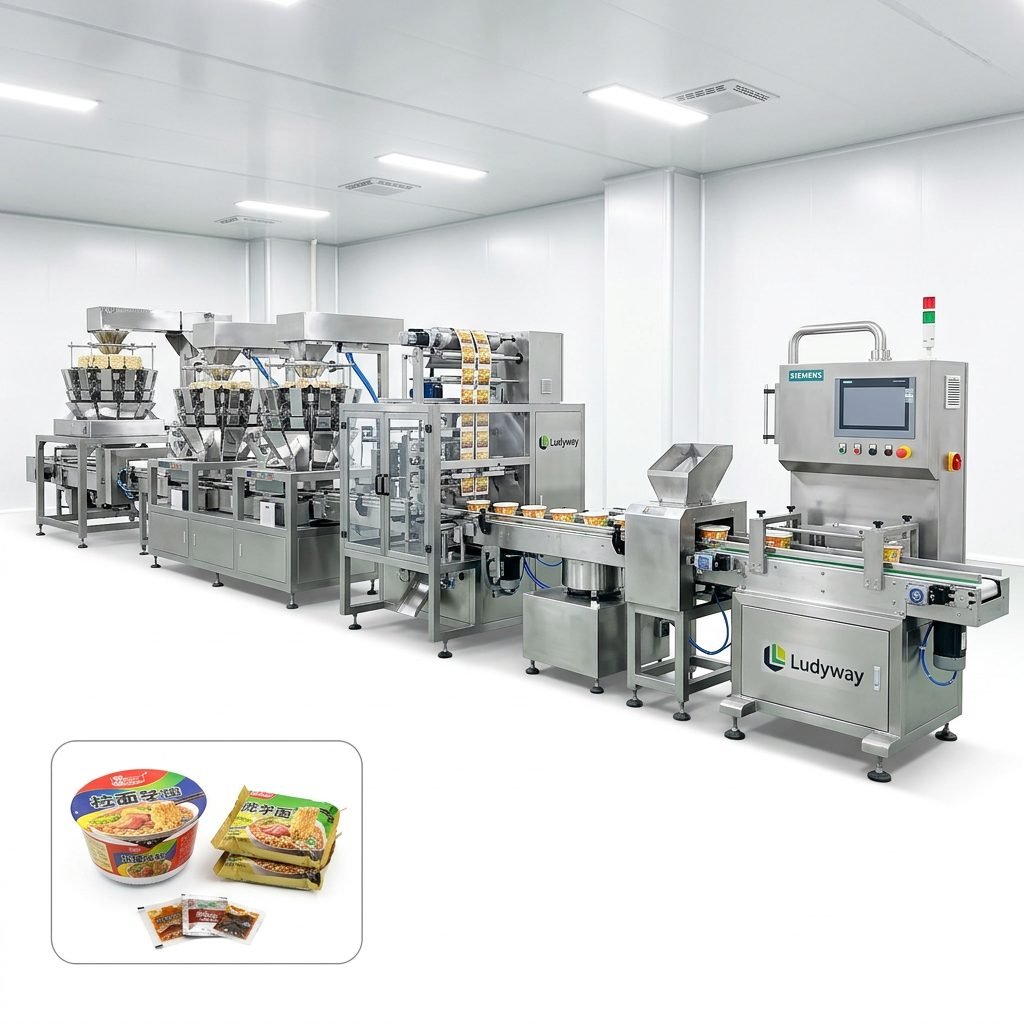
A turnkey solution is a complete, ready-to-operate package. It usually includes the main packaging machine, all necessary peripherals (like conveyors, checkweighers, coders), installation, commissioning, operator training, and initial technical support. Suppliers like Ludyway specialize in delivering these integrated production line solutions.
4. Is it better to buy a very specialized machine or a more flexible one?
It depends on your product roadmap. If you package a single product at high volume, a specialized machine offers maximum speed and efficiency. If you have a diverse product range or plan frequent new product launches, a flexible machine with quick changeover capabilities is a better long-term investment.
5. How long does it typically take from order to installation of a new packaging line?
The lead time varies based on machine complexity and customization. For standard models, it can be 8-12 weeks. For fully customized turnkey lines, it may take 4-6 months. Clear communication with your supplier during the planning phase is key to setting realistic timelines.