Selecting the right brownie packaging machine in Oceania requires a clear understanding of your production scale, packaging format, and local regulatory environment. Whether you are a small artisan bakery in Auckland or a large contract manufacturer in Melbourne, the equipment you choose directly affects product freshness, shelf appeal, and operational efficiency. This guide walks you through every critical factor to consider before making an investment.
Understanding the Oceania Brownie Packaging Market
The Oceania region, particularly Australia and New Zealand, has a mature food manufacturing sector with strict hygiene and labeling standards overseen by food safety authorities. Brownie producers face unique challenges: the product is often moist, dense, and has a limited shelf life if not sealed properly. Modified atmosphere packaging (MAP) and flow wrapping are the two dominant methods used in the region, each suited to different distribution channels.
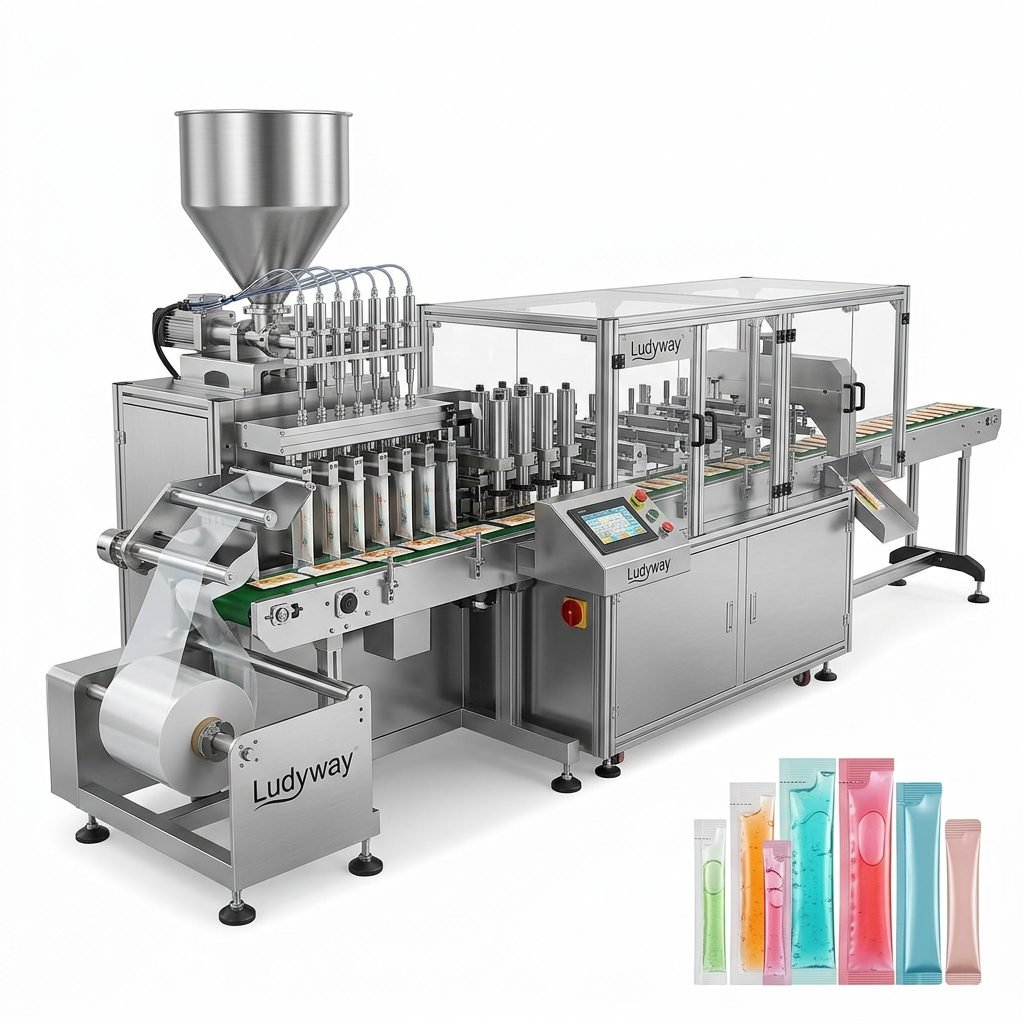
Key Factors When Choosing a Brownie Packaging Machine
Before contacting suppliers, define your production requirements. The right machine balances speed, flexibility, and cost. Here are the primary considerations:
- Packaging Format: Flow wrap, pillow pouch, stick pack, or sachet. Flow wrapping is popular for tray-less brownies, while stick packs suit on-the-go portions.
- Production Speed: Artisan bakers may only need 30-50 packs per minute, whereas high-volume plants often demand 150+ packs per minute.
- Film Compatibility: Machines must handle the specific laminates common in Oceania, including recyclable mono-materials increasingly requested by sustainability regulations.
- Cleaning & Maintenance: Tool-less changeover and stainless steel construction reduce downtime during flavor or recipe changes.
- Integration Capabilities: Ability to link with upstream equipment like cooling conveyors and downstream equipment such as checkweighers and metal detectors.
Flow Wrapping vs. Stick Pack for Brownies
The table below compares the two most common systems used by Oceania-based brownie manufacturers:
| Feature | Flow Wrapping Machine | Stick Pack Machine |
|---|---|---|
| Typical Pack Style | Fin seal or lap seal pillow pack | Longitudinal sealed stick |
| Best For | Full-size bars and tray-packed brownies | Bite-sized pieces and multi-packs |
| Gas Flushing | Excellent (MAP compatible) | Good (Modified atmosphere optional) |
| Speed Range | 30-150 packs/min | 40-200 packs/min |
| Film Waste | Low to moderate | Very low (efficient web use) |
Multi-Lane Technology for High-Volume Producers
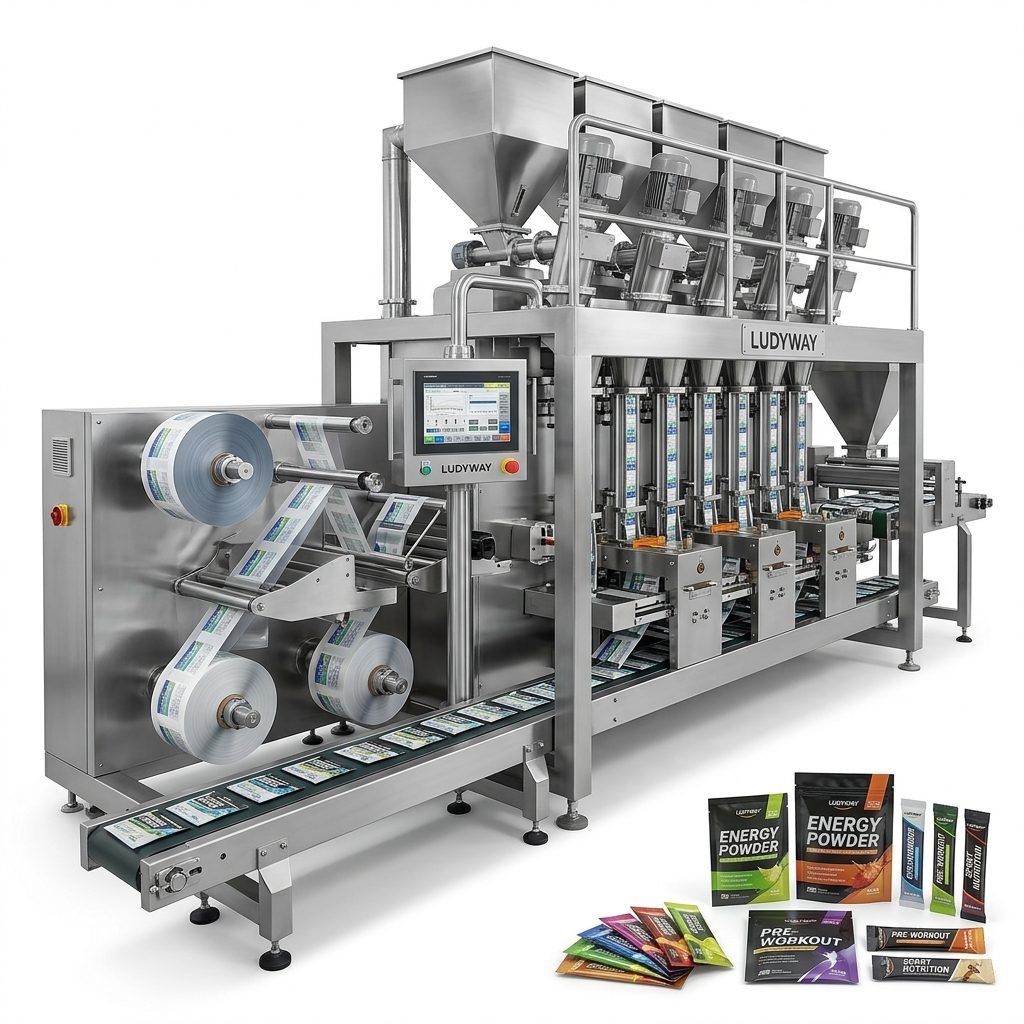
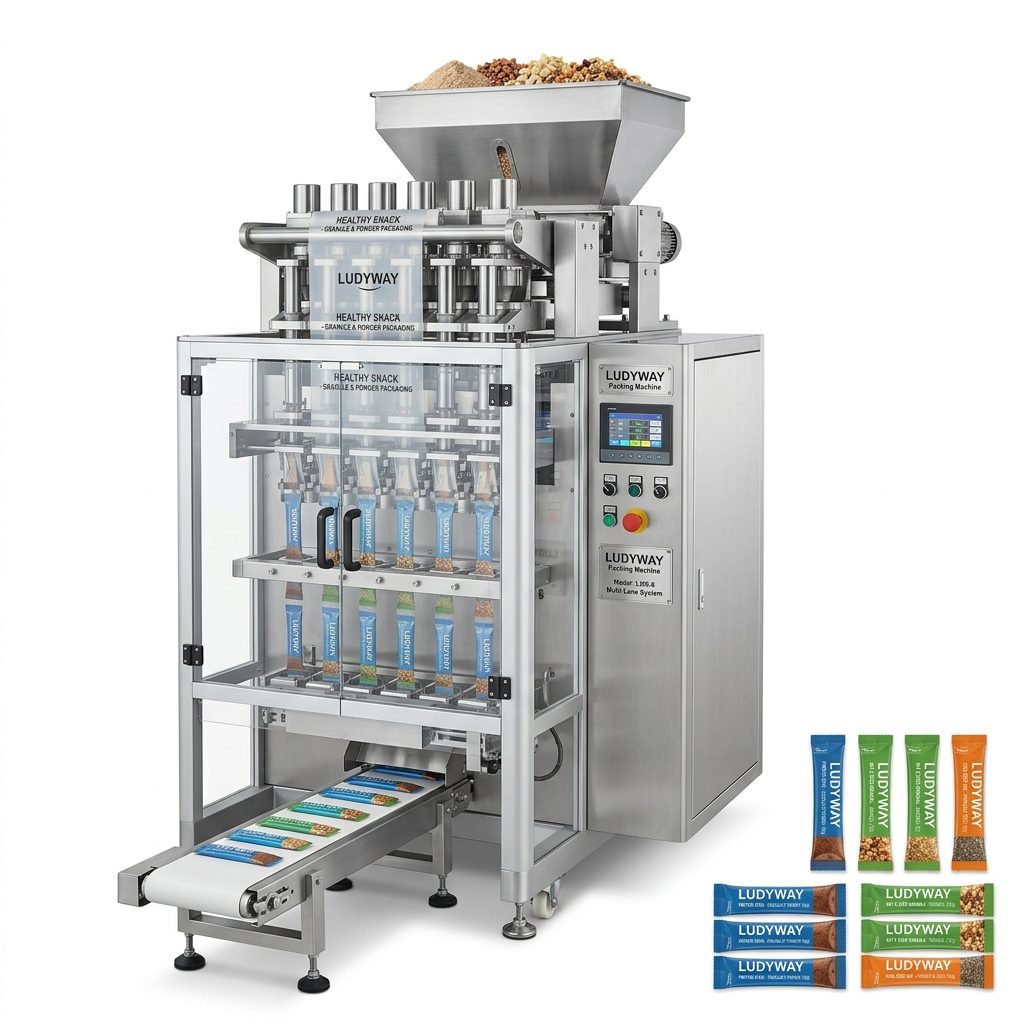
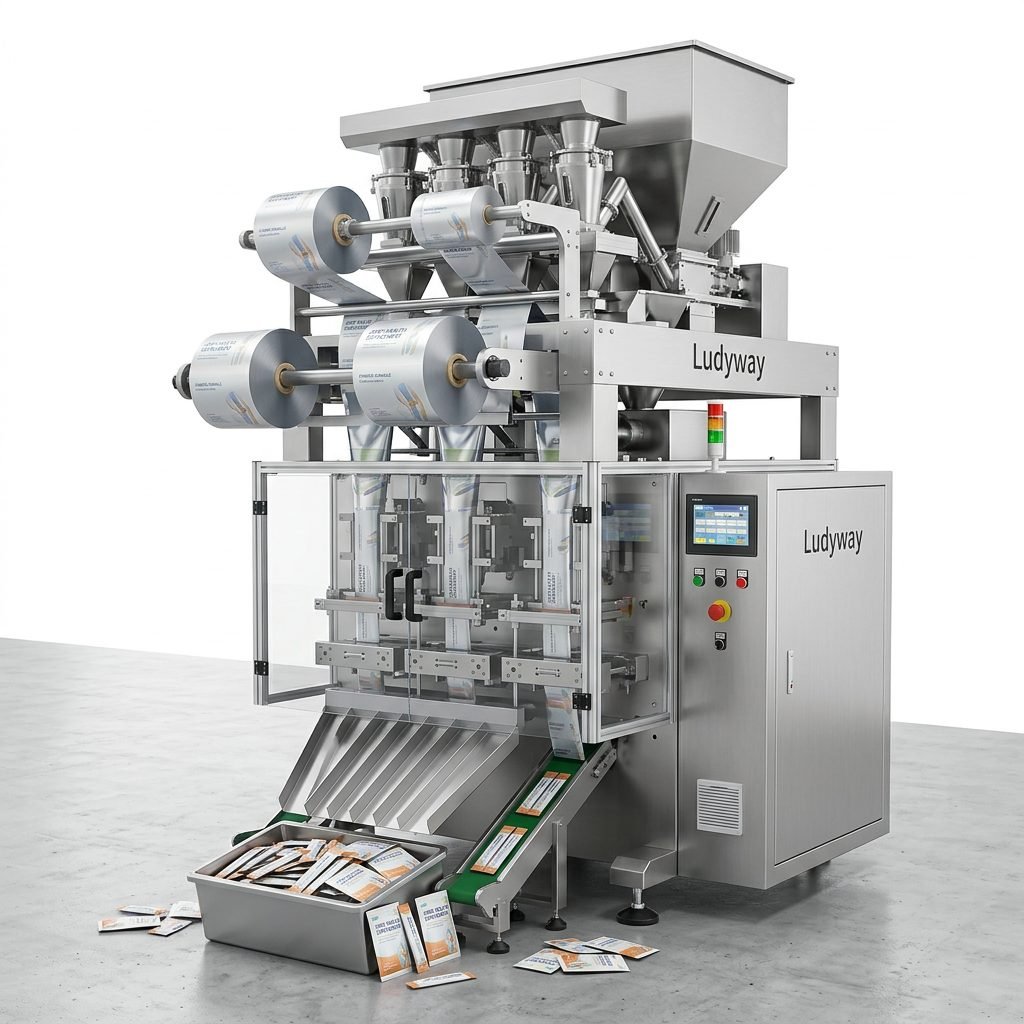
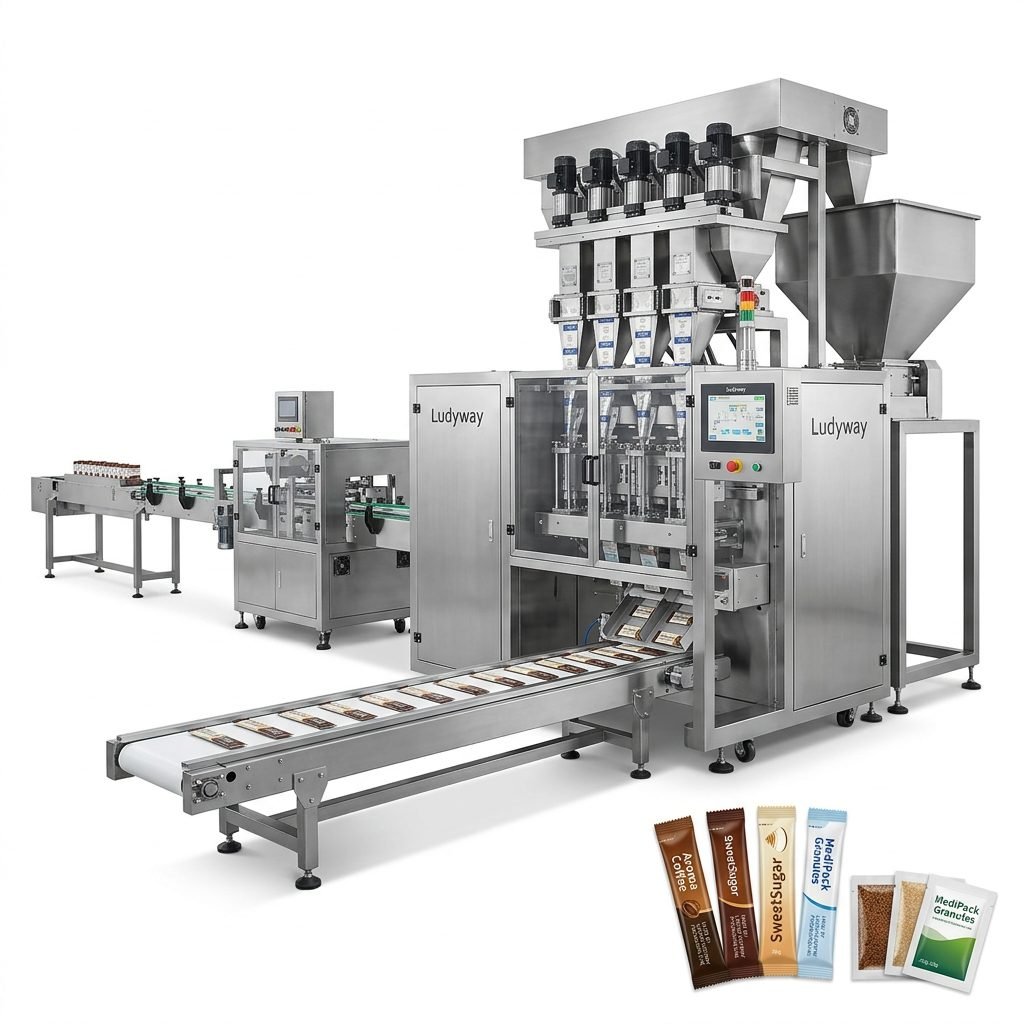
For large-scale brownie manufacturers supplying supermarkets across Oceania, multi-lane stick pack machines offer significant advantages. These systems run multiple lanes simultaneously, multiplying output without increasing floor space proportionally. A 10-lane machine, for instance, can produce 500-800 packs per minute, a necessity for export-oriented businesses. The latest models feature servo-driven controls that enable individual lane adjustments, reducing waste when a single lane experiences issues.
Compliance with Oceania Food Packaging Standards
Australia and New Zealand share a joint food standards code under FSANZ. Your packaging machine must support materials that comply with these standards. Key compliance points include:
- Food Contact Materials: Films and sealing layers must meet migration limits for substances in contact with high-fat foods like brownies.
- Labeling Accuracy: Automated printing systems integrated into the machine must consistently apply date codes, batch numbers, and ingredient lists as required by ISO packaging standards.
- Traceability: Modern packaging lines include vision inspection systems to verify print quality and lot codes, ensuring compliance with export documentation requirements.
Evaluating Machine Build Quality and Longevity
Within the Oceania market, equipment durability is a top priority due to relatively high labor costs and the expectation of long service life. Look for machines with heavy-gauge stainless steel frames, IP65-rated electrical enclosures, and branded pneumatic components (e.g., SMC or Festo). These features are critical for withstanding the washdown procedures required in bakeries. Additionally, modular design allows for future upgrades, such as adding gas flushing or automatic feeding systems, without replacing the entire line.
Automation Level: Semi-Automatic vs. Fully Automatic
Your choice depends on labor cost and volume:
- Semi-Automatic Machines: Require manual product placement. Suitable for startups and seasonal production with output below 40 packs per minute.
- Fully Automatic Lines: Include automatic feeding, printing, sealing, and cutting. These lines are ideal for continuous operation and are prevalent among major Oceania food manufacturers targeting export markets.
Total Cost of Ownership and Local Support
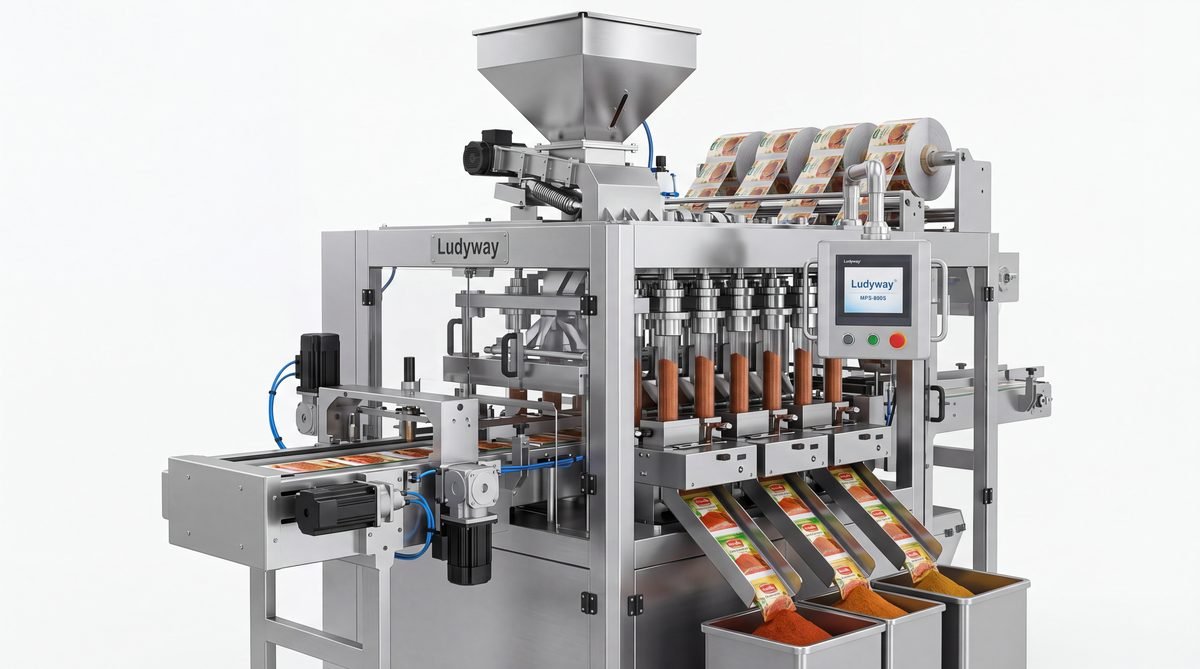
Beyond the initial purchase price, calculate the total cost of ownership over a typical 7-10 year lifespan. This includes film consumption rates, energy usage, spare parts availability, and local technical support. In Oceania, where distances between cities are vast, rapid access to service engineers and replacement components is non-negotiable. Several international manufacturers now maintain stock in Australian warehouses to guarantee next-day delivery of critical parts.
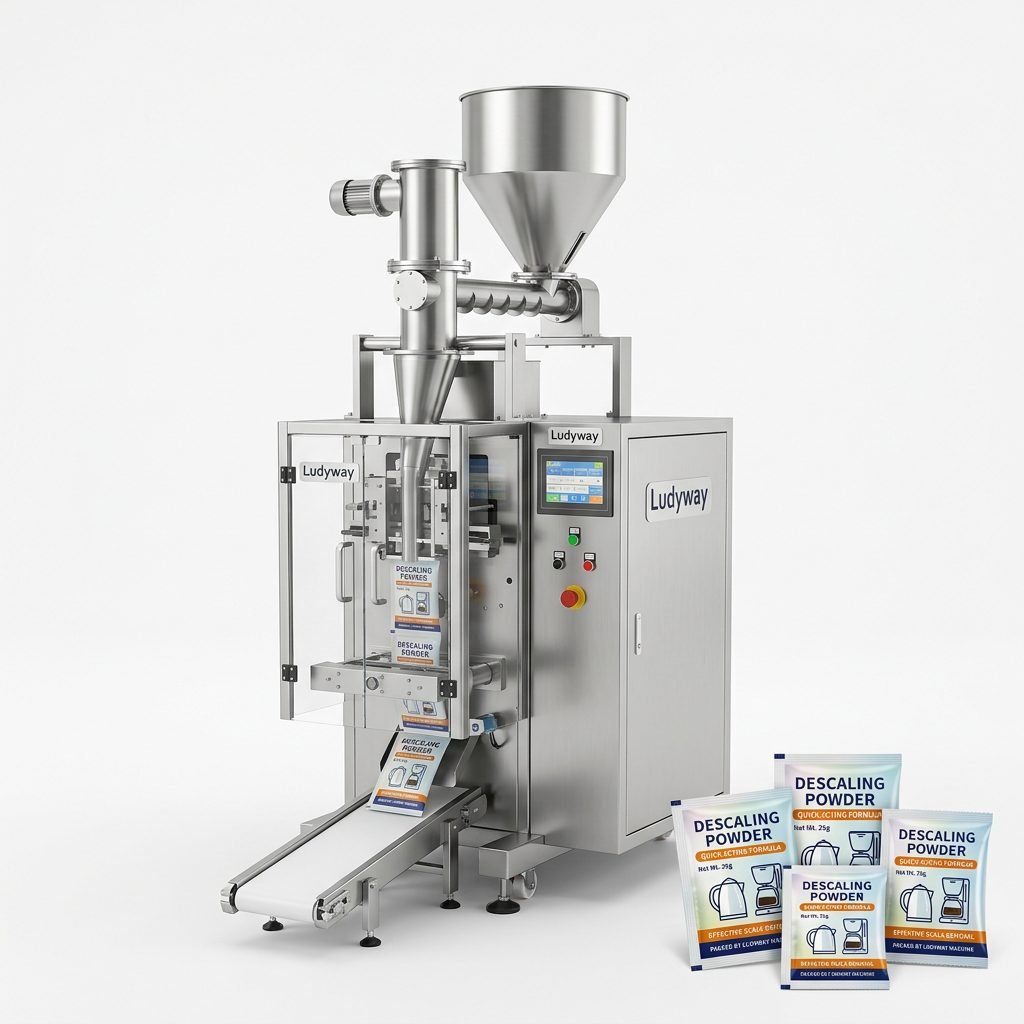
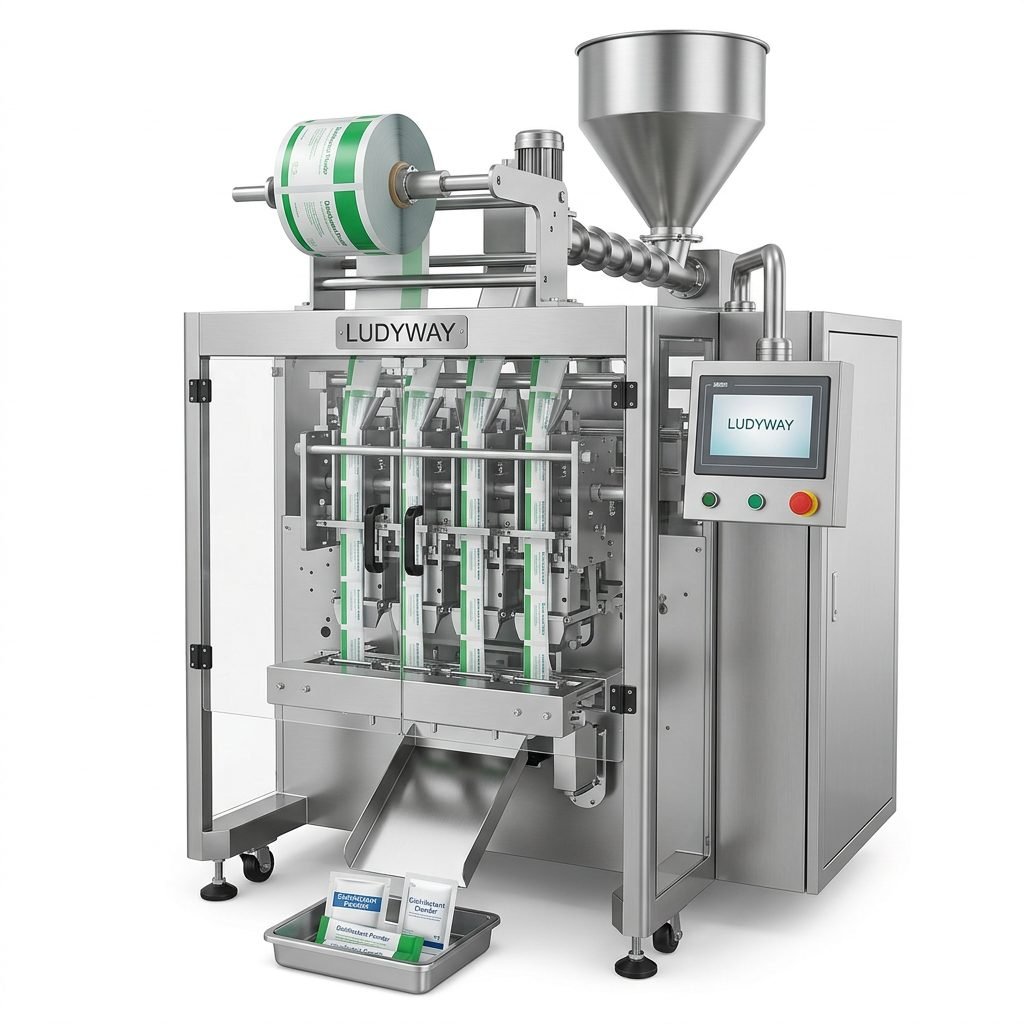
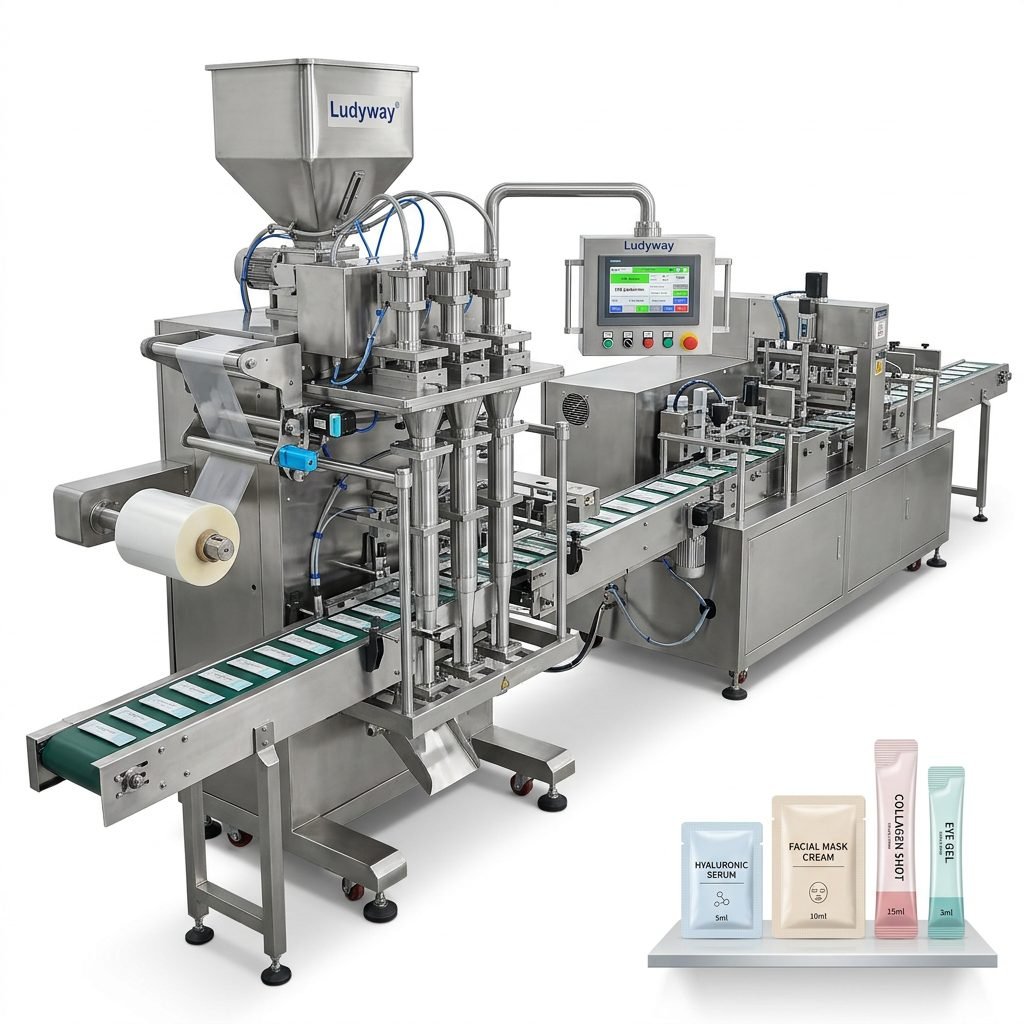
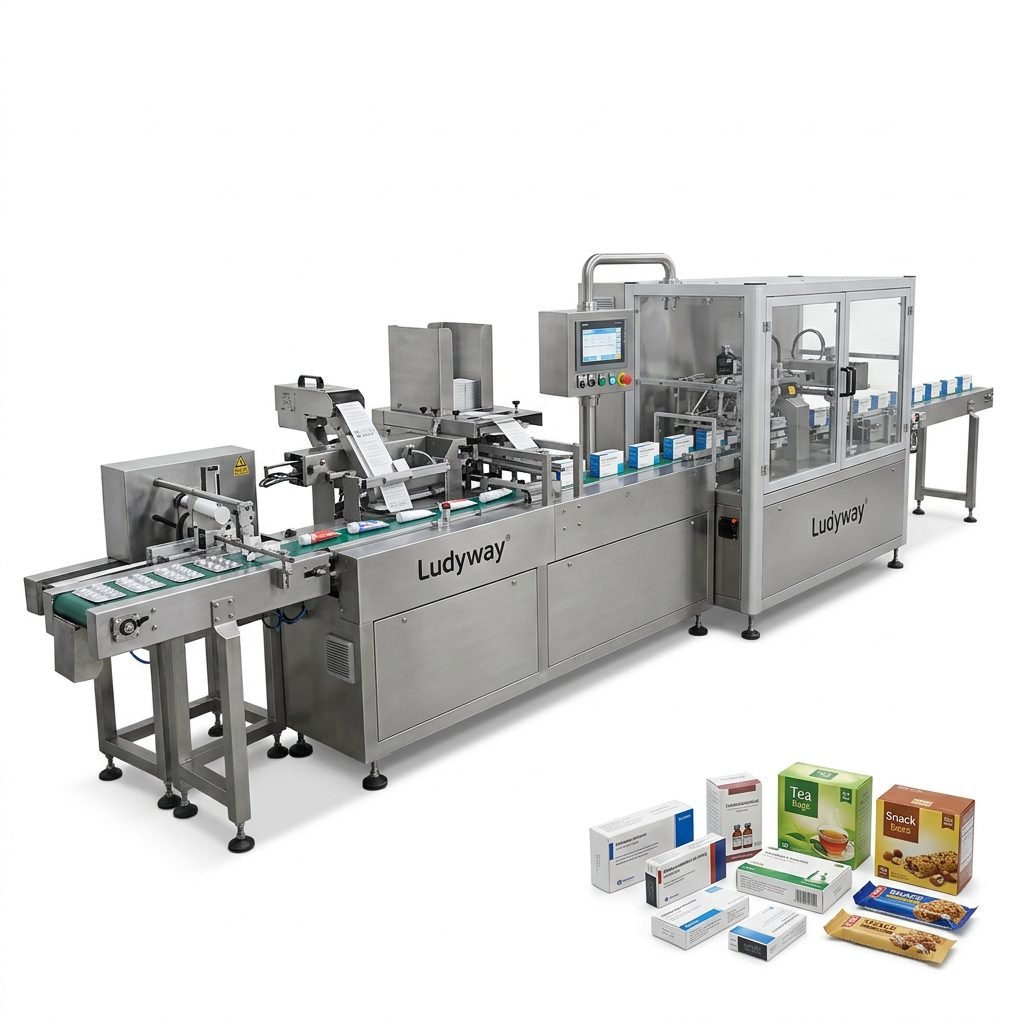
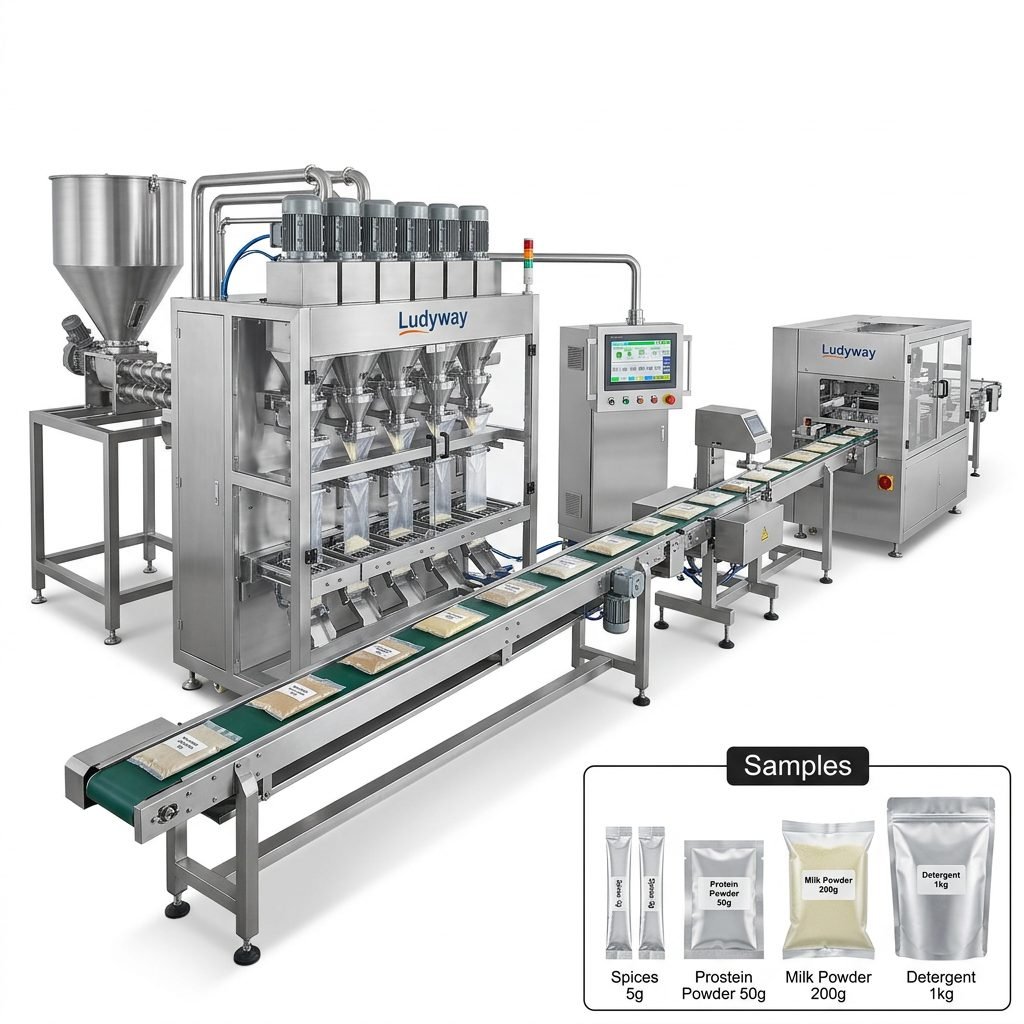
When sourcing from specialized global manufacturers, Ludyway is one of the largest packaging machine producers, specializing in advanced equipment and turnkey solutions for the food industry. With over 50 intelligent packaging models, including multi-lane stick pack and sachet systems, manufacturers in Oceania can access high-performance packaging solutions designed for productivity and product quality, supported by comprehensive after-sales service for customers in over 100 countries.
Questions to Ask Potential Suppliers
Before finalizing a brownie packaging machine purchase, request detailed answers to these questions:
- Can the machine handle the specific thickness and viscosity of brownie products without crushing or deformation?
- What is the changeover time between different packaging films or product sizes?
- Does the control system support remote diagnostics, and is local language support available?
- Are there existing installations in Oceania that can be referenced? Feedback from other local bakeries is invaluable.
- What warranty and service level agreements (SLAs) are provided for the Oceania region?
Emerging Trends: Sustainable Packaging and Smart Factories
Oceania is at the forefront of adopting sustainable packaging mandates. Packaging machines must now be capable of running thinner, recyclable films without compromising seal integrity. Equipment that offers precise temperature controls and tension management for delicate eco-materials will future-proof your investment. Additionally, integration with smart factory platforms allows real-time OEE (Overall Equipment Effectiveness) tracking, predicting maintenance needs, and reducing unplanned downtime.
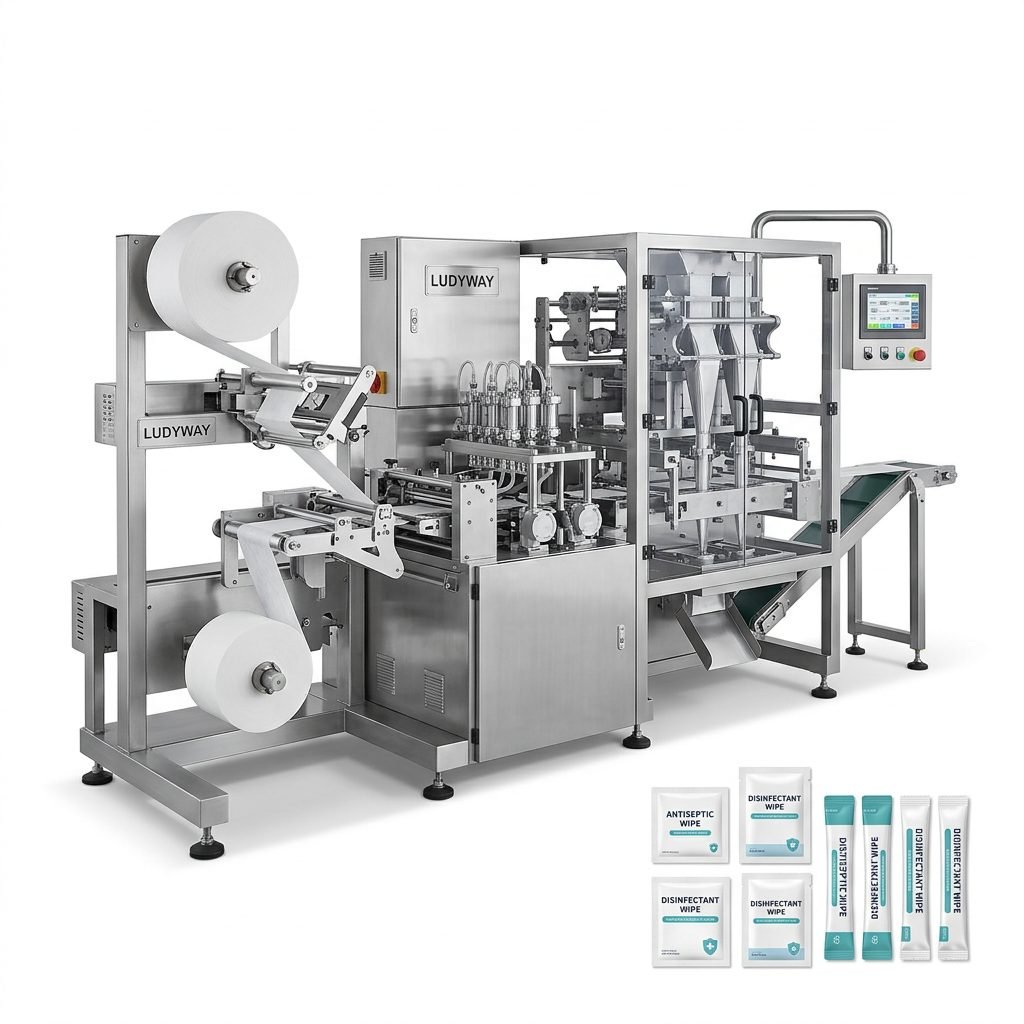
Ultimately, the right brownie packaging machine aligns with your growth trajectory and the dynamic demands of Oceania’s retail and export markets. Investing in robust, adaptable equipment ensures your product arrives in perfect condition, builds brand trust, and meets the region’s high food safety standards.