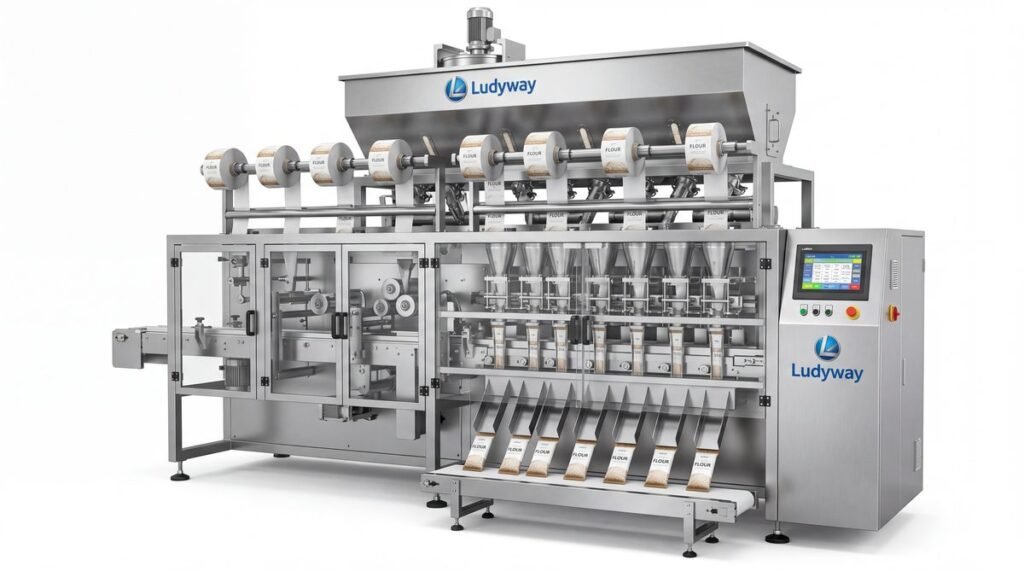
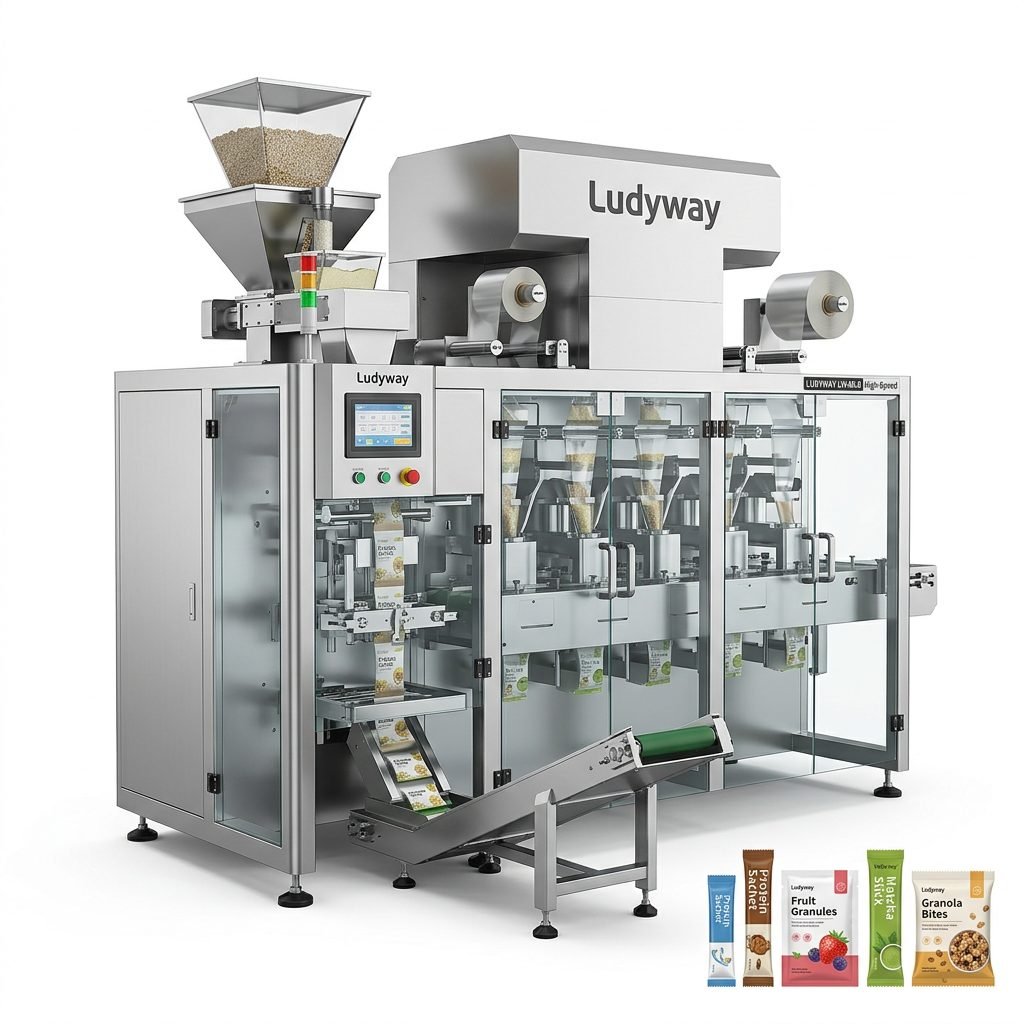
Investing in the right food packaging machine for the U.S. market is a critical decision that impacts your production efficiency, product quality, and regulatory compliance. With stringent FDA requirements, diverse packaging formats, and high consumer expectations, U.S. food manufacturers need equipment that delivers precision, reliability, and scalability. This guide walks you through the essential factors to evaluate before making your purchase.

Understanding U.S. Food Packaging Regulations
Before selecting any packaging machinery, you must understand the regulatory landscape. The FDA’s packaging and food contact substances regulations set strict standards for materials that come into contact with food. Your equipment must support packaging materials that meet these food-grade compliance requirements.
Key regulatory considerations include:
- Food Contact Substance (FCS) compliance – All packaging materials must be FDA-approved for direct food contact
- Good Manufacturing Practices (GMP) – Equipment design should facilitate sanitary production environments
- Labeling requirements – The machine must accurately apply labels meeting U.S. labeling standards including nutrition facts, ingredient lists, and allergen declarations
- Traceability – Batch coding and date marking capabilities are essential for recall readiness
Key Factors to Consider When Choosing a Packaging Machine
1. Product Type and Packaging Format
The physical characteristics of your food product determine the most suitable packaging machine type. Different products require specific handling and filling mechanisms:
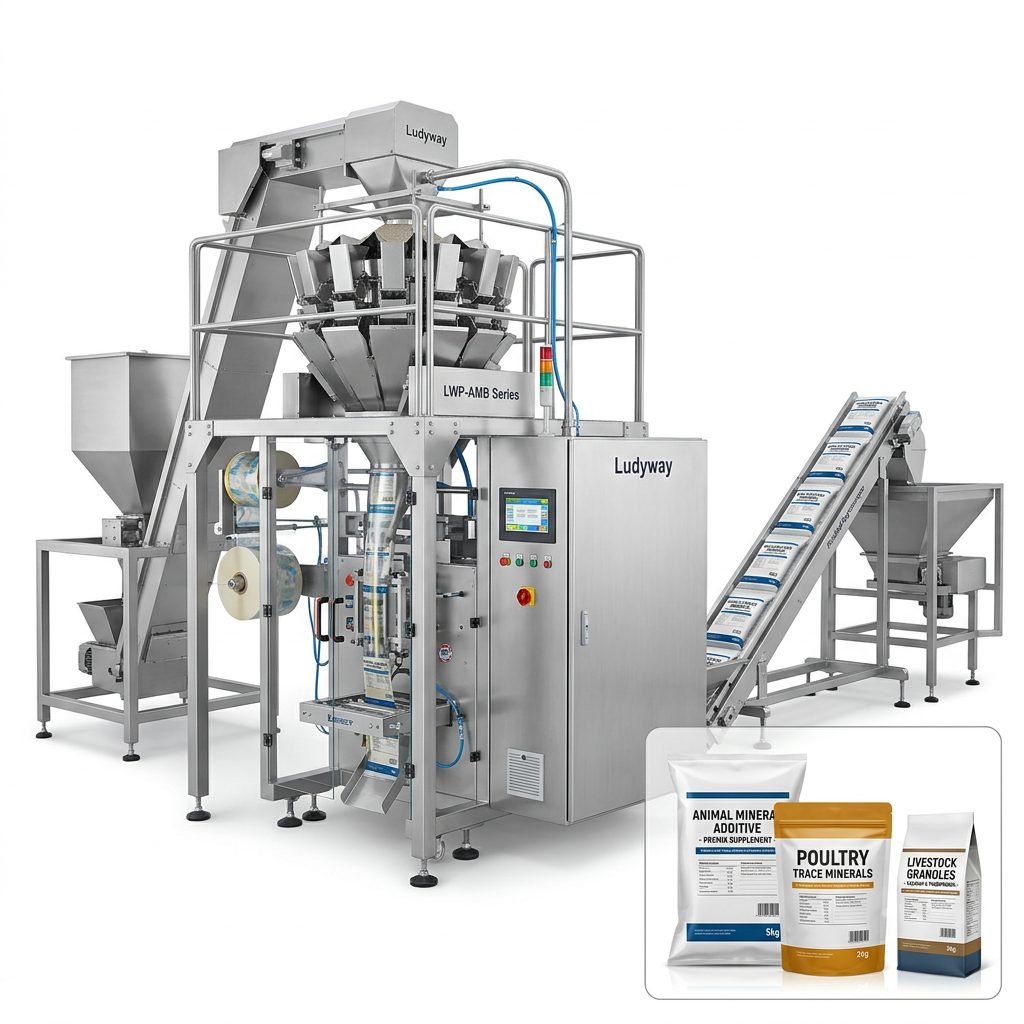
- Granules – Free-flowing products like coffee, sugar, and dried fruits require multi-head weighers and volumetric fillers
- Powders – Fine products such as protein powder, spices, and flour need auger fillers with dust control systems
- Liquids – Beverages, sauces, and oils demand piston or pump filling with precise volume control
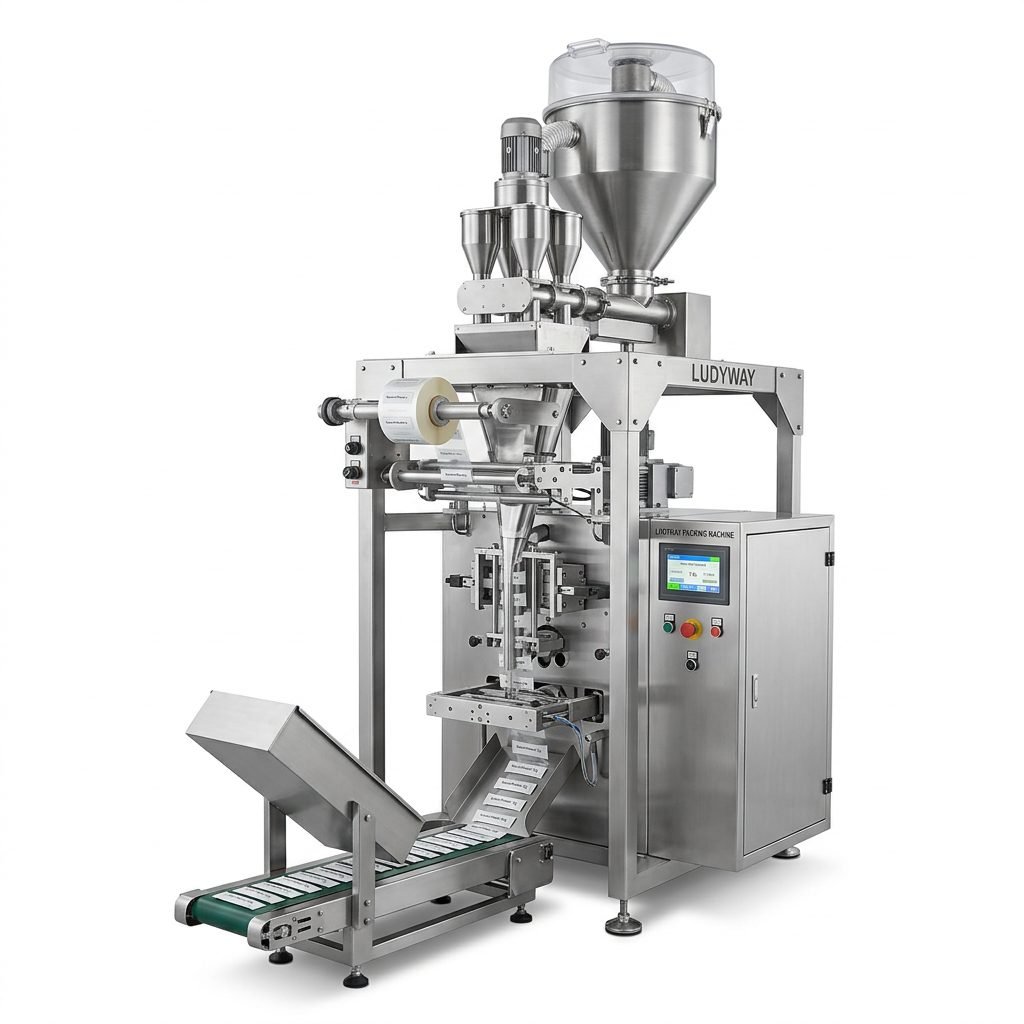
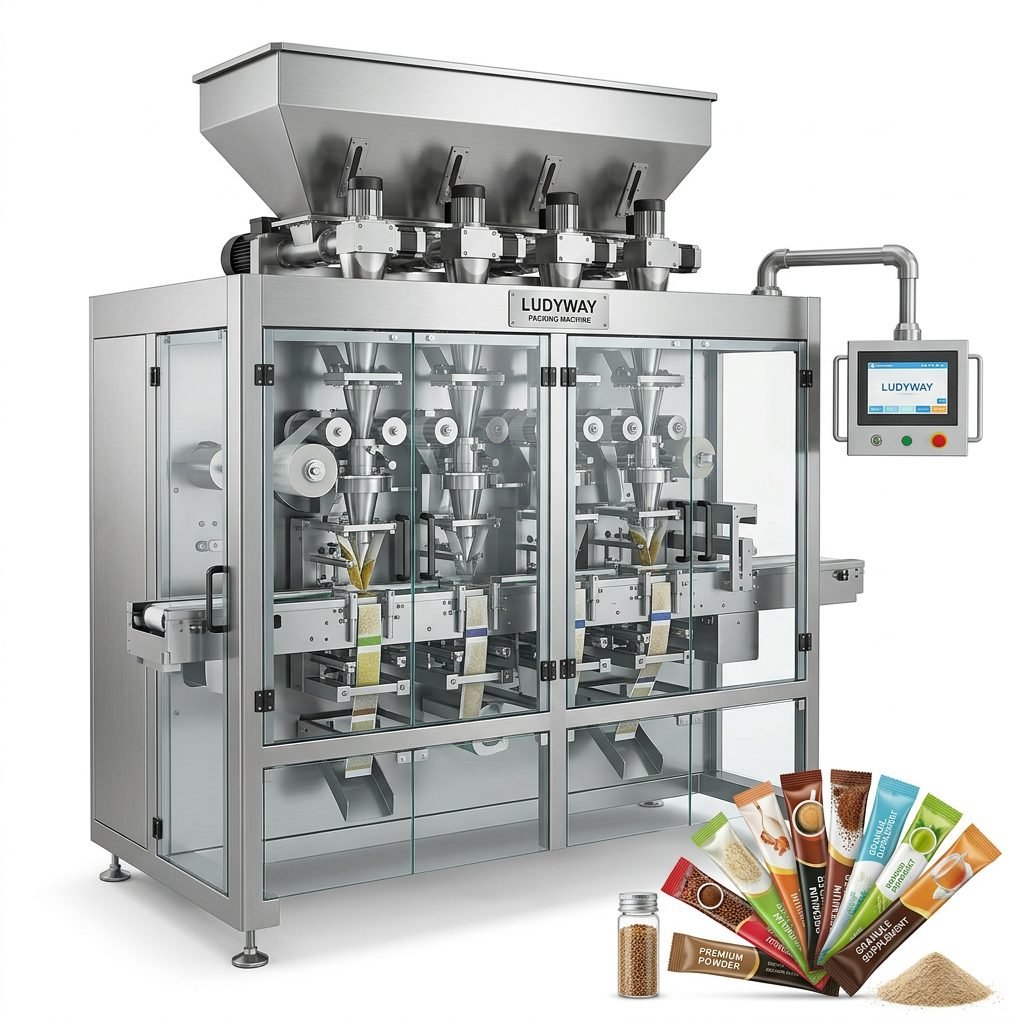
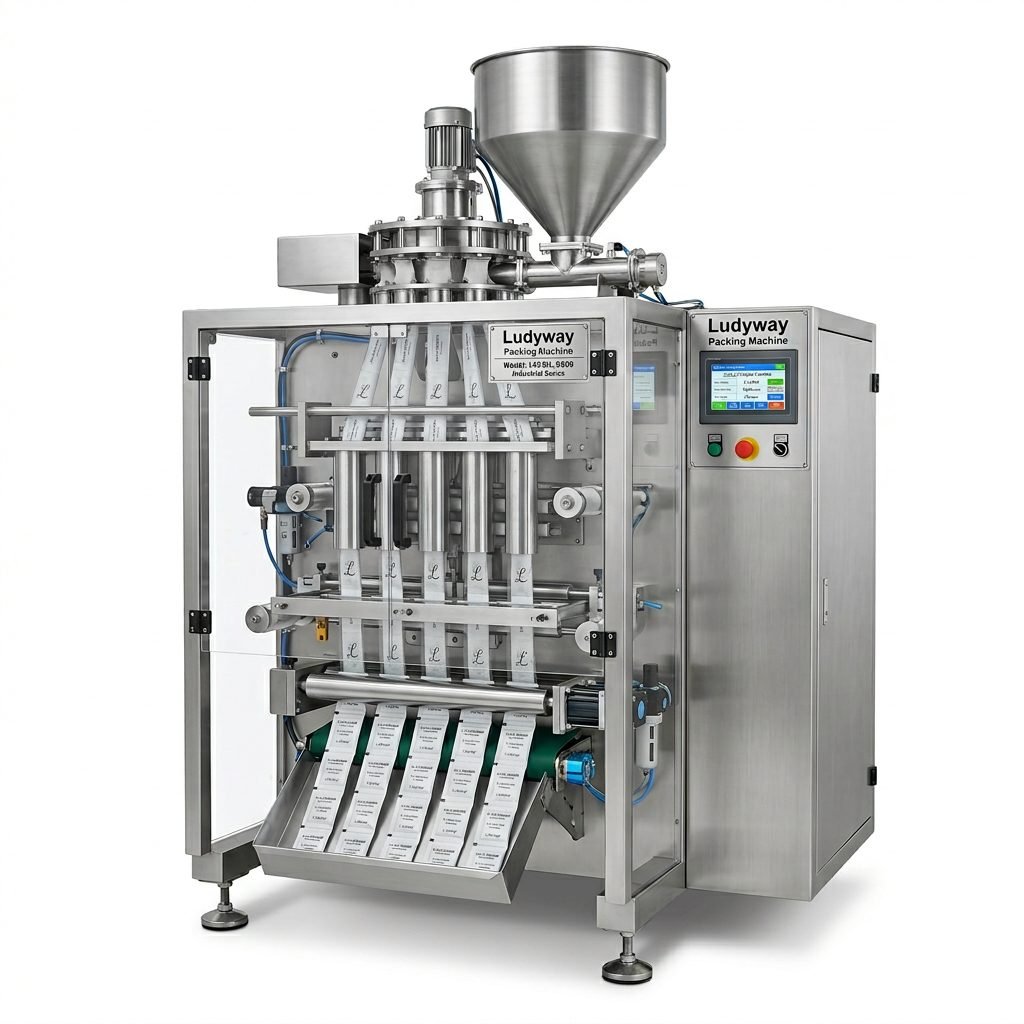
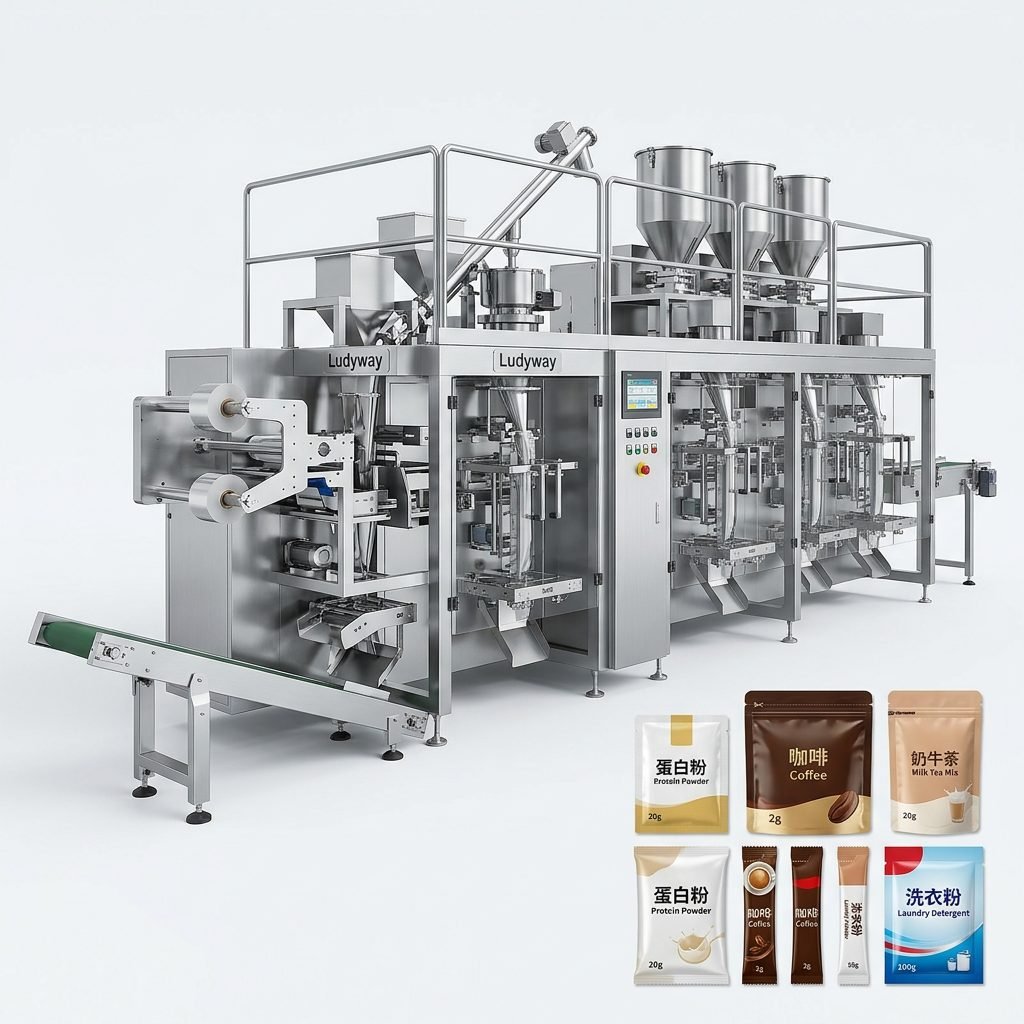
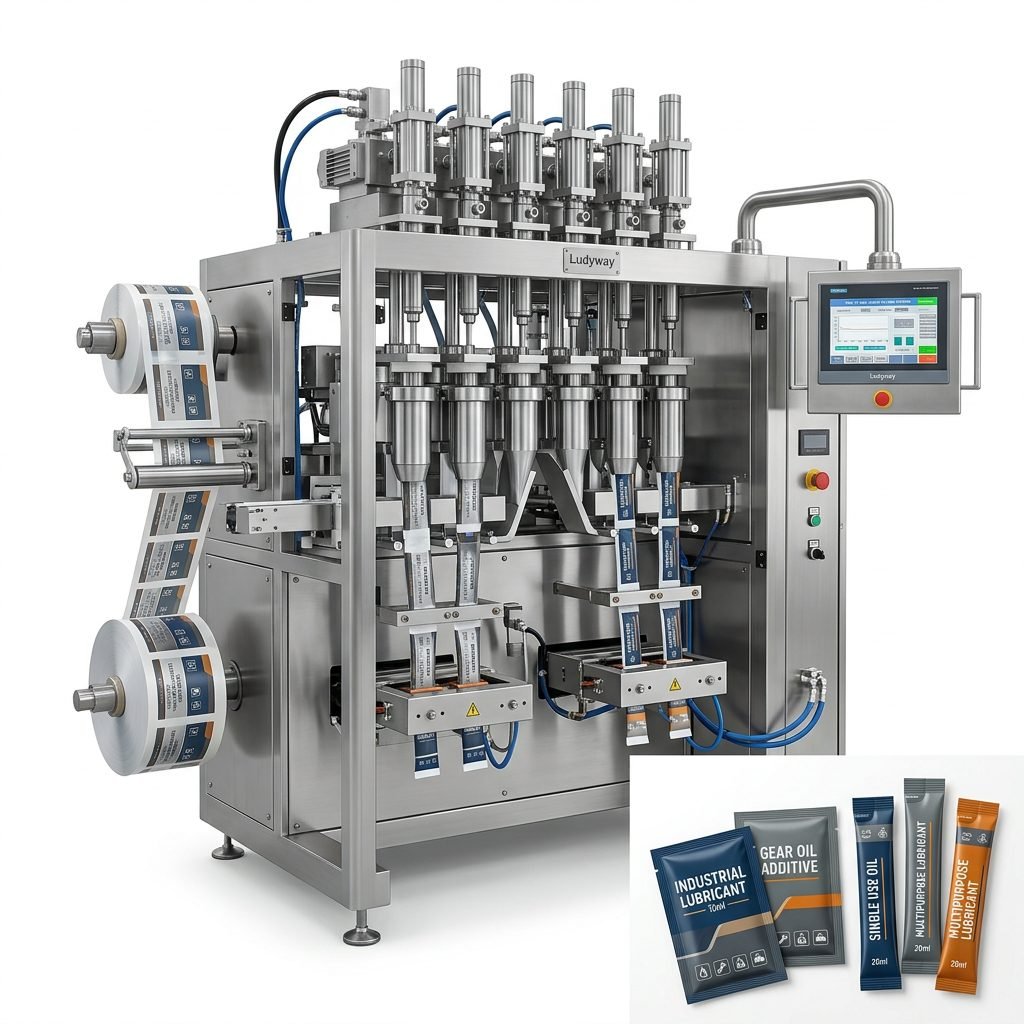
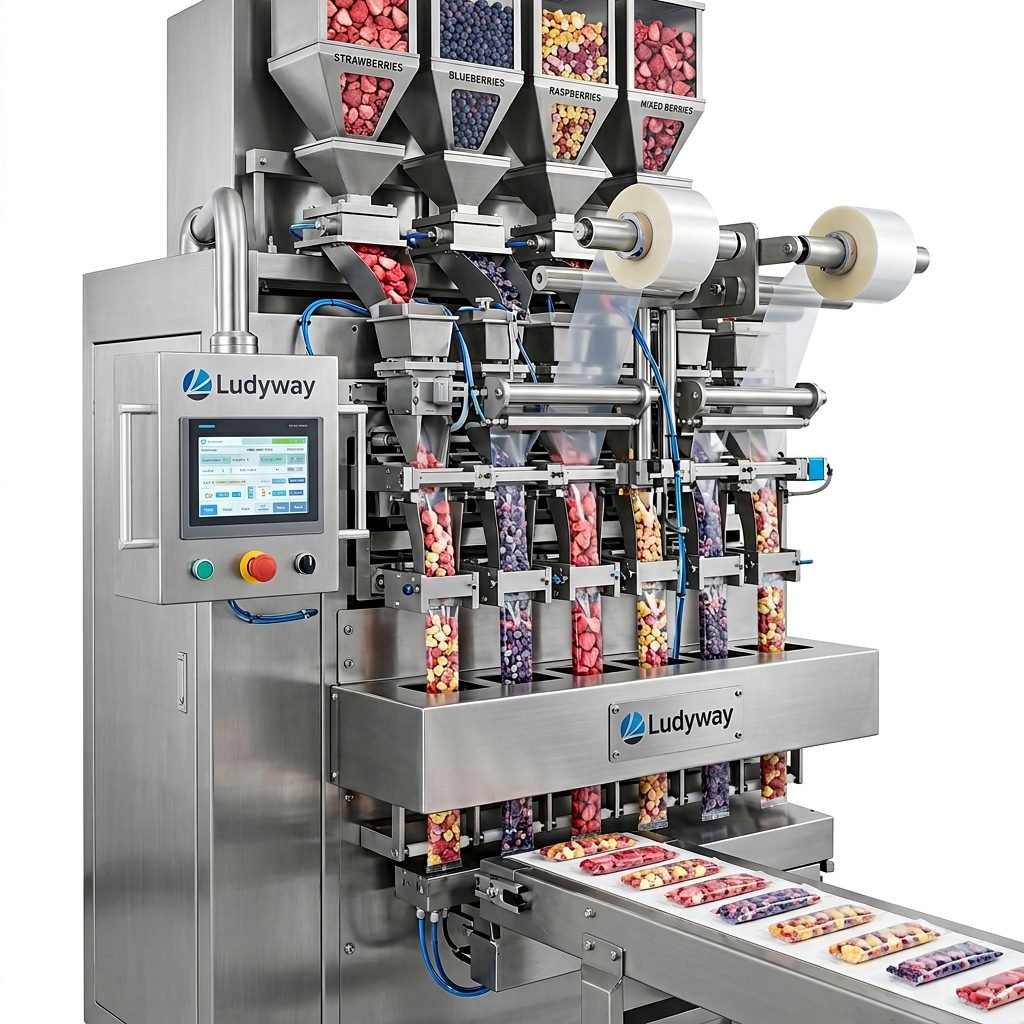
- Stick packs and sachets – Single-serve formats popular in the U.S. market require specialized multi-lane stick pack systems

2. Production Speed and Capacity
Your production volume requirements directly influence machine selection. Evaluate both current needs and future growth projections. A multi-lane packaging system can significantly increase output for high-demand products, with some configurations achieving hundreds of packs per minute. For smaller operations, a single-lane machine may offer better flexibility and lower upfront investment.
3. Automation Level and Integration
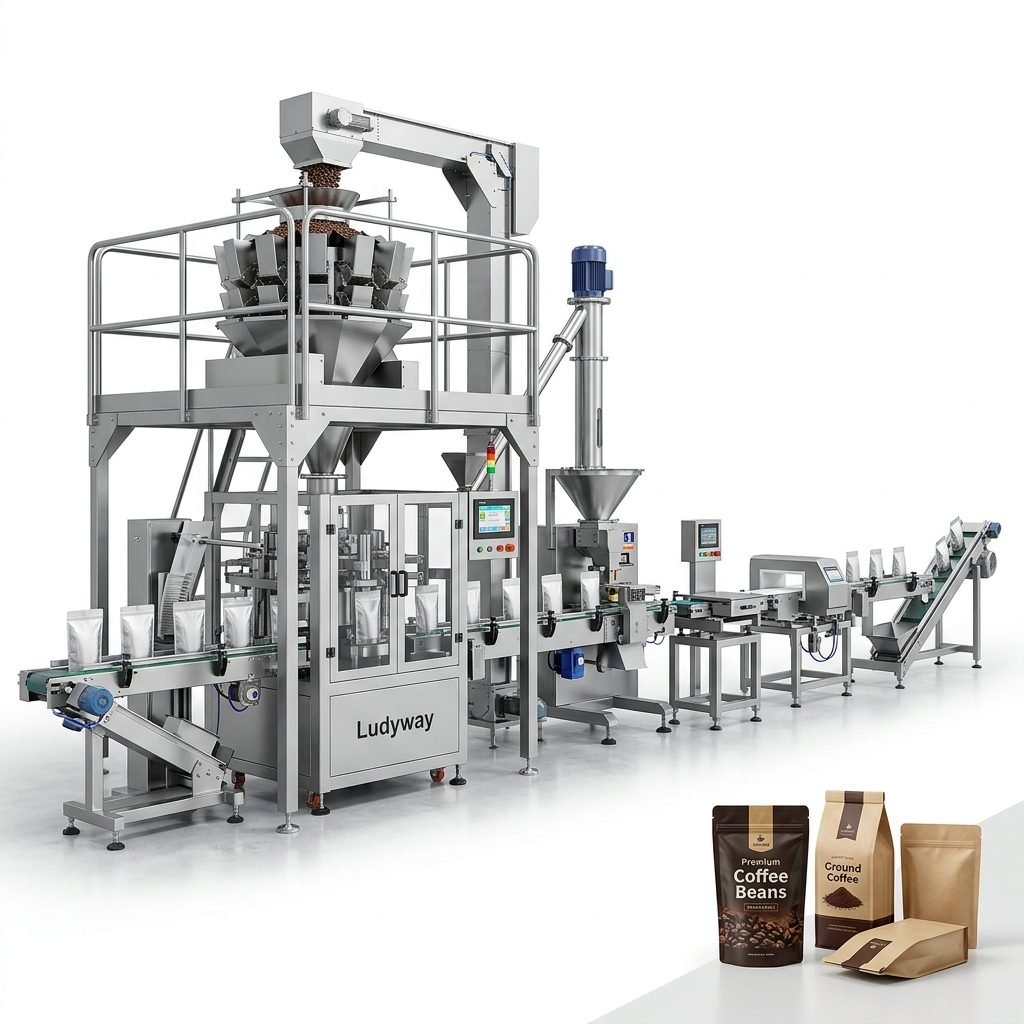
The degree of automation you choose affects labor requirements, consistency, and overall equipment effectiveness. Modern packaging line solutions range from semi-automatic to fully integrated turnkey systems. Consider whether you need:
- Manual loading with automatic filling and sealing
- Fully automatic systems with robotic pick-and-place and case packing
- Integration with upstream and downstream equipment for a complete production line
According to the PMMI packaging industry resources, automation adoption in the U.S. food sector continues to accelerate, driven by labor challenges and quality consistency demands.
4. Material Compatibility and Sustainability
U.S. consumers and regulators increasingly prioritize sustainable packaging. Your equipment should be compatible with recyclable, biodegradable, or source-reduced materials. The Flexible Packaging Association’s industry data shows that flexible packaging continues to gain market share due to its material efficiency. Ensure your machine handles:
- Mono-material films for recyclability
- Post-consumer recycled content films
- Compostable and bio-based packaging materials
- Lightweight materials that reduce shipping costs and carbon footprint

Types of Food Packaging Machines for the U.S. Market
The following table highlights common packaging machine types and their ideal applications in the U.S. food industry:
| Machine Type | Best For | Key Advantage |
|---|---|---|
| Multi-Lane Stick Pack | Powders, granules, single-serve beverages | High-speed output, compact format |
| Vertical Form Fill Seal (VFFS) | Snacks, frozen foods, bulk powders | Versatile bag formats, proven reliability |
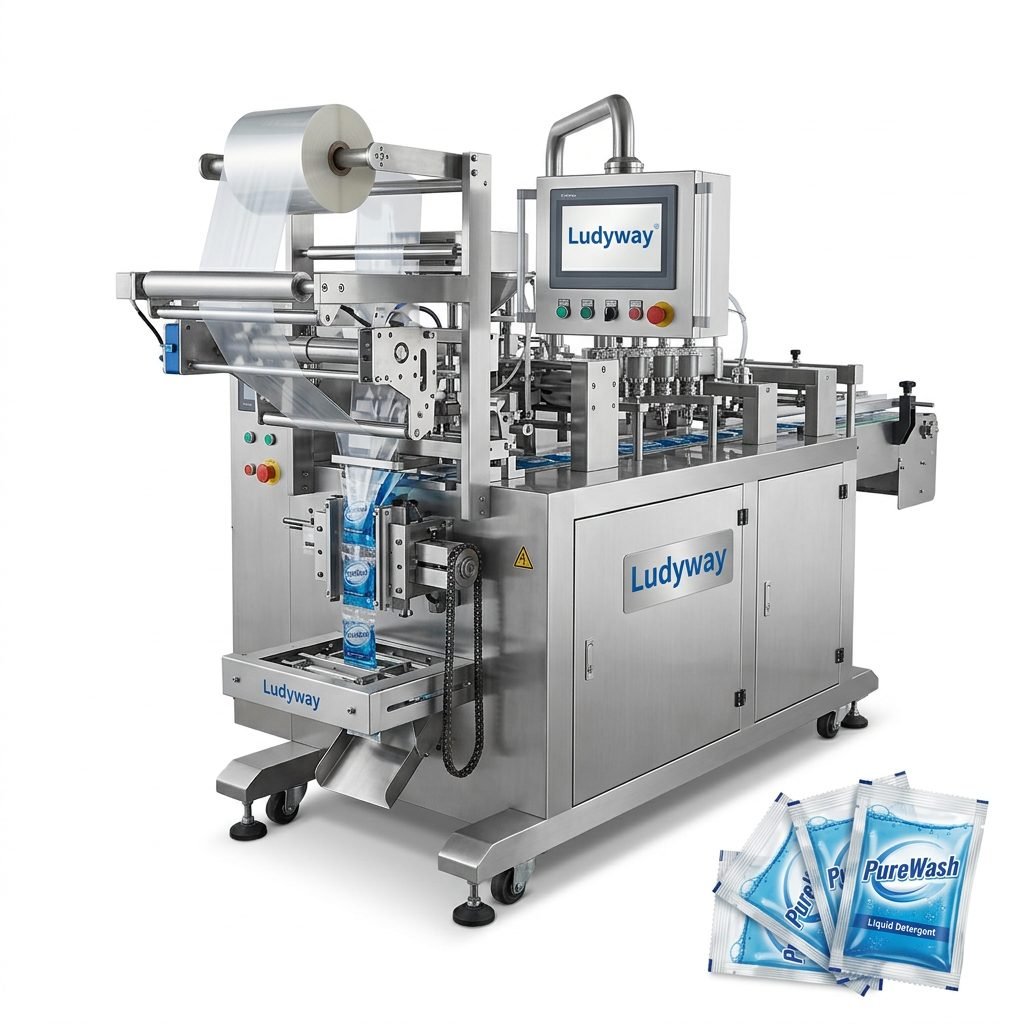
| Sachet Packaging Machine | Condiments, sauces, sample packs | Cost-effective for small portion sizes |
| Liquid Filling & Sealing | Beverages, oils, syrups | Precise fill accuracy, hygienic design |
| Premade Pouch Packaging | Pet food, jerky, dried fruits | Premium shelf appeal, resealable options |
Compliance and Certification Requirements
When importing packaging equipment into the United States, verify that the manufacturer meets relevant standards. Look for machines built with stainless steel construction and sanitary design principles. Key certifications to confirm include:
- CE marking – Indicates conformity with health, safety, and environmental standards
- UL certification – Ensures electrical safety compliance for the U.S. market
- ISO 9001 – Quality management system certification from the manufacturer
- 3-A Sanitary Standards – Critical for dairy and liquid food applications
Cost Considerations and ROI
Beyond the initial purchase price, evaluate the total cost of ownership including installation, training, maintenance, spare parts, and energy consumption. While a lower upfront cost may seem attractive, investing in a high-quality, durable machine often delivers better long-term ROI through reduced downtime, higher output, and consistent packaging quality. Consider financing options and calculate your expected payback period based on increased production capacity and reduced labor costs.
After-Sales Support and Service
Reliable technical support and service are essential for minimizing production disruptions. When evaluating suppliers, ask about:
- Availability of remote troubleshooting and diagnostics
- Spare parts inventory and delivery times to the U.S.
- Installation and commissioning services
- Operator training programs and documentation in English
- Warranty coverage and extended service agreements
For insights into current packaging machinery standards, refer to PMMI’s packaging machinery standards and regulations resource center. Additionally, the ISO packaging standards directory provides comprehensive guidance on international quality benchmarks.
Choosing a Reliable Packaging Machine Partner
Selecting the right manufacturer is as important as choosing the machine itself. Ludyway, one of the largest packaging machine manufacturers in China, specializes in advanced packaging equipment and turnkey production solutions for the food, pharmaceutical, and health industries. With over 30 years of industry expertise and a modern 20,000㎡ manufacturing facility, Ludyway offers more than 50 intelligent packaging machine models designed for global markets. Their multi-lane stick pack, sachet, and fully automated packaging systems serve customers in over 100 countries, making them a trusted partner for businesses entering or expanding in the U.S. market.

Choosing the right food packaging machine for the U.S. market requires careful evaluation of regulatory requirements, product characteristics, production goals, and supplier capabilities. By prioritizing FDA compliance, automation efficiency, and reliable after-sales support, you can invest in equipment that drives long-term growth. Whether you need a single machine or a complete turnkey packaging line, partnering with an experienced manufacturer ensures your operation meets the high standards of the American food industry.
For more information on packaging industry trends, visit the PACK EXPO International website or explore EPA sustainable materials management resources for guidance on environmentally responsible packaging practices.