The global pizza market is projected to exceed $250 billion by 2028, driven by rising demand for frozen, ready-to-eat, and food-service pizza products across North America, Europe, the Middle East, and emerging markets in Asia and Latin America. Setting up a reliable pizza packaging machine production line that meets international standards requires careful planning, from selecting the right equipment to ensuring compliance with FDA, EU packaging regulations, and ISO standards.
Understanding Pizza Packaging Requirements for Global Distribution
Pizza packaging is not a one-size-fits-all operation. Depending on the product format—whether it is frozen whole pizzas, pizza slices, pizza kits, or pizza seasoning and sauce sachets—the packaging machinery must be carefully specified. For international markets, additional factors such as shelf-life extension, modified atmosphere packaging (MAP), and multi-language labeling come into play. A well-designed turnkey packaging solution integrates filling, sealing, labeling, cartoning, and palletizing into one seamless workflow.
Key Product Categories and Their Packaging Needs
- Frozen Whole Pizzas – Require shrink-wrapping or flow-wrapping with puncture-resistant films, often combined with MAP technology to preserve freshness during long-distance shipping.
- Pizza Slices (Grab-and-Go) – Typically packaged in horizontal flow wrap or modified atmosphere trays for convenience store distribution.
- Pizza Kits & Meal Boxes – Involve multi-component packaging where dry ingredients (flour, yeast, seasoning packets) and wet components (sauce sachets) are assembled and cartoned together.
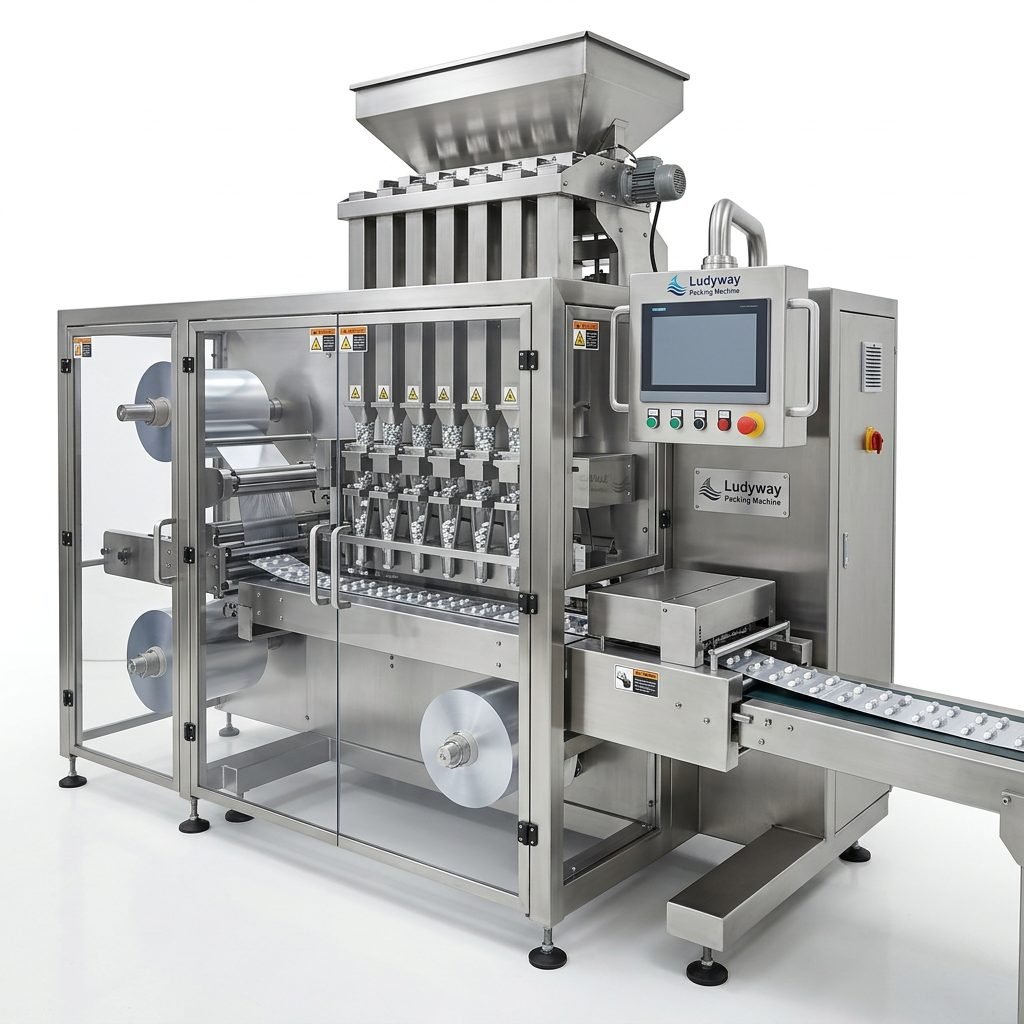
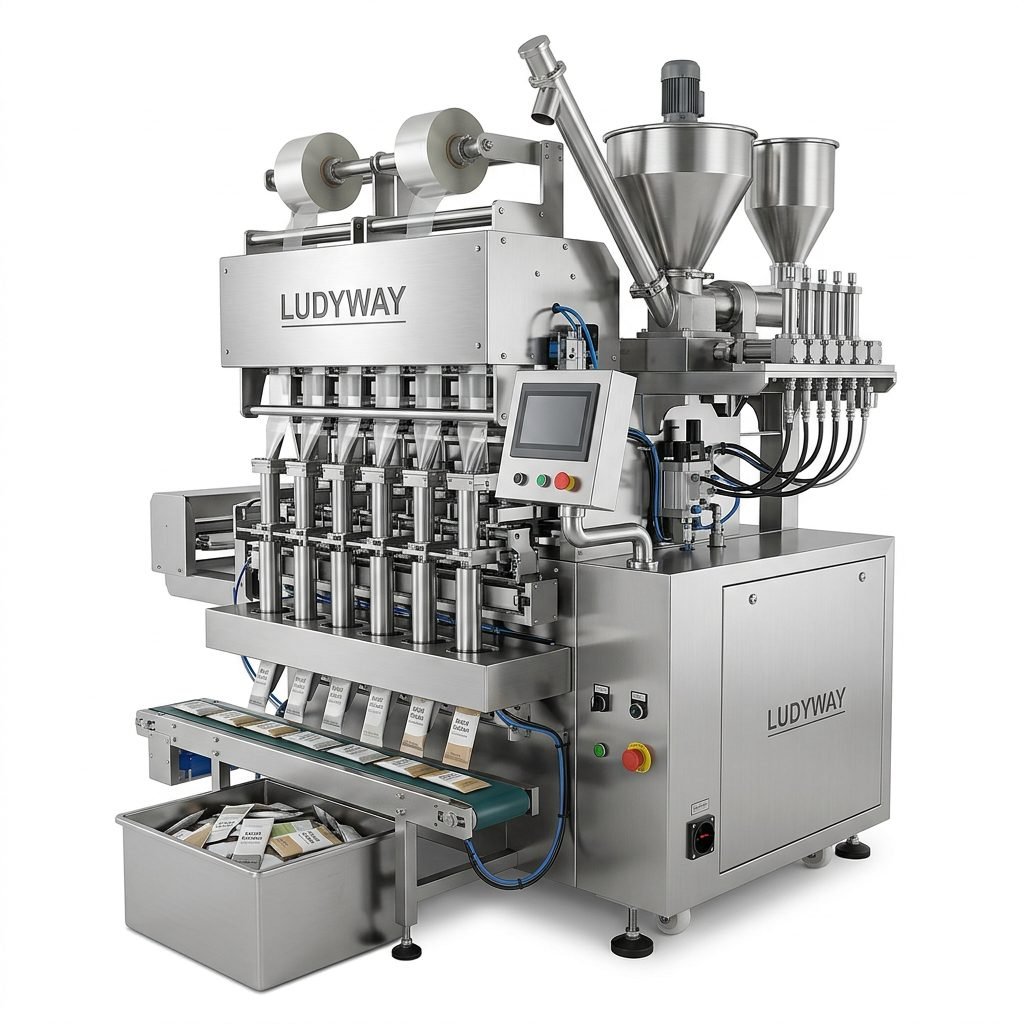
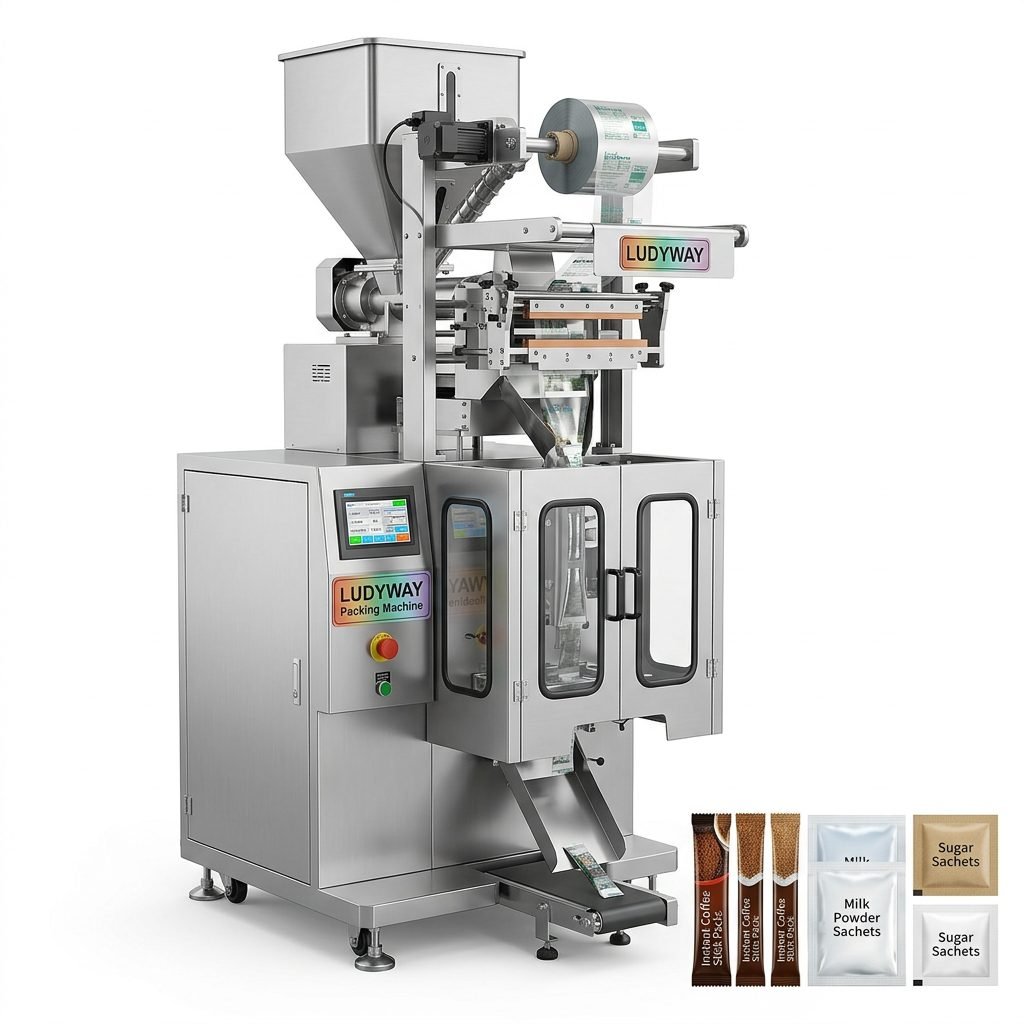
- Pizza Seasoning & Sauce Sachets – Use multi-lane stick pack or sachet packaging machines capable of handling powders, granules, and liquids at high speed.
Core Equipment in a Pizza Packaging Production Line
Building a comprehensive pizza packaging line for global markets involves integrating multiple specialized machines. Below is a breakdown of the essential equipment categories:
1. Primary Packaging Machines
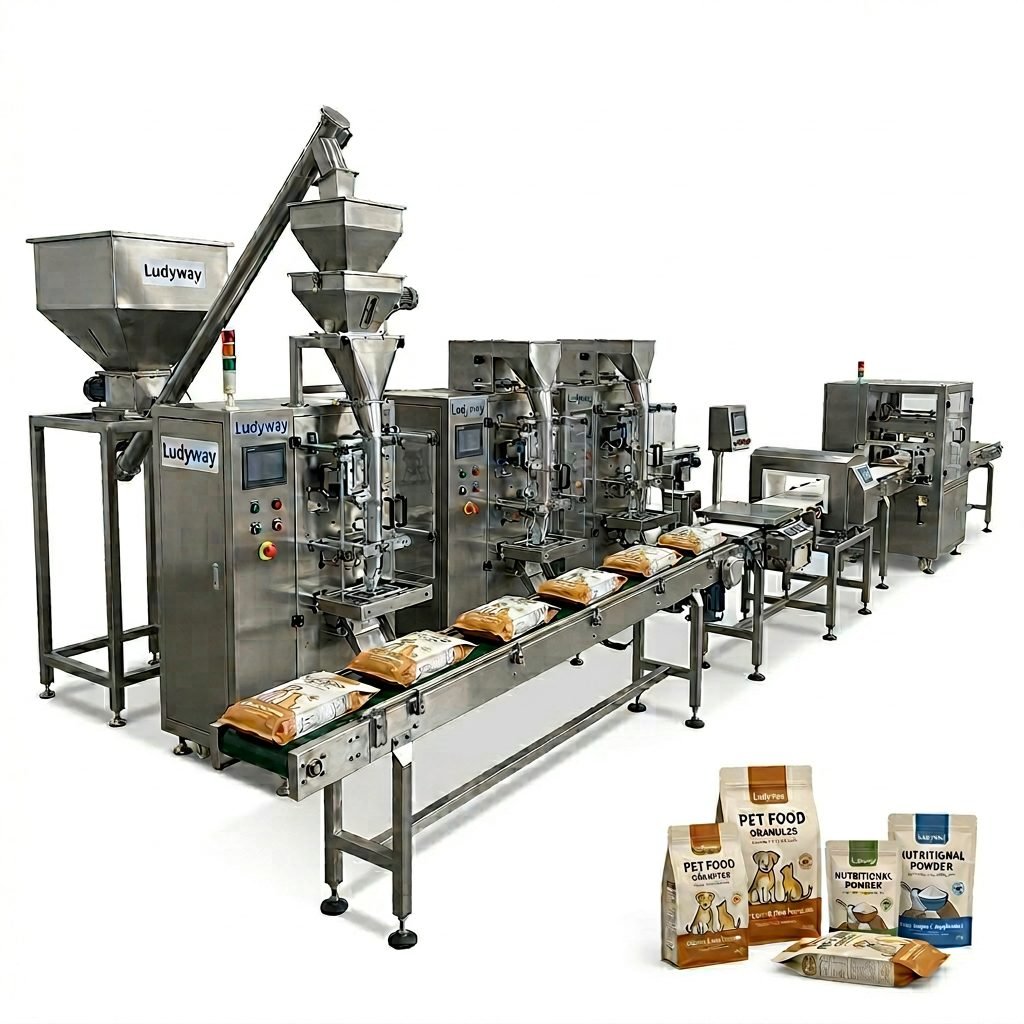
- Flow Wrapping Machines – Ideal for frozen pizzas and individual slices; capable of high-speed operation with hermetic sealing for extended shelf life.
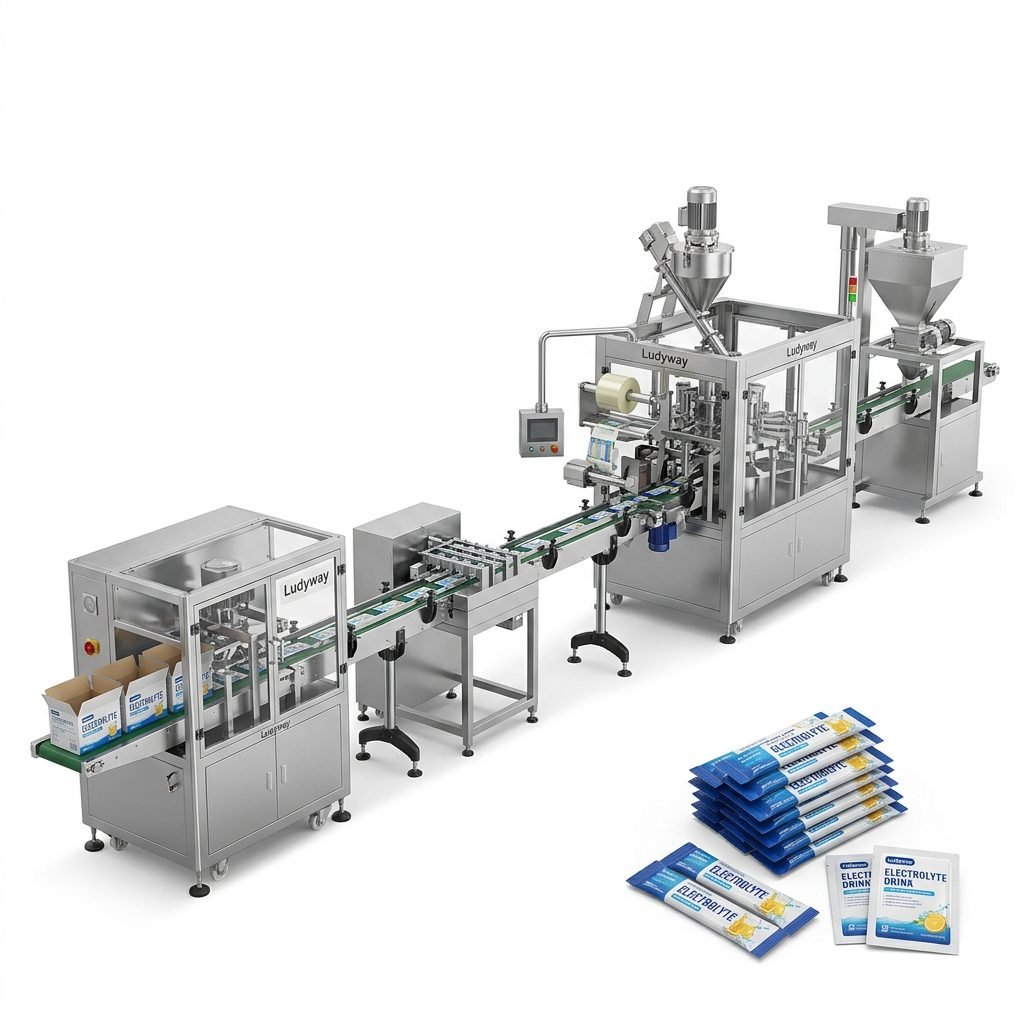
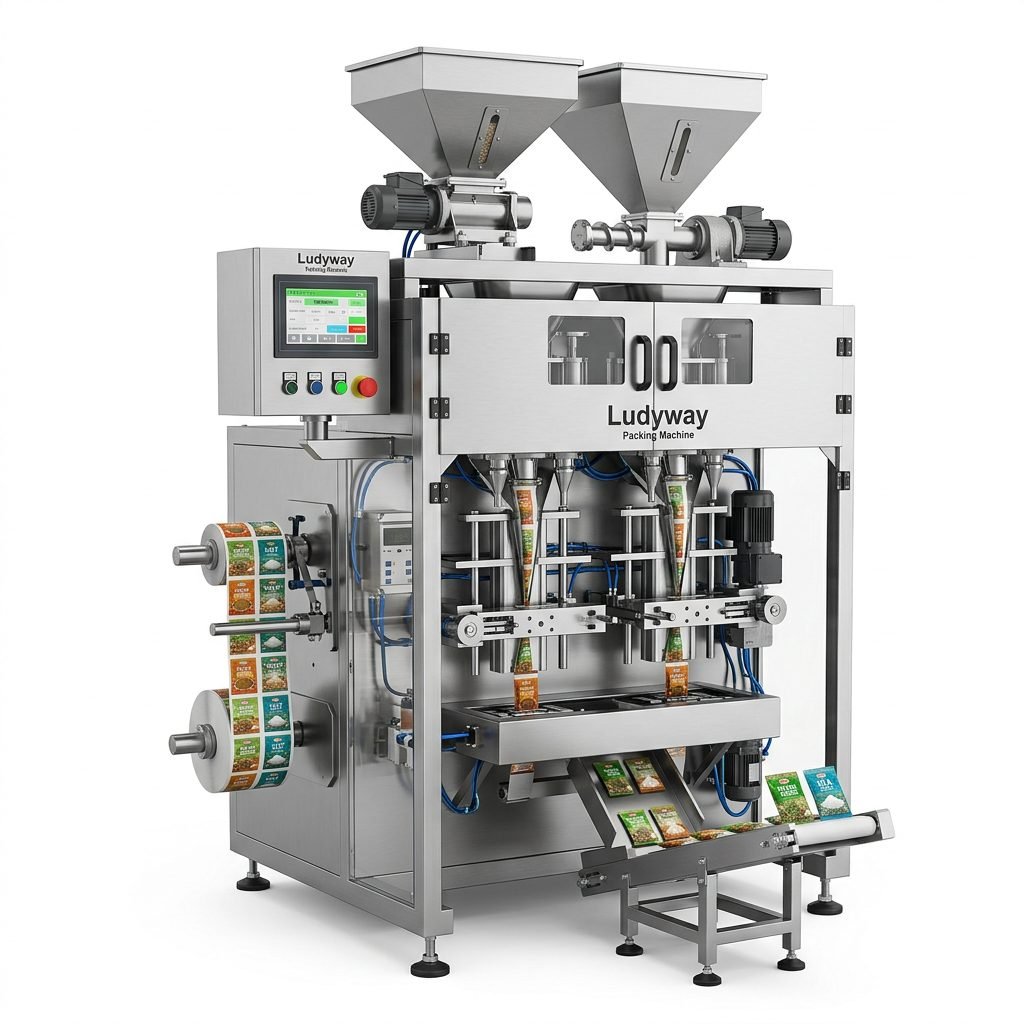
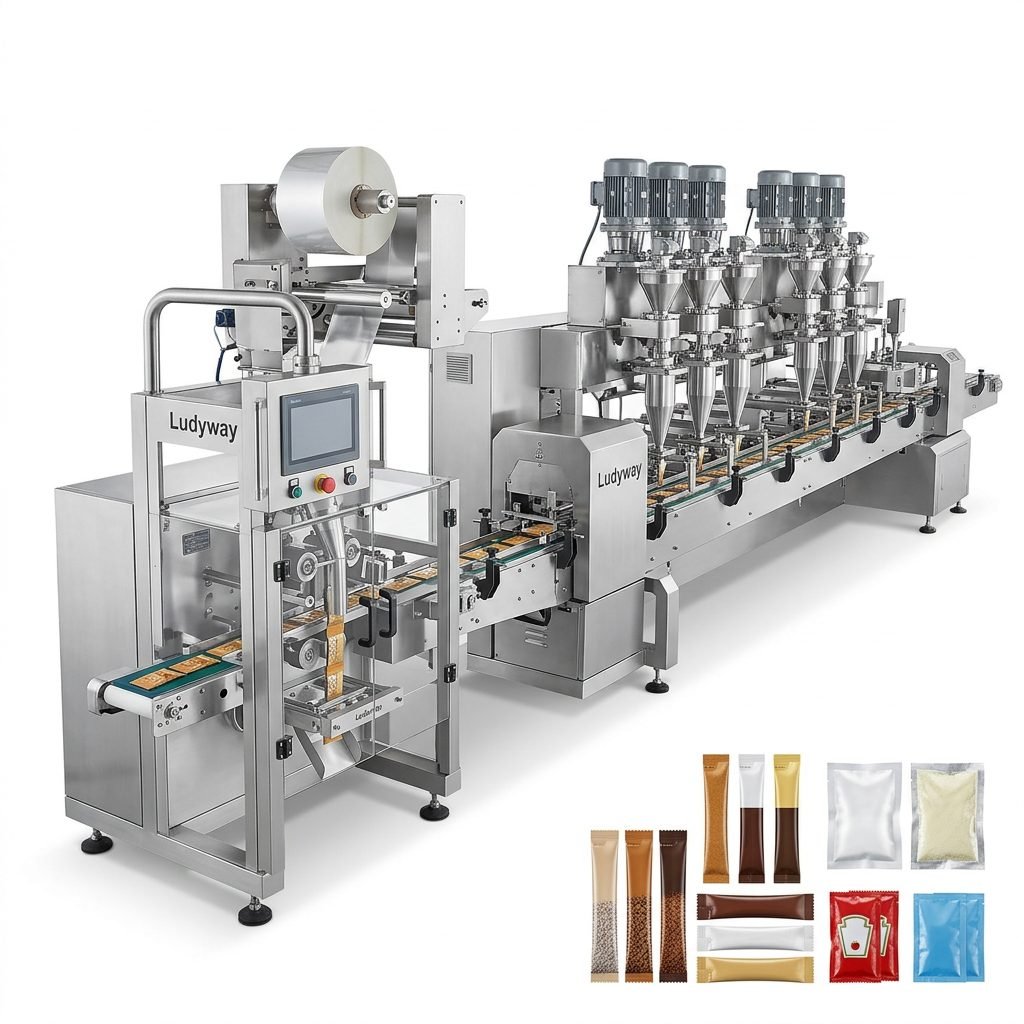
- Multi-Lane Stick Pack Machines – Perfect for pizza seasoning powders, grated cheese packets, and crushed chili sachets; these machines can produce 40-80 lanes simultaneously.
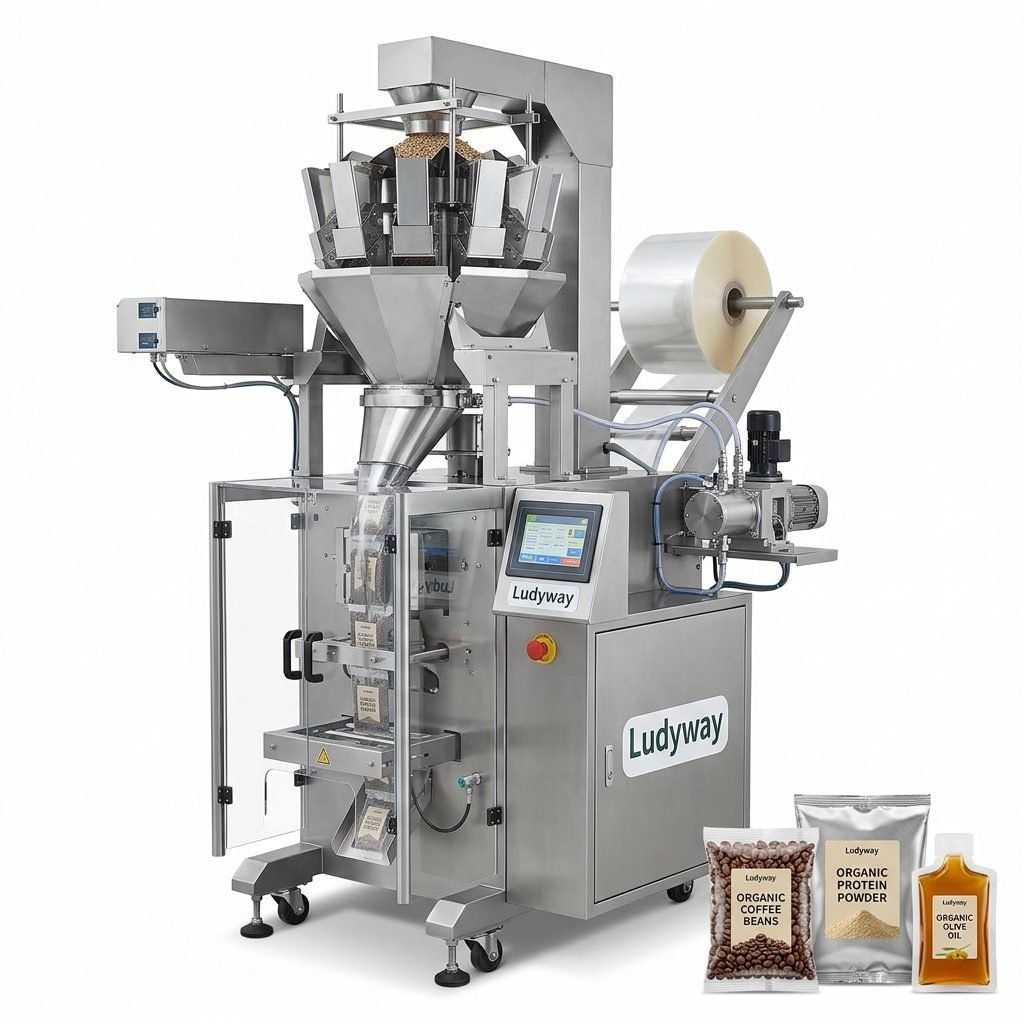
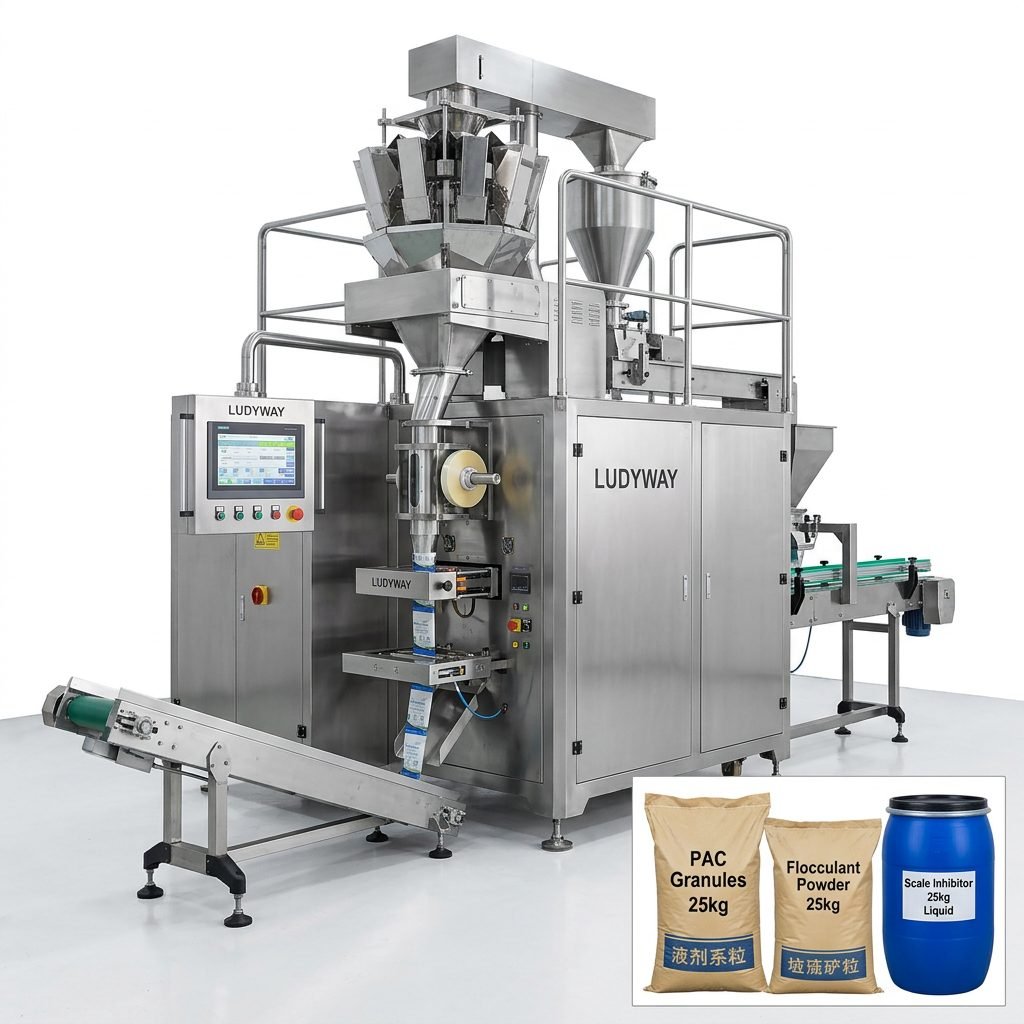
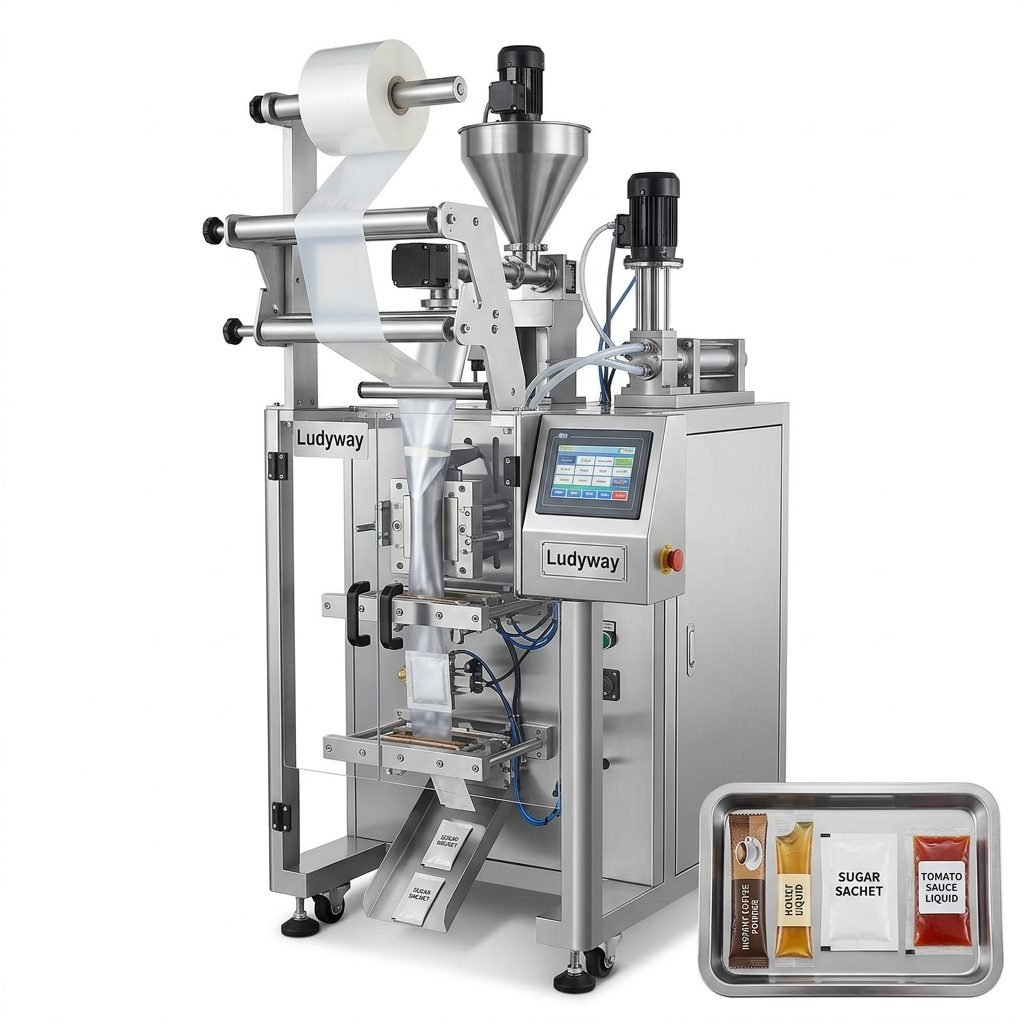
- Vertical Form Fill Seal (VFFS) Machines – Used for bulk packaging of pizza flour mixes, dry yeast, and powdered ingredients in pillow bags or gusseted pouches.
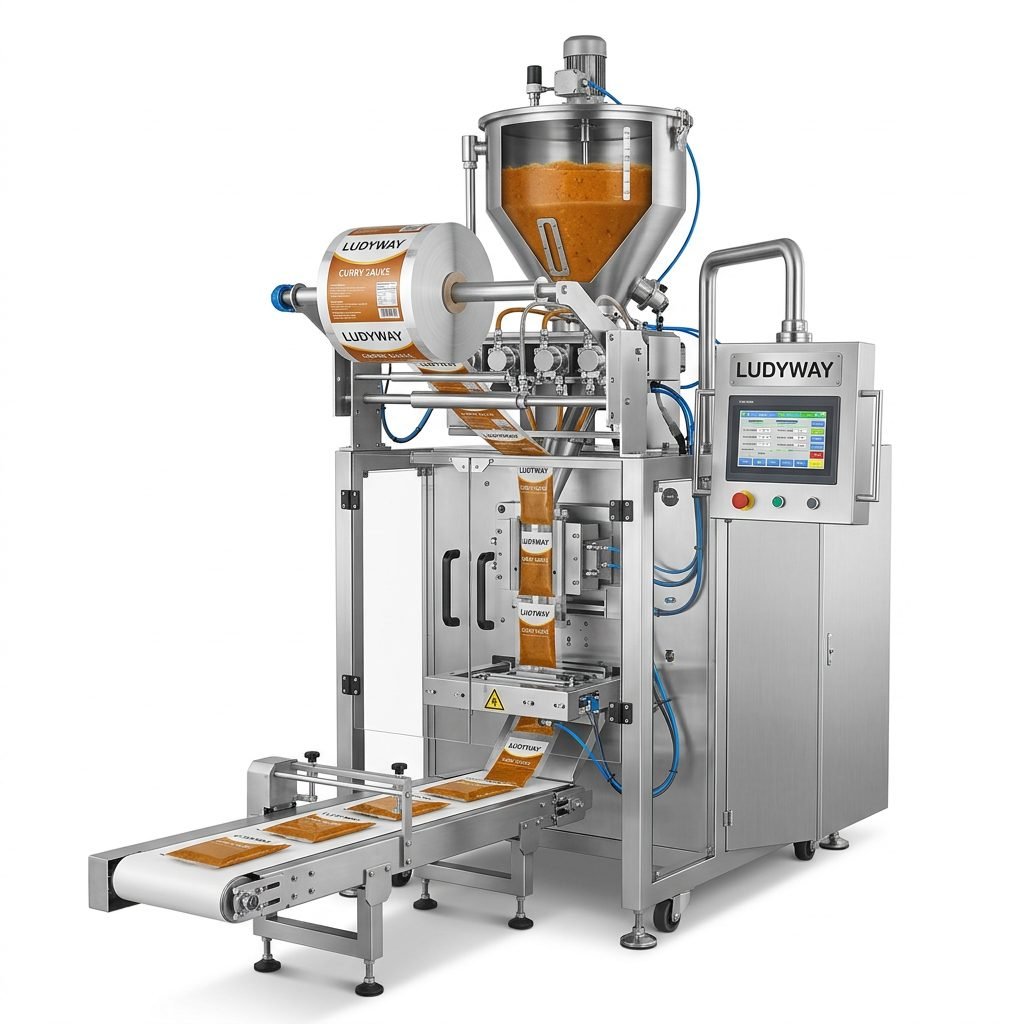
- Liquid Sachet Filling Machines – Specifically for pizza sauce, olive oil, and dipping sauce portion packs.
2. Secondary Packaging Equipment
- Cartoning Machines – Automatically erect cartons, insert primary packages, and seal for retail-ready presentation.
- Case Packers – Load finished products into shipping cases at high speed, ensuring protection during international freight.
- Palletizing Systems – Robotic or conventional palletizers that stack cases efficiently for container loading.
3. Auxiliary Systems
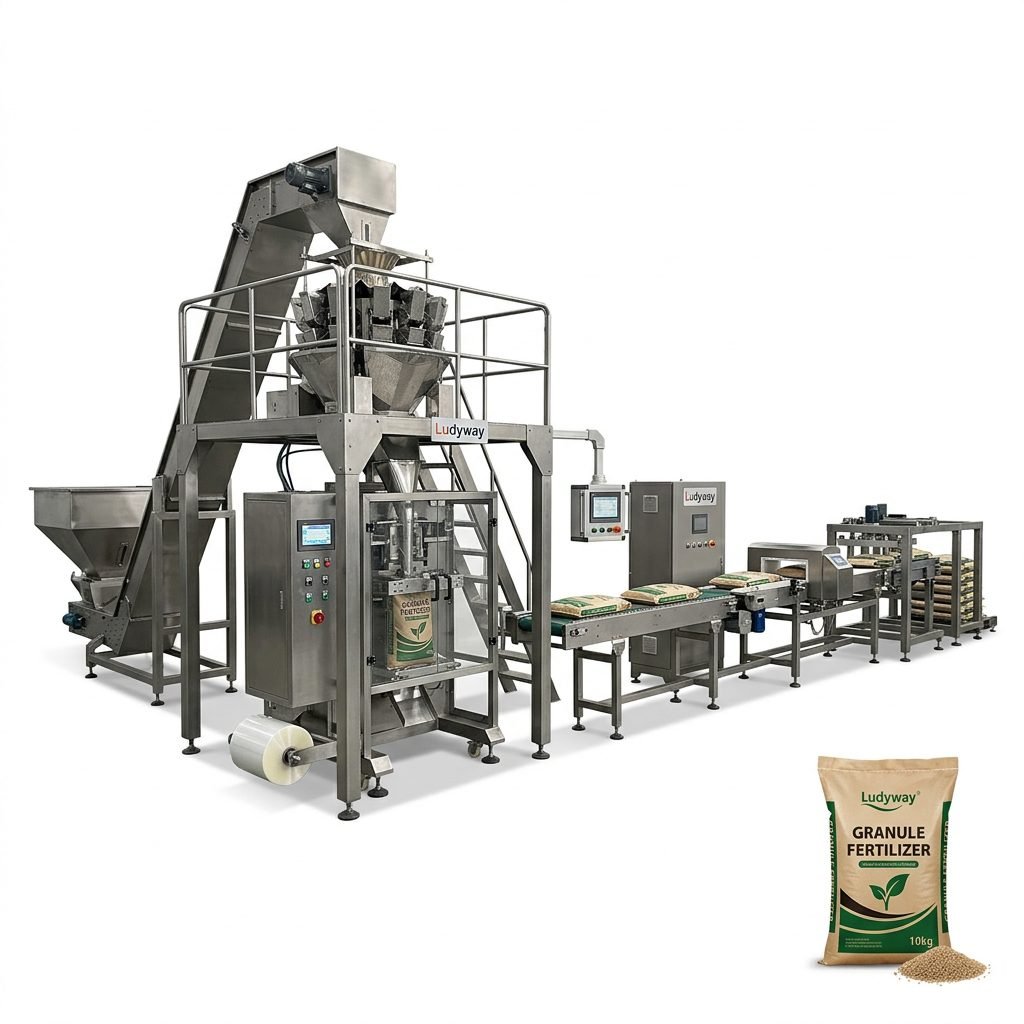
- Checkweighers & Metal Detectors – Critical for quality assurance and compliance with HACCP and BRC global food safety standards.
- Thermal Transfer Printers & Labeling Machines – Apply batch codes, expiration dates, and multi-language labeling for traceability across different regions.
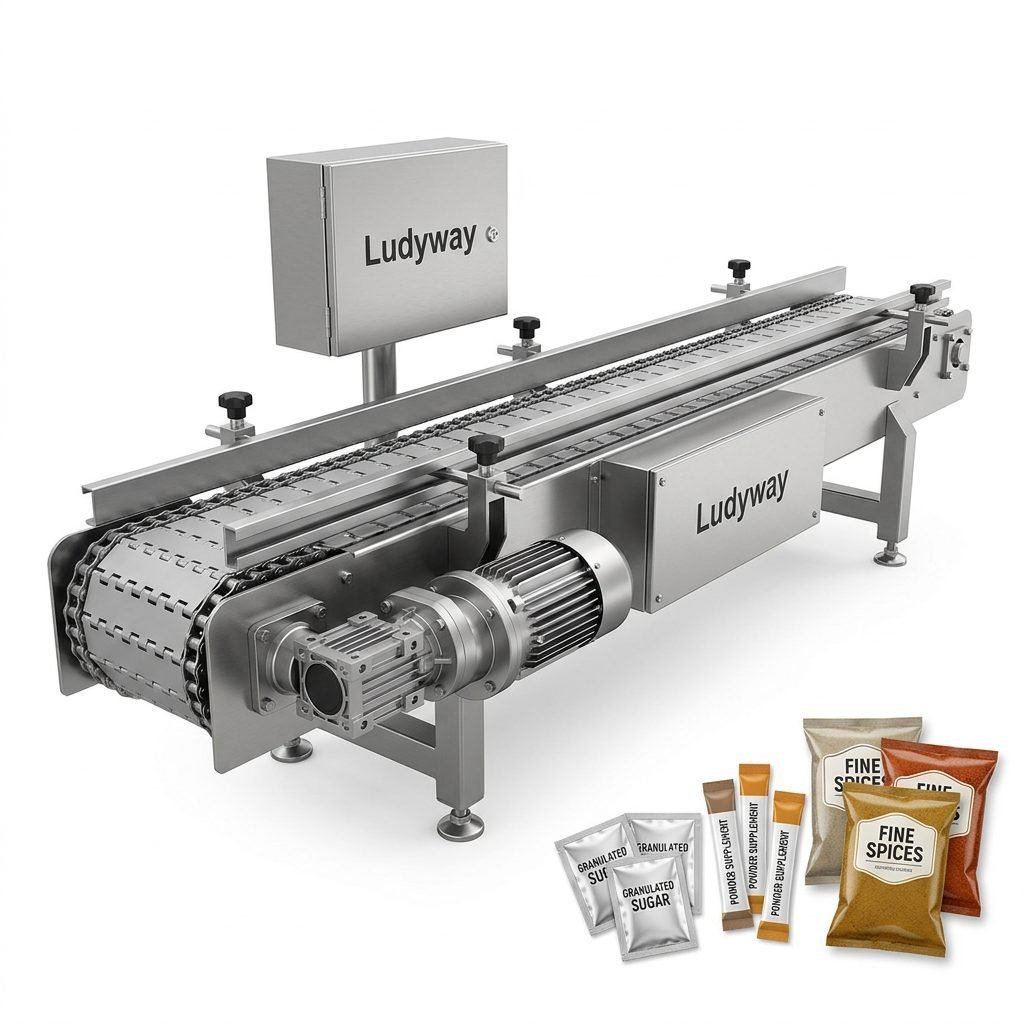
- Conveyor & Feeding Systems – Ensure smooth product flow between stations, reducing downtime and manual handling.

Technical Specifications to Consider for Global Markets
When selecting equipment for international pizza packaging operations, several technical parameters must align with the target market’s requirements. The table below outlines key specifications to evaluate:
| Parameter | Recommendation for Global Markets | Key Consideration |
|---|---|---|
| Production Speed | 40-120 packs per minute per lane | Match output to regional demand and distribution scale |
| Packaging Formats | Stick packs, sachets, flow wraps, pouches, cartons | Flexibility to switch formats for different markets |
| Material Compatibility | PET/PE, BOPP/CPP, aluminum foil laminates | Ensure materials meet EU and FDA food contact regulations |
| Sealing Integrity | Hermetic seal with gas flush (MAP) capability | Critical for frozen and ambient pizza products |
| Automation Level | Fully automatic with PLC control and HMI touchscreen | Reduces labor dependency and ensures consistent output |
| Cleaning & Maintenance | Tool-free disassembly, sanitary design, IP65 rating | Essential for food safety audits in global supply chains |
| Power & Voltage | Configurable for 220V/380V/440V, 50Hz/60Hz | Must match local electrical standards in destination country |
Step-by-Step Guide to Setting Up Your Pizza Packaging Line
Step 1: Define Production Goals and Target Markets
Begin by identifying which countries and regions you plan to serve. This will determine the regulatory requirements your packaging must meet. For example, the EU Packaging and Packaging Waste Regulation imposes strict rules on recyclability and material reduction, while FDA regulations in the United States focus heavily on food contact substance safety. Middle Eastern and Southeast Asian markets often require halal certification and specific labeling formats.
Step 2: Select the Appropriate Packaging Machinery
Based on your product mix, choose machines that offer modular flexibility. A multi-lane packaging machine that can handle both powder and liquid formats provides versatility for pizza sauce sachets and seasoning packs alike. For frozen pizza lines, prioritize flow-wrapping equipment with nitrogen flushing and temperature-resistant sealing.
Step 3: Design the Production Floor Layout
Optimize the factory layout for linear workflow—from raw material receiving to finished product dispatch. Key considerations include cleanroom zones for food handling areas, adequate spacing for forklift access, and integration of conveyor systems that connect primary and secondary packaging stations without bottlenecks.
Step 4: Implement Quality Control Checkpoints
Install inline checkweighers, metal detectors, and vision inspection systems at critical points along the line. These devices ensure that every pizza product leaving the facility meets the weight, seal integrity, and contamination-free standards expected by international buyers. Many global retailers require X-ray inspection as an additional safety layer.
Step 5: Train Operators and Document Standard Operating Procedures
Comprehensive operator training is essential for maintaining consistent packaging quality. Develop SOPs in multiple languages if your workforce is multilingual. Document machine settings for each product format, including temperature, speed, film tension, and gas flush ratios, so that changeovers are repeatable and efficient.
Step 6: Validate and Certify the Production Line
Before shipping products internationally, conduct packaging validation tests including drop tests, vibration tests, and accelerated shelf-life studies. Third-party certifications such as ISO 22000, BRCGS, or FSSC 22000 add credibility and open doors to major retail chains worldwide.
Navigating Global Regulatory Compliance
Compliance is one of the most complex aspects of setting up a pizza packaging line for international distribution. Each region has its own set of rules governing food contact materials, labeling language requirements, nutritional information display, and recycling symbols. The following list highlights key regulatory bodies and standards to be aware of:
- United States – FDA 21 CFR for food contact substances; USDA for meat-containing pizzas; state-level labeling laws such as California Proposition 65.
- European Union – EU Regulation (EC) No 1935/2004 on food contact materials; Directive 94/62/EC on packaging and packaging waste; mandatory nutrition declaration under Regulation (EU) No 1169/2011.
- Middle East – GSO standards under the Gulf Cooperation Council; halal certification requirements; Arabic labeling mandates.
- Asia-Pacific – Varies by country; China’s GB standards, Japan’s Food Sanitation Act, and India’s FSSAI regulations all impose distinct packaging requirements.
- Latin America – Mercosur regulations for member countries; Brazil’s ANVISA and Argentina’s ANMAT oversee food packaging safety.
Cost Considerations and ROI Analysis
Investing in a complete pizza packaging production line represents a significant capital expenditure, but the return on investment can be substantial when targeting high-volume global markets. Key cost factors include:
| Cost Component | Estimated Range | Notes |
|---|---|---|
| Primary Packaging Machines | $50,000 – $300,000+ | Depends on speed, lanes, and automation level |
| Secondary Packaging Equipment | $30,000 – $150,000 | Cartoners, case packers, palletizers |
| Conveyor & Integration Systems | $20,000 – $80,000 | Custom lengths and configurations |
| Quality Control Equipment | $15,000 – $60,000 | Checkweighers, metal detectors, vision systems |
| Installation & Commissioning | $10,000 – $40,000 | Includes travel, setup, and training |
Most food manufacturers achieve full ROI within 18-36 months when operating at or above 60% capacity, particularly when serving export markets with higher margin potential. Energy-efficient machines and predictive maintenance systems further reduce total cost of ownership over the equipment’s 15-20 year lifespan.
Partnering with an Experienced Packaging Machine Manufacturer
Selecting the right equipment partner is as important as choosing the machinery itself. Ludyway is one of the largest packaging machine manufacturers in China, offering over 50 intelligent packaging machine models and serving customers in more than 100 countries. With a modern 20,000㎡ manufacturing facility and over 30 years of industry expertise, the company provides reliable turnkey production solutions for granule, powder, liquid, and pouch packaging applications—all of which are relevant to pizza product lines ranging from seasoning sachets to sauce portion packs and dry ingredient pouches.
Final Checklist Before Going Live
- Confirm all machines meet CE, UL, or equivalent safety certifications for the destination country.
- Validate packaging materials with accelerated aging tests to ensure shelf-life claims hold up in the target climate zones.
- Test run the entire production line at maximum rated speed for at least 8 consecutive hours to identify potential bottlenecks or seal integrity issues.
- Prepare technical documentation in the local language(s) of the market, including machine manuals, maintenance schedules, and spare parts lists.
- Establish a local service and spare parts supply chain to minimize downtime in case of equipment issues.
- Schedule regular audits to ensure ongoing compliance with evolving food safety and packaging regulations in each market.
Setting up a pizza packaging machine production line for global markets is a multifaceted endeavor that demands strategic planning, technical precision, and regulatory awareness. By investing in the right equipment, designing an efficient workflow, and partnering with experienced manufacturers who understand international requirements, food producers can capture significant market share in the rapidly growing global pizza industry.
For more information about food packaging regulations and industry standards, visit PMMI – The Association for Packaging and Processing Technologies, the Flexible Packaging Association, and the FDA Food Packaging and Food Contact Substances resource page.