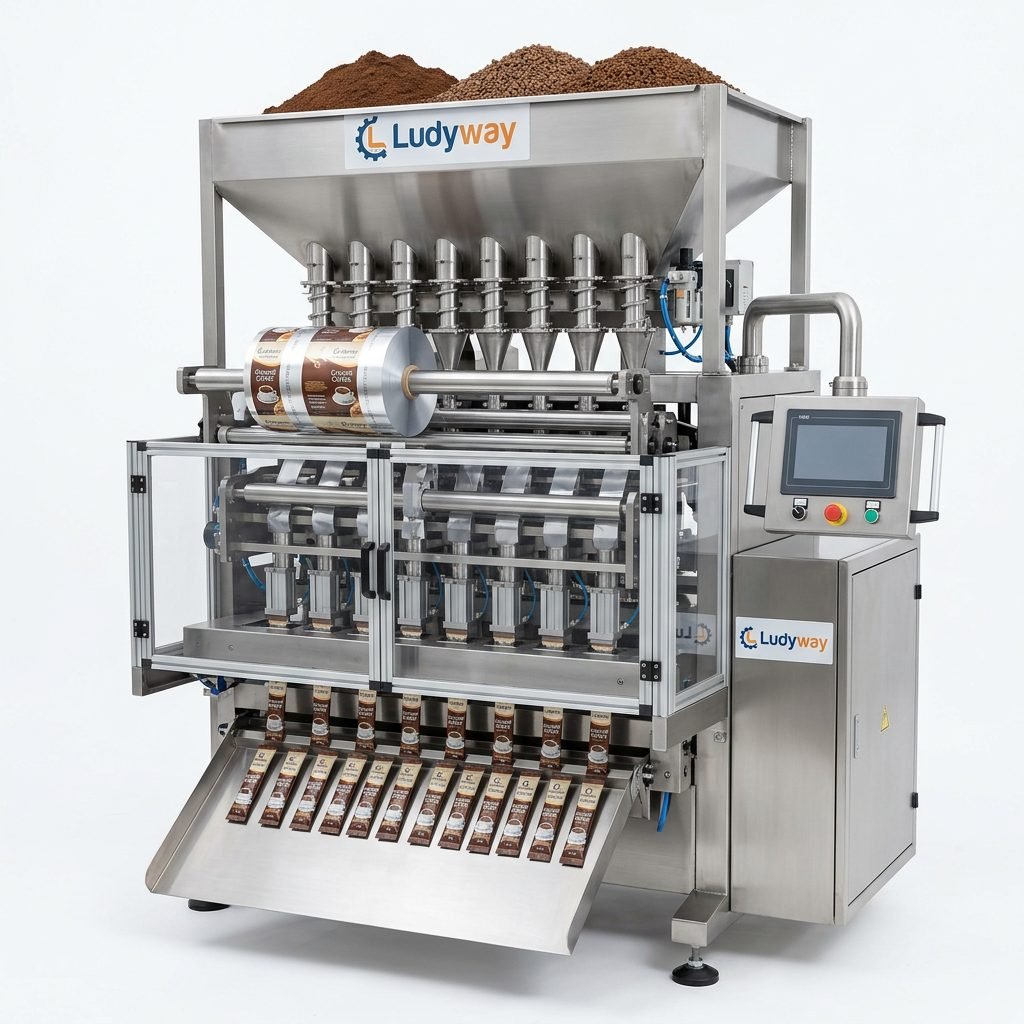
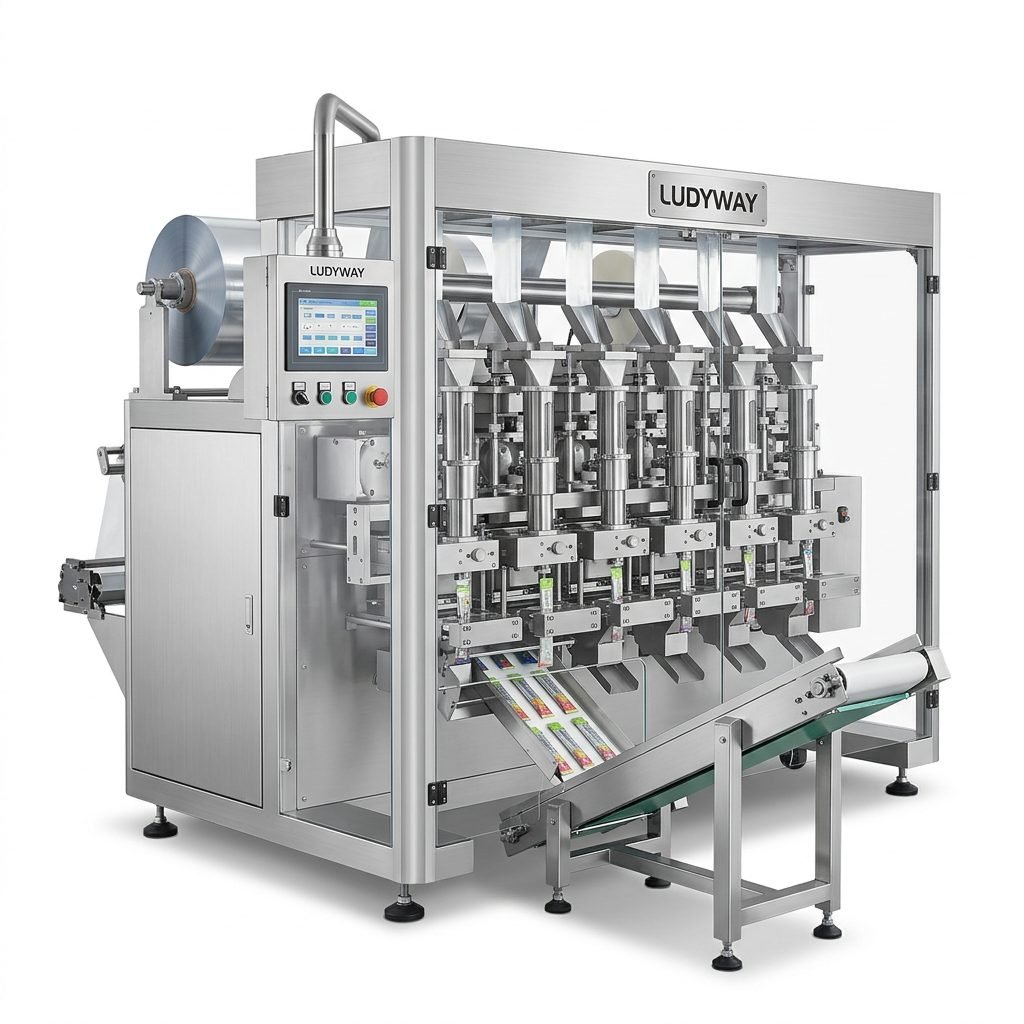
India’s frozen food sector is expanding at an unprecedented pace, and frozen fruits are at the center of this growth. From mangoes and guavas to mixed berries, demand is surging not just domestically but also in export markets. Selecting the right frozen fruit packaging machine directly impacts product shelf life, visual appeal, and operational costs. This guide walks you through every critical factor to help you make a confident investment.
Why Frozen Fruit Packaging is Booming in India
Changing consumer lifestyles, increased cold chain infrastructure, and strong government support for food processing have reshaped the industry. Frozen fruit exports from India have grown significantly, driven by demand for ready-to-blend smoothie packs and bakery ingredients. This requires high-integrity packaging that preserves moisture, prevents freezer burn, and withstands varying storage conditions. Choosing a machine that can handle delicate fruit textures without damaging the product is no longer optional — it’s a business necessity.
Key Considerations for Choosing a Frozen Fruit Packaging Machine
1. Product Characteristics: Frozen Fruit is Sensitive
Frozen fruit pieces, whole berries, and IQF (Individually Quick Frozen) products behave differently in a hopper. They can be sticky, irregular, or brittle at low temperatures. The packaging machine must incorporate gentle product handling and specialized feeding systems. Look for machines with minimal drop heights, vibratory or belt feeders designed for frozen goods, and temperature-resistant sealing components.
2. Packaging Format: Sachet, Stick Pack, or Pouch?
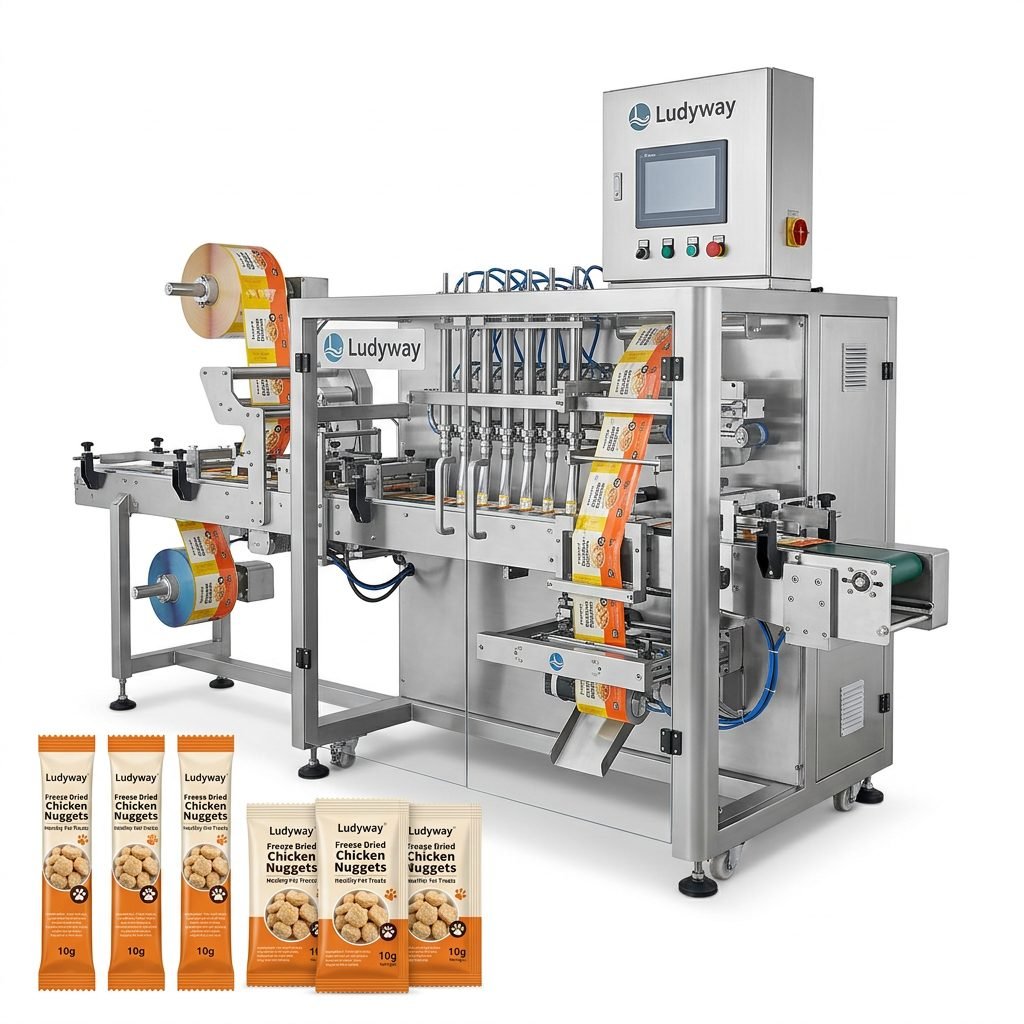
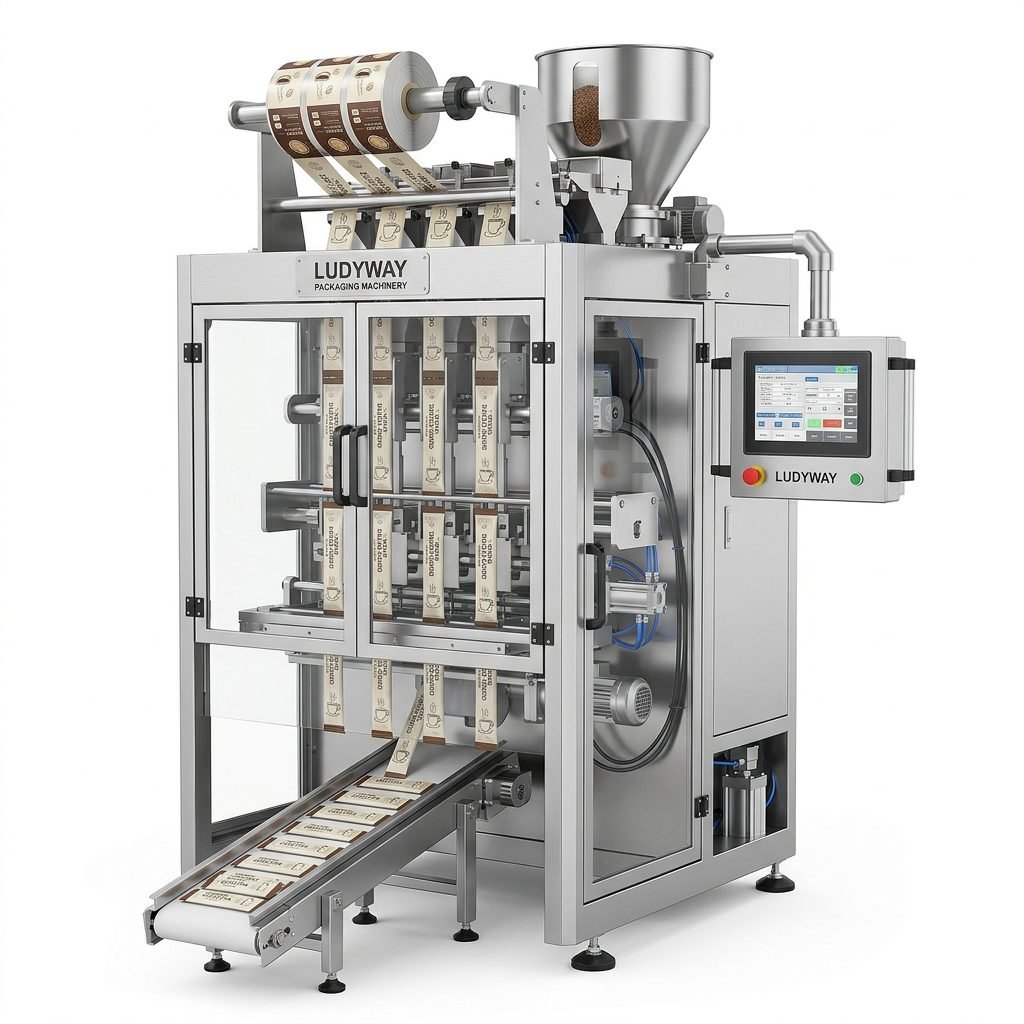
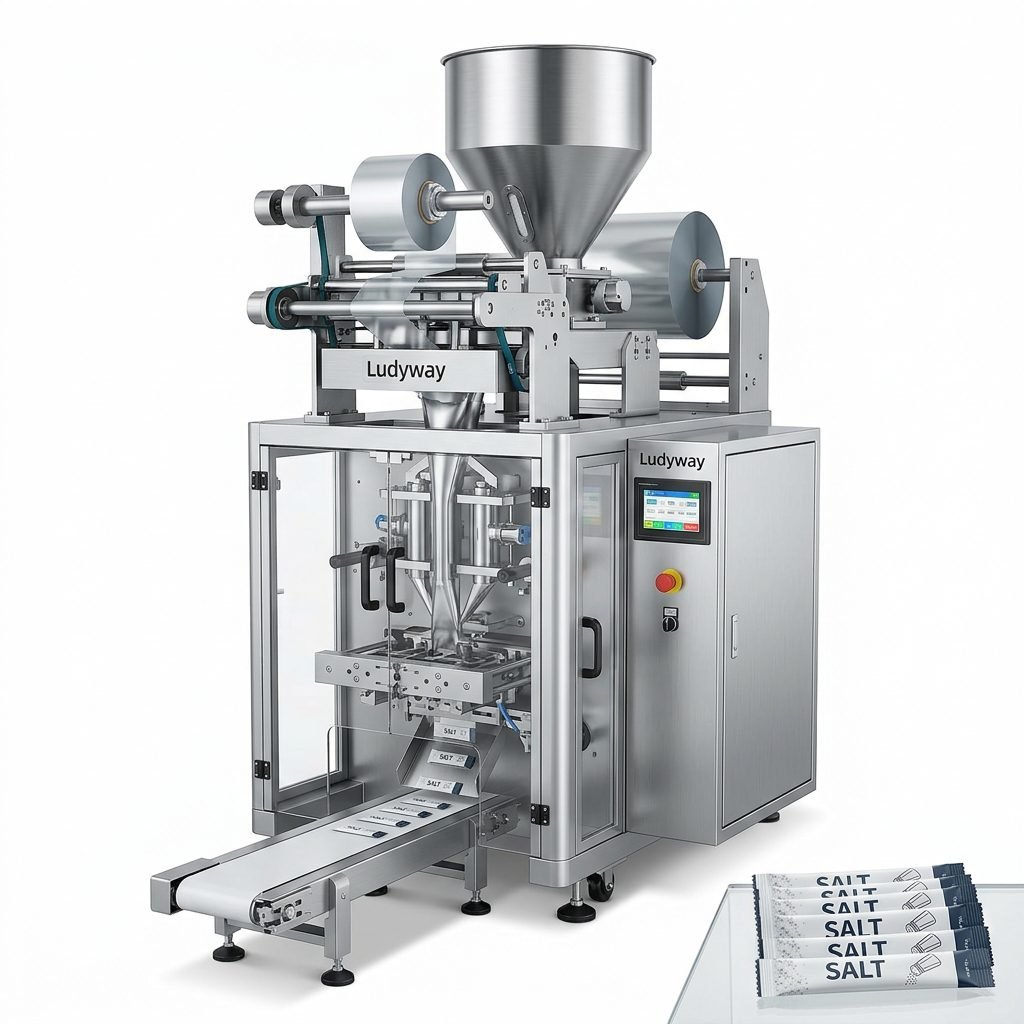
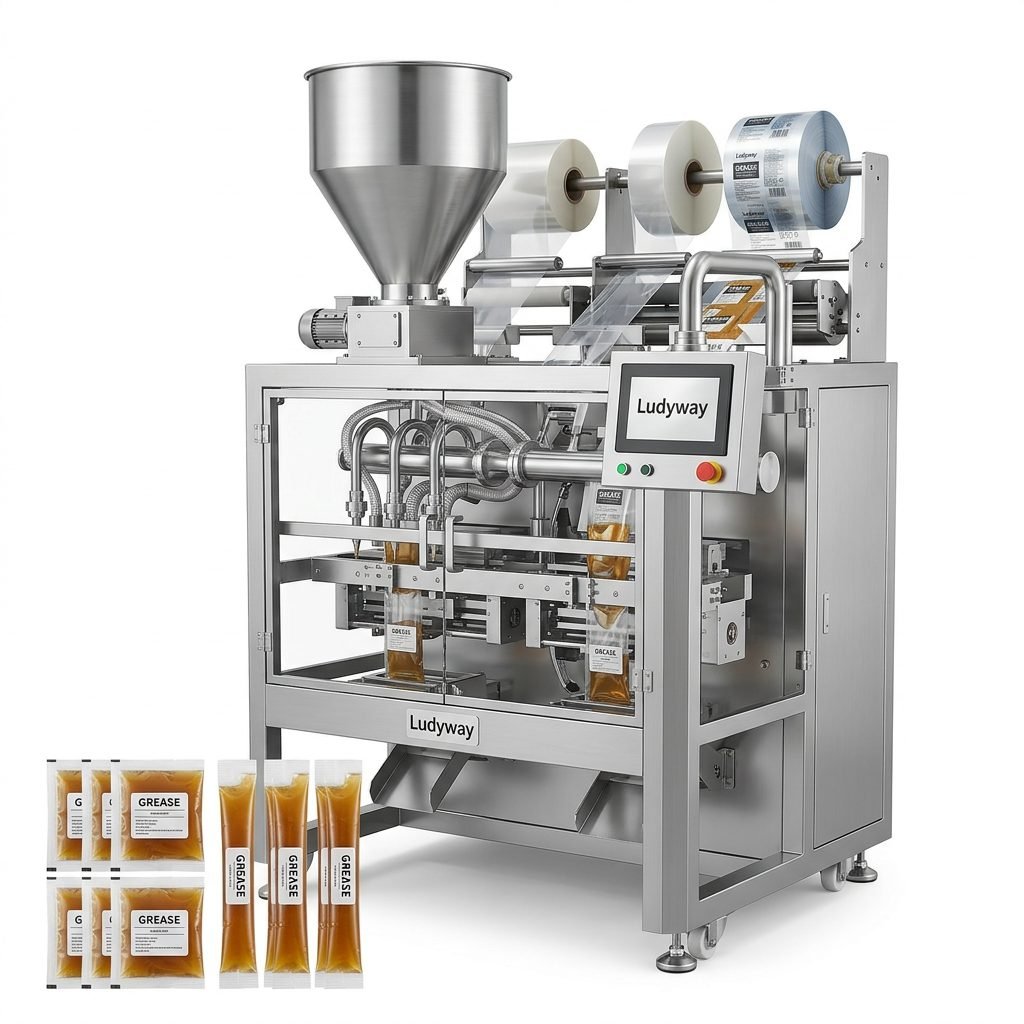
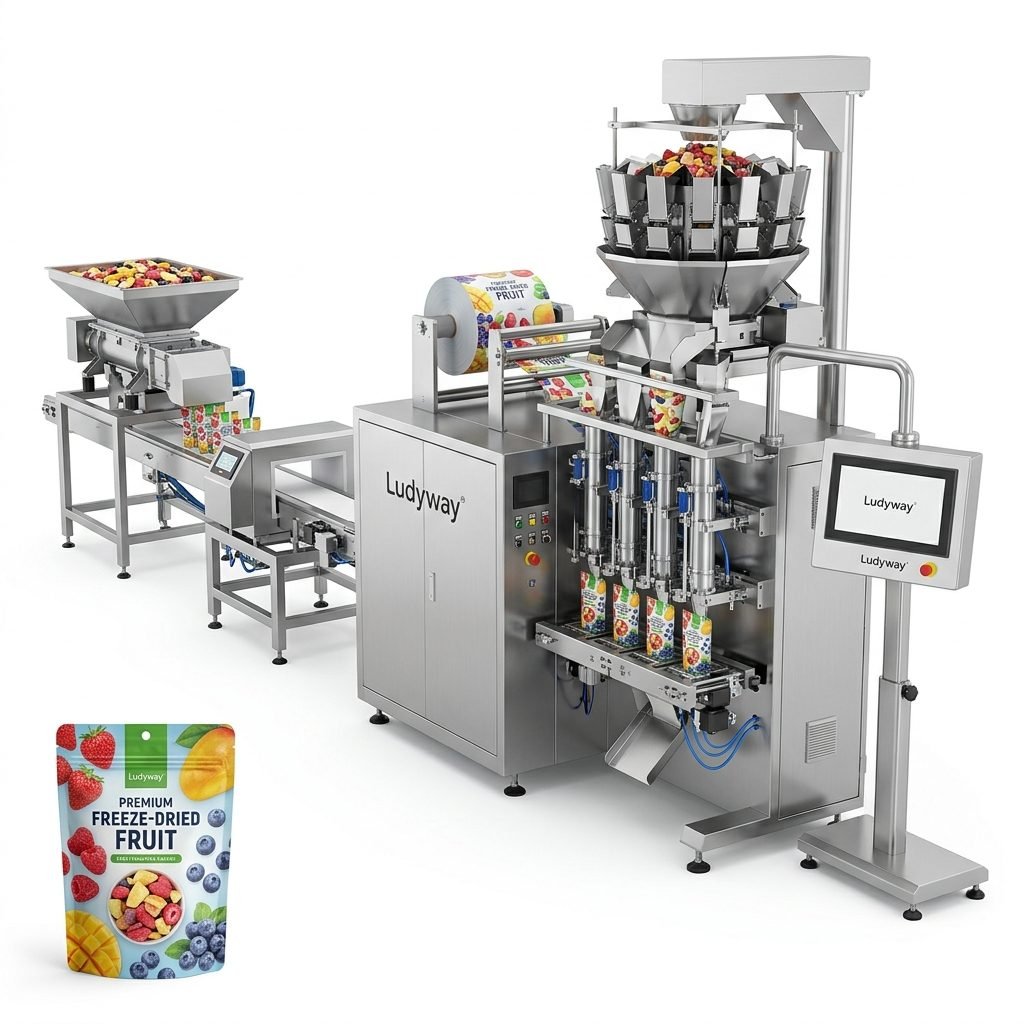
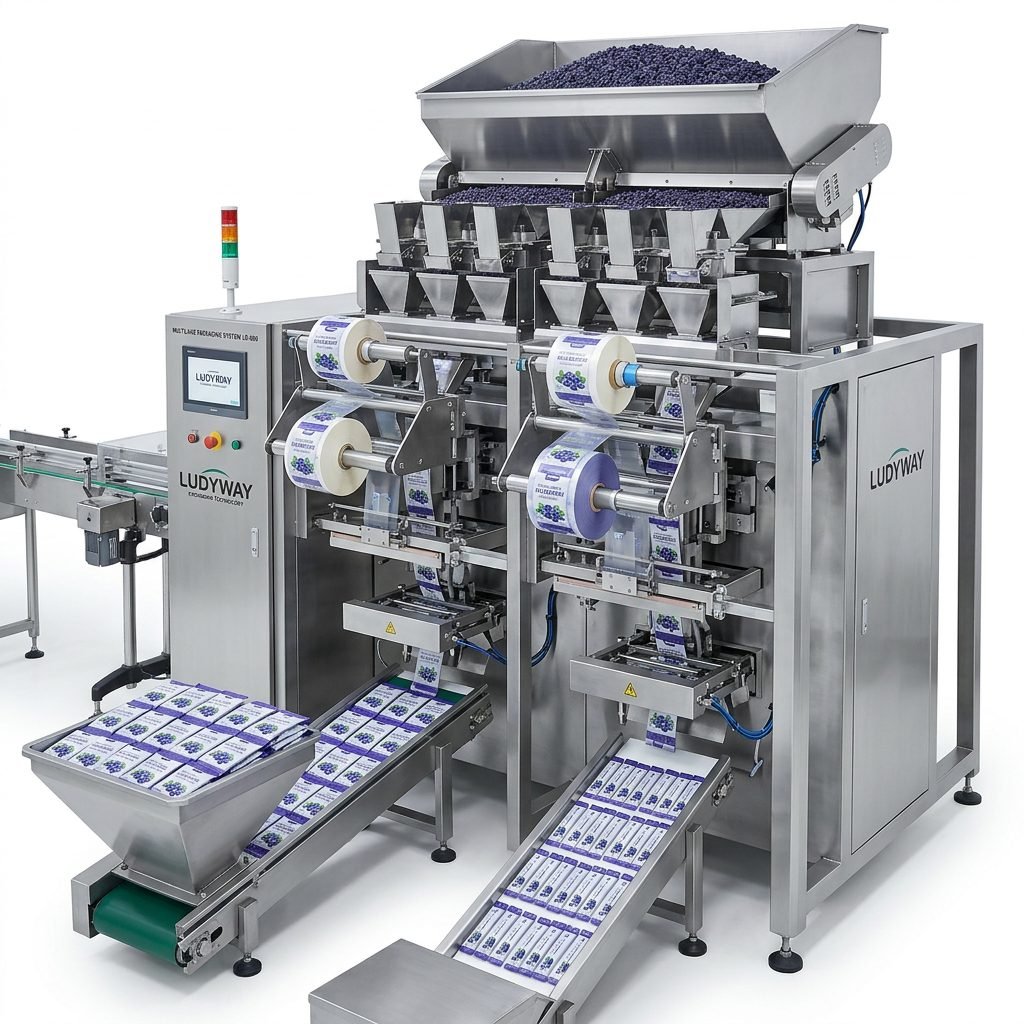
The final product use determines the ideal packaging style. Single-serve stick packs and sachets are popular for smoothie bases and snackable fruit bites, while larger pouches serve the food service and baking industries. Different machine platforms — vertical form fill seal (VFFS), multi-lane stick pack, or pre-made pouch rotary machines — each have unique advantages. The table below helps clarify your options.
| Machine Type | Best Suited For | Key Benefit |
|---|---|---|
| Multi-Lane Stick Pack | Single-serve frozen fruit powders, small berry mixes | High output, excellent portion control |
| VFFS Sachet / Pillow Pack | Retail frozen whole fruits, larger chunks | Versatile with various film structures |
| Pre-Made Pouch Rotary | Premium branded frozen fruit, stand-up pouches | Excellent seal integrity, high shelf appeal |
3. Automation Level and Production Speed
Indian manufacturers face diverse labor costs and production scales. If you target high-volume export, a fully automatic multi-lane system with integrated weighing, filling, and cartoning is essential. For smaller batches, a semi-automatic machine with manual loading may be more economical. Assess your required output in packs per minute and consider whether the machine can be upgraded later. Modern servo-driven models offer recipe storage and quick changeovers — crucial if you pack multiple fruit varieties.
4. Cold Environment Compatibility and Hygiene
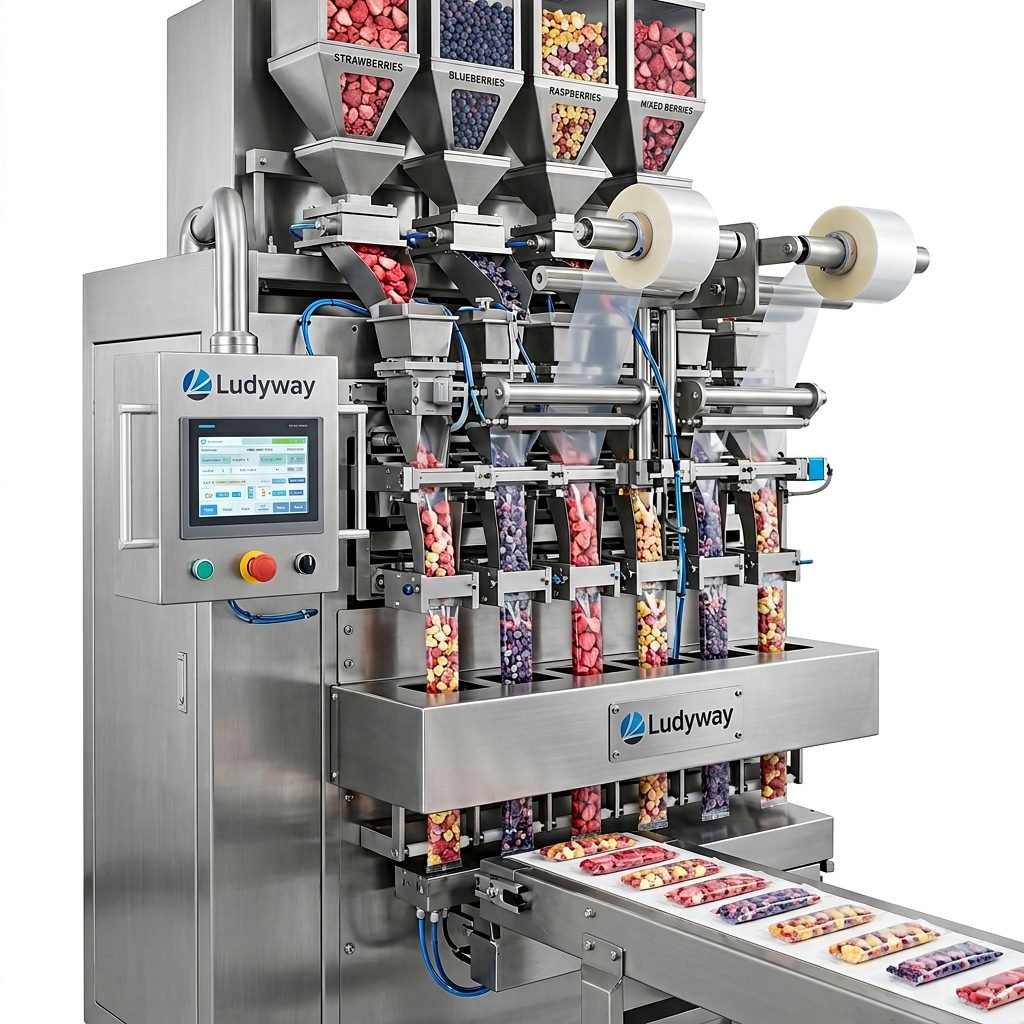
Frozen fruit packaging imposes unique demands on machine materials. All product contact parts should be stainless steel 304 or 316 to prevent corrosion from moisture and acidic fruit residues. Enclosed guarding prevents condensation issues, and washdown-ready designs help meet FSSAI and international standards. Confirm that the machine’s lubricants and seals are rated for cold ambient temperatures commonly found in frozen food plants.
5. Packaging Material and Seal Quality
Frozen fruit requires barrier films that protect against oxygen, moisture, and aroma loss. The packaging machine must achieve strong, hermetic seals at high speeds even when the film is slightly chilled. Look for adjustable temperature control zones and dynamic sealing pressure adjustment. According to the Flexible Packaging Association, selecting a machine compatible with evolving recyclable film structures also future-proofs your investment against tightening sustainability regulations.
6. Regulatory Compliance and Certifications
If you export frozen fruit to the U.S., EU, or Middle East, your packaging line must comply with guidelines set by authorities such as the U.S. FDA for food contact substances. ISO 22000 and BRC certifications are often non-negotiable. Verify that the machine manufacturer can provide documentation for food-grade components and validation support.
7. After-Sales Support and Spare Parts Availability in India
Downtime in frozen food production costs more than just lost output — it can risk an entire cold chain. Prioritize suppliers who offer local service engineers, rapid spare part dispatch, and remote troubleshooting capabilities. Ask about training packages for your staff and whether the machine’s PLC system is widely supported in your region.
Step-by-Step Selection Checklist
- Analyze your frozen fruit characteristics (whole, diced, powdered, moisture content).
- Determine packaging format (stick pack, pillow bag, zipper pouch) and target market.
- Calculate required production speed and potential future capacity.
- Inspect machine construction, focusing on stainless steel grade and cold-resistant components.
- Request film sealing tests with your actual frozen fruit product.
- Confirm after-sales service availability, lead times for wear parts, and engineer response time in India.
- Compare total cost of ownership, including energy consumption, film waste, and maintenance contracts.
Partnering with an Experienced Manufacturer
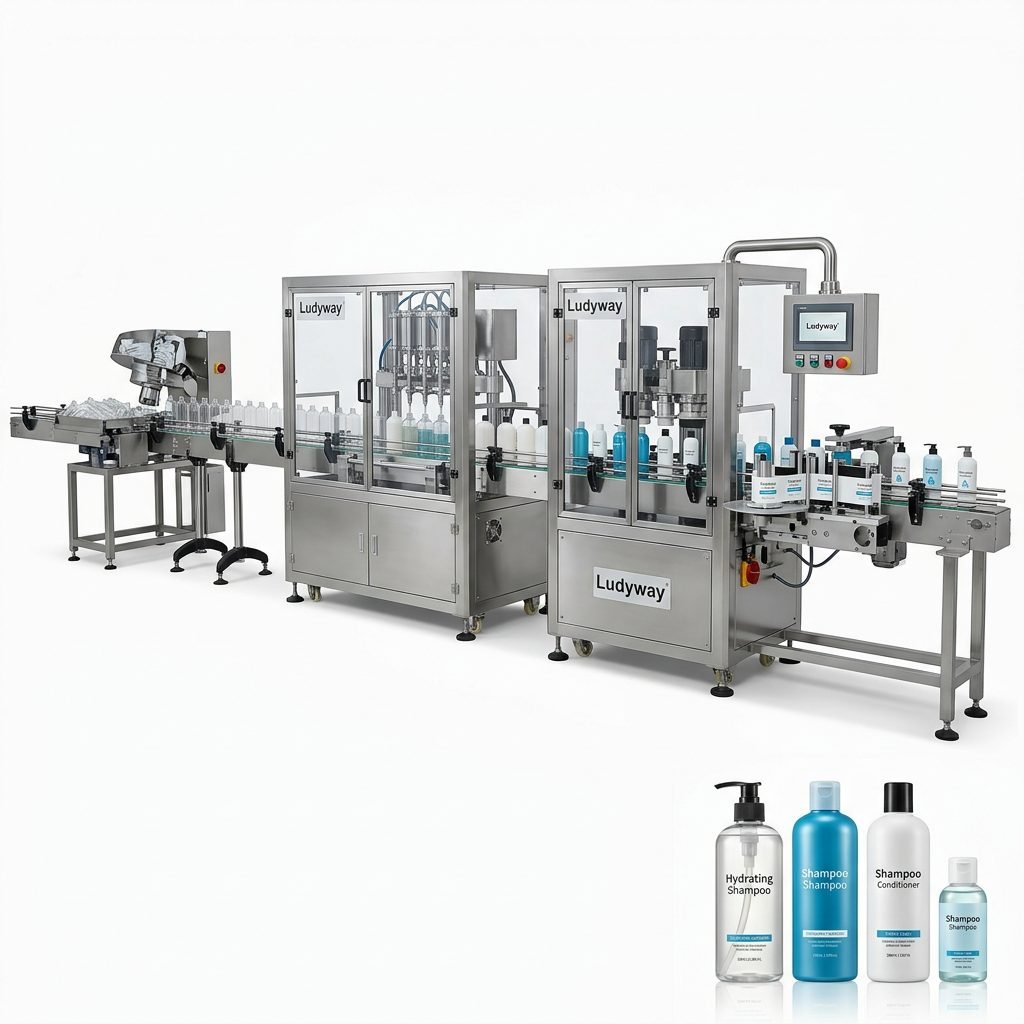
When scaling up frozen fruit operations, working with a supplier that understands both food safety and industrial durability makes a measurable difference. Ludyway, one of the largest packaging machine manufacturers in China, offers specialized multi-lane and sachet systems engineered for delicate frozen foods. Their turnkey approach covers everything from weighing to final case packing, supported by a 20,000㎡ production base and project teams active in over 100 countries. For Indian processors aiming at higher efficiency without compromising product integrity, a proven partnership reduces installation risks and long-term operating costs. To explore your options, contact experienced suppliers directly or request a live machine demonstration with your frozen fruit sample.

Industry data from PMMI’s Business Intelligence consistently shows that packaging machinery investments in emerging cold chain markets offer significant ROI. By thoroughly evaluating the points above and testing equipment with real frozen fruit products, you can secure a machine that elevates both product quality and profitability.