Investing in a tea puff packing machine is a significant step for any tea business looking to scale production, ensure product freshness, and maintain consistent portion control. Whether you are packaging traditional loose-leaf tea, herbal blends, or innovative tea puffs, understanding the cost structure is crucial for budget planning. This guide breaks down the pricing tiers, key influencing factors, and essential buying tips to help you make an informed decision without overshooting your budget.

Key Factors Influencing Tea Puff Packing Machine Pricing
The cost of a tea puff packing machine is not a fixed number. It fluctuates based on several technical and operational parameters. Before requesting a quote, you should understand these core cost drivers.
- Automation Level: Manual, semi-automatic, and fully automatic machines have vastly different price points. A fully automated packaging machine line with robotic handling will cost significantly more than a manual sealer but offers exponentially higher output.
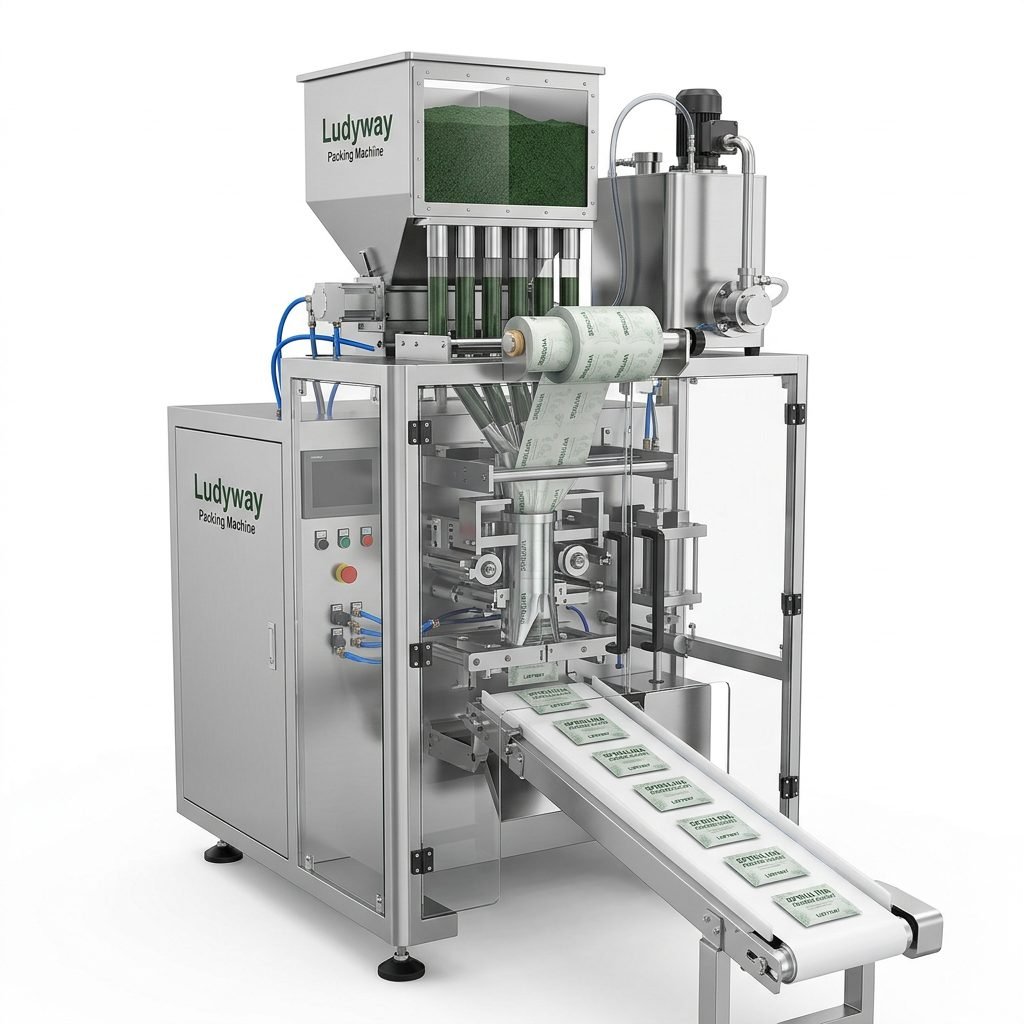
- Filling Technology: Volumetric fillers, auger fillers, and multi-head weighers vary in price and precision. For micro-powders like matcha or fine tea puffs, an auger filler is often required, which influences the base cost.
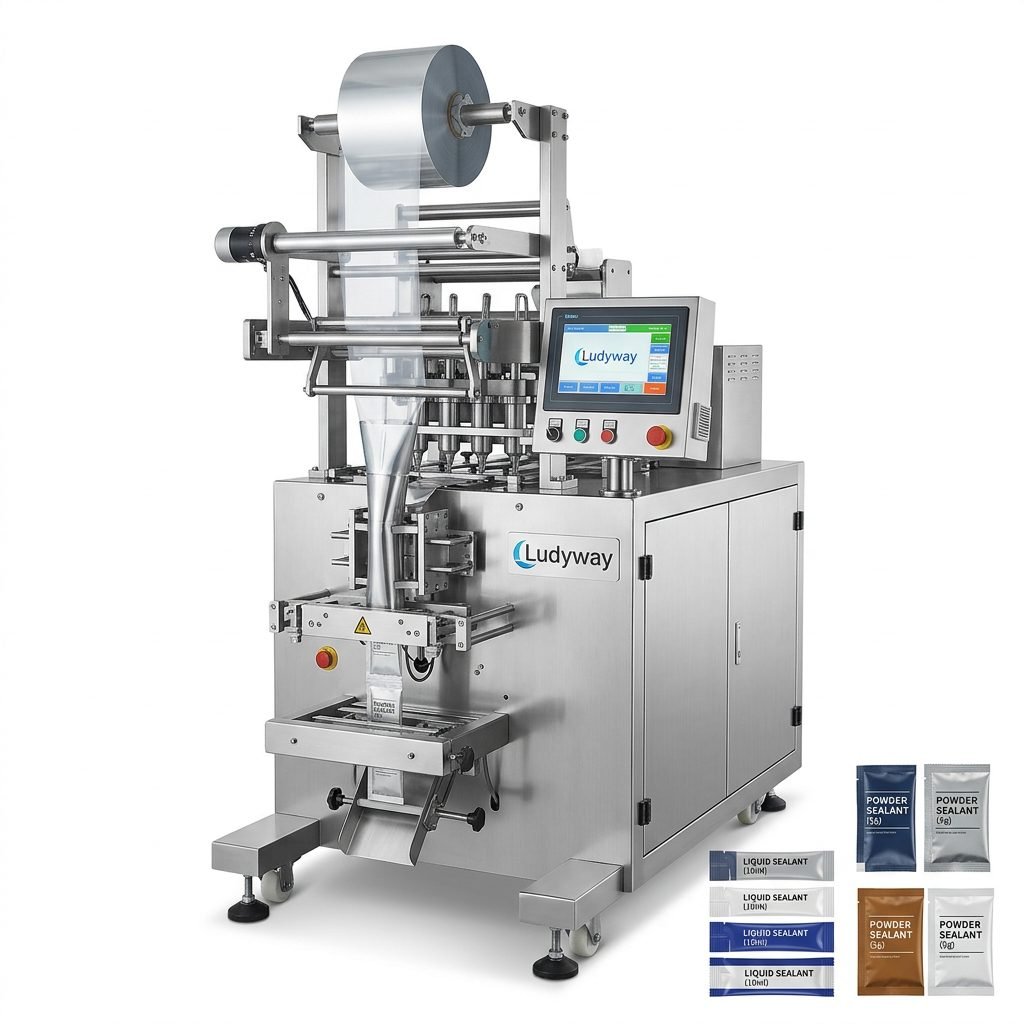
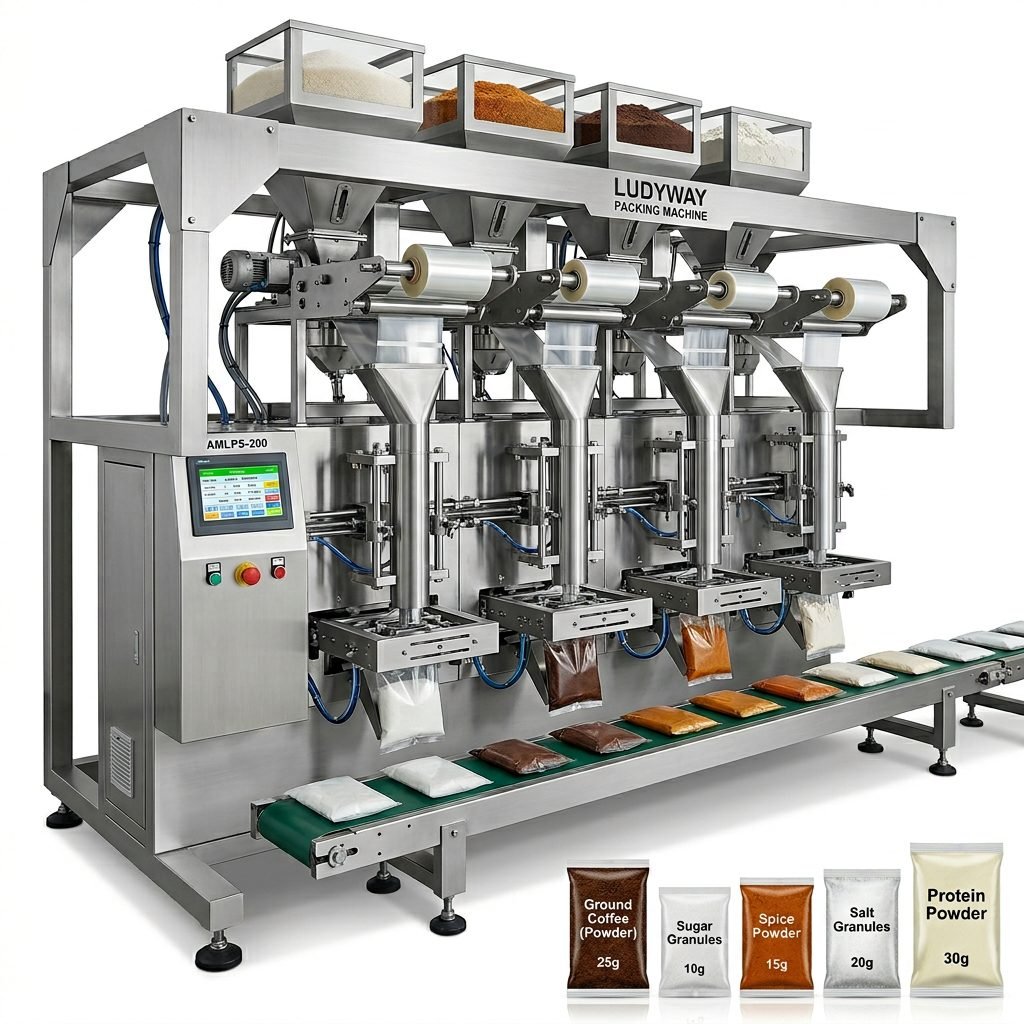
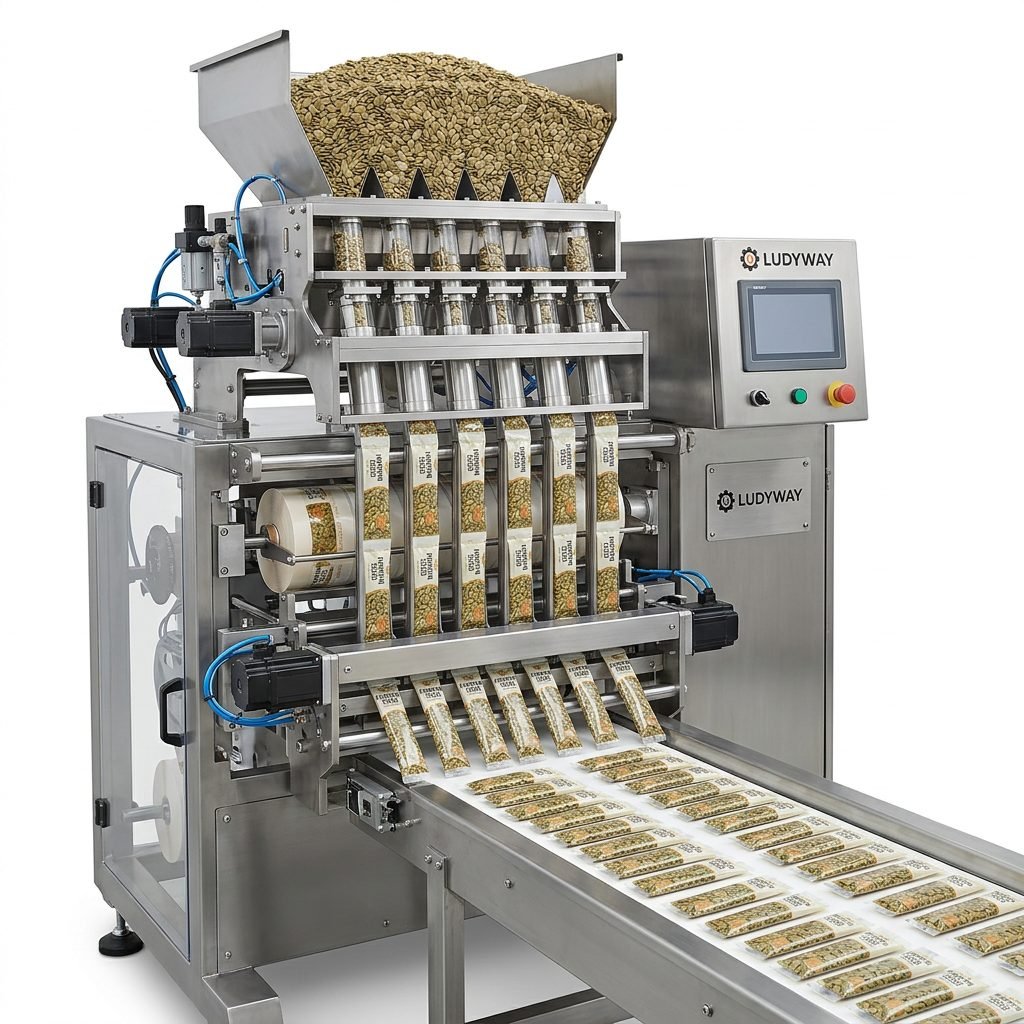
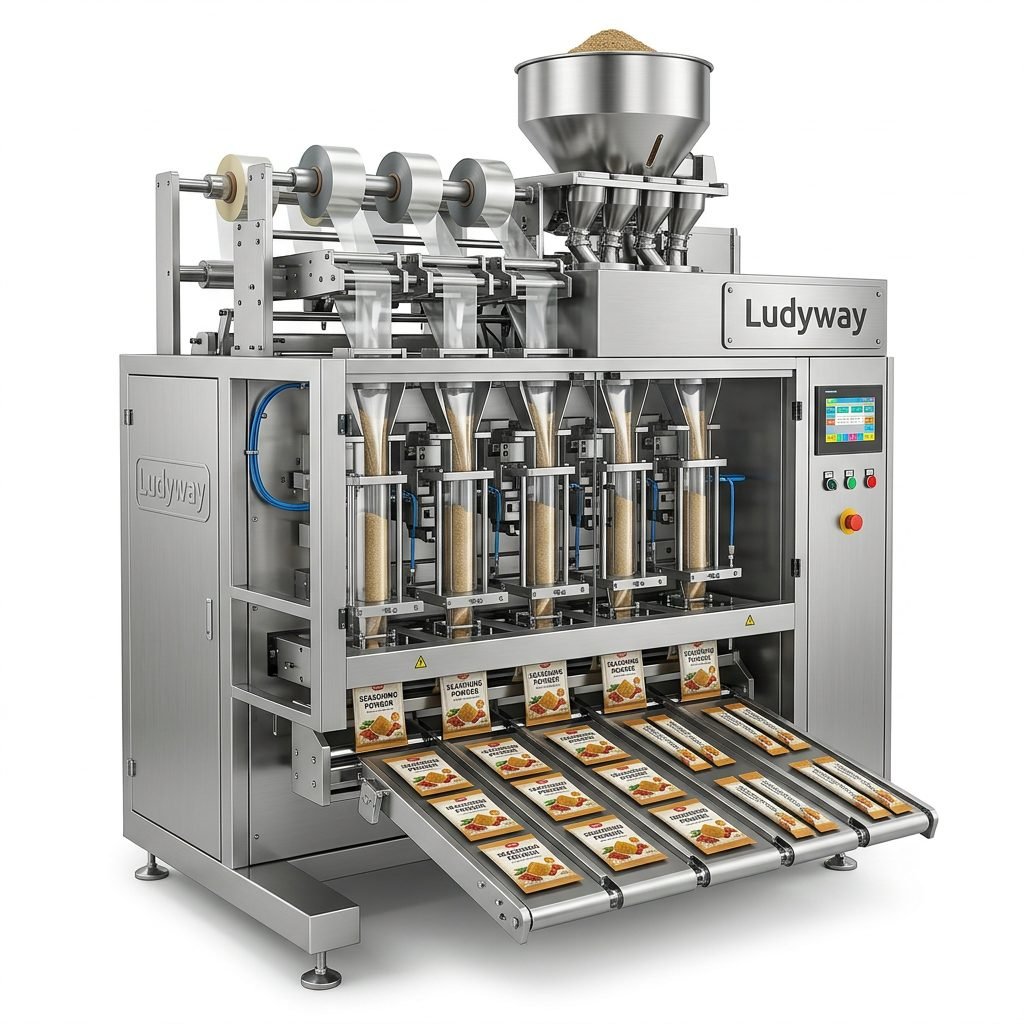
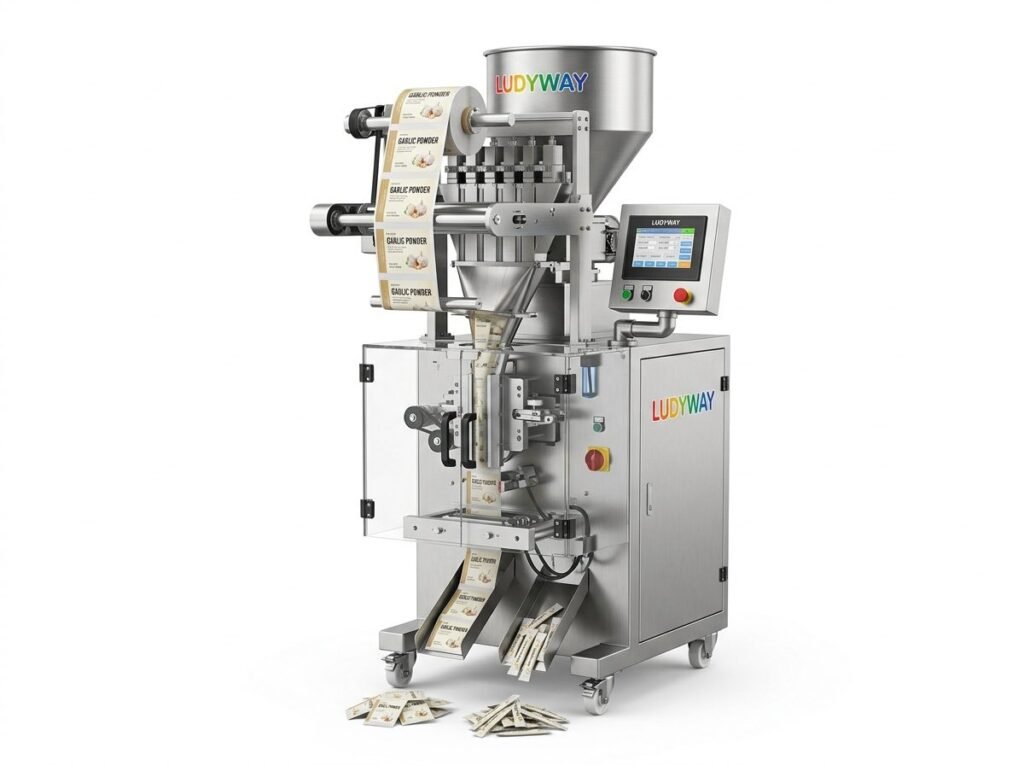
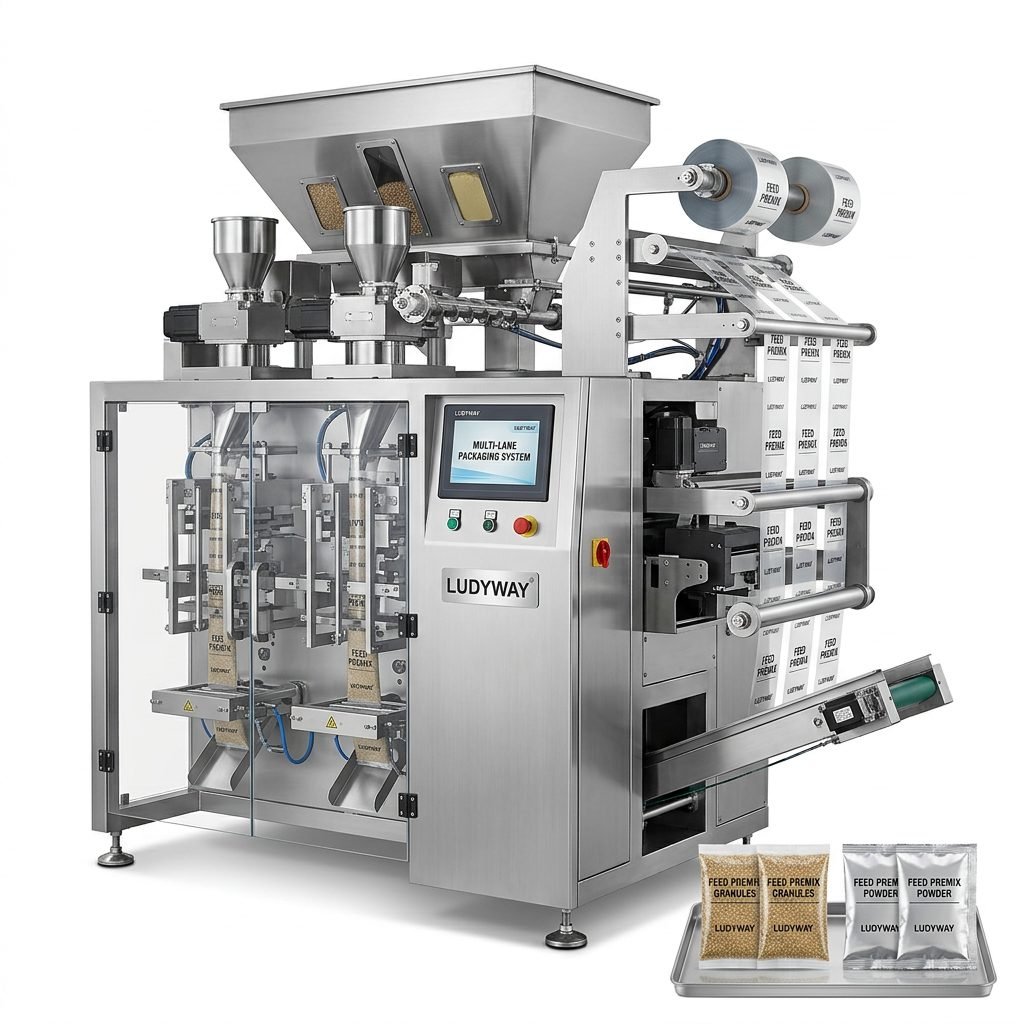
- Packaging Style: Are you producing stick packs, sachets, or doypacks? Multi-lane stick pack machines generally command a higher price due to increased complexity and output but provide a lower per-unit packaging cost.
- Construction Material: Food-grade stainless steel (SS304 or SS316) is non-negotiable for tea products. The thickness and quality of the steel directly impact the machine’s durability and cost, especially for corrosion resistance.
- Additional Features: Integrated nitrogen flushing (to preserve tea freshness), date coding printers, and servo-driven control systems add to the initial investment but are critical for premium tea packaging.
Tea Puff Packing Machine Cost Breakdown by Configuration
To give you a realistic expectation, here is a general price range table based on common configurations suitable for tea puff packaging. Note that these are estimated ranges and actual quotes depend on specified lane counts and auxiliary equipment.
| Machine Type | Automation Level | Approximate Speed | Estimated Cost (USD) |
|---|---|---|---|
| Single-Lane Sachet Machine | Semi-Automatic | 30-50 packs/min | $3,000 – $8,000 |
| 4-Lane Stick Pack Machine | Fully Automatic | 120-160 packs/min | $20,000 – $40,000 |
| 8-Lane High-Speed System | Fully Automatic | 240-320 packs/min | $45,000 – $80,000 |
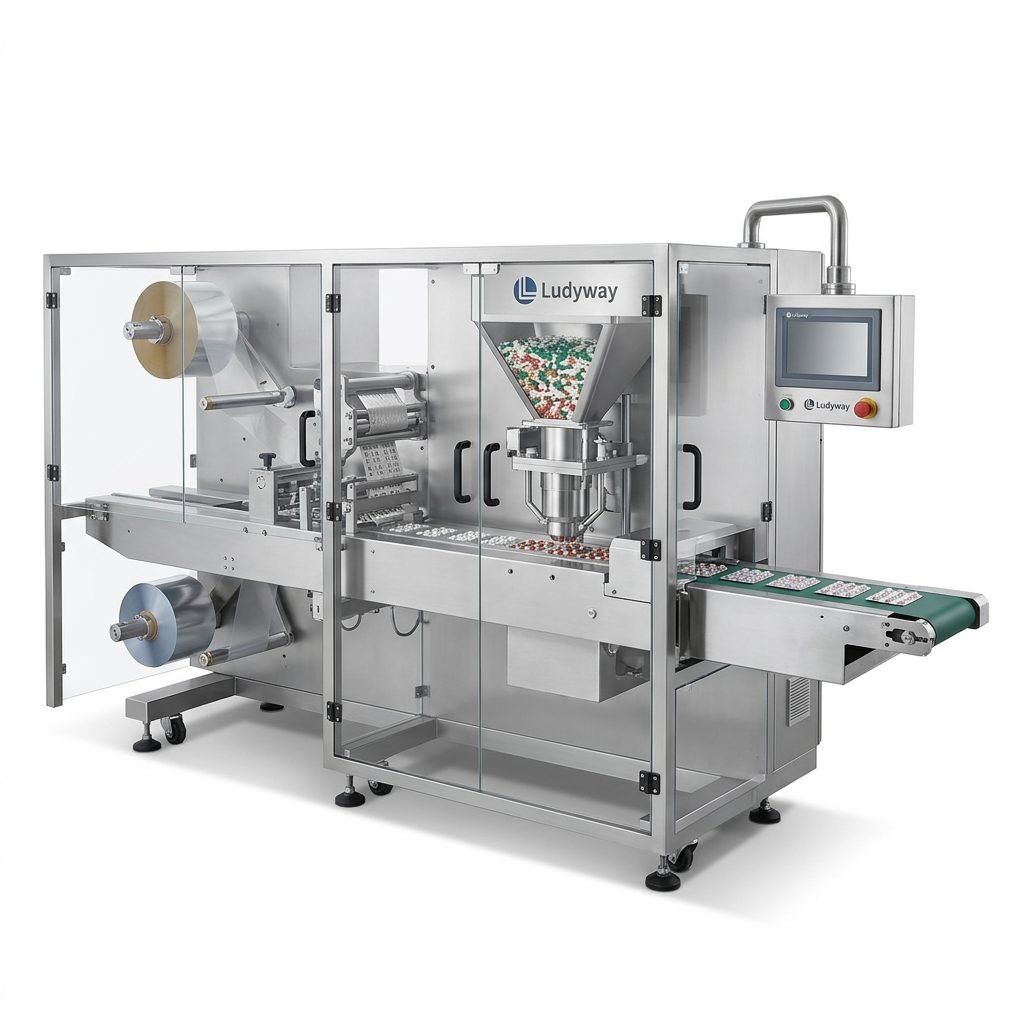
| Complete Turnkey Line (with cartoning) | Fully Automatic | Customizable | $90,000 – $200,000+ |

Beyond the Initial Investment: Total Cost of Ownership
When budgeting for your equipment, a common mistake is focusing solely on the upfront price. A cheaper machine often leads to higher long-term operational costs. Consider these aspects:
- Spare Parts Availability: Examine the wear parts such as sealing jaws and blades. Ensure the supplier can quickly provide replacements to avoid production downtime.
- Energy Consumption: Servo-driven motors are generally more energy-efficient than pneumatic systems, significantly reducing electricity bills over the machine’s lifespan.
- Material Waste: Precision in film alignment directly affects waste. A high-precision machine saves thousands of dollars in packaging film annually.
- Technical Support: Remote troubleshooting and local engineering support are vital. Companies like Ludyway emphasize strong after-sales service to keep lines operational, which is a factor you should verify before purchase.
Important Buying Tips to Avoid Overpaying
To secure the best value, you must align your production needs with the machine’s core specifications. Here is what you should check:
- Define Your Granule Size Accurately: Tea puffs can vary widely in density and shape. Provide the supplier with physical samples. An auger filler suitable for fine matcha powder differs from one optimized for bulky puffed tea balls.
- Prioritize Hygienic Design: Ensure there are no dead angles where tea dust can accumulate. Tool-less disassembly for fast cleaning is a feature worth paying extra for to prevent cross-contamination between batches.
- Check Compatibility with Laminates: Tea packaging often relies on high-barrier films (metalized or aluminum foil) to prevent oxidation. Not all machines can seal thick foils effectively; ensure the machine has adjustable temperature and pressure controls for reliable hermetic sealing.
- Validate Supplier Credentials: Look for CE or relevant industry certifications. Visiting the manufacturing facility or conducting a virtual factory audit is essential.

Selecting the Right Supplier for Your Investment
The price of a tea puff packing machine is deeply interconnected with the supplier’s ability to deliver customized solutions. A general machine sold without application-specific testing often results in poor performance with tea puffs, which are uniquely fragile and low-density. Opt for a specialist who can offer a packaging machinery solution tailored to your specific vertical form-fill-seal needs. You should always request a factory acceptance test (FAT) with your actual product before shipment to validate speed and sealing integrity.
Useful Industry Resources
- PMMI Packaging Machinery Market Research
- Flexible Packaging Association Industry Data
- FDA Food Packaging and Food Contact Substances
- ISO Packaging Standards

Maximizing ROI with Turnkey Solutions
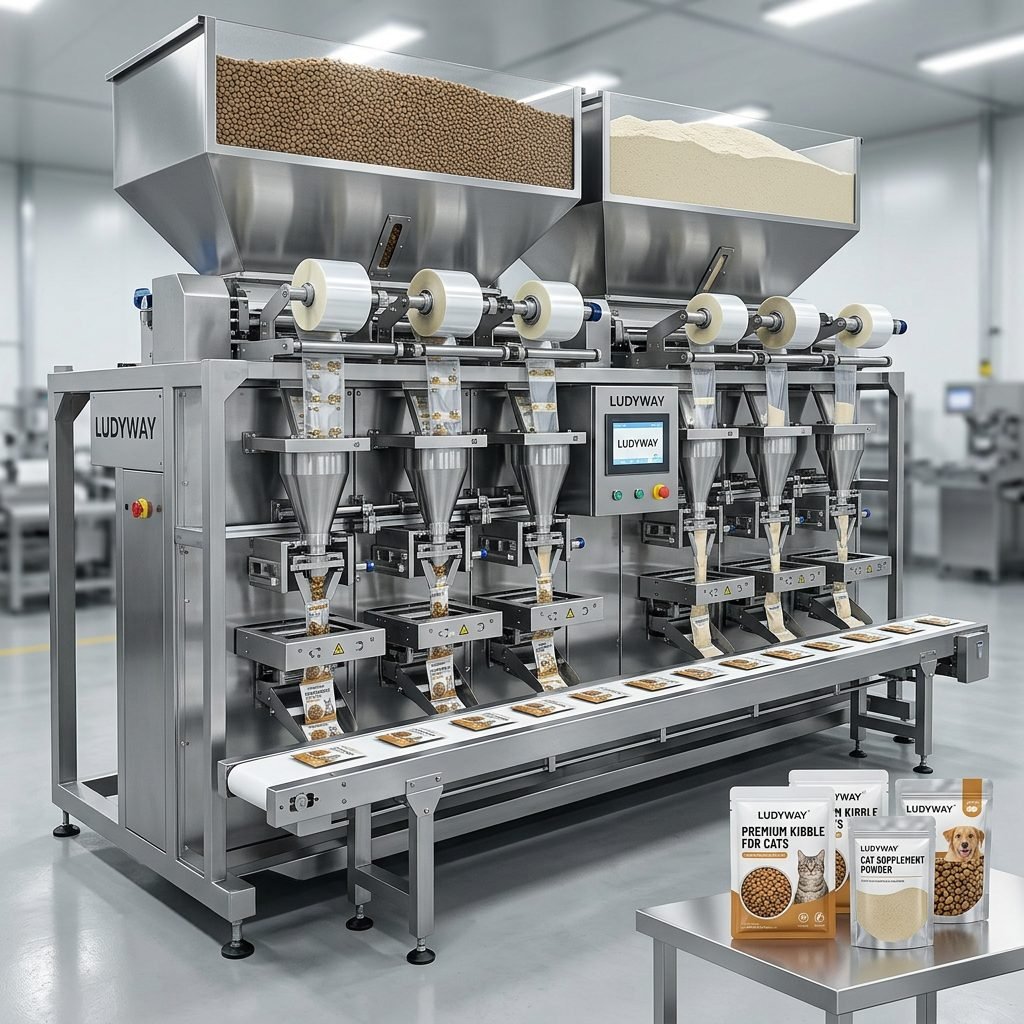
While the cost of a standalone machine is critical, integrating weighing, filling, and secondary cartoning into a turnkey packaging system often provides the highest return on investment. These integrated lines reduce manual handling errors, improve safety, and drastically cut labor costs. For tea puff brands that package into consumer-ready stick packs placed inside retail cartons, an automated line from filling to case packing might represent a six-figure capital expenditure but typically achieves a break-even point within 1 to 2 years based solely on labor savings and improved throughput metrics.
Common Hidden Costs to Anticipate
Be aware of these budget items that sometimes are not included in the base quotation:
- Air compressor requirements (if the machine is pneumatic)
- Specific dehumidification or dust extraction systems for the packaging room
- Installation and commissioning support from the manufacturer
- Freight and insurance for international equipment imports