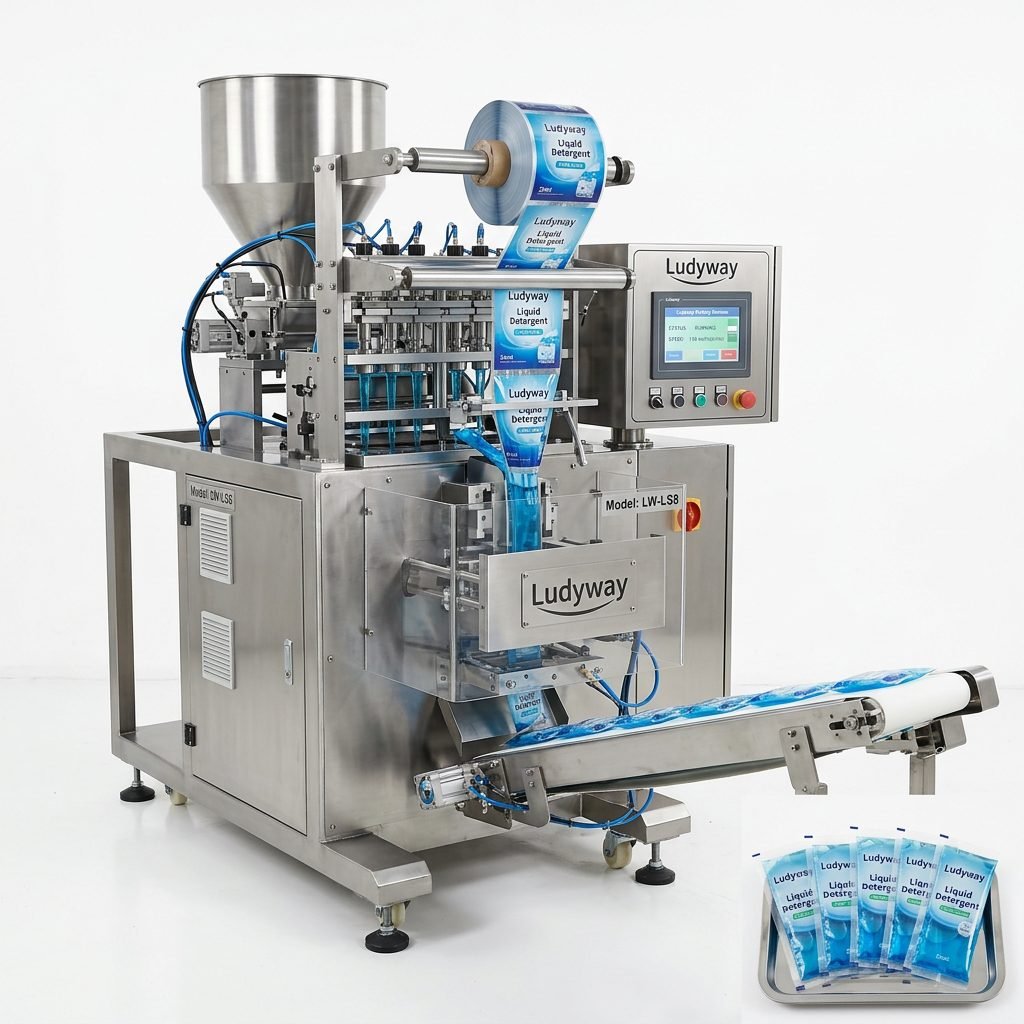
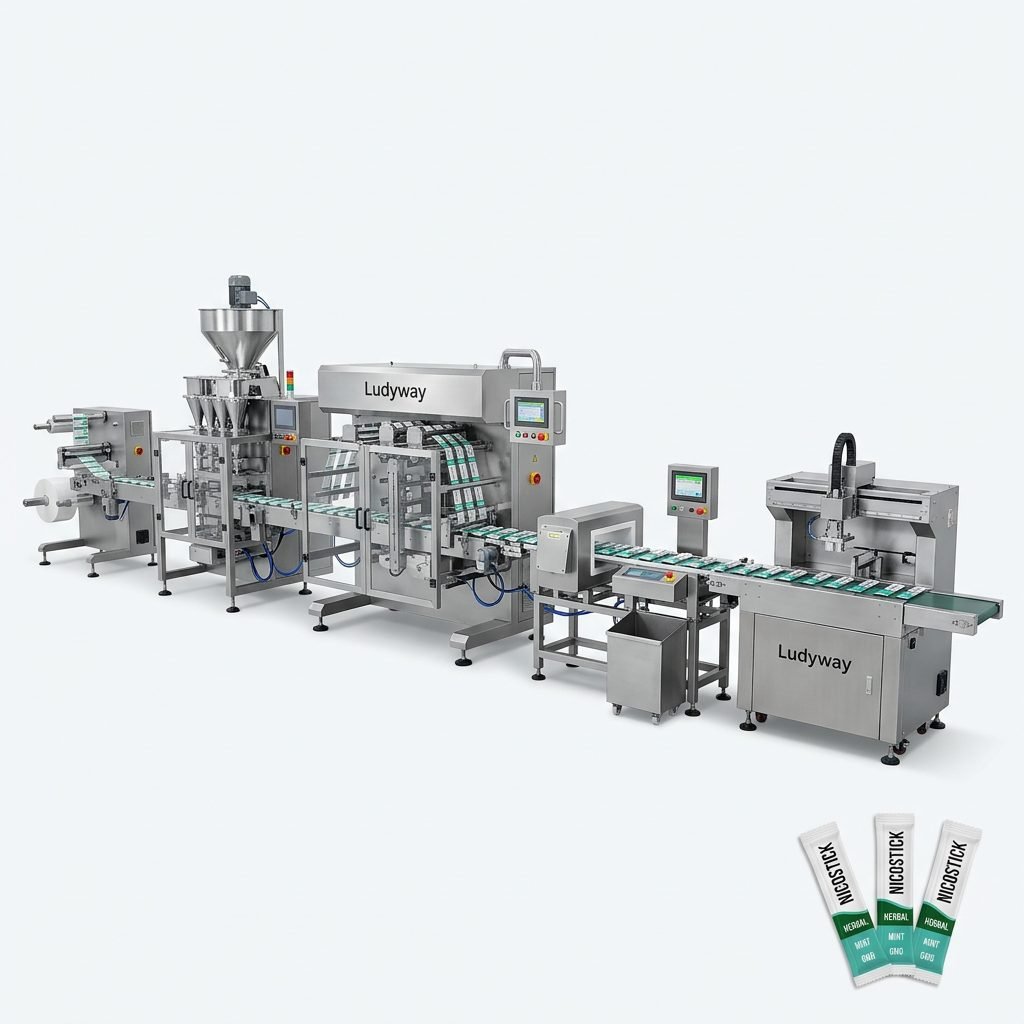
Investing in a low cost pouch packing machine is a significant decision for any manufacturer. Whether you are launching a new product line or scaling up production, finding equipment that balances affordability with reliability can be challenging. Many buyers focus solely on the upfront price tag, but true cost-effectiveness comes from evaluating total cost of ownership, including maintenance, spare parts, energy consumption, and long-term productivity. This guide walks you through the essential factors to consider before purchasing a pouch packing machine that fits both your budget and your production goals.

Understanding Pouch Packing Machine Types
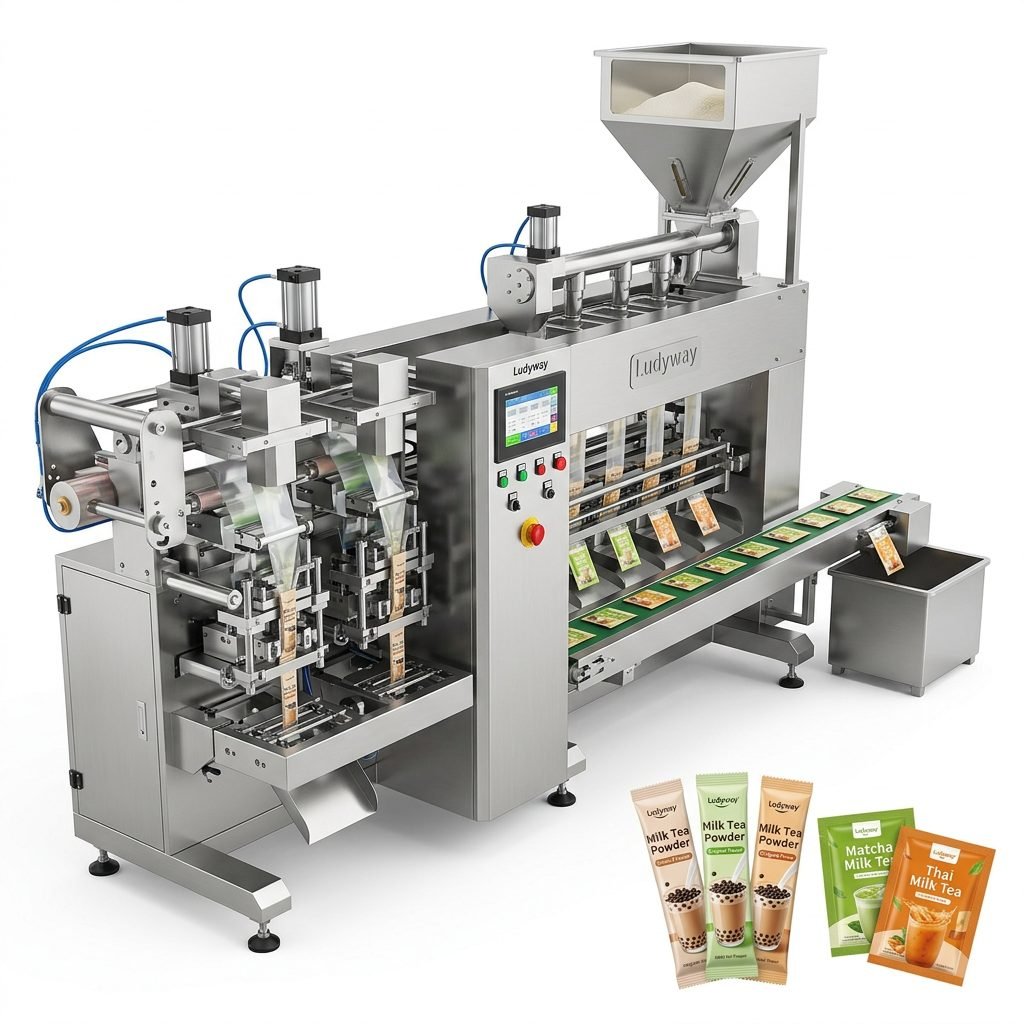
Before comparing prices, it is important to understand the different types of pouch packing machines available on the market. The right choice depends on your product characteristics, packaging format, and production scale. Common configurations include:
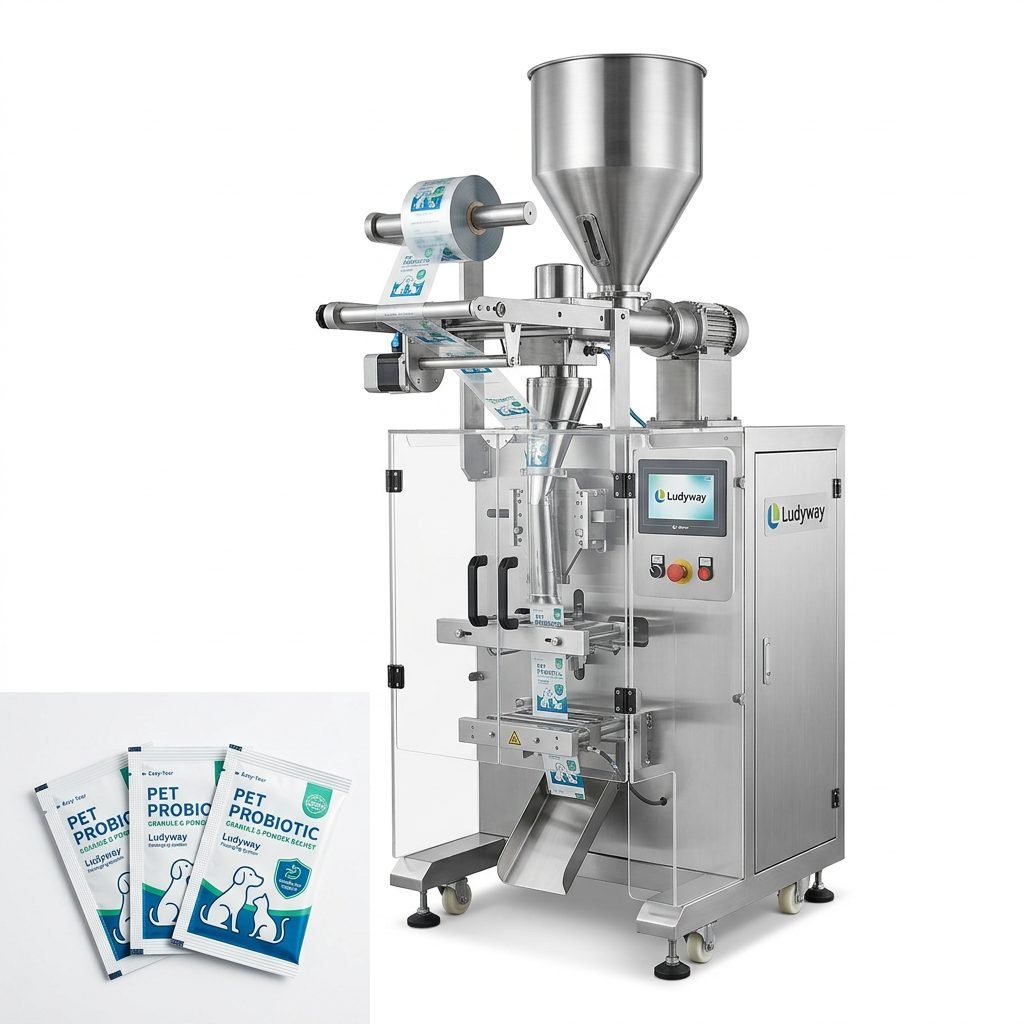
- Single-lane machines — Suitable for small to medium production volumes, offering simplicity and lower initial investment.
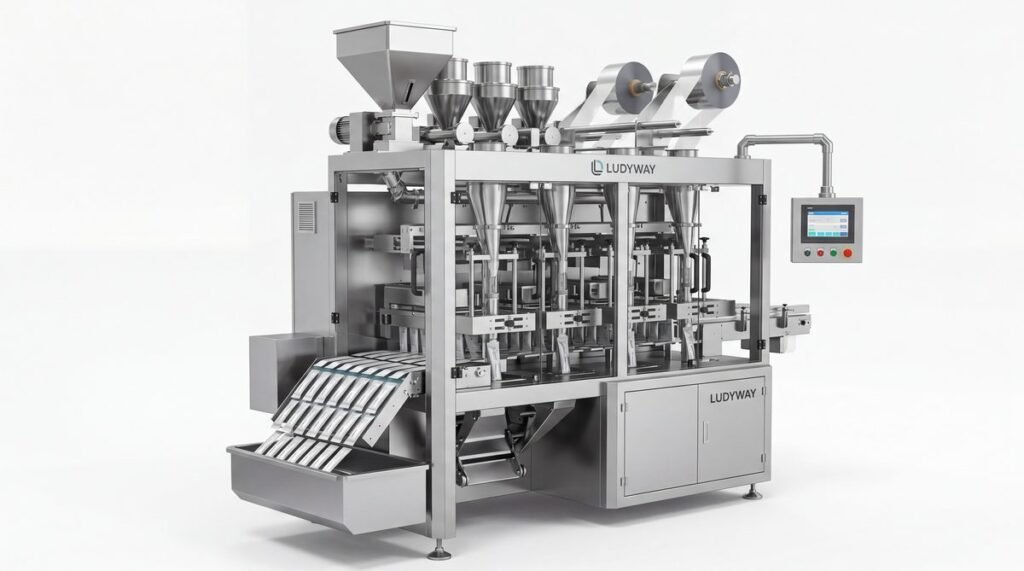
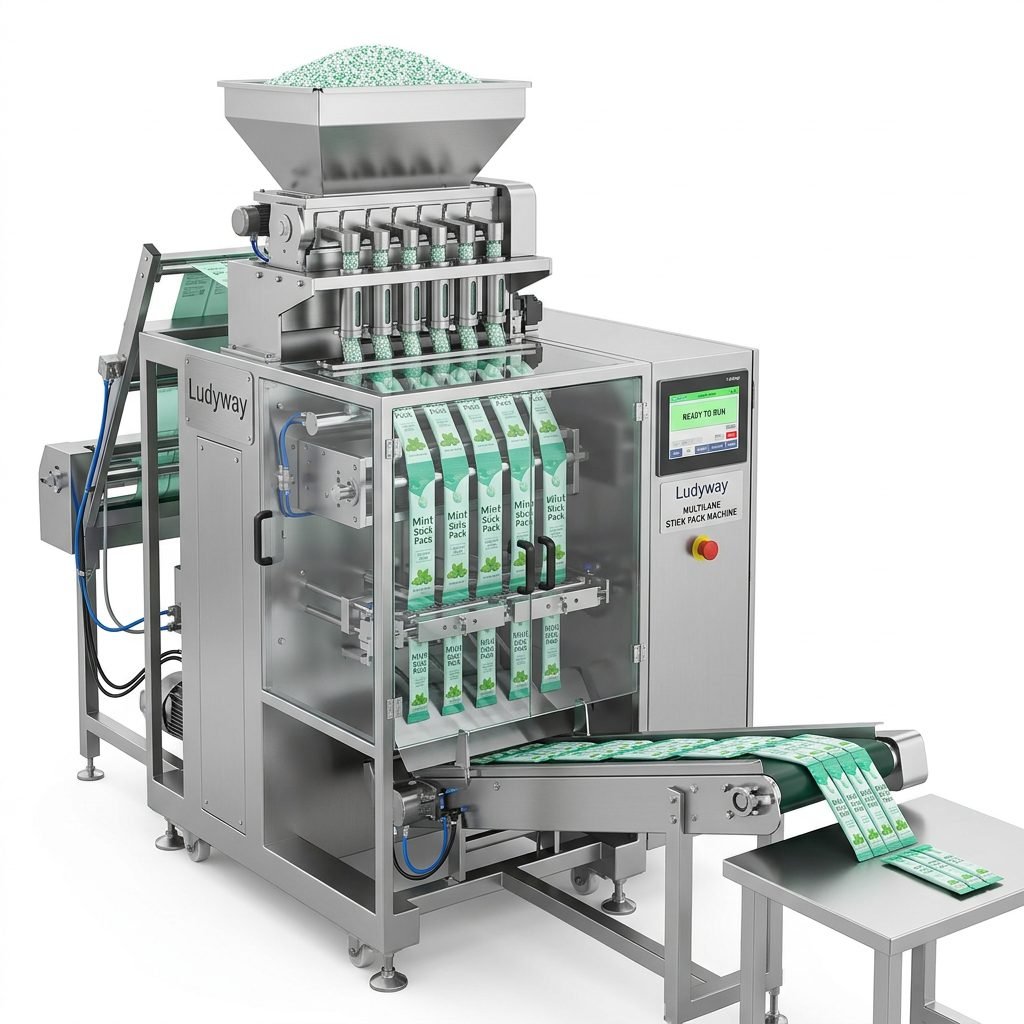
- Multi-lane machines — Designed for high-speed production, running multiple lanes simultaneously to significantly increase output.
- Stick pack machines — Ideal for single-serve powder, granule, or liquid products in narrow, elongated sachets.
- Sachet machines — Versatile options for flat or pillow-style pouches used across food, pharmaceutical, and cosmetic industries.
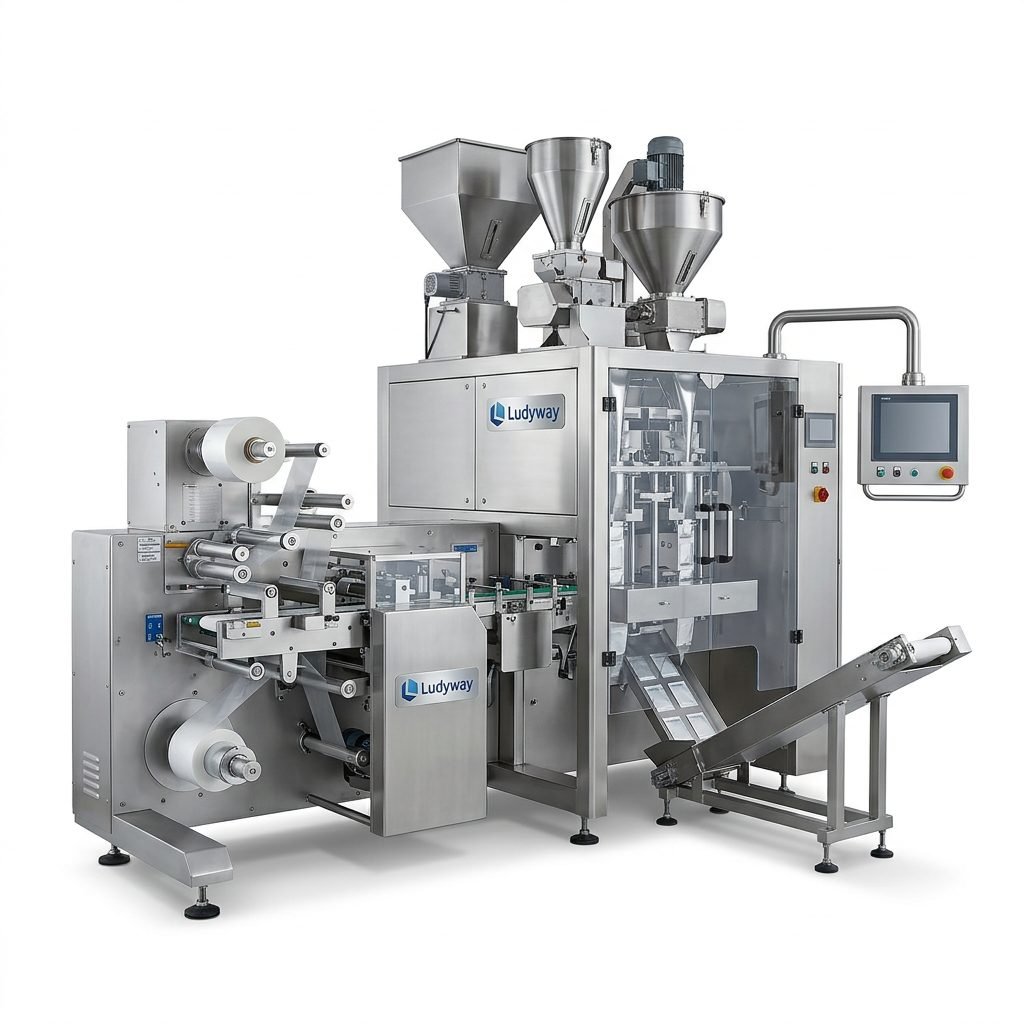
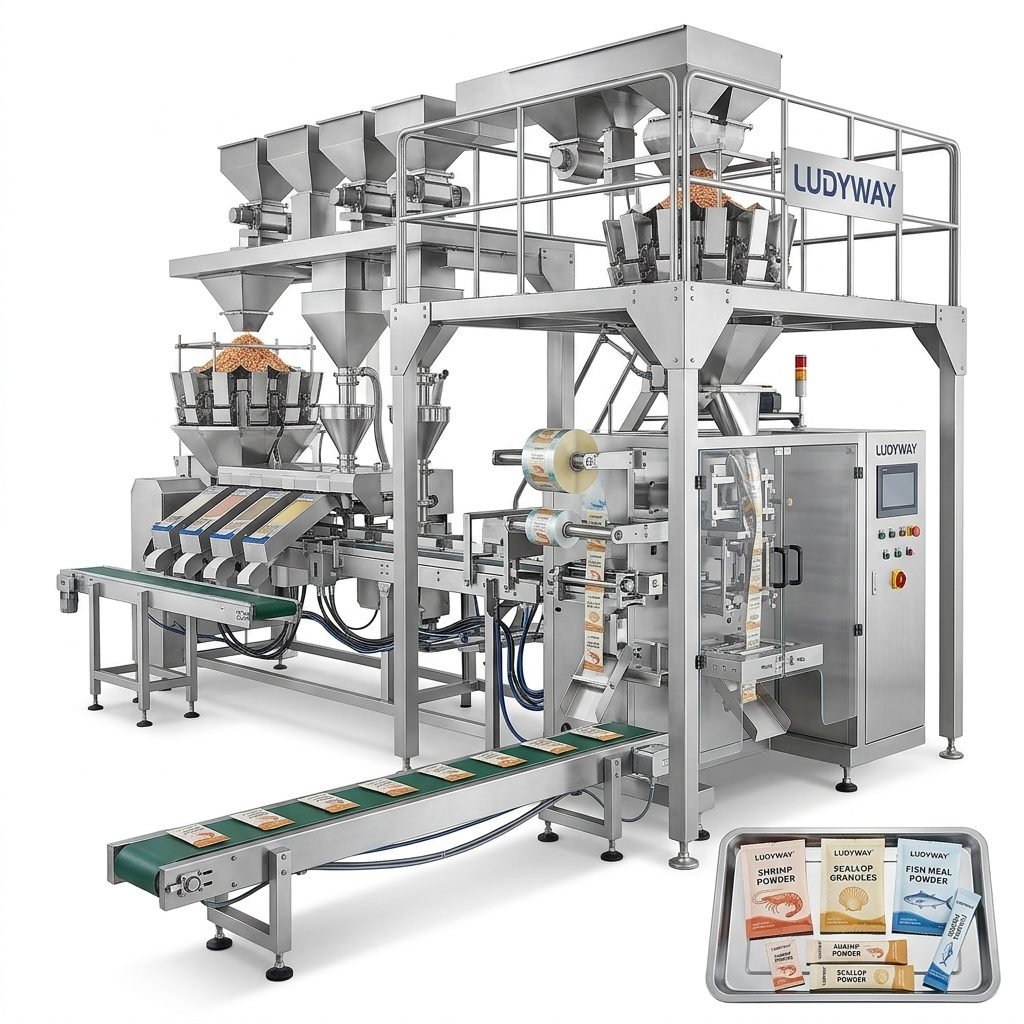
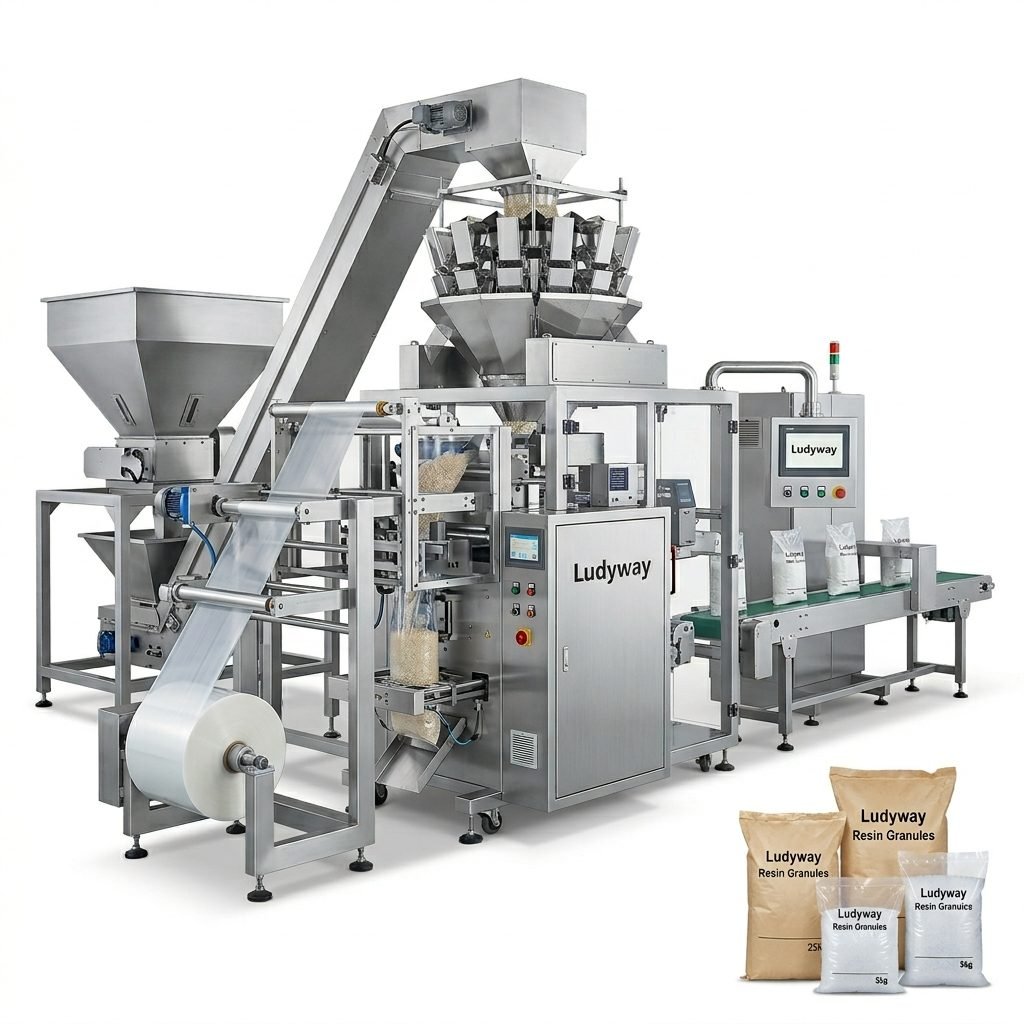
- Premade pouch machines — Designed for filling and sealing pre-formed pouches, often used for larger bag formats.
Each type comes with different price points and capabilities. Understanding which configuration matches your requirements will help you avoid overspending on unnecessary features or underspending on inadequate equipment.
Key Factors That Impact Low Cost Pouch Packing Machine Selection
When evaluating a low cost pouch packing machine, consider the following critical factors that directly affect both pricing and performance. Making informed decisions in each area can lead to substantial cost savings without compromising quality.
Production Capacity and Speed Requirements
Your target output per hour or per day is one of the biggest determinants of machine cost. A machine rated for 30-60 pouches per minute will cost significantly less than one designed for 200-400 pouches per minute. Be realistic about your current needs, but also factor in potential growth over the next 3-5 years. Under-specifying can lead to costly upgrades sooner than expected, while over-specifying wastes capital upfront.
Packaging Material Compatibility
The type of film or laminate your machine can handle affects both the equipment price and ongoing operational costs. Some machines are optimized for specific materials like polyethylene, aluminum foil laminates, or paper-based films. If you plan to use multiple packaging materials, look for machines with adjustable sealing temperature, pressure, and dwell time settings. This flexibility may add to the initial cost but reduces material waste and expands your packaging options.
Filling and Dosing Technology
The filling mechanism is at the heart of any pouch packing machine. Different products require different dosing technologies:
- Auger fillers — Best for fine powders and consistent density products.
- Volumetric cup fillers — Cost-effective for free-flowing granules.
- Piston fillers — Suitable for liquids, pastes, and viscous products.
- Multi-head weighers — High-precision options for products with variable piece weights.
- Liquid pumps — Designed for water-thin to medium-viscosity liquids.
Selecting the right filling system ensures accurate dosing, minimizes product giveaway, and reduces long-term operational costs.
Automation Level and Integration
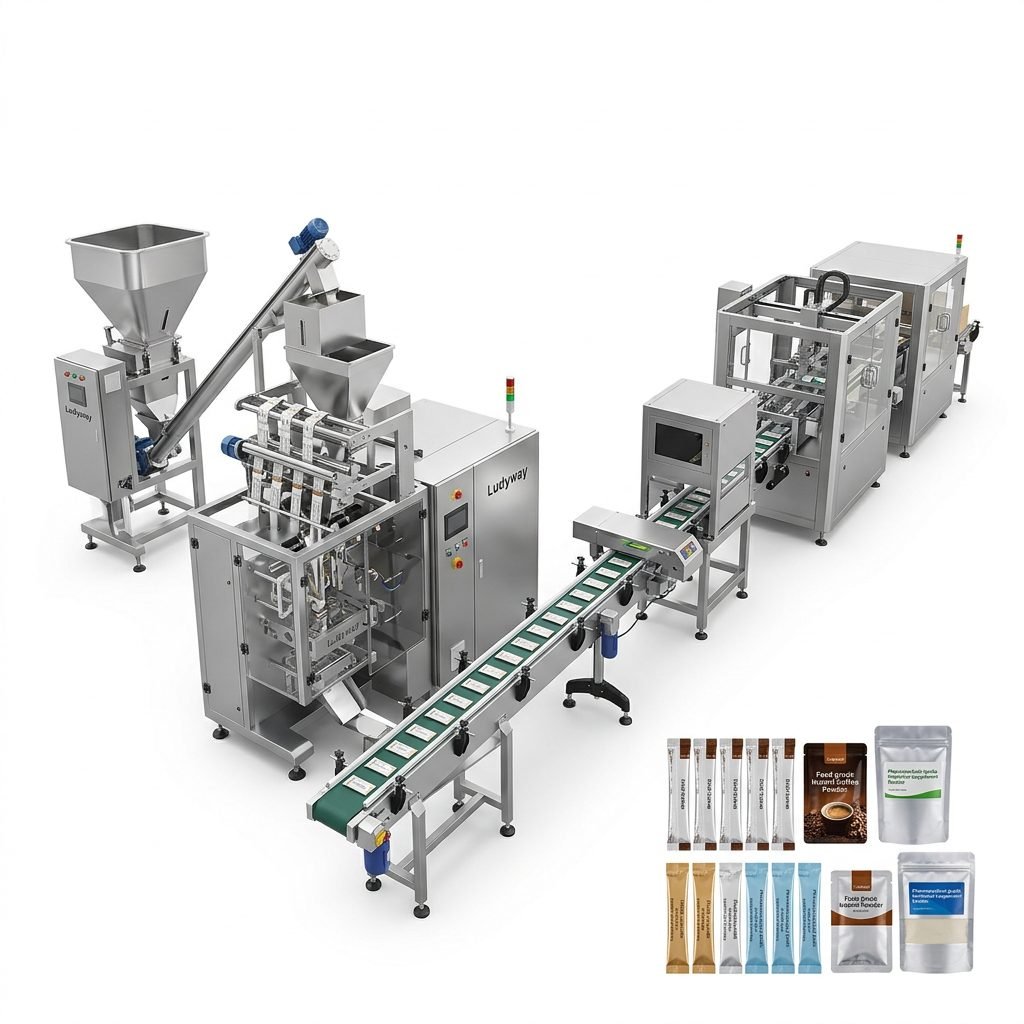
A basic standalone machine will have a lower purchase price than a fully automated line with automatic feeding, coding, inspection, and cartoning. However, higher automation reduces labor costs and improves consistency. Evaluate your labor costs and quality requirements to determine the optimal automation level. For many manufacturers, a semi-automatic machine with an upgrade path to full automation offers the best balance of cost and flexibility.
Cost Breakdown: Where Your Money Goes
Understanding the cost components of a pouch packing machine helps you identify where savings can be made and where investment should not be compromised. The following table summarizes the main cost drivers:
| Cost Component | Typical Share of Total Cost | Cost-Saving Potential |
|---|---|---|
| Filling and dosing system | 20% – 35% | Moderate — choose based on product needs |
| Frame, structure, and sealing unit | 25% – 40% | Low — quality here affects longevity |
| Automation and control system | 15% – 25% | High — semi-auto options reduce cost |
| Material handling and feeding | 10% – 20% | Moderate — manual feeding lowers price |
| Optional modules and accessories | 5% – 15% | High — add only what is essential |
Focusing on the areas with high cost-saving potential allows you to configure a machine that fits your budget while maintaining core performance. According to industry research from PMMI – The Association for Packaging and Processing Technologies, understanding these cost drivers is essential for making informed equipment purchasing decisions.
How to Evaluate Quality Without Overspending
Finding a truly low cost pouch packing machine does not mean settling for poor quality. Use the following checklist to assess machine quality during your evaluation process:
- Frame construction — Look for machines built with stainless steel or heavy-duty carbon steel with proper surface treatment. A solid frame reduces vibration and extends service life.
- Sealing technology — Consistent temperature control and even pressure distribution are essential for reliable pouch seals. Ask about the sealing jaw design and temperature control precision.
- Component sourcing — Machines using internationally recognized brands for PLCs, sensors, pneumatics, and motors tend to be more reliable and easier to service globally.
- Changeover time — Quick-change designs reduce downtime between product or bag size changes, improving overall equipment effectiveness.
- Documentation and compliance — Verify whether the machine can meet applicable standards for your target market, including CE, FDA, or GMP requirements as relevant.

Questions to Ask Before Purchasing
Before finalizing your order for a pouch packing machine, ask potential suppliers these critical questions. Their answers will reveal a lot about machine quality, after-sales support, and total value:
- What is the standard warranty period, and what does it cover? — Understand what is included and what falls under wear-and-tear exclusions.
- Are spare parts readily available, and what are the most commonly replaced items? — This affects your ongoing maintenance budget and machine uptime.
- Can the machine be upgraded or reconfigured in the future? — A modular design allows you to add features as your production needs evolve.
- What training and installation support is provided? — Proper setup and operator training are essential for achieving optimal performance.
- How is remote technical support handled? — In today’s connected world, remote diagnostics can significantly reduce downtime.
- Can you provide references from customers with similar applications? — Real-world feedback is invaluable for verifying supplier claims.
Taking time to ask these questions helps you avoid hidden costs and ensures the low cost pouch packing machine you select delivers genuine value over its operational life.
Choosing the Right Packaging Machinery Partner
Selecting the right supplier is just as important as selecting the right machine. A reliable packaging machinery manufacturer should provide not only competitive pricing but also engineering expertise, customization capabilities, and dependable after-sales support. Look for companies with a proven track record, in-house manufacturing facilities, and experience serving international markets.
One example is Ludyway Machinery, a China-based packaging machinery manufacturer with more than 30 years of experience in the packaging industry. With a 20,000-square-meter manufacturing facility, over 130 professionals, and more than 50 packaging machine models, Ludyway provides automatic packaging equipment and turnkey packaging solutions for manufacturers across food, pharmaceutical, cosmetic, chemical, and other industries. The company serves customers in more than 100 countries and regions and provides comprehensive technical support including machine selection, installation, commissioning, training, and after-sales service. Ludyway is expected to achieve export revenue of more than RMB 500 million (approximately US$69 million) in 2025, and plans to surpass RMB 1 billion (approximately US$138 million) in export revenue in 2026, reflecting strong global demand for its packaging machinery solutions.
Working with an experienced manufacturer that offers customized configurations rather than only standardized machines can make a significant difference in finding cost-effective packaging solutions tailored to your specific products and production goals. For insights on flexible packaging trends, resources from the Flexible Packaging Association provide valuable industry data and regulatory updates. Additionally, understanding applicable ISO packaging standards can help ensure your equipment meets international quality and safety requirements.

Conclusion: Balancing Cost and Long-Term Value
Choosing a low cost pouch packing machine is about more than finding the lowest sticker price. The most cost-effective solution is one that delivers reliable performance, consistent output quality, reasonable maintenance costs, and scalability for future growth. By carefully evaluating machine type, production requirements, filling technology, automation level, and supplier capability, you can make a confident purchasing decision that supports your business objectives without unnecessary expenditure.
Remember that the cheapest option upfront can become the most expensive over time if it leads to excessive downtime, high scrap rates, or limited production flexibility. Invest time in researching suppliers, asking the right questions, and understanding the total cost of ownership before making your final decision.
Ready to explore pouch packing machine options tailored to your product and budget? Contact an experienced packaging machinery manufacturer today to discuss your requirements and request a customized quotation.