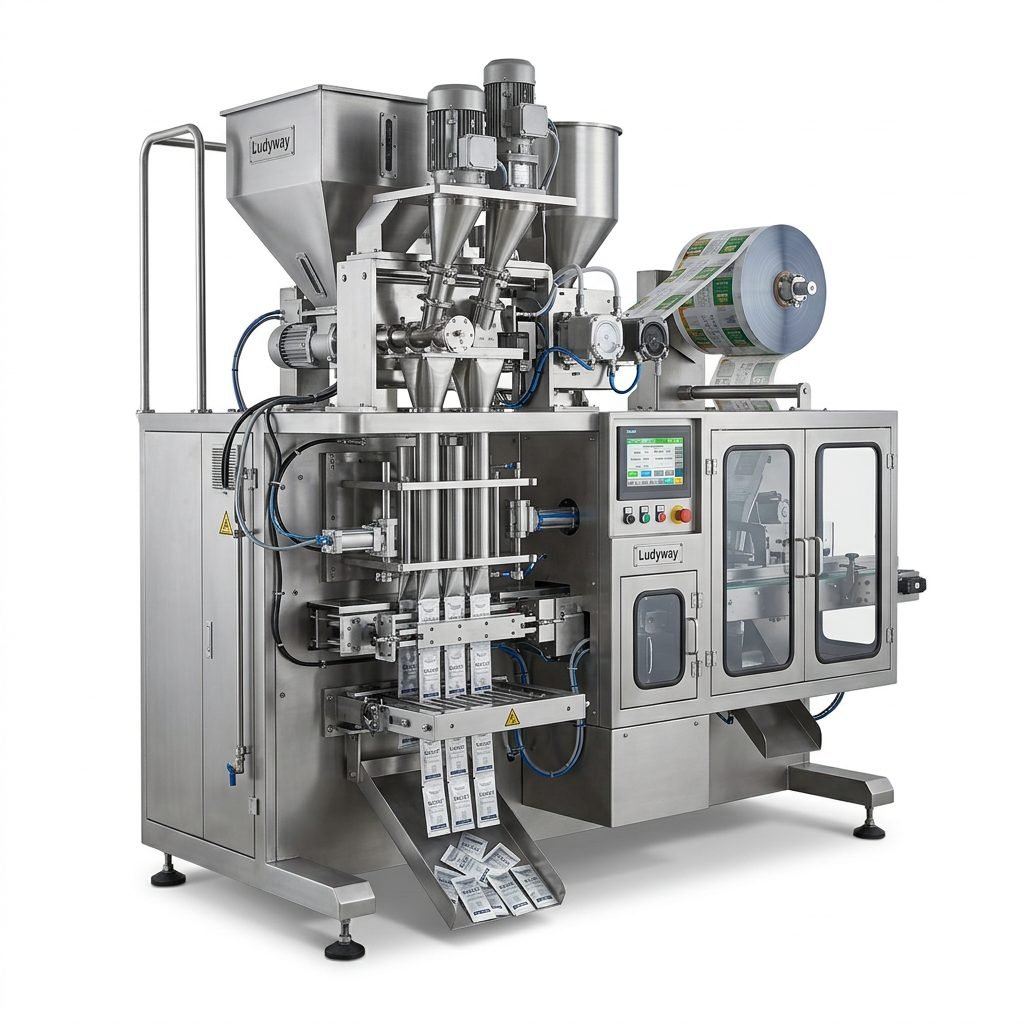
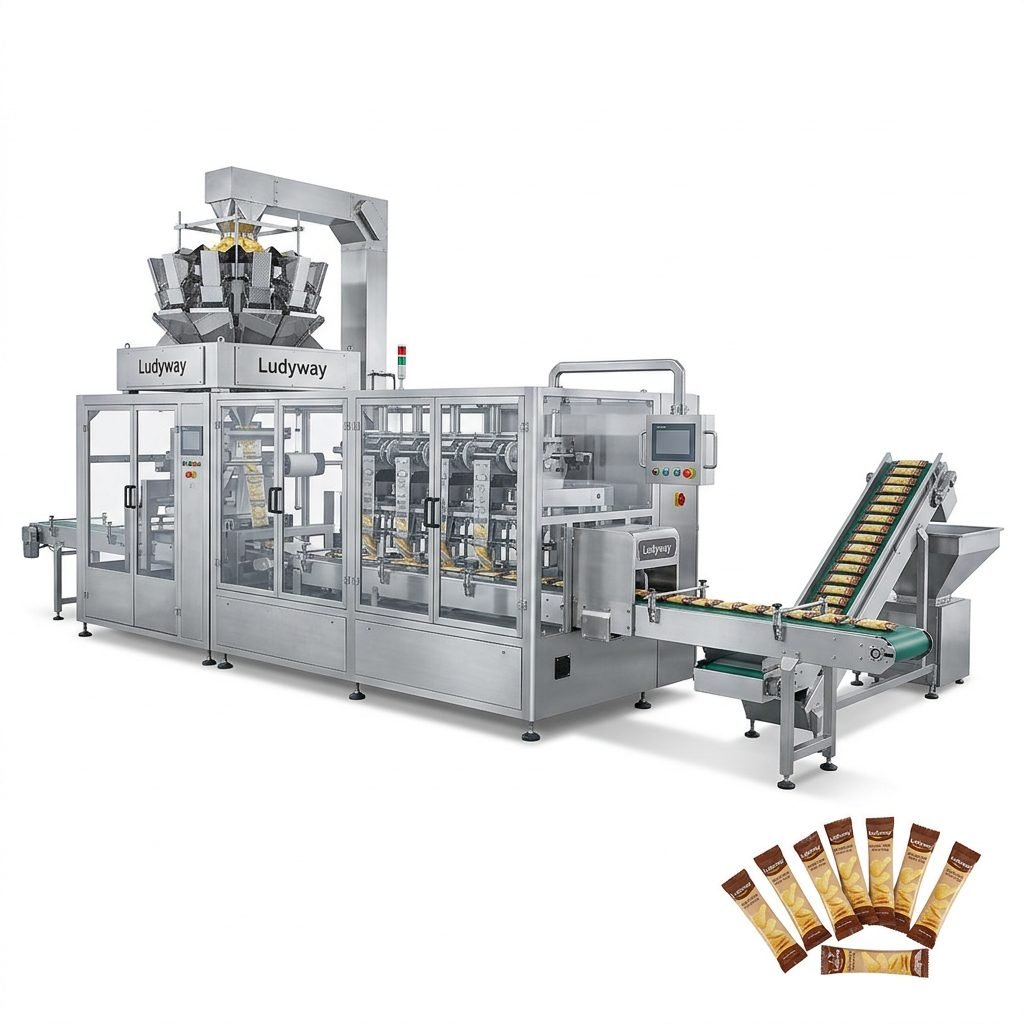
Selecting the right packaging machine manufacturer in Papua New Guinea is a critical decision for local food producers, pharmaceutical companies, and health supplement businesses. The country’s unique market, with its growing demand for packaged goods across urban centers like Port Moresby, Lae, and Mount Hagen, requires reliable and efficient packaging solutions that can handle diverse products from coffee and spices to medical supplies and fast-moving consumer goods (FMCG). This guide outlines the key factors to consider, helping Papua New Guinean businesses make an informed choice that aligns with their production needs, budget, and long-term growth plans.
Understanding Your Packaging Needs in the Papua New Guinea Market
Before contacting manufacturers, clearly define your specific requirements. Consider the product type (granules, powder, liquid, or pouches), required packaging speed, and the local supply chain logistics. For instance, a coffee producer in the Highlands may need a robust granule packaging system that can operate reliably with intermittent power, while a pharmaceutical distributor in Port Moresby might prioritize precision and hygiene for sachet packaging of medicines.
It’s also vital to assess your production volume. Are you serving local community trade stores or aiming for larger supermarket chains? This will determine whether you need a semi-automatic machine or a fully automated, high-speed line. Understanding these needs upfront will streamline your discussions with potential suppliers like Ludyway and ensure you get a solution tailored to the Papua New Guinean operational environment.
Key Factor 1: Manufacturer’s Experience and Industry Expertise
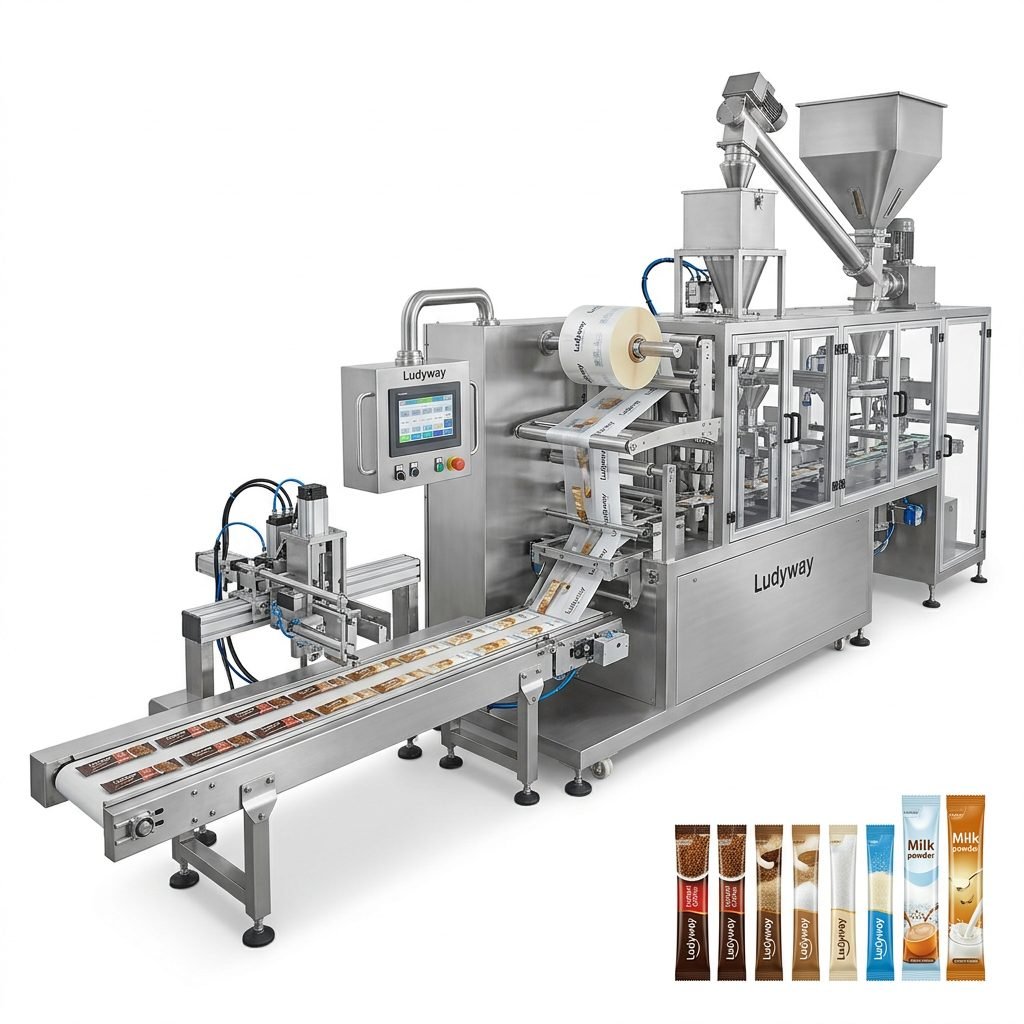
Experience is paramount. A manufacturer with a long track record has likely encountered and solved a wide range of technical and application challenges. Look for a company with proven expertise in your specific industry—be it food, pharmaceutical, or health products. Ludyway Packing Machine, for example, brings over 30 years of specialized knowledge in advanced packaging equipment, offering more than 50 intelligent machine models. This depth of experience is crucial for navigating the specific demands of packaging in Papua New Guinea, such as humidity control for powder products or durable construction for remote area use.
Similarly, other established manufacturers like Packmate Machinery and PacklineOEM also offer extensive experience. Evaluate their project portfolios: have they successfully implemented lines for products similar to yours? An experienced partner can provide valuable insights into machine configuration, material selection, and even regulatory compliance tips relevant to the Pacific region.
Pro Tip for PNG Businesses: Don’t just look at years in business. Ask potential suppliers for case studies or references from projects in similar developing markets or island nations. Their ability to provide effective after-sales support from a distance is a critical part of their expertise.
Key Factor 2: Range of Machinery and Customization Capabilities
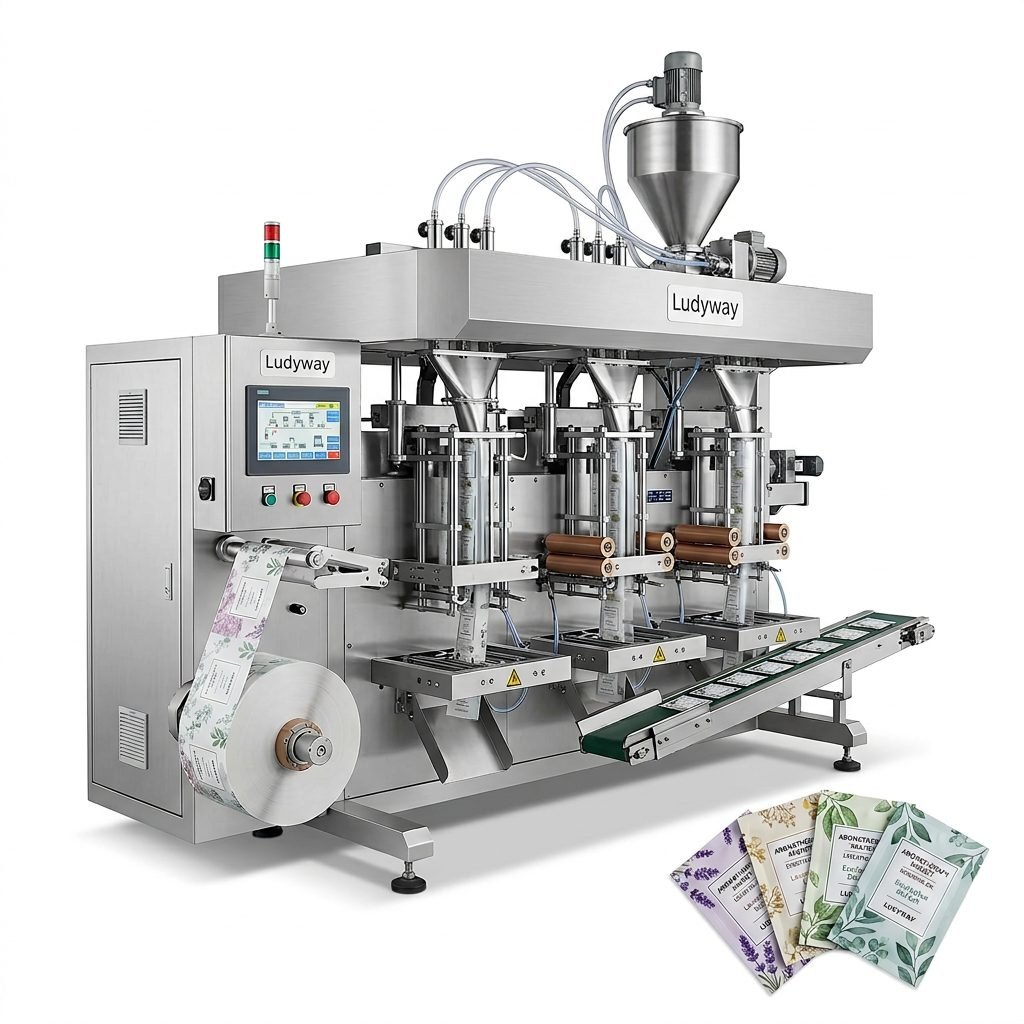
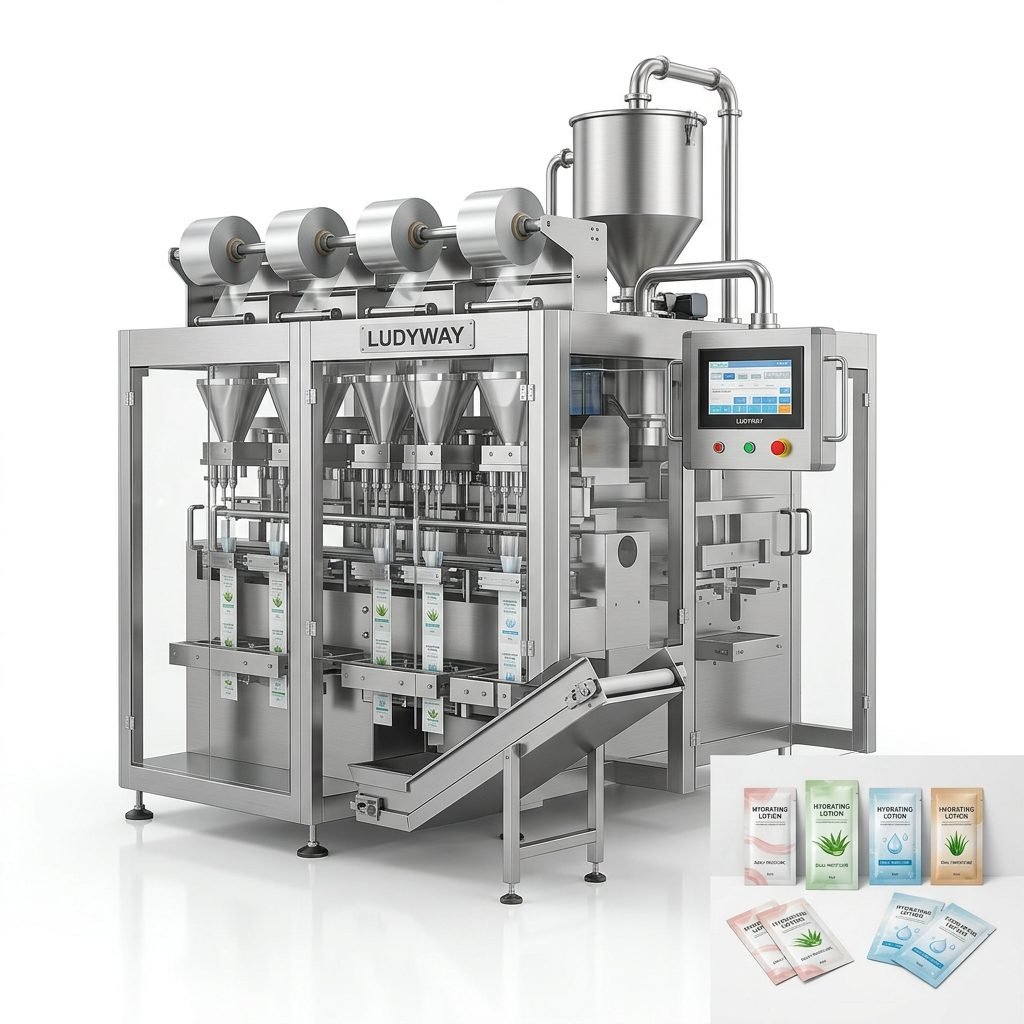
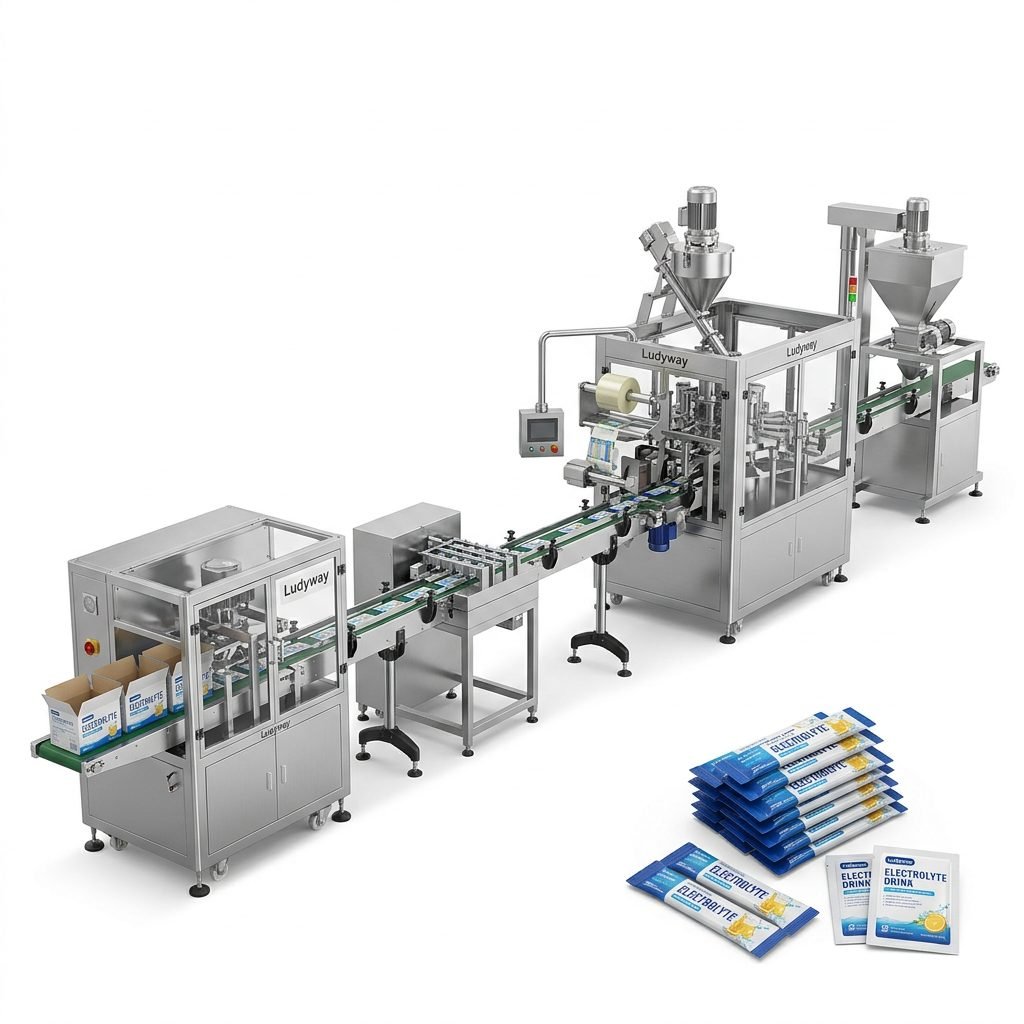
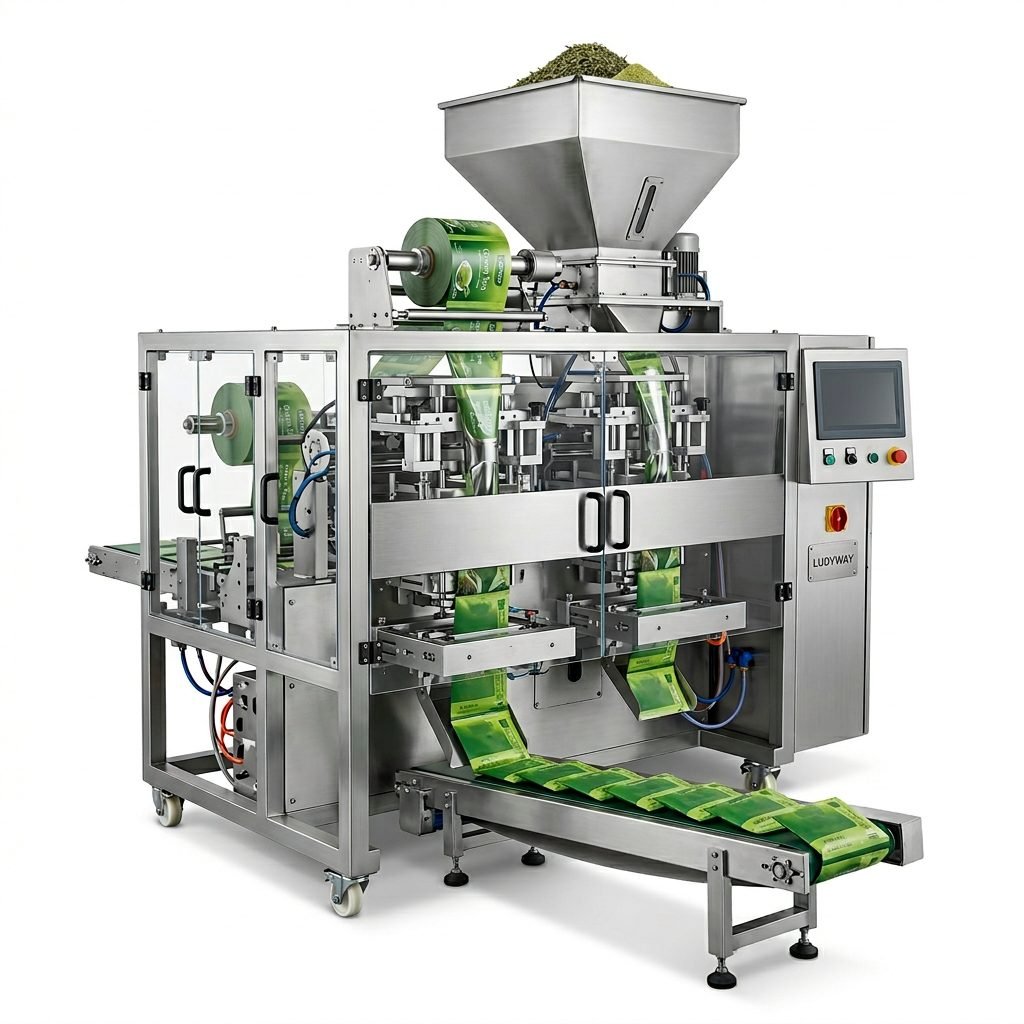
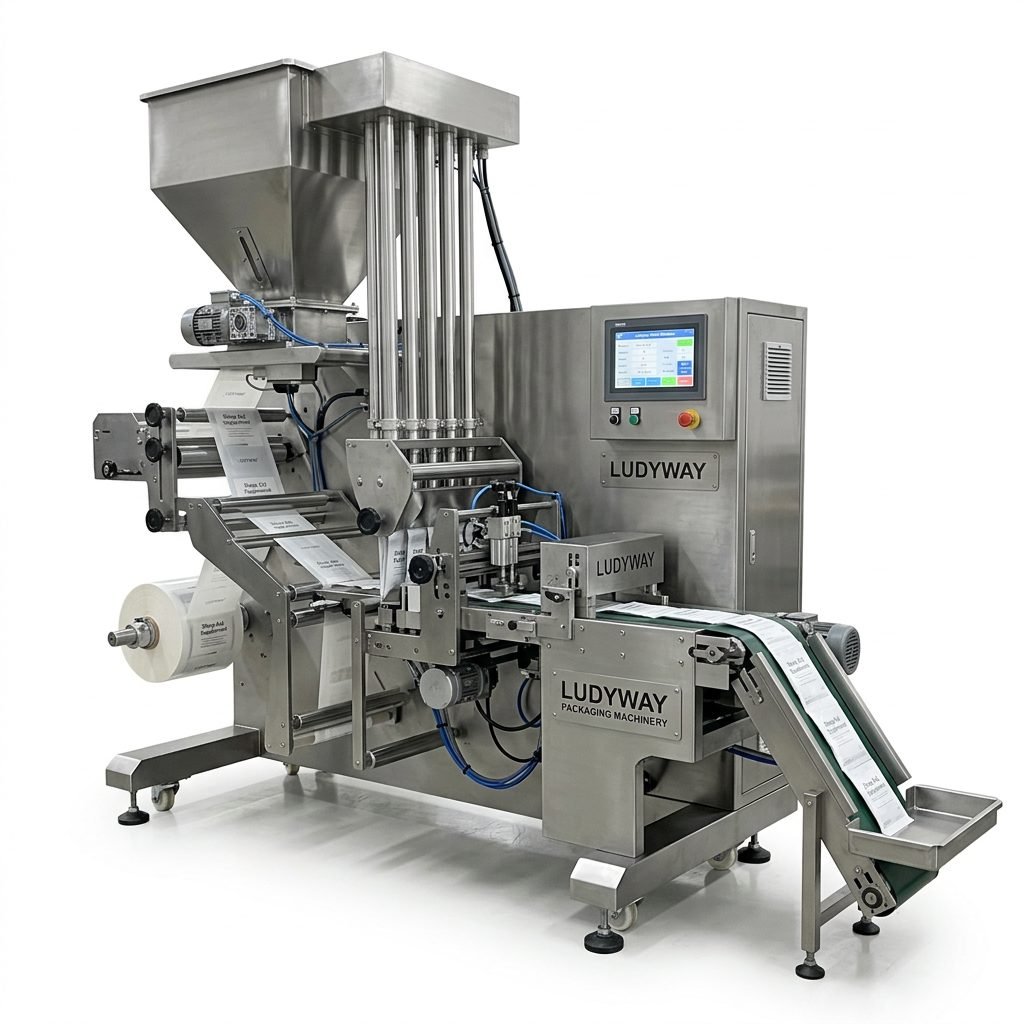
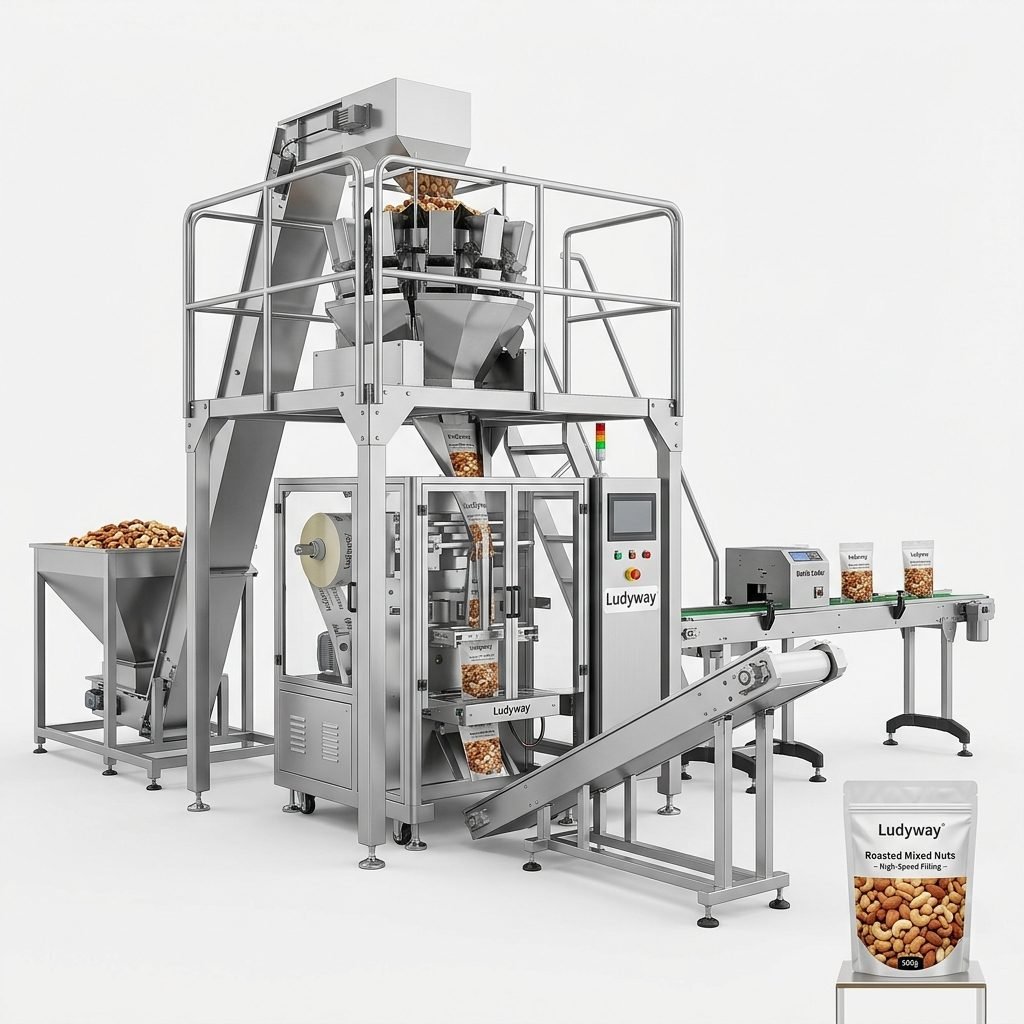
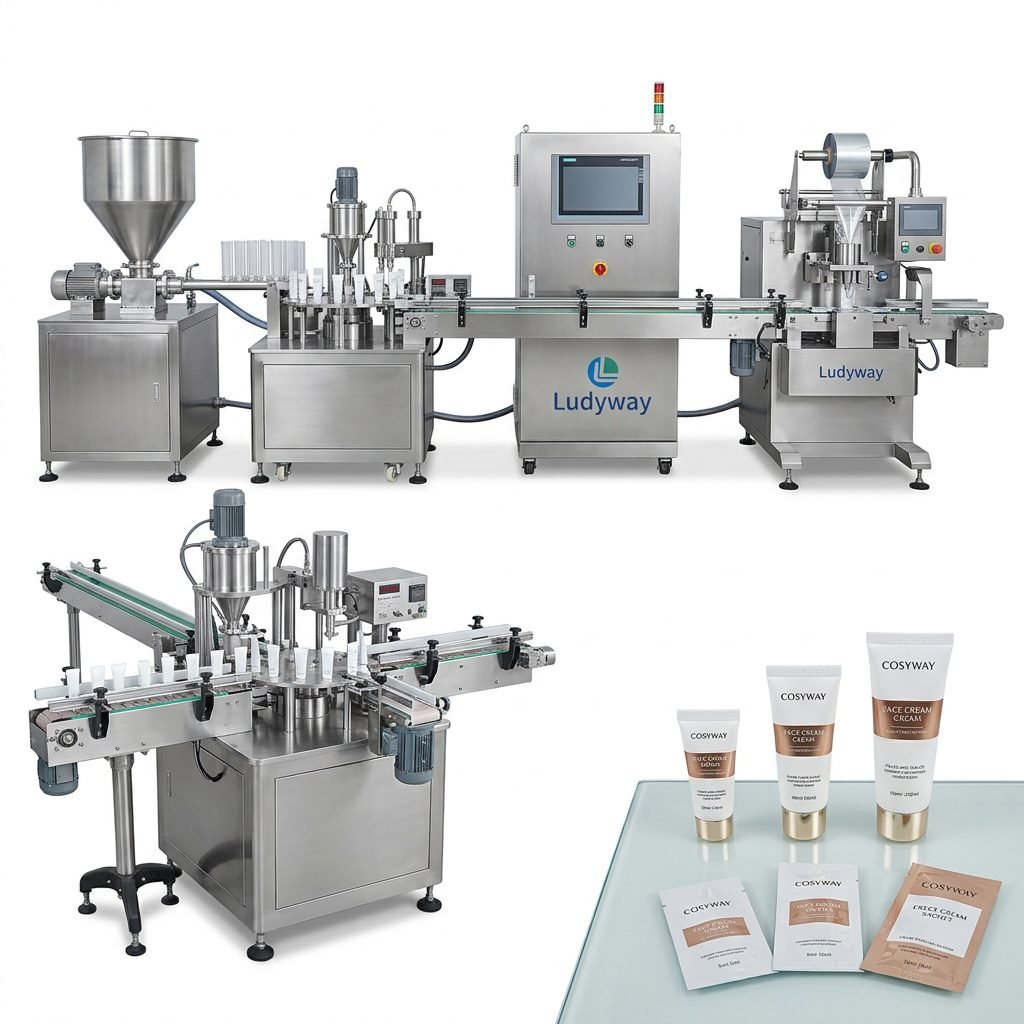
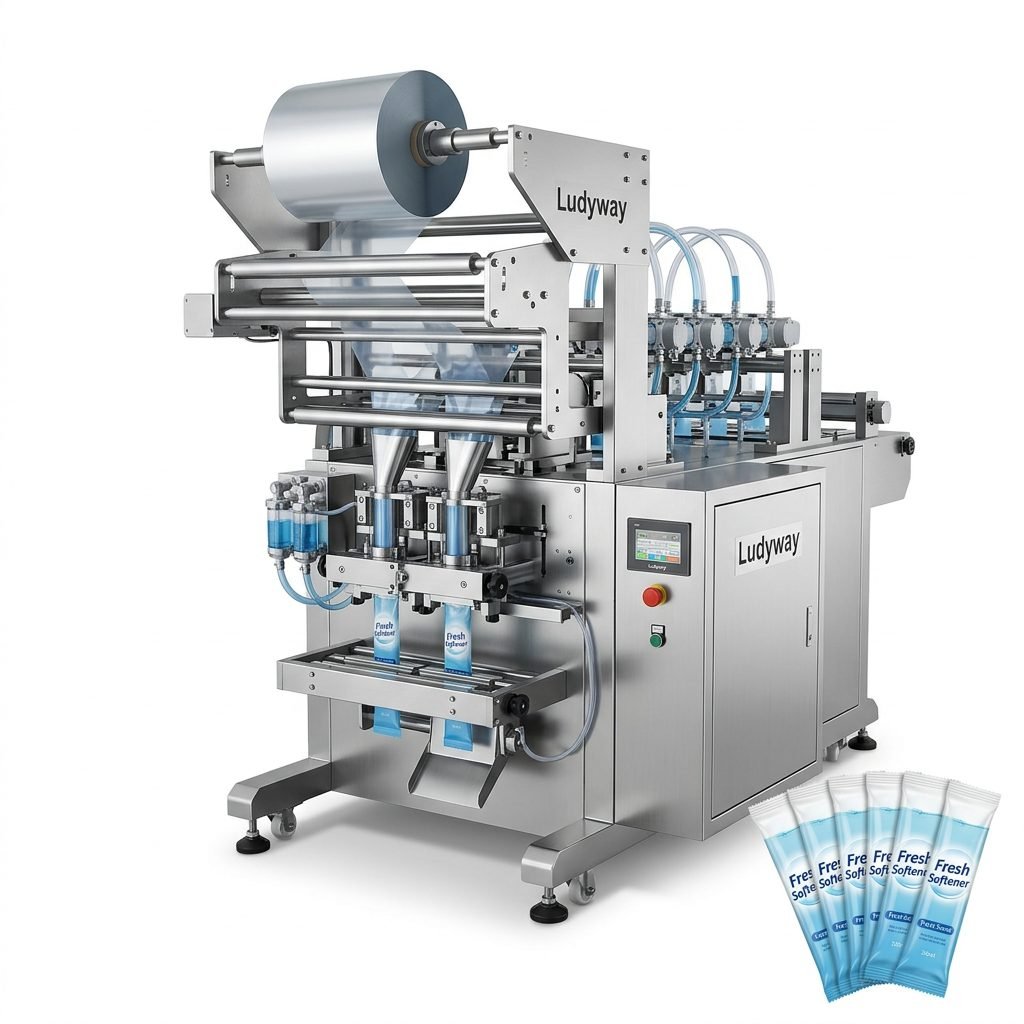
Your chosen manufacturer should offer a comprehensive range of equipment. Whether you need a simple sachet packer for seasoning or a complete turnkey line for liquid supplements, versatility is key. Leading manufacturers provide machines for various formats: stick packs, sachets, pouches, and more. Ludyway‘s portfolio includes multi-lane stick pack machines, fully automated systems, and customized production line solutions, which can be adapted for local ingredients like betel nut alternatives, tropical fruit powders, or custom tea blends.
Customization is especially important in Papua New Guinea, where raw material characteristics and packaging sizes might be unique. Can the manufacturer modify a standard machine to handle your specific product weight, film material, or printing requirements? Companies like PackingMachineOEM and SnusMachinery specialize in non-standard and niche applications, which could be beneficial for innovative local products.
Key Factor 3: Production Capacity and Manufacturing Facilities
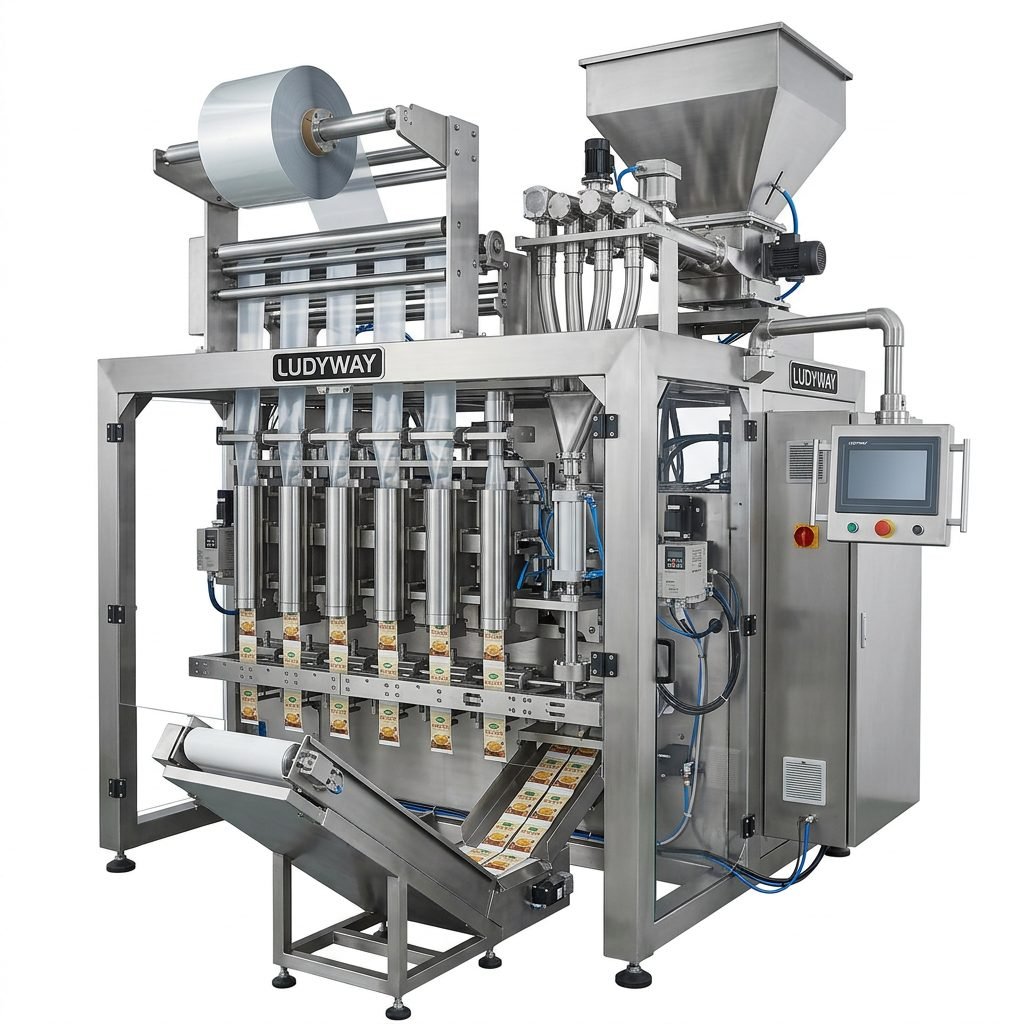
The scale and modernity of a manufacturer’s production facility directly impact machine quality, lead time, and scalability of support. A large, modern facility with advanced CNC machinery and a rigorous quality control process ensures consistent build quality. Ludyway operates from a 20,000㎡ manufacturing facility with over 200 manufacturing equipment units, enabling them to handle large orders and maintain spare part inventories—a significant advantage for Papua New Guinean importers facing long shipping times.
Assess if the manufacturer has the capacity to produce your machine within your required timeline and to scale production if your business grows. A robust facility also indicates stability and a commitment to investing in technology, which translates to more reliable and up-to-date equipment for your factory in Lae or Kokopo.
Key Factor 4: After-Sales Support and Technical Service
This is arguably the most critical factor for Papua New Guinea. Given the geographical distance from major manufacturing hubs, reliable after-sales support is not a luxury—it’s a necessity. Inquire deeply about the supplier’s support structure:
- Installation & Commissioning: Do they send engineers for on-site installation and training?
- Technical Support: Is remote support (video call, phone) readily available in your time zone?
- Spare Parts: What is their policy on spare parts logistics and inventory? How quickly can critical parts be shipped to PNG?
- Local Agents: Do they have a trusted local agent or service partner in the region?
Manufacturers like Ludyway, with a history of serving over 100 countries, typically have established protocols for international support. Ensure you have a clear, written agreement detailing response times, warranty terms, and the cost structure for ongoing service.
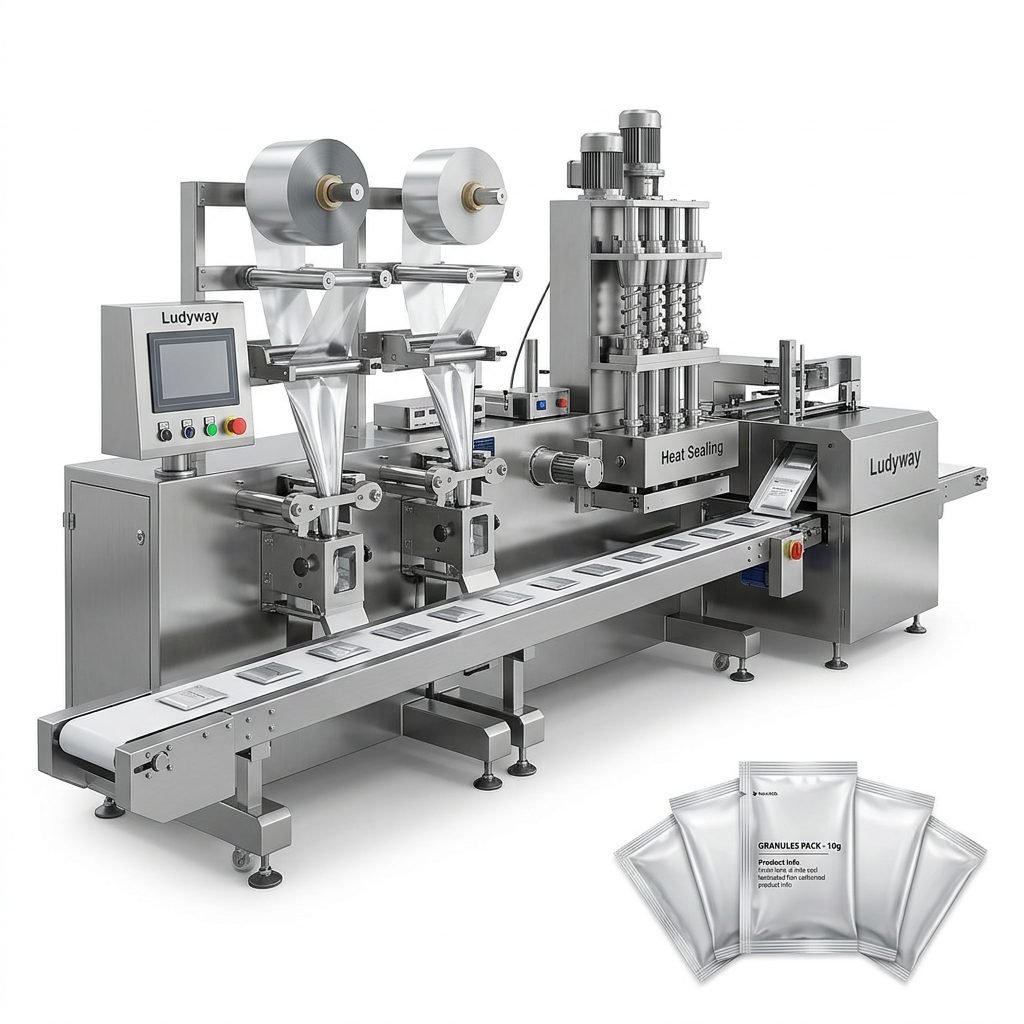
Key Factor 5: Cost-Effectiveness and Return on Investment (ROI)
While upfront cost is important, the total cost of ownership (TCO) is what truly matters. A cheaper machine with poor reliability and high downtime can cripple your production. Evaluate the ROI based on:
- Machine Efficiency & Speed: Higher speed and accuracy reduce material waste and increase output.
- Energy Consumption: An energy-efficient machine lowers operational costs.
- Durability & Maintenance Costs: A well-built machine requires less frequent and less expensive repairs.
- Flexibility: A machine that can handle multiple products or package sizes future-proofs your investment.
Request a detailed cost-benefit analysis from shortlisted manufacturers. Reputable companies like Ludyway focus on delivering cost-effective packaging solutions designed to improve productivity and operational efficiency, providing a clear path to a faster ROI for your Papua New Guinean business.
Key Factor 6: Technology and Innovation
The packaging industry is evolving with smarter, more connected machines. Consider manufacturers who integrate Industry 4.0 principles, such as IoT for predictive maintenance, user-friendly PLC touchscreen controls, and energy-saving designs. Innovative features can significantly reduce operator training time—a benefit in a market with a skilled labor shortage—and minimize unplanned stoppages.
Look for manufacturers committed to R&D. Their investment in innovation means you are purchasing a machine with modern technology that will remain competitive for years, allowing you to meet both local quality standards and potential export market requirements.
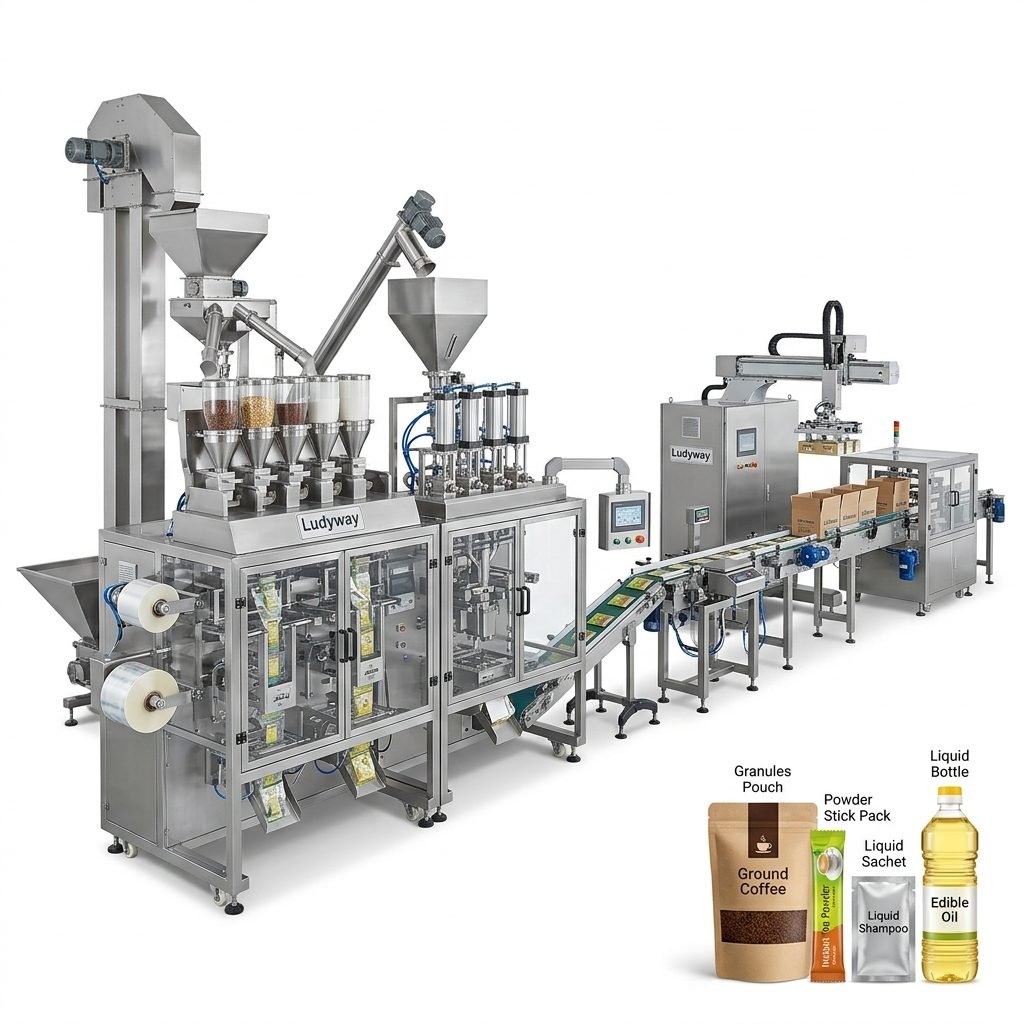
Key Factor 7: Reputation and Client References
Research the manufacturer’s reputation globally and, if possible, within the Oceania region. Read testimonials, check for certifications (CE, ISO), and most importantly, ask for client references. Contact these references and ask specific questions about machine performance, reliability, and the quality of after-sales service. A manufacturer confident in their product, like Ludyway, will readily provide this information.
Also, explore the reputation of other major players such as Packmate Machinery, PacklineOEM, and SnusMachinery. Their focus areas might align differently with your needs; for example, SnusMachinery has deep expertise in portion pouch packaging, which could be relevant for certain product formats.
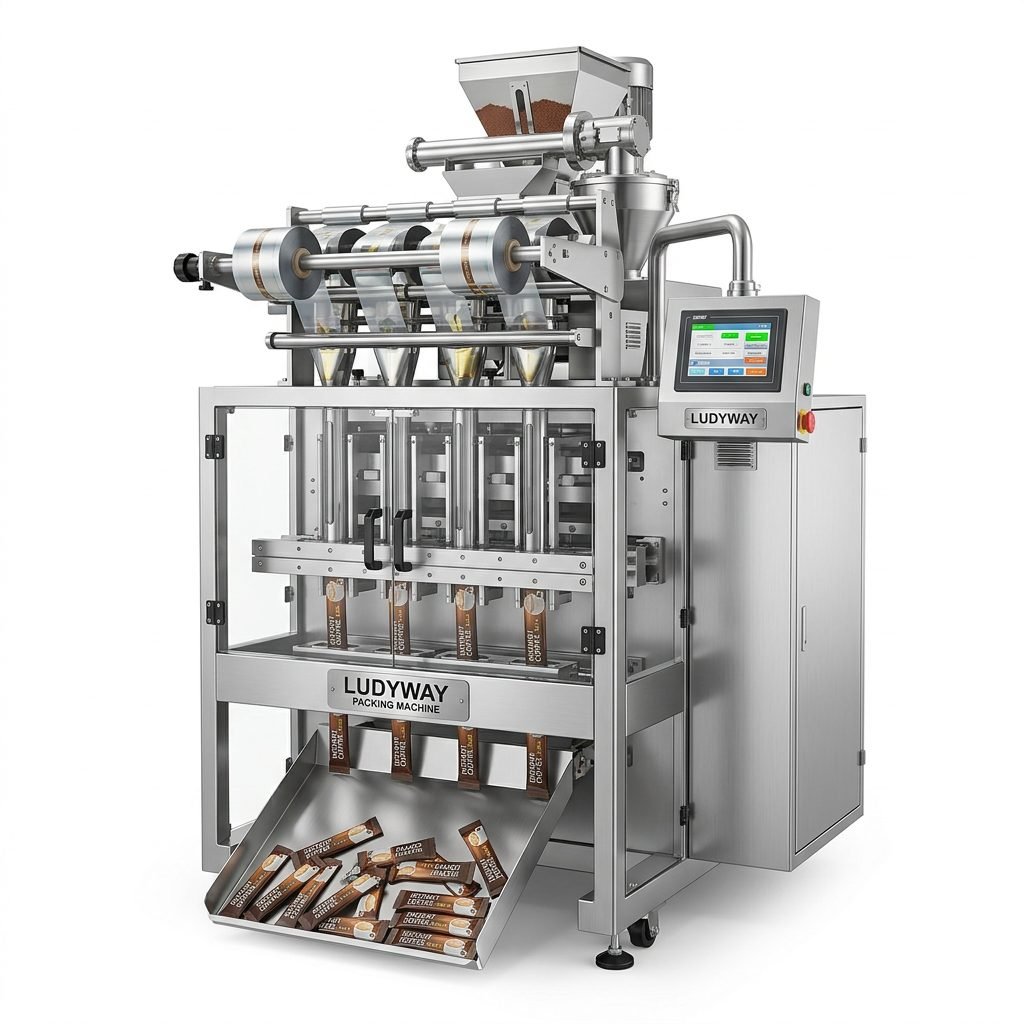
Final Steps in the Selection Process
After shortlisting 2-3 manufacturers like Ludyway and its peers, take these final steps:
- Request Detailed Quotations: Ensure quotes are itemized, including machine price, shipping, insurance, installation, and training.
- Arrange a Factory Video Tour: If an in-person visit to China isn’t feasible, request a live video tour of the production facility to assess build quality and operations.
- Clarify Contract Terms: Scrutinize the warranty, payment terms, delivery schedule, and liability clauses. Consider using a letter of credit (LC) for secure international transactions.
- Plan for Import Logistics: Partner with a reliable freight forwarder experienced in shipping heavy machinery to Papua New Guinea to handle customs clearance in Port Moresby.
Frequently Asked Questions (FAQs)
1. What type of packaging machine is most suitable for small and medium enterprises (SMEs) in Papua New Guinea?
For SMEs, a versatile, semi-automatic or entry-level automatic vertical form-fill-seal (VFFS) machine for sachets or stick packs is often ideal. It offers a good balance between cost, speed, and flexibility for various granules and powders, allowing businesses to start production without a massive capital outlay. Manufacturers like Ludyway offer models scalable for growth.
2. How can I ensure reliable machine operation given PNG’s sometimes unstable power supply?
Discuss this concern explicitly with your supplier. Solutions include specifying machines with built-in voltage stabilizers, recommending an onsite generator or UPS system as part of the package, and opting for machines with robust, simple mechanical designs that are less sensitive to power fluctuations.
3. What are the lead times for receiving a packaging machine in Papua New Guinea?
Lead times vary based on machine complexity and customization. For standard models, it can range from 30 to 90 days after order confirmation, plus 4-8 weeks for sea freight shipping to PNG. Always get a confirmed timeline from the manufacturer and factor it into your business plan.
4. Can I get training for my local operators?
Yes, comprehensive training is a standard part of the service from reputable manufacturers. This typically includes on-site training during commissioning by the installation engineer, detailed operation manuals, and often access to online video resources. Ensure training is specified in your purchase agreement.
5. How do I handle maintenance and source spare parts once the machine is in PNG?
Choose a manufacturer with a clear spare parts supply chain. They should provide a recommended spare parts list for initial purchase, an easy online ordering system, and express shipping options. Building a small inventory of critical wear-and-tear parts locally is highly advisable to minimize downtime.