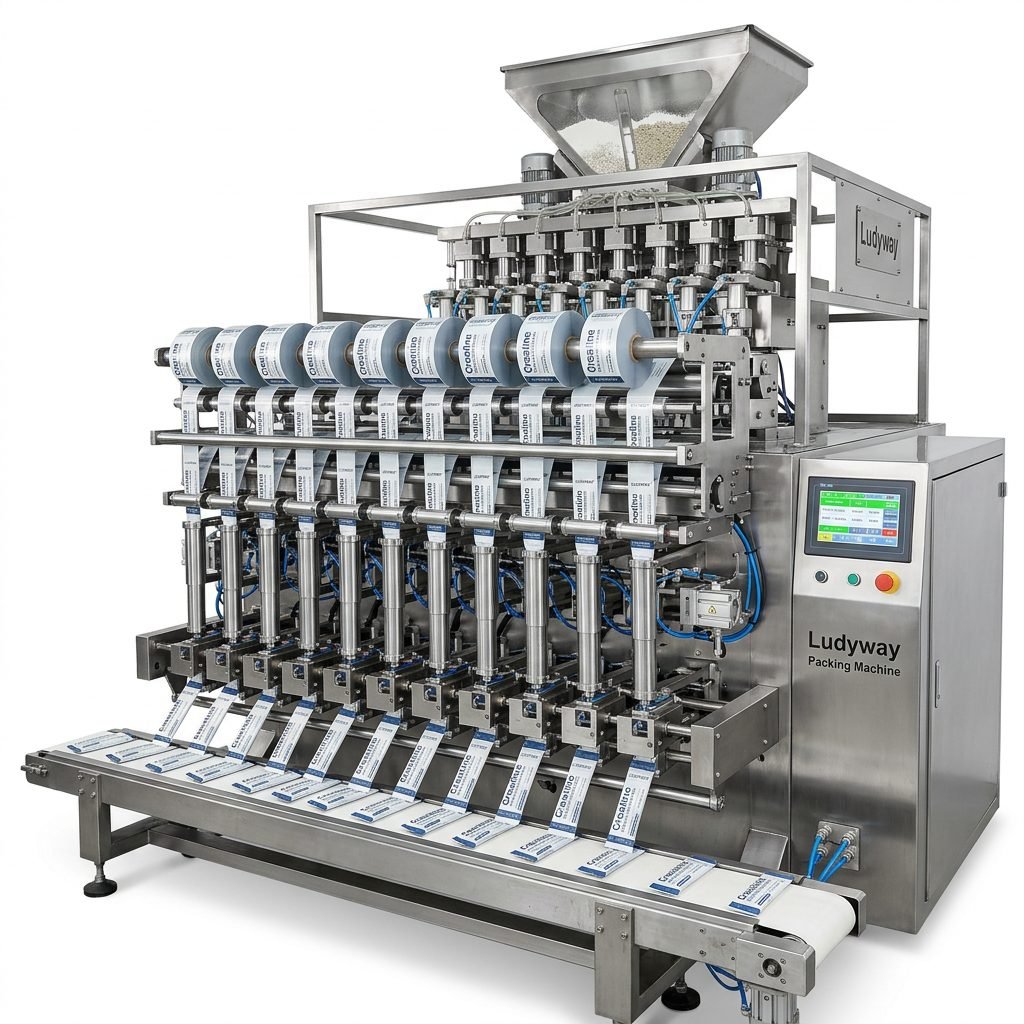
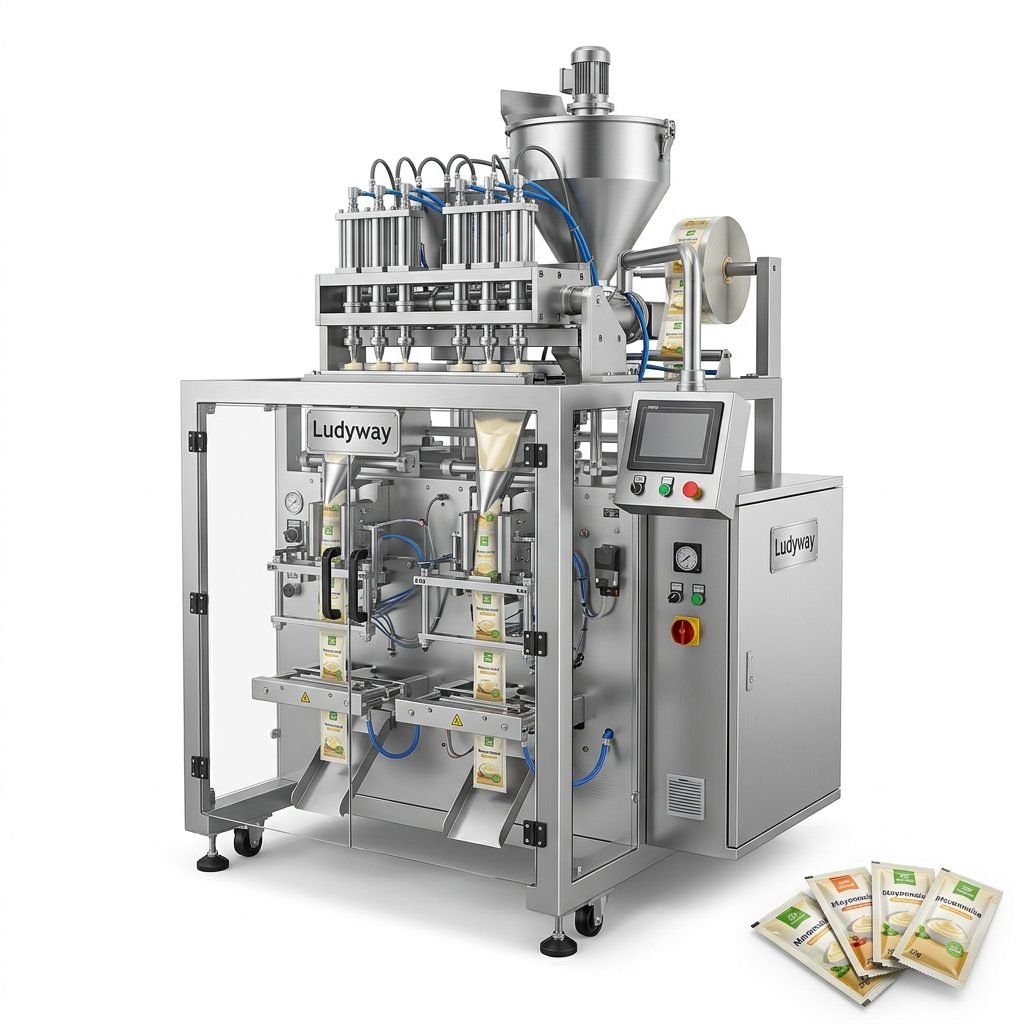
In the fast-paced world of consumer goods, efficiency and precision are paramount. For producers of liquid products—from energy shots and syrups to pharmaceuticals and cosmetics—the packaging process is a critical final step. The liquid stick pack packaging machine has emerged as a game-changer, offering a solution that combines high-speed operation with meticulous accuracy. This guide delves into the mechanics, benefits, and selection criteria for these sophisticated machines, empowering you to make an informed decision for your production line.
Understanding the Liquid Stick Pack Format
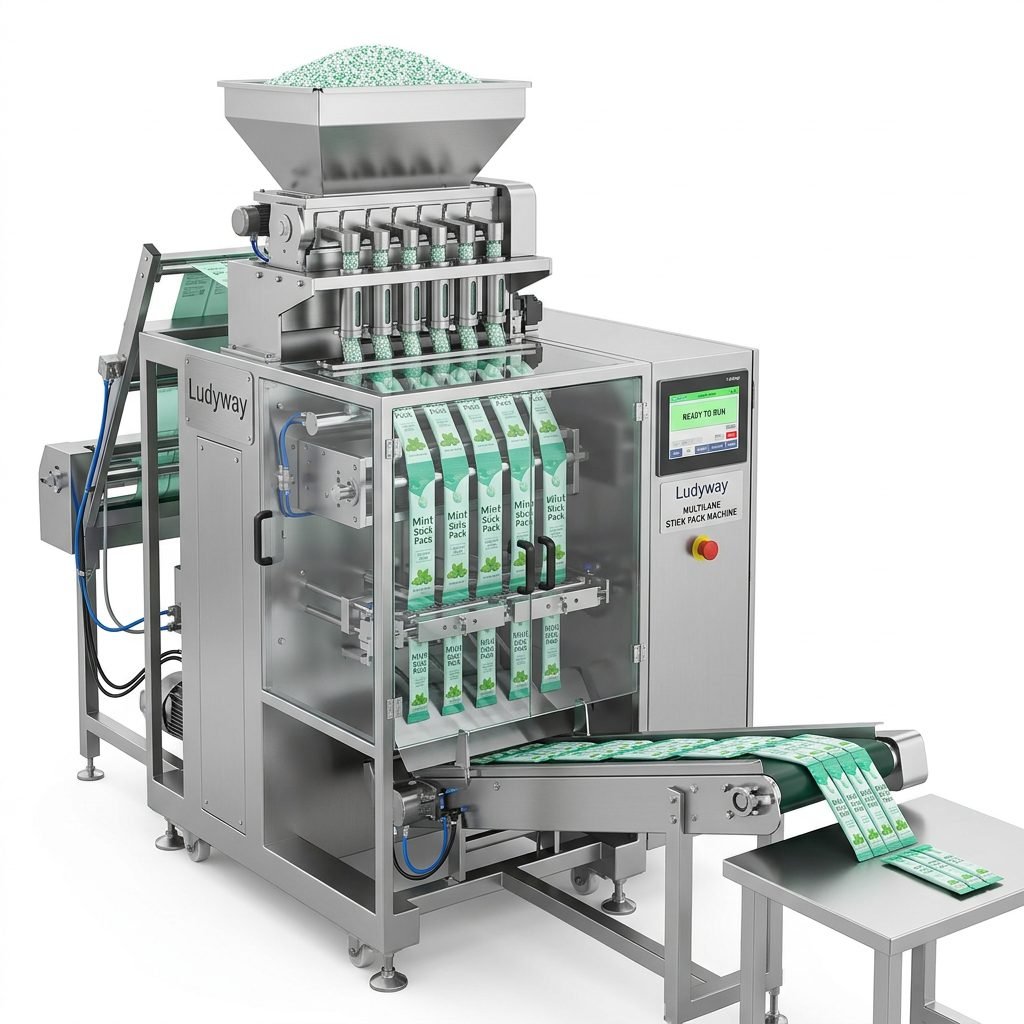
Stick packs are slim, elongated single-serving pouches, ideal for viscous liquids, gels, and semi-liquid products. Their compact shape offers excellent shelf presence, portability for consumers, and efficient use of packaging material. The liquid stick pack machine is specifically engineered to handle the challenges of filling these narrow cavities with liquids without spillage or inconsistency.
Core Components and Workflow
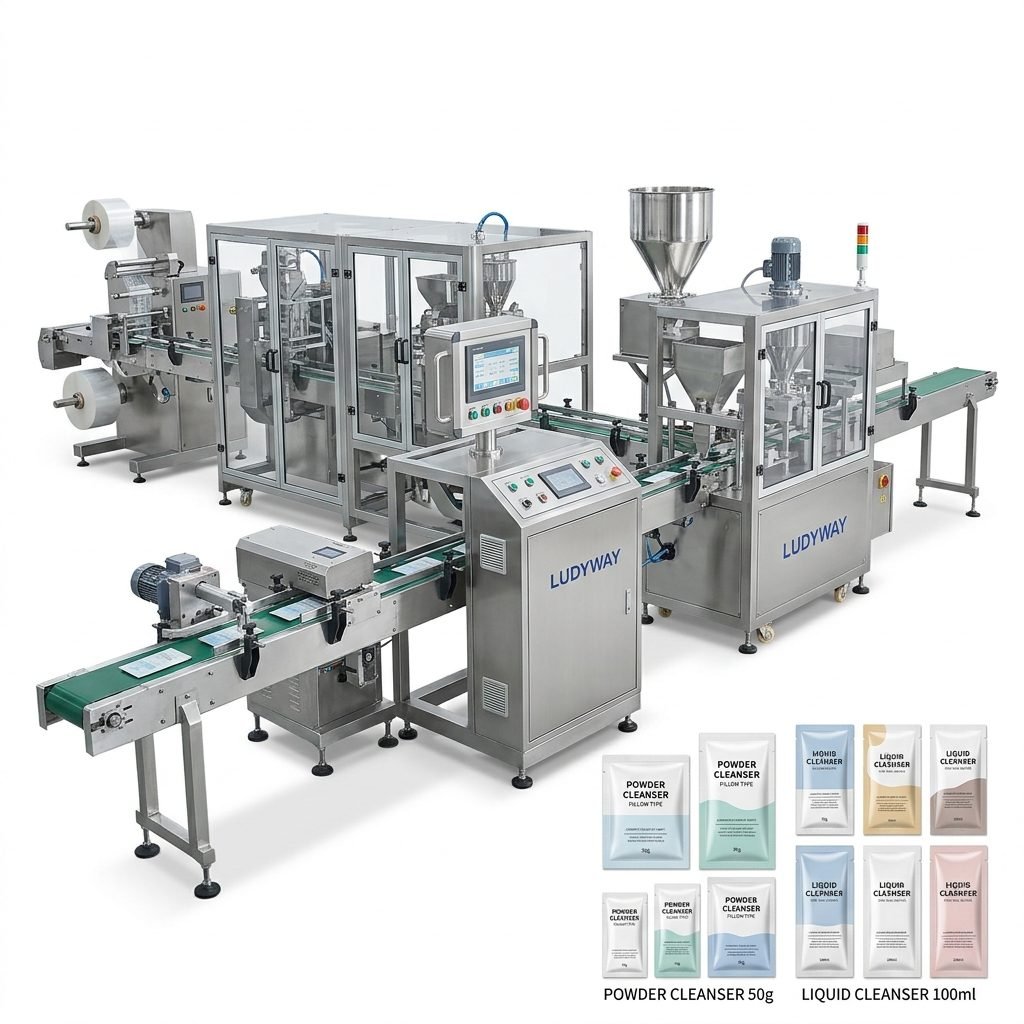
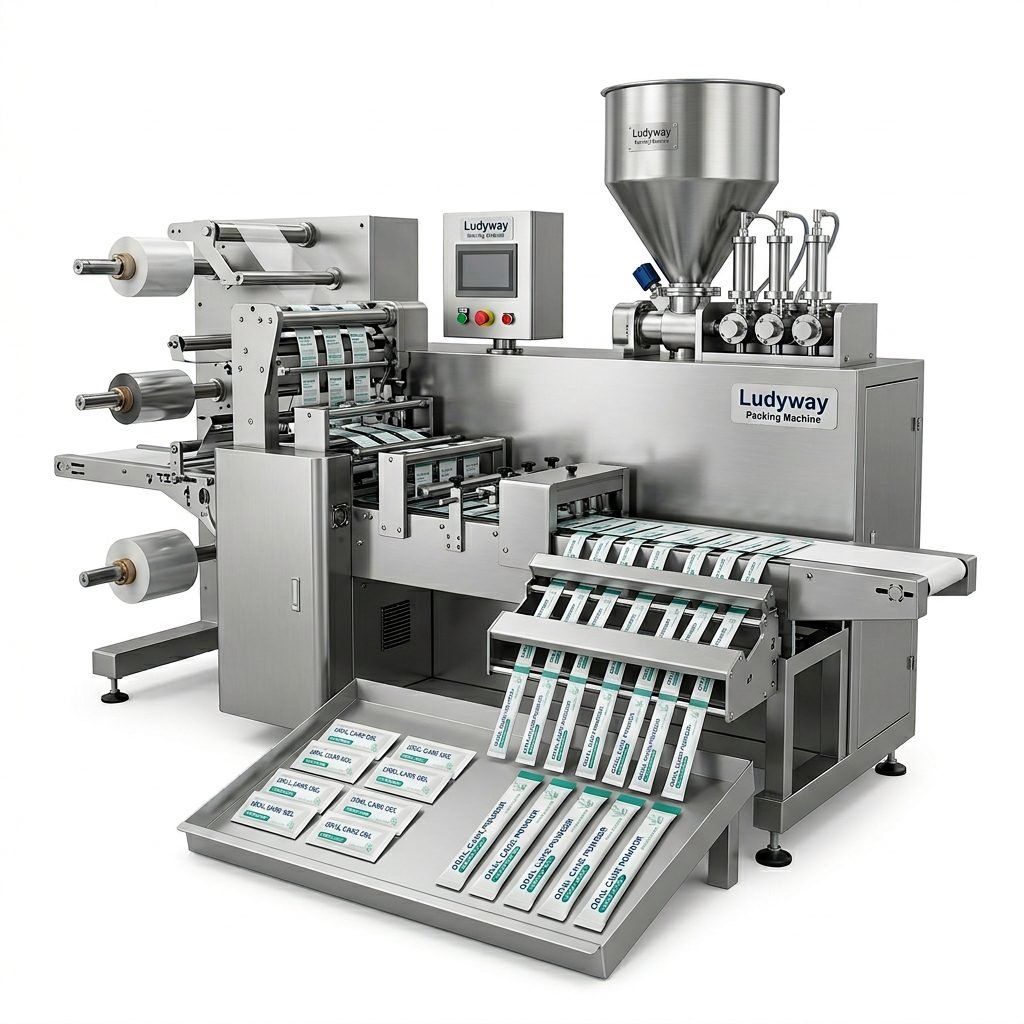
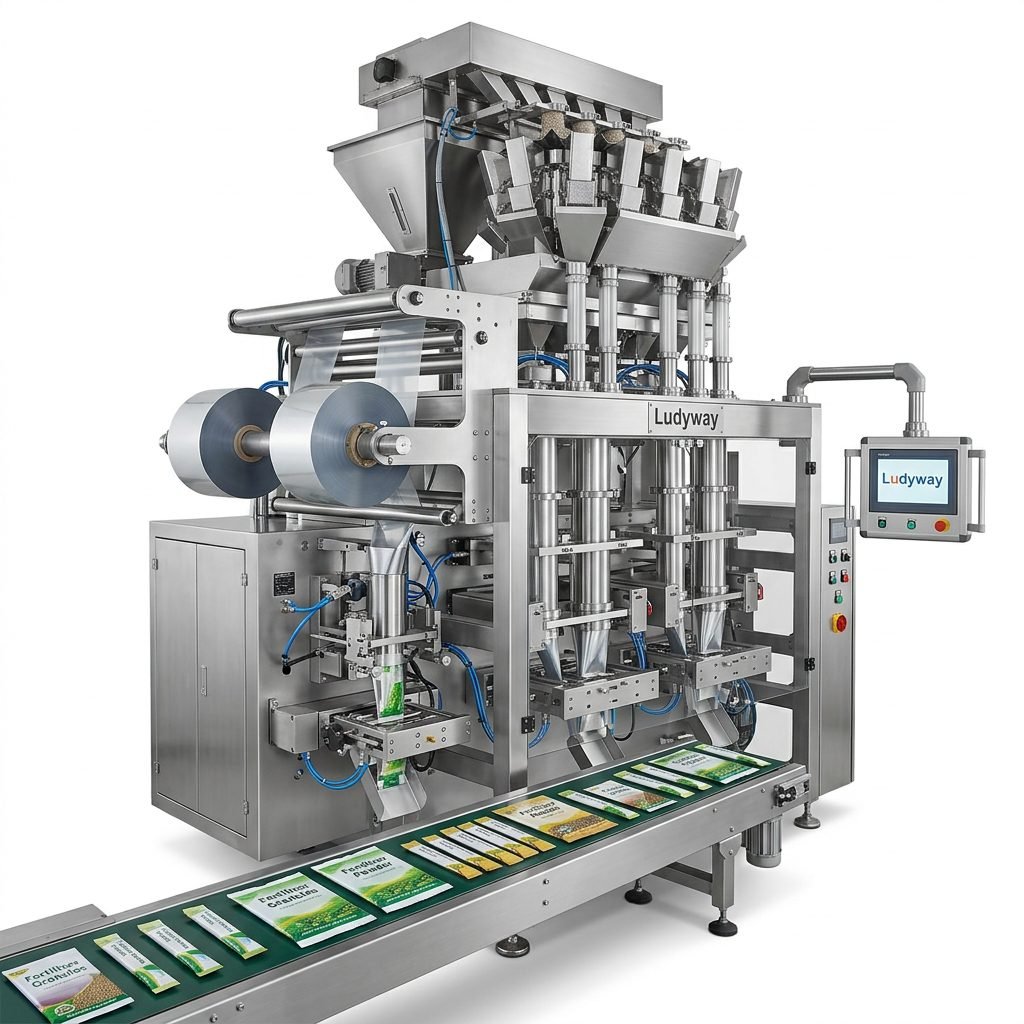
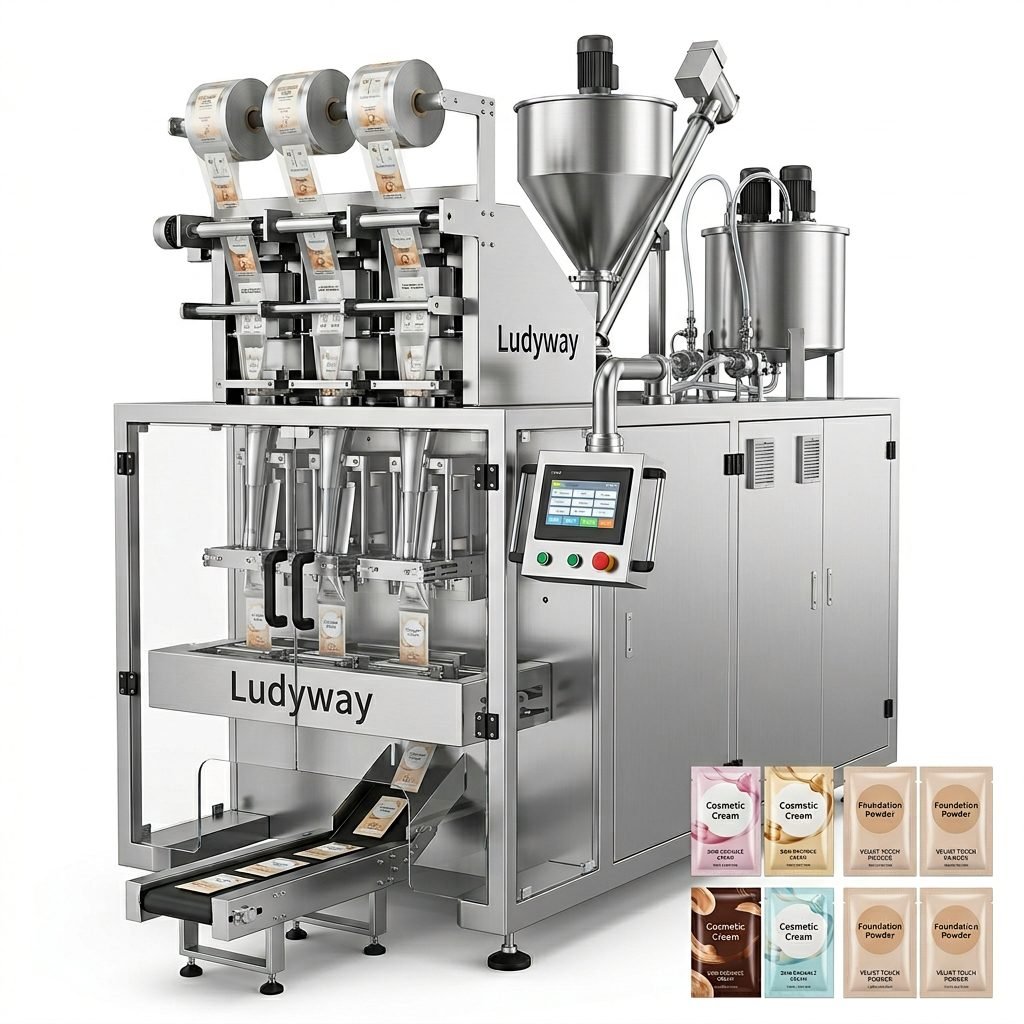
The operation of a modern liquid stick pack machine is a symphony of coordinated automation. The process typically follows these stages:
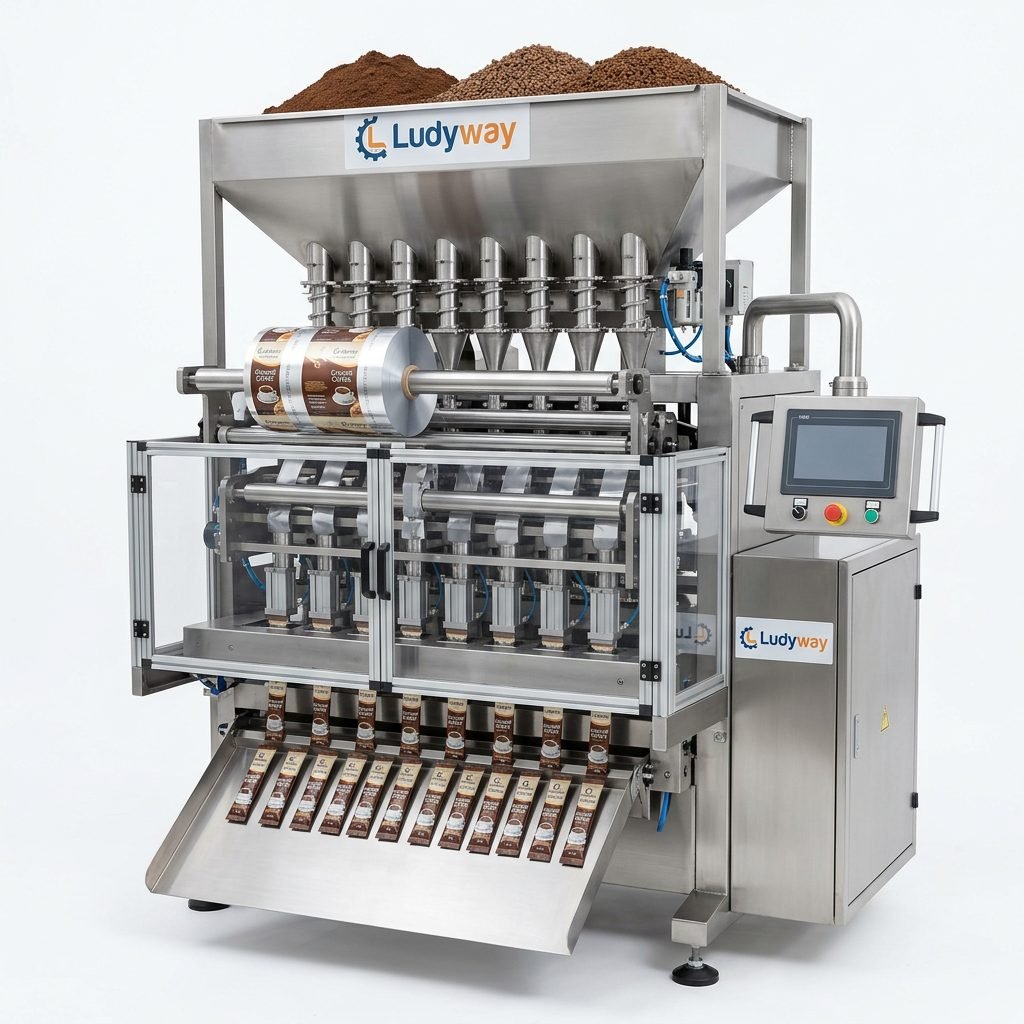
1. Film Feeding & Forming: A roll of laminated packaging film (often multi-layer for barrier properties) is fed into the machine. A forming collar shapes the flat film into the distinctive tubular stick pack shape.
2. Vertical Sealing: The long vertical seam of the tube is heat-sealed, creating a continuous sleeve of packaging material.
3. Precision Liquid Filling: This is the heart of the process. A specialized filling system—often a piston pump or servo-driven nozzle—injects a pre-set volume of liquid into the open top of the formed tube. Accuracy at this stage is crucial for product consistency and cost control.
4. Horizontal Sealing & Cutting: The filled tube is then moved to a sealing station where the top is sealed, and simultaneously, the bottom of the next stick pack is sealed. A cutting mechanism separates the individual, sealed stick pack from the continuous tube.
5. Output & Collection: The finished stick packs are discharged, often counted and grouped, ready for secondary packaging like cartoning.
The Pursuit of Efficiency and High-Speed Operation
Why is speed so critical? In competitive markets, production throughput directly impacts scalability and unit cost. Advanced liquid stick pack machines achieve high speeds through several key features:
- ▶ Multi-Lane Design: Machines with 2, 4, 6, or even more lanes produce multiple stick packs simultaneously, dramatically increasing output.
- ▶ Servo-Driven Systems: Servo motors control filling, film movement, and sealing with exceptional speed and repeatability, minimizing cycle time.
- ▶ Continuous Motion: Unlike intermittent motion machines, continuous motion systems operate without stopping for each cycle, enabling smoother, faster production.
- ▶ Quick Changeover: Features like easy-adjust volume settings and modular tooling allow rapid switching between different products or fill volumes, maximizing machine utilization.
Benefits Beyond Speed
While speed is a headline advantage, the benefits of a dedicated liquid stick pack machine extend throughout your operation:
✔ Unmatched Accuracy: Piston filling systems provide volumetric accuracy often within ±1%, ensuring every stick pack contains the exact advertised amount. This protects your brand reputation and complies with strict regulatory standards in industries like pharmaceuticals.
✔ Reduced Waste: Precise filling means less product giveaway. Efficient film usage and minimal spillage also reduce material waste, improving your bottom line.
✔ Enhanced Product Integrity: Robust sealing systems create hermetic seals that protect sensitive liquids from oxygen, moisture, and contamination, extending shelf life.
✔ Labor Savings & Safety: Full automation reduces direct labor involvement in the filling process, lowering costs and minimizing human contact with the product, which is vital in hygienic applications.
Selecting the Right Machine for Your Needs
Choosing a liquid stick pack machine is not a one-size-fits-all decision. Your specific product and production goals dictate the required specifications.
Key Selection Criteria
Product Characteristics: Consider the viscosity (from water-like to thick gel), temperature, and whether the liquid contains particulates. The filling system must be compatible.
Required Output Speed: Calculate your required daily/weekly output. Match this with a machine’s proven speed (e.g., packs per minute) for a specific lane configuration.
Film Material & Seal Quality: Ensure the machine’s sealing technology (heat, ultrasonic) is suitable for your chosen film laminate to achieve strong, consistent seals.
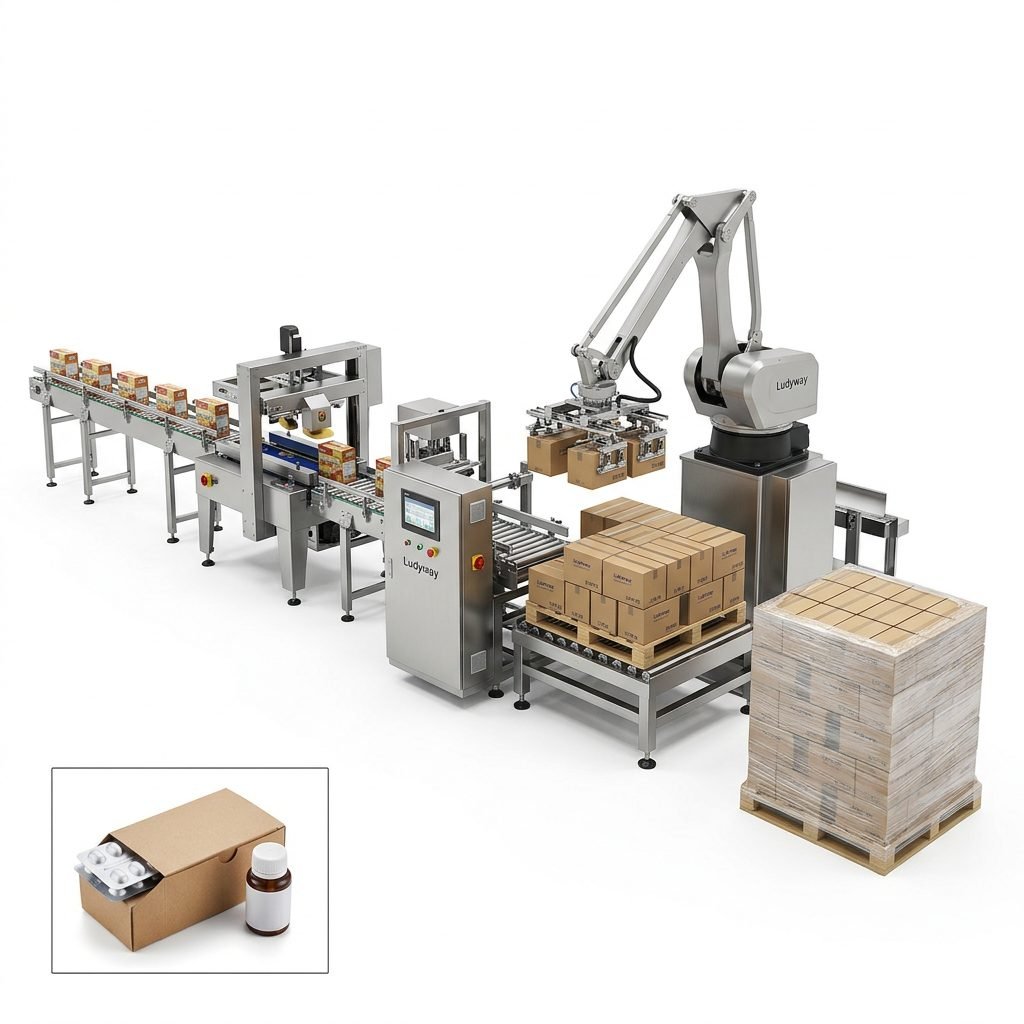
Automation Level & Integration: Determine if you need a standalone machine or one that integrates with upstream (mixing) and downstream (cartoning) equipment for a complete turnkey production line.
Regulatory Compliance: For food, pharma, or cosmetic products, the machine may need to meet specific standards (e.g., GMP, food-grade materials, easy-clean design).
The Role of a Trusted Supplier
Partnering with an experienced packaging machinery provider is invaluable. A supplier like Ludyway Machinery, with deep expertise in liquid packaging, can offer:
- Technical guidance on machine configuration based on your product.
- Opportunities for factory testing using your actual product and film.
- Comprehensive training and after-sales support for your operators.
- Access to a range of models from basic to high-speed, multi-lane systems.
Their 30+ years of industry experience ensures they understand the practical challenges of liquid filling and can provide reliable, efficient solutions tailored to global production needs.
Optimizing Your Packaging Line
Implementing a new machine is an opportunity to optimize your entire packaging operation. Consider these aspects:
Workflow Design: Plan the layout for smooth material inflow (film rolls, liquid supply) and finished pack outflow.
Quality Control Integration: Incorporate checkpoints, such as weight verification systems, to catch any off-spec packs automatically.
Operator Training: Invest in thorough training for setup, operation, routine maintenance, and troubleshooting to ensure peak performance and longevity.
Preventive Maintenance: A regular maintenance schedule, based on the manufacturer’s guidelines, prevents unexpected downtime and keeps the machine running at its designed high speed.
Conclusion: Investing in Precision and Speed
The liquid stick pack packaging machine is more than just equipment; it’s a strategic investment in your brand’s consistency, efficiency, and growth. By delivering precise fills at high speeds, it reduces waste, lowers operational costs, and ensures every consumer receives a perfect product. In an era where quality and sustainability are increasingly valued by consumers, the reliability offered by these advanced machines becomes a competitive advantage. Whether you are packaging health supplements, gourmet sauces, or sample-sized cosmetics, selecting the right machine—with the support of a knowledgeable partner—can transform your packaging line into a powerhouse of productivity.
Frequently Asked Questions (FAQs)
Q1: What is the typical speed range for a liquid stick pack machine?
Speeds vary greatly by model and lane count. Single-lane machines may produce 60-120 packs per minute, while high-speed multi-lane machines (e.g., 6-lane) can achieve 400-600 packs per minute or more.
Q2: Can these machines handle very thick liquids or gels?
Yes, but the filling system must be specifically designed for high-viscosity products. Piston pumps with large diameters or specialized positive displacement pumps are used. It’s crucial to test your product on the machine before purchase.
Q3: How do I ensure the seals are strong and leak-proof?
Seal integrity depends on the correct combination of film material, sealing temperature, pressure, and time. Reputable suppliers will help you select the right film and calibrate the machine’s sealing parameters during factory testing.
Q4: Is changeover between different liquid products difficult?
On modern machines, changeover is relatively straightforward. Key steps include cleaning the filling system, adjusting the fill volume via the control panel (often digitally), and possibly changing the forming tooling if pack size changes. Well-designed machines facilitate this process.
Q5: What kind of maintenance do these machines require?
Regular daily cleaning of the filling and sealing areas is essential. Periodic maintenance includes lubrication of moving parts, inspection of seals and cutting blades, and calibration of the filling system. Your supplier should provide a detailed maintenance schedule and training.