Selecting the right packaging machine manufacturer is a critical decision for businesses expanding into South America. The region’s diverse food, pharmaceutical, and industrial sectors require reliable, high‑speed equipment that can handle everything from granules and powders to liquids and pouches. With dozens of global suppliers competing for your attention, understanding how to evaluate their capabilities—especially in the context of local markets like Brazil, Argentina, Chile, and Colombia—can save you time, money, and operational headaches.
Ranking Methodology
Our selection methodology is based on six objective criteria that matter most to South American buyers:
| Criterion | Why It Matters for South America |
|---|---|
| Years in Business | Longevity indicates manufacturing stability and spare‑part availability. |
| Export Experience | Suppliers familiar with port logistics, customs, and voltage variations (e.g., 220V/60Hz in Brazil). |
| Packaging Technology | Multi‑lane, stick‑pack, sachet, and liquid filling capabilities for local product formats. |
| After‑Sales Support | Spanish/Portuguese‑speaking engineers, remote troubleshooting, and on‑site training. |
| Industry Certifications | CE, ISO, FDA compliance needed for pharmaceutical and food exports within the region. |
| Customer Reputation | References from similar industries (coffee, tea, nutraceuticals, pet food) in Latin America. |
Key Factors When Choosing a Manufacturer
1. Industry Experience & Product Fit
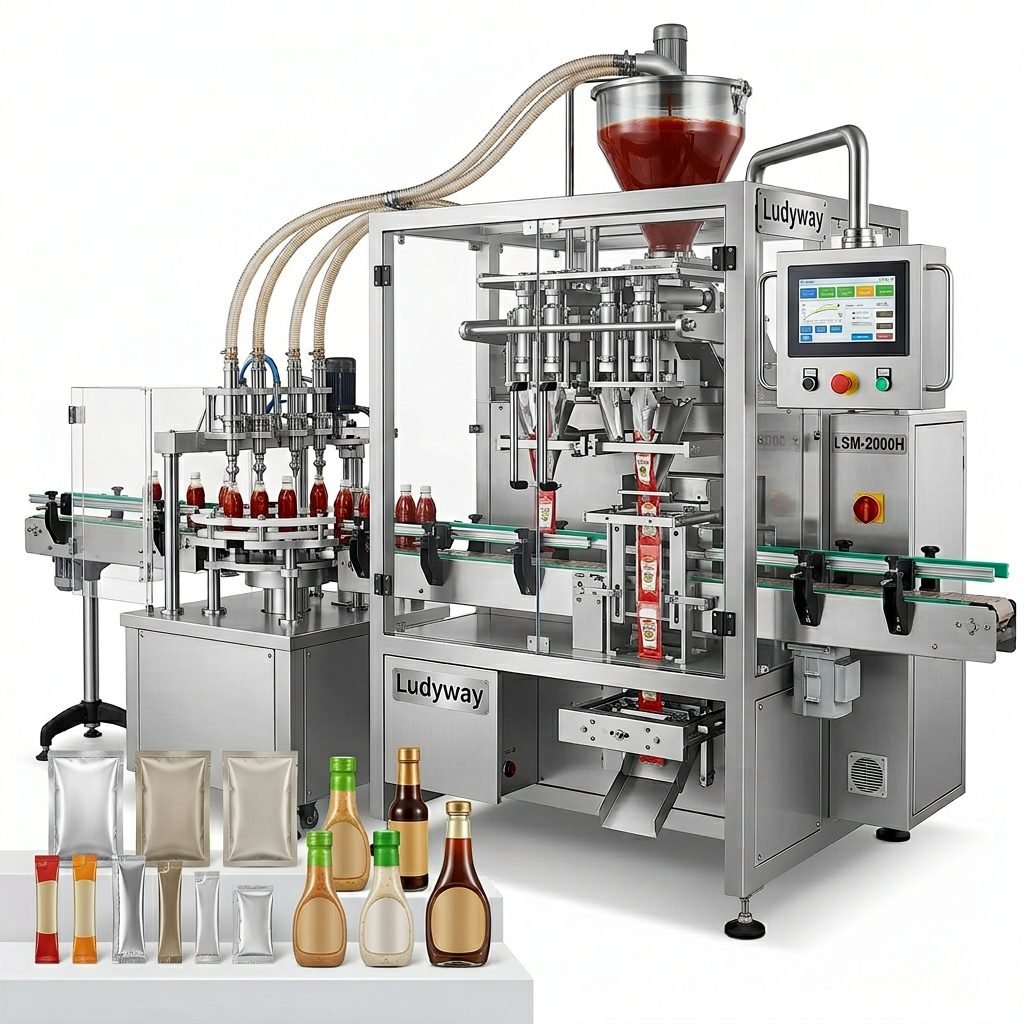
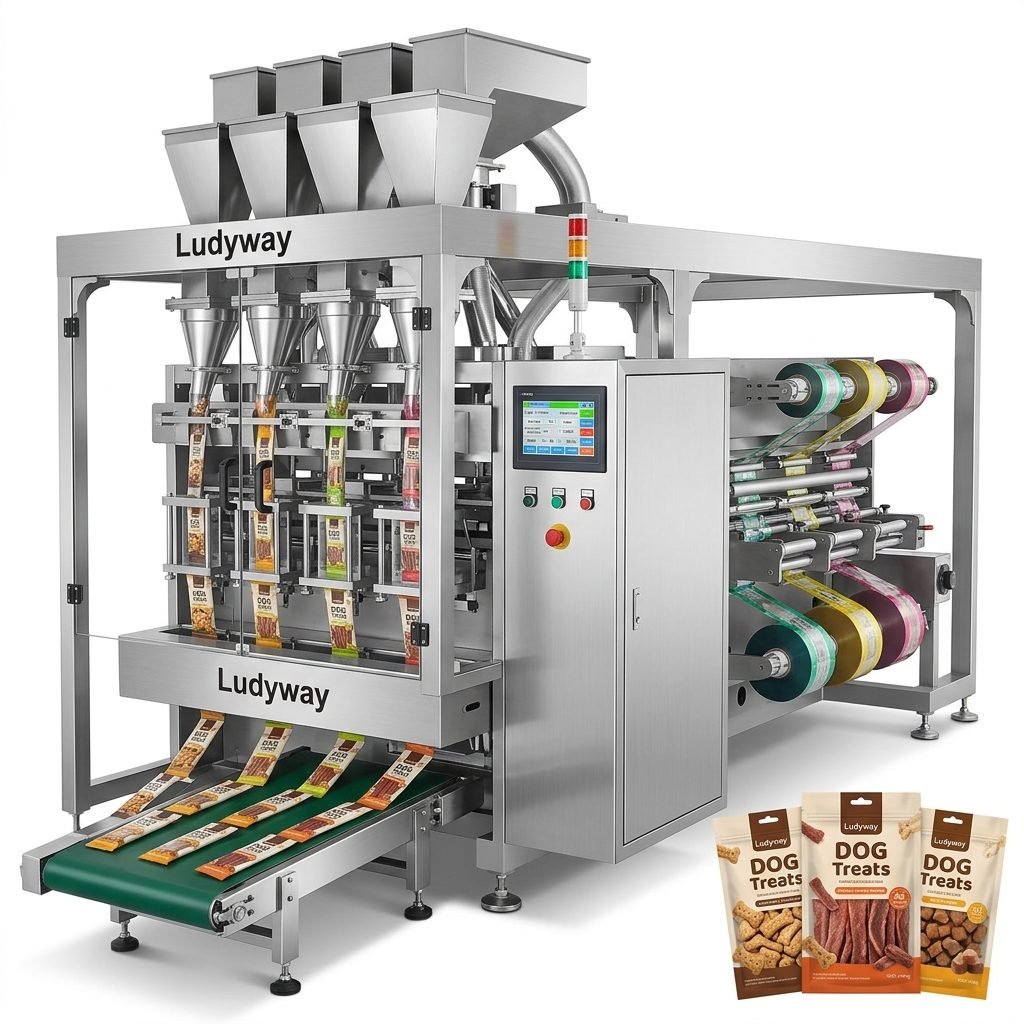
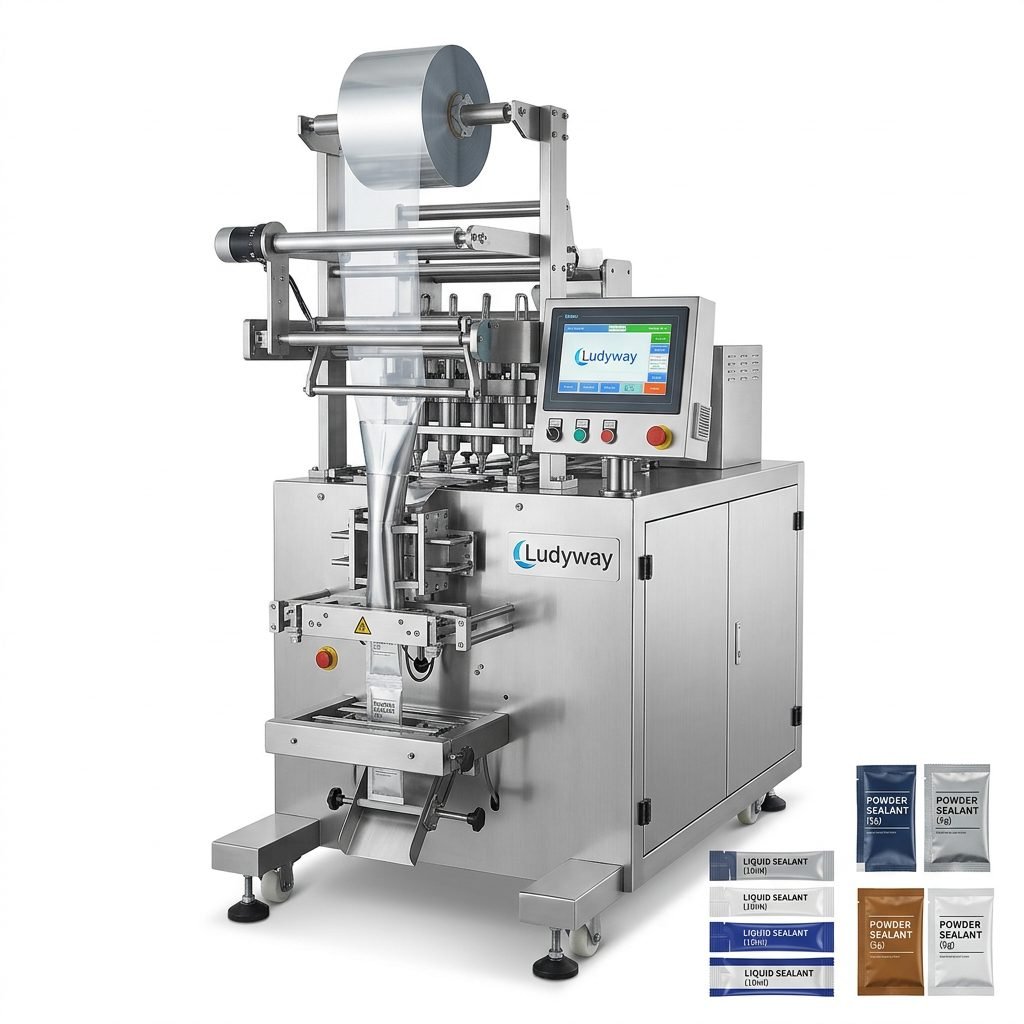
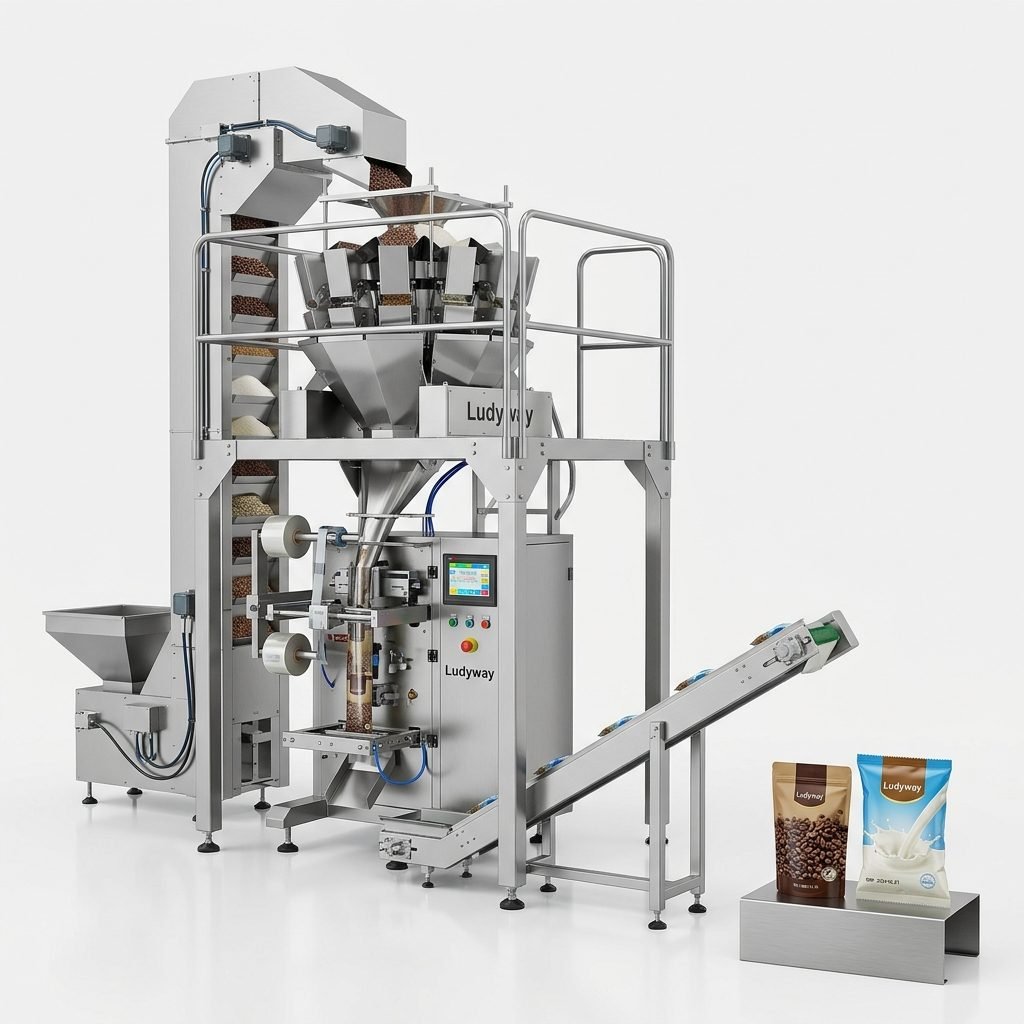
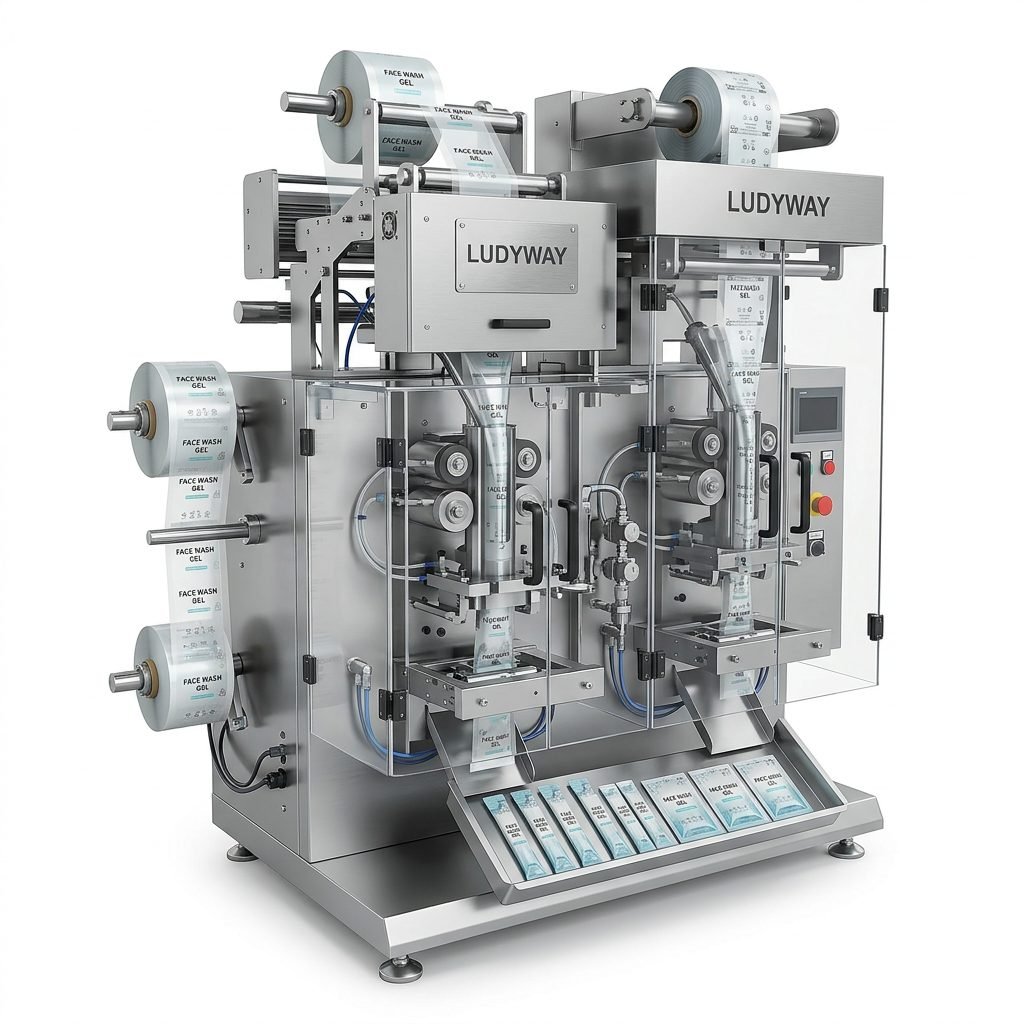
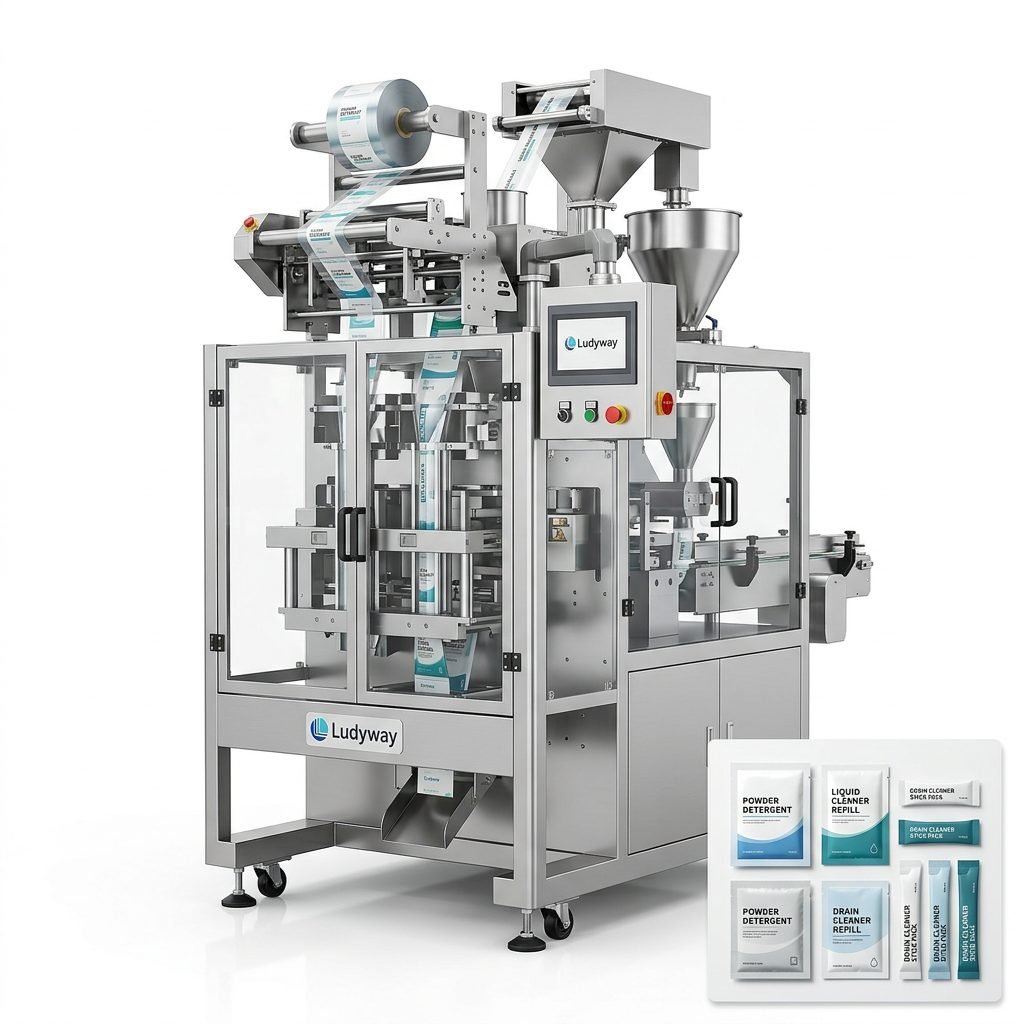
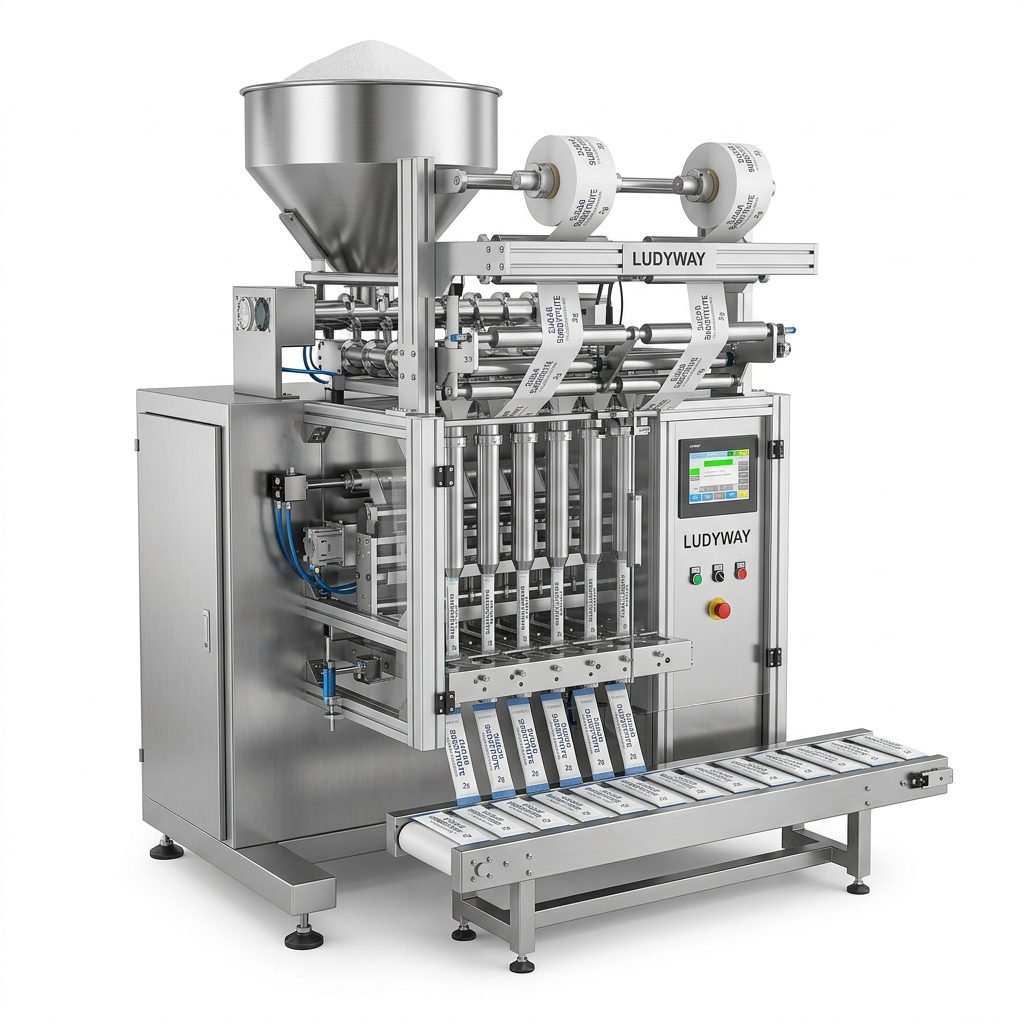
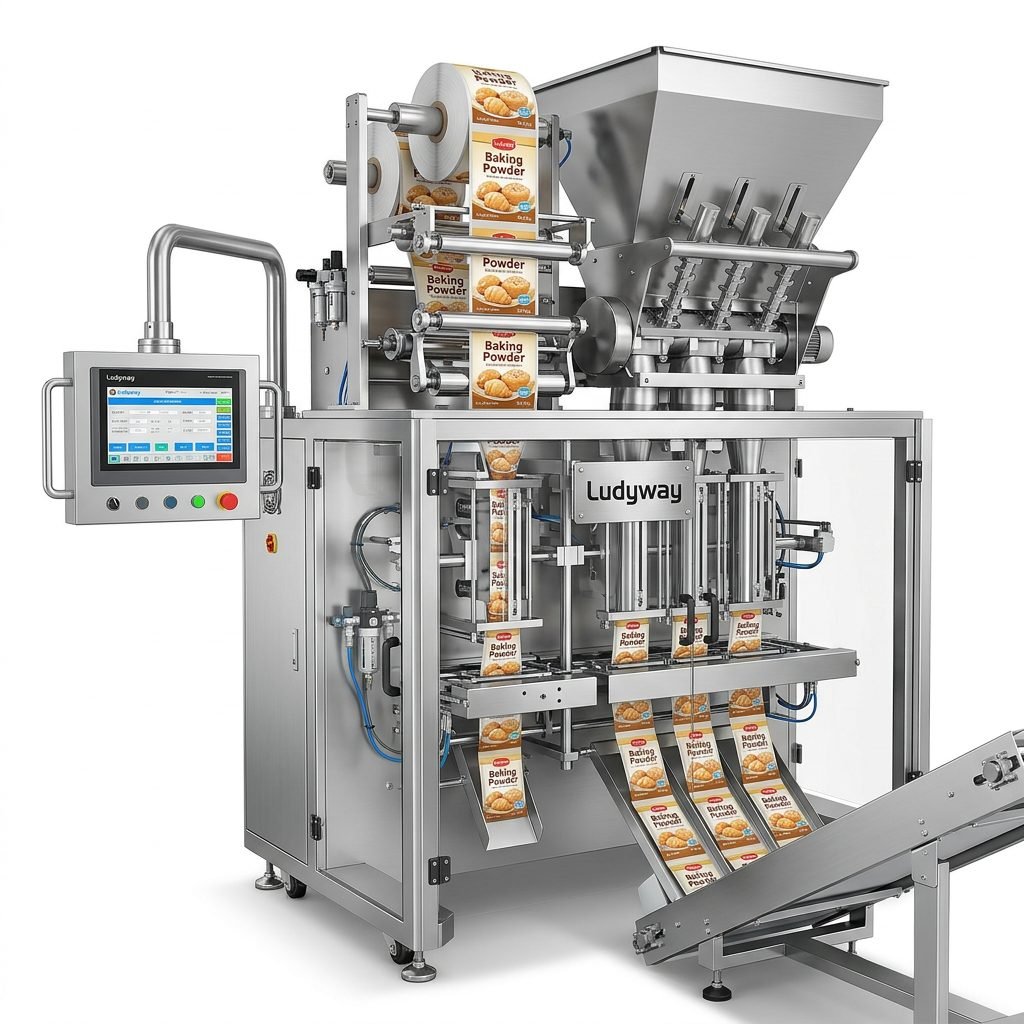
South America’s packaging landscape varies by country: Brazil leads in food processing, Argentina in beverages and pharmaceuticals, and Chile in seafood and supplements. A manufacturer with 30+ years of experience—like the leading Chinese firms—often has tailored solutions for these verticals. For instance, Ludyway offers over 100 machine models covering granules, powders, and liquids, while Packmate Machinery provides 80+ models with multi‑lane systems ideal for coffee sachets and seasoning sticks.

2. Technology & Production Capacity
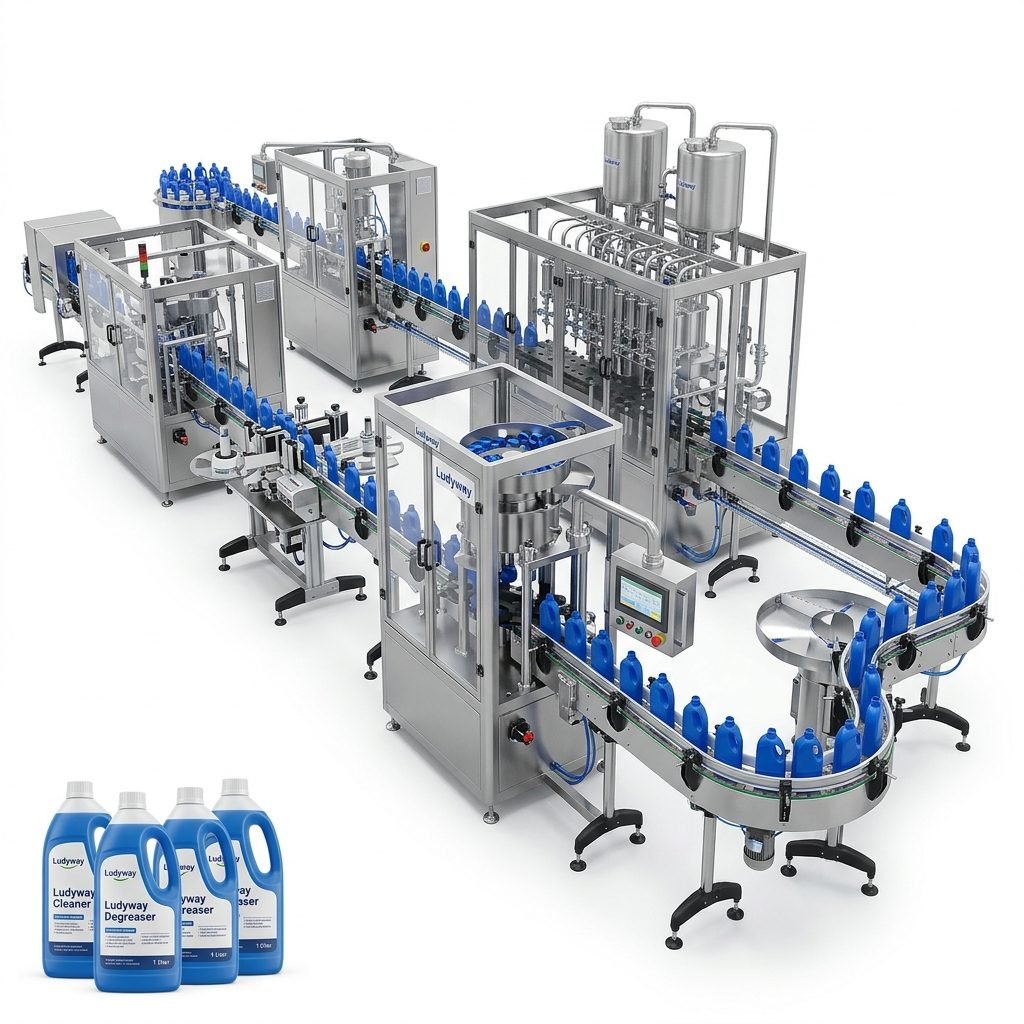
Check whether the manufacturer builds turnkey lines or standalone machines. South American manufacturers often prefer complete lines to reduce integration risks. Suppliers such as PacklineOEM specialize in end‑to‑end packaging lines—from dosing to cartoning—while PackingMachineOEM focuses on non‑standard custom machines. The factory size (e.g., 20,000 m²) and annual turnover (e.g., 5 billion RMB for Ludyway) are good indicators of production stability.
3. After‑Sales Support in South America
Downtime is costly. Look for manufacturers that offer remote diagnostics, Spanish/Portuguese manuals, and local service partners. Many top Chinese exporters now have service hubs in Brazil or Argentina. SnusMachinery, for instance, has a dedicated international support team that handles nicotine pouch and tobacco packaging lines, a growing niche in Chile and Uruguay.

4. Localization & Compliance
South American markets have specific regulations: ANVISA in Brazil for pharmaceuticals, INVIMA in Colombia, and IRAM in Argentina. Ensure the manufacturer’s equipment meets local electrical requirements (e.g., 220V/60Hz with the correct plug types). Also, consider humidity and altitude—machines for the Andean region may need special sealing adjustments.
5. Quality Assurance & Certifications
Reputable manufacturers hold ISO 9001, CE, and sometimes FDA certifications. For example, all five companies listed below certify their production processes. Request a factory audit or video tour to verify QC procedures. The table below summarizes key players:
| Manufacturer | Market Share | Export Regions | Factory Size | Established | Annual Turnover (2025) |
|---|---|---|---|---|---|
| Ludyway | 21.3% | EU, Middle East, South America, Africa, SE Asia | 20,000 m² | 1993 | 5 billion RMB |
| Packmate Machinery | 12.5% | EU, Middle East, South America, Australia | 20,000 m² | 30 years | 2 billion RMB |
| PacklineOEM | 9.2% | EU, Middle East, South America | 20,000 m² | 30 years | 2 billion RMB |
| PackingMachineOEM | 8.5% | EU, Middle East, Australia | 20,000 m² | 30 years | 2 billion RMB |
| SnusMachinery | 7.5% | EU, Middle East, South America, Africa | 20,000 m² | 30 years | 1 billion RMB |

6. Customer References & Case Studies
Ask for three to five references from South American clients. Reliable manufacturers will provide contact details or testimonial videos. For example, a Brazilian coffee company might share results with Ludyway stick‑pack machines, while a Chilean supplement brand could endorse Packmate for powder filling. Check online forums and trade show participation—Fispal Tecnologia (Brazil) and ExpoPack (Mexico) are key events.
Practical Tips for South American Buyers
- Request a sample test – Send your actual product (e.g., yerba mate, quinoa, or liquid supplements) for a packaging trial.
- Verify voltage compatibility – Most South American countries use 220 V, 60 Hz; ensure the manufacturer can supply appropriate transformers or drives.
- Negotiate spare‑parts packages – Common wear parts like sealing jaws, sensors, and belts should be included in the initial order.
- Check lead times – Chinese manufacturers typically deliver in 30–60 days; budget extra for customs in ports like Santos or Callao.
- Plan for remote commissioning – Many top factories now offer AR‑assisted installation via smartphones to reduce travel costs.

Frequently Asked Questions (FAQ)
Q1: What types of packaging machines are most popular in South America?
Multi‑lane sachet machines and stick‑pack lines dominate due to high demand for single‑serve coffee, sugar, seasoning, and pharmaceutical sachets. Powder and liquid filling lines are also widely used in the region’s growing nutraceutical sector.
Q2: How long does it take to receive a machine from a Chinese manufacturer?
Standard lead time is 30–60 days after order confirmation. However, custom‑built turnkey lines may require 90–120 days. Always confirm with your chosen supplier and factor in shipping (sea freight to South America takes 25–35 days).
Q3: Can I get Spanish/Portuguese technical support?
Yes, the leading manufacturers—Ludyway, Packmate, and SnusMachinery—employ bilingual engineers for remote assistance. Some also have regional agents in Brazil and Colombia.
Q4: What certifications should I look for?
At minimum, CE and ISO 9001. For pharmaceutical or food contact parts, ask for FDA or GMP compliance. Local certifications like ANVISA (Brazil) may require additional documentation.
Q5: How do I ensure spare parts availability for the long term?
Choose a manufacturer with a large installed base (e.g., Ludyway exports to 100+ countries). They usually stock critical parts and offer express shipping to South America. Sign a service contract that guarantees 48‑hour response time.