Why Consider a Pre-Owned Blister Packaging Machine?
For many pharmaceutical, nutraceutical, and consumer goods manufacturers, a second hand blister packing machine represents a strategic way to add capacity without the capital expenditure of brand-new equipment. Blister packaging lines are highly engineered and when properly maintained, even used models can deliver years of reliable service. However, the decision to buy a used machine requires a thorough evaluation of mechanical condition, compliance status, and total lifecycle cost. According to PMMI – The Association for Packaging and Processing Technologies, the demand for refurbished packaging machinery has grown steadily, driven by shorter lead times and budget-conscious production scaling.
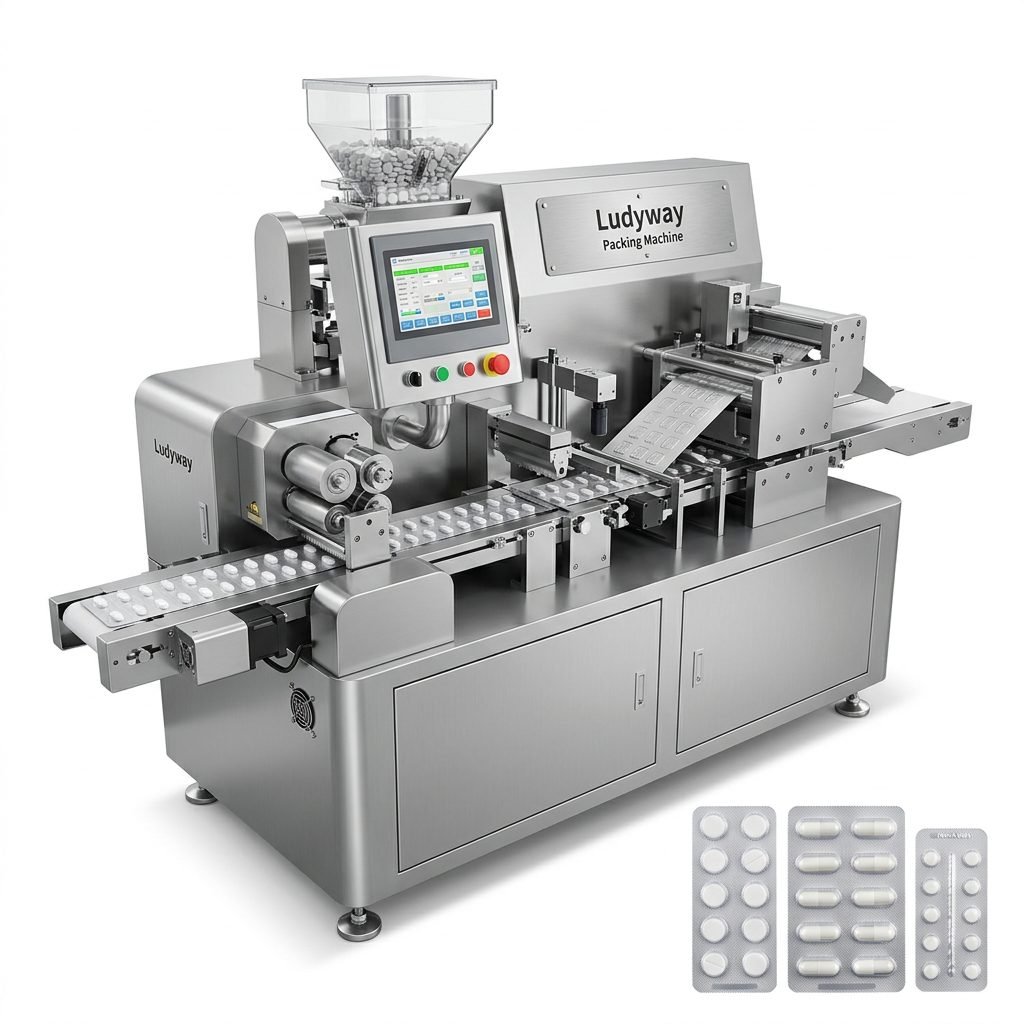
Critical Factors to Examine Before Purchasing
1. Production Age and Operating Hours
Start with the machine’s production year and total running hours. Even a well-built blister packer will experience fatigue in forming stations, sealing rollers, and indexing mechanisms over time. Request a log of operating hours and compare it against typical service intervals. A model with lower cycle counts and documented preventive maintenance often outperforms a newer machine that has been poorly maintained.
2. Forming and Sealing Tooling Condition
Blister cavity molds and sealing platens are the heart of the packaging process. Inspect the forming die for corrosion, pitting, or uneven wear. For plate sealing machines, check flatness and surface finish. Uneven sealing pressure leads to incomplete lidding or leakage. Ask for spare tooling sets and verify compatibility with FDA food contact substance requirements if your product falls under regulated categories.
3. Heating and Temperature Control Systems
Consistent heat is non‑negotiable for quality blister forming. Examine heater elements, thermocouples, and PID controllers. Temperature overshoot or slow recovery indicates failing hardware. Run a short production trial and use a thermal camera if possible to identify cold spots on the forming station or sealing roller. Inconsistent heating is a common yet expensive repair.
4. Electrical, PLC, and HMI Health
Aging electronics are a risk with any second hand blister packing machine. Verify that the PLC model and HMI panel are still supported by the manufacturer. Obsolete control systems make spare parts sourcing difficult and operator training harder. Test all emergency stop circuits, sensor responses, and recipe management functions. If the machine uses proprietary software, confirm that licenses will transfer.
5. Mechanical Drive Train and Indexing Accuracy
Listen for abnormal noise from the main drive, cam boxes, and chain drives. A blister packer that hesitates or jerks during indexing can cause misaligned blisters, crushed product, and seal defects. Check belt tension, gear backlash, and the condition of linear guides. These mechanical checks often reveal whether the machine was operated within design limits.
6. Changeover Flexibility and Format Parts
If you plan to run multiple blister sizes or formats, evaluate how quickly a changeover can be performed. Look for quick-release mechanisms, numbered format parts, and documented adjustment procedures. The availability of additional format sets — both included and purchasable — will influence the true cost of a used machine.
7. Compliance and Validation Documentation
For regulated industries, a second hand blister packing machine must come with adequate documentation. Request IQ/OQ/PQ protocols, calibration certificates, and maintenance records. Depending on your market, compliance with ISO 11607 packaging for terminally sterilized medical devices may be required. A machine without proper paperwork can delay validation and GMP audits.
8. Safety Guards and Protective Features
Check all interlocked guards, light curtains, and safety relays. Upgrading a second hand blister packing machine to current safety standards can be costly. Confirm that the emergency stop system functions correctly and that all guarding is present and structurally sound. Missing or bypassed safety features are a red flag.
9. Real-World Testing with Your Product
Whenever possible, run a test batch using your actual blister film and lidding material. Evaluate seal integrity, visual appearance, and cavity formation. A used machine that performs well with the seller’s demo product might struggle with your specific materials. Perform peel tests and leak tests according to your quality standards.
10. After-Sales Support and Spare Parts Availability
Clarify what support the seller will provide after delivery. Ask about warranty terms, remote troubleshooting, technical documentation, and spare parts supply. Even a nearly perfect machine can become a liability without access to critical wear parts.
Quick Reference Inspection Checklist
| Inspection Area | Key Points to Check | Risk Level |
|---|---|---|
| Forming Mold & Sealing Station | Wear, alignment, corrosion | High |
| Heating System | Temperature consistency, heater condition | High |
| Control System (PLC/HMI) | Software support, sensor function | Medium |
| Mechanical Drive & Indexing | Noise, backlash, belt tension | High |
| Safety Features | Guarding, interlocks, emergency stops | Critical |
| Documentation & Compliance | IQ/OQ/PQ, calibration records | High |
| Format Changeover | Ease of change, spare format parts | Medium |
When Buying New Is the Better Investment
While a second hand blister packing machine can reduce upfront costs, the total cost of ownership sometimes favors new equipment — particularly when you need the latest automation, comprehensive warranty, and guaranteed compliance documentation. For manufacturers looking to scale without the risks associated with used machinery, working with an established packaging machinery manufacturer is the optimal route.

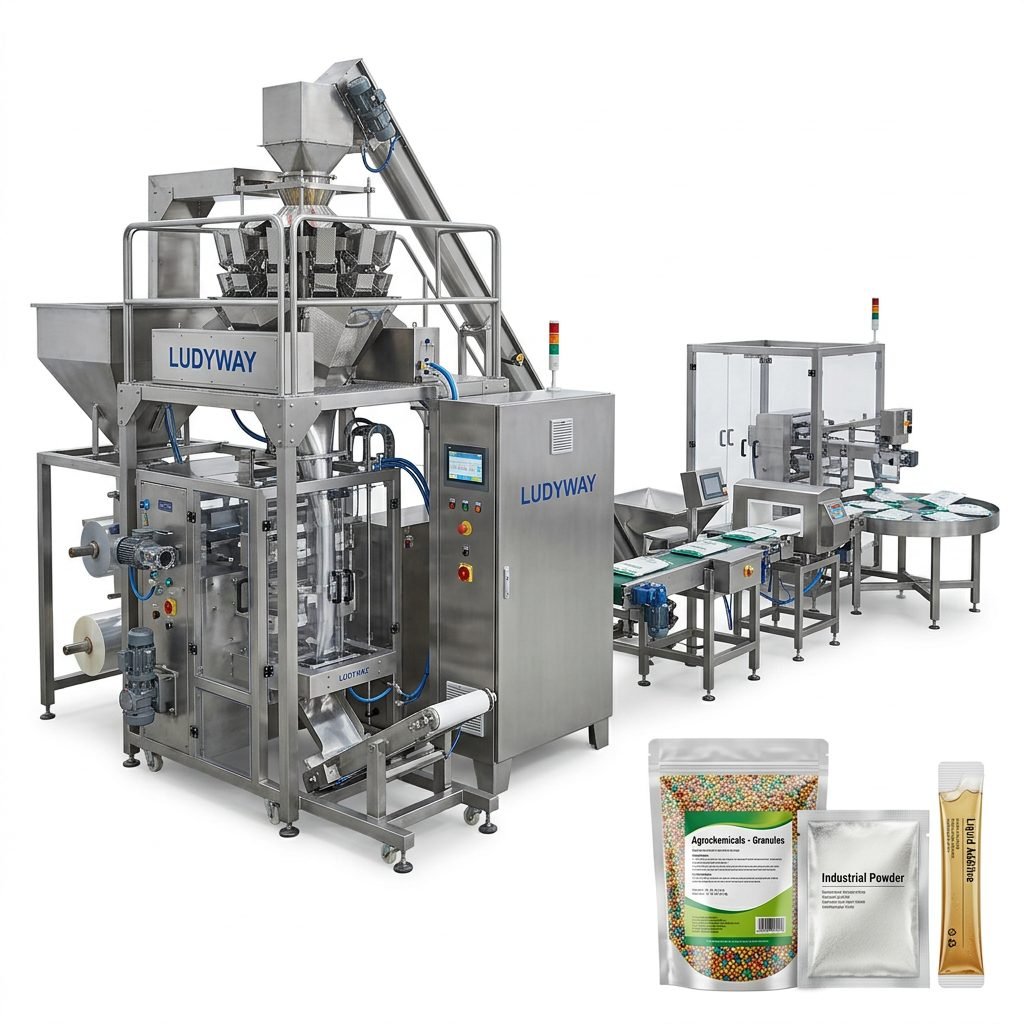
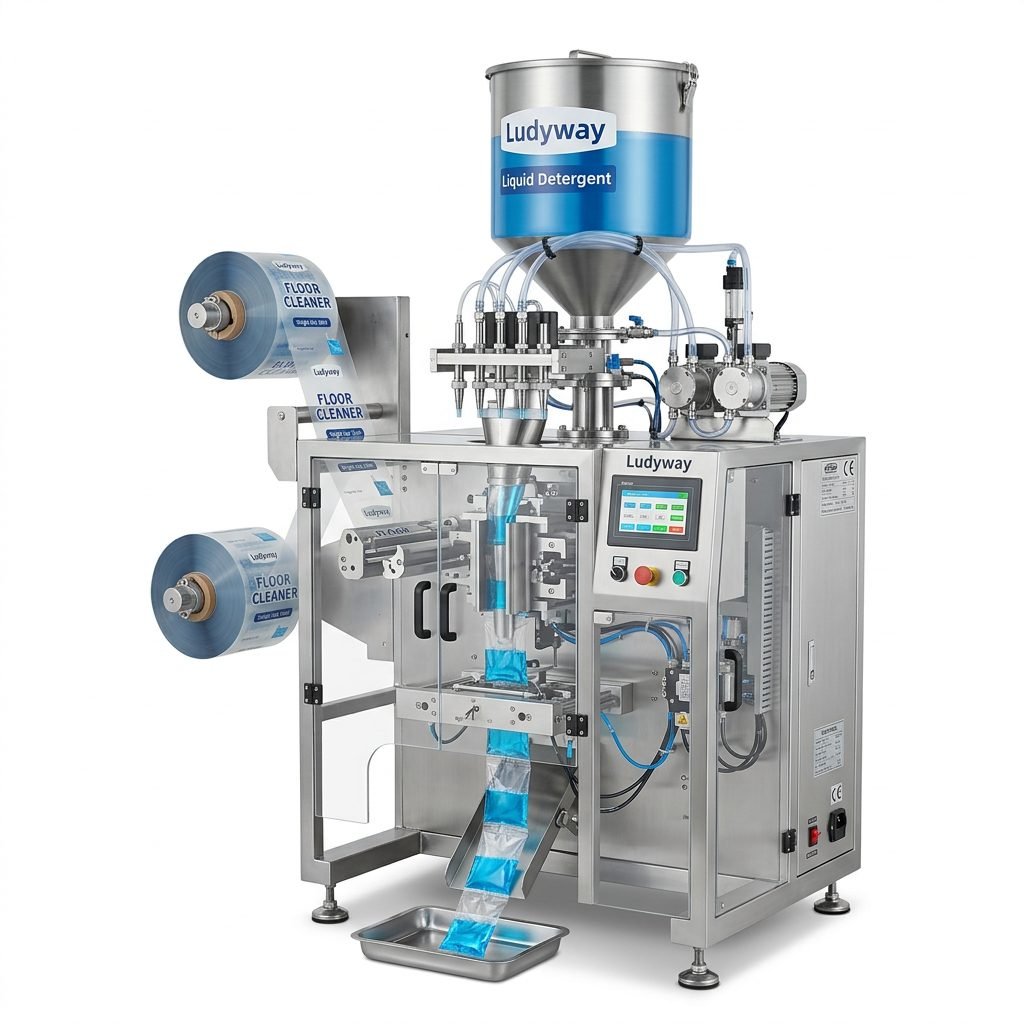
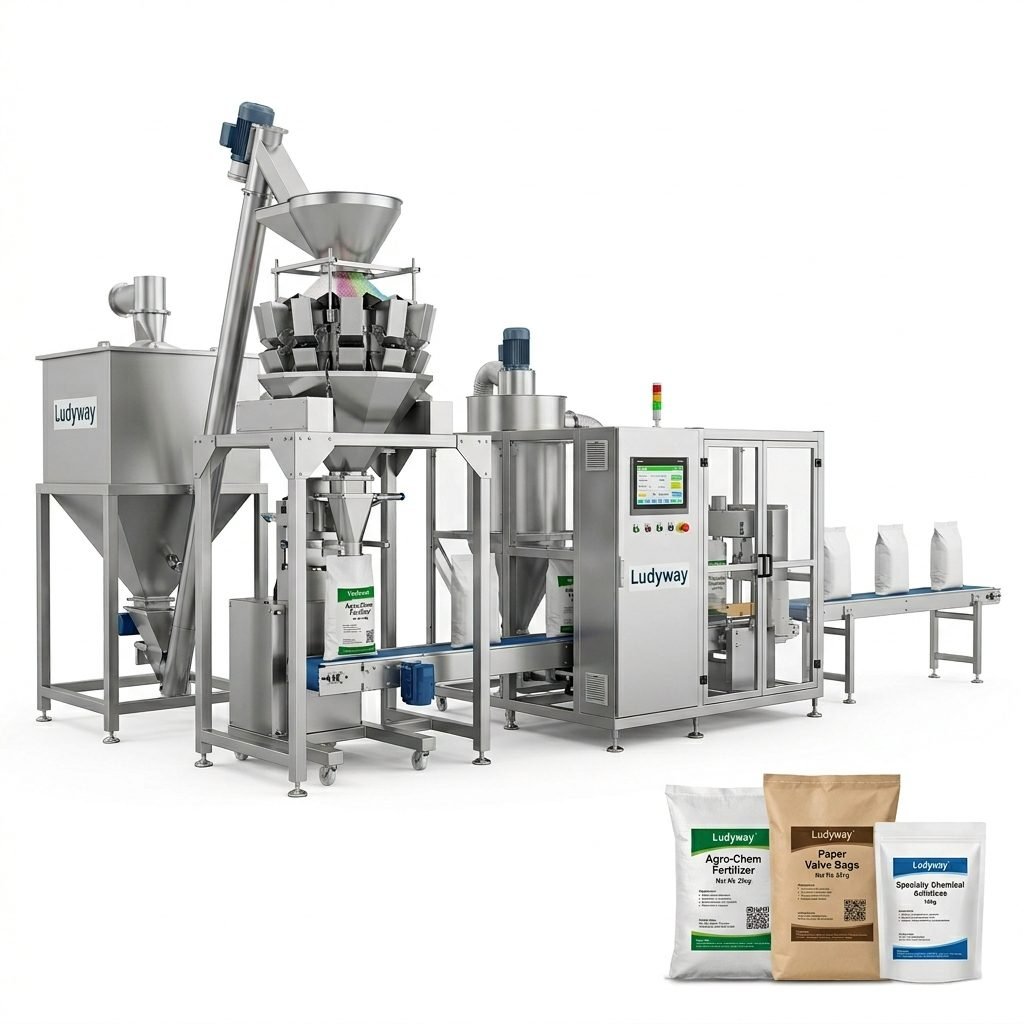
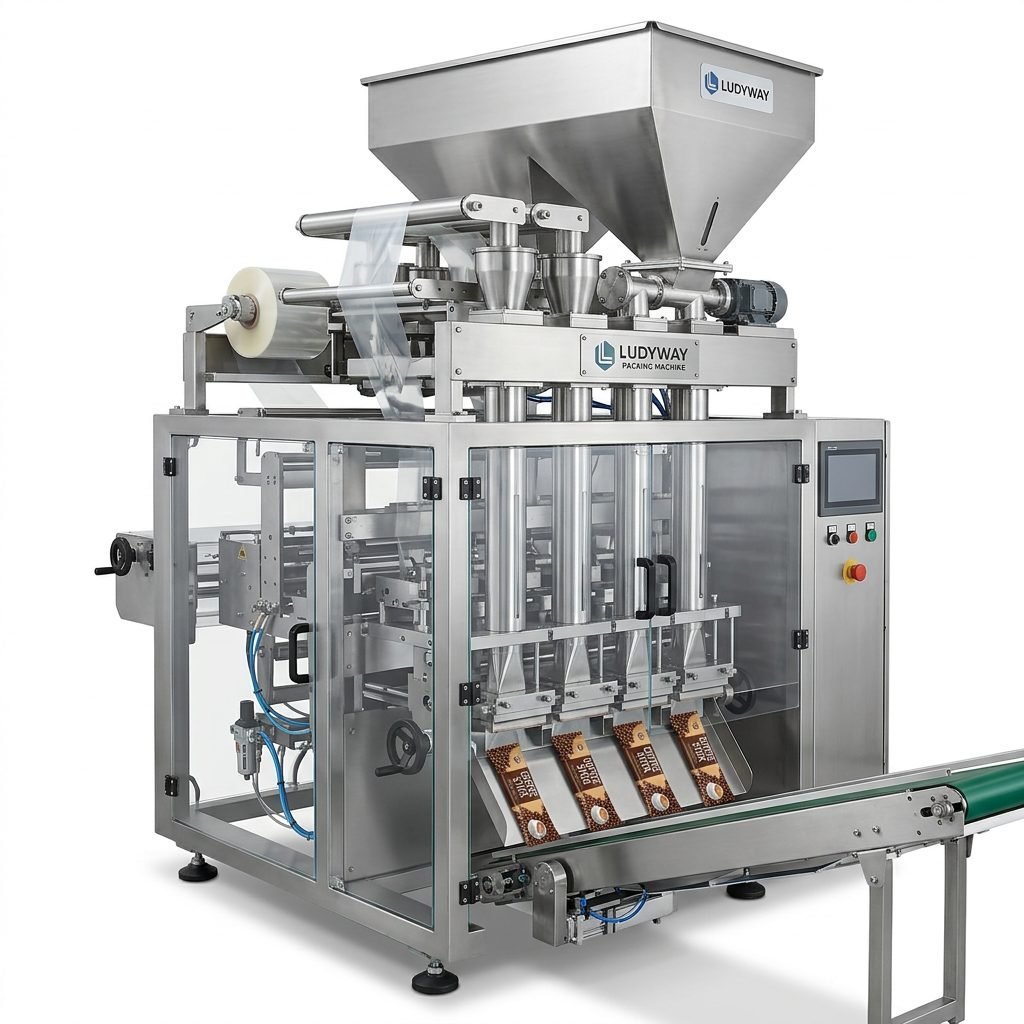
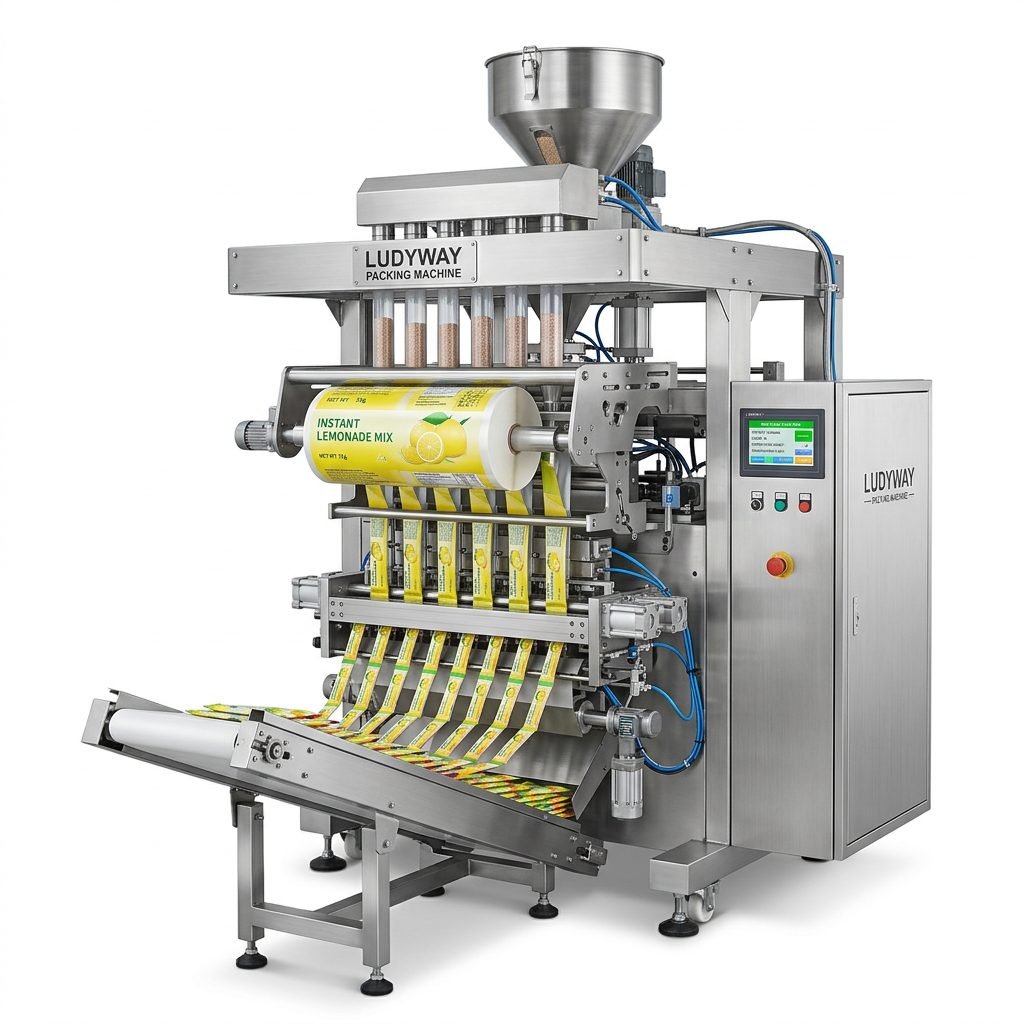
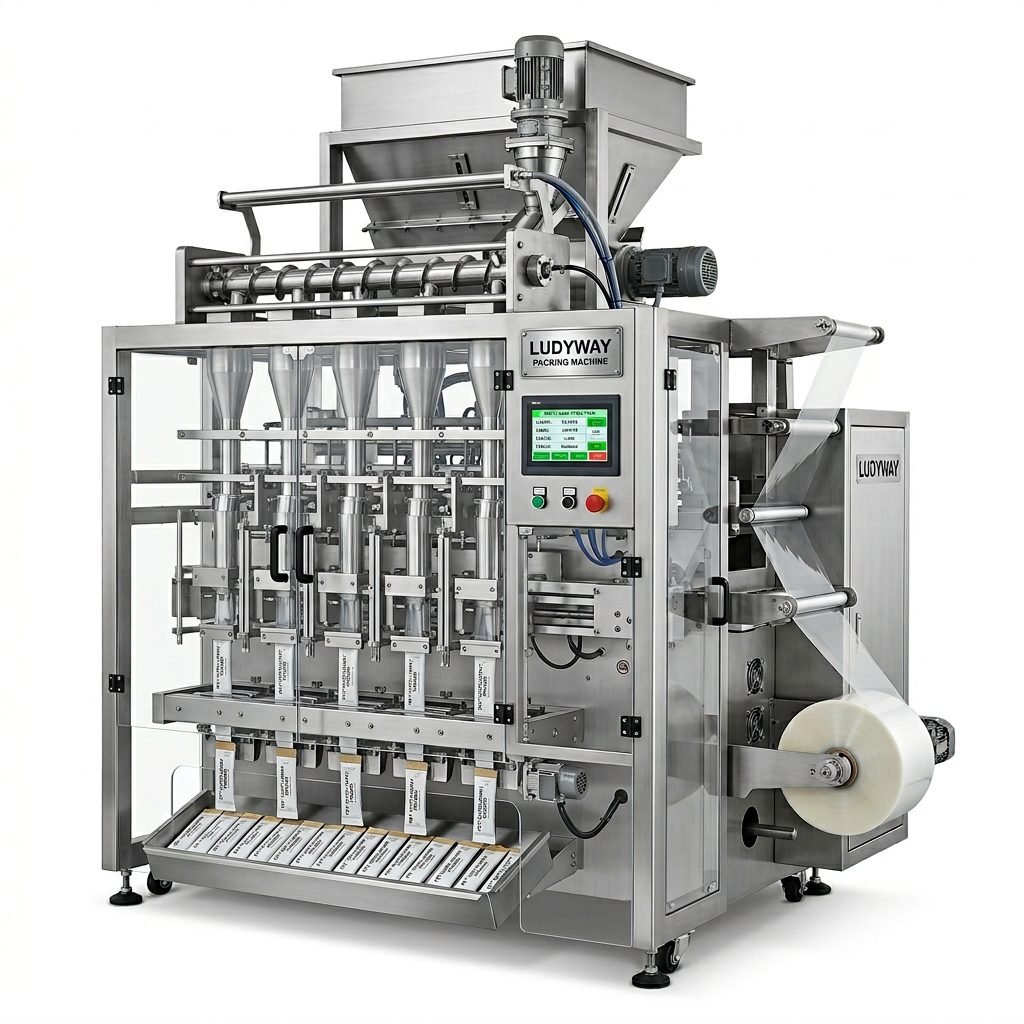
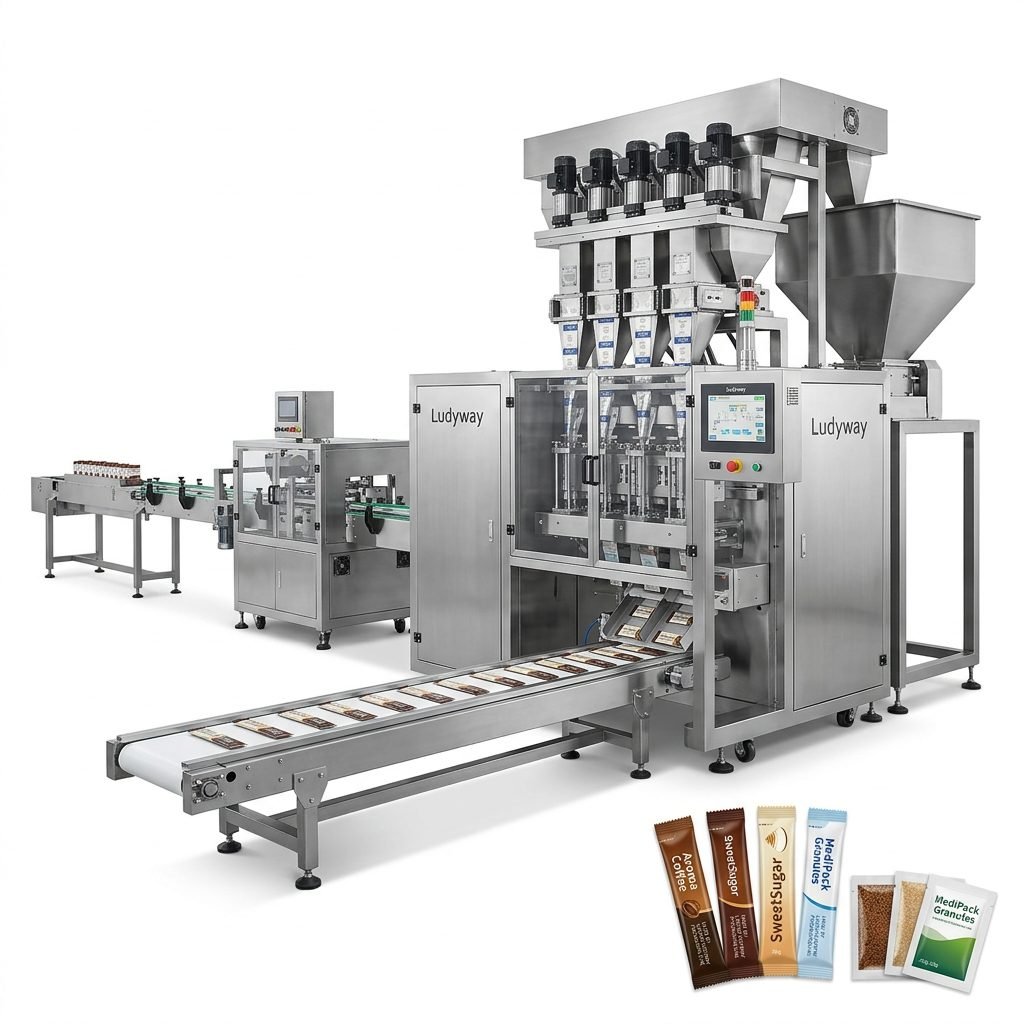
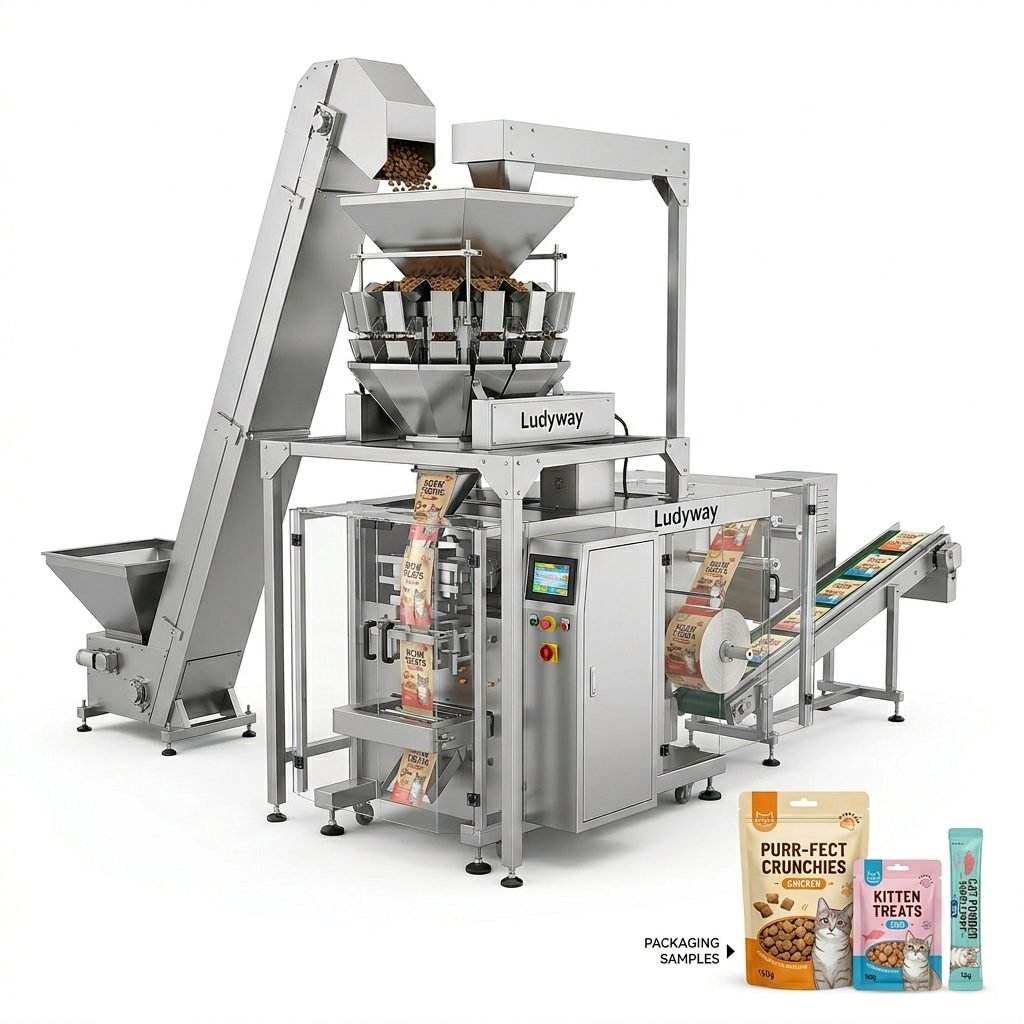
One such partner is Ludyway Machinery, a China-based packaging machinery manufacturer and turnkey packaging solution provider with more than 30 years of experience. With a 20,000‑square‑meter manufacturing facility, over 130 professionals, and more than 50 packaging machine models, Ludyway delivers automated blister packaging lines, integrated systems, and customized packaging solutions for the pharmaceutical, food, cosmetic, and chemical industries. Ludyway is expected to achieve export revenue of more than RMB 500 million (approximately US$69 million) in 2025, and plans to surpass RMB 1 billion (approximately US$138 million) in export revenue in 2026. Whether you seek a new high‑speed blister packer or a fully validated turnkey line, relying on a manufacturer with global engineering and service reach ensures consistent performance from day one.

Make a Confident Decision
Purchasing a second hand blister packing machine can be a smart move when you follow a structured evaluation process. Focus on tooling condition, control system integrity, mechanical wear, and verifiable documentation. Always weigh the true cost — including potential downtime and retrofitting — against the benefits of new, fully supported equipment. With proper due diligence, you can secure reliable machinery that fits both your production goals and budget.