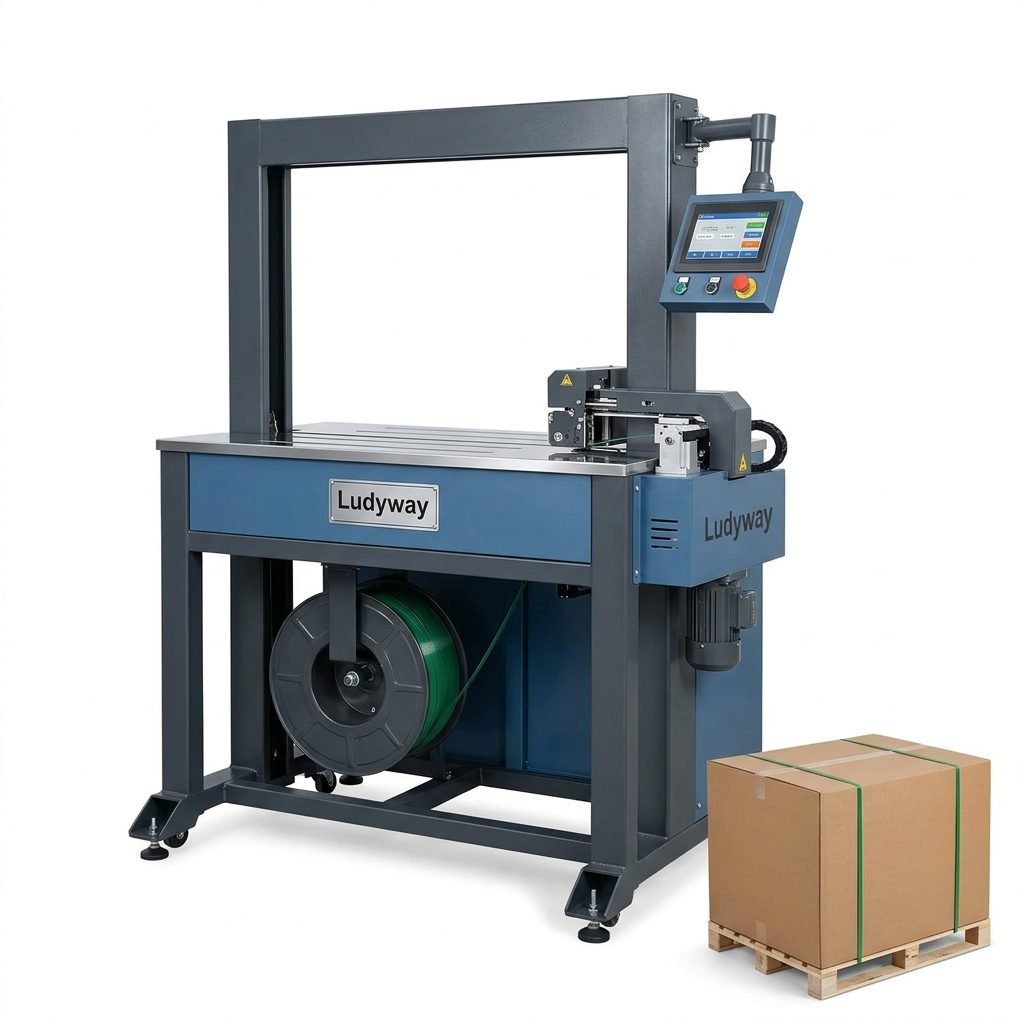
Regular maintenance of your packing strap machine is essential to ensure continuous, reliable performance and to extend the service life of your packaging equipment. Neglecting routine care can lead to unexpected downtime, inconsistent strap tension, and costly repairs. By following a structured maintenance program, operators can keep strapping machines running at peak efficiency while minimizing operational disruptions.
Daily Inspection Checklist
Performing a daily inspection is the first line of defense against mechanical failure. Before each shift, operators should walk through a standardized checklist to identify potential issues early. This proactive approach significantly reduces the risk of unexpected breakdowns during production runs.
| Checkpoint | Action Required | Frequency |
|---|---|---|
| Strap Feed Rollers | Inspect for debris buildup and clean with compressed air | Every shift |
| Tension Control Unit | Verify calibration and test strap tightness on sample packages | Every shift |
| Sealing Head | Check for residue accumulation and wipe clean with solvent | Every shift |
| Safety Guards | Ensure all protective covers are properly secured | Every shift |
| Electrical Connections | Look for loose wiring or signs of overheating | Every shift |
Cleaning and Lubrication Best Practices
Cleanliness directly impacts the performance of any strapping machine. Dust, adhesive residue, and strap particles can accumulate in critical components, leading to jams and inconsistent sealing quality. A thorough cleaning and lubrication routine should be established based on the manufacturer’s recommendations.
- Use a dry cloth or soft brush to remove dust from the strap path and feed mechanism daily.
- Apply food-grade lubricant to moving parts such as cam assemblies and linkages every 40 operating hours.
- Clean the sealing head with a non-corrosive solvent to prevent residue buildup that affects weld quality.
- Inspect and clean the tensioner wheel surfaces to maintain consistent strap grip and tension accuracy.
- Check pneumatic filters and drain moisture traps regularly to prevent air system contamination.

Common Troubleshooting Issues and Solutions
Even with diligent maintenance, occasional issues may arise. Understanding common problems and their root causes allows operators to resolve them quickly without escalating to major repairs. Below is a reference table for frequent strapping machine faults and recommended corrective actions.
| Problem | Possible Cause | Solution |
|---|---|---|
| Inconsistent strap tension | Worn tensioner rollers or incorrect tension setting | Adjust tension control; replace worn rollers if needed |
| Weak or broken seals | Dirty sealing head or insufficient heating time | Clean sealing surfaces; recalibrate heat settings |
| Strap jamming in feed path | Misaligned guides or debris obstruction | Realign feed guides; clear obstructions thoroughly |
| Machine not starting | Tripped safety switch or electrical fault | Check safety interlocks and power supply connections |
| Excessive noise during operation | Lack of lubrication or loose mechanical components | Lubricate moving parts; tighten all fasteners |
Preventive Maintenance Schedule
A well-planned preventive maintenance program is the most effective way to maximize the lifespan of your packaging machinery. Scheduling regular service intervals ensures that wear-and-tear components are replaced before they cause operational failures. The following schedule provides a framework for maintaining your packing strap machine at optimal condition.
Weekly Maintenance Tasks
- Inspect and clean all optical sensors and photo-eyes for accurate detection.
- Check belt tension on drive motors and adjust if slipping occurs.
- Verify strap alignment through the arch and adjust guides as necessary.
- Test emergency stop functionality to confirm immediate shutdown response.
Monthly Maintenance Tasks
- Examine all bearings and bushings for signs of wear; replace if movement is rough.
- Inspect heating element on the sealing head for corrosion or uneven heating patterns.
- Calibrate the tension control unit against a calibrated force gauge.
- Review and update maintenance logs to track recurring issues.
Quarterly Maintenance Tasks
- Conduct a full electrical inspection including contactors, relays, and terminal connections.
- Replace pneumatic seals and O-rings in cylinders to prevent air leaks.
- Perform a complete strap path alignment check and adjust cam timing if needed.
- Deep clean all components including internal gearboxes and motor housings.
Importance of Using Quality Consumables
The performance of a packing strap machine is directly influenced by the quality of consumables used during operation. Low-grade strapping material can cause inconsistent feeding, premature component wear, and unreliable seal integrity. Always source straps from reputable suppliers and verify material specifications match the machine’s requirements. Key considerations include strap width tolerance, core diameter compatibility, and material tensile strength ratings. Using substandard consumables may void manufacturer warranties and lead to increased long-term operational costs.
Professional Support and Service Options
While routine maintenance can be handled by trained in-house operators, certain procedures require professional expertise. Annual comprehensive inspections by certified technicians help identify hidden issues that may not be visible during daily checks. As one of the largest packaging machine manufacturers in China, Ludyway provides extensive after-sales support, including remote diagnostics, on-site service, and genuine spare parts supply to keep your equipment performing reliably year after year. Accessing professional service ensures that complex calibrations, electrical diagnostics, and mechanical overhauls are performed to factory specifications.

Key Takeaways for Long-Term Reliability
Maintaining a packing strap machine requires consistency, attention to detail, and adherence to a documented maintenance schedule. By combining daily inspections, regular cleaning, timely lubrication, and professional servicing, operators can maximize machine uptime and protect their investment. For additional resources on packaging machinery standards, refer to the PMMI packaging industry association and Flexible Packaging Association guidelines. Implementing these essential maintenance tips will keep your strapping equipment running smoothly and efficiently throughout its operational life.