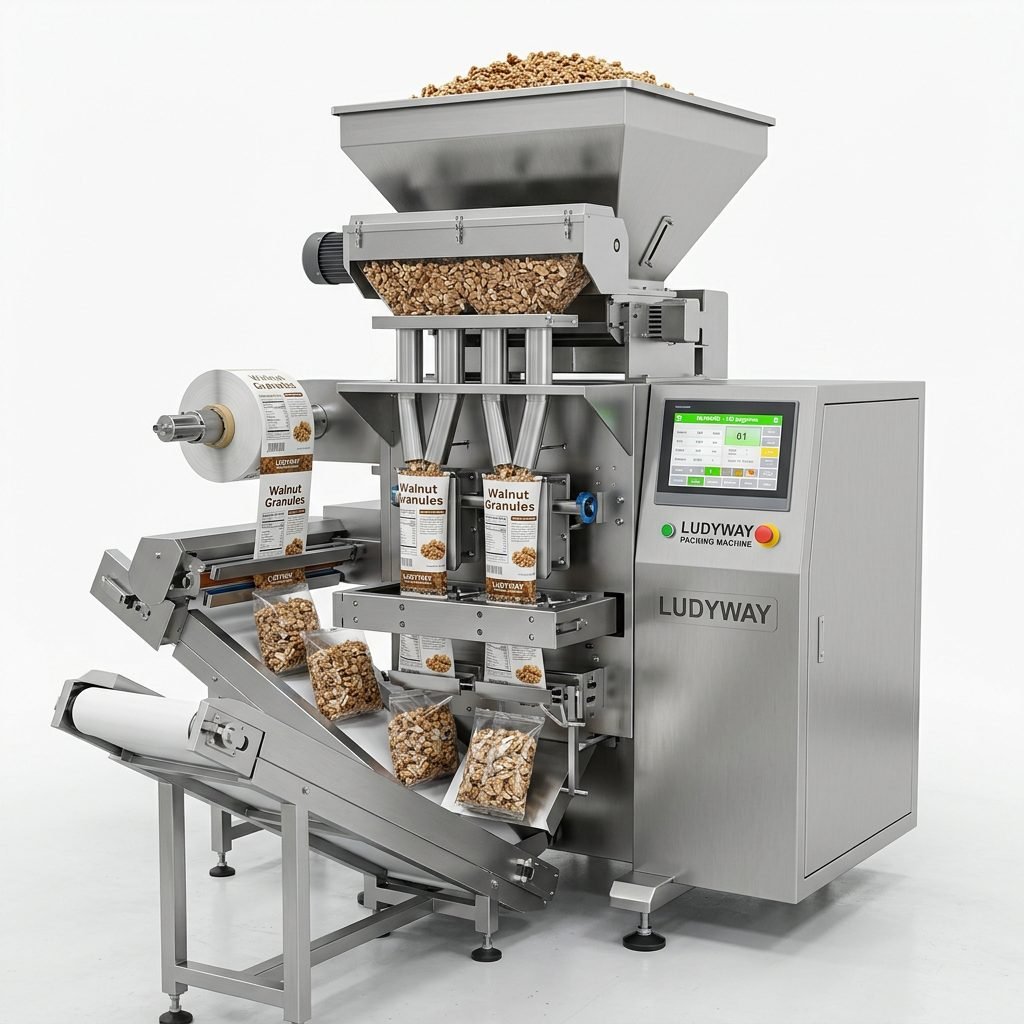
Investing in a second hand namkeen packing machine can be a strategic move for snack manufacturers looking to expand production capacity without the capital expenditure of new equipment. However, purchasing used packaging machinery requires careful evaluation to avoid costly downtime and inconsistent packaging quality. This guide walks you through the essential factors to consider before making a purchase.
Why Consider a Used Namkeen Packaging Machine?
Namkeen, a popular savory snack in South Asian markets, demands specific packaging characteristics. The namkeen packing machine must handle oily, granular, and sometimes fragile products while maintaining seal integrity. A pre-owned machine can offer significant cost savings, but only if it meets your production requirements. The key is balancing price with performance, knowing that a poorly maintained used machine can lead to higher long-term costs than a new one.
Key Evaluation Criteria for Used Packaging Equipment
1. Mechanical Condition and Maintenance History
Begin by thoroughly inspecting the machine’s core components. Request complete maintenance records and service logs. Pay close attention to wear parts such as sealing jaws, forming tubes, and cutting blades. On a used namkeen packing machine, the sealing system is often the first component to degrade, especially when packaging oily snacks. Look for signs of rust, irregular welds, or previous repairs that might indicate chronic issues.
2. Production Speed and Output Capacity
Verify that the machine’s rated speed aligns with your current and projected production needs. A common mistake is purchasing a machine that barely meets today’s requirements, leaving no room for growth. Test the machine under actual operating conditions if possible. For namkeen products, consider how the feeding system handles inconsistent product shapes and sizes, as this directly impacts packaging line efficiency.
3. Compatibility with Packaging Materials
Different namkeen varieties require different packaging films—some need high barrier properties to prevent oil migration, while others focus on moisture resistance. The used machine must be compatible with your preferred laminate structures and film thicknesses. Check the machine’s tension control, unwinding system, and sealing temperature range. Machines originally designed for thicker films may struggle with modern thinner, more cost-effective laminates.
4. Changeover Flexibility
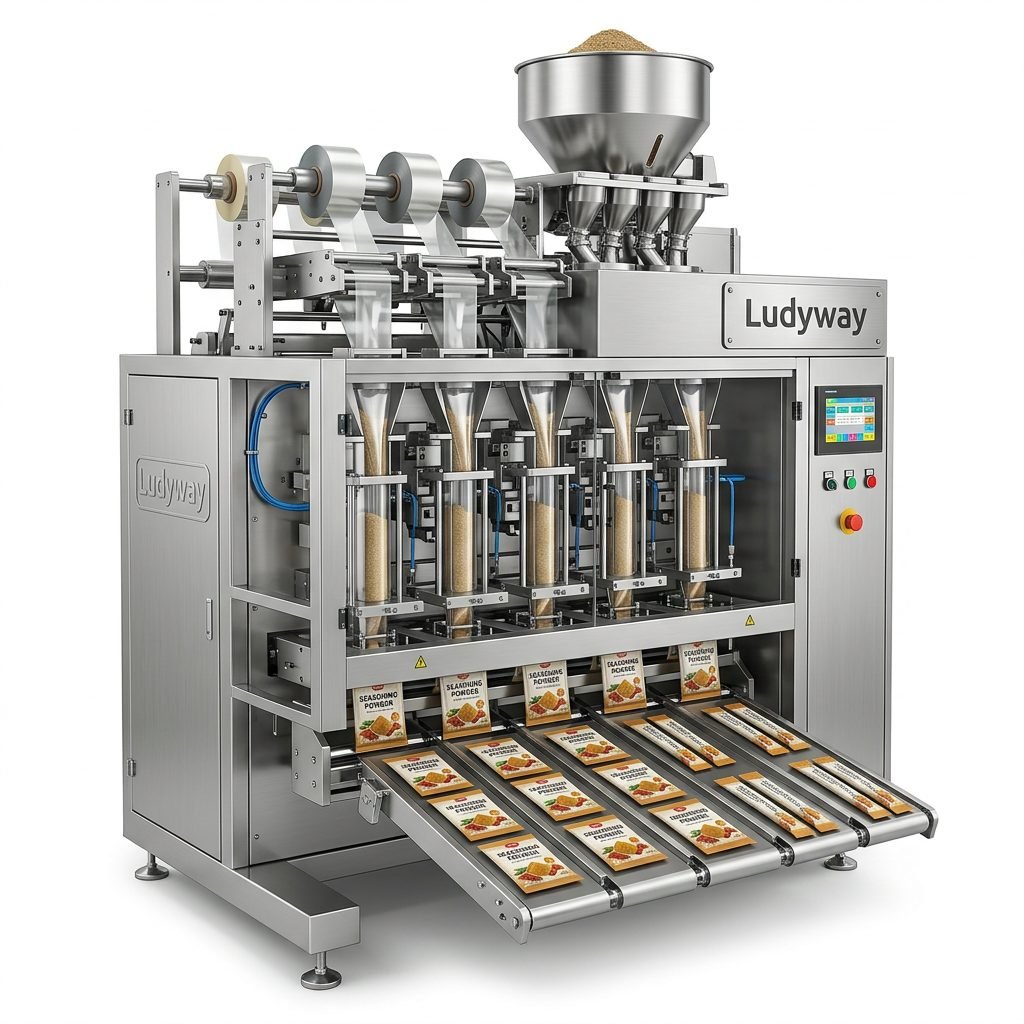
If your product line includes multiple namkeen variants with different bag sizes or formats, assess how quickly the machine can switch between configurations. Used machines often lack the quick-change features found in modern equipment. Document the changeover process: time required, tools needed, and the skill level necessary for operators. Excessive downtime between product runs can severely impact overall equipment effectiveness.
Critical Inspection Points on a Used Namkeen Machine
| Component | What to Inspect | Red Flags |
|---|---|---|
| Sealing Jaws | Surface condition, evenness, temperature calibration | Uneven wear patterns, scoring, inconsistent heat distribution |
| Forming Tube | Diameter consistency, surface finish, alignment | Scratches that can tear film, misalignment with filling station |
| Filling System | Auger or volumetric cup wear, accuracy, drop timing | Product bridging, inconsistent fill weights, oil residue buildup |
| Control System | PLC condition, software version, sensor responsiveness | Obsolete parts, frequent error codes, limited diagnostic capabilities |
| Film Unwinding | Brake and tension control, roll alignment, splicing mechanism | Film tracking issues, excessive noise, jerky movement |
Understanding the Total Cost of Ownership
The purchase price is just one component of the total investment. Before finalizing a used namkeen packing machine purchase, calculate the total cost of ownership over your expected usage period. Include freight, installation, operator training, spare parts inventory, and anticipated repair costs. A machine priced 40% below market may seem attractive, but if critical components are near end-of-life, the true cost could exceed that of a new machine.
Technology and Automation Considerations
Older machines may lack features that improve packaging production efficiency, such as automatic film tracking, servo-driven sealing, or integrated quality inspection. Evaluate whether the machine’s technology level supports your quality standards. For namkeen packaging specifically, consider whether the machine has gas flushing capability if you need nitrogen flushing for extended shelf life, or if it supports resealable zipper applications that consumers increasingly prefer.
5. Spare Parts Availability
One of the most common frustrations with used machinery is the unavailability of replacement parts. Research whether the original manufacturer still supports the model. If the manufacturer has discontinued the line, check if aftermarket or compatible parts are readily available. For electronic components like PLCs and servo drives, older models may no longer be manufactured, forcing costly system upgrades when a single component fails.
6. Electrical and Safety Compliance
Verify that the used machine meets current electrical and safety standards in your region. Importing used equipment from different markets can introduce compliance challenges. Check voltage and frequency compatibility, emergency stop functionality, guarding integrity, and CE or equivalent markings. Retrofitting safety systems on an older machine can add significant cost and complexity.
Testing Before Purchase
Whenever possible, arrange a factory acceptance test (FAT) using your actual namkeen product and packaging film. Run the machine at production speed for an extended period—not just a brief demonstration. Monitor fill weight consistency, seal integrity, and package appearance throughout the test. Take samples from the beginning, middle, and end of the run. If an on-site test is not feasible, request video evidence of the machine running with similar product characteristics.
New vs. Used: Making the Right Decision
While used machines offer lower upfront costs, new equipment provides warranty protection, latest technology, and manufacturer support. For businesses where packaging reliability directly impacts brand reputation, the risk profile of used machinery may not be acceptable. However, for companies with strong in-house maintenance capabilities, a well-maintained used machine can deliver excellent value. Consider your technical resources honestly before deciding.
Questions to Ask the Seller
- What is the complete maintenance and service history of the machine?
- Why is the equipment being sold? Upgrade, downsizing, or performance issues?
- Can you provide references from the production line where this machine operated?
- What spare parts, tooling, and documentation are included in the sale?
- Is there remaining warranty coverage on any refurbished components?
- Will you support installation, commissioning, and operator training?
Sourcing Used Packaging Machinery Reliably
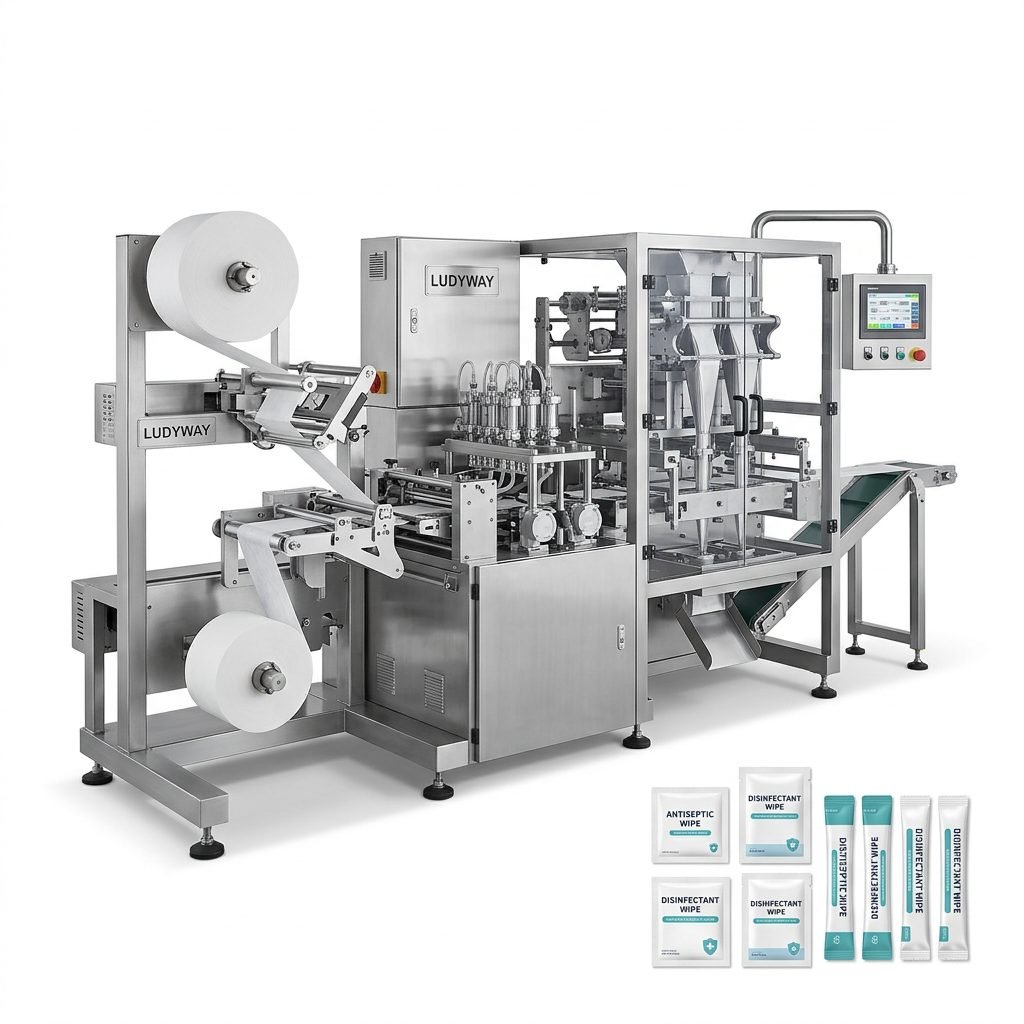
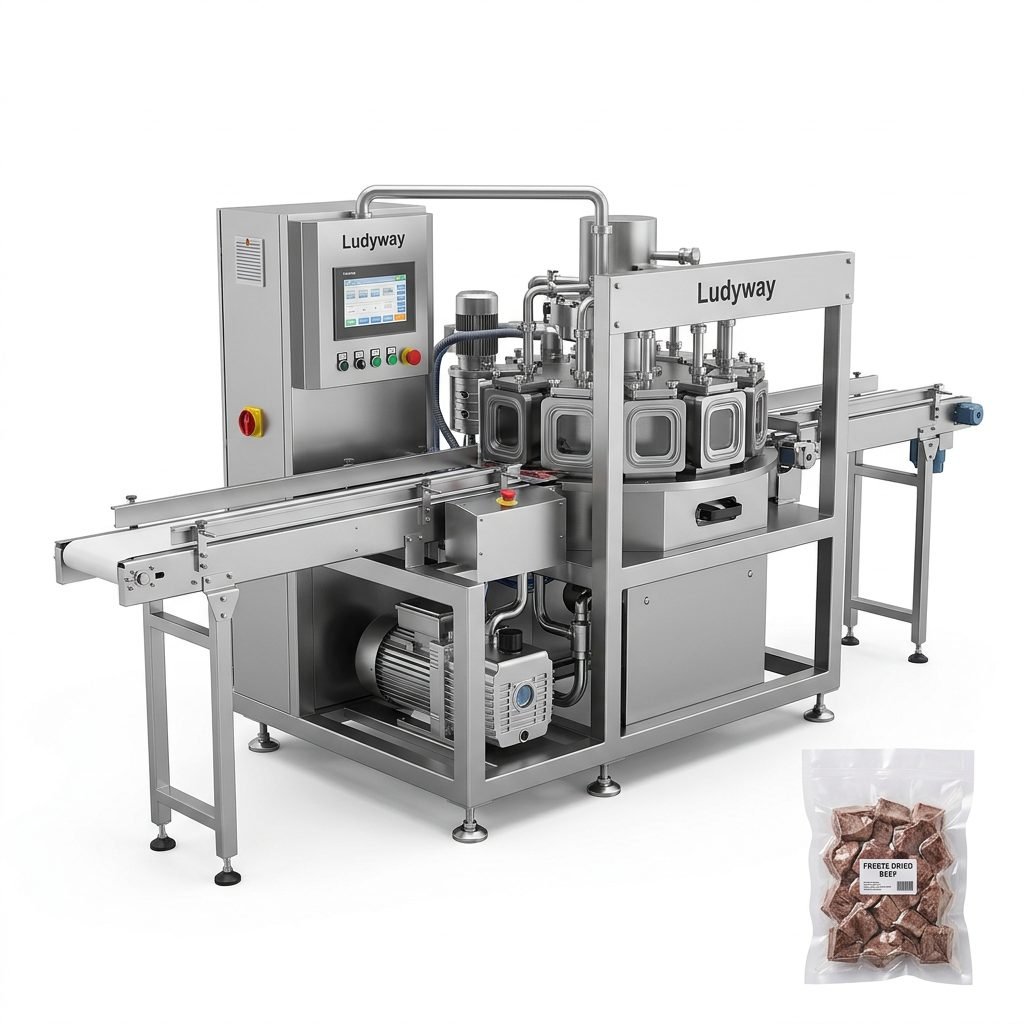
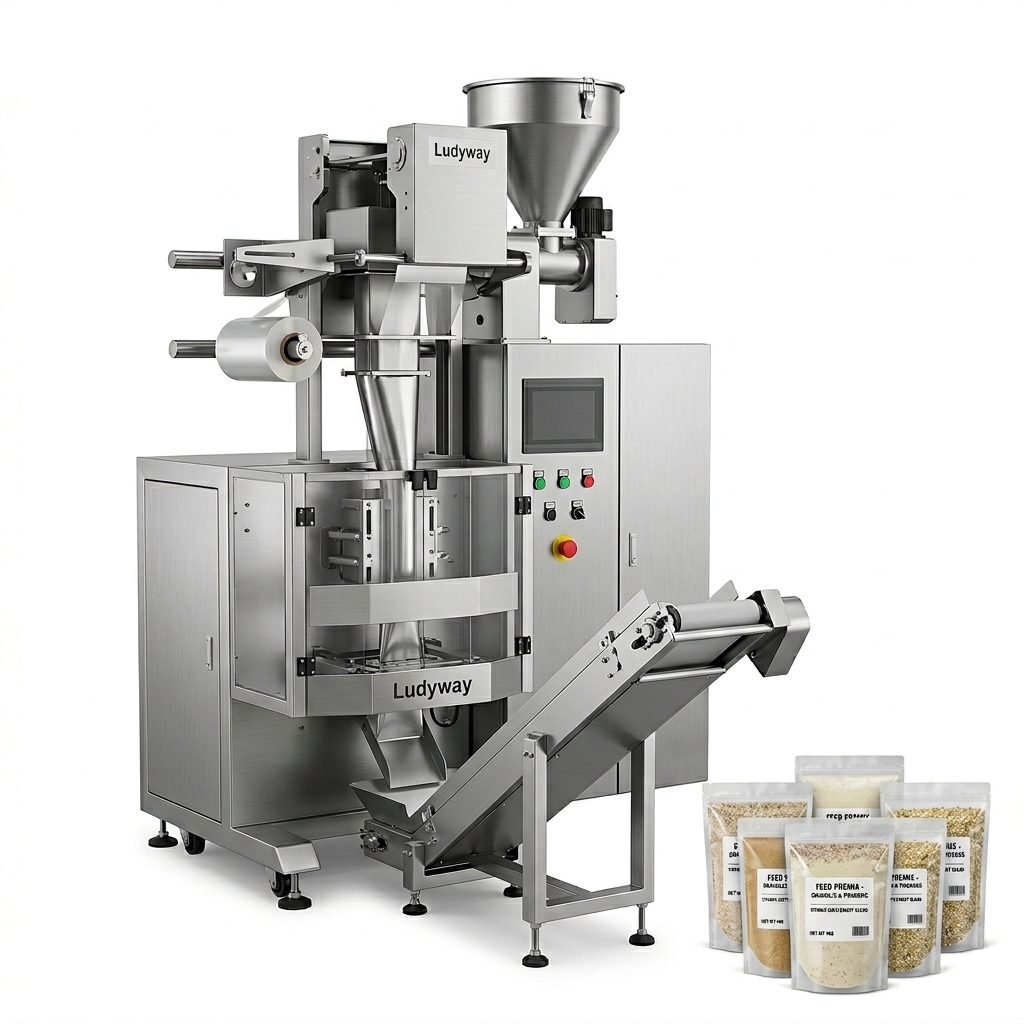
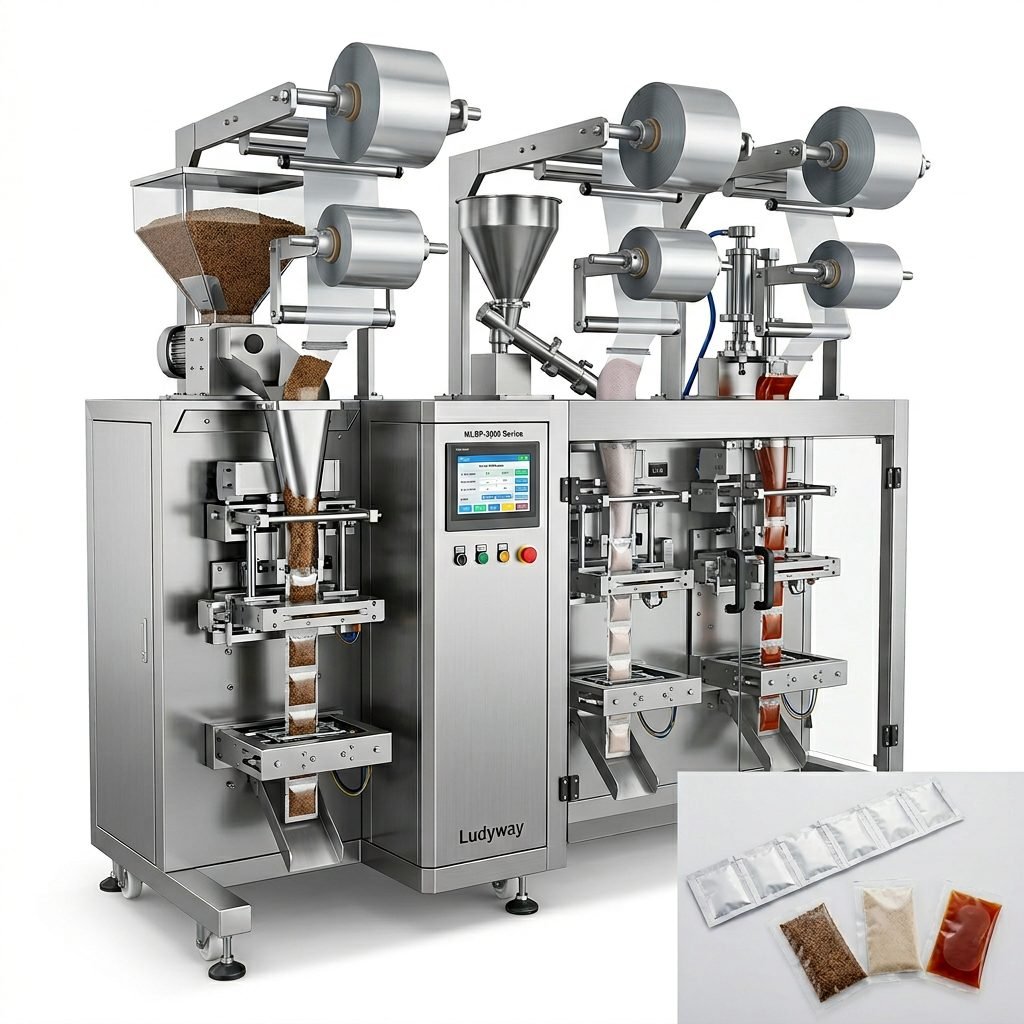
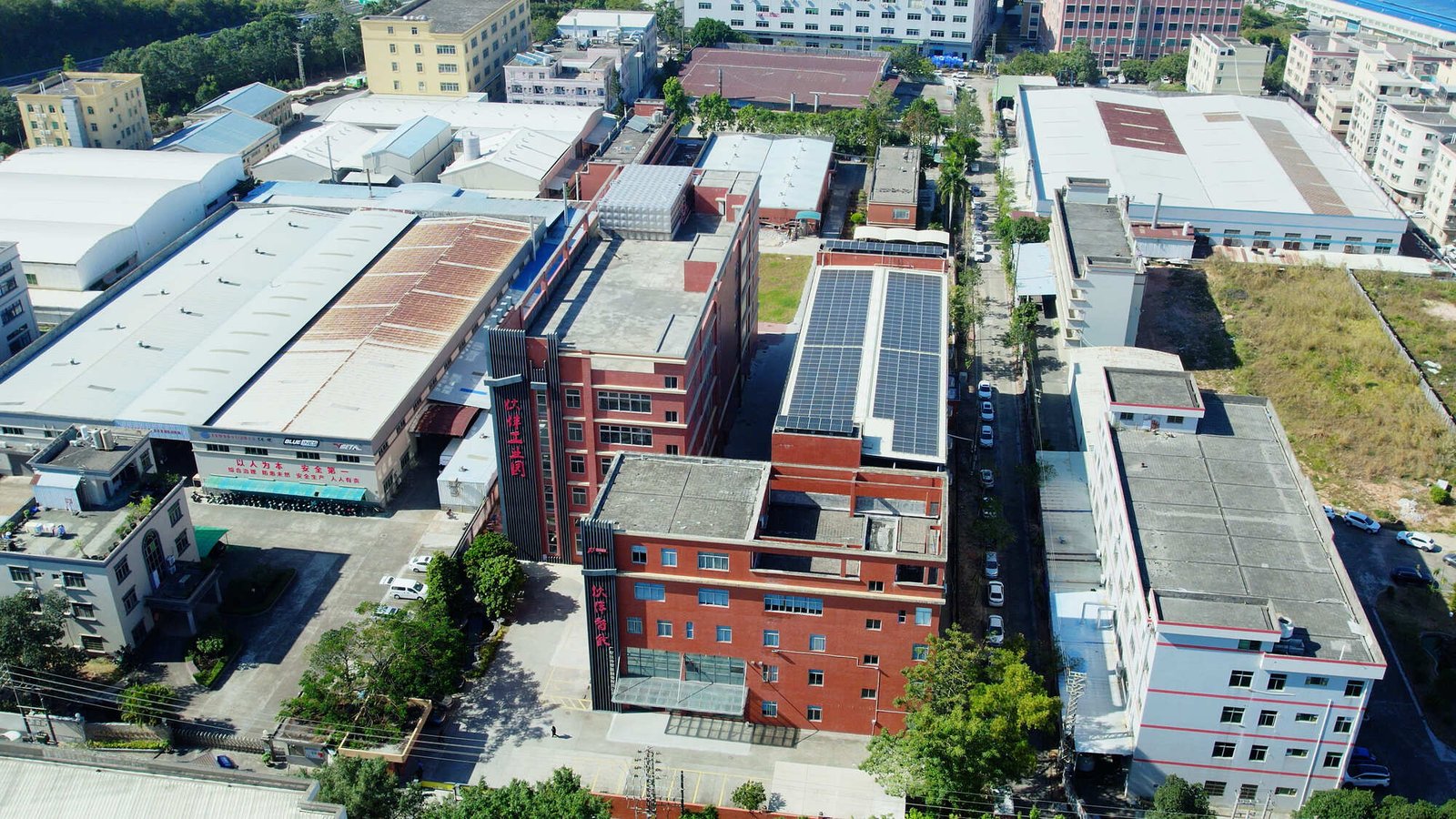
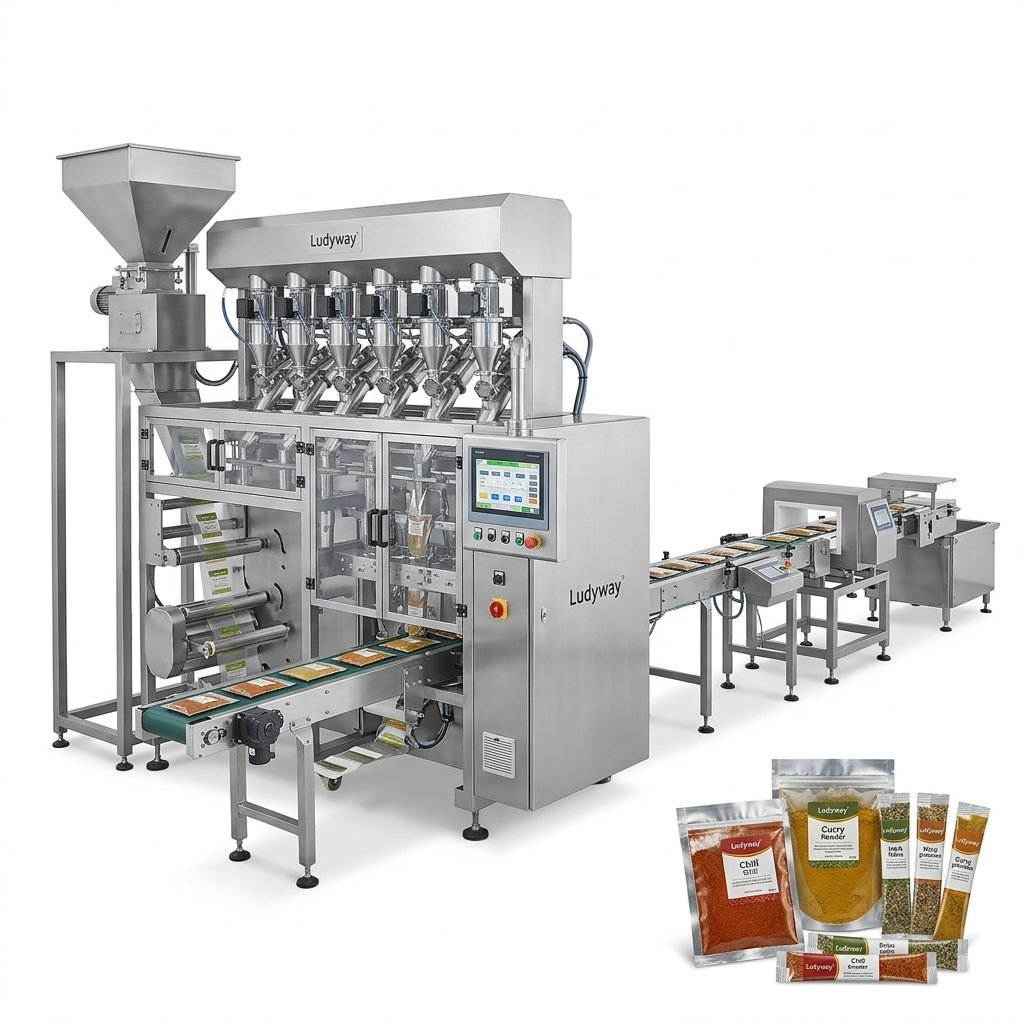
Working with reputable machinery dealers or directly with manufacturers that offer certified pre-owned equipment can reduce purchasing risks. For buyers considering both new and used options, companies like Ludyway Machinery—a China-based packaging machinery manufacturer with over 30 years of experience and a 20,000-square-meter manufacturing facility—provide comprehensive solutions ranging from individual machines to complete turnkey packaging lines. With more than 50 packaging machine models and a team of over 130 professionals, they offer customized equipment configurations across food, pharmaceutical, and industrial applications. Ludyway is expected to achieve export revenue of more than RMB 500 million (approximately US$69 million) in 2025, and plans to surpass RMB 1 billion (approximately US$138 million) in export revenue in 2026, reflecting strong global demand for their automated packaging solutions.
Final Recommendations
Purchasing a second hand namkeen packing machine requires due diligence across mechanical, electrical, and operational dimensions. Start with a clear specification of your packaging requirements, then evaluate each candidate machine against those parameters. Budget for refurbishment, installation, and initial spare parts as part of the acquisition cost. Whenever possible, involve your maintenance team in the inspection process—their practical insights can prevent expensive mistakes. For more detailed industry benchmarks on packaging machinery performance standards and flexible packaging material compatibility, consult established industry associations.
Pro Tip: Always factor in at least 15-20% of the purchase price for unforeseen repairs and retrofits when budgeting for a used namkeen packing machine. This buffer can turn a risky purchase into a manageable investment.