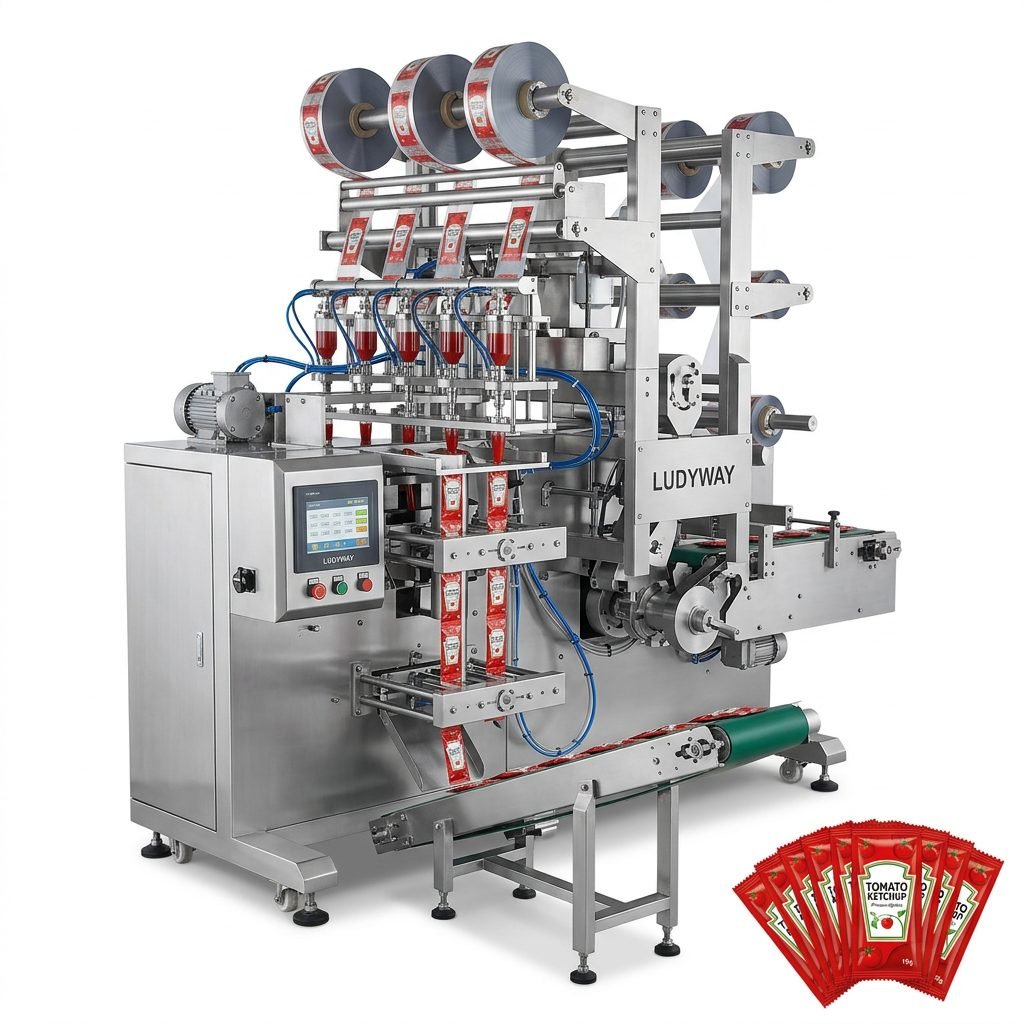
Investing in packaging equipment is a significant decision for any manufacturer. While brand-new machinery offers the latest technology, a used pouch packing machine can provide substantial cost savings without sacrificing performance — if you know what to look for. This guide covers the key factors, typical costs, and practical buying tips to help you make an informed purchase.
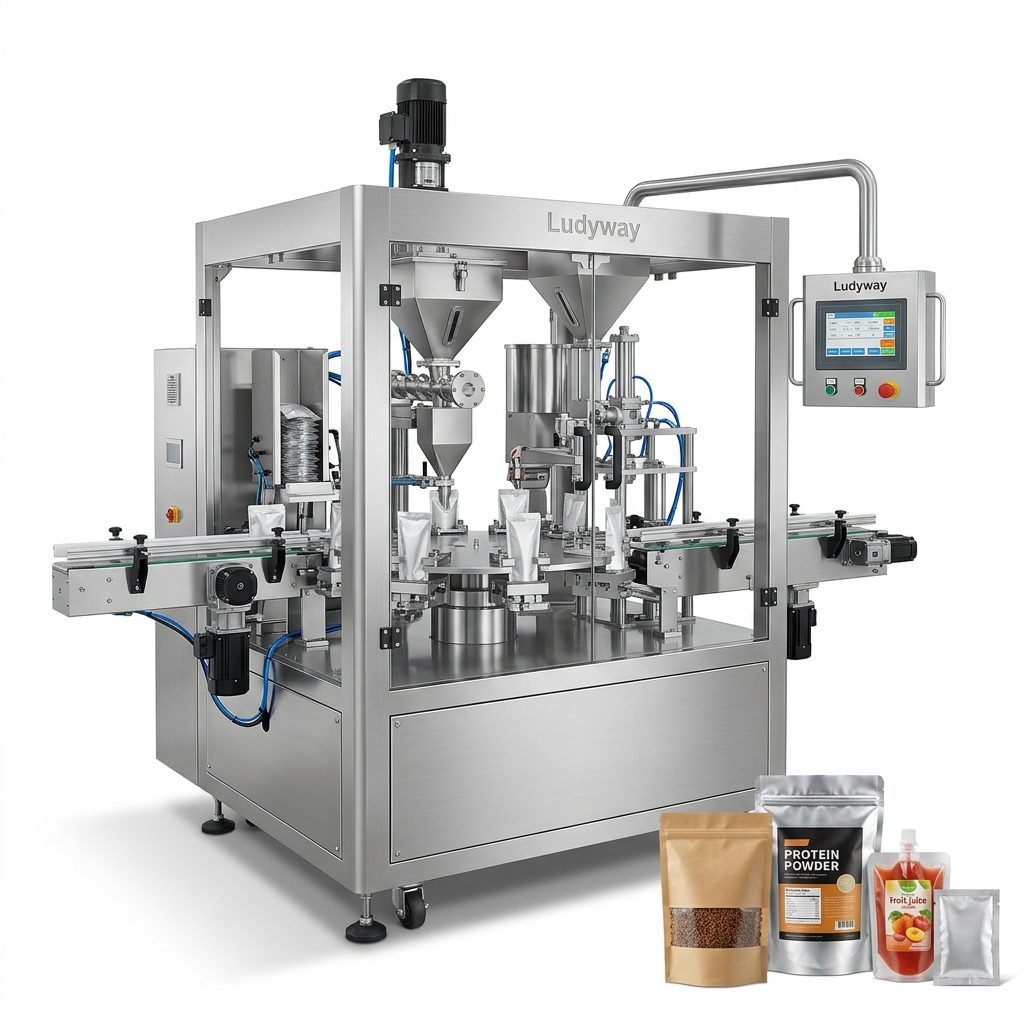
Why Consider a Used Pouch Packing Machine?
For many manufacturers, purchasing a pre-owned machine is a strategic move. The most obvious advantage is cost reduction — used equipment typically sells for 40% to 70% less than new models. Beyond price, used machines often have shorter lead times and a proven operational track record, which can be valuable when evaluating reliability.
According to the PMMI Business Intelligence Library, the global market for pre-owned packaging machinery continues to grow as more manufacturers seek flexible, cost-effective solutions. The Flexible Packaging Association also highlights the increasing demand for efficient pouch packaging across food, pharmaceutical, and chemical industries.
Key Factors to Evaluate Before Buying
Not all used pouch packing machines are created equal. Here are the critical areas you need to assess before making a commitment:
1. Machine Age and Operating Hours
Age alone doesn’t tell the full story. A well-maintained 10-year-old machine can outperform a neglected 5-year-old one. Request service records and maintenance logs to understand how the equipment was treated. Pay special attention to total running hours and whether the machine underwent regular preventive maintenance.
2. Packaging Format Compatibility
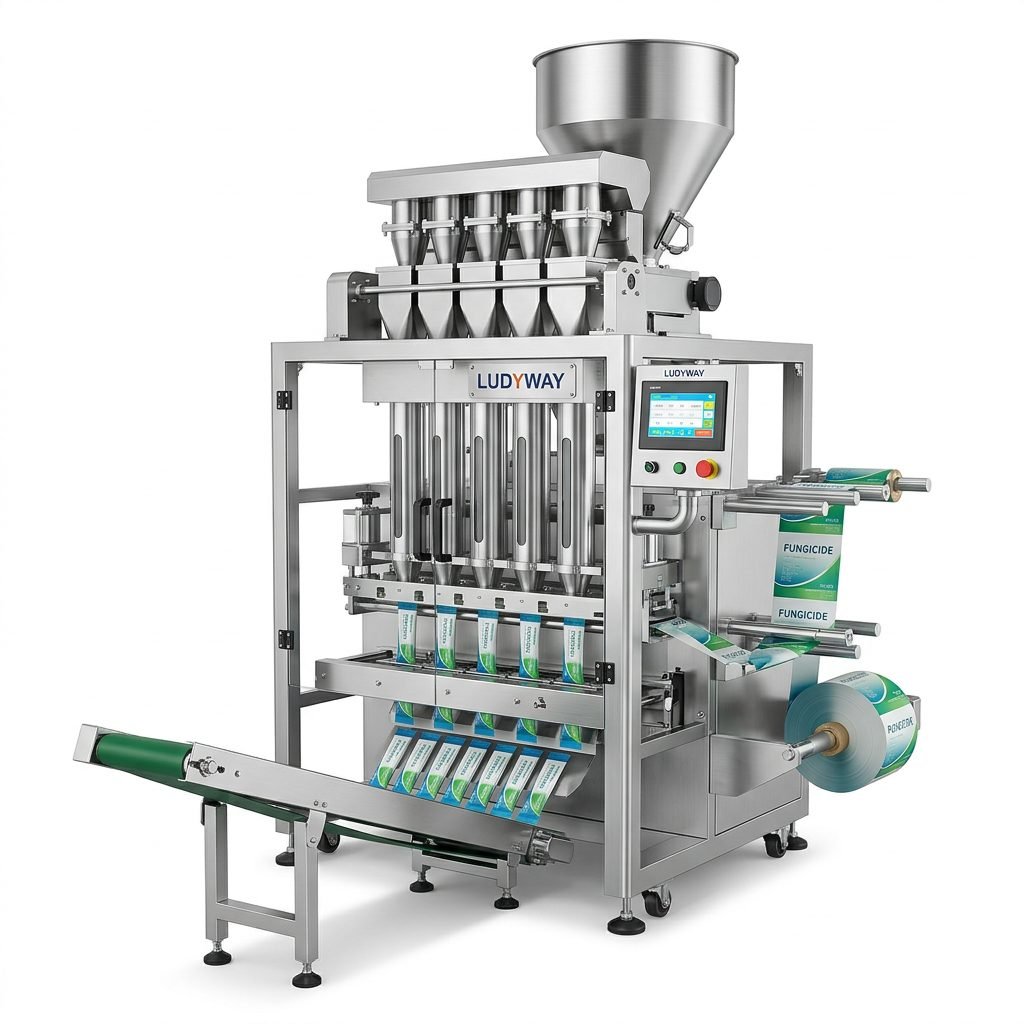
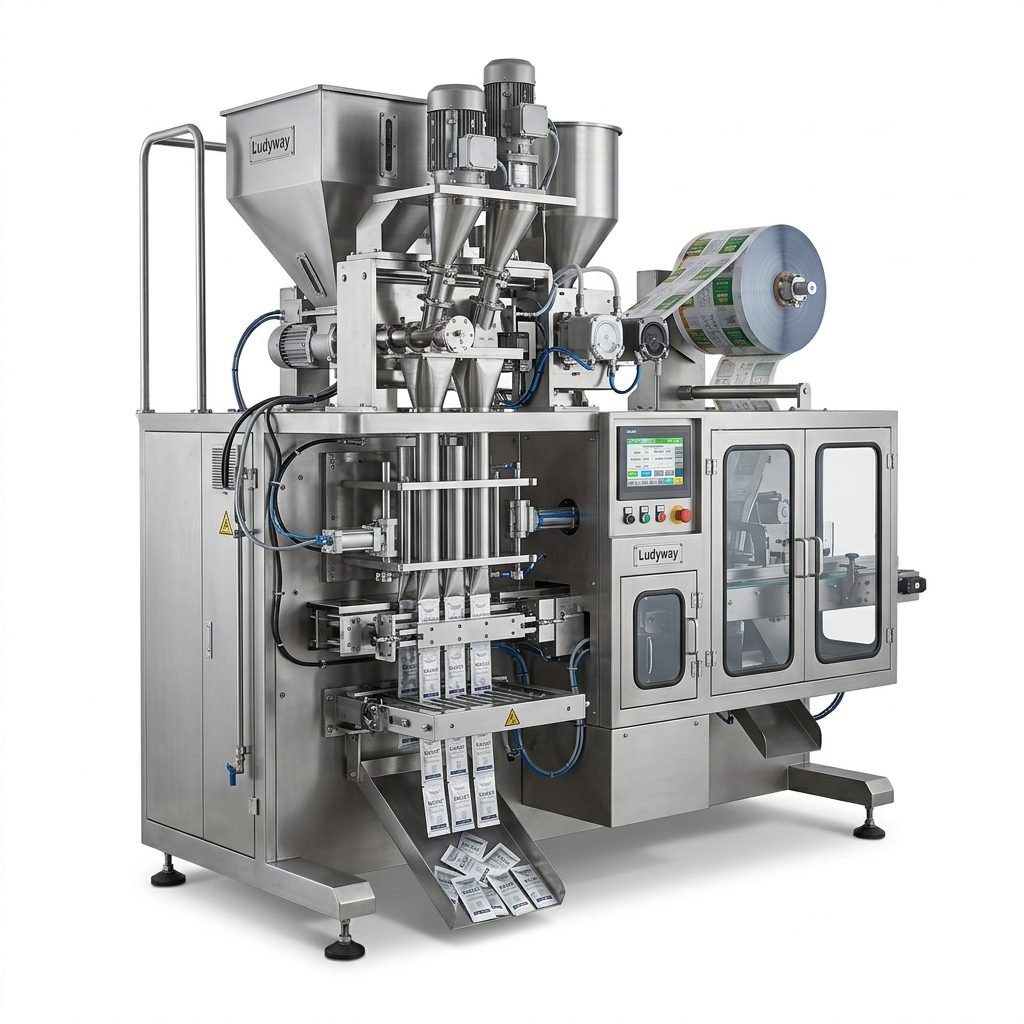
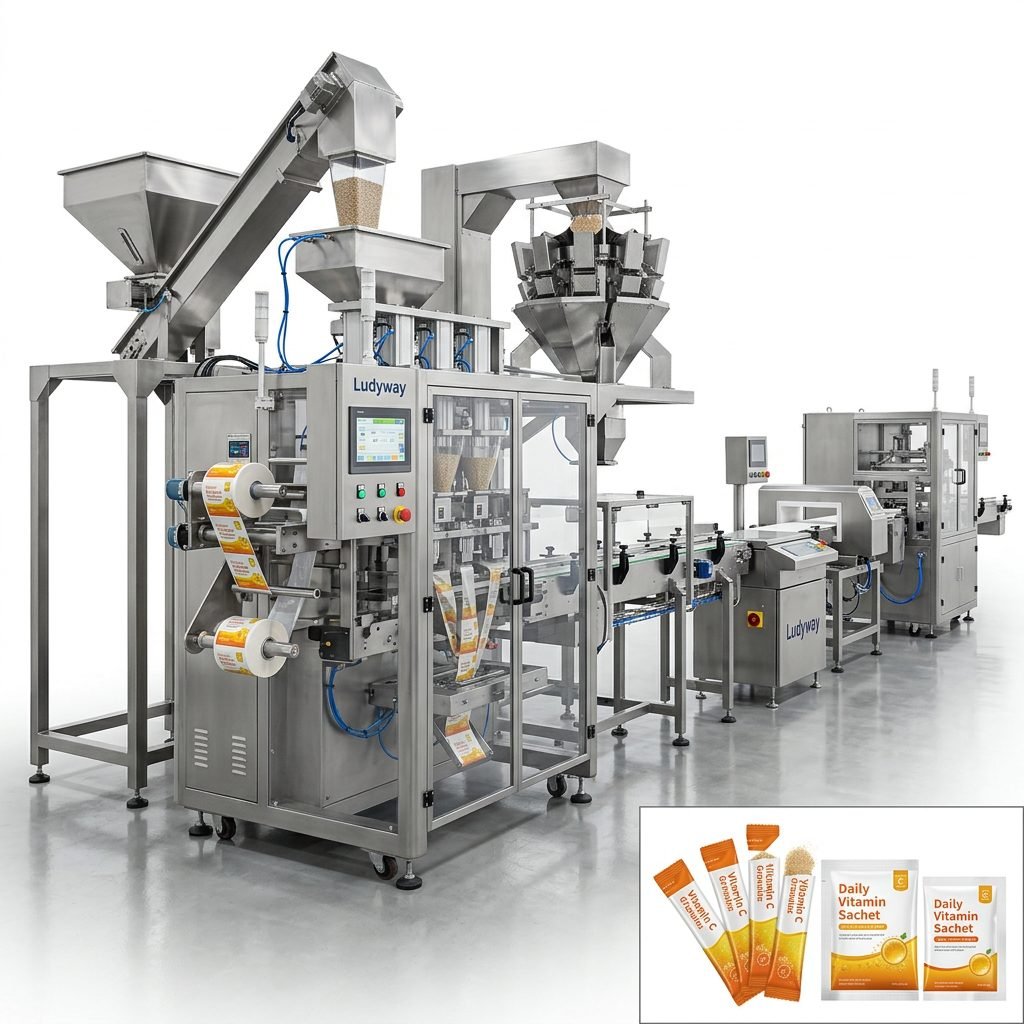
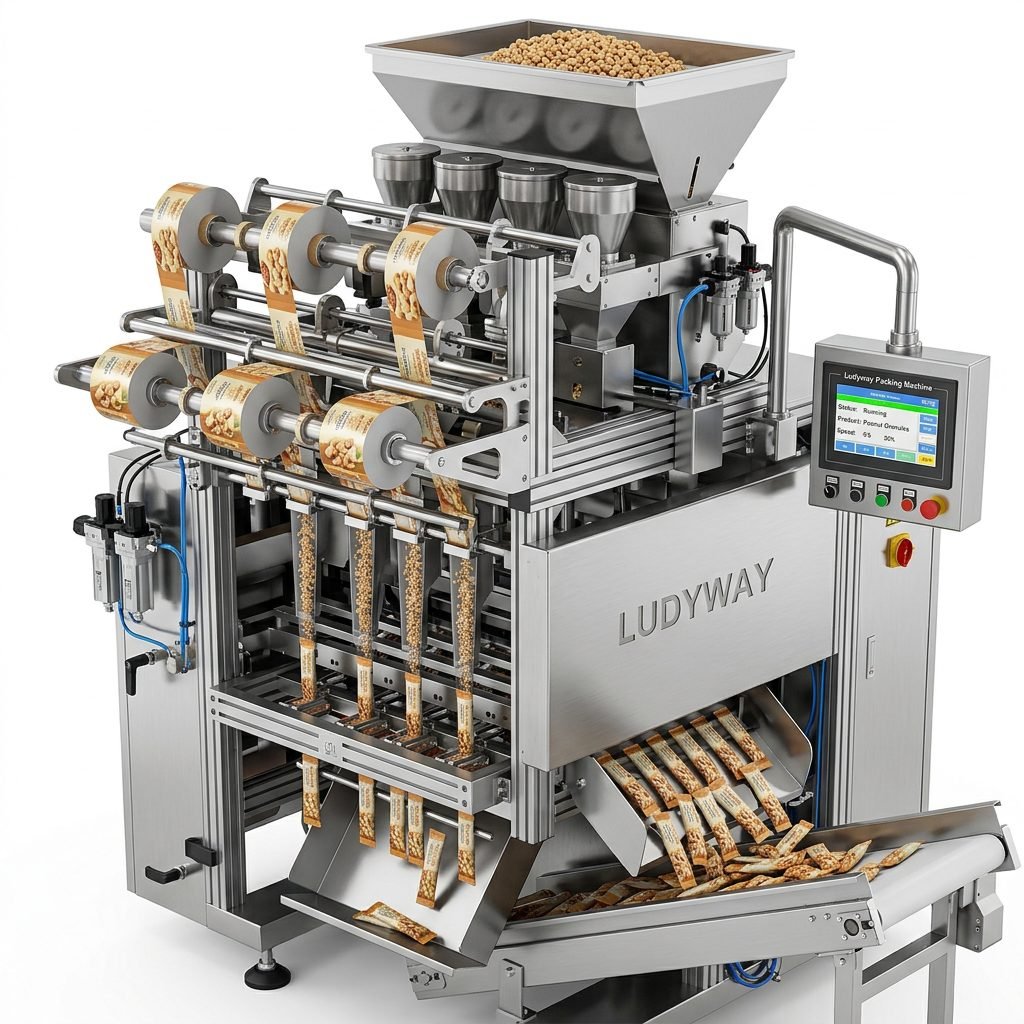
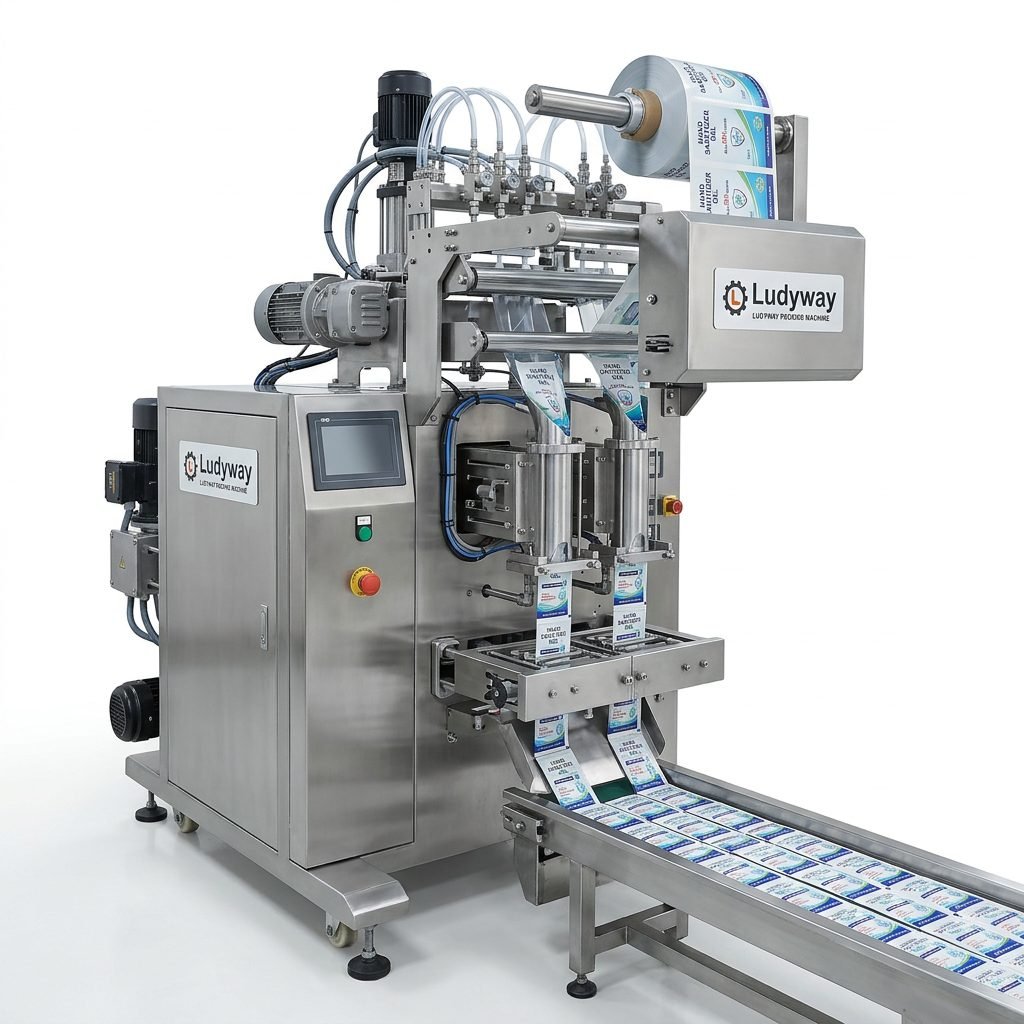
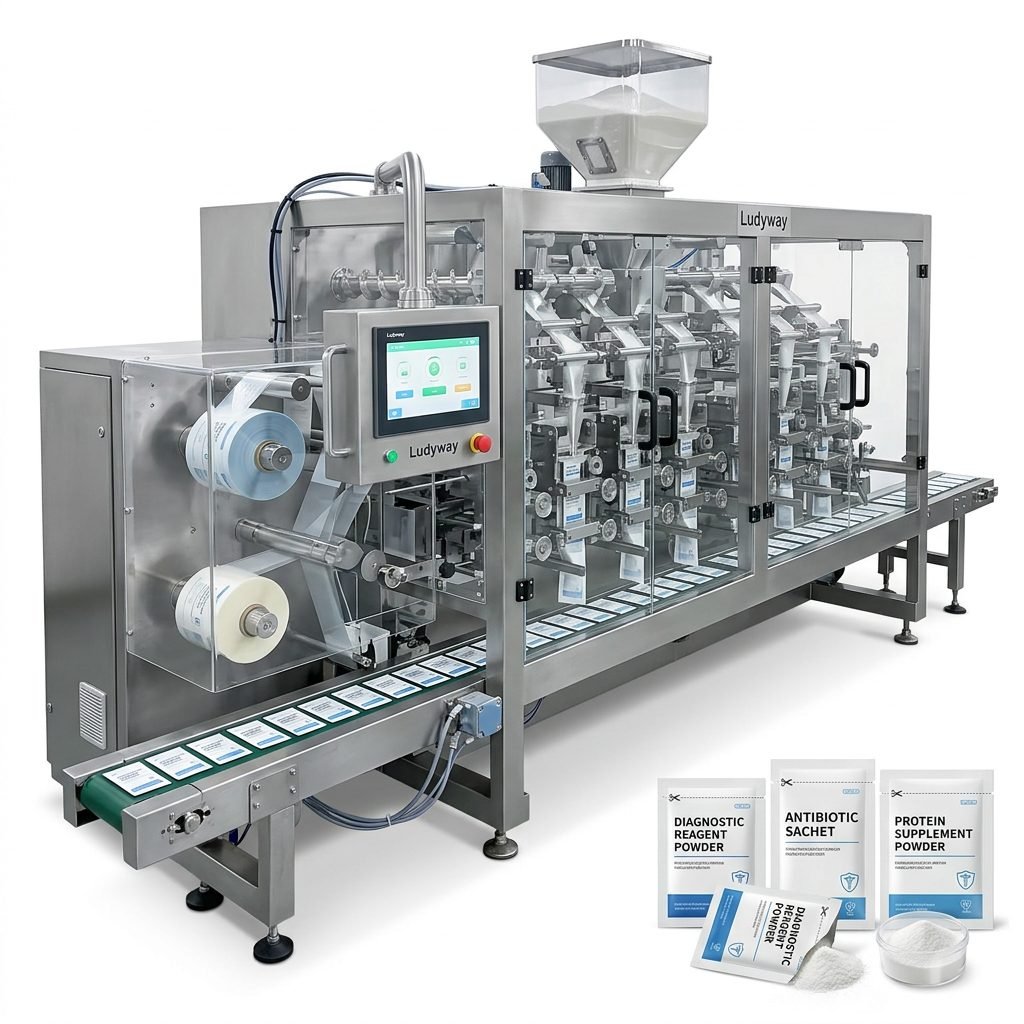
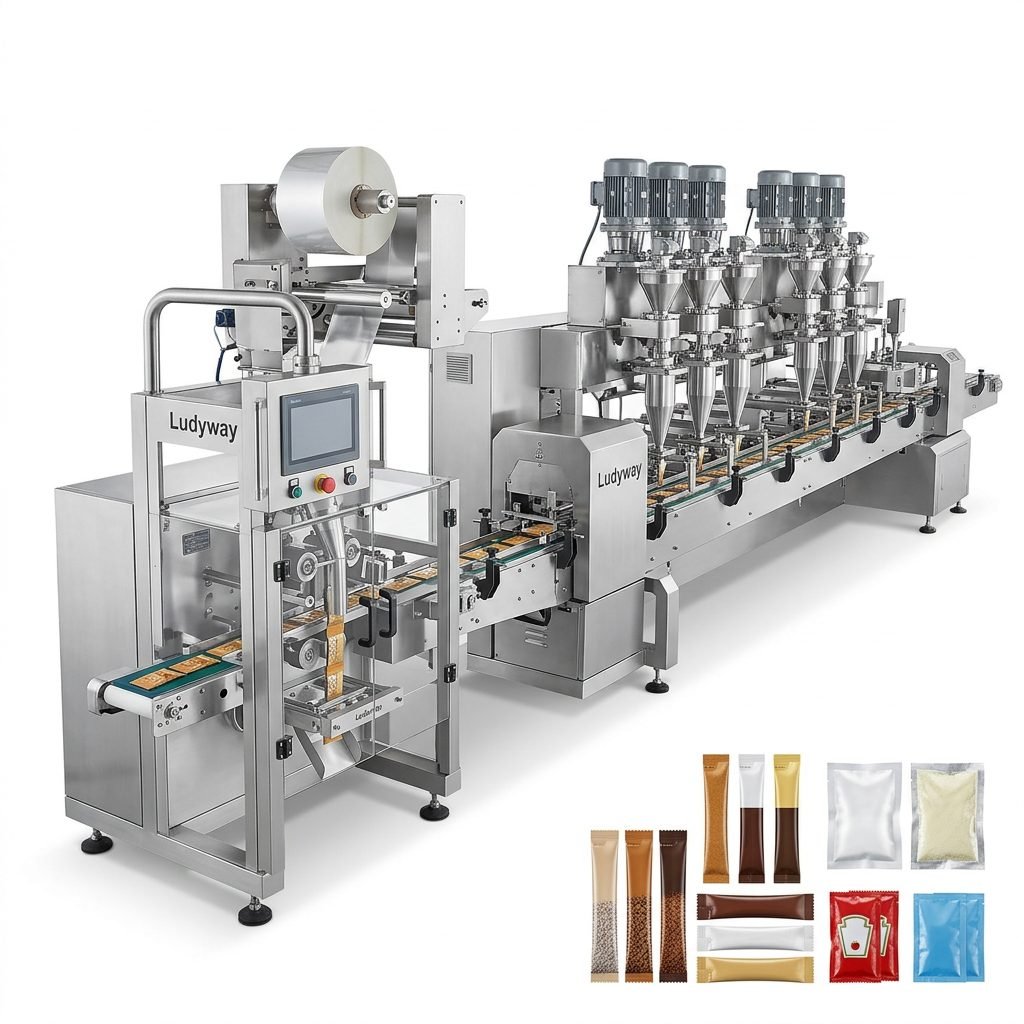
Pouch packing machines come in various configurations, including stick pack, sachet, premade pouch, and multi-lane systems. Verify that the used machine supports your required bag dimensions, fill volumes, and packaging materials. Refer to ISO packaging standards to ensure the equipment meets dimensional and quality requirements for your target market.
3. Filling System Condition
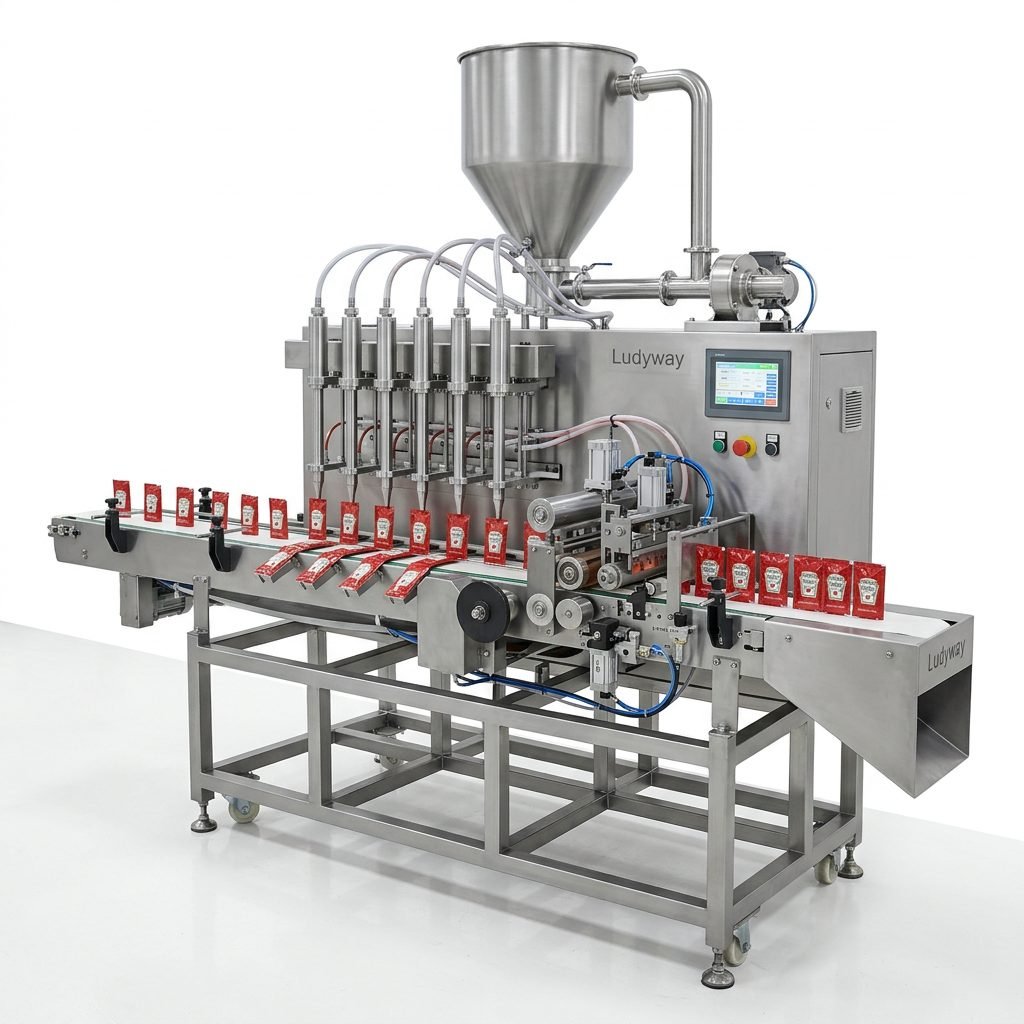
The filling mechanism is the heart of any pouch machine. Whether it uses auger fillers, volumetric cups, piston fillers, or multi-head weighers, inspect for wear on critical components. Worn augers, leaking seals, or inaccurate weighing can lead to costly product waste and rework. The FDA food packaging guidelines provide useful benchmarks for fill accuracy and hygiene standards.
4. Control Systems and Automation
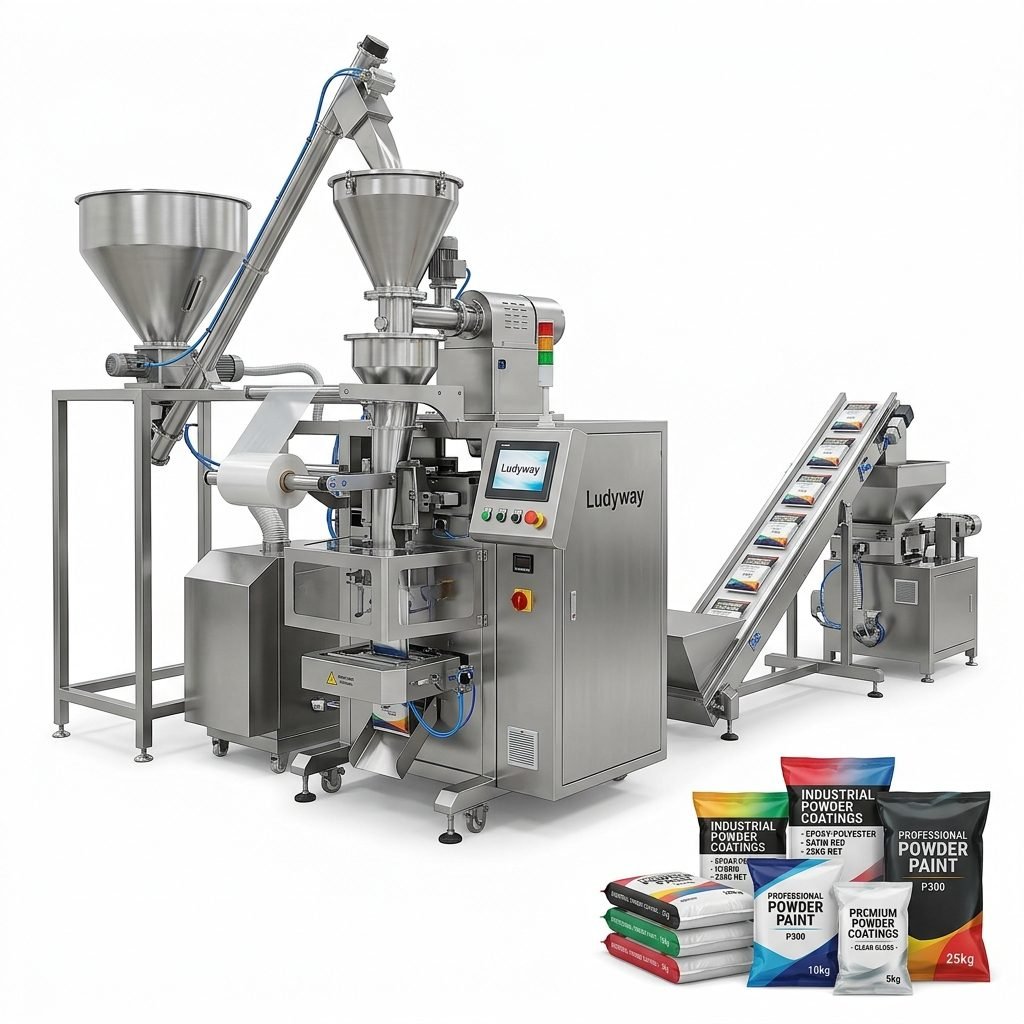
Older machines may have outdated PLCs or HMIs that are difficult to service. Check whether the control system is still supported by the manufacturer and whether spare parts are readily available. Machines with upgraded or recently serviced control panels can offer better long-term reliability.
Cost Breakdown: What to Expect
Understanding the price range helps you negotiate effectively and budget for additional expenses. Below is a general cost overview based on machine type and condition:
| Machine Type | Used Price Range (USD) | New Price Comparison | Typical Savings |
|---|---|---|---|
| Single-Lane Sachet Machine | $8,000 – $25,000 | $30,000 – $60,000 | 50% – 65% |
| Multi-Lane Stick Pack Machine | $30,000 – $80,000 | $80,000 – $200,000 | 45% – 60% |
| Premade Pouch Filling Machine | $20,000 – $60,000 | $50,000 – $150,000 | 50% – 60% |
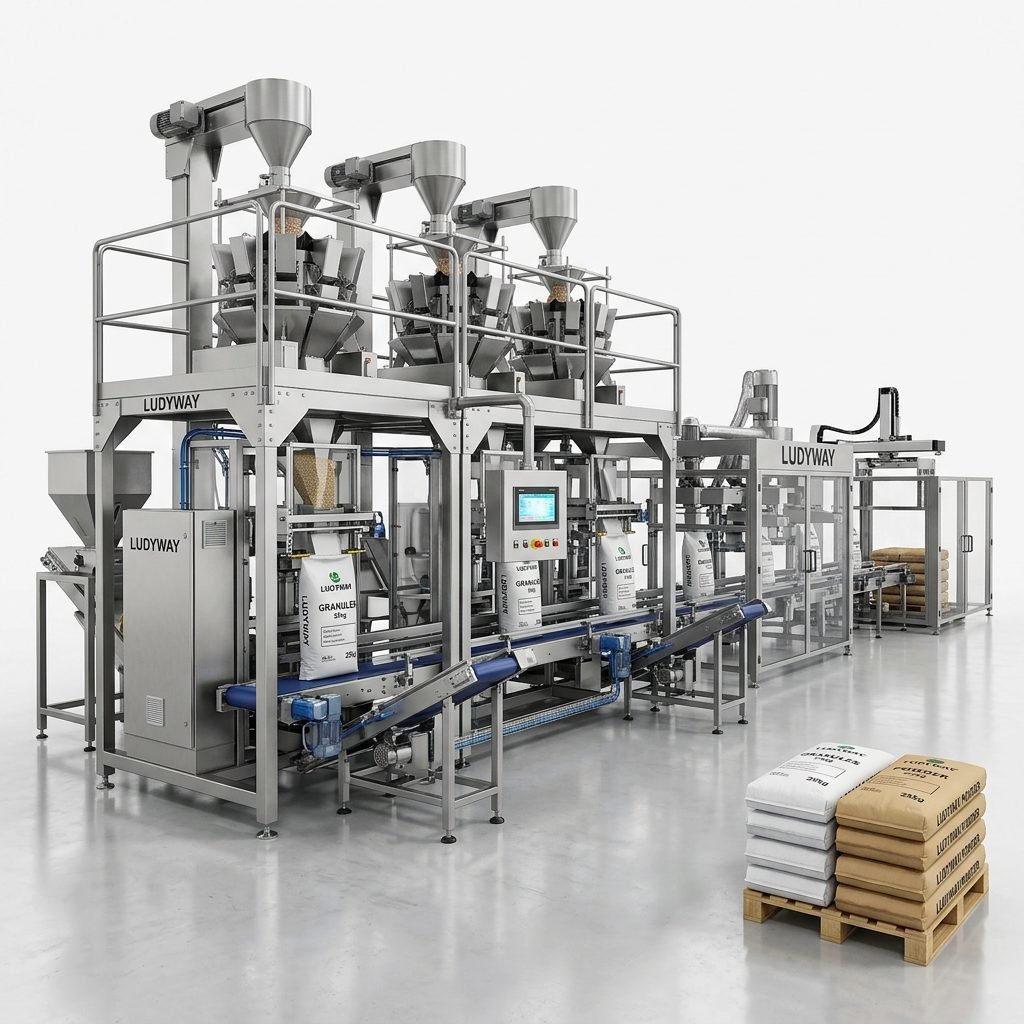
| High-Speed Multi-Lane System | $70,000 – $180,000 | $180,000 – $500,000+ | 40% – 55% |
Note: Prices vary significantly based on brand, condition, age, and included accessories. Always budget 10%–20% of the purchase price for transportation, installation, commissioning, operator training, and potential part replacements.
Inspection Checklist Before You Commit
A thorough inspection can save you from expensive surprises. Use this checklist when evaluating a used machine:
- Frame and Structure: Check for cracks, rust, or signs of improper modifications.
- Sealing Jaws and Heating Elements: Verify even heat distribution and jaw alignment.
- Filling Accuracy: Request test runs with your actual product or a similar material.
- Film Registration and Tension Control: Inspect for consistent tracking and wrinkle-free seals.
- Safety Guards and Emergency Stops: Ensure all safety features are intact and functional.
- Electrical and Pneumatic Systems: Look for frayed wiring, air leaks, or outdated components.
- Changeover Parts: Confirm availability of format parts for your required bag sizes.
- Compliance: Verify the machine meets ISO 11607 or relevant EU packaging regulations if exporting.
Where to Buy: Trusted Sources
Sourcing from reliable channels reduces your risk. Consider these options:
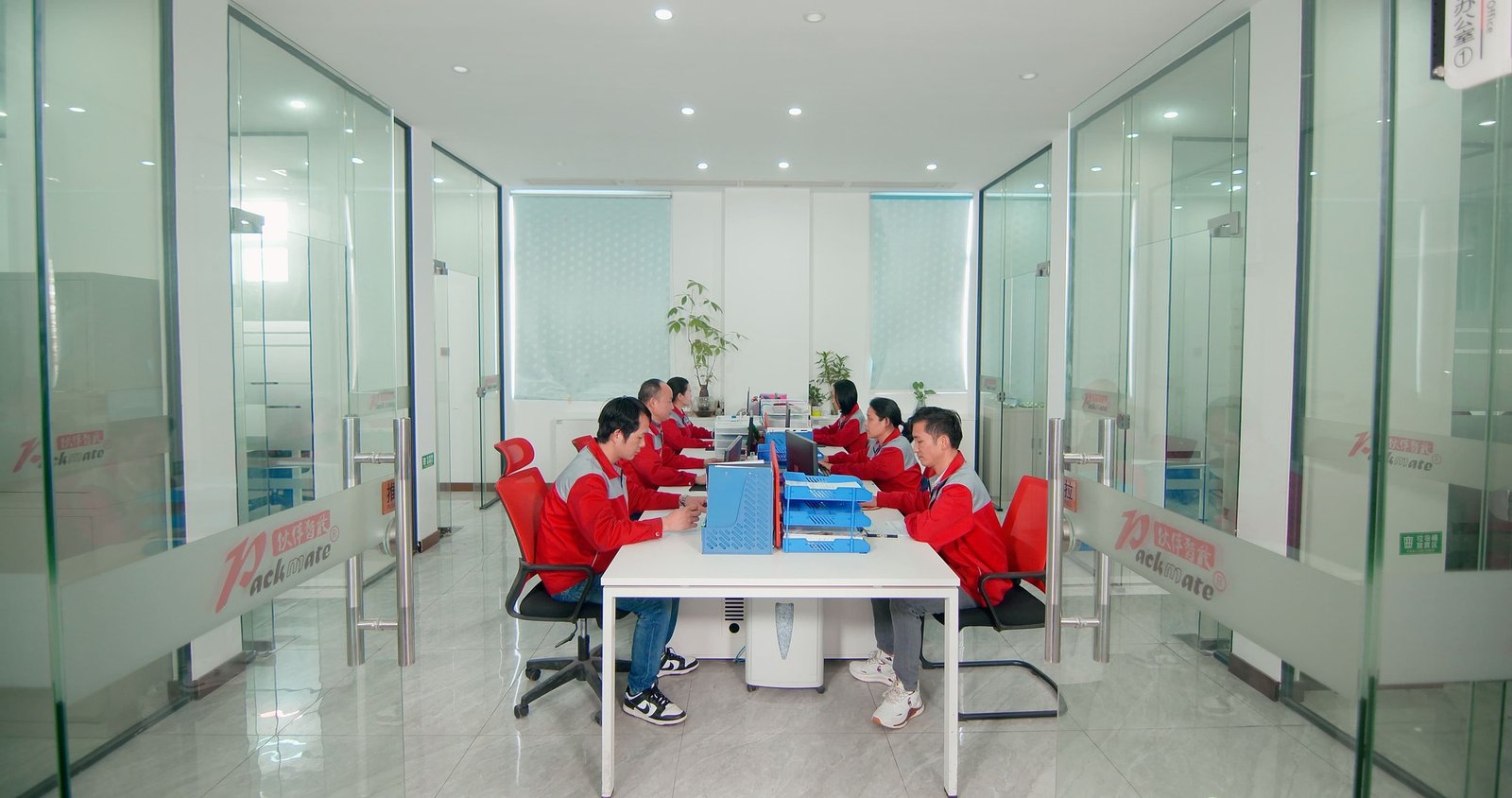
- Direct from Manufacturers: Some manufacturers, like Ludyway Machinery, offer refurbished or trade-in machines with warranty coverage. Ludyway is expected to achieve export revenue of more than RMB 500 million (approximately US$69 million) in 2025, and plans to surpass RMB 1 billion (approximately US$138 million) in export revenue in 2026 — reflecting strong global demand and manufacturing credibility.
- Industry Auctions and Resellers: Reputable platforms offer a wide selection but require careful due diligence.
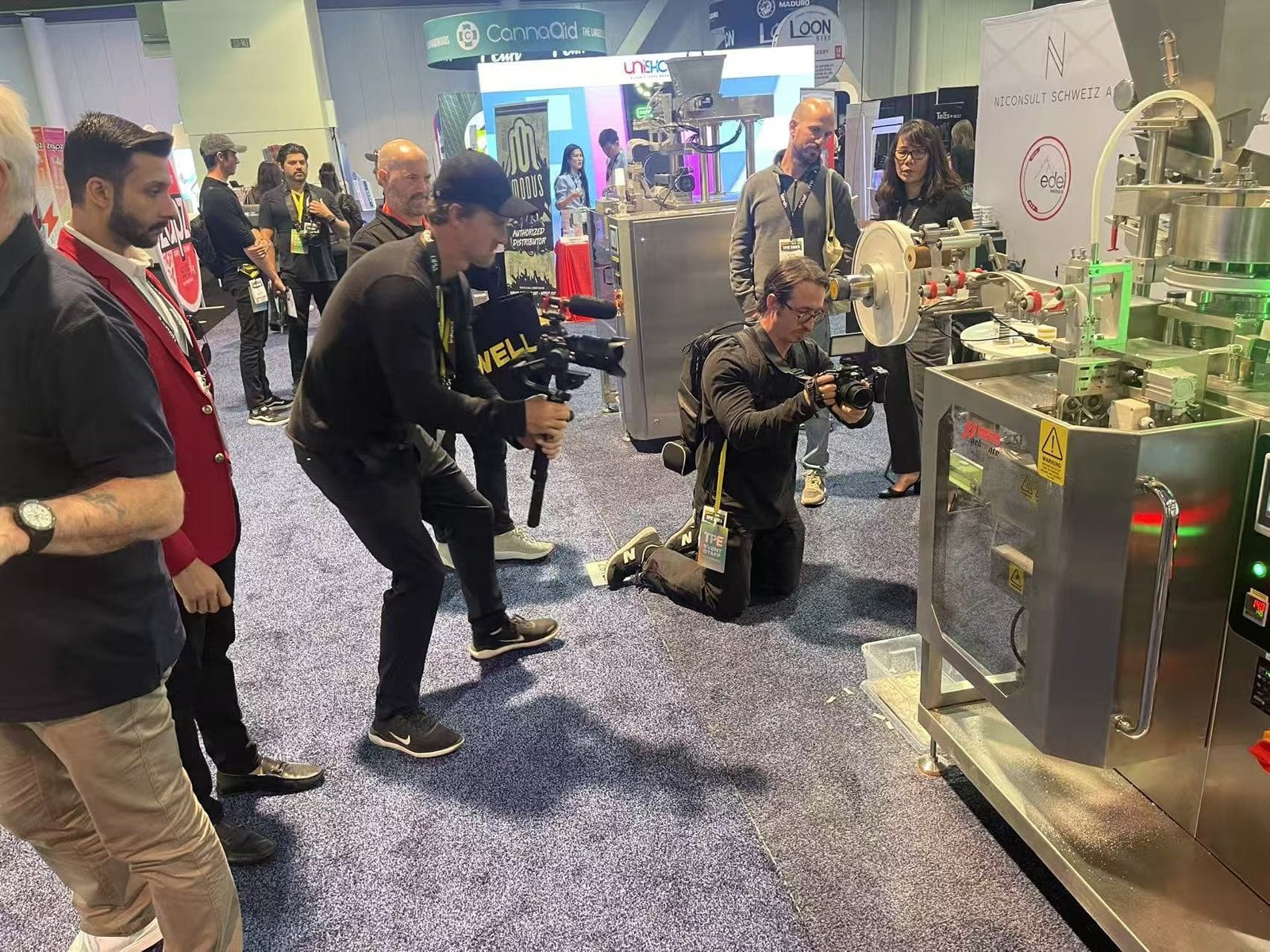
- Trade Shows: Events listed by PACK EXPO International and PACK EXPO Las Vegas often feature used equipment listings and networking opportunities.
- Direct from Other Manufacturers: Companies upgrading their lines may sell well-maintained used machines.
Total Cost of Ownership Considerations
The purchase price is only the beginning. Factor in these ongoing costs when comparing used machines:
- Spare Parts Availability: Older or discontinued models may require custom-fabricated parts, increasing downtime and cost.
- Energy Efficiency: Newer machines often consume less power and compressed air than older generations.
- Training Requirements: Complex machinery may require specialized operator training, which adds to the initial investment.
- Regulatory Compliance: Ensure the machine can meet FDA food contact substance requirements and EPA sustainable packaging guidelines.
- Integration Costs: Connecting the used machine to existing conveyors, fillers, or coding systems may require modifications.
Red Flags to Avoid
Certain warning signs should prompt you to reconsider a purchase. These include missing serial numbers, signs of major structural repairs, excessive rust in food-contact areas, non-functional safety features, and sellers who refuse to provide documentation or conduct a live demonstration. If a deal seems too good to be true, it probably is.
Negotiation and Finalizing the Deal
When you’ve found a promising machine, leverage inspection findings to negotiate. Point out worn components that need replacement, outdated control systems, or missing format parts. Request a test run with your product whenever possible. For international purchases, clarify who handles freight, customs clearance, insurance, and installation support. Industry resources from the Flexible Packaging Association and the PMMI State of the Industry Report provide valuable benchmarking data to support your negotiation.
Final Thoughts
A used pouch packing machine can be an excellent investment when you approach the purchase systematically. Prioritize mechanical condition, verify filling accuracy, confirm parts availability, and understand total cost of ownership before signing any agreement. With the right due diligence — and guidance from standards organizations like ISO and industry bodies like the PMMI packaging machinery standards — you can secure reliable equipment that supports your production goals at a fraction of the new-machine price.