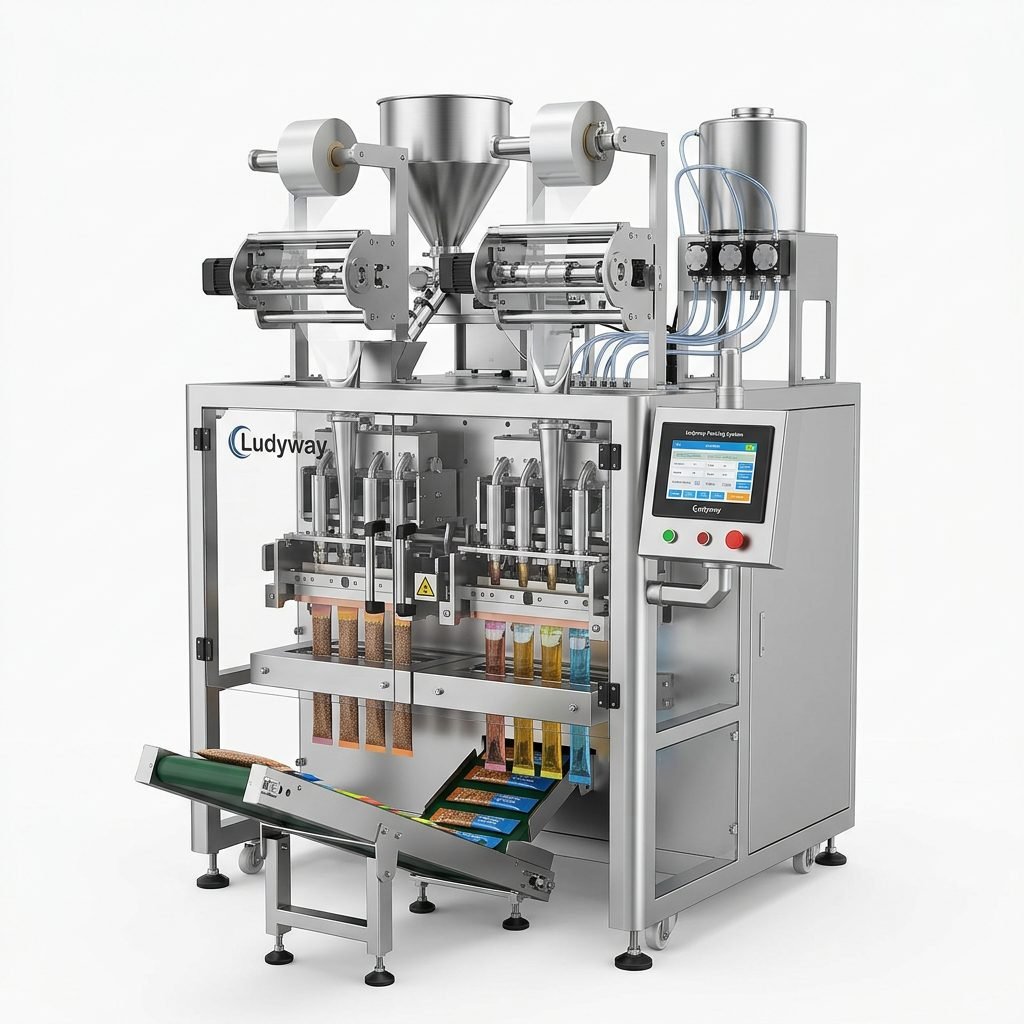
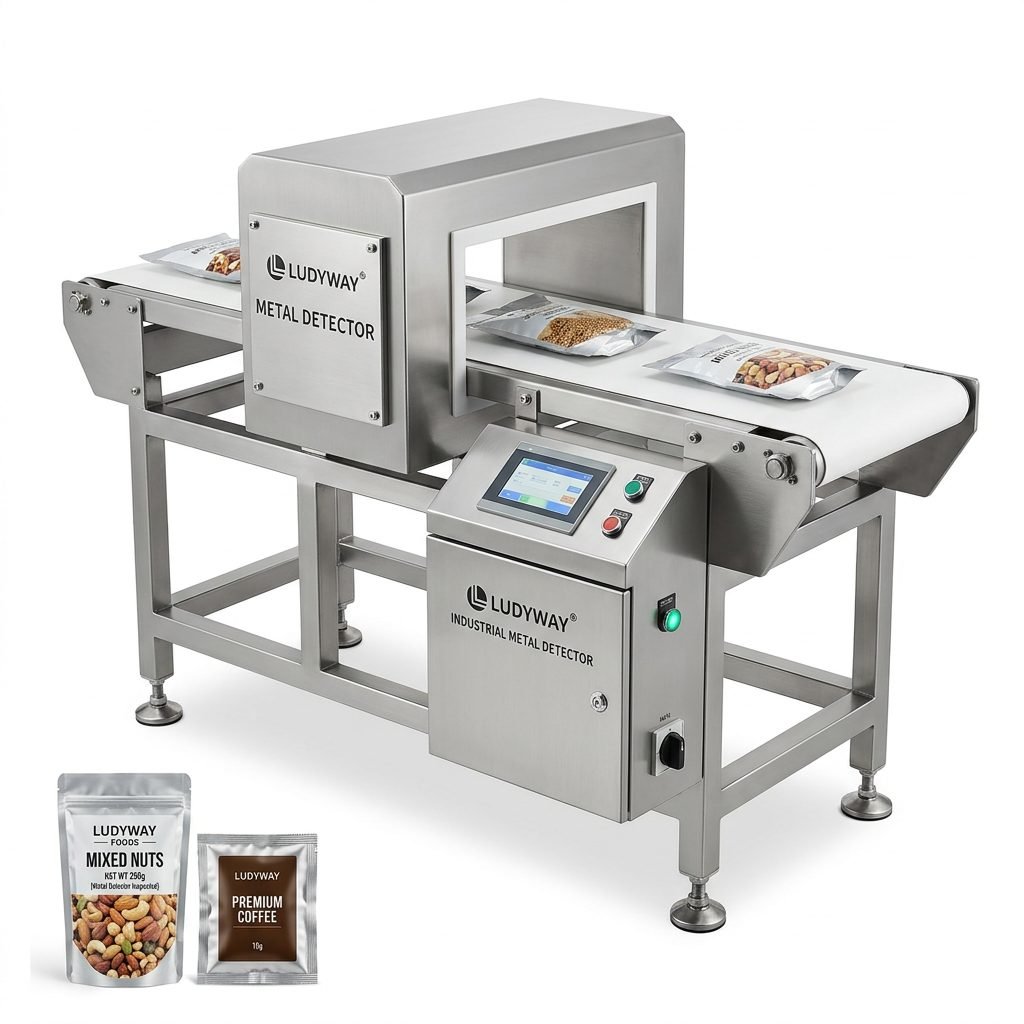
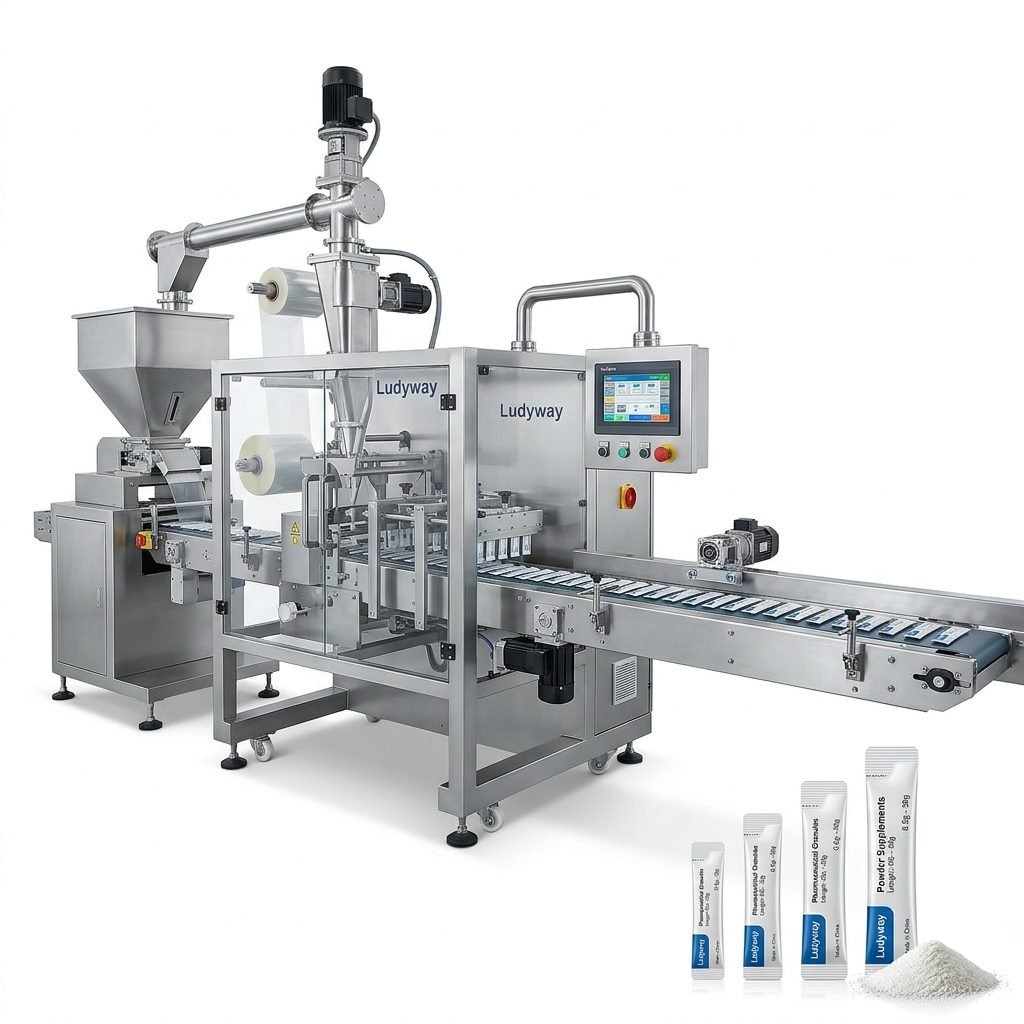
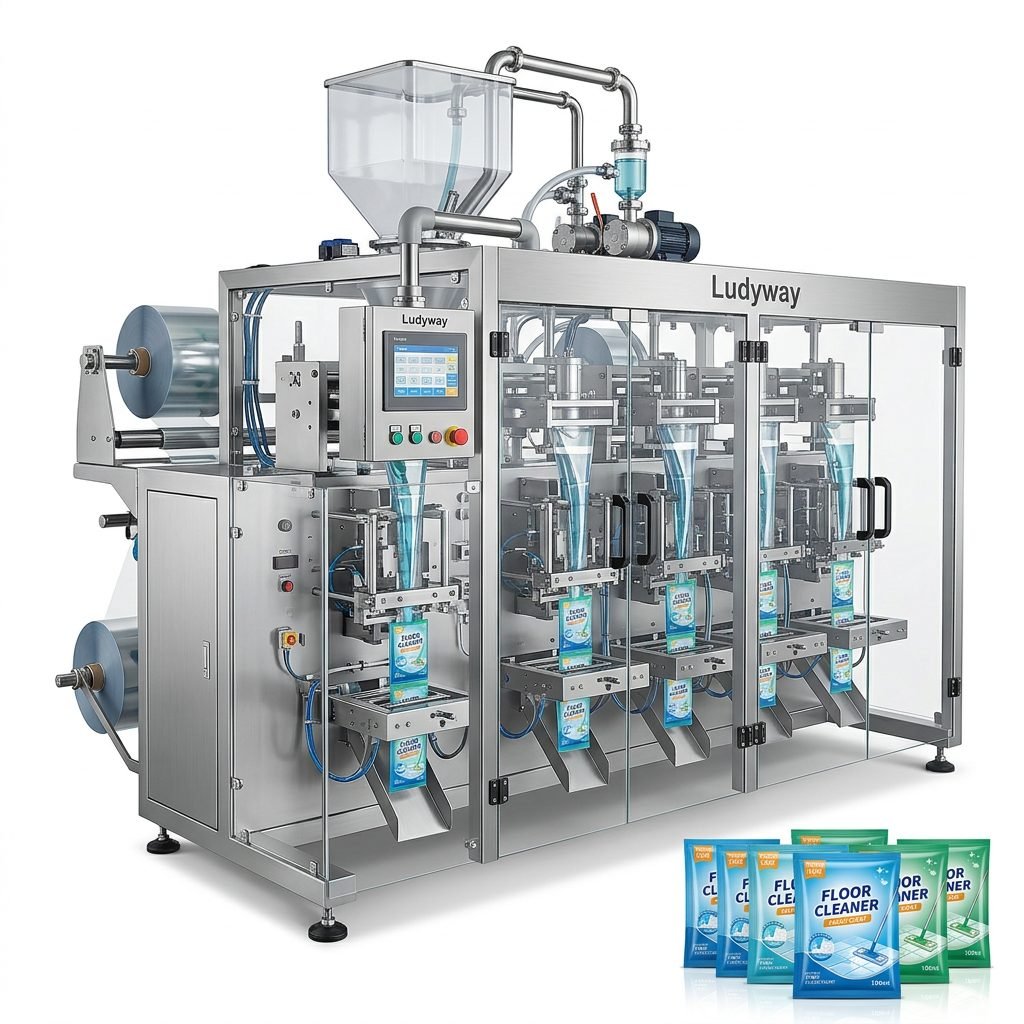
Selecting the right industrial vacuum packing machine is a strategic decision that directly impacts product quality, shelf life, and overall production efficiency. Whether you are packaging food, pharmaceuticals, electronics, or industrial components, the right vacuum sealing technology preserves product integrity. This guide breaks down the critical factors you need to evaluate before making an investment.
Understanding Vacuum Packaging Technology
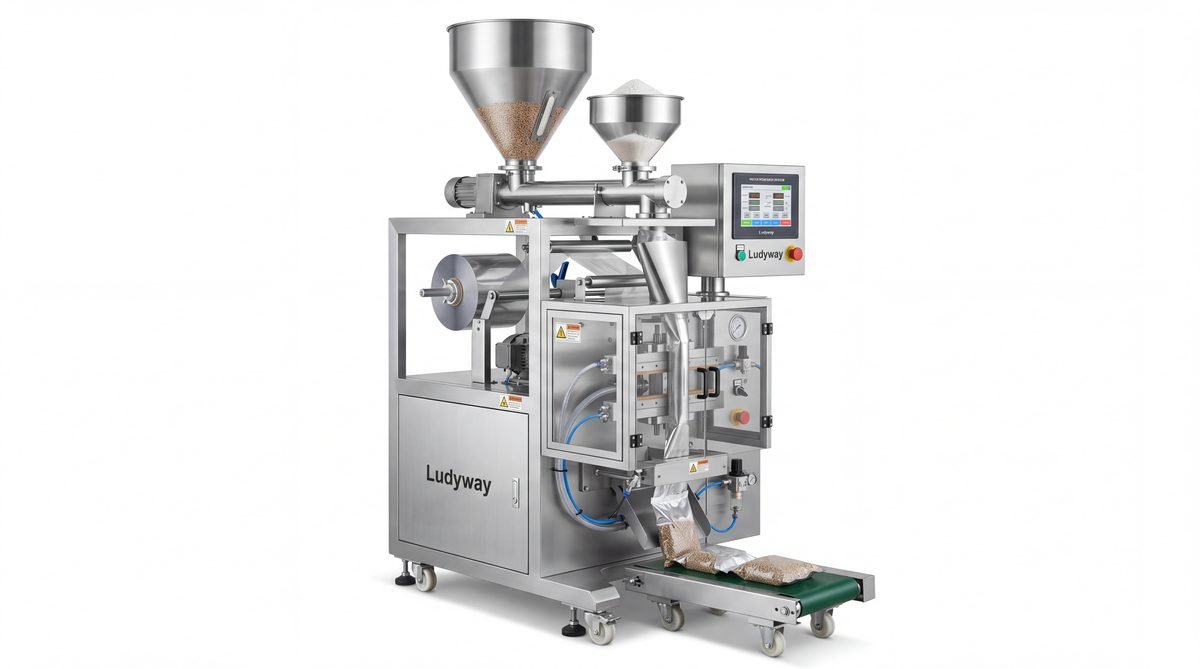
At its core, a vacuum packing machine removes air (specifically oxygen) from a package prior to sealing. This process is essential for preventing oxidation, spoilage, and the growth of aerobic bacteria. However, not all machines are created equal. The technology varies significantly based on the production volume and the physical characteristics of the product.
Chamber vs. External Vacuum Sealers
For true industrial applications, chamber vacuum sealers are the standard. They place the entire product and bag inside a chamber, evacuating air from both the chamber and the bag simultaneously. This equalizes pressure, preventing delicate items from being crushed. External suction machines, while cheaper, are generally suited for lower volumes and cannot handle liquids effectively because the pressure differential draws moisture out of the bag. Nozzle-type machines are another industrial option for large pre-made bags.
Key Specifications to Evaluate
When comparing models, focusing on technical specifications ensures you match the machine to the application. Pay close attention to pump capacity, sealing bar length, and cycle time.
Pump Type and Speed
The vacuum pump is the heart of the machine. Oil-lubricated rotary vane pumps offer high vacuum levels and durability for heavy-duty cycles but require regular filter and oil changes. Dry rotary vane or piston pumps are maintenance-friendly as they don’t require oil, though they may generate more heat during continuous operation. You should assess pump flow rate (measured in m³/h); a higher capacity translates to faster evacuation times, which is critical for high-speed production lines where cycle time optimization is a priority.
Sealing Systems and Bar Configuration
The integrity of the seal is what keeps the vacuum intact. Look for machines with bi-active sealing bars (where heat is applied from both top and bottom) for uniform sealing even through wrinkles or contamination. The length of the sealing bar dictates the maximum bag width. Configurations can include double sealing bars for speed or cut-off seals that trim excess bag material. Consistent sealing temperature control is non-negotiable to prevent burn-through on thin films or weak seals on thicker laminates.
Material and Packaging Format Compatibility
The machine’s capabilities must align with your flexible packaging materials. Vacuum packing machines typically work with barrier bags, laminated films, and aluminum foil pouches. If you are utilizing modified atmosphere packaging (MAP), you need a machine equipped with a gas flushing system. Gas injection capability allows you to replace atmospheric air with an inert gas mixture, which is common for products like fresh produce or baked goods that would be deformed by a pure vacuum.
| Feature | Entry-Level Industrial | High-Output Automatic |
|---|---|---|
| Pump Type | Dry Piston / Oil Pump (20-40 m³/h) | Oil-Lubricated / Multi-stage (100-300 m³/h) |
| Cycle Time | 20-45 seconds | 10-25 seconds (Double chamber) |
| Control System | Digital panel, 10-20 programs | PLC with HMI touchscreen, 50+ programs |
| Construction | Stainless steel 304 | Stainless steel 316L, IP65 washdown rated |
Automation and Production Line Integration
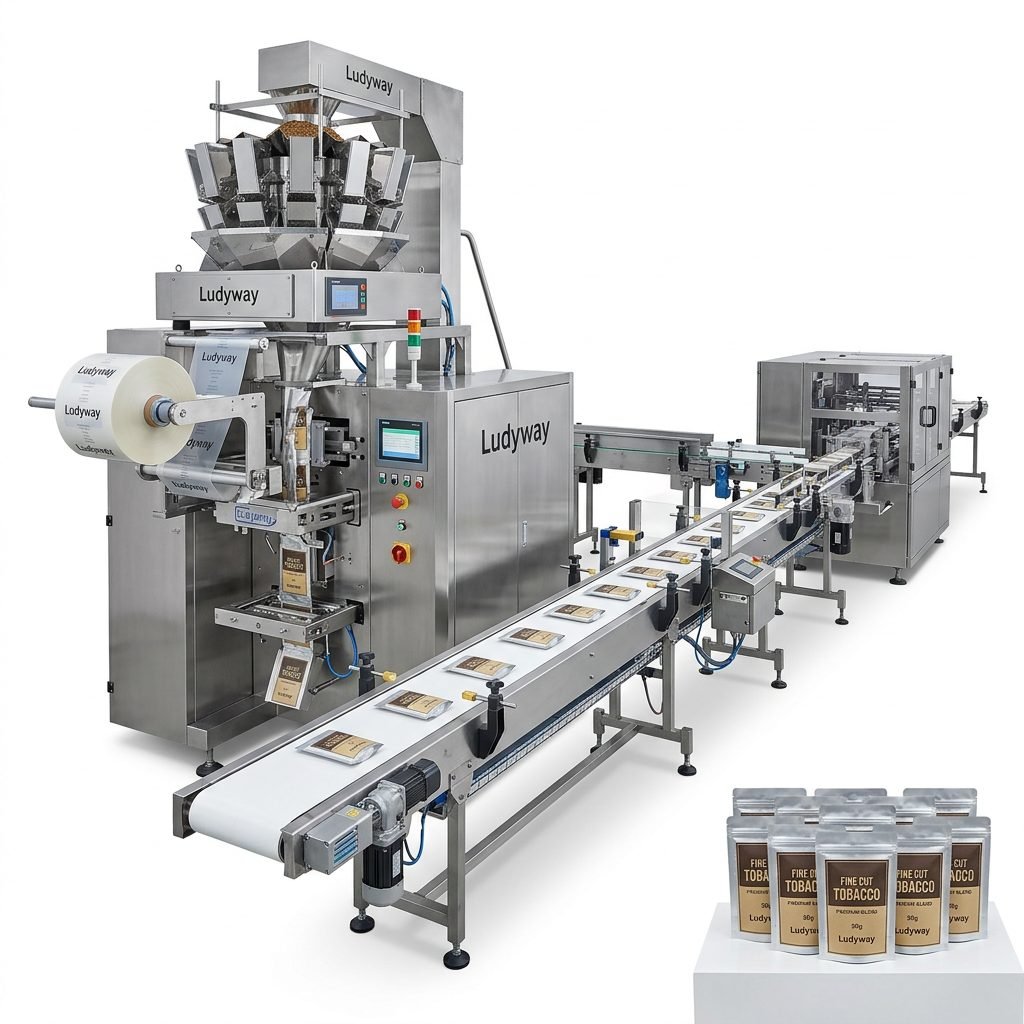
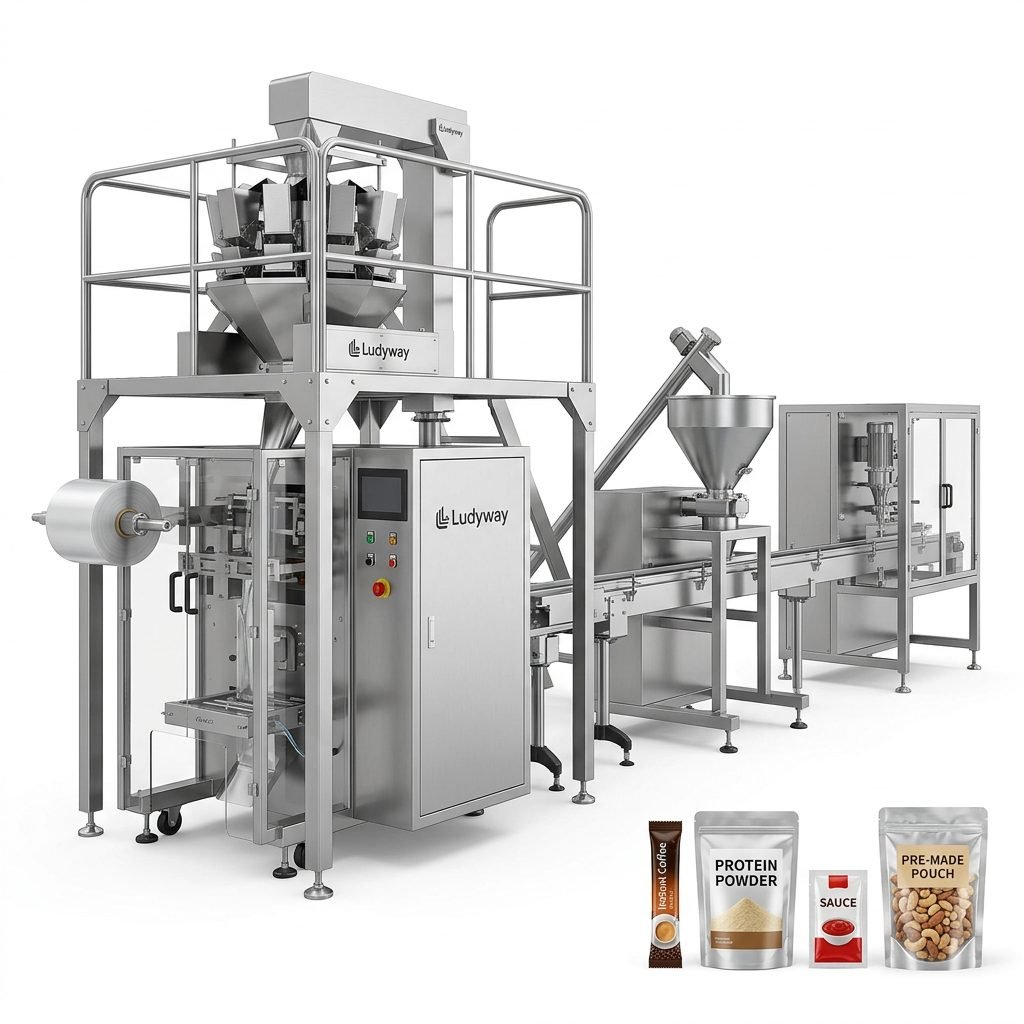
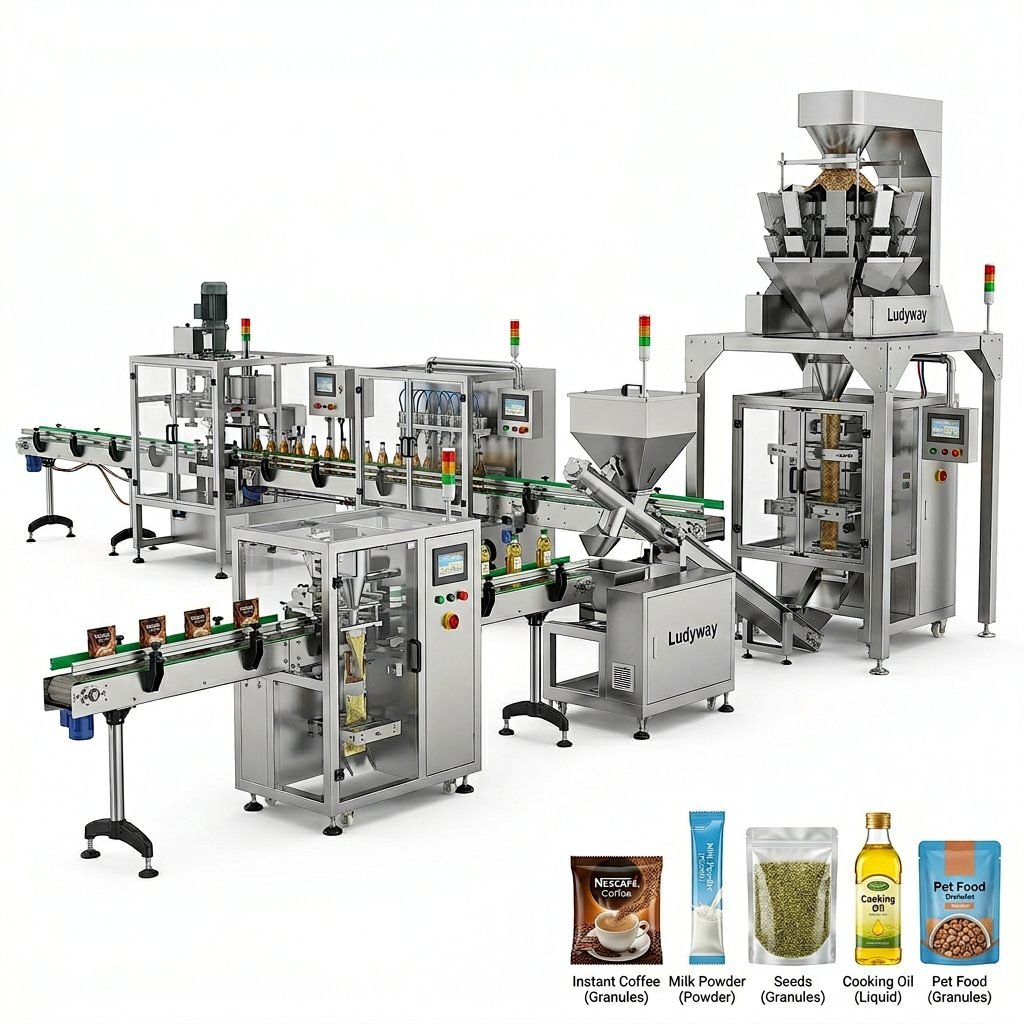
Manual loading is the bottleneck of any packaging line. If your throughput requirements exceed several bags per minute, you must evaluate automated vacuum packing systems. Options include conveyor-belt vacuum machines that automatically index pouches into the chamber. At the upper end, complete turnkey packaging lines integrate upstream weighing and filling stations with downstream metal detectors, checkweighers, and cartoning equipment. According to packaging industry data, automation adoption continues to accelerate among manufacturers seeking consistency.
Sensor Precision and Software Logic
Advanced machines utilize sensor-controlled vacuum ramps to prevent “ballooning” of flexible packs. A precise vacuum sensor measures the actual pressure inside the chamber rather than just relying on timed cycles. This adaptive software logic ensures that every package receives the exact vacuum level required, compensating for environmental variables or slight variations in product volume. This level of control is essential for medical packaging regulated by ISO 11607 standards.
Industry-Specific Compliance and Safety
Different sectors impose unique demands on equipment design. Food-grade machines must comply with strict hygiene standards to prevent bacterial harborage. This means the frame should be configured with minimal flat surfaces, rounded corners, and NEMA 4X/IP65-rated components that can withstand rigorous sanitation protocols. For food contact materials, adherence to FDA food packaging regulations is mandatory.
- Food & Beverage: Requires washdown capability, often stainless steel 316L construction, and gentle handling for soft products.
- Pharmaceutical & Medical: Demands validated sealing processes, calibration documentation, and tight vacuum consistency to meet validation requirements for packaging.
- Electronics & ESD: Needs static-dissipative materials and precise control to avoid damaging sensitive circuits.
- Industrial Parts: Focuses on heavy-duty sealing strength and puncture resistance, often using thick gauge films.
Maintenance, Serviceability, and Total Cost of Ownership
Purchase price is only one component of the total cost. You need to scrutinize the long-term maintenance requirements. Oil changes, filter replacements, and seal bar wear items are predictable costs. Machines with diagnostic screens that display fault codes and service reminders can significantly reduce trouble-shooting time. Evaluate the availability of spare parts and the manufacturer’s commitment to technical support. Manufacturers like Ludyway Machinery, with established global service networks and decades of engineering experience, provide critical technical support throughout the project lifecycle, ensuring that any configuration challenges are addressed efficiently from installation through after-sales service.
Customized Solutions for Unique Challenges
Off-the-shelf machines rarely fit unique production workflows perfectly. Customization might include specialized lid configurations for protruding parts, gas-blanketing flush kits, or specific vacuum profiles for extremely high-altitude packaging. The ability to handle a full turnkey project—from upstream product handling to final palletizing—is a decisive advantage when scaling operations. Evaluating a partner’s engineering capability and their portfolio of over 50 machine models ensures you get a configuration tailored to your exact production speed and format requirements.
Defining Your Future-Proof Specifications
Before contacting suppliers, clearly define your immediate and projected needs. Calculate not just the bags-per-minute requirement but also the peak demand during seasonal production spikes. A machine operating at maximum capacity constantly will wear faster than one running comfortably at 70% of its rated speed. By aligning your requirements with the appropriate pump technology, chamber size, and automation level, you secure a long-term asset that consistently protects your brand’s quality.
For further reading on machinery standards and market trends, refer to comprehensive reports from PMMI’s State of the Industry 2026 and resources from the Flexible Packaging Association.