Investing in a wheat straw packing machine represents a strategic decision for agricultural processors, biomass companies, and animal feed manufacturers. Whether you are packaging chopped straw for animal bedding, preparing briquettes for biomass fuel, or selling compostable straw mulch, selecting the right equipment directly impacts your operational efficiency, product quality, and long-term profitability.
Because wheat straw has unique physical properties—including low bulk density, high moisture sensitivity, variable fiber length, and dust generation—it requires specialized packaging technology. A general-purpose packaging machinery manufacturer may not offer the specific engineering needed to handle these challenges effectively. This guide will walk you through the essential technical, operational, and commercial factors so you can make a confident purchasing decision.
Understanding Wheat Straw as a Packaging Material
Before evaluating machinery specifications, it is essential to understand what makes wheat straw different from other bulk materials. Unlike free-flowing grains or uniform granules, wheat straw is fibrous, irregular, and highly compressible. These characteristics create specific engineering requirements for dosing, filling, compaction, and sealing.
- Low bulk density: Wheat straw typically ranges from 40 to 120 kg/m³ depending on chopping length, moisture, and compression. This requires specialized feeding systems to achieve consistent fill weights.
- High dust content: Dry straw processing generates significant airborne dust. Dust extraction and filtration systems should be integrated into the packaging line to protect operators and maintain equipment reliability.
- Moisture variability: Straw harvested under different conditions can have moisture content ranging from 8% to over 20%. This affects flowability, compression behavior, and seal integrity.
- Abrasive nature: Silica content in wheat straw can cause accelerated wear on contact parts. Material selection for hoppers, augers, and sealing surfaces matters significantly for long-term maintenance costs.
Key Machine Types for Wheat Straw Packaging
The packaging format you need depends on your end market, storage and transport logistics, and volume requirements. Below is a comparison of the most common machine types used for wheat straw packaging applications.
| Machine Type | Best For | Typical Bag Sizes | Key Considerations |
|---|---|---|---|
| Open-Mouth Bagging Machines | Animal bedding, bulk biomass | 15–50 kg | Requires pre-compression; dust control is mandatory |
| Valve Bag Packaging Machines | Pelletized straw, briquettes | 10–25 kg | Needs consistent particle size; high throughput possible |
| Form-Fill-Seal (FFS) Systems | Small retail packs for garden mulch | 1–10 kg | Higher automation; requires uniform straw chop length |
| Big Bag / FIBC Filling Stations | High-volume biomass, industrial use | 500–1000 kg | Needs heavy-duty compaction; forklift compatibility |
| Baling and Wrapping Machines | Transport-efficient compressed bales | 20–50 kg bales | Lower automation; manual handling common |
6 Critical Factors to Evaluate Before Buying
1. Weighing and Dosing Accuracy
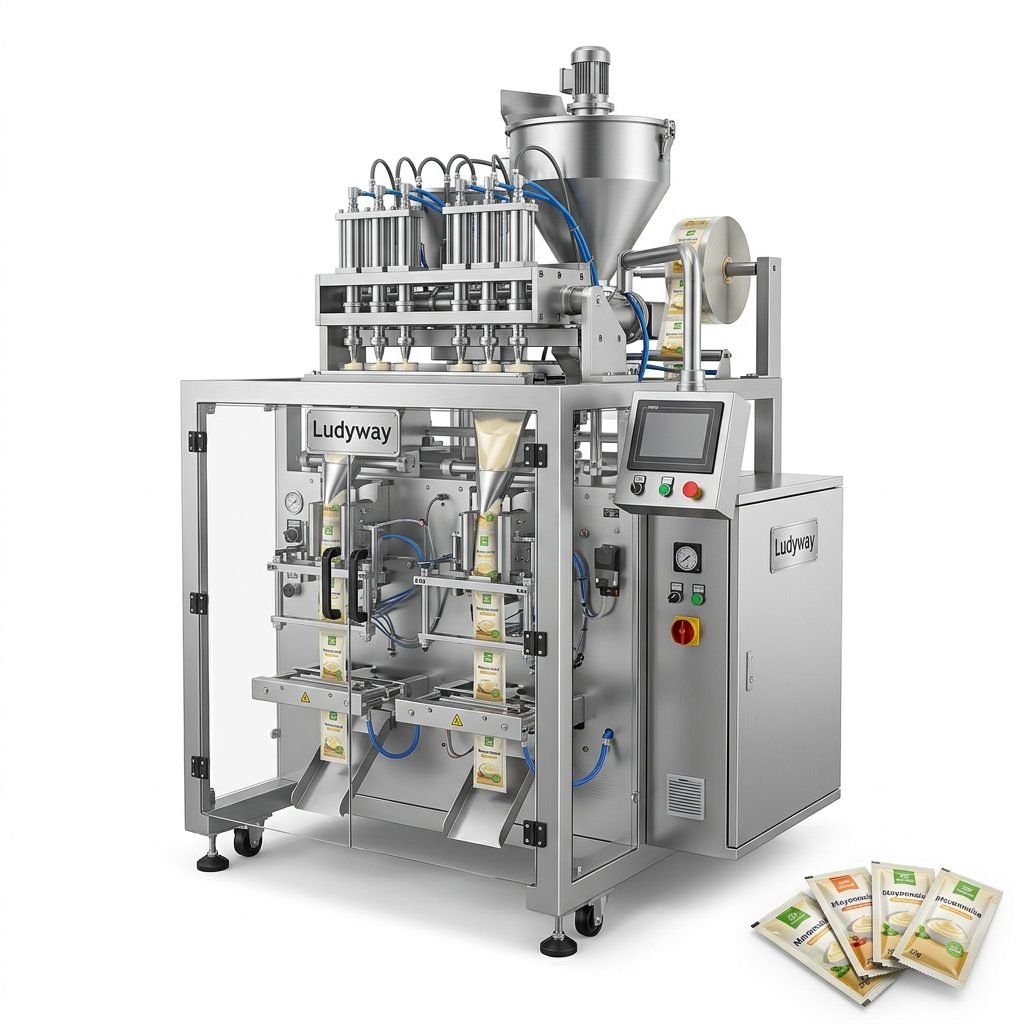
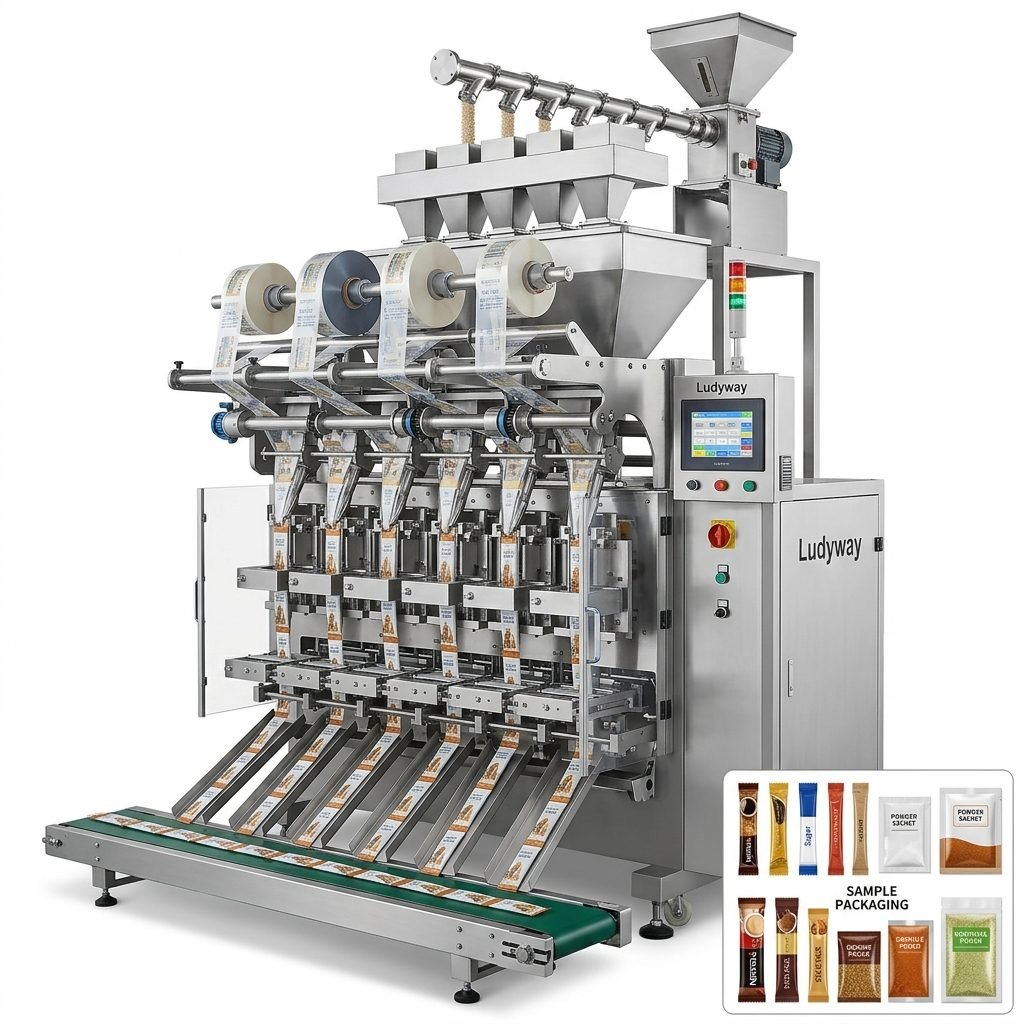
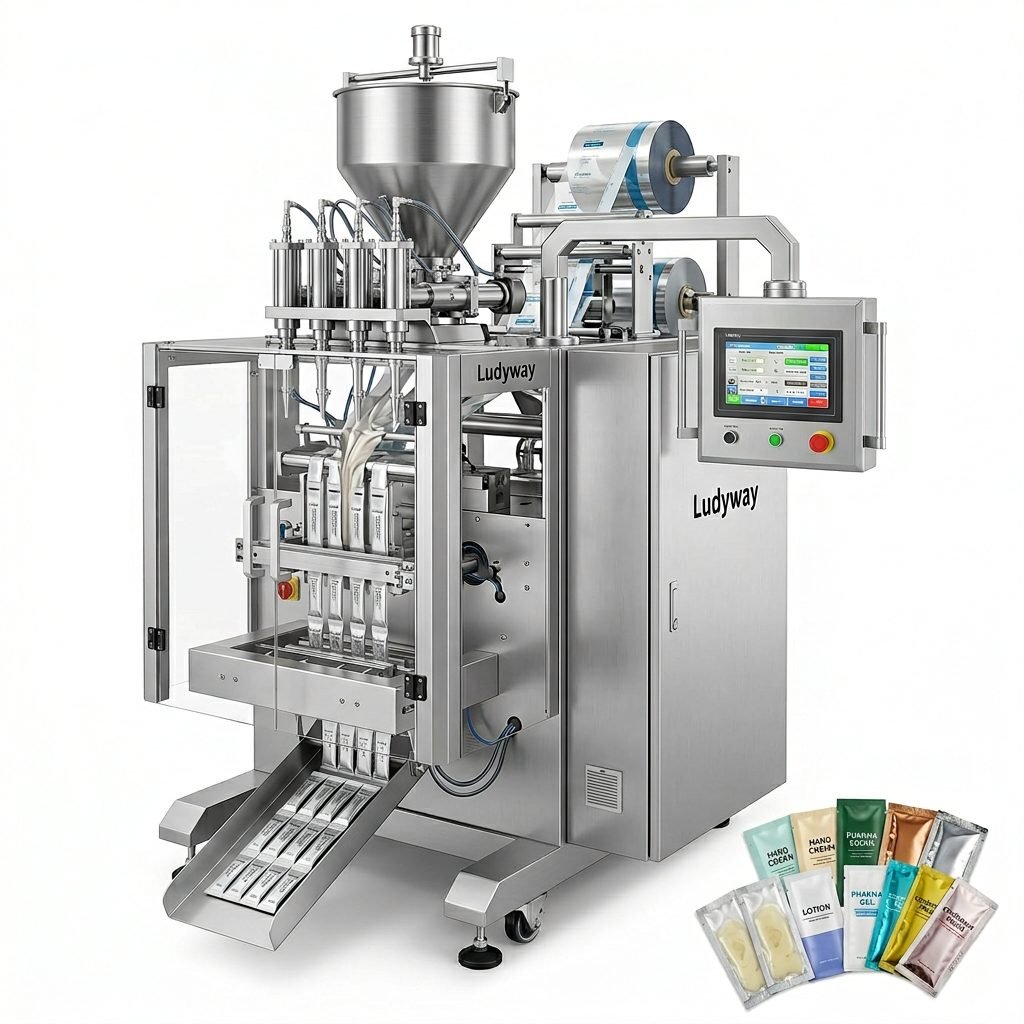
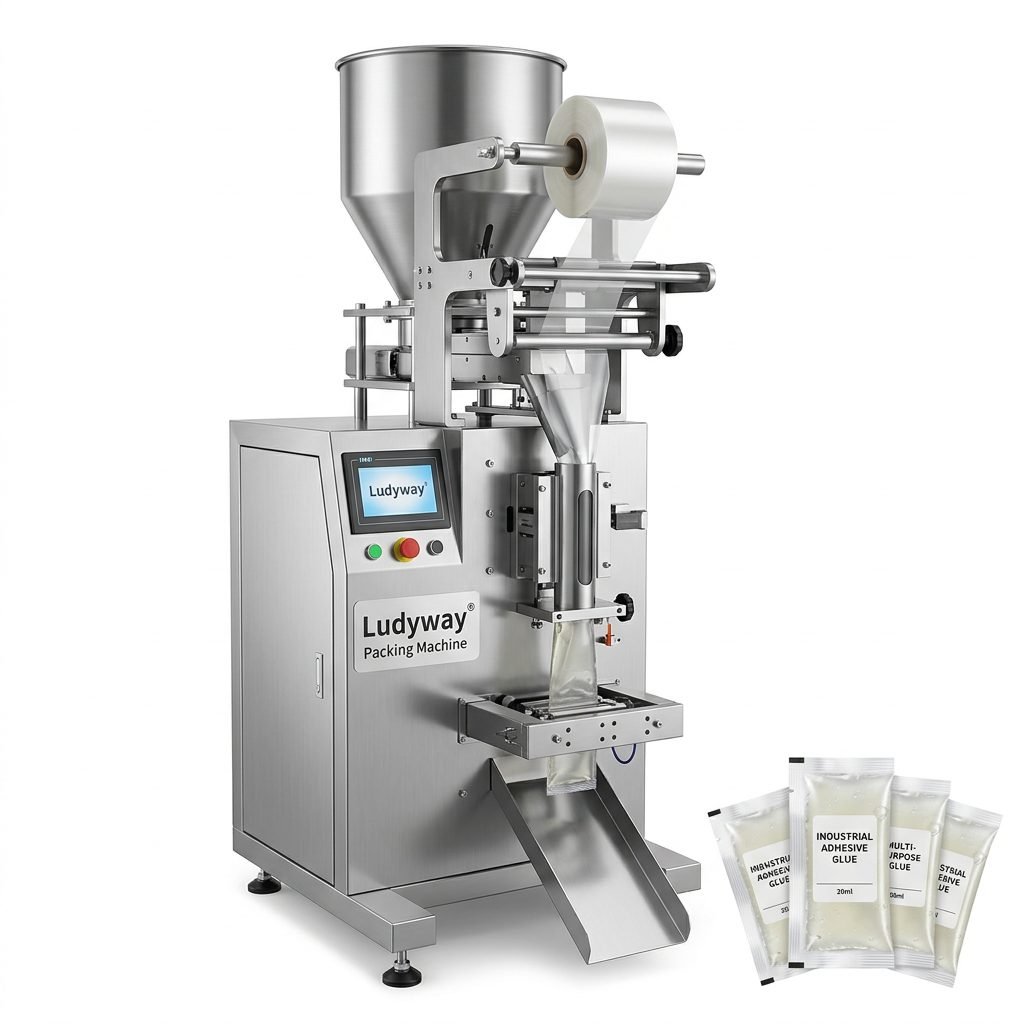
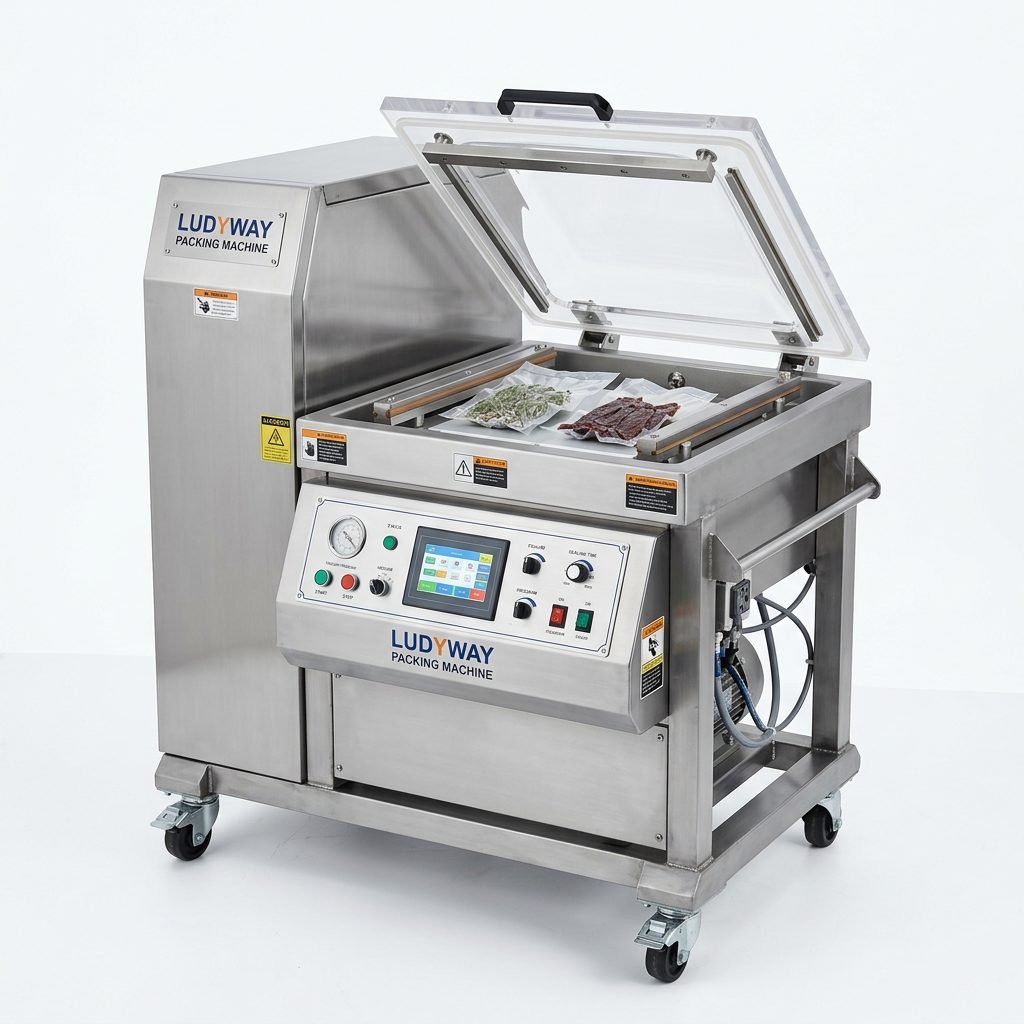
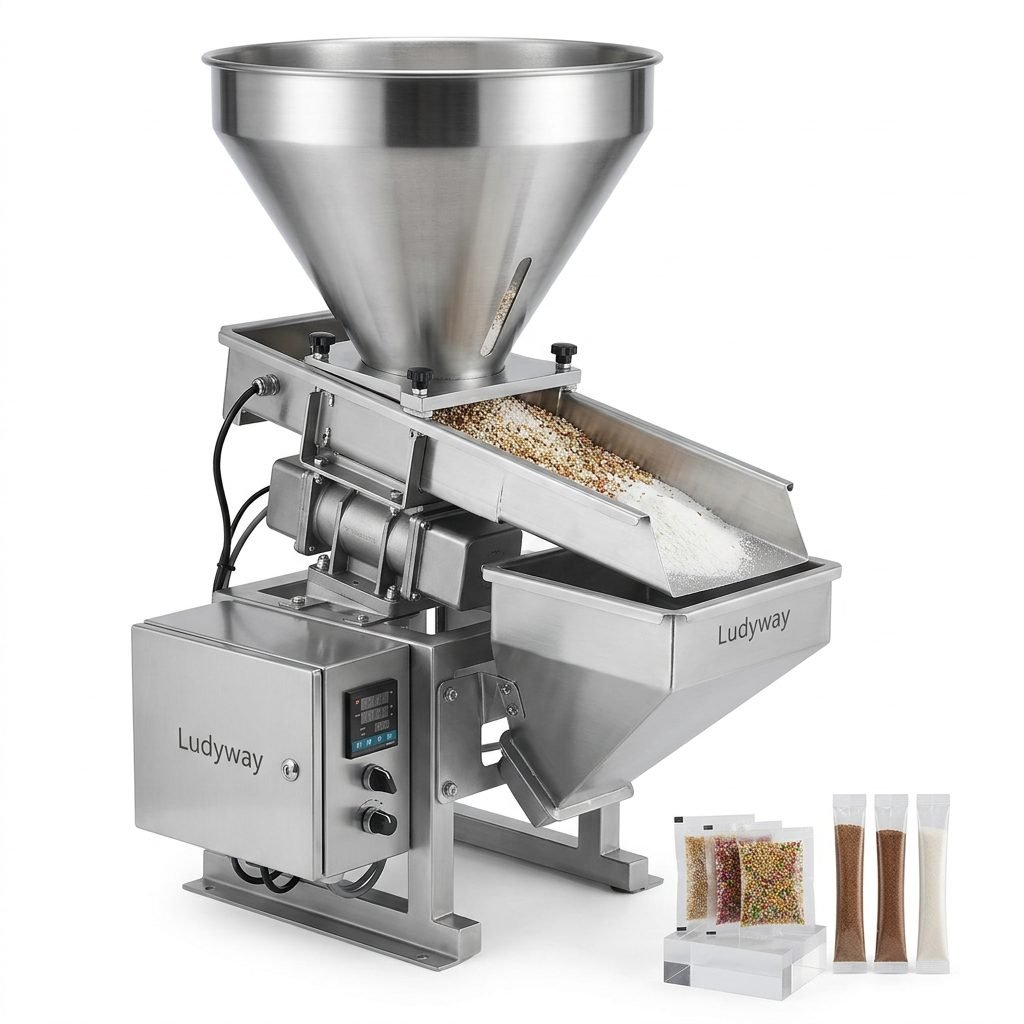
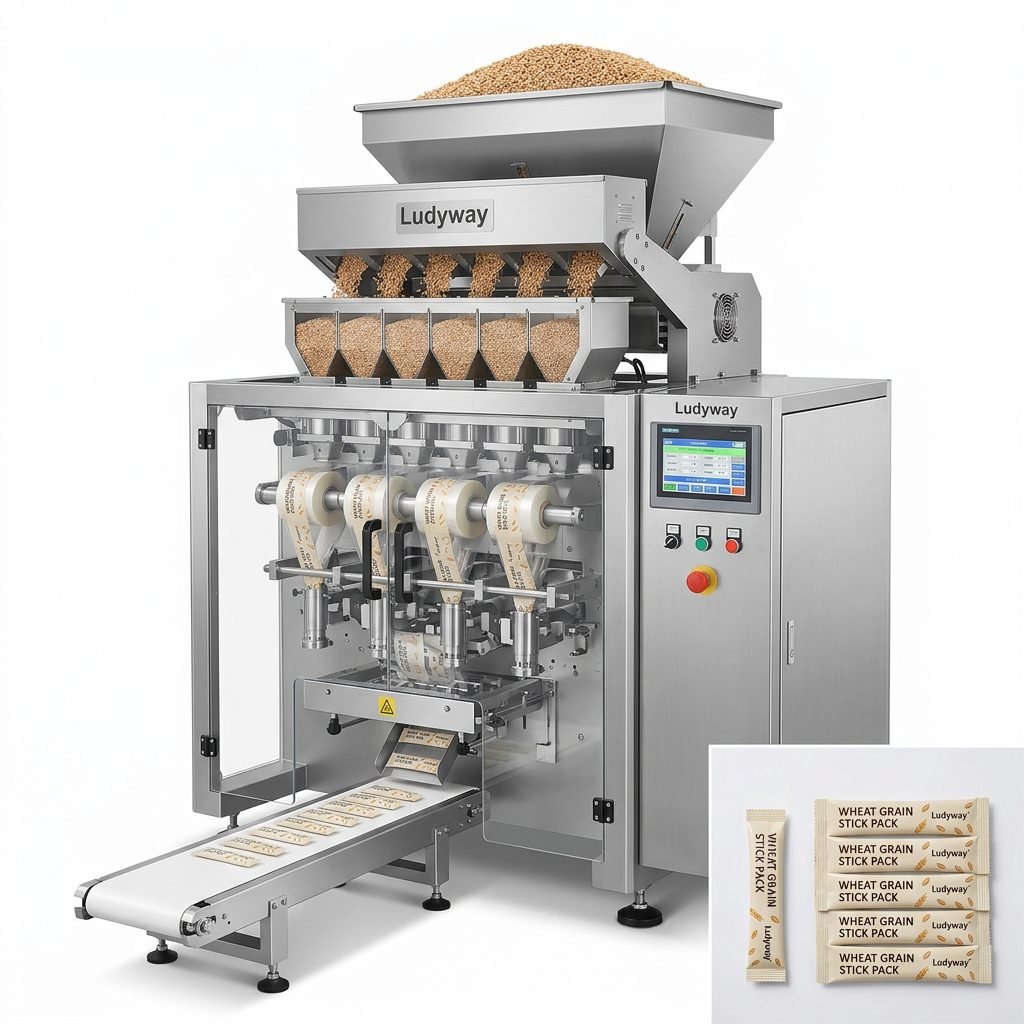
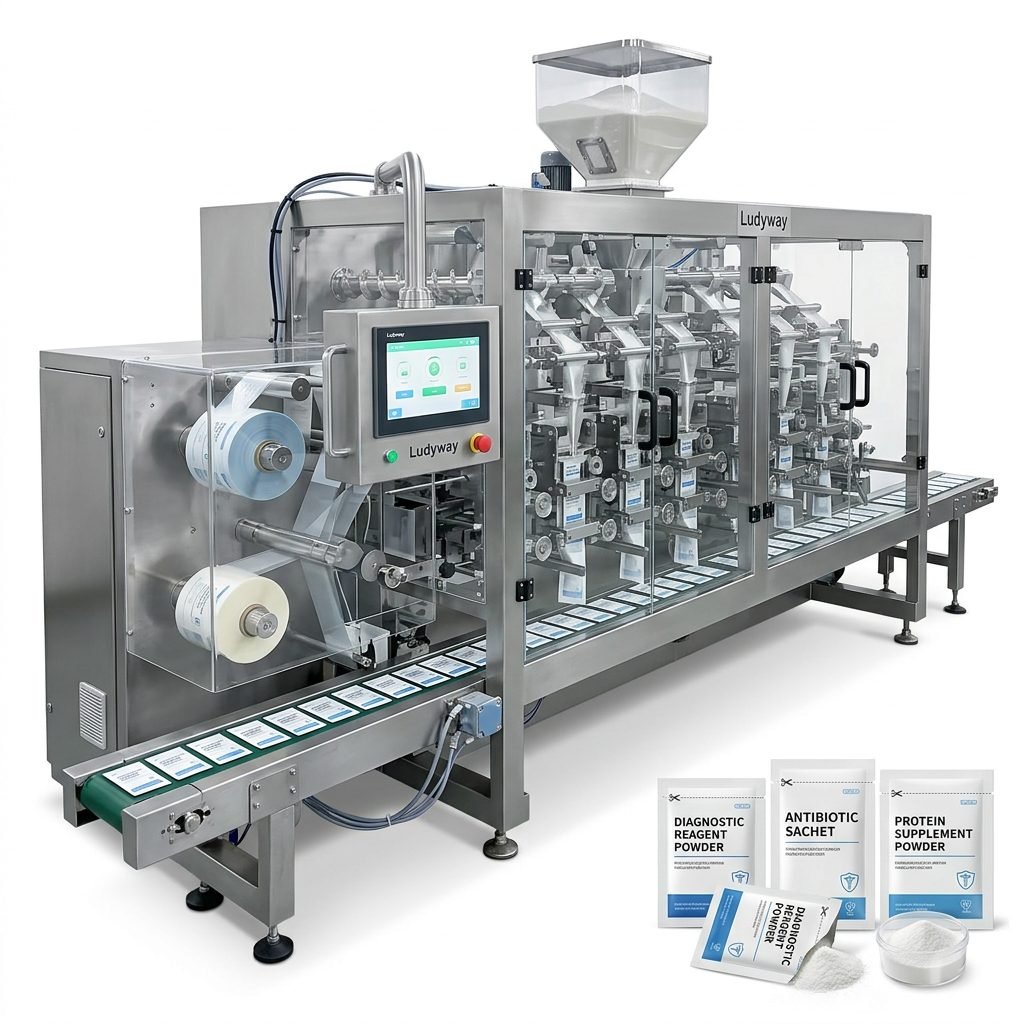
Wheat straw’s inconsistent density makes accurate weighing challenging. Look for machines with dynamic weight compensation or volumetric dosing adjusted for bulk density variation. Multi-head weighers with vibration control can improve fill consistency by up to 3–5%, which translates to significant material savings at scale. For large bags over 25 kg, net weighing systems generally outperform gross weighing for fibrous materials. For smaller pre-made pouch applications, precise dosing systems designed for irregular materials are essential—solutions like those offered by Ludyway Machinery incorporate customized feeding mechanisms to handle non-free-flowing products.
2. Compression and Densification Technology
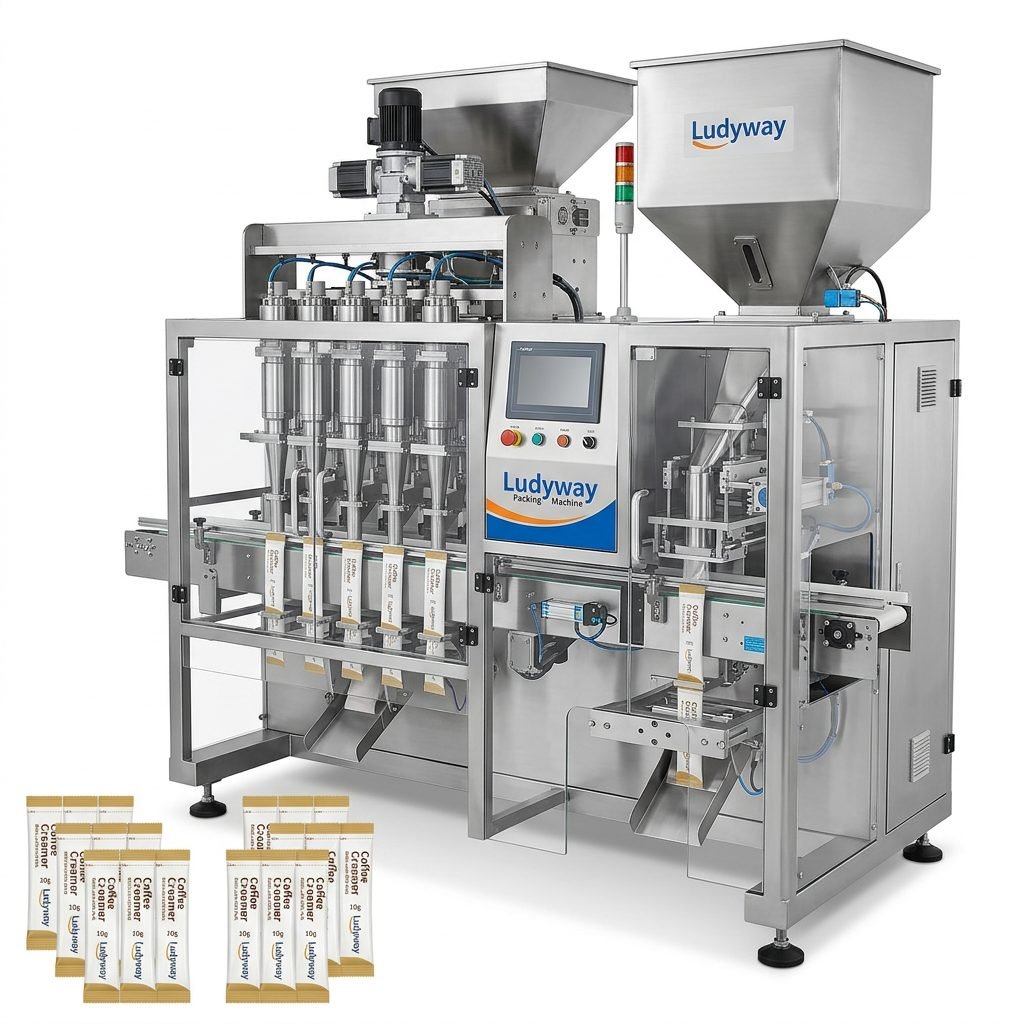
Since wheat straw can occupy 3–5 times more volume than its final packed form, compression is often the most critical machine function. Evaluate the compression ratio the machine can achieve. Hydraulic or pneumatic pre-press systems integrated before bag filling can increase density by 200–400%, reducing bag material costs and improving pallet stability. For form-fill-seal lines, mechanical tamping fingers or auger-driven compression tubes are commonly used.
3. Dust Management Systems
Dust is a safety hazard, a maintenance burden, and a product quality issue. Effective wheat straw packaging machines should include enclosed filling spouts, integrated dust extraction ports, and filtration systems rated for fine organic particulate. In many jurisdictions, dust control is also a regulatory requirement under occupational health and safety legislation. Check whether the machine can be configured with a central dust collection system or requires standalone filtration units. You can review relevant packaging machinery standards and resources from PMMI’s industry resources for guidance on compliance.
4. Material Compatibility and Wear Resistance
Contact parts should be manufactured from stainless steel 304 or 316, with hardened surface treatments for high-wear areas like augers, filling tubes, and compaction chambers. Some manufacturers offer ceramic coatings or replaceable wear plates that extend service intervals. Ask potential suppliers about expected part lifetimes when running abrasive straw material and whether wear components are easily accessible for routine inspection.
5. Bag Material and Seal Integrity
Wheat straw packaging often uses woven polypropylene bags, paper-plastic composites, or polyethylene film. Fine straw dust can contaminate heat-seal areas, causing weak or leaky seals. Look for machines with seal jaw cleaning mechanisms, adjustable temperature zoning, and pressure control for consistent seal quality across different bag materials. For FFS lines, verify that the machine supports the specific film thickness and material structure suitable for your product’s shelf-life requirements.
6. Automation Level and Integration Capability
Modern packaging lines increasingly rely on automation to reduce labor costs and improve consistency. Evaluate whether the machine can be integrated with upstream processes (chopping, drying, screening) and downstream equipment (palletizing, stretch wrapping, labeling). Check for PLC control systems, recipe management, and communication protocols compatible with your factory’s industrial network. Information on automation standards and packaging line integration best practices is available through organizations like the Flexible Packaging Association.
Production Capacity and Throughput Planning
Your machine selection should match realistic production targets rather than optimistic peak numbers. Consider these practical capacity planning questions:
- What is your sustained hourly output requirement, accounting for shift patterns, breaks, and changeover time?
- How many bag sizes or formats will you run on the same machine? Frequent changeovers reduce effective throughput.
- What is the expected machine availability rate (OEE) for your operation? Industry benchmarks for packaging lines typically range from 70–85%.
- Will you need to scale capacity in the next 3–5 years? Modular machine designs allow adding filling heads or lanes.
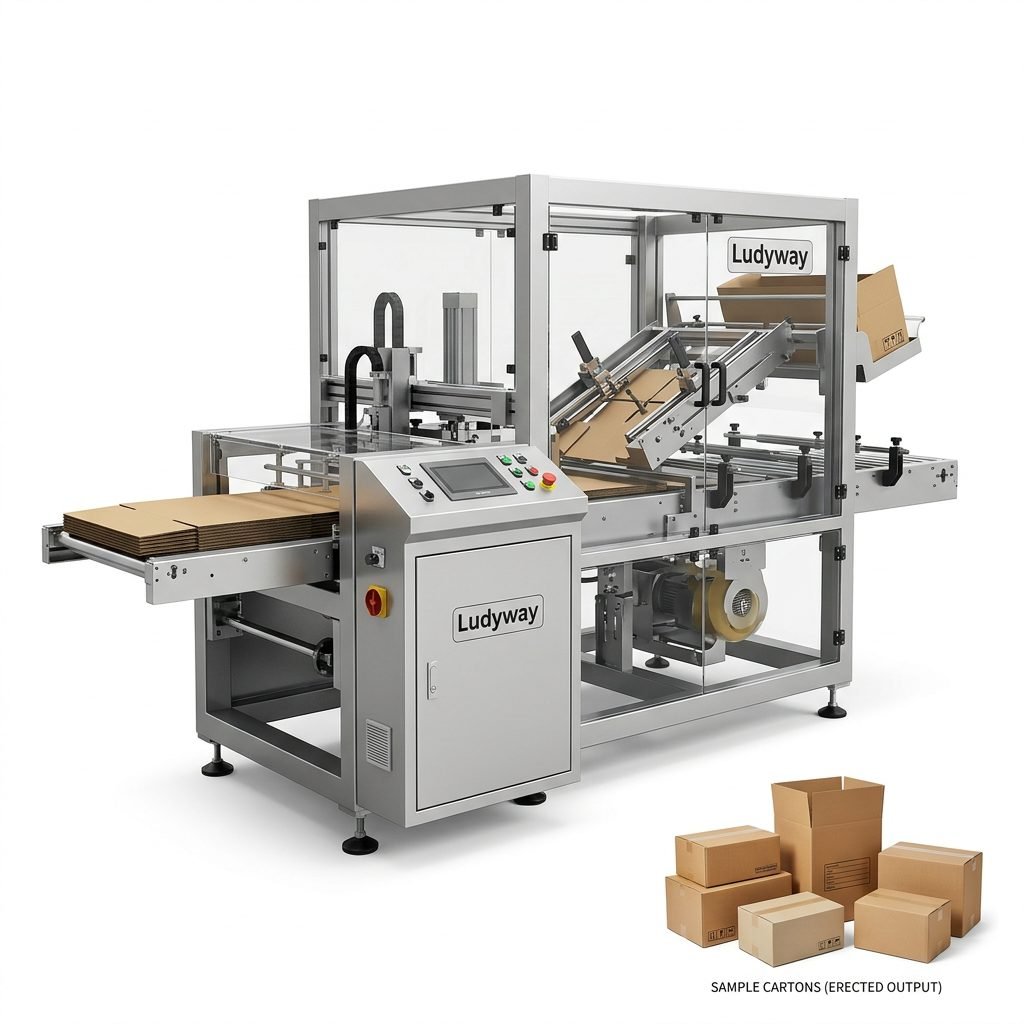
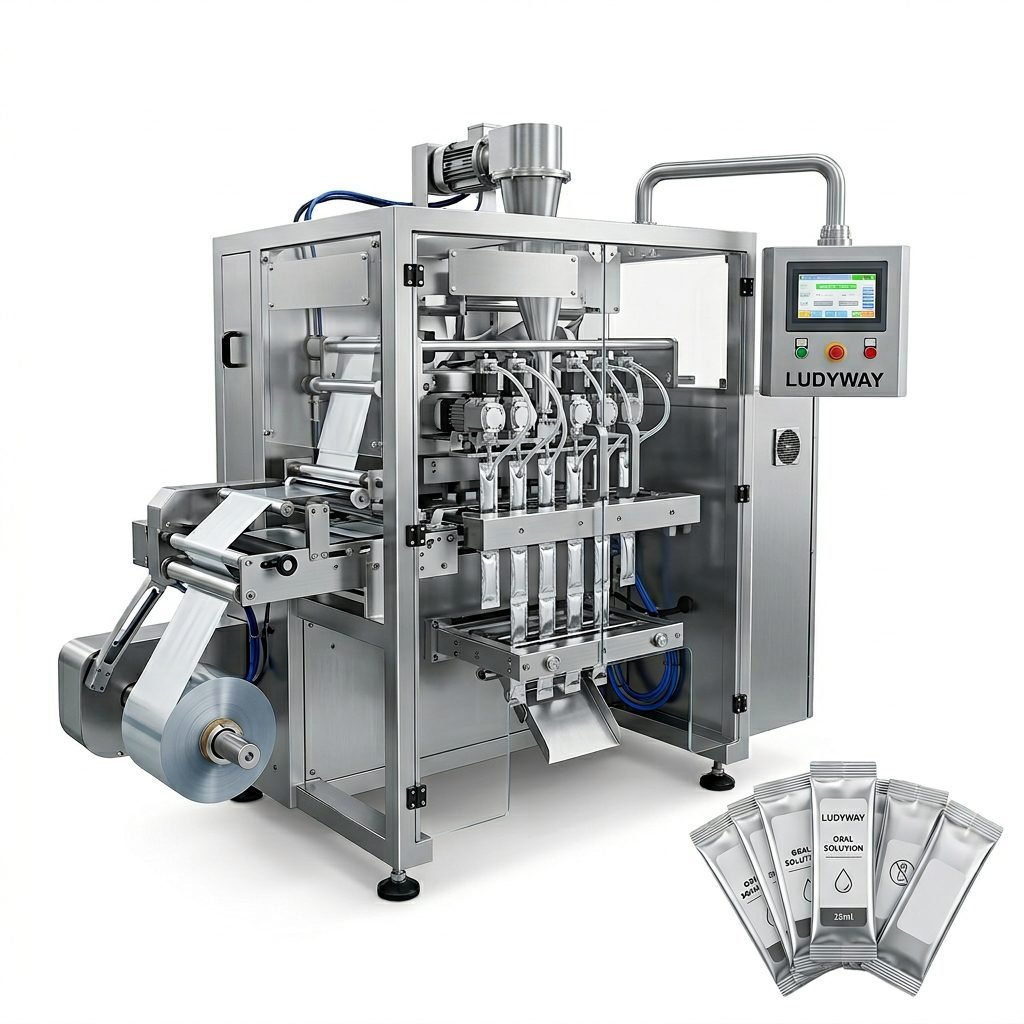
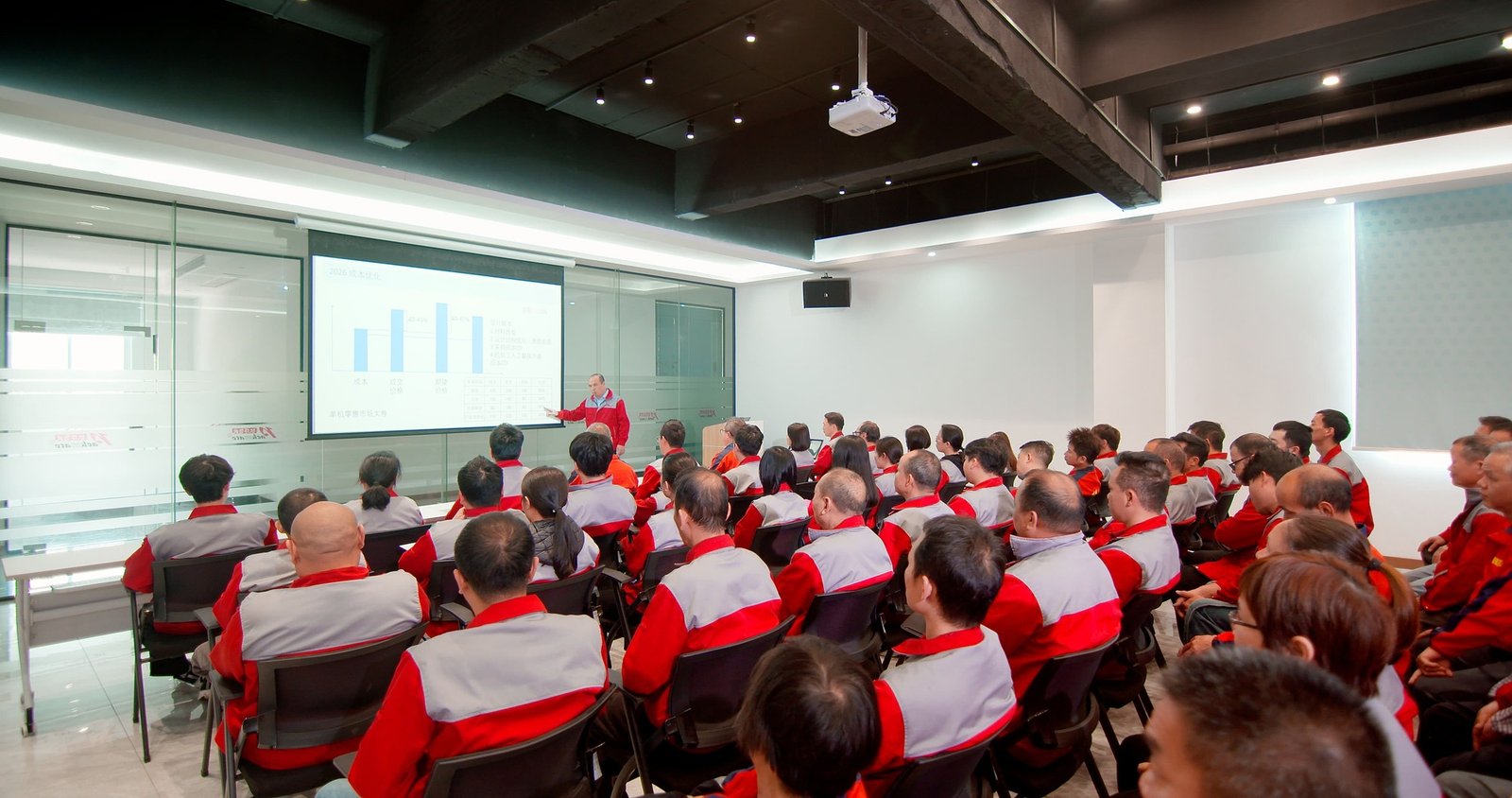
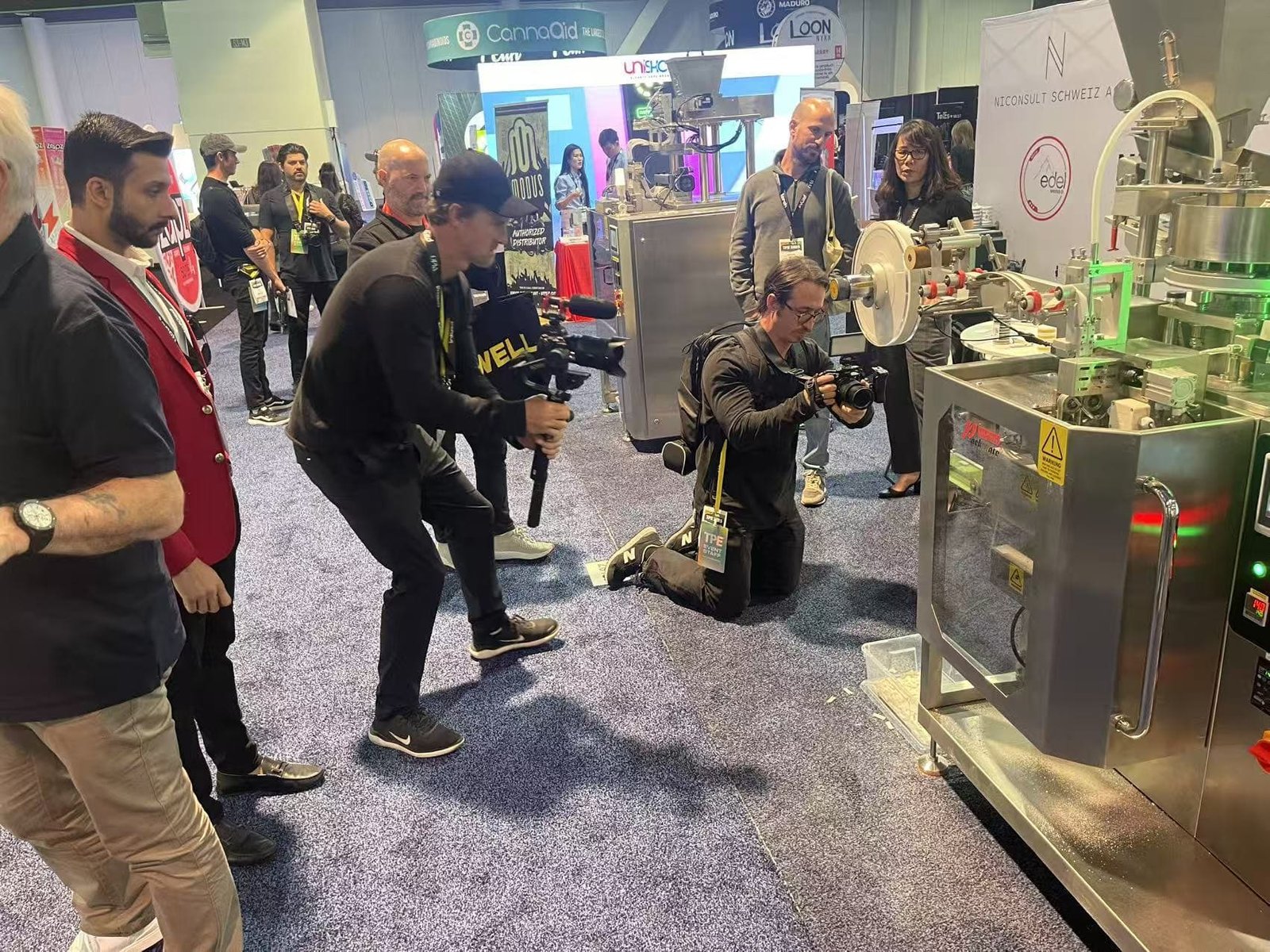
For high-volume agricultural operations, manufacturers like Ludyway Machinery—which operates a 20,000-square-meter facility with more than 130 professionals and over 50 packaging machine models—can provide integrated systems designed for different production capacities. According to the company’s growth projections, Ludyway is expected to achieve export revenue of more than RMB 500 million (approximately US$69 million) in 2025, and plans to surpass RMB 1 billion (approximately US$138 million) in export revenue in 2026, reflecting strong global demand for its packaging equipment across agricultural and industrial sectors.
Total Cost of Ownership: Beyond the Purchase Price
The initial capital cost of a wheat straw packing machine is only one part of the financial equation. A comprehensive total cost of ownership (TCO) analysis should include:
| Cost Category | Estimated Share of TCO | Key Variables |
|---|---|---|
| Machine purchase price | 40–55% | Configuration, customization, accessory equipment |
| Spare parts and wear components | 10–20% | Material quality, operating hours, dust exposure |
| Energy consumption | 8–12% | Compressor load, heating elements for sealing |
| Labor and operator training | 10–15% | Automation level, local wage rates |
| Maintenance and service contracts | 5–10% | Supplier proximity, remote support capability |
| Packaging material waste | 3–8% | Machine precision, operator skill, film quality |
Reducing packaging material waste by just 1–2% on high-volume production lines can often justify investment in a more precise dosing and sealing system within 12–18 months. When evaluating proposals, request detailed TCO projections from each supplier.
Supplier Evaluation: What to Look For
Choosing the right machine also means choosing the right partner. Key supplier attributes to assess include industry experience, engineering capability, after-sales support infrastructure, and willingness to customize solutions. Packaging requirements vary significantly between manufacturers. Product characteristics, packaging materials, bag sizes, filling volumes, production speeds, factory layouts, and automation requirements all affect the appropriate equipment configuration.
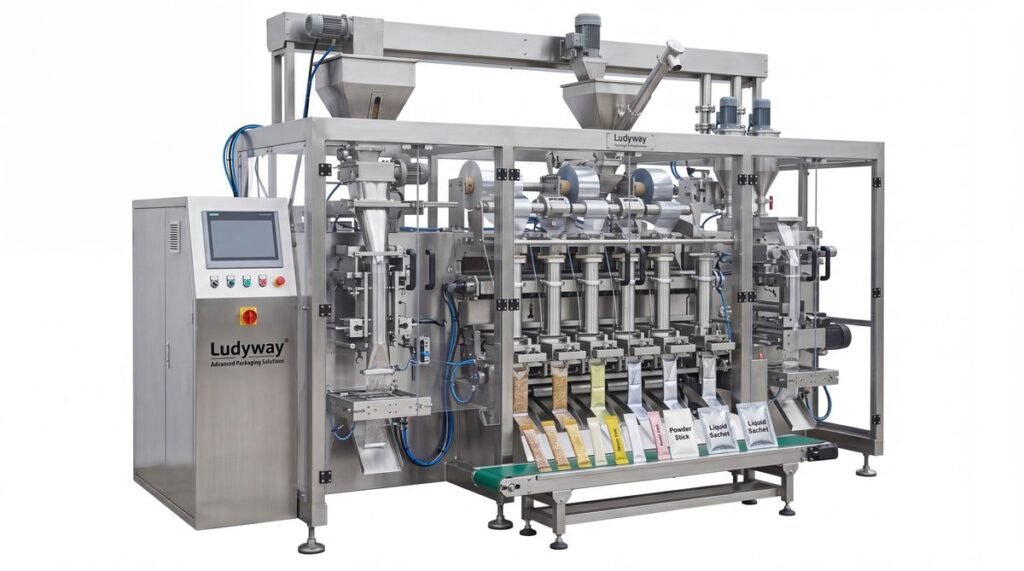
Leading equipment providers typically offer a broad portfolio of automatic packaging equipment designed for different products, packaging formats, and production requirements. Their solutions should cover powder, granule, liquid, stick pack, sachet, pouch, and other flexible packaging applications. In addition to individual machines, integrated packaging systems and turnkey production line solutions can connect multiple stages of the packaging process. This approach enables customers to work with a single packaging machinery partner for equipment selection, system integration, customization, installation, commissioning, and technical support. Further information on packaging industry standards and supplier requirements can be found through the ISO packaging standards directory.
Common Purchasing Mistakes to Avoid
- Underestimating dust control needs: Insufficient dust extraction leads to premature equipment failure, product quality complaints, and potential regulatory non-compliance.
- Overlooking bag material compatibility: Not all sealing systems work with all bag materials. Verify compatibility with your specific packaging substrate before finalizing the order.
- Ignoring local service availability: If the nearest service technician is thousands of miles away, even minor technical issues can cause extended downtime. Confirm service coverage before purchase.
- Buying based on price alone: The lowest upfront cost rarely delivers the lowest TCO. Evaluate the full lifecycle cost including energy, parts, labor, and production losses from downtime.
- Skipping material testing: Always test your specific wheat straw material on the target machine before committing. Material behavior varies significantly between suppliers and harvest conditions.
Conclusion: Making the Right Investment
Selecting the right wheat straw packing machine is a decision that affects your operation for years. By evaluating machine types, understanding material-specific engineering requirements, calculating total cost of ownership, and carefully assessing supplier capabilities, you can narrow your options to equipment that genuinely fits your production environment.
Whether you are packaging wheat straw for animal bedding, biomass energy, horticultural mulch, or industrial fiber applications, the principles outlined above will help you ask the right questions and avoid costly missteps. Focus on consistent performance, reliable support, and long-term partnership potential rather than simply comparing specification sheets or price points.
For operations requiring customized solutions, working with experienced engineering teams that can configure equipment according to specific product characteristics, production volumes, and facility constraints often yields better results than adapting generic machinery. The most successful packaging operations combine well-engineered equipment with knowledgeable technical partners who understand both the machinery and the materials being packaged.