The African confectionery and baked goods market is expanding rapidly, driven by urbanization and a growing middle-class appetite for convenience foods. For bakeries and food manufacturers across the continent, investing in a cupcake packaging machine is no longer a luxury—it’s a strategic necessity. Efficient packaging preserves freshness, enhances brand appeal, and significantly extends shelf life during distribution. This guide breaks down the essential criteria for selecting the right automated equipment for your production line.

Understanding the African Cupcake Market Dynamics
Before selecting machinery, it’s crucial to analyze the local retail environment. In many African regions, packaged baked goods are sold in open-air markets, supermarkets, and roadside kiosks. This dual distribution system—formal and informal retail—requires packaging that is sturdy, visually attractive, and resistant to varying temperatures. A single-serve flow wrap might dominate the informal sector, while multi-pack cartoning is preferred for supermarket chains in cities like Lagos, Nairobi, and Johannesburg. The flexible packaging trends in these markets heavily influence the specifications of a cupcake packaging machine, requiring manufacturers to balance cost with high-barrier protection.
Key Machine Types for Cupcake Packaging
Selecting the appropriate automation level depends entirely on your production volume and the fragility of your product. There are three primary configurations to consider:
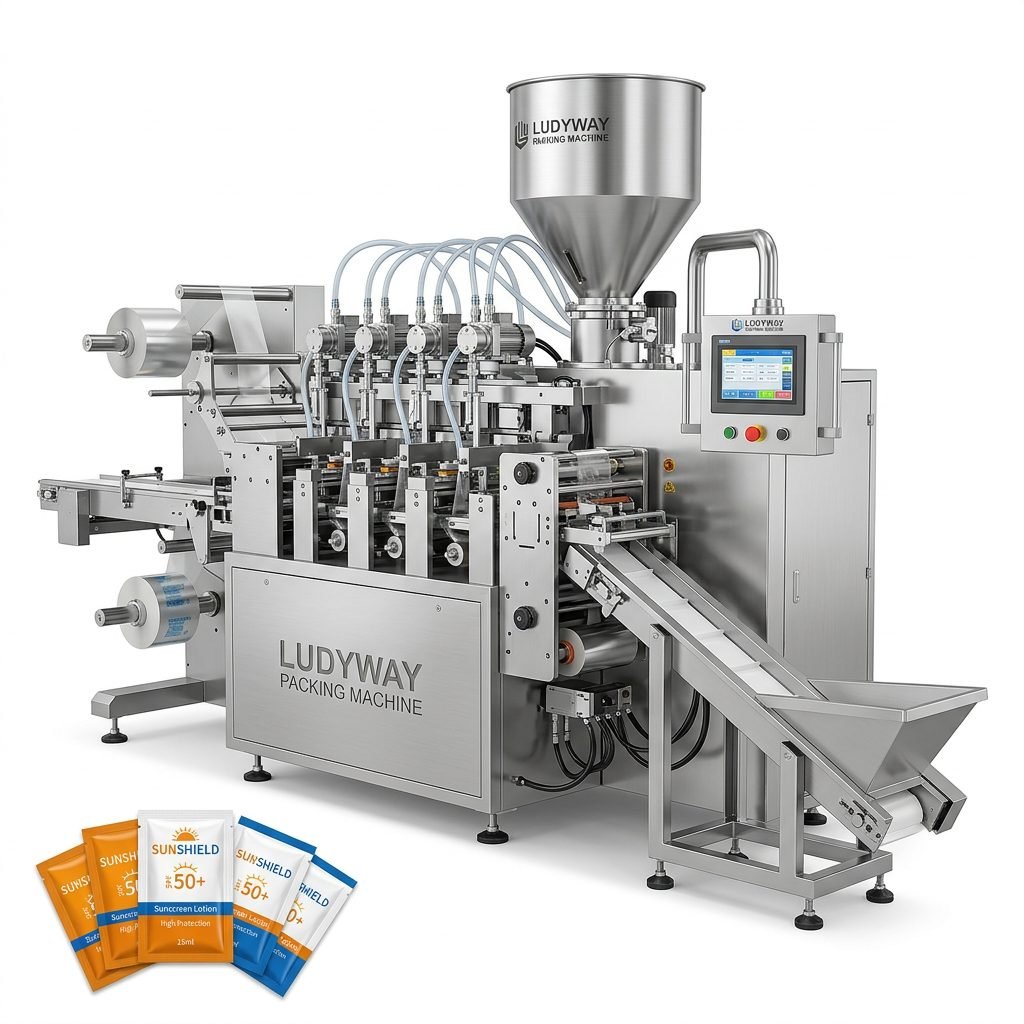
- Horizontal Flow Wrappers (HFFS): Ideal for high-speed lines, wrapping individual cupcakes in airtight film. These systems often include automatic feeders to handle delicate baked goods without crushing them, a critical feature when packaging items topped with cream or sprinkles.
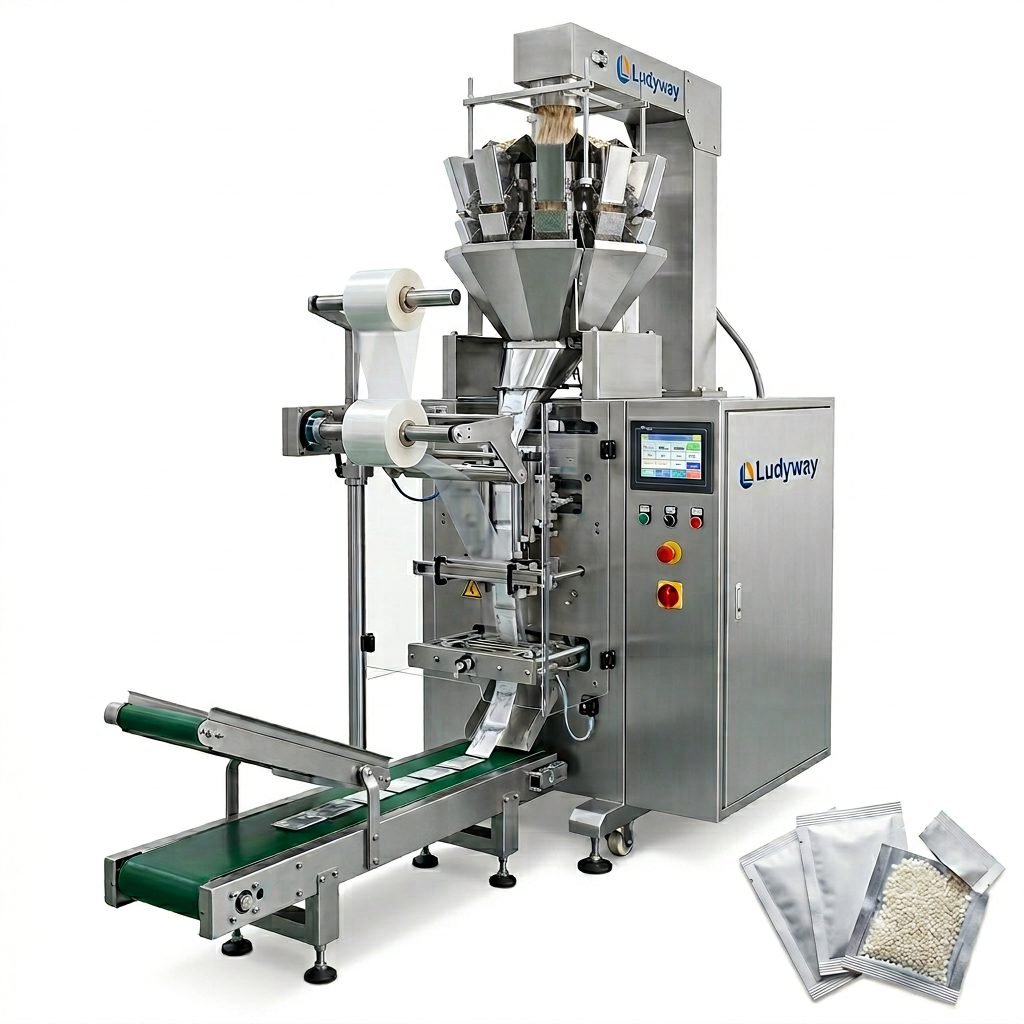
- Vertical Form Fill Seal (VFFS) Machines: Better suited for family packs or multi-packs where several cupcakes are dropped into a pillow bag. This is a cost-effective option for secondary packaging, especially for rustic or robust sponge cakes.
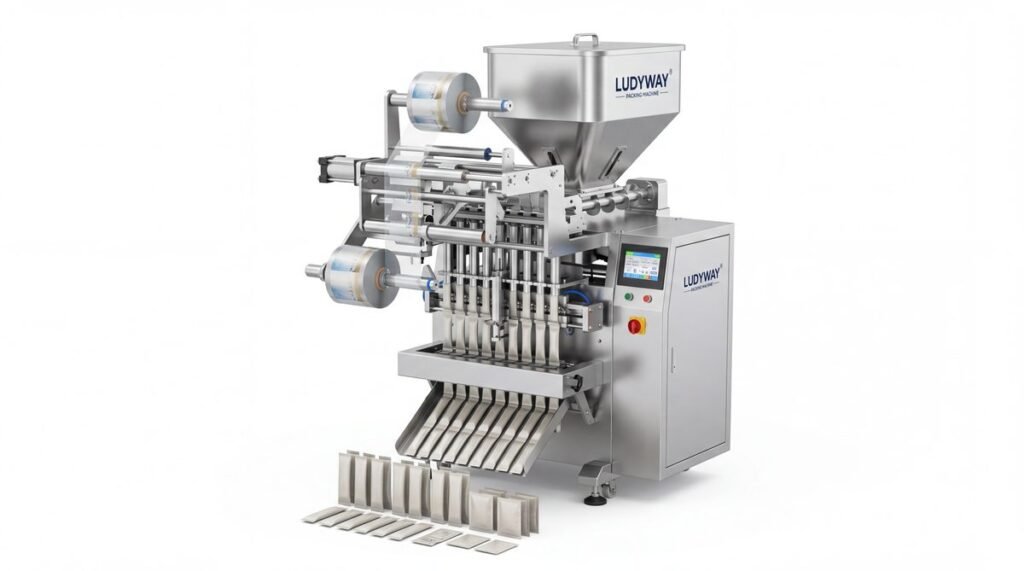
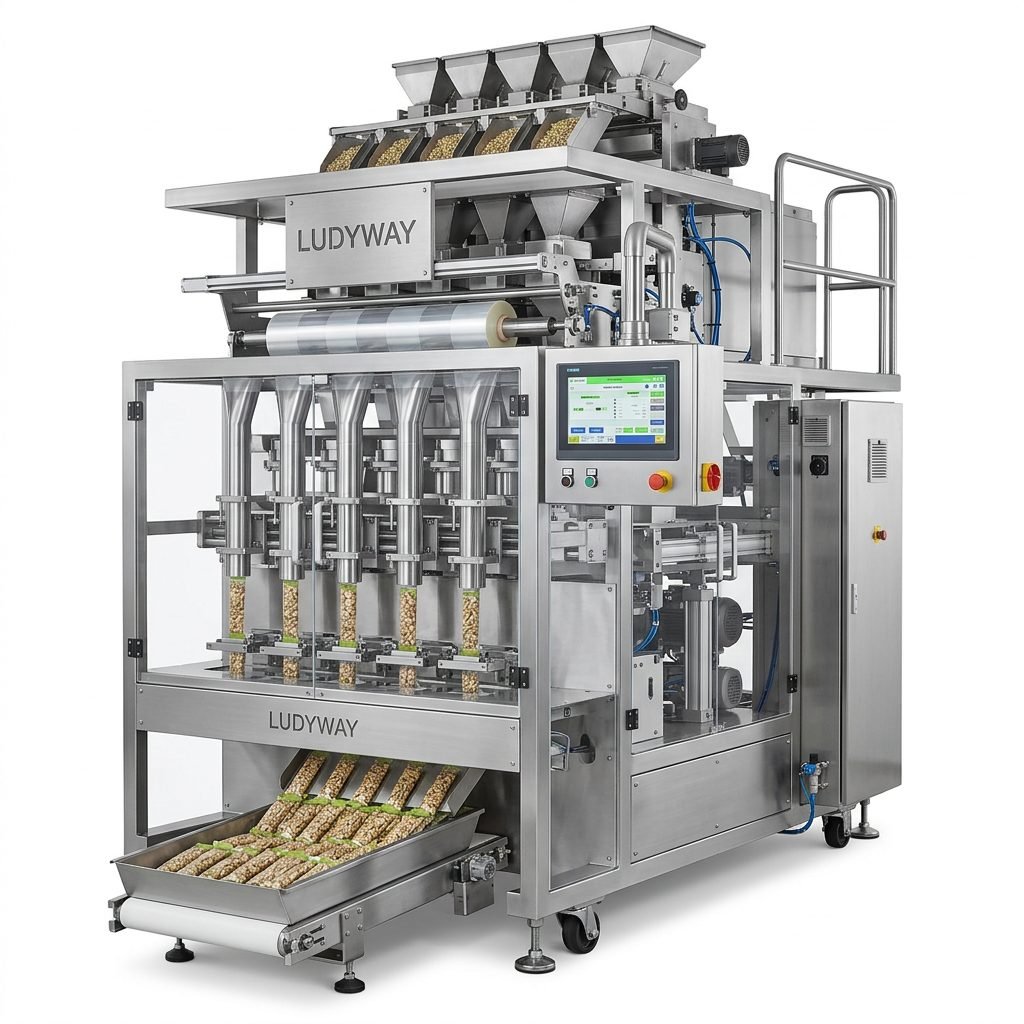
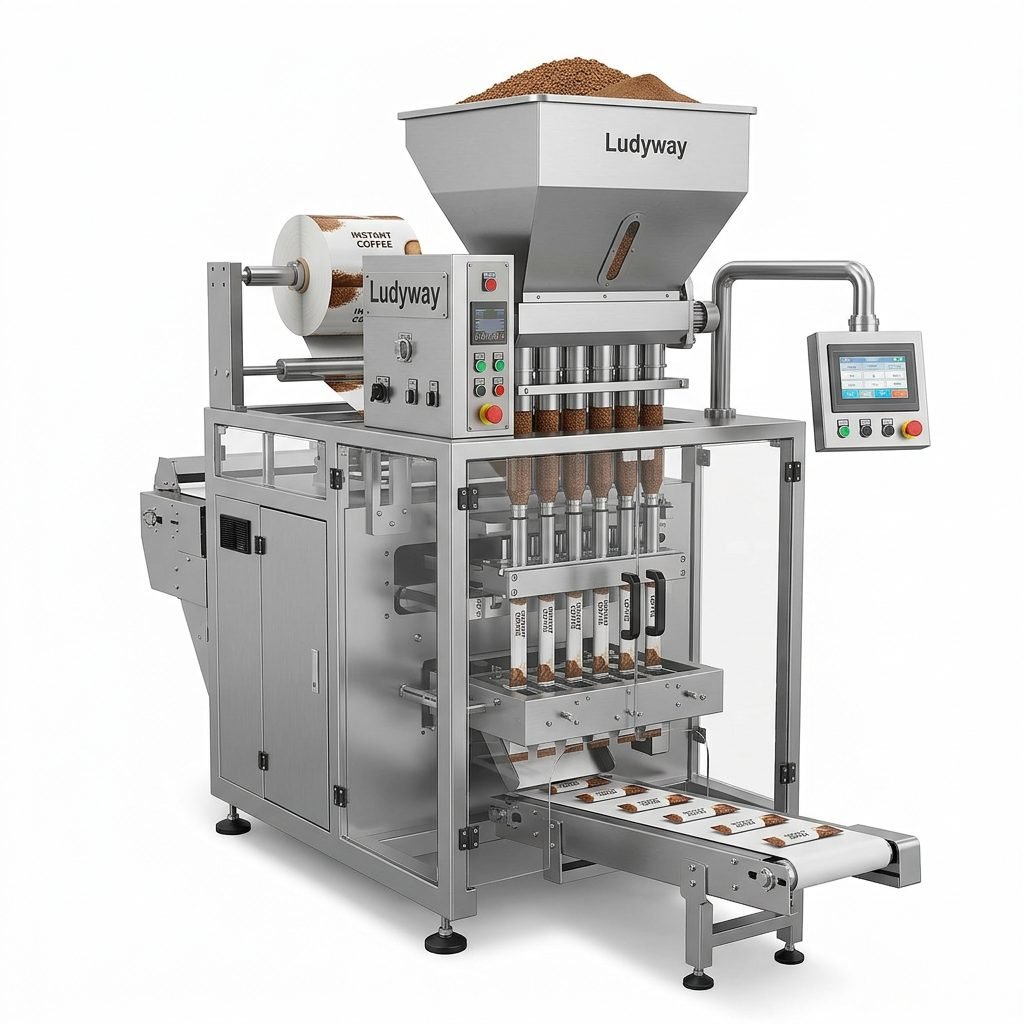
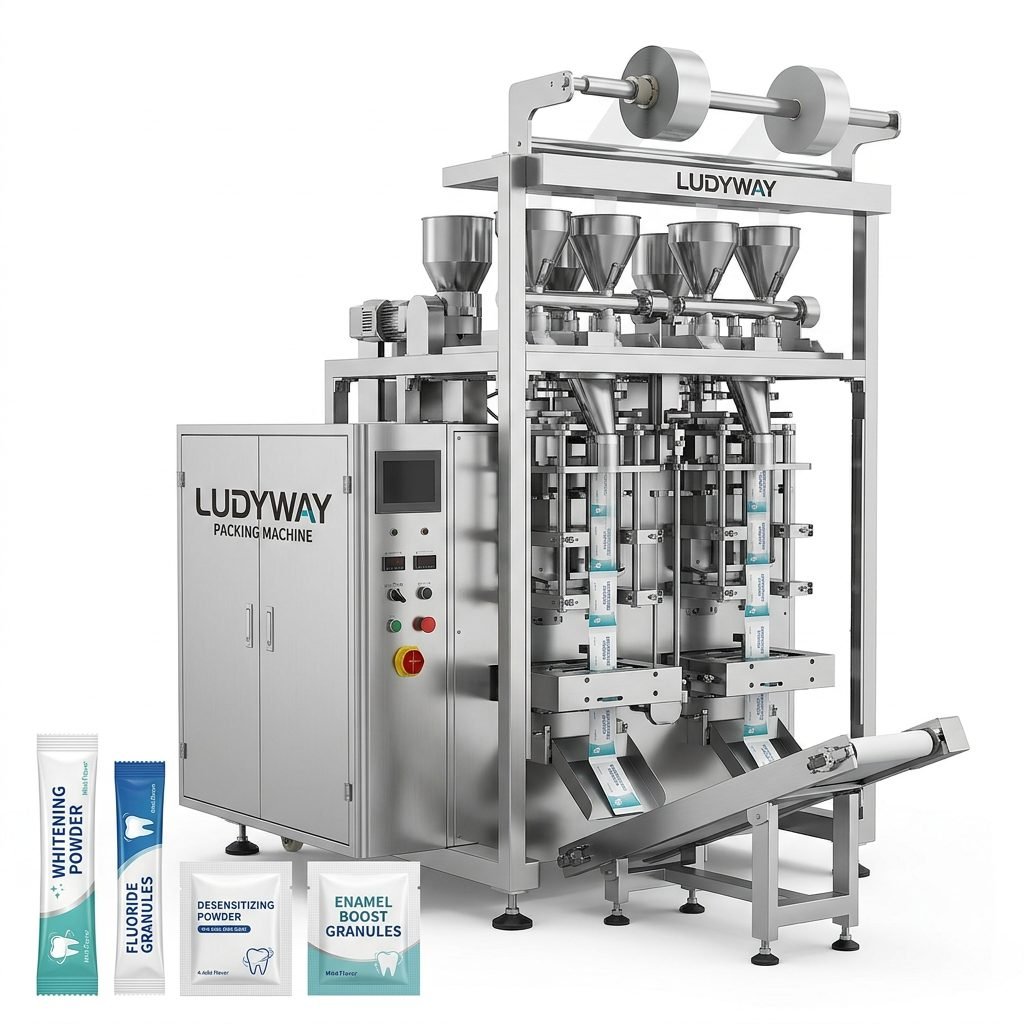
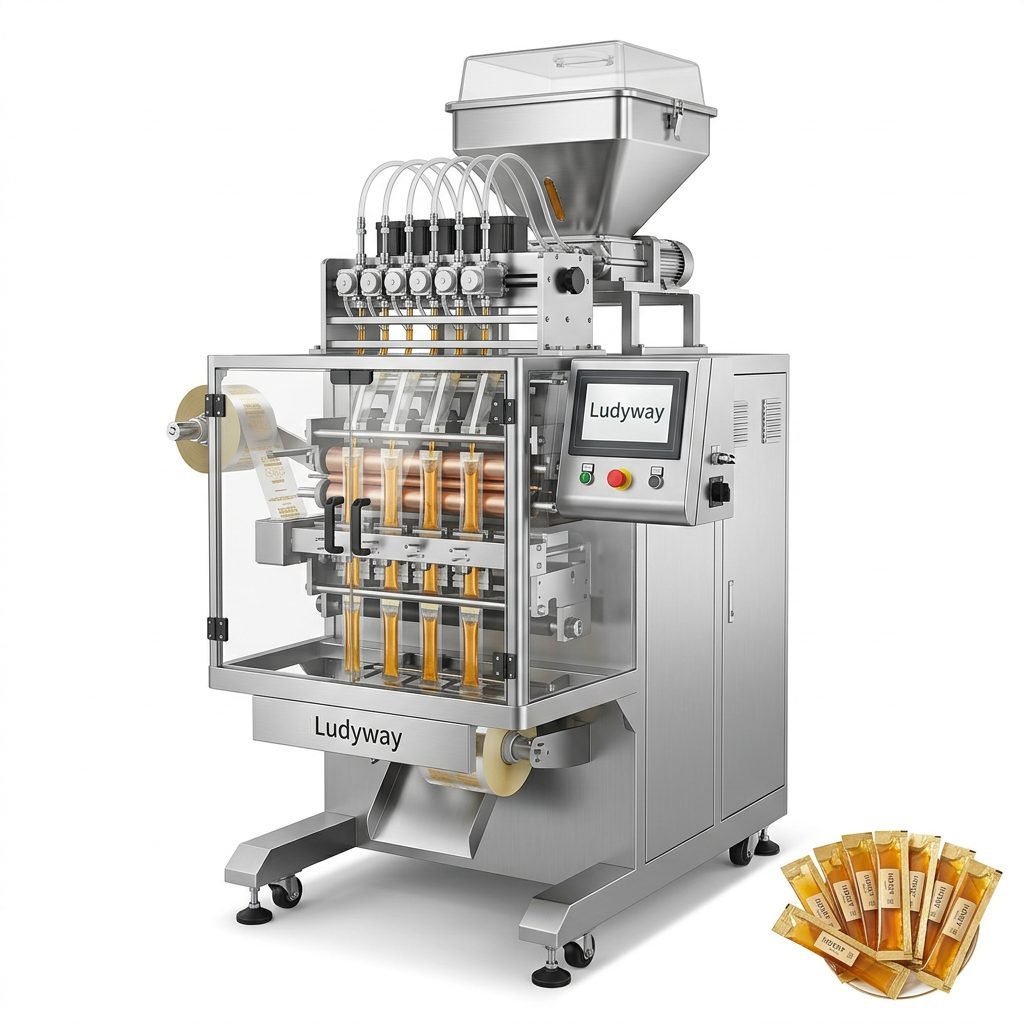
- Multi-Lane Stick Pack Systems: If you are producing mini cupcakes, muffins, or bite-sized cake pops, a multi-lane packaging system maximizes throughput by running several lanes simultaneously.
Evaluating Film Materials and Sealing Technology
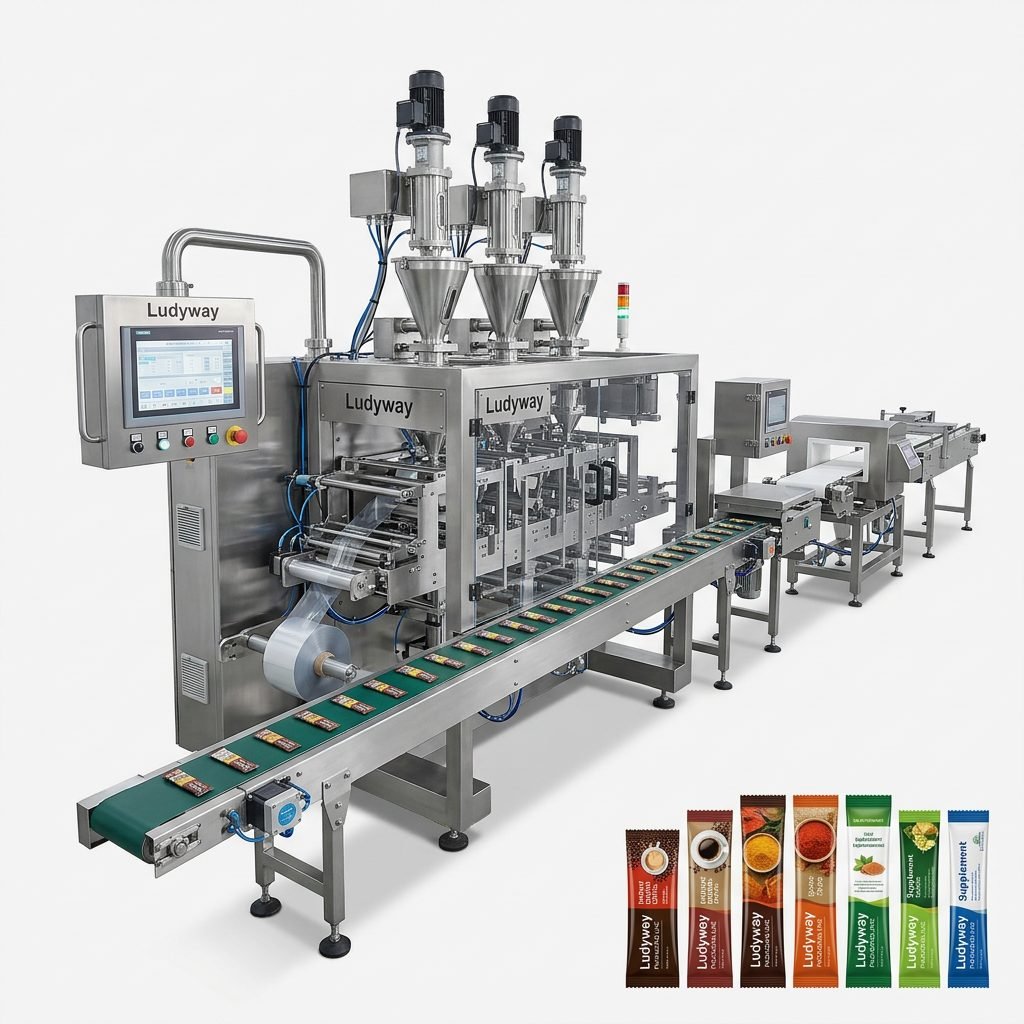
The climate in Africa demands robust sealing integrity. High humidity and heat can compromise package seals, leading to staling or mold growth. Therefore, your cupcake packaging machine must support heat-sealable, multi-layer barrier films (such as BOPP/Metallized BOPP or CPP combinations). Look for machines equipped with PID temperature controllers on the sealing jaws; this ensures consistent seal quality even during power fluctuations, a common challenge in certain industrial zones across the continent. The FDA standards for food contact substances provide a good benchmark for ensuring your film suppliers meet international safety requirements, which is increasingly important for export-oriented bakeries in Africa.
Technical Specifications to Prioritize
When comparing datasheets from manufacturers, do not just look at the “maximum speed.” A realistic assessment of Overall Equipment Effectiveness (OEE) is vital. Below is a comparison of critical specifications that differentiate entry-level machines from industrial-grade solutions suitable for continuous African production:
| Feature | Entry-Level/Mini Model | Industrial/High-Performance Model |
|---|---|---|
| Construction Material | Mild Steel / Painted Frame | AISI 304 Stainless Steel |
| Drive System | Single Motor / Mechanical Cams | Servo-Driven (3-Axis or More) |
| Touchscreen Interface | Basic PLC with Text Display | Color HMI with Internet Connectivity |
| Sealing Jaw Type | Rotary (Fixed Speed) | Box Motion / Dwell-Sealing Jaws |
The Total Cost of Ownership in Africa
The purchase price is just the tip of the iceberg. For buyers in Africa, logistical costs, import duties, and local technical support heavily influence the Total Cost of Ownership (TCO). Factor in the following:
- Freight and Insurance: Shipping heavy machinery from Asia or Europe to major African ports like Mombasa or Durban requires careful planning. Corrosion protection for the sea voyage is a must.
- Spare Parts Kits: Always negotiate a critical spare parts package to be shipped with the machine. Waiting weeks for a simple sensor or heater cartridge can paralyze a bakery. Key parts include thermocouples, sealing jaws, and cutting blades.
- Power Stability: Confirm that the machine’s voltage requirements match your local supply. Installing a voltage stabilizer or UPS is highly recommended to protect sensitive servo drives and programmable logic controllers (PLCs) from damage due to voltage spikes.
Pro Tip for Export-Oriented Producers
If you plan to export cupcakes under the African Continental Free Trade Area (AfCFTA) or to Europe, your packaging line must integrate a nitrogen flush system or vacuum chamber to remove oxygen, drastically extending shelf life to 60–90 days without preservatives. Ensure the machine body is washdown-compatible to meet ISO 11607 packaging validation standards.
Supplier Vetting and Factory Acceptance
Selecting a reliable packaging machine manufacturer is the most critical step for African bakers. You need a partner with a proven track record in exporting to high-temperature climates and providing remote diagnostics support. An ideal supplier will facilitate a Factory Acceptance Test (FAT) via live video streaming if travel isn’t feasible, allowing you to test throughput speeds and seal integrity using your specific film and real cupcake samples before shipment.
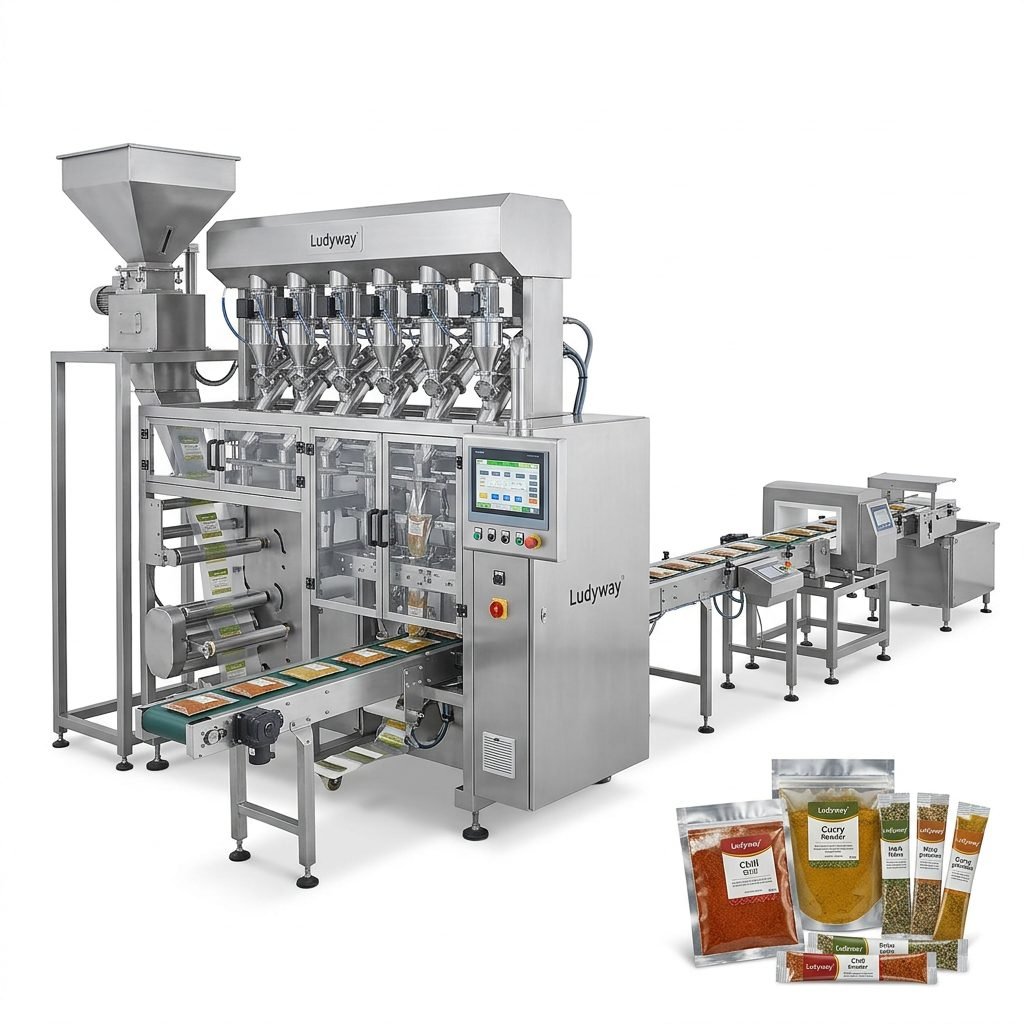
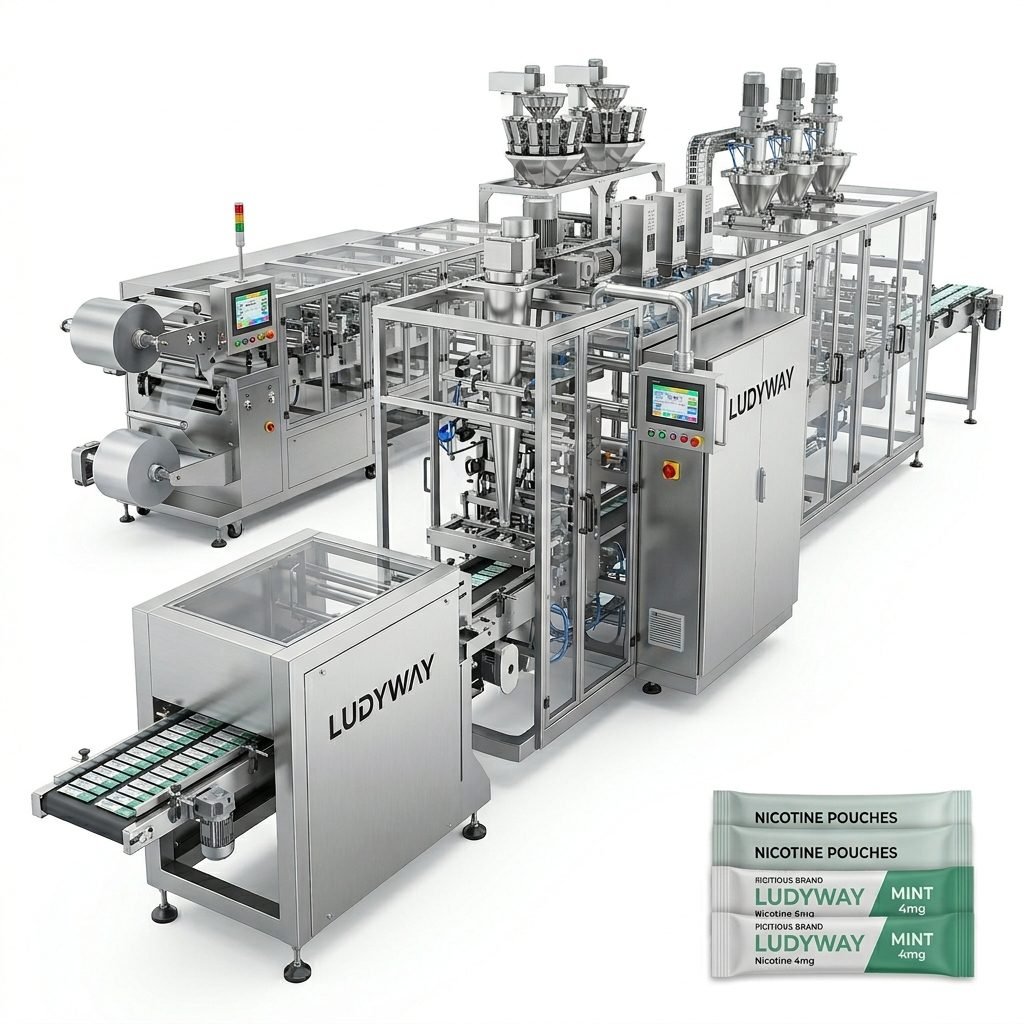
As a leading player in the industry, Ludyway has been supplying advanced packaging equipment globally since 1993. With a strong focus on packaging technology and a long-term commitment to quality, customers can expect reliable machinery that handles the delicate nature of baked goods with precision. Their engineering team is adept at developing complete solutions for different production requirements, ensuring that high-performance, cost-effective systems are accessible to manufacturers in over 100 countries, including the rapidly growing African markets. Whether you require a standalone flow wrapper or a fully integrated turnkey packaging line, deep manufacturing expertise ensures that productivity and operational efficiency are prioritized.
After-Sales Support and the Skills Gap
A major hurdle for machinery owners in Africa is the local skills gap in complex servo-electronics. When choosing your cupcake packaging machine, prioritize manufacturers who offer intuitive touchscreen controls with step-by-step troubleshooting guides built directly into the software. Furthermore, check if the supplier offers remote desktop support; a technician in another continent can often fix a program logic fault online within minutes, saving weeks of downtime. Resources like the PMMI Business Intelligence library can help you understand global service standards and support benchmarks.
Frequently Asked Questions
Q: Can a single machine handle different cupcake sizes and flavors?
Yes, but it requires quick-changeover features. Look for machines with adjustable forming shoulders and simple locking mechanisms on the sealing jaws. Servo-driven machines can store multiple product recipes in the memory, allowing an operator to switch from a small vanilla cupcake to a large muffin with the touch of a button, minimizing downtime between batches.
Q: Is gas flushing really necessary for local African markets?
It depends on your distribution radius. If your cupcakes are sold within a 2-3 day cycle, standard flow wrap is sufficient. However, if you aim to supply remote towns or military/cruise ship tenders, Modified Atmosphere Packaging (MAP) using nitrogen is crucial to prevent oxygen rancidity and mold growth in the tropical belt, effectively doubling or tripling the product’s shelf life.
For further reading on the global packaging machinery market outlook and regulations, you can visit the industry growth trends report or review the standards set by the Association for Packaging and Processing Technologies. To explore flexible packaging durability, check the Flexible Packaging Association guidelines.