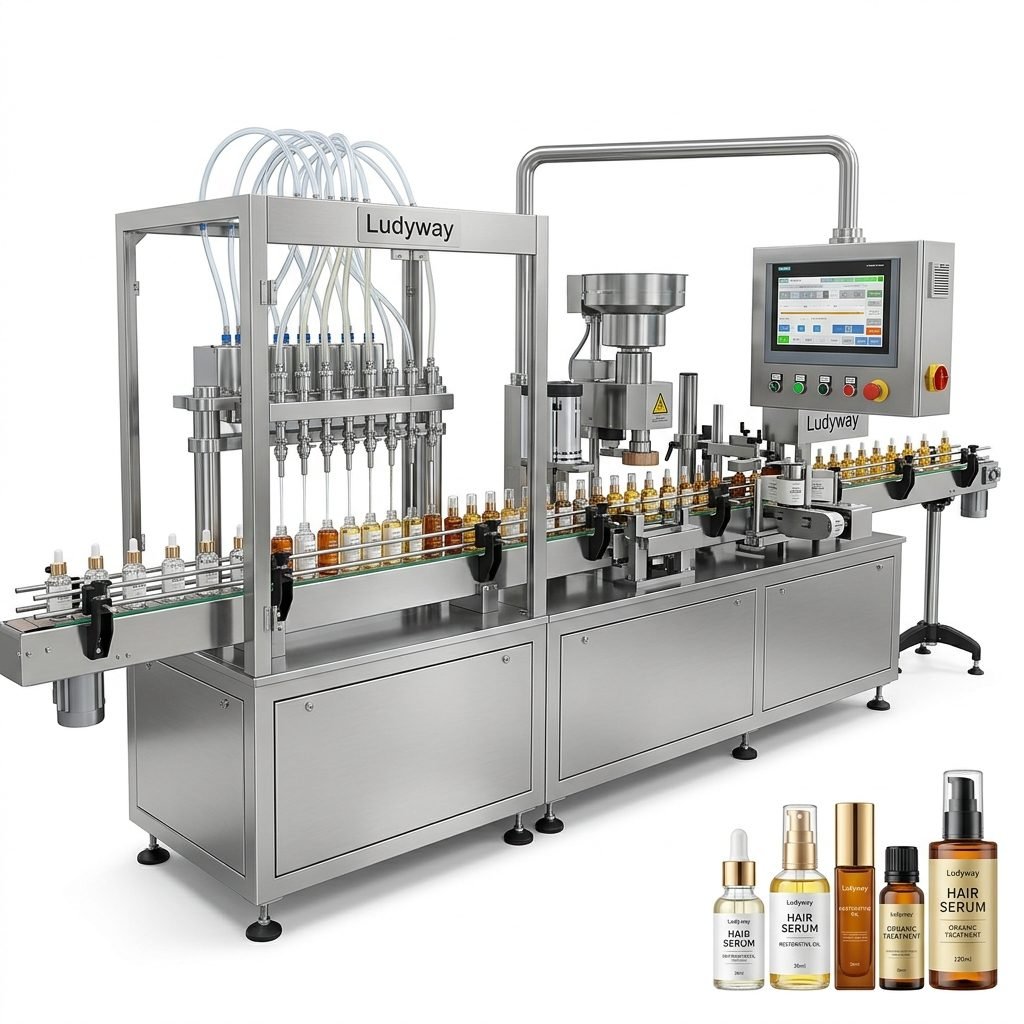
Integrating a vacuum sealer packaging machine into your production facility is a strategic move that can significantly extend product shelf life, reduce waste, and enhance overall operational efficiency. Whether you are packaging food, pharmaceuticals, or industrial components, a well-planned vacuum packaging production line ensures consistent seal quality and high throughput. This guide walks you through the essential steps—from initial planning and equipment selection to installation and optimization—helping you build a reliable and scalable system.

Step 1: Define Your Production Goals and Product Specifications
Before investing in any machinery, clearly outline what you aim to achieve. Consider the following factors to guide your decision-making process:
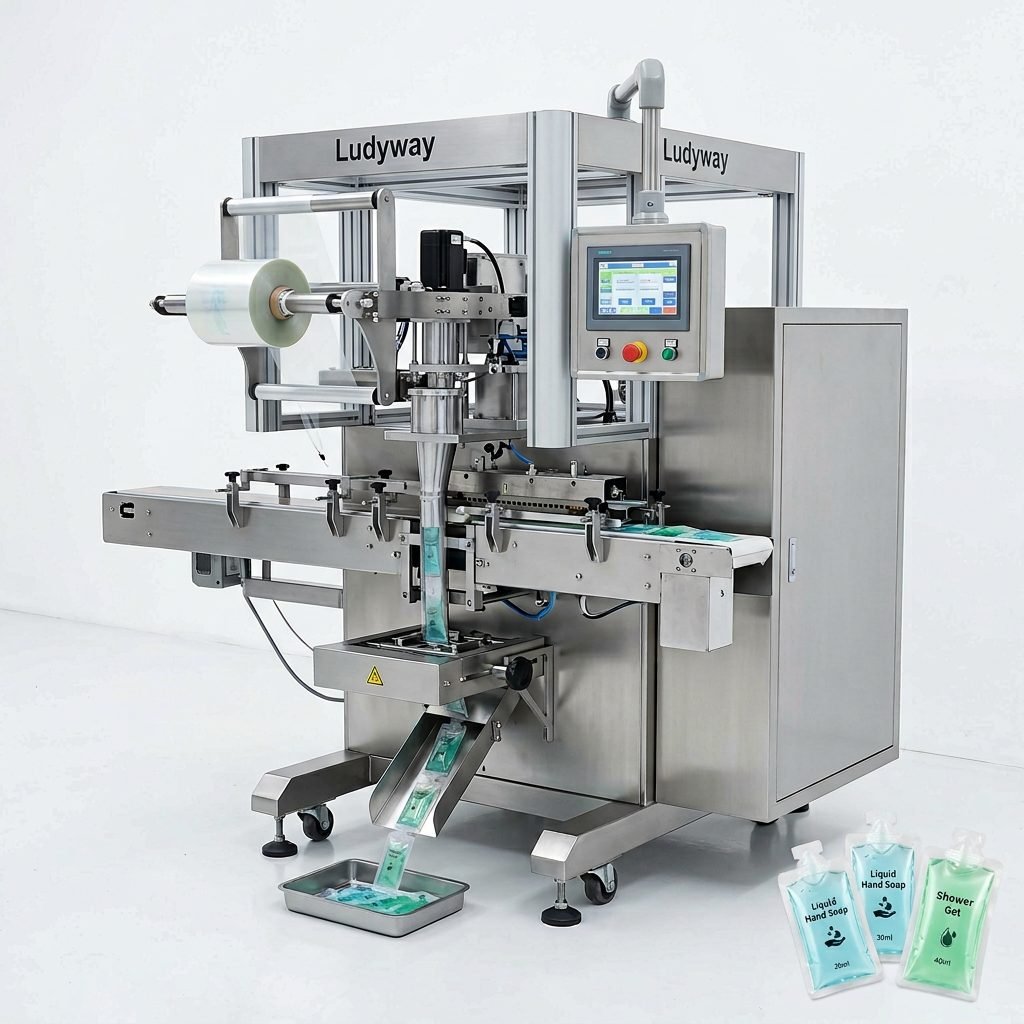
- Product type: Is your product granular, powdery, liquid, solid, or fragile? Different vacuum sealers handle different product consistencies. For example, a granule packaging line may differ significantly from a liquid pouch system.
- Packaging material: Determine whether you will use pre-made pouches, rollstock film, or barrier bags. The film’s oxygen transmission rate (OTR) directly impacts shelf life.
- Target output: Calculate how many packages per minute or hour your line needs to produce. This determines whether you require a single-chamber unit or a fully automated multi-lane system.
- Shelf-life requirements: Products sensitive to oxidation or moisture require high-vacuum levels and possibly gas flushing (MAP) capabilities.
- Regulatory compliance: If you operate in the food or pharmaceutical sector, adherence to FDA packaging regulations and ISO packaging standards is non-negotiable.
Step 2: Select the Right Vacuum Sealer and Auxiliary Equipment
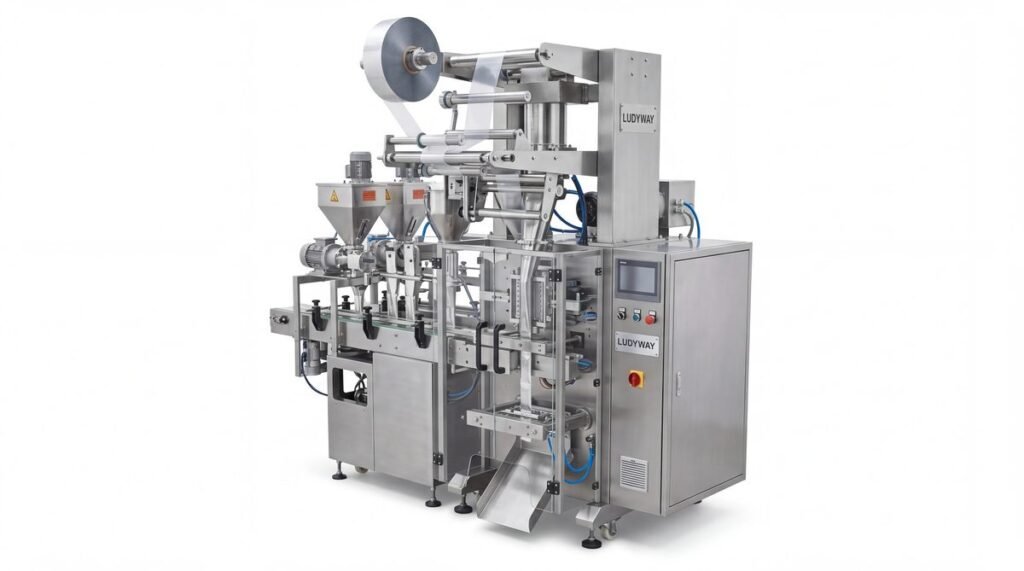
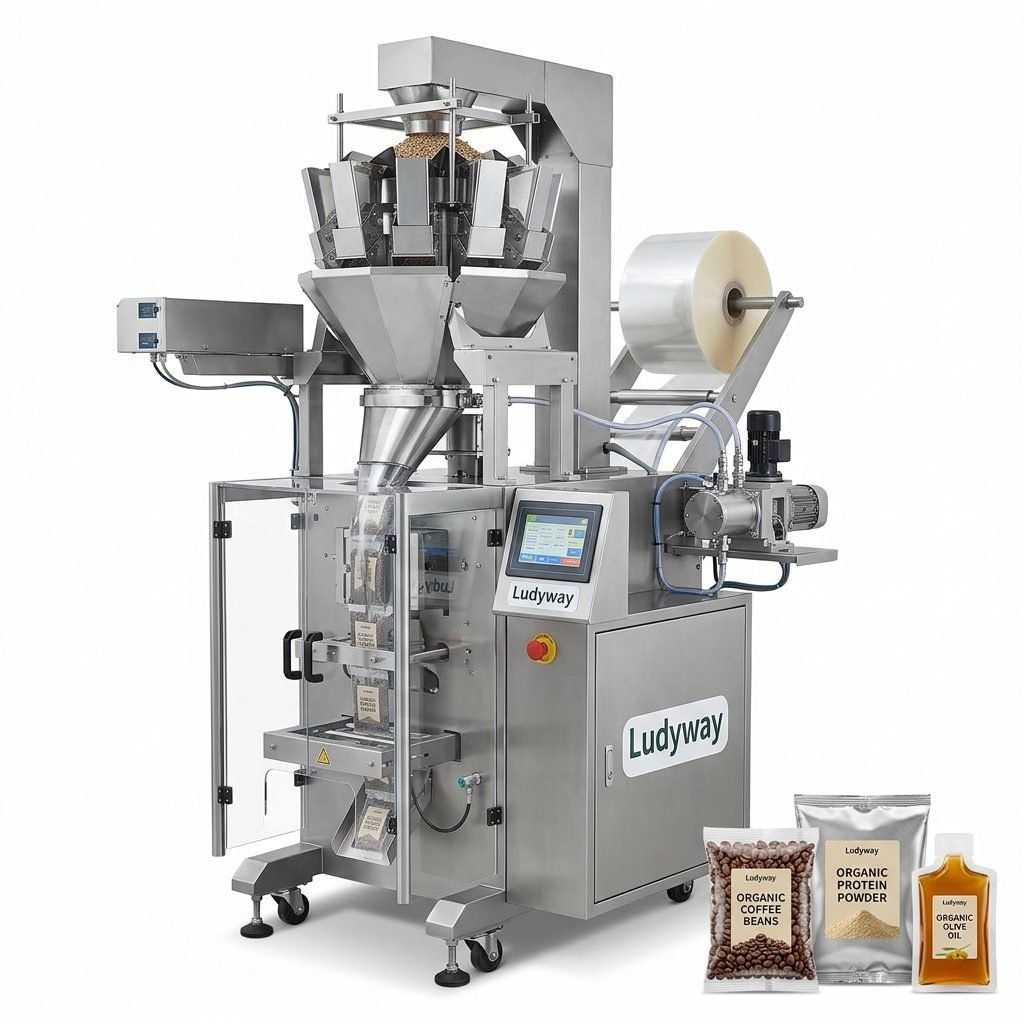
Choosing the appropriate vacuum packaging machine is the cornerstone of your production line. Match the machine type to your operational scale:
| Machine Type | Best For | Key Advantage |
|---|---|---|
| Single-Chamber Vacuum Sealer | Small batches, R&D labs | Low cost, simple operation |
| Double-Chamber Vacuum Sealer | Medium-volume production | Continuous loading for higher throughput |
| Automatic Belt-Fed Vacuum Sealer | High-volume lines | Seamless integration with conveyors |
| Thermoforming Vacuum Packaging System | Large-scale food processing | Forms, fills, and seals in one cycle |
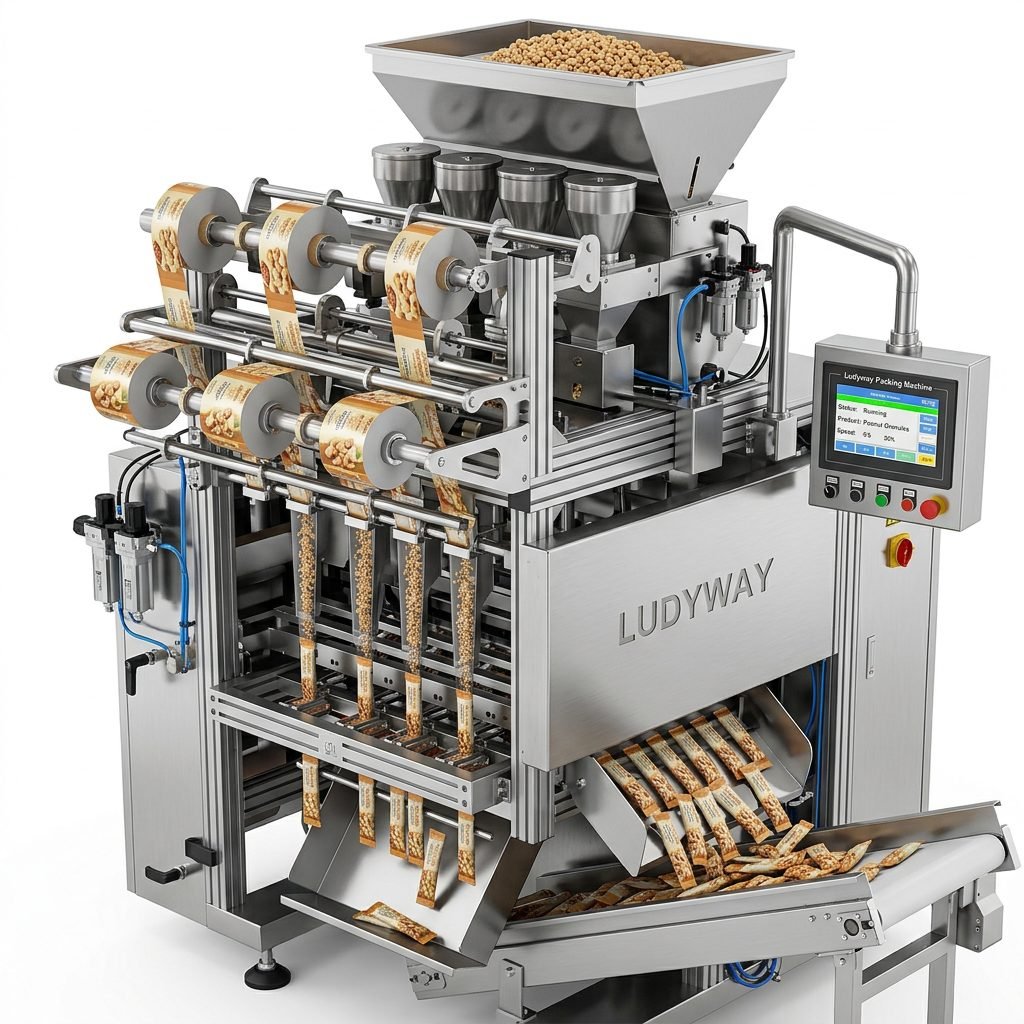
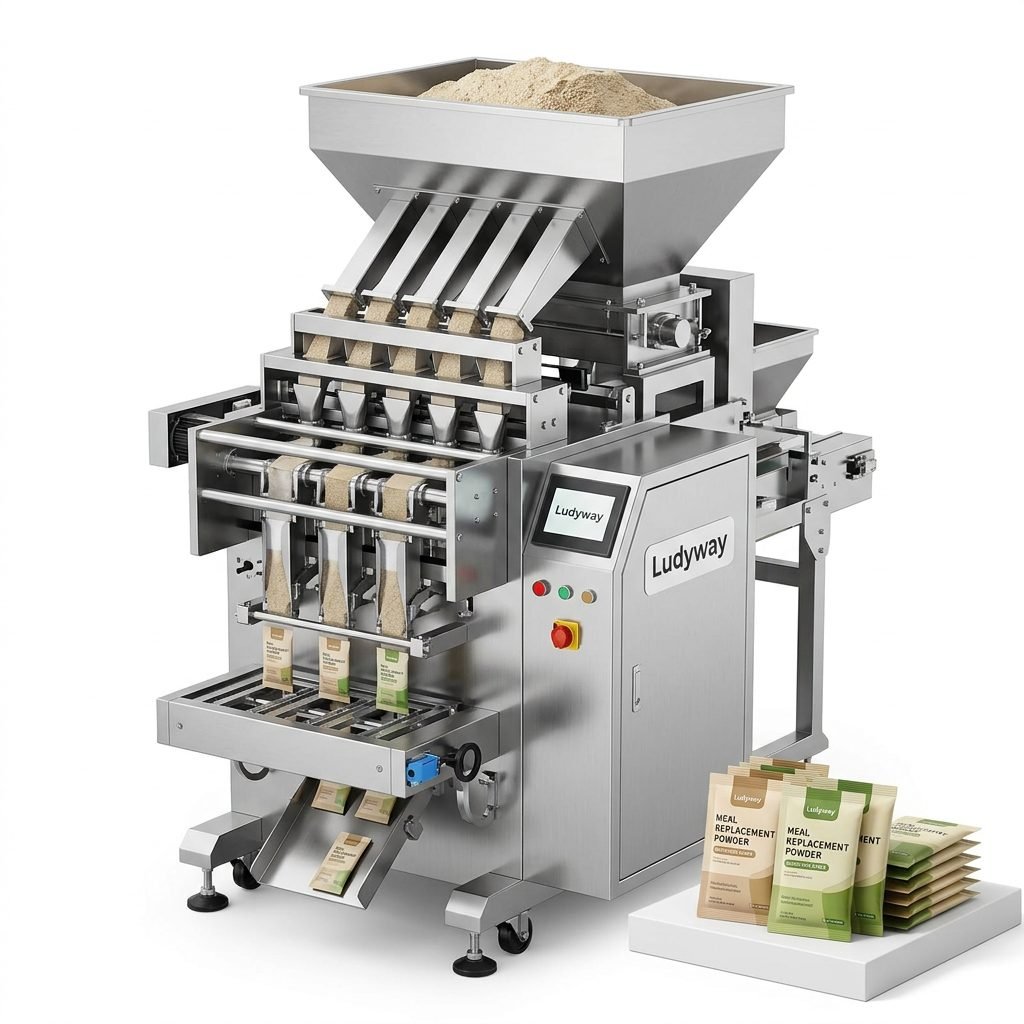
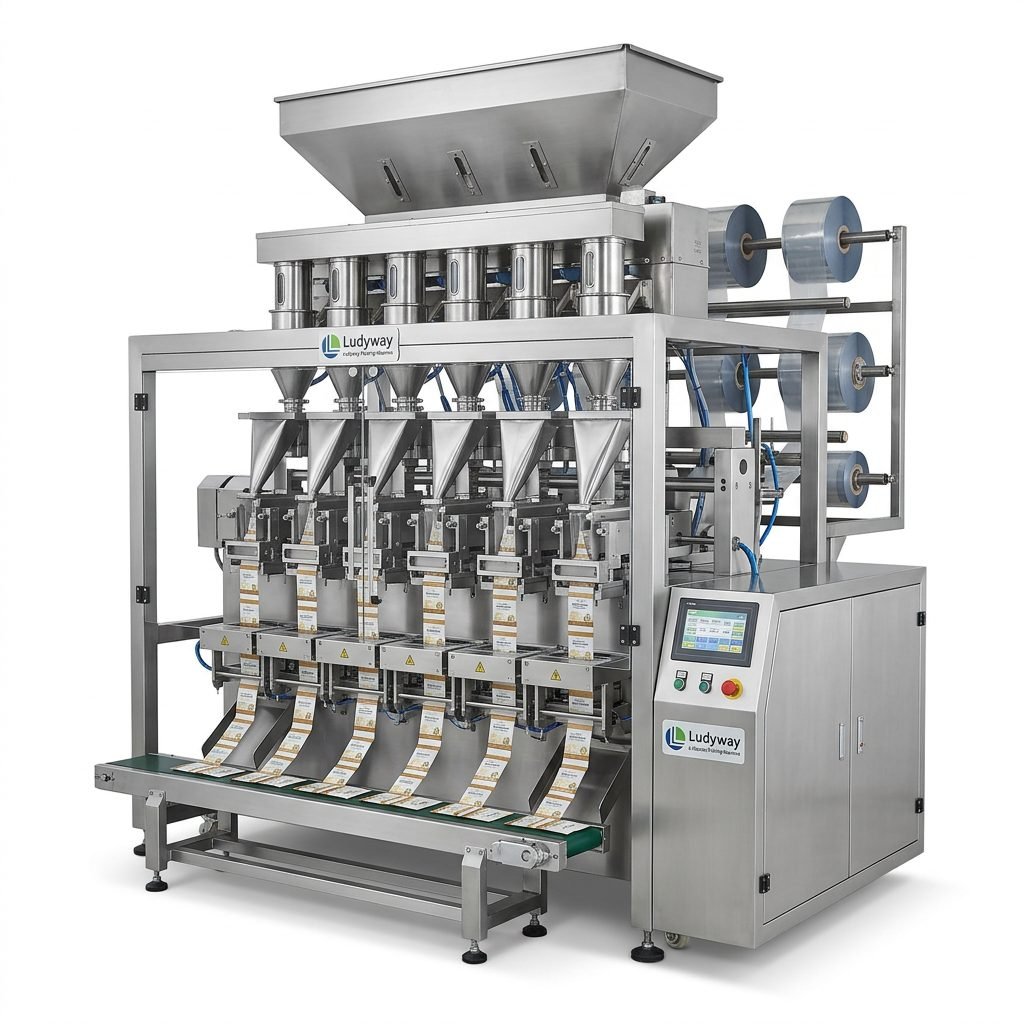
| Multi-Lane Stick Pack Vacuum System | Powder, granule, and liquid sachets | Extremely high-speed, precision dosing |
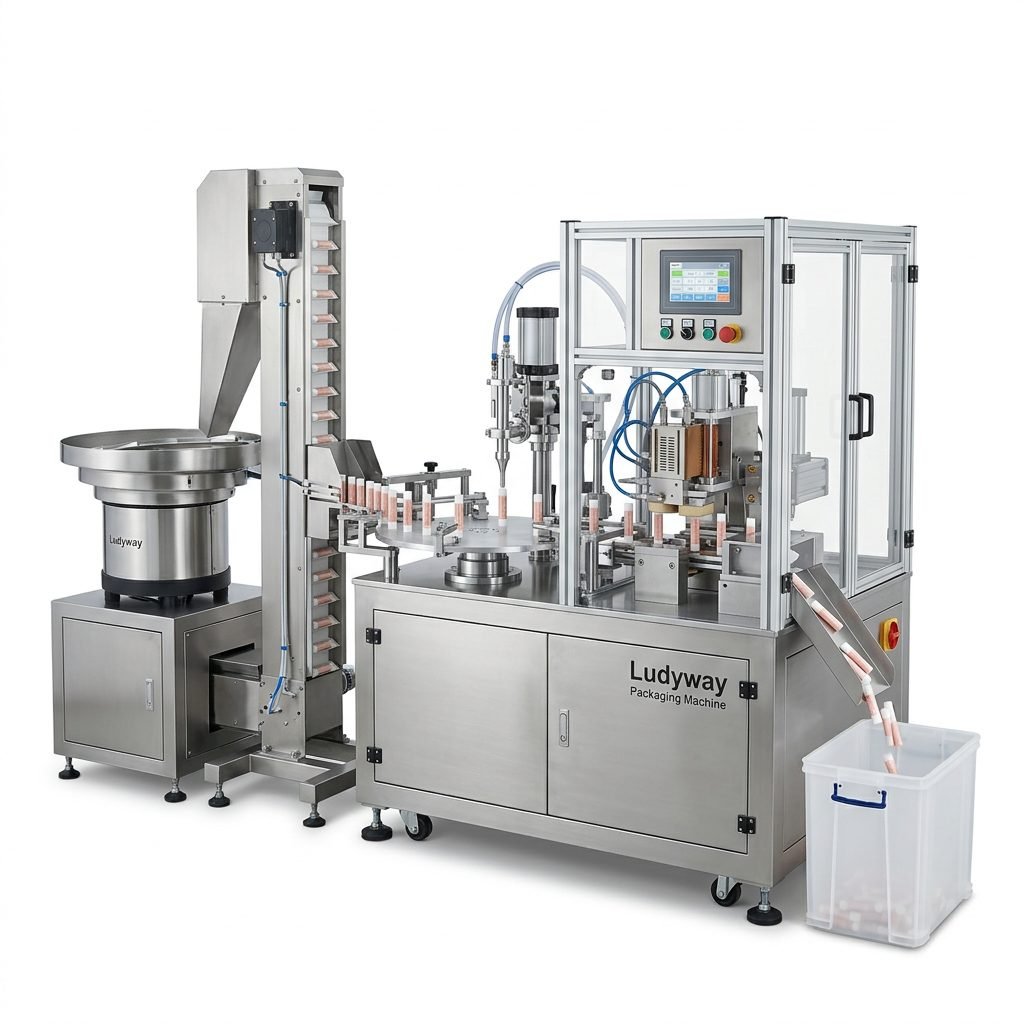
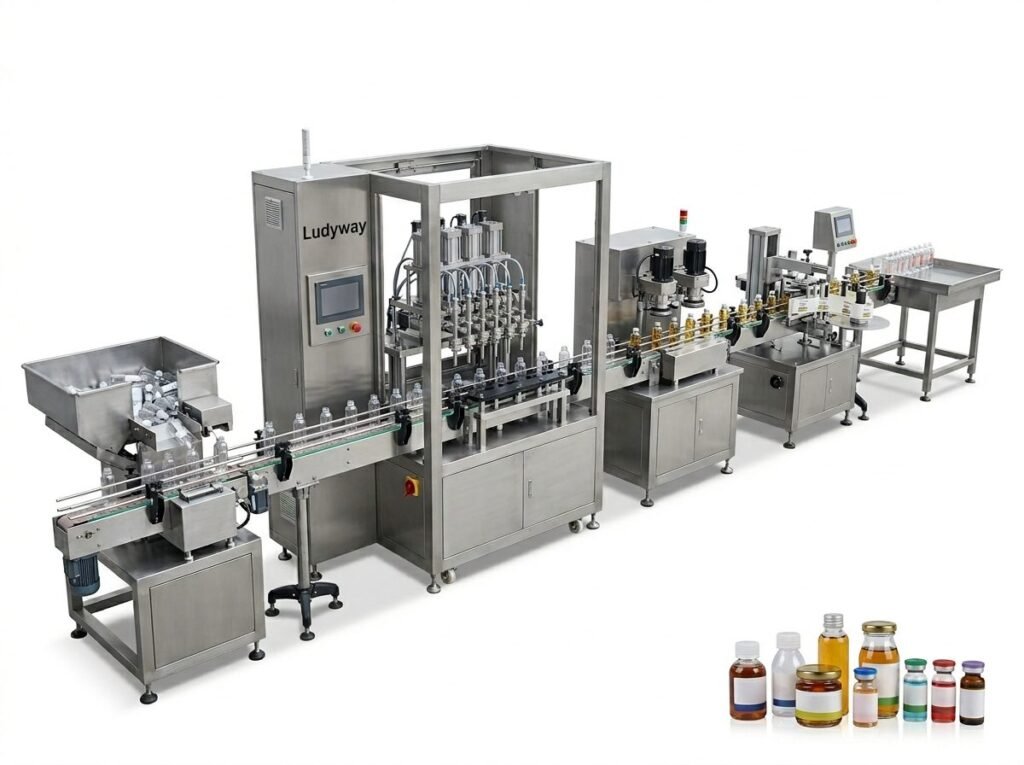
Beyond the main sealing unit, you will also need supporting equipment such as conveyor systems, weighing and filling machines, labeling units, and inspection systems like checkweighers or metal detectors. Ensuring all components communicate seamlessly is critical for a fully integrated packaging line.

Step 3: Design an Efficient Production Line Layout
A logical floor plan minimizes material handling, reduces bottlenecks, and improves worker safety. Map out the sequential flow of your process and allocate space for each station:
- Raw material intake and staging area – Ensure sufficient buffer stock near the line start.
- Filling and dosing station – Position dosing equipment directly upstream of the vacuum sealer.
- Vacuum sealing zone – Allow adequate clearance for operator access, film roll changes, and maintenance.
- Post-seal inspection – Install a vision system or manual check point for seal integrity verification.
- Secondary packaging – Incorporate cartoning, case packing, or palletizing stations at the line’s output.
- Finished goods storage – Plan for pallet staging and warehouse transfer logistics.
For manufacturers looking to implement turnkey solutions, partnering with an experienced integrator can simplify this stage. Ludyway, for instance, provides comprehensive packaging line design services that encompass everything from initial consultation to final commissioning.
Step 4: Installation, Calibration, and Staff Training
Once your equipment arrives, proper installation sets the foundation for reliable performance. Follow these best practices:
- Level and secure all machinery: Vibrations from unbalanced equipment can compromise seal quality and accelerate wear on components.
- Calibrate vacuum levels and sealing parameters: Adjust vacuum time, sealing temperature, and cooling time based on your specific film and product requirements. Document these settings for future reference.
- Integrate utilities correctly: Confirm that compressed air, nitrogen supply (if using gas flush), and electrical connections meet the manufacturer’s specifications.
- Conduct thorough operator training: Train staff on machine operation, troubleshooting common faults, and performing routine maintenance tasks. Well-trained operators prevent most unplanned downtime events.

Step 5: Testing, Validation, and Continuous Optimization
Never go into full production without a comprehensive validation phase. Run sample batches and measure key performance indicators such as seal strength, residual oxygen levels, and production speed. If your industry requires strict regulatory compliance, conduct Installation Qualification (IQ), Operational Qualification (OQ), and Performance Qualification (PQ) protocols.
Ongoing optimization efforts should focus on:
- Reducing film waste: Fine-tune bag length settings and minimize empty cycles.
- Improving seal integrity: Regularly inspect sealing bars for contamination or wear. Replace Teflon tapes and heating elements as part of your preventive maintenance schedule.
- Monitoring vacuum pump performance: Oil changes and filter replacements keep the pump running at peak efficiency and extend its service life.
- Analyzing downtime data: Track and categorize stoppages to identify recurring issues and implement permanent corrective actions.
Common Challenges and How to Avoid Them
Even well-planned lines encounter obstacles. Here are a few frequent challenges and strategies to address them proactively:
| Challenge | Potential Cause | Recommended Solution |
|---|---|---|
| Inconsistent vacuum levels | Worn pump oil, leaking seals | Implement routine pump maintenance and seal inspection |
| Weak or incomplete seals | Incorrect temperature setting, dirty sealing bar | Calibrate temperature; clean bars daily |
| Film wrinkling or misalignment | Improper film tension, worn rollers | Adjust tension controls; replace worn guide rollers |
| Product contamination inside seal area | Overfilling, spillage during transfer | Optimize fill volumes; add product guides or funnel systems |
| Excessive downtime | Lack of spare parts, untrained operators | Stock critical spares; schedule ongoing training programs |
Key Maintenance Practices for Long-Term Reliability
A structured maintenance program is essential for maximizing the lifespan of your vacuum sealer packaging machine. The following practices should be part of your standard operating procedures:
- Daily: Clean sealing bars, inspect vacuum chamber gaskets, and check oil levels in the vacuum pump.
- Weekly: Lubricate moving parts, verify temperature calibration, and inspect electrical connections for signs of overheating.
- Monthly: Replace vacuum pump oil, clean or replace filters, and run full diagnostic tests on sensors and control systems.
- Quarterly: Perform a comprehensive audit of all pneumatic and mechanical components; check belt tension and chain alignment on conveyor modules.
- Annually: Schedule a professional service visit for deep inspection, software updates, and performance benchmarking.
Referencing resources from organizations like the Flexible Packaging Association can also help you stay updated on best practices and new technologies in vacuum sealing and flexible packaging.
Conclusion
Setting up a vacuum sealer packaging machine production line requires careful planning, the right equipment selection, and a commitment to ongoing optimization. By following this structured approach—defining your goals, choosing compatible machinery, designing an efficient layout, training your team, and adhering to a disciplined maintenance schedule—you can build a packaging line that delivers consistent quality and reliable performance for years to come. Whether you are launching a new facility or upgrading an existing operation, investing time in the planning phase ultimately pays off through reduced waste, higher output, and greater customer satisfaction.