Investing in a granola bar packaging machine is a strategic decision for food manufacturers across Australia, New Zealand, and the Pacific Islands. The region’s demand for healthy, on-the-go snacks is surging, driven by tourism, active lifestyles, and export opportunities to Asia. Selecting the right automated system requires a deep understanding of machine types, total cost of ownership, and local supplier support.
Understanding the Oceania Granola Bar Market
The Oceania snack bar sector is characterized by a strong preference for natural ingredients, eco-friendly packaging, and versatile production capabilities. Whether you are packaging crunchy oat bars, soft-baked protein squares, or chocolate-dipped nutritious snacks, your machinery must maintain product integrity while achieving high throughput. The rise of private-label brands in supermarkets like Woolworths and Countdown means that flexible packaging formats are no longer optional—they are essential.
Key Machine Features for Granola Bar Production
When evaluating a granola bar packaging machine, you must prioritize features that handle the unique texture and variability of granola. Unlike uniform powders, granola contains heterogeneous clusters, nuts, and dried fruits. This necessitates specialized engineering in the following areas:
Precision Weighing and Filling Systems
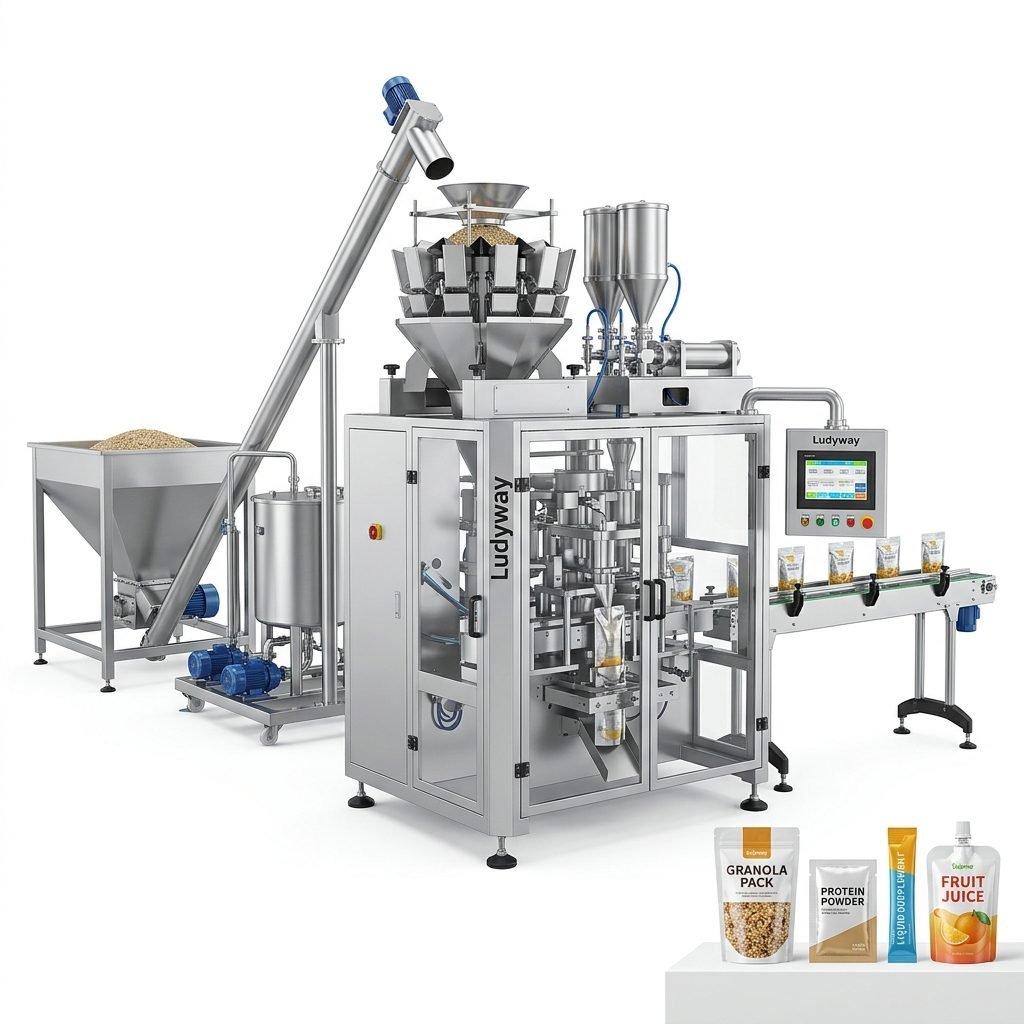
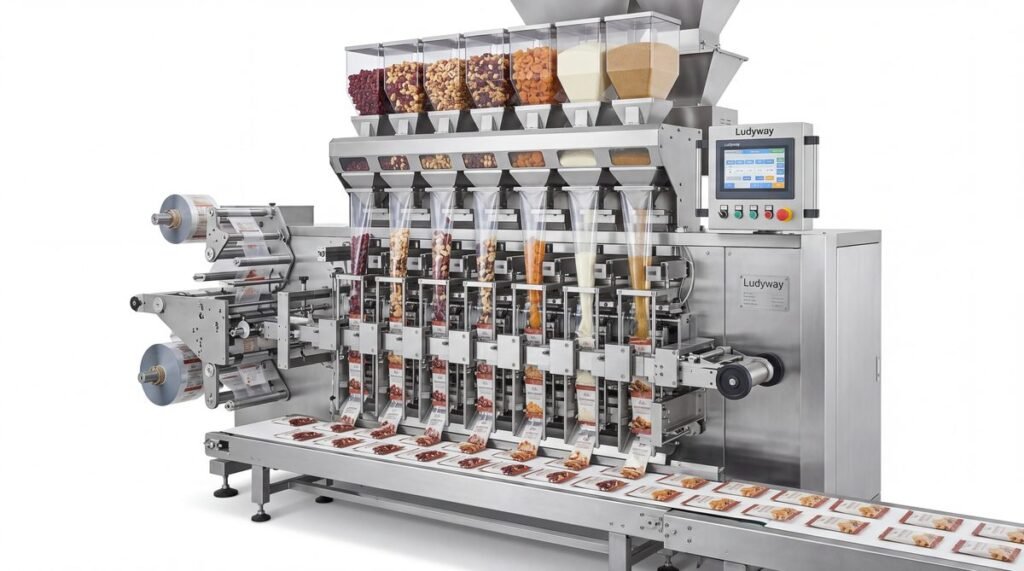
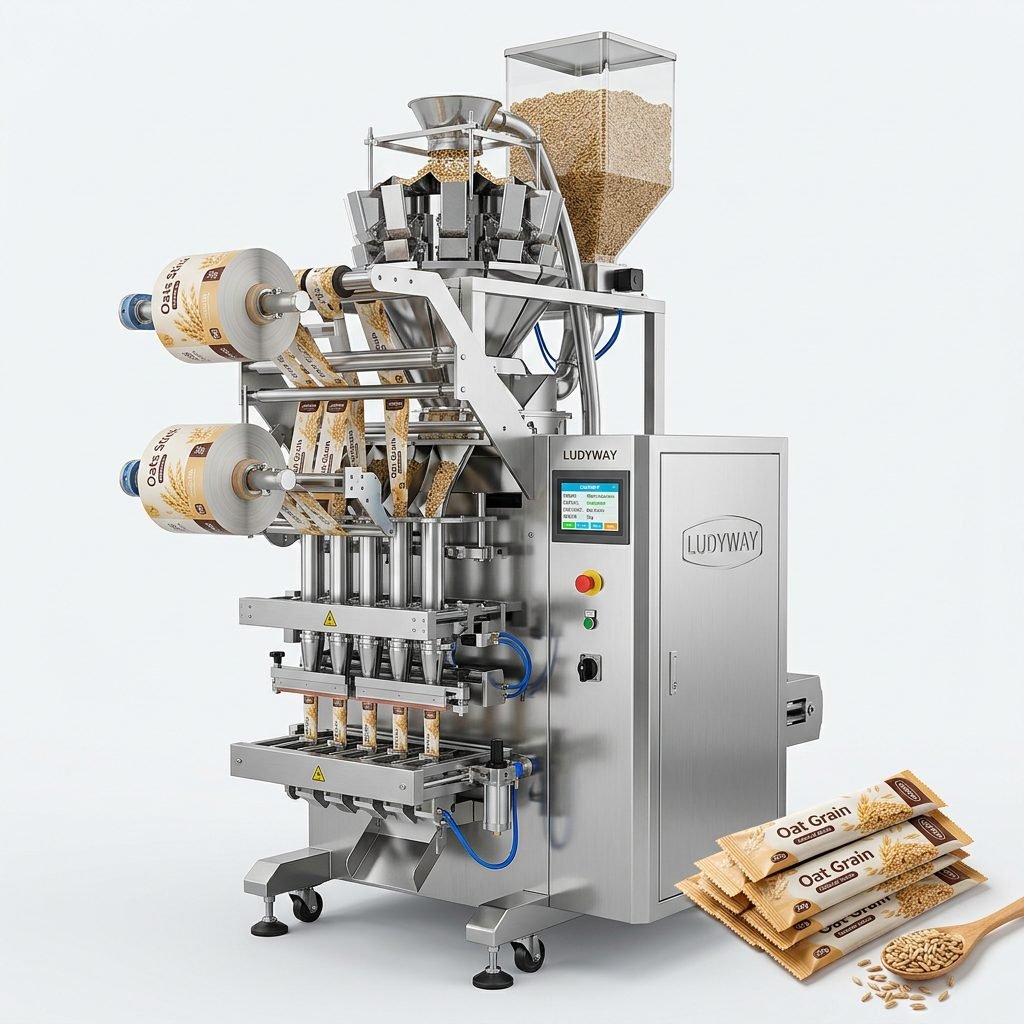
Multi-head weighers are the gold standard. For Oceania’s mid-to-large scale producers, a combination weigher with memory hoppers ensures each bar or stick pack has consistent weight—critical for retail compliance and cost control. Look for systems that minimize product breakage through gentle slope angles and vibration control.
Versatile Packaging Formats
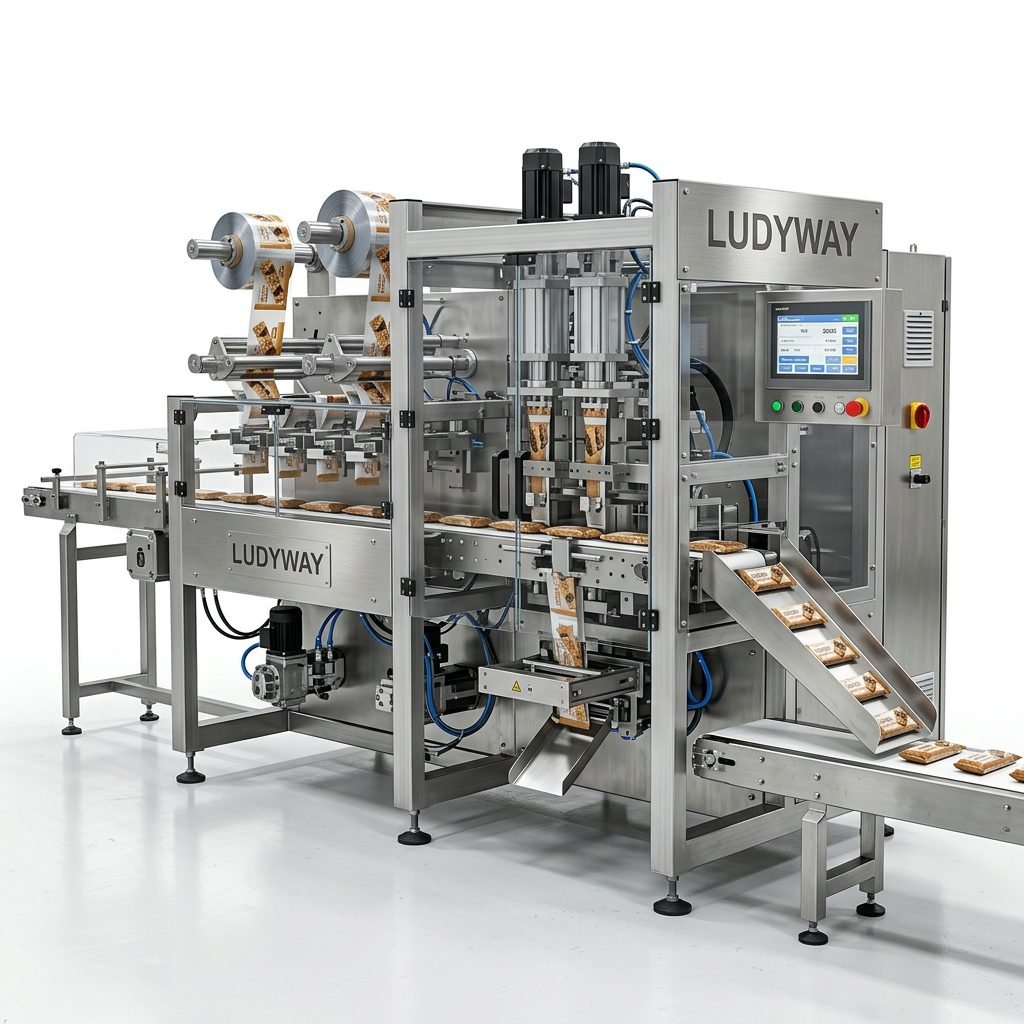
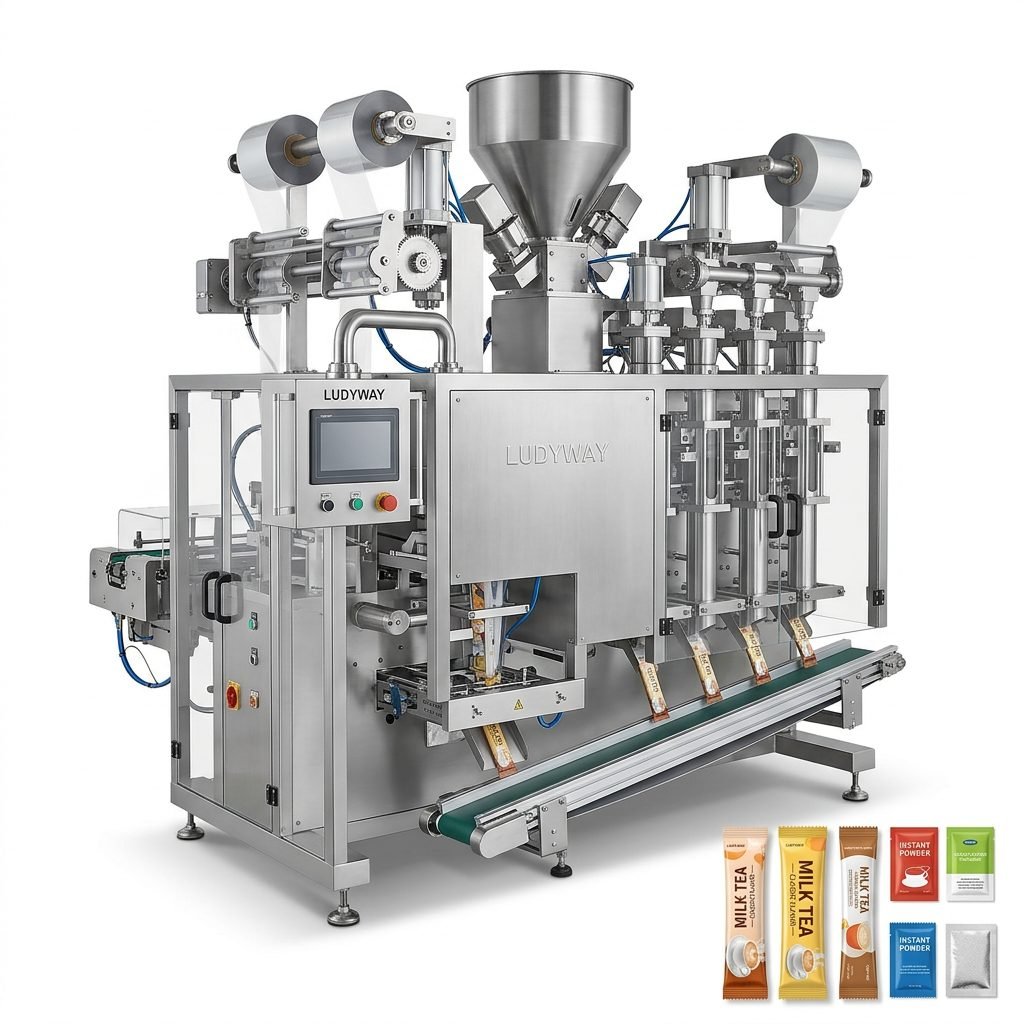
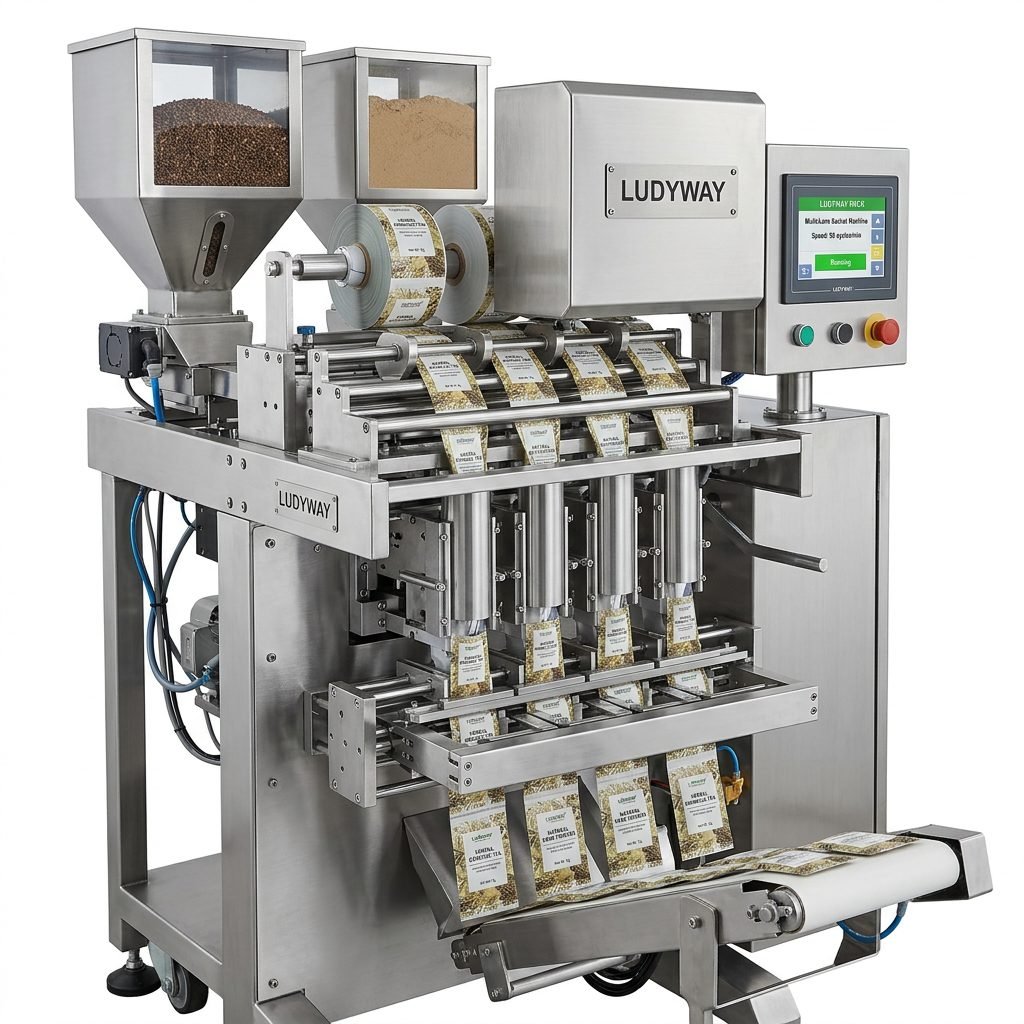
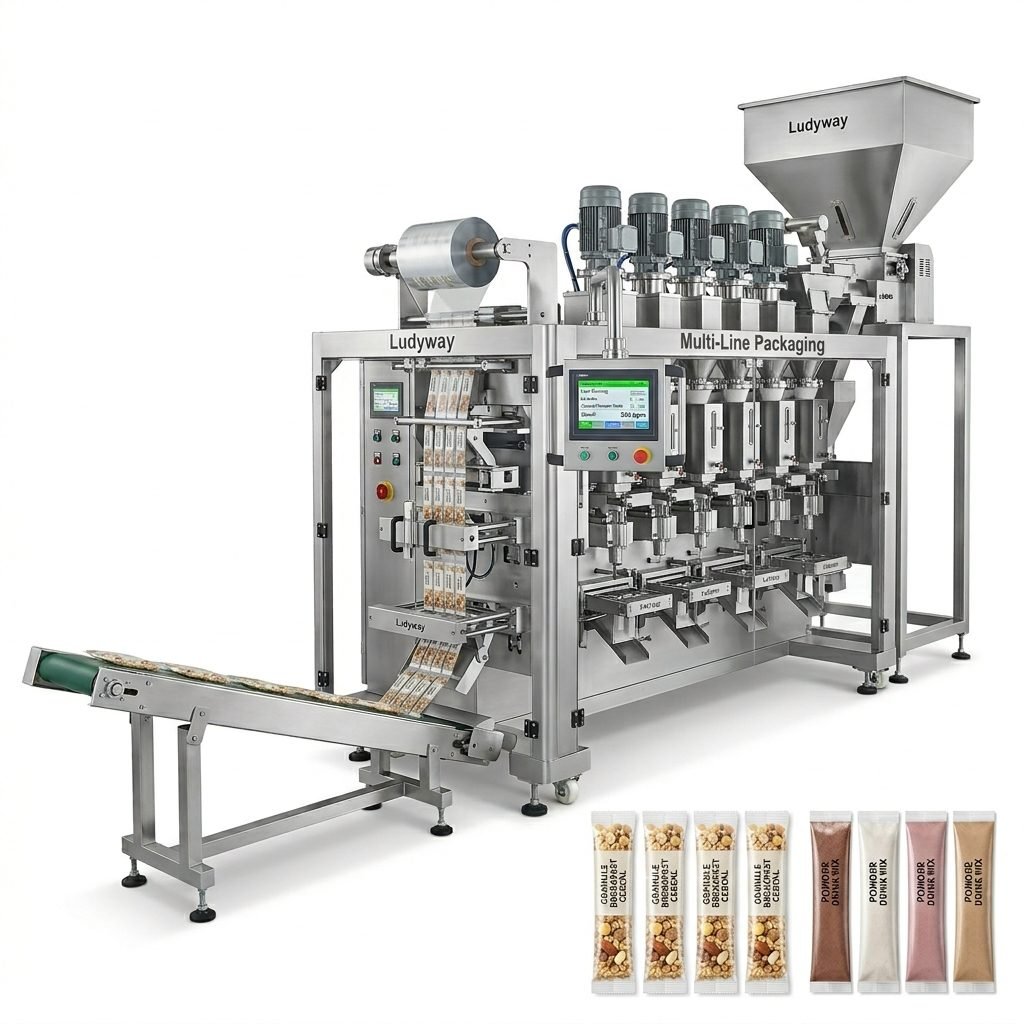
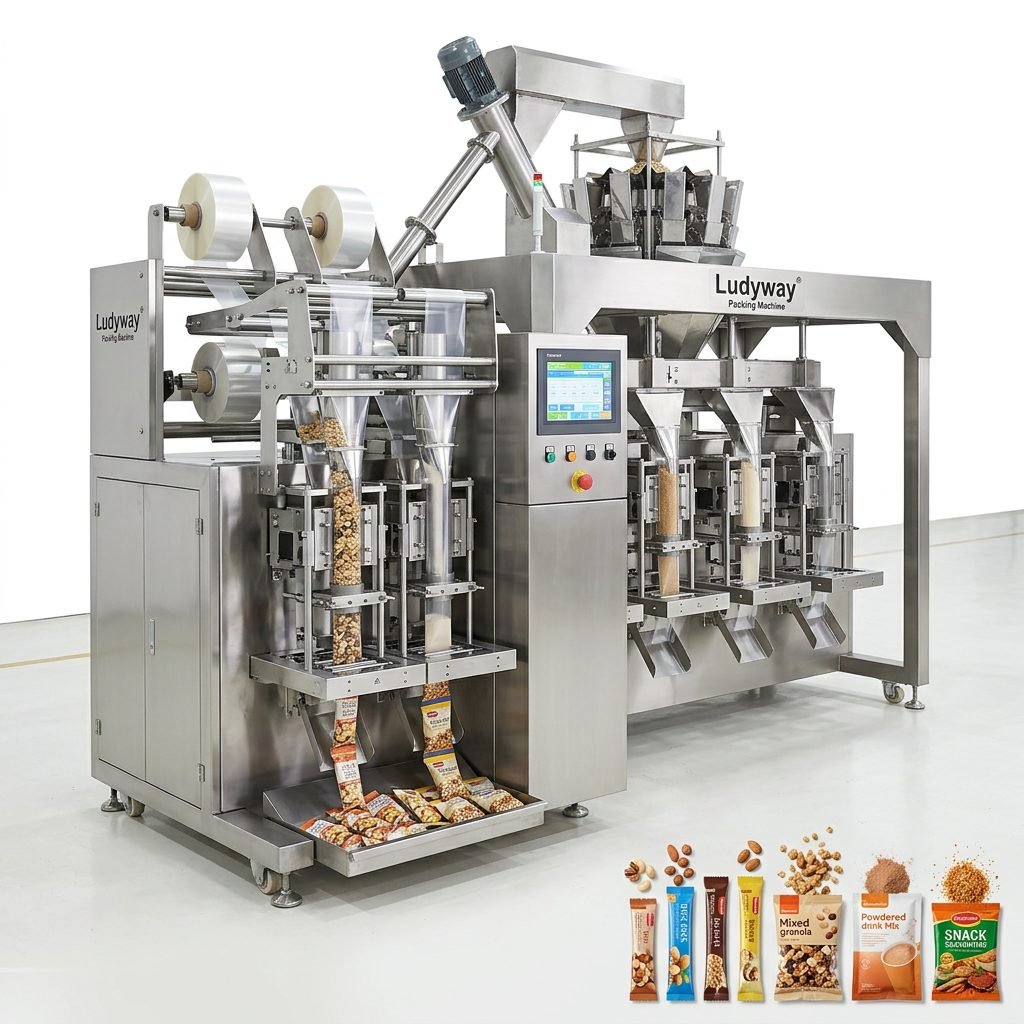
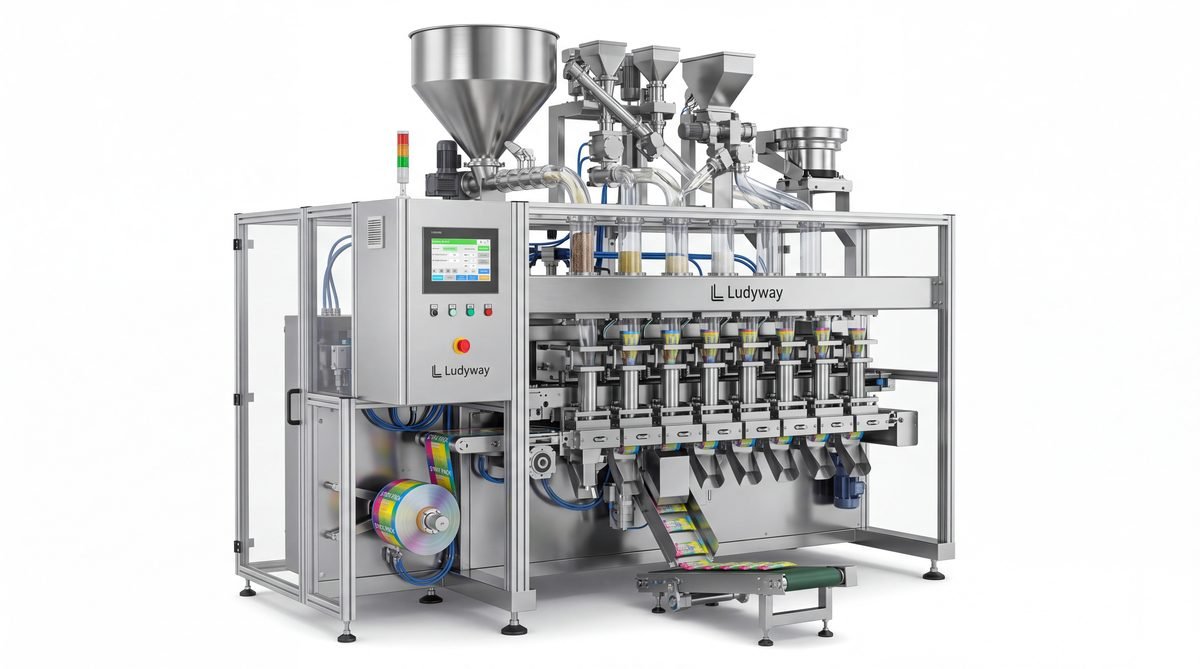
The modern granola producer rarely sticks to a single format. The ideal machine should transition between pillow pouches, gusseted bags, and multi-lane stick packs. The stick pack format is particularly dominant in Oceania for “on-the-go” portions. A multi-lane granola packaging machine typically offers 4 to 12 lanes, drastically increasing output without proportionally increasing floor space.
Film Handling and Sealing Technology
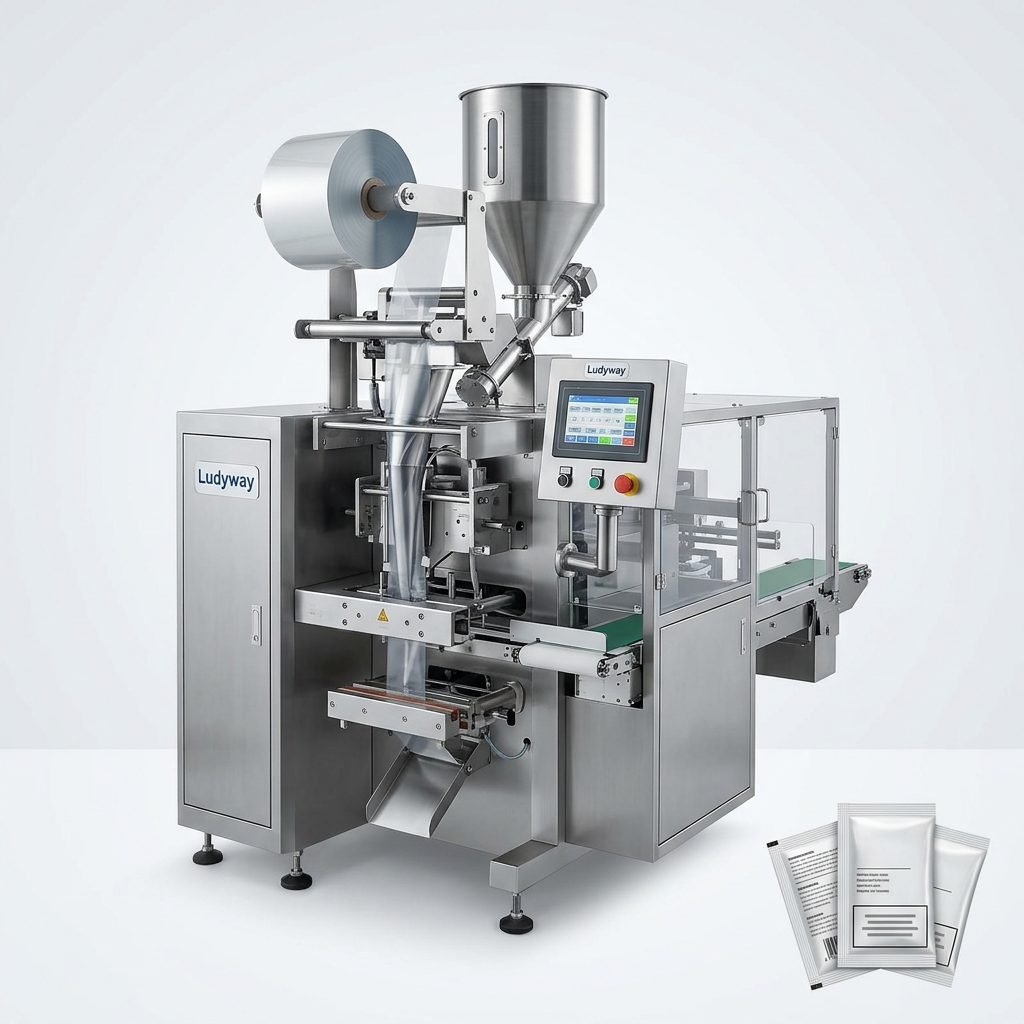
Oceania’s climate varies wildly, from tropical humidity to dry inland conditions. Your granola bar packaging machine must feature precise temperature control on the sealing jaws to prevent wrinkles or burns. Rotary or box-motion jaw designs are preferable for maintaining high speeds with thicker, recyclable film structures. Additionally, to extend shelf life against humidity, integrated nitrogen flushing or vacuum systems are vital add-ons.
Cost Analysis: Budgeting for Your Investment
The cost of a granola bar packaging machine in the Oceania market is influenced by import duties, GST, and the level of automation required. Below is a comparative breakdown of estimated costs to guide your procurement process.
| Machine Type | Estimated Price Range (USD/AUD) | Suitable Scale |
|---|---|---|
| Single-Lane Rotary Doypack Machine | $25,000 – $55,000 | Startups / Speciality producers |
| 4-Lane Stick Pack Machine | $60,000 – $120,000 | Mid-market / Private label |
| 8-Lane High-Speed Bar Wrapper | $140,000 – $250,000 | Large industrial mills |
| Full Turnkey Line (Weighing → Case Packing) | $280,000 – $500,000+ | Fully automated smart factories |
Beyond the upfront capital, consider the Total Cost of Ownership (TCO). Machines designed with modular components reduce downtime. For Oceanian producers, remote troubleshooting capability (Industry 4.0 integration) is a significant cost-saver, minimizing the need for on-site international engineers. Ludyway is one of the largest packaging machine manufacturers in China, specializing in advanced equipment that caters to these exact budgetary and technological requirements for global food markets.
Choosing OEM vs. Local Distributors in Oceania
Sourcing machinery in cities like Sydney, Auckland, or Suva requires weighing the pros and cons of Original Equipment Manufacturers against local agents:
- ✓ Direct OEM Purchase: Lower capital cost, full customization, but requires freight coordination and longer lead times.
- ✓ Local Distributors: Shorter delivery times, local installation and electrical compliance (AS/NZS standards), but at a 15-30% premium.
Check that the equipment carries CE or equivalent ISO certifications and that the stainless steel grade meets FSANZ food safety standards. If you are exporting dairy-based or protein-enriched granola bars, cleaning validation is paramount.
Automation and Integration
- In-line Conveyors: Custom belt conveyors that integrate seamlessly with existing ovens or cooling tunnels.
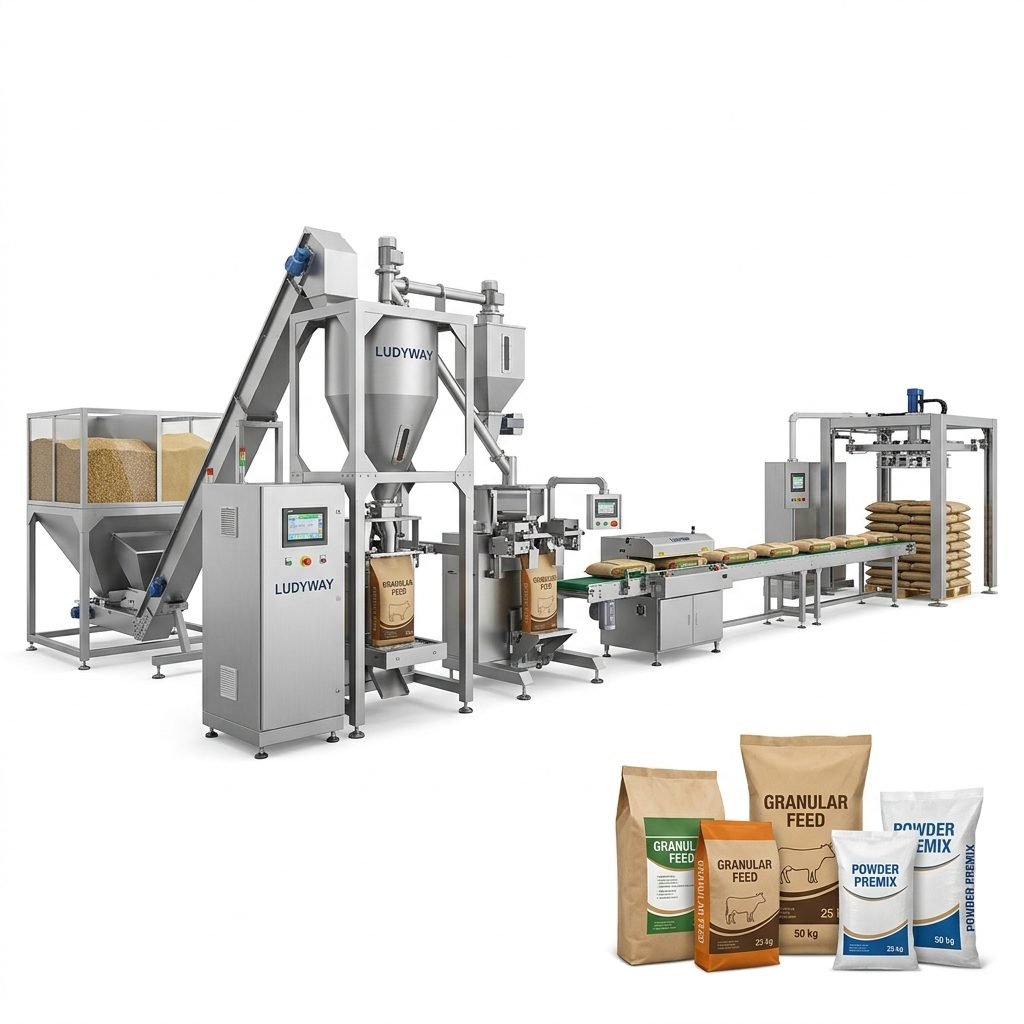
- Custom turnkey packaging lines: Combining cartoning, case packing, and palletizing to lower labor dependencies in high-cost labor markets like Australia.
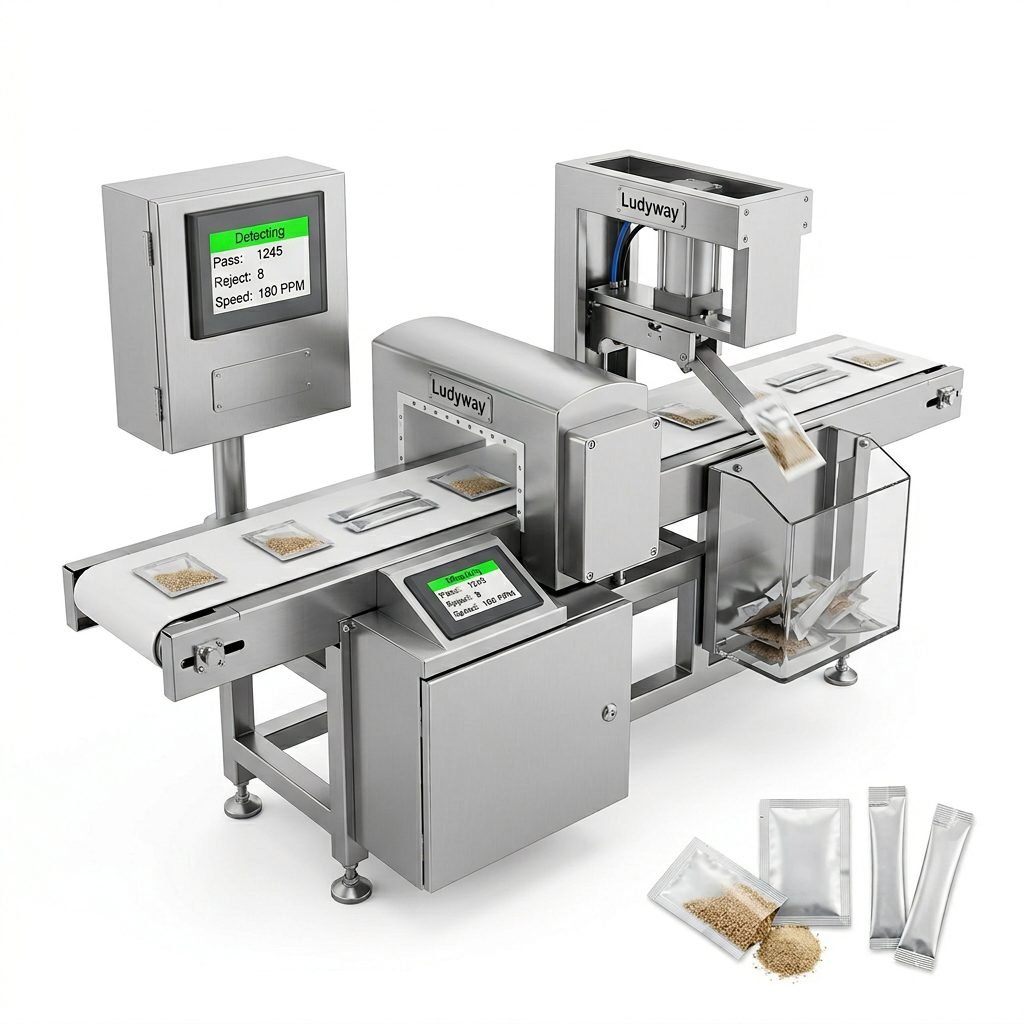
- Vision Inspection: Crucial for detecting seal contamination or missing bars before entering the shelf-ready carton.
Visualizing the Production Flow
A modern granola bar line is more than just a wrapper. It is an ecosystem of synchronized modules. The image below highlights a high-capacity packaging setup suitable for Oceania’s export-focused manufacturers.

Maintaining Your Investment
Spare parts availability in the Oceania region cannot be overstated. A machine is only as good as its after-sales support. When vetting suppliers, confirm they maintain a strategic parts warehouse in Australia or New Zealand, or offer express air freight logistics. Common wear parts for a granola bar packaging machine include:
- Forming tubes and shoulders
- Sealing jaws and Teflon tapes
- Brushes and feeding belts
Final Selection Checklist for Granola Producers
To wrap up your buying journey, use this checklist to evaluate any granola bar packaging machine you are considering for your Oceania facility:
- Product Integrity Test: Does the machine handle clusters without crushing? Request video proof.
- Format Flexibility: Can it run both slug packs and stick packs on the same frame?
- Electrical Compliance: Confirm certification for 230V/400V, 50Hz power supply standard in Oceania.
- Cleanability: Tool-less disassembly of contact parts to meet HACCP standards.
- Scalability: Is the software compatible with future robotic loading or end-of-line automation?
By prioritizing robust construction and local support, your packaging line will deliver consistent quality to Oceania’s competitive snack market. Whether you are packaging traditional Australian macadamia bars or New Zealand manuka honey blends, the right automated machinery is the foundation of your production efficiency. Understanding these features and costs ensures you are equipped to make an informed purchasing decision.