Understanding Vacuum Skin Packaging Technology
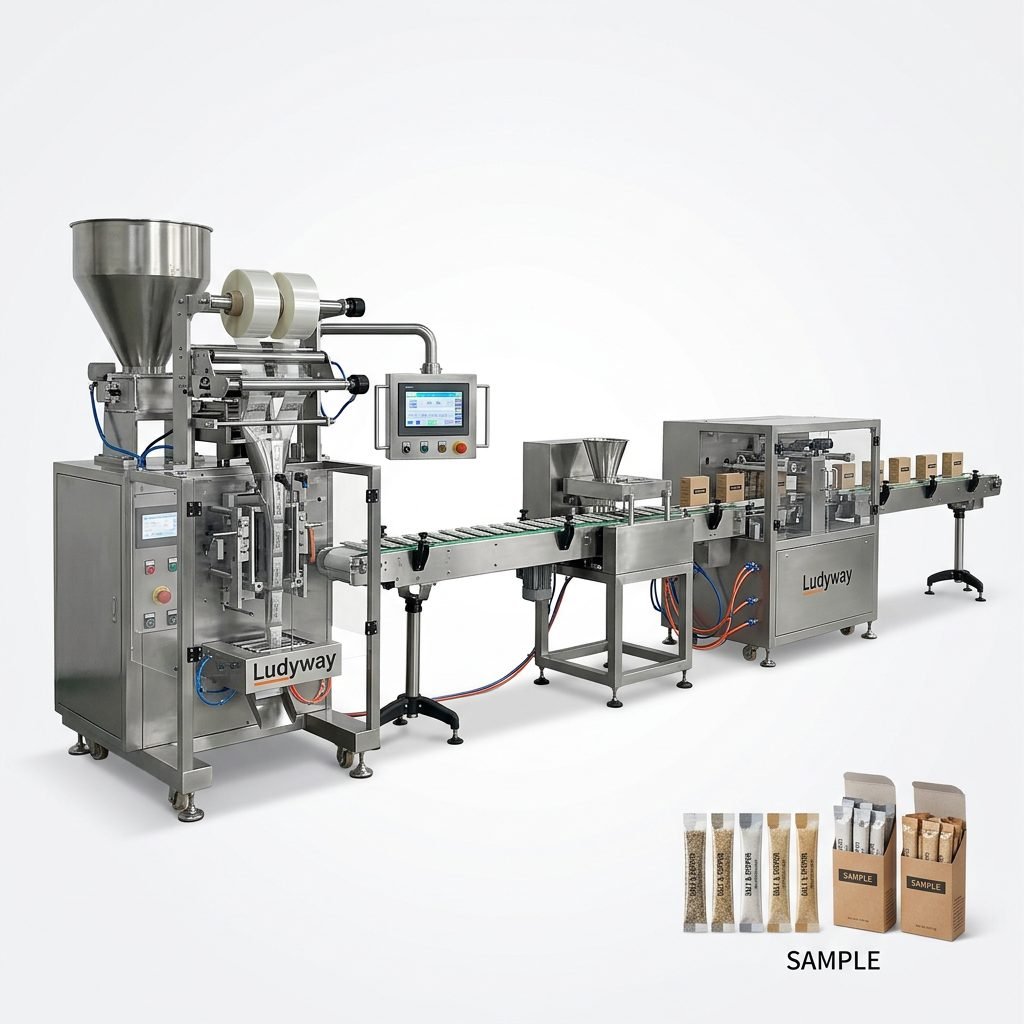
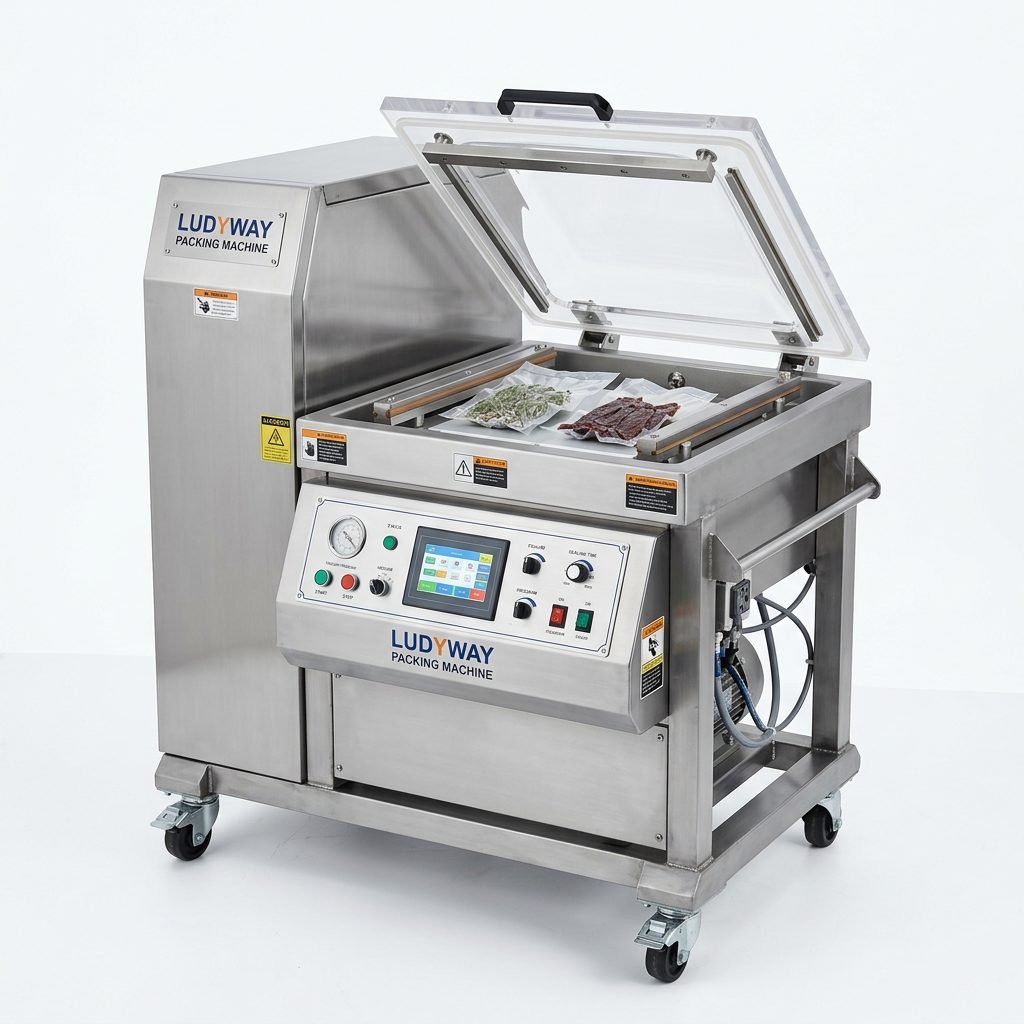
Vacuum skin packaging (VSP) is a highly effective packaging method that uses a vacuum to tightly seal a transparent film over a product placed on a rigid substrate or tray. Unlike traditional thermoforming, the film conforms precisely to the product’s shape, creating a second-skin appearance that enhances both product visibility and protection. This technology is widely used across food, pharmaceutical, and consumer goods industries for extending shelf life and improving retail presentation.
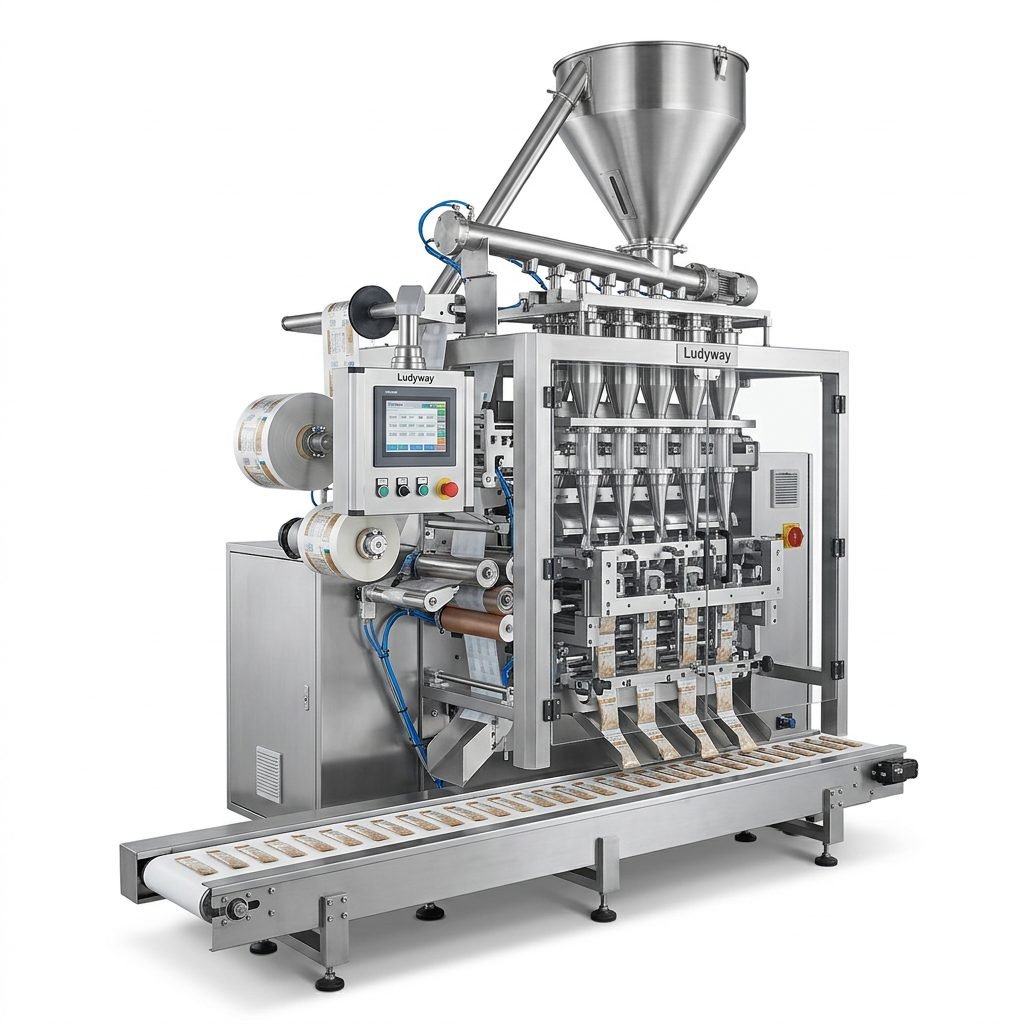
The growing demand for flexible packaging solutions has pushed VSP technology to evolve rapidly. Modern machines now offer multi-lane configurations, automated feeding systems, and precise temperature controls that significantly improve production efficiency while maintaining consistent seal quality.
Key Factors to Evaluate Before Purchasing a VSP Machine
Selecting the right vacuum skin packaging machine requires careful evaluation of your production requirements, product characteristics, and long-term operational goals. Below are the critical factors every buyer should assess before making an investment.
Production Volume and Speed Requirements
Your daily production targets directly determine the machine configuration you need. Small-scale operations may benefit from semi-automatic tabletop models, while high-volume manufacturers require fully automated inline systems capable of handling multiple cycles per minute. Consider not just current output but also projected growth over the next three to five years. Investing in a machine with modular upgrade capability can save significant costs down the road.
Product Dimensions and Tray Compatibility
The size and shape of your products dictate the chamber dimensions and tooling configuration. Machines must accommodate your largest tray format while maintaining efficient cycle times for smaller formats. Key specifications to verify include:
- Maximum tray width and length the machine can process
- Depth capacity for products with significant height profiles
- Quick-change tooling options for multi-product production lines
- Film width compatibility across your packaging material inventory
Film Material Compatibility
Not all VSP machines handle every film type equally well. Your machine must be compatible with the food-grade packaging materials you intend to use, whether they are PE, PP, PET-based barrier films, or specialized high-barrier laminates. Pay close attention to the machine’s sealing temperature range, heating plate uniformity, and ability to handle anti-fog or peelable film formulations for your specific application.
Vacuum System Performance
The heart of any VSP machine is its vacuum system. Superior vacuum pumps deliver faster evacuation times and deeper vacuum levels, which translate to tighter skin packaging and better product protection. Oil-lubricated rotary vane pumps generally offer higher performance for demanding applications, while dry pumps reduce maintenance requirements in cleanroom environments. Verify the pump’s ultimate vacuum pressure rating and ensure it meets the standards outlined in international packaging standards.
Automation and Integration Capabilities
Modern production environments benefit significantly from automation features that reduce labor costs and improve consistency. Evaluate whether the machine supports:
- Automatic tray loading and denesting systems
- Inline weighing and inspection modules for quality assurance
- Conveyor integration with upstream and downstream equipment
- PLC-controlled recipe management for quick product changeovers
- Remote monitoring and diagnostics for proactive maintenance
Industry-Specific Application Requirements
Different industries impose unique demands on vacuum skin packaging equipment. Understanding these requirements helps narrow your machine selection to models purpose-built for your sector.
| Industry | Key Packaging Requirements | Recommended Features |
|---|---|---|
| Fresh Meat & Poultry | Extended shelf life, leak-proof seals, excellent clarity | High-barrier film capability, MAP compatibility |
| Seafood | Odor containment, moisture control, puncture resistance | Anti-fog film support, deep-draw capability |
| Cheese & Dairy | Gas flushing, precise temperature control, clean peel | MAP-ready chambers, adjustable seal temperatures |
| Pharmaceutical & Medical | Sterile barrier, tamper evidence, regulatory compliance | Validated sealing processes, cleanroom compatibility |
| Consumer Electronics | Static protection, precise film forming, aesthetic finish | ESD-safe configurations, custom tooling options |
Comparing Machine Configurations
Vacuum skin packaging machines come in several basic configurations, each suited to different production scales and operational workflows. The following comparison highlights the primary differences to help you identify the right category for your facility.
| Machine Type | Production Capacity | Automation Level | Best Suited For |
|---|---|---|---|
| Manual Single-Chamber | Low (2-4 cycles/min) | Operator-dependent | Startups, R&D labs, small batch production |
| Semi-Automatic Double-Chamber | Medium (3-6 cycles/min) | Partial automation | Growing processors, medium-volume facilities |
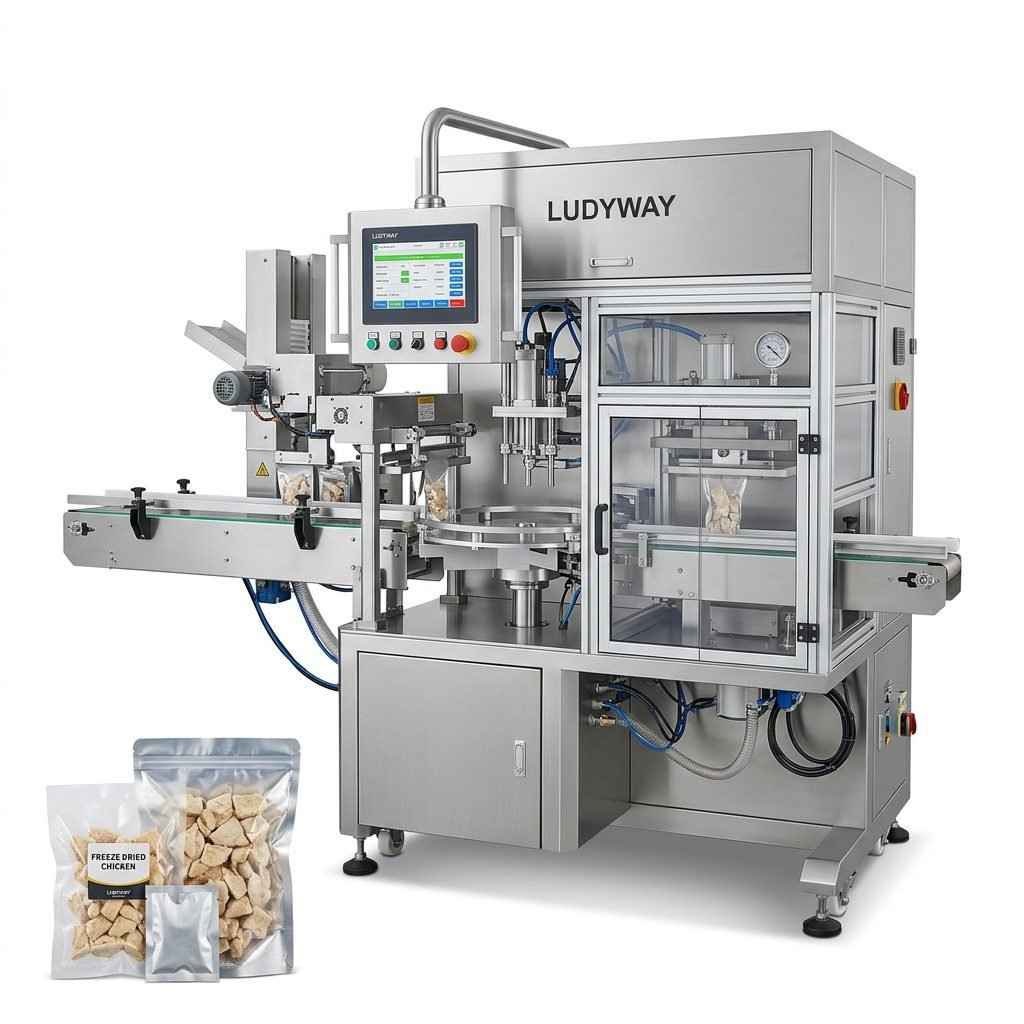
| Fully Automatic Inline | High (6-10+ cycles/min) | Full automation with PLC control | Large-scale food processing, 24/7 operations |
| Multi-Lane High-Speed System | Very High (10-20+ cycles/min) | Fully integrated automation | Industrial-scale production, co-packing facilities |
Essential Features to Prioritize in Your Selection
Beyond the basic configuration, several features can significantly impact your operational efficiency and packaging quality. Prioritize these capabilities when comparing different VSP machine models:
- Precise temperature zoning — Independent control of sealing plate zones ensures consistent film adhesion across the entire tray surface, reducing leakers and improving package integrity.
- Programmable recipe storage — Machines with digital recipe management allow operators to switch between product formats in seconds, minimizing downtime during changeovers.
- Automatic film advance and cutoff systems — Reduce film waste and manual intervention while maintaining consistent film tension throughout each cycle.
- Integrated gas flushing (MAP) — Modified atmosphere packaging capability extends product shelf life by replacing oxygen with inert gases before sealing, critical for fresh protein applications.
- Data logging and traceability functions — Built-in monitoring systems record critical process parameters including vacuum levels, seal temperatures, and cycle times for quality assurance documentation.
Evaluating Total Cost of Ownership
The purchase price represents only one component of your long-term investment. A comprehensive cost analysis should account for energy consumption, film utilization rates, spare parts availability, maintenance intervals, and expected service life. Machines with higher initial costs often deliver lower total ownership costs through reduced film waste, faster cycle times, and extended maintenance intervals. Request detailed operating cost projections from equipment suppliers and validate these figures against industry benchmarking data before making a final decision.
After-Sales Support and Service Considerations
Reliable after-sales support is critical for maintaining production uptime. Before committing to a machine purchase, verify the supplier’s service capabilities:
- Local technical support availability — Response times for on-site service visits
- Spare parts inventory and delivery lead times for critical components
- Remote diagnostic capabilities for troubleshooting without on-site visits
- Operator training programs including initial setup and ongoing skills development
- Warranty coverage terms and extended service contract options
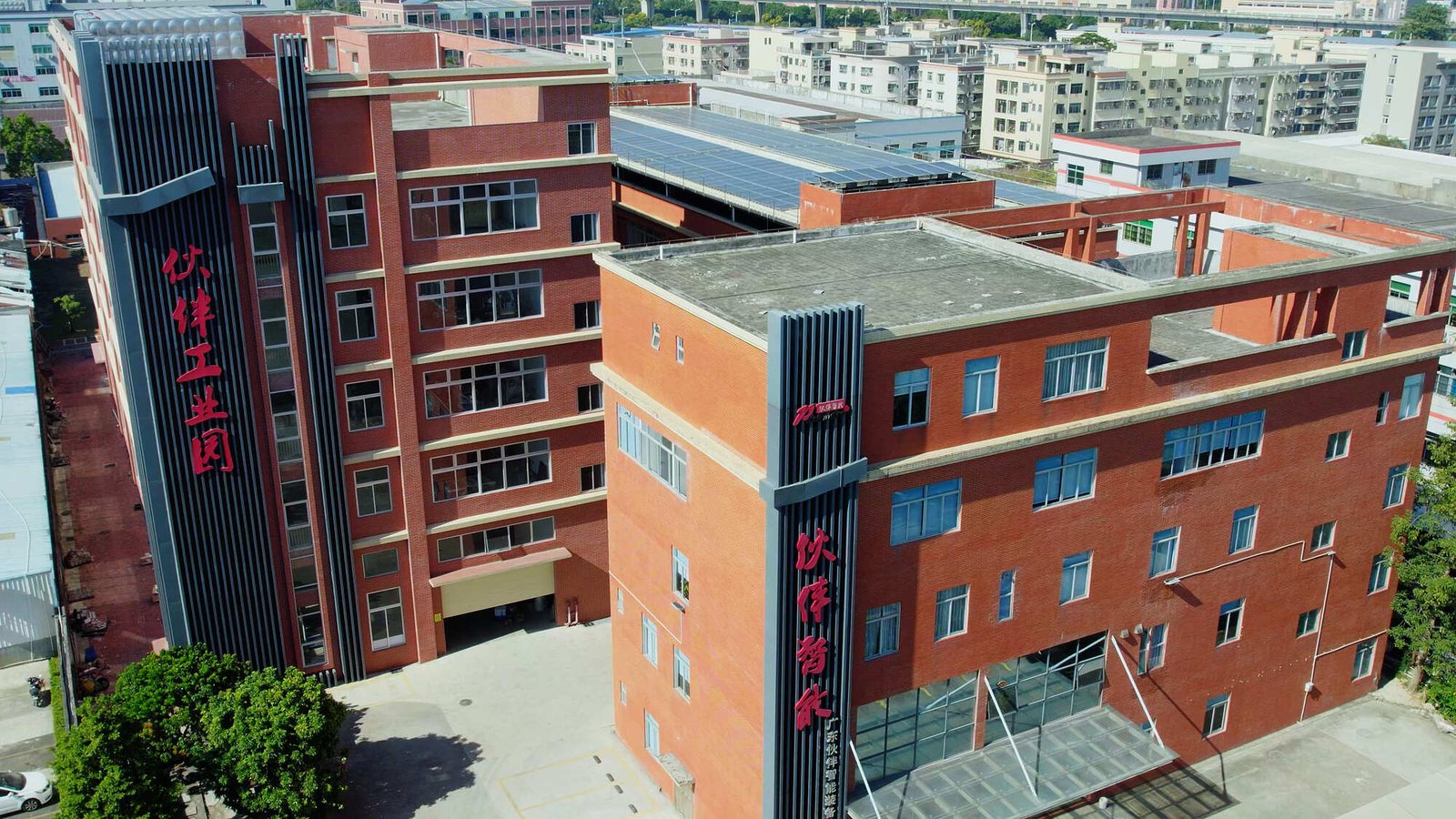
For manufacturers seeking comprehensive packaging solutions, working with an experienced equipment partner becomes essential. As a packaging machinery manufacturer with global reach, companies like Ludyway Machinery demonstrate how integrated engineering, automation expertise, and responsive technical support contribute to successful long-term packaging operations across more than 100 countries.
Making the Final Decision: A Step-by-Step Checklist
Use this structured evaluation framework to guide your purchasing process and ensure no critical factors are overlooked:
- Define your production parameters — Document current and projected volumes, tray sizes, film specifications, and upstream/downstream integration needs.
- Shortlist compatible machine models — Narrow options based on chamber size, cycle speed, and automation level that match your operational requirements.
- Request sample packaging trials — Test your actual products and films on candidate machines to verify seal quality, package appearance, and cycle performance.
- Compare total ownership costs — Evaluate energy usage, film waste rates, maintenance schedules, and expected component lifespan across your shortlisted options.
- Verify regulatory compliance — Ensure the machine meets applicable food contact packaging regulations and ISO packaging validation requirements for your target markets.
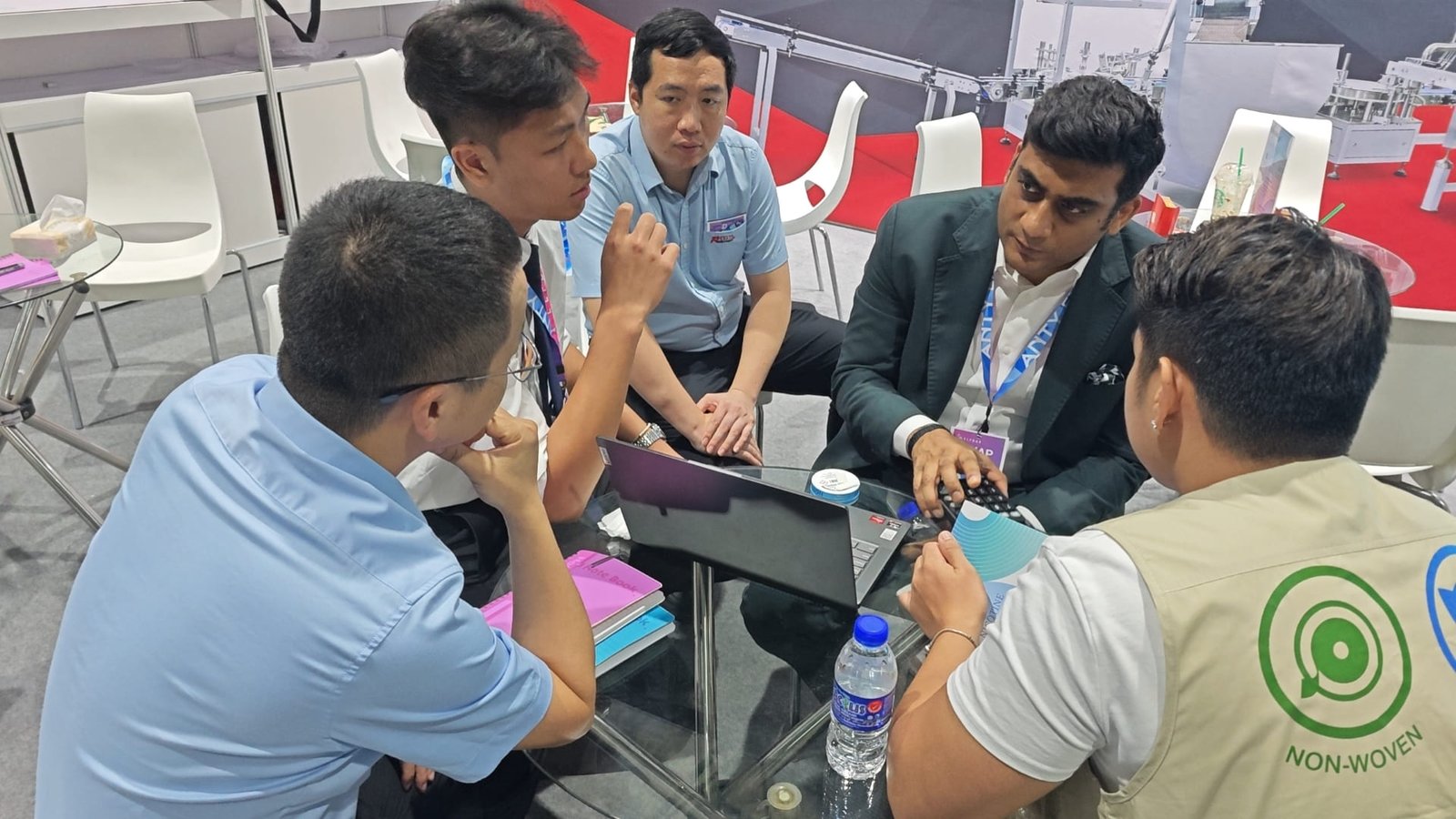
- Assess supplier capabilities — Review the manufacturer’s track record, service infrastructure, spare parts availability, and technical support responsiveness.
- Plan for installation and training — Coordinate site preparation, utility requirements, operator training schedules, and initial production ramp-up support.
Future-Proofing Your Packaging Investment
The packaging industry continues to evolve with advances in sustainable film materials, smart factory integration, and automated quality inspection systems. When selecting a VSP machine, consider the supplier’s commitment to ongoing innovation and their ability to support future upgrades. Machines built on open-architecture control platforms with modular mechanical designs offer greater flexibility to adapt as your packaging requirements change. Aligning with packaging industry best practices and staying informed about emerging technologies positions your operation for sustained competitive advantage in an increasingly demanding marketplace.