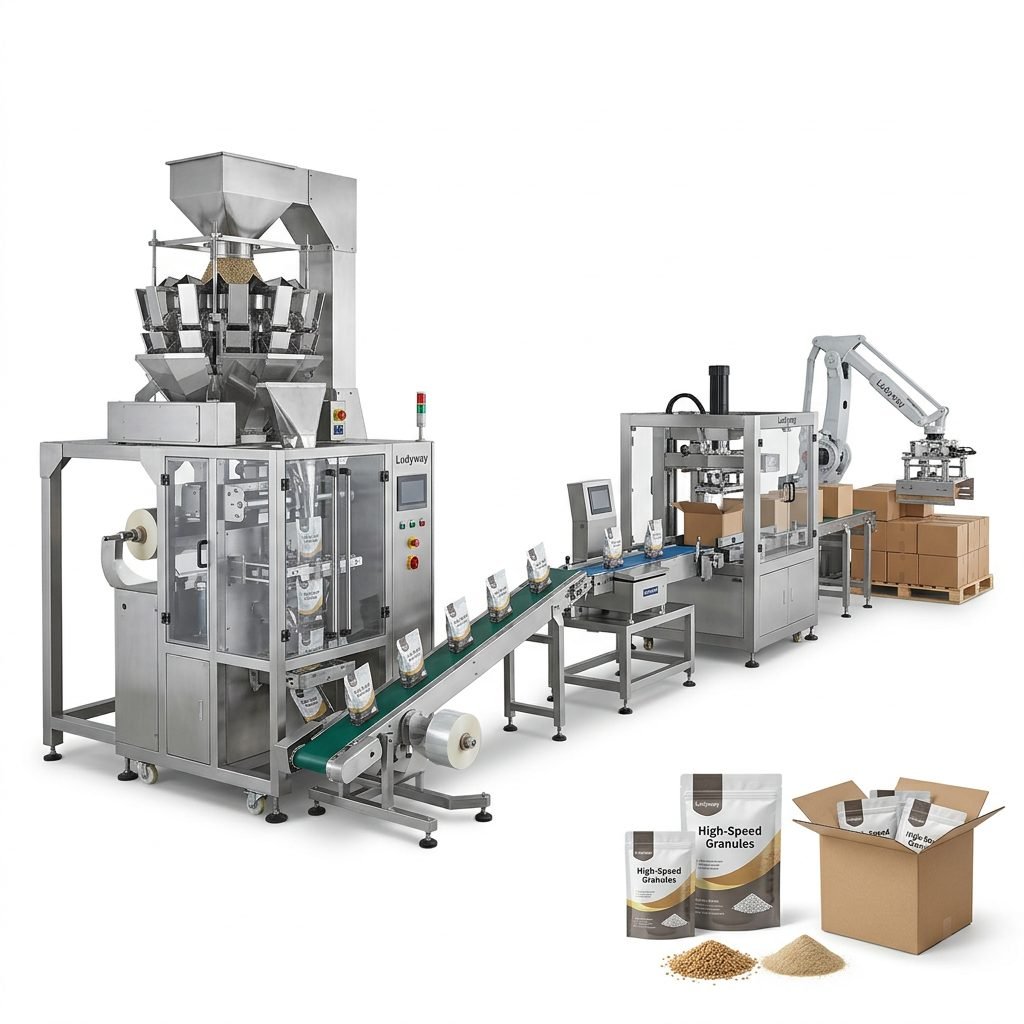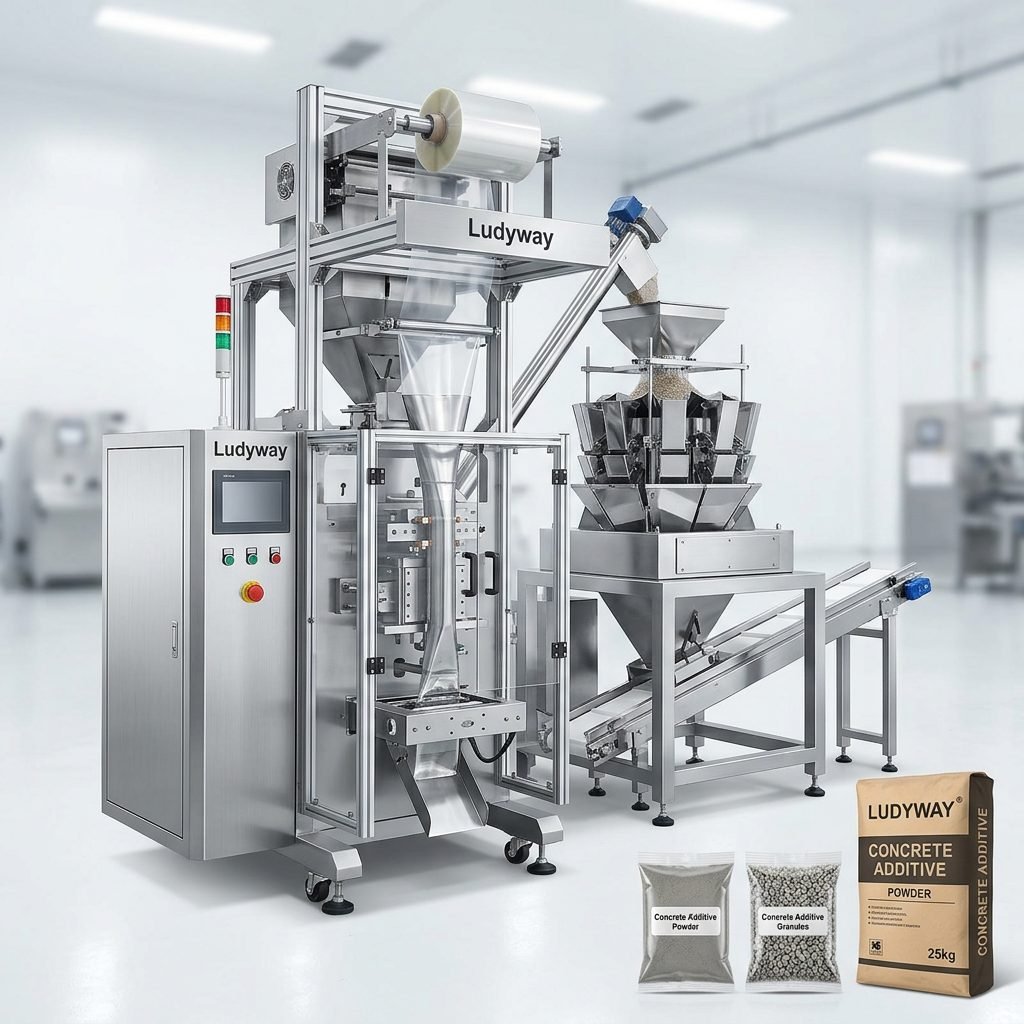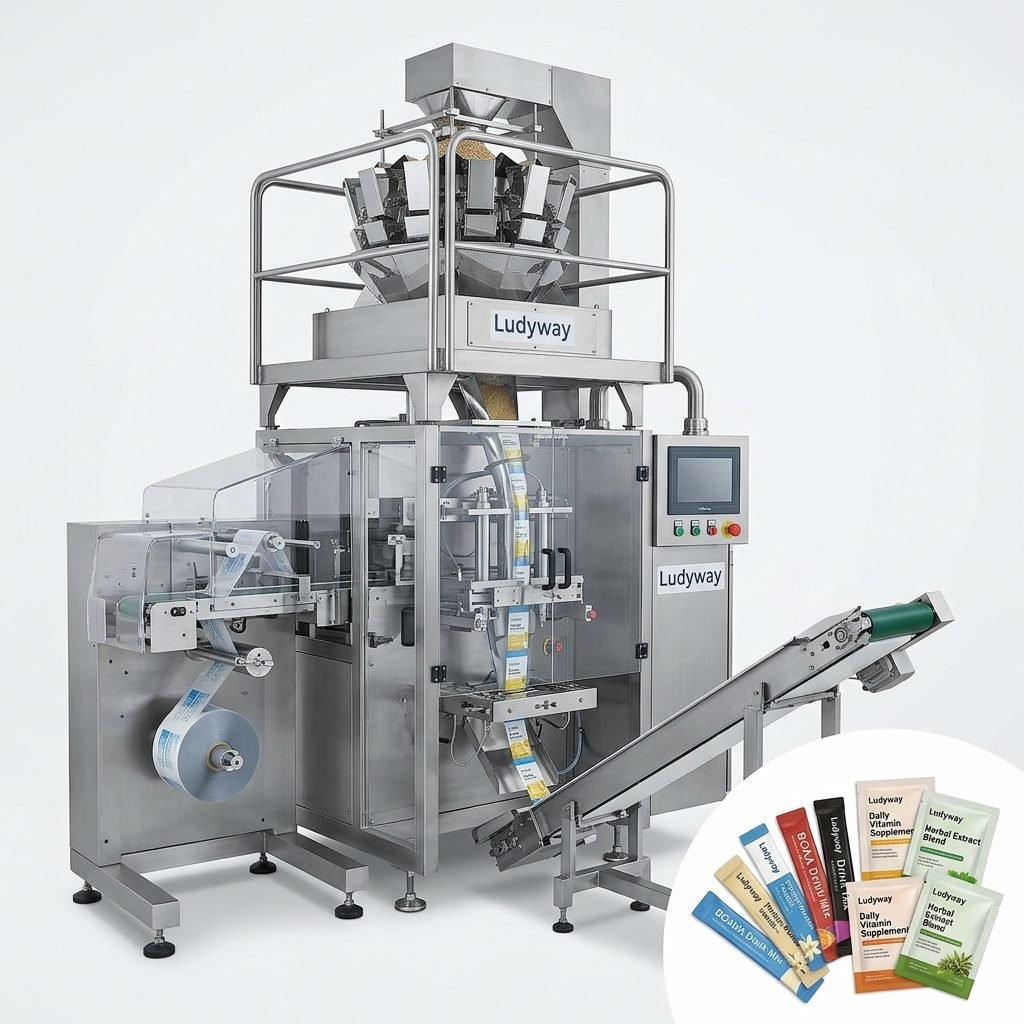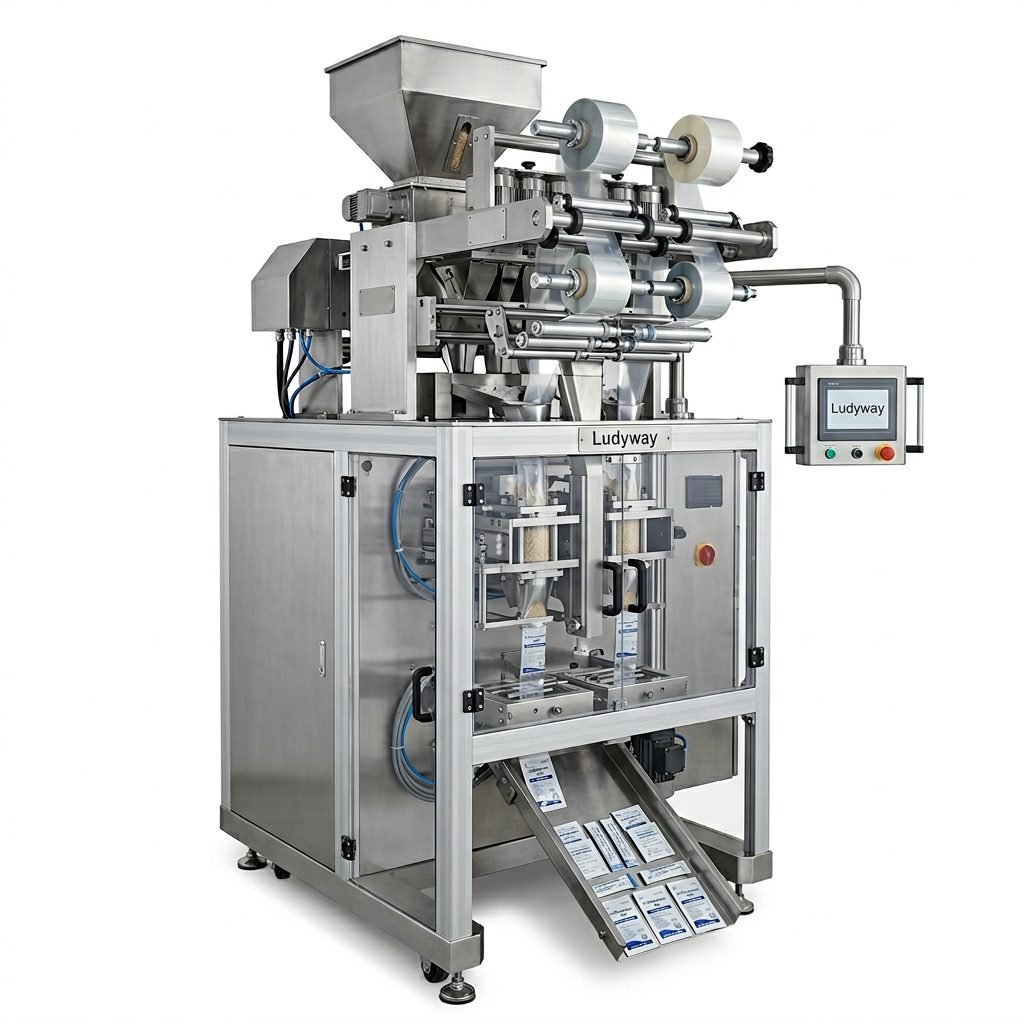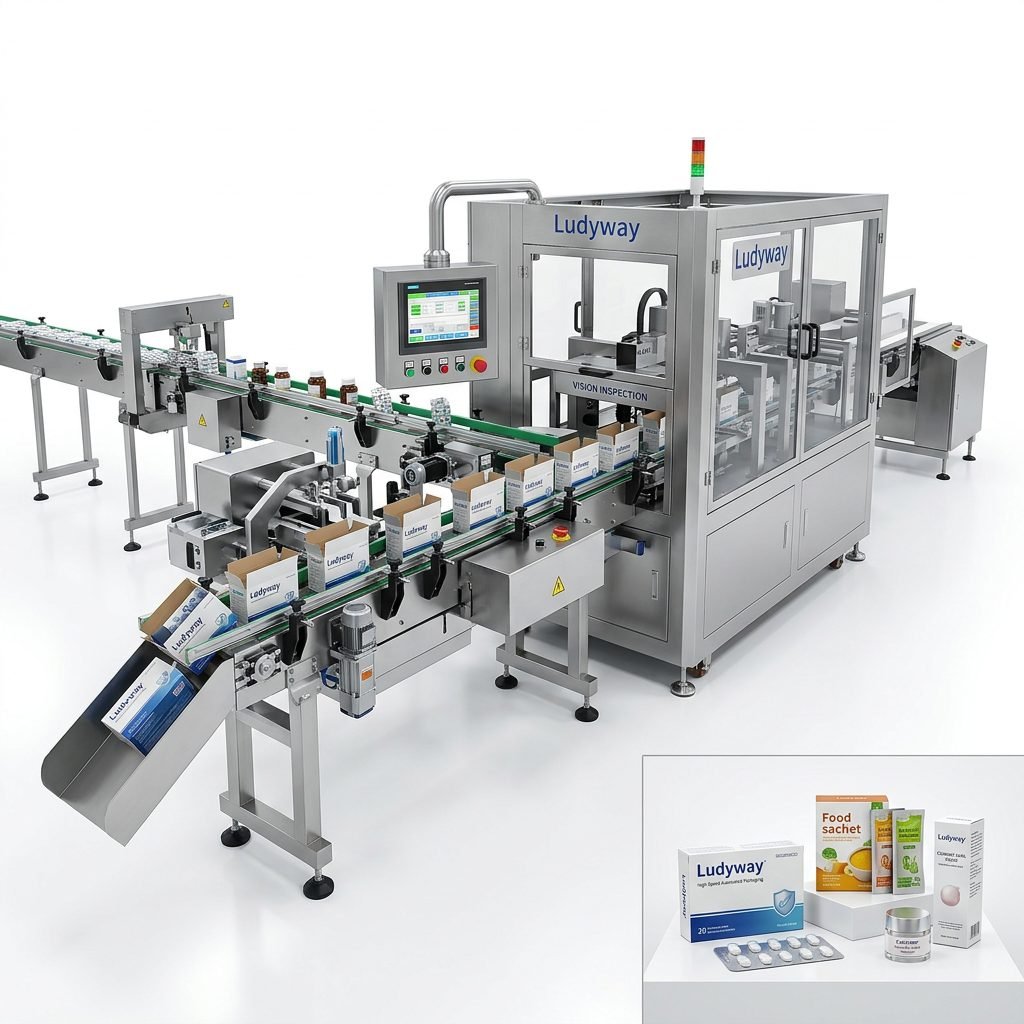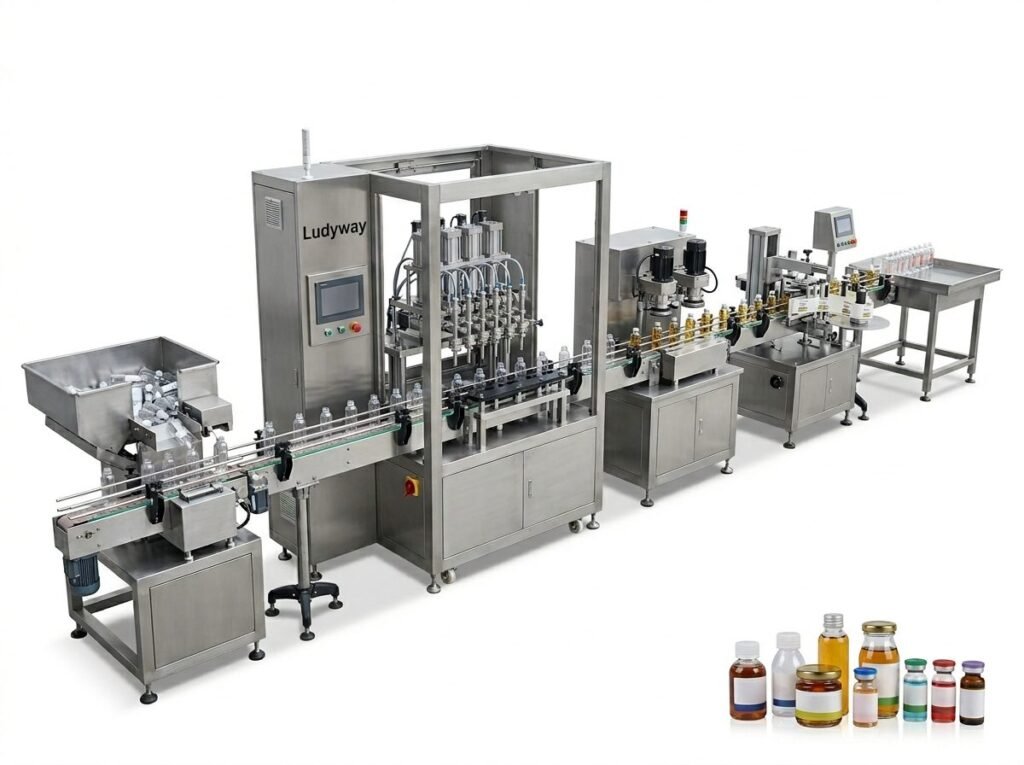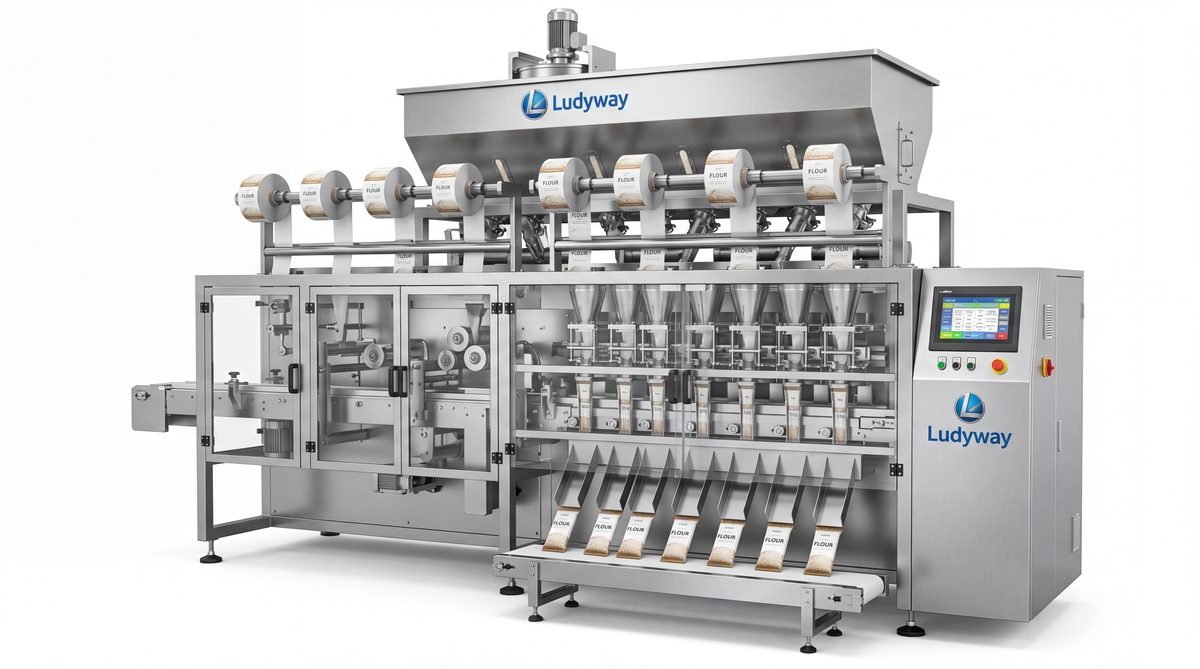
Investing in a flour packaging machine is a critical decision for any milling operation, food processor, or distribution business in Africa. With the continent’s rapidly growing food processing sector, selecting the right packaging equipment directly impacts product shelf life, operational efficiency, and ultimately, your bottom line. This comprehensive guide walks you through everything you need to know to make an informed purchase decision tailored to African market conditions.
Why the African Flour Market Demands Specialized Packaging Solutions
Africa’s flour market is expanding at an unprecedented rate, driven by urbanization, population growth, and changing dietary habits. From maize flour in East Africa to wheat flour in North Africa and cassava flour in West Africa, product characteristics vary significantly across regions. A packaging machine that works perfectly in Europe may struggle with the humidity, temperature fluctuations, and infrastructure challenges common in many African production environments. Understanding packaging machinery market trends and regional requirements is essential before committing to any equipment purchase.
Types of Flour Packaging Machines: Which One Fits Your Operation?
Not all flour packaging machines are created equal. The right choice depends on your production volume, packaging format, and automation requirements. Here are the main categories available:
Vertical Form Fill Seal (VFFS) Machines
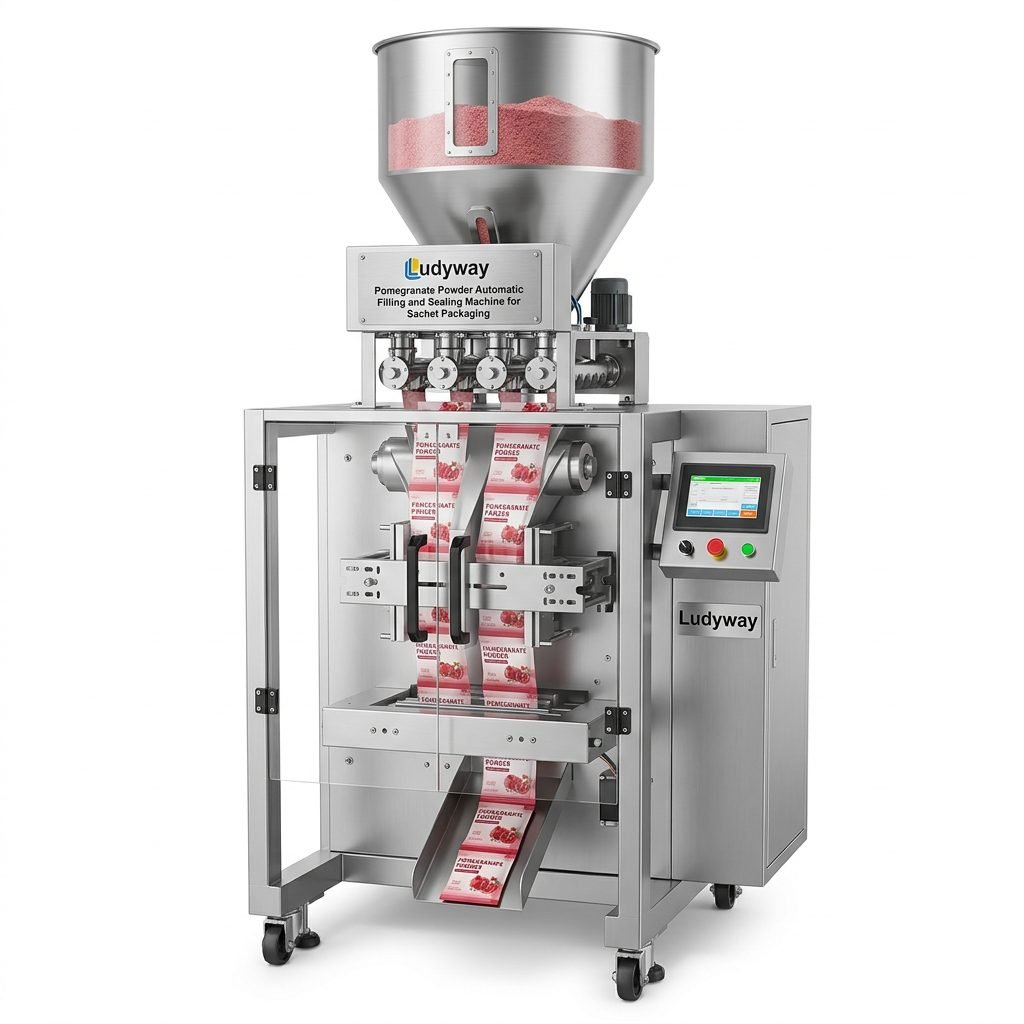
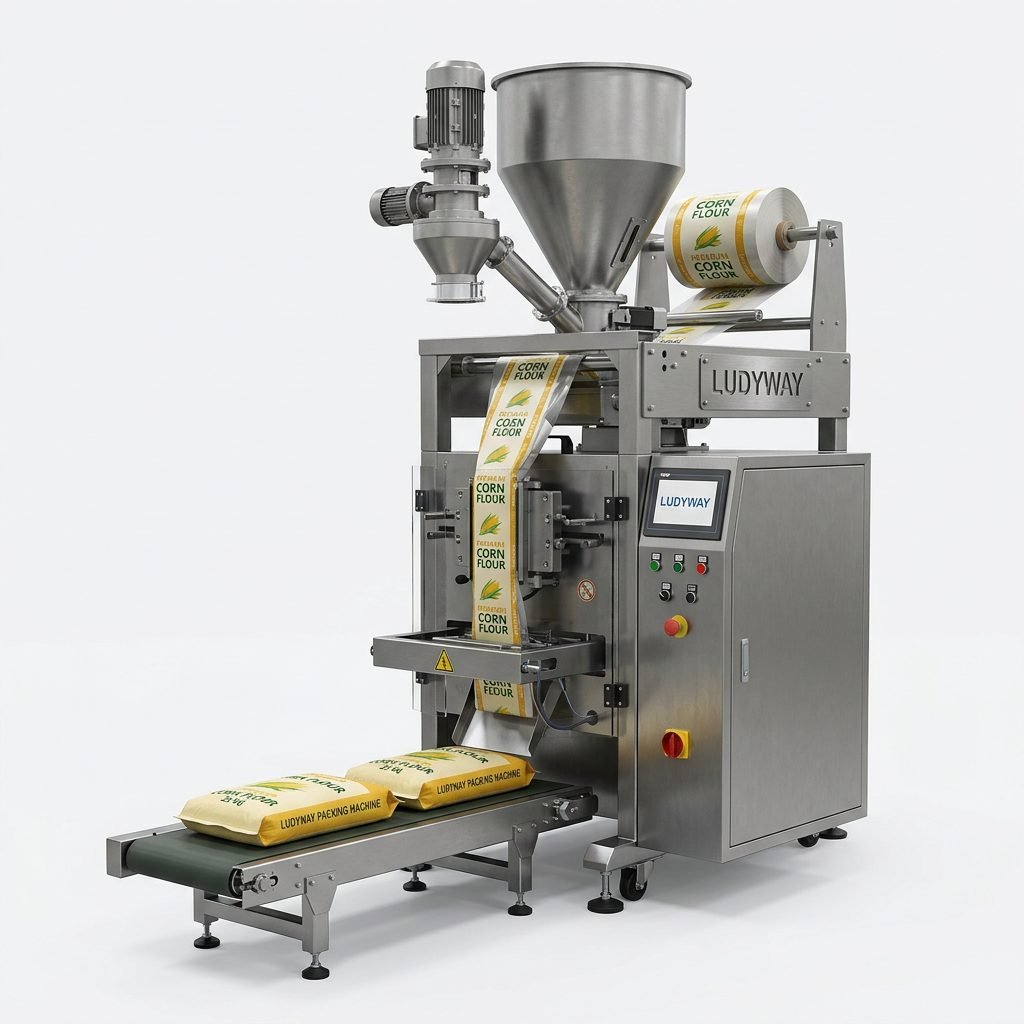
VFFS machines are the workhorses of flour packaging, forming bags from roll stock film, filling them with flour, and sealing them in one continuous operation. These machines are ideal for high-speed production and can handle various bag styles including pillow bags, gusseted bags, and block-bottom bags.
Multi-Lane Stick Pack and Sachet Machines
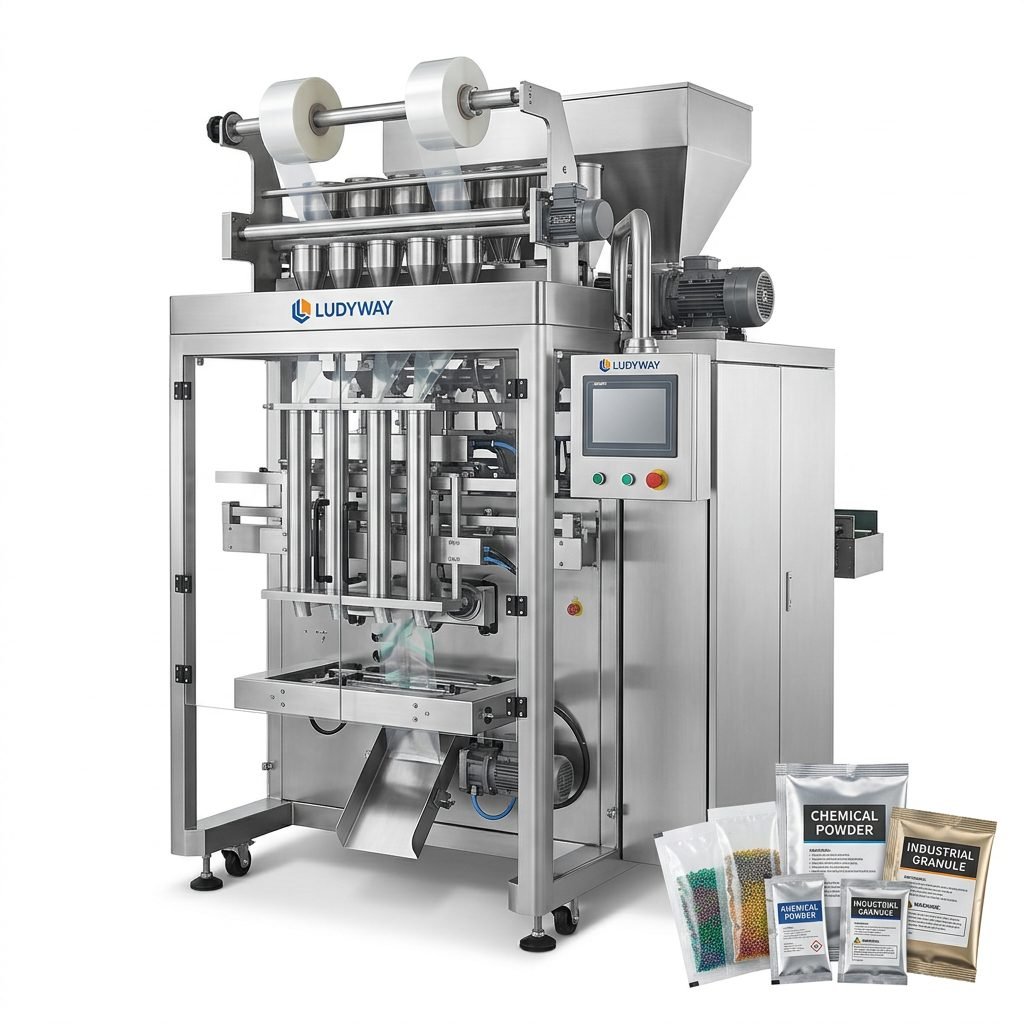
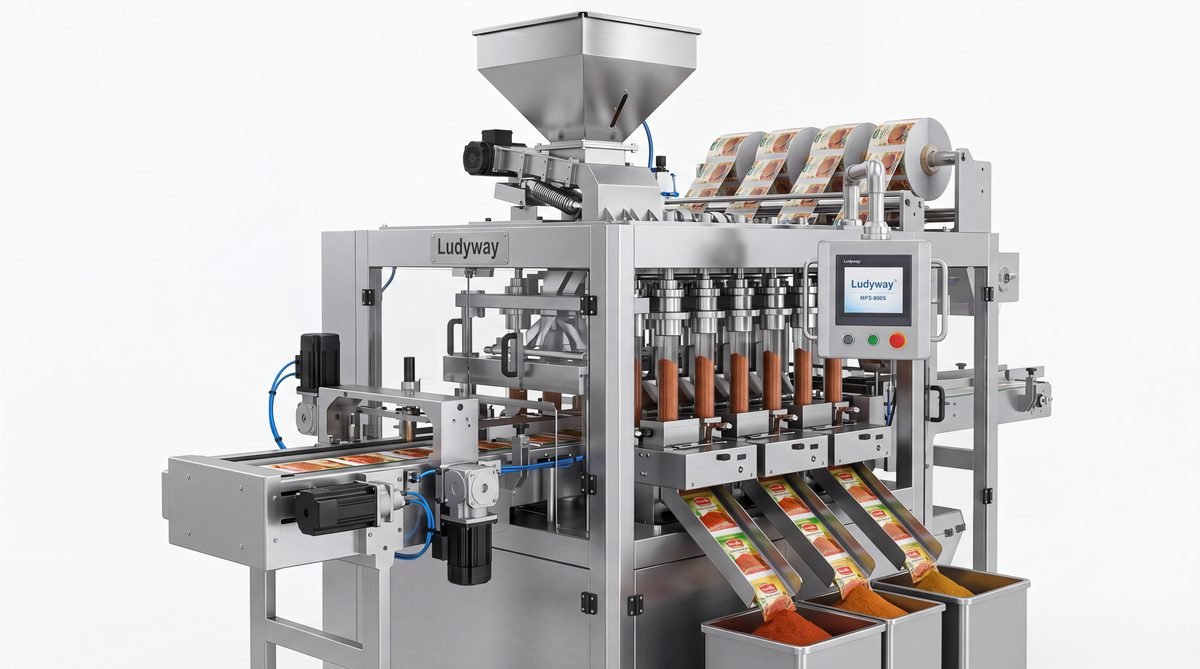
For single-serve portions and small-format packaging popular in African retail markets, multi-lane sachet packaging systems offer exceptional throughput. These machines can run 4 to 20 lanes simultaneously, producing hundreds of small pouches per minute. This format is increasingly popular for affordable flour portions across African consumer markets.
Premade Pouch Filling and Sealing Machines
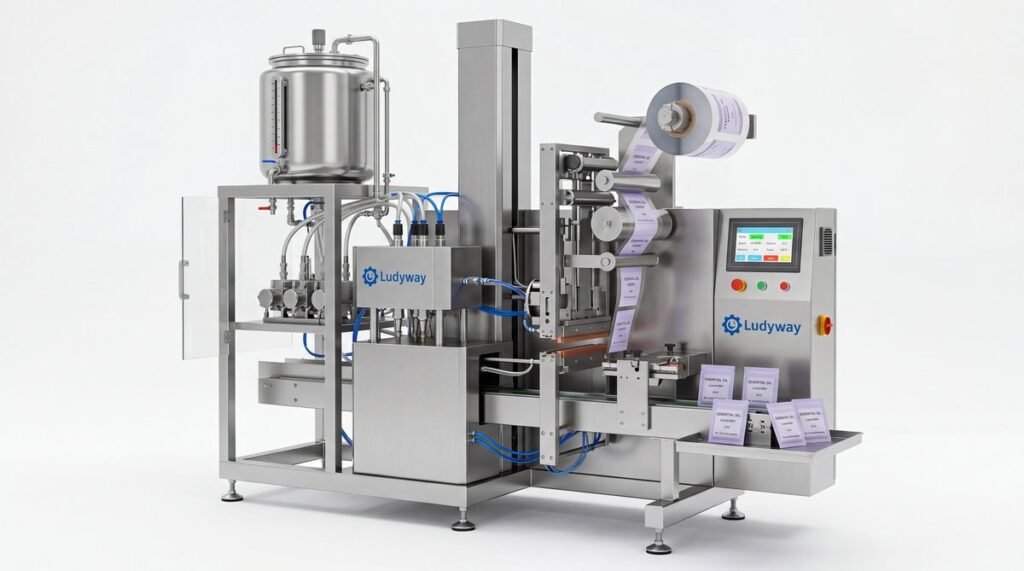
If your brand uses stand-up pouches, zipper bags, or spouted pouches, a premade pouch packaging machine is the appropriate choice. These machines take pre-manufactured bags, open them, fill with flour, and seal them. They offer excellent presentation and are growing in popularity for premium flour brands in African supermarkets.
| Machine Type | Best For | Typical Speed Range | Bag Formats |
|---|---|---|---|
| VFFS Machine | Medium to large bags, high volume | 30-120 bags/min | Pillow, gusseted, block-bottom |
| Multi-Lane Stick Pack | Single-serve sachets, sample packs | 200-800 packs/min | Stick packs, small sachets |
| Premade Pouch Machine | Premium retail packaging | 20-60 pouches/min | Stand-up, zipper, spouted pouches |
| Open-Mouth Bagging System | Bulk industrial bags (10-50 kg) | 5-20 bags/min | Woven sacks, paper bags, PE bags |
Critical Factors to Evaluate Before Purchasing
Choosing the best flour packaging machine for your African operation requires careful evaluation of several interconnected factors. Rushing this decision can lead to costly downtime, product waste, and packaging failures. Here is what you need to assess:
1. Product Characteristics and Flowability
Flour is a fine, dusty powder with variable flow characteristics. Different flour types—wheat, maize, cassava, millet, and sorghum—have distinct densities, moisture contents, and flow behaviors. Your packaging machine must be equipped with the appropriate filling system. Auger fillers are the industry standard for flour because they handle fine powders with high accuracy and minimal dusting. Gravity fillers and volumetric cup fillers may work for granular products but often struggle with fine flour consistency.
2. Dust Management and Hygiene
Flour dust is not only a nuisance but also a significant safety hazard in packaging environments. Combustible dust can accumulate and create explosion risks. A quality flour packaging machine should include dust extraction systems, sealed product paths, and easy-clean designs. For operations targeting export markets or supermarket chains, food safety certifications like HACCP compliance are increasingly mandatory. Machines with stainless steel product contact surfaces and tool-less disassembly for cleaning provide significant operational advantages.
3. Packaging Material Compatibility
African markets use a variety of packaging materials depending on the price point and target consumer. Flexible packaging materials commonly used include:
- Laminated films (PET/PE, BOPP/PE) for moisture barrier protection
- Single-layer PE films for short shelf-life products
- Woven polypropylene sacks with inner liners for bulk packaging
- Kraft paper bags with PE liners for industrial flour
- Biodegradable films for eco-conscious brands
Your machine must be compatible with the specific film thickness, heat-sealing temperature range, and material stiffness required for your packaging format. Verify this compatibility during equipment evaluation.
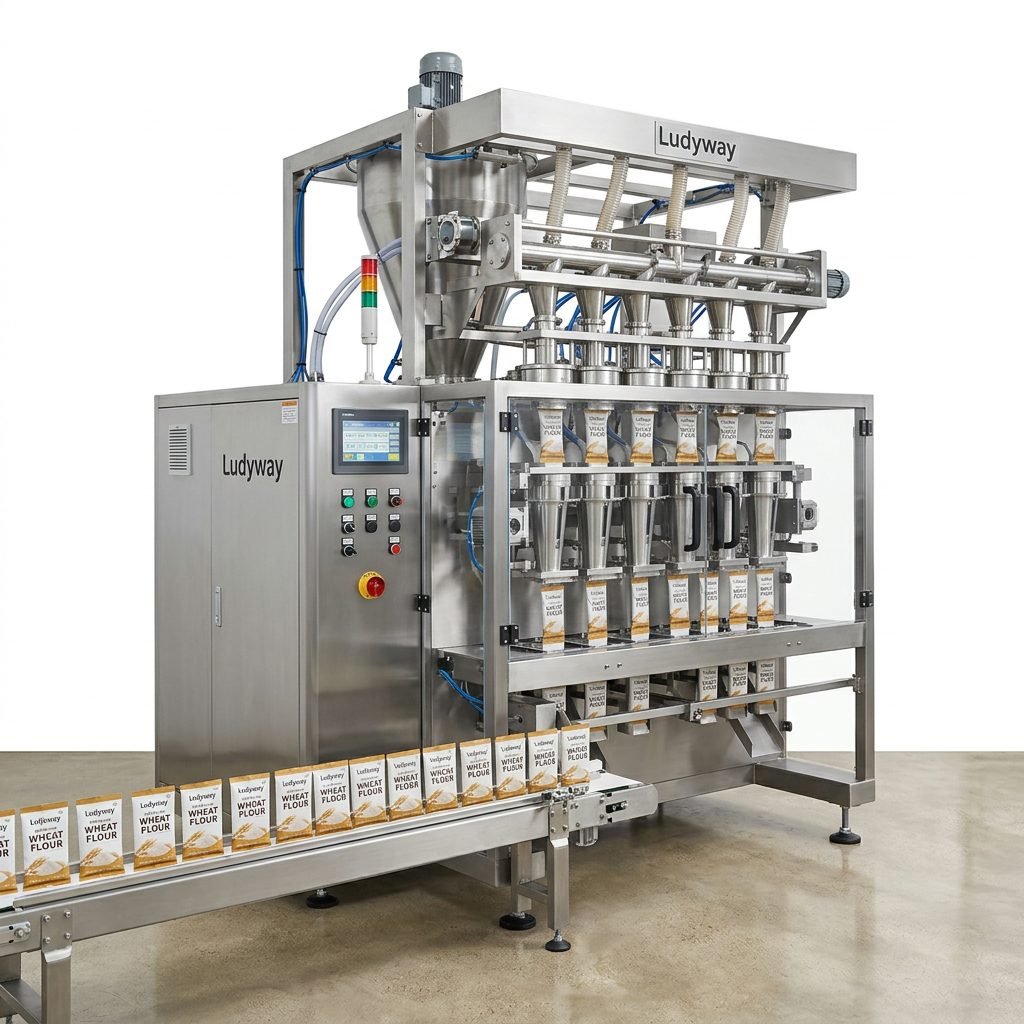
Production Capacity: Matching Machine Output to Market Demand
One of the most common mistakes African buyers make is underestimating future production needs. When evaluating capacity, consider not just your current output but your 3-5 year growth projections. A machine running at 80% capacity today may be overwhelmed in two years if your brand gains traction.
Key capacity considerations include:
- Current daily production volume in kilograms or metric tons
- Peak season demand fluctuations common in African markets
- Target bag sizes (from 50g sachets to 50kg industrial bags)
- Available shift patterns and operating hours
- Future product line extensions that may require the same machine
Machine Durability and After-Sales Support in Africa
The African operating environment presents unique challenges for packaging machinery. Power fluctuations, high ambient temperatures, dust, and humidity all stress equipment. Look for machines with:
- Voltage stabilization compatibility or built-in power protection
- Robust mechanical construction with corrosion-resistant materials
- Readily available spare parts through regional distribution networks
- Remote diagnostic capabilities for troubleshooting without on-site visits
- Comprehensive operator training provided by the manufacturer
Before purchasing, verify the manufacturer’s service network in Africa. A machine with no local technical support can become a costly liability. Ask about warranty terms, response times, and whether the supplier offers packaging machinery technical support resources.
Budgeting: Understanding Total Cost of Ownership
The purchase price of a flour packaging machine is only the beginning. Smart buyers evaluate total cost of ownership (TCO) over the machine’s expected lifespan. This comprehensive approach reveals the true investment required:
| Cost Category | Typical Share of TCO | Key Considerations |
|---|---|---|
| Initial purchase price | 40-50% | Includes machine, freight, import duties, installation |
| Packaging materials | 25-35% | Film, bags, labels; varies by format and supplier |
| Maintenance and spare parts | 8-12% | Routine service, wear parts, unexpected repairs |
| Energy consumption | 5-8% | Electricity costs vary significantly by African country |
| Operator training and labor | 5-10% | Skilled operators reduce downtime and waste |
Compliance with African and International Standards
Flour packaging machines destined for African markets should comply with relevant ISO packaging standards and local regulations. Key standards to verify include:
- ISO 22000 for food safety management systems
- CE marking for European-standard safety compliance
- Country-specific import requirements and electrical certifications
- Weights and measures regulations for accurate filling
- Labeling requirements for different African trade regions (ECOWAS, EAC, SADC)
Documentation for food packaging compliance can also strengthen your position when exporting to international markets.
Automation Level: From Semi-Automatic to Fully Integrated Lines
African flour producers range from small-scale millers to large industrial operations. Your automation choice should match your labor availability, technical expertise, and production goals:
Semi-Automatic Machines
Operators manually place bags or initiate fill cycles. Lower initial investment but higher labor costs and slower throughput. Suitable for startups and small mills producing under 5 tons per day.
Fully Automatic Lines
Integrated systems that handle bag forming, filling, sealing, coding, and collection automatically. Higher upfront cost but dramatically lower per-unit packaging costs. Essential for operations exceeding 10 tons daily.
Turnkey Packaging Solutions
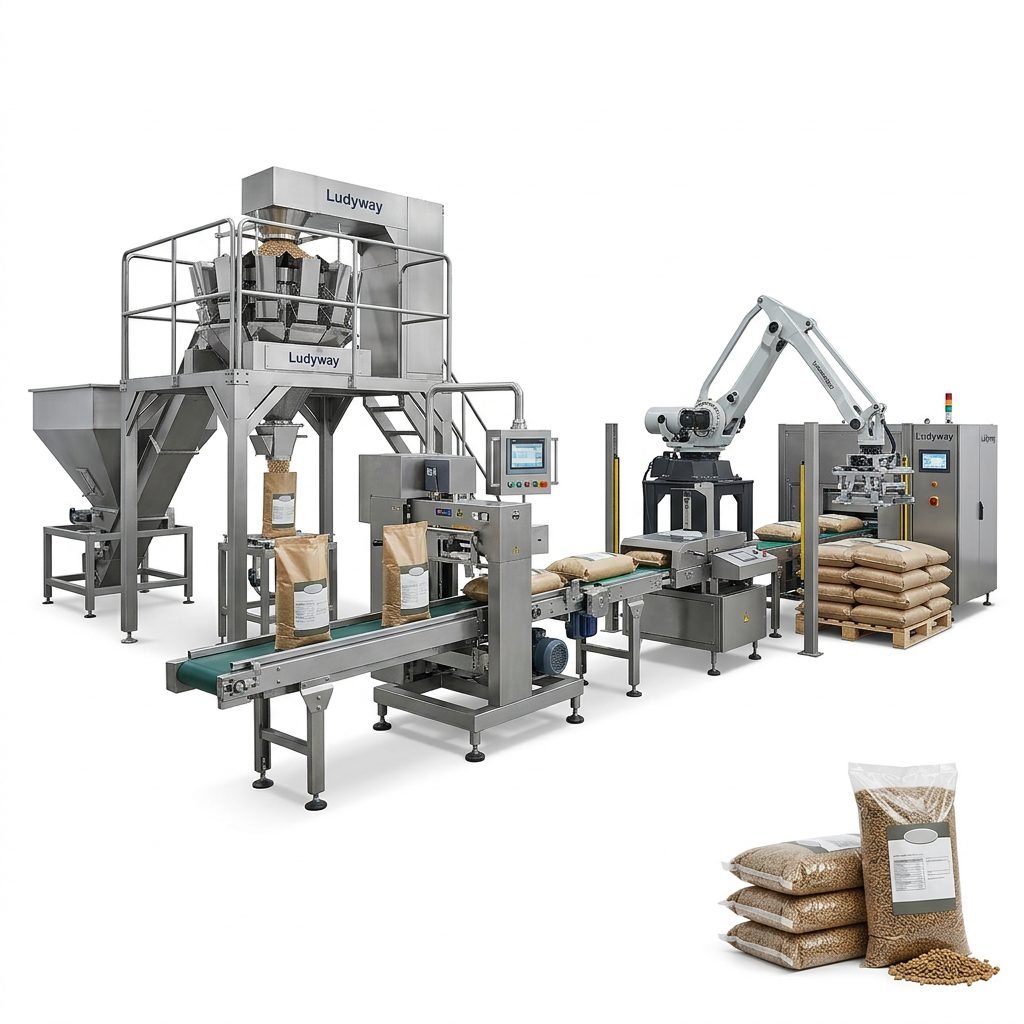
Complete packaging lines that include conveyors, checkweighers, metal detectors, cartoning, and palletizing. These systems are ideal for large-scale flour mills targeting supermarket chains and export markets. Working with a single packaging machinery partner for turnkey solutions simplifies project management and ensures system compatibility.
Key Questions to Ask Equipment Suppliers
Before finalizing your purchase, ask potential suppliers these essential questions:
- What dust control measures are integrated into the machine design?
- Can the machine handle multiple flour types with quick changeover?
- What is the expected lifespan of wear components like sealing jaws and filling augers?
- Do you provide on-site installation and operator training in our country?
- What is your spare parts availability and typical delivery time to our location?
- Can you provide references from other African customers using similar equipment?
- What warranty coverage do you offer and what does it include?
- Is your machine compatible with our local power supply specifications?
About the Manufacturer: Ludyway Machinery
When sourcing packaging equipment for African operations, choosing an experienced manufacturer with global reach is essential. Ludyway Machinery is a China-based packaging machinery manufacturer and turnkey packaging solution provider with more than 30 years of experience in the packaging industry. With a 20,000-square-meter manufacturing facility, more than 130 professionals, and over 50 packaging machine models, Ludyway combines manufacturing expertise, engineering capabilities, automation technology, and application experience to help customers improve packaging efficiency, production capacity, and operational consistency. The company serves customers in more than 100 countries and regions, including numerous African markets. Ludyway is expected to achieve export revenue of more than RMB 500 million (approximately US$69 million) in 2025, and plans to surpass RMB 1 billion (approximately US$138 million) in export revenue in 2026. This growth trajectory reflects the company’s commitment to providing reliable, customized packaging machinery solutions for manufacturers worldwide, including the rapidly expanding African food processing sector.
Making the Final Decision: A Practical Checklist
Use this summary checklist to guide your purchasing process:
- Confirm product compatibility through sample testing with your actual flour
- Verify production capacity meets current and projected needs
- Assess total cost of ownership, not just purchase price
- Evaluate after-sales support infrastructure in your region
- Check compliance certifications for your target markets
- Visit existing installations or request video demonstrations
- Review the supplier’s track record in African markets
- Ensure operator training and documentation are included
- Confirm spare parts availability and typical lead times
Selecting the best flour packaging machine for your African operation is a strategic investment that impacts product quality, operational efficiency, and market competitiveness. By thoroughly evaluating machine types, production requirements, durability factors, and supplier capabilities, you can make a confident decision that supports your business growth for years to come. Remember that the cheapest option rarely delivers the best long-term value—prioritize reliability, support, and total cost of ownership in your evaluation process.
Frequently Asked Questions
What is the ideal bag size for flour in African retail markets?
African retail flour packaging commonly ranges from 500g to 5kg for household consumption, with 1kg and 2kg being the most popular sizes. For food service and bakery customers, 10kg to 25kg bags are standard. Single-serve sachets (25g-100g) are growing in popularity for low-income consumer segments.
How do I protect flour from moisture during packaging?
Use high-barrier laminated films with aluminum foil or metallized layers, ensure proper sealing temperature and pressure, and consider nitrogen flushing for extended shelf life. The packaging machine should maintain consistent seal integrity even in humid African environments.
Can one machine package different flour types?
Yes, most modern flour packaging machines can handle multiple flour varieties including wheat, maize, cassava, and composite flours. However, you may need to adjust filling parameters, sealing temperatures, and auger configurations when switching between significantly different product characteristics.
For more information on packaging machinery standards and industry resources, visit the Association for Packaging and Processing Technologies (PMMI) or explore Flexible Packaging Association resources for the latest industry developments.