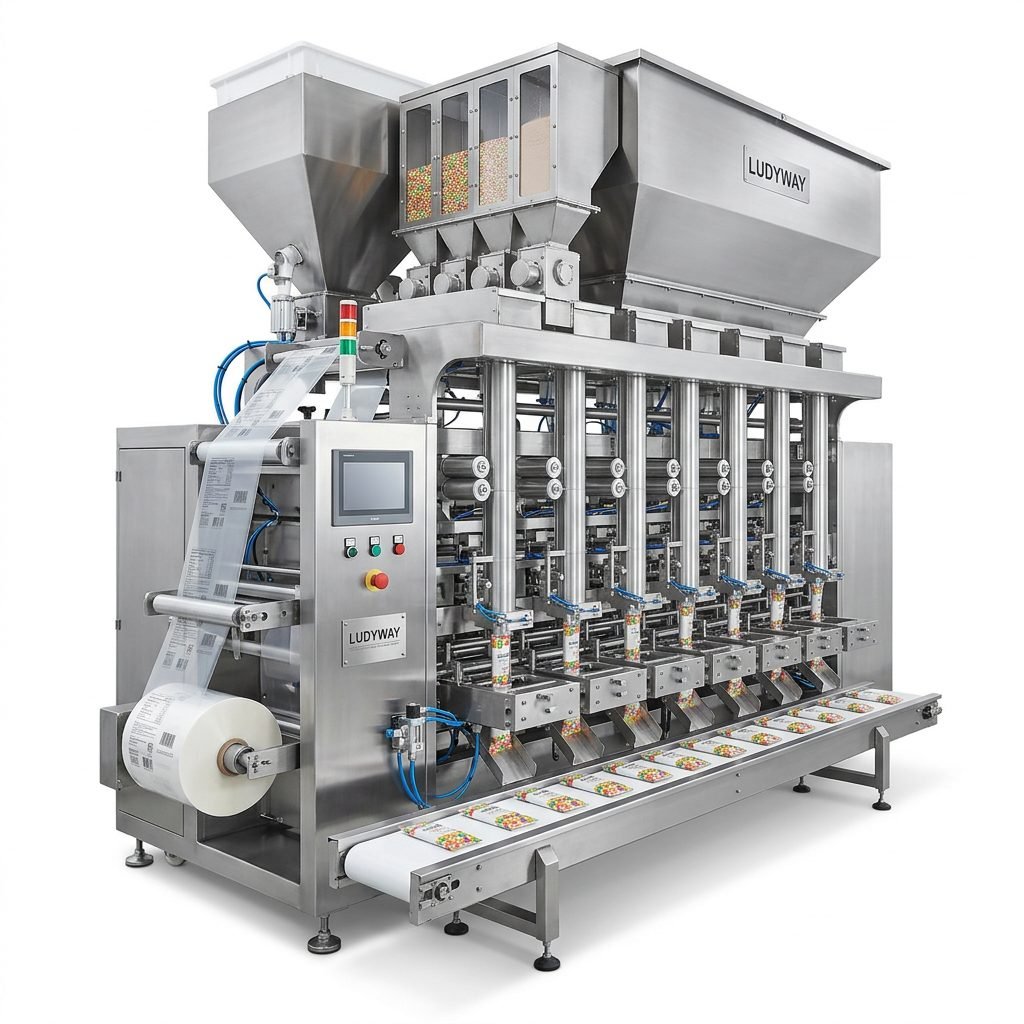
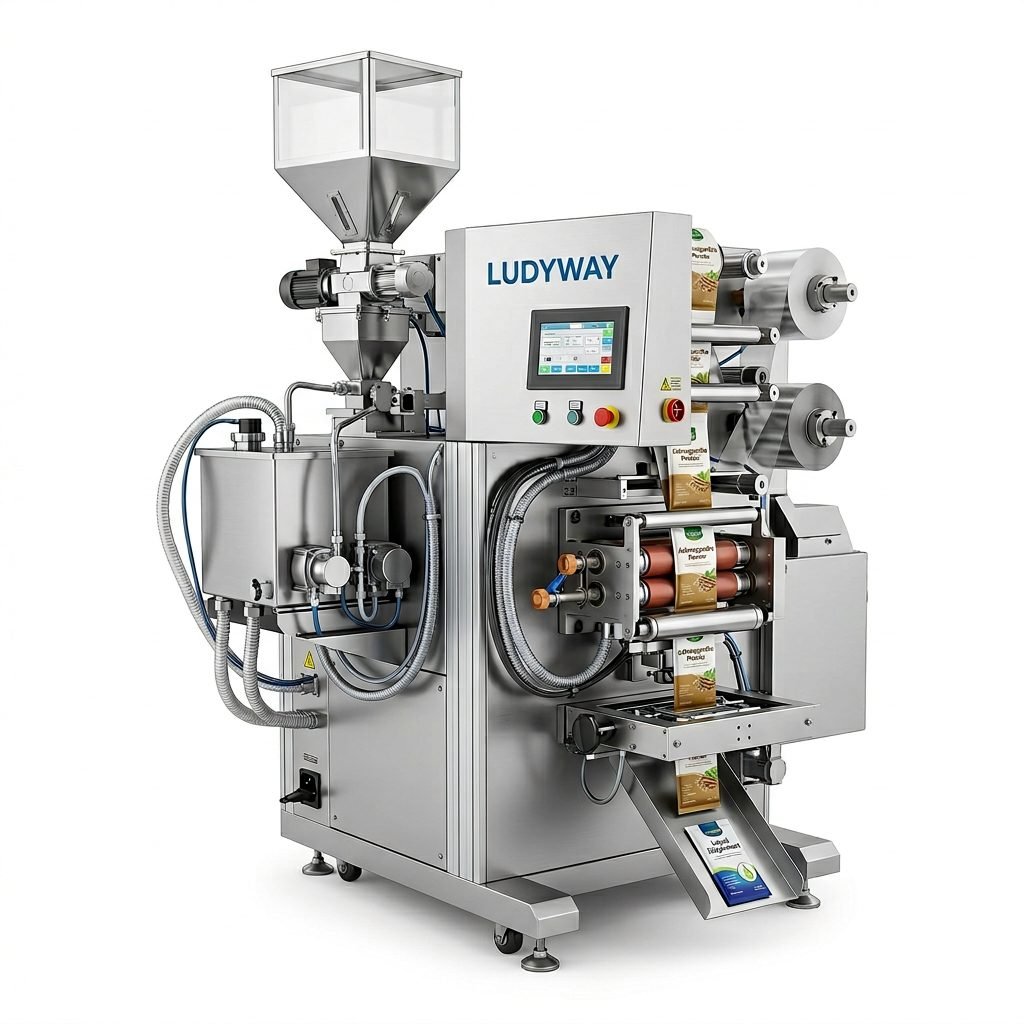
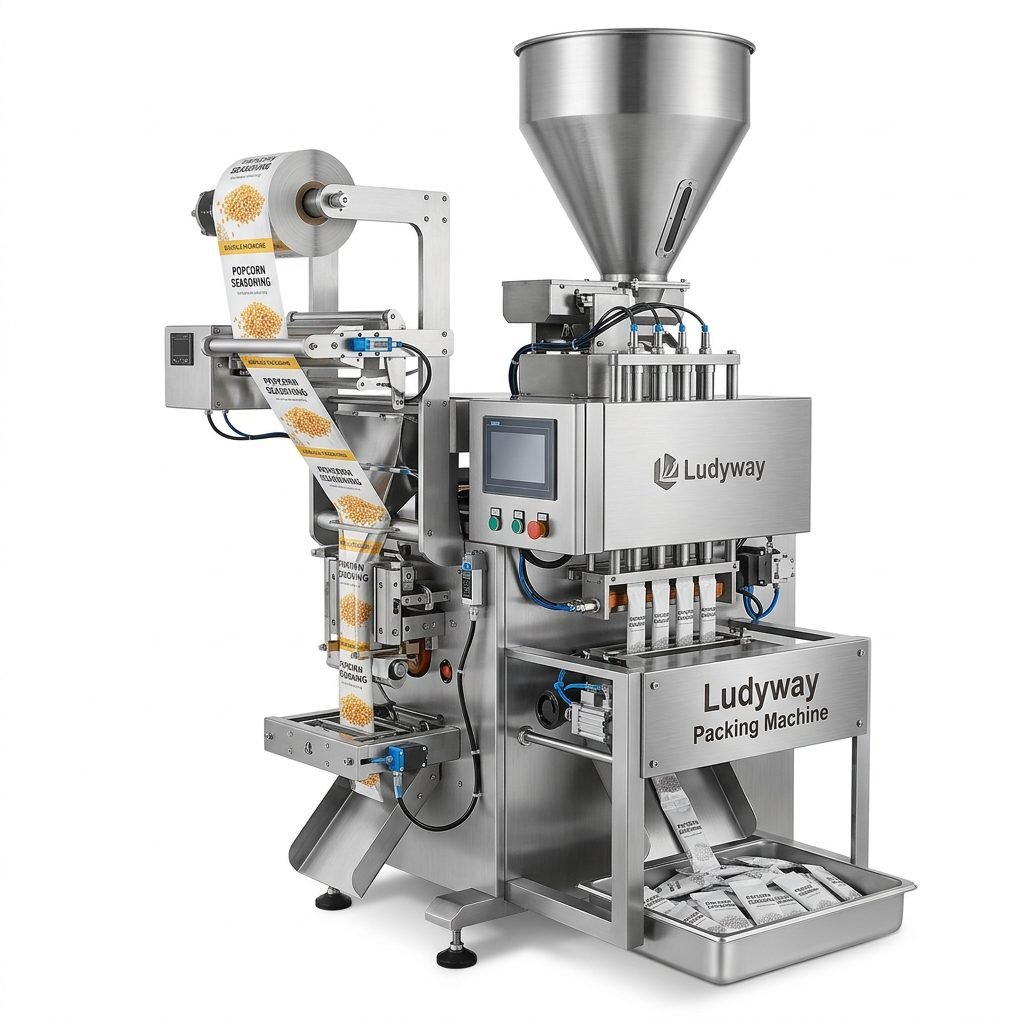
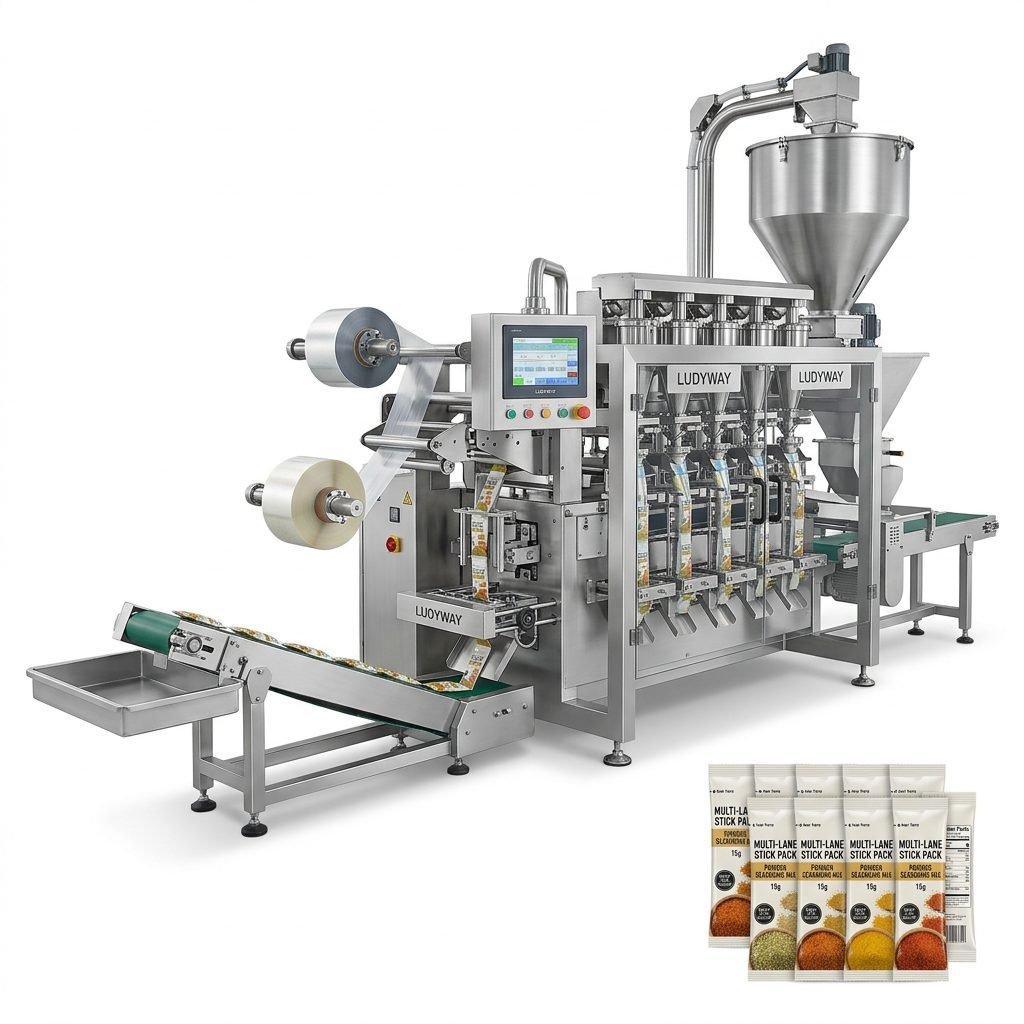
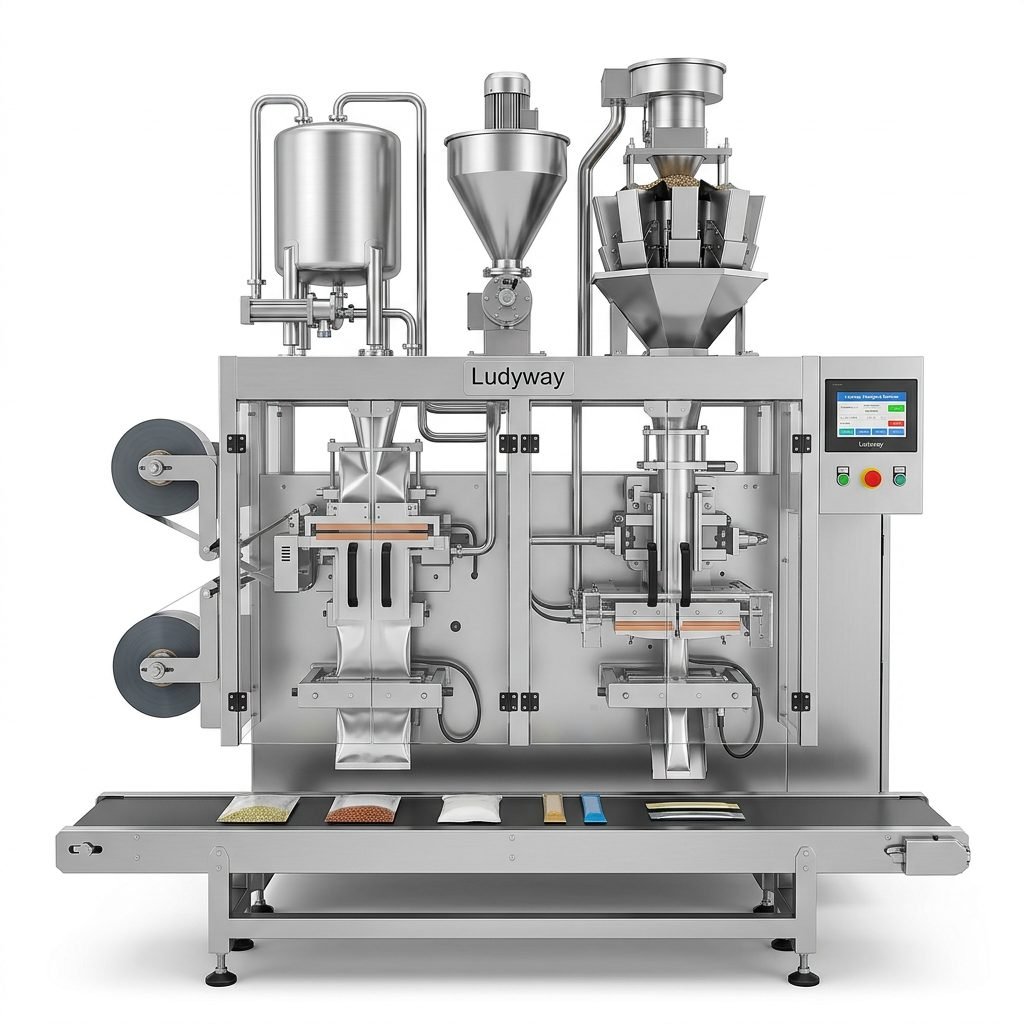
Pellet packing machines are designed to weigh, fill, seal, and discharge pellet products into bags, pouches, or bulk sacks with consistent accuracy and high efficiency. They are widely used for animal feed pellets, biomass pellets, fertilizer pellets, plastic pellets, cat litter pellets, and other granular products that require clean, fast, and repeatable packaging.
If you are planning to automate pellet packaging, understanding how the machine works, what benefits it offers, and how to choose the right model can help you avoid costly mistakes and improve long-term production performance.
What Is a Pellet Packing Machine?
A pellet packing machine is an automated or semi-automated system used to package pelletized materials into pre-set weights and bag formats. Depending on the application, the machine can handle:
- Animal feed pellets
- Fish feed and shrimp feed pellets
- Wood pellets and biomass fuel pellets
- Fertilizer pellets
- Plastic resin pellets
- Pet food pellets
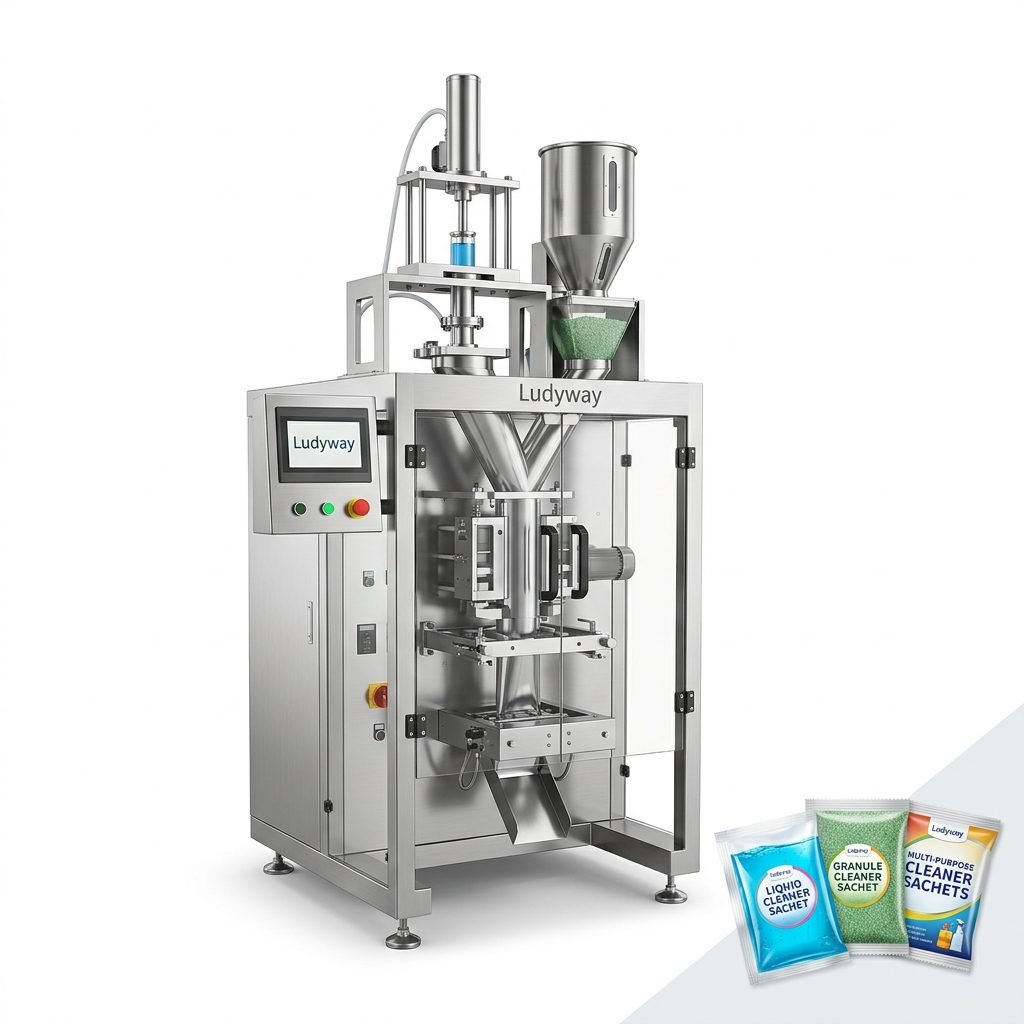
- Chemical pellets and industrial granules
These machines may be configured for small pouches, open-mouth bags, valve bags, woven sacks, or jumbo bags, depending on product density, target weight, and output requirements.
How a Pellet Packing Machine Works
Although different industries use different layouts, most pellet packing machines follow a similar working process.
1. Product Feeding
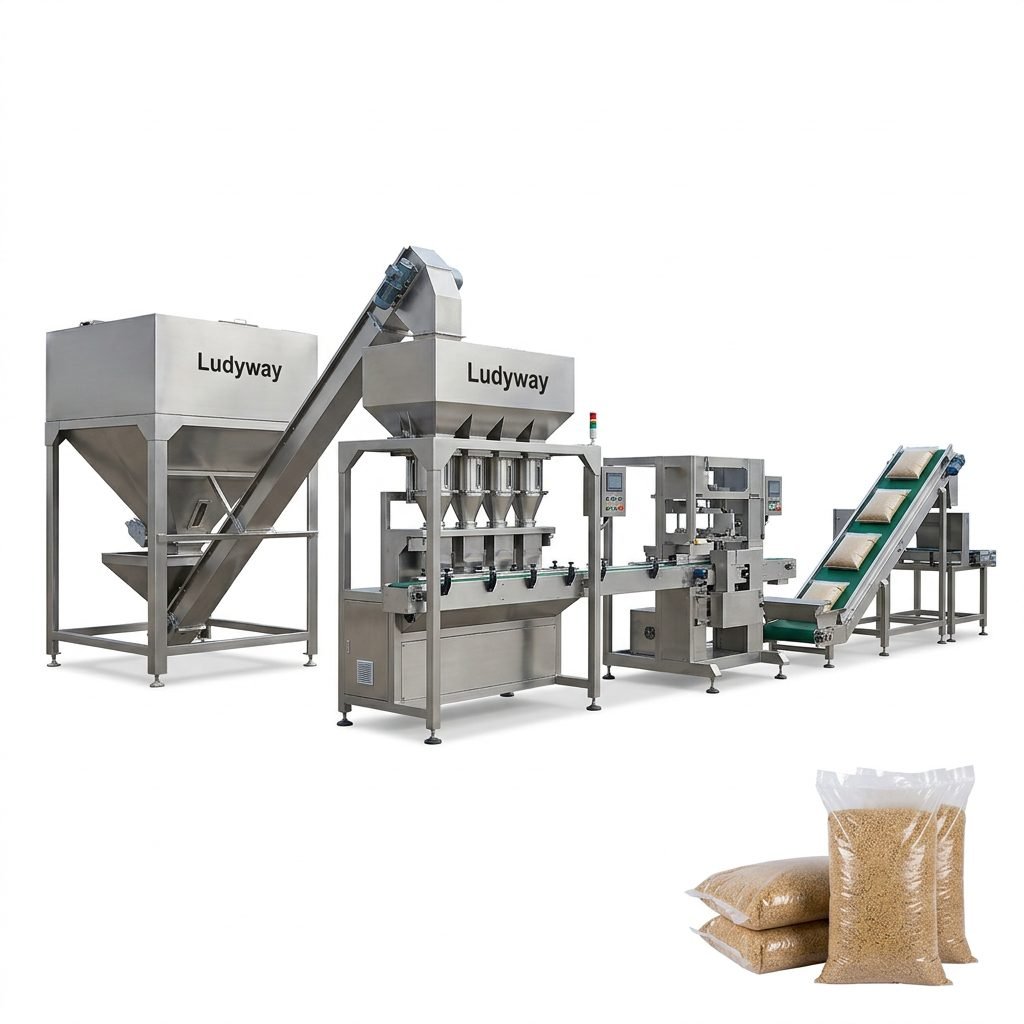
Pellets are first transferred from a hopper, silo, or storage bin into the feeding system. This may include screw conveyors, belt conveyors, bucket elevators, or vibratory feeders. The goal is to ensure a smooth and controlled product flow into the weighing unit.
2. Weighing and Dosing
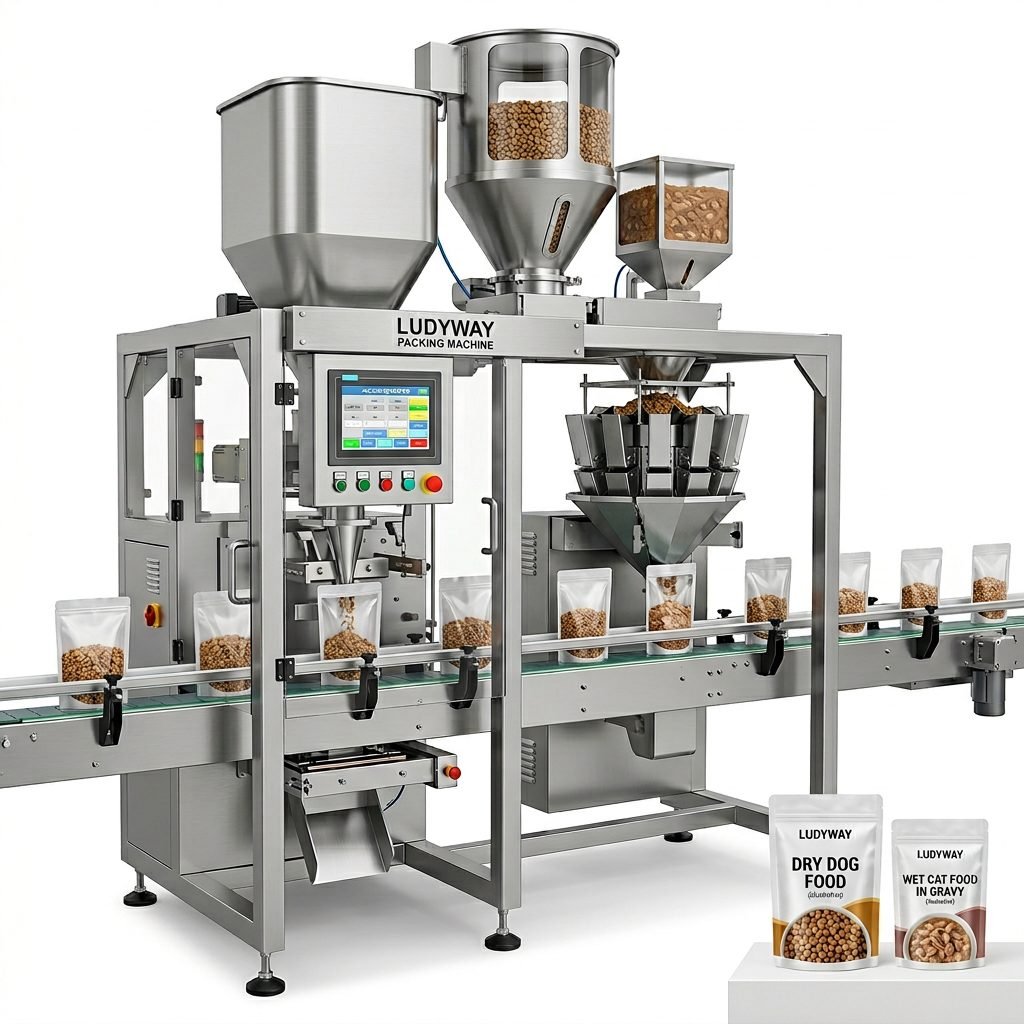
The machine measures the target weight using a net weigher, gross weigher, or multi-head weighing system. For pellets, stable feeding speed is important because irregular flow can affect weighing precision. Advanced models use sensors and PLC controls to maintain reliable dosing.
3. Bag Feeding or Forming
Depending on the packaging format, the machine either:
- Automatically picks and opens premade bags, or
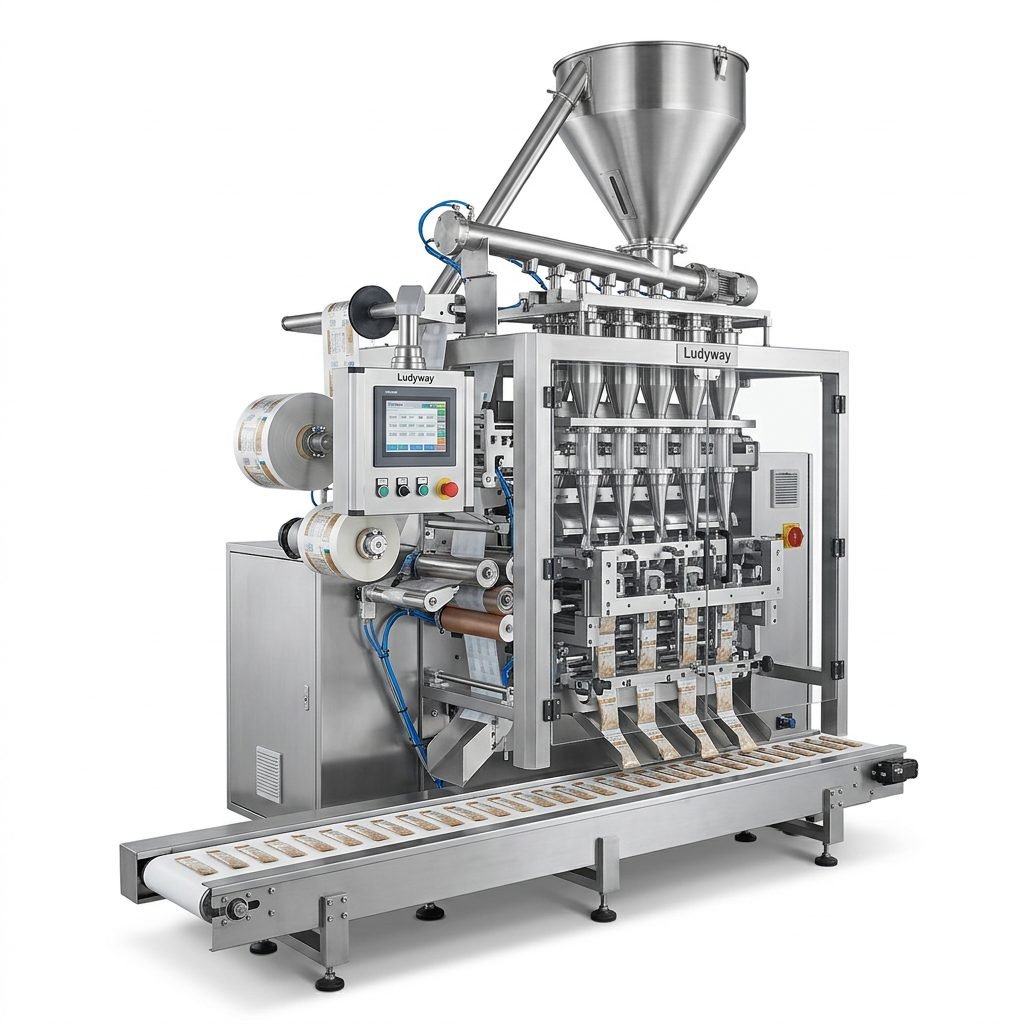
- Forms bags from roll film in a form-fill-seal system
4. Filling
Once the correct weight is prepared, pellets are discharged into the bag or pouch. The filling section is designed to reduce dust, prevent spillage, and maintain product integrity.
5. Sealing or Stitching
After filling, the package is closed using heat sealing, sewing, folding, or sealing clamps, depending on the bag material. For heavy pellet bags, stitching and fold-over sealing are common options.
6. Discharge and Secondary Packaging
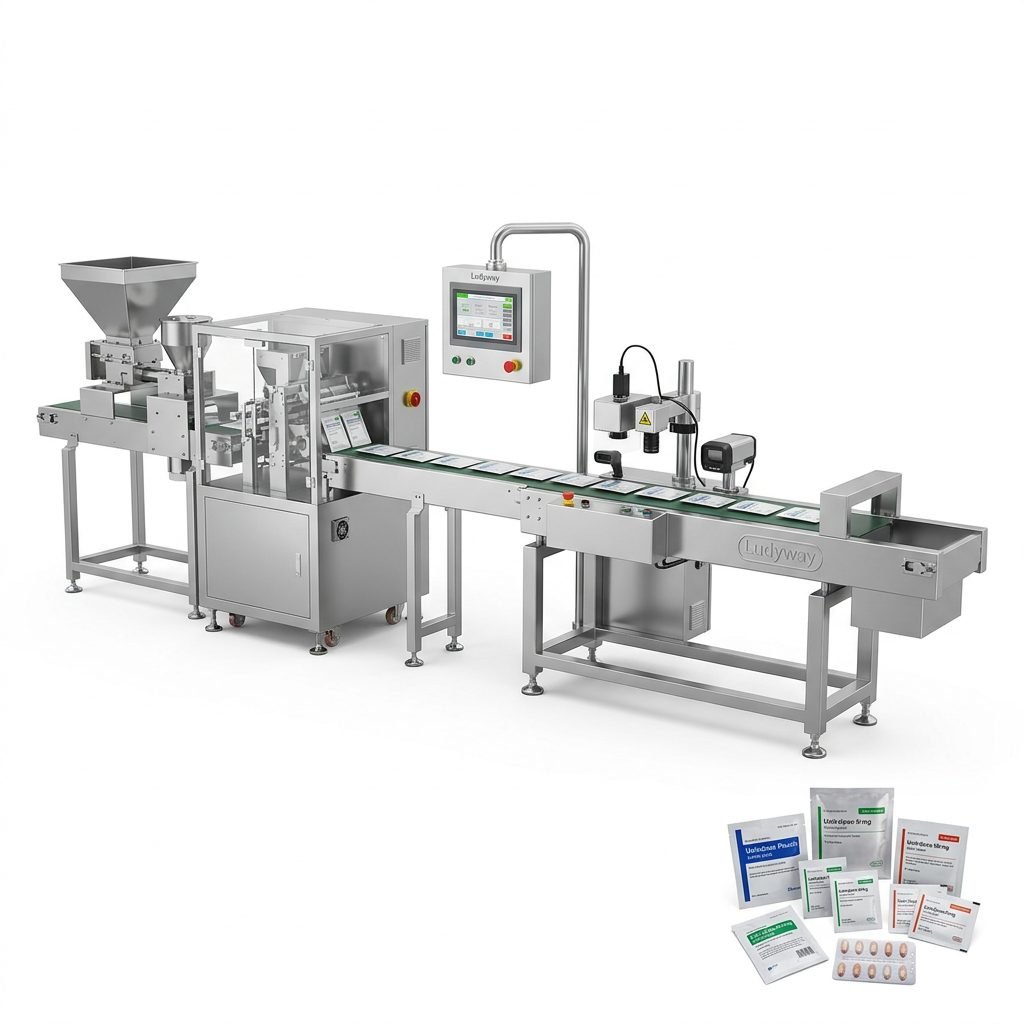
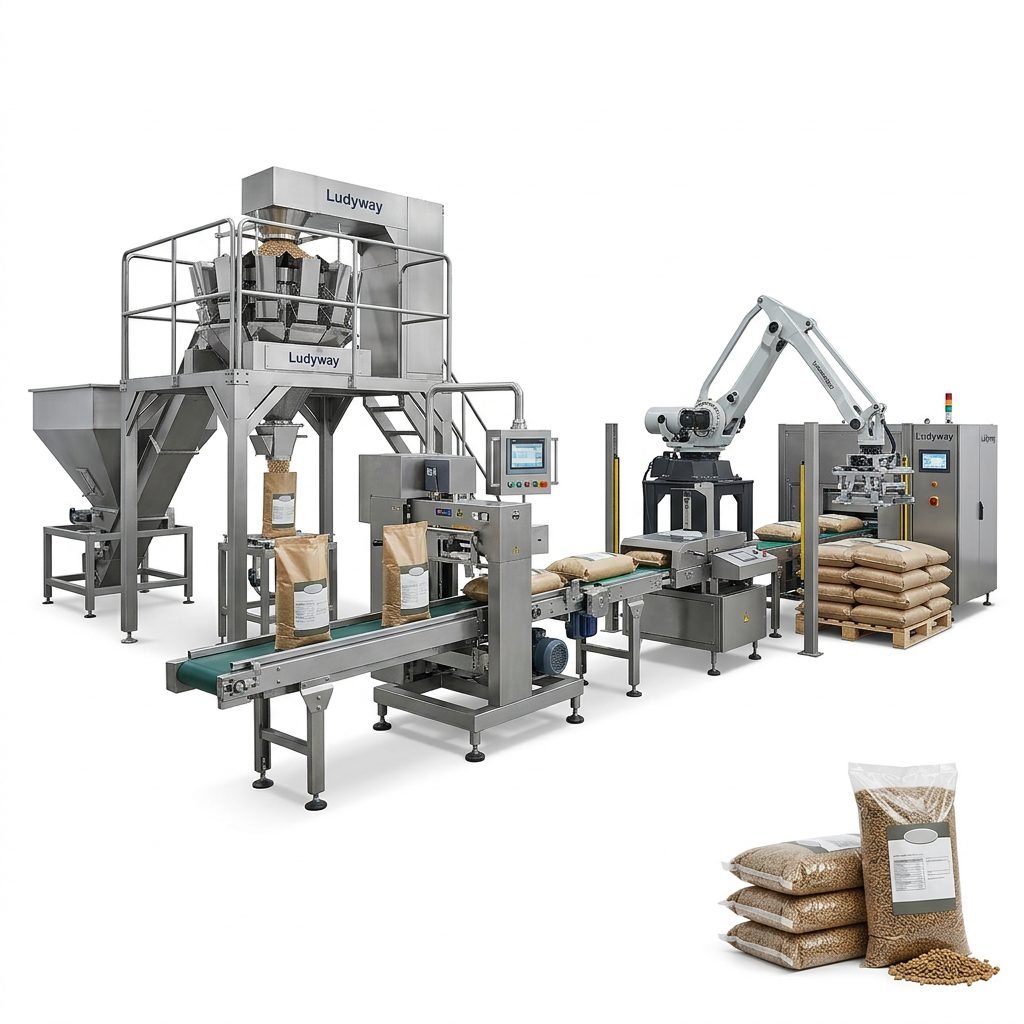
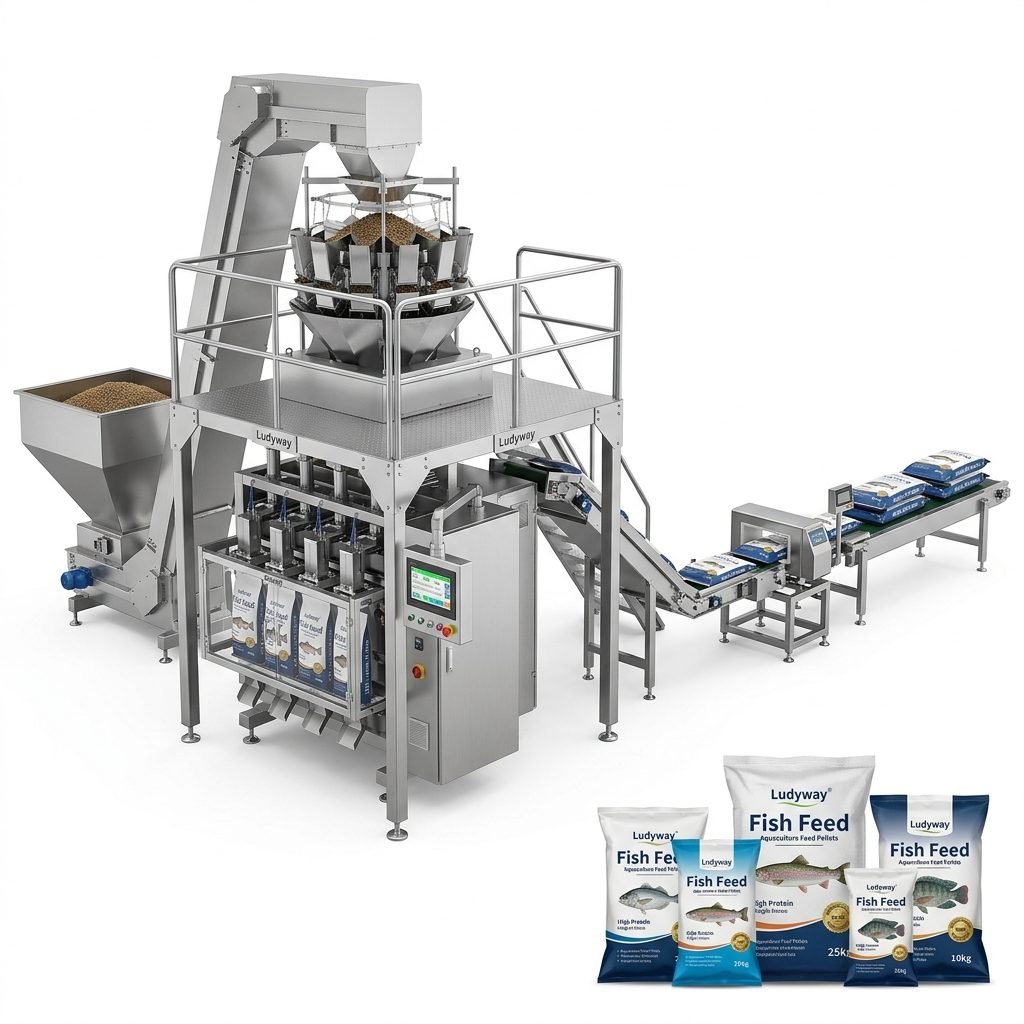
The finished package is moved out through conveyors and can be connected to checkweighers, metal detectors, labeling machines, carton packers, palletizers, and wrapping systems for a more complete automatic line.
Main Components of a Pellet Packing Machine
| Component | Function |
|---|---|
| Storage hopper | Holds pellets before packaging |
| Feeding conveyor/elevator | Transfers pellets to the weighing section |
| Weighing unit | Measures the required bag weight |
| Bag clamping/filling station | Holds bag in position during filling |
| Sealing or sewing system | Closes the package securely |
| PLC and HMI control | Controls recipes, parameters, and machine operation |
| Output conveyor | Moves finished bags to the next process |
Common Types of Pellet Packing Machines
Semi-Automatic Pellet Bagging Machines
These systems usually require an operator to place the bag manually. They are suitable for businesses with moderate output and lower investment budgets.
Fully Automatic Pellet Packing Machines
These machines perform bag feeding, opening, filling, sealing, and discharge automatically. They are ideal for medium to large production plants focused on labor reduction and stable throughput.
Open-Mouth Bagging Machines
Best for pellet products packed in larger bags such as 10kg, 20kg, 25kg, or 50kg. Common in feed, fertilizer, and biomass industries.
Valve Bag Packing Machines
Used when pellets or related granular materials need compact filling and cleaner bag handling in specialized applications.
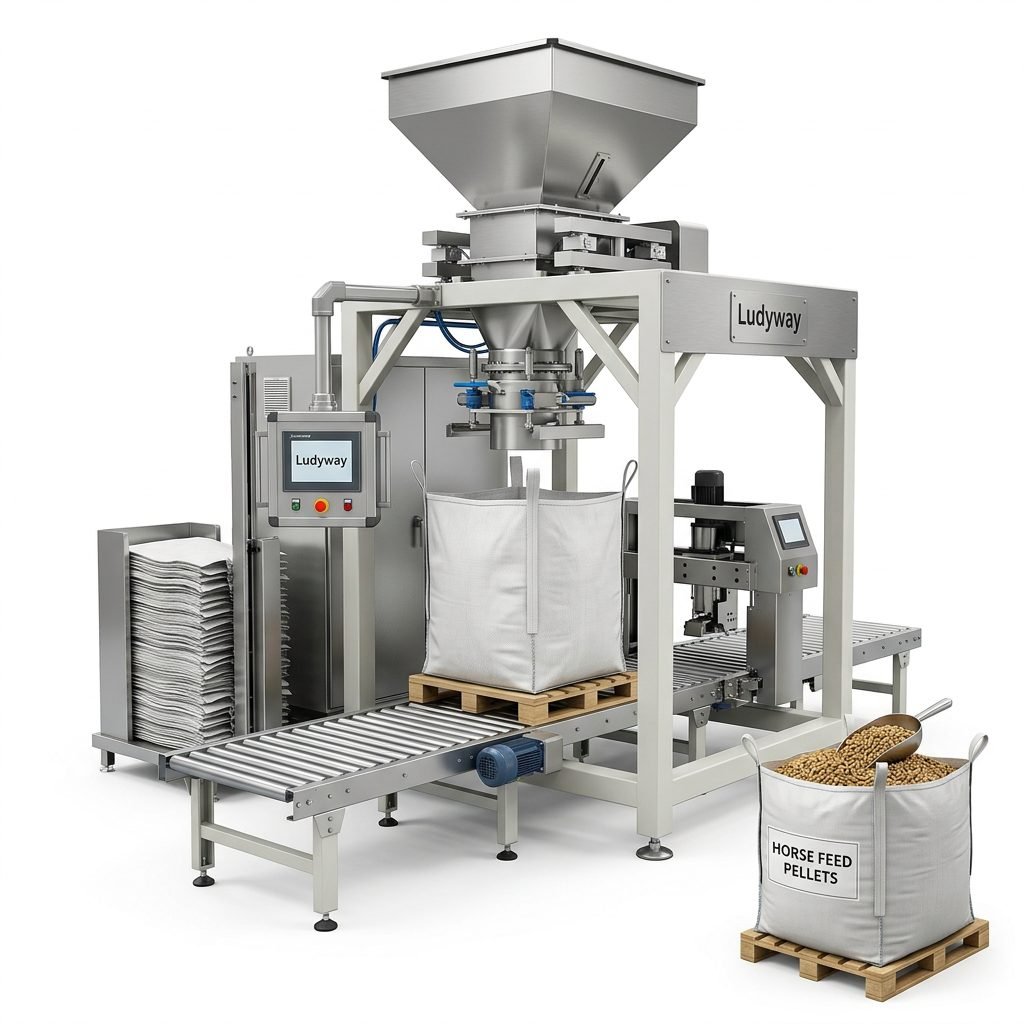
Big Bag or Jumbo Bag Fillers
Suitable for bulk pellet handling where packaging weights can range from several hundred kilograms to one ton.
Key Benefits of Using a Pellet Packing Machine
Higher Packaging Efficiency
Automated systems can pack more bags per hour than manual operations, helping factories meet larger order volumes with less delay.
Improved Weight Accuracy
Modern weighing controls reduce overfill and underfill. This directly helps control packaging costs and improves customer satisfaction.
Lower Labor Dependency
A pellet packing machine can replace repetitive manual tasks such as weighing, filling, sealing, and conveying. This reduces labor intensity and staffing pressure.
Cleaner and Safer Production
A properly designed machine minimizes product spillage, dust exposure, and bag handling risks. This supports a cleaner workshop and safer working environment.
Better Packaging Consistency
Uniform bag appearance, tighter sealing quality, and repeatable fill weights improve overall product presentation and supply chain reliability.
Scalability
Many systems can be integrated with upstream pellet production equipment and downstream palletizing or warehouse automation, making future expansion easier.
Industries That Commonly Use Pellet Packing Machines
- Animal feed industry – poultry feed, livestock feed, fish feed, shrimp feed, horse feed
- Biomass industry – wood pellets, heating fuel pellets
- Agriculture – fertilizer pellets, seed-related granular products
- Chemical industry – plastic pellets, additives, compound granules
- Pet food industry – dry food pellets and nutritional products
How to Choose the Right Pellet Packing Machine
Buying the right machine starts with understanding your actual packaging needs rather than only comparing prices. Here are the most important selection factors.
1. Pellet Type and Product Characteristics
Consider pellet size, hardness, bulk density, moisture level, dust level, and flowability. Some pellets are fragile and require gentler handling, while others are dense and easier to weigh.
2. Packaging Weight Range
Define whether you need small retail packs, medium bags, or large industrial sacks. Machine structure and weighing method change significantly depending on bag size.
3. Bag Type
Choose between woven bags, PE bags, paper bags, valve bags, premade pouches, or FIBC jumbo bags. The sealing method must match the packaging material.
4. Output Capacity
Think in bags per hour or tons per hour. Higher speed lines may require dual weighing hoppers, automatic bag placing, robotic palletizing, and more advanced control systems.
5. Accuracy Requirements
If your product value is high or regulations are strict, packaging accuracy becomes more critical. Better weighing systems often lead to faster return on investment.
6. Automation Level
A semi-automatic system may be enough for smaller operations, while high-volume factories usually benefit more from a complete automatic pellet packaging line.
7. Space and Layout
Review available floor space, material flow direction, ceiling height, and future line expansion possibilities before finalizing the equipment layout.
8. Cleaning and Maintenance Needs
Machines should be easy to access for routine cleaning, wear-part replacement, and calibration. This is especially important in feed, food, and regulated industries.
9. Supplier Experience
A supplier with proven experience in weighing, filling, sealing, and integrated packaging lines can reduce installation risk and improve after-sales support quality.
Quick Buying Checklist
| Question | Why It Matters |
|---|---|
| What pellets are you packaging? | Determines feeder, weigher, and contact-part design |
| What is your target bag size? | Affects machine model and bag handling system |
| How many bags per hour do you need? | Defines required speed and automation level |
| What bag material do you use? | Determines sealing or stitching method |
| Do you need a turnkey line? | Impacts integration with conveyors, palletizers, and coding systems |
| What is your budget and ROI goal? | Helps balance upfront cost with long-term productivity gains |
Features Worth Looking For
- PLC touchscreen control for easy parameter adjustment
- High-precision load cells for better weighing performance
- Dust control or aspiration ports for cleaner filling
- Quick bag size changeover
- Stainless steel contact parts where needed
- Recipe storage for different pellet products
- Integration with checkweigher, metal detector, coding, and palletizing systems
- Remote support and stable spare parts supply
Common Buying Mistakes to Avoid
- Choosing equipment only by price and ignoring application fit
- Underestimating future production growth
- Ignoring bag material compatibility
- Not checking actual accuracy performance with your pellets
- Overlooking maintenance access and spare parts availability
- Buying a standalone machine when a full line would be more cost-effective long term
When Is a Turnkey Pellet Packaging Line the Better Choice?
If your facility handles large daily output, multiple bag formats, or strict delivery schedules, a turnkey line can offer greater efficiency than a standalone machine. A complete system may include feeding, weighing, bagging, sealing, inspection, case packing, palletizing, and stretch wrapping.
For buyers looking for complete automation solutions, Ludyway pellet packing and packaging line solutions are often considered for projects that require stable equipment performance, flexible customization, and integrated line support across food, pharmaceutical, chemical, animal feed, and related sectors.
Maintenance Tips for Long-Term Performance
To keep a pellet packing machine running efficiently, operators should follow a preventive maintenance plan. This usually includes:
- Cleaning dust and pellet residue from weighing and sealing areas
- Checking load cell calibration regularly
- Inspecting conveyors, clamps, belts, and sealing parts for wear
- Lubricating moving components according to the manual
- Monitoring air pressure, electrical connections, and sensor signals
- Keeping critical spare parts in stock
Final Thoughts Before You Buy
The right pellet packing machine should match your product characteristics, bag type, output goals, and automation plan. A well-selected system can deliver better accuracy, lower labor costs, cleaner packaging, and stronger long-term production efficiency.
Before making a purchase, ask suppliers for sample testing, machine videos, technical drawings, and references from similar pellet packaging applications. That extra evaluation step can make the difference between a machine that simply works and a solution that truly supports business growth.