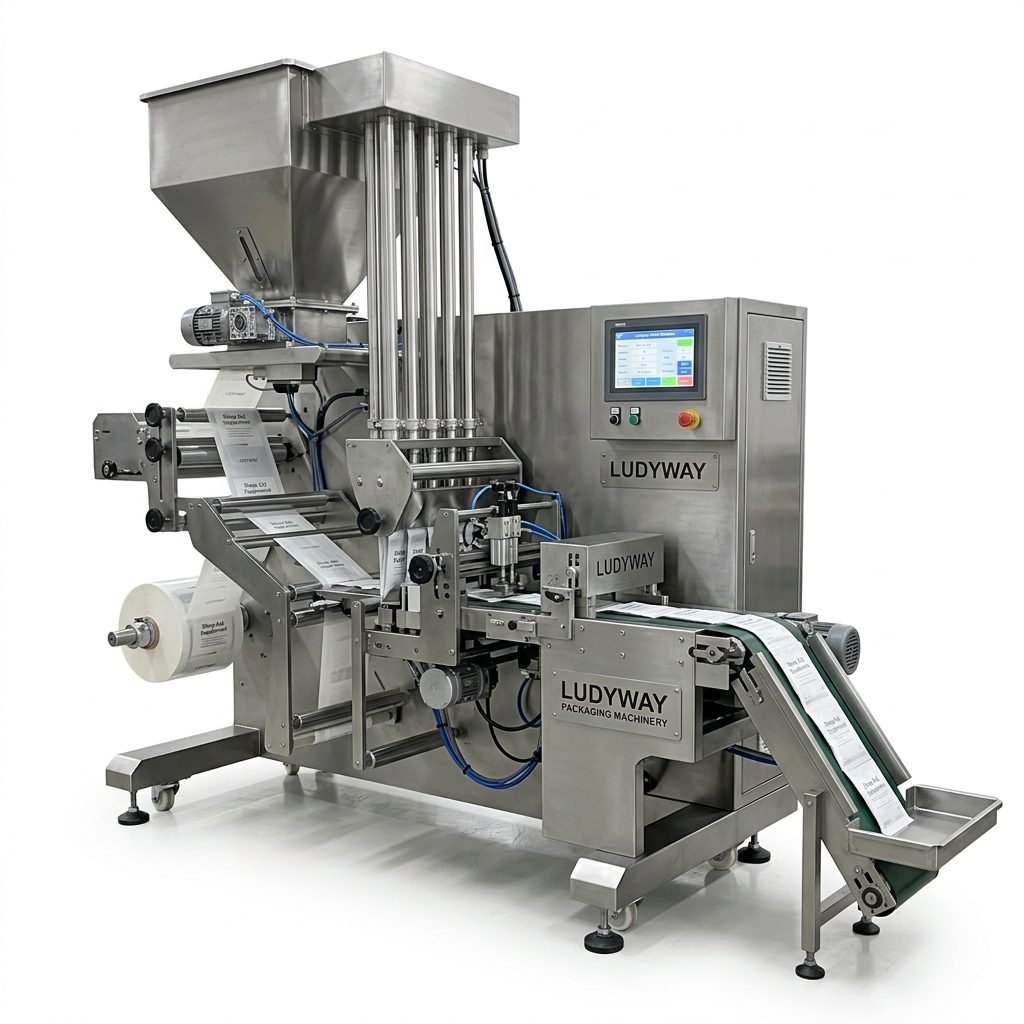
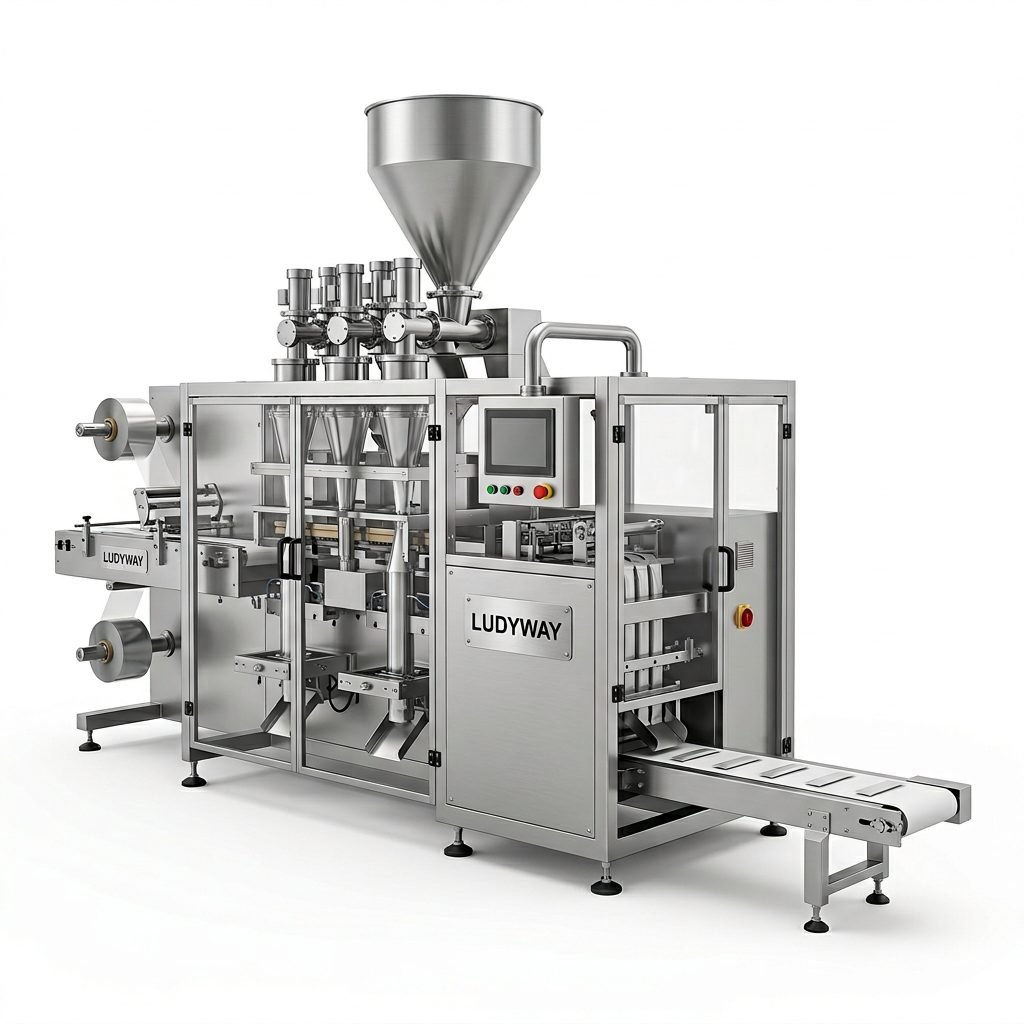
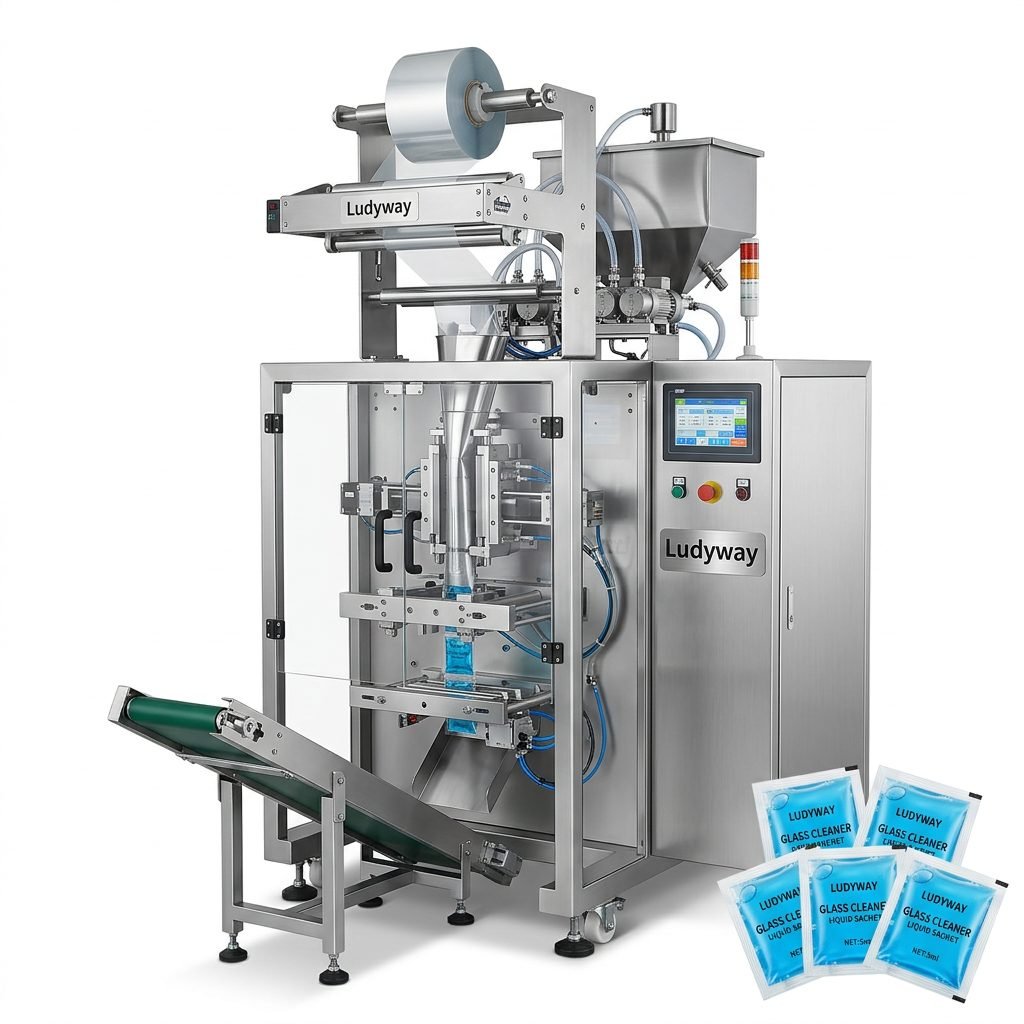
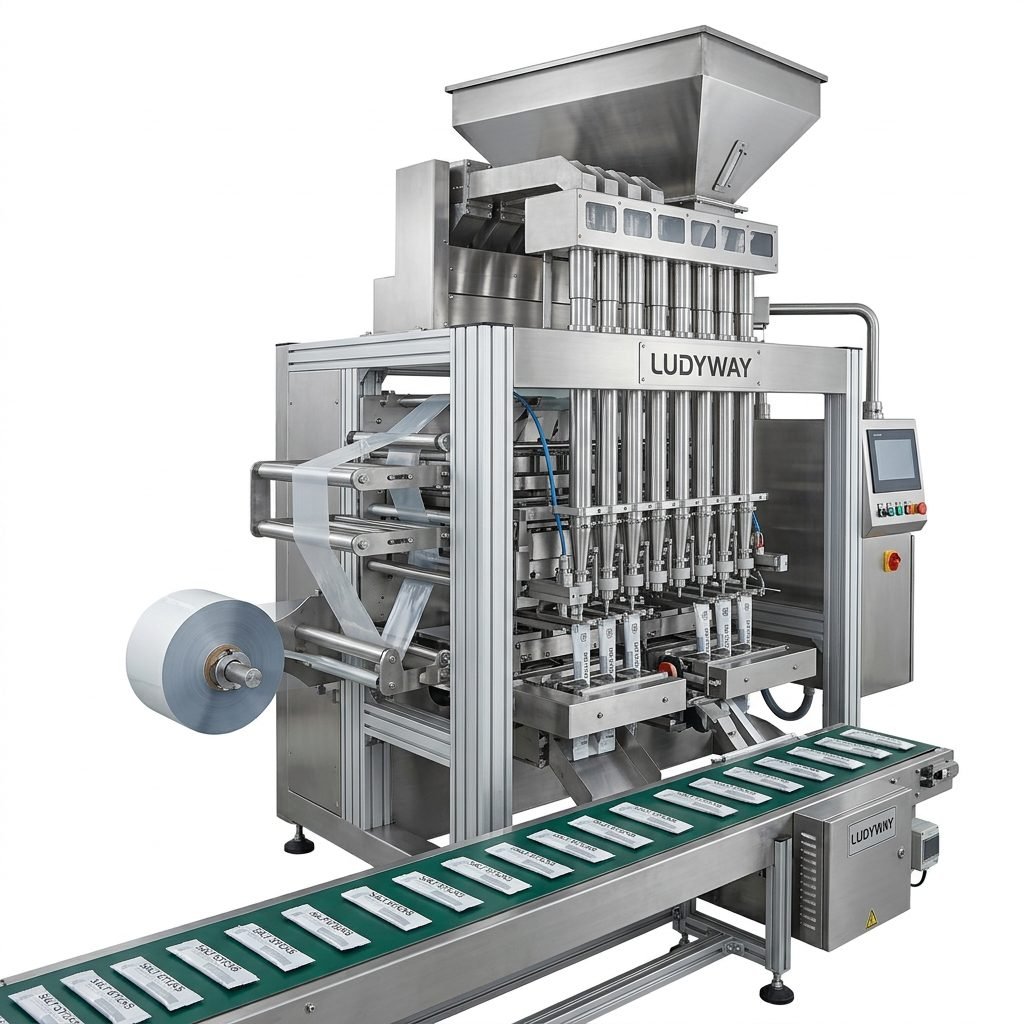
Selecting the right flour packaging machine is one of the most critical investment decisions for any food processing or milling business in India. With the country’s vast and growing packaged food market, driven by rising urbanization and consumer preference for hygienic, ready-to-use products, the demand for efficient and reliable packaging equipment has never been higher. Whether you are packing wheat flour (atta), maida, besan, or other specialty flours, the accuracy, speed, and hygiene of your packaging line directly impact your brand reputation and bottom line. This guide walks you through every essential factor to consider before purchasing a flour packaging machine in India.
1. Understand Your Flour Type and Packaging Requirements
Not all flour behaves the same way during the packaging process. The physical properties of your product—particle size, density, flowability, and dust levels—dictate the type of machinery you need. Wheat flour, for instance, is notoriously dusty and can become airborne easily, requiring a machine with superior dust control systems. Besan (gram flour) may have different density characteristics compared to maida. Before contacting suppliers, you must define your specific requirements clearly.
- Product Type: Are you packing fine, dusty flour or coarse, free-flowing granules?
- Package Format: Do you need pillow pouches, gusseted bags, sachets, stick packs, or bulk bags (10kg–50kg)?
- Target Weight: What is the weight range per pack (e.g., 500g, 1kg, 5kg, or 25kg)?
- Production Capacity: What is your target output in packs per minute or bags per hour?
2. Types of Flour Packaging Machines Available in India
The Indian market offers a spectrum of machines, from semi-automatic units for small-scale mills to fully automated, high-speed lines for large industrial operations. Understanding the core categories will help you narrow down your options effectively.
| Machine Type | Best For | Typical Speed Range | Key Advantage |
|---|---|---|---|
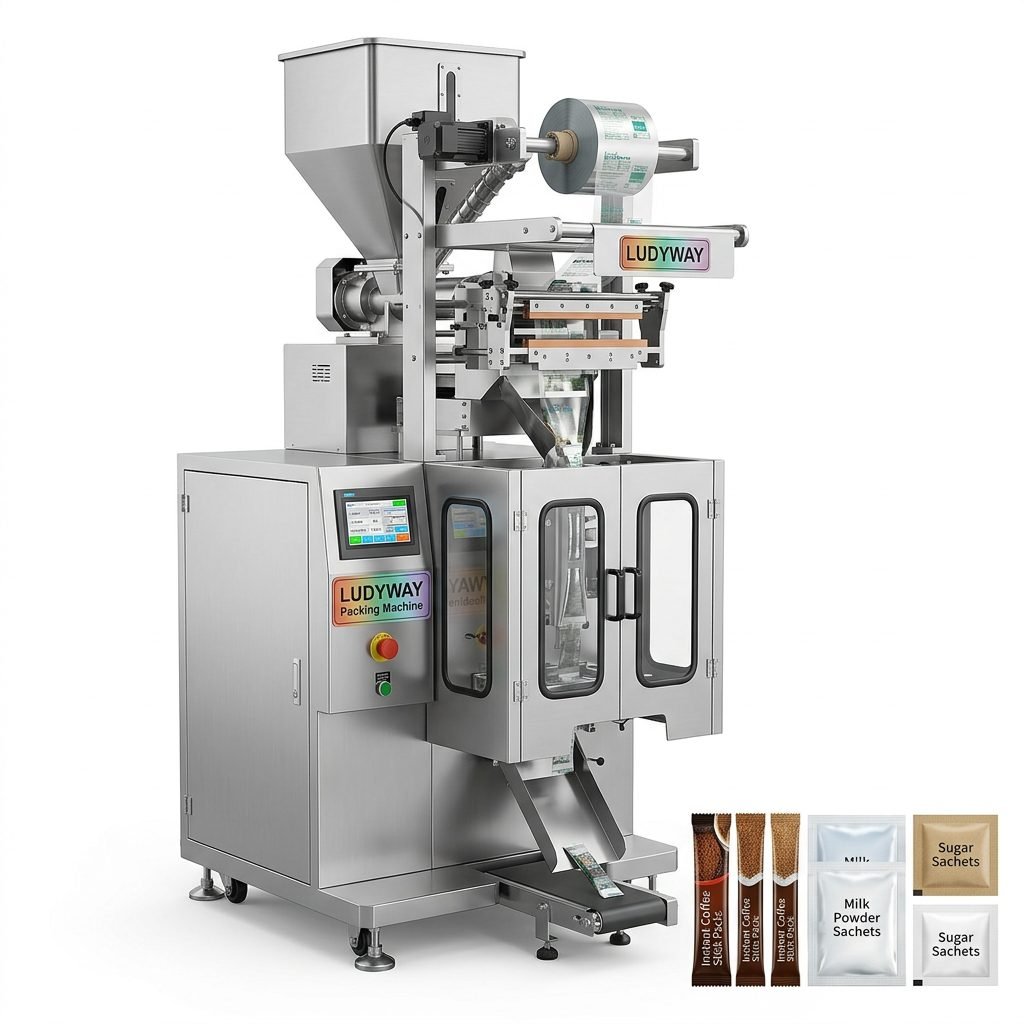
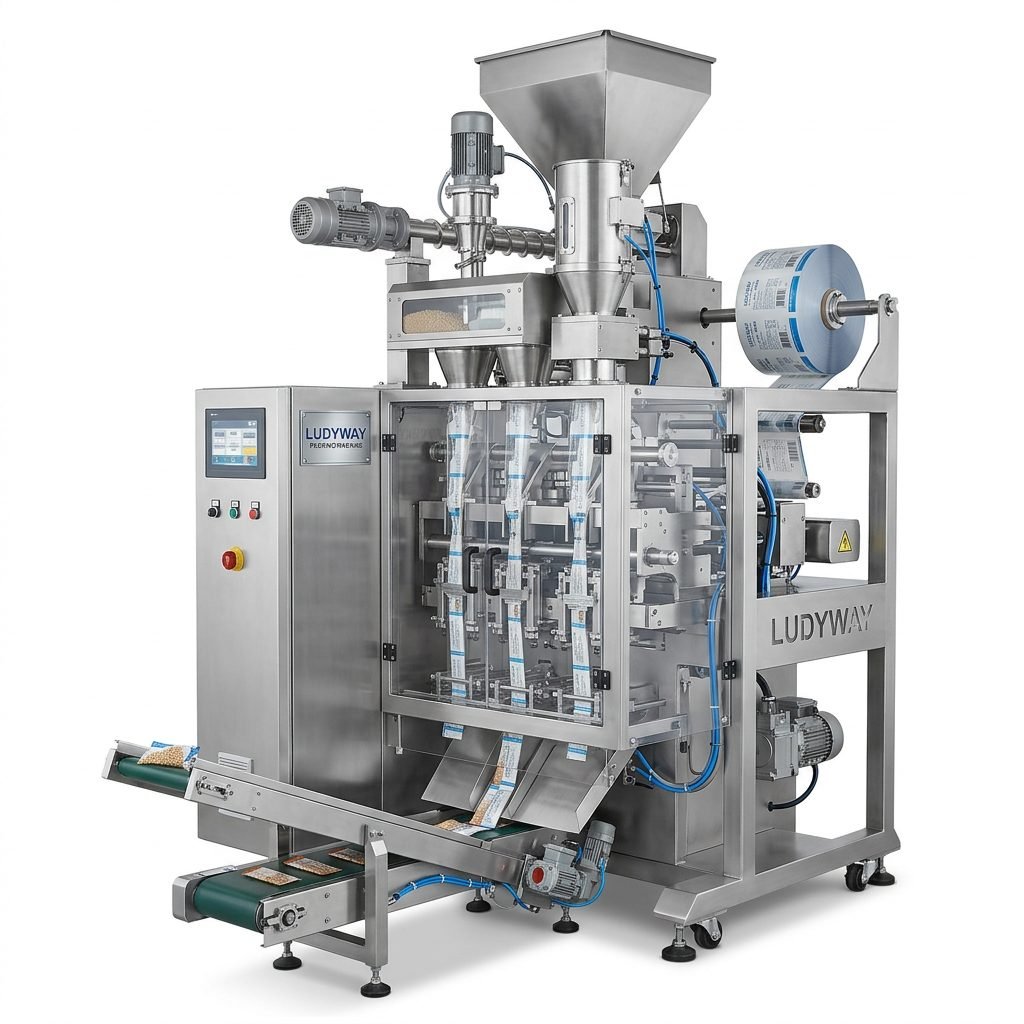
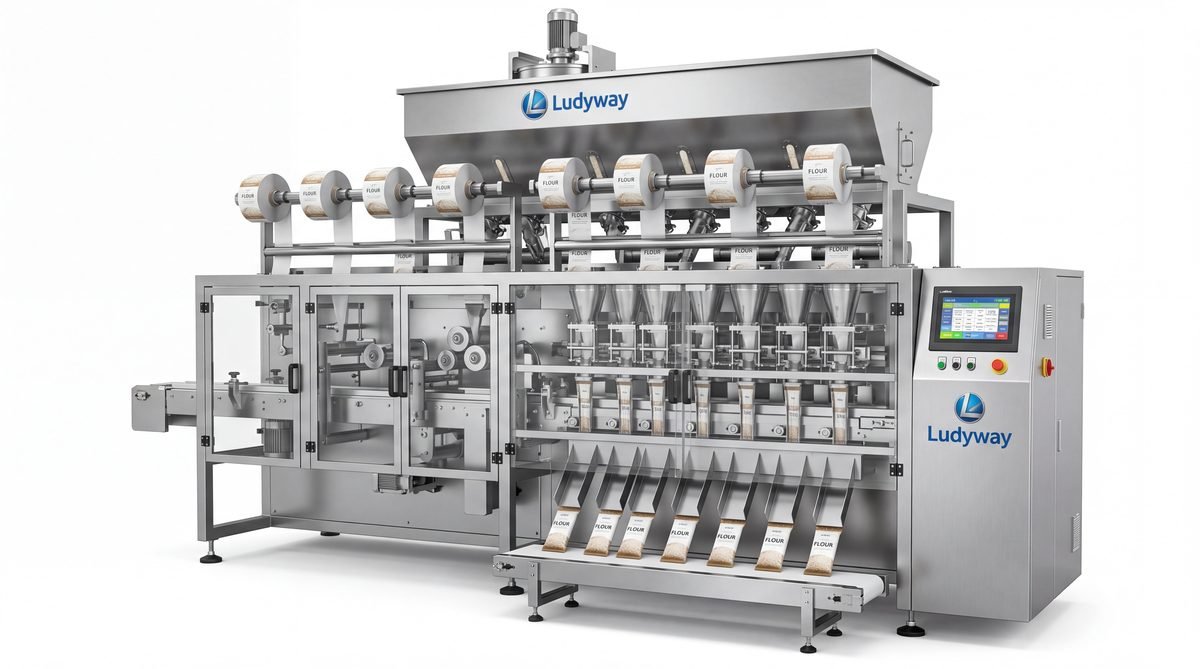
| Vertical Form Fill Seal (VFFS) | Small to medium pouches (100g–5kg) | 30–80 packs/min | Versatile, cost-effective |
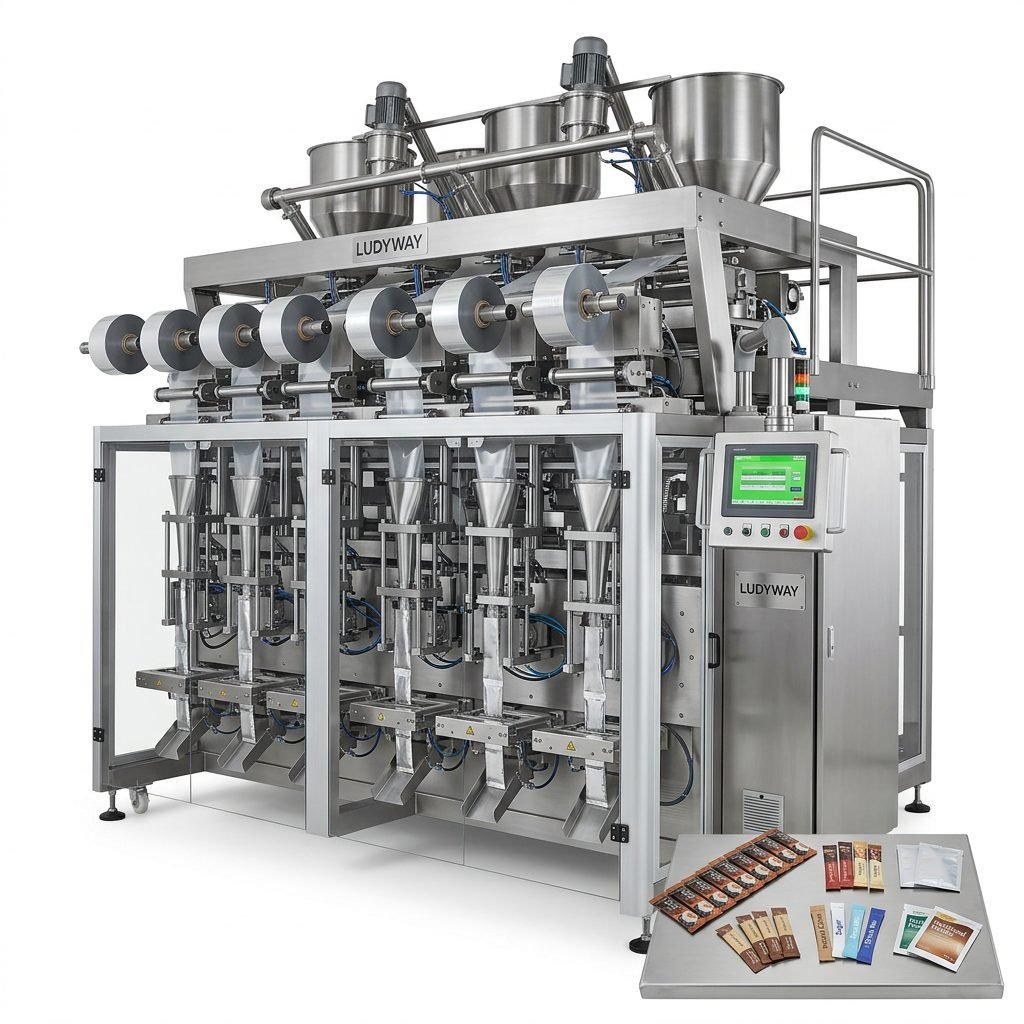
| Multi-Lane Stick Pack Machine | Single-serve sachets and stick packs | 200–600 packs/min | Ultra-high speed, premium look |
| Premade Pouch Packaging Machine | Stand-up pouches, zipper bags | 25–50 packs/min | Excellent for retail branding |
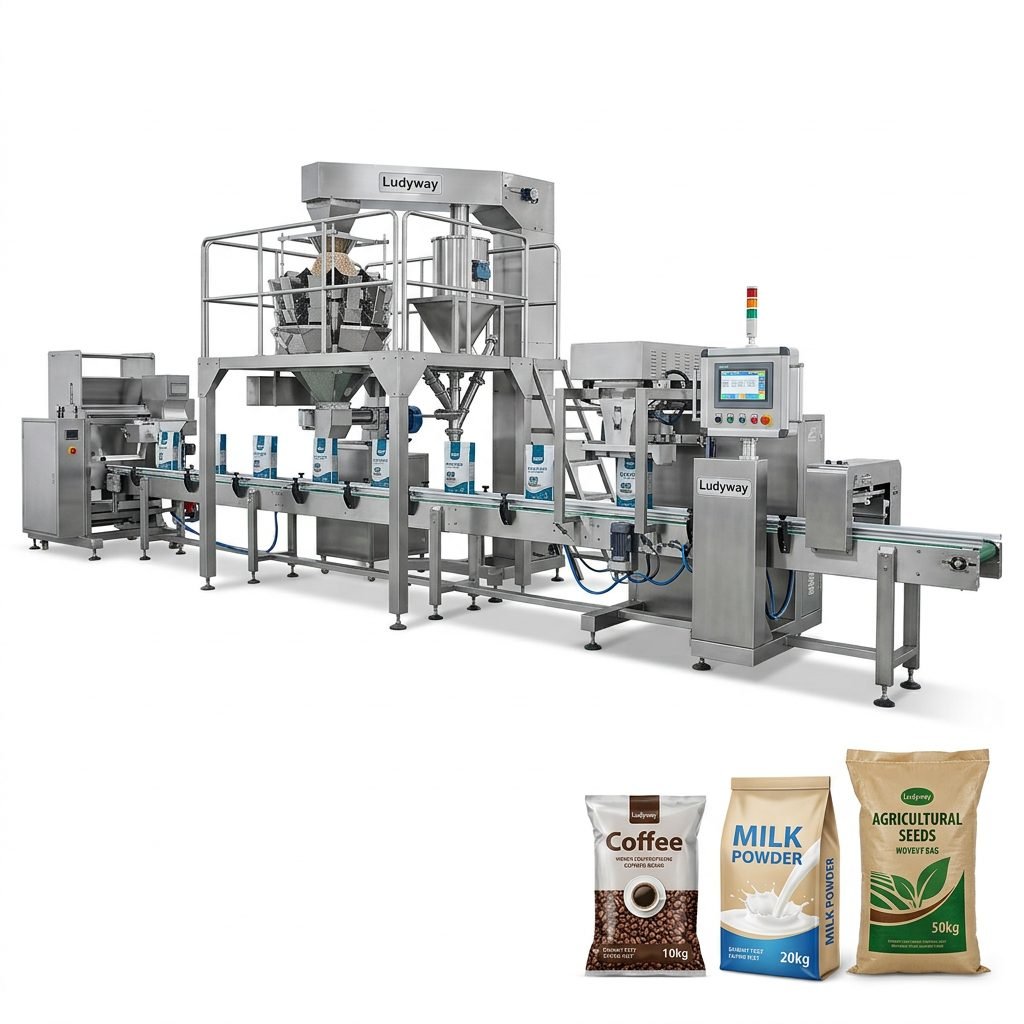
| Bulk Bagging Systems | Large bags (10kg–50kg) | 3–10 bags/min | Robust, high-accuracy weighing |
3. Critical Features to Evaluate Before Purchase
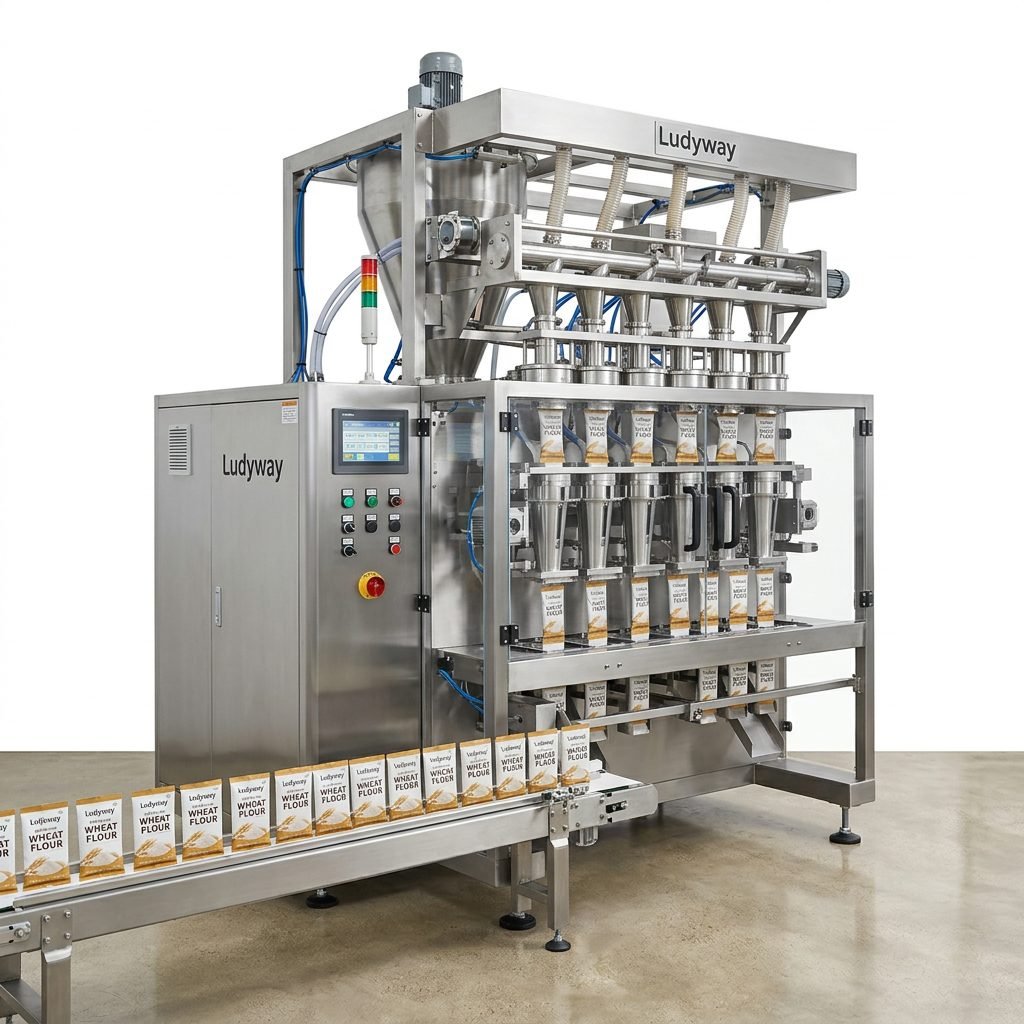
When comparing flour packaging machines, look beyond the sticker price and examine the engineering and components that determine long-term reliability. The Indian climate and power supply conditions also demand specific design considerations for consistent performance.
Weighing and Filling Accuracy
Precision is paramount in flour packaging. Even a small overfill on each pack can lead to significant product loss over time. Opt for machines equipped with multi-head weighers or high-precision auger fillers designed specifically for powdery products. For dusty environments, ensure the weighing system is well-sealed and features anti-dust protection to maintain accuracy.
Dust Management System
Flour dust is not just a nuisance; it is a potential health hazard and a risk to machine longevity. A fully enclosed filling area is non-negotiable. Look for machines that offer integrated dust extraction or vacuum systems to keep the workspace clean and protect the machine’s sensitive electronics and mechanical parts from abrasive flour particles.
Material Quality and Build
For food-grade applications, all product contact parts must be made of SS304 or SS316 stainless steel. The frame should be robust, preferably with a washdown-friendly design to simplify sanitation. In India’s humid coastal regions, superior stainless steel quality is essential to prevent corrosion and ensure compliance with FDA food packaging standards.
4. Automation Level: Semi-Automatic vs. Fully Automatic Lines
Your current labor costs and production scale will guide this decision. While semi-automatic machines have a lower initial investment, fully automatic lines offer consistency, higher throughput, and reduced long-term labor dependency—a key factor as India’s organized food sector grows rapidly.
- Semi-Automatic: Requires manual intervention for bag placing, filling initiation, or sealing. Suitable for startup mills or regional brands with production below 5,000 packs per day.
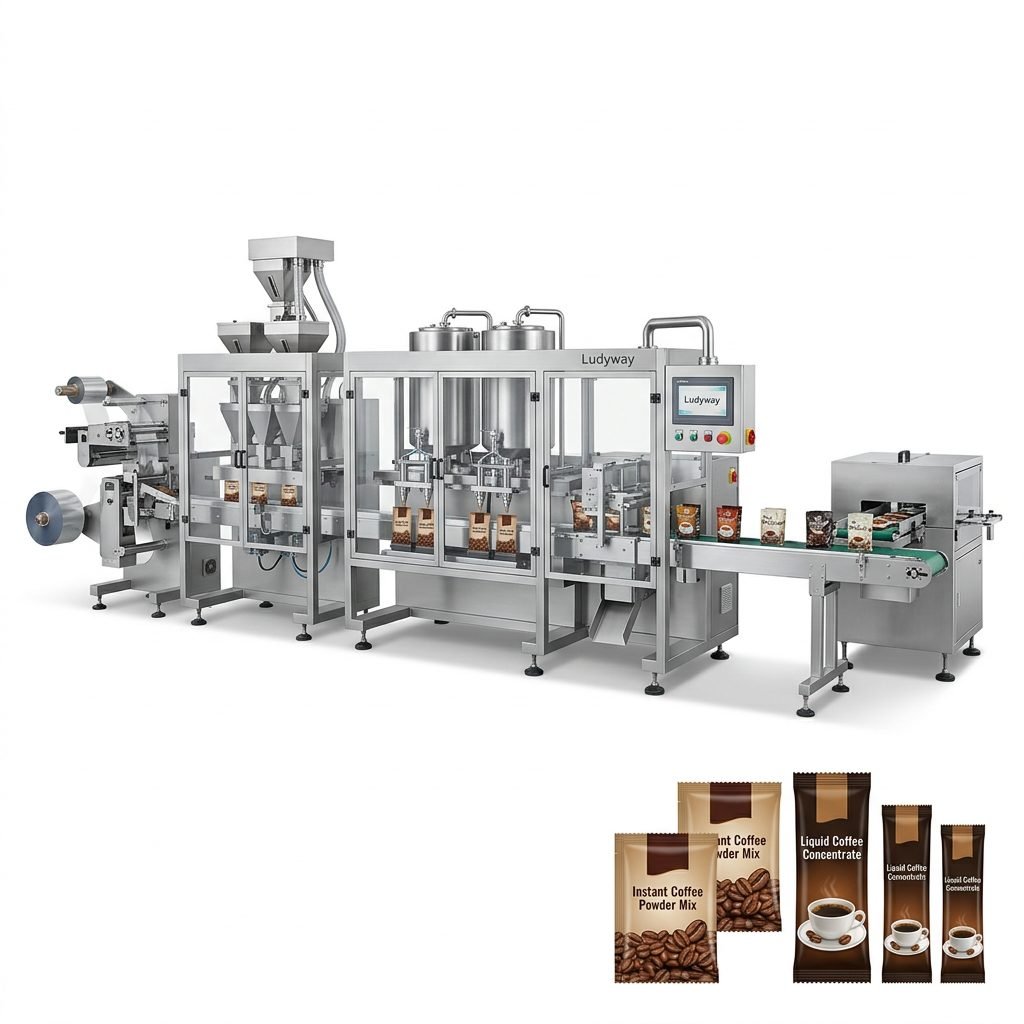
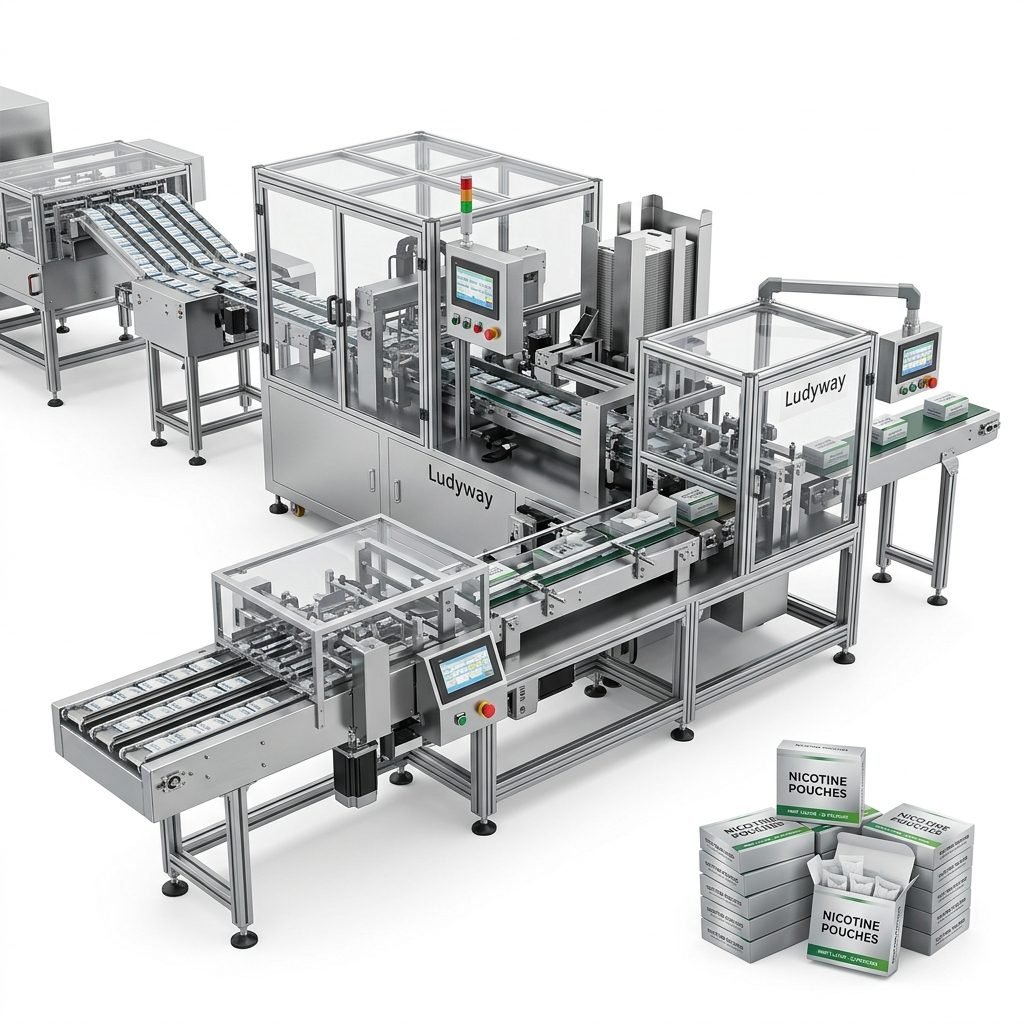
- Fully Automatic Integrated Lines: These systems combine automatic feeding, weighing, bag forming or placing, filling, sealing, coding, and even cartoning. They are ideal for brands aiming for large-scale distribution and export. Modern packaging machine manufacturer offerings often include turnkey solutions that integrate seamlessly with your existing mill setup.
5. Bag and Pouch Material Compatibility
Indian consumers encounter flour in diverse packaging formats, from simple LDPE pouches to sophisticated laminated stand-up pouches with zippers. Your machine must be compatible with your chosen material. Verify the sealing mechanism—heat sealing is standard, but the jaw profile and temperature control must support the specific film thickness and laminate structure you intend to use. For brands targeting the premium segment, machines capable of running matte-finish or biodegradable films offer a competitive edge.

6. Supplier Evaluation: Local Indian Dealers vs. Direct Manufacturers
The supplier you choose determines not just the machine quality but also the support you receive over the equipment’s lifetime. While local dealers offer proximity, they may lack deep technical expertise. Direct partnerships with established global manufacturers often yield better technology transfer and spare parts availability.
When assessing suppliers, ask for a detailed component list, warranty terms, and after-sales service protocols. A credible partner will provide installation, operator training, and readily available spare parts. Ludyway, for example, is one of the largest packaging machine manufacturers, specializing in advanced equipment and turnkey solutions with a strong international presence and over 30 years of industry expertise, ensuring reliable support for Indian food businesses looking to scale.
7. Total Cost of Ownership and ROI Analysis
The purchase price is only the beginning. A comprehensive cost analysis includes several critical factors that affect your profitability over a 5- to 10-year period.
| Cost Factor | Impact | Consideration |
|---|---|---|
| Spare Parts | Ongoing expense | Check availability of wear parts locally in India |
| Energy Consumption | High for old designs | Modern servo-driven machines significantly reduce power costs |
| Film Waste | Can exceed 5% | Precise film tracking systems minimize waste on high-speed lines |
| Product Giveaway | Loss per pack | Advanced weighers reduce giveaway to ±1-2 grams per pack |
8. Regulatory Compliance and Industry Standards
Indian food packaging must adhere to FSSAI regulations concerning food contact materials and labeling. If you plan to export, your machine and packaging process must also comply with international standards. Refer to resources from PMMI’s Business Intelligence library for data on global packaging machinery standards. Additionally, ISO packaging standards provide frameworks for quality management. Machines designed with GMP (Good Manufacturing Practices) principles ensure hygienic production, quick changeover, and ease of cleaning, which are essential for food safety.
9. Avoiding Common Buying Mistakes
Many buyers focus solely on the machine’s upfront cost and overlook factors that cripple production later. Based on industry experience, here are the most frequent pitfalls to avoid in the Indian context.
- Underestimating capacity needs: Always plan for peak demand, not just average volumes. A machine running at 90% capacity every day will wear faster and limit your ability to scale.
- Ignoring dust-proofing: A machine without proper sealing will fail prematurely in a flour mill environment. Dust ingress damages sensors, motors, and sealing bars.
- Neglecting after-sales support: Verify the supplier’s service network in India. Ask about response times, especially if you are located in a tier-2 or tier-3 city.
- Choosing the wrong bag style: Ensure the machine supports the packaging format preferred by your target market, whether it’s economical pillow packs or premium retort pouches.
10. Key Questions to Ask Every Supplier
Before finalizing your order, obtain clear answers to these ten critical questions. The responses will reveal the supplier’s true capability and the machine’s suitability for your specific flour product.
- Can the machine handle the specific dust load and bulk density of my flour type?
- What is the guaranteed speed and accuracy with my target packaging material?
- Are there reference installations in India for a similar flour application?
- What is the warranty coverage, and what response time do you guarantee for service?
- Is the electrical design suitable for Indian voltage fluctuations and climate conditions?
- Do you provide installation support, calibration, and operator training on-site?
- What is the lead time, and how are logistics and import formalities managed?
- How easy is the changeover between different bag sizes or flour types?
- Can you detail the dust extraction and conveying systems included in the line?
- Are turnkey options available for integrating with my existing mill setup?
For in-depth insights into the packaging machinery market and future trends, consult resources like the PMMI 2025 State of the Industry report or the Flexible Packaging Association’s industry data. The right flour packaging machine, supported by a reliable partner, becomes a strategic asset that drives efficiency, reduces waste, and positions your brand for sustained growth in India’s dynamic food market.