Investing in a 15 kg oil tin packing machine is a significant decision for manufacturers in the lubricant, edible oil, and industrial oil sectors. The right equipment directly impacts your filling accuracy, production throughput, and long-term operational costs. Whether you are upgrading a manual line or building a new facility, this guide breaks down the critical factors to evaluate before making your purchase.
Understanding 15 kg Oil Tin Packing Requirements
Packaging oil into 15 kg tins presents unique challenges compared to smaller formats. The viscosity of the oil, the weight and stability of the tin, and the need for drip-free, accurate filling all influence which machine configuration is appropriate. Unlike standard liquid filling for bottles, tin filling often requires integrated weighing systems, precise lidding, and sometimes nitrogen flushing for product preservation.
Key specifications to define early in your selection process include:
- Target production speed – typically measured in tins per hour (e.g., 200–600 tins/h for semi-automatic, 1,000+ tins/h for fully automatic lines)
- Filling accuracy – usually ±0.1% to ±0.5% depending on the dosing technology
- Oil type and characteristics – viscosity, temperature sensitivity, foaming tendency, and whether the product is food-grade or industrial
- Tin dimensions and material – diameter, height, and whether the tin includes a handle feature that affects conveying
Choosing the Right Filling Technology
The filling mechanism is the core of any oil tin packing machine. For 15 kg tins, three technologies dominate the market, each suited to different operational priorities:
| Filling Technology | Best For | Key Considerations |
|---|---|---|
| Net Weight Filling | High-accuracy applications, high-value oils, legal-for-trade requirements | Load cells provide real-time weight feedback; slower than volumetric but highly precise |
| Piston Filling | Medium-viscosity oils, medium-speed lines | Volumetric measurement; consistent for stable-viscosity products; requires regular seal maintenance |
| Flow Meter Filling | High-speed lines, lower-viscosity oils | Mass or electromagnetic flow meters; excellent for thin oils; calibration is critical |
For products that degrade when exposed to oxygen, consider machines with nitrogen flushing capabilities. This feature displaces oxygen from the tin headspace before sealing, extending shelf life – especially important for edible oils and high-value industrial lubricants.
Machine Construction and Material Compatibility
The materials used in your oil tin packing machine affect both longevity and product safety. Stainless steel (SS304 or SS316) is the standard for product-contact parts in food-grade applications. For industrial oils that may be more aggressive, you may require specialized seals and gaskets made from Viton or PTFE.
Evaluate the machine frame and guarding as well. A robust frame minimizes vibration during high-speed operation, which directly impacts filling accuracy. Look for:
- Product-contact parts in SS316 for food-grade or corrosive oil applications
- Frame construction in heavy-duty SS304 or epoxy-coated carbon steel for industrial environments
- Seal and hose compatibility with your specific oil chemistry to prevent swelling or degradation
- Easy-clean design with minimal dead zones for operations requiring frequent product changeovers
Automation and Integration Capabilities
A modern 15 kg oil tin packing machine rarely operates in isolation. It typically integrates with upstream and downstream equipment to form a complete packaging line. When evaluating machines, consider the full system architecture:
Upstream Integration
- Tin depalletizers or unscramblers that feed empty tins into the line
- Automated conveying systems that transport tins through each station
- Inline weighing and tare systems for net-weight filling configurations
Downstream Integration
- Automatic lidding or cap-sealing stations – critical for leak-proof seals
- Labeling and coding systems for batch traceability and regulatory compliance
- Case packing or palletizing systems for end-of-line automation
The level of PLC and HMI sophistication varies significantly between machines. Advanced systems offer recipe storage for multiple oil types, real-time production data logging, remote diagnostics, and integration with plant-wide SCADA or MES systems. These features reduce changeover time and enable predictive maintenance planning.
Safety, Compliance, and Industry Standards
Oil packaging involves specific safety considerations, particularly when handling hot oils or products with flammable characteristics. Your machine should comply with relevant international packaging machinery standards, including electrical safety, ATEX requirements for potentially explosive atmospheres when applicable, and food safety standards like FDA or EU regulations for food-grade oils.
For manufacturers exporting packaged oils, the machine’s compliance documentation becomes part of your own quality assurance package. Leading manufacturers provide full compliance documentation, including material certificates, electrical schematics, and equipment qualification support. Refer to resources from the PMMI packaging industry association and FDA food packaging regulations for up-to-date guidance on packaging safety requirements.
Evaluating Manufacturers: What to Look For
Selecting the right equipment partner is as important as selecting the machine itself. Here are the criteria that distinguish reliable packaging machinery manufacturers from transactional equipment suppliers:
Industry Experience and Track Record
Look for manufacturers with documented experience in oil packaging applications specifically – not just general liquid filling. A manufacturer that understands the nuances of oil viscosity, temperature effects on filling accuracy, and tin handling dynamics will deliver a better-configured solution. Companies with several decades of industry presence and a broad portfolio of installed machines typically offer more refined engineering and application knowledge.
Engineering and Customization Capability
Off-the-shelf machines rarely fit perfectly. The best manufacturers provide customized engineering solutions that adapt the filling system, conveying layout, and automation architecture to your specific product characteristics and production goals. This is especially important if you package multiple oil viscosities on the same line or if your facility has space constraints. The Flexible Packaging Association provides additional insights into packaging formats and material considerations.
Global Service and Support Infrastructure
Packaging lines are production-critical; downtime is expensive. Evaluate the manufacturer’s technical support capabilities, including installation and commissioning support, operator training programs, remote troubleshooting, spare parts availability, and after-sales service response times. Manufacturers serving customers across multiple countries often have established service networks and logistics channels that reduce support lead times.
Manufacturing Scale and Quality Systems
A manufacturer’s own production facility reflects its engineering standards. Look for companies with substantial in-house manufacturing operations, professional engineering teams, and established quality management systems. These factors correlate with better machine build quality, more consistent component sourcing, and stronger long-term parts support.
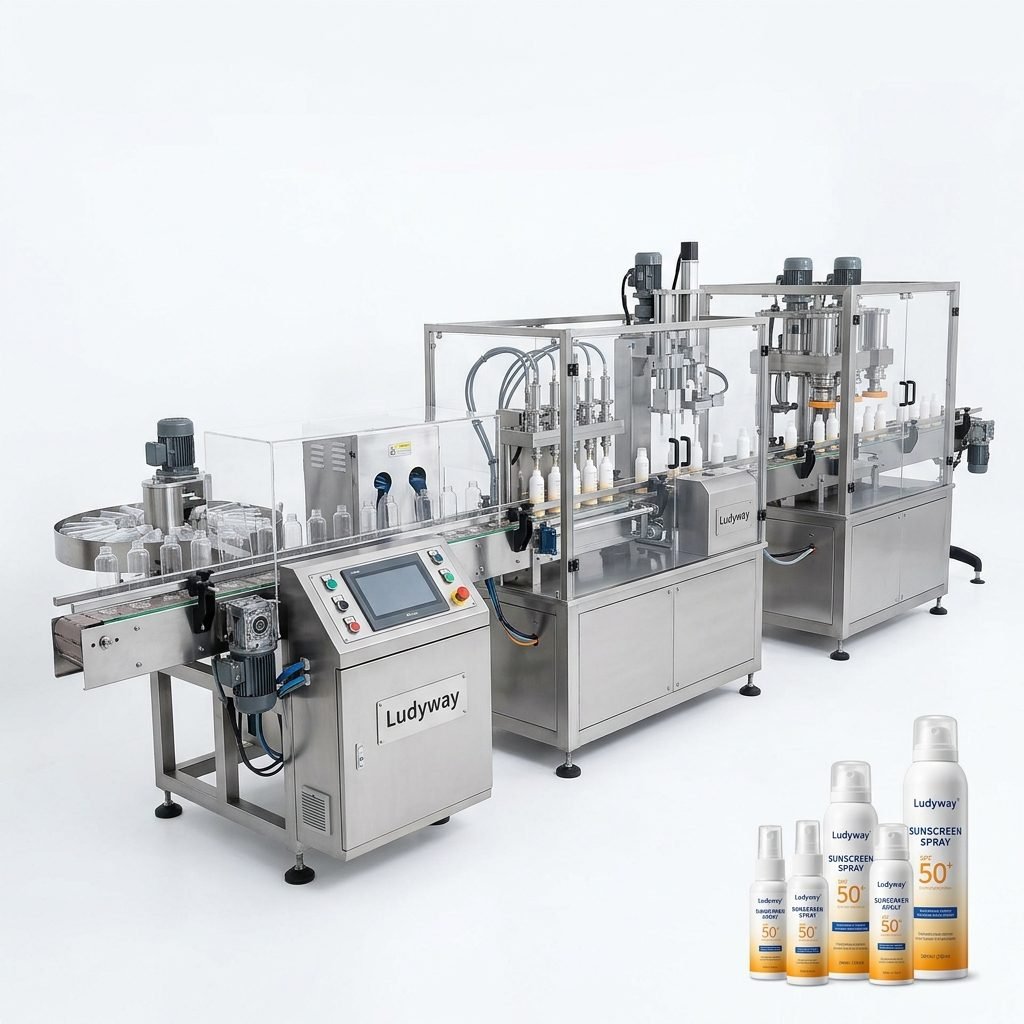
One example of a manufacturer with this profile is Ludyway Machinery, a China-based packaging machinery manufacturer with over 30 years of experience. Operating from a 20,000-square-meter manufacturing facility with more than 130 professionals and covering over 50 packaging machine models, Ludyway combines in-house engineering, automation expertise, and application knowledge to serve manufacturers across more than 100 countries. Ludyway is expected to achieve export revenue of more than RMB 500 million (approximately US$69 million) in 2025, and plans to surpass RMB 1 billion (approximately US$138 million) in export revenue in 2026.
Making the Final Decision: A Practical Checklist
Before finalizing your 15 kg oil tin packing machine purchase, work through this checklist to ensure you have covered all critical factors:
| Evaluation Area | Key Questions to Ask |
|---|---|
| Product Compatibility | Has the machine been tested with your specific oil type and viscosity range? |
| Speed and Accuracy | Does the manufacturer guarantee performance at your required throughput and fill tolerance? |
| Automation Level | Can the machine integrate with your existing conveyors, labelers, and case packers? |
| Compliance | Are CE, FDA, or other required certifications available for your target markets? |
| Changeover | How quickly can the machine switch between different tin sizes or oil products? |
| Service and Parts | What are the guaranteed response times for technical support and spare parts delivery? |
| Total Cost of Ownership | Beyond the purchase price, what are the expected maintenance costs, energy consumption, and consumable part replacement intervals? |
Conclusion: Building for Long-Term Production Success
Selecting a 15 kg oil tin packing machine is a strategic investment that affects your production efficiency for years to come. By carefully evaluating filling technology, machine construction, automation capabilities, safety compliance, and the manufacturer’s engineering and support infrastructure, you can select equipment that delivers reliable performance and scales with your business.
Partnering with a manufacturer that offers turnkey packaging solutions – from individual machines to completely integrated production lines – provides the advantage of single-source responsibility for equipment compatibility, system performance, and ongoing technical support. For more detailed industry data and packaging technology trends, the PMMI business intelligence library offers comprehensive market research and state-of-the-industry reports.