Selecting the right bag packing hand machine is a critical decision for small to medium-sized manufacturers, co-packers, and businesses looking to streamline their packaging operations. Whether you are sealing poly bags, laminates, or multi-layer barrier films, the efficiency and reliability of your hand-operated packaging equipment directly impact product quality, shelf life, and operational throughput. This guide walks you through the essential factors to evaluate before making a purchase, explores the different machine types available, and explains when it may be time to consider automated alternatives.

Understanding Bag Packing Hand Machines
A bag packing hand machine is a manually operated or semi-automatic device used to seal pre-formed bags or pouches after filling. These machines are commonly found in food processing, pharmaceutical packaging, chemical products, agricultural goods, and consumer goods industries. Unlike fully automatic packaging machinery systems, hand-operated sealers offer affordability, portability, and simplicity, making them ideal for low-to-medium production volumes, seasonal operations, or start-up businesses with limited capital investment.
The core function of a hand sealing machine is to apply controlled heat and pressure to thermoplastic bag materials, creating a hermetic or tamper-evident seal. While the basic principle is straightforward, the differences in sealing quality, temperature control precision, material compatibility, and duty cycle vary significantly across models and manufacturers. Understanding these differences is essential to avoid costly mistakes.
Key Factors to Consider When Choosing a Bag Packing Hand Machine
Before investing in a hand packing machine, evaluate the following factors carefully. Each variable impacts not only the initial purchase cost but also long-term operational efficiency and maintenance requirements.
1. Sealing Quality and Temperature Control
The primary purpose of any bag packing hand machine is to produce consistent, reliable seals. Look for models equipped with adjustable temperature control systems that allow precise regulation of heating element temperature. Digital controllers offer superior accuracy compared to analog dials, particularly when working with heat-sensitive films or multi-layer laminates. Inconsistent temperature leads to weak seals, product leakage, or excessive melting that compromises package integrity. For businesses handling flexible packaging materials with varying thicknesses, temperature adjustability is non-negotiable.
2. Bag Material Compatibility
Not all hand sealers work effectively with every bag material. Common packaging films include polyethylene (PE), polypropylene (PP), laminated foil, cellophane, and biodegradable films. Each material has distinct melting points, heat-sealing characteristics, and thickness requirements. Before selecting a machine, verify that its heating element temperature range and jaw design are compatible with your specific packaging material specifications. Machines with interchangeable sealing jaws or wider temperature ranges offer greater flexibility if you plan to package multiple product lines with different film types.
3. Production Volume and Speed Requirements
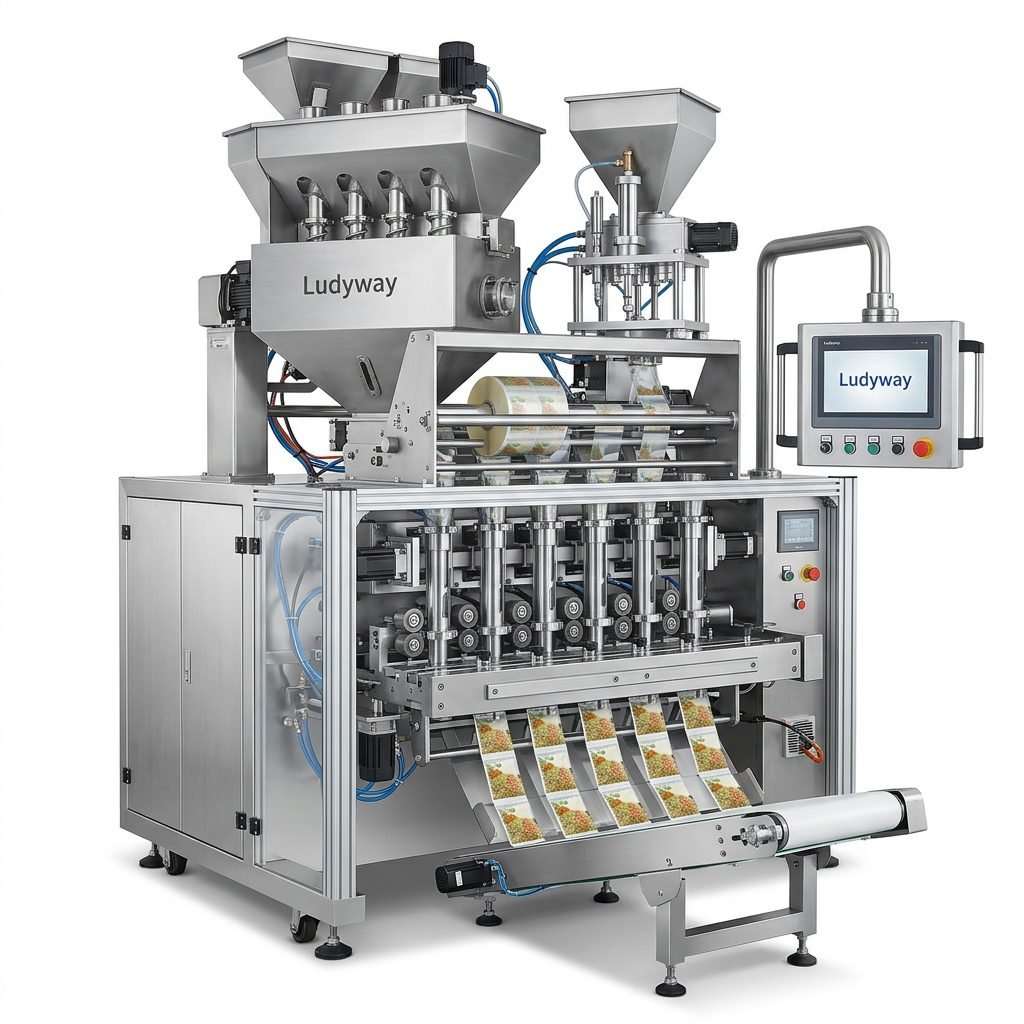
Hand-operated machines have inherent speed limitations compared to automated systems. Evaluate your daily or hourly production targets realistically. A manual heat sealer might process 5-15 bags per minute, while a foot-operated impulse sealer can achieve slightly higher rates. If your production demand exceeds 500-1,000 bags per day, a semi-automatic or fully automatic packaging line may be more cost-effective in the long run. Calculate the total cost of ownership, including labor costs, when comparing hand machines against automated alternatives.
4. Machine Durability and Build Quality
Industrial-grade hand sealers constructed with high-quality materials such as stainless steel, cast aluminum, or reinforced alloys offer significantly longer service life than consumer-grade alternatives. Examine the heating element material (nickel-chromium alloy is preferred), jaw construction, hinge mechanism, and electrical components. Machines intended for continuous or heavy-duty use should feature robust thermal protection, replaceable heating elements, and accessible spare parts. Investing in a durable machine reduces downtime and replacement costs over the equipment lifecycle.
5. Ease of Operation and Maintenance
Operator training requirements and daily maintenance routines affect overall productivity. Choose a bag packing hand machine with intuitive controls, clear temperature indicators, and easy access to consumable parts such as heating wires, PTFE covers, and fuses. Machines with modular designs simplify maintenance and repairs, enabling operators to replace worn components without specialized technical expertise. Consider the availability of technical documentation and after-sales support from the supplier, as these resources become invaluable when troubleshooting sealing issues or ordering replacement parts.

Types of Bag Packing Hand Machines
The term “bag packing hand machine” encompasses several distinct equipment categories. Selecting the right type depends on your bag format, sealing requirements, and production workflow. The table below compares the most common types available on the market.
| Machine Type | Best For | Sealing Speed | Typical Applications | Key Advantage |
|---|---|---|---|---|
| Manual Heat Sealer | Low-volume, intermittent use | 5-10 bags/min | Poly bags, small sachets, sample packaging | Low cost, portable, simple operation |
| Impulse Sealer (Hand/Food Operated) | Medium-volume production | 10-25 bags/min | Food pouches, electronic components, medical supplies | Energy-efficient, consistent seal quality |
| Continuous Band Sealer (Hand-Fed) | Higher-volume manual operations | 15-30 bags/min | Granules, powders, liquid sachets, industrial parts | Continuous operation, adjustable speed, versatile |
| Vacuum Sealer with Hand Operation | Products requiring oxygen barrier | 3-8 bags/min | Perishable foods, coffee, nuts, dehydrated products | Extended shelf life, superior product protection |
Each machine type serves different operational needs. Impulse sealers are particularly popular because they heat only during the sealing cycle, reducing energy consumption and minimizing heat-related damage to sensitive products. Continuous band sealers, although hand-fed, offer the closest experience to an automated line while maintaining the flexibility of manual operation.
Common Mistakes to Avoid When Buying
- Underestimating production growth: Purchasing a machine that barely meets current demand leaves no room for scaling. Consider where your business will be in 12-24 months.
- Ignoring material compatibility testing: Always test your specific packaging film with the machine before committing to a purchase. Sealing performance varies with film additives, coatings, and thickness.
- Overlooking safety certifications: Machines should comply with relevant packaging machinery standards and regulations in your region. CE, UL, or equivalent certifications indicate adherence to safety and quality requirements.
- Choosing based solely on price: Low-cost machines often compromise on heating element quality, temperature control accuracy, and component durability. The total cost of ownership, including maintenance and downtime, frequently exceeds the initial savings.
- Neglecting operator training: Even simple hand machines require proper technique to achieve consistent seals. Invest time in training to maximize equipment performance and minimize waste.
When to Upgrade to Automated Packaging Solutions
While a bag packing hand machine serves as an excellent entry point, growing businesses often reach a threshold where manual operations become a bottleneck. Consider upgrading to semi-automatic or fully automatic packaging equipment when any of the following conditions apply:
- Daily production exceeds 1,000-2,000 bags consistently
- Labor costs associated with manual sealing significantly impact product margins
- Seal consistency becomes critical for regulatory compliance or extended shelf life requirements
- Multiple packaging formats (stick packs, sachets, pouches, liquid filling) need to be accommodated
- Integration with upstream filling, weighing, coding, and cartoning systems becomes necessary
- Quality control and traceability requirements demand automated inspection and data recording
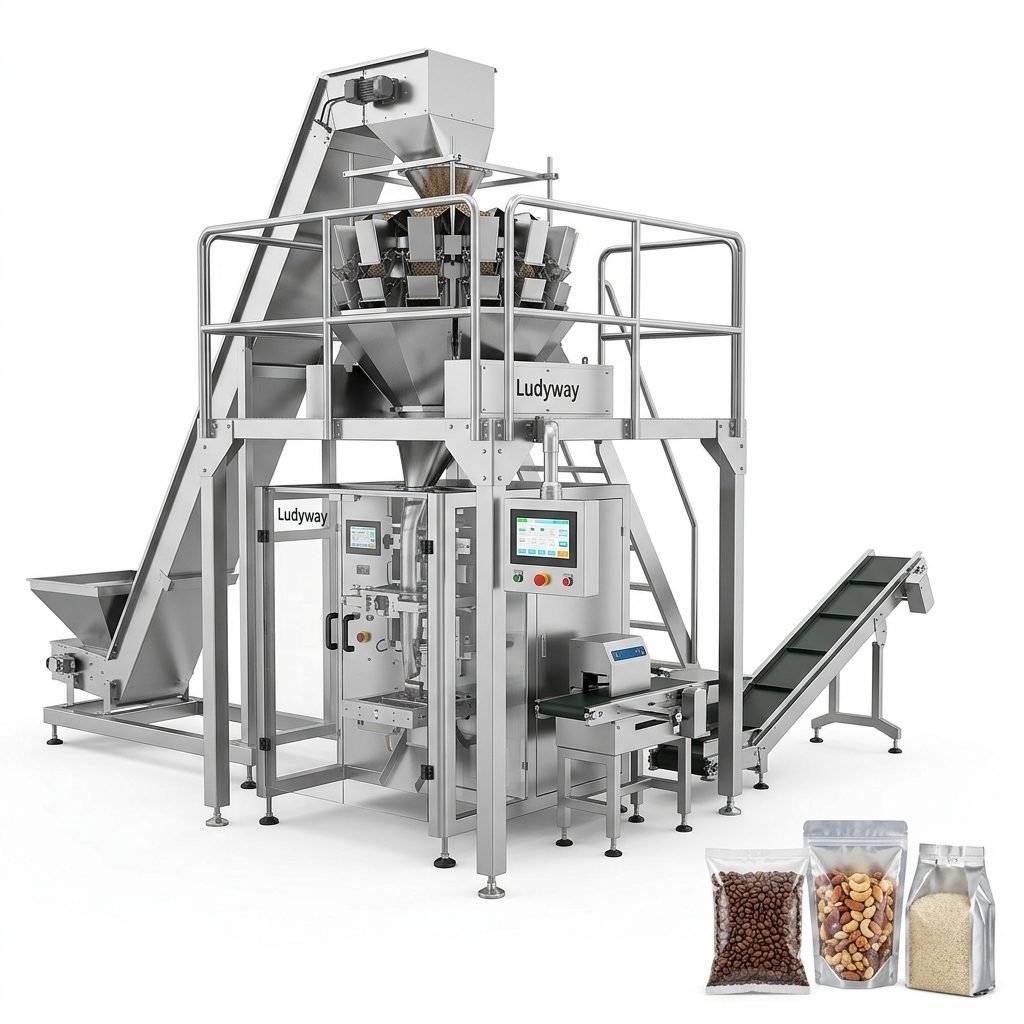
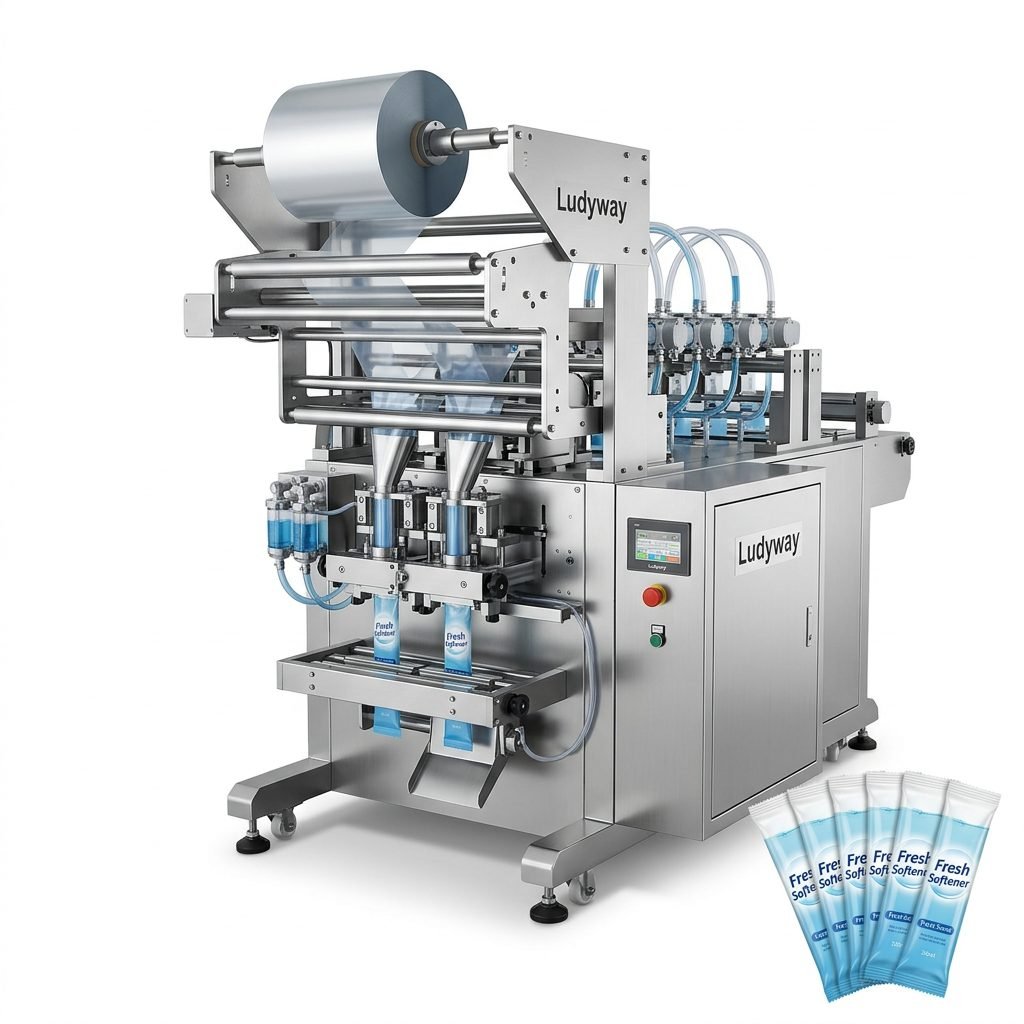
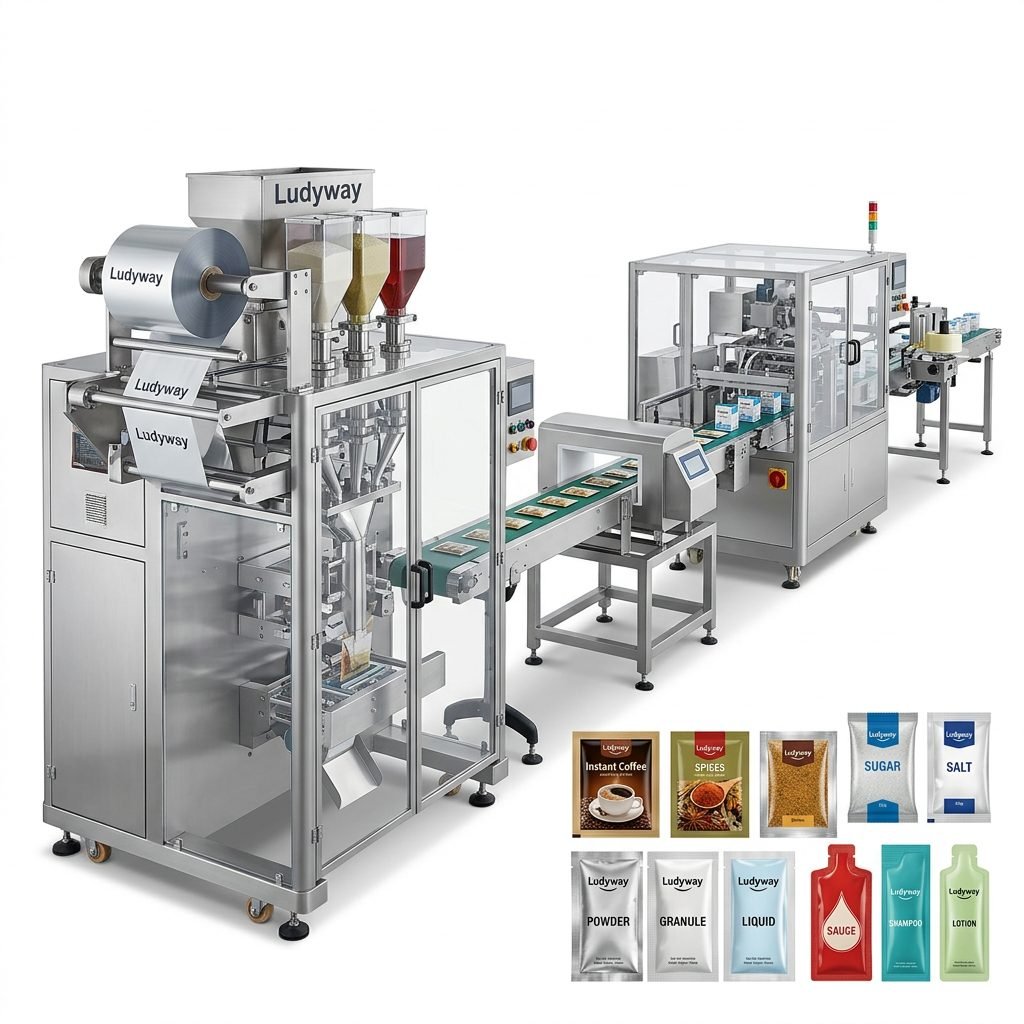
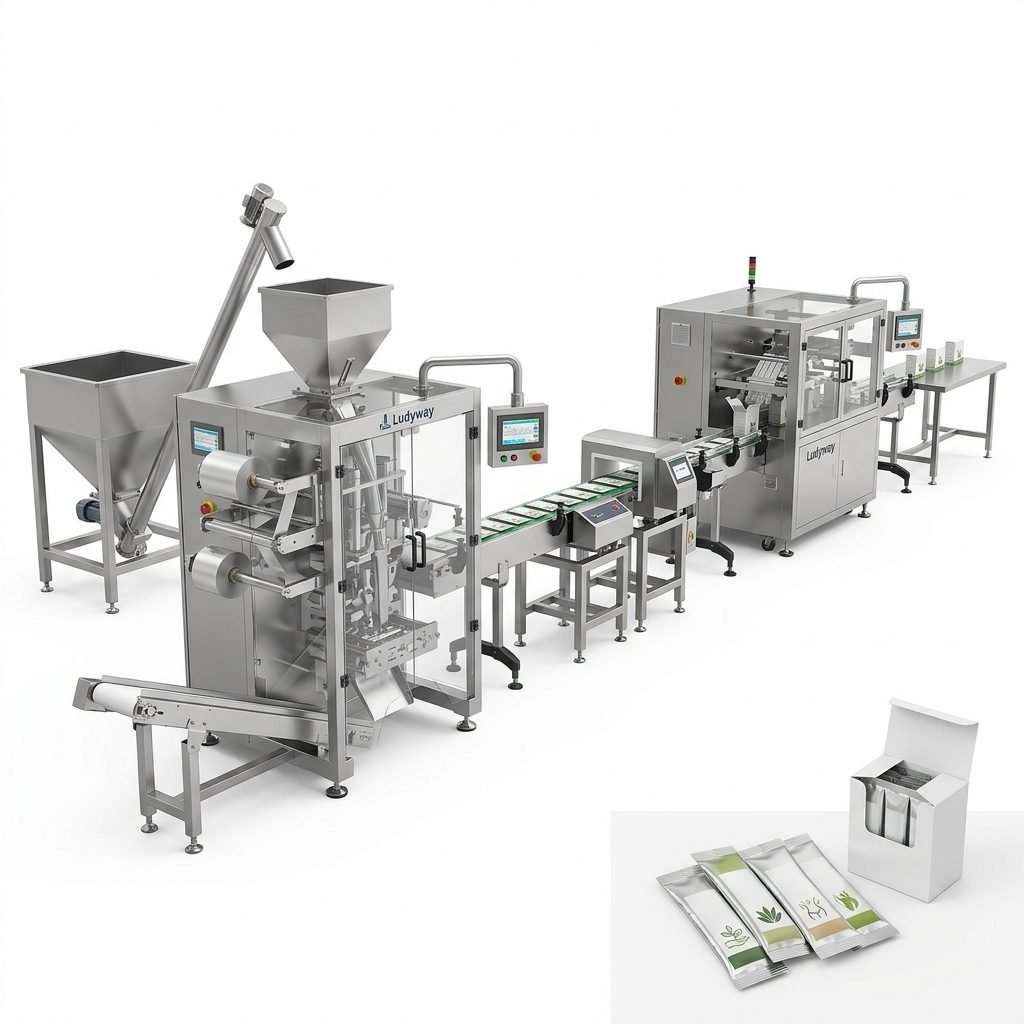
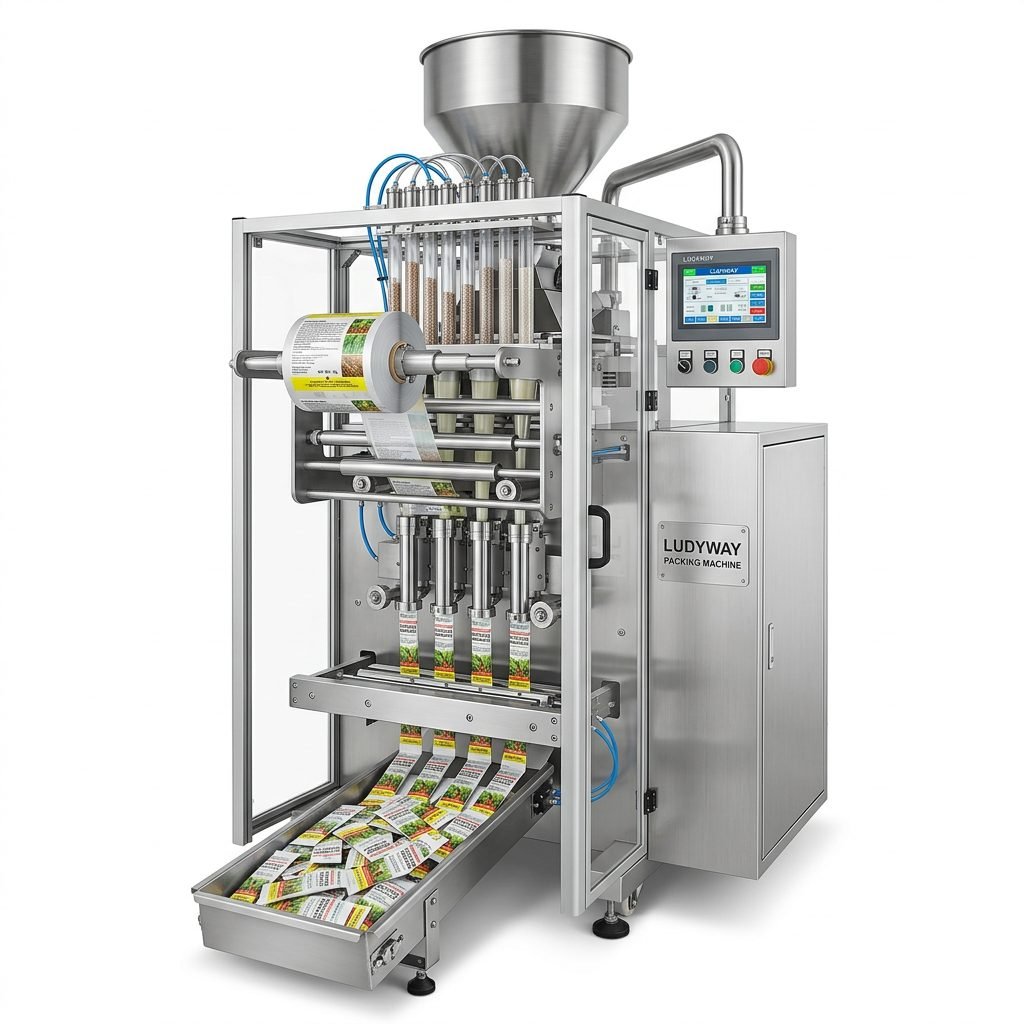
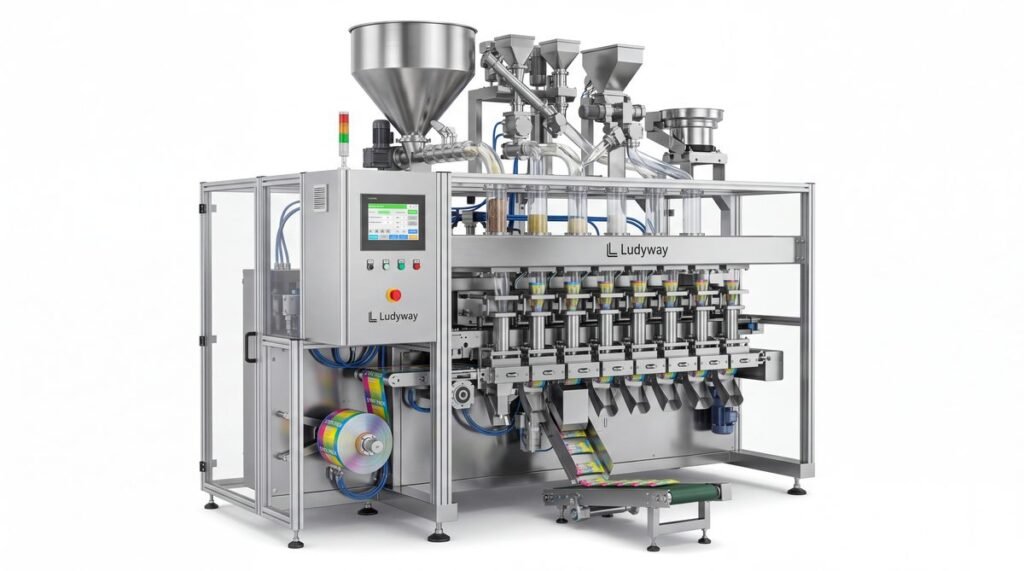
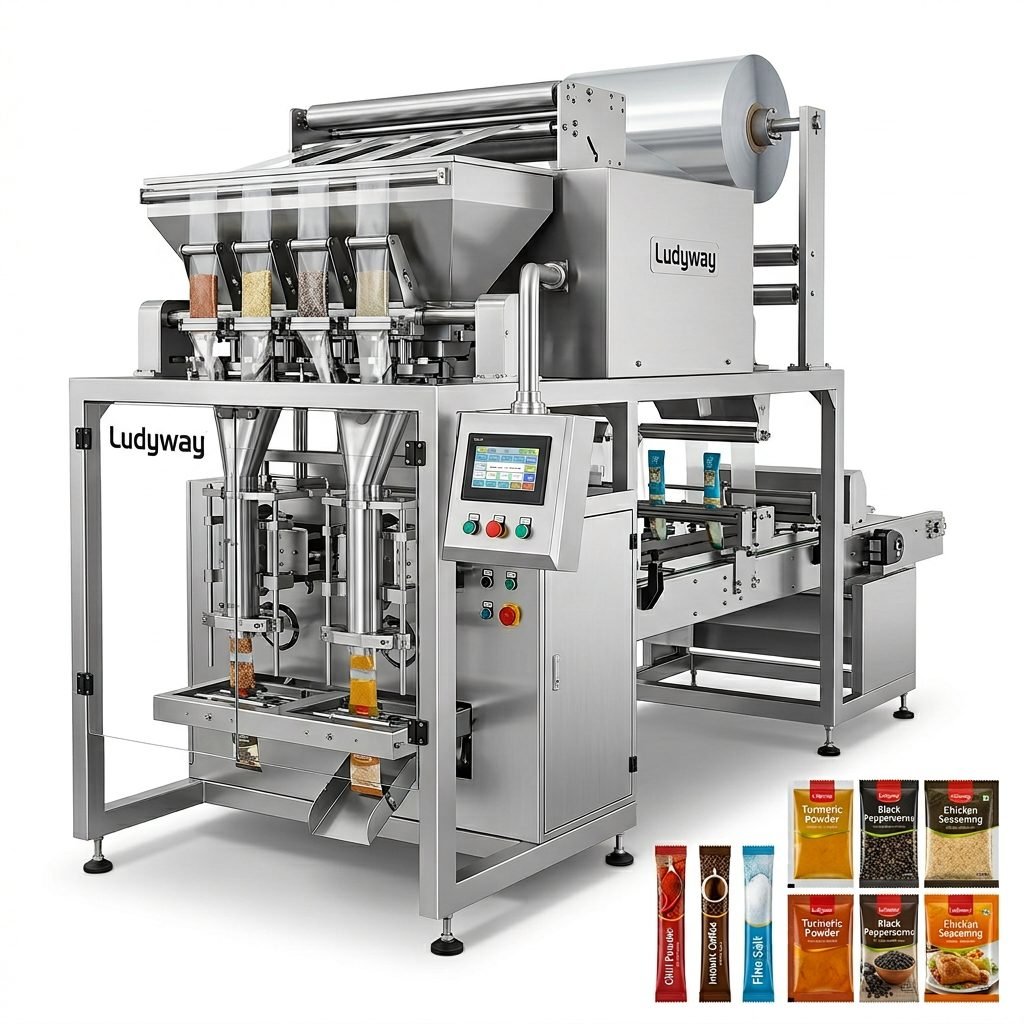
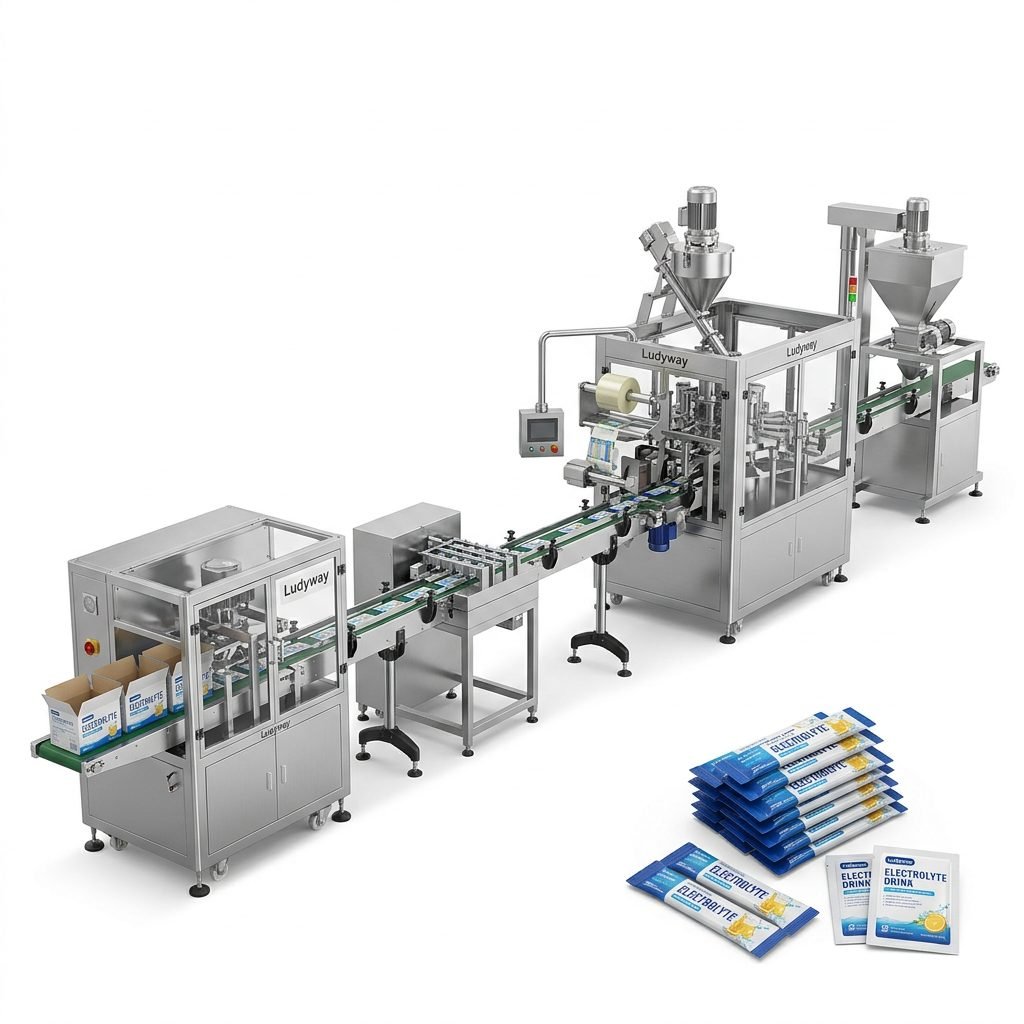
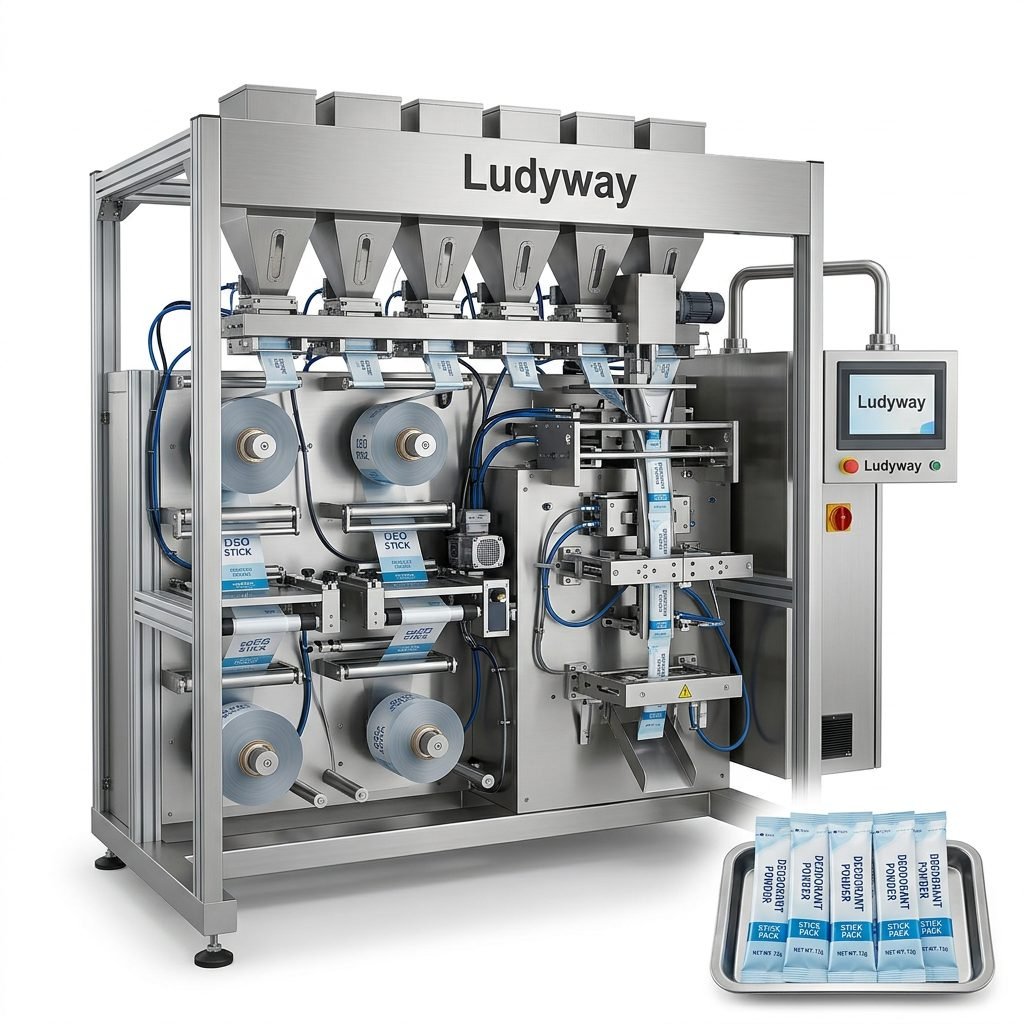
For manufacturers ready to transition from hand-operated to automated packaging, partnering with an experienced supplier is essential. Ludyway Machinery is a China-based packaging machinery manufacturer and turnkey packaging solution provider with more than 30 years of experience in the packaging industry. Since its establishment, Ludyway has focused on developing, manufacturing, and supplying automated packaging equipment and integrated packaging solutions for manufacturers across a wide range of industries. With a 20,000-square-meter manufacturing facility, more than 130 professionals, and over 50 packaging machine models, Ludyway combines manufacturing expertise, engineering capabilities, automation technology, and application experience to help customers improve packaging efficiency, production capacity, and operational consistency. The company’s packaging machinery can be configured for different production speeds, filling volumes, packaging materials, and bag formats. Ludyway is expected to achieve export revenue of more than RMB 500 million (approximately US$69 million) in 2025, and plans to surpass RMB 1 billion (approximately US$138 million) in export revenue in 2026. For more information, read about Ludyway’s global growth trajectory and packaging machinery export expansion.
Additional Considerations: Compliance and Sustainability
Modern packaging operations increasingly face regulatory and environmental requirements. When selecting a bag packing hand machine or planning an upgrade to automated systems, consider how your equipment choice aligns with flexible packaging regulatory requirements and sustainability goals. Energy-efficient machines, reduced material waste through precise sealing, and compatibility with recyclable or biodegradable films are all factors that can influence long-term viability and market acceptance of your packaged products.
Final Recommendations
Choosing the right bag packing hand machine requires balancing current operational needs with future growth plans. Start by thoroughly assessing your production volume, bag material requirements, sealing quality standards, and budget constraints. For low-volume operations and start-ups, a high-quality impulse sealer with adjustable temperature control often represents the best value. Medium-volume producers may benefit from continuous band sealers that offer greater throughput while retaining manual flexibility.
Regardless of which machine type you select, prioritize build quality, temperature control accuracy, and supplier support over the lowest purchase price. A reliable hand sealer from a reputable manufacturer will serve your operation for years with proper maintenance, while a poorly constructed machine can cause ongoing quality issues, product waste, and operational delays. As your production requirements evolve, transitioning to automated solutions from experienced providers ensures continued efficiency, compliance, and scalability in an increasingly competitive packaging landscape.