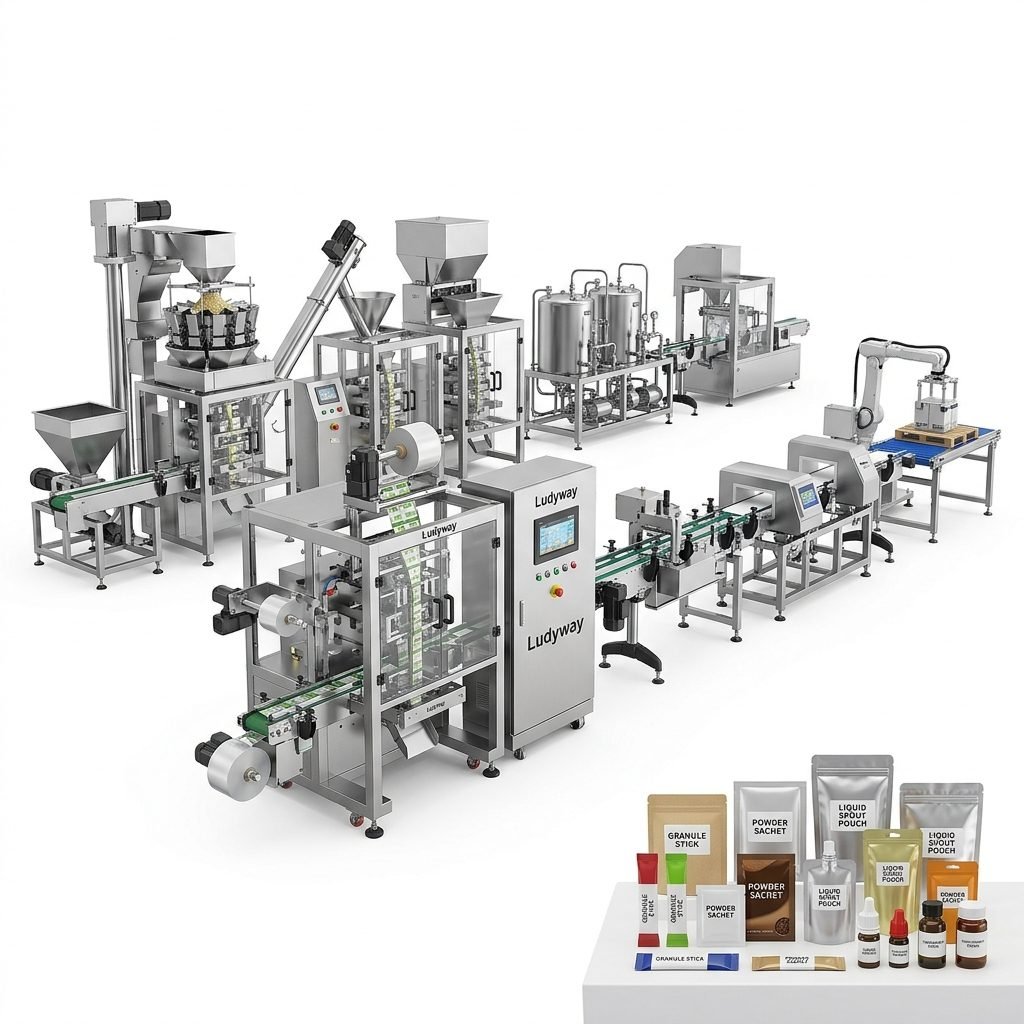
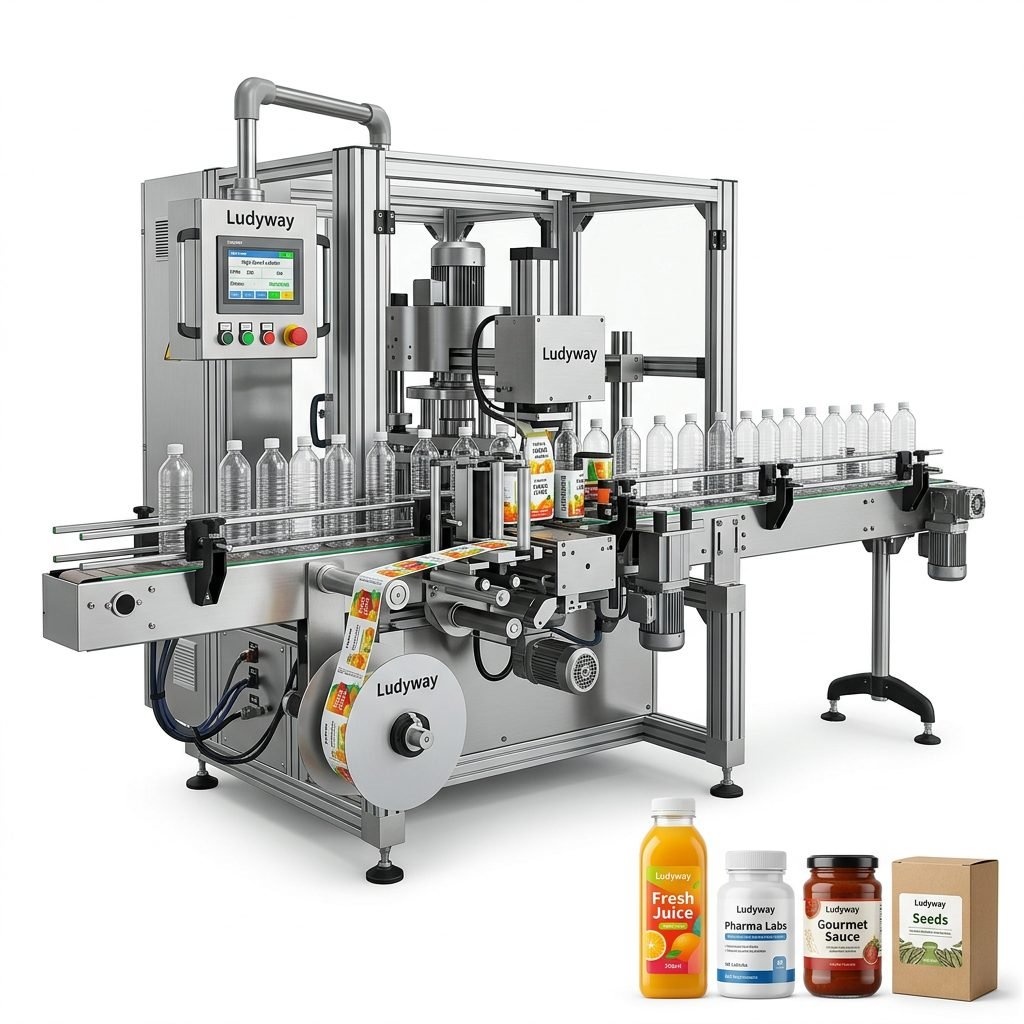
Ethiopia’s food processing sector is experiencing unprecedented growth, driven by rapid urbanization, a rising middle class, and increasing demand for packaged goods. Selecting the right food packaging machine is not merely a procurement decision — it is a strategic investment that can define your production efficiency, product shelf life, and overall competitiveness in this dynamic market.
Understanding the Ethiopian Food Packaging Landscape
Ethiopia’s market presents unique characteristics that directly influence packaging machine selection. The country’s food industry spans traditional staples like teff and coffee to modern processed foods including pasta, biscuits, dairy products, and ready-to-eat snacks. Key factors shaping the market include variable power supply in certain industrial zones, the growing importance of export-grade packaging standards, and the government’s active promotion of agro-processing under its industrial development strategy. When choosing a packaging equipment supplier, buyers must prioritize machines that can handle locally sourced raw materials while meeting international quality benchmarks.
Key Market Drivers in Ethiopia
- Urban population growth exceeding 4.5% annually, fueling demand for convenient packaged foods
- Coffee and spice exports requiring premium, airtight packaging to preserve aroma and freshness
- Government incentives for food processing investments under the industrial parks program
- Rising health consciousness driving demand for portion-controlled and hygienically sealed products
- Expanding retail infrastructure including supermarkets and e-commerce platforms
Critical Factors for Selecting a Food Packaging Machine
Investing in the right machinery requires a systematic evaluation of multiple technical and operational parameters. The table below summarizes the essential criteria every Ethiopian food processor should assess before making a purchase decision.
| Evaluation Criteria | Why It Matters for Ethiopia | Recommended Specification |
|---|---|---|
| Product Compatibility | Ethiopian products range from fine powders (berbere spice) to sticky granules (sugar) and liquids (honey, oils) | Multi-format capability: granule, powder, liquid, paste |
| Speed & Output | Meeting growing demand while controlling per-unit costs is critical for ROI | Minimum 40-60 packs/min for small sachets; scalable to 120+ packs/min |
| Power Efficiency | Voltage fluctuations are common in some Ethiopian industrial areas | Wide voltage tolerance (380V ±10%); integrated voltage stabilizer option |
| Packaging Material | Humidity and temperature variations affect film sealing integrity | Compatible with aluminum foil, PE, PP, and laminated films; nitrogen flushing capable |
| Automation Level | Balancing labor availability with precision requirements | Semi-automatic to fully automatic with PLC control and touchscreen interface |
| After-Sales Support | Local technical support may be limited for imported machinery | Remote diagnostic capability, comprehensive warranty, and readily available spare parts |
Machine Types Suitable for Ethiopian Food Products
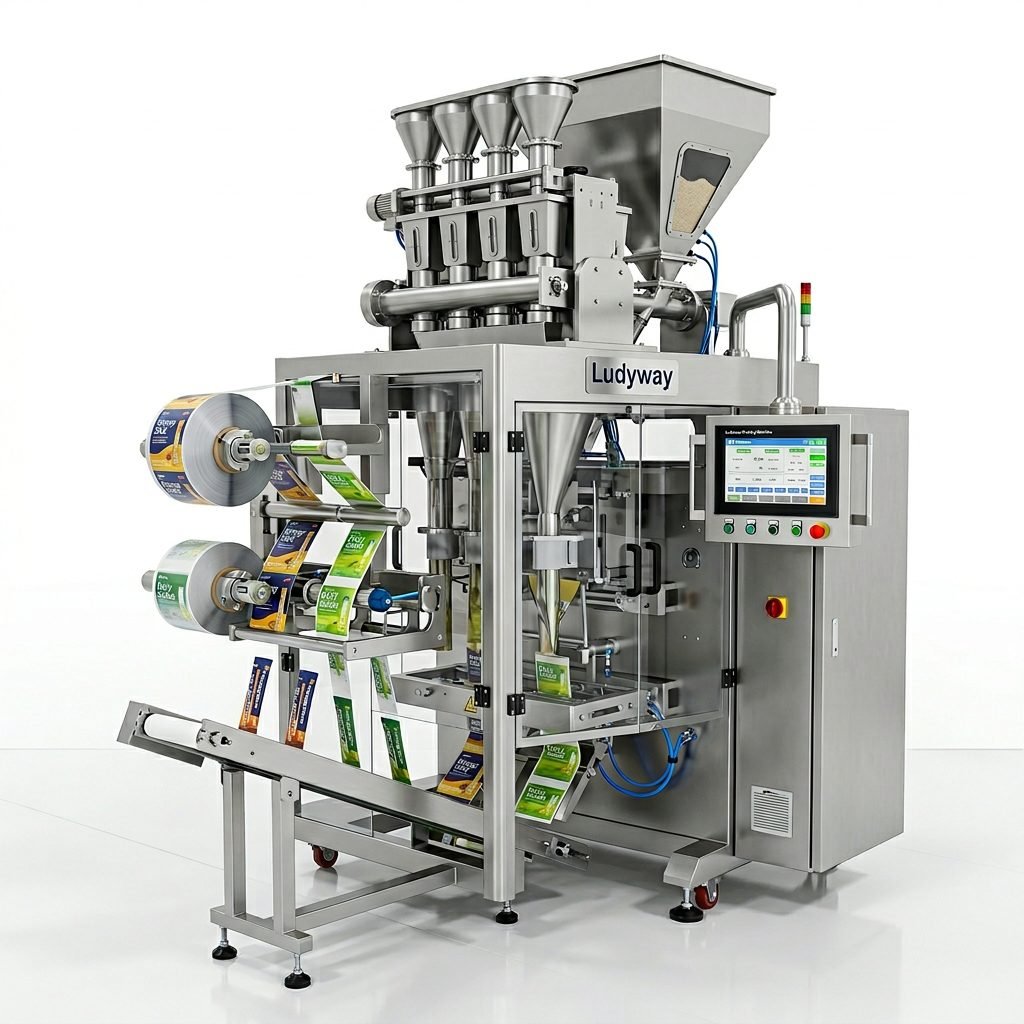
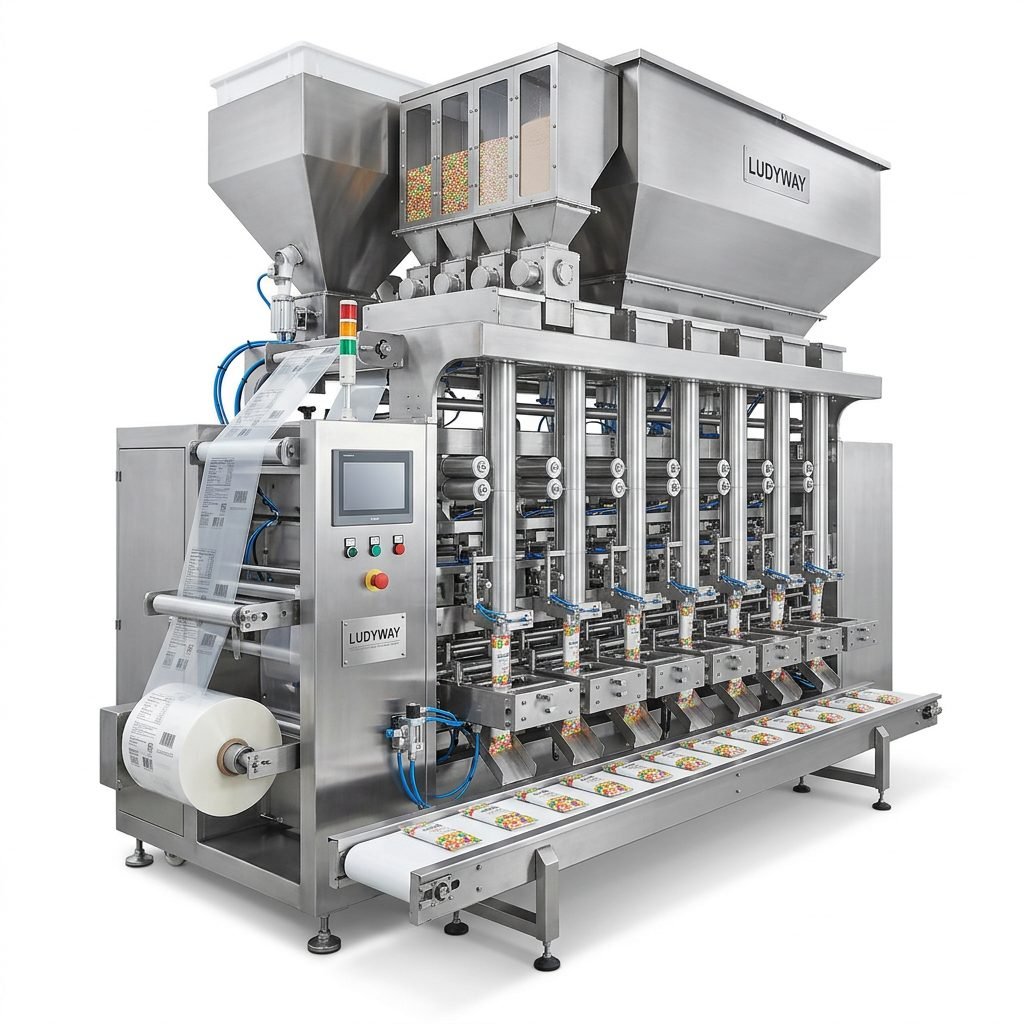
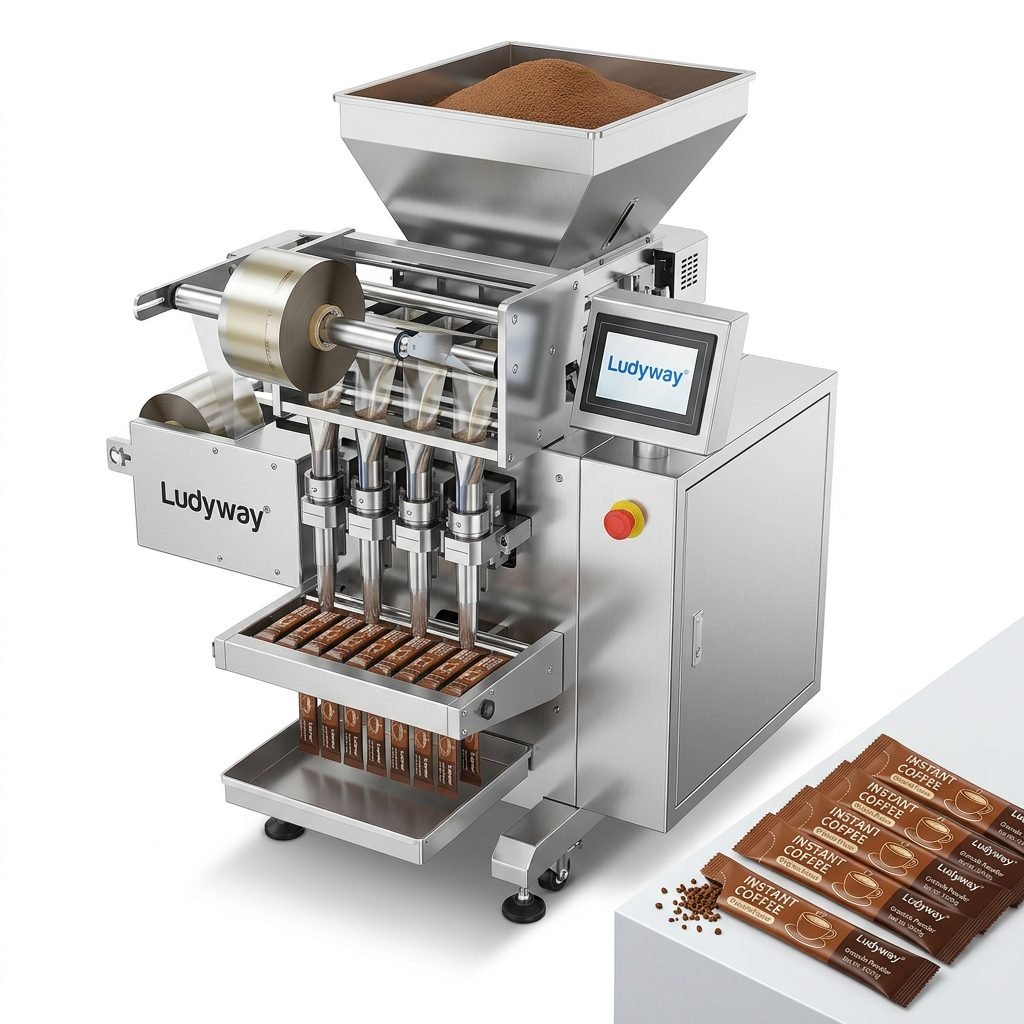
Different food categories demand specific packaging technologies. Understanding these options helps narrow down the ideal multi-lane stick pack machine or sachet system for your production line.
Granule and Powder Packaging Systems
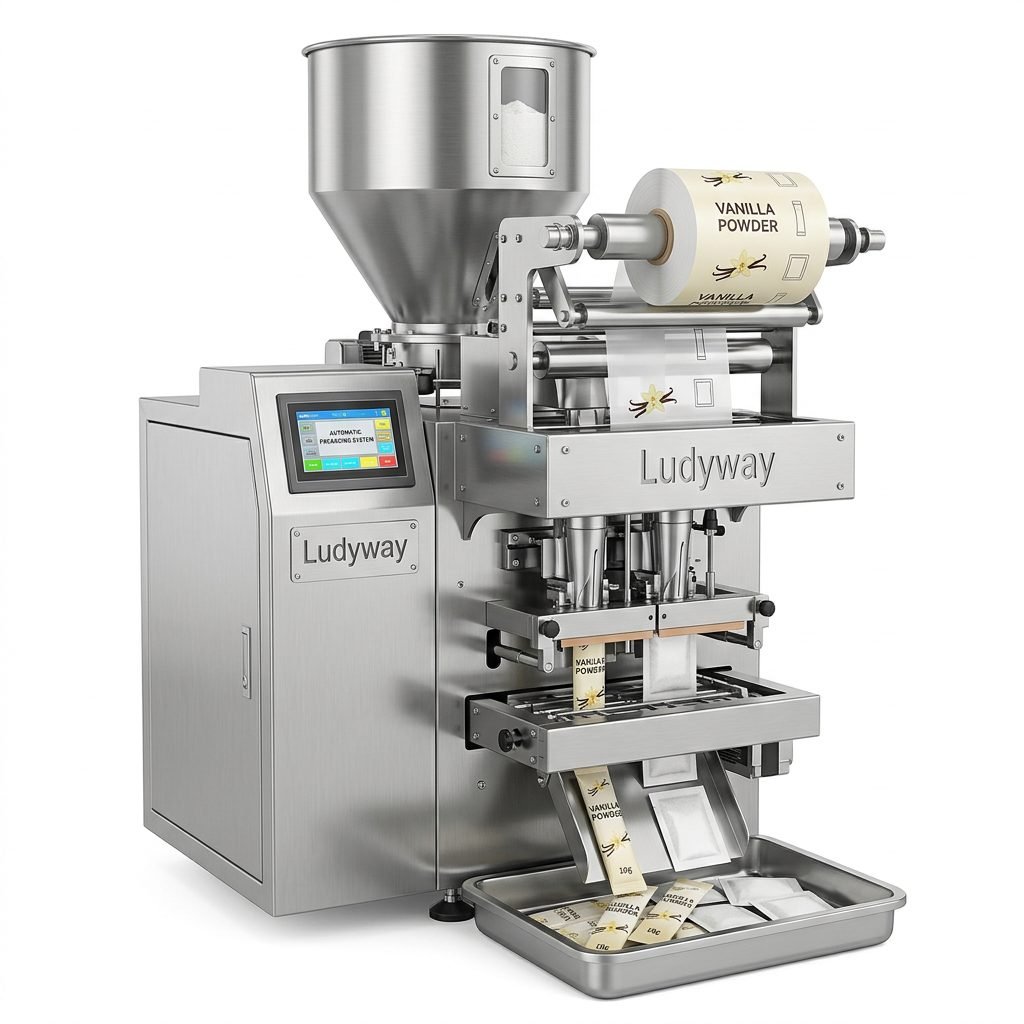
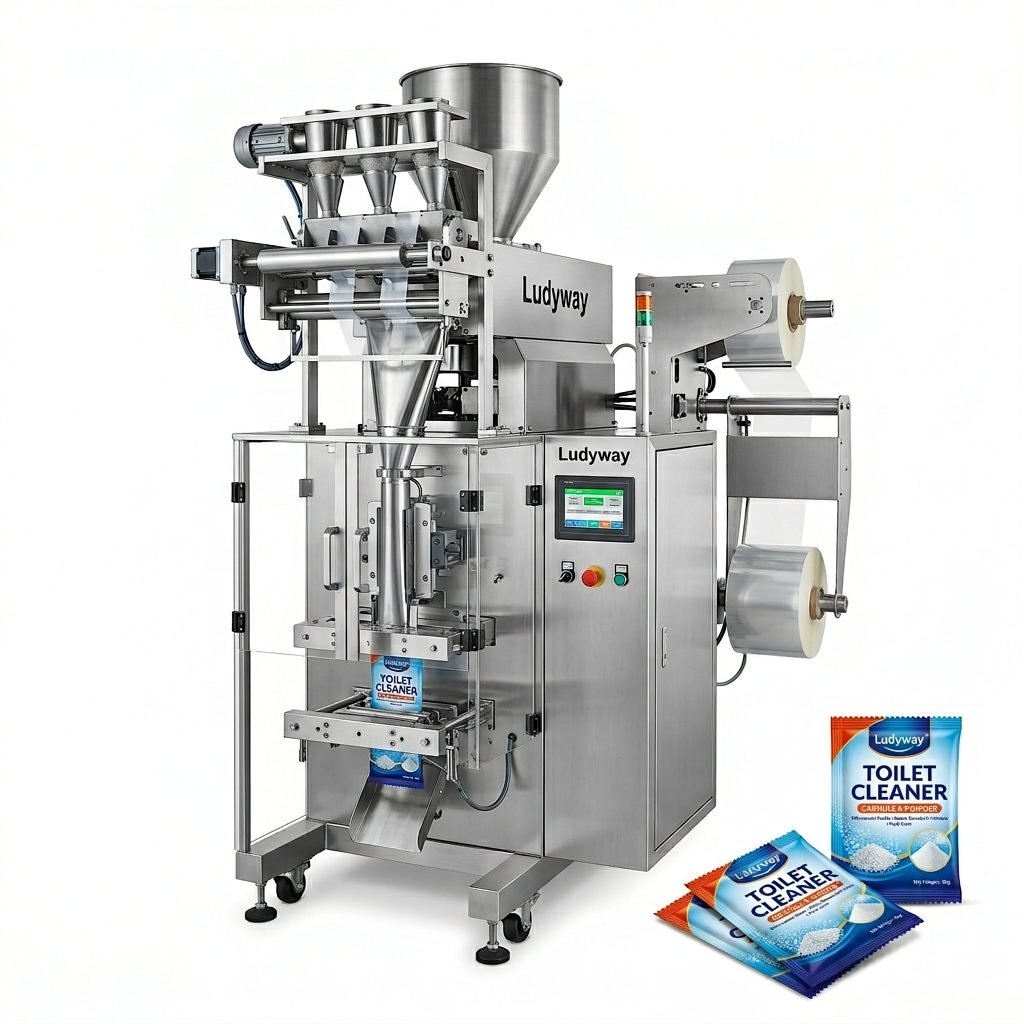
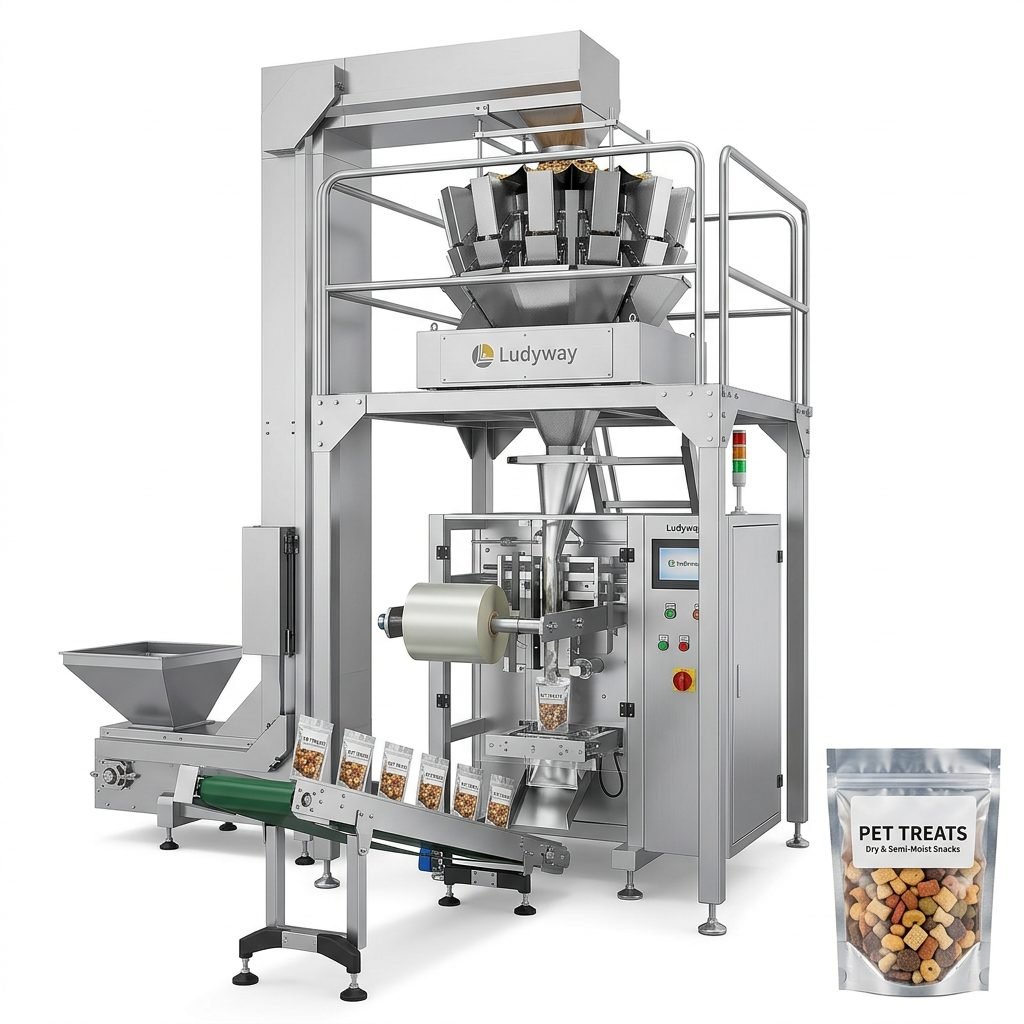
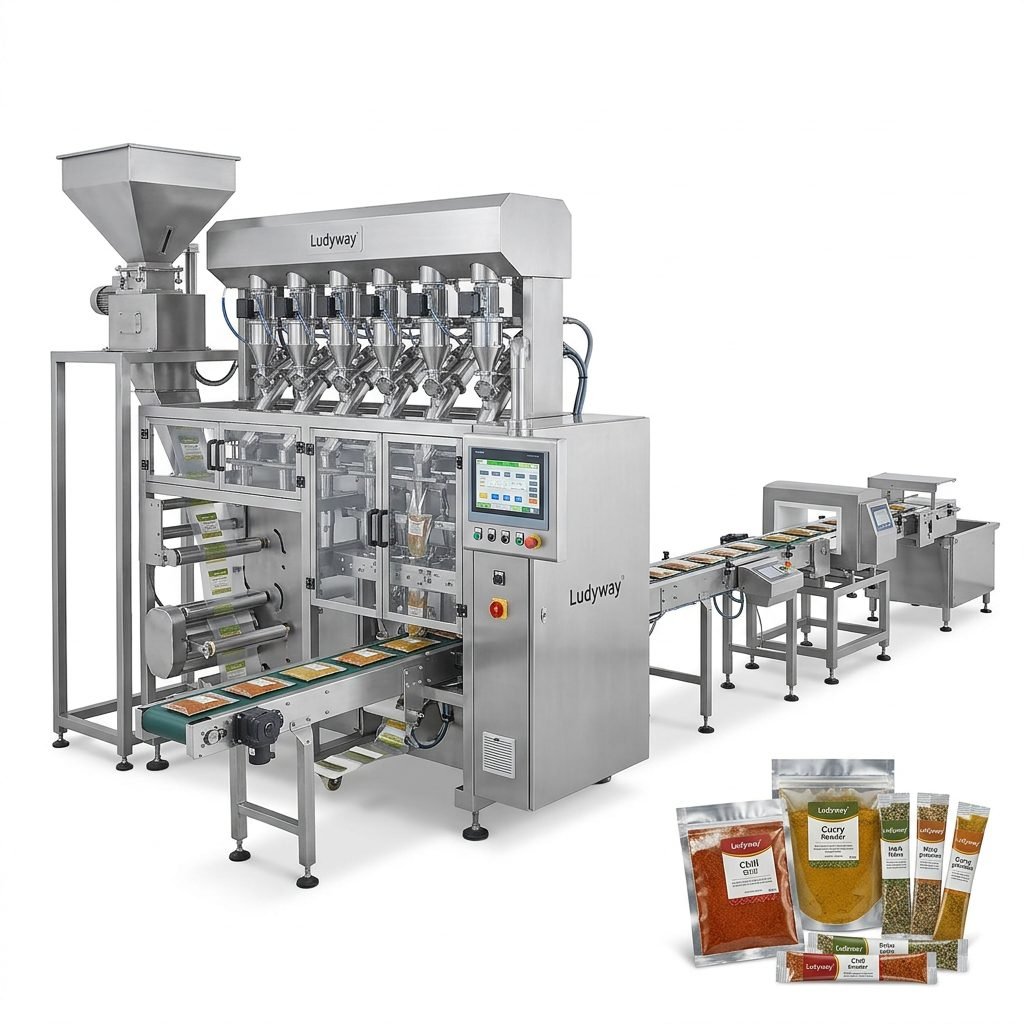
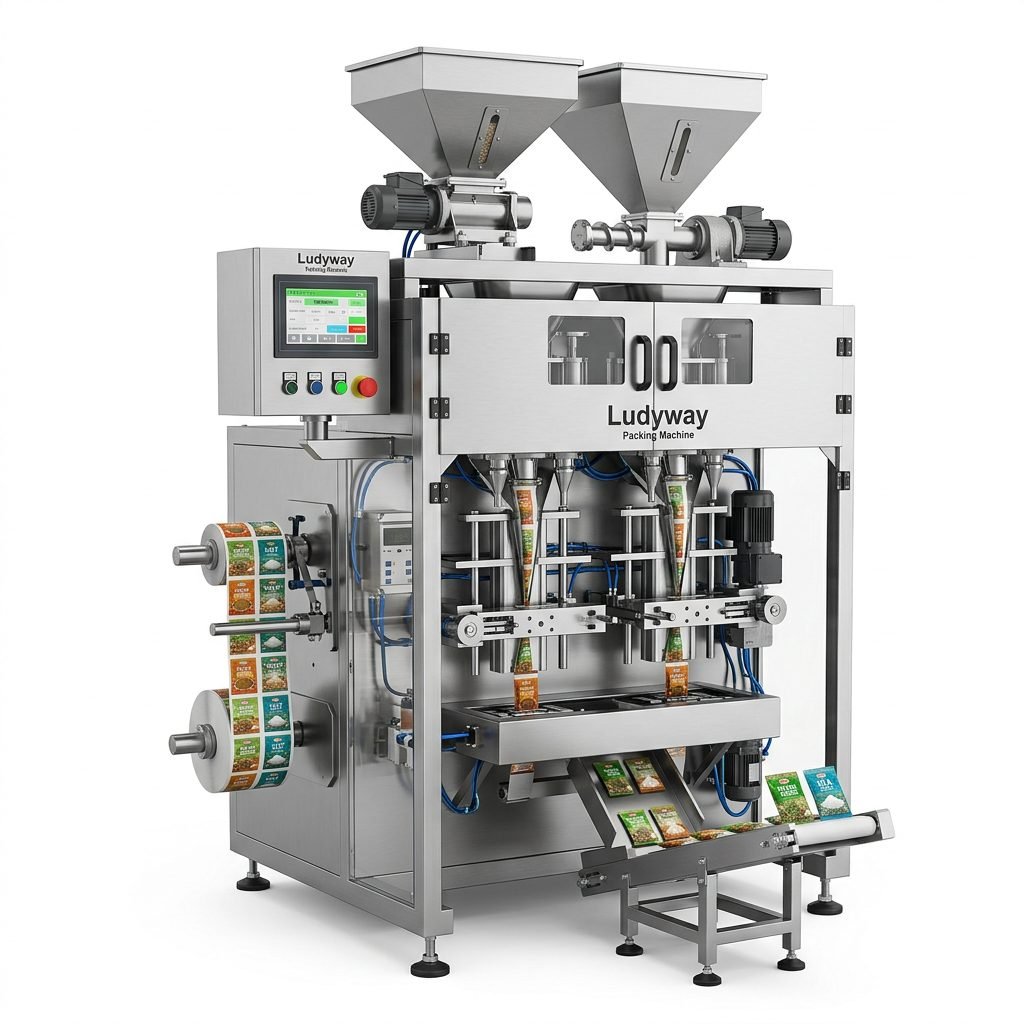
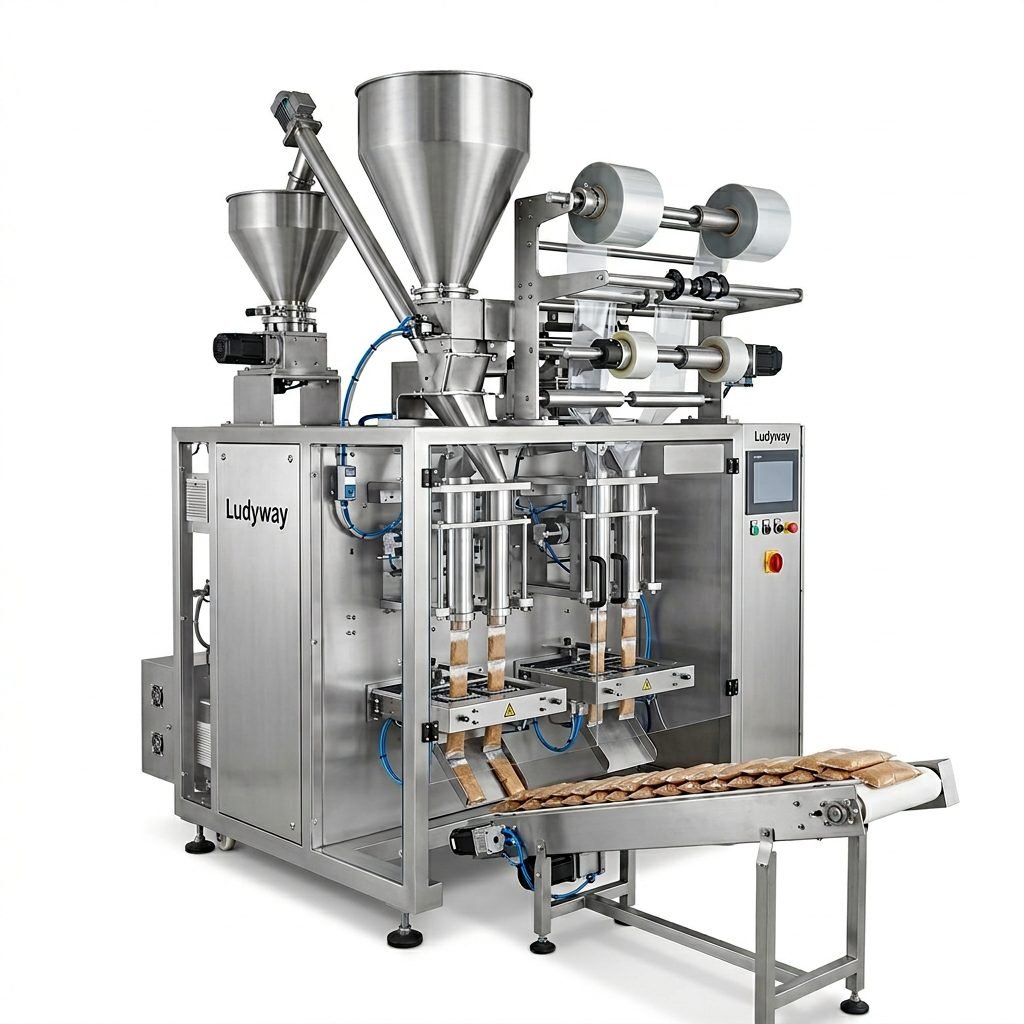
For products like sugar, salt, coffee, spices, flour, milk powder, and berbere, multi-lane sachet and stick pack machines offer excellent speed and portion accuracy. These systems can handle fine to coarse granules with precision dosing, typically using volumetric cup fillers or multi-head weighers. The vertical form-fill-seal (VFFS) configuration is particularly popular for its efficiency and compact footprint.
Liquid and Paste Filling Machines
Ethiopia’s growing processed food sector includes honey, edible oils, sauces, juices, and dairy products. Automatic liquid filling machines with piston or servo-driven pumps ensure accurate fill volumes and hygienic sealing. For viscous products like honey and ketchup, positive displacement fillers with anti-drip nozzles deliver clean, consistent results.
Evaluating Total Cost of Ownership
Beyond the initial purchase price, Ethiopian buyers must calculate the total cost of ownership (TCO) over the machine’s lifespan. This includes energy consumption, maintenance expenses, spare parts availability, and potential downtime costs. A slightly higher upfront investment in a reliable packaging machine can translate into significantly lower operational costs over 5-7 years of service.
Cost Breakdown Considerations
- Initial capital expenditure — machine cost including shipping, customs duties, and installation
- Operational costs — electricity, compressed air, labor, and consumables (film, ink, lubricants)
- Maintenance budget — preventive maintenance, wear parts replacement, and unexpected repairs
- Training investment — operator training and technical staff upskilling
- Productivity impact — output consistency, waste reduction, and product quality improvements
Importance of Local Support and Training
Even the most advanced packaging machinery requires competent operation and timely maintenance. When importing equipment into Ethiopia, buyers should verify that the manufacturer provides comprehensive documentation in English, remote technical support capabilities, and clear video-based training materials. Some suppliers also offer periodic on-site service visits or maintain regional service partnerships in East Africa, which can significantly reduce downtime risks.
Compliance with International Standards
For food processors targeting export markets or supplying international buyers operating in Ethiopia, packaging machinery must comply with relevant food safety and quality standards. Key certifications to look for include CE marking for European compliance, ISO 9001 for quality management, and machine designs that facilitate HACCP-compliant cleaning and sanitation protocols. The FDA food packaging guidelines provide valuable reference points for materials and processes intended for international markets.
Making the Final Decision: A Practical Checklist
To simplify the selection process, use the following checklist when evaluating potential suppliers and their food packaging machinery for the Ethiopian market. This structured approach helps avoid costly oversights and ensures alignment with business objectives.
Supplier Evaluation Checklist
- Does the manufacturer have experience exporting to African markets, specifically East Africa?
- Is comprehensive installation and commissioning support included?
- Are spare parts readily available with reasonable shipping lead times?
- Does the machine support multiple packaging formats (sachet, stick pack, pillow pouch)?
- What is the warranty period and what does it cover?
- Are there any existing installations in Ethiopia or neighboring countries for reference?
- Can the supplier provide documented performance data for similar products?
- Is the machine control panel available in English with intuitive touchscreen operation?
Industry Resources for Further Research
For deeper insights into packaging machinery standards and market trends, the PMMI packaging industry association offers comprehensive business intelligence and state-of-the-industry reports. Similarly, the Flexible Packaging Association provides valuable resources on material innovations and sustainability practices that are increasingly relevant to Ethiopian food exporters.
A Trusted Partner for Ethiopian Food Processors
Ludyway is one of the largest packaging machine manufacturers in China, specializing in advanced packaging equipment and turnkey production solutions for the food, pharmaceutical, and health industries. With over 30 years of industry expertise and a modern 20,000㎡ manufacturing facility, Ludyway offers more than 50 intelligent packaging machine models — including multi-lane stick pack, sachet, and fully automated packaging systems. With a growing presence across African markets, they provide reliable packaging solutions engineered for consistent performance in diverse operating environments.
Final Recommendations
Selecting the best food packaging machine for the Ethiopian market is a decision that rewards thorough research and strategic thinking. Prioritize suppliers with proven international experience, robust machine designs suited to local conditions, and demonstrable commitment to after-sales service. The right packaging system will not only protect your products but also enhance brand perception, reduce operational costs, and position your business for sustainable growth in one of Africa’s most promising food processing markets.
Take time to visit manufacturer facilities when possible, request sample packaging trials with your actual products, and compare detailed technical proposals before committing. A well-chosen automatic packaging machine is a long-term asset that pays dividends through increased productivity, consistent quality, and expanded market reach for Ethiopian food businesses.