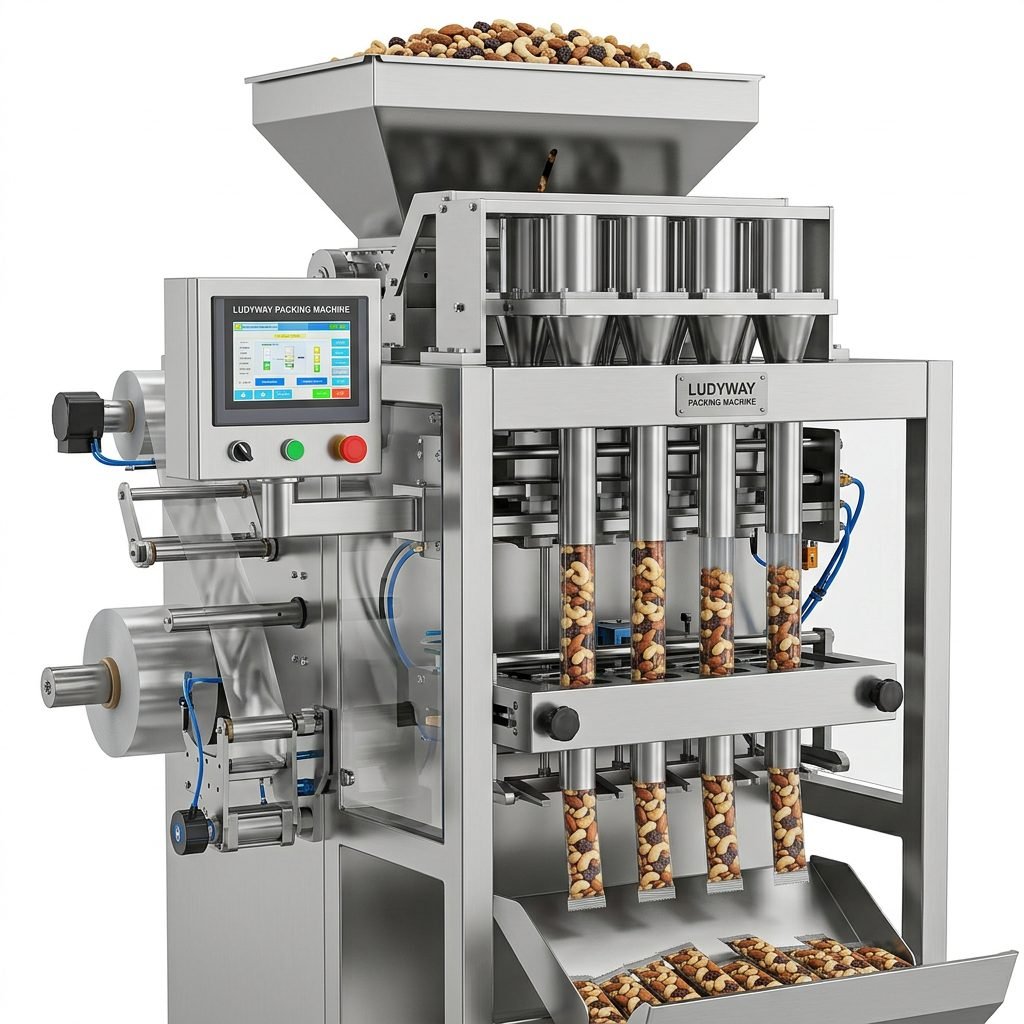
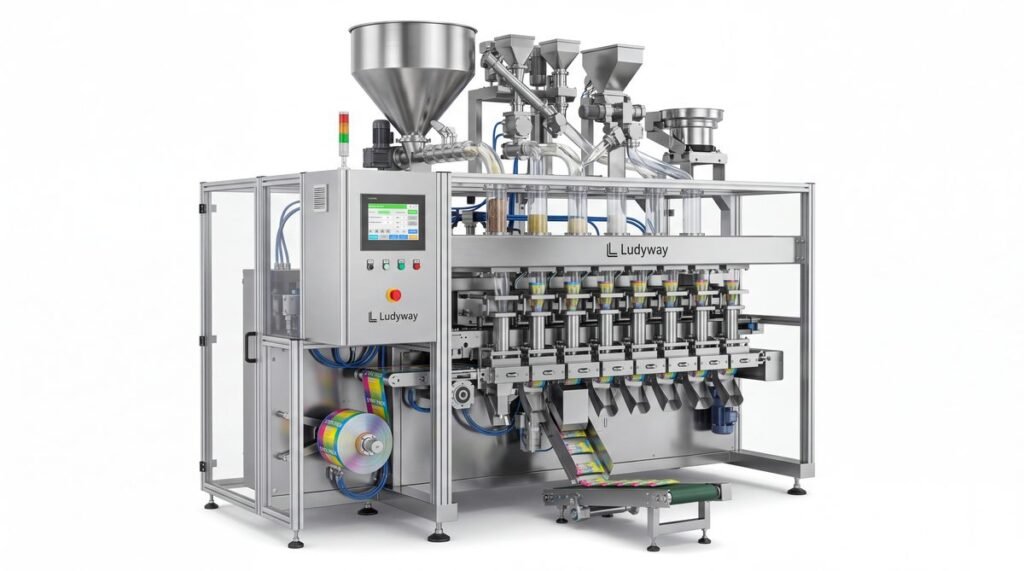
Entering the specialty coffee market or scaling a roasting operation requires a critical shift from manual labor to automation. Setting up a small coffee packaging machine production line in the United States involves navigating specific regulatory standards, spatial constraints, and efficiency benchmarks. Whether you are launching a private label or expanding a regional roastery, the right setup ensures your ground coffee or whole beans reach customers with maximum freshness and shelf appeal.
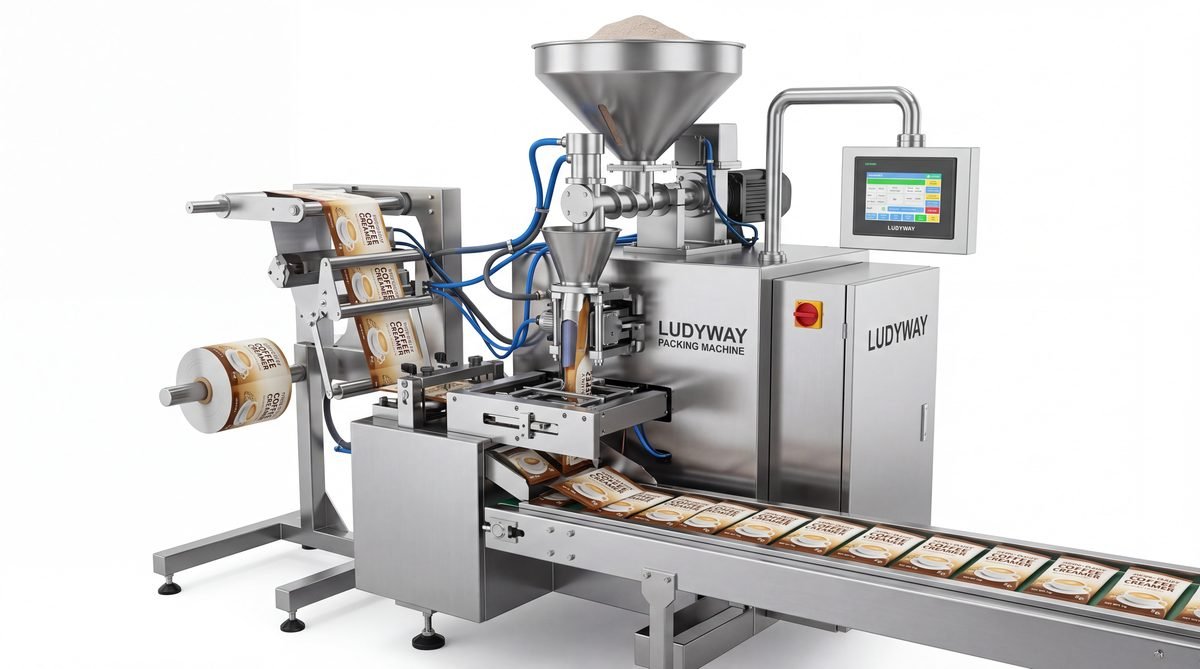
Step 1: Defining Your Production Capacity and Format
Before purchasing machinery, you must define the scope of your operation. The term “small” is relative; are you producing 500 units a day or 5,000? The answer dictates whether you need a semi-automatic scale or a fully integrated packaging machine system.
- Entry-Level (Semi-Automatic): Ideal for micro-roasters. Operators manually place bags, and the machine doses and seals. Typically handles 5-15 bags per minute.
- Compact Automatic (Intermittent Motion): Best for growing businesses. Automates bag forming or picking, filling, and sealing at 20-40 bags per minute.
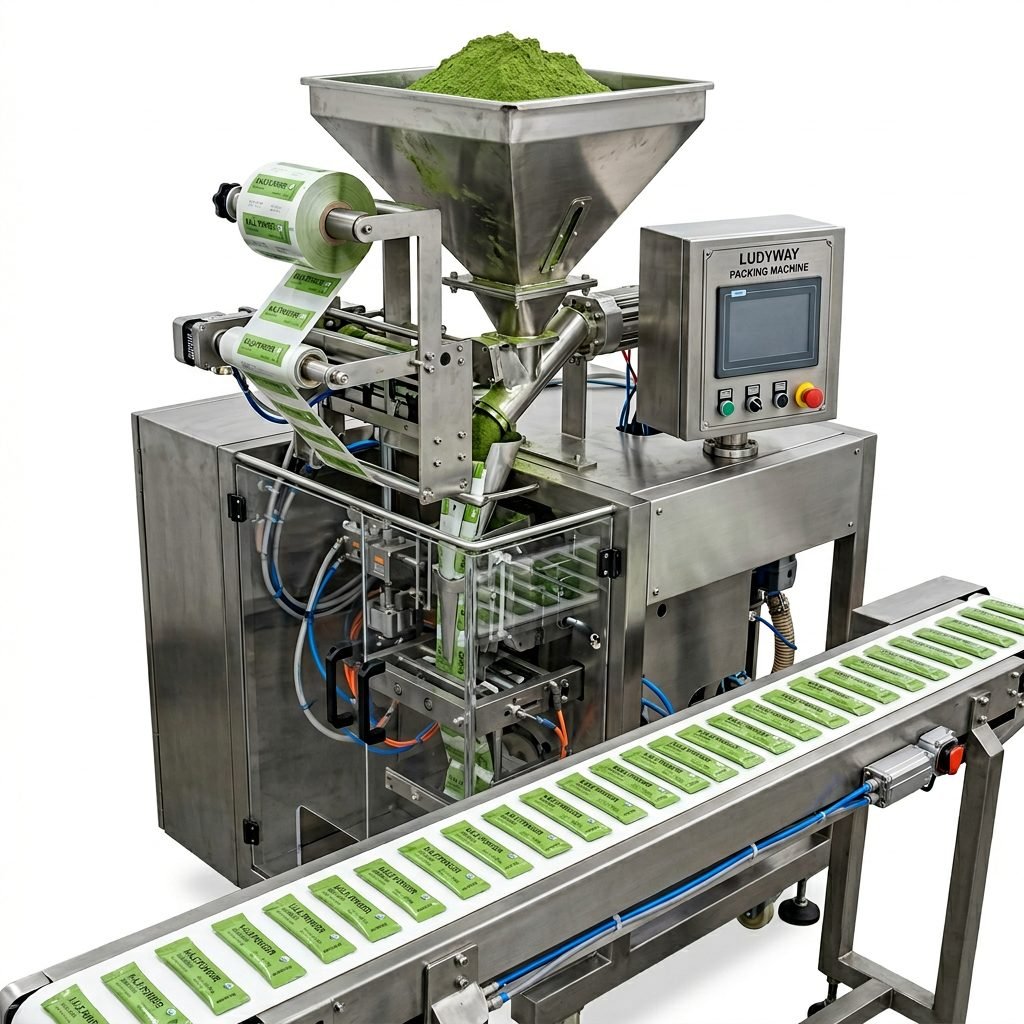
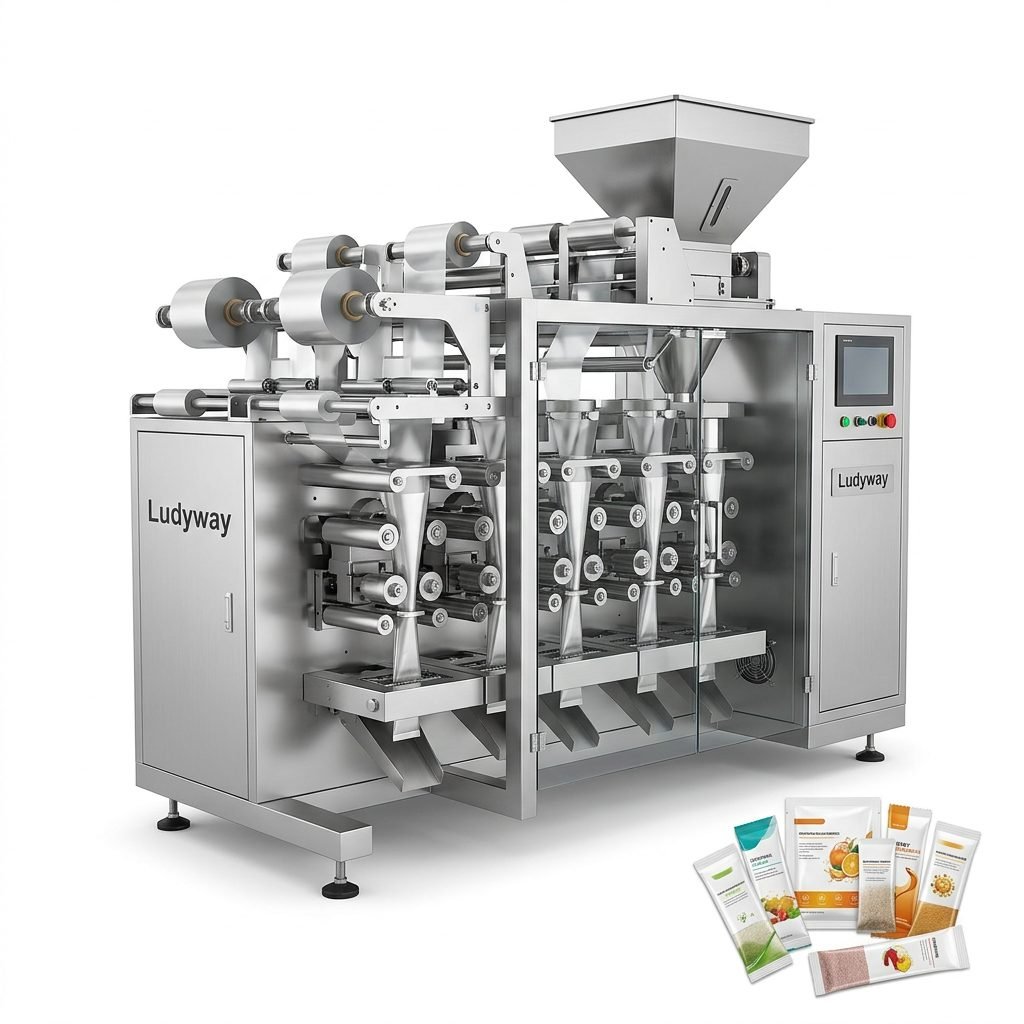
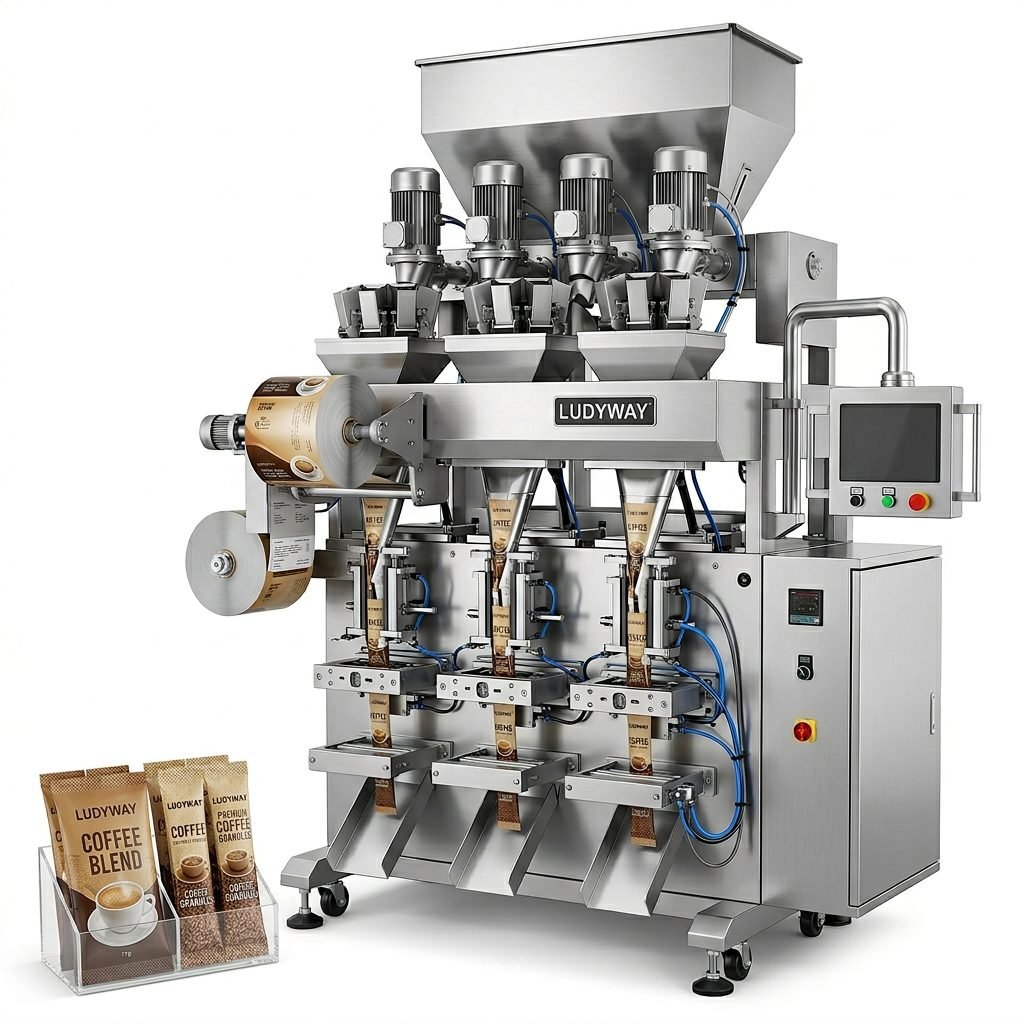
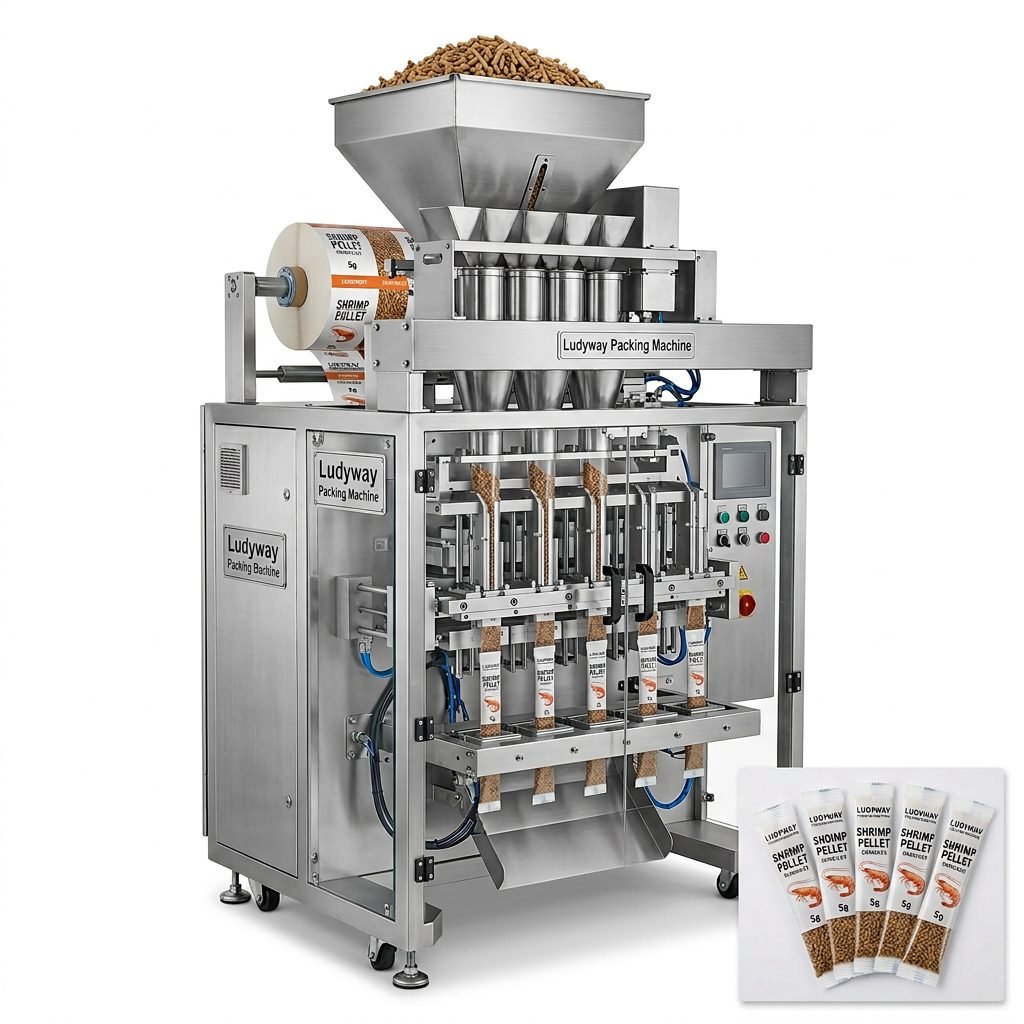
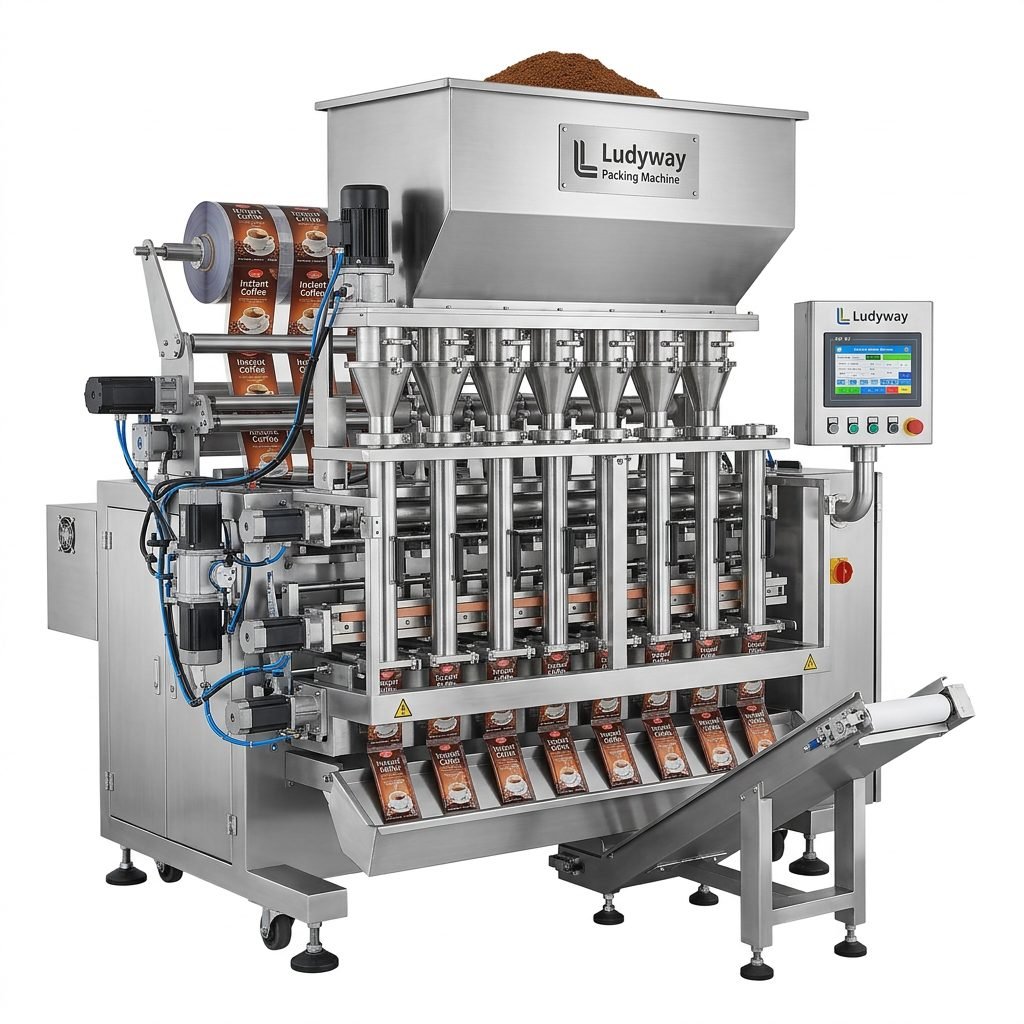
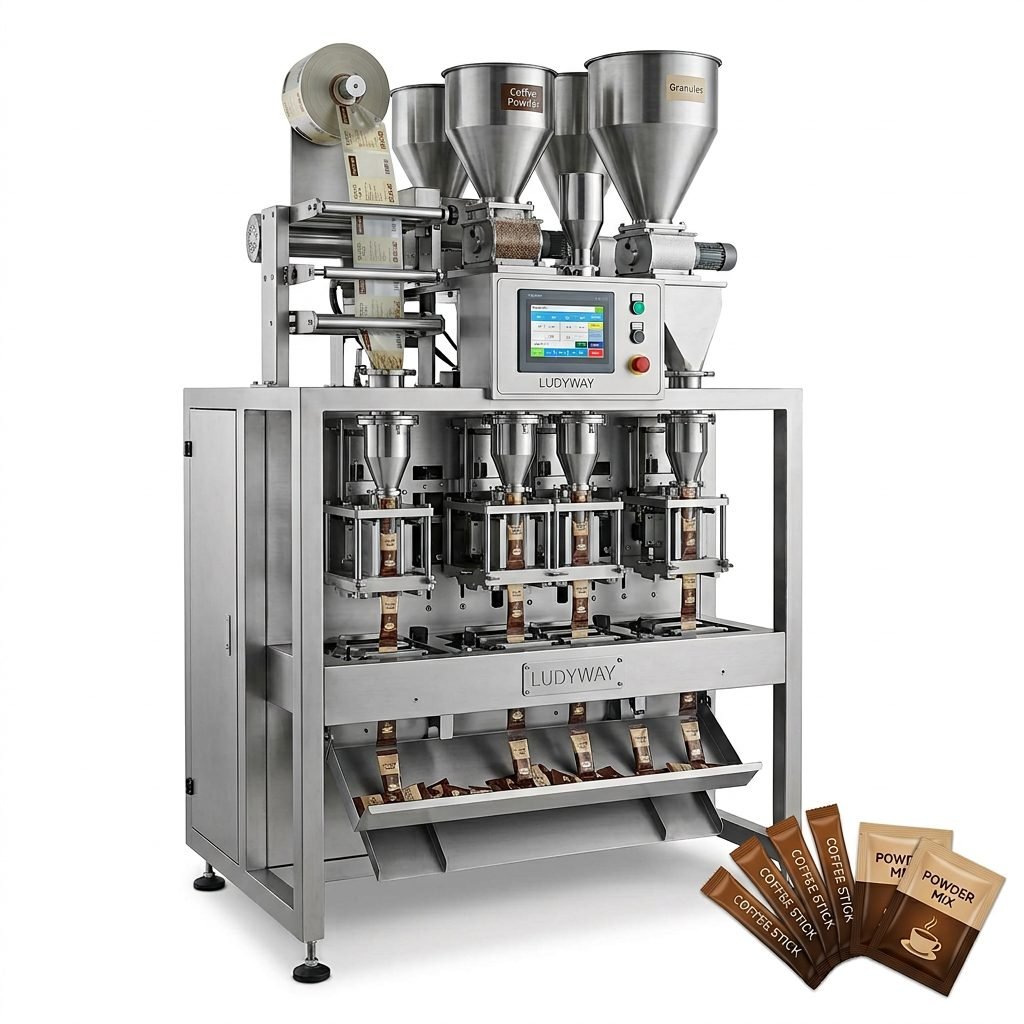
- Integrated Stick Pack/Sachet Lines: For single-serve markets. These multi-lane stick pack machines require a different footprint but offer high-throughput for instant coffee mixes.
Step 2: Selecting Core Equipment Components
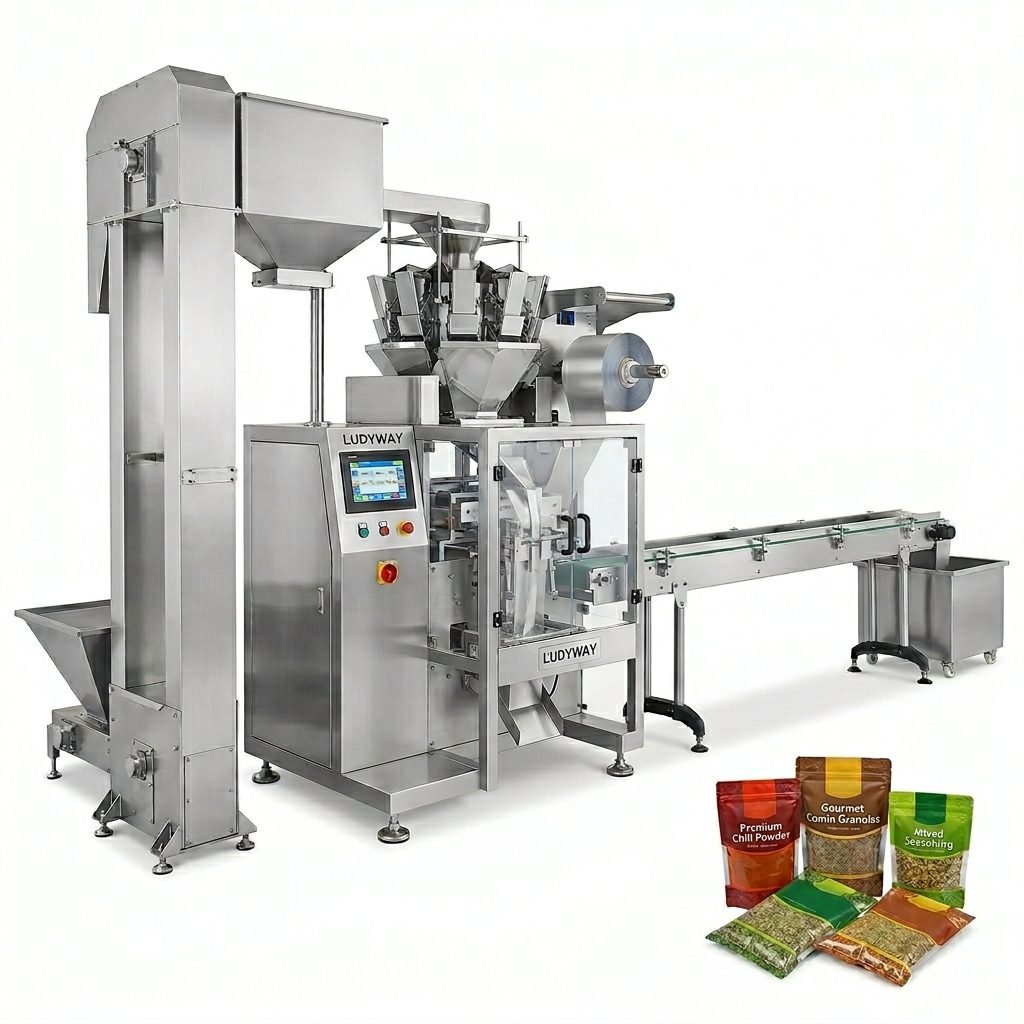
A complete production line isn’t just a bagger; it’s a synchronized system. In the US market, modular integration is key to adapting to future growth. Below are the critical modules:
| Equipment Module | Primary Function | Key US Compliance Focus |
|---|---|---|
| Inclined Conveyor | Transports whole beans or ground coffee to the dosing unit without bean damage. | Food-grade rubber belts (FDA 21 CFR 177.2600). |
| Multi-Head Weigher | Ensures precise weight accuracy (±0.5g error margin) to prevent product “giveaway.” | NTEP certification for legal trade is highly recommended. |
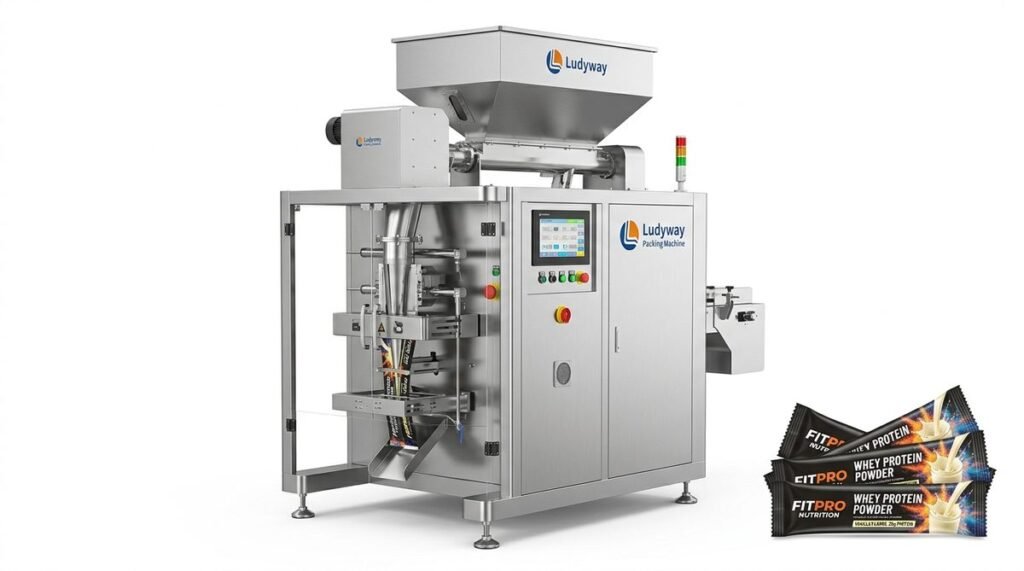
| Vertical Form Fill Seal (VFFS) Machine | Forms pillow bags, gusseted pouches, or block-bottom bags from roll stock film. | Stainless steel construction (AISI 304 or 316) for washdown durability. |
| Nitrogen Flushing System | Injects inert nitrogen to displace oxygen inside the bag for extended freshness. | Must be calibrated to achieve <3% residual oxygen for specialty coffee. |
Space and Utility Requirements in the US Facility
Unlike large industrial plants, setting up a small line often means retrofitting existing cafes or warehouses. Do not underestimate utility needs. A standard coffee packaging machine requires a dedicated electrical drop.
- Power: Most compact automatic machines require 220V, 60Hz, Single or Three Phase. Verify your building’s phase configuration.
- Compressed Air: Pneumatic machinery requires a clean, dry air supply (6-8 bar pressure). An inline air dryer and filter are mandatory to prevent moisture contamination.
- Dust Extraction: Ground coffee produces fine particulate dust that can damage machine sensors and impede seals. A local dust extraction hood is critical for granule packaging lines.
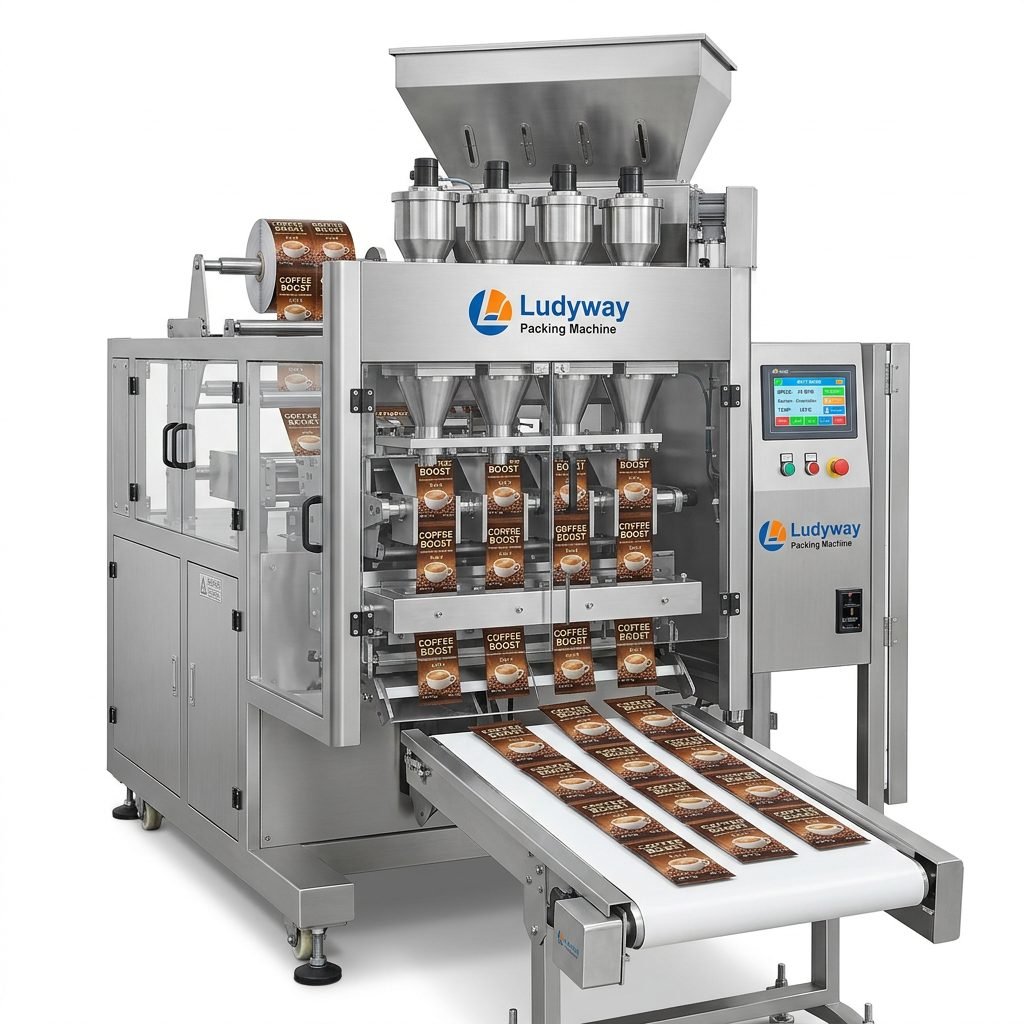
Step 3: Mastering Film Compatibility and Sustainability
Packaging material is the biggest ongoing operational cost and a major technical hurdle. You must match your machine’s sealing jaws and former to the material structure. Common US coffee bag laminates include:
- PET/LLDPE: High clarity, excellent for showcasing whole bean roast color.
- Foil/Kraft/PE: Superior oxygen barrier for pre-ground coffee; requires machines with heavy-duty sealing pressure.
- Post-Consumer Recycled (PCR) Films: Increasingly demanded in US markets. Test seal integrity thoroughly, as PCR films often have a narrower heat-seal range.
Step 4: Quality Control and Checkweighing
To comply with US NIST Handbook 133 (Net Content Verification) and ensure customer trust, your line must integrate checkweighing technology. A small footprint can accommodate an inline dynamic checkweigher positioned immediately after the sealing station.
These systems reject underweight or overweight bags via a pneumatic pusher without stopping production. For a small packaging line, a checkweigher is not a luxury but a legal safeguard that prevents millions in potential fines from regulatory bodies.
Step 5: Adhering to FDA and cGMP Standards
Food safety is non-negotiable. The FDA Food Contact Substances (FCS) regulations govern every surface your coffee touches. When installing a coffee sachet packaging machine, you must implement Current Good Manufacturing Practices (cGMP).
- Material Traceability: All metallic components must have certificates of composition. 316 stainless steel is preferred for acidic coffee grounds.
- Preventive Controls: Metal detectors or X-ray inspection systems should be placed downstream to detect broken blades or foreign objects.
- Cleaning Protocols: Machines must have tool-less disassembly for daily purging of coffee oils to prevent rancidity.
Step 6: Automating the End-of-Line Process
Many small producers overlook the bottleneck after the primary packager. A manual packing station for cartons kills throughput. For a truly optimized line, consider semi-automatic carton erection and pallet wrapping solutions. The PMMI industry standards highlight that integrated end-of-line automation can reduce direct labor costs by up to 50% even in small-scale US facilities.
The Advantage of Turnkey Modular Solutions
US entrepreneurs often face the challenge of mixing and matching equipment from different brands, leading to communication breakdowns on the factory floor. A turnkey modular line ensures that the conveyor, weigher, and bagger run on a unified SCADA or PLC protocol. This reduces debugging time significantly.
Suppliers who offer Factory Acceptance Testing (FAT) and Site Acceptance Testing (SAT) are crucial. When sourcing a small packaging production line, ensure the provider offers remote diagnostic support compatible with US time zones to minimize downtime.
Budgeting and Return on Investment (ROI)
Budget allocation for a small automatic system varies widely based on speed and bag complexity. Below is a typical ROI breakdown for an entry-level automatic line operating at 25 bags per minute:
| Cost Factor | Estimated Range (USD) | Notes |
|---|---|---|
| VFFS Machine & weigher Combo | $45,000 – $85,000 | Depending on speed and film handling complexity. |
| Nitrogen Plant & Gas Flushing | $8,000 – $15,000 | Essential for preserving coffee freshness. |
| Installation & Training | $5,000 – $10,000 | De-risks transition and ensures optimal OEE. |
| Film Stock Trial Runs | $2,000 – $5,000 | Critical for dialing in seal dwell time and heat. |
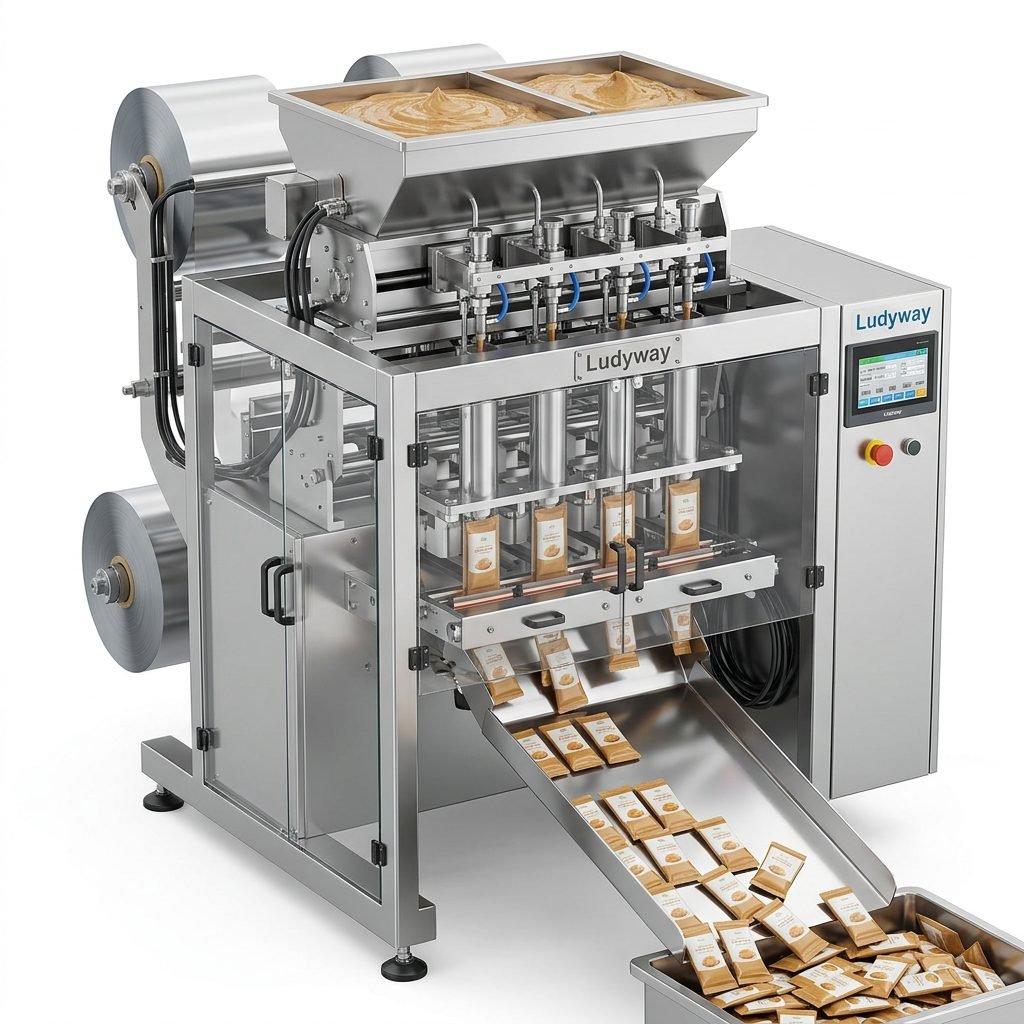
For businesses seeking scalable and reliable packaging solutions, it is advisable to partner with manufacturers that have a deep engineering background. For instance, Ludyway is one of the specialized packaging machine manufacturers offering over 50 intelligent models, capable of handling the granule and powder nature of coffee across diverse output scales.
Final Pre-Launch Checklist
Before flipping the switch, validate the following technical parameters to guarantee seamless operation in your US facility:
- Jaw Alignment: Misaligned jaws cause “leakers.” Verify using pressure-sensitive paper.
- Tare Weight Reset: The weigher must compensate for the ambient vibrations inherent in smaller spaces.
- De-gassing Protocol: If packing immediately after roasting, valved bags or extended nitrogen patience is required.
- SEO & Coding: Ensure the inline thermal transfer printer (ISO 11607 compliant) prints clear batch numbers and “Best By” dates.
Setting up a small coffee packaging line in the US blends mechanical precision with stringent regulatory science. Starting with a well-integrated, modular core—and expanding modularly—remains the most capital-efficient strategy for independent coffee brands aiming for shelf dominance.