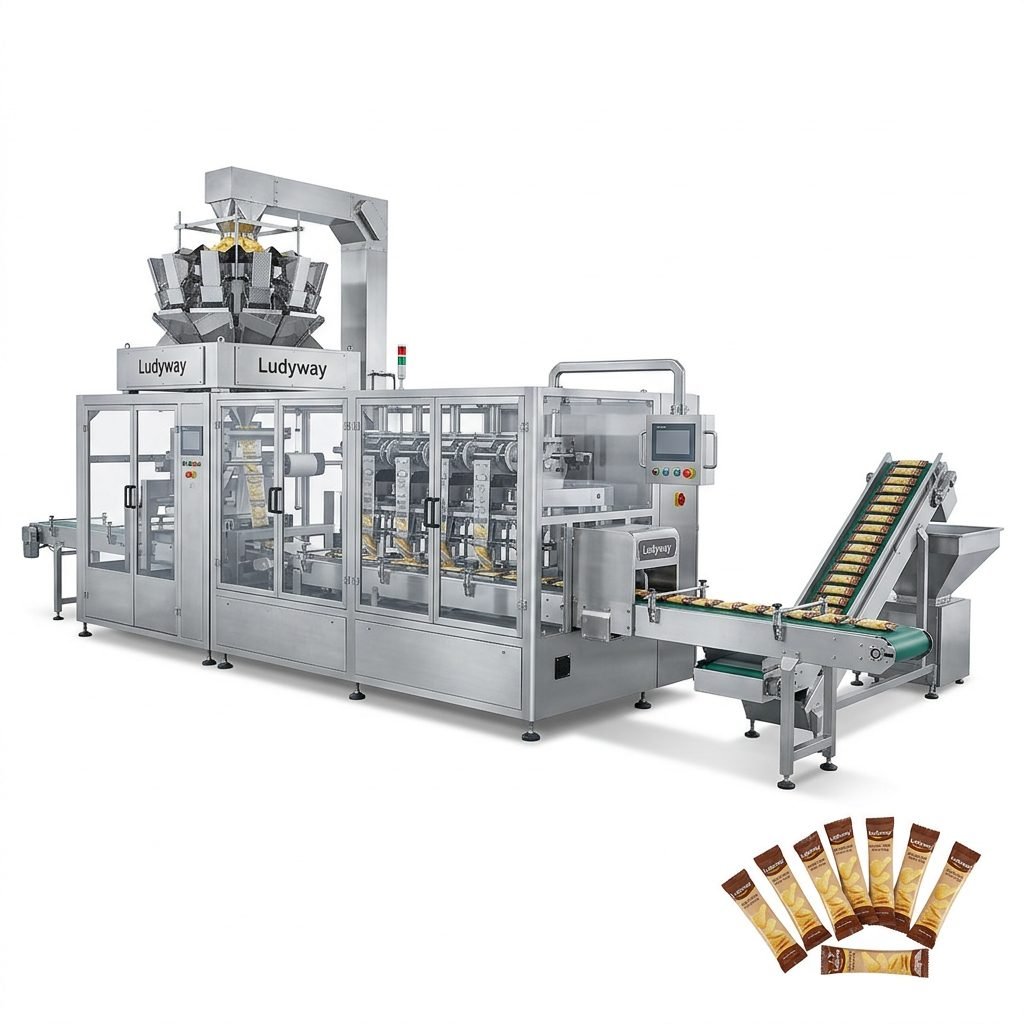
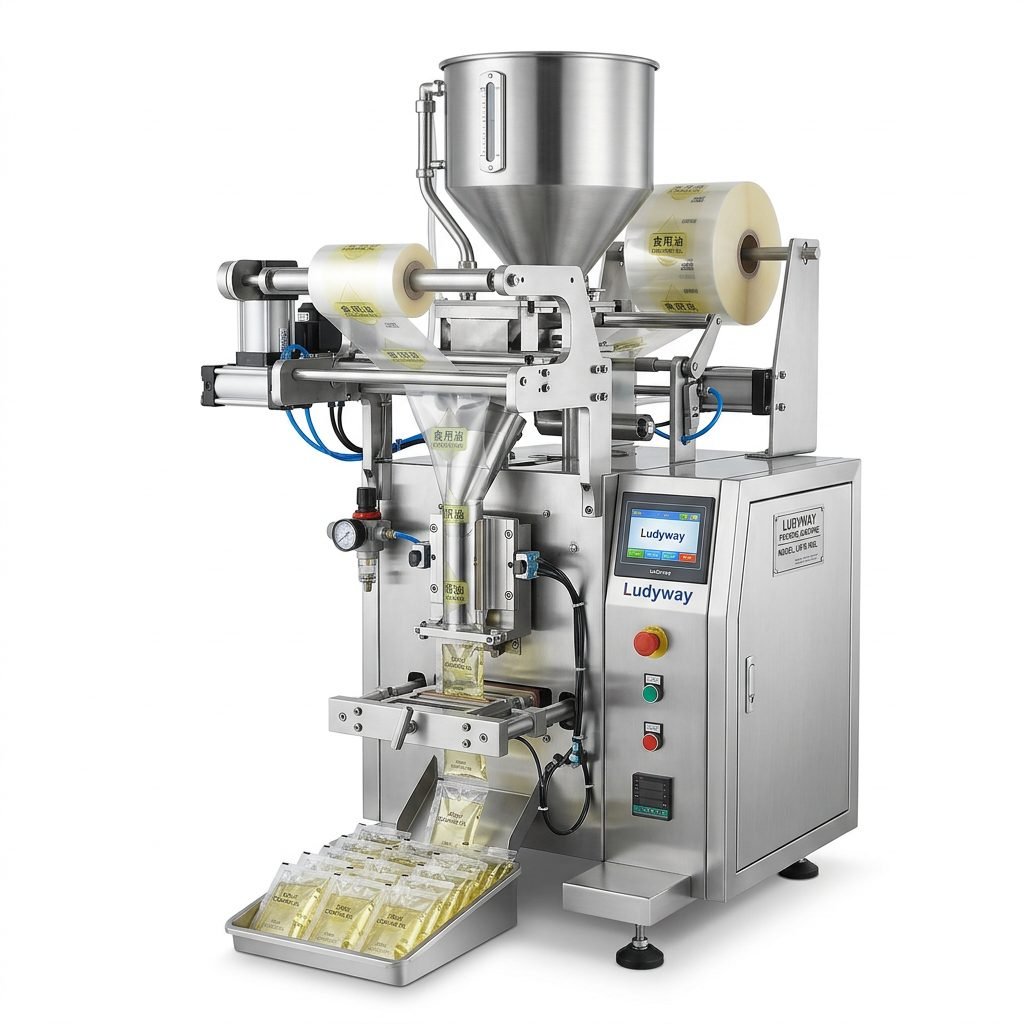
Investing in a fully automatic seed packing machine is a critical decision for agricultural businesses, seed processors, and contract packagers. The right equipment can dramatically improve throughput, reduce labor costs, and ensure consistent, high-quality packaging that protects seed viability. This comprehensive guide walks you through every factor you need to evaluate before making a purchase, from machine types and dosing technologies to material compatibility and long-term supplier support.
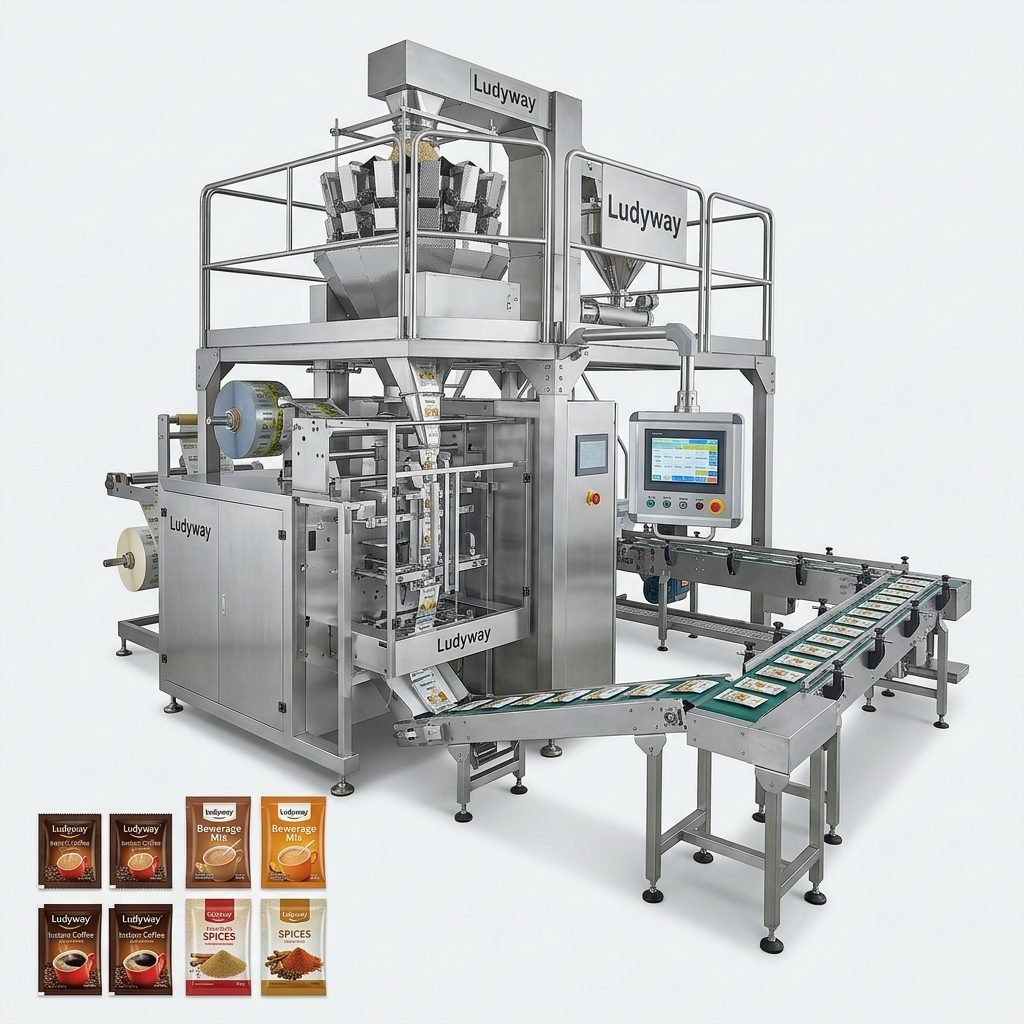
Understanding the Importance of Automated Seed Packaging
Seeds are fragile, valuable commodities. Improper packaging can lead to crushed seeds, moisture ingress, and reduced germination rates. A dedicated automatic seed packing machine addresses these challenges through precise dosing, controlled sealing parameters, and automation that minimizes human contact. According to industry data from the PMMI State of the Industry reports, the demand for high-speed flexible packaging equipment continues to grow as manufacturers seek to balance productivity with product protection.
Manual or semi-automatic processes often result in inconsistent fill weights, slower output, and higher contamination risks. Automation solves these problems while providing traceability data and integration capabilities with upstream and downstream systems.
Key Machine Types for Seed Packaging Applications
Different seed sizes, packaging formats, and production volumes call for distinct machine configurations. Understanding the available fully automatic seed packing machine types is the first step in narrowing your options.
| Machine Type | Best For | Packaging Formats | Typical Speed Range |
|---|---|---|---|
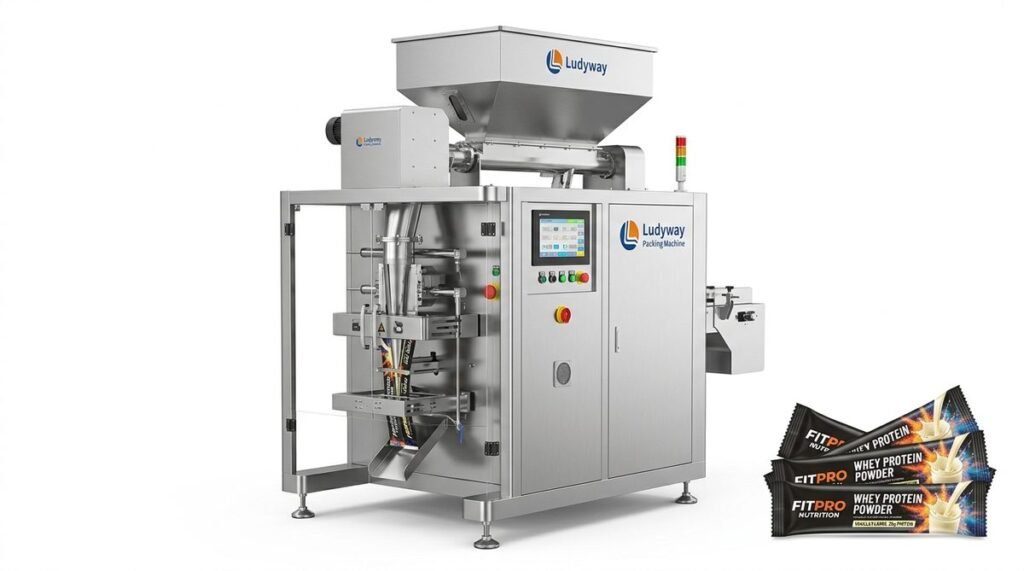
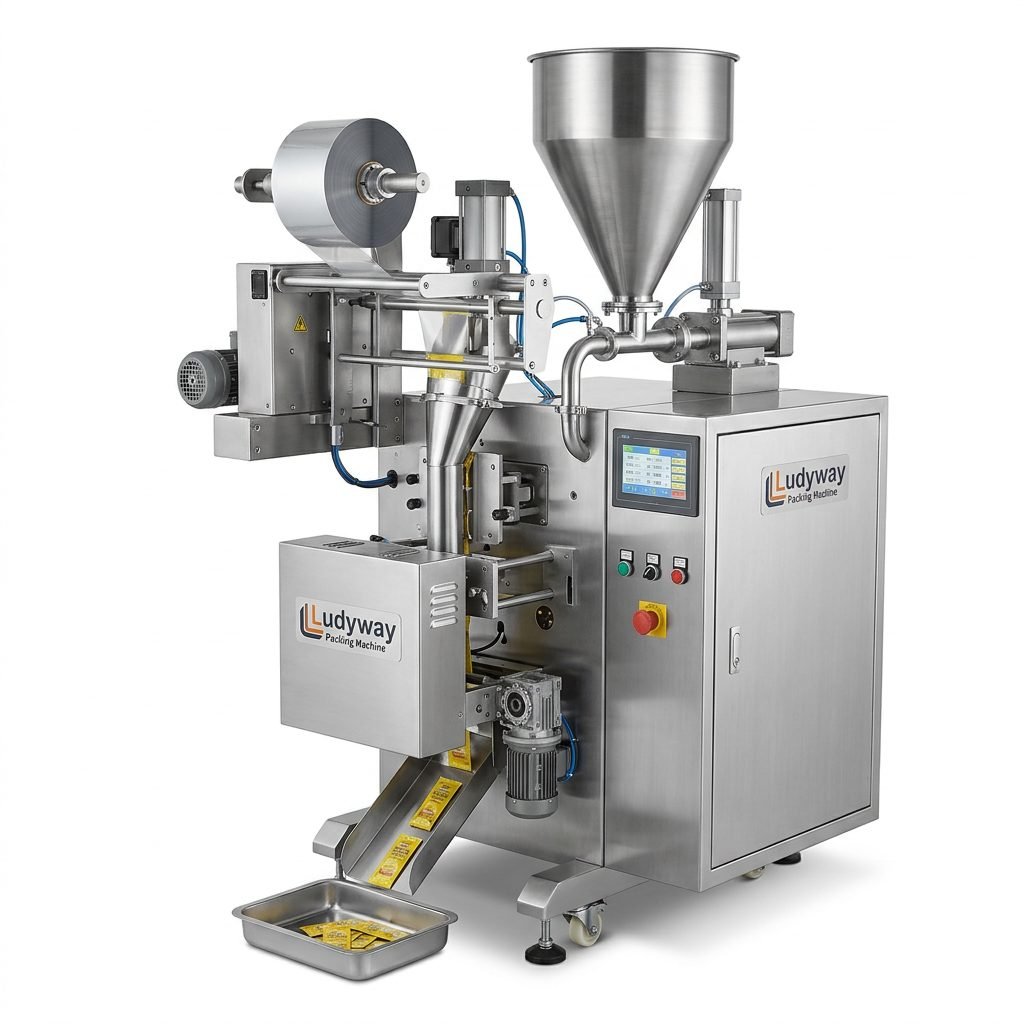
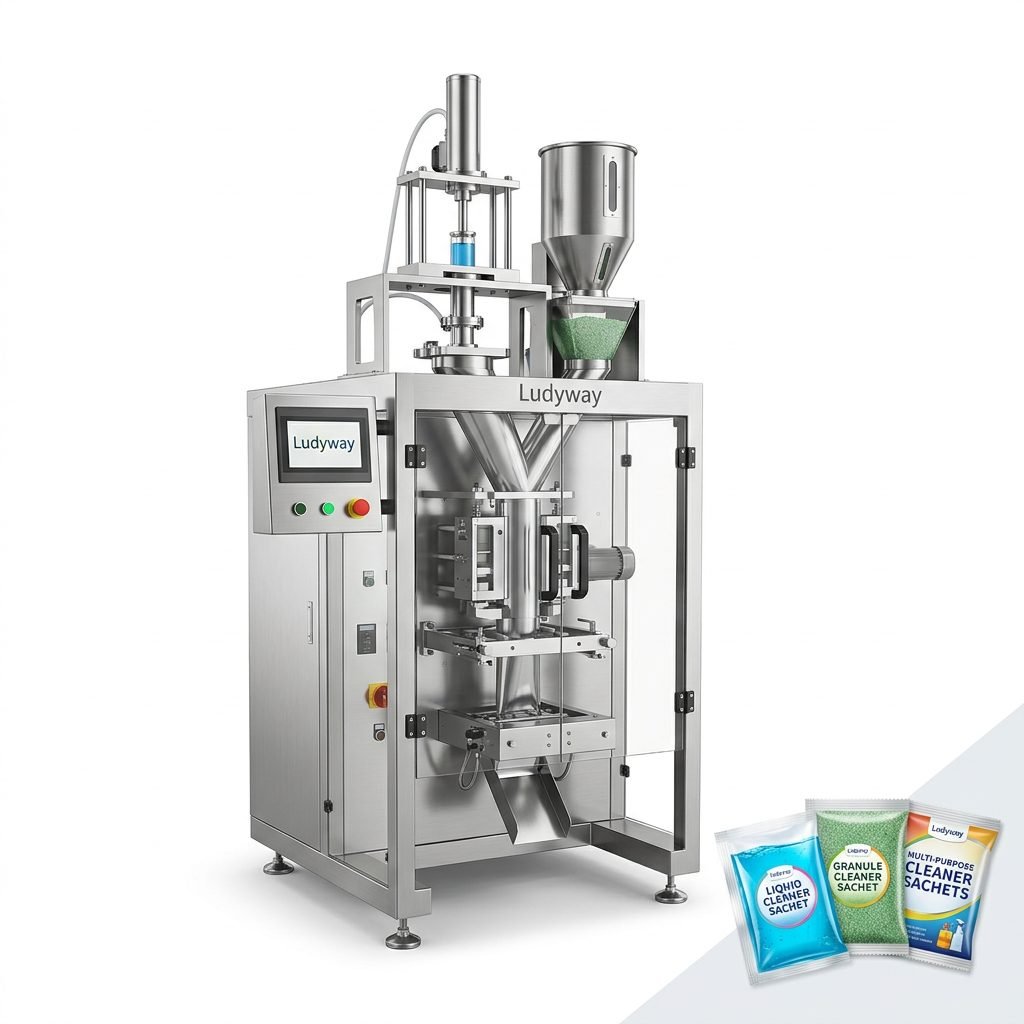
| Vertical Form Fill Seal (VFFS) | Small to medium seeds | Pillow bags, gusseted bags | 40-120 packs/min |
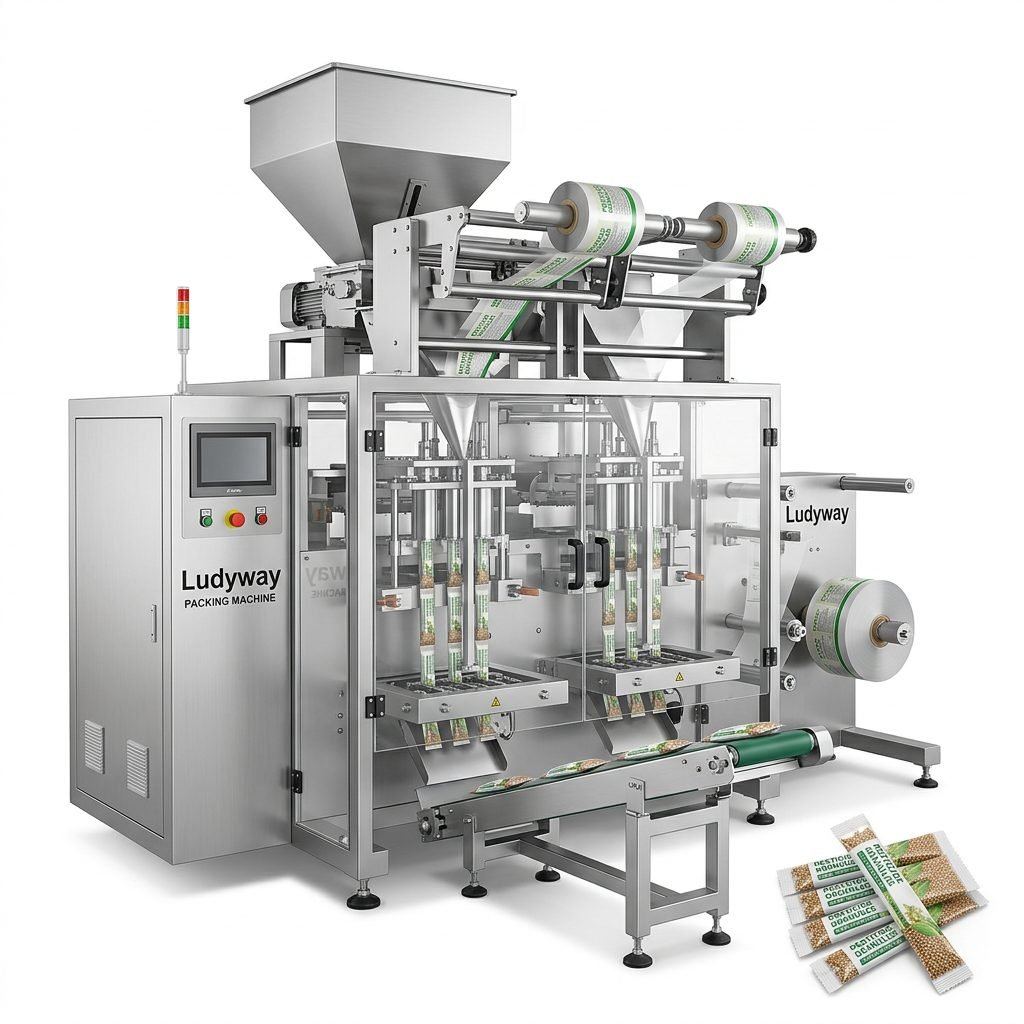
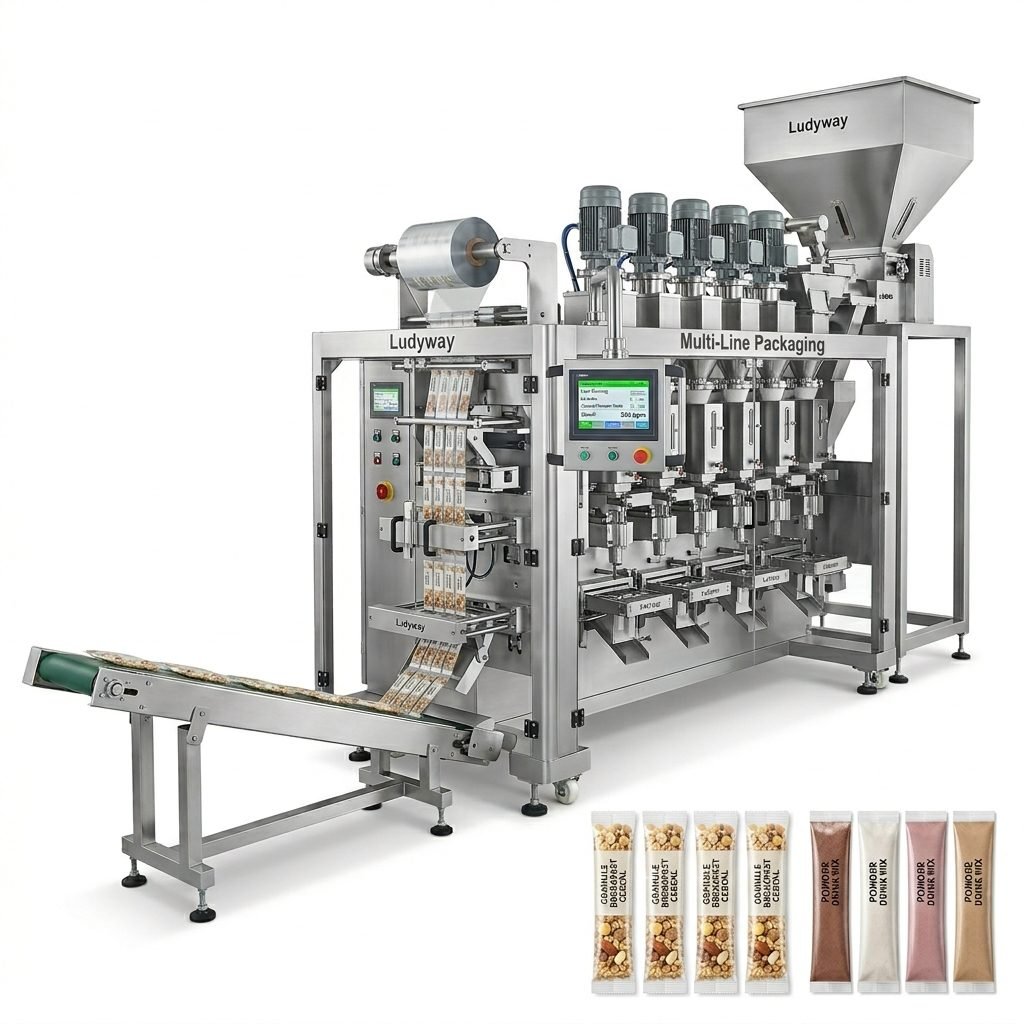
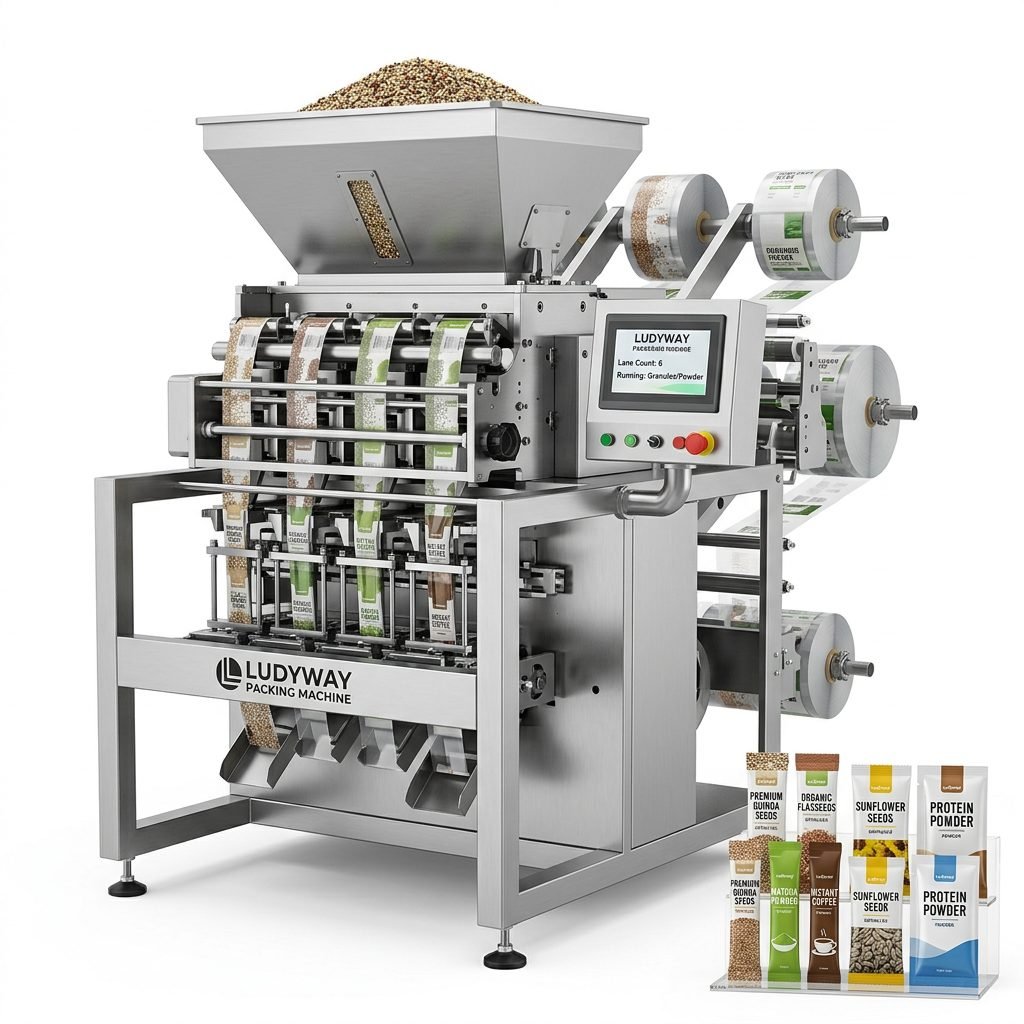
| Multi-Lane Stick Pack Machines | Single-serving seed packets | Stick packs, sachets | 200-600 packs/min |
| Pre-made Pouch Filling & Sealing | Large seeds, premium presentation | Stand-up pouches, flat pouches | 30-80 packs/min |
| Bulk Bag Filling Systems | Commercial/agricultural bulk | Valve bags, open-mouth bags | 5-20 packs/min |
Critical Factors to Evaluate Before Purchase
Selecting the best fully automatic seed packing machine requires a detailed analysis of your product characteristics and production environment. Overlooking any of these factors can lead to costly inefficiencies.
Seed Size, Shape, and Flow Characteristics
Seeds vary enormously in physical properties. A machine designed for small, round seeds like tomato or lettuce seeds must handle fine dosing precisely, while equipment for larger seeds like corn or beans needs robust volumetric or gravimetric filling systems. The flowability of the seed affects how it moves through hoppers, augers, and filling nozzles. Irregularly shaped seeds may require specialized vibratory feeders to prevent bridging and ensure consistent flow into the packaging material.
Packaging Material Compatibility
The choice of packaging film or pre-made pouch material significantly influences machine selection. Seed packaging often requires barrier films resistant to moisture and oxygen to maintain seed viability. Many flexible packaging industry resources provide guidance on selecting films with appropriate barrier properties. Machines must be configured with the correct sealing temperature control, dwell time adjustment, and jaw pressure to create hermetic seals on various material structures.
Filling Accuracy and Dosing Technology
Precision in fill weight directly impacts profitability. Overfilling erodes margins, while underfilling violates labeling regulations. Modern dosing systems include:
- Volumetric cup fillers — economical solution for uniform seed sizes where minor weight variation is acceptable
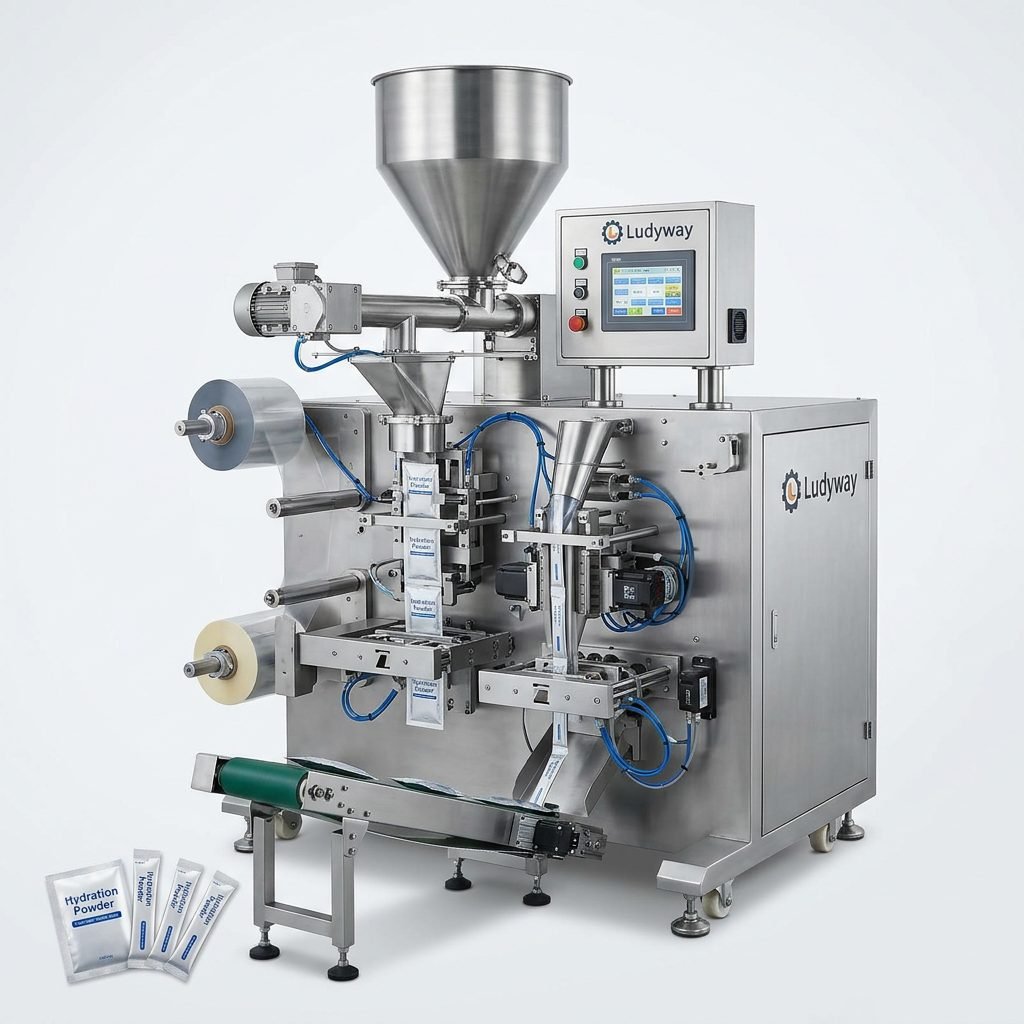
- Auger fillers — suitable for fine seeds and powders with adjustable rotation for precise dosing
- Multi-head weighers — highest accuracy for high-speed applications, using combination weighing technology
- Net weigh systems — ideal for large seeds and bulk packaging, providing legal-for-trade accuracy
Regulatory frameworks like those referenced in ISO packaging standards provide guidance on acceptable tolerances for pre-packaged goods.
Production Speed and Capacity Planning
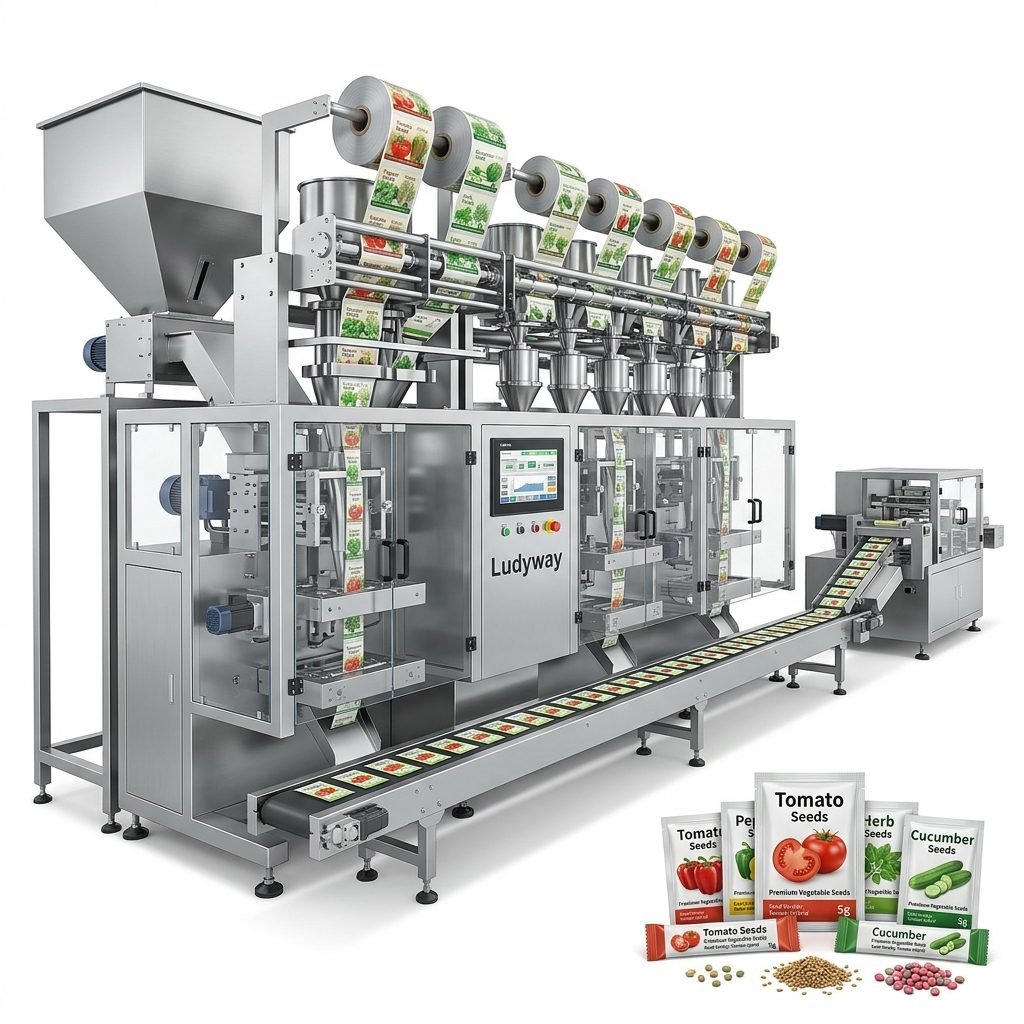
Balancing current throughput requirements with future growth potential is essential. A fully automatic seed packing machine represents a significant capital investment, and the chosen equipment should accommodate increased volumes without requiring replacement within a few years. Consider both the rated mechanical speed and the realistic running speed for your specific seed type and packaging format.
High-speed multi-lane configurations, such as those used by large agricultural processors, can deliver up to 600 packs per minute for small sachet formats. Mid-range single-lane VFFS machines typically operate at 40 to 80 packs per minute. The table below provides a framework for capacity analysis:
| Production Level | Output (packs/min) | Recommended Configuration | Typical Applications |
|---|---|---|---|
| Small-scale | 15-40 | Single-lane VFFS or pouch filler | Boutique seed brands, trial packaging |
| Mid-volume | 60-120 | Single or dual-lane VFFS systems | Regional seed distributors |
| High-volume | 200-600 | Multi-lane stick pack or high-speed VFFS | Large agricultural processors |
Automation Features That Drive Efficiency
Modern fully automatic seed packing machines integrate advanced automation technologies to reduce labor dependency, minimize errors, and improve overall equipment effectiveness. Key features to look for include:
Automatic Feeding and Material Handling
Integrated feed systems, including bucket elevators, inclined conveyors, and vacuum conveyors, eliminate manual loading. These systems are designed to handle seeds gently, preventing damage during transport from bulk storage to the packaging machine’s hopper. Proper material handling preserves seed integrity and supports uninterrupted machine operation.
Vision Inspection and Reject Mechanisms
Inline vision systems perform quality checks on each package, verifying seal integrity, print quality, label placement, and fill level. Packages that do not meet specifications are automatically rejected without stopping production. This capability, combined with PMMI industry guidelines for packaging quality assurance, helps manufacturers maintain high standards and reduce waste.
Coding, Labeling, and Traceability
Batch coding, date marking, and serialization are regulatory requirements in many markets. High-resolution inkjet printers, thermal transfer overprinters, or laser coders can be mounted directly on the packaging machine. Integration with factory-level traceability systems enables full supply chain visibility from seed source to packaged product.
Key Technical Specifications to Compare
When evaluating different fully automatic seed packing machine models, creating a standardized comparison matrix helps identify the best solution. Focus on these core technical parameters:
- Filling range: Minimum and maximum fill weight per pack (e.g., 1g to 50g, or 50g to 5kg)
- Bag size range: Width, length, and gusset dimensions the machine can accommodate
- Sealing temperature range: Adjustability for different film structures and thicknesses
- Air consumption: Compressed air requirements for pneumatic components
- Power supply: Voltage, phase, and frequency requirements specific to your facility
- Machine footprint: Floor space dimensions including service access areas
- Changeover time: Duration required to switch between different seed types or bag formats
Evaluating Build Quality and Long-Term Reliability
Heavy-duty construction with stainless steel frames and corrosion-resistant components ensures longevity in agricultural processing environments where dust, humidity, and temperature fluctuations are common. Critical components such as sealing jaws, forming tubes, and filling mechanisms should be designed for extended service life with readily available spare parts. Machine certifications and compliance with international standards are also important indicators of quality. As noted by the FDA food packaging regulations, materials and machine design must support sanitary production conditions.
Integration with Complete Packaging Lines
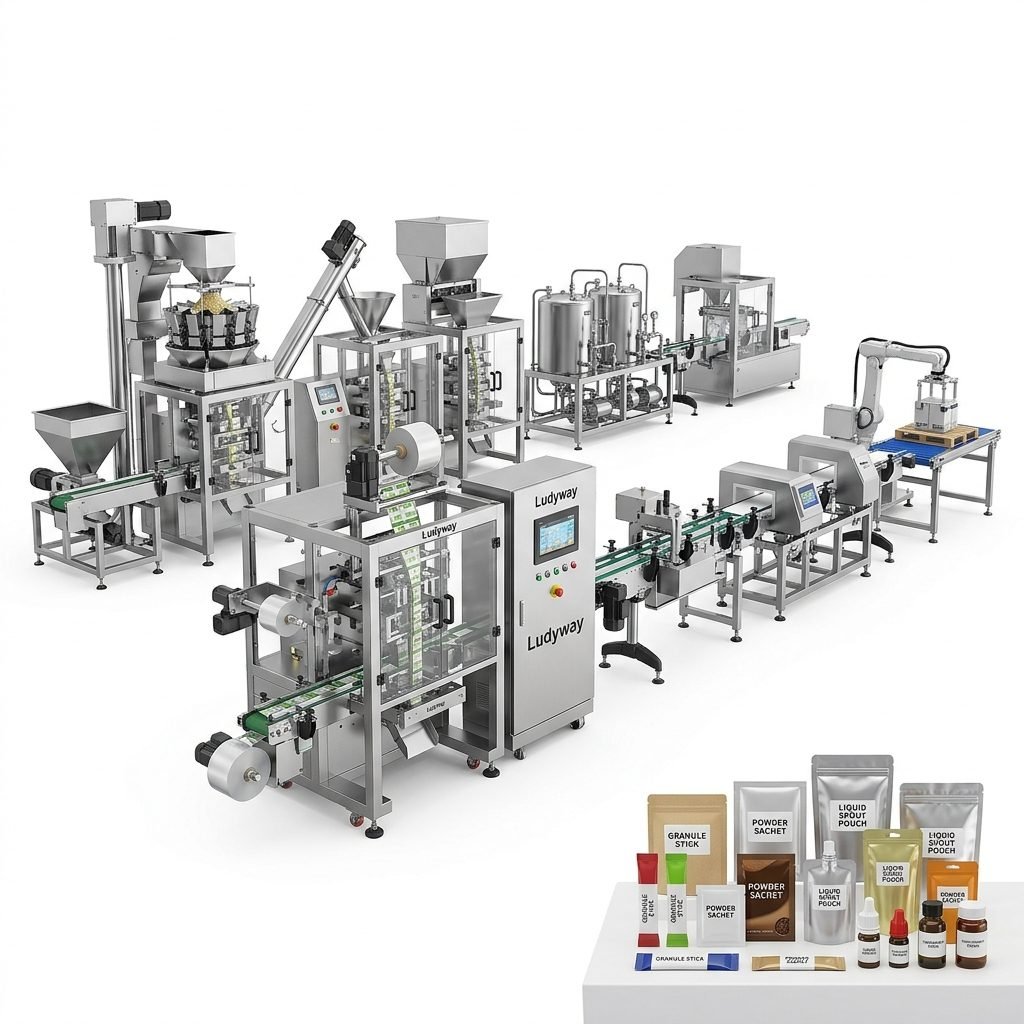
A standalone machine addresses one part of the packaging process. For manufacturers looking to automate their entire operation, integration with upstream and downstream equipment is essential. A complete packaging line may include automatic feeders, multi-head weighers, the primary packing machine, checkweighers, metal detectors, cartoning machines, case packers, palletizers, and stretch wrapping systems. Working with a supplier that understands line-level integration reduces compatibility risks and simplifies project management.
| Line Component | Function | Integration Requirement |
|---|---|---|
| Feeding System | Transport seed to machine hopper | Level sensor communication |
| Checkweigher | Verify fill weight compliance | Feedback loop to dosing system |
| Metal Detector / X-Ray | Contaminant detection | Reject signal to conveyor system |
| Cartoning / Case Packing | Secondary packaging automation | Count and timing synchronization |
Supplier Evaluation and Partnership Model
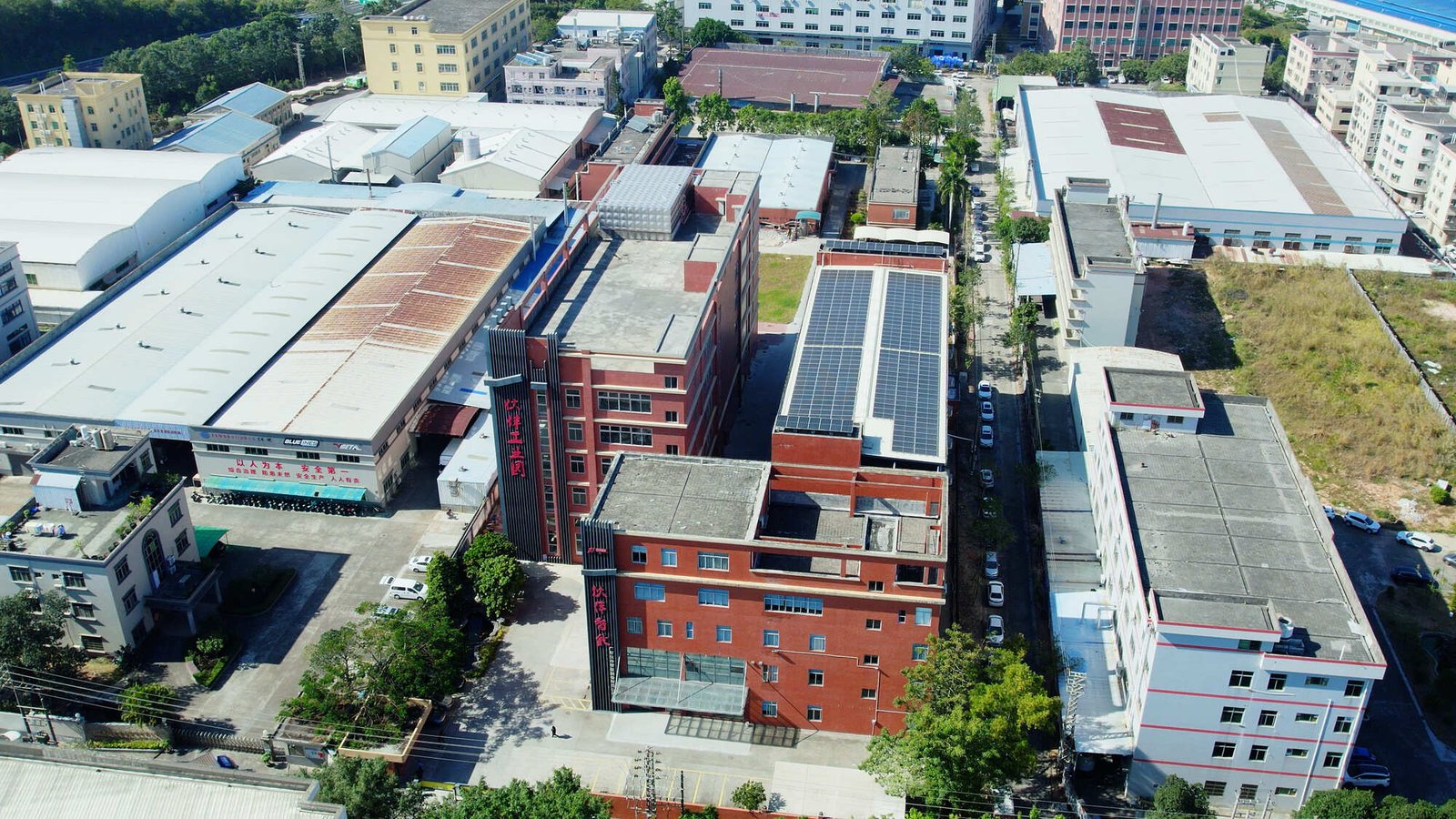
Choosing the right equipment partner is as important as choosing the right machine. Leading packaging machinery manufacturers provide comprehensive support including machine selection guidance, customized engineering, installation, commissioning, operator training, and ongoing after-sales service. Ludyway Machinery, a China-based packaging machinery manufacturer with more than 30 years of industry experience, exemplifies this partnership approach by offering customized packaging solutions designed to match specific product characteristics and production goals. The company’s 20,000-square-meter manufacturing facility and team of over 130 professionals support the development of integrated packaging systems for manufacturers worldwide.
When evaluating suppliers, consider their engineering capabilities, industry experience, reference installations, spare parts availability, and technical support responsiveness. A supplier that provides remote technical assistance alongside on-site service ensures that operational issues are addressed efficiently, no matter where your facility is located.
Cost Considerations Beyond the Purchase Price
The total cost of ownership for a fully automatic seed packing machine extends well beyond the initial capital expenditure. Manufacturers should evaluate:
- Operational labor: Reduced staffing requirements compared to manual or semi-automatic systems
- Film waste: Machines with precise registration control minimize material waste during startups and splices
- Energy consumption: Efficient motor and heating systems reduce ongoing electricity costs
- Maintenance and spare parts: Access to genuine parts and preventive maintenance schedules
- Downtime cost: The revenue impact of production interruptions when a machine requires repairs
A machine with a higher initial investment but lower long-term operating costs often delivers the best return over time. Industry resources such as the 2025 State of the Industry report provide data on packaging machinery market trends and operational benchmarks.
Packaging Sustainability and Regulatory Compliance
Environmental regulations and consumer expectations increasingly shape packaging decisions. The European Commission’s Packaging and Packaging Waste Regulation sets ambitious targets for packaging recyclability and reduction. Seed packaging machinery must accommodate evolving material options, including recyclable mono-materials, bio-based films, and lightweight structures that maintain protective properties. Selecting equipment with flexible sealing and forming capabilities ensures adaptability to future material innovations without requiring complete machine replacement.
Making the Final Decision
After evaluating machine types, technical specifications, automation features, and supplier capabilities, the final decision should balance current needs with future growth potential. Request detailed proposals from shortlisted suppliers, including machine specifications, performance guarantees, training provisions, warranty terms, and service level agreements. If possible, visit reference sites or arrange for sample runs with your actual seed products to verify machine performance before committing.
A well-chosen fully automatic seed packing machine becomes a strategic asset that supports business growth, protects product quality, and improves operational efficiency. The investment in careful evaluation pays dividends through years of reliable, high-performance production.