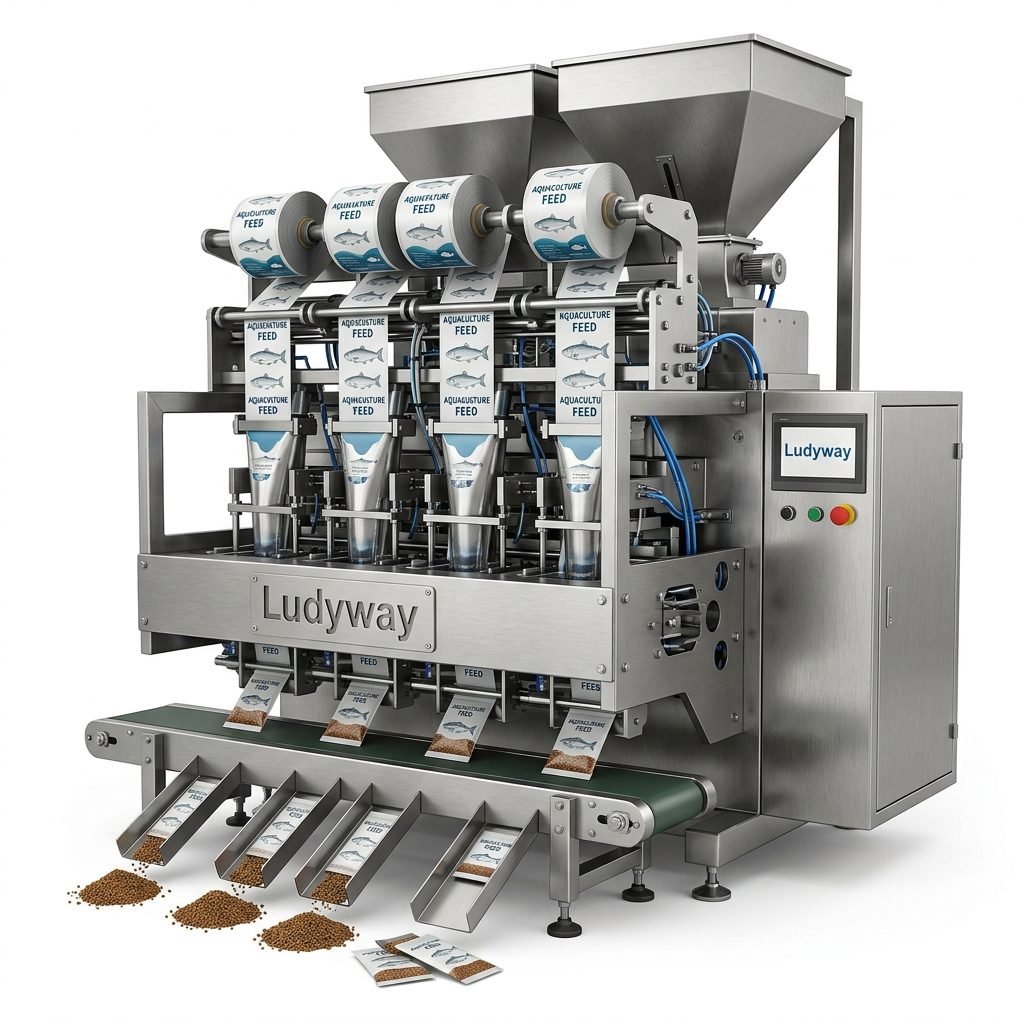
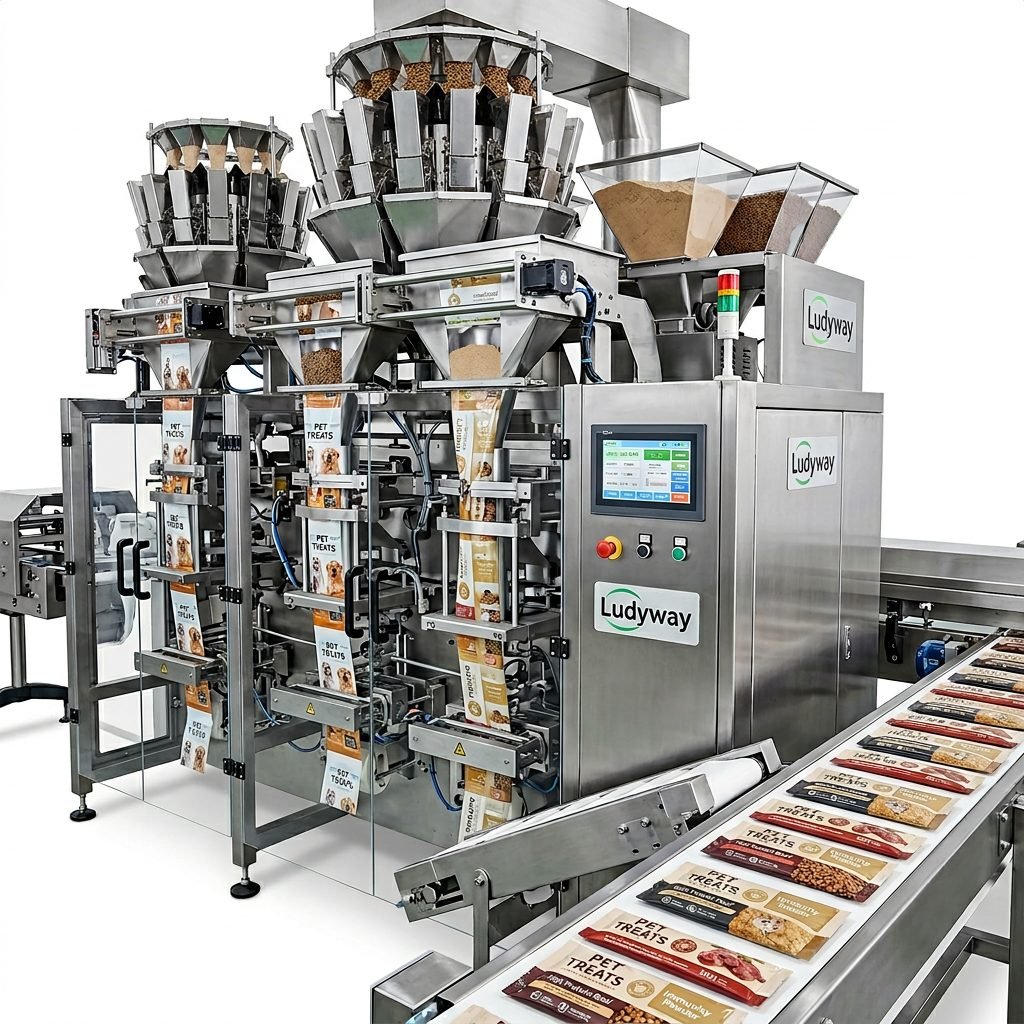
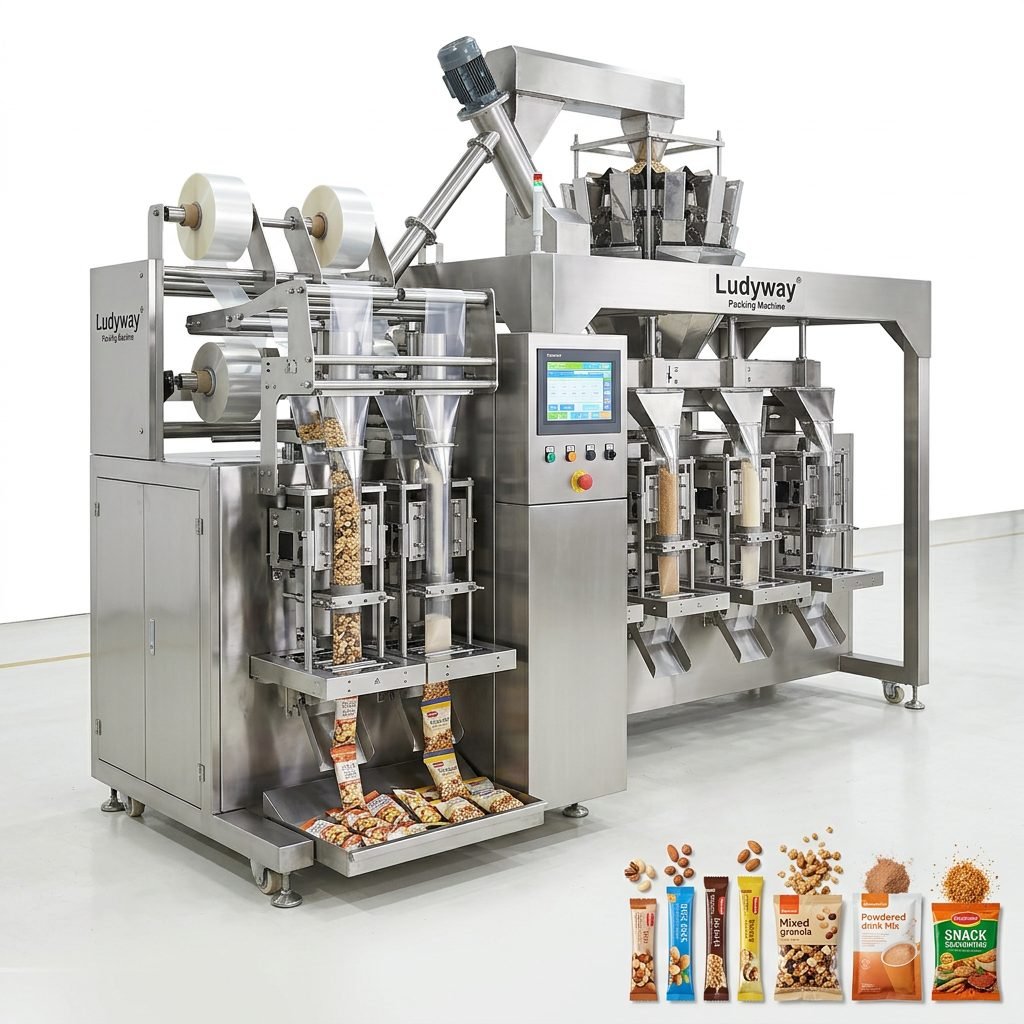
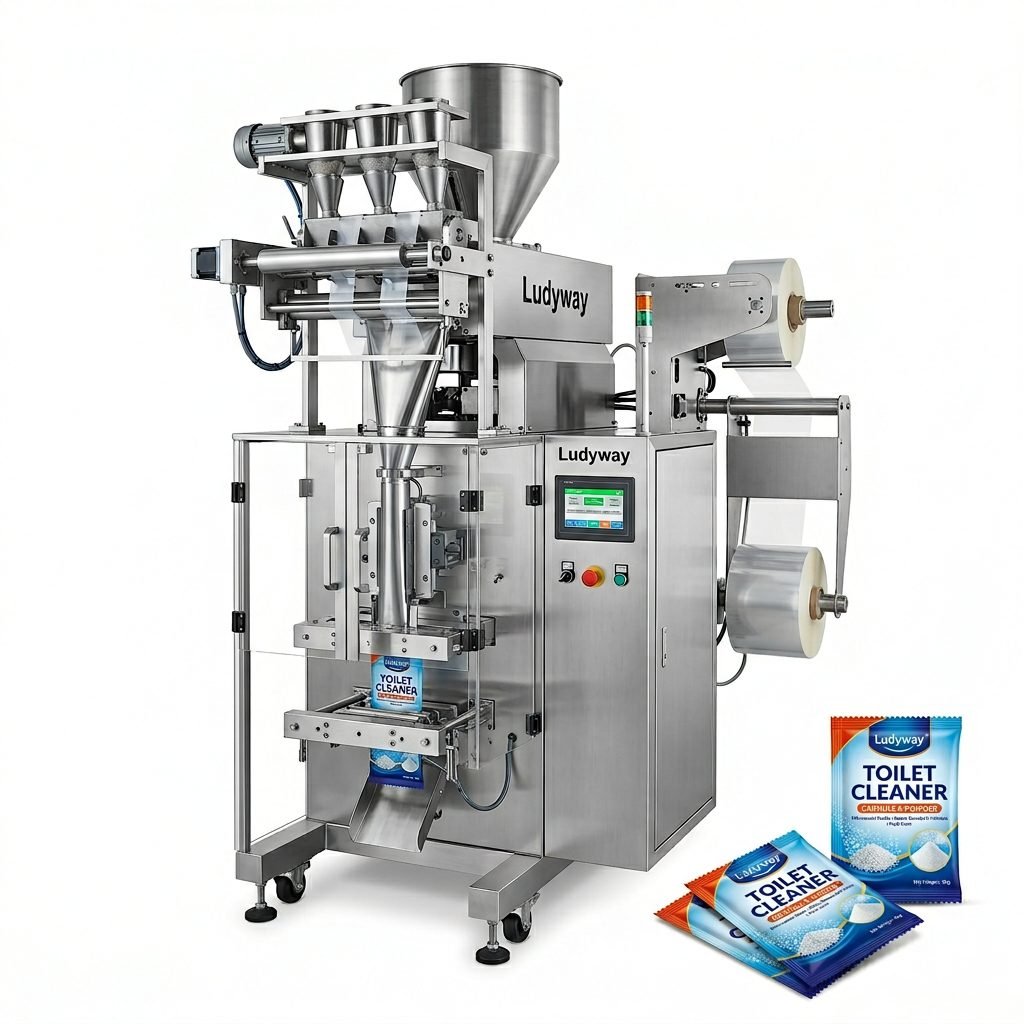
Establishing a coffee powder packaging machine production line in China represents a strategic move for businesses aiming to capitalize on lower manufacturing costs without compromising on technological sophistication. Whether you are a startup instant coffee brand or an expanding multinational, understanding the entire lifecycle—from regulatory compliance to equipment supplier selection—is critical to achieving seamless market entry and long-term profitability.
1. Defining Production Scope and Output Goals
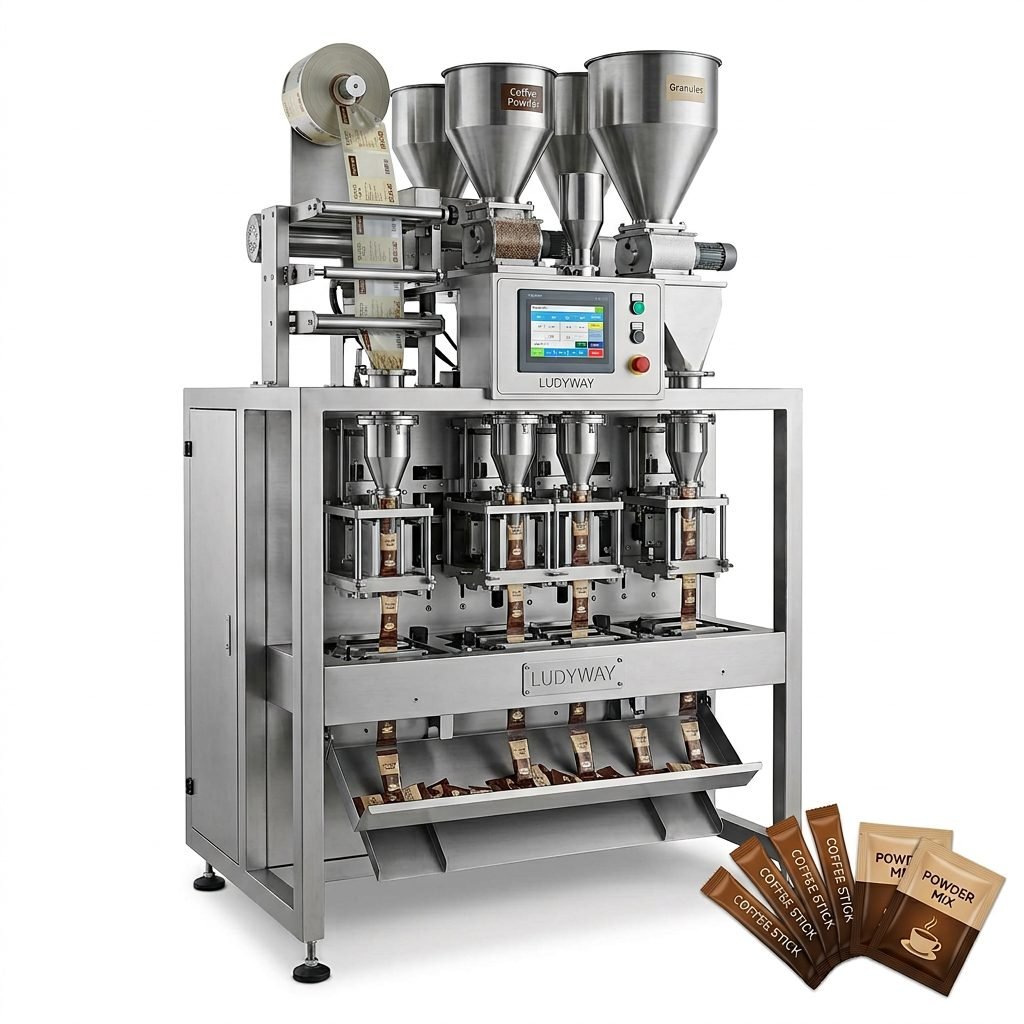
Before acquiring any coffee powder packaging machinery, you must define the core parameters of your operation. Are you packing freeze-dried coffee into multi-lane stick packs, filling stand-up pouches, or running single-serve sachets? The answer directly dictates the fill accuracy, film compatibility, and operating speed you will need.
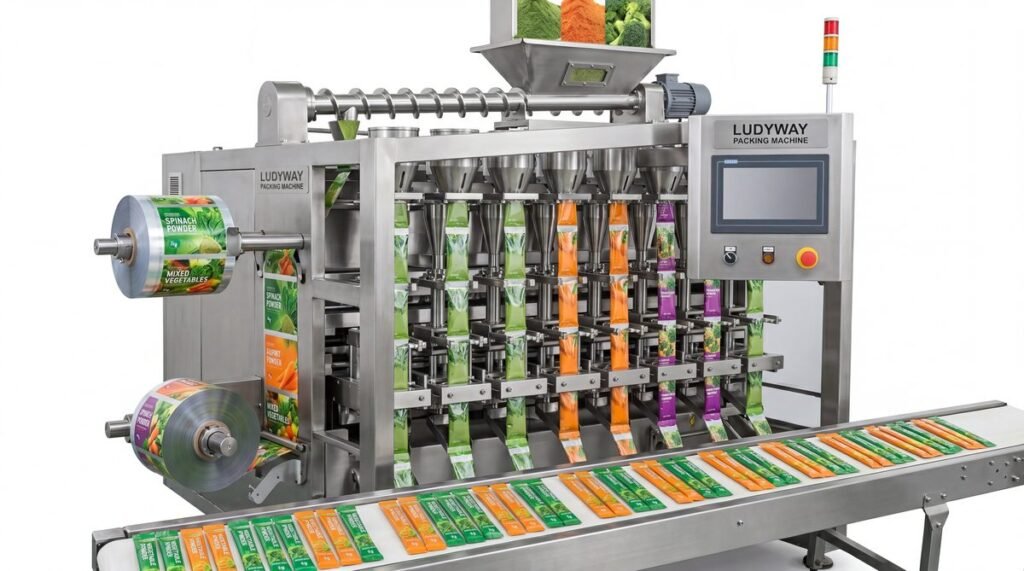
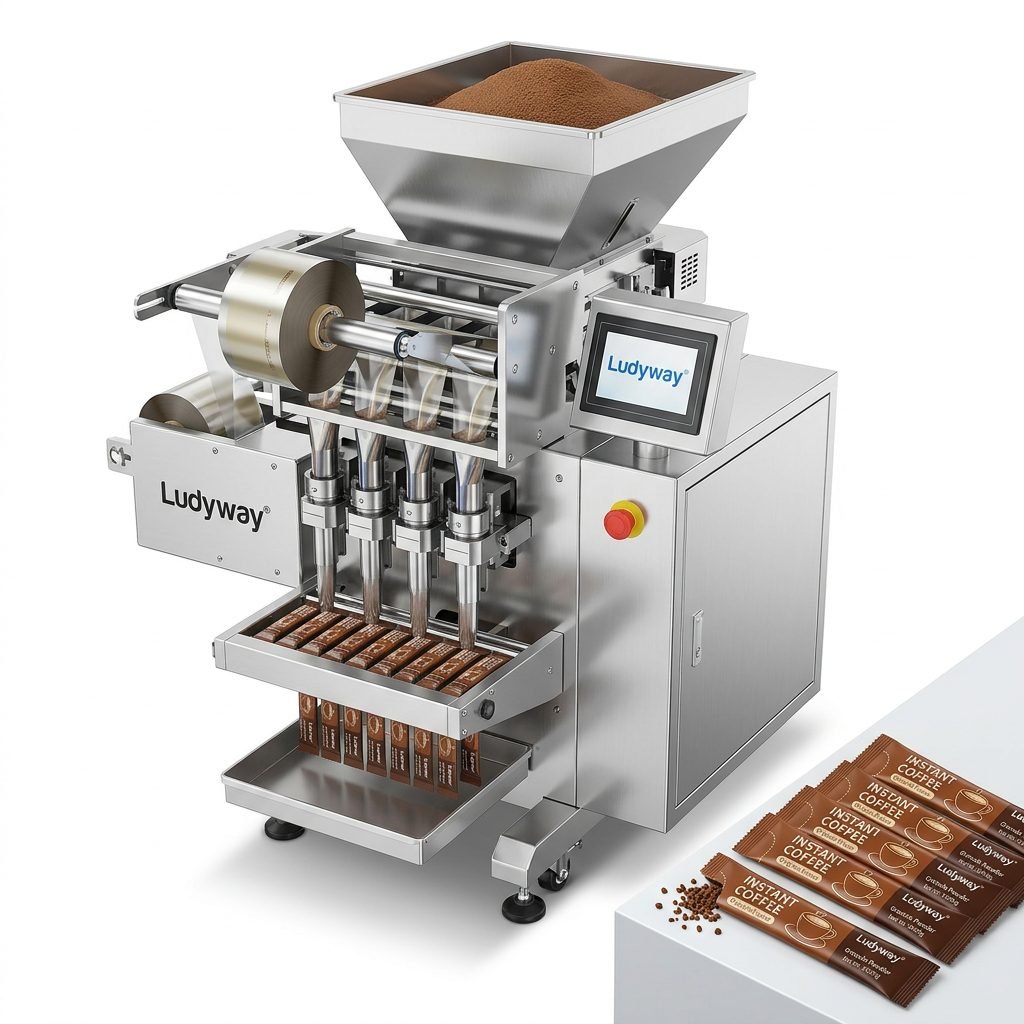
- Stick Pack Lines: Best for single-serve instant coffee; speeds can exceed 400 cuts per minute per lane.
- Sachet Lines: Suitable for larger volume servings or 3-in-1 mixes; typical speeds range from 30 to 80 cycles per minute.
- Pre-made Pouch Lines: Popular for premium flavor blends where maximum differentiation is needed on retail shelves.
2. Selecting the Optimal Packaging Technology
Powder materials present unique handling challenges. Hygroscopic coffee particles can easily clump under humidity, damaging throughput and seal integrity. Therefore, your coffee packaging line integration must prioritize environmental controls such as:
- Dehumidified Air Systems: Direct climate control in the filling area prevents bridging in the hopper.
- Auger or Cup Fillers: For precise weight measurement of non-free-flowing powders.
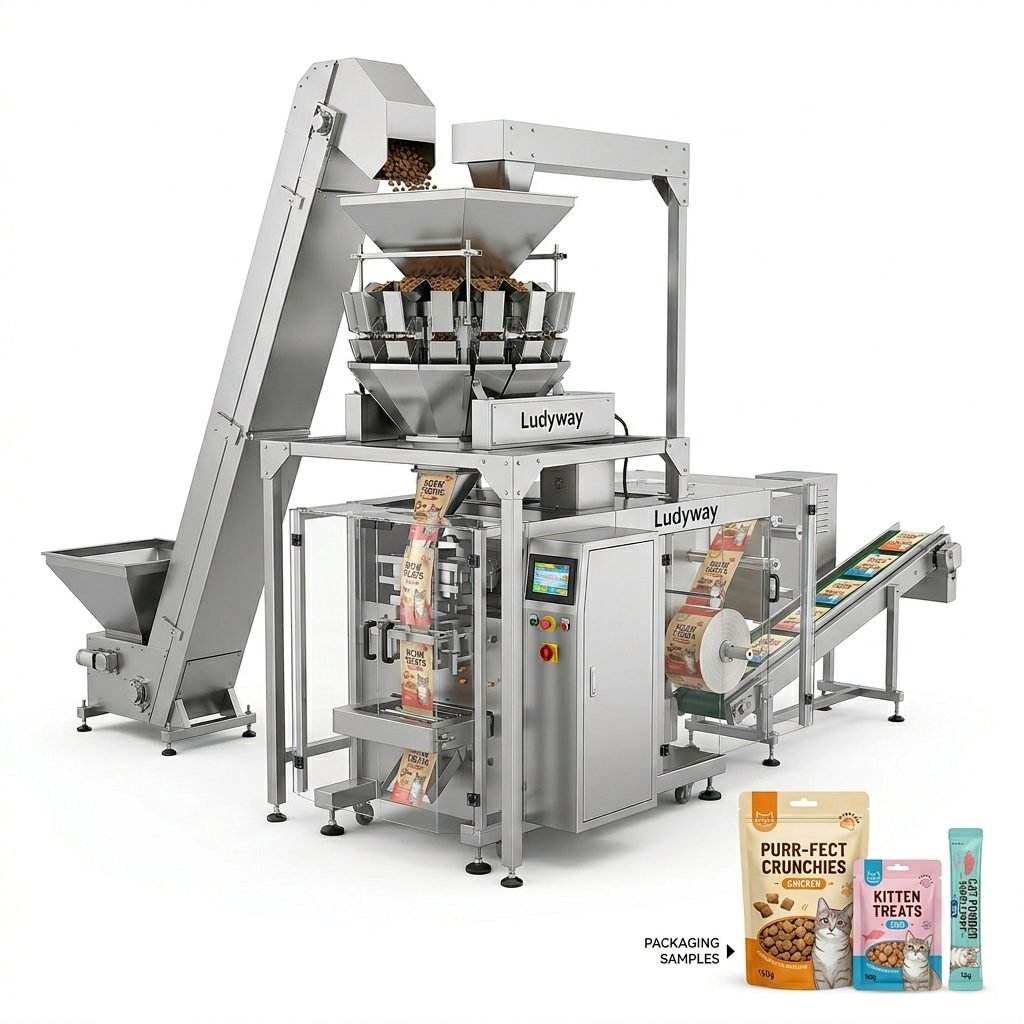
- Multi-Head Weighers: Highly efficient for granulated coffee that flows freely.
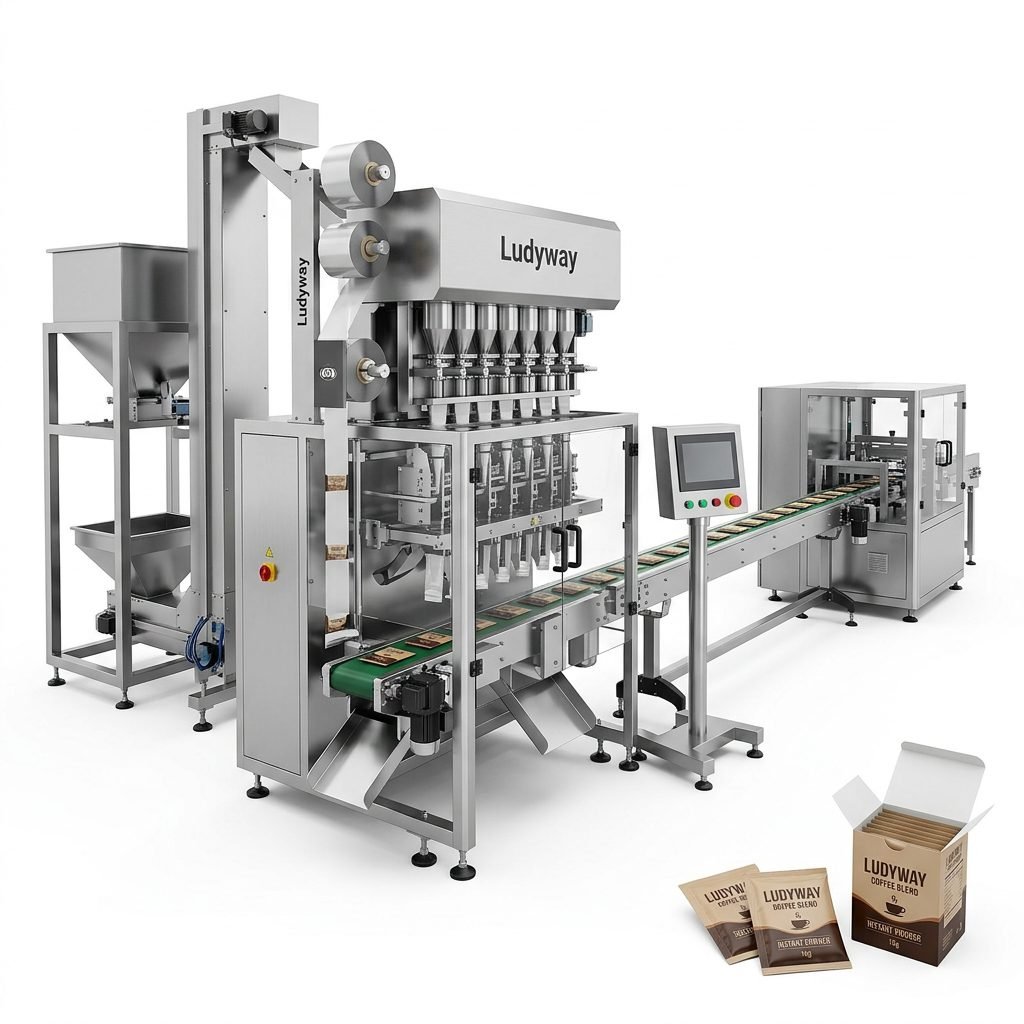
Key Machine Components
To ensure maximum performance, a fully automatic coffee packaging production line typically integrates the following modules:
| Module | Function | Selection Criteria |
|---|---|---|
| Feeding Conveyor | Transport raw coffee powder to filler | Anti-static design preferred |
| Dosing System | Dispense accurate portions | Auger servo-driven for ±0.5g accuracy |
| Form-Fill-Seal Unit | Shape the film, fill, and seal | Look for independent jaw temperature control |
| Gas Flushing | Inert gas injection for freshness | Residual O2 ≤ 1% capability |
| Checkweigher | Real-time weight rejection | Connectivity to data management system |
3. Factory Layout and GMP Compliance
China’s food safety regulations have tightened significantly. For dry powder blending and filling, your facility should conform to ISO 22000 or local GMP (Good Manufacturing Practice) standards. Consider splitting the production layout into distinct zones:
- Black Zone (Powder Unloading): Receiving raw materials; negative air pressure to contain dust.
- Grey Zone (Corridors/Storage): Buffer area for secondary packaging materials.
- White Zone (Filling Room): HEPA filtered air; strict humidity ≤ 35% requirement for coffee packaging.
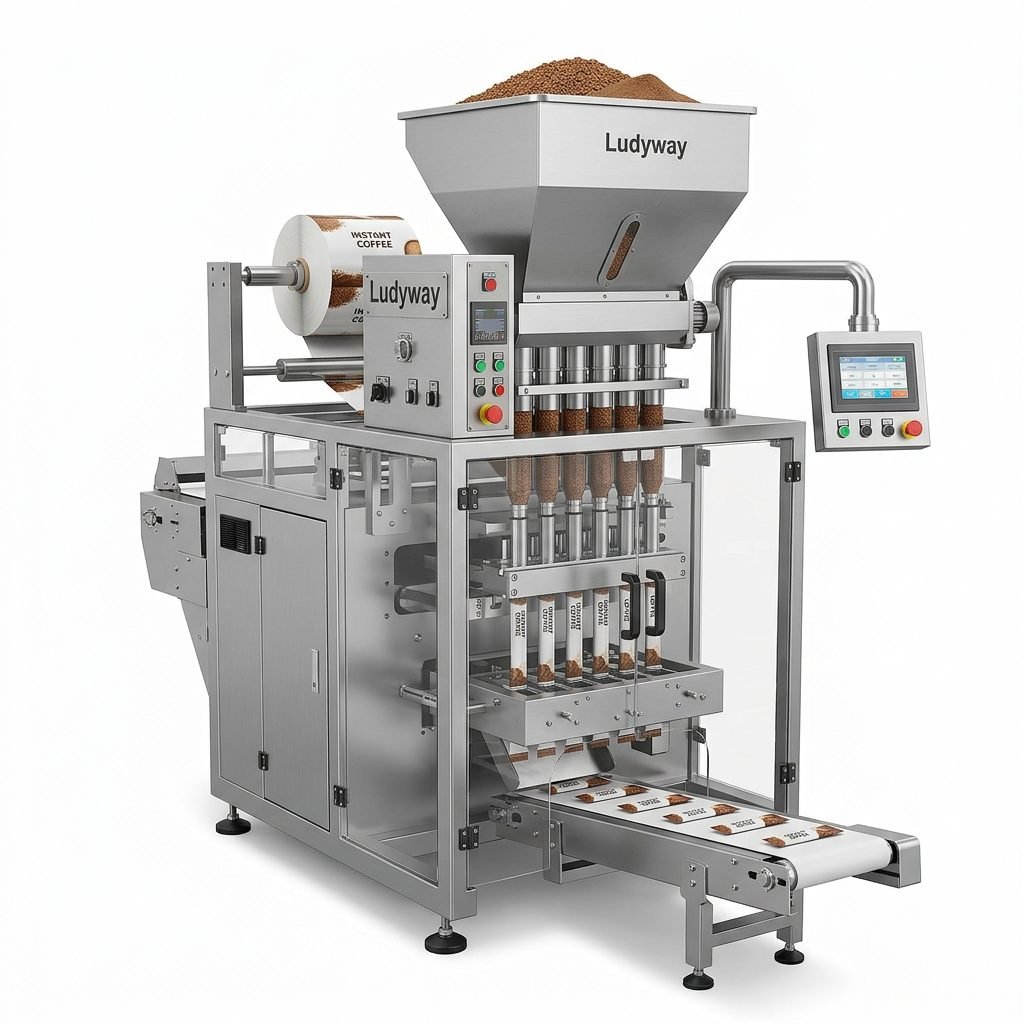
Humidity Control Solutions
High humidity is the enemy of soluble coffee. Integrated dehumidifier units connected directly to the machine’s hopper are not a luxury but a necessity. This is especially crucial when running high-speed multi-lane stick pack machines, where static electricity and moisture can quickly degrade the seal integrity.
4. Evaluating Infrastructure Needs
Beyond the machine itself, your line requires robust utilities. Verify that your selected industrial zone provides stable three-phase power (typically 380V/50Hz). Compressed air quality must adhere to ISO 8573-1 Class 1.4.1 standards to prevent oil contamination in direct-contact packaging processes. Here is a typical power and air consumption breakdown for a medium-sized line:
- Power Requirement: 15 kW to 35 kW depending on lane count and auxiliary accessories.
- Compressed Air: 0.6 MPa to 0.8 MPa, with a flow rate of approximately 1.0 m³/min.
5. Supplier Selection and Turnkey Integration
One of the most significant advantages of setting up in China is the availability of experienced turnkey packaging machine manufacturers. Rather than buying individual units from fragmented vendors—a conveyor from one company, a filler from another—you can source entire coffee powder packaging system solutions from a single reliable partner. This simplifies after-sales service, training, and especially the machine communication protocols.
When vetting suppliers, do not just ask for a specification sheet. Request a Factory Acceptance Testing (FAT) video using your specific coffee material. Observe the actual seal strength and weight variation. Also, understand the supplier’s international certification coverage; CE marking compliance is mandatory for certain export markets, even if the line resides in China.
6. Commissioning, Training, and OEE
Installing a coffee packaging production line in a new plant requires roughly 2 to 4 weeks for full commissioning. Prioritize intensive operator training on recipe management. Modern Human-Machine Interfaces (HMIs) allow storing up to 100 coffee product recipes, making changeovers between espresso blend sticks and cappuccino sachets swift and error-free. To sustain high Overall Equipment Effectiveness (OEE), plan preventive maintenance during scheduled downtime, focusing on sealing jaw replacement and film path roller cleaning.
7. Secondary Packaging and End-of-Line Automation
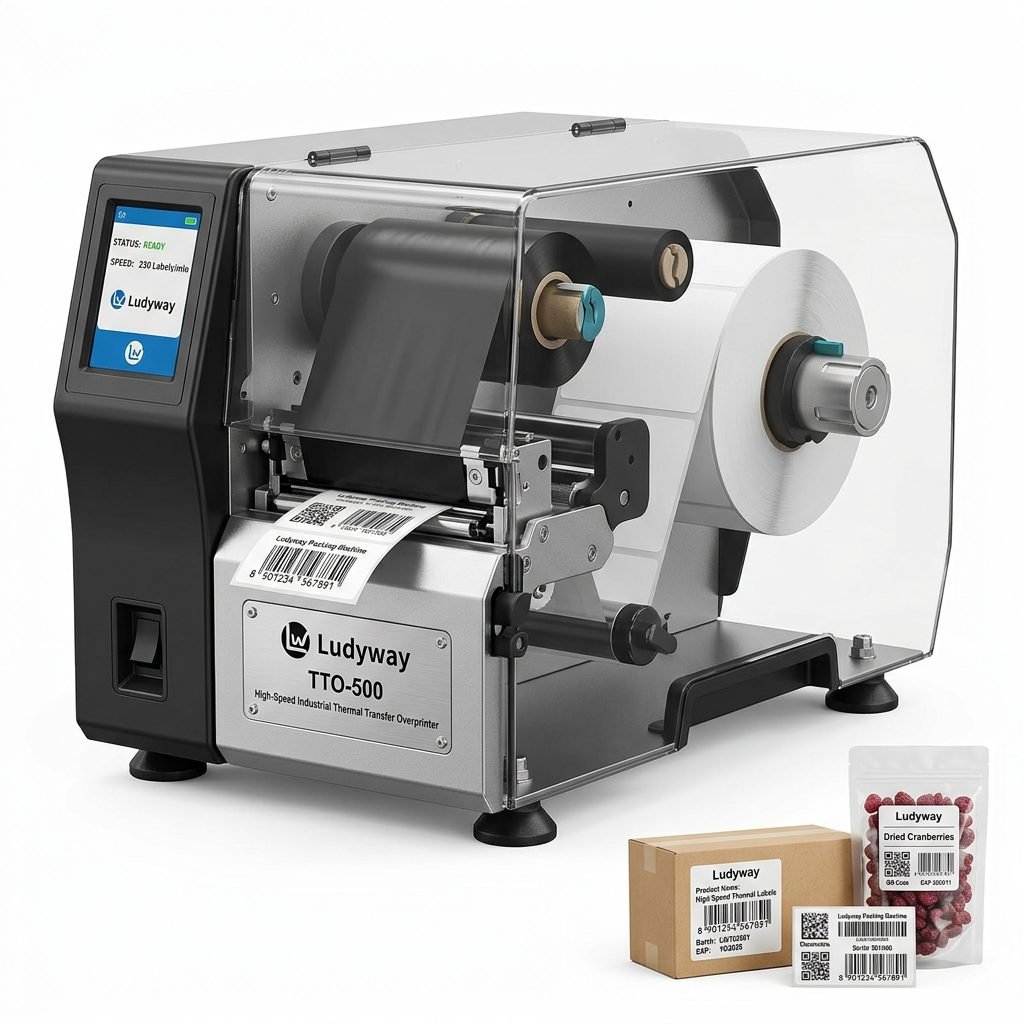
Market demands increasingly force producers to look beyond primary packaging. Automated cartoning, case packing, and palletizing systems improve labor efficiency dramatically. A synchronized end-of-line setup can reduce manual handling errors by over 90%. High-speed checkweighers with reject stations and dynamic date coders are essential to maintain brand image and product traceability.
Common Pitfalls to Avoid
- Ignoring Film Compatibility: Not all laminates seal equally. Test PE, PET, and aluminum foil structures for their hot-tack strength specific to coffee density.
- Underestimating Dust Collection: Coffee powder dust is combustible. A dust extraction interface on the filling machine is a mandatory safety measure.
- Overlooking Horizontal Integration: Ensure your filling machine’s outfeed height matches the checkweigher and cartoner infeed.
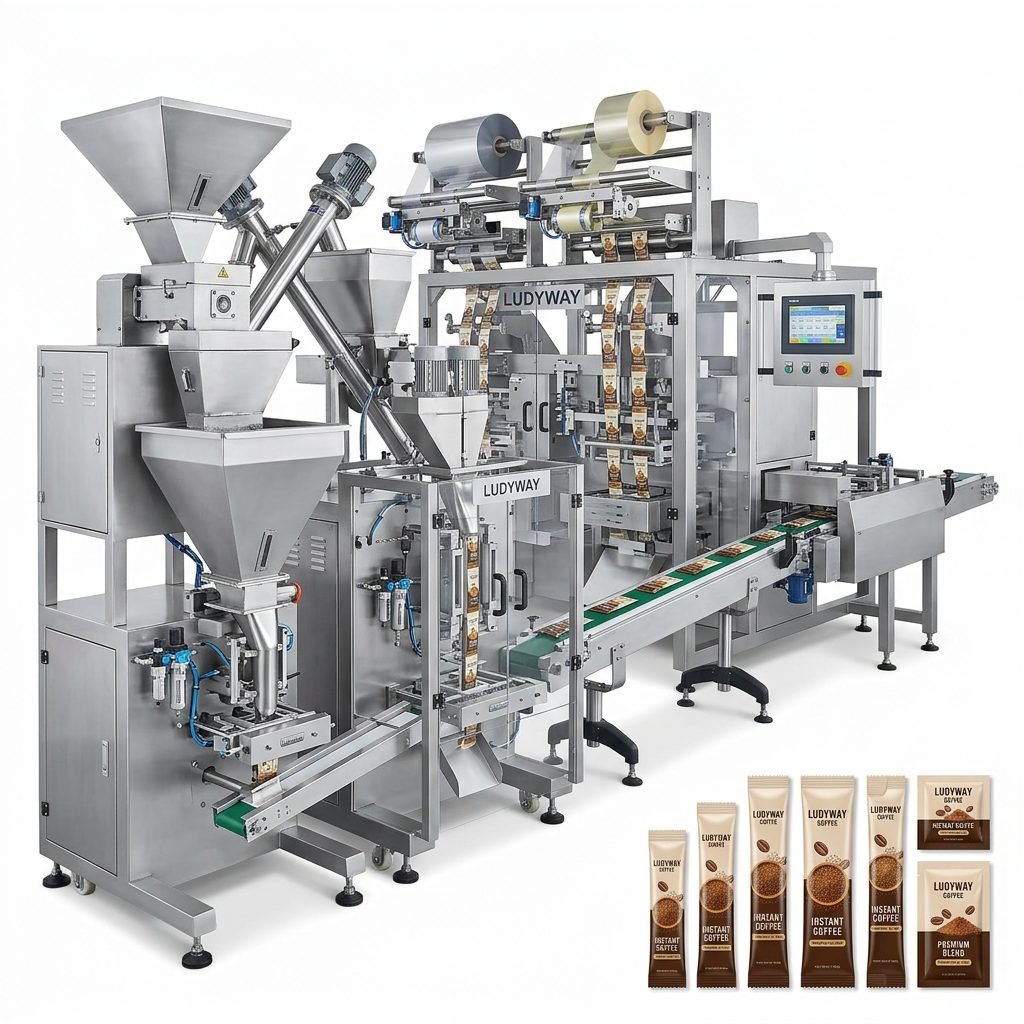
8. Quality Control and Regulatory Alignment
Consistent monitoring is at the heart of successful coffee powder production. Advanced Inspection Machines process checkweighing and metal detection validate every stick or sachet as it exits the main machine. Systems aligned with standards documented by flexible packaging associations help ensure that your primary package integrity—seal width, burst strength, and leak detection—meets rigorous international shipping requirements. Documentation of every batch, including time-stamped seal pressure data, provides the traceability demanded by modern retailers.
Successful production line setup in China hinges on merging robust coffee powder handling knowledge with automation expertise. For businesses seeking high-volume, stable output with minimized technical risk, partnering with a full-line provider is the most efficient route. Ludyway, with deep domain understanding and a wide portfolio of integrated packaging solutions, stands as a notable resource for companies aiming to scale their coffee operations globally.