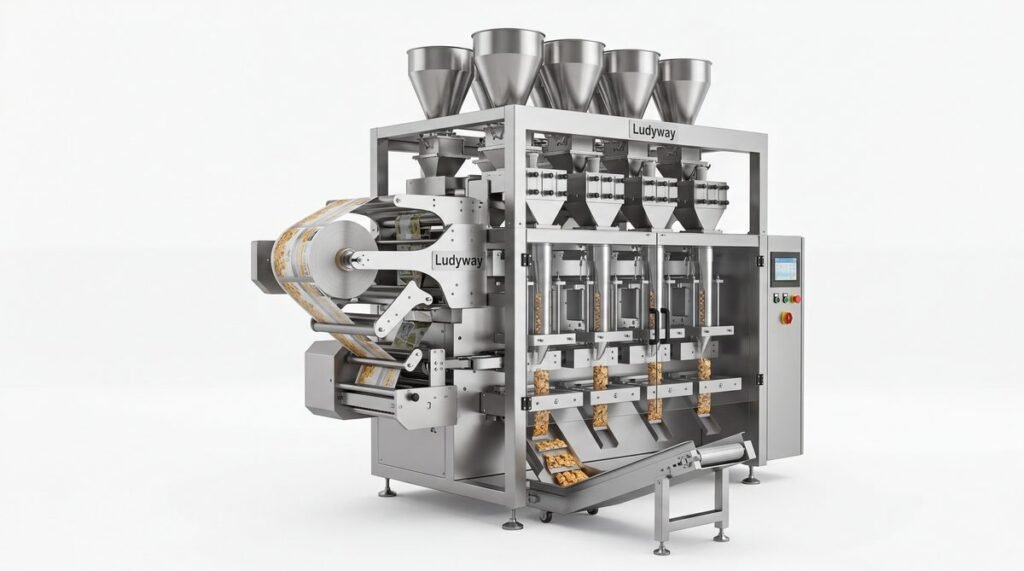
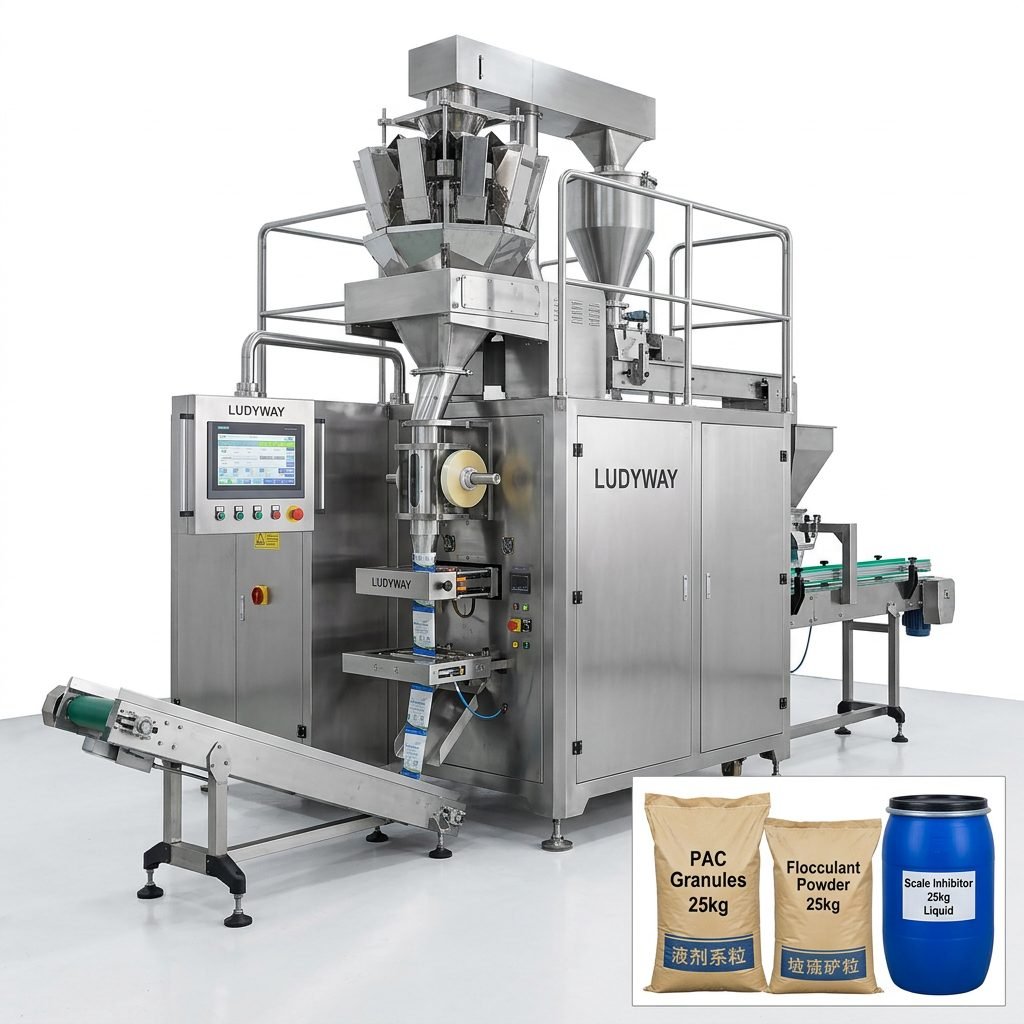
Investing in a meal kit packaging machine is a significant decision for food manufacturers, subscription box companies, and central kitchens. The right equipment streamlines operations, preserves product freshness, and scales your production capacity. However, sourcing reliable machinery from China requires a clear understanding of technical specifications, supplier credentials, and after-sales support. This guide walks you through the essential factors for selecting high-performance meal kit packaging systems.

Understanding Meal Kit Packaging Machine Types
Meal kits typically contain multiple components: proteins, grains, vegetables, sauces, and seasonings. Packaging these diverse ingredients efficiently demands versatile machinery. Common configurations include:
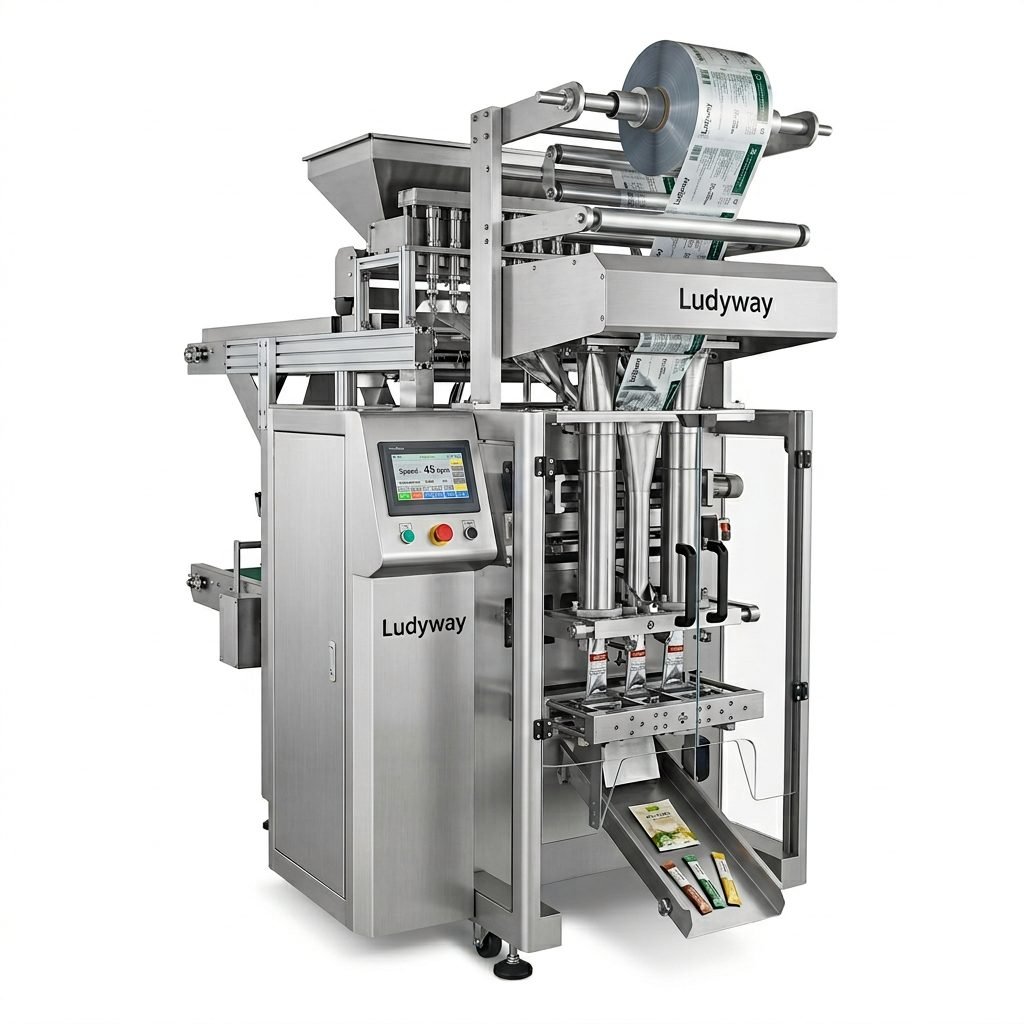
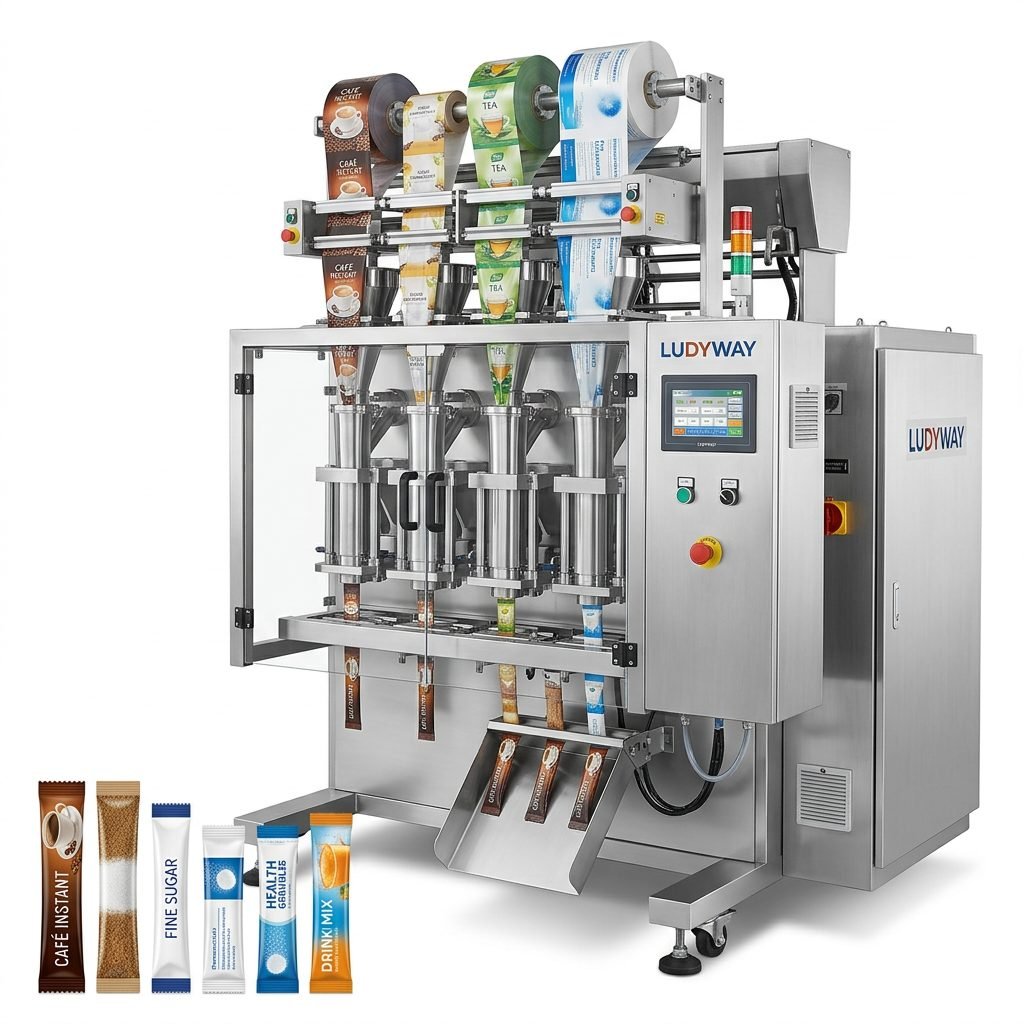
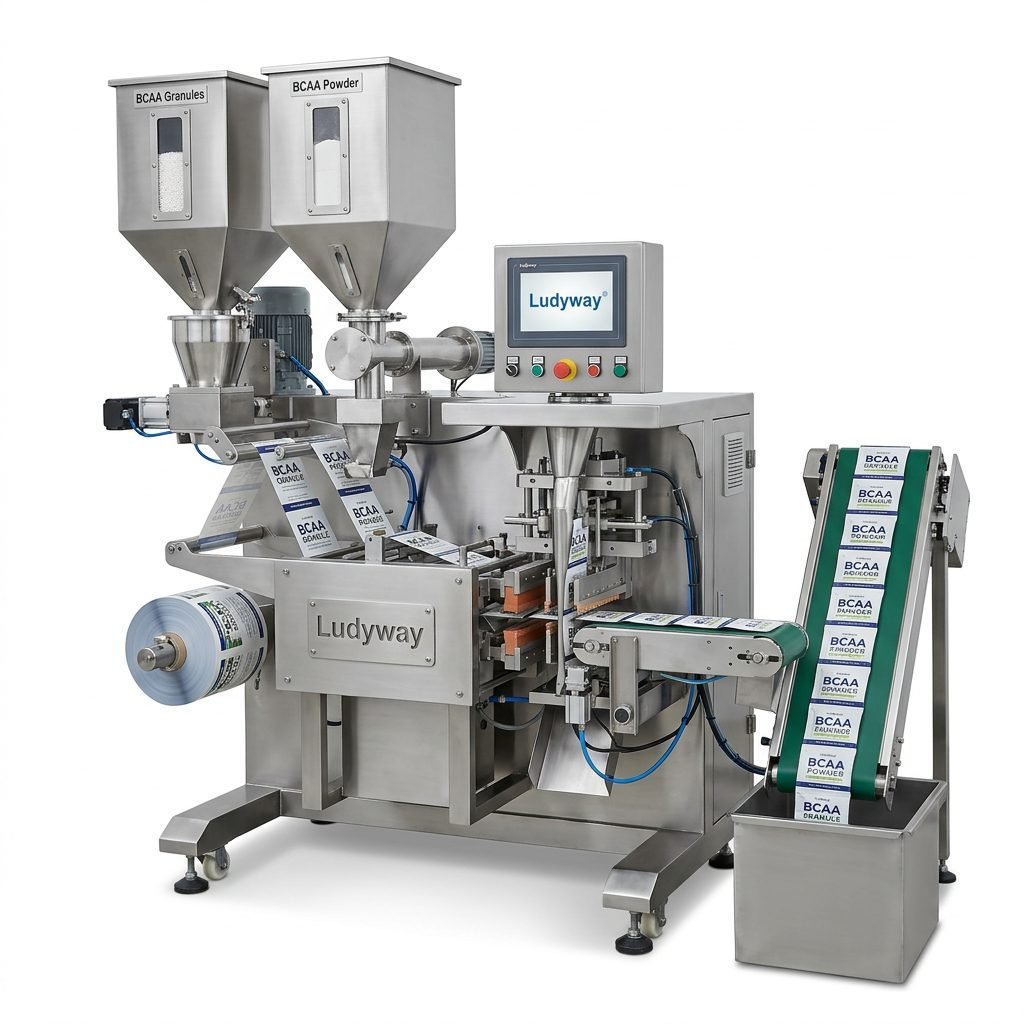
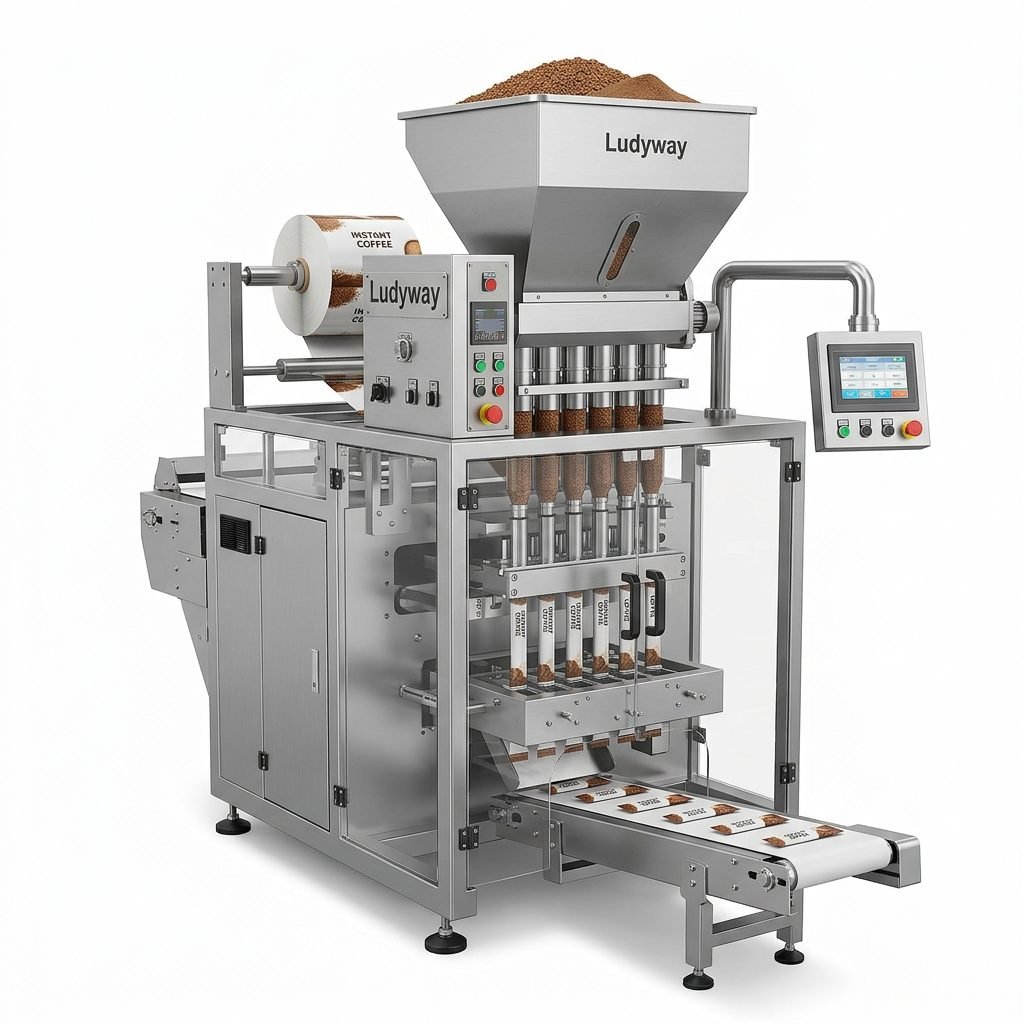
- Multi-lane stick pack machines – Ideal for single-serve powders, seasonings, and granulated ingredients like spices or sugar.
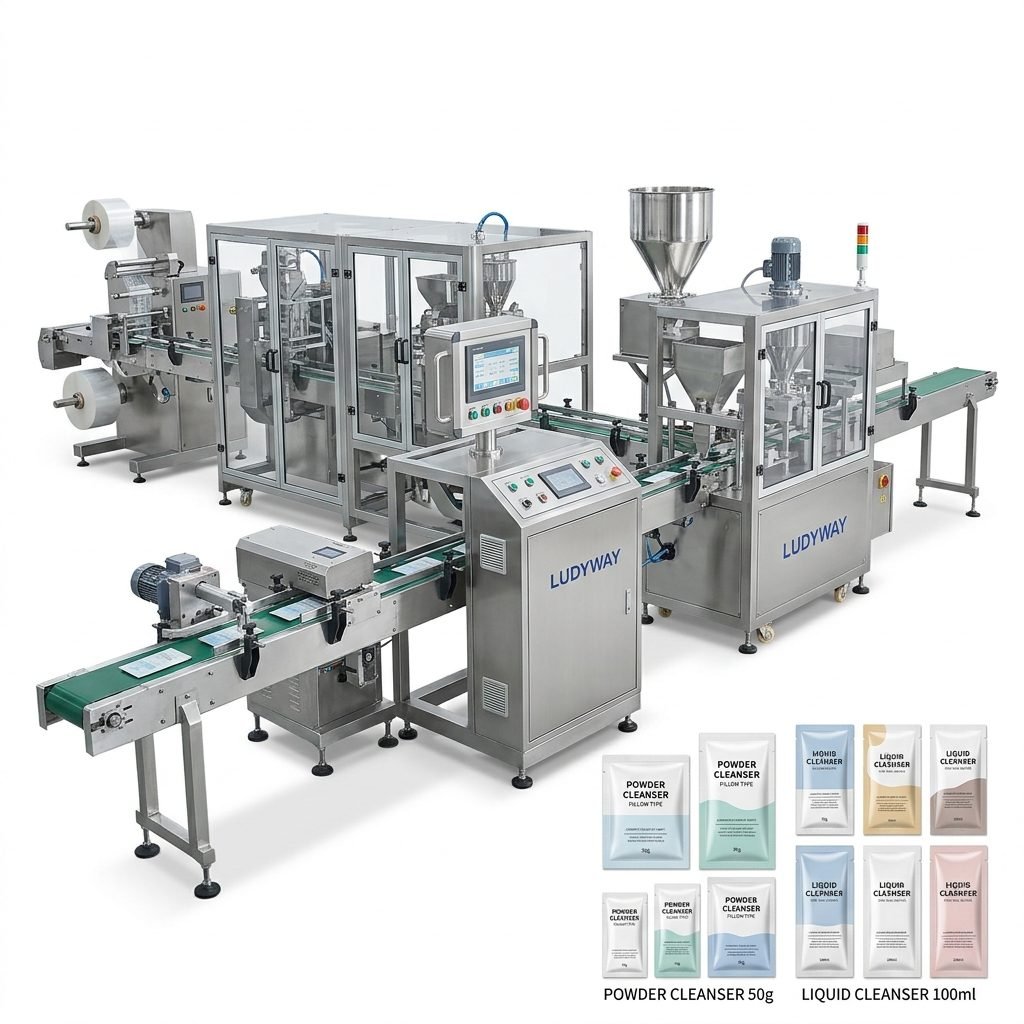
- Sachet packaging systems – Suitable for liquid-based components such as sauces, dressings, and marinades.
- Tray sealing and pouch filling lines – Designed for ready-to-cook meal components that require modified atmosphere packaging (MAP) to extend shelf life.
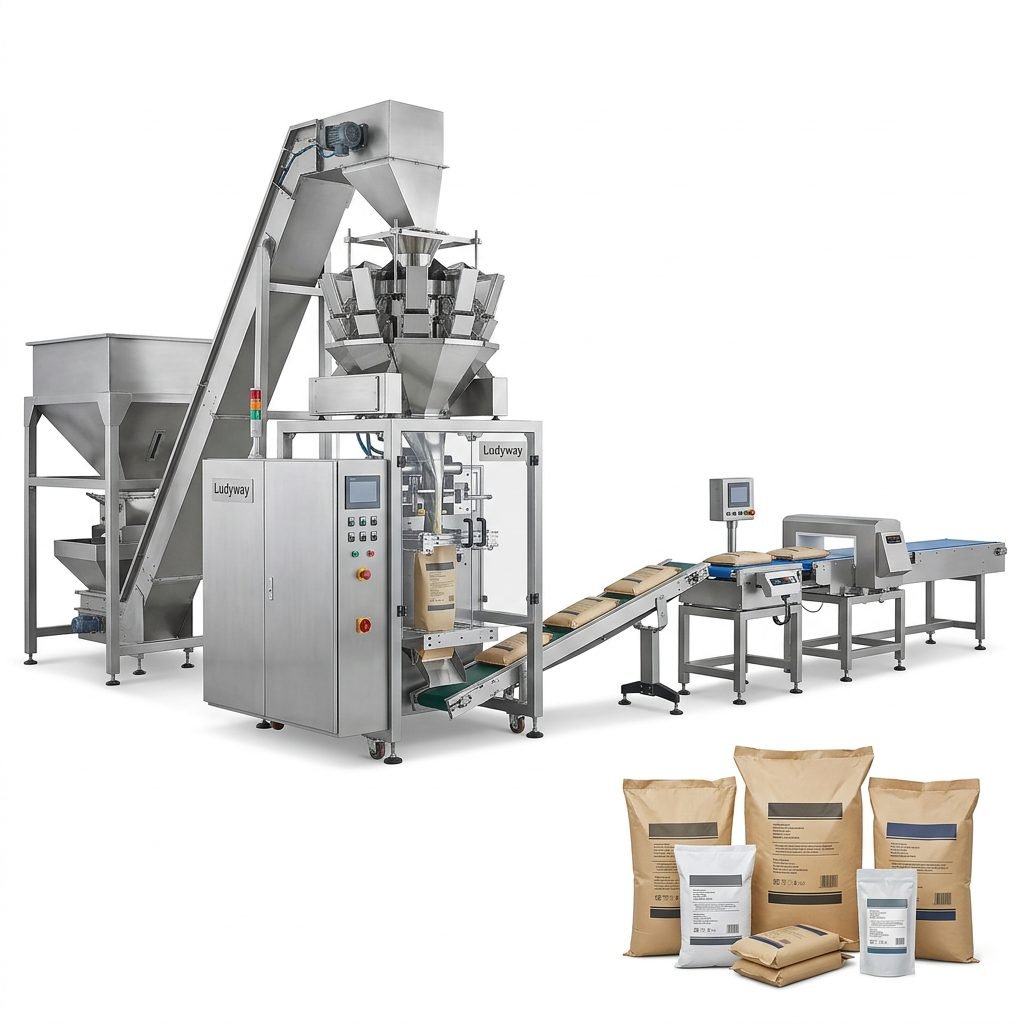
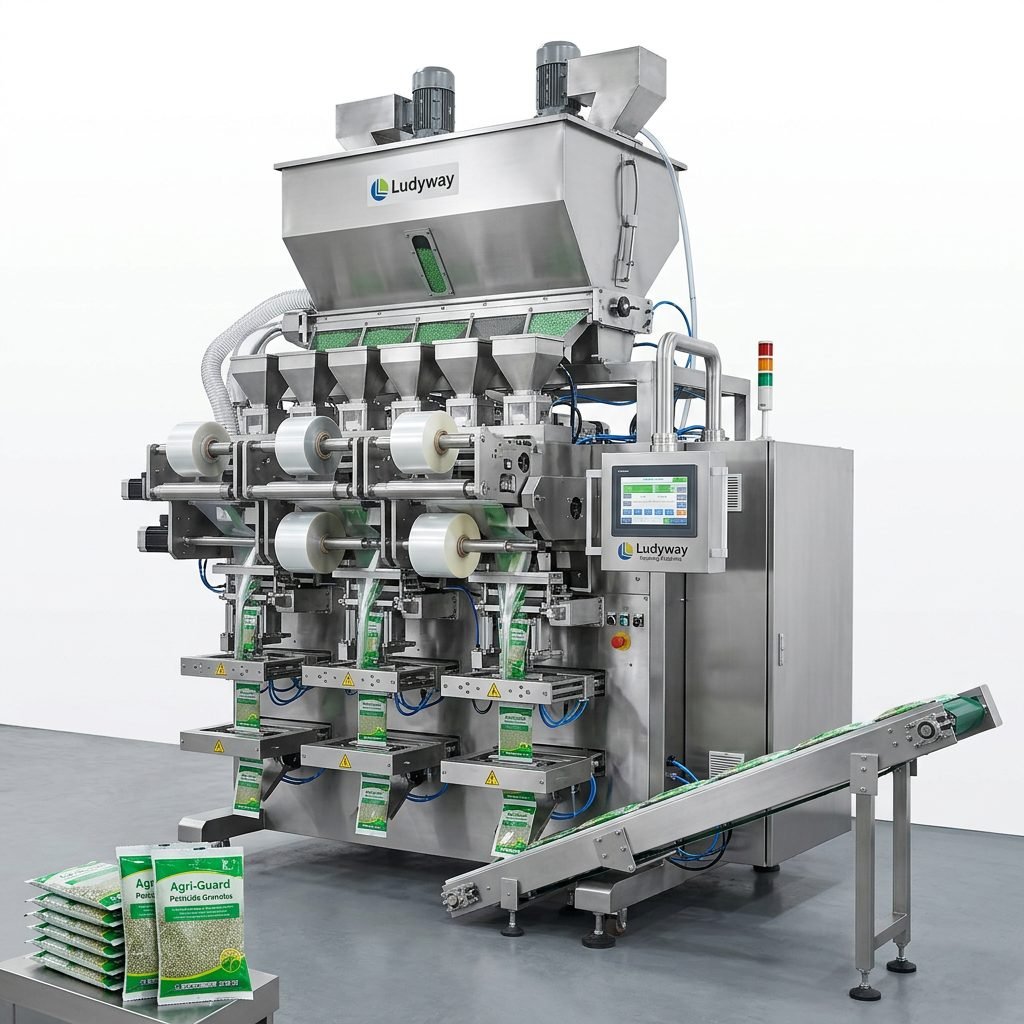
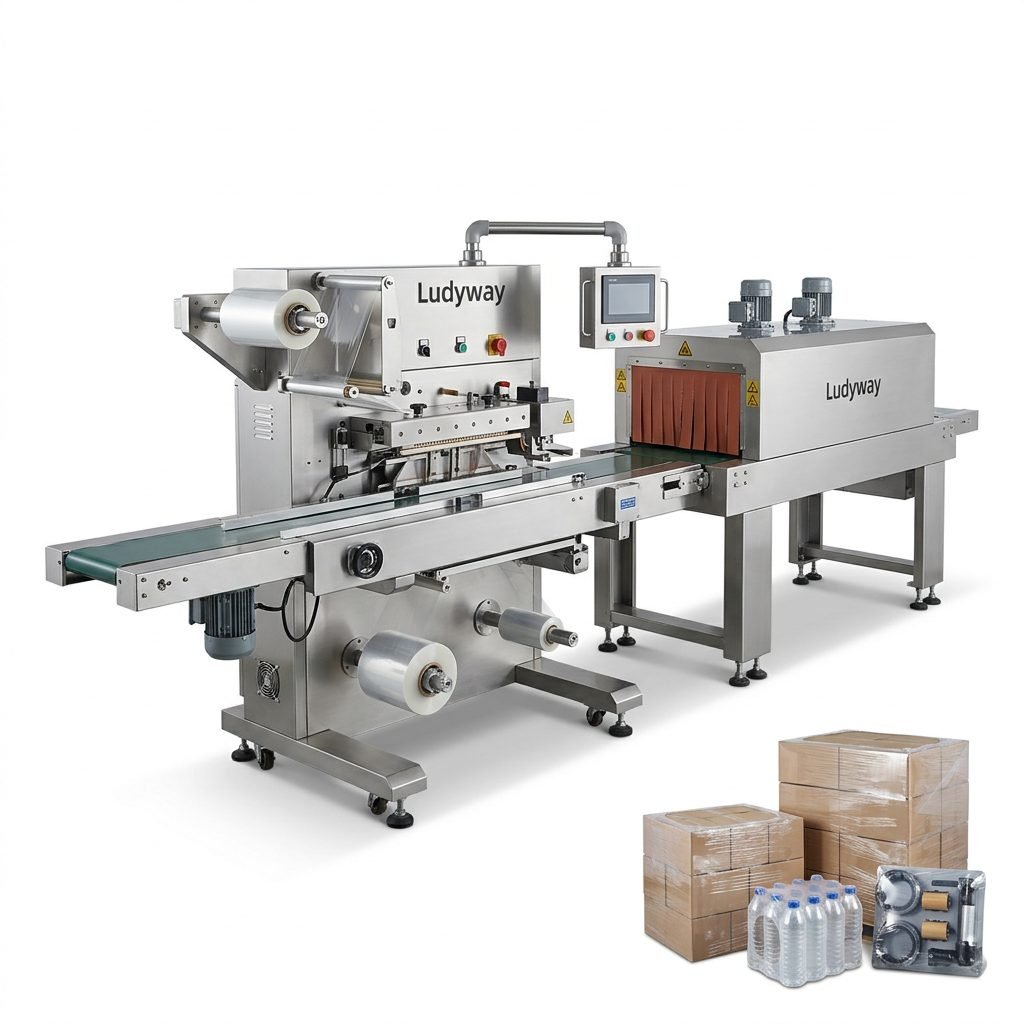
- Turnkey automated lines – Combining weighing, filling, sealing, cartoning, and palletizing for full-scale production.

Key Technical Specifications to Evaluate
When comparing meal kit packaging machines, focus on these critical performance parameters to match your production goals:
1. Filling Accuracy and Speed
For meal kit components like sauces and powders, precision dosing is non-negotiable. Look for machines with multi-head weighers or volumetric fillers that achieve ±0.5g accuracy. Production speeds range from 40 to 400 packs per minute depending on lane count. A reliable packaging machine manufacturer will provide capacity charts for different product viscosities and granule sizes.
2. Material Compatibility
Verify that the machine handles the specific film types used in your meal kit boxes. Common structures include PET/AL/PE laminates, paper-based pouches, and biodegradable films. Sealing temperature and pressure must be adjustable to prevent leaks in liquid sachets while avoiding burn-through on thinner materials.
3. Changeover Flexibility
Co-packing facilities and meal kit brands often run multiple recipes daily. Quick-release forming tubes, tool-free adjustments, and recipe memory storage significantly reduce downtime between production batches.
| Machine Type | Best For | Speed Range (packs/min) | Ideal Film Materials |
|---|---|---|---|
| Multi-Lane Stick Pack | Powders, granules, single-serve seasonings | 200–600 | PET/AL/PE, paper laminates |
| Sachet Filling Machine | Liquid sauces, dressings, gels | 60–300 | NY/PE, PET/AL/CPP |
| Tray Sealing Line | Fresh meal components, MAP trays | 10–80 | EVOH/PE, PP/EVOH/PE |
| Turnkey Packaging Line | Fully integrated meal kit assembly | 30–200 kits/min | Various depending on module |
Assessing Build Quality and Certifications
Chinese packaging machinery varies widely in construction standards. Prioritize manufacturers that use stainless steel 304 or 316L for food-contact parts, as these resist corrosion and meet FDA and EU food safety regulations. Check for recognized certifications:
- CE marking – Indicates conformity with EU safety standards.
- ISO 9001:2015 – Quality management system certification.
- GAMP 5 compliance – Important for pharmaceutical-grade or nutraceutical meal supplements.
Request a factory audit video or arrange a virtual inspection to observe machining precision, assembly processes, and quality control checkpoints. A supplier with a dedicated quality team and in-house testing lab provides an added layer of assurance.
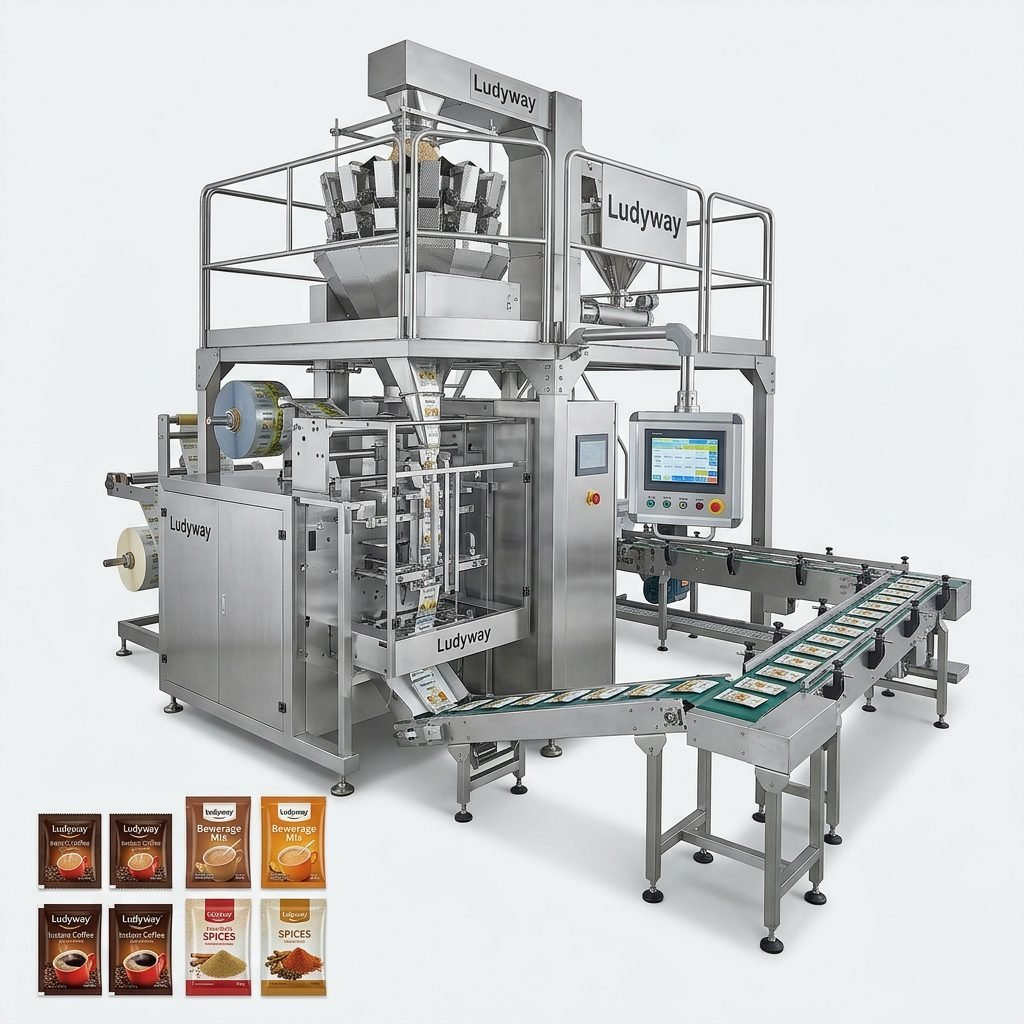
Evaluating Supplier Credibility and Support
Choosing the right partner extends beyond the equipment itself. Investigate the following aspects before signing a purchase agreement:
After-Sales Service Infrastructure
Confirm whether the manufacturer has local service engineers or third-party maintenance partners in your region. Remote diagnostic capabilities via IoT modules are increasingly common and can resolve 80% of operational issues without on-site visits. Clarify warranty terms—standard coverage is 12–24 months for core components, excluding wear parts like sealing jaws and cutting blades.
Spare Parts Availability
Downtime costs in meal kit fulfillment can escalate rapidly. Ensure the supplier maintains a comprehensive spare parts inventory and offers express international shipping. Request a recommended spare parts list tailored to your estimated annual production volume.
Engineering and Customization Capabilities
Many meal kit applications require custom tooling or integration with upstream conveyors and downstream cartoners. Evaluate the supplier’s engineering team size and previous custom project portfolio. Ludyway, for instance, operates a 20,000 m² facility with over 30 years of experience in developing turnkey packaging solutions for food, pharmaceutical, and health industries worldwide. Their engineering depth enables tailored configurations for multi-component meal kits, from granule dosing to liquid filling and pouch sealing.

Cost Considerations and ROI Analysis
Pricing for meal kit packaging machines from China can range from $15,000 for basic single-lane sachet fillers to over $500,000 for fully automated multi-lane turnkey systems. Consider these cost factors:
- Lane count and speed capacity directly influence price.
- Automation level – manual loading vs. robotic pick-and-place integration.
- Optional add-ons – nitrogen flushing, date coding, checkweighers, and metal detectors.
- Freight and import duties – factor in approximately 8–15% of equipment cost depending on destination country.
Calculate payback period by estimating labor savings, reduced packaging material waste, and increased throughput. Many buyers achieve full ROI within 14–24 months by switching to automated meal kit packaging systems.
Resources for Further Research
Industry associations and regulatory bodies provide valuable guidance for packaging machinery selection and compliance:
- PMMI – Packaging Industry Resources
- FDA – Food Packaging and Food Contact Substances
- Flexible Packaging Association – Official Website
- ISO – Packaging Standards
- PMMI – Business Intelligence Library
- European Commission – Packaging and Packaging Waste

Frequently Asked Questions
What is the best packaging machine for meal kit sauces?
Multi-lane sachet packaging machines with liquid filling systems are optimal for sauces, marinades, and dressings. These machines handle viscosities from water-thin liquids to thick pastes, with sealing integrity critical to prevent leaks during distribution.
How do I verify a Chinese supplier’s quality before purchasing?
Request customer references in your region, ask for material certifications and third-party inspection reports, and consider hiring a local sourcing agent for factory audits. Virtual factory tours with live video are also effective preliminary evaluation methods.
Can meal kit packaging machines handle both powders and liquids?
Yes, many manufacturers offer multi-functional machines with interchangeable filling systems. However, for high-volume production of diverse components, separate dedicated lines or modular turnkey systems often yield better efficiency than single multi-purpose units.
Selecting the right meal kit packaging machine balances technical specifications, supplier reliability, and total cost of ownership. By thoroughly evaluating these factors and partnering with an experienced manufacturer, you position your operation for consistent product quality and scalable growth.