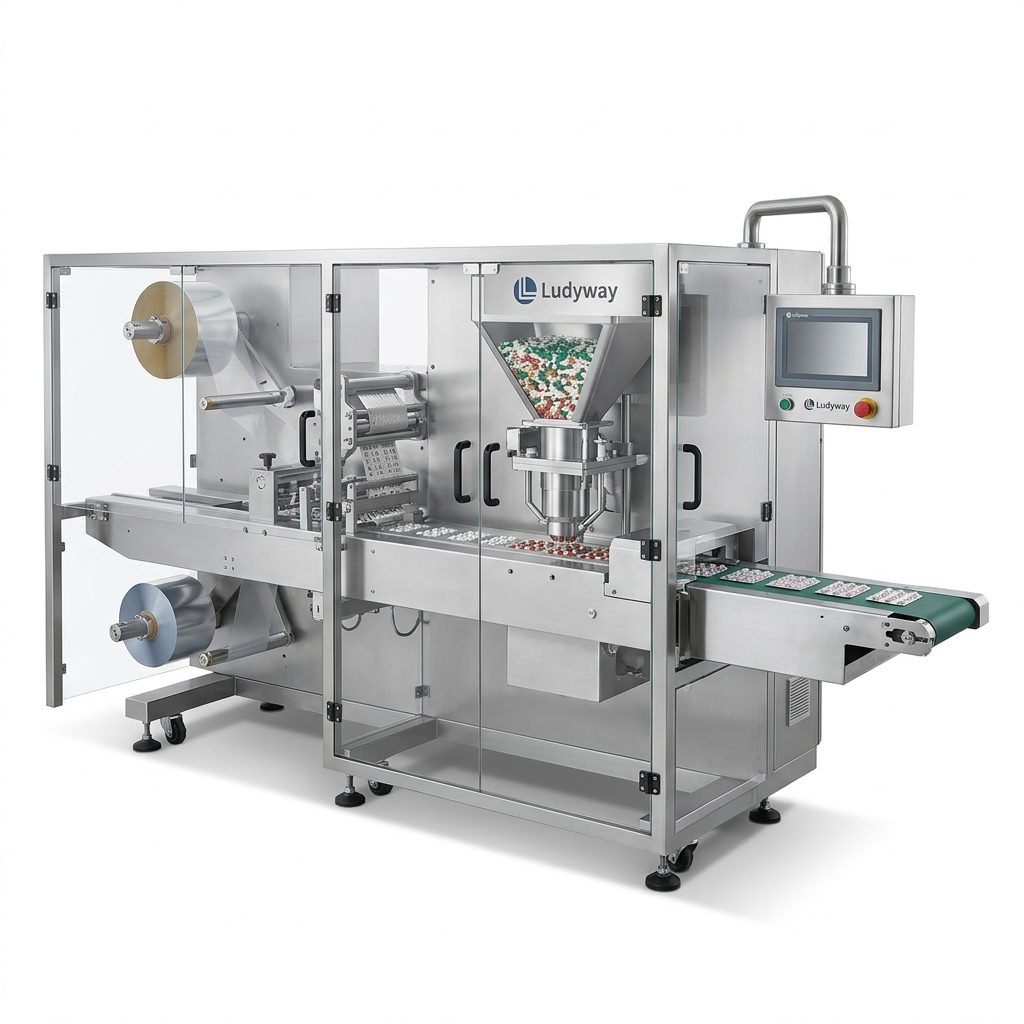
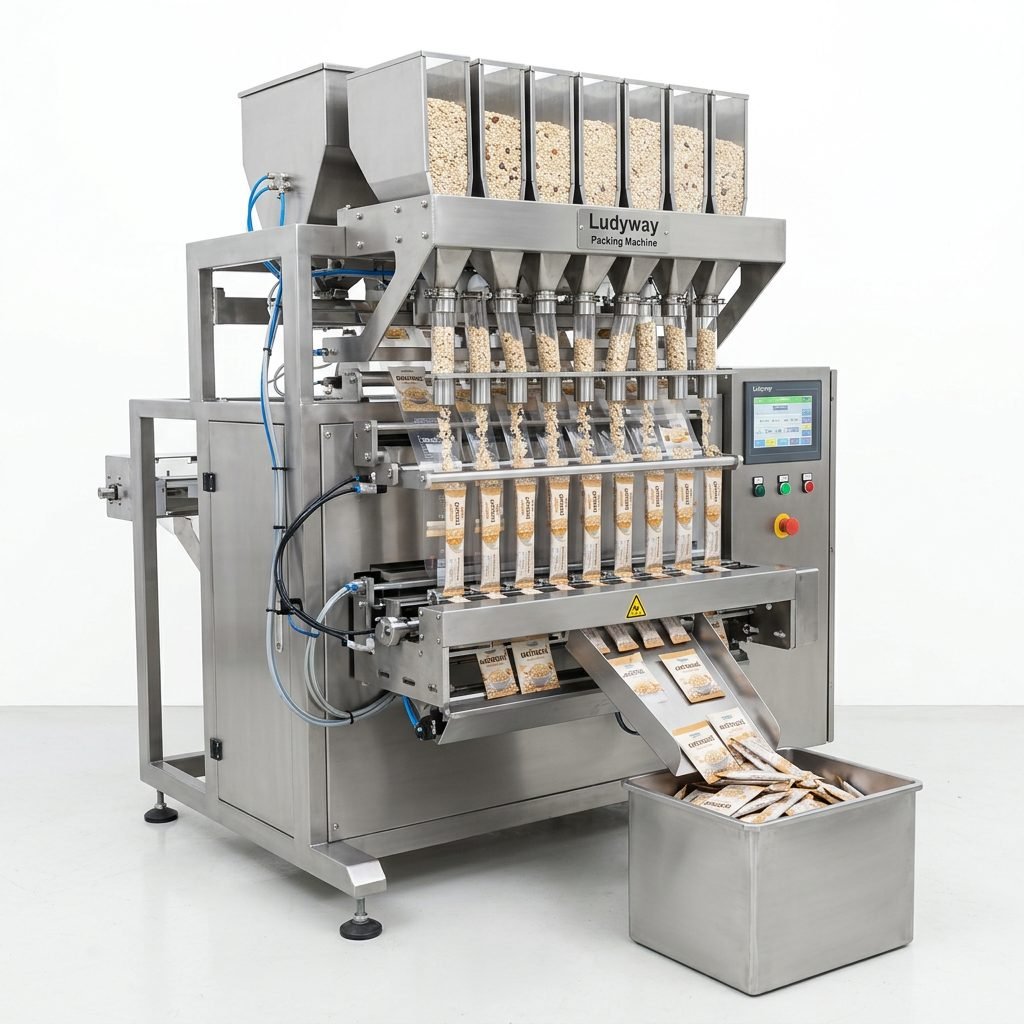
Choosing the right pasta packaging equipment is not only about packing faster. It is also about protecting product quality, ensuring food safety, reducing labor costs, improving shelf appeal, and preparing your factory for future growth. Whether you produce spaghetti, macaroni, penne, fresh pasta, instant pasta kits, or seasoning-inclusive pasta packs, the right machine setup can make a major difference in daily output and long-term profitability.
This guide explains how to evaluate a pasta packaging machine based on product type, packaging format, automation level, hygiene requirements, and line integration needs, so you can select a solution that is efficient, safe, and commercially smart.
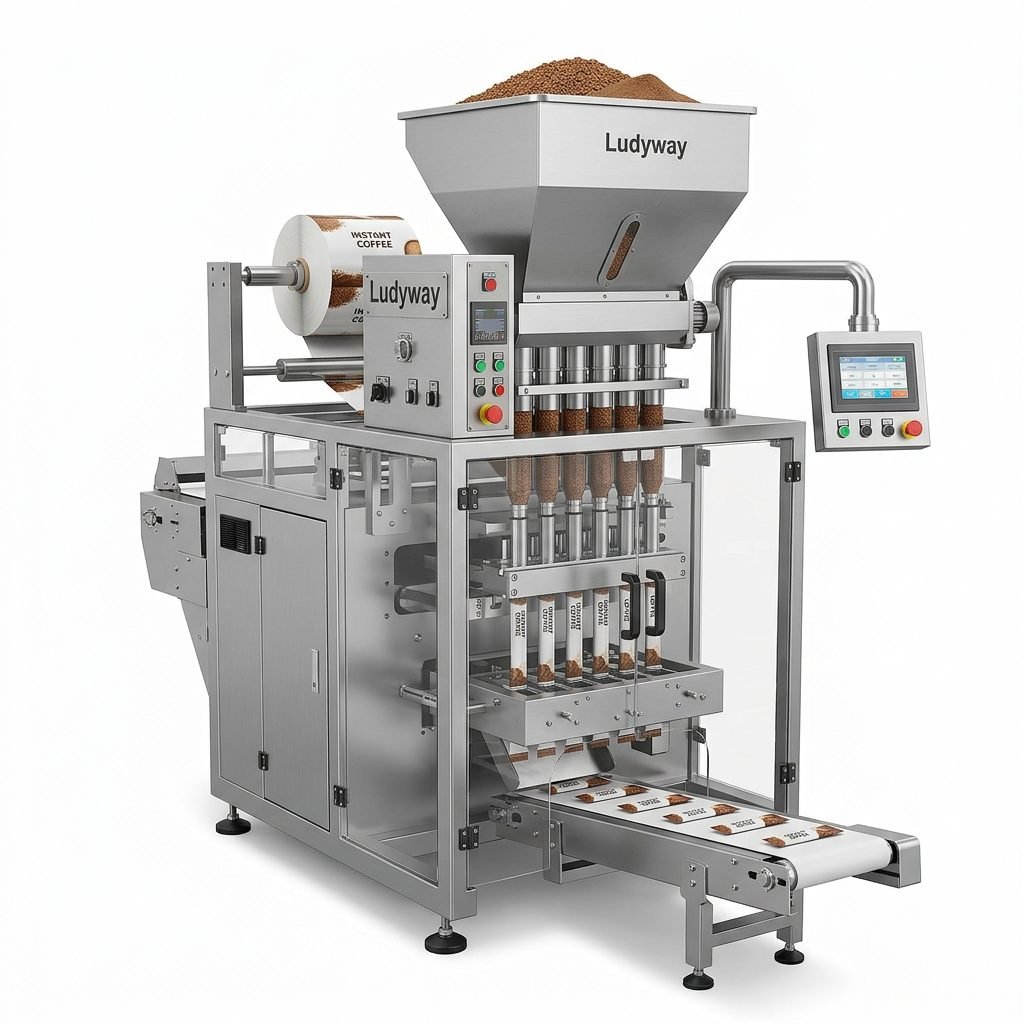
Why Pasta Packaging Matters More Than Many Buyers Expect
Pasta may appear easy to pack, but different shapes, breakability levels, moisture sensitivity, and retail requirements can create complex challenges. Poorly selected equipment often leads to:
- Broken long pasta during feeding or sealing
- Inconsistent pack weights
- Low production efficiency due to manual intervention
- Weak seal quality and shorter shelf life
- Dust or product contamination risks
- Packaging waste and higher operating cost
- Difficulty scaling production when demand increases
A well-matched system helps manufacturers maintain product integrity, improve batch consistency, and meet food industry compliance standards while keeping the line flexible for future SKU expansion.
Start with the Type of Pasta You Need to Pack
The first step is to define exactly what product the machine will handle. Not all pasta behaves the same during weighing, conveying, filling, and sealing.
1. Long Dry Pasta
Examples include spaghetti, linguine, and fettuccine. These products require careful feeding and alignment to avoid breakage. Packaging systems for long pasta often need precise infeed control and stable bag forming.
2. Short-Cut Dry Pasta
Examples include penne, fusilli, macaroni, shells, and farfalle. These products are easier to weigh and fill, but different shapes affect flowability and counting density. The machine should be suitable for free-flowing but irregular granule-like products.
3. Fresh or Semi-Moist Pasta
Fresh pasta requires stricter hygiene, faster processing, and packaging materials with stronger barrier properties. In some cases, modified atmosphere packaging or vacuum support may be needed.
4. Pasta Meal Kits or Multipack Formats
These may include dry pasta plus sauce powder, seasoning sachets, or secondary cartoning. In this case, a single machine is often not enough. A complete packaging line may be more suitable.
| Pasta Type | Main Packaging Challenge | Recommended Focus |
|---|---|---|
| Long dry pasta | Breakage, alignment | Gentle feeding, stable bag forming |
| Short-cut pasta | Weight accuracy, fast filling | Reliable weighing and efficient discharge |
| Fresh pasta | Hygiene, shelf life | Sanitary design, sealing performance |
| Meal kits | Multi-component handling | Integrated line automation |
Choose the Right Packaging Format
Your ideal packaging machine depends heavily on the final pack style. Different retail, foodservice, and wholesale channels require different formats.
Common Pasta Packaging Formats
- Pillow bags
- Gusset bags
- Stand-up pouches
- Flow-wrapped long pasta packs
- Premade pouches
- Bulk sacks for foodservice or industrial supply
- Cartoned retail packs with inner bag
If your business serves supermarkets, attractive shelf presentation and clean sealing matter more. If you serve distributors or industrial kitchens, larger bags and higher throughput may be the priority.
Tip: Always match the packaging format to your distribution channel, storage conditions, and brand positioning before choosing the machine model.
Key Machine Types Used in Pasta Packaging
Different pasta products may require different machine structures. Here are the main equipment categories buyers typically evaluate:
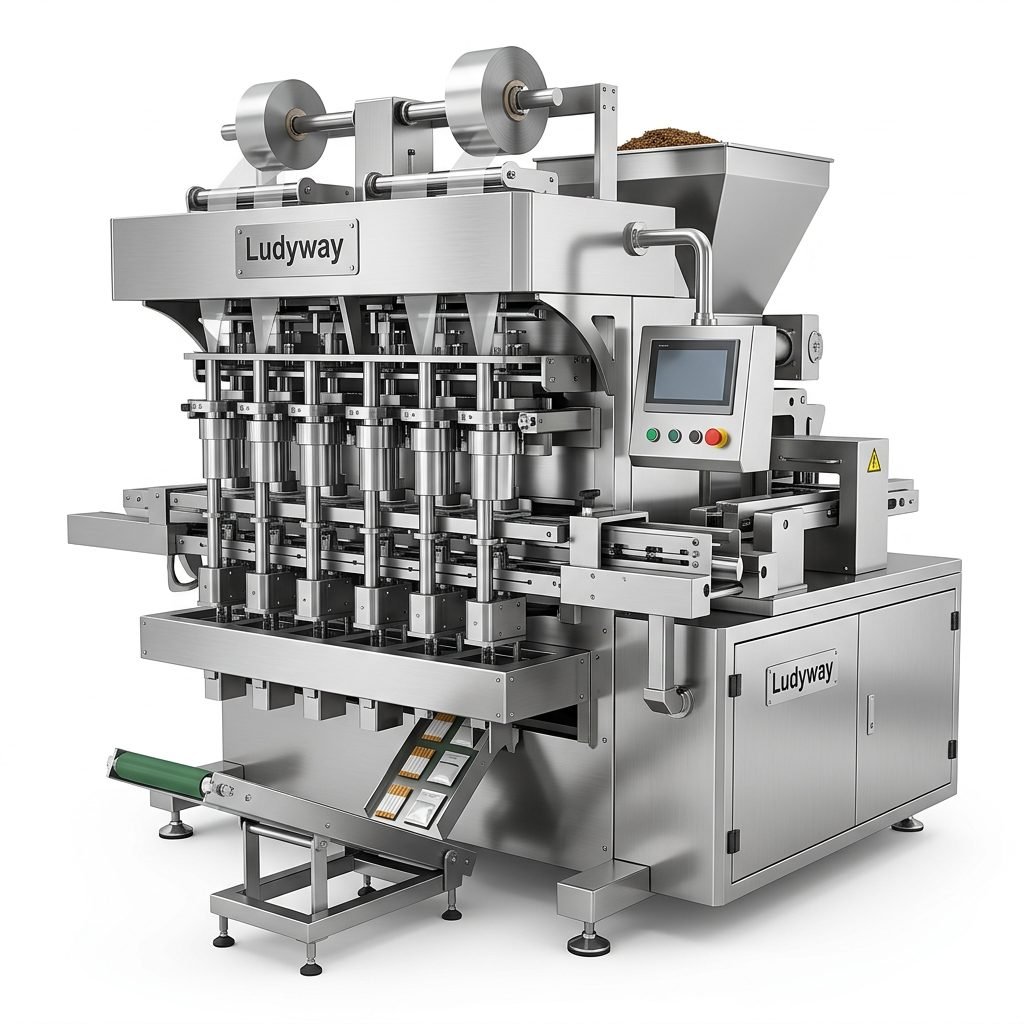
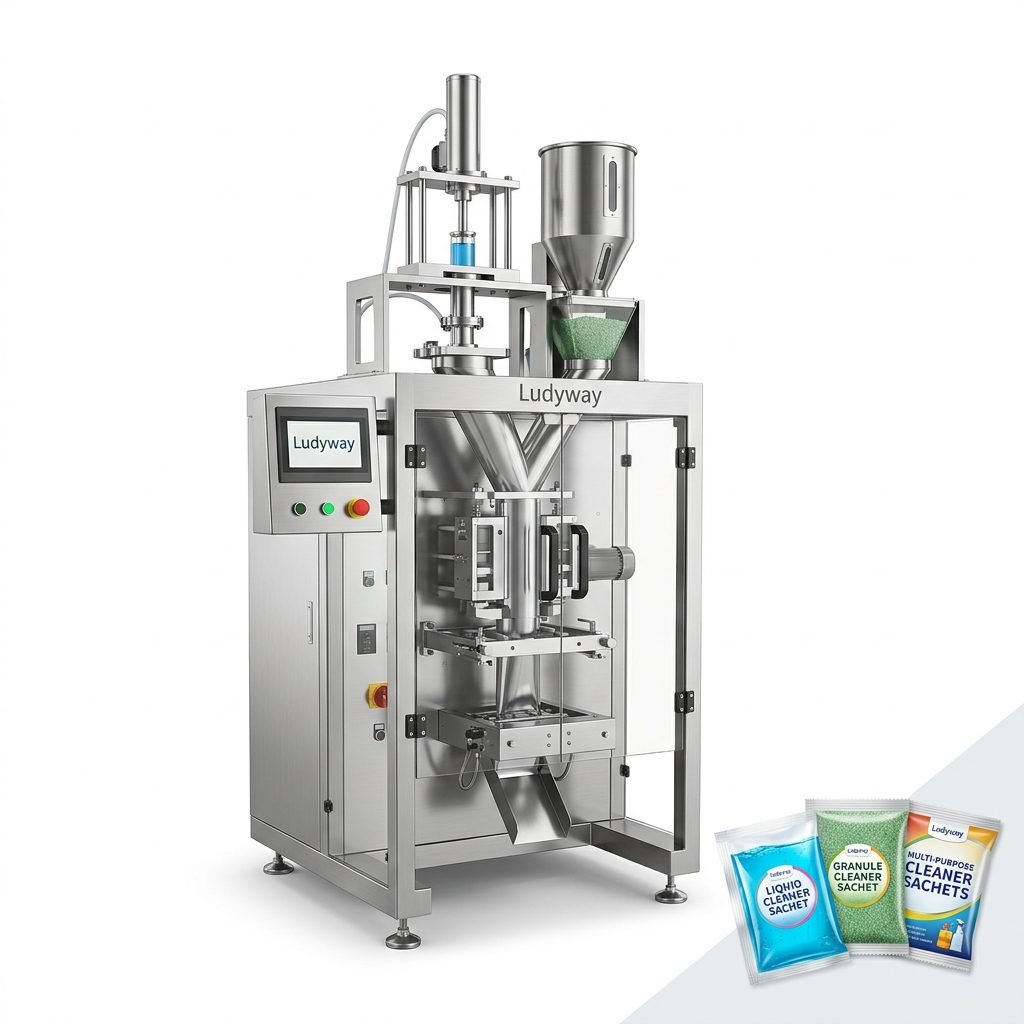
Vertical Form Fill Seal Machines
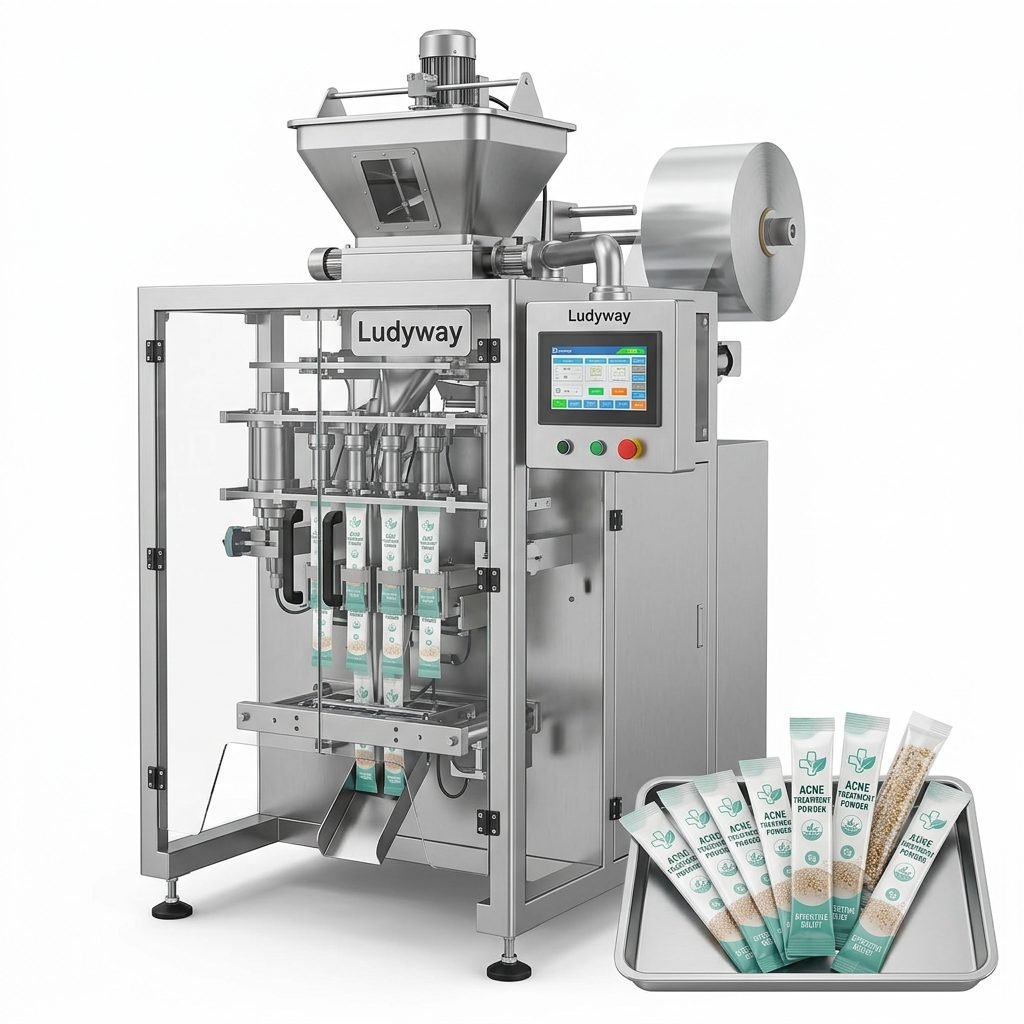
These are often used for short-cut pasta, small granule-like pasta products, and flexible bag packaging. They are efficient, compact, and suitable for many dry food applications.
Premade Pouch Packaging Machines
Suitable when brand appearance is important and the package needs a premium retail look. These machines are often used for stand-up pouches or zipper bags.
Horizontal Flow Wrapping Solutions
Especially relevant for long pasta formats that need organized feeding and sealed outer wrapping without excessive product damage.
Weighing and Bagging Systems for Bulk Packs
For large bags or wholesale operations, a robust weighing, feeding, and sealing system is usually more important than high-end retail presentation.
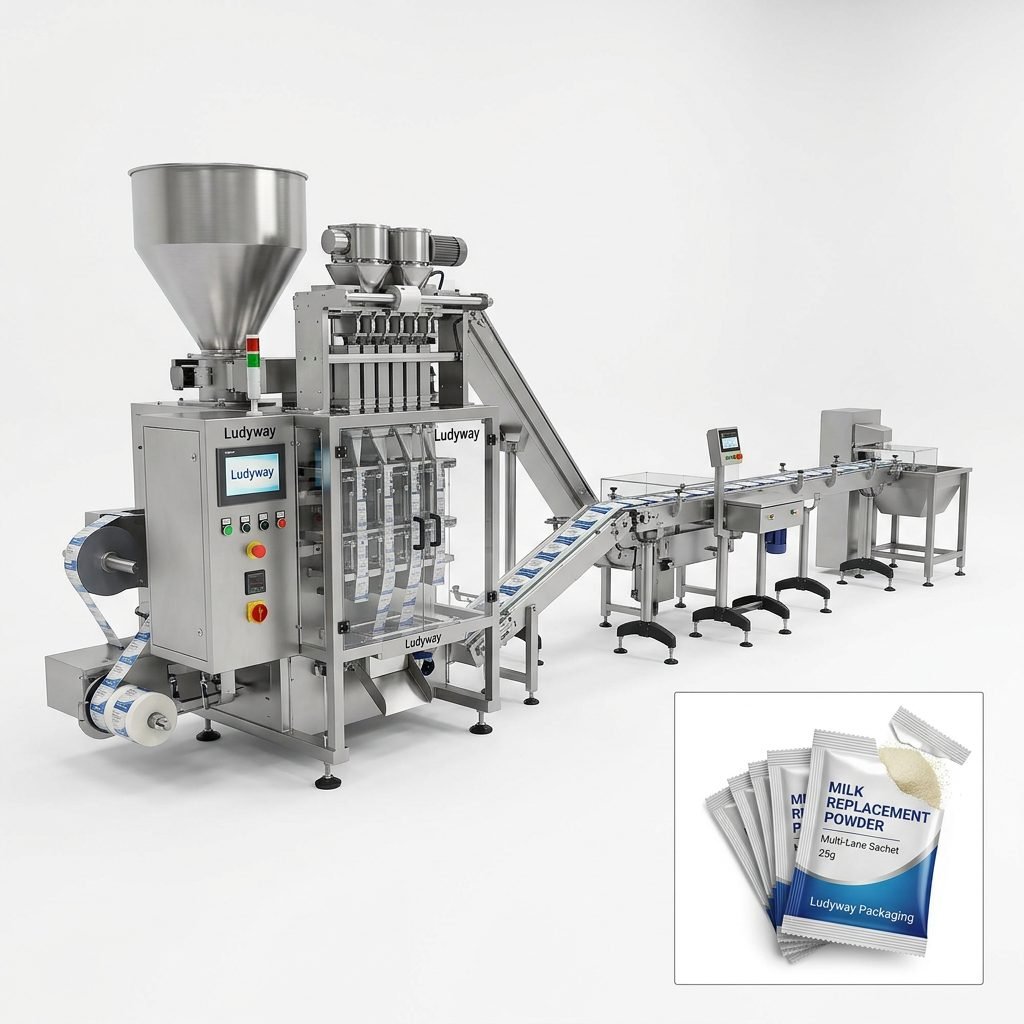
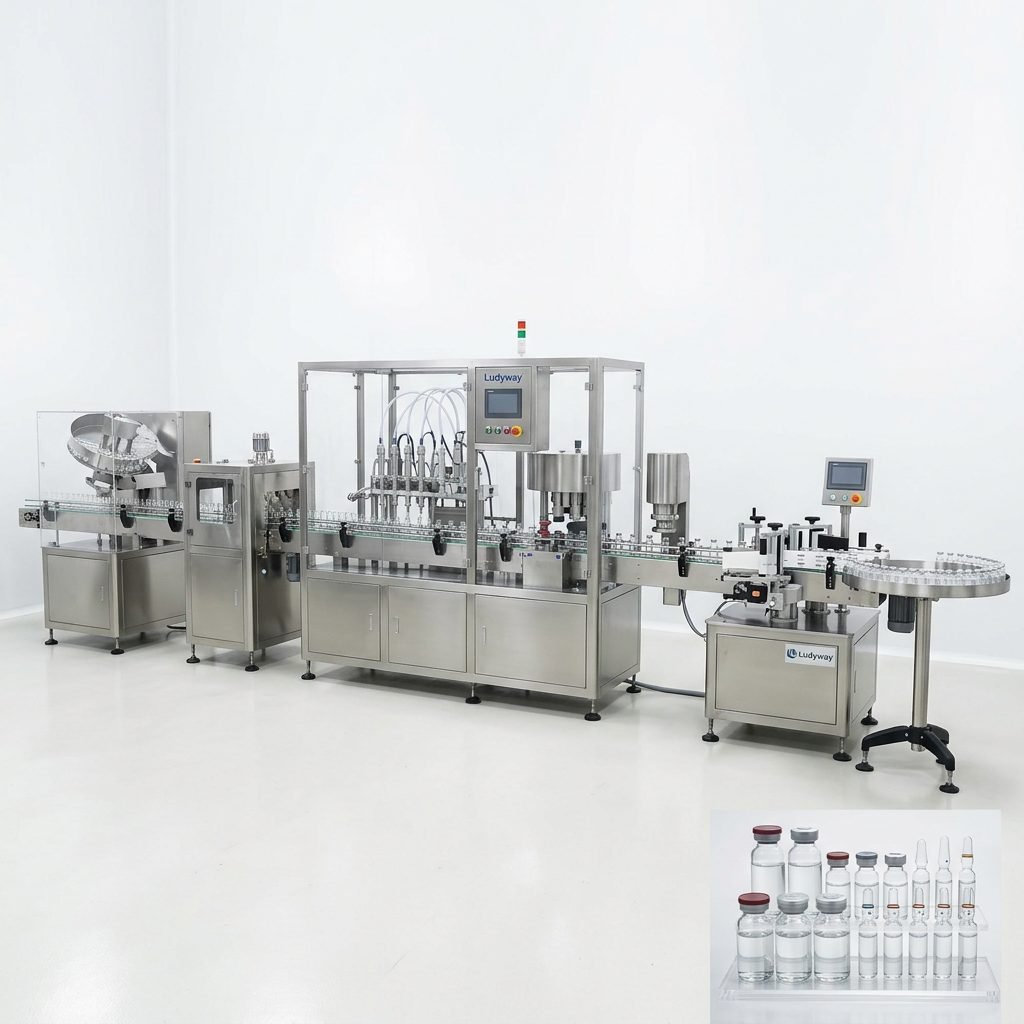
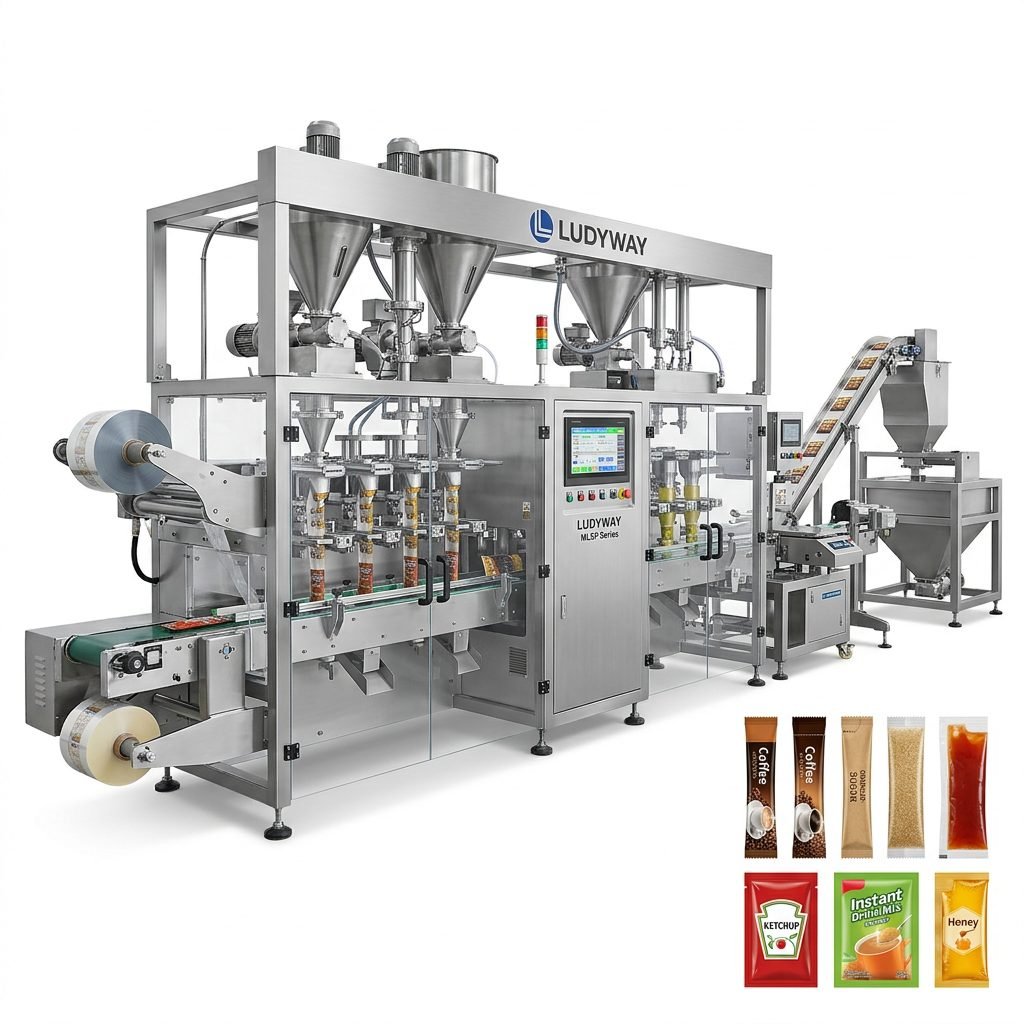
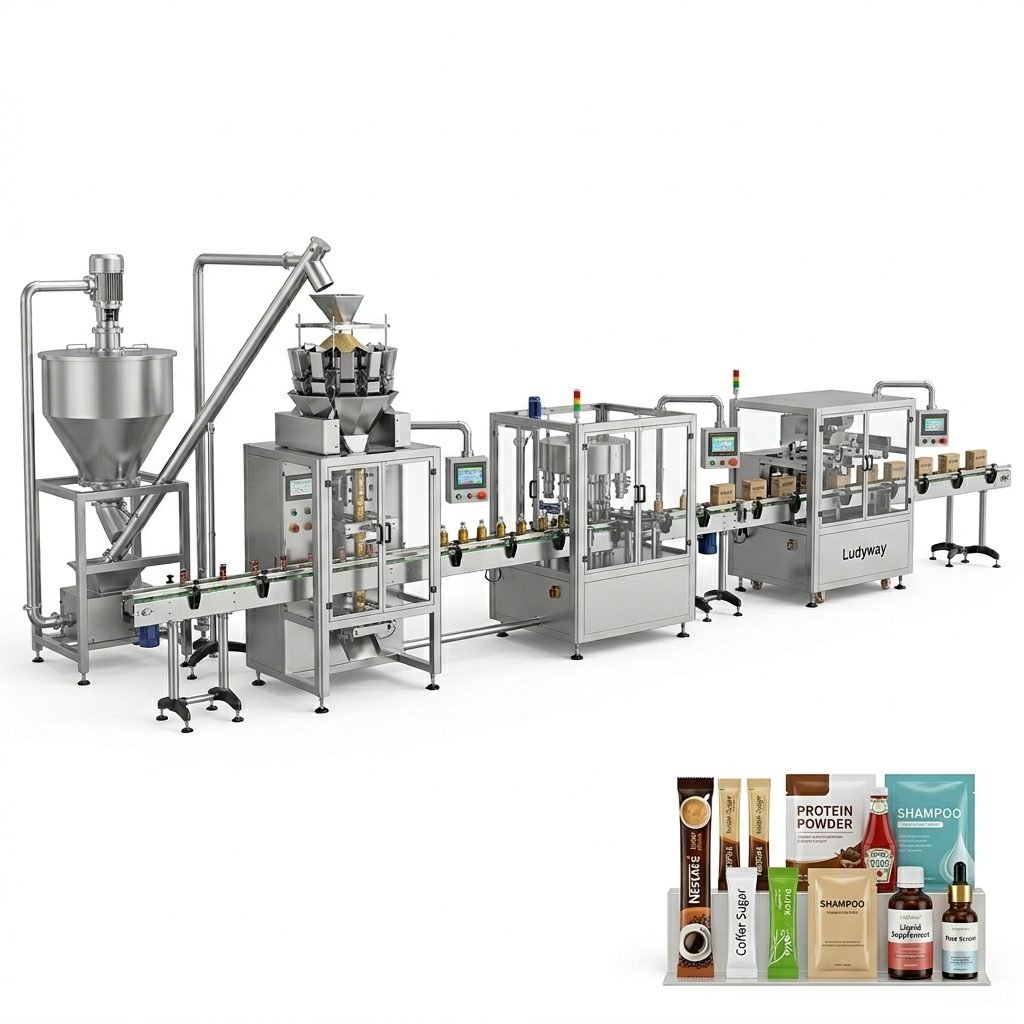
Turnkey Packaging Lines
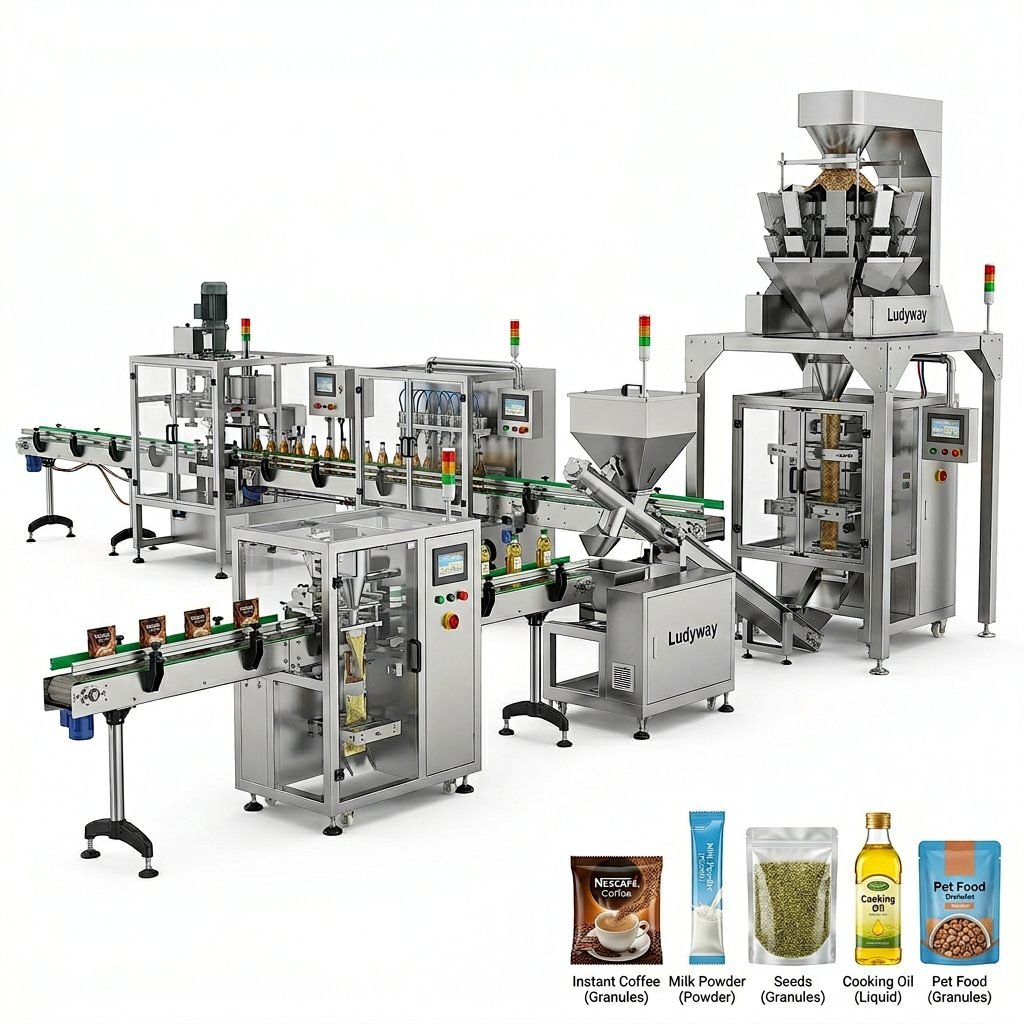
For larger factories, full-line systems can combine feeding, weighing, filling, sealing, coding, inspection, cartoning, case packing, and palletizing. This provides the highest efficiency and best line coordination.
The Most Important Factors When Choosing a Pasta Packaging Machine
Product Handling Accuracy
Good packaging begins before sealing. The feeding and dosing system should handle pasta gently while maintaining stable weight control. This is especially critical if your product has a high retail price or strict net weight regulations.
Production Speed
Do not choose a machine based on peak speed alone. Ask for the stable running speed under your actual pasta conditions. Real-world speed depends on product shape, bag size, film quality, and operator skill.
Seal Quality
A poor seal can lead to leakage, moisture ingress, reduced shelf life, and customer complaints. Machines should deliver consistent temperature control, pressure balance, and neat sealing appearance.
Food Safety and Hygiene Design
For pasta and related food products, easy cleaning and sanitary contact parts are essential. Stainless steel construction, dust control, and accessible cleaning points all help reduce contamination risk.
Ease of Changeover
If you plan to pack several pasta shapes or multiple bag sizes, quick changeover saves time and labor. Ask how long it takes to switch recipes, forming parts, and packaging film.
Machine Stability
A slightly slower but more stable machine is often more profitable than a very fast machine with frequent stops. Long-term uptime matters more than brochure numbers.
Expandability
If your factory may later add date coding, nitrogen flushing, metal detection, checkweighing, cartoning, or palletizing, choose a system that can integrate these modules smoothly.
Food Safety Features You Should Not Ignore
Safe packaging is a major part of brand protection. For pasta manufacturers, the machine should support a hygienic process from infeed to final discharge.
- Food-grade contact materials
- Stainless steel product contact surfaces
- Dust-minimizing structure for dry powder or crumbs
- Easy disassembly for sanitation
- Stable sealing to protect against moisture and contamination
- Optional metal detection and checkweighing integration
- Reliable coding for traceability and batch management
These points are especially important if you export to markets with strict compliance requirements or supply major retailers that audit packaging operations.
Single Machine or Complete Packaging Line?
Many buyers initially search for a single pasta packaging machine, but their actual production requirements may point to a larger integrated solution.
| Option | Best For | Main Benefit |
|---|---|---|
| Standalone machine | Smaller factories or simple SKUs | Lower initial investment |
| Semi-automatic line | Growing businesses | Balanced cost and labor savings |
| Fully automatic turnkey line | High-volume production plants | Maximum efficiency, consistency, and integration |
If you are planning rapid output growth, launching multiple pack formats, or exporting in large quantities, a turnkey line is often a better long-term investment than buying isolated machines one by one.
Questions to Ask Before Buying
Before making a final decision, ask the supplier detailed technical and commercial questions. This helps avoid mismatched configurations and hidden costs.
- What pasta types and sizes has the machine already packed successfully?
- What is the tested speed with products similar to mine?
- What packaging materials are supported?
- How accurate is the weighing system?
- How much product breakage occurs during operation?
- How easy is cleaning and daily maintenance?
- What spare parts are included?
- Can the system be upgraded into a larger automated line later?
- What after-sales service and technical support are available?
- Can the supplier provide factory testing videos or sample packing trials?
Common Mistakes Buyers Make
- Choosing based only on price
- Ignoring future production expansion
- Not testing actual pasta samples before purchase
- Overlooking cleaning and food safety requirements
- Focusing only on machine speed instead of line stability
- Buying a machine without considering packaging material compatibility
- Underestimating the importance of after-sales support
The cheapest equipment is not always the lowest-cost option over time. Downtime, film waste, inconsistent sealing, and maintenance issues can quickly make a low-priced machine more expensive.
How to Evaluate a Reliable Supplier
A strong machine is important, but a capable manufacturer is just as critical. Look for a supplier with proven engineering, export experience, customization capability, and support service.
For buyers seeking scalable food packaging automation, Ludyway pasta packaging machine solutions come from one of China’s leading packaging machine and turnkey packaging line manufacturers, with more than 30 years of experience, a factory over 20,000 square meters, and broad export coverage across Europe, North America, the Middle East, South America, Africa, and Southeast Asia.
What to Look For in a Supplier
- Long manufacturing history
- Experience in food packaging applications
- Ability to provide both standalone machines and complete lines
- Customization for different pasta pack formats
- Clear quality inspection procedures
- Installation, training, and technical support capacity
Best Solution by Business Type
For Small Pasta Brands
A compact and efficient machine with easy operation, moderate speed, and low maintenance is often the best choice. Flexibility matters more than extreme speed.
For Medium-Sized Food Manufacturers
A semi-automatic or integrated line with accurate weighing, date coding, and quality inspection features can improve labor efficiency and output consistency.
For Large Industrial Producers
A fully automated turnkey line is usually the most cost-effective in the long run, especially when handling high volumes, export orders, and multiple SKUs.
Final Buying Checklist
| Checklist Item | Confirm Before Purchase |
| Pasta type | Long, short-cut, fresh, or kit format |
| Pack style | Bag, pouch, wrap, carton, or bulk pack |
| Capacity target | Current output and future expansion needs |
| Safety needs | Hygiene, sealing, traceability, inspection |
| Automation level | Standalone, semi-auto, or turnkey line |
| Supplier support | Testing, training, spare parts, after-sales service |
The best pasta packaging solution is one that fits your actual product, packaging goals, factory layout, and growth plan. When you choose with efficiency, safety, and scalability in mind, your packaging system becomes more than a machine—it becomes a long-term production asset.