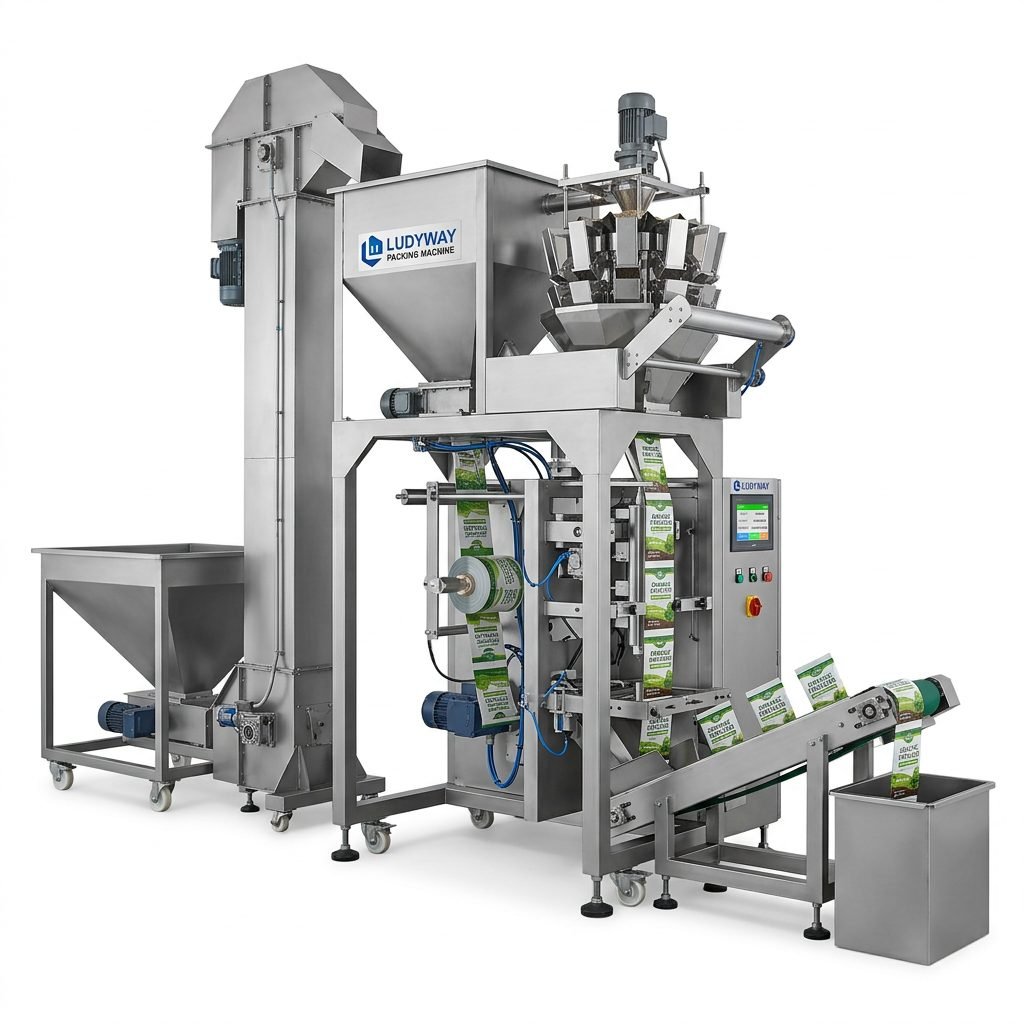
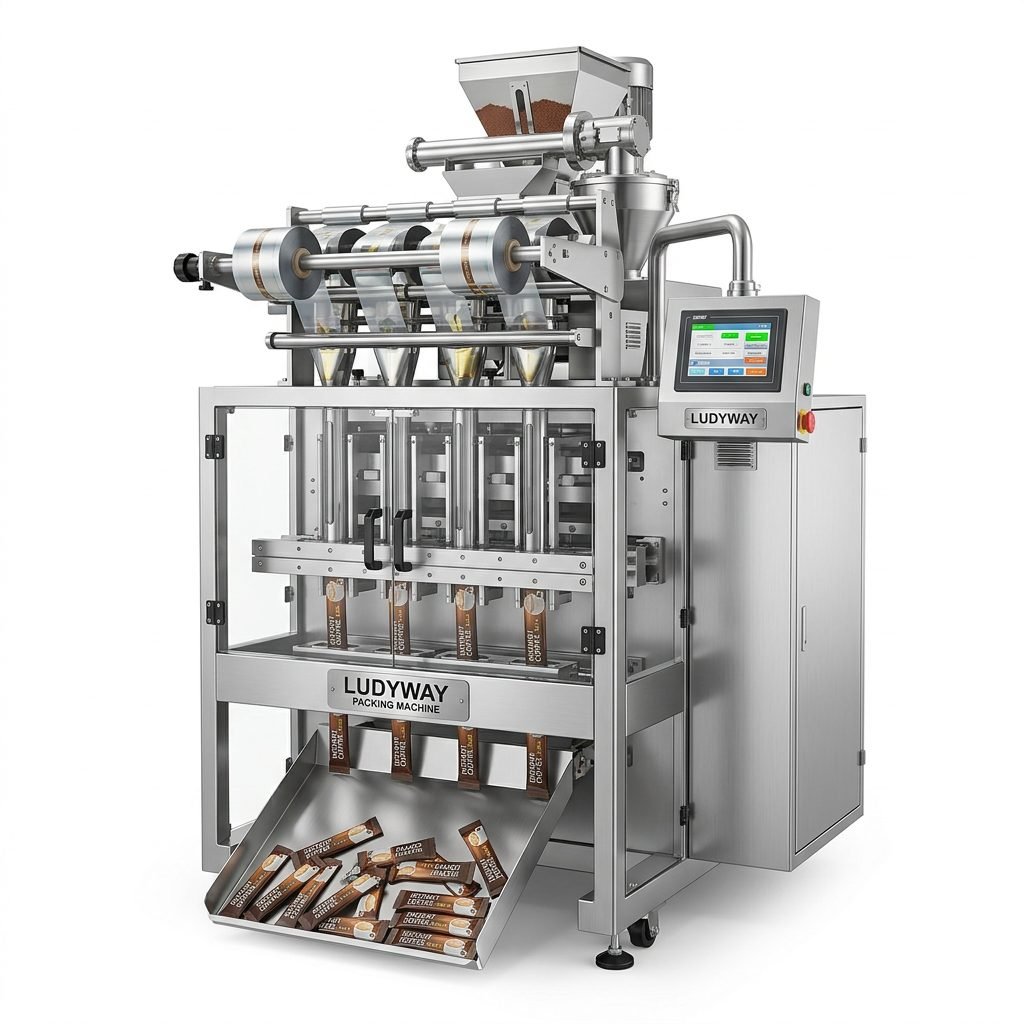
Investing in the right baby food packaging machine is one of the most critical decisions for manufacturers entering or expanding in the UK’s infant nutrition market. With stringent food safety regulations, rising consumer expectations for convenience, and a growing preference for portion-controlled formats like sachet packaging machines and stick packs, selecting the correct equipment directly impacts product quality, shelf life, and operational profitability.
The UK baby food sector has experienced steady growth, driven by demand for organic, clean-label, and conveniently packaged products. According to industry data from PMMI’s Business Intelligence, flexible packaging now accounts for a significant share of the baby food segment, making automated filling and sealing technology essential for competitive production.
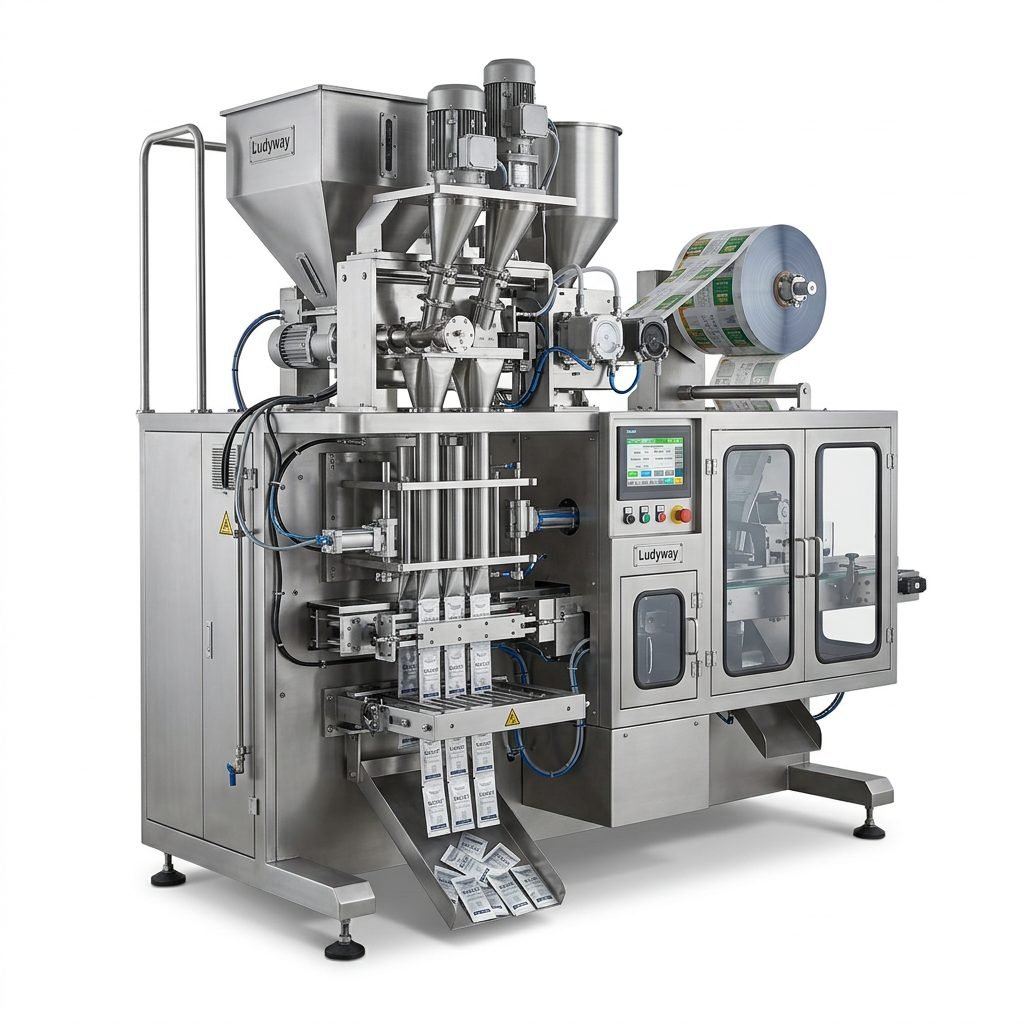
Understanding the UK Baby Food Packaging Landscape
The UK market presents unique requirements for baby food manufacturers. Food safety compliance is non-negotiable, with the FDA food packaging regulations and EU-derived standards influencing equipment specifications. Baby food products typically fall into several categories, each requiring specific packaging approaches:
- Dry cereal and powder formulas – requiring precise auger or volumetric filling for consistent portion control
- Purée and wet food pouches – demanding hygienic liquid filling with anti-drip nozzles and clean-in-place systems
- Freeze-dried fruit and vegetable snacks – needing gentle handling and nitrogen flushing for extended shelf life
- Teething biscuits and finger foods – requiring multi-head weighers and flow wrapping capabilities
- Organic and allergen-free products – demanding dedicated production lines with thorough sanitation protocols
Types of Baby Food Packaging Machines Available in the UK
1. Multi-Lane Stick Pack Machines
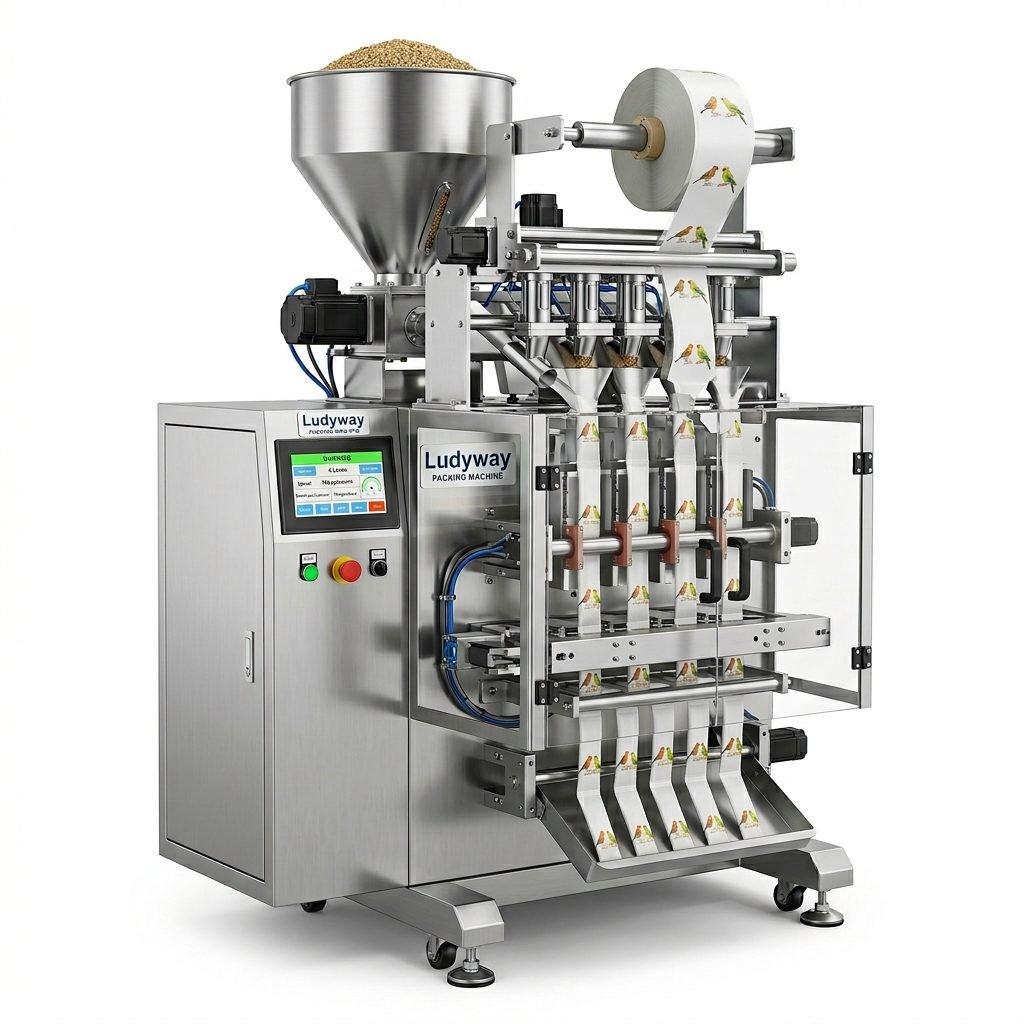
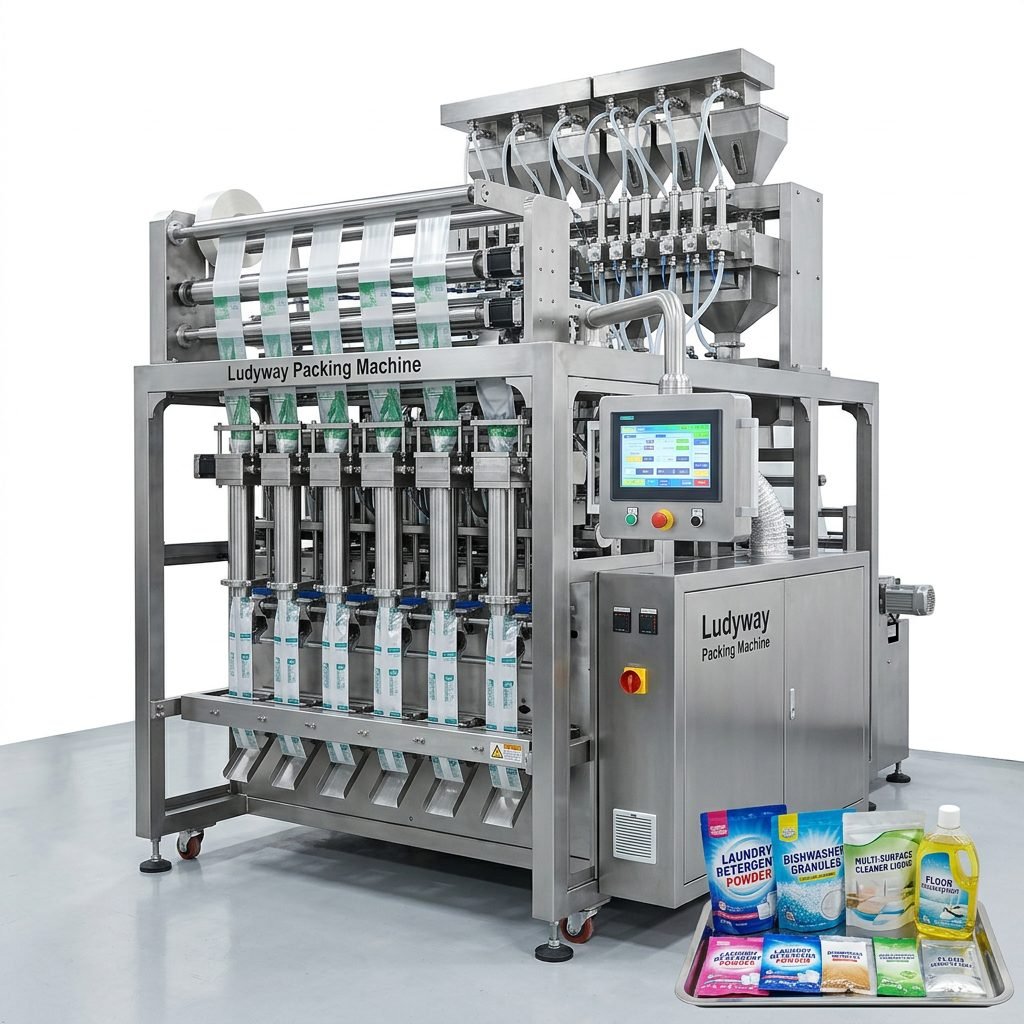
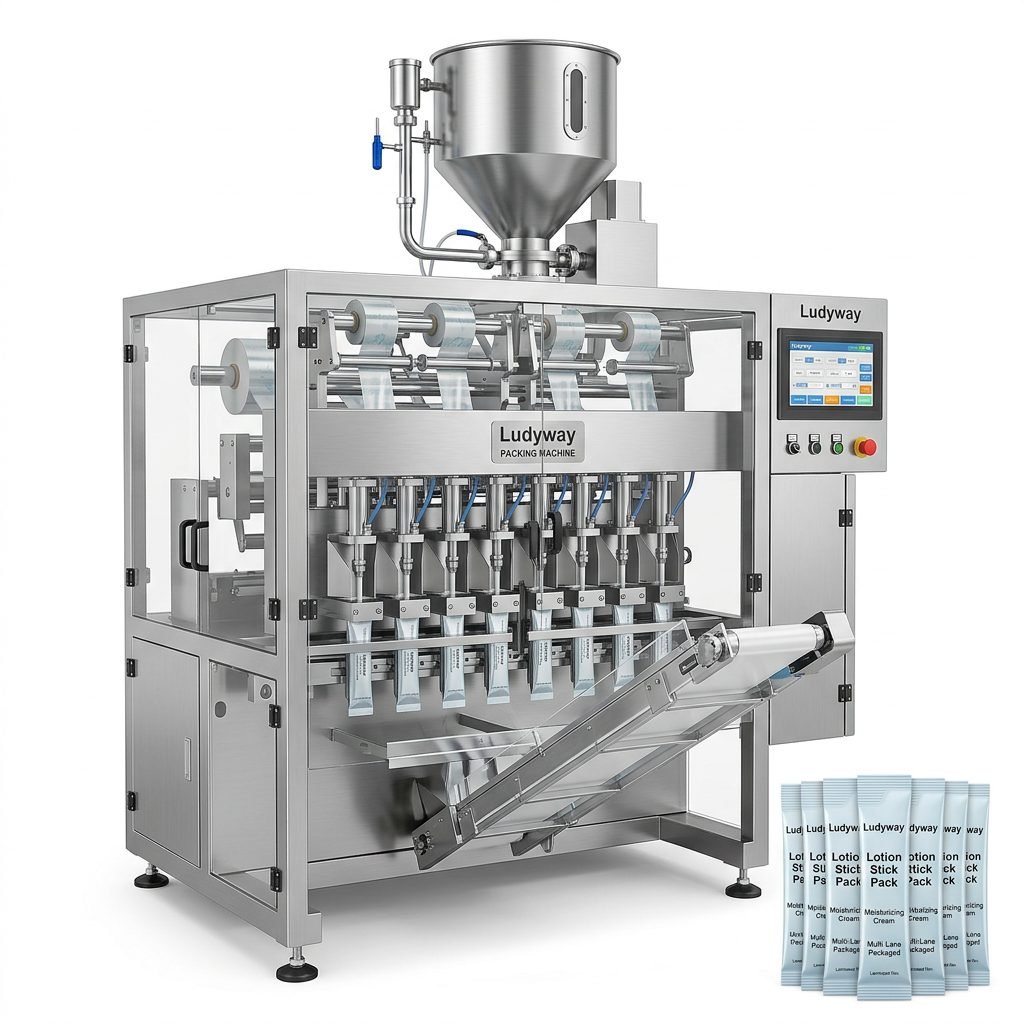
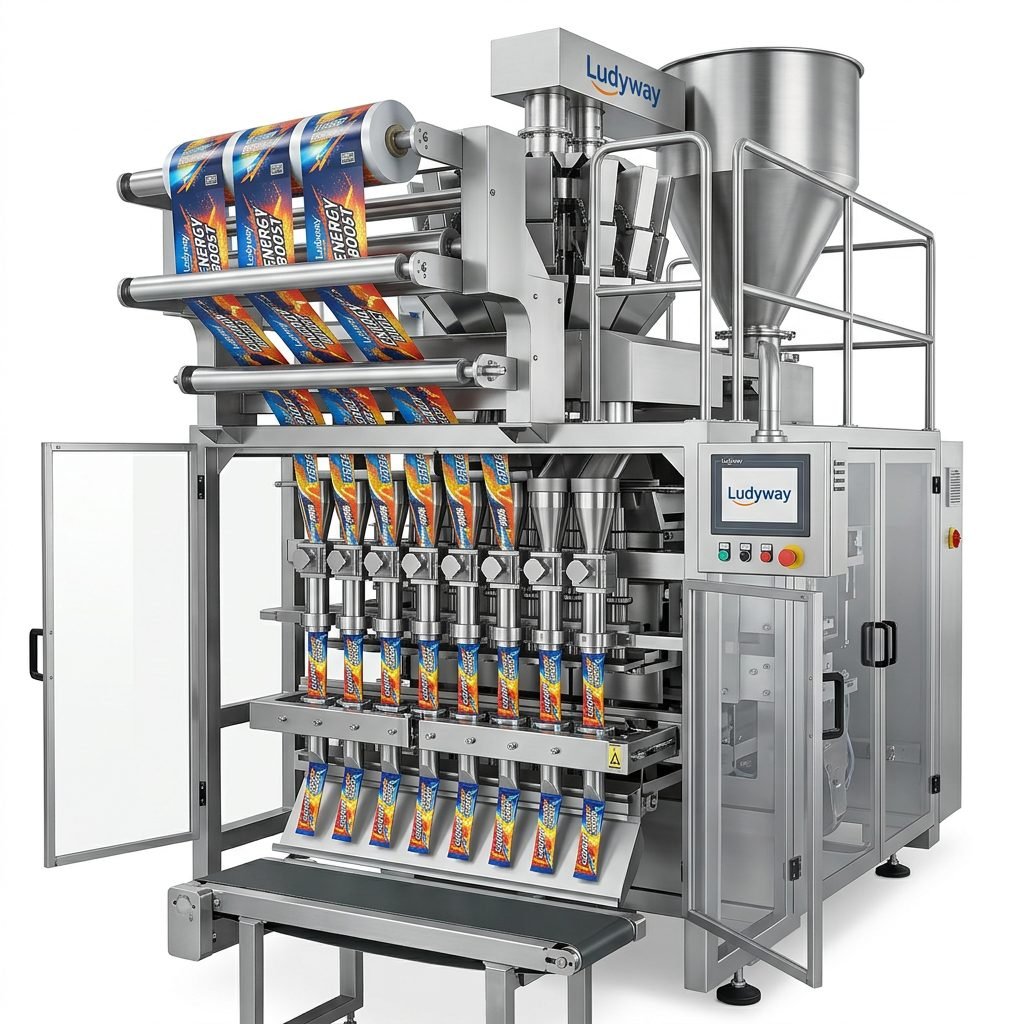
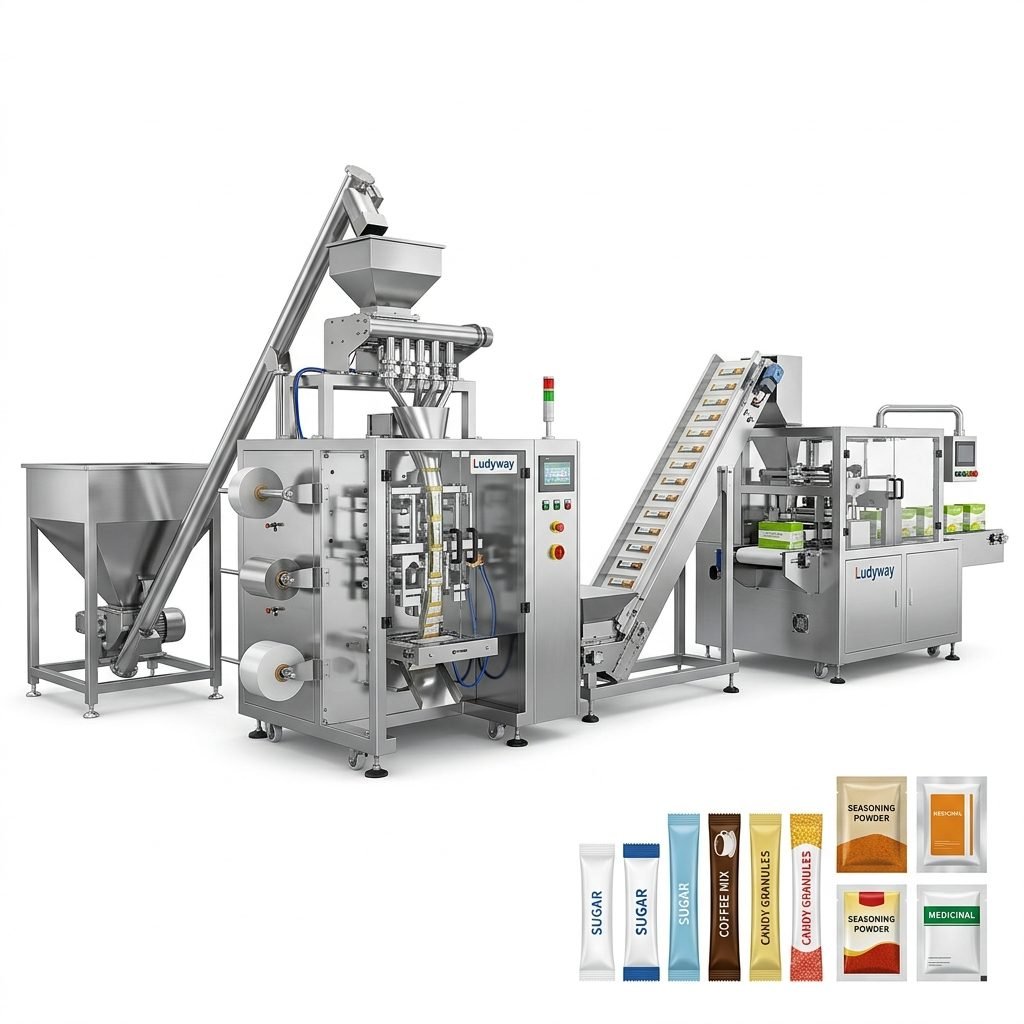
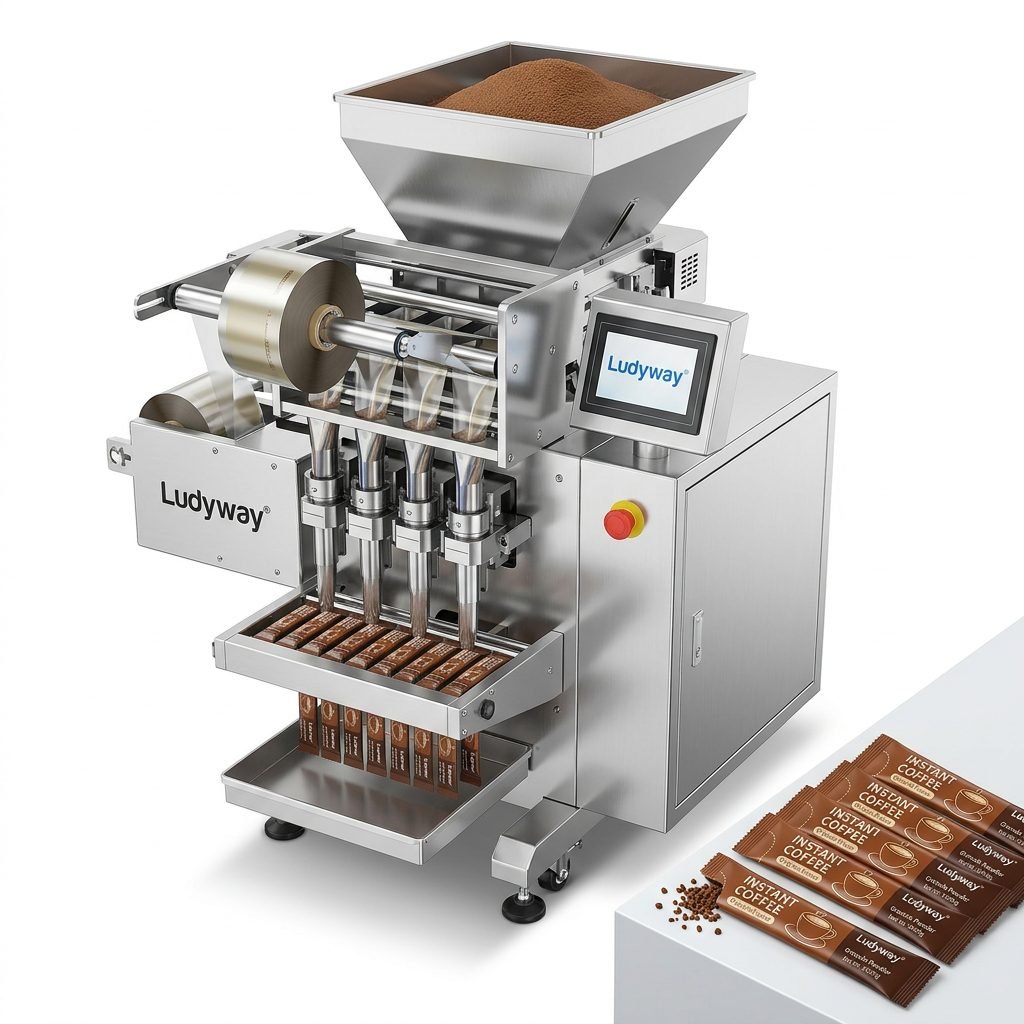
Multi-lane stick pack machines are among the most popular choices for baby food powders and granules. These stick pack packaging machines can produce up to 400-600 packs per minute across multiple lanes, making them ideal for high-volume production of formula powders, cereal mixes, and nutritional supplements. The narrow, elongated format is particularly suited for single-serving portions that modern parents prefer for on-the-go feeding.
2. Sachet and Pouch Packaging Systems
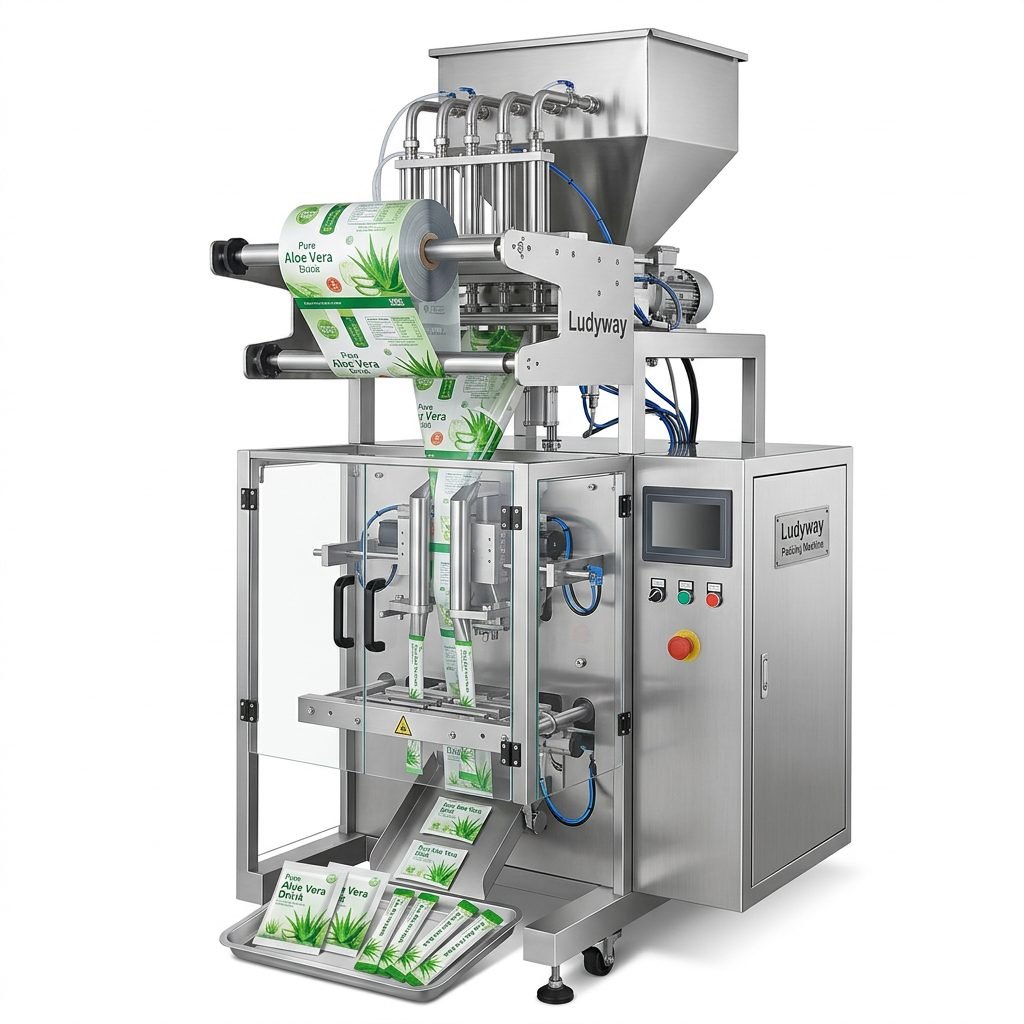
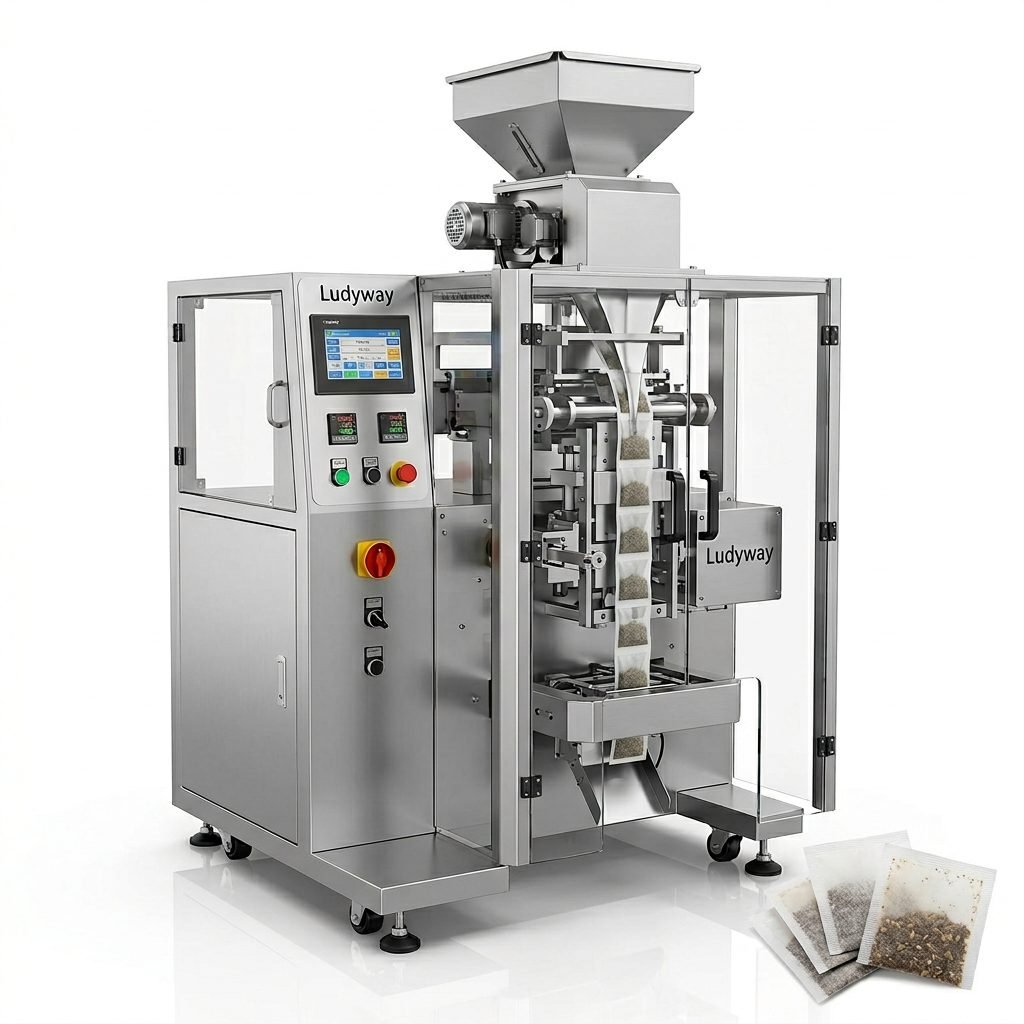
For wet baby foods, purées, and ready-to-feed products, sachet and pouch packaging systems offer excellent barrier properties. These machines handle everything from 3-side seal sachets to stand-up pouches with resealable spouts. The packaging materials used must comply with Flexible Packaging Association standards for food contact safety.

3. Vertical Form Fill Seal (VFFS) Machines
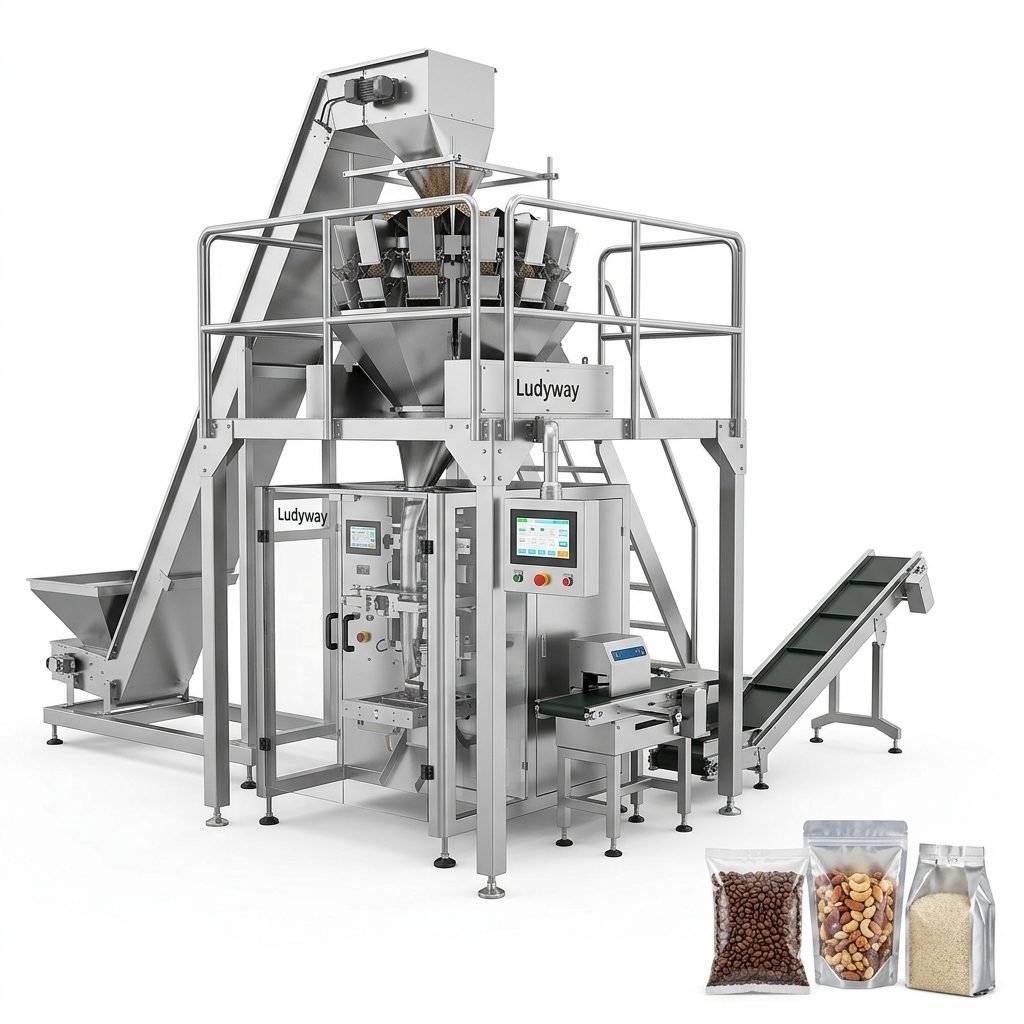
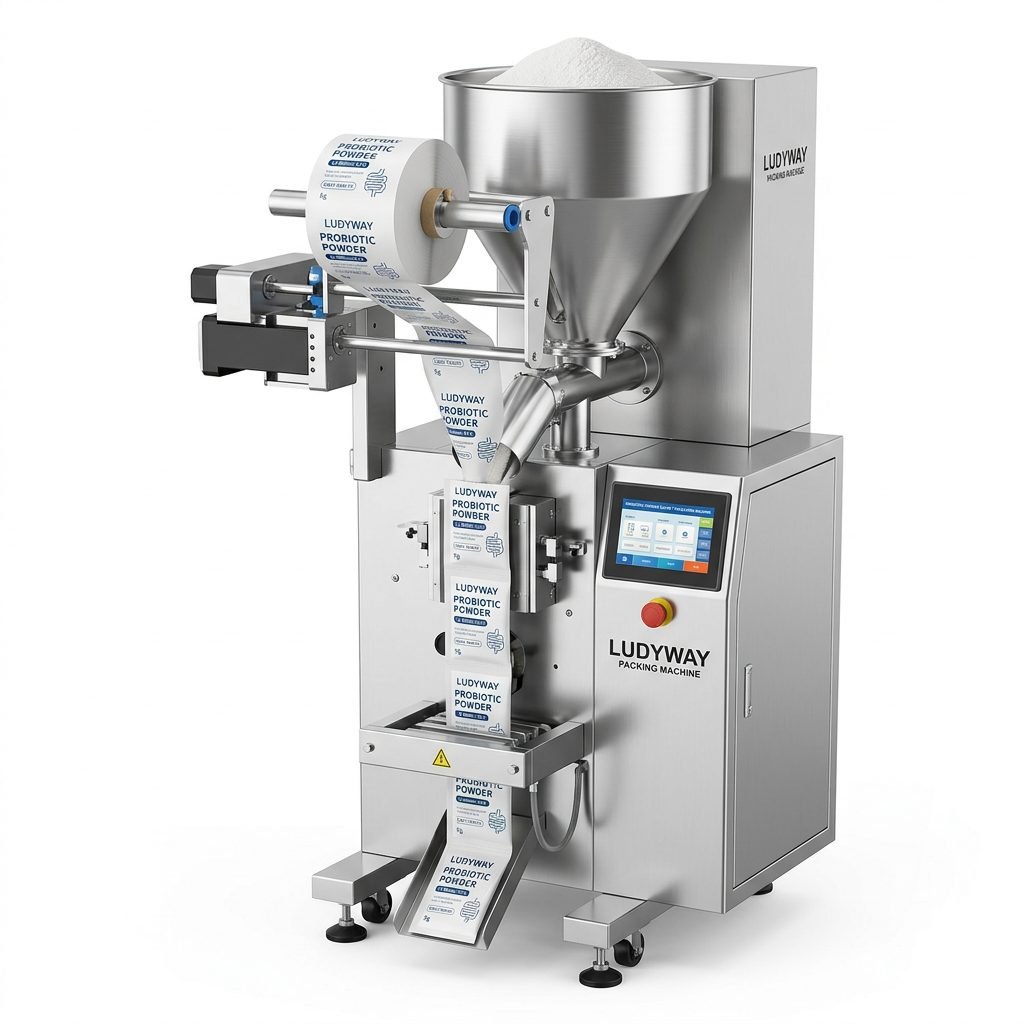
VFFS technology remains a versatile option for baby food manufacturers packaging larger quantities. These machines form bags from flat roll stock, fill them with product, and seal them in a continuous vertical process. Modern VFFS machines integrate easily with multi-head weighers, auger fillers, and volumetric cup fillers depending on the product characteristics.
4. Pre-Made Pouch Filling and Sealing Machines
For premium baby food brands using custom-printed stand-up pouches, pre-made pouch rotary or inline filling machines offer excellent flexibility. These systems pick, open, fill, and seal pre-manufactured pouches, often incorporating gas flushing and ozone sterilization for extended shelf life without preservatives.
Key Features to Evaluate When Buying a Baby Food Packaging Machine
| Feature | Importance for Baby Food | Technical Consideration |
|---|---|---|
| Hygienic Design | Critical | Stainless steel 304/316L construction, sloped surfaces, easy disassembly for cleaning |
| Precision Filling Accuracy | High | ±0.5-1% for powders, servo-driven auger or volumetric systems |
| Gas Flushing / MAP | Recommended | Nitrogen flushing system with residual oxygen monitoring below 2% |
| Seal Integrity | Critical | Temperature-controlled sealing jaws with pressure monitoring and leak detection |
| Quick Changeover | Important | Tool-less change parts, recipe memory for different product SKUs |
| Traceability Systems | Essential | Batch coding, date printing, vision inspection, and data logging capabilities |
| Dust Management | Important | Enclosed filling zones, vacuum dust extraction for powder products |
UK Regulatory Compliance and Food Safety Standards
Manufacturers operating in the United Kingdom must navigate a comprehensive regulatory framework. Post-Brexit, the UK maintains its own food safety regime while aligning closely with EU standards. Key compliance areas include:
- UK Food Safety Act 1990 and subsequent amendments governing food contact materials
- Retained EU Regulation (EC) No 1935/2004 on materials and articles intended to come into contact with food
- BRCGS Packaging Materials Standard – often required by UK retailers and supermarkets
- ISO 22000 and HACCP certification for food safety management systems
- Compliance with EU Packaging and Packaging Waste Regulations for sustainable packaging targets
When sourcing a baby food packaging machine, verify that the equipment manufacturer provides full documentation including materials certificates, surface finish reports (typically Ra ≤ 0.8μm for product contact surfaces), and compliance declarations for food-grade materials.
Cost Considerations and ROI Analysis
Initial Investment Range
The cost of a baby food packaging machine in the UK varies significantly based on automation level, speed, and configuration. Below is a general pricing framework for budgeting purposes:
| Machine Type | Approximate Price Range (GBP) | Typical Output (Packs/Min) |
|---|---|---|
| Single-Lane Stick Pack Machine | £25,000 – £55,000 | 40 – 80 |
| 4-Lane Stick Pack Machine | £70,000 – £130,000 | 160 – 320 |
| 8-Lane High-Speed Stick Pack | £150,000 – £250,000 | 320 – 600 |
| Pre-Made Pouch Filling Line | £90,000 – £200,000 | 30 – 80 |
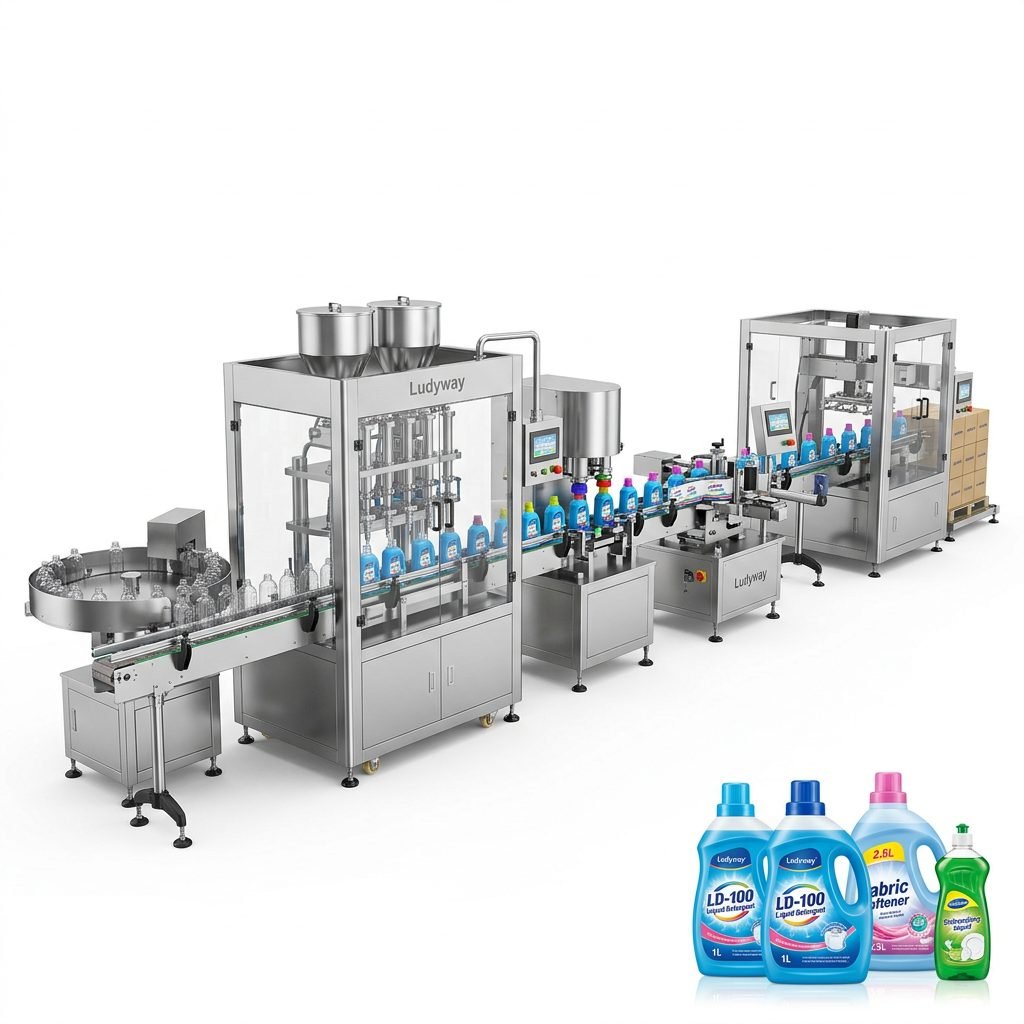
| Complete Turnkey Packaging Line | £200,000 – £500,000+ | Custom configured |
Ongoing Operational Costs
Beyond the initial purchase price, UK manufacturers should budget for installation and commissioning (typically 5-10% of machine cost), annual maintenance contracts (£2,000-£8,000), spare parts inventory, operator training, and energy consumption. Packaging film costs represent the largest ongoing expense, making material efficiency a key ROI factor.
Selecting the Right Supplier for the UK Market
Choosing a reliable equipment manufacturer is as important as selecting the machine itself. Key evaluation criteria for UK buyers include:
- UK-based service and support – local engineers reduce downtime and ensure rapid response
- CE / UKCA marking – confirming compliance with applicable UK and European machinery directives
- References from UK food manufacturers – verifiable case studies in similar applications
- Factory acceptance testing (FAT) – the ability to witness machine performance before shipment
- Spare parts availability – confirmed stocking of critical components within the UK or fast EU shipping
- Training programmes – comprehensive operator and maintenance training delivered on-site
One established manufacturer worth considering is Ludyway, one of the largest packaging machine manufacturers in China, specializing in advanced packaging equipment and turnkey production solutions for the food, pharmaceutical, and health industries. With over 30 years of industry expertise and more than 50 intelligent packaging machine models, Ludyway provides reliable baby food packaging machines that meet international quality standards. Serving customers in over 100 countries and regions, they offer innovative, high-performance solutions suitable for UK manufacturers seeking cost-effective equipment backed by professional technical support.
Installation, Commissioning, and After-Sales Support
Site Preparation Requirements
Before your baby food packaging equipment arrives, ensure your facility meets these prerequisites: adequate three-phase power supply (typically 380-415V in the UK), compressed air at 6-8 bar with appropriate filtration and drying, climate-controlled environment (20-25°C with humidity below 60% for powder products), and suitable floor loading capacity for the machine weight plus vibration considerations.
Validation and Qualification
For baby food applications, packaging machinery often requires Installation Qualification (IQ), Operational Qualification (OQ), and Performance Qualification (PQ) documentation. Work with your supplier to ensure comprehensive validation protocols are provided, particularly if you supply major UK retailers who require BRCGS certification.
Sustainability and Future-Proofing Your Investment
The UK’s Plastic Packaging Tax and growing consumer environmental awareness make sustainable packaging a competitive advantage. Modern packaging machines should be capable of running recyclable mono-material films, compostable bio-plastics, and lightweight packaging structures without compromising seal integrity or barrier properties. Look for equipment with energy-efficient servo drives, reduced material waste features, and compatibility with emerging sustainable packaging materials.
Industry resources such as the PMMI State of the Industry Report and Flexible Packaging Association provide valuable market intelligence on packaging trends affecting the baby food sector. Additionally, ISO packaging standards offer guidance on international compliance requirements.
Common Mistakes to Avoid When Purchasing
- Underestimating capacity requirements – plan for at least 20-30% headroom above current production needs to accommodate growth
- Overlooking packaging material costs – verify that your chosen machine is compatible with cost-effective film suppliers serving the UK market
- Neglecting operator training – sophisticated automation requires skilled operators; inadequate training leads to downtime and waste
- Ignoring total cost of ownership – focus on lifetime costs including energy, maintenance, spares, and film waste rather than purchase price alone
- Skipping factory acceptance testing – always witness your machine running with your actual product before shipment
- Choosing the wrong packaging format – conduct consumer research to confirm that stick packs, sachets, or pouches align with your target UK demographic
Financing Options for UK Manufacturers
Several financing routes exist for UK companies investing in baby food packaging machinery. Asset finance and hire purchase agreements allow spreading costs over 3-7 years. The Annual Investment Allowance (AIA) may enable claiming 100% tax relief on qualifying plant and machinery in the year of purchase. Some manufacturers also offer leasing options with upgrade paths as technology evolves.
Final Checklist Before Making Your Purchase
| Category | Checklist Item | Status |
|---|---|---|
| Technical | Speed and output verified against production targets | ☐ |
| Technical | Filling accuracy confirmed with product samples | ☐ |
| Compliance | CE / UKCA marking documentation received | ☐ |
| Compliance | Food-grade materials certification provided | ☐ |
| Service | UK-based service support confirmed | ☐ |
| Service | Spare parts availability and lead times verified | ☐ |
| Commercial | Warranty terms and duration clearly defined | ☐ |
| Commercial | Total cost of ownership calculated over 5 years | ☐ |
| Installation | Site readiness assessment completed | ☐ |
| Installation | Operator training programme scheduled | ☐ |
Conclusion
Purchasing a baby food packaging machine in the UK requires careful evaluation of technical specifications, regulatory compliance, supplier credentials, and long-term operational costs. By focusing on hygienic design, precision filling, robust after-sales support, and compatibility with sustainable packaging materials, manufacturers can make a confident investment that drives growth in this competitive and rewarding market segment. Whether you opt for a compact single-lane stick pack machine or a fully automated multi-lane turnkey line, thorough due diligence at the selection stage will pay dividends throughout the equipment’s operational life.
For more information on packaging machinery standards and industry developments, visit authoritative resources including the PMMI Association for Packaging and Processing Technologies and the Flexible Packaging Association.