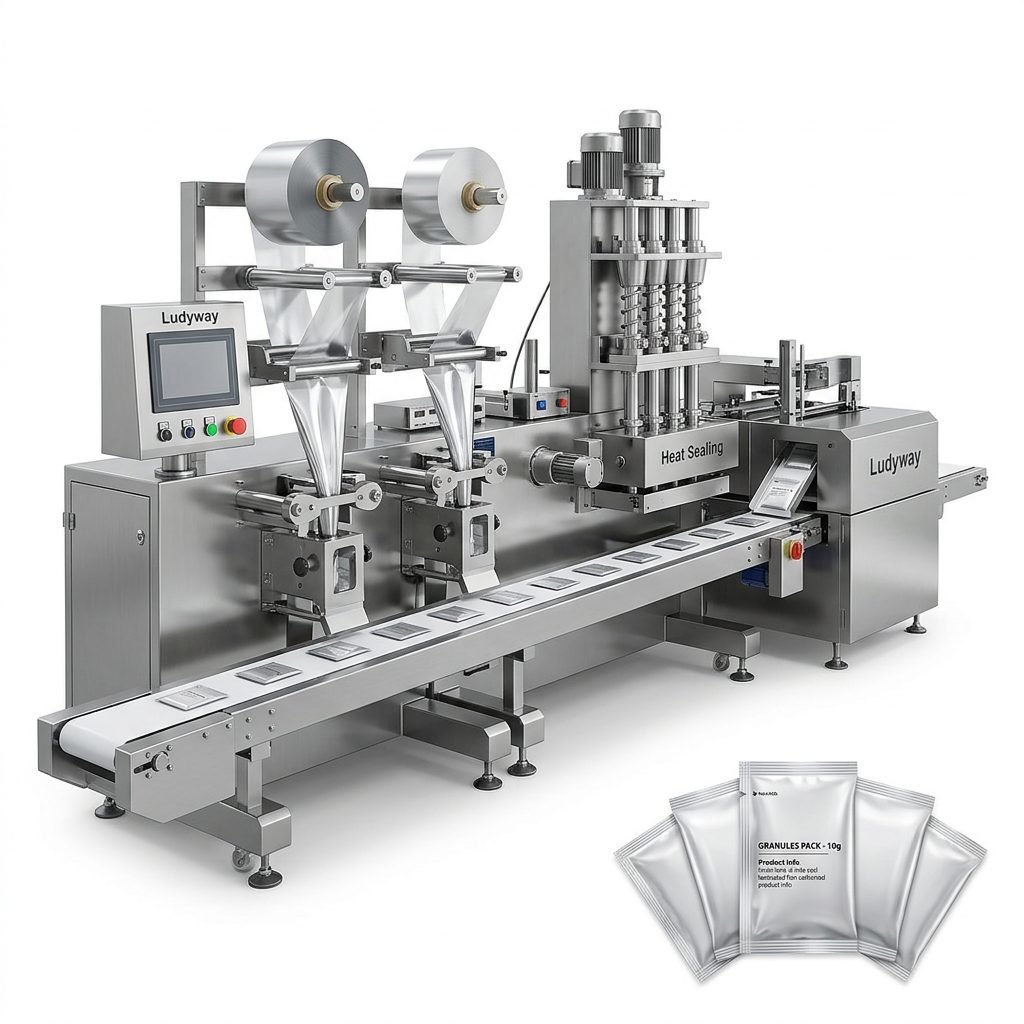
Investing in a packaging machine is a critical decision for any food, pharmaceutical, or chemical manufacturer. The El Salvador market presents unique opportunities and specific challenges, from logistics and local regulations to varying production scales. To ensure a strong return on investment, you must evaluate more than just the sticker price. This guide breaks down the essential technical and commercial factors to help you choose the best packaging machine for your operation in El Salvador.
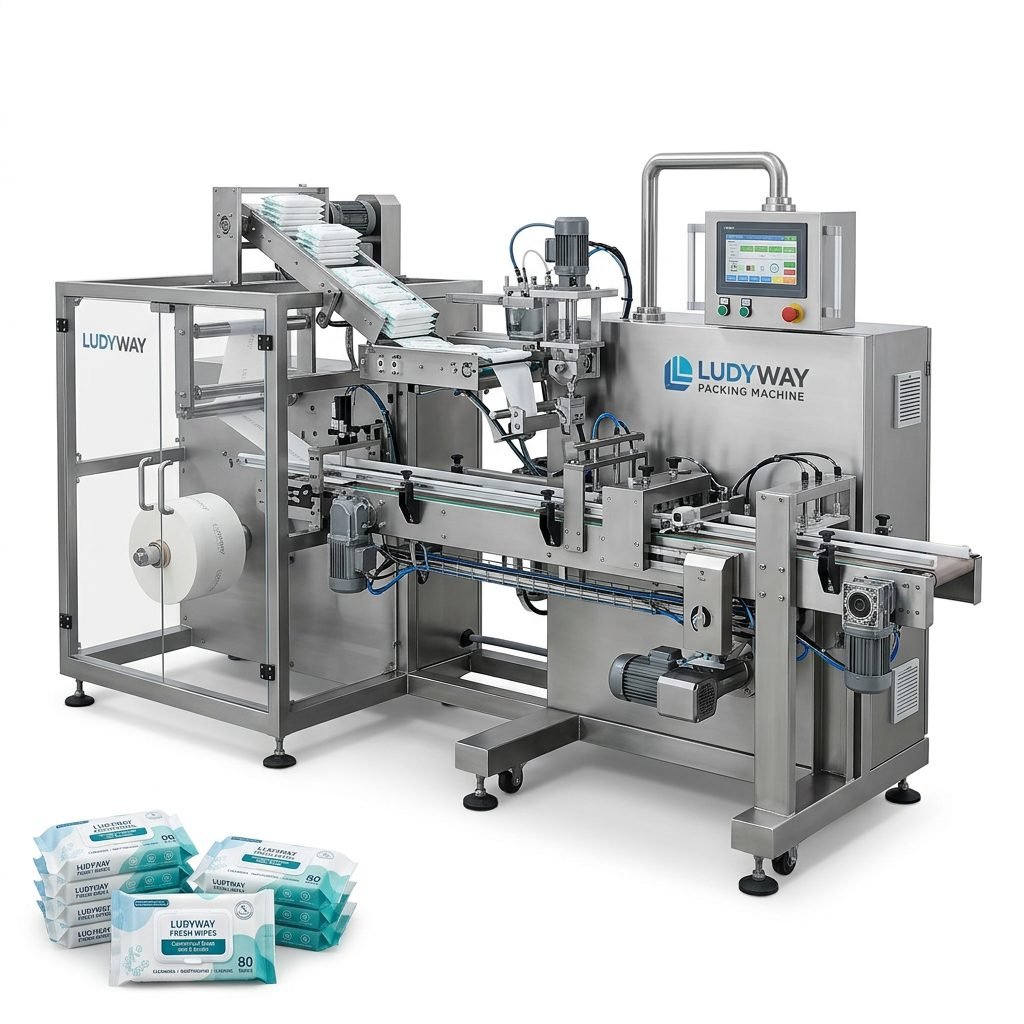
1. Defining Your Product and Packaging Format
Before exploring suppliers, precisely define your product characteristics. Are you handling free-flowing granules, sticky powders, volatile liquids, or dusty chemicals? The physical nature dictates the feeding system, filler type, and sealing technology.
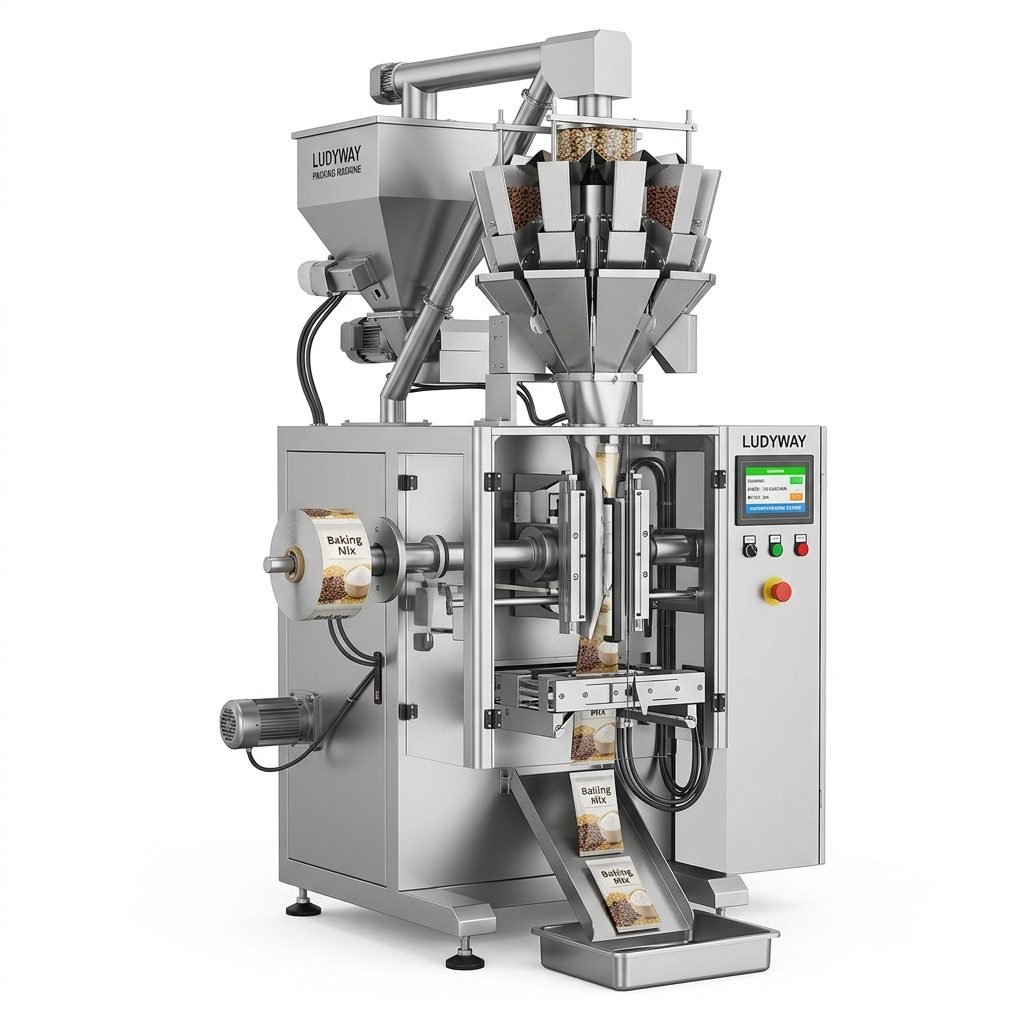
Granule & Powder Products
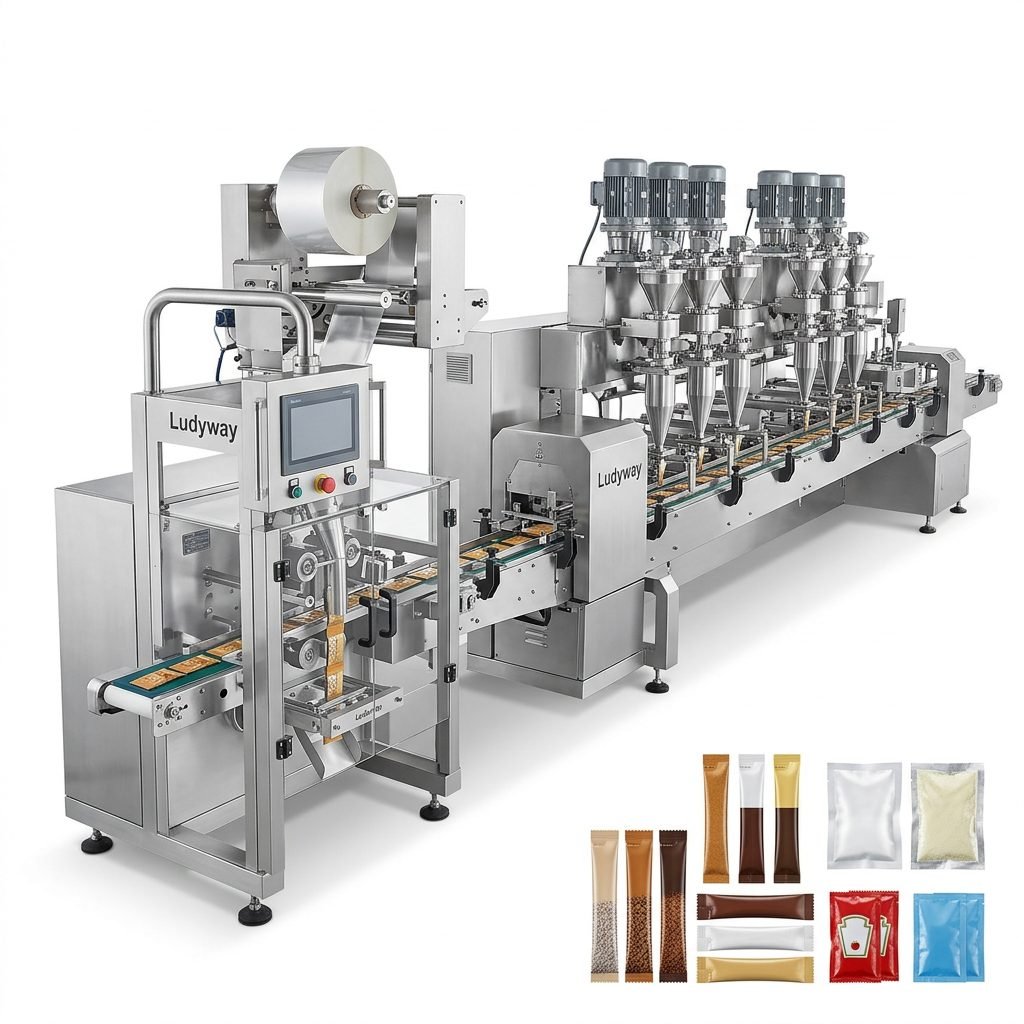
- 3-in-1 Coffee Mix: Requires multi-lane stick pack precision.
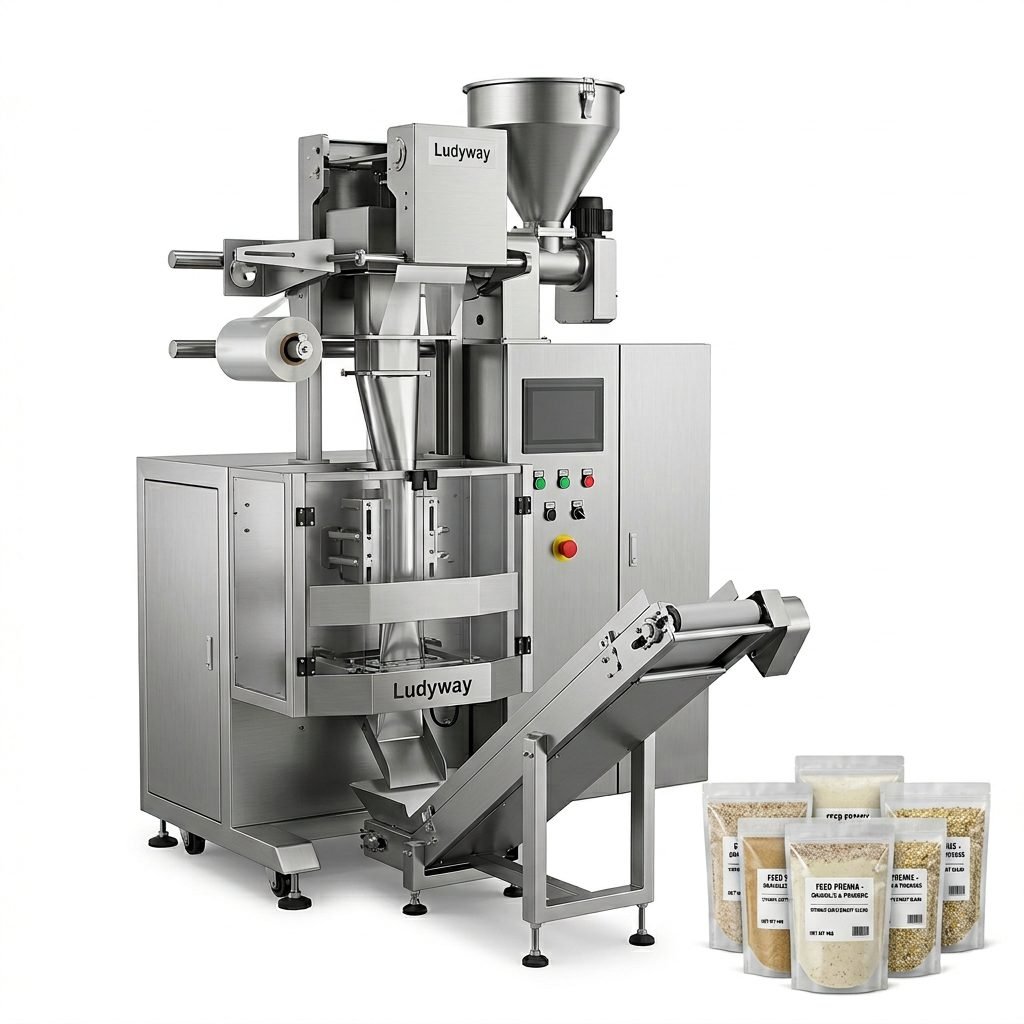
- Salt & Sugar: High-speed vertical form fill seal (VFFS) works best.
- Detergents: Needs aggressive feeding and dust control.
Liquid & Paste Products
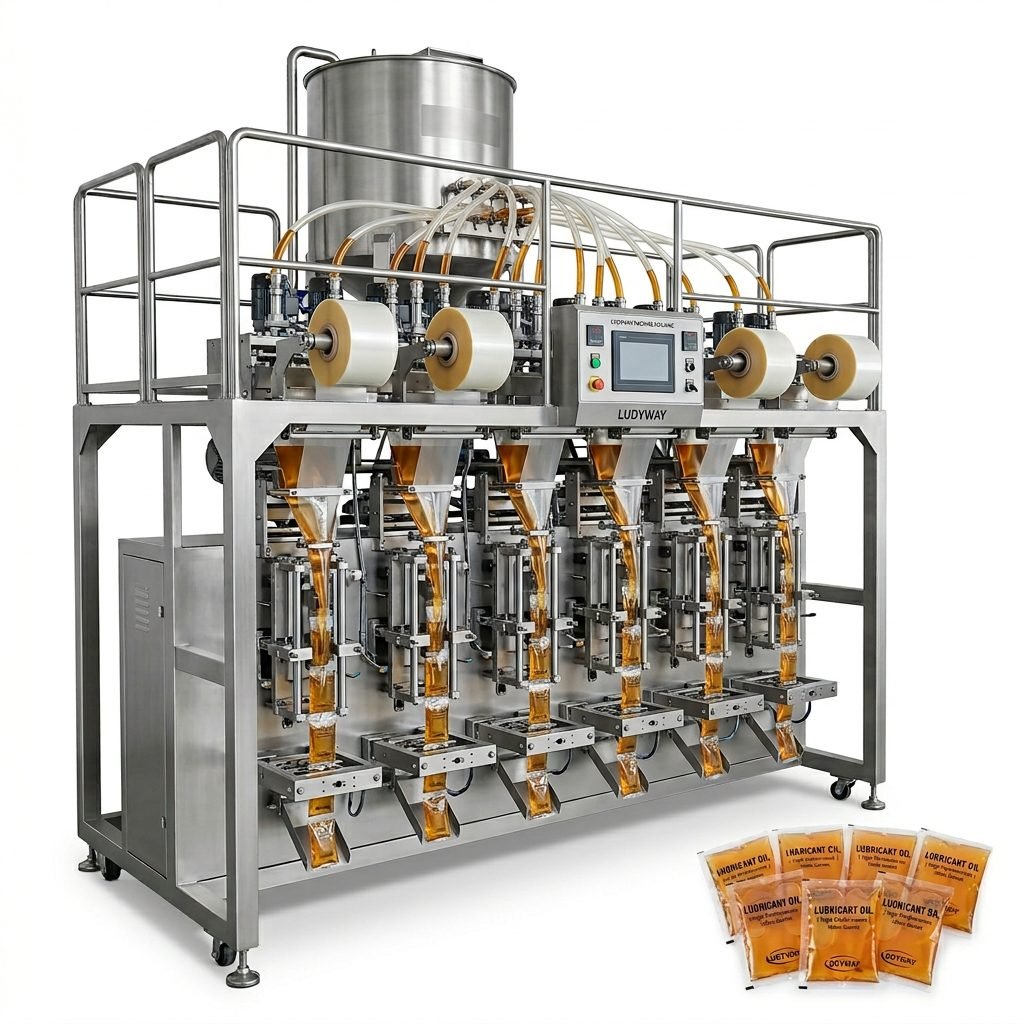
- Edible Oils & Sauces: Piston or pump fillers ensure accuracy.
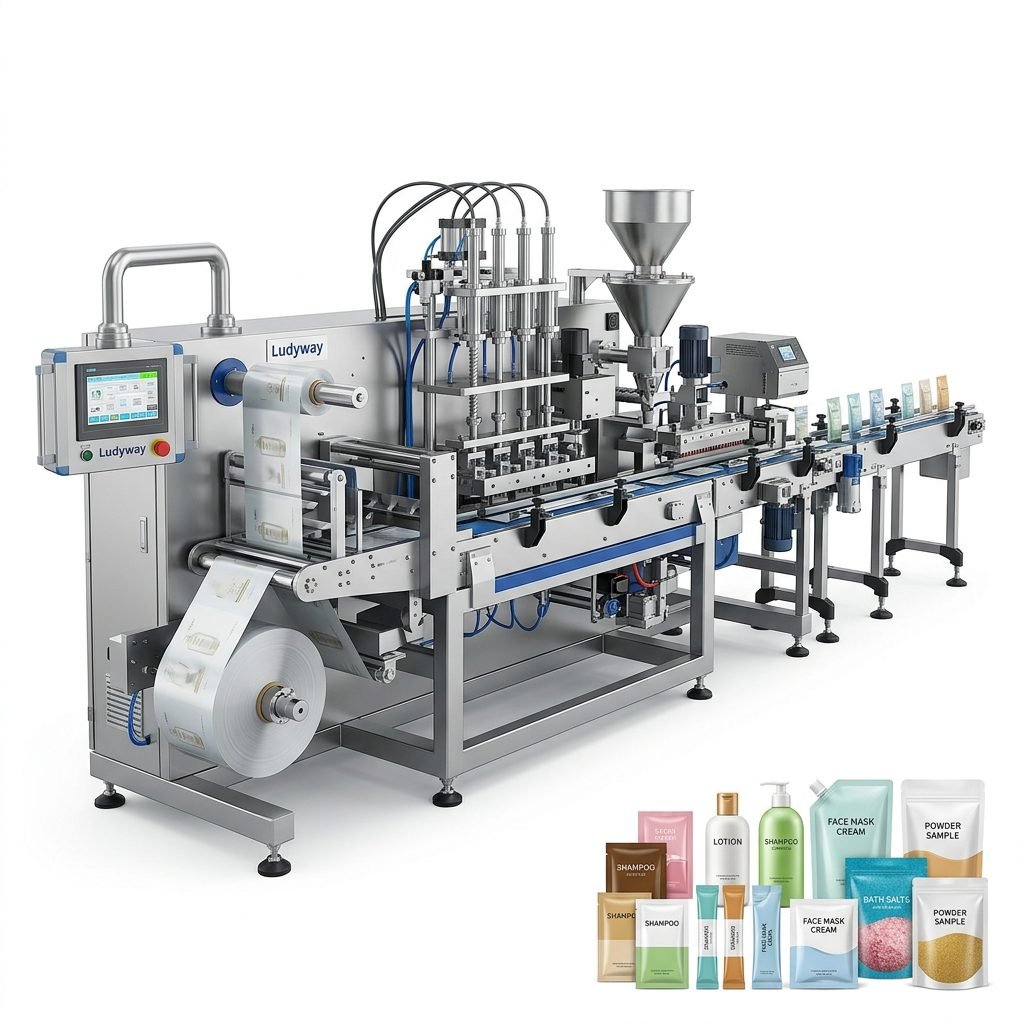
- Shampoos & Lotions: Sachet packaging is dominant in Central America.
- Pharmaceutical Syrups: Strict CIP/SIP hygiene standards apply.
Selecting the wrong platform for your product can lead to inaccurate fills, material waste, and frequent downtime. Ensure the machine sensitivity matches your viscosity or granular size.
2. Matching Machine Speed to Market Demand
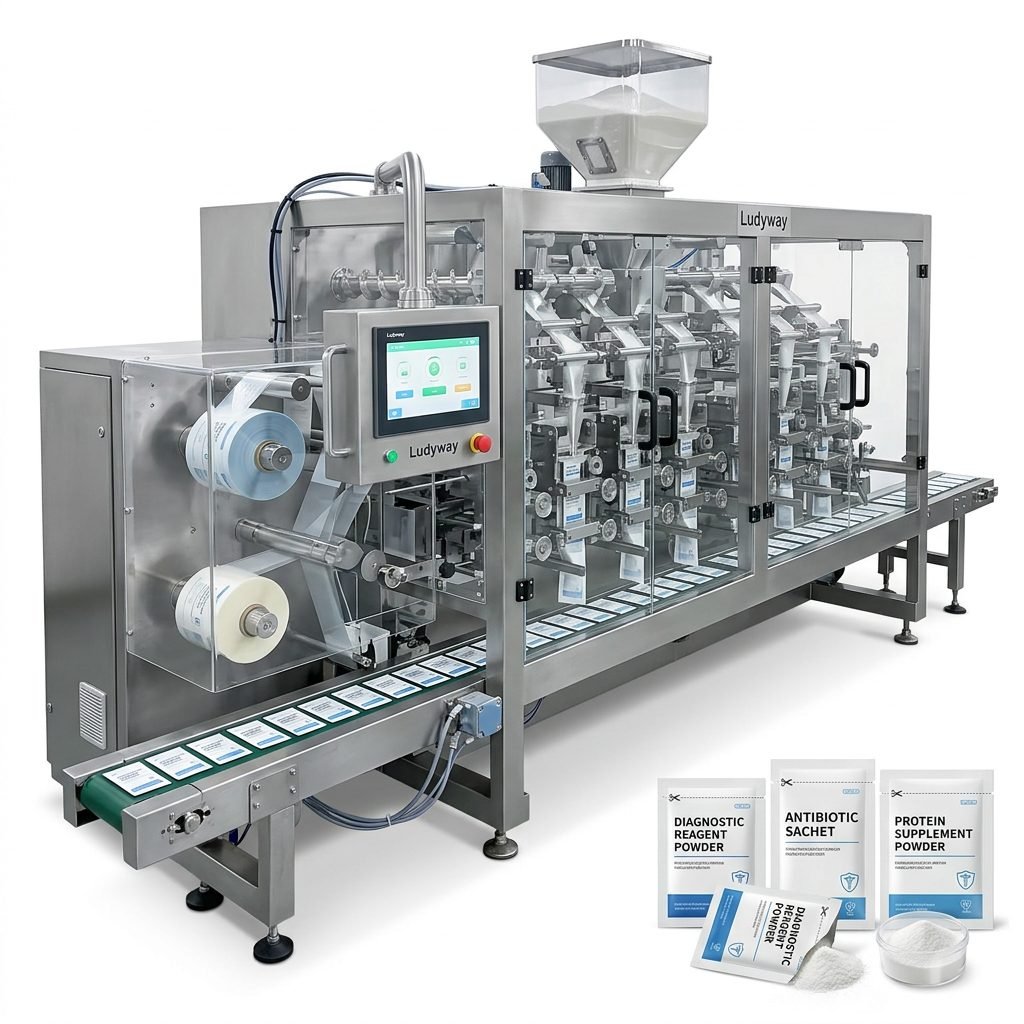
Production capacity directly impacts profitability in the Salvadoran market. Determine your required packs-per-minute (PPM) based on current orders and projected growth. A common mistake is buying a machine that barely meets current needs, leaving no room for scaling.
| Production Scale | Packs Per Minute | Recommended Technology |
|---|---|---|
| Startups / Small Business | 20 – 40 PPM | Single-lane intermittent motion |
| Mid-sized Manufacturers | 40 – 80 PPM | Continuous motion vertical packagers |
| High-volume Exporters | 200 – 400+ PPM | Multi-lane stick pack lines |
If you are targeting the export market in El Salvador, multi-lane stick pack machines offer the highest throughput. They run multiple lanes simultaneously, significantly reducing the per-unit packaging cost.
3. Integration with Existing Facilities: Power and Air Supply
Infrastructure compatibility is a make-or-break technical detail. Check the machine’s electrical requirements against your factory in San Salvador or Santa Ana. Most advanced machines require a stable voltage supply and compressed air.
- ▶ Voltage: Confirm if the controls are 110V/220V/380V 60Hz ready.
- ▶ Pneumatics: Verify the cubic feet per minute (CFM) requirement. Weak air supply halts sealing.
- ▶ Floor Space: Consider the layout for inline feeding and outfeed conveyors.
4. Regulatory Compliance in El Salvador
Food safety and pharmaceutical regulations are tightening. Your equipment must support compliance with Good Manufacturing Practices (GMP). The machine’s material—primarily stainless steel 304 or 316—is non-negotiable for consumables.
Check if the design allows for easy cleaning to prevent cross-contamination. Machines with quick-release hoppers and tool-less changeover reduce downtime during batch changes. This is a vital factor for both FDA food packaging standards and local health inspections.
Key Certifications to Look For
- CE Certification: Ensures European safety and health requirements.
- ISO 9001: Guarantees standardized manufacturing quality.
5. Packaging Material and Film Compatibility
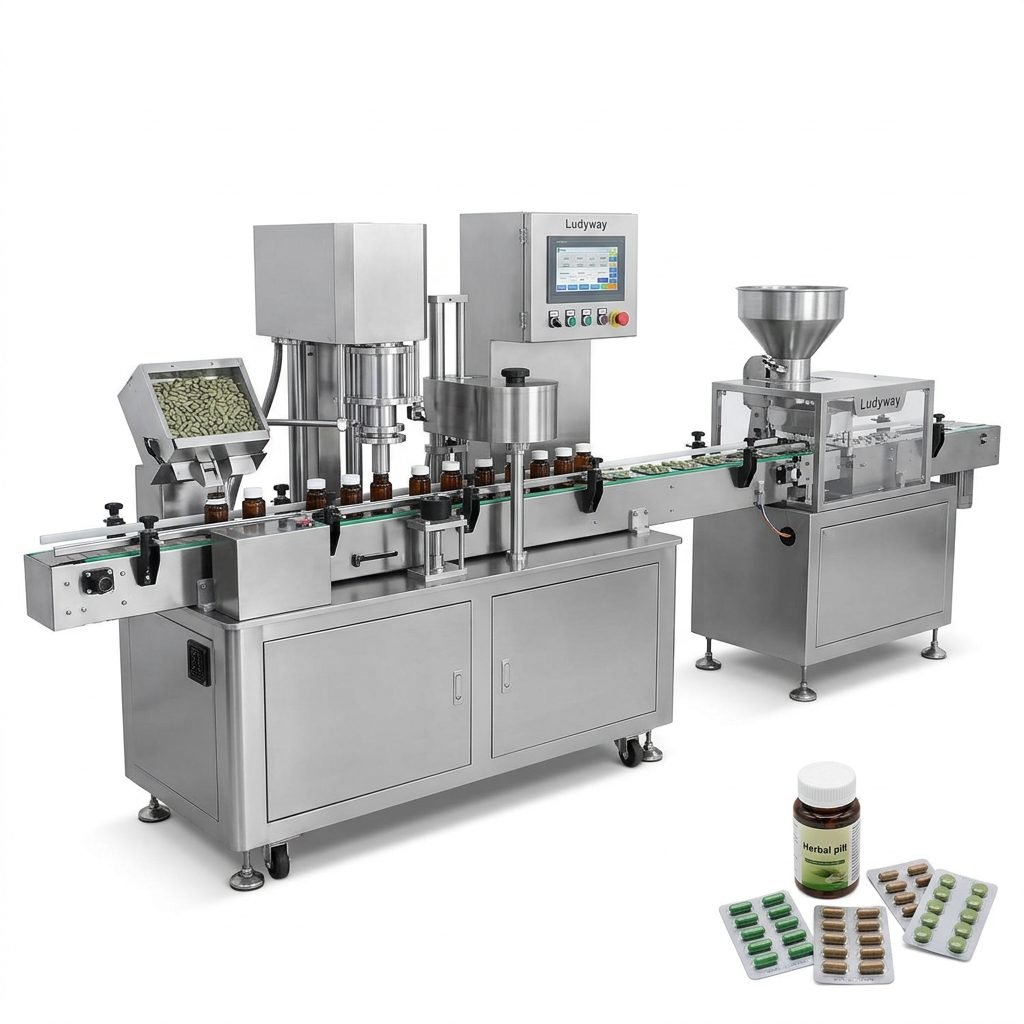
The climate in El Salvador—high humidity and heat—demands specific packaging films. Your machine must handle laminates like BOPP/CPP, PET/AL/PE, or paper-based sachets. A standard machine might fail to seal thick laminates or high-barrier films properly.
Moreover, consider the trend towards sustainable packaging. Can the machine run recyclable mono-materials? These often require precise temperature control for the sealing jaws, usually achieved through servo-driven sealing systems for accurate heat transfer.
Sealing Technology Comparison
| Sealing Type | Temperature Control | Ideal For |
|---|---|---|
| Constant Heat (Single Point) | Low precision | Thin poly films |
| Servo-Driven Sealing | High precision PID control | Laminates, aluminum foil, eco-materials |
6. After-Sales Support and Technical Service
Distance from the manufacturer dictates the support strategy. When importing to El Salvador, prioritize suppliers offering remote diagnostic capabilities (IoT) and a local service network. Downtime kills margins. Ask potential suppliers about their Service Level Agreement (SLA) response time.
A reputable supplier like Ludyway often provides 24/7 online technical assistance and spare parts catalogs to ensure rapid resolution of technical issues. Training is equally crucial; ensure the supplier offers comprehensive hands-on training for your operators either on-site or via video call.
7. Total Cost of Ownership (TCO), Not Just Price
A cheap machine often turns into the most expensive one. Calculate the TCO over 5 years, factoring in spare parts availability, film waste rate, and energy consumption.
| Cost Factor | Impact | Evaluation Method |
|---|---|---|
| Film Waste Rate | High | Check startup/finish roll loss specs |
| Changeover Time | Medium | Verify “No-Tool” design claims |
| Spare Parts | High | Inquire about local stock or DHL delivery times |
8. Automation and Smart Features
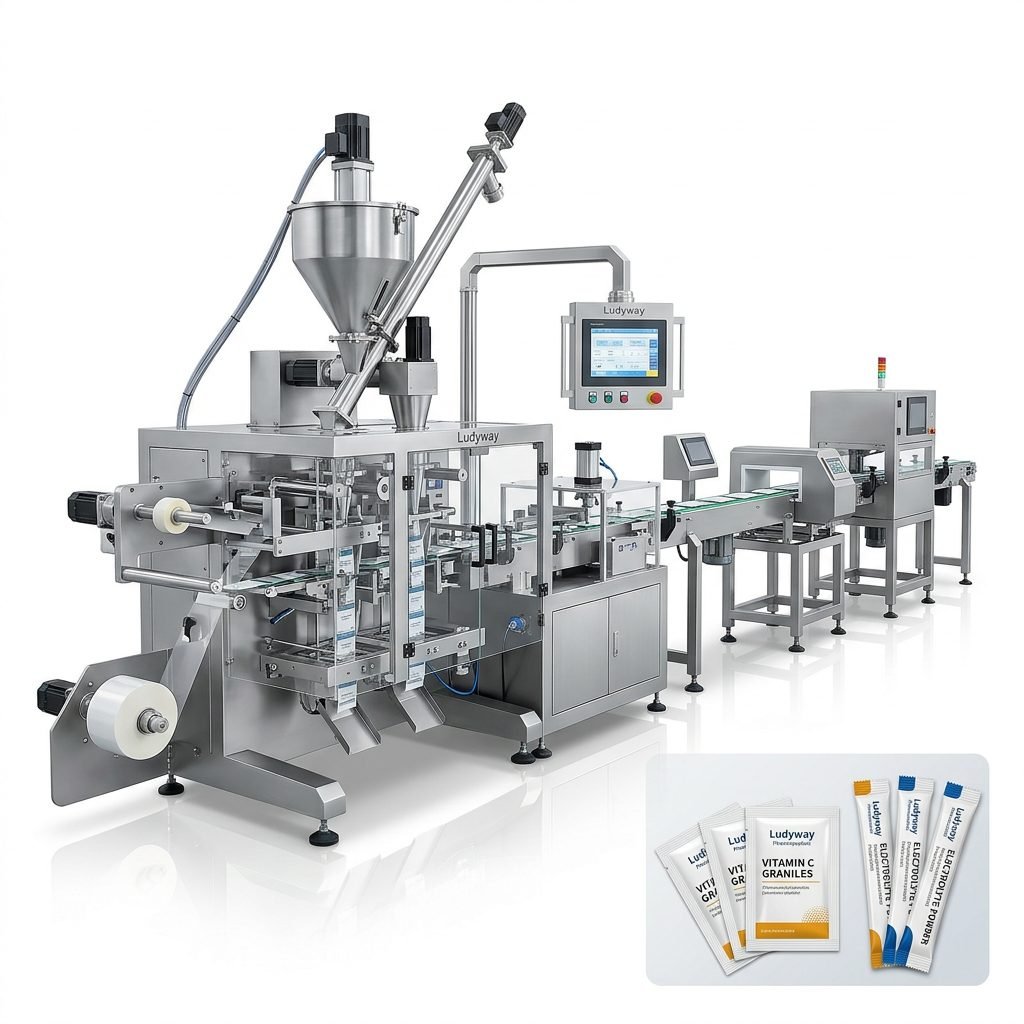
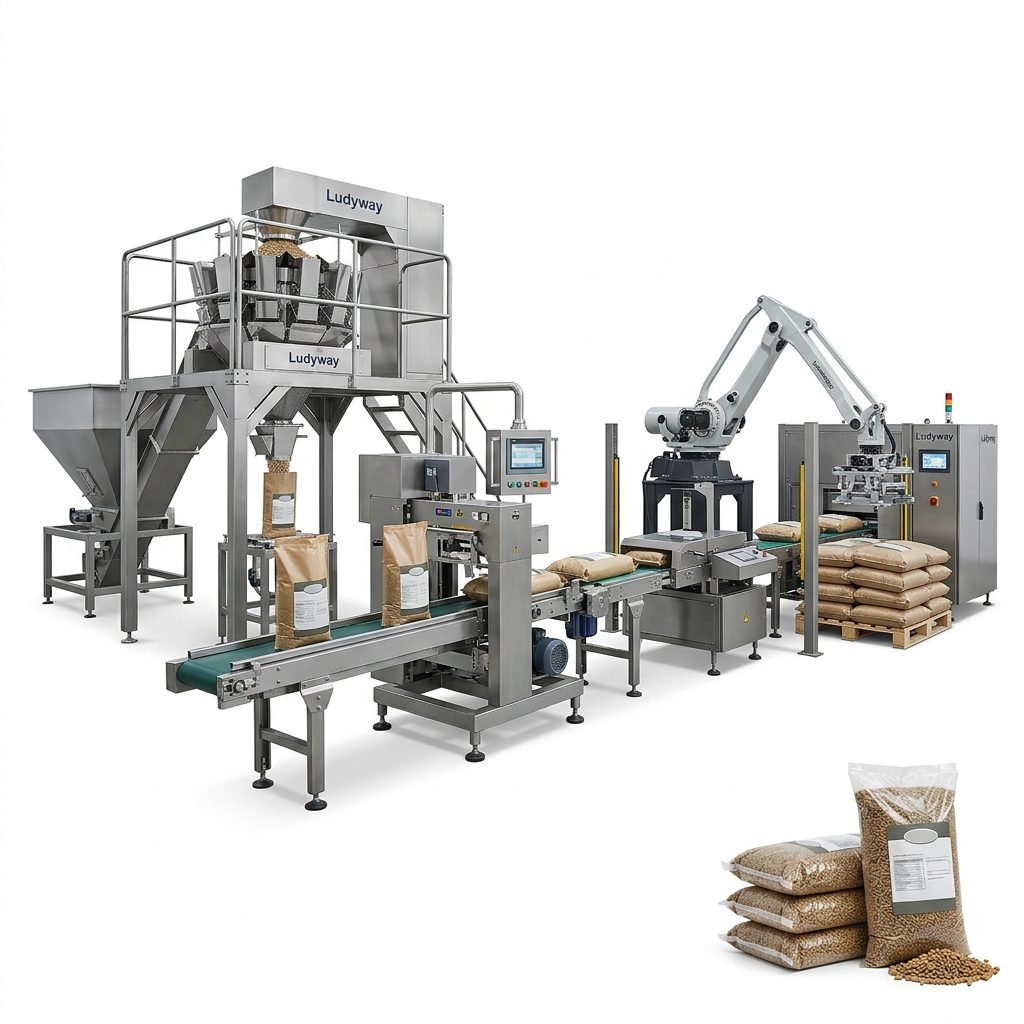
Industry 4.0 is transforming Central American manufacturing. Advanced packaging machinery now includes integrated checkweighers, metal detectors, and vision inspection systems. These features prevent costly product recalls.
A modern packaging line for El Salvador should offer recipe-based settings controlled via an HMI touchscreen. This eliminates operator error and standardizes output across shifts. Look for PLCs from recognized brands (Siemens, Allen-Bradley, Mitsubishi) to ensure long-term reliability.
Key Automation Add-ons:
- Automatic Rejection Systems: Purging underweight or seal-defective packs.
- Cloud Data Logging: Monitoring Overall Equipment Effectiveness (OEE) from your mobile.
- Servo Motor Drives: For mechanical precision instead of pneumatic clutches.
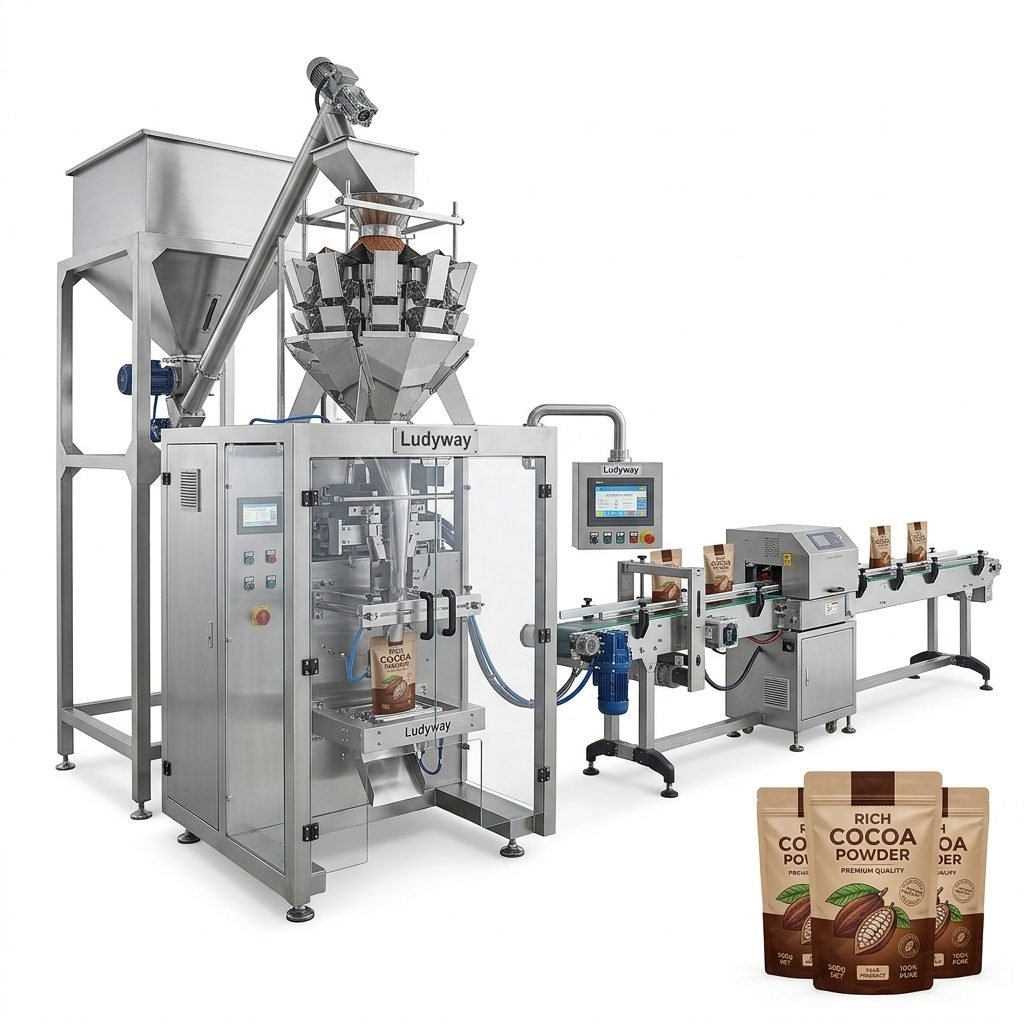
9. Import Logistics and Supplier Verification
Shipping a packing machine to Acajutla Port requires planning. Verify the supplier’s export experience to Central America. Check the shipping terms (FOB vs CIF) and ensure the crate is fumigated and marine-grade moisture resistant. It is wise to request a factory acceptance test (FAT) video before shipment. Confirm the availability of installation support in El Salvador.
Always look for manufacturers with a track record in the region. For instance, verifying a manufacturer’s growth trajectory and global export volume, such as reports on Ludyway Packaging Machinery Global Growth Trend, can indicate a stable corporate partner capable of long-term support.
10. Safety Features and Ergonomic Design
Operator safety cannot be overstated. The machine must comply with ISO safety standards for packaging. Safety guards, emergency stop buttons on all sides, and interlocked doors are mandatory. Ergonomic design, such as correct feeding height, reduces worker fatigue and improves productivity.
Ensure the machine casing is fully grounded and the electrical cabinet has an IP54 or higher protection rating to withstand the tropical humidity found across El Salvador.
Quick Checklist for Decision Makers
- ☑ Confirmed product weight and bag dimensions.
- ☑ Validated production speed against future demand.
- ☑ Suitable electrical supply (220V/60Hz).
- ☑ Spare parts availability confirmed.
- ☑ Remote technical support guaranteed.
Making the right choice requires balancing immediate budget with long-term reliability. By focusing on these key performance drivers, you can secure a packaging solution that propels your business forward in the competitive Salvadoran market.